


 Powered by Comercia.io
Chicano black and grey tattoos have roots in East Los Angeles Chicano culture and the single-needle tattoo tradition documented by NPR and the Natural History Museum of Los Angeles County. For working tattoo artists, the style calls for informed decisions about fine liners, placas lettering, greywash values, soft shading and a readable stencil. This guide connects that history to current needle and ink choices without separating the look from the artists and communities that shaped it.
Shop Tattoo Needles Browse Greywash Sets
QUICK ANSWER
What needles and inks should you use for Chicano black and grey tattooing?
Choose a small round liner or a single-needle option for fine script and selected details, then compare curved magnums for broader black-to-gray transitions. Kwadron describes RL for contours and curved mags for soft fades; Peak discusses bugpins for fine-line work. Organize a gray value range around the intended artwork and make the lettering legible before transferring the stencil.
Line & Lettering
Fine round liners, careful stroke weight, approved words and space for the design to read.
Soft Greywash
Choose a consistent value ladder and curved-mag shading where the composition requires tonal transitions.
Historical Context
Learn the East LA single-needle roots from NPR and the museum, then develop an original client-specific piece.
HISTORY & ORIGINS
Where did Chicano black and grey originate, and who helped develop single-needle tattooing?
NPR traces black-and-gray realism to Chicano culture in East Los Angeles and describes its movement from California prisons in the 1970s into professional tattoo shops. It recounts single-needle improvised machines, diluted black ink and fine lines with subtle gray shading. The Natural History Museum of Los Angeles County traces the style from Pachuco and Chicano tattooing through Western correctional facilities and East LA to international recognition.
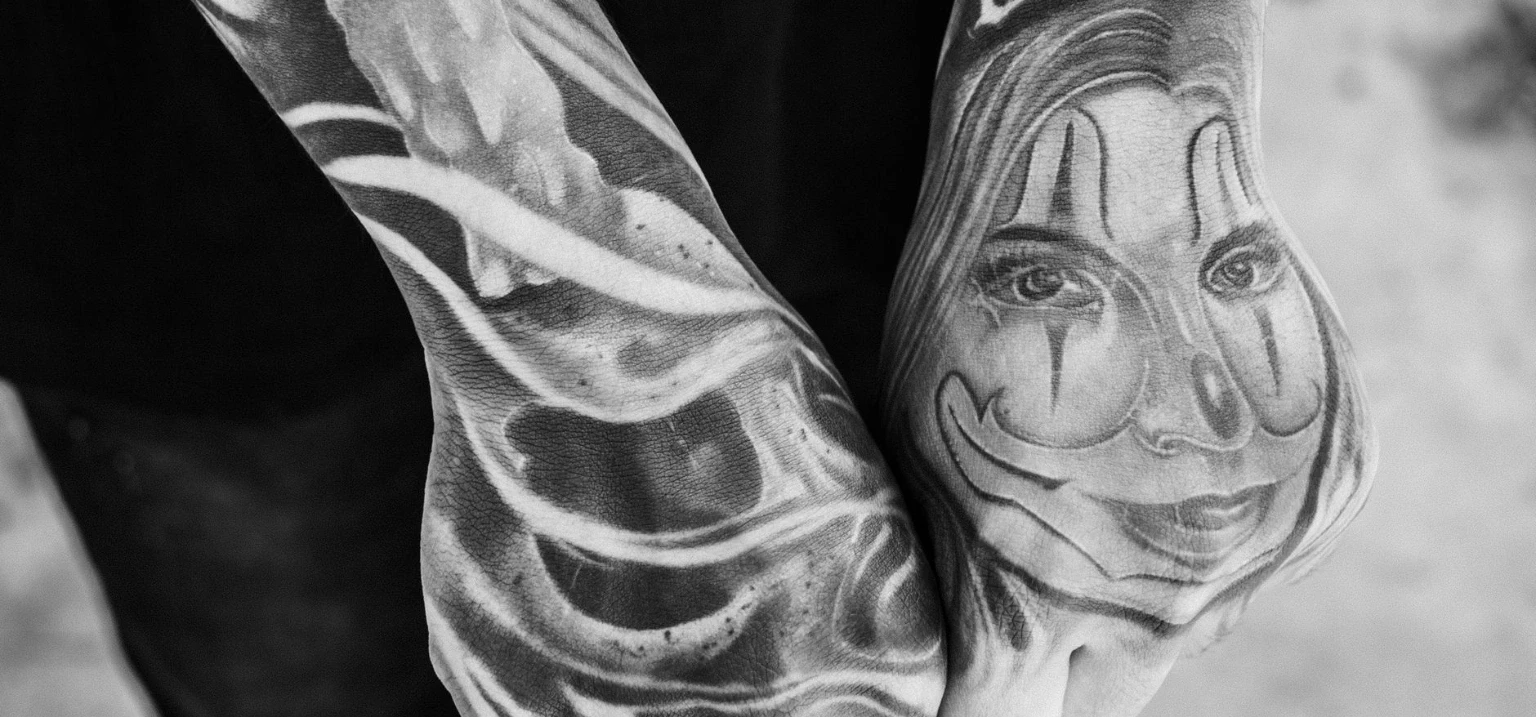
NPR documents Good Time Charlie's Tattooland in East LA during the mid-1970s and identifies Freddy Negrete among the artists credited with bringing black and gray to a broader audience. The museum's exhibition video features Negrete and Jack Rudy, and Hyperallergic reported on a discussion there with Rudy, Negrete, Franco Vescovi and Carlos Torres. The development belongs to a community of artists, not a single creator.
NPR also mentions the stationery Negrete drew in prison, decorated with roses, Catholic and Aztec symbols, and portraits of women as Mexican revolutionaries. The Texas State Historical Association documents Pachuco-era tattoos and later cholo style as historical context. Build today's artwork around the client's own subject and reference.
PLACAS & NAME-WRITING
What is Chicano lettering or cholo script, and how should you plan it as a tattoo?
Letterform Archive describes Los Angeles placas, or cholo script, as a tradition of public name-writing transmitted across generations. Its research also discusses Tijuana trepes and Monterrey ganchos and traces calligraphic and typographic influences. Use that context to study the letterforms before you draw.
We suggest confirming the exact name, spelling, accents and punctuation with the client before transfer. Draw the letter weight and spacing at the intended scale, and compare how a fine liner carries the whole word. Reserve enough space around lettering so the adjoining gray shading does not obscure its reading.
For execution, see How to Tattoo Clean Lines and Fine-Line Tattoo Needles and Settings; for script needles in depth, read Lettering and Script Tattoo Needles.
DESIGN ZONE TO NEEDLE & INK
Which needles, inks and technique decisions fit Chicano lettering, fine lines, gray shading, deep blacks and highlights?
Kwadron describes RL for contours and curved mags for tonal fades. Peak recommends bugpin options for single-needle and fine-line detail, and StarBrite describes a planned gray value ladder. Match each tool to the design area.
| Design element | Needle configuration | Ink choice | Technique / design check |
|---|---|---|---|
| Lettering and script | Fine round liner appropriate to stroke weight | Black or chosen dark value | Approve the wording and preserve spacing between characters |
| Single-needle-style fine lines | Single-pin or small RL; bugpin option for precise detail | Black for fine marks | Test a full contour for consistency, not only one isolated mark |
| Soft gray shadows | Curved / soft-edge magnum; small RS for tight zones | Planned greywash values | Keep transitions soft and distinct from focal lines |
| Deep blacks | RL for selected edge; suitable grouping for dark field | Black from the studio's planned range | Preserve distinct dark anchors and middle gray |
| Highlights | Open skin; detail liner if needed | Reserved skin or light graywash | Protect light areas and use restraint in light wash |
LINERS, ROUND SHADERS & CURVED MAGS
Which modern liners, bugpin diameters and curved magnums fit Chicano black and grey?
The historic single-needle method described by NPR is part of the lineage; today compare a single-pin or small round liner for precise strokes rather than assuming every Chicano-style mark uses one pin. Peak describes bugpins for single-needle, fine-line work and script, identifying standard #12 pins as 0.35 mm versus bugpin #10 (0.30 mm) and #8 (0.25 mm). Select diameter, count and taper from the complete cartridge specification.
Kwadron identifies round liners for contours and lining and soft-edge magnums for subtle fading effects. It describes round shaders for filling, mixing and shading after the contours. StarBrite discusses curved mags including 07RM/09RM as shading examples. We carry Kwadron, Bishop Da Vinci V2 and Nexus liners, and Kwadron and Bishop curved mags.
See Tattoo Needle Guide and How to Choose Tattoo Cartridges for label basics. Test the actual lettering stroke and gray region separately.
VALUE LADDER & BLACK INK
What greywash inks do you use for Chicano black and grey, and how should you organize them?
Organize black, middle grays and light washes before shading. StarBrite describes a five-value greywash scale as a starting point, and says artists doing Chicano or traditional black and grey work sometimes prefer a slightly warm tone, while portrait realists tend to prefer cool-to-neutral greys. Choose the range for your approved reference and test it rather than copying a fixed formula.
We carry Dynamic Greywash Set, Dynamic Smoke Opaque Greys Set and Eternal Ink Pitch Black Gray Wash Set. Keep the greywash and opaque-gray ranges separate. For those choices and maker-directed mixing, see Black and Grey Tattoo Ink: Greywash vs Opaque and How to Mix and Dilute Tattoo Ink.
SOFT BLACK-TO-GRAY FORM
How do you build soft Chicano black and grey shading without losing fine-line detail?
StarBrite describes curved magnums for broad gray blending and recommends restraint with the lightest washes, which it places last. Kwadron calls soft-edge magnums useful for tonal fades. Map the deep shadow, middle value and open skin in the drawing, then test the transition without letting it overwhelm fine script or details.
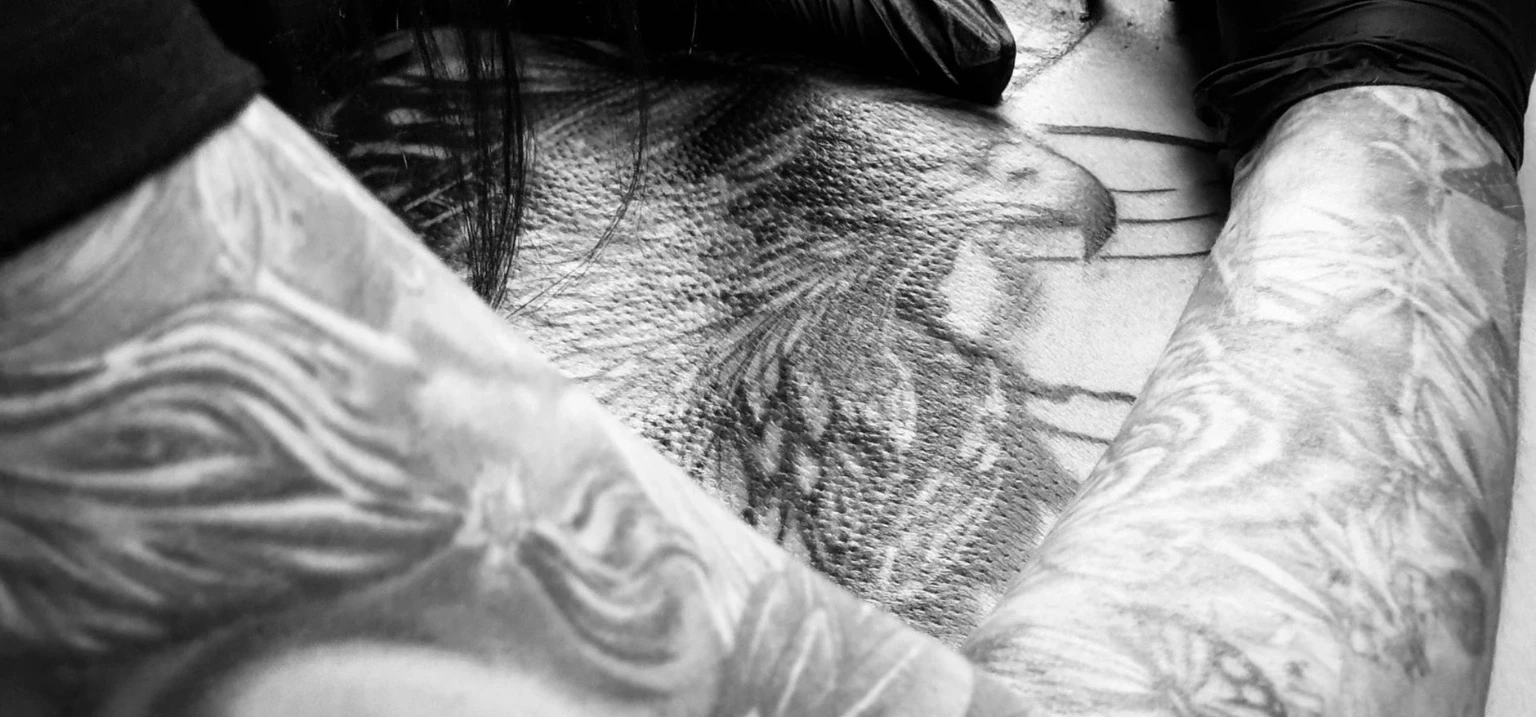
See Whip Shading vs Pepper Shading vs Stippling for shading movements and Overworked Tattoo Signs and Prevention for skin-response concerns. For realism layering, read Black and Grey Realism Tattoos.
STROKE, CONTROL & SETUP
What machine stroke and general setup fit fine-line script and smooth Chicano shading?
Peak describes a 3.0–3.5 mm medium stroke for fine-line and script work and a 1.8–2.5 mm short stroke for soft shading and blends. It says shading generally uses lower voltage. These are Peak's task examples: compare them with your machine manual, the chosen liner or magnum, and trained control.
Keep fine-line and broad-shading tests separate. For setup details, read Tattoo Machine Stroke, Needle Depth and Voltage.
FROM LETTERING TO STENCIL
How do you stencil Chicano lettering and fine black and grey artwork without losing the composition?
Approve the words, subject and overall arrangement before transferring the stencil. We suggest having the client review spelling, capitalization and accents, then checking the line weight and placement of the lettering against the image's dark and light areas.
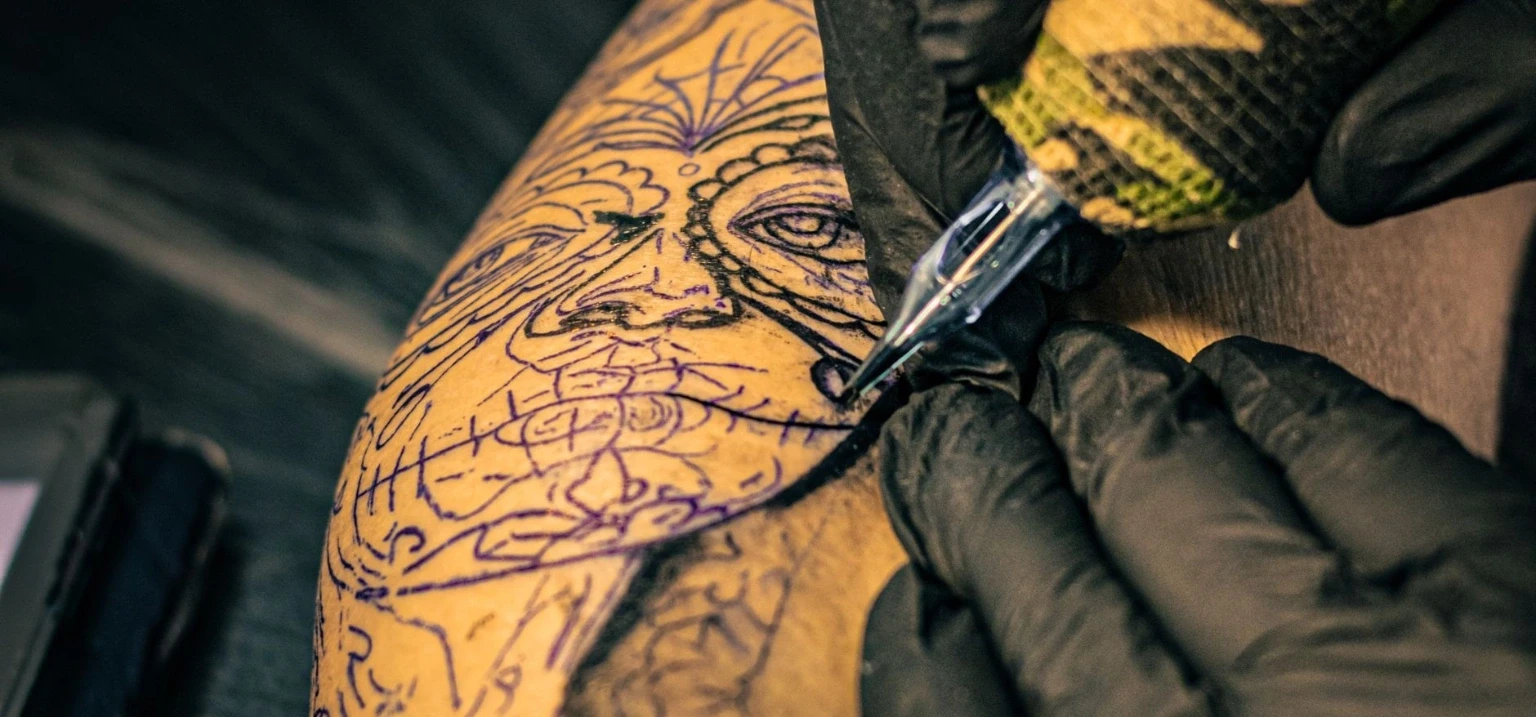
Keep key contour and shading landmarks visible without turning every gray transition into a hard outline. Use How to Make a Tattoo Stencil and Tattoo Stencils That Last for transfer details. We carry Dynamic Stencil Magic 8 oz for that preparation stage.
APPRENTICE WORKFLOW
How should you practice Chicano-inspired single-needle lines, placas lettering and greywash before tattooing skin?
Use a practice design with a short original word, a fine curved mark and a black-to-gray transition. Evaluate the full composition as well as individual lines. Compare candidate liners for script and curved mags for soft shading, using StarBrite's value ladder.
Study credited references
Read NPR and the museum history before selecting the visual direction.
Approve a legible word
Check spelling, layout, line weight and neighboring open space.
Test fine liners
Compare small line groupings on identical script strokes.
Test the gray transition
Use a consistent greywash scale with the chosen shading grouping.
Review and record
Judge the whole image and record ink, needle and machine choices.
CULTURAL KNOWLEDGE & CREDIT
How can a non-Chicano tattoo artist approach this style respectfully?
NPR quotes tattoo artist Kari Barba on understanding the style's origins: "When you start to look at where things come from, you respect them more." Her reflection helps frame the importance of crediting the Chicano history behind contemporary fine-line black-and-gray tattooing.
We suggest studying credited practitioners, listening to the client's personal meaning and creating original artwork rather than copying another tattooist's completed piece. For the image-use side, see Tattoo Copyright.
HEALED VALUES & SUN
How do Chicano black and grey fine lines and greywash look after healing and with time?
StarBrite says light greywash values can appear lighter and more diffuse after healing. Check healed examples when evaluating your tonal plan. The American Academy of Dermatology says UV can fade some tattoo inks and recommends sunscreen with SPF 30 or higher.
Share Tattoo Aftercare Day by Day for care guidance and refer concerning skin changes to a dermatologist.
COMMON DESIGN & TECHNIQUE ERRORS
What mistakes should artists avoid when combining Chicano script, single-needle details and soft gray shading?
Keep the historical reference, script design and gray values consistent. The most avoidable studio errors come from losing clarity or substituting a product choice for an actual design decision.
Copying another tattooist's work
Develop original client-specific artwork and credit references.
Skipping the historical context
Study the Chicano origins described by NPR and the museum.
Choosing the needle from the style name
Peak describes fine-liner options; match the actual stroke.
Letting shadows bury the lettering
Protect text spacing and contrast within the drawing.
Mixing unrelated gray systems
Keep the chosen greywash or opaque-gray range identifiable.
One machine setup for every passage
Peak describes different stroke tasks for script and soft shading.
Leaving light areas unplanned
StarBrite recommends restraint with the lightest washes.
Transferring unchecked script
Have the client approve words and spacing before tattooing.
PROFESSIONAL NEEDLES, GREYS & STENCILS
Which liners, curved mags, greywash inks and stencil supplies do we carry for Chicano-style black and grey?
We carry fine-lining options from Kwadron, Bishop and Nexus, curved magnums for tonal transitions, gray palettes from Dynamic and Eternal, and stencil supplies. Build your order around the subject's contours, lettering, shading and transfer, then verify the individual cartridge variant and ink instructions.
 Fine Lining & Script
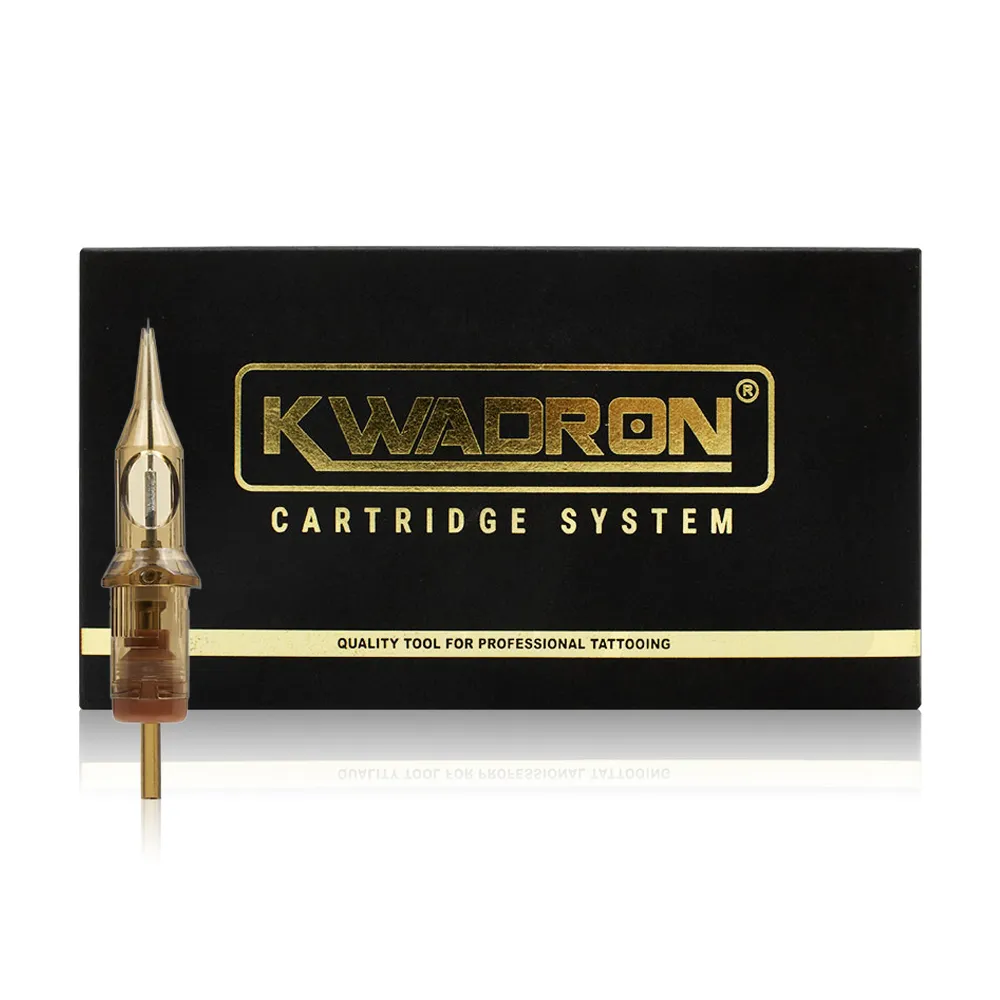
Kwadron - Cartridges Liners
Round liners for contours and fine-line tasks; choose the grouping for the actual script stroke.
 Lettering & Selected Details
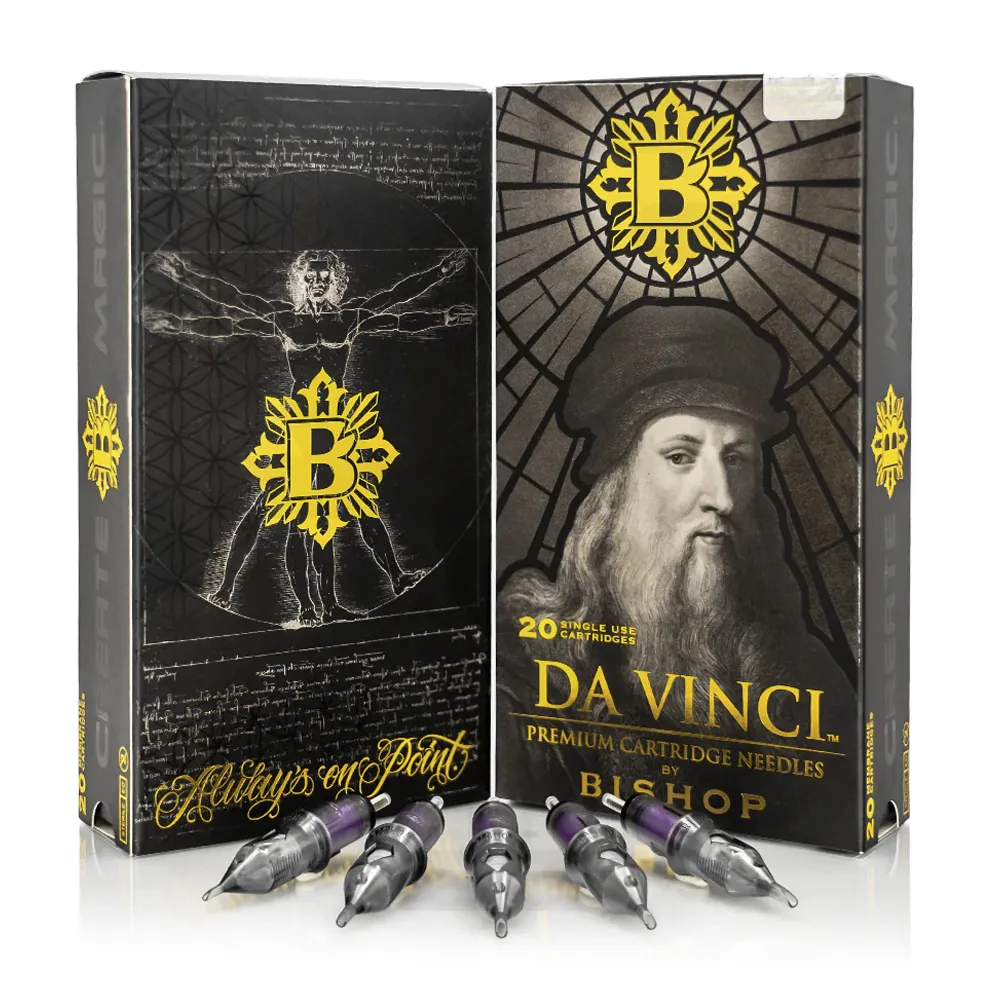
Bishop - Da Vinci V2 Liners
Liner cartridge option for detailed lettering and other precise marks.
 Alternative Liner Choice
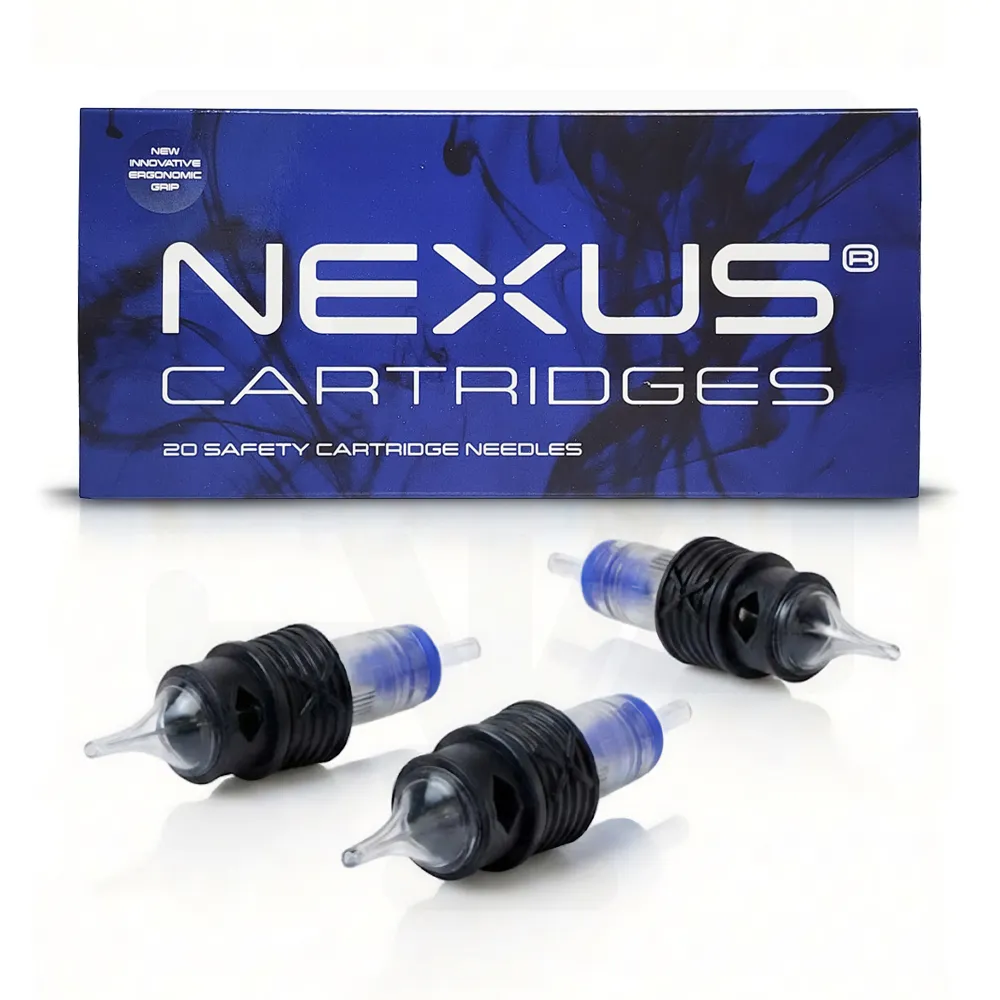
Nexus Cartridges - Liners
Another liner option to test for line weight and control.
 Bar-Needle Lining
Kwadron - Bar Needles Liners
Bar-needle liner option for an appropriate compatible machine.
 Soft Grey Shading
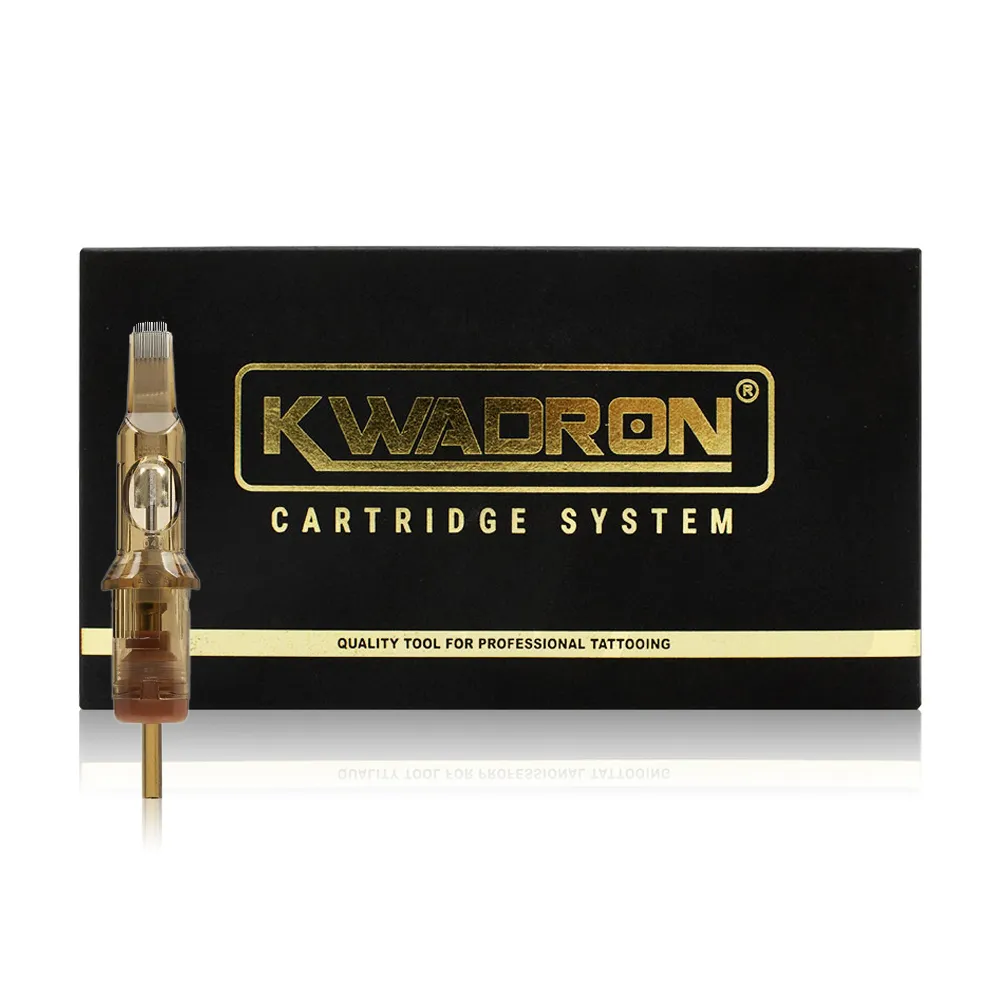
Kwadron - Cartridges Curved Mags
Kwadron describes soft-edge magnums for subtle tonal transitions and fades.
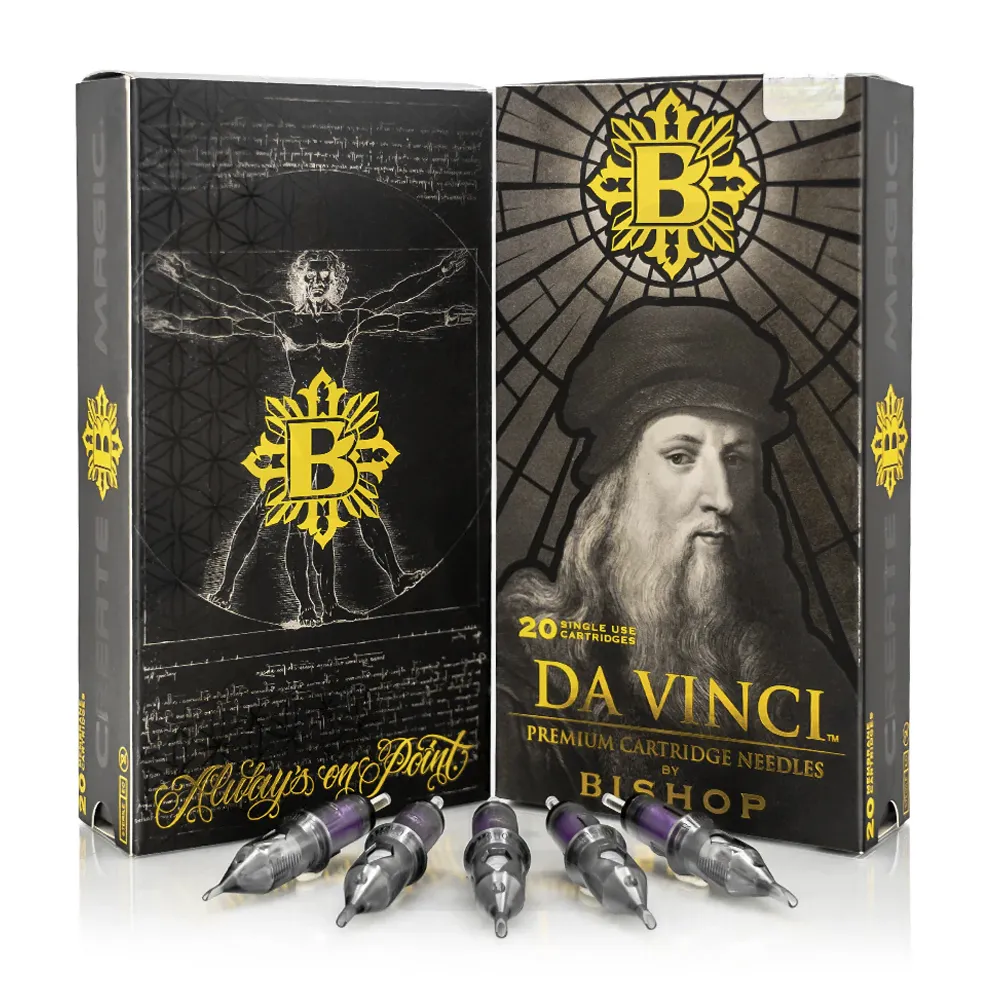 Curved-Mag Alternative
Bishop - Da Vinci V2 Curved Mags
Curved magnums for testing broad black-to-gray transitions.
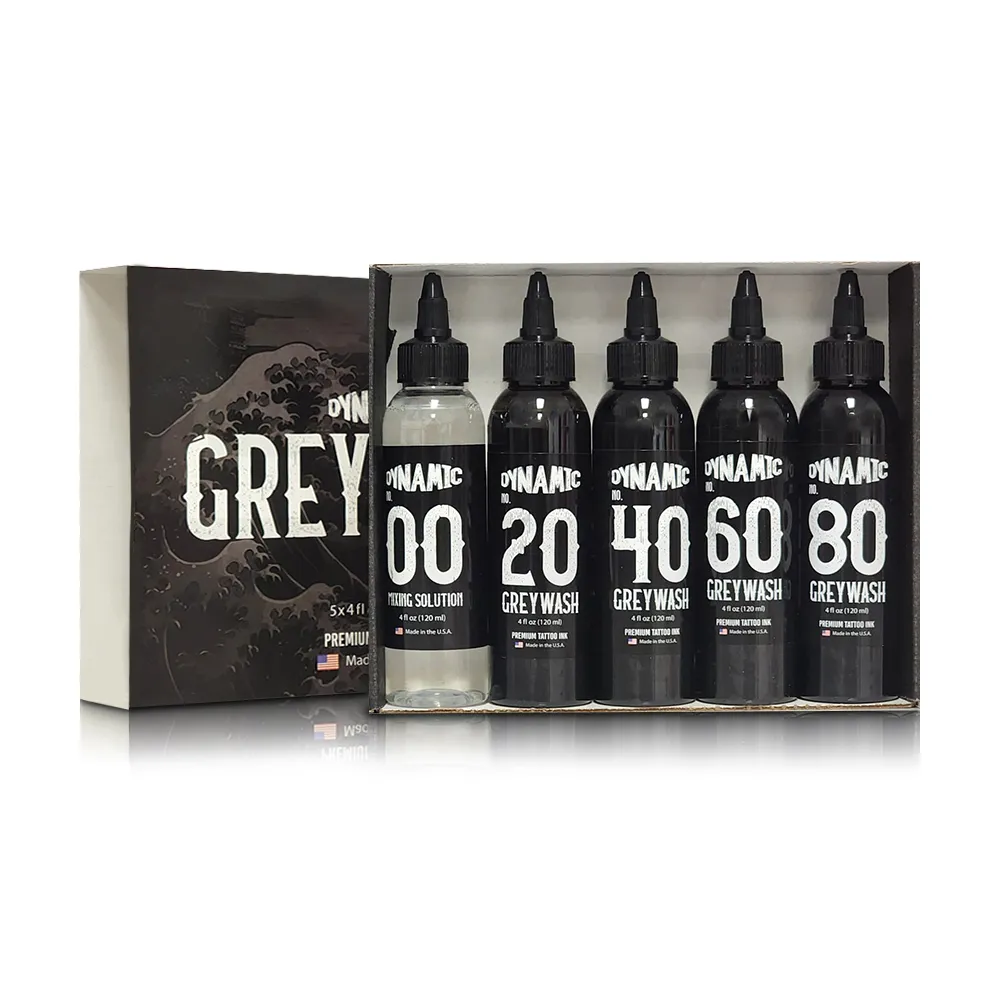 Greywash Value Range
Dynamic - Greywash Set
A graywash palette option for a planned tonal range.
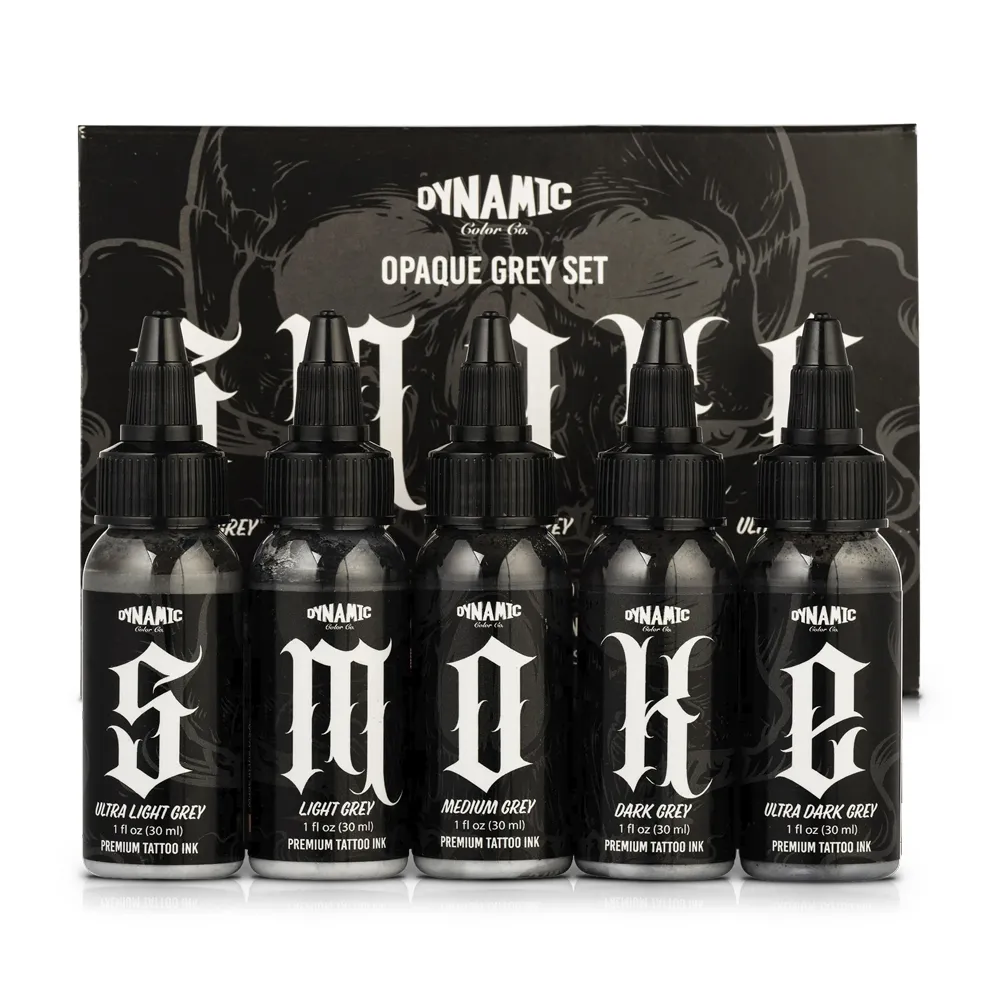 Opaque Gray Palette
Dynamic - Smoke Opaque Greys Set
Opaque-gray option to compare with a greywash approach.
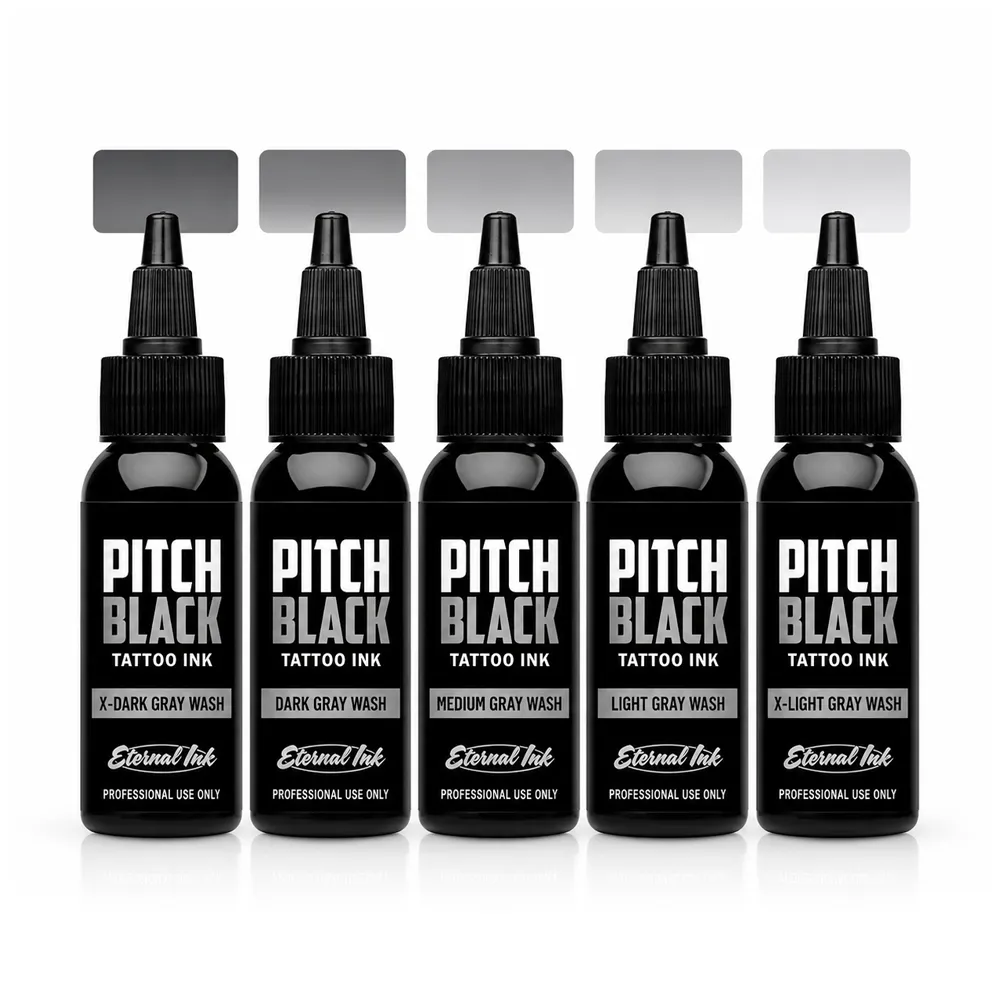 Additional Gray Wash Set
Eternal Ink - Pitch Black Gray Wash Set
Another gray-wash set we carry; review its included shades and label.
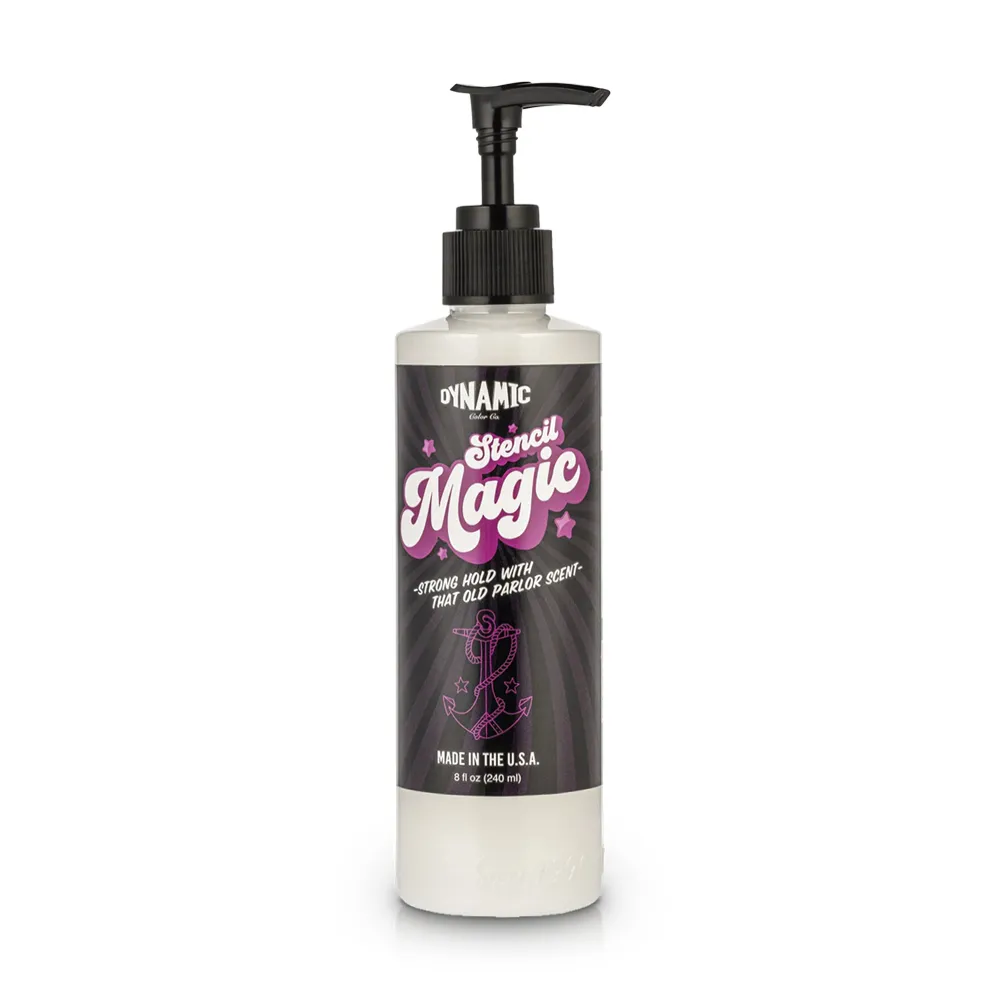 Script & Artwork Transfer
Dynamic - Stencil Magic 8 oz
Stencil application option for the approved lettering and tonal composition.
Browse Kwadron Cartridges Browse Bishop Da Vinci V2 Shop Greywash Ink Sets
SESSION & PURCHASING CHECKLIST
What should you check before drawing, buying supplies and tattooing Chicano-style black and grey?
Buy from the approved art and its technical tasks. Keep the history, client meaning, lettering and tonal plan connected.
- Context: Study NPR and the Natural History Museum accounts of East LA single-needle work.
- Artwork: Develop an original client-approved subject and wording.
- Lettering: Verify spelling, stroke weight, spacing and readable scale.
- Needle: Compare liner count, diameter, taper and machine compatibility.
- Gray range: Pick a consistent wash or opaque-gray palette and intended tone.
- Shading: Compare curved mags for broad tonal transitions.
- Machine: Use Peak's task categories alongside your device instructions.
- Stencil: Confirm the full composition before transfer.
- Practice: Test script, fine details and gray values together.
- Care: Review healed values and AAD sun advice.
Compare Tattoo Needles Browse Black Inks Shop Stencil Supplies
FAQ
What do artists ask about Chicano black and grey history, lettering and technique?
These answers address the searches artists make when planning fine-line Chicano-style work, lettering, greywash and the responsible study of its history.
What is Chicano black and grey tattoo style?
NPR describes a fine-line, subtly shaded black-and-gray approach with roots in East Los Angeles Chicano culture. Design for legible contours and a clear tonal range.
Where did Chicano black and grey tattooing originate?
NPR traces the development through East LA and California prisons in the 1970s. The Natural History Museum of Los Angeles County documents its progression from Pachuco and Chicano tattoos into widely recognized black-and-gray work.
Why is single-needle tattooing important to Chicano black and grey?
NPR describes improvised single-needle machines and Good Time Charlie's adapting professional equipment for clients wanting fine lines and soft gray shading. Today, evaluate a single-pin or small liner for the intended mark.
What needles should I use for Chicano black and grey tattoos?
Kwadron describes RL for contours and soft-edge mags for fading shades. Peak discusses small bugpin liners for fine lines and script. Choose the grouping by the design area.
What are placas or cholo script, and how do I tattoo lettering in this style?
Letterform Archive discusses Los Angeles placas as an intergenerational public name-writing tradition. Draw original readable lettering, check the exact words with the client and test round-liner strokes.
What inks and gray tones work for Chicano black and grey?
StarBrite describes a planned gray value ladder and says some Chicano black-and-gray artists favor slightly warm tones. We carry Dynamic greywash and opaque gray sets plus Eternal Pitch Black Gray Wash Set.
What imagery is associated with Chicano tattoos?
NPR describes examples from Freddy Negrete's drawings involving roses, Catholic and Aztec symbols and revolutionary portraits, and describes a black and gray sleeve of Mesoamerican imagery by Chuey Quintanar. Develop the image with the client's own reference and meaning.
Is Chicano black and grey the same as black and grey realism?
Black-and-gray realism developed in part from the East LA Chicano single-needle tradition described by NPR. A Chicano-style commission may incorporate fine linework, lettering and soft gray; plan those elements for the specific piece.
How can I make fine-line Chicano tattoos remain readable?
Allow space around key strokes and details in your drawing and test the entire design rather than one line. StarBrite notes that light washes can look more diffuse after healing, while AAD warns that UV can fade some ink.
Which pioneers are associated with Chicano black and grey tattoos?
NPR credits Freddy Negrete among those who brought black and gray into broader professional practice. The Los Angeles museum's tattoo exhibition featured Negrete and Jack Rudy, and NPR documents Good Time Charlie's Tattooland.
How can I approach Chicano black and grey respectfully if I am not Chicano?
We suggest studying the credited historical sources, listening to the client's personal references, drawing original work and acknowledging the practitioners who shaped the style. Kari Barba stresses learning the origins in NPR's account.
What machine stroke should I compare for Chicano fine lines and gray shading?
Peak gives 3.0–3.5 mm as a general medium-stroke option for script and 1.8–2.5 mm as a short-stroke option for soft shading. Follow your machine and cartridge directions.
RESEARCH
Sources Consulted
NPR, the Los Angeles museum, Hyperallergic and the Texas State Historical Association support the history; Letterform Archive supports the lettering context. The named needle and ink manufacturers support the technical descriptions, and AAD supports sun-care advice.
- NPR: The Roots of Black and Gray Realism Tattoos
- NPR: Black and Gray and Brown — A Tattoo Style's Chicano Roots
- Natural History Museum of Los Angeles County: Tattoo Exhibition and Southern California Artists
- Hyperallergic: Black and Gray Tattoos at the Los Angeles Natural History Museum
- Texas State Historical Association: Pachucos
- Letterform Archive: Placas, Trepes & Ganchos — Three Mexican Graffiti Hands
- Kwadron: Needle Configuration Guide
- Peak: Bugpin vs Standard Tattoo Needles
- Peak: Tattoo Machine Setup for Lining, Shading and Color
- StarBrite: Grey Wash Tattoo Ink Guide
- American Academy of Dermatology: Caring for Tattooed Skin