


 Powered by Comercia.io
Can a tattoo artist copyright a design, copy a reference photo or tattoo a copyrighted character? U.S. copyright law can protect original graphic artwork once it is fixed, but tattoo copyright, ownership, permission, fair use and commercial use of tattoo images raise different questions. This studio guide explains what the U.S. Copyright Office says and what the court records in Whitmill, Solid Oak, Alexander and Sedlik actually decided, so artists can plan original work and consult an intellectual-property attorney when rights are unclear.
Explore Professional Stencil Paper Explore SVT Shop
QUICK ANSWER
Can a tattoo design be copyrighted, and may an artist copy a client reference?
An original graphic design can be protected automatically when fixed, but a client reference may still belong to another copyright owner. Under 17 U.S.C. §106, copying or adapting that protected art can require permission. The artist or studio should identify authorship, review licenses and record the intended tattoo and media uses before making a stencil. Fair use depends on the specific facts; a copyright attorney should review unclear rights.
ORIGINAL DESIGN
Create and retain your own original sketches or digital art; copyright protection may arise at fixation.
REFERENCE ART
Identify the rights holder and the scope of permission before reproducing or adapting a protected image.
CLIENT & MEDIA
Separate tattoo consent from copying, portfolio, licensing and third-party media permissions.
COPYRIGHT BASICS
Can you copyright a tattoo or original tattoo design in the United States?
U.S. copyright law can protect independently created graphic art as soon as it is fixed in a tangible form. The U.S. Copyright Office's Circular 1 identifies original pictorial and graphic works and says fixation, rather than registration, begins protection. An original sketch or saved digital drawing can fit those general principles.
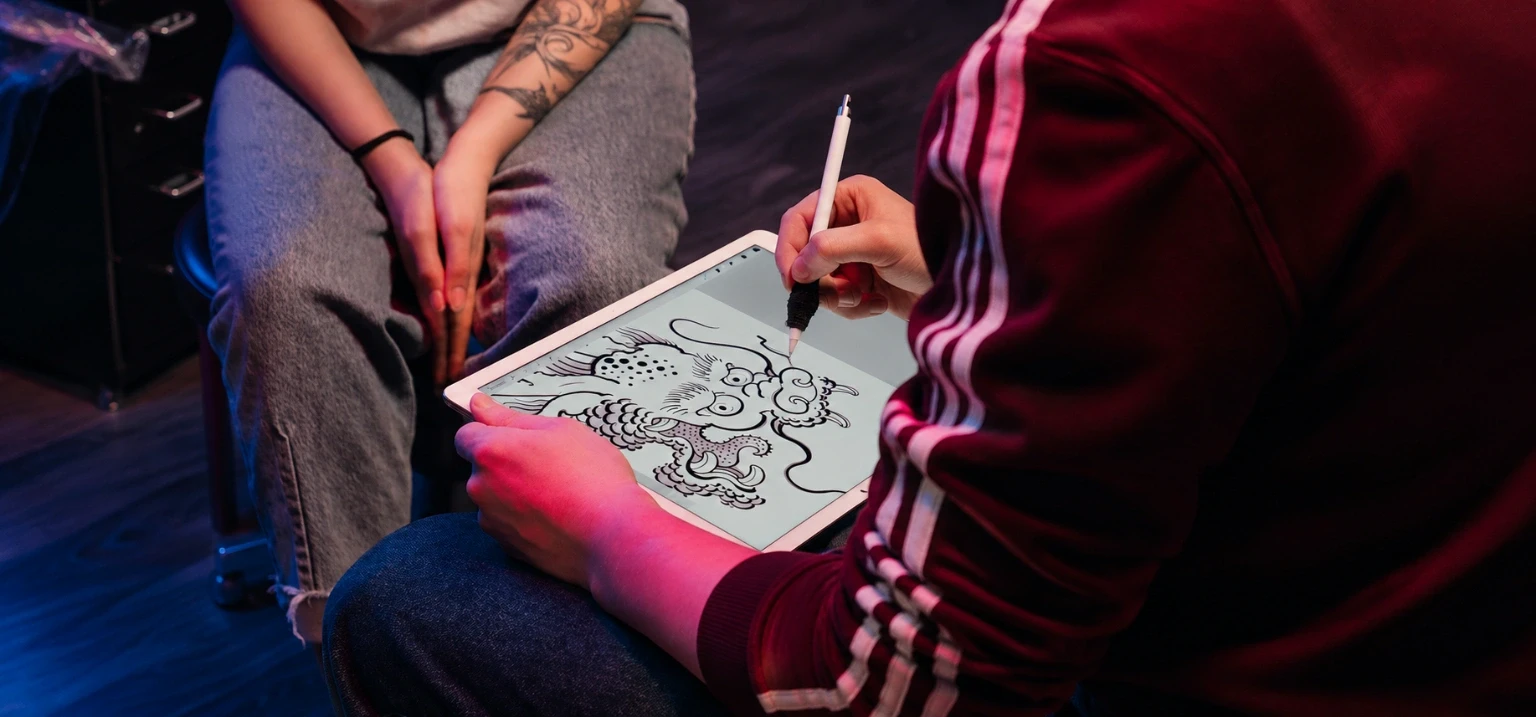
Original design vs tattooed copy
Protection of a drawing, reproduction of that drawing on skin, and later use of a person's tattoo in media are related but distinct legal questions. Ask an intellectual-property attorney about a disputed use.
THE LIMIT OF THE LAW
What parts of a tattoo idea, symbol or lettering are not protected by copyright?
Ideas, familiar symbols, names, short phrases and ordinary lettering are not protected by copyright on their own. Copyright Office Circular 1 distinguishes these from the original creative expression in a particular illustration, photograph or design.
| Source material | Copyright question |
|---|---|
| General idea, motif or phrase | These categories alone are excluded by Circular 1; create your own expression. |
| Detailed artist illustration | Original pictorial expression may be protected; identify its owner. |
| Reference photograph | Check the photographer's rights before reproducing its creative composition. |
| Adapted existing artwork | 17 U.S.C. §106 protects preparation of derivative works. |
ARTIST, CLIENT AND RIGHTS
Who owns the copyright in a custom tattoo: the artist or the client?
Copyright initially belongs to the author under 17 U.S.C. §201(a), subject to statutory exceptions and any valid transfer. Section 202 distinguishes ownership of a physical copy from copyright ownership. Wearing or paying for a tattoo does not alone transfer the right to reproduce the design elsewhere.
EMPLOYEES AND COMMISSIONS
Is a custom tattoo design automatically a work made for hire because the client paid?
A custom tattoo is not automatically a work made for hire because the client pays for it. Copyright Office Circular 30 and 17 U.S.C. §101 describe two routes: an employee creating work within the scope of employment, or certain commissioned works within nine listed categories and an express signed agreement.
A stand-alone tattoo design is not one of the nine commissioned categories. The employee route remains a separate facts-based question, and freelancers may need licensing or transfer terms instead. An owner should ask counsel to review employment status, what the commissioned project actually is, and what rights the studio or client seeks.
Questions before the client signs
- Who is the author, and is the designer an employee or contractor?
- Does §101's work-for-hire definition genuinely fit the work?
- Is a signed transfer or a limited license the appropriate document?
REPRODUCTION AND ADAPTATION
Can a tattoo artist be sued for copying another artist's drawing or a photograph?
17 U.S.C. §106 gives a copyright owner exclusive reproduction and derivative-work rights. Tattooing from someone else's original illustration or photo may implicate those rights even when the client supplies the file. Section 101 defines derivative works as adaptations or recast versions of earlier works.
A screenshot, online pin or client deposit does not establish the client's authority to license the original. Changing medium or altering a detail also does not automatically settle an infringement question. Identify the author and scope of permission before tracing a third-party image.
The same review applies when a studio is asked to tattoo a recognizable copyrighted character or logo. Distinguish unprotected ideas from the particular protected depiction, and have an intellectual-property attorney assess unclear permission or other rights.
DESIGN SOURCES
Can tattoo artists use flash or reference images found on the internet?
Use studio-original flash, properly licensed artwork or material whose public-domain status has been established. The Copyright Office's reproduction and derivative-work rules apply to original images even when they are posted openly online.
Original flash
Keep the working drawing and identify the artist who created it.
Licensed or commissioned work
Review whether the permission covers tattooing, alteration, repeat flash and online promotion.
Reference photo
Identify the photographer and permitted use of the exact composition.
Public-domain source
Check the status of the actual reproduction being traced, not only the historic subject.
For practice with original art, see tattoo practice supplies. Once rights are addressed, use the studio stencil workflow for application.
RECOGNIZABLE THIRD-PARTY ART
Can an artist tattoo a copyrighted character, logo or famous illustration?
A recognizable protected character, logo illustration or photograph can raise reproduction and adaptation questions. The Copyright Office protects original graphic expression under federal law. Copying a particular illustration onto skin is different from independently expressing a general idea.
FOUR STATUTORY FACTORS
Is tattooing a copyrighted image fair use if the artist changes it or does not charge?
Fair use is a case-specific analysis under 17 U.S.C. §107, not an automatic tattoo exception. Four statutory factors matter; neither a free appointment nor a changed line independently establishes fair use.
| Statutory factor | Question |
|---|---|
| Purpose and character | How and why is the original used, including commercial context? |
| Nature of the original | What kind of protected creative work is involved? |
| Amount and substantiality | How much of the original expression was used? |
| Market effect | How might the use affect markets for the original or its licensing? |
LICENSING AND PAPERWORK
What is a tattoo copyright release form, and what rights can an artist license?
A copyright transfer and a limited license do different things. Under 17 U.S.C. §204(a), transferring copyright ownership generally requires a writing signed by the rights holder. The Copyright Office explains that a nonexclusive license does not generally require the same writing. In Solid Oak, the court found implied nonexclusive licenses on that particular record.

Issues for a lawyer-reviewed studio release
- Identify the artwork, its author and any third-party references.
- Separate ownership transfers from limited rights to use or adapt the design.
- State whether portfolio photos, advertising or third-party media are included.
- Separate consent to tattoo from permissions concerning the artwork and client image.
AUTOMATIC PROTECTION VS ENFORCEMENT
Do tattoo artists need to register designs with the U.S. Copyright Office?
Copyright protection and registration are separate. The U.S. Copyright Office says original fixed works are protected automatically, while registration or refusal is generally required before filing an infringement lawsuit over a U.S. work.
Circular 1 explains that the timing of registration also matters for eligibility for statutory damages and attorneys' fees. For valuable original flash or a licensing business, consult an intellectual-property attorney about registration strategy. Save source files, authorship information, agreements and versions. The Office's FAQ also says mailing the artwork to yourself does not substitute for registration.
PORTFOLIOS, GAMES AND FILM
Can a company reproduce a client's tattoo in a video game, movie or advertisement?
Displaying a tattoo on a person's likeness in film or games has produced different court outcomes. Solid Oak found noninfringement for NBA player tattoos in NBA 2K, including implied nonexclusive licenses on its facts. In Alexander, the jury sided with the tattoo artist over reproductions in WWE video games, although the 2024 judge set aside damages.
COURT OUTCOMES IN CONTEXT
What happened in the main tattoo copyright cases, and do they establish a single rule?
Four well-known tattoo disputes produced different procedural results. Court opinions and filings distinguish allegations from findings and final decisions from vacated opinions. No one case supplies blanket permission to copy another artist's work.

| Case | Verified result | Why studios care |
|---|---|---|
| Whitmill v. Warner Bros. (2011) | Complaint involving Mike Tyson's face tattoo; later joint request for dismissal with prejudice. | The alleged release is not a universal legal form or merits ruling. |
| Solid Oak v. 2K (2020) | District court found challenged NBA 2K tattoo use de minimis and fair use, with nonexclusive licenses. | Licensing and context matter. |
| Alexander v. Take-Two (2024) | Jury favored tattoo artist; court removed the $3,750 damages award. | Different evidence can produce a different fair-use result. |
| Sedlik v. Von Drachenberg (2024-2026) | Jury favored tattoo artist; 2026 panel opinion vacated for rehearing en banc. | Reference photographs can generate litigation; check current appellate status. |
MIKE TYSON AND NBA GAMES
What did the Mike Tyson tattoo dispute and Solid Oak v. 2K actually establish?
Whitmill (2011) was filed over the use of an artwork associated with Mike Tyson's facial tattoo in a movie. The artist's complaint asserted ownership and cited a signed release, but the later joint motion asked for dismissal with prejudice. The checked filings provide no merits ruling establishing that all tattoos are copyrightable.
Solid Oak (March 26, 2020) involved tattoo designs visible on NBA players in NBA 2K. The federal district court found the challenged game use de minimis and fair use, not infringement, and recognized nonexclusive licenses from those tattoo artists to the players based on the facts. That district-court conclusion is not a general authorization to copy unrelated tattoos.
CONFLICTING FACTS, DIFFERENT PROCEDURES
What happened in Alexander v. Take-Two and the Kat Von D Miles Davis photograph case?
Alexander v. Take-Two reached a different result from Solid Oak. The registered tattoo designs were reproduced on Randy Orton in WWE games. A jury favored artist Catherine Alexander and awarded $3,750; in its September 25, 2024 order, the district court rejected defendants' fair-use challenge but set aside that damages award for lack of proof supporting its value.
Sedlik v. Von Drachenberg arose from a tattoo based on a Miles Davis reference photograph. The 2024 jury favored the tattoo artist. The Ninth Circuit's January 2, 2026 panel opinion was vacated June 9, 2026 for rehearing en banc. The Ninth Circuit's list of pending en banc cases, dated November 1, 2026, still includes it, argued and submitted on September 29, 2026.
A PROFESSIONAL INTAKE PROCEDURE
How should a tattoo studio review copyright before sketching, stenciling or posting a design?
Review the source and rights before turning a client reference into a stencil. The U.S. Copyright Office's rules on expression, copying and licensing suggest a practical sequence for apprentices and studio owners.
Identify the source
Is this studio-original art, a client drawing, a licensed design or another person's photograph or flash?
Separate concept from expression
Check whether the request is a general motif or a reproduction of a particular protected composition.
Review permission
Identify the rights holder and whether permission covers copying, adaptation and this tattoo.
Define future uses
Separate skin application from repeat flash, client photos, merchandise and third-party media.
Get legal review when needed
An intellectual-property attorney can assess unclear ownership, licenses or fair-use questions.
Archive and approve
Save the design and permission records, then prepare the approved stencil through the normal studio workflow.
COMMON STUDIO ERRORS
What are the biggest tattoo copyright mistakes with flash, client references and releases?
Access to an image is not permission to reproduce it. U.S. Copyright Office rules and the cited cases make authorship, licenses and the intended use relevant to every copied reference.
Using online flash without permission
A public image is not automatically licensed for another artist's stencil.
Trusting only client ownership
A client-provided image may still belong to another rights holder.
Calling every alteration fair use
Section 107 calls for analysis of four factors, not a fixed design-change percentage.
Equating payment with copyright ownership
Sections 201, 202 and 204 distinguish authorship, objects and rights transfers.
Using an automatic work-for-hire clause
Circular 30 identifies specific employee and commissioned-work conditions.
Misstating case outcomes
Whitmill was dismissed by joint request; Sedlik's January panel opinion was vacated.
SVT SHOP STENCIL WORKFLOW
Which SVT Shop stencil products fit an artist's own or licensed design?
Stencil paper is part of transferring approved artwork, not a license to reproduce it. SVT Shop lists Pacon InkJet Stencil Paper, Spirit Classic Thermal Paper and Proton Stencil Primer for professional use once the design's authorship and permissions have been addressed.
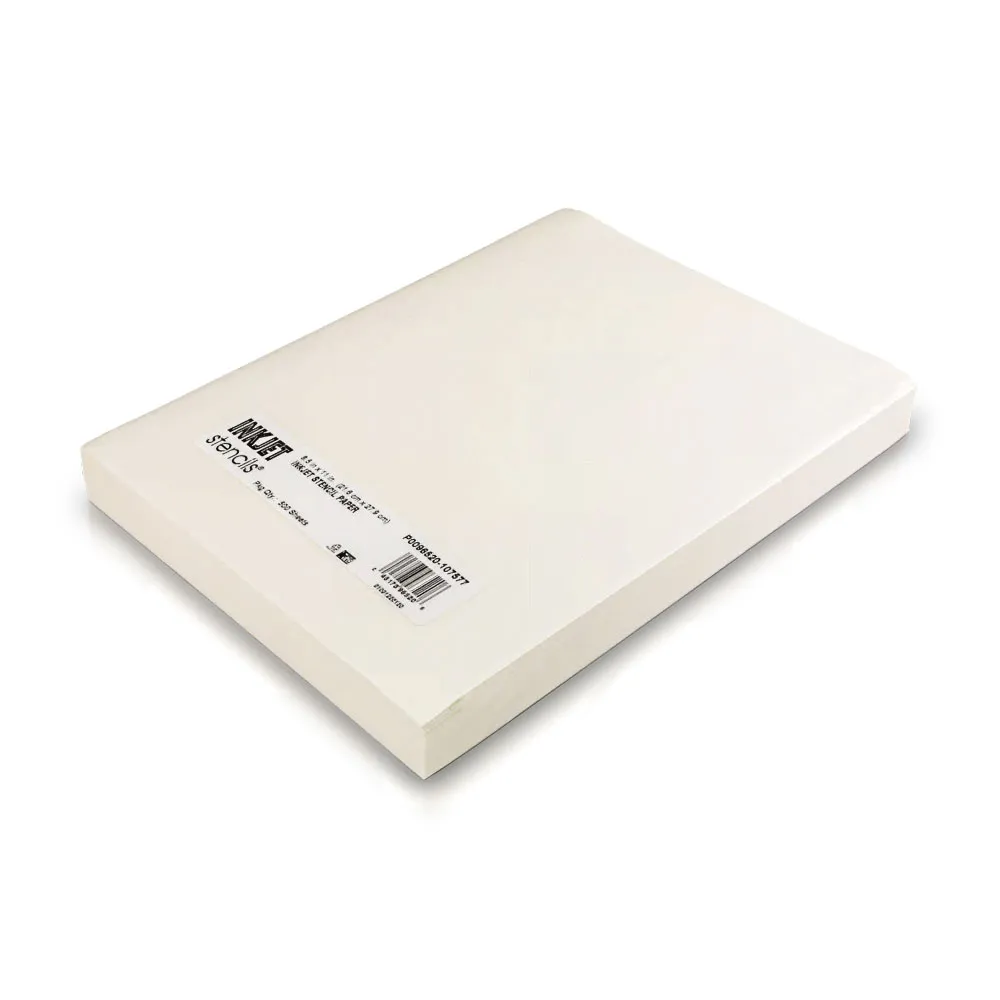 For original or authorized drawings
Pacon InkJet Stencil Paper 8.5 x 11 in, 500 Sheets
Inkjet stencil media for an approved design. Confirm printer compatibility and follow product directions; stencil supplies never confer rights in the source image.
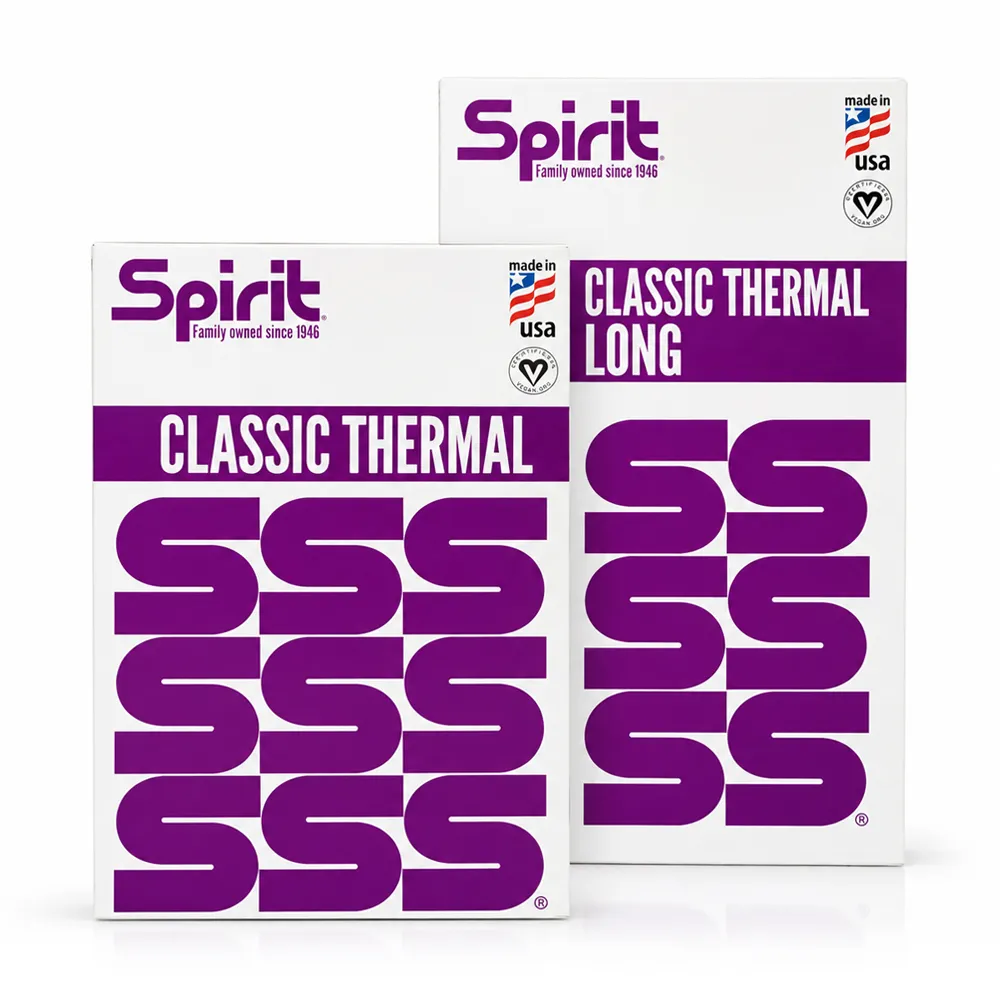 Thermal stencil transfer
Spirit Classic Thermal Paper
Thermal stencil paper for transferring an original or licensed design with a compatible printer.
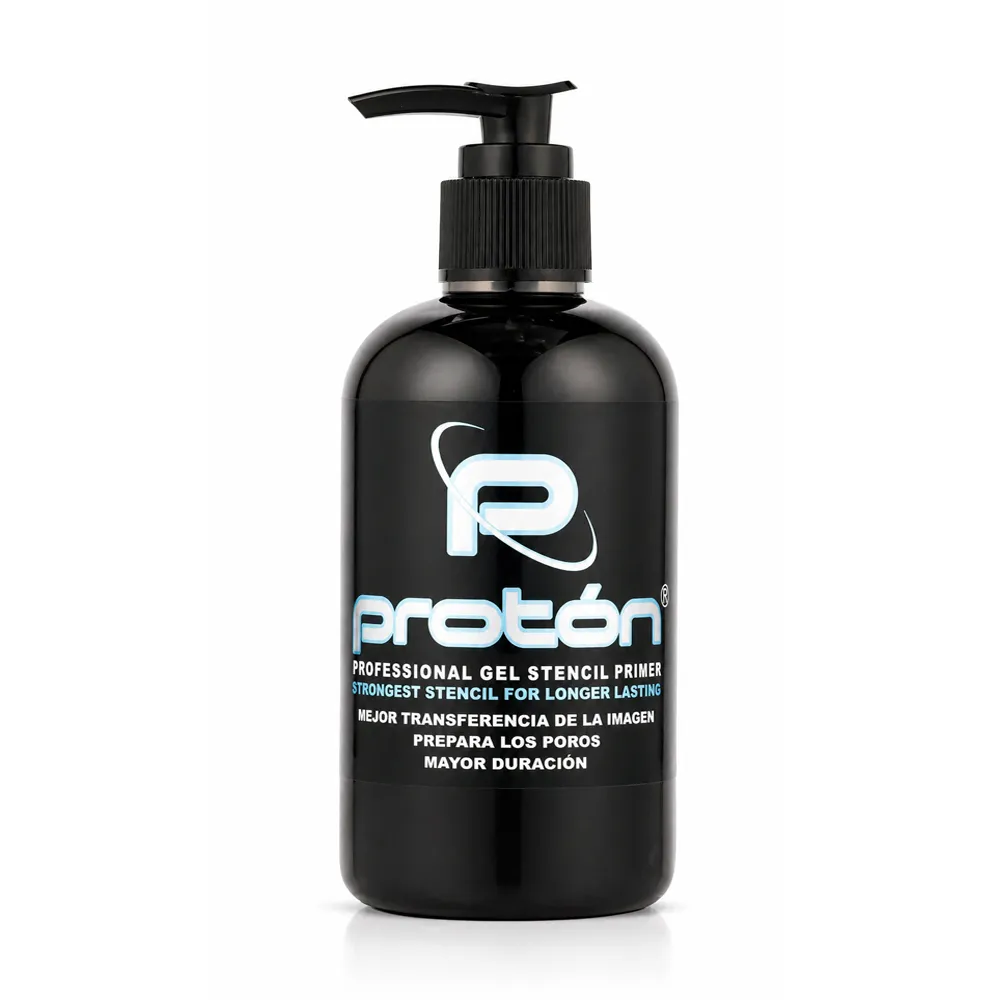 Stencil application
Proton Stencil Primer Gel Black
Stencil primer for applying the approved design; it does not change who owns the artwork.
A RIGHTS-REVIEW CHECKLIST
What should studio owners check before approving flash, copying a design or posting tattoo photos?
Review copyright questions alongside design approval, not in place of legal advice. Use this studio checklist before copying flash, agreeing to a commissioned image or posting commercial photos.
- Author: Who created the exact image used as reference?
- Originality: General idea or particular original protected expression?
- Permission: Do the rights holder's terms cover tattooing and adaptation?
- Ownership: Are any transfers or work-for-hire claims supported?
- License scope: One appointment, repeat flash, advertising or merchandise?
- Photos and media: Are client image permissions and artwork permissions addressed separately?
- Records: Saved source, authorized artwork, agreements and final design?
- Registration: Has the rights owner considered enforcement requirements?
- Attorney: Has disputed copying or a commercial license been reviewed?
FAQ
12 questions about tattoo copyright, copying and artist ownership
These answers summarize U.S. Copyright Office law and verified court records; an intellectual-property attorney should advise on a real dispute or contract.
Can you copyright a tattoo?
An independently created original graphic design can receive copyright protection when fixed, according to the U.S. Copyright Office. Whether specific tattoo-on-skin facts affect a dispute calls for legal analysis; courts have addressed particular tattoos in individual cases.
Who owns the copyright of a tattoo, the artist or the client?
Under 17 U.S.C. §201, the protected work's author is ordinarily the initial owner, subject to work-for-hire rules and transfers. Paying for or wearing the tattoo does not alone transfer copyright under §202.
Can a tattoo artist be sued for copying a design?
Yes, a claim can arise when protected artwork is reproduced or adapted. Section 106 covers those exclusive rights. The artist should check source, permissions and any defenses with an intellectual-property attorney.
Can I tattoo a copyrighted character or logo?
A particular protected illustration may implicate reproduction rights even if the client requests it. Distinguish the broad idea from the actual graphic work and obtain appropriate permission or legal review.
Can a tattoo artist use flash found on the internet?
Online availability is not a license. Use original drawings, clearly licensed flash or verified public-domain material, and retain permission covering tattoo application or repeated use.
What is a tattoo copyright release form?
It is an agreement used to address specified artwork rights. Ownership transfers generally require signed writing under §204; nonexclusive licenses differ. Have an attorney draft the language for the studio's actual uses.
Do tattoo artists have to register their designs?
Protection can arise automatically at fixation; Copyright Office registration or refusal is generally needed before an infringement lawsuit involving a U.S. work. Timely registration can also affect certain remedies.
Can a company show a client's tattoo in a video game or film?
It depends on the design, agreements and use. Solid Oak found noninfringement for challenged NBA 2K depictions, while Alexander reached a different liability result for WWE games.
What happened in the Mike Tyson tattoo case, Whitmill v. Warner Bros.?
Whitmill filed a 2011 copyright claim and alleged a signed release. The parties later requested dismissal with prejudice. The checked filings do not establish a merits ruling that all tattoos are copyrightable.
What happened in the Kat Von D Miles Davis tattoo copyright case?
A 2024 jury favored the tattoo artist in Sedlik. The Ninth Circuit vacated its January 2026 panel opinion on June 9 for rehearing en banc; the court's November 1, 2026 list of pending en banc cases still includes it (argued September 29, 2026).
Is a custom tattoo design a work made for hire?
Not automatically. Circular 30 identifies employee-scope work and certain written commissioned works in nine statutory categories. A standalone tattoo design is not a listed commissioned category; ask counsel about the facts.
Can I post photos of my tattoo work online?
Review client permission to use their image separately from rights in any protected design. An attorney can advise on portfolio posts, advertising, third-party licensing and the scope of written releases.
RESEARCH
Sources Consulted
The U.S. Copyright Office provides the general federal rules. Court filings and opinions document the particular tattoo disputes; the Ninth Circuit's en banc case list confirms the pending Sedlik rehearing. This article is educational, not legal advice.
- U.S. Copyright Office: Circular 1, Copyright Basics
- U.S. Copyright Office: Circular 30, Works Made for Hire
- U.S. Copyright Office: Copyright in General FAQ
- U.S. Copyright Office: Title 17, §§101, 106 and 107
- U.S. Copyright Office: Title 17, §§201, 202 and 204
- U.S. District Court: Solid Oak Sketches v. 2K, 2020 Opinion
- U.S. District Court: Alexander v. Take-Two, September 2024 Order
- U.S. District Court: Whitmill v. Warner Bros., 2011 Complaint
- U.S. District Court: Whitmill Joint Motion for Dismissal
- Ninth Circuit: Sedlik v. Von Drachenberg, June 2026 En Banc Order
- Ninth Circuit: Pending En Banc Cases, November 1, 2026