Powered by Comercia.io
Fine line tattoo needles and machine settings work together: round-liner count and diameter affect the mark, while depth, hand speed, stroke and voltage influence how consistently it is placed. This guide explains 1RL vs 3RL, bugpin vs standard needles, long taper, fine line tattoo depth and how lines can change as tattoos age, using Peak Needles, Kwadron, FK Irons and published research.
Shop Tattoo Needles Shop Practice Skin
QUICK ANSWER
What needles, depth, and machine settings should you use for fine line tattoos?
For fine line work, compare a small round liner (RL), its diameter and taper, and the control you can maintain. Peak Needles identifies #8 and #10 bugpins as narrower than #12 standard needles. FK Irons recommends modest hang, consistent depth, and machine settings matched to the grouping and hand speed.
NEEDLE
Compare RL grouping count, #8/#10/#12 diameter, and long or medium taper. A 3RL exposes hand wobble clearly.
DEPTH
Set modest needle hang and learn controlled pigment placement rather than treating protrusion as a fixed skin depth.
MACHINE & HEALING
Follow your machine's stroke and voltage guidance, match hand speed, and judge the work from healed examples as well as fresh lines.
START WITH THE NEEDLE
What tattoo needle sizes are used for fine line work?
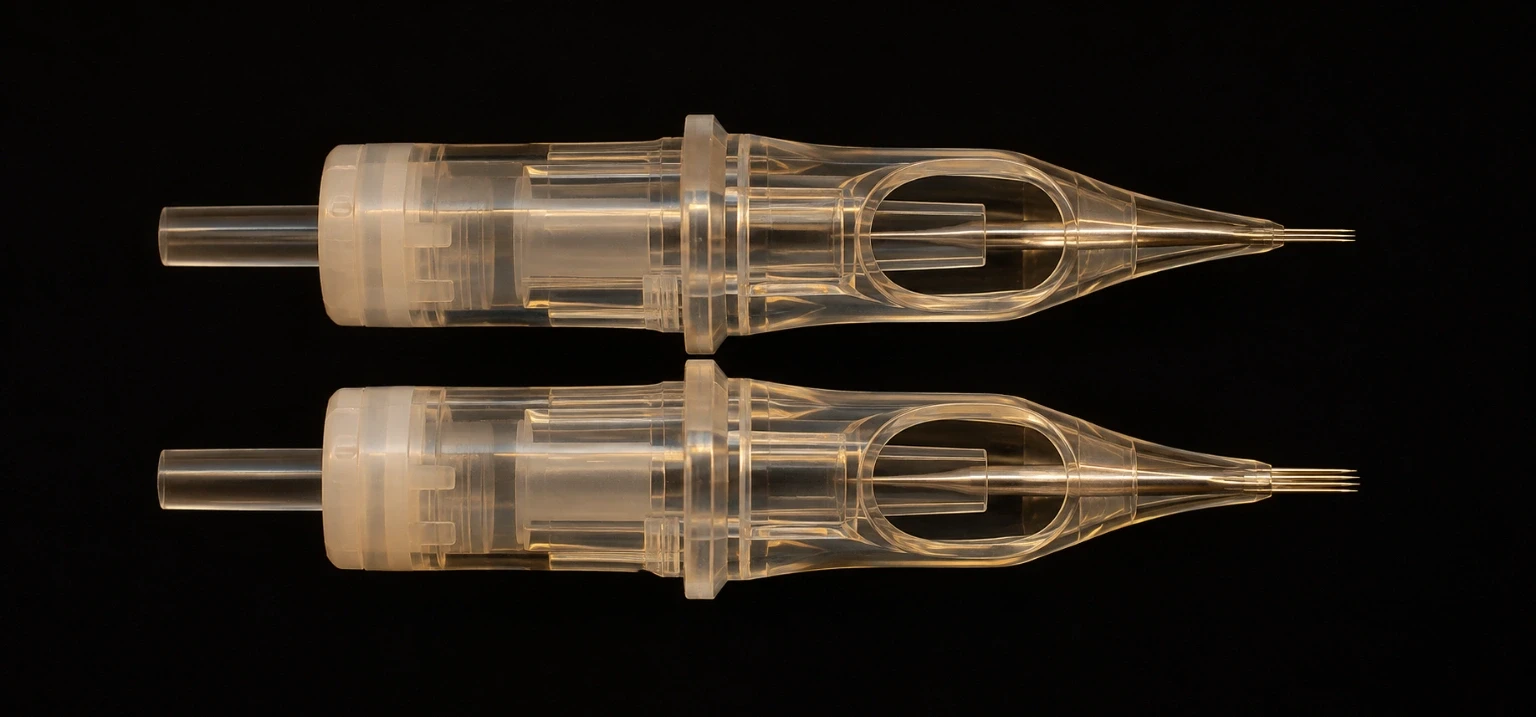
Fine line describes a delicate mark, not one universal needle size. Peak says round liners arrange pins tightly; fewer pins generally allow finer detail, while diameter, taper, grouping tightness and technique affect the result.
| Label or feature | What it tells you | Fine line buying consideration |
|---|---|---|
| 1RL | A one-pin round liner designation. | Consider it when the design calls for an especially focused mark; the label alone cannot predict final line width. |
| 3RL | Three pins arranged as a round liner. | Peak and FK discuss small RL groupings for detail; the fine point also reveals shaky handling. |
| #8 / 0.25 mm | Smaller-diameter pin, described as bugpin by Peak. | Compare delicate mark and ink delivery with the same grouping in other diameters. |
| #10 / 0.30 mm | Another bugpin diameter, according to Peak. | An alternative to #8 for fine detail; test the specific cartridge and machine feel. |
| #12 / 0.35 mm | Typical standard pin diameter in Peak's guide. | Useful for comparing a stronger mark with narrower pins while keeping the grouping similar. |
| Long taper (LT) | A longer, slimmer needle point. | Kwadron associates long taper with delicate lines; taper is separate from count and diameter. |
READ THE BOX
How do you read fine line tattoo cartridge codes like 1007RL or 25/3RLLT?
Peak uses 1207RL for a standard seven-pin round liner and 1007RL for a bugpin seven-pin round liner. Kwadron uses 35/3RLMT to describe 0.35 mm pins, three needles, round liner, medium taper.
Find the diameter code
Peak says 12 means 0.35 mm, 10 means 0.30 mm, and 08 or 8 means 0.25 mm. Kwadron uses labels such as 35 and 25 for the same diameter values in hundredths of a millimeter.
Read the pin count
In 1007RL, the 07 represents seven pins. In Kwadron's 35/3RLMT example, 3 represents three pins. Count helps you anticipate the grouping scale, not a guaranteed skin mark width.
Check RL and taper
RL means round liner. Kwadron uses MT for medium taper and describes LT as long taper. Compare point shape along with diameter rather than choosing by RL count alone.
Kwadron also manufactures a 0.25 mm long-taper 3RL configuration. This manufacturer example does not establish which variant is available from an SVT Shop parent product listing.
DIAMETER, NOT CONFIGURATION
What is a bugpin tattoo needle, and how is it different from standard?
Bugpin means thinner individual pins, not a different round-liner layout. Peak Needles lists common bugpin diameters as #10 / 0.30 mm and #8 / 0.25 mm, compared with a typical standard #12 / 0.35 mm pin. It says bugpins deliver pigment more gradually and are often favored for fine detail.
| Question | Bugpin (#8 or #10) | Standard (#12) |
|---|---|---|
| Pin diameter | 0.25 or 0.30 mm, per Peak | Typically 0.35 mm, per Peak |
| Configuration | Can still be RL or another grouping | Can also be RL or another grouping |
| Ink delivery | Peak describes slower, controlled delivery | Peak describes faster, heavier delivery |
| Fine detail handling | Smaller marks make hand wobble more apparent | Peak says thicker pins can be more forgiving of small tremors |
| Machine adjustment | Some artists lower voltage when switching; others do not | Retest when changing diameter, grouping, or taper |
Peak cautions that bugpins do not inherently eliminate graininess, blowouts or skin trauma. Compare diameter within the same grouping rather than treating bugpin as a separate tattoo style.
NEEDLE POINT SHAPE
What does long taper do for fine line tattooing?
Kwadron describes long taper as a longer, slimmer point suited to delicate lines and smoother tonal transitions. Its medium taper has a shorter point and releases ink faster, making it suitable for stronger, more saturated lines. The choice affects delivery and feel but does not replace the importance of diameter or grouping.
Long taper (LT)
Consider when aiming for a delicate, controlled mark. Kwadron describes its fine tip as supporting subtle linework. Compare it on practice skin with the diameter and RL grouping kept clear.
Medium taper (MT)
Kwadron associates the shorter point with quicker pigment release and a more pronounced line. It is another tool for choosing the mark rather than a setting to compensate for hand instability.
PLACEMENT VS PROTRUSION
What needle depth should you use for fine line tattoos?
Needle hang is the tip exposed beyond the cartridge; depth in skin is actual pigment placement. FK says many tattoos deposit pigment about 1-2 mm into the dermis and gives about 1.5 mm as a general lining reference, not a fixed hang setting or universal penetration target.
Set a modest initial extension
FK advises beginning with less exposed needle than expected and testing the setting on synthetic skin before a client.
Check the setup before adding pressure
Peak says review depth, stretch, angle and machine settings before increasing pressure to force a mark.
Check controlled placement
Watch consistency of the line rather than trying to drive the tip to a number printed in a guide. Peak says machine settings affect movement and feel, not skin depth directly.
Do not chase darkness by going deeper
FK links excessive depth to blowouts and trauma; placement that is too shallow can also leave a line that fades as superficial skin renews. Fine line practice requires controlled depth, not an extreme setting in either direction.
SETTINGS ARE A STARTING POINT
What stroke and voltage are best for fine line tattoo machine settings?
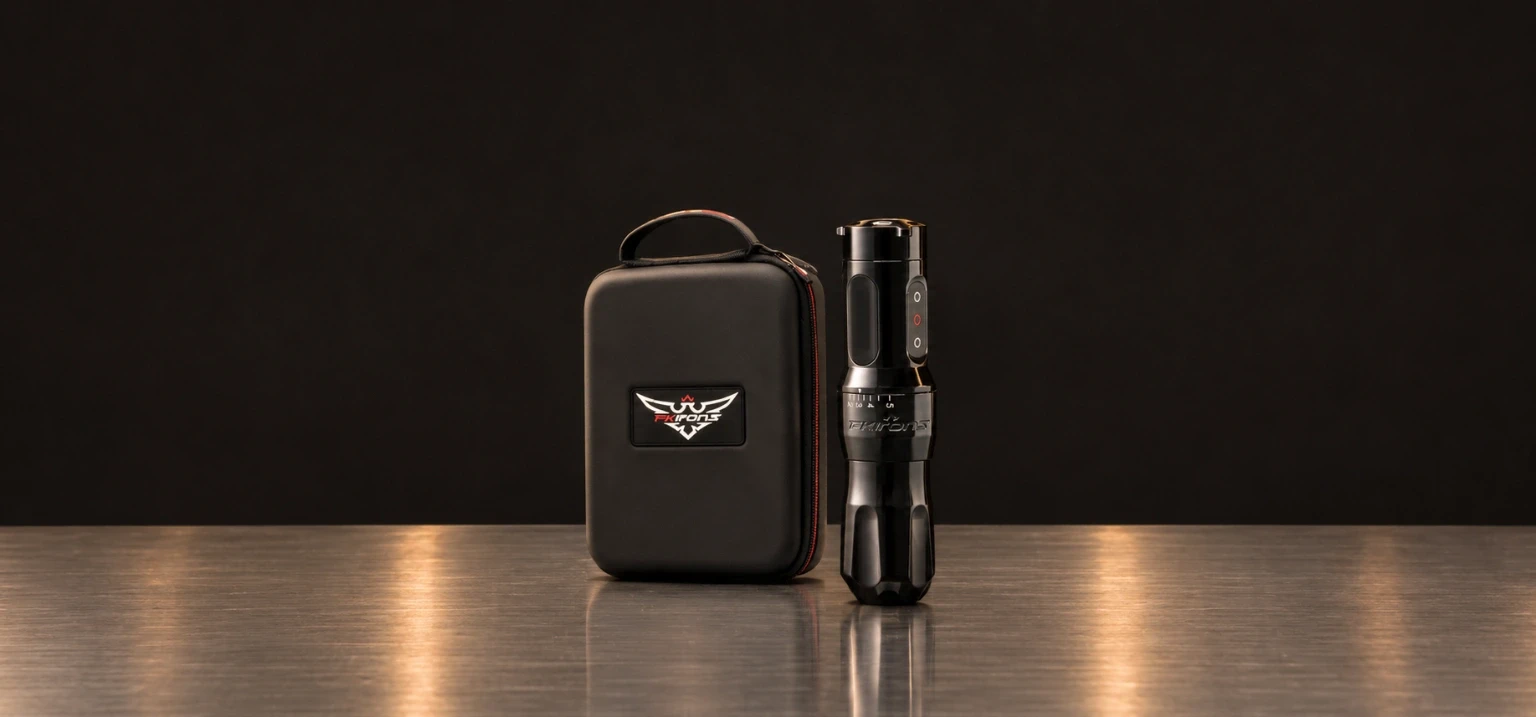
FK Irons suggests 2.0-2.5 mm short stroke for fine detail and medium stroke for finer outlines. Another FK article lists 3.5-4.2 mm for general linework. Those references cover different tasks and should be tested with the actual needle grouping.
| Variable | FK manufacturer reference | Practical check |
|---|---|---|
| Fine detail stroke | Short 2.0-2.5 mm in FK's stroke guide | Compare controlled, lighter travel against the needle grouping and intended line. |
| Finer outlines | Medium stroke in the same FK guide | Test whether the grouping can maintain continuous pigment delivery. |
| Lining voltage, broad article | 8-10.5 V in FK's voltage guide | Stay within the actual machine's rated operating range. |
| Lining voltage, grouping article | Approximately 6-9 V; many setups 6.5-8 V | Match the machine's pace to hand speed and grouping resistance. |
FK says small groupings offer less resistance and often need less impact. Its voltage ranges differ by guide, while Peak says artists may or may not reduce voltage when switching to bugpins. Follow the exact machine limits and compare on practice skin. Read our power supply guide for controls.
THE ARTIST STILL CONTROLS THE LINE
Why do fine line tattoos show every wobble, skipped dot, or uneven edge?
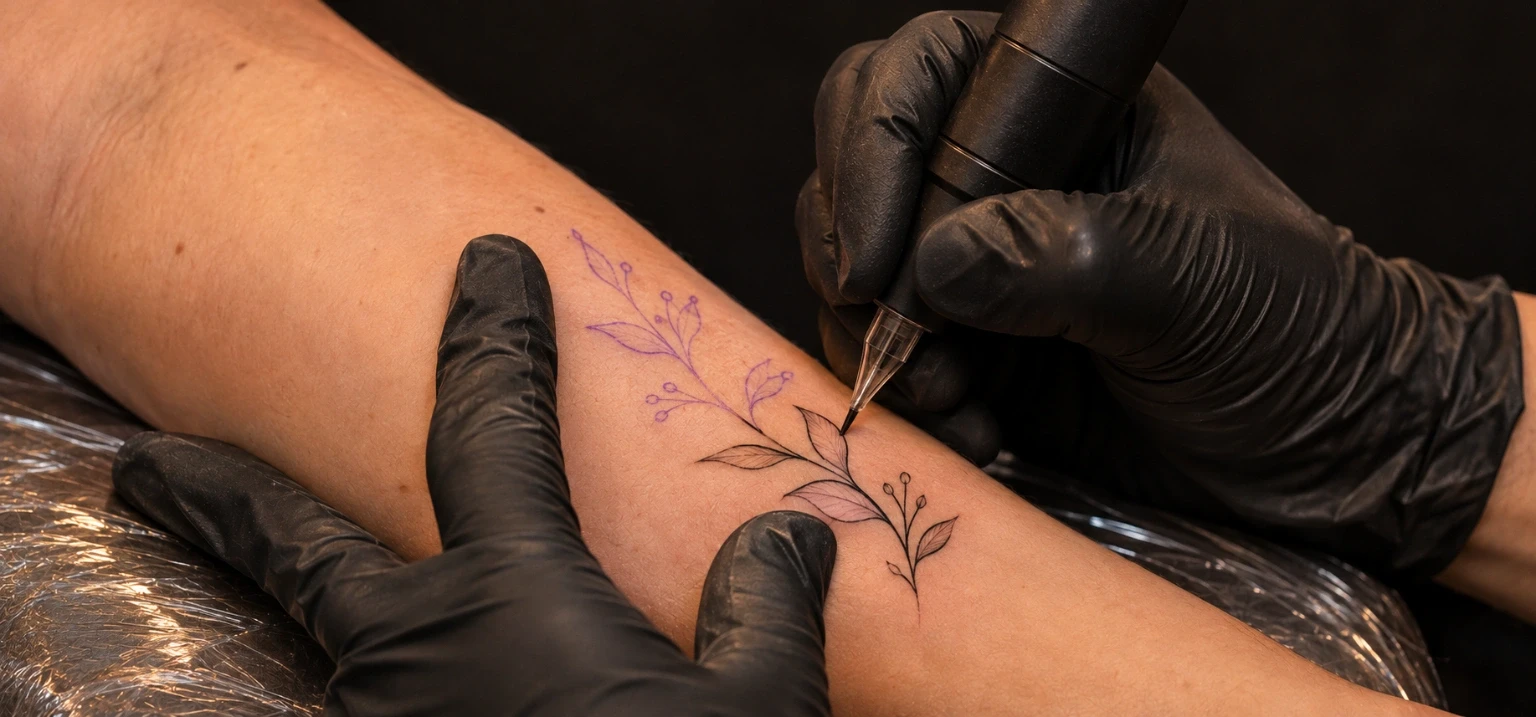
Peak Needles says thinner lines reveal small hand movements more clearly than a thicker standard outline. FK makes the same point about 3RL: its small contact area can move with less resistance but leaves little room for unsteady motion, poor skin stretch, or an inconsistent angle.
Hand too fast for motor speed
FK explains that lines can appear as separate dots when hand speed outpaces needle cycles. Compare hand pace and voltage within the machine's approved range.
Motor too fast for the hand
FK warns that high voltage paired with a slow hand can overwork skin. More cycles on the same area are not a substitute for smooth, confident movement.
Changing stretch or angle
Small RL needles make inconsistencies more visible, according to FK. Keep these technique variables steady while you compare different cartridges.
PROTECT THE EDGE
Do fine line tattoos blow out, and how can artists reduce the risk?
Yes, a fine line tattoo can experience a blowout when pigment is deposited too deeply. FK Irons describes blowout as ink reaching the fatty layer beneath the dermis and spreading beyond the intended line. It highlights sensitive locations including the inner arm, ribs, and tops of the feet.
Before attempting a delicate line
- Check the actual skin area: FK recommends lighter handling on thinner, softer skin.
- Review needle extension: FK advises starting with less hang and adapting working depth to delicate skin.
- Match grouping and machine: FK says there is no single perfect voltage, stroke and cartridge combination.
- Reassess pressure before adding it: Peak advises changing setup, stretch, angle, and machine settings first.
A narrower line reveals changes in edge definition, but needle diameter alone does not determine a blowout. Ask the artist to assess a healed blur instead of guessing from a fresh photo.
THINK ABOUT THE HEALED TATTOO
How do fine line tattoos age, fade, or spread over time?
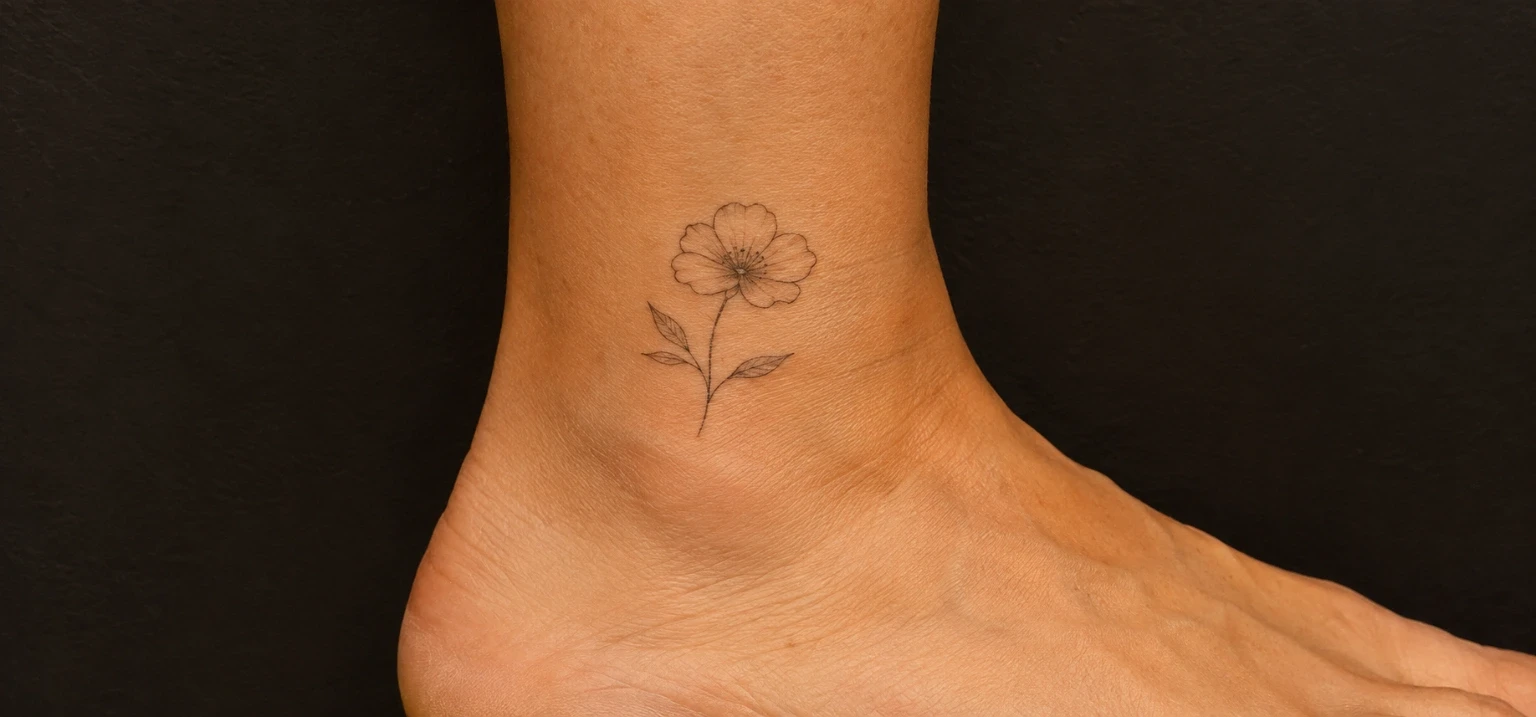
A fresh fine line photo is only one stage of the tattoo's appearance. A peer-reviewed 2015 paper in the Beilstein Journal of Nanotechnology describes pigment gradually redistributing deeper into the dermis as tattoos age, with a faded or blurred appearance over long periods. This is a general property of tattoo pigments, not a fine-line-specific rate of change.
| What a client notices | What the evidence supports | Useful next step |
|---|---|---|
| Gradual softening over time | Published research describes pigment migration deeper in the dermis and fading across tattoos. | Compare changes with the original design and consult the artist. |
| A suddenly blurred edge after a session | FK links overly deep deposition with blowouts; early appearance needs professional assessment. | Let the tattoo heal and discuss persistent changes with the artist. |
| Patchy-looking healed detail | FK notes that too-shallow placement can fade as outer skin renews. | Have the artist assess the healed result before planning further work. |
The study does not establish that fine line tattoos always fade faster than bold tattoos or give a predictable aging timetable. Ask to see healed work, and read our tattoo aftercare guide.
CONTROLLED PRACTICE
How should beginners test fine line needles and settings on practice skin?
FK recommends testing needle extension and machine response on synthetic skin before client work. Hold most variables steady to understand what changes a line.
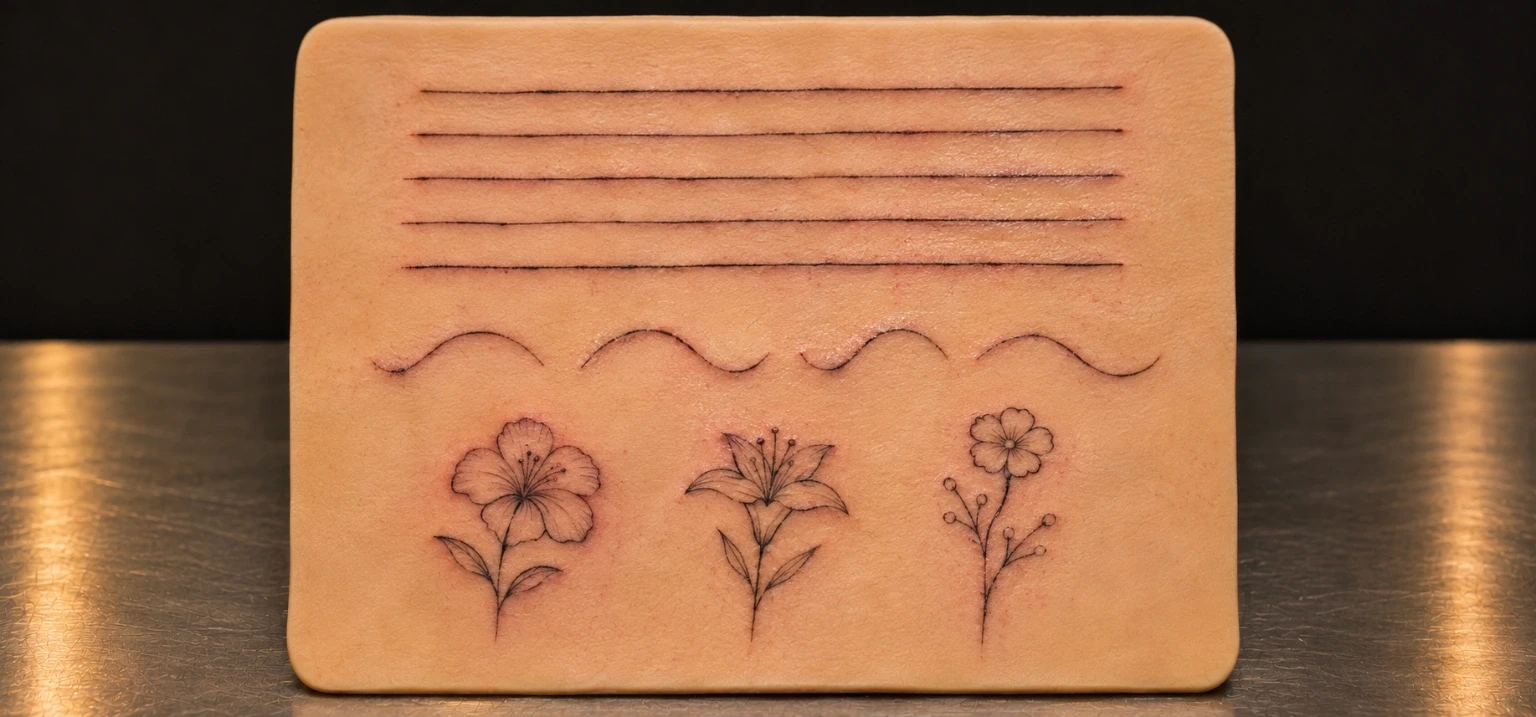
Pick a repeatable design
Use straight lines, gentle curves, and small details so different cartridges face the same challenge. Include areas where angle and hand support matter.
Record the first setup
Note machine, stroke, voltage, RL count, diameter, taper, and visible hang. A written baseline makes later comparisons meaningful.
Check modest needle extension
Use FK's extension guidance before judging hand speed, and evaluate controlled working depth.
Practice the same controlled path
Keep stretch, angle, and pace consistent. Look for wobble and dotted segments, which FK links to control and speed mismatch.
Change a single variable
Try another RL grouping or diameter, then compare. Test a voltage adjustment separately inside the machine's operating range.
Review which combination is repeatable
Choose the setup that produces controlled lines for your hand. The most delicate nominal needle is not necessarily the setup you can use consistently.
Explore practice supplies and cartridge compatibility in SVT Shop guides.
FIX THE WEAK LINK
What common mistakes make fine line tattoos shaky, patchy, or blurry?
Peak and FK consistently point to the interaction of needle build, hand movement, stretch, depth, and settings. These are the most useful errors to recognize before assuming a different brand or higher voltage will produce clean detail.
Shopping by RL count alone
Peak says count is only one factor. Diameter, taper, grouping tightness, and technique change line weight, so compare the complete code.
Assuming bugpin removes risk
Peak warns bugpins do not inherently prevent graininess, blowouts, or trauma. Narrow pins still require depth control and steady movement.
Copying a voltage from another machine
FK publishes different lining ranges for different guidance contexts. The actual machine, stroke, needle build and hand speed determine the response.
Confusing protrusion with skin depth
FK advises beginning with modest extension. Exposed needle length is different from actual pigment placement.
SVT SHOP FINE LINE WORKFLOW
Which fine line cartridges, ink, machine, and practice supplies should you compare?
SVT Shop lists liner families from Kwadron, Bishop Da Vinci V2 and Nexus, plus lining ink, practice skin and an adjustable-stroke FK Irons pen. Check the actual cartridge variant: a parent Liners listing does not define every count, diameter or taper.
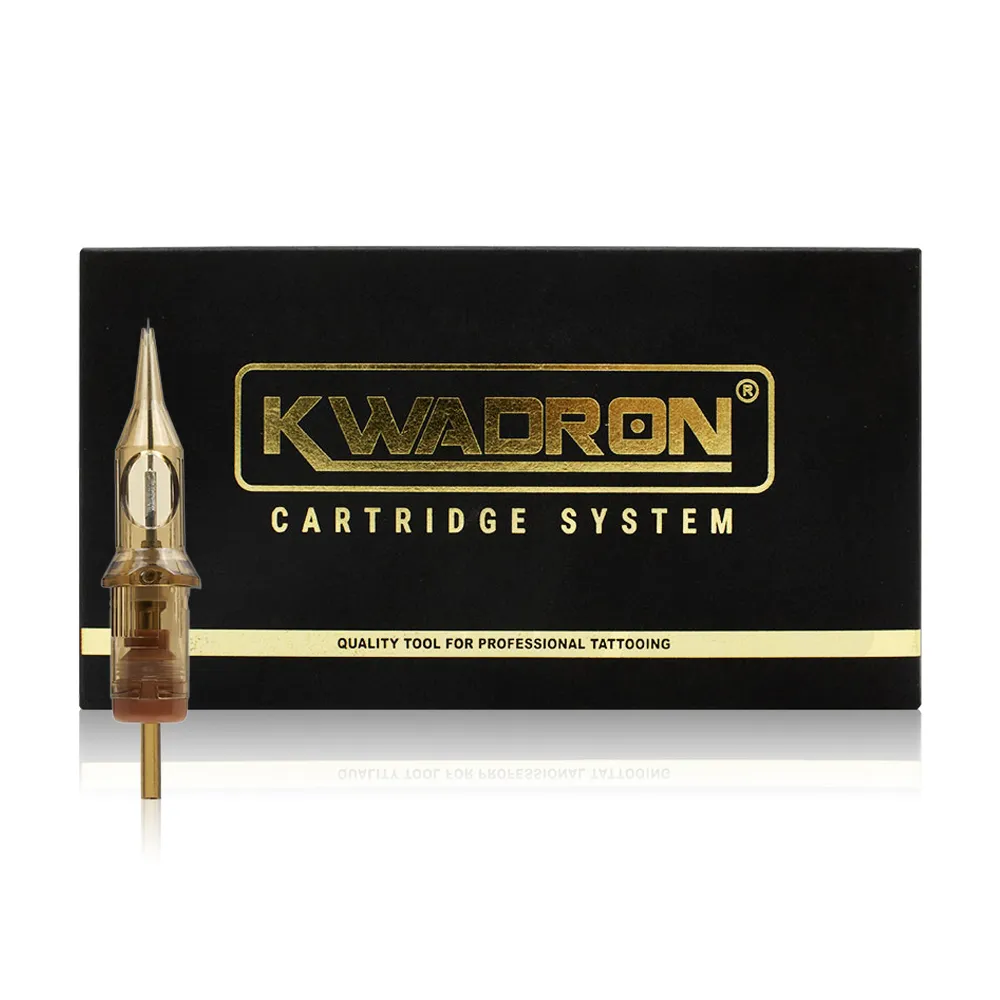 Round liner family
Kwadron Cartridges Liners
Round liner family to compare by count, diameter and taper. Choose the variant listed for the specific product.
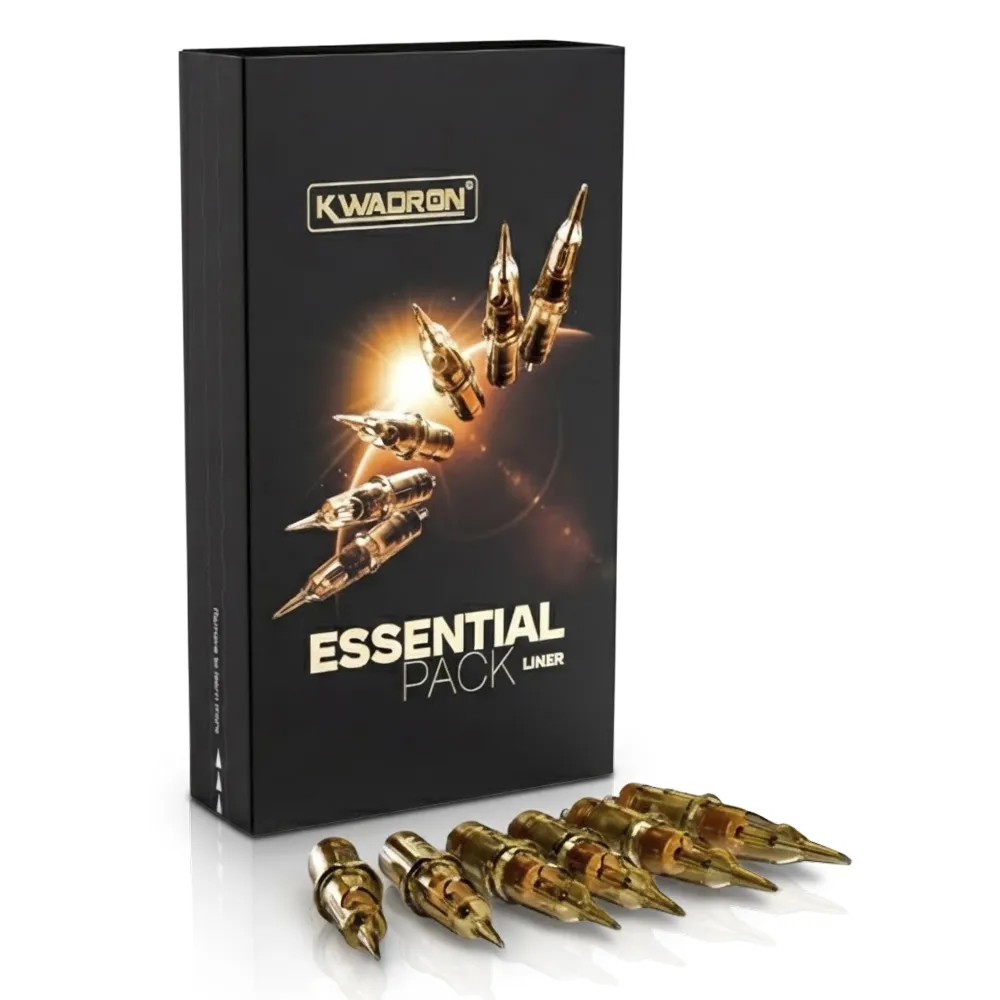 Liner selection workflow
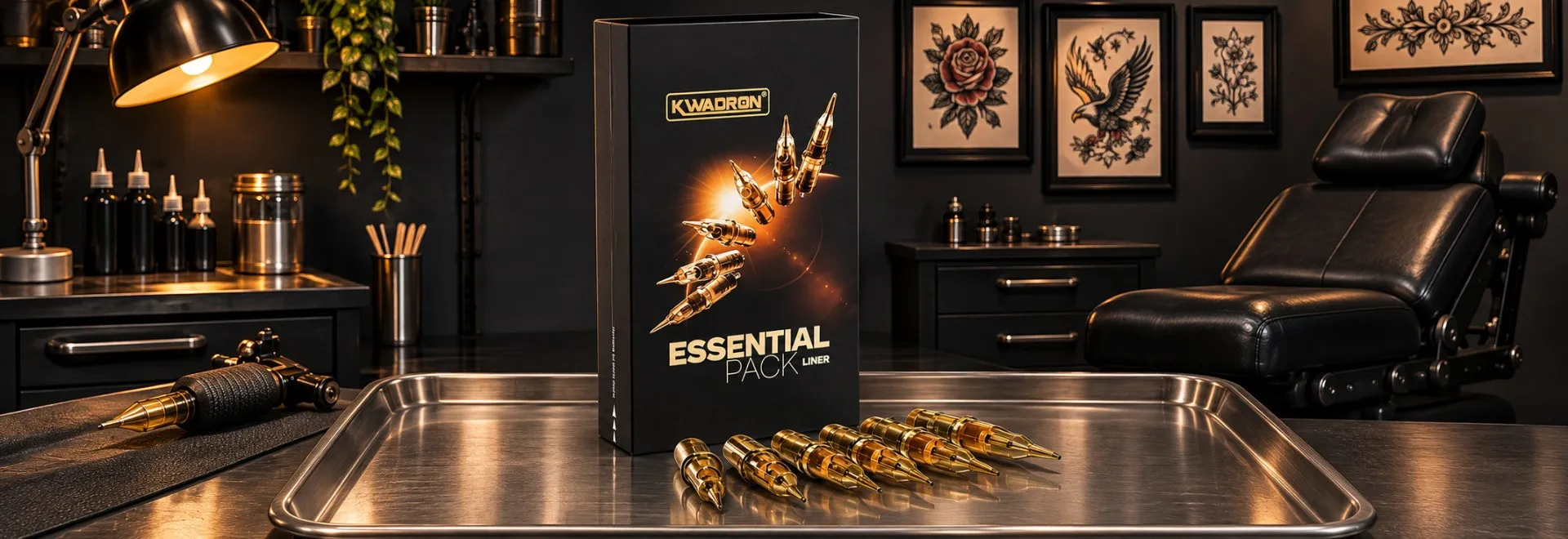
Kwadron Cartridges Essential Pack Liner
Liner pack for structured cartridge trials. Review the contents against the configurations you want to practice.
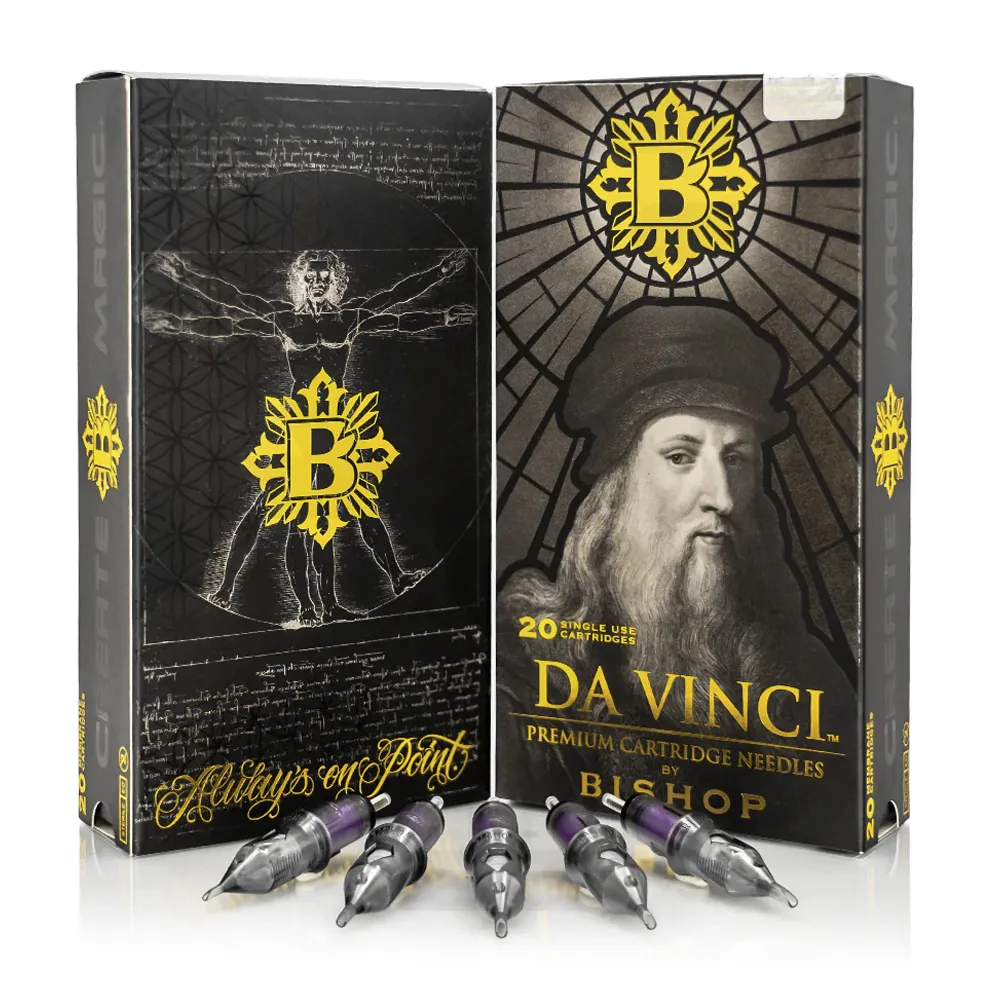 Professional liner option
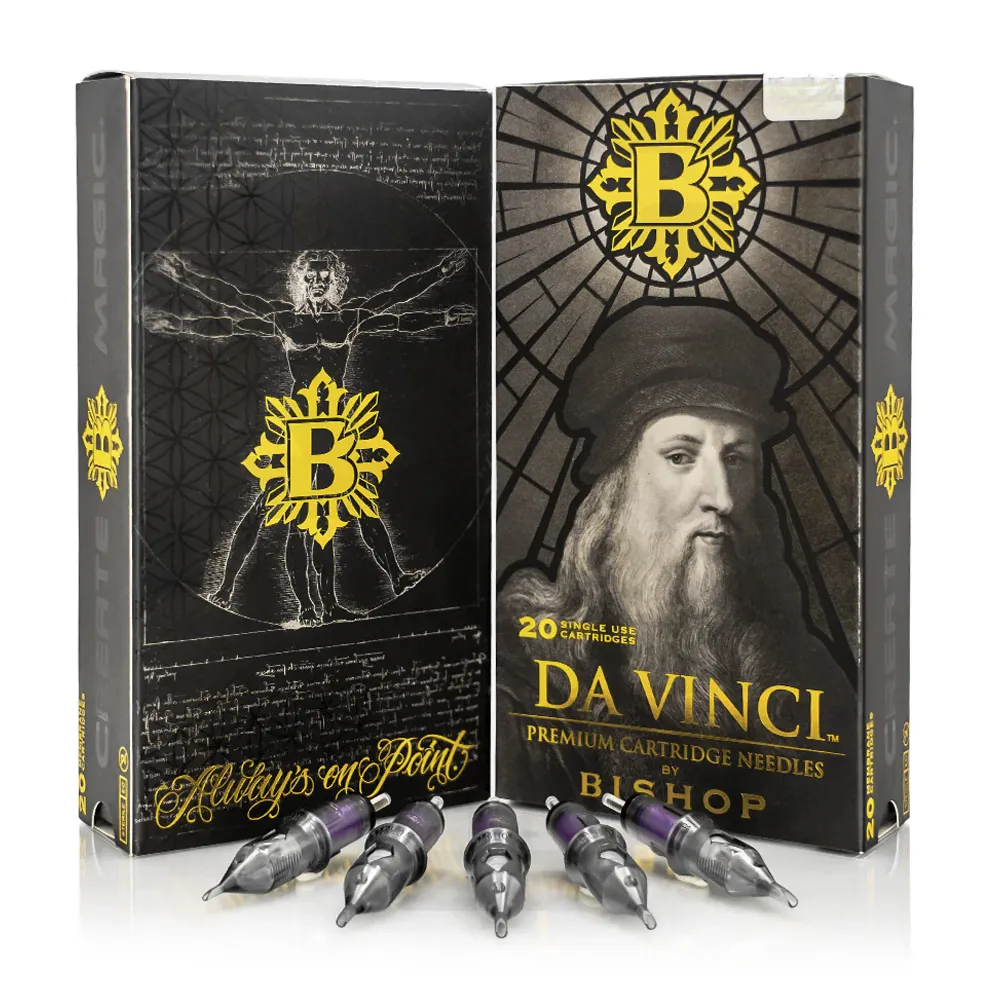
Bishop Da Vinci V2 Liners
Professional liner family for comparing machine fit and controlled fine detail without assuming a particular bugpin size.
 Compare a stronger line profile
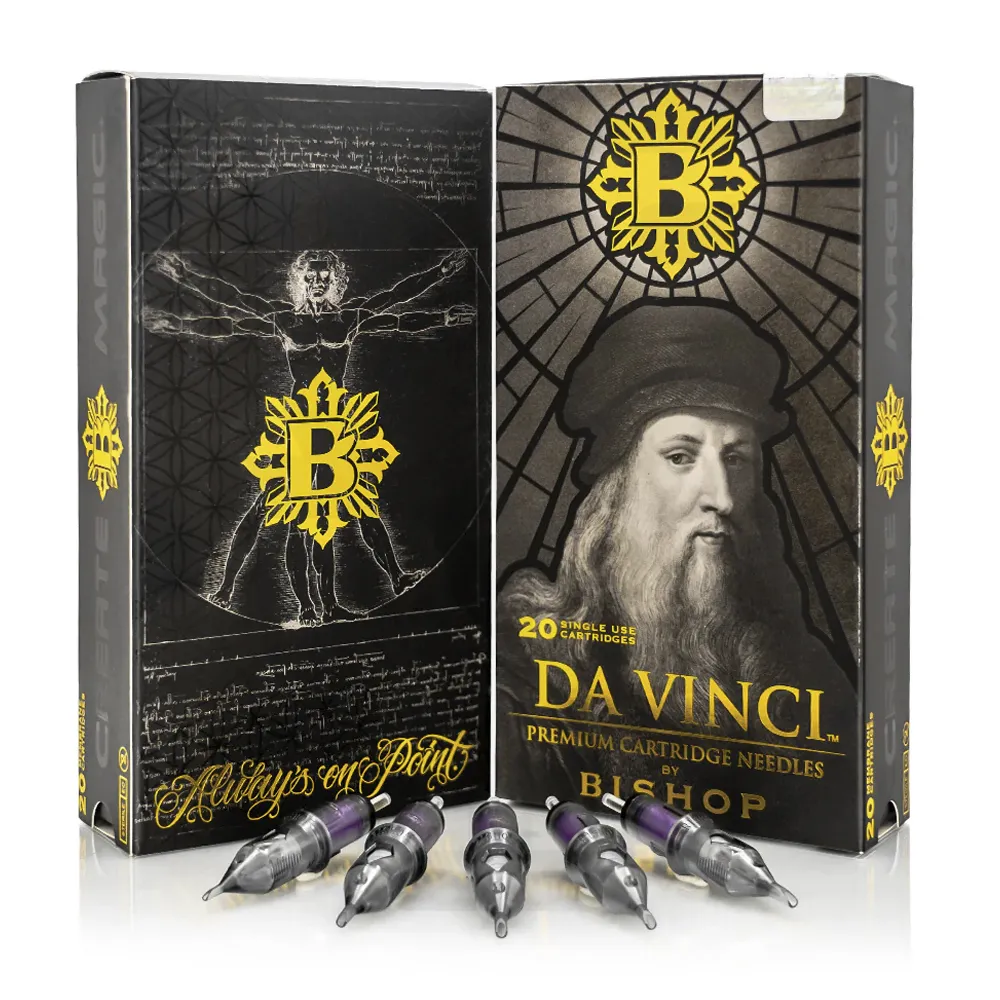
Bishop Da Vinci V2 Hollow Liners
Hollow-liner arrangement for comparing a stronger outline with a compact RL mark.
 Liner alternative
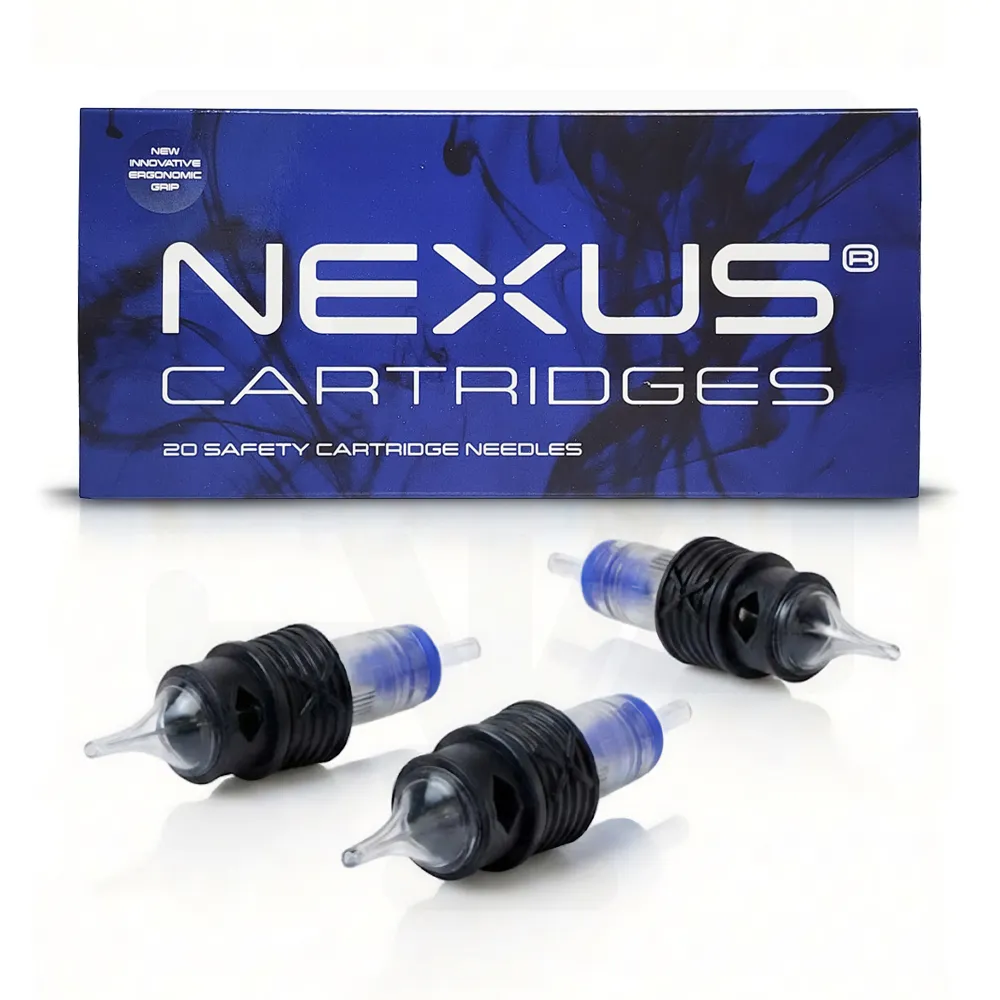
Nexus Cartridges Liners
Liner family to compare for machine compatibility, stable tip positioning and line control.
 Evaluate before a larger purchase
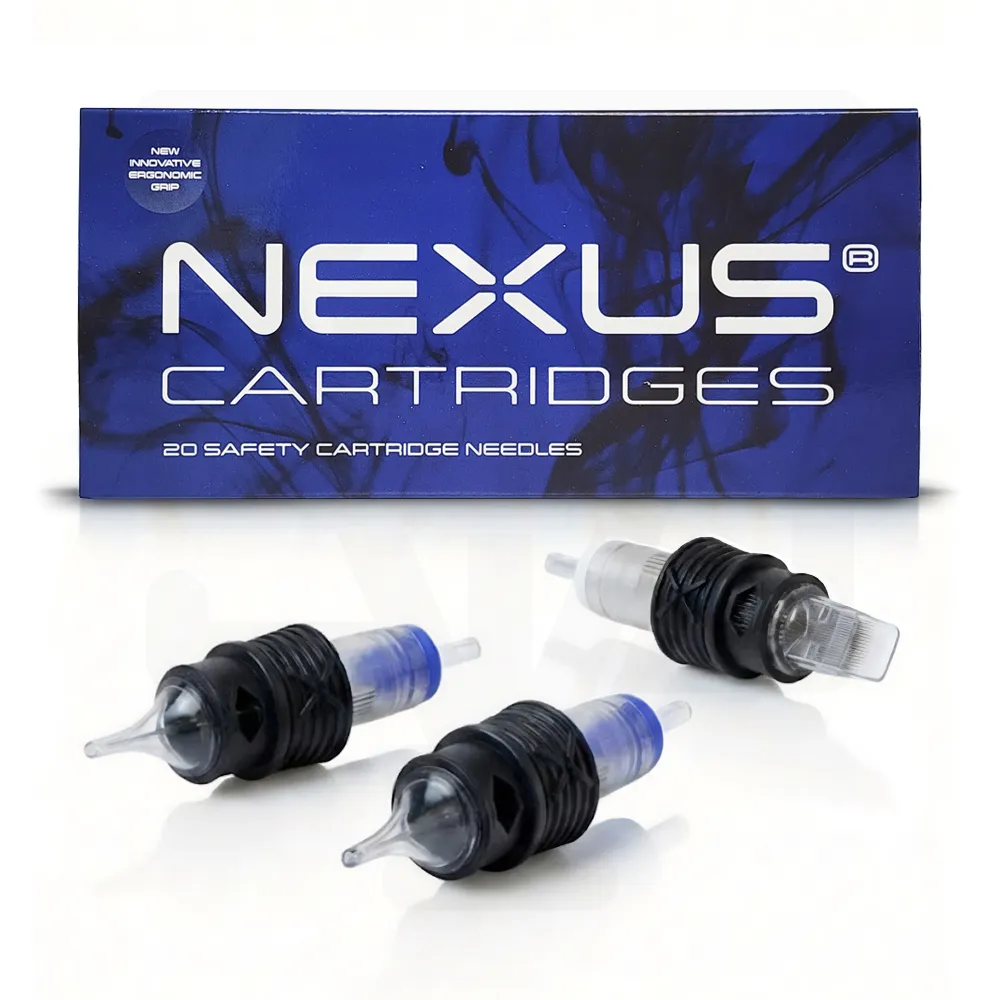
Nexus Cartridges Sample Pack
Sample-pack option to test cartridge feel; check the included groupings before selecting a practice trial.
 Small detail shading
Bishop Da Vinci V2 Round Shaders
Round shader option for small shaded details next to fine line work.
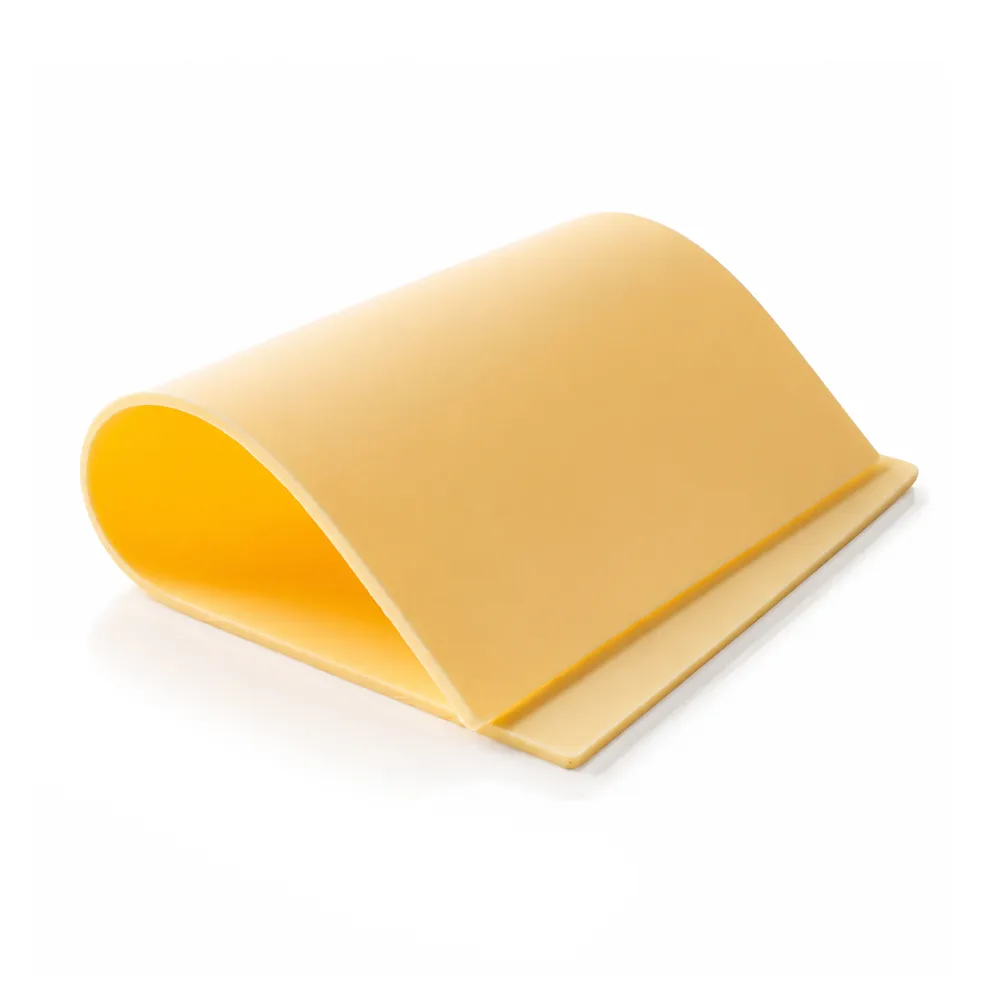 Technique and setting tests
Tattoo Practice Skin 3mm A4
A4 synthetic surface, 3 mm thick, for needle, stroke, hang and hand-speed comparisons.
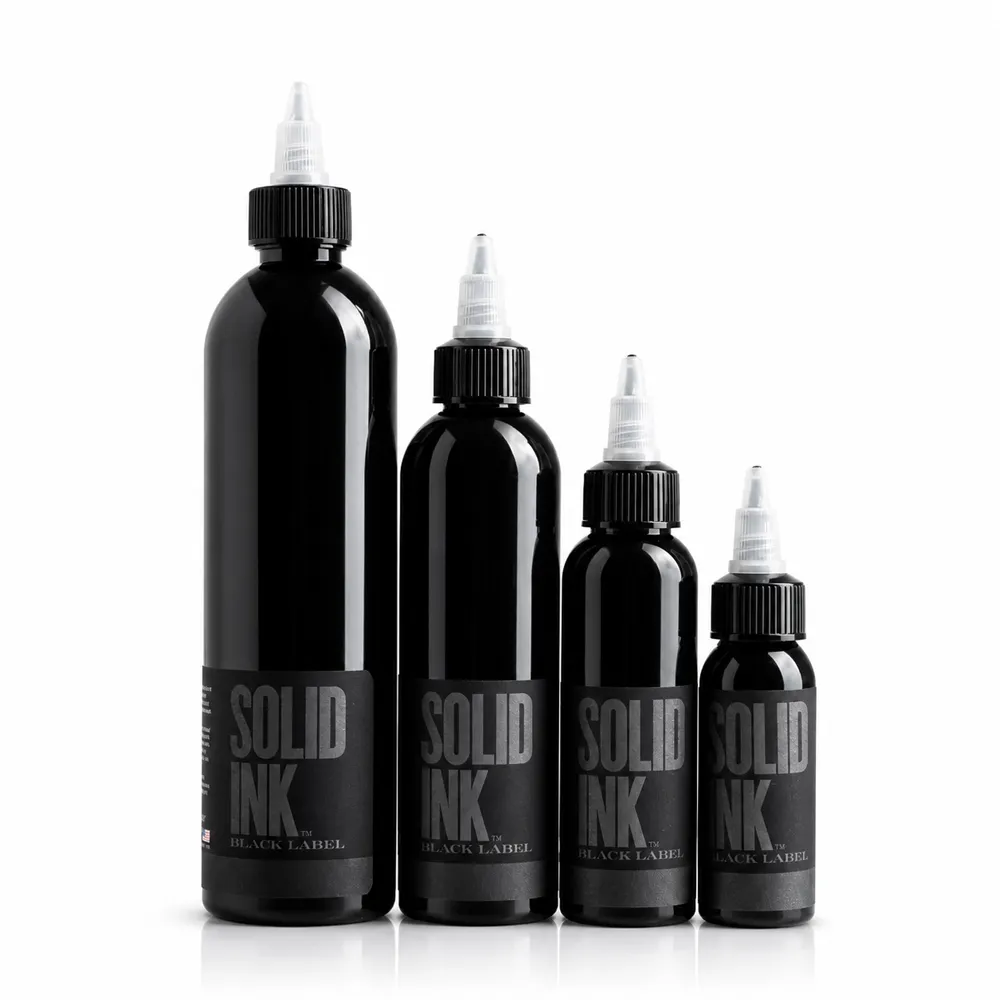 Black lining workflow
Solid Ink Lining Black
Black ink labeled for lining, to evaluate as part of the needle and machine workflow.
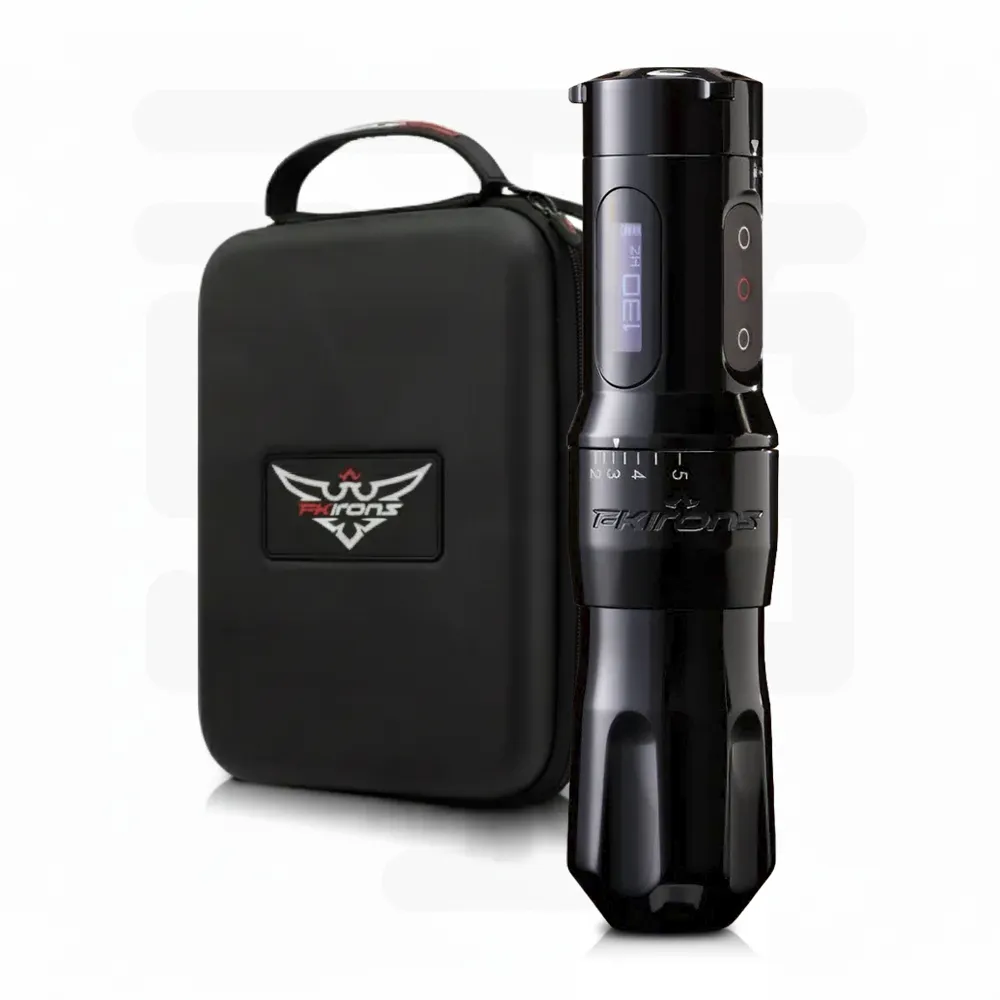 Adjustable stroke comparison
FK Irons One Adjust
FK describes adjustable stroke of 2.0-5.0 mm in 0.5 mm steps for comparing travel and hit.
Shop Kwadron Cartridges Shop Bishop Da Vinci V2 Shop Nexus Explore Tattoo Needles Shop Practice Skin
For ink selection beyond the cartridge, read how to choose black tattoo ink. For machine design differences, see pen machines vs coil machines.
BEFORE YOU PICK A CARTRIDGE
Fine line tattoo needle and machine settings checklist
Choose a needle for the mark and a setup you can control, not for its smallest label. Peak, FK and Kwadron all emphasize that diameter, grouping, taper, machine response, and technique combine to create the finished line.
- Group: Is the RL count appropriate for the detail without making hand wobble harder to control?
- Diameter: Can you distinguish #8 / 0.25 mm, #10 / 0.30 mm, and #12 / 0.35 mm on the actual package?
- Taper: Do you want to compare long-taper delicate delivery against medium-taper faster ink release?
- Fit: Does the cartridge match your pen, and can you control the exposed needle setting?
- Depth: Can you control skin placement without adding excess pressure?
SVT Shop helps tattoo artists, apprentices, and studios select professional equipment in El Paso, TX. Next Day Delivery is available in El Paso.
FREQUENTLY ASKED QUESTIONS
12 fine line tattoo needle, depth, and settings questions answered
These answers combine manufacturer explanations from Peak Needles, Kwadron and FK Irons with published tattoo pigment research, while keeping the difference between cartridge labels, working depth, and healed appearance clear.
1. What needle size is used for fine line tattoos?
Peak discusses small RL groupings, including 3RL, for detail and lists #8 / 0.25 mm and #10 / 0.30 mm bugpins. Count, taper and control all affect line weight.
2. Is 1RL or 3RL better for fine line?
1RL means one pin; 3RL means three. Peak describes 3RL for small detail. Neither count alone predicts a healed line width.
3. What is a bugpin tattoo needle?
Bugpin names a narrower pin diameter, not a different layout. Peak identifies #10 / 0.30 mm and #8 / 0.25 mm.
4. Bugpin vs standard needle: what is the difference?
Peak lists typical standards at #12 / 0.35 mm and bugpins as thinner. Bugpins deliver ink differently but do not inherently prevent blowouts or trauma.
5. What needle depth should be used for fine line tattoos?
FK cites approximately 1-2 mm skin placement for many tattoos and about 1.5 mm as a general lining reference. These figures are not exact hang settings.
6. What machine settings are best for fine line tattooing?
FK gives 2.0-2.5 mm stroke for fine detail and medium travel for finer outlines. Its voltage references vary; use the machine manual and practice.
7. Do fine line tattoos blow out?
Yes. FK links blowout to pigment placed too deeply, especially on delicate skin. Narrow pins still require depth and pressure control.
8. How do fine line tattoos age or spread?
A 2015 study describes general pigment redistribution and fading over time. It does not establish a specific fine-line aging rate. Ask for healed examples.
9. What does long taper do for fine line work?
Kwadron says long taper has a slimmer, longer point for delicate lines; medium taper releases ink faster.
10. Why is fine line tattooing harder than bold linework?
Peak and FK say 3RL and narrower pins expose small hand movements, changing angles and poor stretch more clearly.
11. Can fine line tattoos be done with cartridge needles?
Yes. Kwadron makes 0.25 mm round-liner cartridges. Select the specific variant and compatible machine rather than relying on the parent listing.
12. Which cartridge should I choose for fine line: Kwadron, Bishop or Nexus?
SVT Shop lists liner families from Kwadron, Bishop Da Vinci V2 and Nexus. Compare the available count, diameter, taper and fit on practice skin.
RESEARCH
Sources Consulted
Sources: Peak Needles and Kwadron for cartridges; FK Irons for settings and depth; a peer-reviewed paper for long-term pigment changes.
- Peak Needles: Bugpin vs Standard Tattoo Needles
- Peak Needles: Needle Selection for Black-and-Gray Shading
- Peak Needles: Tattoo Needle Configurations Explained
- Peak Needles: Tattoo Needle Depth Myths
- Kwadron: 0.25 mm Round Liner Cartridge Specification
- Kwadron: Textured Round Liner Cartridge Specification
- Kwadron: Cartridge System from A to Z
- FK Irons: Matching Machine Settings to Needle Groupings
- FK Irons: Switching Between Needle Groupings
- FK Irons: Tattoo Machine Stroke Length Explained
- FK Irons: How Settings Affect Linework, Shading and Color
- FK Irons: Tattoo Machine Voltage Guidance
- FK Irons: Tattoo Needle Depth and Setup
- Beilstein Journal of Nanotechnology: Tattoo Ink Nanoparticles in Skin Tissue and Fibroblasts