Powered by Comercia.io
How do you tattoo clean lines when your outlines keep looking shaky, blurry, dotted, or uneven? Start by checking hand speed, skin stretch, needle depth, cartridge stability, and machine speed instead of turning up voltage at random. This guide explains how to pull smoother tattoo lines, pick a round liner, and practice repeatable corrections before working on a client.
Shop Tattoo Needles Shop Practice Skin
QUICK ANSWER
How do you get smooth, clean lines when tattooing?
Stabilize the hand and skin, match hand speed to machine speed, and use a properly seated sharp round liner at controlled working depth. FK Irons says inconsistent lines commonly result from a combination of speed mismatch, insufficient skin stretch, unsuitable depth, or cartridge movement. Improve the specific weak link on practice skin before changing several settings together.
SHAKY OR WAVY
Check your hand anchor, stretch, angle, grip stability, and cartridge wobble.
DOTTED OR PATCHY
Compare hand speed with voltage, then inspect needle condition, ink flow, and working depth.
BLURRY OR THICK
Reassess depth, pressure, and passes. Have a healed tattoo evaluated by its artist rather than guessing from appearance.
FIND THE ACTUAL PROBLEM
Why are my tattoo lines shaky, blurry, dashed, or uneven?
Different-looking failures need different corrections. FK Irons connects shaky lines with needle or hand instability, broken lines with weak hit or poor ink flow, and uneven weight with cartridge movement, depth, or power variation. Use the mark as a clue, not a reason to change every setting.
| Visible symptom | Likely causes to check | What to adjust or inspect |
|---|---|---|
| Shaky / wobbly | Unstable grip, inadequate stretch, vibrating machine, loose cartridge, or needle wobble. | Anchor the hand, improve controlled stretch, inspect grip and cartridge seating, and test again. |
| Blurry / blown or spreading | Working-depth or pressure problem; appearance can also change after healing. | Stop forcing the pass; check depth, angle, stretch, and pressure. Ask the tattoo artist to assess healed skin. |
| Patchy / dotted / dashed | Fast hand relative to needle cycles, weak hit, poor ink flow, blunt needle, or excessive cartridge drag. | Compare hand speed and voltage; inspect tip, grouping, and ink flow on practice skin. |
| Uneven line thickness | Changing angle or depth, poor skin stretch, loose cartridge, power drop, or vibration. | Check support and consistent needle position, then verify cartridge fit and steady power. |
| Line heals less solid | FK identifies inconsistent depth, skipping, incomplete saturation, or overworking as possibilities. | Review the original technique and equipment; avoid immediate repeated passes and let the artist evaluate the healed result. |
CONTROL THE MOVEMENT
How fast should your hand move to pull a clean tattoo line?
There is no single hand speed that fits all machines and liner groupings. FK Irons teaches that hand speed must match machine speed: if the machine cycles too slowly relative to your movement, the line can become a trail of dots instead of a continuous mark.
FK warns that high voltage paired with a slow hand may overwork skin. On practice skin, compare a repeatable pace, steady hand support, and a consistent liner before changing voltage.
SEE THE TIP, CONTROL THE DEPTH
Can wrong needle depth or needle hang make tattoo lines blurry?
Yes, poor depth control belongs on the troubleshooting checklist. FK Irons says tattoo pigment is placed in the dermis, with many tattoos deposited approximately 1–2 mm into the skin. That describes placement in tissue, not how far the needle protrudes beyond the cartridge.
Needle hang is the exposed length at the cartridge tip; working depth is what your technique achieves in the skin. FK advises keeping the needle tip visible and beginning with less extension when testing a setup. Its approximately 1.5 mm lining figure is a general starting point in its depth article, not a universal penetration target or an exact hang setting.
FK advises a lighter touch and less depth on thinner areas such as inner arms, ribs, and hands.
STABLE WORKING SURFACE
How does stretching the skin help you pull cleaner tattoo lines?
FK Irons identifies insufficient skin stretch as one possible reason for shaky outlines. A consistent surface makes it easier to control your needle path; moving or poorly supported skin adds another variable to an already precise task.
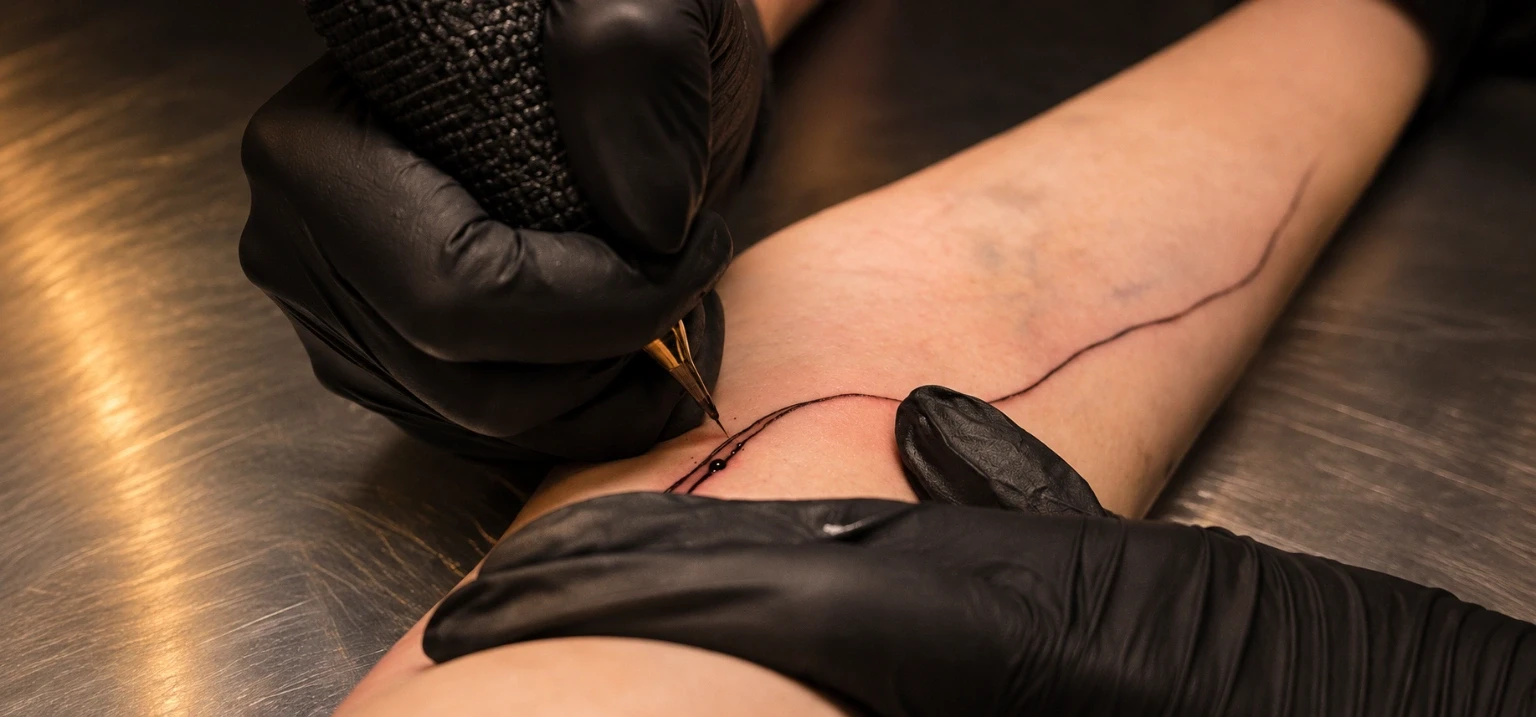
Tattooing101's educational technique guide recommends stretching in the direction of the line with the thumb and forefinger of the supporting hand. Use a steady stretch while keeping the machine hand supported, then reassess the setup when moving to a different part of the design.
HAND SUPPORT AND DIRECTION
What hand position and needle angle help prevent wobbly tattoo lines?
Make the movement stable before focusing on line weight. Tattooing101 teaches a supported position with the elbow anchored, the wrist supported, and the pinky of the machine hand connected to the thumb of the stretching hand. This creates several points of contact instead of leaving the entire motion unsupported.
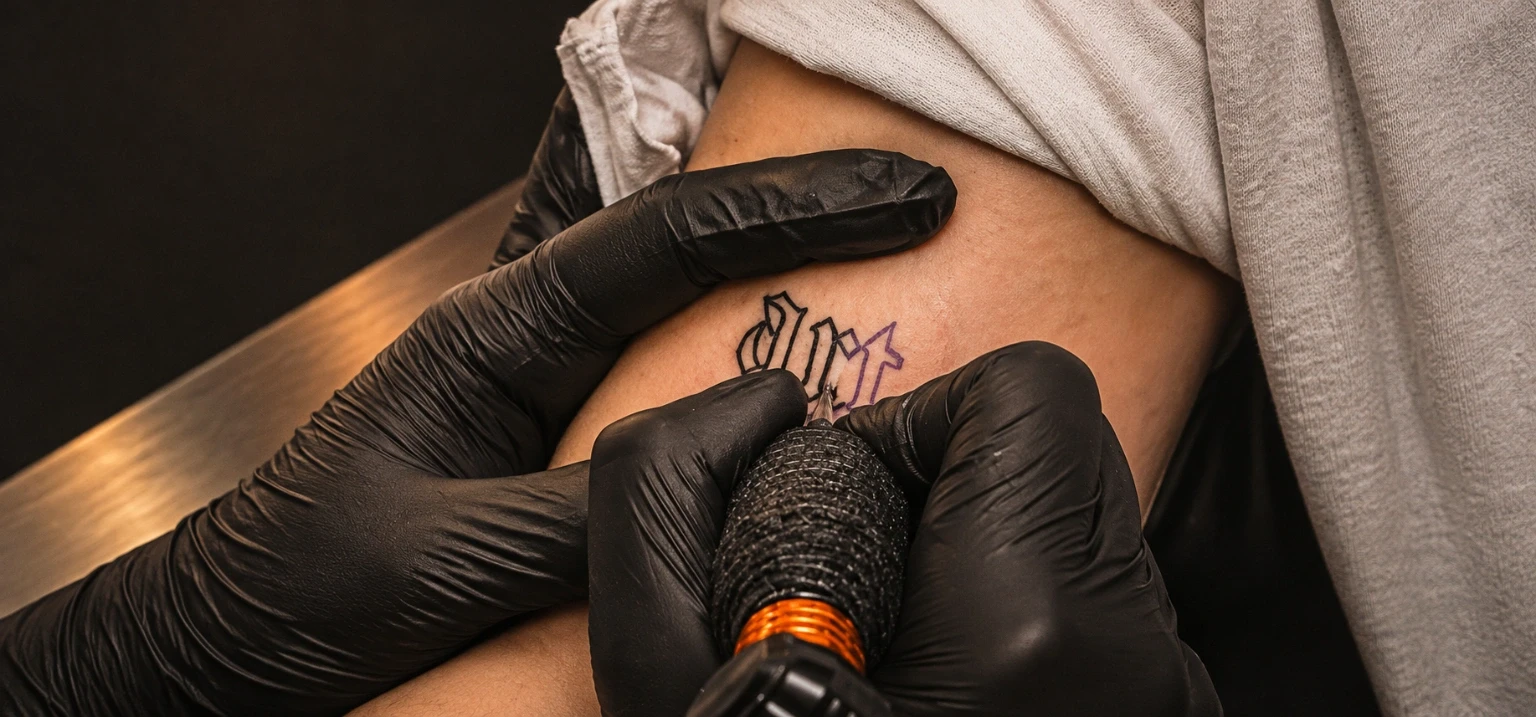
Tattooing101 says pushing or pulling a line can work; consistent direction and support matter more.
ROUND LINER SELECTION
What tattoo needle size is best for clean lines?
Start with the desired outline and a stable round liner (RL), then consider grouping count, individual needle diameter, and taper. Kwadron explains that its closely arranged round-liner needles are designed for a stable formation and even ink flow.
Read the round-liner label
- RL and count: Kwadron uses RL for round liner; the number identifies the grouped needles.
- Diameter: Kwadron code 35 identifies a 0.35 mm individual needle.
- Taper: Kwadron associates long taper with delicate lines and medium taper with faster ink release for stronger outlines.
- Condition: FK says check for blunt or bent tips and loose cartridge seating.
FK warns that a fine 3RL exposes shaky movement, poor stretch, and changing angle more readily. Peak Needles makes a similar point about fine bugpin groupings: small errors become easy to see. Choose a liner you can control instead of treating the smallest number as automatically better.
For a fuller explanation of codes and cartridge fit, read our tattoo needle guide and how to choose tattoo cartridges.
MACHINE SETTINGS, SIMPLIFIED
What voltage and stroke should I use for tattoo lining?
Voltage affects machine speed; stroke affects how far the needle travels and the character of its hit. FK Irons recommends checking your machine manufacturer's instructions before choosing numbers, because its own guides describe different starting ranges for different setups.
FK's voltage guide lists 8–10.5 V for lining, while its needle-grouping guide describes approximately 6–9 V, with many setups around 6.5–8 V. These are reference ranges from different FK articles, not one universal setting. Start with the exact machine maker's recommended operating range.
FK uses 3.5–4.2 mm stroke as a linework example; its stroke guide favors longer travel for bold lines and more moderate travel for finer work. Check hang and hand speed as well.
To explore displayed voltage and cycle-rate terminology, see the SVT Shop power supply guide.
FOLLOW A CLEAR REFERENCE
How does a tattoo stencil affect clean linework?
Clean technique starts with a line you can follow consistently. The stencil is your visual reference; if its direction becomes unclear during wiping, it is harder to evaluate whether a wavering mark came from the hand or from losing the reference.
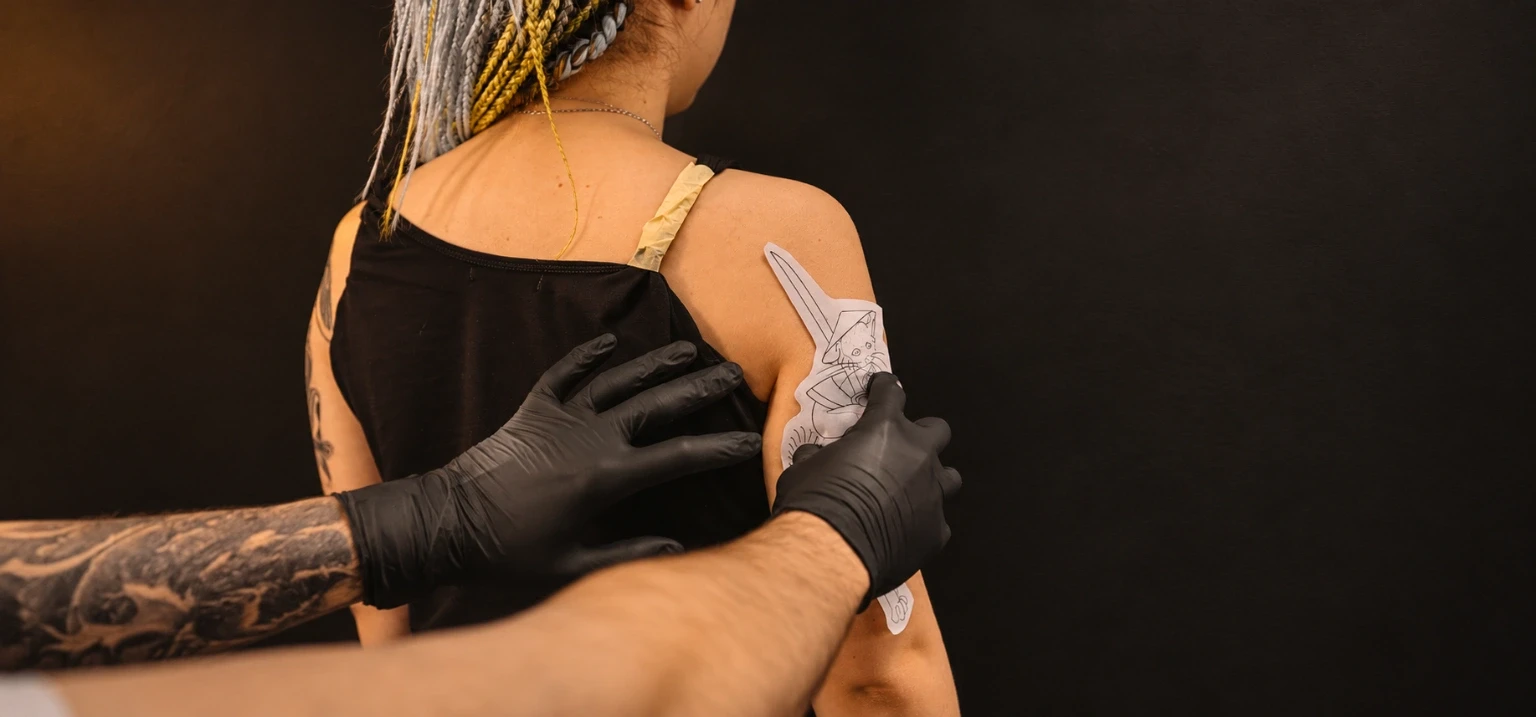
Keep the stencil in the workflow
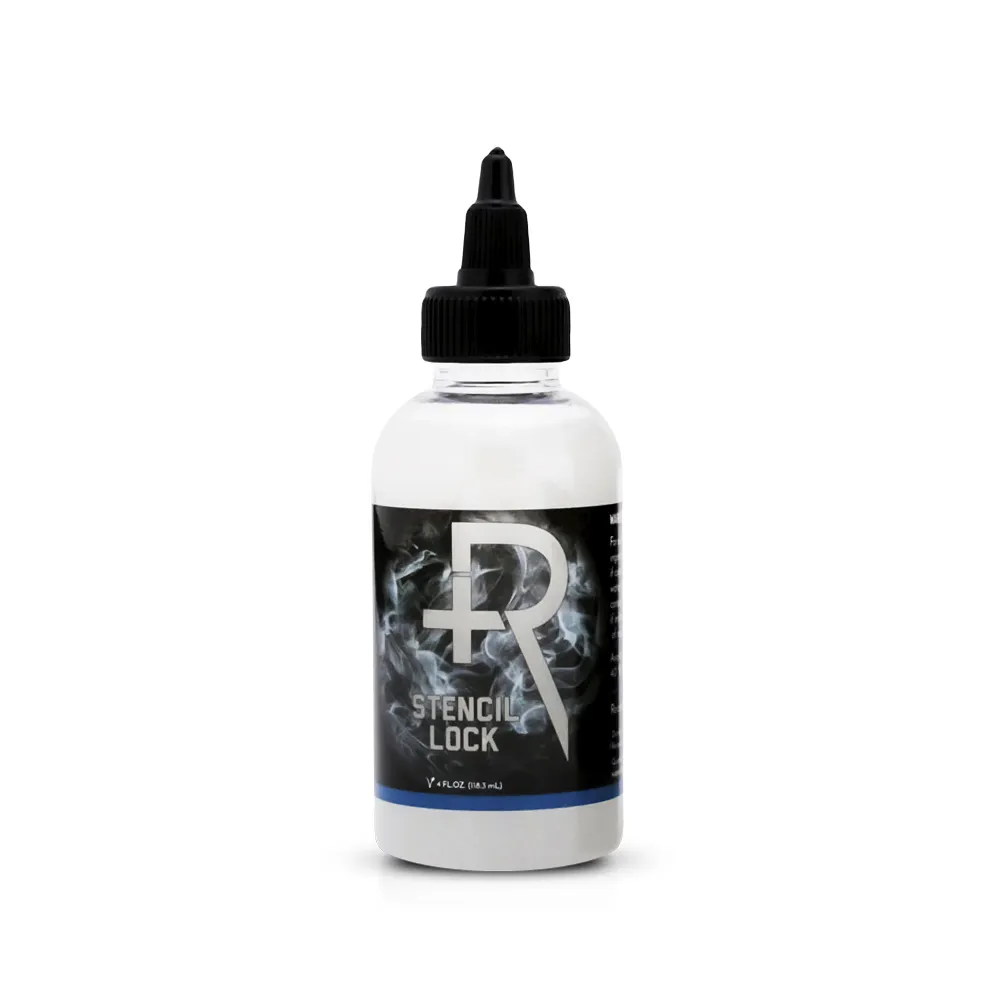
Recovery Stencil Lock is an SVT Shop option for stencil preparation. See our guide to tattoo stencils that last for a fuller discussion of transfer and wiping workflow.
VISIBILITY AND INK FLOW
Can wiping, dried ink, or tattoo glide affect line consistency?
Focus on keeping the intended path visible while protecting ink flow. FK Irons warns that accumulated ink, dried pigment, and even paper fibers can add friction inside a cartridge, making needle movement and ink delivery less consistent.
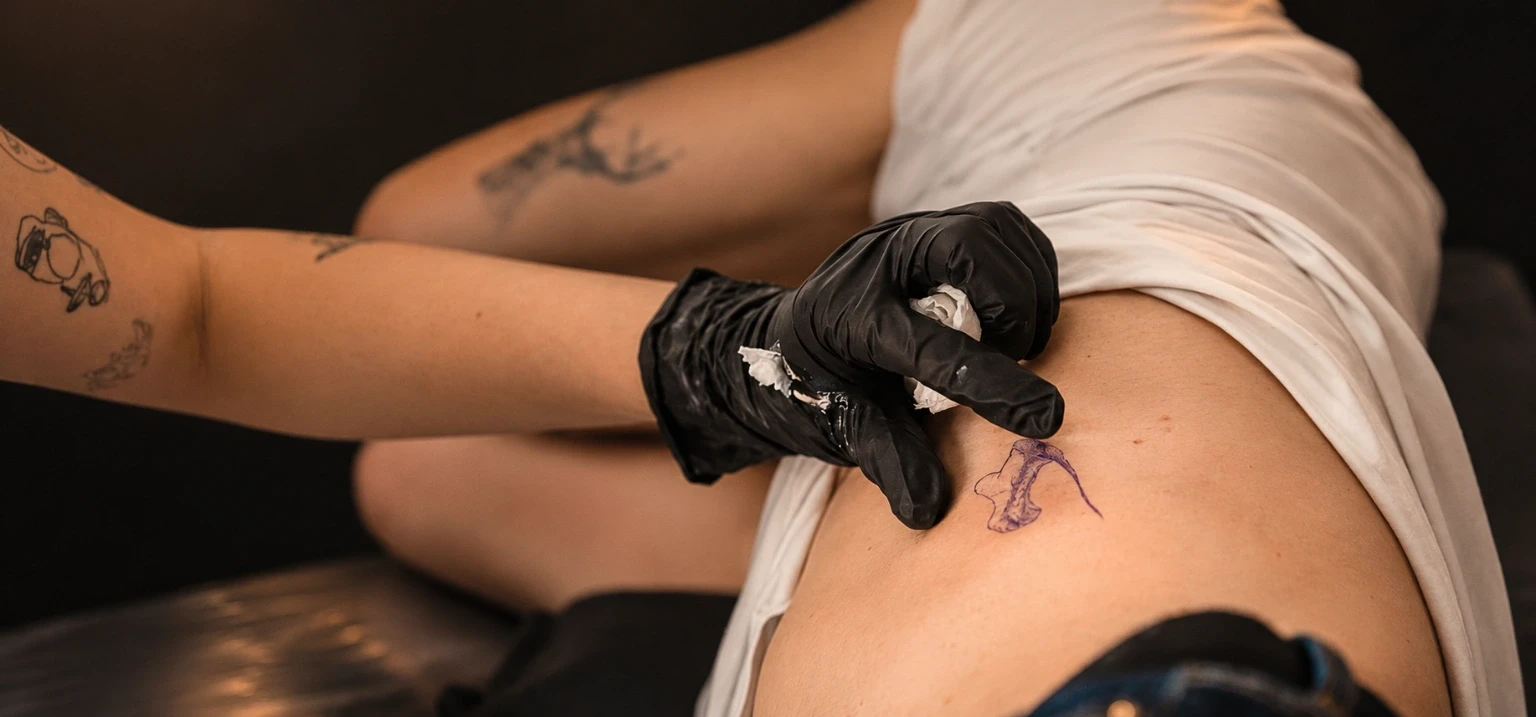
Peak Needles says dull tips can drag or skip. Check depth, stretch, angle, and settings before pressing harder.
Wipe to see, inspect to troubleshoot
Clear enough ink to read the line and stencil. Follow the intended use of any glide; it does not correct wobble, depth, or machine-speed mismatch. FK says dried ink and paper fibers can create cartridge drag.
Dynamic Color lists its original Black for lining, while Triple Black is oriented toward shading, packing, and graywash. Compare inks in our black ink guide.
LINE CONTROL
How do you start and stop a tattoo line without blobs or gaps?
Tattooing101 teaches a controlled angled entry and a gentle lifting exit when a line must stop and later reconnect. Practice the movement on synthetic skin until a segment can begin, travel, and end without an abrupt change in line weight.
Plan the segment
Choose the direction, assess where the hand can stay anchored, and make sure the stencil or practice outline stays visible.
Enter without a stationary pause
On practice skin, rehearse bringing the machine into the line with a controlled angled motion instead of holding the needle in place at the start.
Travel with consistent pace
Keep the hand supported, maintain the angle, and watch the tip. Compare the mark with the intended path.
Taper the exit
Tattooing101 teaches a slight lifting motion to make the end taper instead of stopping abruptly.
Reconnect deliberately
For a continuation, practice an angled re-entry into the previous tapered section to create a visually smooth joint.
A poor restart can make an otherwise steady line look thicker in one place. Evaluate start and end marks independently from the middle of the stroke.
LONGER PATHS
How do you tattoo long straight lines and smooth curves?
Long lines and curves test whether the hand can remain supported as direction changes. Tattooing101 explains that a line too long for a single motion can be made to appear continuous with a tapered exit and angled restart.
Rehearse the full route
Follow the stencil or practice line without running the machine. Notice where your reach or support becomes awkward.
Choose a controlled segment
Work within a path you can keep stable. A planned connection is preferable to forcing a reach that makes the hand wobble.
Re-anchor as the curve turns
Reset wrist and stretch-hand support when the line changes direction, keeping the cartridge aligned to the path.
Join tapered segments
Practice Tattooing101's lifting exit and angled re-entry so the meeting point does not become an obvious dark lump.
For curves, judge the smoothness of the entire shape as well as the thickness of each section. The goal is repeatable directional control, not completing everything without lifting the machine.
SKILL-BUILDING ROUTINE
How should beginners practice clean tattoo lines on synthetic skin?
FK Irons advises checking machine changes on practice skin instead of making guesses during a client tattoo. Build a repeatable routine that compares the technique before and after one adjustment.
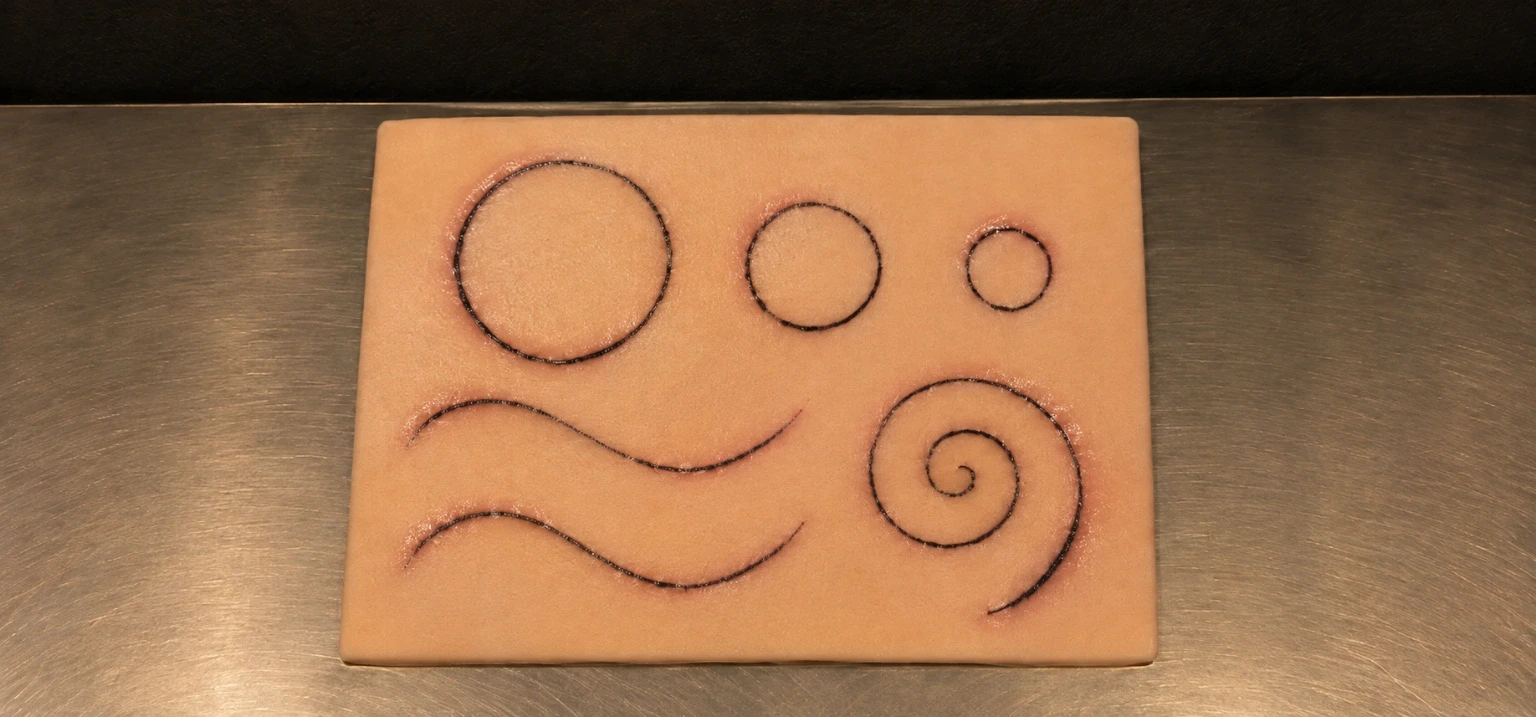
Record the setup
Note the machine, liner grouping, stroke, hang, voltage, and ink used, so later changes have a reference.
Check the hardware
Following FK, inspect tip sharpness, bent needles, side wobble, and secure cartridge seating before starting.
Practice supported straight lines
Focus on smooth motion, one stable hand position, a consistent angle, and a clear view of the needle tip.
Practice curves and connecting segments
Use the taper-and-restart method from Tattooing101. Compare joints with continuous parts of the line.
Test a single correction
Change only one factor: stretch, grip stability, liner, hang, or machine speed. Note whether the line actually improves.
For selecting a practice surface, see SVT Shop's tattoo practice supplies guide.
COMMON ERRORS
What mistakes keep beginner tattoo lines from looking crisp?
FK Irons and Peak Needles repeatedly direct artists back to equipment condition, movement, stretch, and working depth. These common habits make it harder to find the real cause.
Changing every setting together
When voltage, hang, grouping, and hand speed all change, you cannot tell which adjustment helped. FK recommends testing one variable at a time.
Pressing harder when ink looks weak
Peak Needles advises checking depth, stretch, angle, and machine setup first. Weak deposition has several possible causes.
Choosing the smallest liner automatically
FK says fine 3RL configurations show shaky movement more clearly. Choose a grouping that suits the target line and your current control.
Ignoring a damaged or loose cartridge
FK names bent or blunt tips, lateral movement, and insecure cartridge seating as direct line-quality checks.
KNOW WHEN TO SERVICE
Are inconsistent tattoo lines caused by your technique or the machine?
Start with a basic setup inspection. FK Irons identifies weak or intermittent power, unusual vibration, loud chatter, fast overheating, poor cartridge fit, and motor wear as possible machine-related contributors to bad linework.
- One loose cartridge: Inspect seating, bent grouping, and tip condition.
- Power drops: Check the connection and follow the manufacturer's troubleshooting steps.
- Persistent heat, chatter, or vibration: FK advises stopping use and arranging manufacturer service.
Do not test a suspected mechanical repair on a client. FK specifically recommends confirming adjustments on practice skin before resuming professional work.
AFTER HEALING
Why do tattoo lines look uneven or blurry after healing?
A healed tattoo can look different from a fresh line for more than one reason. FK Irons associates patchy healing with inconsistent depth, skipped deposition, poor saturation, or overworked skin. A peer-reviewed study also describes pigment redistribution deeper into the dermis as tattoos age.
A softer healed outline does not automatically identify a machine-setting error. Clients should ask their tattoo artist to assess the healed work and discuss possible corrections.
SVT SHOP LINEWORK WORKFLOW
Which cartridges, liner ink, stencil supplies, and practice skin help?
Build a lining setup around a stable cartridge, ink selected for outlines, a stencil reference, and synthetic skin for repeatable tests. SVT Shop carries professional options from Kwadron, Bishop, Nexus, Solid Ink, and Recovery.
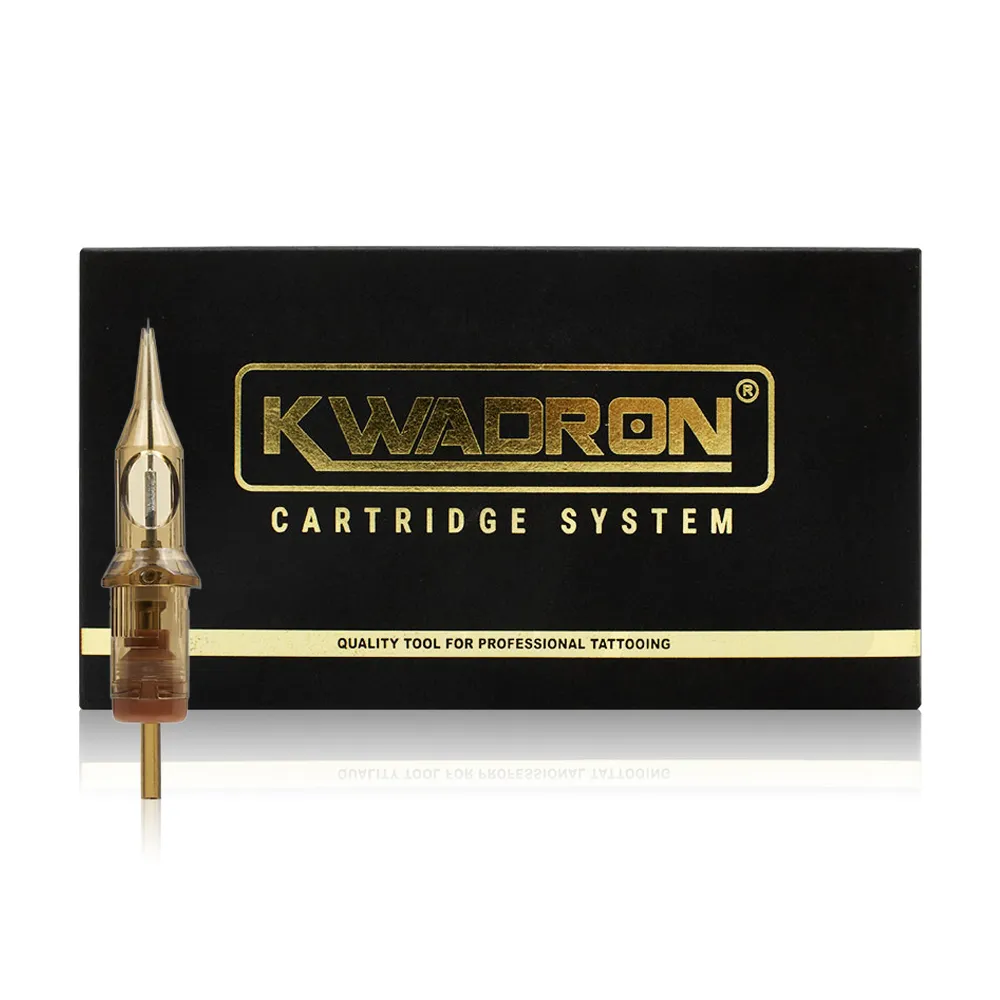 Round liner comparison
Kwadron Cartridges Liners
Kwadron describes its round liners as closely arranged for stable line control and even ink flow. Compare grouping, diameter, and taper with your design.
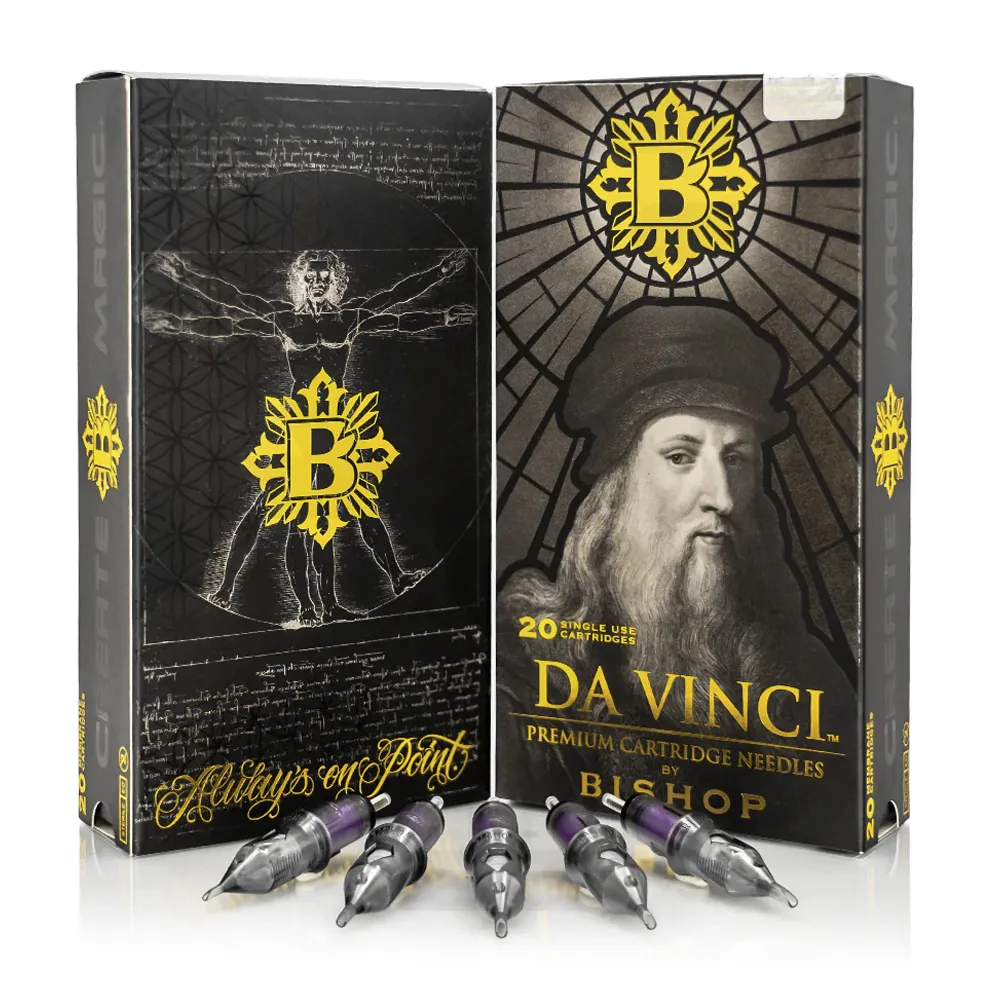 Professional liner option
Bishop Da Vinci V2 Liners
Another professional liner-cartridge family to evaluate for fit, needle choice, and repeatable line practice.
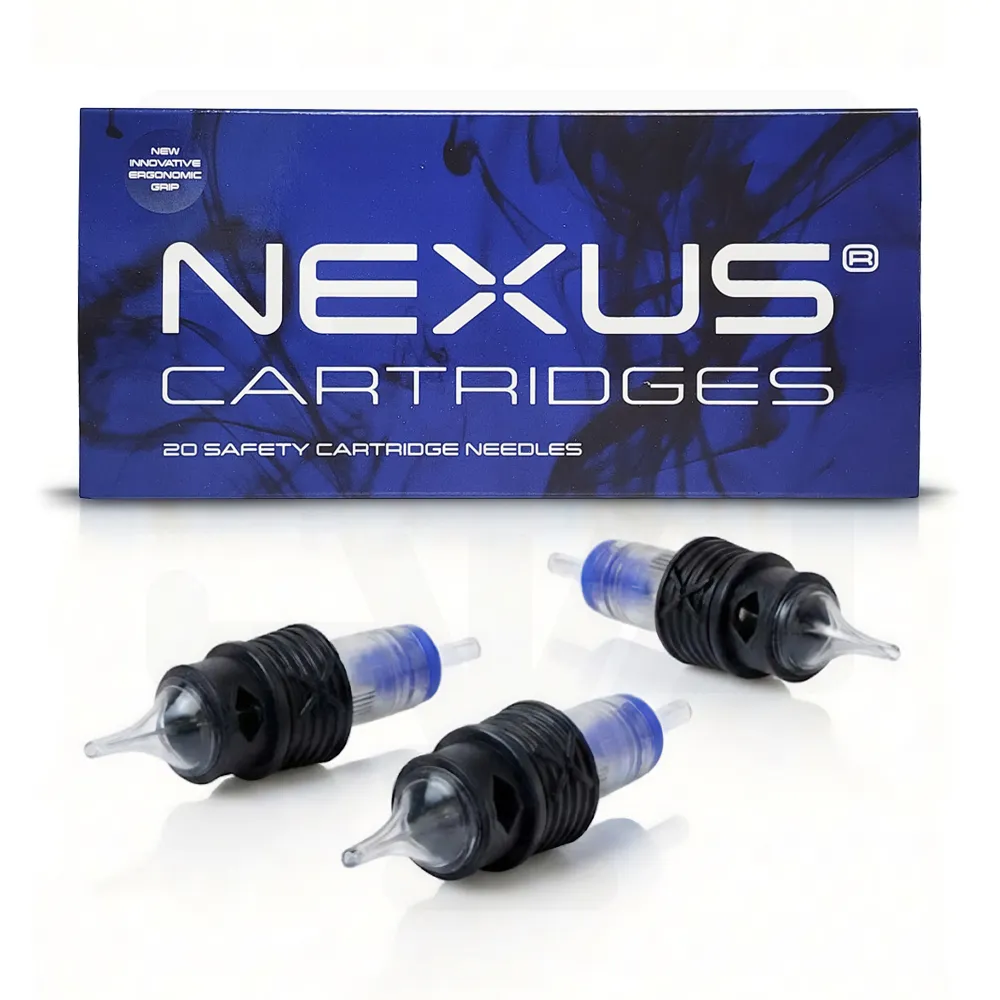 Tip visibility
Nexus Cartridges Liners
Liner cartridges with a clear-tip design. Compare tip visibility and secure cartridge fit when setting up your linework.
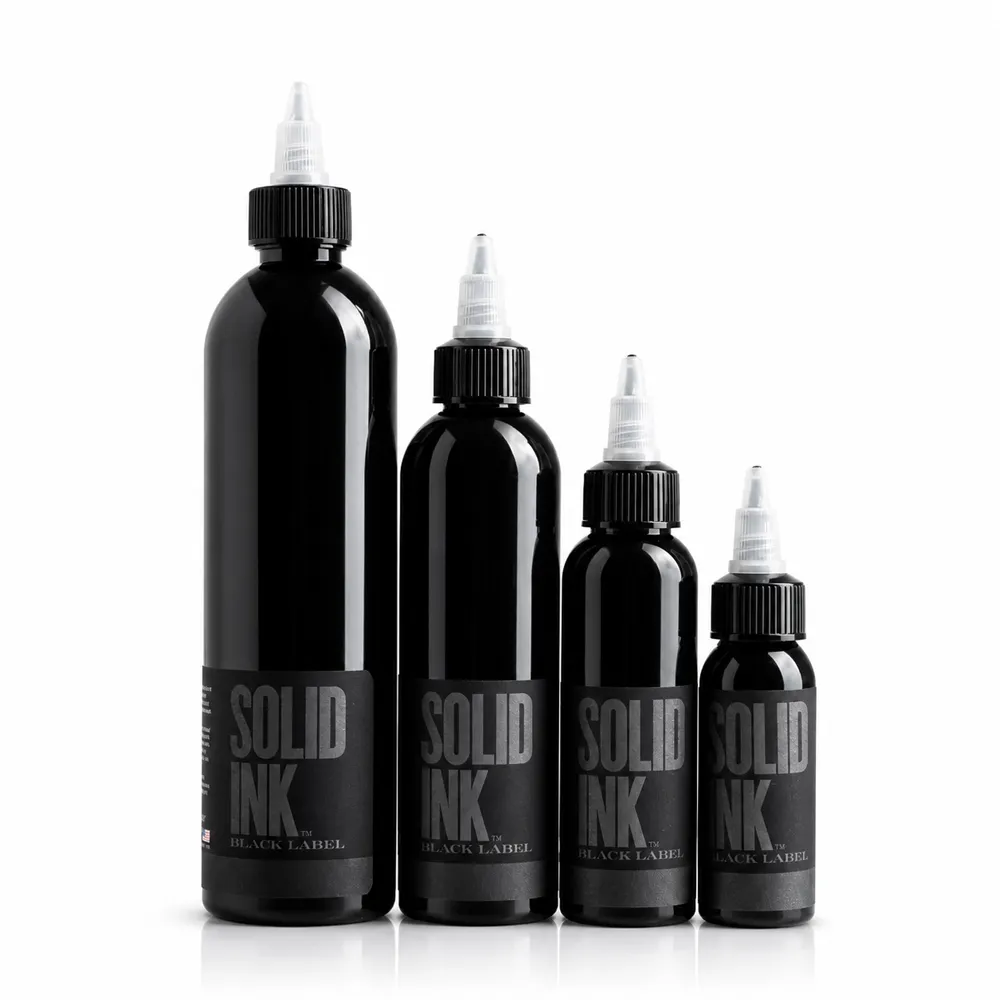 Lining ink
Solid Ink Lining Black
A black ink option identified for lining. Evaluate it as part of the complete needle, machine, and ink-flow setup.
 Practice before client work
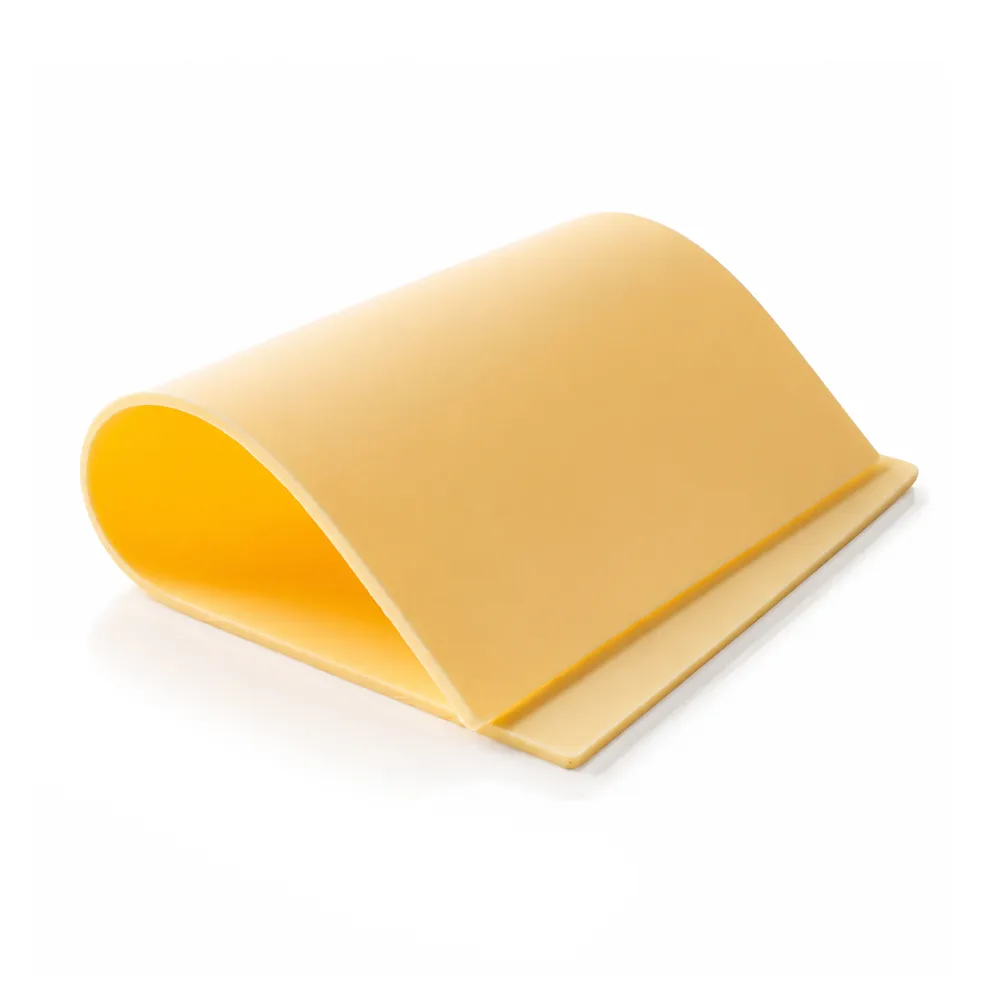
Tattoo Practice Skin 3mm A4
A 3 mm A4 synthetic sheet for comparing straight lines, curves, starts, stops, and changes to machine settings.
 Stencil workflow
Recovery Stencil Lock 4 oz
A stencil-preparation product to consider when maintaining a readable transfer through the wiping process.
Shop Kwadron Cartridges Shop Bishop Da Vinci Shop Nexus Shop Black Tattoo Ink Shop Stencil Supplies
BEFORE THE NEXT LINE
Clean tattoo line checklist for artists and apprentices
Use the checklist as a repeatable inspection, not a demand to change every setting. FK's central advice is to check the equipment and technique, then correct one variable at a time.
- Reference: Can you see the intended line and follow it while wiping?
- Hand: Is your wrist supported and the movement path comfortable?
- Stretch: Is the surface controlled in the direction you are working?
- Needle: Is the round liner grouping appropriate, sharp, straight, and securely seated?
- Depth: Can you clearly see the tip and maintain consistent working depth?
- Speed: Does the machine's cycling behavior suit your hand movement?
- Ink flow: Is dried pigment or cartridge drag affecting the mark?
- Verification: Have you tested the adjustment on practice skin?
SVT Shop serves tattoo artists and apprentices in El Paso, TX, with Next Day Delivery available in El Paso for eligible local orders.
FAQ
12 frequently asked questions about clean tattoo lines
These answers use manufacturer and technique-education guidance to separate hand control, machine settings, needle selection, and the appearance of healed tattoos.
1. Why are my tattoo lines shaky or wobbly?
FK Irons lists hand-speed mismatch, weak stretch, depth changes, vibration, and cartridge movement. Stabilize the hand, check cartridge wobble, and test the change on practice skin.
2. Why are my tattoo lines blurry or dotted?
FK connects dotted lines with hand speed outpacing machine cycles. Blurry lines require a separate review of working depth and pressure; an artist should assess healed results.
3. What voltage should I use for lining a tattoo?
FK gives 8–10.5 V in one voltage guide and about 6–9 V in a grouping guide. Follow your machine's operating guidance and use synthetic skin to match machine speed to your hand.
4. What tattoo needle size is best for lining?
Kwadron says RL means round liner; grouping count, diameter, and taper influence the choice. Long taper favors delicate lines, while medium taper releases ink faster for stronger outlines.
5. How do I get smooth, crisp lines when tattooing?
Use stable support, controlled stretch, a visible tip, and consistent movement. FK advises checking angle, depth, cartridge fit, pressure, grouping, and hand speed independently.
6. How do I start and stop a tattoo line without blobs?
Tattooing101 teaches an angled entry, a tapered lifting exit, and an angled restart into the previous segment. Practice those transitions on synthetic skin instead of pausing at one point.
7. Why are my tattoo lines uneven or different thickness?
FK identifies loose cartridge fit, inconsistent working depth, power drops, and vibration. Compare stretch and angle before switching grouping sizes.
8. Does tattoo machine stroke length affect line quality?
Yes. FK links longer travel with stronger outlines and medium or shorter travel with fine detail. Stroke still must suit hang, cartridge fit, and hand speed.
9. Can shaky or crooked tattoo lines be fixed?
Correction depends on the healed design and skin. Ask the original or another experienced tattoo artist to inspect the result before planning changes.
10. Do tattoo lines get thicker or blurry over time?
Research describes pigment redistribution and fading as tattoos age. It does not explain every blurred edge; ask the tattoo artist to assess the healed work.
11. How should I practice lining with a tattoo machine?
Record your setup, practice supported straight paths, curves, and tapered joins on synthetic skin, then change one variable at a time. FK recommends verifying adjustments before client work.
12. When should I service or replace my tattoo machine?
FK advises manufacturer service if overheating, vibration, chatter, or power cutouts persist after setup checks. Stop using the machine instead of compensating with voltage.
RESEARCH
Sources Consulted
This guide uses manufacturer education from FK Irons, Peak Needles, Kwadron, and Dynamic Color, a technique guide from Tattooing101, and research on the appearance of aging tattoos. Source statements are attributed throughout the article.
- FK Irons: Why Tattoo Lines Become Inconsistent
- FK Irons: How Machine Settings Affect Linework, Shading, and Color
- FK Irons: Tattoo Machine Stroke Length Explained
- FK Irons: How to Master Tattoo Machine Voltage
- FK Irons: How to Switch Between Needle Groupings
- FK Irons: Match Machine Settings to Needle Groupings
- FK Irons: Tattoo Needle Depth and How to Set It
- Peak Needles: Tattoo Needle Depth Myths
- Peak Needles: Bugpin vs Standard Tattoo Needles
- Peak Needles: Why Tattoo Needle Sharpness Matters
- Kwadron: Cartridge System from A to Z
- Tattooing101: Basic Tattooing Techniques
- Dynamic Color: Differences Between Black Inks
- Peer-reviewed Research: Tattoo Pigment Redistribution Over Time