Powered by Comercia.io
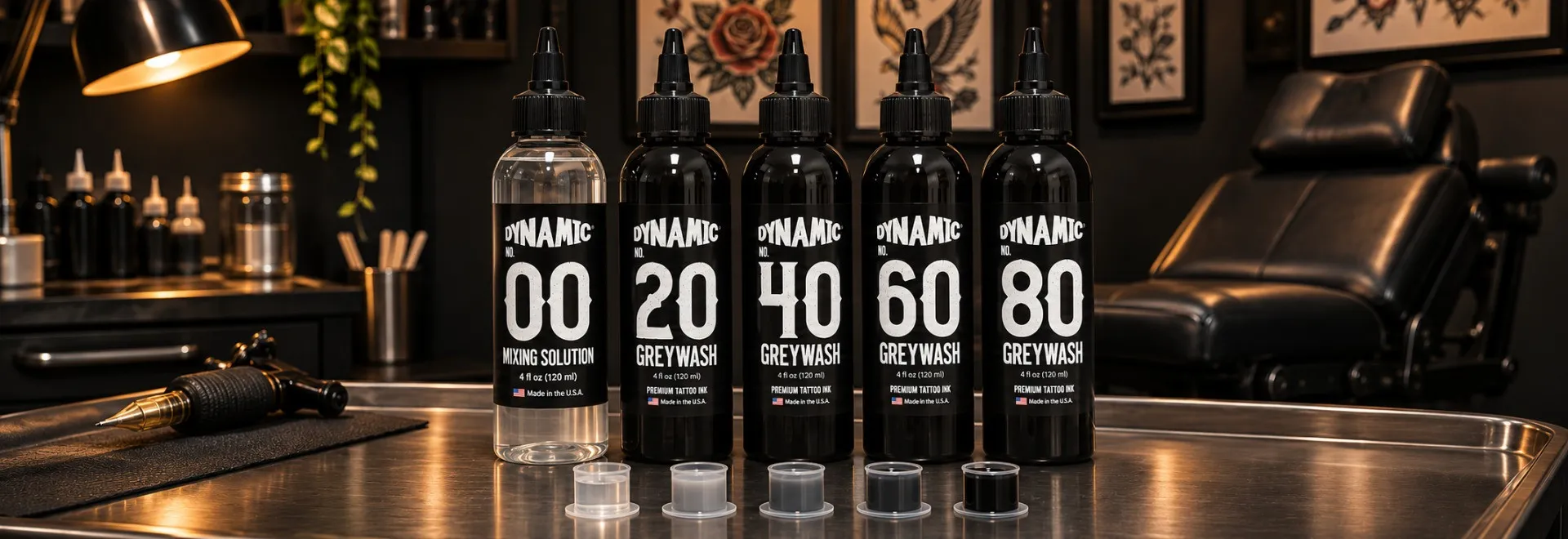
How do professional tattoo artists mix grey wash and dilute tattoo ink without compromising the studio workflow? Start with the ink manufacturer's directions, use an appropriate professional mixing solution or verified sterile water when dilution is necessary, and prepare each tone in a separate single-use ink cap. This guide explains grey wash drop ratios, color mixing, distilled versus sterile water, premixed greywash and consistent shading tests for artists and apprentices working in a professional studio.
Explore Dynamic Mixing Solution Explore Dynamic Greywash Set
QUICK ANSWER
How do you dilute tattoo ink for grey wash and shading safely?
Prefer a suitable ready-made greywash; if a custom wash is needed, follow the specific ink and mixing-solution manufacturer's guidance, prepare separate disposable caps and avoid nonsterile water. CDC recommends not diluting ink before tattooing unless necessary and using only sterile water if dilution is needed. Starbrite publishes drop-count examples for its own black ink; test the intended tonal sequence on practice skin. Texas requires discarding each client's individual pigment containers after use.
THE LIQUID
Use a compatible professional mixing solution or verified sterile water as directed; distilled alone does not mean sterile.
THE TONES
Use measured manufacturer guidance and a clearly identified separate cap for each planned greywash value.
THE WORKFLOW
Check packaging, work aseptically, compare on synthetic skin and discard all client-session caps afterward.
STERILE IS NOT THE SAME AS DISTILLED
Can you dilute tattoo ink with water, and is distilled water sterile?
CDC advises artists to avoid dilution and, when it is necessary, to use only sterile water. Its investigation of tattoo-associated nontuberculous mycobacterial infections warns that distilled and reverse-osmosis water are often mistakenly assumed to be sterile. A bottle labeled distilled does not establish sterility, even if it looks clean or is intended for household use.
| Liquid | Verified source position | Studio decision |
|---|---|---|
| Verified sterile water | CDC's choice when ink dilution cannot be avoided. | Confirm sterile labeling and the ink maker's instructions. |
| Distilled water alone | CDC says distilled does not automatically mean sterile. | Do not assume ordinary distilled water is appropriate for injection-related mixing. |
| Reverse-osmosis water alone | CDC gives the same warning about sterility. | Do not substitute a filtration claim for sterile preparation. |
| Tap or other potable water | CDC identifies nonsterile water as a contamination risk; the NEHA model code rejects potable-water dilution. | Do not use for tattoo ink dilution. |
| Professional mixing solution | Manufacturers such as Starbrite offer formulated solutions; ingredients differ across products. | Follow the specific ink and solution labeling and aseptic workflow. |
NEHA model guidance and CDC are not identical
The National Environmental Health Association's Body Art Model Code annex permits distilled or sterile water for dilution and requires single-procedure use. That is model guidance, not a Texas-specific water rule. CDC's more cautious recommendation is sterile water only if ink must be diluted. Use verified sterile material rather than treating the word distilled as proof of safety.
CDC also notes that adding diluent can reduce the effectiveness of preservatives already present in ink. That is another reason to favor purpose-formulated products and avoid improvising liquids at the station.
Why does the CDC emphasize this distinction?
CDC investigated tattoo-associated nontuberculous mycobacterial skin infections in several states. It explained that ink contamination can occur during manufacture or when nonsterile water is introduced during dilution. FDA likewise reports infections involving contaminated tattoo ink even where the artist otherwise followed hygienic procedures. This concern applies to tattoo ink as a product category, not to a particular SVT Shop brand.
UNDERSTAND THE CARRIER
What is tattoo ink mixing solution made of, and how do you choose one?
A professional mixing solution is a formulated carrier, not simply any clear liquid. Starbrite describes solution ingredients that may include glycerin, witch hazel and alcohol, each affecting handling or preservation. Actual formulations differ. Dynamic identifies sterile distilled water, pigment and isopropyl alcohol in its traditional color inks, while describing glycerin and witch hazel in its thicker Platinum line.
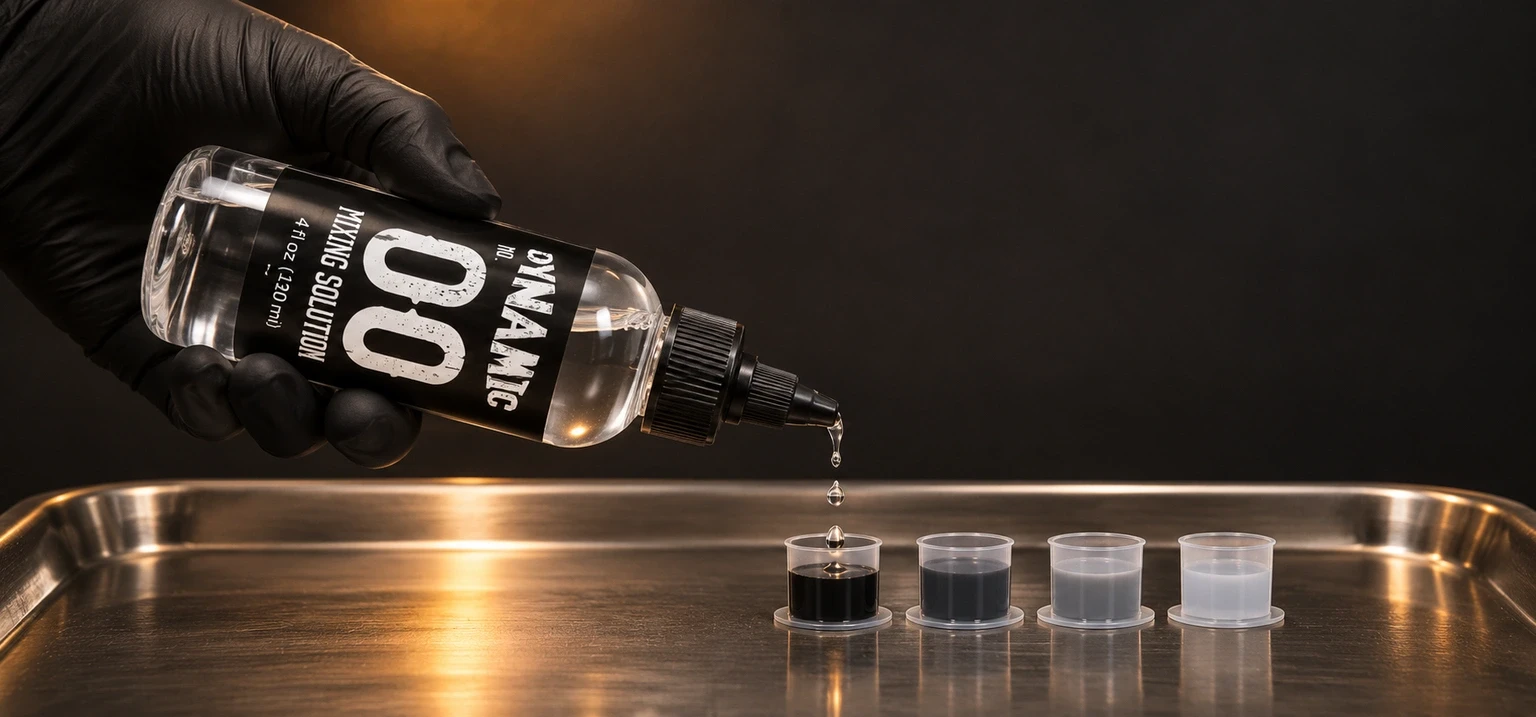
For the studio, confirm the exact product label and the pigment manufacturer's instructions before changing the formulation. Dynamic 00 Tattoo Ink Mixing Solution is an SVT Shop-listed mixing product; the manufacturer's general ink FAQ is not a recipe for using it at an arbitrary ratio. Keep its actual directions alongside the workstation's ink inventory and do not translate Starbrite's drop counts into Dynamic instructions.
What to review before adding a mixing solution
- Which tattoo ink and manufacturer line will be involved?
- Is a compatible mixing solution named in its product instructions?
- Is the goal a transparent wash, a change in consistency or a custom color?
- Would a premixed greywash provide the desired result without on-site dilution?
- Can the studio prepare and dispose of the mixture within a single-client workflow?
Starbrite describes professional solutions as a way to manage flow and dilution. It also warns against using rubbing alcohol alone or other household liquids as substitutes. Treat those statements as manufacturer guidance for the products and procedures it describes, not as a universal formula for other ink lines.
MANUFACTURER RECIPE EXAMPLE
How many drops of black ink make light, medium and dark grey wash?
Starbrite publishes a specific example for its own ink using a 1 oz (30 ml) mixing cup. It gives 2-4 drops of black for light wash, 5-8 for medium and 9-12 for dark, with the rest of that cup filled using its appropriate mixing solution. These are the manufacturer's stated examples, not an industry standard or a recipe approved for products from other ink brands.
| Starbrite example | Black ink drops | Remaining volume | Important qualification |
|---|---|---|---|
| Light grey wash | 2-4 | Its compatible mixing solution to the described 30 ml cup volume. | For Starbrite's published own-ink method only. |
| Medium grey wash | 5-8 | The same 30 ml example and solution. | Count drops; do not compare values by color in a cap alone. |
| Dark grey wash | 9-12 | The same 30 ml example and solution. | Heavier than the lighter examples, still a wash. |
| Full-strength lining ink | No dilution in the normal case. | Starbrite discusses a small flow adjustment only if needed. | Its lining advice is separate from this wash chart. |
The cup size matters
A 30 ml mixing cup is not the same volume as a small ink cap. Using the same black drop count in different-sized containers does not reproduce the same mixture. Starbrite's example should not be scaled by guesswork or applied to Solid Ink, Dynamic or any other manufacturer's product without its own guidance.
Starbrite also publishes a separate five-cap demonstration with a different starting volume. The two examples must not be treated as interchangeable. In that smaller-volume method, the manufacturer describes a progression from ultra-light to heavy wash using individual caps, measured drops and a consistent starting amount of mixing solution. The point is a repeatable maker-specific method, not a single ratio that every studio should copy.
For choosing the visual effect instead of preparing the mixture, read SVT Shop's black, grey wash and opaque grey ink guide.
A CONTROLLED STUDIO WORKFLOW
How do professional tattoo artists prepare a grey wash station step by step?
CDC's safer default is to avoid on-site dilution where possible. When a custom wash is justified by the intended design and manufacturer instructions, prepare it as a controlled single-client process. The aim is repeatable tonal values and aseptic handling, not simply making black ink appear lighter in a cup.
Choose the ink and planned values
Decide whether the design needs light, medium or dark wash, full-strength black or an opaque grey. Read the manufacturer's product instructions before preparing any mixture.
Decide whether mixing is necessary
Compare ready-made greywash options first. CDC advises avoiding dilution when possible; an appropriate preformulated value removes the on-site dilution step.
Prepare a clean, barrier-protected station
Follow the studio's aseptic technique, including hand hygiene, disposable gloves and proper handling of ink bottles and single-use accessories, as CDC recommends.
Set out individual sterile caps
Give each planned value its own single-use container. Starbrite recommends separating and clearly labeling the caps; Texas requires individual client pigment containers to be single-use.
Use the specified sterile diluent
Follow the actual ink and solution directions; CDC says only sterile water if water dilution is necessary. Never assume a distilled-water bottle is sterile.
Measure rather than estimate
Where the maker publishes a drop method, use a suitable sterile dropper and maintain that method's stated cup size. Do not transfer another brand's quantities to the products in your tray.
Compare tones on synthetic practice skin
Starbrite advises testing the intended value sequence. Note which tone delivers the planned transition instead of relying solely on its appearance inside the cap.
Finish with single-client disposal
Texas requires individual pigment containers to be discarded after use. Do not save leftover diluted ink from the client's setup for another appointment.
Use SVT Shop's cross-contamination checklist for the full studio-side hygiene workflow, and the practice supplies guide for training surfaces. This procedure does not replace specific manufacturer or local health-department requirements.
CONSISTENCY VS CUSTOMIZATION
Is premixed grey wash better than mixing black ink yourself?
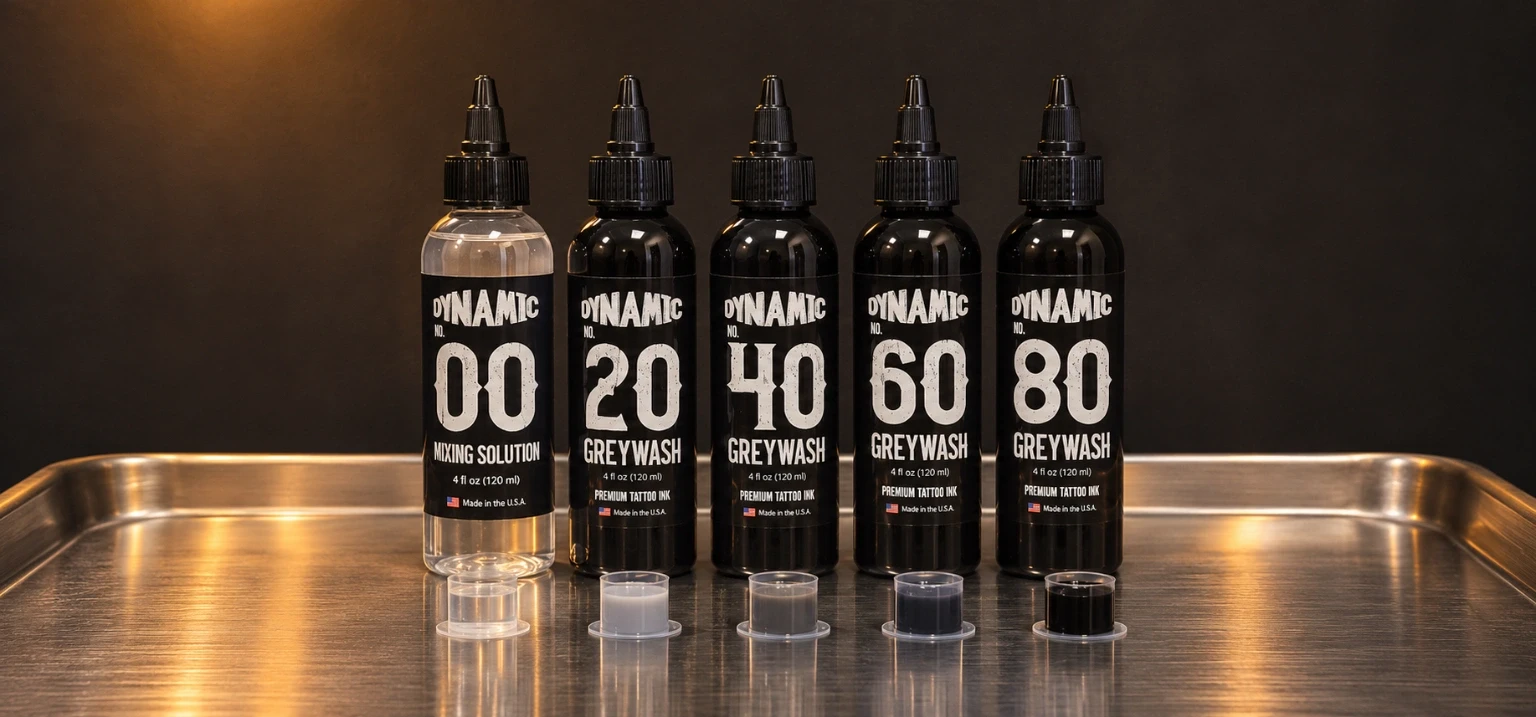
Premixed greywash is a practical first choice when its available values suit the tattoo. Dynamic and Empire Inks offer sets that let an artist select prepared steps instead of building each wash at the station. Starbrite describes pre-made grey wash sets as ideal for consistency, while custom mixing offers more control at the cost of additional preparation and contamination opportunities.
| Buying criterion | Premixed greywash set | Artist-mixed greywash |
|---|---|---|
| Shade consistency | Repeated product shades from the maker's intended tonal family. | Depends on the chosen ink, diluent, measurement and method. |
| Setup steps | Dispense the chosen bottle into fresh client caps. | Check compatibility, measure diluent and pigment, label individual cups. |
| Creative control | Works within the available tonal steps. | Allows a maker-supported custom progression. |
| Disposal | Client cap contents are discarded. | Client cap contents and leftover mixes are discarded. |
Dynamic's official catalogue identifies its Greywash 4 oz Bottle Set and accompanying Mixing Solution; verify the components of the actual SVT Shop listing before relying on a set's contents. Empire Inks' four-stage set gives another prepared tonal family to compare. Neither is a reason to combine brands or improvise a new dilution ratio.
A premixed set still requires professional handling
A ready-formulated greywash eliminates the artist's additional dilution step, but the pigment still enters the skin. FDA documents that contaminated tattoo inks can cause infection even when a studio otherwise uses hygienic procedures. Follow the manufacturer's instructions and dispense every tone aseptically into fresh client-specific caps.
CUSTOM COLORS VS ADDING CARRIER
How do you mix tattoo ink colors, and should you dilute colored inks?
Mixing colored pigments to create another hue is different from thinning a color with liquid. Starbrite says colored ink is rarely diluted and cautions that color pigments behave differently than black. A custom orange, green or muted tone requires an artist to consider the pigments themselves; adding carrier changes concentration, not simply the hue on a color wheel.
For studio consistency, prefer manufacturer-supported combinations within a compatible pigment family. Starbrite publishes its drop counts for its own ink only, so undocumented cross-brand ratios are an unreliable way to reproduce a shade. Check the individual labels and test a proposed mixture during practice instead of assuming two brands or formulas will behave alike.
For choosing and viewing bright shades, see bright tattoo ink colors and skin tone and tattoo ink. Practice a color plan before human skin and document exactly which tattoo pigments and products were used for the approved design.
INK CAPS, DISCARDING AND RECORDS
What are the Texas rules for tattoo ink caps and leftover diluted ink?
Texas Administrative Code 25 TAC 229.409(i) requires single-use pigment or dye containers for each client and disposal of the individual containers after use. It also requires pigments and dyes to be dispensed in a manner that prevents contamination of the unused portion. That applies to regular black, color, premixed wash and artist-prepared washes alike.
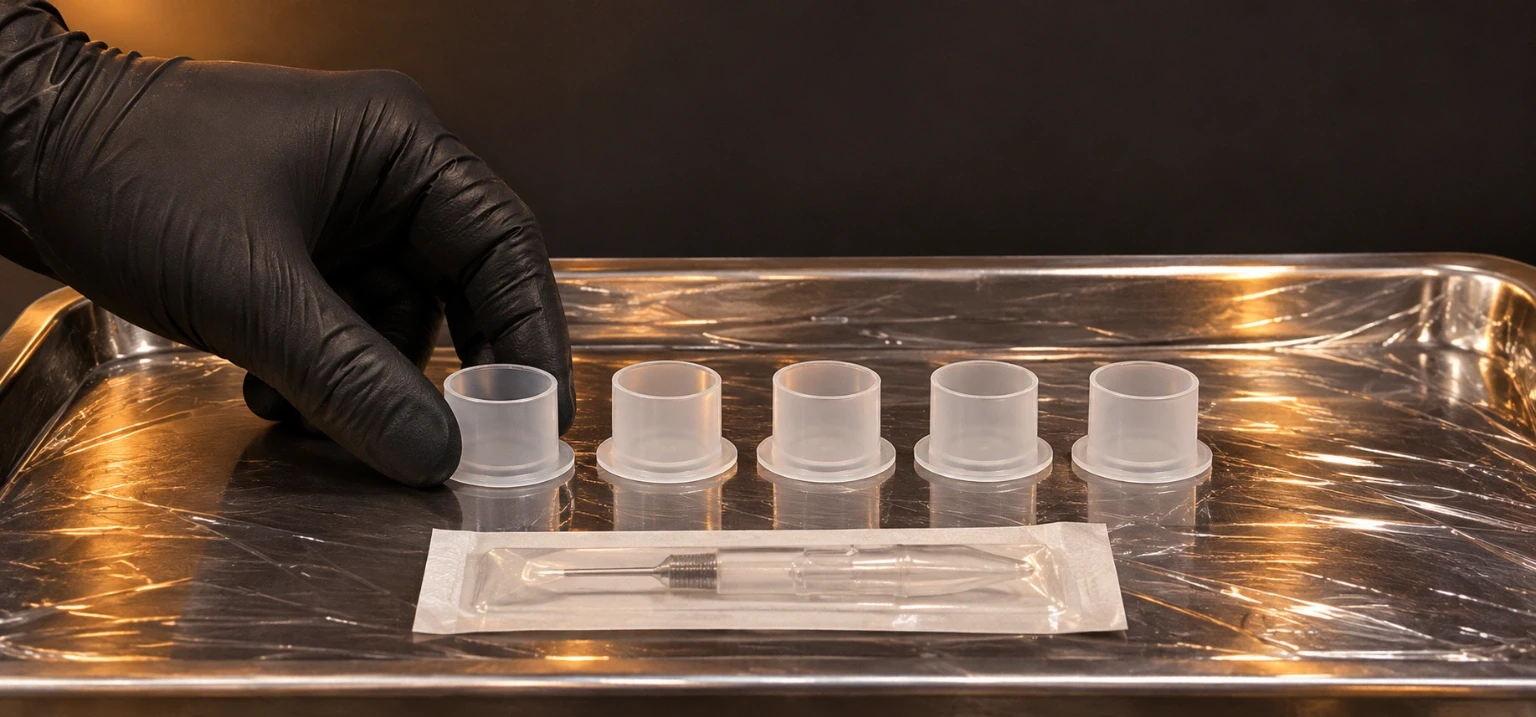
Make the single-client boundary clear
- Use fresh single-use ink caps for the client, with one clearly identified cap per planned tone.
- Dispense pigments and compatible products without contaminating what remains in the source containers.
- Keep client-side caps, pipettes and working materials within the session-specific workflow.
- Discard the individual pigment containers and remaining client-prepared pigment after use.
- Follow the studio's inventory and labeling practices for the original manufacturer bottles separately.
Texas 229.409 also addresses pigment quality and disposable equipment, but the provision cited here does not create a specific Texas rule permitting distilled water as a tattoo diluent. CDC's sterile-water advice and the maker's instructions still deserve attention. For unopened-bottle shelf life, see does tattoo ink expire? A bottle's shelf-life instructions are not permission to save a used client's greywash mixture.
COMMON STUDIO MIXING ERRORS
What mistakes should tattoo artists avoid when thinning black ink or mixing colors?
Good dilution starts with controlling the input materials, not estimating how a cap looks. CDC, Starbrite and Texas guidance each address a different part of that job: contamination prevention, measured mixing examples and single-client containers.
Treating distilled water as sterile
CDC warns distilled and reverse-osmosis water are not automatically sterile. Only verified sterile water meets its dilution recommendation.
Using tap water or household liquids
CDC identifies nonsterile water as a contamination risk. Starbrite also warns against tap water, peroxide and rubbing alcohol used alone.
Copying ratios across brands
Starbrite's published drop counts apply to its own examples, not Dynamic, Solid Ink or Empire Inks products.
Comparing unequal cap volumes
Starbrite publishes a 30 ml method and a separate five-cap method. They use different starting volumes and must not be combined.
Saving leftovers after a client
Texas requires discarding each client's individual pigment containers. A reusable source bottle and an opened client cap are not the same thing.
Mixing for a visual effect without practice
Starbrite recommends testing the wash progression on synthetic skin or paper. The finished tattoo should not be the first place the artist compares custom tones.
SVT SHOP PROFESSIONAL INK WORKFLOW
Which Dynamic, Empire Inks and Solid Ink products support grey wash and color planning?
SVT Shop carries Dynamic mixing solution and greywash, an Empire Inks premixed set, Solid Ink black and grey options, and single-use ink cups. Use the exact product label and manufacturer's instructions for mixing decisions. Starbrite's recipe examples elsewhere in this guide do not specify ratios for these products.
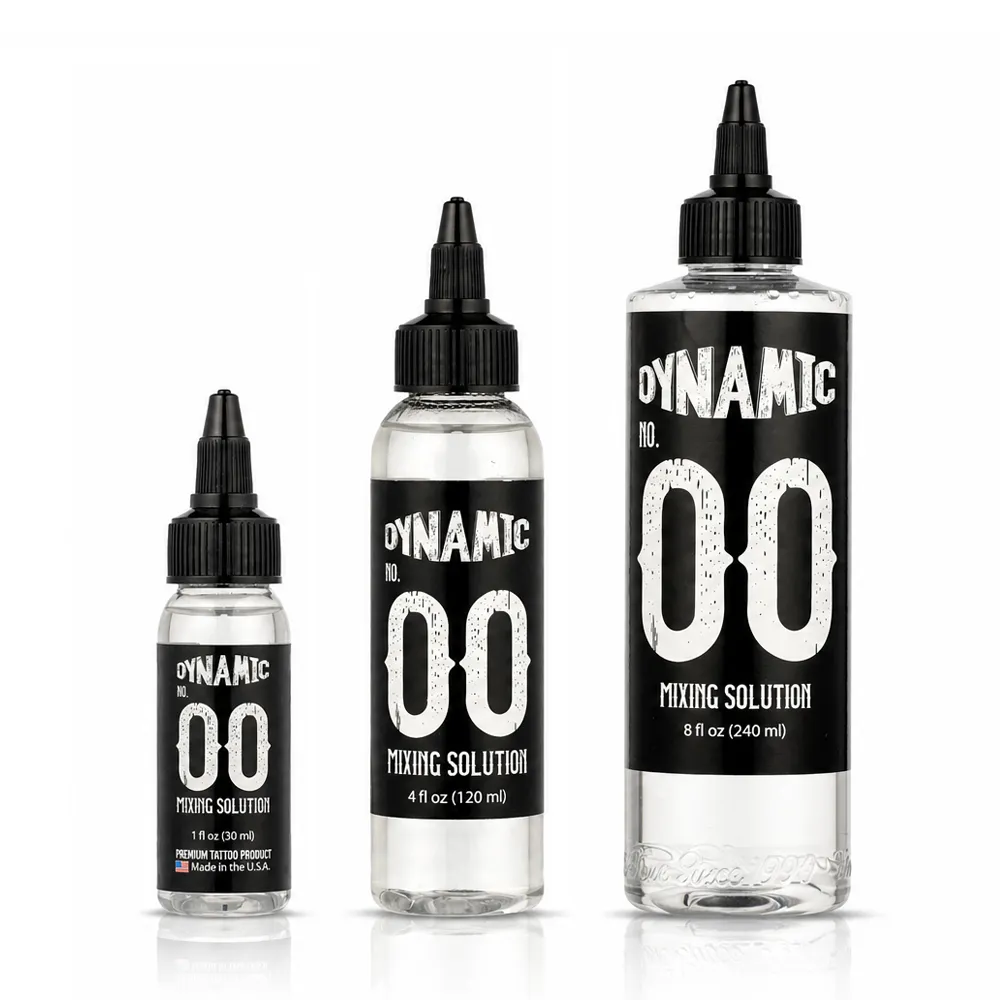 Purpose-formulated mixing product
Dynamic 00 Tattoo Ink Mixing Solution
A professional mixing-solution option for artists using a supported formulation and label-directed procedure; not a reason to use an invented drop ratio.
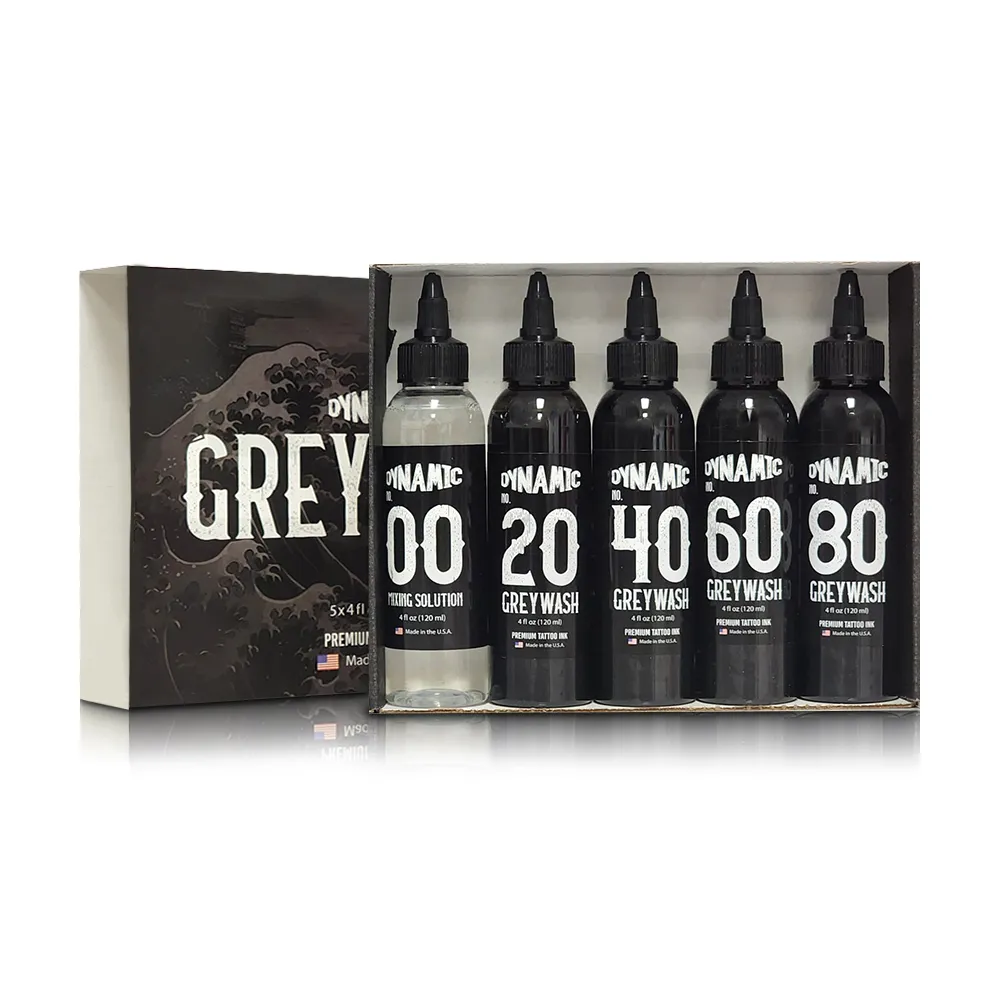 Prepared grey wash value family
Dynamic Greywash Set
Ready-formulated greywash bottles to compare for tonal consistency without building each wash by diluting black at the station.
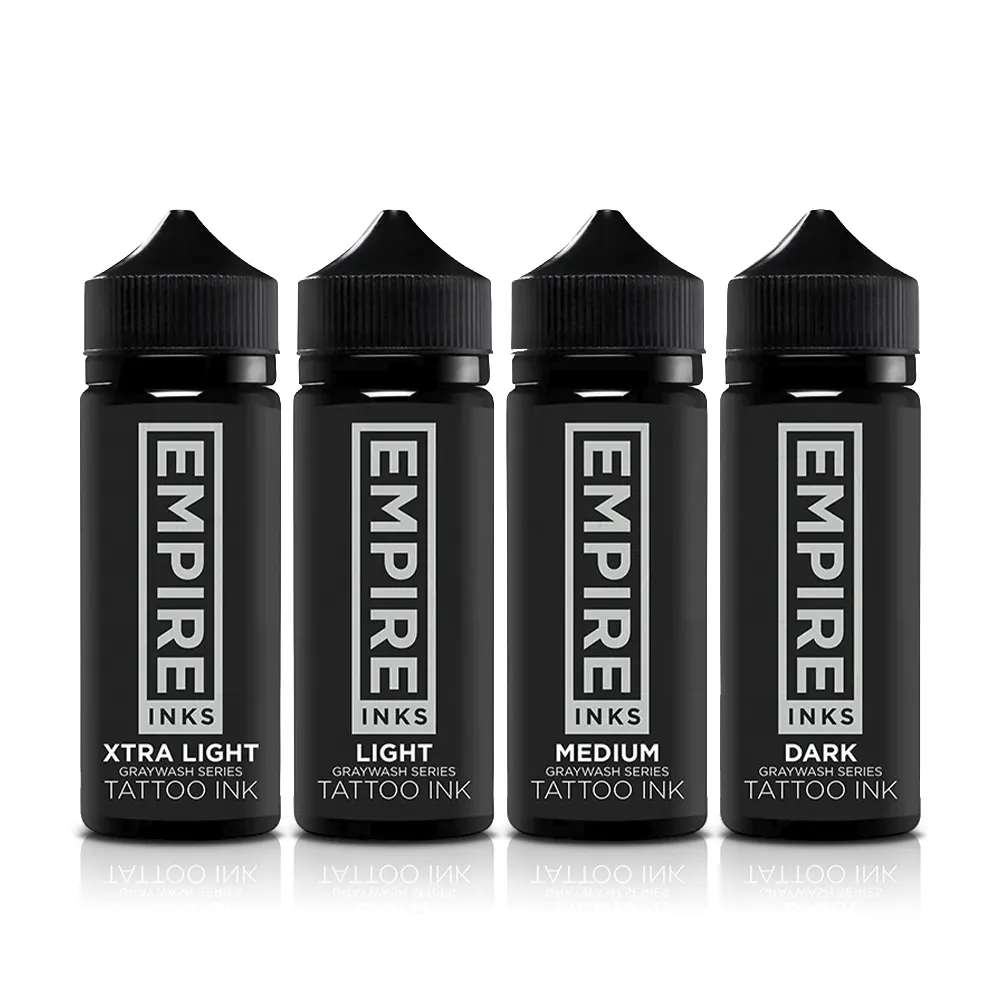 Alternate premixed shading progression
Empire Inks Graywash Set
Four-stage prepared greywash family for studios comparing a set of shading values; use the maker's own handling directions.
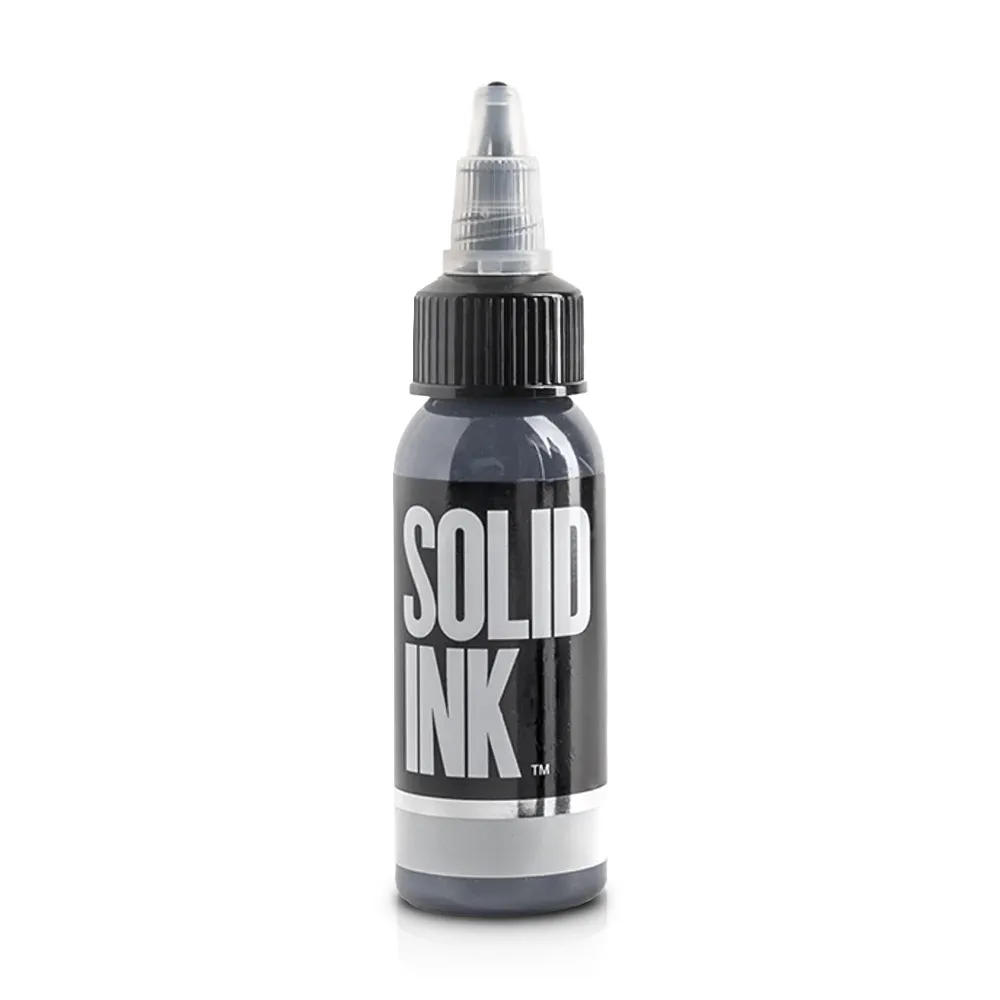 A prepared grey ink choice
Solid Ink Cool Gray
Grey shade to compare for the desired result; it is not automatically interchangeable with a diluted black greywash.
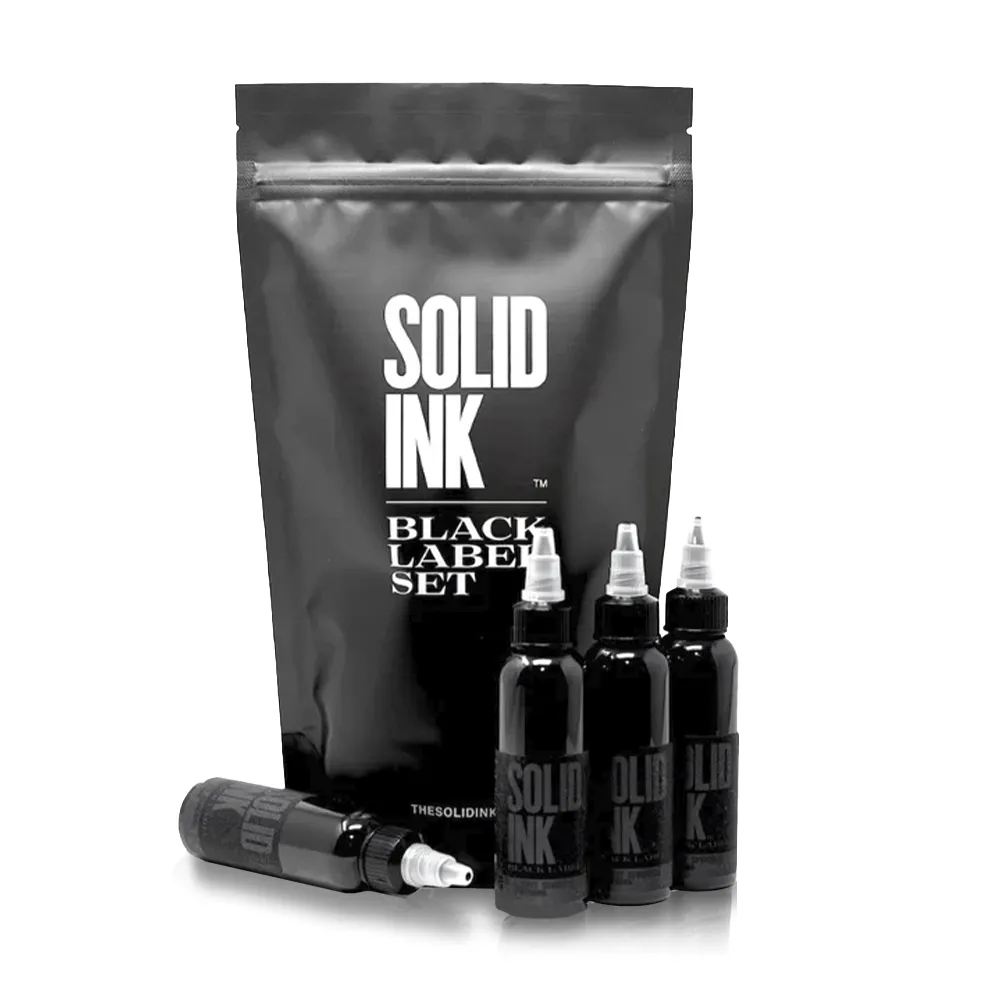 Black ink range for professional comparison
Solid Ink Black Label Set 1 oz
A black-ink set to assess according to each bottle's intended role and instructions, without adopting another maker's mixture ratios.
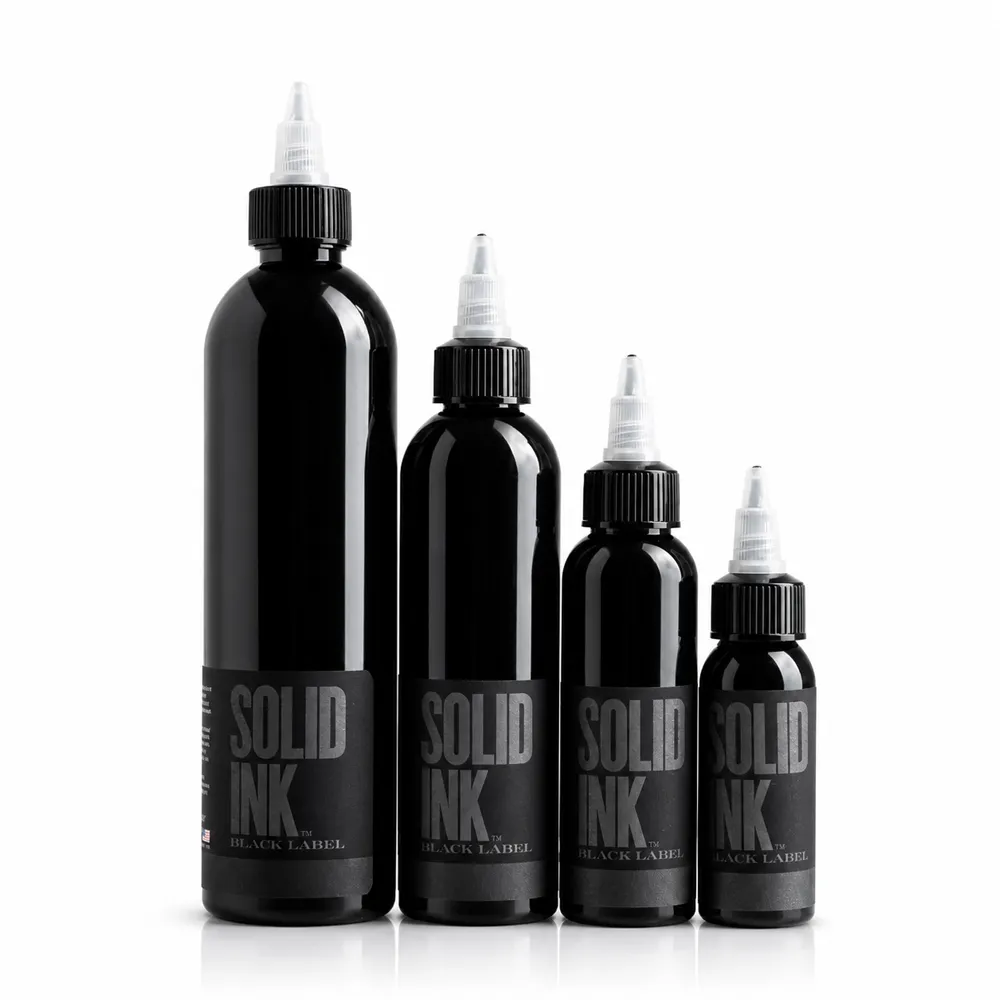 Black ink for lining applications
Solid Ink Lining Black
Lining black option for comparing full-strength results and manufacturer-supported artist workflows. No Starbrite recipe is implied.
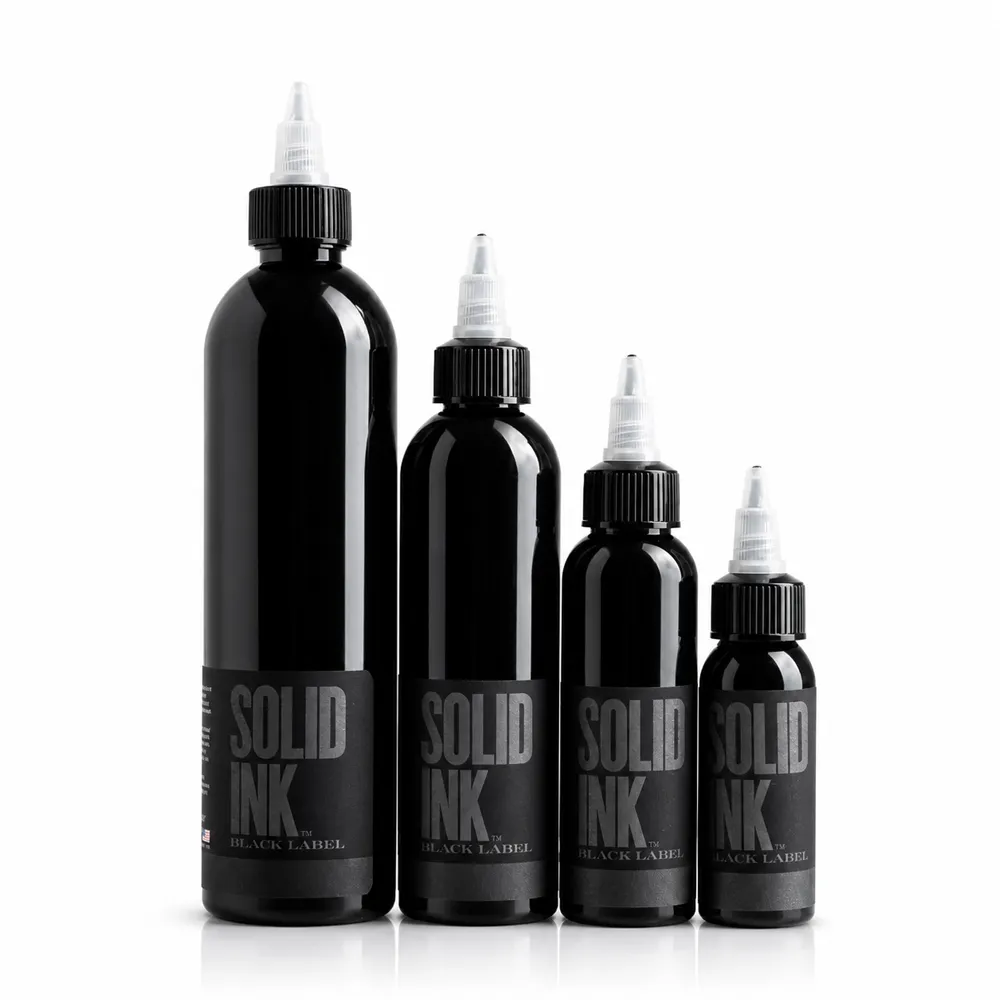 Heavy black ink comparison
Solid Ink Heavy Black
A heavy-black option for comparing pigment choices. Check its own intended use rather than assuming it makes the same wash as lining black.
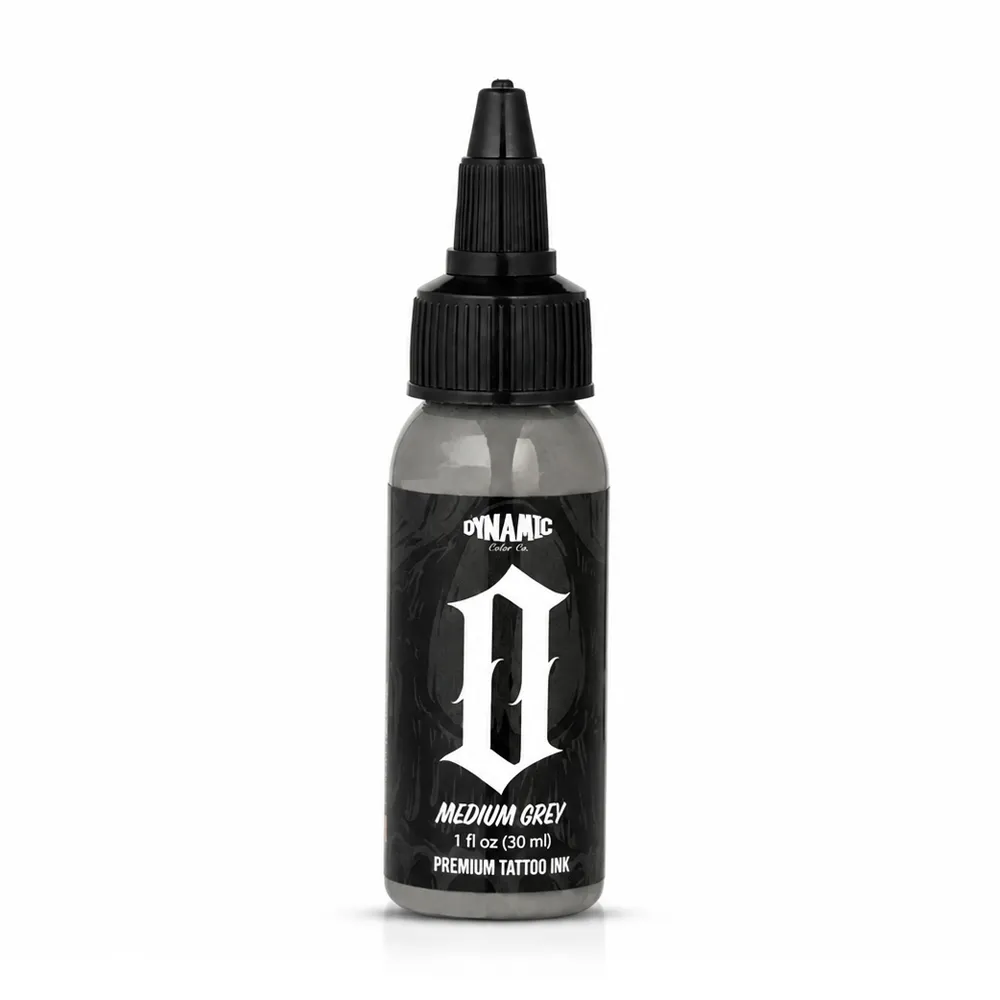 Opaque grey alternative
Dynamic Smoke O Medium Grey 1 oz
A formulated medium grey to consider when the design calls for opaque grey rather than a transparent black wash.
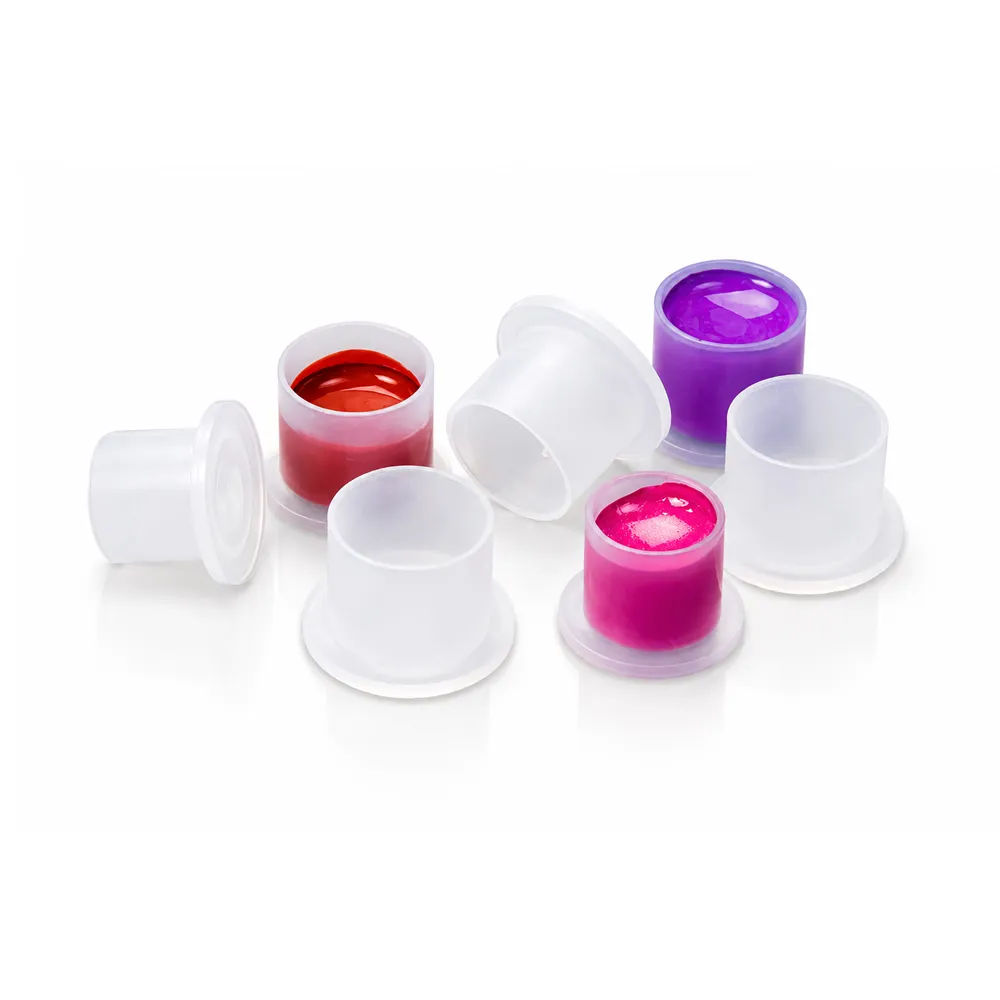 Client-specific pigment containers
Ink Cups with Base, 100 pcs
Disposable caps to organize separate black, wash or color tones per client; discard individual containers after use as Texas requires.
Explore Dynamic 00 Mixing Solution Explore Empire Graywash Compare Black & Grey Options
For product selection, compare intended shade and line work separately from hygiene. An ink set, mixing solution and ink cap each solves a different studio need. SVT Shop serves professional artists in El Paso, TX, with Next Day Delivery available in El Paso.
BEFORE THE NEEDLE GOES INTO SKIN
What should be on a professional tattoo ink mixing checklist?
Make the dilution decision deliberately. CDC recommends sterile water when necessary and Texas requires single-client pigment containers; the artist is responsible for matching those requirements with each manufacturer's ink and solution instructions.
- Goal: Grey wash, an opaque grey, a color blend or a flow adjustment clearly identified?
- Necessity: Could a suitable premixed tone avoid on-site dilution?
- Product: Tattoo-specific ink and maker-supported diluent, label and packaging reviewed?
- Water: Verified sterile when needed; no assumption that distilled or filtered equals sterile?
- Ratios: Only a documented method for the actual ink, container volume and mixing solution?
- Equipment: Clean work area, gloves, single-use caps and suitable measuring tools?
- Practice: Tonal steps compared on synthetic skin before client application?
- Disposal: All client-session pigment containers and remaining mixed material discarded after use?
Review the FDA ink safety and labeling guide when choosing a line, and ink shelf life and storage for original-bottle management. Neither changes the single-client disposal rule.
FAQ
12 questions about tattoo ink dilution, grey wash and mixing colors
These answers use CDC guidance, Starbrite's ink-specific examples and the Texas single-use rule. A manufacturer's drop chart should not be transferred to a different product line.
How do you dilute tattoo ink for shading?
Prefer a premixed greywash. If the ink maker supports custom mixing, prepare separate single-use caps and follow CDC's sterile-water guidance.
Can you dilute tattoo ink with water?
CDC says avoid diluting where possible, and use only sterile water when necessary. Never use tap water.
Can you use distilled water to dilute tattoo ink?
Distilled does not necessarily mean sterile, CDC says. Verify sterility rather than trusting a distilled label.
What is tattoo ink mixing solution made of?
Starbrite lists glycerin, witch hazel and alcohol as possible components. Follow the exact product label.
How many black ink drops make light, medium and dark grey wash?
For its own 30 ml example, Starbrite lists 2-4 drops for light, 5-8 for medium and 9-12 for dark, filling with its specified mixing solution. These counts are not ratios for Dynamic or Solid Ink.
Can tattoo artists mix different brands of tattoo ink?
Do not assume brands are compatible. Follow each product's directions; the ratios in this guide apply only to Starbrite's own ink.
How do you mix tattoo ink colors?
Use maker-supported pigment combinations, plan the color and test on practice skin. Color mixing is different from adding diluent.
Is it safe to dilute tattoo ink, and why have infections occurred?
CDC links infections to contaminated tattoo ink and possible nonsterile dilution. Avoid dilution where possible and follow sterile handling.
Do you dilute colored tattoo ink like black ink?
Starbrite says color is diluted less often and behaves differently. Do not apply its black wash ratios to colored inks.
Can I store leftover diluted tattoo ink for another client?
No. Texas requires disposing of individual client pigment containers after use.
Is a premixed greywash set better than making your own?
Premixed sets reduce artist-side mixing and make tones easier to repeat. Custom mixing requires manufacturer support and more handling.
Can I use rubbing alcohol, peroxide or tap water to thin thick ink?
Starbrite cautions against all three. Use an appropriate manufacturer-directed product instead.
RESEARCH
Sources Consulted
CDC and FDA describe contamination risks; NEHA provides nonbinding model guidance, Texas regulates client pigment containers, and Starbrite and Dynamic provide manufacturer-specific product and mixing information.
- CDC MMWR: Tattoo-Associated Nontuberculous Mycobacterial Skin Infections and Water Dilution
- NEHA: Body Art Model Code Annex on Tattoo Ink Dilution
- Texas Administrative Code 25 TAC 229.409: Single-Use Pigment Containers
- U.S. FDA: Tattoos and Permanent Makeup Fact Sheet
- Starbrite Colors: Ink-Specific Grey Wash Ratios and Mixing Solutions
- Starbrite Colors: Five-Cap Grey Wash Drop Method and Tools
- Dynamic Color: FAQ on Ink Carrier Formulations
- Dynamic Color: Prepared Greywash Products and Sets