Powered by Comercia.io
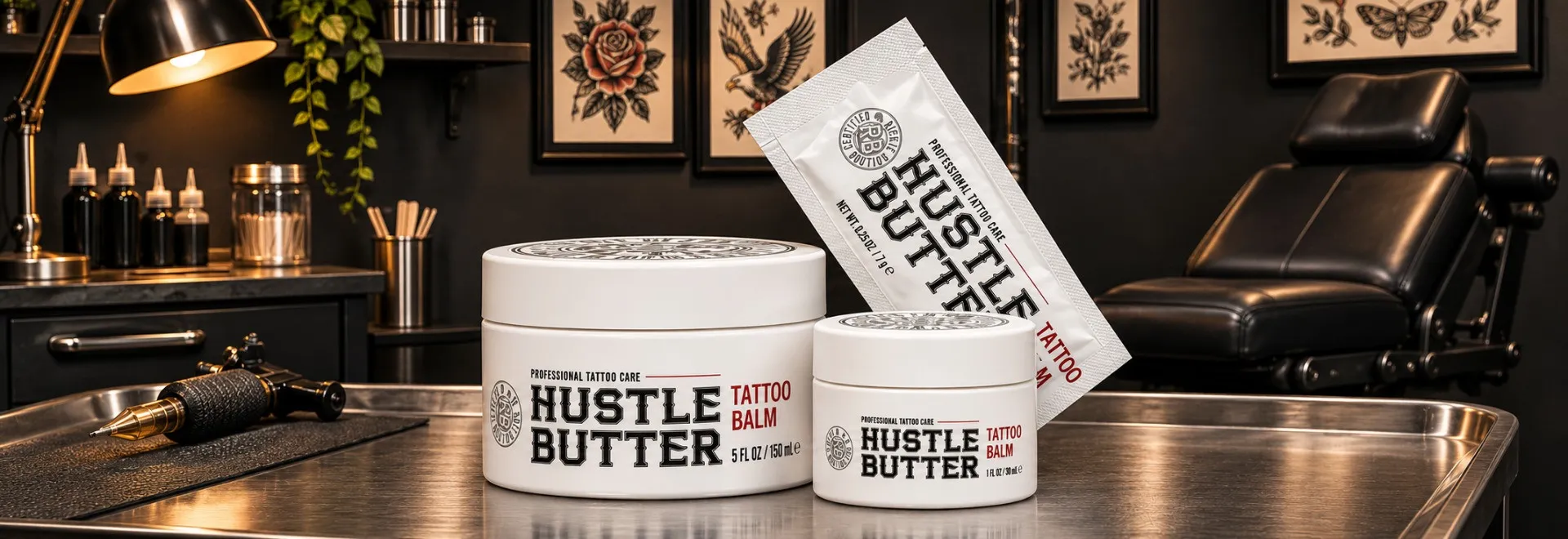
What does an overworked tattoo look like, and how can you tell it from normal healing? Tattoo artists use overworked skin for an area repeatedly worked during a session until unnecessary trauma builds up. Excessive redness, persistent bleeding, bruised-looking texture or weeping deserve attention, but scabbing alone does not mean a tattoo is overworked or infected. This guide explains the causes, practical prevention, aftercare decisions and warning signs that require a doctor.
Shop Protective Tattoo Films Explore Tattoo Aftercare
QUICK ANSWER
How do you know if a tattoo is overworked or healing normally?
Overworking means too many passes over the same area, according to FK Irons. Some soreness, clear fluid, flaking and scabs can still be normal healing, says AAD. Spreading redness, worsening pain, pus, fever or chills call for prompt medical care.
DURING THE SESSION
Too many passes, heavy bleeding, pronounced irritation, or skin that stays dented: the artist should stop and reassess.
DURING HEALING
Some soreness, clear fluid, flaking and scabs may be normal. Ask your artist about persistent changes and follow aftercare instructions.
MEDICAL RED FLAGS
Spreading redness, worsening pain, pus, fever or chills call for medical evaluation, according to AAD and FDA.
DEFINE THE TERM
What is an overworked tattoo or overworked skin?
Overworked skin is a tattoo-industry term, not a formal medical diagnosis. FK Irons uses it for working the same patch of skin too many times during one tattoo session. Its glossary says that repeated contact can complicate healing and lead to scarring. Peak Needles discusses related technical signs, including overly deep needle placement and repeated attempts to make weak pigment stick.
Two different kinds of guidance
FK Irons and Peak Needles explain technique-related trauma; AAD and FDA explain when healing changes require medical care.
READ THE SKIN RESPONSE
What does an overworked tattoo look like during the session and while healing?
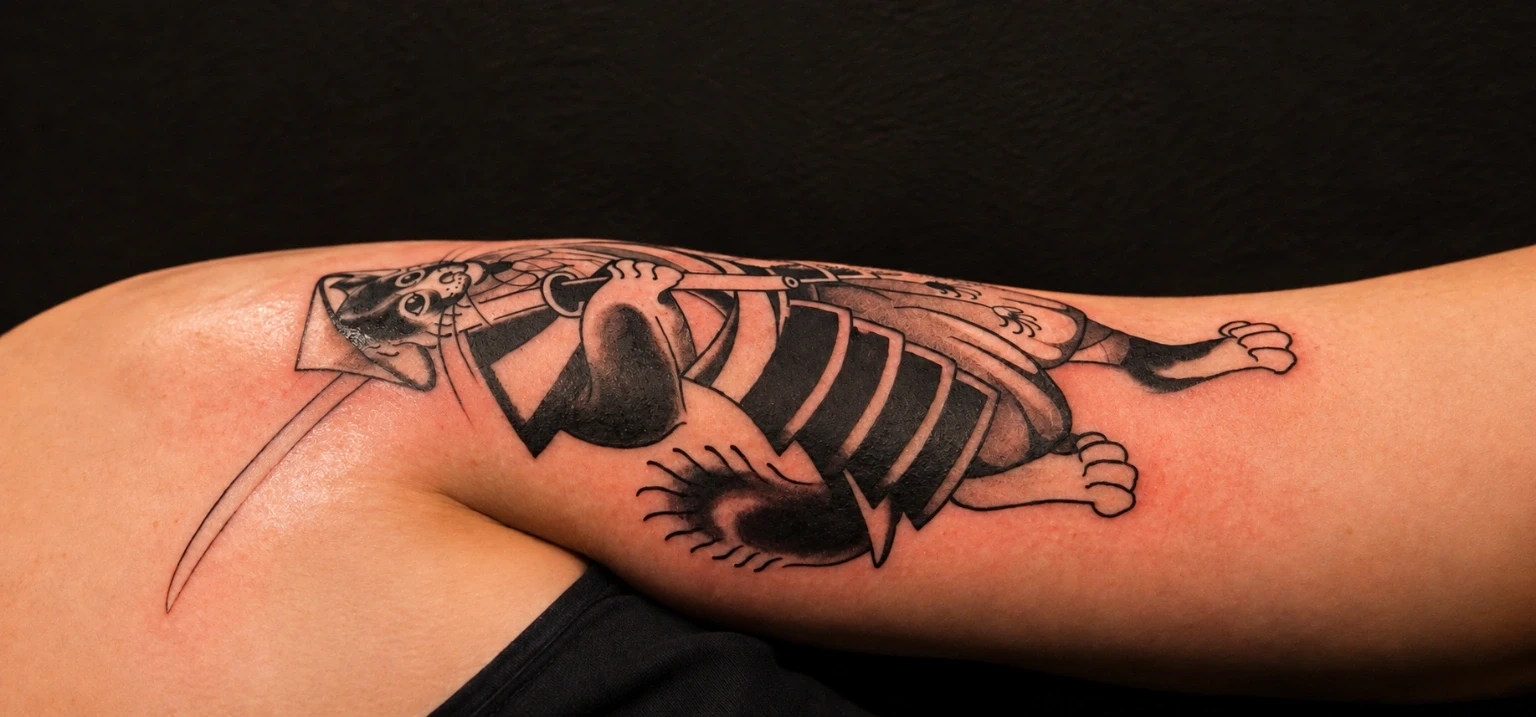
FK Irons and Peak Needles flag heavy bleeding, pronounced swelling, excessive weeping, bruised-looking texture and a surface that stays dented or looks torn. Later scabbing and raised-looking areas need to be considered alongside normal healing, not used as a diagnosis.
| What you notice | What the sources say | What to do next |
|---|---|---|
| Heavy bleeding during tattooing | Peak describes blood repeatedly welling up faster than it can be wiped as a sign of excessive depth or trauma. | Stop and reassess needle hang, pressure and technique rather than continuing the pass. |
| Persistent dent or chewed-looking surface | FK says to ease off when the area stays dented or looks beaten up; Peak also flags torn or raised skin. | Reduce contact and reassess before working that area further. |
| Marked redness, bruised texture or weeping | FK identifies excessive redness, bruised texture and excessive weeping as signals to ease off. | The artist should stop and evaluate the setup; the client should monitor subsequent healing. |
| Scabs, flakes and soreness after the session | AAD says these can occur during normal healing and do not alone establish a problem. | Follow artist-directed aftercare and observe whether the overall reaction improves. |
| Thick scabs, ongoing swelling or raised marks | Peak links heavy scabbing and slow recovery with excessive trauma; scarring can also change texture. | Contact the artist about the course of healing and a clinician if changes persist or worsen. |
DIFFERENT PROBLEMS, DIFFERENT ACTIONS
Overworked tattoo vs infected tattoo vs normal healing: how do you tell?
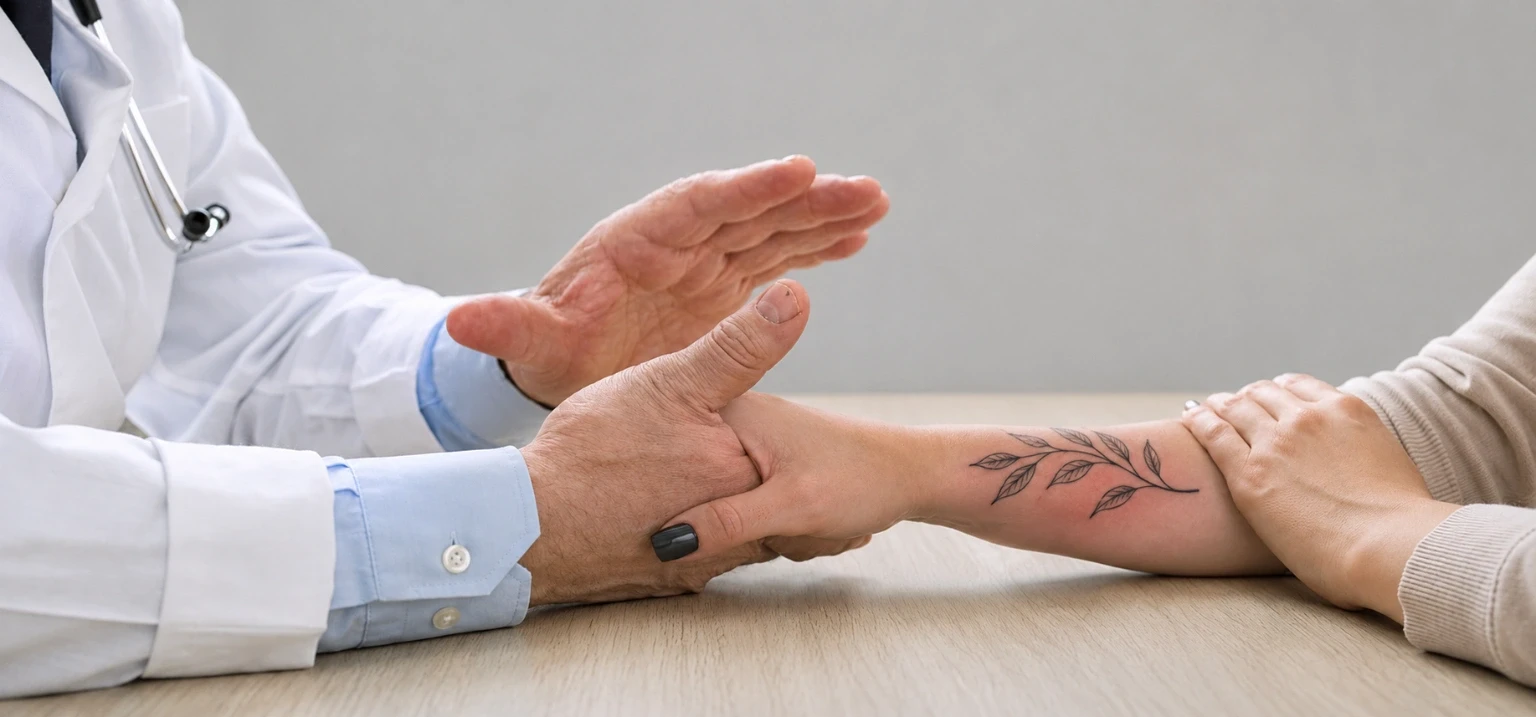
The term overworked describes tattoo technique, whereas AAD and FDA provide infection warning signs. Soreness, clear fluid and scabs can occur during normal recovery, too.
| Possibility | Commonly discussed clues | Best next contact |
|---|---|---|
| Expected healing | AAD: some redness and swelling, soreness, clear fluid, itching, flaking or scabs as the surface recovers. | Follow the tattoo artist's aftercare plan and review normal healing changes. |
| Overworking or excessive trauma | FK and Peak: excessive needle passes, heavy bleeding or weeping, bruised-looking texture, denting or torn-looking skin during the session. | The artist should stop and assess technique; clients can discuss the session and healing with their artist. |
| Possible infection | AAD: spreading or darkening redness, pain that worsens, pus, fever, chills or open sores. | See a doctor or board-certified dermatologist right away. |
AAD and FDA: when medical care takes priority
AAD advises a doctor or board-certified dermatologist for spreading or darkening redness, worsening pain, pus, fever or chills. FDA adds that more aggressive infections may cause high fever, shaking, chills and sweats. Notify your artist, but get medical care promptly.
WHY TRAUMA BUILDS UP
What causes an artist to overwork tattooed skin?
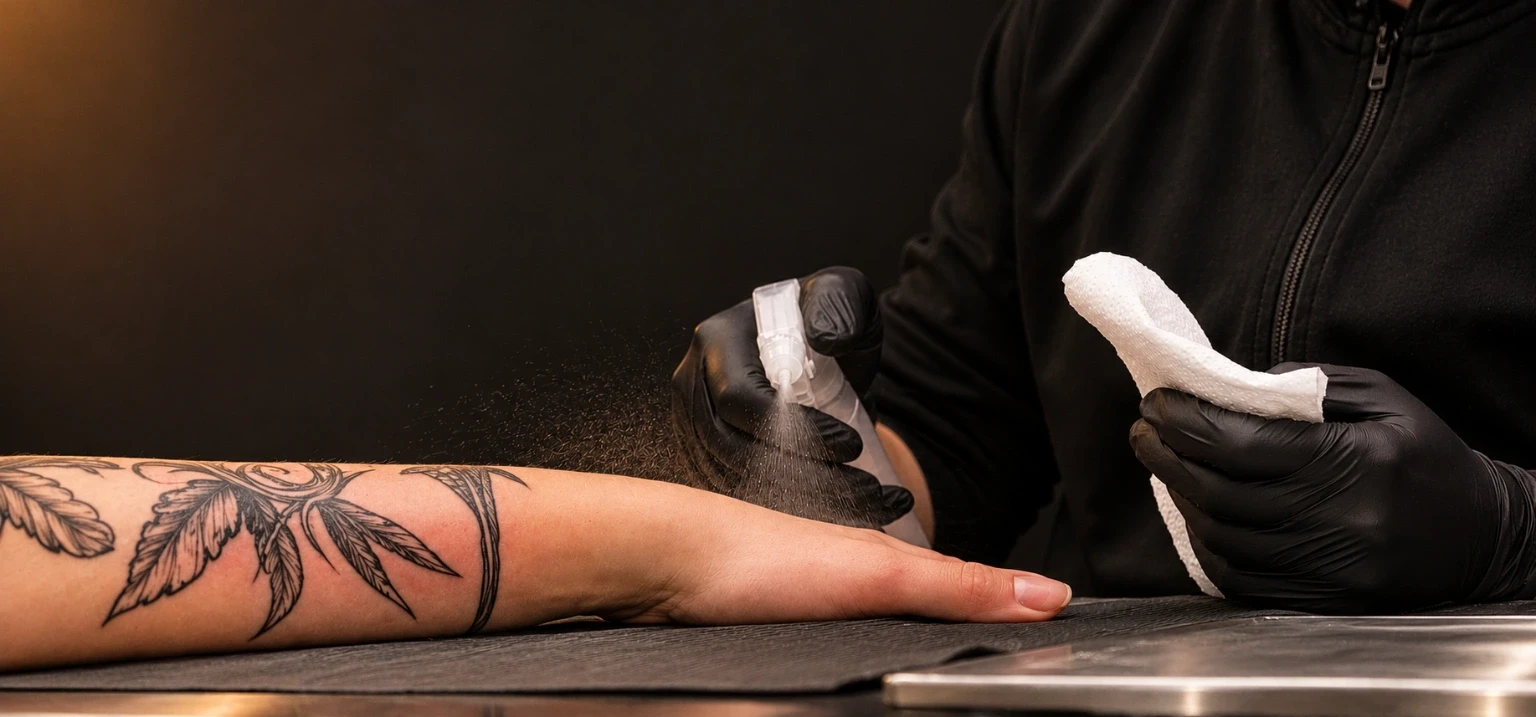
FK Irons identifies repeated passes, speed mismatch, oversized groupings in small areas and excessive depth as sources of unnecessary trauma. Peak adds that shallow placement can tempt repeated attempts at saturation.
Too many corrective passes
FK defines overworking around excessive repetition. Reworking a gap without first fixing the cause puts more needle contact into the same tissue.
High cycle rate with a slow hand
FK says a fast-running machine moving slowly concentrates needle entries in one small area. Voltage must be considered with hand speed, not by itself.
Large grouping in a tight space
FK names large groupings repeatedly worked inside a small area as a source of irritation. Select a configuration that fits the actual shape.
Excessive needle depth or pressure
FK and Peak link deep work with bleeding, pronounced swelling, damaged-looking tissue and higher blowout risk. More pressure is not the same as better pigment placement.
Delicate or bony placement
FK recommends a shallower setting in bony areas. The artist needs to adjust handling to anatomy rather than use one heavy approach everywhere.
VOLTAGE IS NOT A RESCUE BUTTON
Does high voltage cause overworked skin, and how does hand speed change it?
FK Irons says voltage contributes indirectly: a fast motor with a slow hand concentrates entries in one area. Weak coverage from the opposite mismatch can encourage repeated passes. Evaluate the combination, not voltage by itself.
| Machine and hand relationship | FK Irons explanation | Practical response |
|---|---|---|
| High voltage + slow hand | Repeated entries over the same area can contribute to overworking. | Review the speed relationship before adding another pass. |
| Low voltage + large grouping | FK associates this mismatch with drag, irritation and attempts to correct weak pigment. | Evaluate grouping, machine response and movement together. |
CONTROL NEEDLE CONTACT
Can too much needle depth or hand pressure overwork a tattoo?
Yes. FK Irons warns that artists sometimes work too deep because they worry ink will not hold. It associates excessive depth with heavy bleeding, swelling and unexpected pain. Peak Needles also warns that a too-deep needle can make the surface look torn or chewed up, while shallow work may encourage excessive corrective passes.
Depth is a technique problem, not a target to force
Peak favors controlled depth and deliberate passes over forcing a deep, heavy hit. FK recommends lighter handling on bony areas.
For a focused reference on needle configurations and compatibility, read SVT Shop's tattoo needle guide and how to choose tattoo cartridges.
PREVENTION DURING THE SESSION
How can tattoo artists avoid overworking the skin?
Make each pass purposeful and watch the skin. FK emphasizes balanced motor speed, movement and grouping; Peak advises depth control and stopping when excessive trauma appears.
Choose a grouping for the space
Use a grouping that fits the area. FK warns about broad cartridges repeatedly worked inside tight spaces.
Set a controllable machine pace
Follow the machine maker's guidance, balancing cycling rate and hand movement rather than forcing power.
Use deliberate passes, not repeated corrections
If coverage looks weak, identify the cause before revisiting the same skin. Peak favors deliberate passes.
Keep depth and pressure under review
Review hand pressure and depth, particularly on bony areas; watch for heavy bleeding or swelling.
Stop when excessive irritation appears
FK says excessive redness, bruised texture and weeping are cues to ease off. Stop and reassess.
Review your method before the next session
Compare unresolved settings on synthetic skin. Peak recommends changing one variable at a time.
TEST WITHOUT A CLIENT
How can beginners practice lighter, more efficient tattoo passes?
Peak recommends synthetic-skin tests for depth and machine response, changing one variable at a time. The goal is repeatable contact without unnecessary corrective passes.
Record a baseline
Record machine, grouping, needle hang, motor setting and intended technique.
Make a controlled mark
Practice a line or fill with deliberate hand movement, noting any urge to repeat the pass.
Inspect the first result
Look for uneven delivery and possible hang, pressure or grouping issues.
Change one variable
Compare hand pace, hang or grouping separately so improvements remain identifiable.
Compare control, not just darkness
Choose controlled, repeatable application over repeatedly forcing a dark result.
CLIENT HEALING QUESTIONS
How long does an overworked tattoo take to heal, and is heavy scabbing normal?
Healthline says the surface of a typical tattoo often looks healed in 2 to 3 weeks, while deeper recovery can take much longer. This is an ordinary-healing reference, not a timetable for skin that experienced excess trauma.
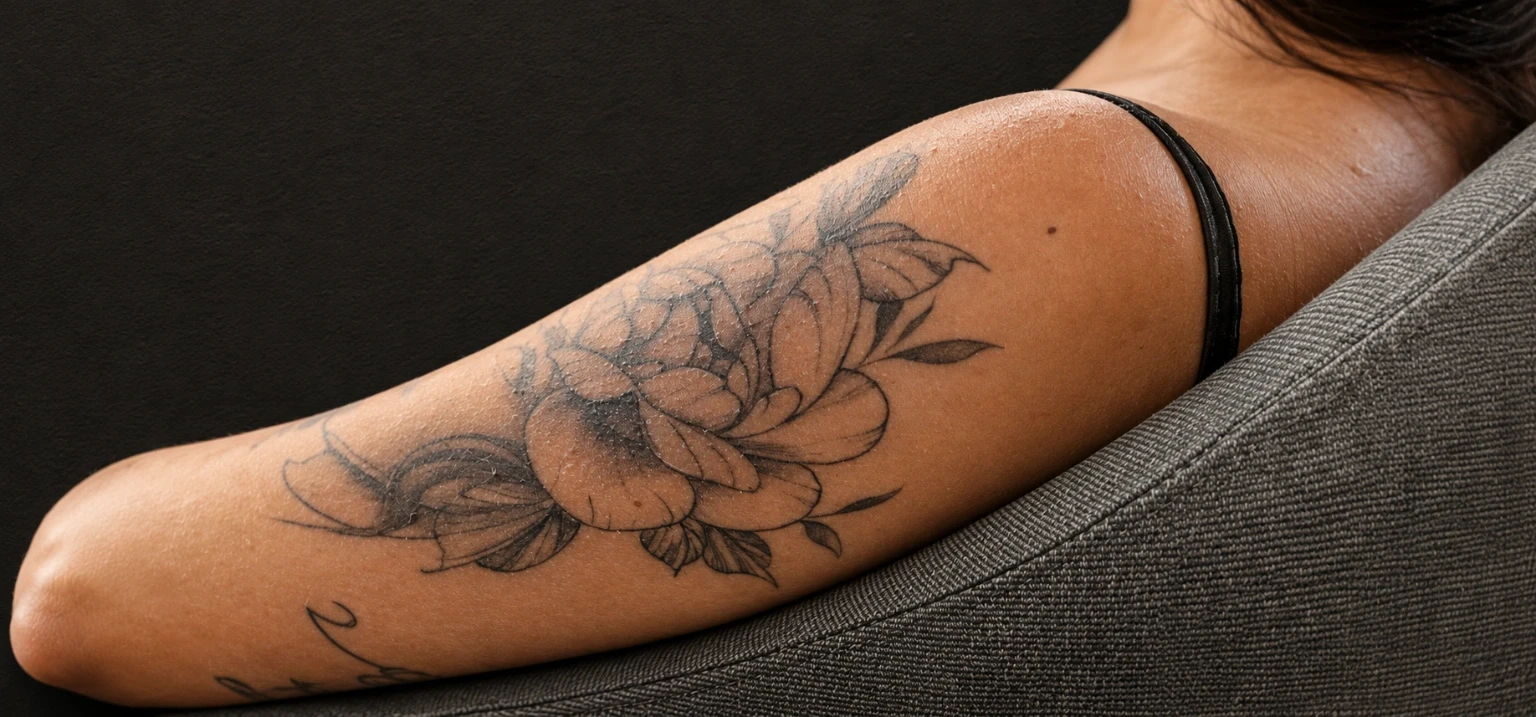
AAD says scabs, flakes, soreness and clear fluid may be normal. Peak also connects pronounced scabbing with excessive depth. Scab thickness alone does not identify the problem.
Normal surface changes
AAD includes soreness, flaking, scabs and some clear fluid in the range of expected responses. Follow the artist's aftercare instructions as the surface settles.
Unusually persistent changes
Healthline advises professional evaluation for prolonged swelling or discoloration, persistent itching, fluid or pus, and possible scarring. Contact the artist and a clinician as appropriate.
For the usual stages of recovery, see SVT Shop's tattoo aftercare day-by-day guide.
WHAT TO DO NOW
What should you do when your new tattoo looks overworked or weeps under second skin?
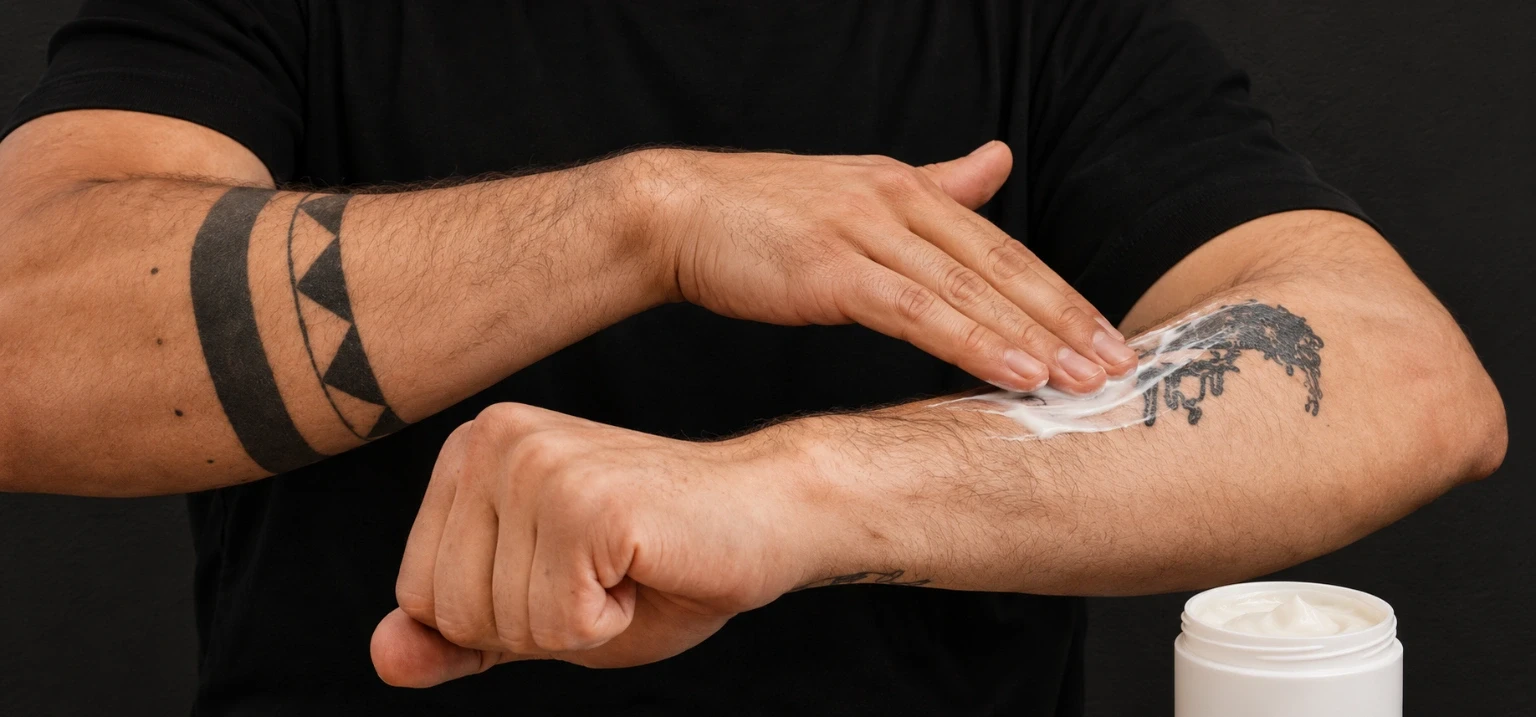
Start with your artist's aftercare plan. AAD says some clear fluid can accompany normal healing; FDA advises contacting a healthcare professional if a tattoo seems not to be healing or develops a concerning rash.
Report the healing pattern to your artist
Tell your artist about heavy bleeding, swelling, scabbing and clear-fluid changes.
Follow appropriate aftercare guidance
Follow your artist's dressing and cleaning plan; routine products cannot undo needle trauma.
Recognize the medical warning signs
AAD advises medical care for spreading redness, worsening pain, pus, fever or chills.
Leave cosmetic decisions until after healing
Discuss color only after recovery; ask a dermatologist about persistent scar texture.
Clear fluid under film and infection signs are not the same thing
AAD recognizes clear fluid as a possible part of normal healing. FDA advises contacting a healthcare professional if a tattoo appears not to be healing or a concerning rash develops, especially with fever. For film choices and their normal workflow, see second skin vs ointment aftercare and Derm Shield vs Saniderm.
AFTER THE SKIN RECOVERS
Will an overworked tattoo scar, lose color or need a touch-up?
FK says repeated passes can cause scars. Healthline links scarring with deep technique and damage during healing, including picking scabs or infection. Healed pigment loss and raised or pitted skin are different concerns.
| Healed concern | What the evidence supports | Who should assess it |
|---|---|---|
| Faint or patchy pigment | Peak describes light healed color after overly shallow application or repeated unsuccessful passes. | Ask the tattoo artist to review the healed result before discussing further work. |
| Raised or pitted texture | Healthline describes raised, puffy or pitted changes among potential signs of scarring after healing. | AAD recommends a board-certified dermatologist when scarring develops. |
| Distorted color with texture changes | Healthline notes that scars can change how the tattoo looks, and treatment may be difficult after a scar forms. | Seek a dermatologist's evaluation before considering cosmetic adjustments. |
AVOID THE COMMON TRAPS
What mistakes make overworking more likely during tattooing?
FK and Peak urge artists to solve the cause of weak pigment delivery instead of increasing contact on the same patch.
Trying to fix every missed spot (holiday) with more passes
FK warns that stacking passes for weak saturation adds trauma. Revisit the working method on practice skin instead of forcing the same area.
Raising voltage without changing hand movement
High cycling speed with a slow hand increases repeated entries, according to FK. The setting must match movement and grouping.
Using too large a grouping for small details
FK flags broad groupings repeatedly worked in confined areas. A cartridge that fits the area reduces the temptation to overcorrect.
Ignoring a dented or bruised-looking surface
FK advises easing off when the surface remains dented; excessive weeping and redness are also reasons to stop and evaluate.
SVT SHOP WORKFLOW
Which tattoo films, aftercare products and cartridges fit this workflow?
These SVT Shop listings are for routine aftercare or efficient cartridge selection. None treats infection, restores scarred skin or removes damage from excessive needle passes.
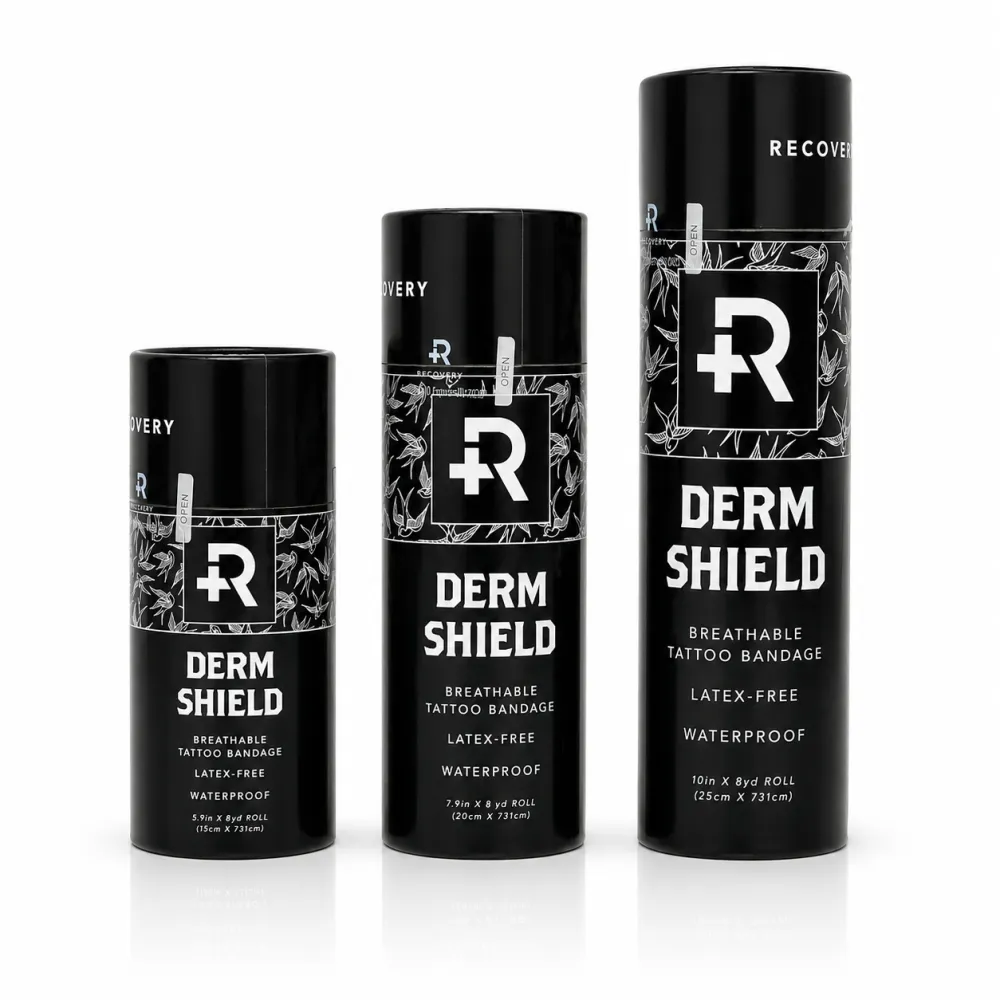 Post-session protective filmRecovery Derm Shield Tattoo Adhesive FilmAn adhesive film option for artist-directed tattoo coverage and the normal aftercare workflow. Clear fluid beneath a dressing should be interpreted alongside the healing symptoms.
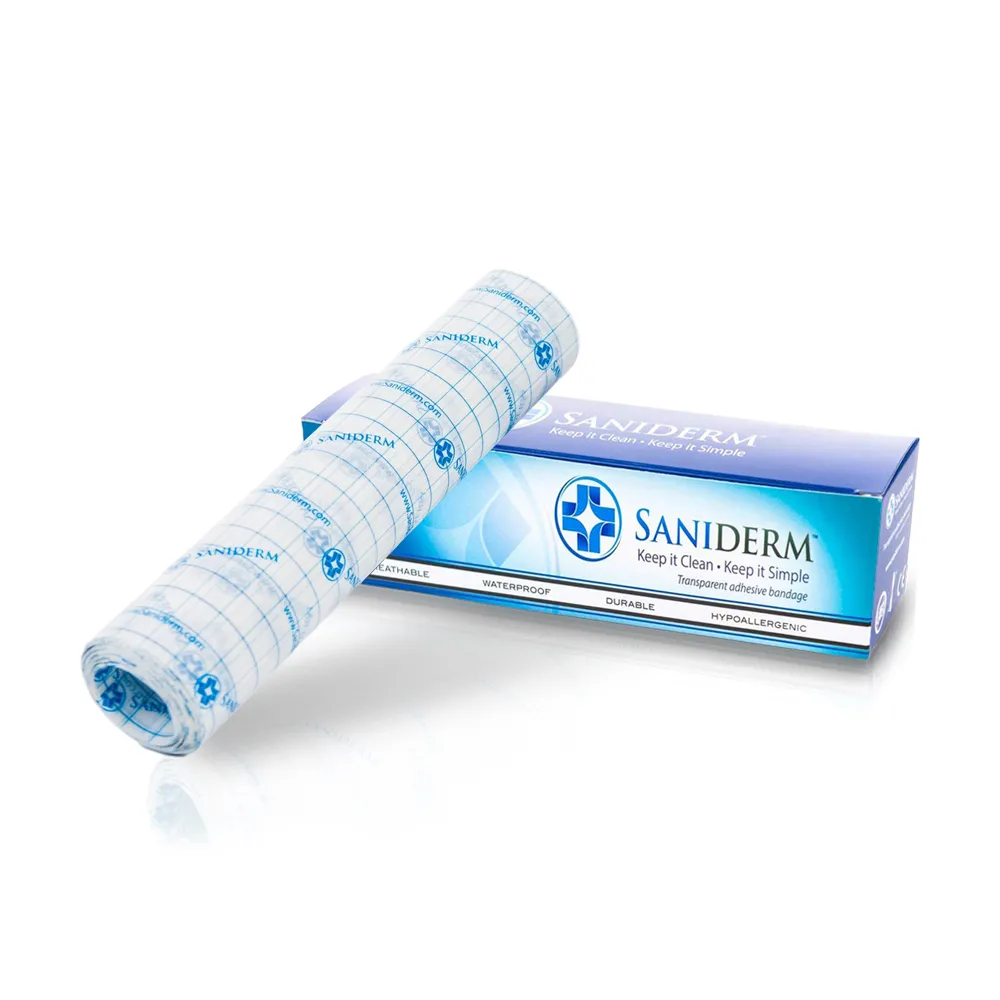 Another second-skin formatSaniderm Tattoo Adhesive Film 10.2 in x 2 Yard RollA protective-film roll to compare with other bandaging options based on your artist's aftercare method, not as a treatment for skin trauma.
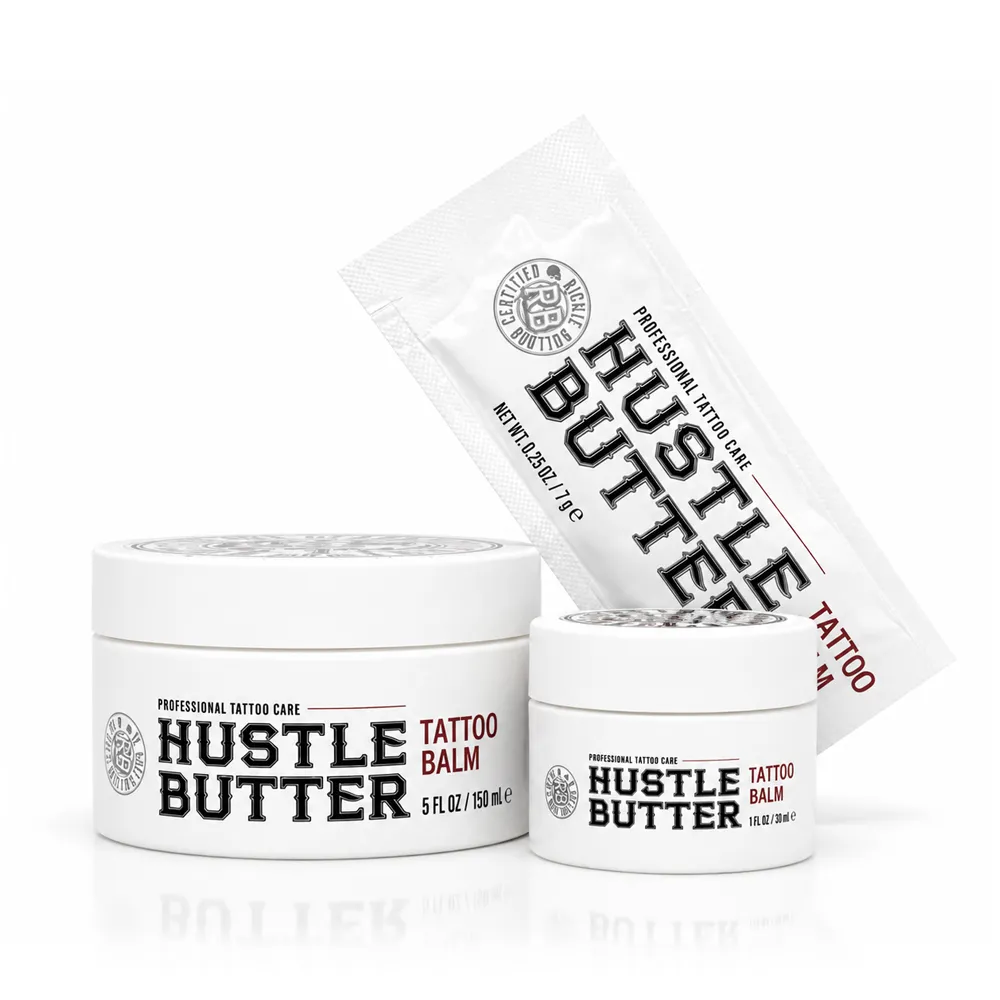 Aftercare moisturizer optionHustle Butter De LuxeA moisturizing product to consider within the artist's routine aftercare instructions. Persistent pain, pus or spreading redness call for healthcare assessment.
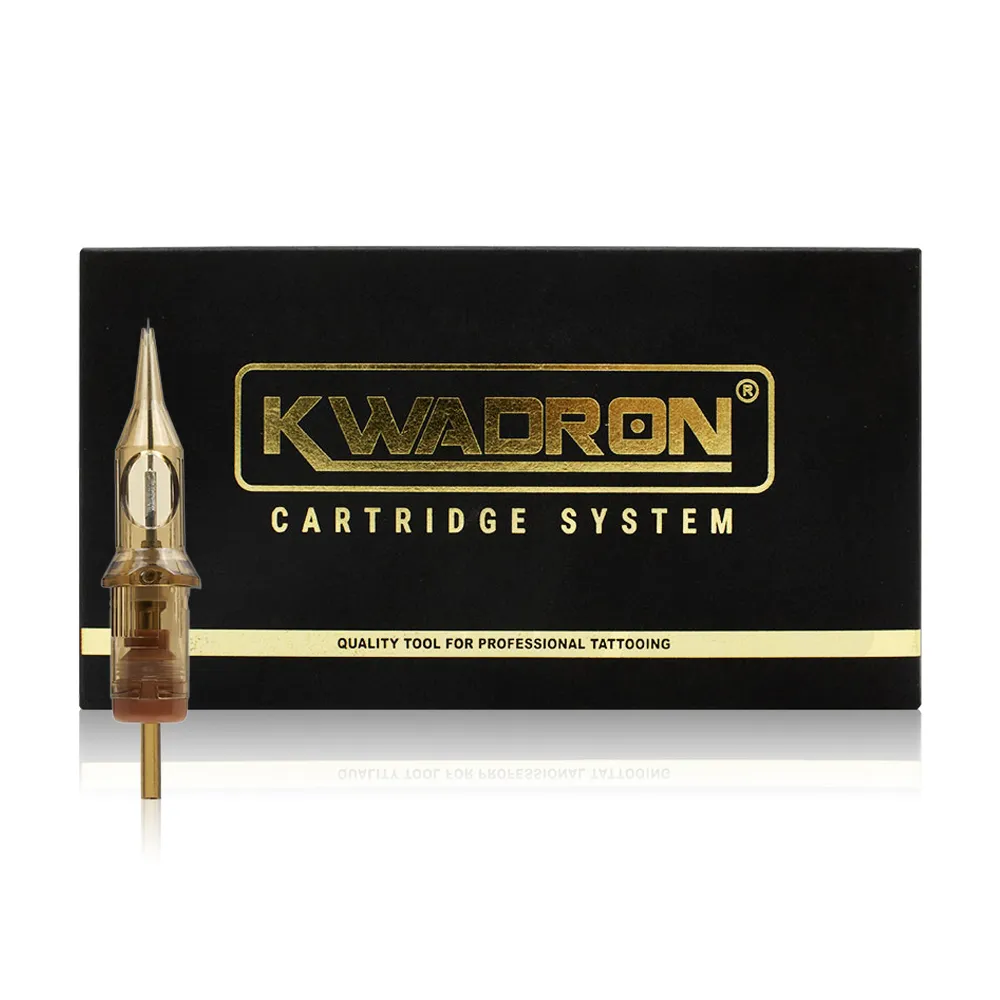 For selected linework groupingsKwadron Cartridges LinersA professional round-liner family for selecting a grouping suited to the outline and the artist's control. Cartridge choice helps workflow but cannot substitute for careful technique.
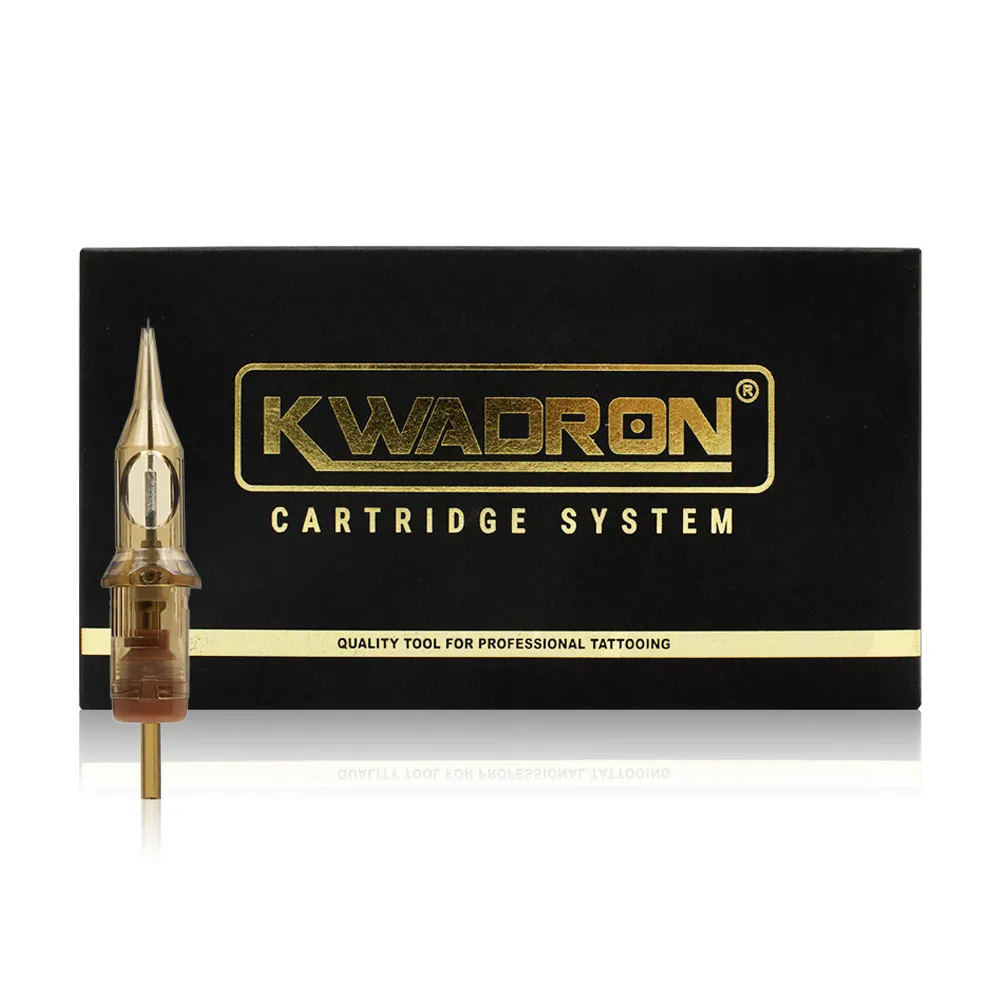 For small shaded sectionsKwadron Cartridges Round ShadersA round-shader option to evaluate for confined detail instead of repeatedly working a small area with an unsuitable broad grouping.
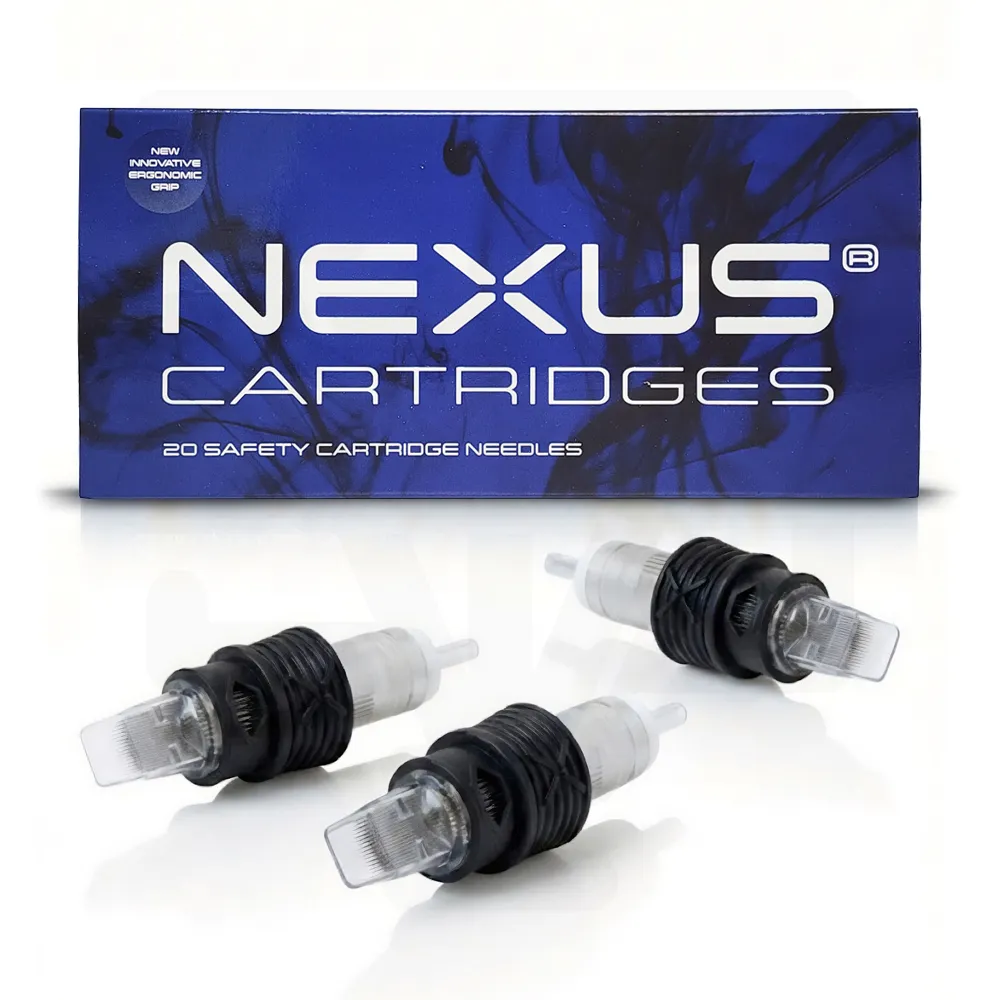 For broader shading and packingNexus Cartridges Curved MagsA curved-mag cartridge family for techniques that cover broader sections. Match grouping to the design and avoid stacking passes to force saturation.
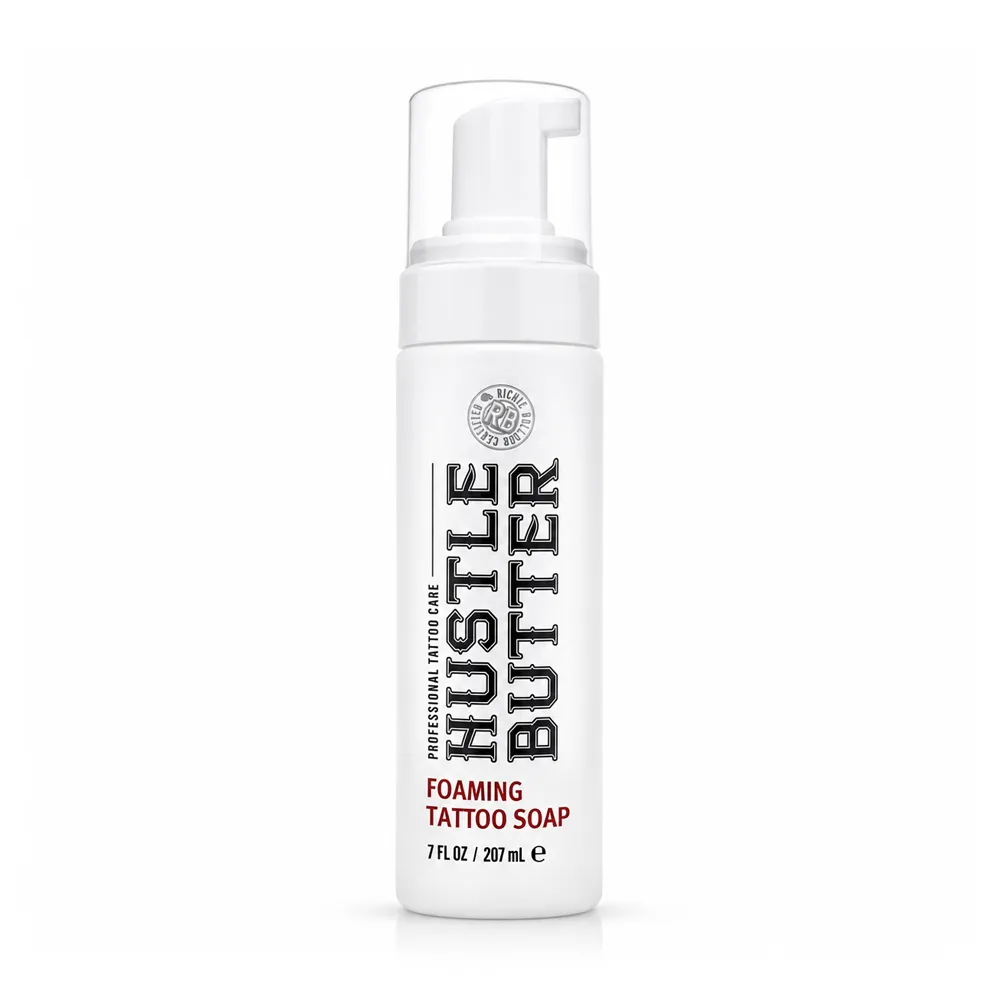 Routine cleansing selectionHustle Butter Foaming Tattoo Soap 7 ozA foaming wash option for a tattoo artist's normal cleansing plan. Use cleansing products as directed; they do not replace medical care for concerning symptoms.
Shop Bandages & Protective Films Explore Glides & Aftercare
See our tattoo glide guide and film vs gel vs spray for normal workflow comparisons.
BEFORE AND AFTER THE SESSION
What should artists and clients check to prevent or recognize excess trauma?
FK and Peak focus on technique; AAD and FDA identify medical warning signs. Use these as separate artist and client checks.
For tattoo artists
- Choose a needle grouping appropriate to the space being worked.
- Match machine cycling to hand speed and avoid stacking correction passes.
- Watch working depth, hand pressure, bleeding and changes in surface texture.
- Stop when excessive redness, weeping, bruising or skin damage develops.
For clients
- Expect that some soreness, clear fluid, flaking and scabbing may occur.
- Contact the tattoo artist about prolonged or unusual healing changes.
- See a doctor promptly for spreading redness, worsening pain, pus, fever or chills.
- Ask a dermatologist to assess a raised or pitted scar after healing.
FREQUENTLY ASKED QUESTIONS
12 questions about overworked tattoo signs, scabbing and healing
FK Irons and Peak Needles explain overworking; AAD, FDA and medically reviewed sources describe healing and medical warning signs.
1. What does an overworked tattoo look like?
FK flags excessive redness, bruised-looking texture and weeping. Peak describes heavy bleeding and torn-looking skin during the session. AAD says scabs after the session can also be normal.
2. What exactly is an overworked tattoo?
FK Irons uses this trade term for passing over the same area too many times in one session, potentially complicating healing and causing scarring. It is not an infection diagnosis.
3. How do I know if my tattoo is overworked or infected?
An artist can review what happened during the session. AAD says spreading redness, increasing pain, pus, fever, chills or open sores require prompt medical evaluation.
4. Is heavy scabbing normal after a tattoo?
AAD says scabs and flaking may be normal. Peak links pronounced scabbing with excessive trauma, but the scabs alone do not establish its cause. Seek medical care for worsening symptoms.
5. Why did my tattoo bleed so much?
FK says a small amount of ink and plasma can be normal. Peak flags blood repeatedly welling up faster than it can be wiped; the artist should stop and reassess hang and pressure.
6. How long does an overworked tattoo take to heal?
Healthline says an ordinary tattoo surface often looks healed in 2 to 3 weeks, with deeper healing taking longer. An overworked tattoo has no fixed timetable; consult a clinician for persistent or worsening symptoms.
7. Will an overworked tattoo scar?
It can. FK says repeated passes may lead to scarring. Healthline discusses raised or pitted texture, and AAD recommends a dermatologist for developed scars.
8. Can an overworked tattoo be fixed or touched up?
After healing, ask the artist to evaluate missing pigment. For raised or pitted scar tissue, see a dermatologist; more tattooing is not scar treatment.
9. How do tattoo artists avoid overworking skin?
FK recommends matching motor cycling with hand speed, choosing suitable groupings and avoiding stacked passes. Peak advises controlling depth and stopping at excessive trauma signs.
10. Does high voltage cause overworked skin?
FK says high voltage paired with slow hand movement concentrates entries into one area. It is the speed mismatch and repeated contact that matter, not one voltage number alone.
11. Is clear fluid or plasma under second skin normal?
AAD says some clear fluid is normal during healing. Follow film instructions from your artist and seek care for spreading redness, increasing pain, pus, fever or chills.
12. When should I see a doctor about a new tattoo?
AAD advises a doctor or dermatologist for spreading or darkening redness, worsening pain, pus, fever, chills or open sores. FDA recommends care when healing seems abnormal, especially with fever.
RESEARCH
Sources Consulted
Technique: FK Irons and Peak Needles. Medical guidance: AAD, FDA, a dermatology review, and medically reviewed Healthline articles.
- FK Irons: Tattoo Machine Glossary and Overworked Skin
- FK Irons: Machine Voltage Without Overworking Skin
- FK Irons: Tattoo Needle Depth and Working Pressure
- Peak Needles: Needle Depth and Excessive Skin Trauma
- American Academy of Dermatology: Tattoo Skin Reactions and Infection Signs
- U.S. Food and Drug Administration: Think Before You Ink, Tattoo Safety
- Healthline: Tattoo Scarring, Medically Reviewed
- Healthline: How Long a Tattoo Takes to Heal, Medically Reviewed
- Anais Brasileiros de Dermatologia (2024): Tattoos, Risks and Complications