Powered by Comercia.io
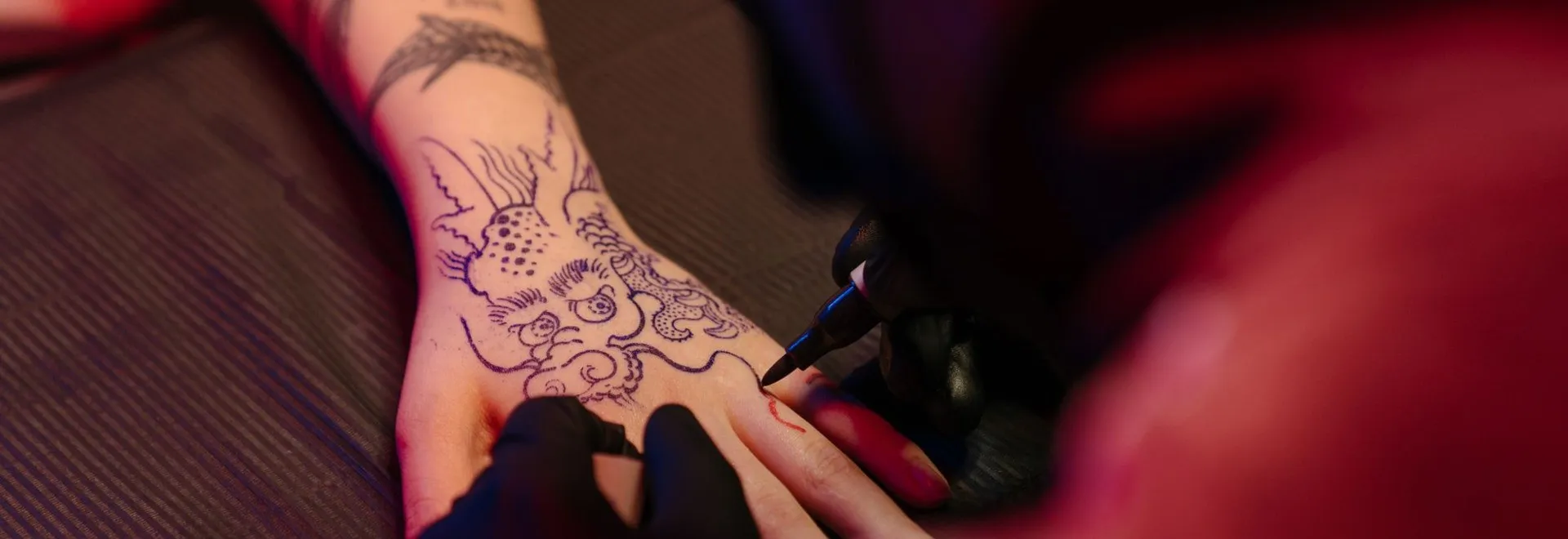
Tattooing hands, feet, and fingers requires understanding the differences between skin types, everyday friction, sun exposure, and client expectations: a 2023 skin anatomy review published in Frontiers in Medicine describes the skin of the palms and soles as having a considerably thicker outer layer and no hair follicles or associated sebaceous glands. Hands regularly encounter surfaces and sunlight, while the American Academy of Dermatology (AAD) identifies ultraviolet light and petroleum-based products as factors that can contribute to tattoo ink fading. Fading is a common concern with these placements, but the sources below do not give a fading rate by body location.
Explore Professional Tattoo Supplies Shop Tattoo Aftercare Shop Studio Supplies
QUICK ANSWER
Why Are Hands, Feet, and Fingers Different From Other Tattoo Placements?
The main considerations are the anatomy of the specific skin surface, everyday contact with clothing or objects, sunlight exposure, and the client's expectations about healing and long-term appearance. Artists should distinguish these documented considerations from claims that every hand, foot, or finger tattoo fades at a predictable rate.
Understand the Placement
Palms and soles have different skin anatomy from the backs of the hands and tops of the feet. Evaluate the exact area rather than treating the entire hand or foot as one skin type.
Discuss Fading and Aftercare
Explain documented concerns involving UV exposure, irritation from rubbing, and possible changes in tattoo appearance. Discuss how future touch-ups will be evaluated.
Assess Before Tattooing
Review the skin condition, communicate applicable risks, and determine whether the placement falls within your professional training and experience.
SKIN ANATOMY
How Is the Skin on Hands, Fingers, and Feet Different?
One of the most important distinctions for artists is the difference between volar skin and other skin surfaces. In a 2023 peer-reviewed mini-review published in Frontiers in Medicine, researcher Joshua Tam discusses the anatomical characteristics of volar skin, including the skin found on palms and soles.
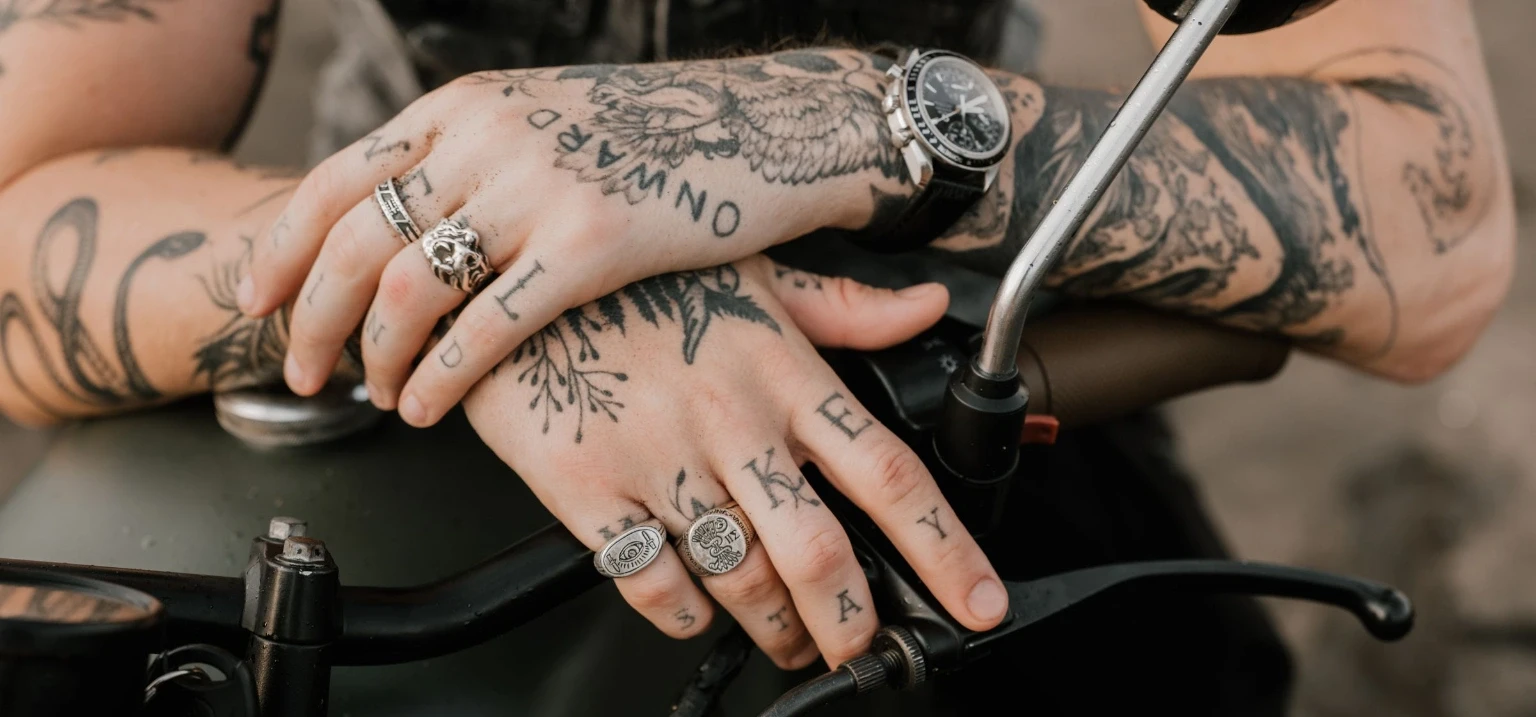
The review explains that the stratum corneum, the outermost layer of the epidermis, is substantially thicker on volar skin than on non-volar skin. It also describes volar skin as lacking hair follicles and their associated sebaceous glands while containing numerous eccrine sweat glands.
Palms and Soles
These surfaces have the specialized anatomical characteristics described in Tam's review, including a thicker outer skin layer and the absence of hair follicles and their associated oil glands.
Backs of the Hands
The back of a hand should be distinguished from its palm. Artists should identify the actual surface requested rather than applying the anatomical description of palmar skin to the entire hand.
Fingers and Toes
Identify whether the design is intended for the top, side, or underside of a finger or toe. The exact placement is an important part of the artist's assessment and client discussion.
Top of the Foot
Tam's review reports that the epidermis of the sole is approximately six times thicker than the epidermis on the top of the foot. These are anatomically different surfaces.
Skin Anatomy Is Not a Tattoo Retention Study
The Frontiers in Medicine publication examines skin anatomy in the context of wound healing. Its findings help explain why artists should distinguish between placements, but they do not establish how quickly tattoos fade on palms, fingers, or soles.
Where Does Tattoo Pigment Remain in the Skin?
In an article published by Dermatology Times, dermatologist Zoe Diana Draelos explains that tattoo pigment is deposited in the dermis and subsequently taken up by cells, including macrophages and fibroblasts. She also discusses how tattoo lines can become blurred over time.
This general information about tattoo pigment should be considered separately from the anatomical differences described in the Frontiers in Medicine review. Neither publication establishes a placement-specific application technique or a predictable retention period for hand and foot tattoos.
TATTOO RETENTION
Do Hand, Finger, and Foot Tattoos Fade Faster Than Other Tattoos?
Fading is a common concern when clients request tattoos on hands, fingers, and feet. Dermatological observations and documented skin differences provide useful consultation topics, but they do not give a comparative fading rate for these placements.
What Do Dermatologists Say About Palm and Sole Tattoos?
Dermatologist Naissan O. Wesley, MD, quoted in a December 2020 Allure article republished by Yahoo Lifestyle, describes tattoos on the palms and soles as tending not to last as long. She relates this observation to the thickness and renewal of the skin in those areas.
This is a dermatologist's observation reported by a magazine, making it a secondary source rather than a controlled study comparing tattoo retention across different body locations.
Artists can use this observation to discuss retention concerns with clients considering palm or sole tattoos. It should not be converted into a fixed lifespan, fading percentage, or prediction that the design will disappear completely.
Does Friction Affect the Appearance of Hand Tattoos?
Cleveland Clinic's tattoo aftercare guidance recommends avoiding unnecessary sticking or rubbing that could irritate tattooed skin. Hands regularly come into contact with objects and surfaces, making this advice particularly relevant when discussing a client's daily activities.
For foot placements, artists can similarly consider how the requested area comes into contact with footwear during the client's routine. This is a practical consultation consideration based on the general advice about avoiding irritation, not a measured relationship between footwear and pigment loss.
Does Sun Exposure Cause Hand Tattoos to Fade?
According to the American Academy of Dermatology, ultraviolet light can fade some tattoo inks. Cleveland Clinic also identifies UV exposure as a factor that can contribute to a washed-out tattoo appearance.
These recommendations apply to tattooed skin generally. They are particularly useful when discussing exposed placements such as the backs of the hands, where sunlight may be part of the client's everyday routine.
Pro Tip: Separate Evidence From Expectations
Explain the known anatomical differences, general UV-related fading concerns, and the dermatologist's observations about palms and soles separately. This gives clients a more accurate understanding than describing every hand or foot tattoo as having the same retention problem.
PLACEMENT COMPARISON
How Do Hand, Finger, Palm, and Foot Tattoo Placements Compare?
Artists should compare the exact placement, the skin characteristics relevant to that location, and the factors that may need additional explanation during the consultation. The following table connects documented information with practical topics for communicating with clients.
| Placement or Factor | What the Source Says | What to Explain to the Client |
|---|---|---|
| Back of the Hand | The AAD identifies UV exposure as a factor that can fade some tattoo inks. | Discuss sun exposure and appropriate long-term protection of tattooed skin. |
| Fingers | Cleveland Clinic recommends avoiding unnecessary rubbing that could irritate a tattoo. | Discuss daily hand use, contact with objects, and how the tattoo will be evaluated after healing. |
| Palms | Frontiers in Medicine describes specialized volar skin. A dermatologist quoted by Allure reports retention concerns on palms. | Explain the different skin anatomy and discuss possible future changes without predicting longevity. |
| Top of the Foot | Frontiers in Medicine distinguishes the epidermal thickness of the top of the foot from that of the sole. | Evaluate the actual placement rather than transferring sole-specific concerns to the entire foot. |
| Soles | Frontiers in Medicine describes thicker epidermal skin. Allure reports a dermatologist's observation about reduced retention. | Discuss anatomical differences and possible changes in appearance without assigning a fading timeline. |
| Friction and Rubbing | Cleveland Clinic recommends avoiding unnecessary rubbing that may irritate the tattoo. | Review how work, footwear, and everyday activities relate to the artist's aftercare discussion. |
| Petroleum-Based Products | The AAD identifies petroleum-based products as a potential contributor to ink fading. | Explain the importance of selecting appropriate skin care products. |
| Unhealthy Skin | Texas DSHS prohibits tattooing on skin exhibiting unhealthy conditions such as rashes, boils, infections, or abrasions. | Explain why the appointment must be postponed when the skin presents these conditions. |
The table is a placement assessment and consultation reference. It is not a ranking of which body areas retain the most ink or a guide to selecting machine settings for individual surfaces.
FINGER TATTOOS
What Should Artists Know Before Tattooing Fingers?
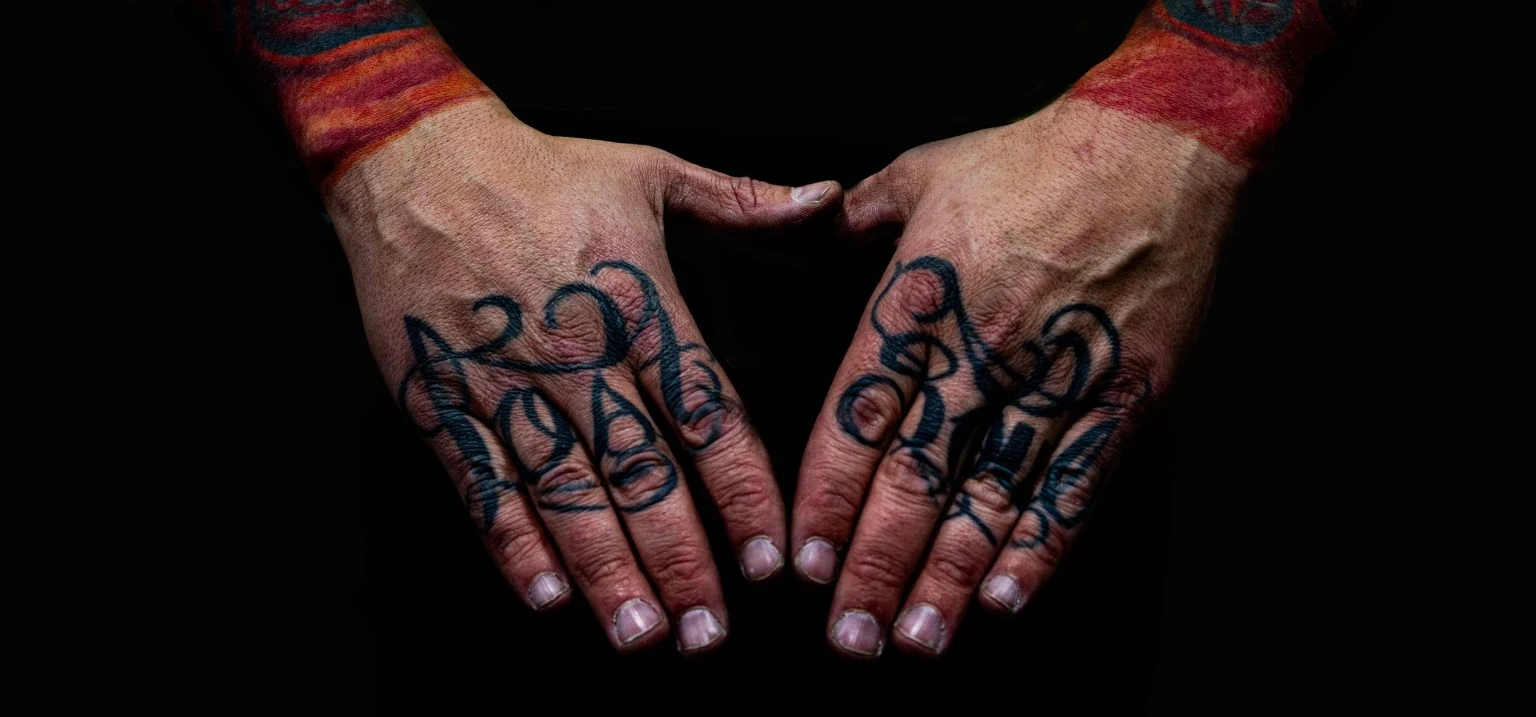
Before accepting a finger tattoo, establish the exact placement, requested design, client's expectations, and the relevance of that work to your professional training. A tattoo on the top of a finger and one positioned toward its underside should not be evaluated solely under the general category of finger tattoos.
Why Do Clients Ask About Finger Tattoos Fading?
Clients frequently want to understand whether a small finger tattoo will maintain its original appearance. Artists can address this concern by discussing the general factors identified by the AAD and Cleveland Clinic, including UV exposure and irritation associated with unnecessary rubbing.
The available evidence does not establish a fading percentage or a comparative lifespan for individual finger placements. Keep the consultation focused on the actual design and location rather than presenting a universal explanation for all finger tattoo fading.
What About Fine-Line Finger Tattoos?
When reviewing a small lettering design, symbol, or line-based tattoo, distinguish the requested visual appearance from promises about how the lines will look in the future. Dermatology Times discusses changes in tattoo line appearance over time generally, without identifying a specific rate for fingers.
For design and equipment education, explore our guides to tattoo line weight and clean tattoo lines.
Is It Normal for a Finger Tattoo to Need a Touch-Up?
Discuss the possibility of a future touch-up during the original consultation. Explain how the studio evaluates healed work and what its own policy covers, rather than treating a touch-up as inevitable for every finger tattoo.
Finger Tattoo Consultation Checklist
- Identify the precise surface of the finger.
- Review the requested design and the client's expectations.
- Discuss relevant daily contact and sun exposure.
- Explain the studio's process for reviewing healed work.
- Communicate applicable risks and aftercare information.
- Determine whether the requested work fits your professional experience.
FOOT AND TOE TATTOOS
What Is the Difference Between Tattooing the Top of the Foot, Toes, and Sole?
The most useful documented distinction is between the specialized skin of the sole and the skin on the top of the foot. The anatomical findings published in Frontiers in Medicine support treating these areas as different surfaces during the professional assessment.
Top-of-Foot Tattoos
Evaluate the requested placement individually. Consider how the client's everyday footwear relates to Cleveland Clinic's general recommendation to avoid unnecessary rubbing during healing.
Toe Tattoos
Identify the exact surface requested and discuss design expectations, the client's daily routine, and the studio's approach to evaluating healed work.
Sole Tattoos
Discuss the specialized anatomy documented in the Frontiers in Medicine review and the retention concerns described by the dermatologist interviewed by Allure.
Do Tattoos on the Bottom of the Foot Disappear Completely?
The dermatologist quoted by Allure describes a tendency toward fading and reduced longevity on soles and palms. This observation does not establish that every sole tattoo disappears or determine how long any particular design will remain visible.
Should Artists Accept Every Foot Tattoo Request?
Assess the condition of the skin, the requested design, and whether the placement falls within your training. Discuss how the client will follow the studio's applicable care instructions before committing to the work.
TECHNIQUE AND PROFESSIONAL LIMITS
Are Hand and Finger Tattoos More Likely to Blow Out?
Blowout is an important concern for artists reviewing line-based designs on hands and fingers. However, the available sources do not establish a comparative blowout rate for these placements or identify particular needle configurations or machine settings that prevent it.
Dermatology Times describes how tattoo lines can become blurred over time in its general discussion of tattoo pigment. Artists should distinguish this general observation from the assessment of a specific tattoo complication.
For a dedicated explanation, read our guide to tattoo blowout causes, prevention, and correction.
What Needle or Machine Settings Should Artists Use for Hand Tattoos?
Use your professional training and the relevant equipment manufacturer's guidance when making application decisions for a particular placement. A product's popularity or configuration name is not, by itself, a reason to consider it the best choice for a hand, finger, or foot tattoo.
Apprentices should develop their understanding of line work, skin assessment, and equipment selection through appropriate instruction before accepting unfamiliar placements.
For additional education, explore our overworked tattoo signs and prevention guide and our guide to tattoo practice supplies.
HEALING EXPECTATIONS
How Long Do Hand, Finger, and Foot Tattoos Take to Heal?
Cleveland Clinic's tattoo aftercare article explains that smaller tattoos on areas such as the hands, wrists, or arms may flake or itch and are likely to heal faster. This is a general observation about smaller tattoos rather than a hand-specific healing schedule.
Artists should avoid assigning a universal healing timeline based solely on the location of a tattoo. The size and nature of the individual piece are relevant to the discussion, and the artist should evaluate healed work individually.
What Should Artists Explain About Hand Tattoo Healing Stages?
Explain the applicable studio aftercare instructions and the process for contacting the studio with questions. Cleveland Clinic's guidance distinguishes general healing observations from symptoms that should prompt medical attention.
For a broader overview of the healing process, see our tattoo aftercare day-by-day guide. For additional information about raised or itchy tattoos, see our guide on why tattooed skin may become raised or itchy.
What Symptoms Should Artists Direct to a Healthcare Professional?
Cleveland Clinic identifies several symptoms that should prompt medical attention following tattooing. Include appropriate escalation guidance in the studio's aftercare communication rather than attempting to diagnose the client's skin.
Symptoms That Require Medical Attention
- Fever.
- Skin around the tattoo that feels hot.
- Pain that increases rather than improves.
- Red streaks extending from the tattoo toward the center of the body.
These are symptoms identified by Cleveland Clinic. Direct the client to a healthcare professional for assessment.
The American Academy of Dermatology also recommends consulting a board-certified dermatologist when tattooed skin changes or develops a skin reaction.
See our separate reference on infected tattoo signs versus normal healing for additional educational context.
AFTERCARE AND LONG-TERM APPEARANCE
How Is Aftercare Different for Hand and Foot Tattoos?
The general principles described by dermatology and healthcare sources remain relevant to hand and foot tattoos. The additional practical consideration is how the client uses the tattooed area throughout the day and how that routine relates to the applicable care instructions.
What Should Artists Explain About Friction?
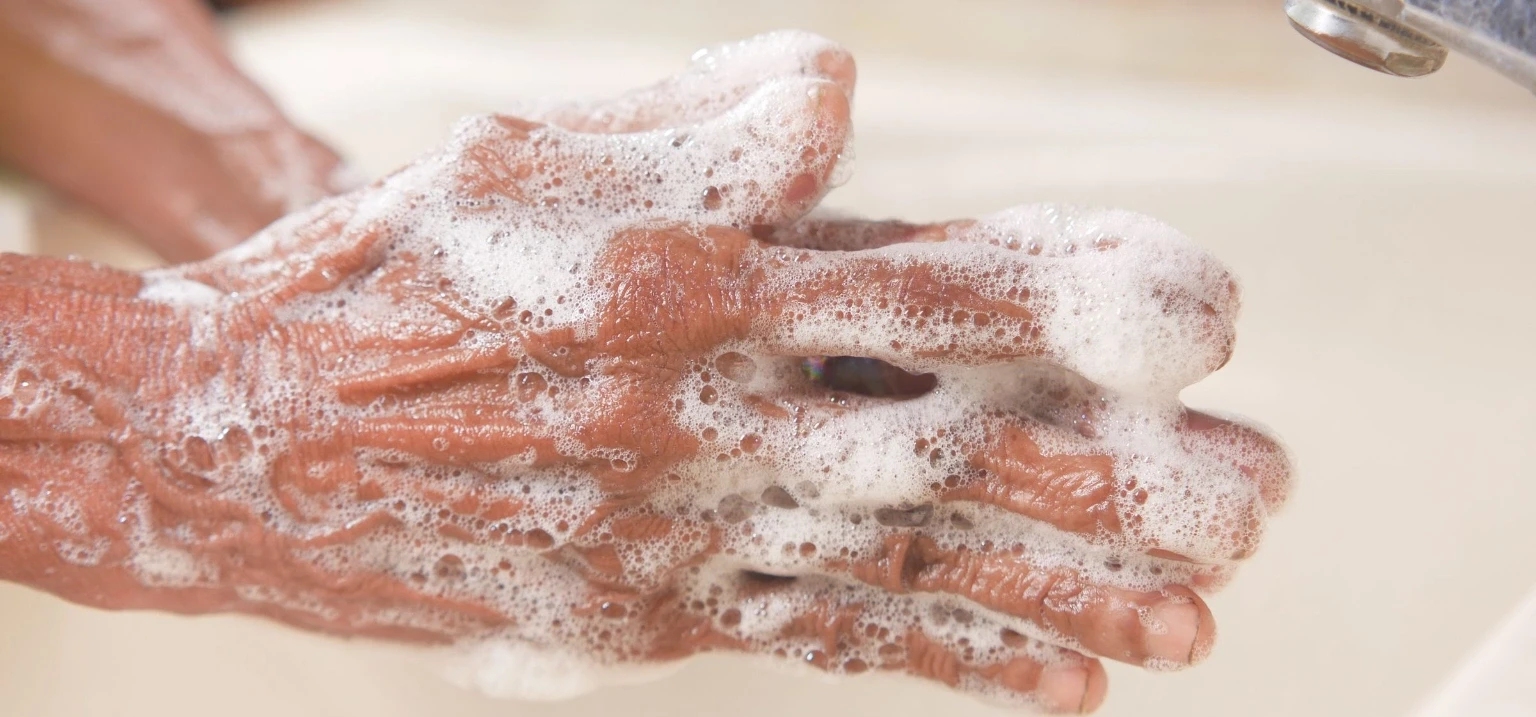
Cleveland Clinic recommends avoiding unnecessary sticking or rubbing that may irritate tattooed skin. For artists working on hands or feet, this provides a useful starting point for discussing contact with objects, clothing, gloves, or footwear.
Ask about the client's occupation and daily routine when explaining the studio's aftercare approach. If the client expects difficulty following the applicable instructions, address that concern before scheduling the procedure.
Should Clients Wear Gloves Over a Healing Hand Tattoo?
Evaluate questions about glove use in the context of the specific aftercare product, occupational requirements, and the studio's care instructions. Cleveland Clinic's general recommendation concerns avoiding unnecessary irritation from rubbing or sticking.
Keep the artist's procedural glove requirements separate from questions about what a client wears over a healing tattoo. They serve different purposes.
Does Petroleum Jelly Cause Tattoos to Fade?
The American Academy of Dermatology identifies petroleum-based products, including petroleum jelly, as products that can cause tattoo ink to fade. For dry tattooed skin, the AAD recommends a water-based lotion or cream.
When discussing products with clients, distinguish general skin care recommendations from the instructions associated with a particular dressing or tattoo aftercare product.
What Sunscreen Does the AAD Recommend for Tattoos?
The AAD recommends broad-spectrum, water-resistant sunscreen with SPF 30 or higher when tattooed skin is exposed to the sun. This is particularly relevant to long-term care discussions involving exposed hand and finger tattoos.
Cleveland Clinic separately notes that tattooed skin can be sensitive to direct sunlight while healing. Keep healing-stage care and long-term sunscreen use distinct when explaining the studio's instructions.
For the original dermatological recommendations, refer to the American Academy of Dermatology guide to caring for tattooed skin.
Should Artists Use Second-Skin Film on Hands or Feet?
Adhesive tattoo films are one of the dressing formats available to professional studios. Evaluate the specific product's instructions and its suitability for the intended placement before selecting a dressing.
Compare different aftercare formats in our second-skin versus ointment guide and our comparison of tattoo film, gel, and spray aftercare products.
TEXAS SKIN REQUIREMENTS
When Should a Tattoo Artist Postpone a Hand or Foot Tattoo?
The Texas Department of State Health Services tattoo and body piercing rules prohibit performing these procedures on skin that shows evidence of unhealthy conditions. They specifically name rashes, boils, infections, and abrasions.
Rashes
Rashes are among the unhealthy skin conditions identified by the Texas rule. Do not proceed with tattooing the affected area.
Boils
The published DSHS rules specifically include boils among the conditions that prevent tattooing the affected skin surface.
Infections
Do not tattoo skin showing evidence of infection. Direct concerns requiring medical assessment to an appropriate healthcare professional.
Abrasions
Abrasions are expressly identified in the Texas rules. Evaluate the actual skin condition before accepting the placement.
Can You Tattoo Over Sunburned Skin?
The published Texas provision uses a broader unhealthy-skin standard and specifically lists rashes, boils, infections, and abrasions. Sunburn is not one of the examples expressly named in that provision.
Review the condition of the skin and consult DSHS about applying the requirements to the circumstances. Refer questions involving an unhealthy skin condition to an appropriate healthcare professional.
What If a Client Appears to Be Under the Influence?
The same published DSHS rules prohibit tattooing a person who appears to be under the influence of alcohol or drugs. Include client assessment in the studio's process before beginning the procedure.
Confirm Applicable Texas Requirements
Review the DSHS tattoo and body piercing rules and confirm current requirements with the department when developing studio procedures. This educational guide does not replace medical assessment or legal advice.
For additional considerations involving existing skin features, read our guide to tattooing over scars, stretch marks, and moles.
CLIENT CONSULTATION
What Should Artists Tell Clients Before Tattooing Hands, Feet, or Fingers?
Give clients clear information about the requested placement, the documented risks associated with tattooing, relevant care considerations, and the studio's approach to evaluating healed work. Keep statements about fading and touch-ups within the available evidence.
Identify the Exact Placement
Establish whether the requested tattoo will be on the back of the hand, palm, finger, top of the foot, toe, or sole. Review the relevant anatomical differences.
Assess the Skin
Review the skin condition before accepting the appointment. Follow the applicable Texas requirements regarding unhealthy skin.
Communicate the Procedure Risks
The published Texas rules identify discomfort or pain, permanence, and infection risk among the topics addressed by informed risk disclosure. Review the full applicable disclosure requirements.
Discuss Appearance and Daily Activities
Explain general UV-related fading concerns and the recommendations about avoiding unnecessary rubbing during healing. Discuss palm and sole retention observations within their appropriate context.
Explain Aftercare and Future Review
Review the applicable care instructions, medical attention guidance, and the studio's process for assessing healed tattoos and possible touch-ups.
Document the Procedure Location
The published DSHS rules require records identifying the body location where the tattoo was performed. They also specify retention for at least two years following the last entry.
Should Artists Have a Separate Consent Policy for Highly Visible Tattoos?
Studios can establish their own consultation procedures for highly visible placements and communicate them consistently. Distinguish these studio policies from requirements established by the applicable authorities.
How Should Artists Discuss Touch-Up Expectations?
Explain the studio's own policy and how healed work will be assessed. Avoid presenting a touch-up as automatically necessary or promising that additional work will produce a particular retention result.
PROFESSIONAL STUDIO SUPPLIES
What Supplies Should Artists Prepare for Hand, Finger, and Foot Tattoos?
At SVT Shop, we carry professional tattoo supplies for station preparation, general practice, and aftercare. Build your purchasing list around the products appropriate for your established workflow rather than looking for a universal hand-specific equipment combination.
Session Preparation Checklist
- Appropriate procedural gloves.
- Cleaning products selected according to their intended application and label directions.
- Equipment selected according to the artist's training and manufacturer guidance.
- Practice materials for developing general design and application skills.
- Appropriate tattoo dressing or aftercare products.
- Client documentation and care instructions.
Which Gloves and Practice Supplies Do We Carry?
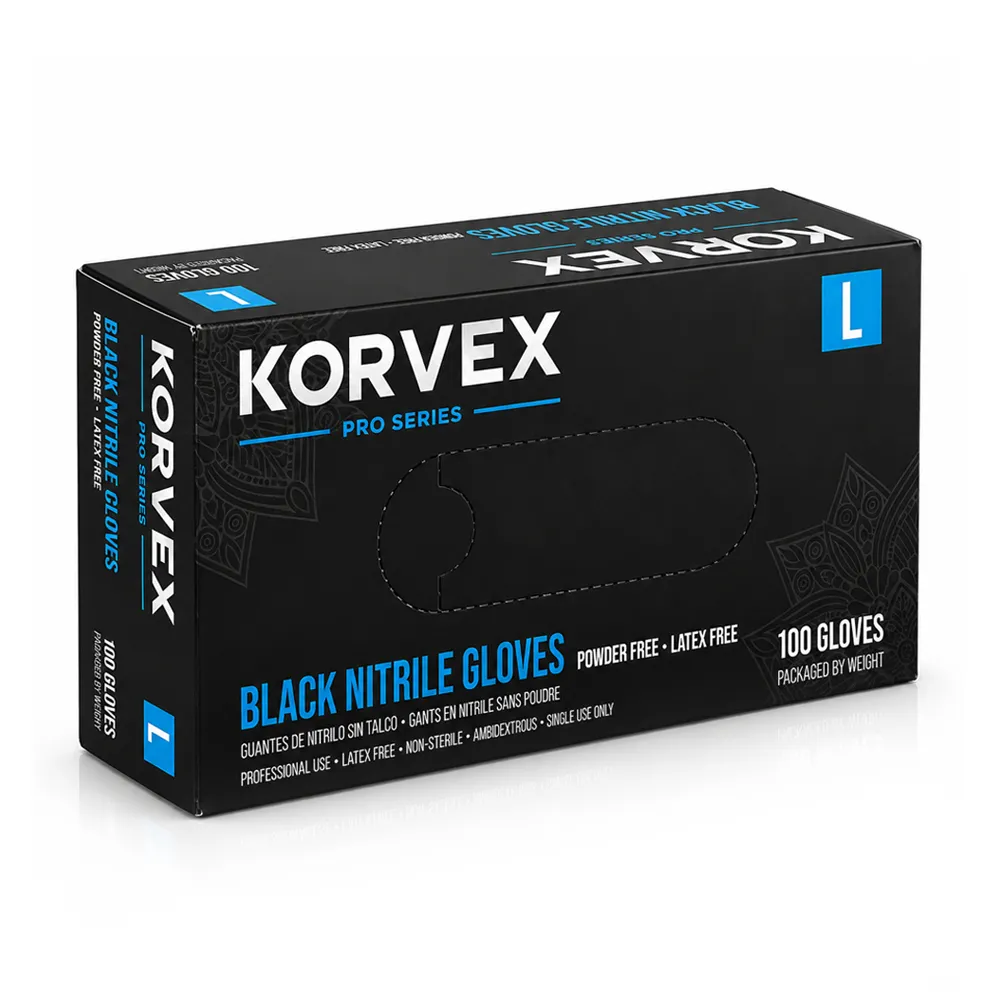
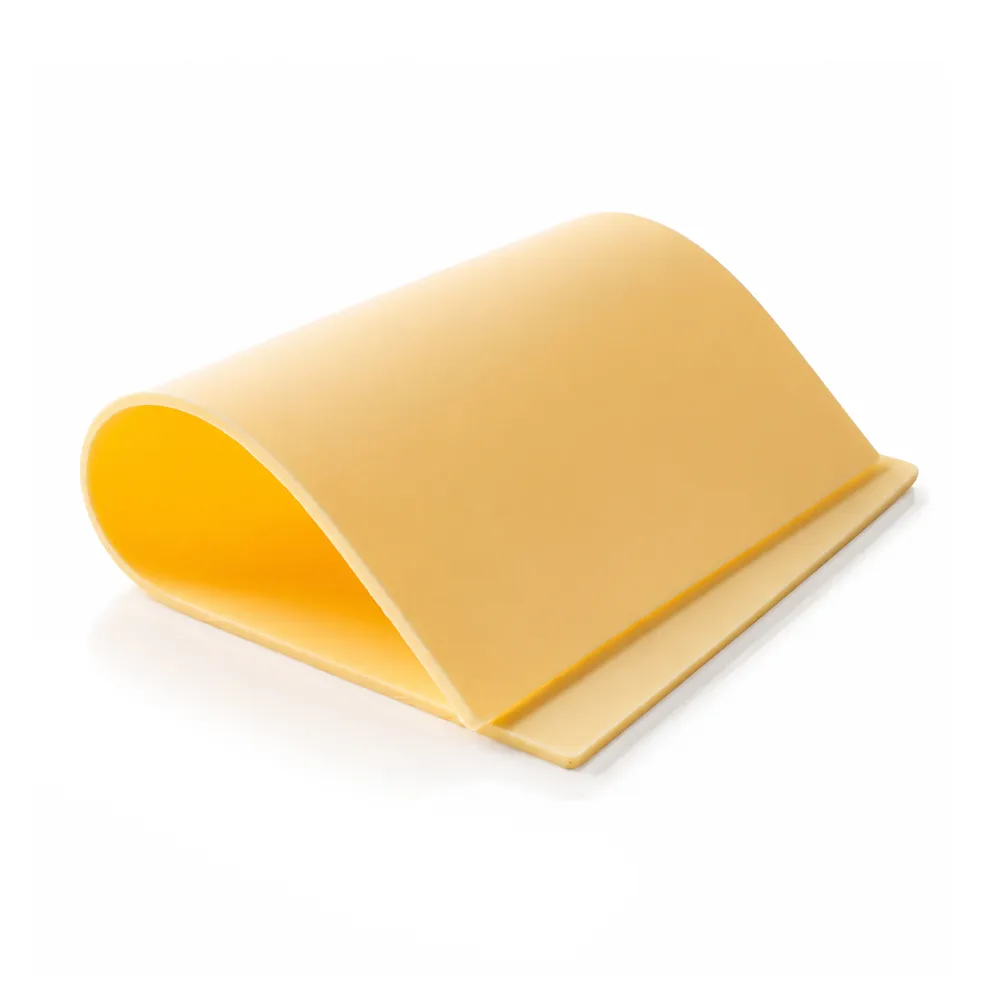
Our catalog includes nitrile glove options from Adenna and KORVEX, along with flat synthetic practice skin for artists developing their general tattooing skills.
 Procedural Gloves
Adenna - Night Angel Black Nitrile Exam Gloves
A nitrile exam glove option for organizing professional tattoo station supplies.
 Station Supplies
KORVEX - Black Nitrile Gloves
Another nitrile glove option in our catalog for studios purchasing their routine procedural supplies.
 General Tattoo Practice
Tattoo Practice Skin 3mm FPS-006 A4
A flat synthetic practice surface for developing general design execution and line-work consistency.
Apprentices can also explore our guides to the best materials for tattoo practice and practicing tattooing at home.
AFTERCARE PRODUCT SELECTION
What Tattoo Films and Skin Care Products Can Artists Compare?
Our professional aftercare selection includes Recovery Derm Shield, Saniderm adhesive films, and Hustle Butter products. Compare the available formats according to the product's intended use, manufacturer instructions, and the area being evaluated.
What Is the Difference Between Pre-Cut Tattoo Film and Rolls?
Pre-cut sheets and rolls provide different purchasing and preparation formats. Artists can compare the dimensions of each product with their intended use while following the relevant manufacturer instructions.
| Product Format | What to Compare | Studio Purchasing Consideration |
|---|---|---|
| Recovery Derm Shield | Available adhesive film formats and manufacturer instructions. | Review the format appropriate for the studio's dressing workflow. |
| Pre-Cut Sheets | Individual sheet dimensions and packaging. | Compare the supplied dimensions with the intended application. |
| Film Rolls | Roll dimensions and manufacturer preparation instructions. | Consider how the roll fits the studio's range of tattoo sizes. |
| Tattoo Butter | Intended use and individual product directions. | Keep session products and aftercare instructions clearly organized. |
| Sunscreen | Label information, SPF, broad-spectrum protection, and water resistance. | Compare the product with the AAD's sun protection recommendations. |
Adhesive Tattoo Films
We carry Recovery and Saniderm adhesive film products in different formats. Select the appropriate product and application method using the manufacturer's instructions.
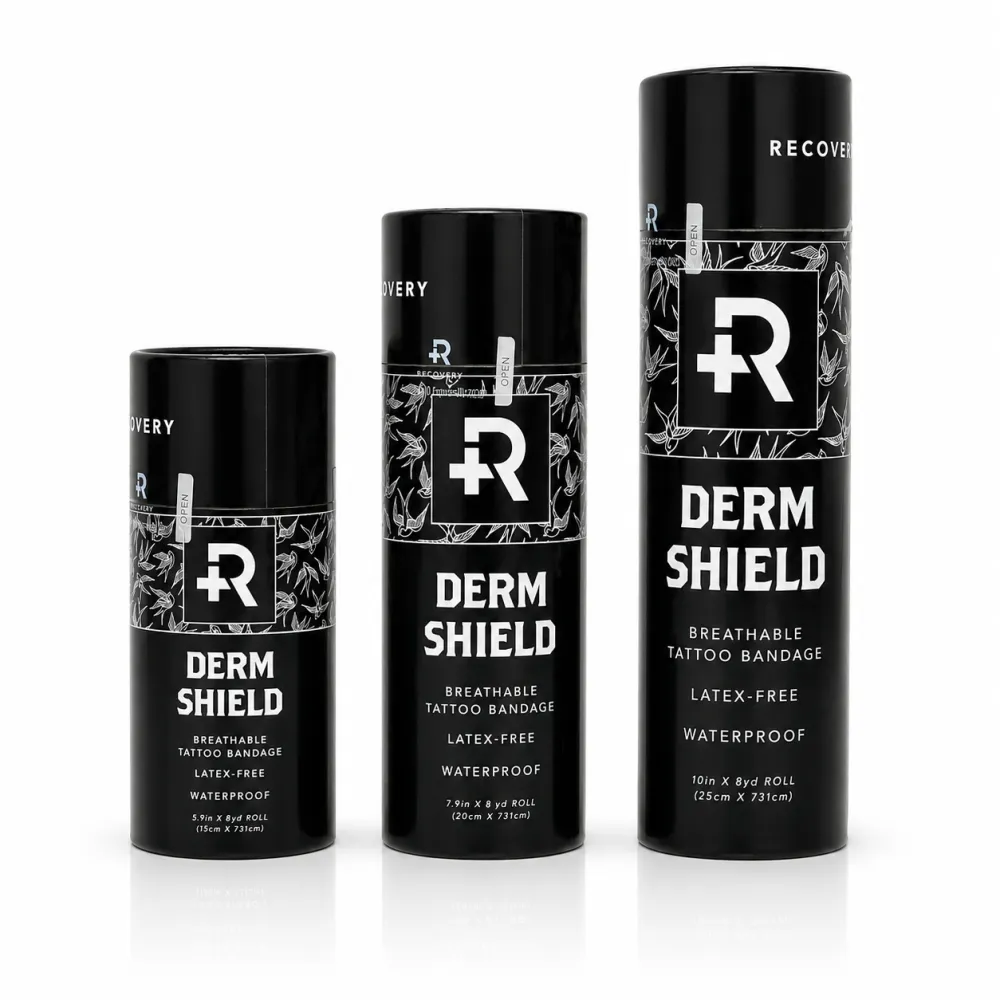 Adhesive Tattoo Film
Recovery - Derm Shield Tattoo Adhesive Film
A second-skin tattoo dressing option for professional studios comparing adhesive film products.
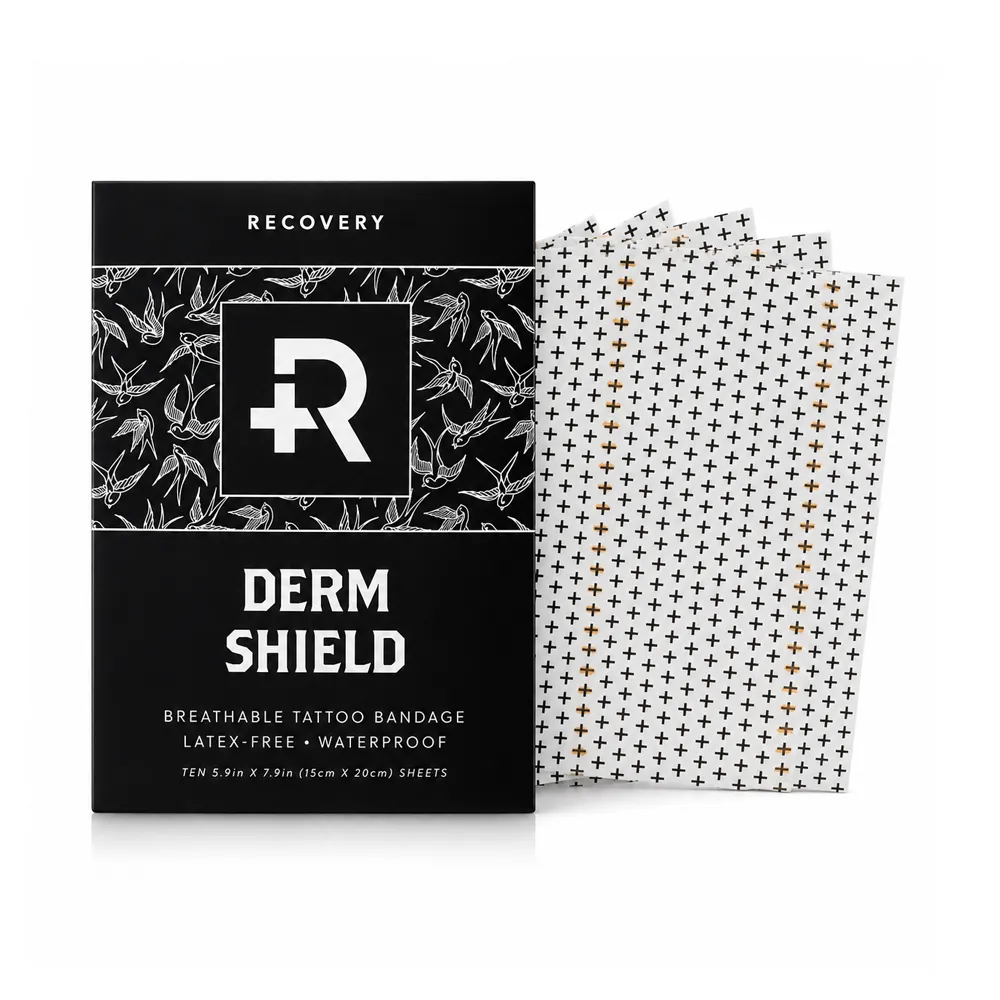 Pre-Cut Film Sheets
Recovery - Derm Shield 5.9 x 7.9 Sheet Pack
A pre-cut sheet format for artists comparing dressing dimensions and individual sheet preparation.
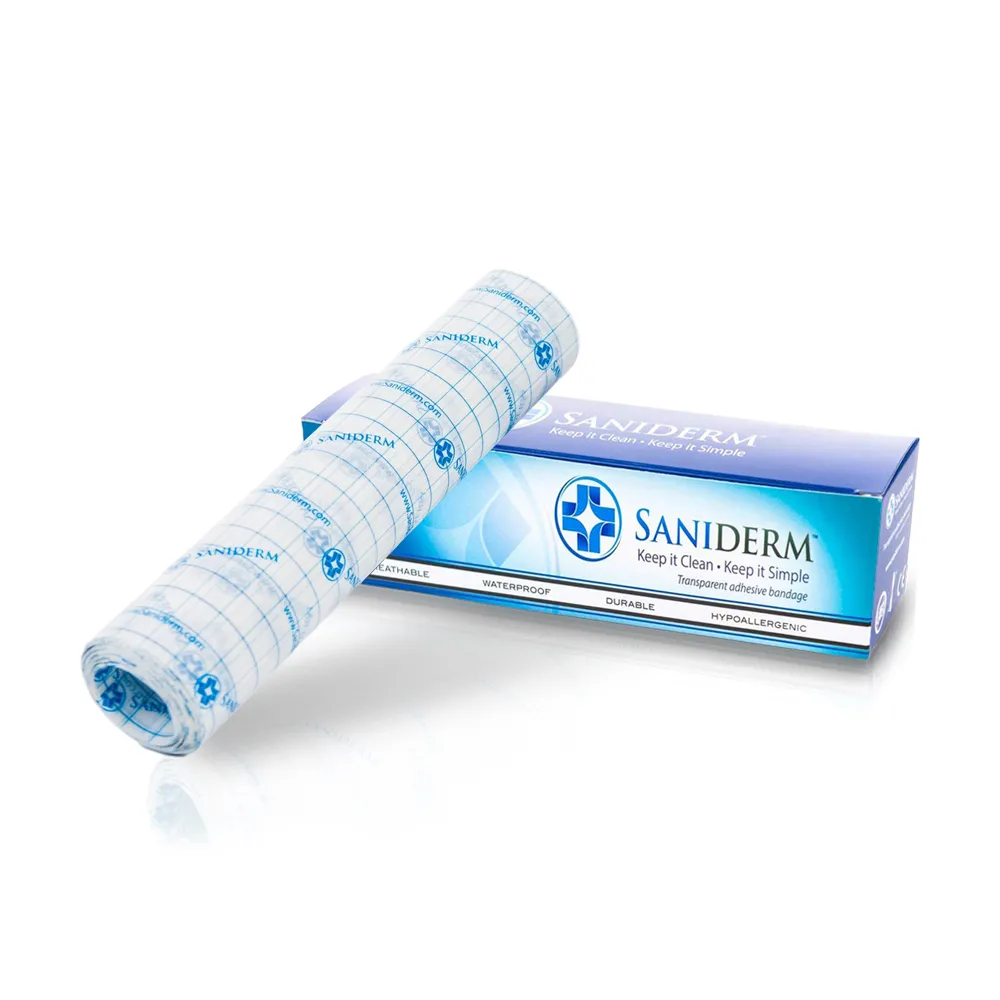 Adhesive Film Roll
Saniderm - Tattoo Adhesive Film 10.2 x 2 Yard Roll
A roll-format tattoo adhesive film for studios selecting dressing supplies according to their intended applications.
For a more detailed comparison of these professional brands, see our Recovery Derm Shield versus Saniderm guide.
Tattoo Butter and Sun Protection Products
Hustle Butter products are also available in our catalog. Review each product's intended application separately, particularly when distinguishing products used during tattooing from those associated with long-term skin care.
 Tattoo Butter
Hustle Butter - De Luxe
A tattoo butter option for artists comparing products for their established tattooing and aftercare workflows.
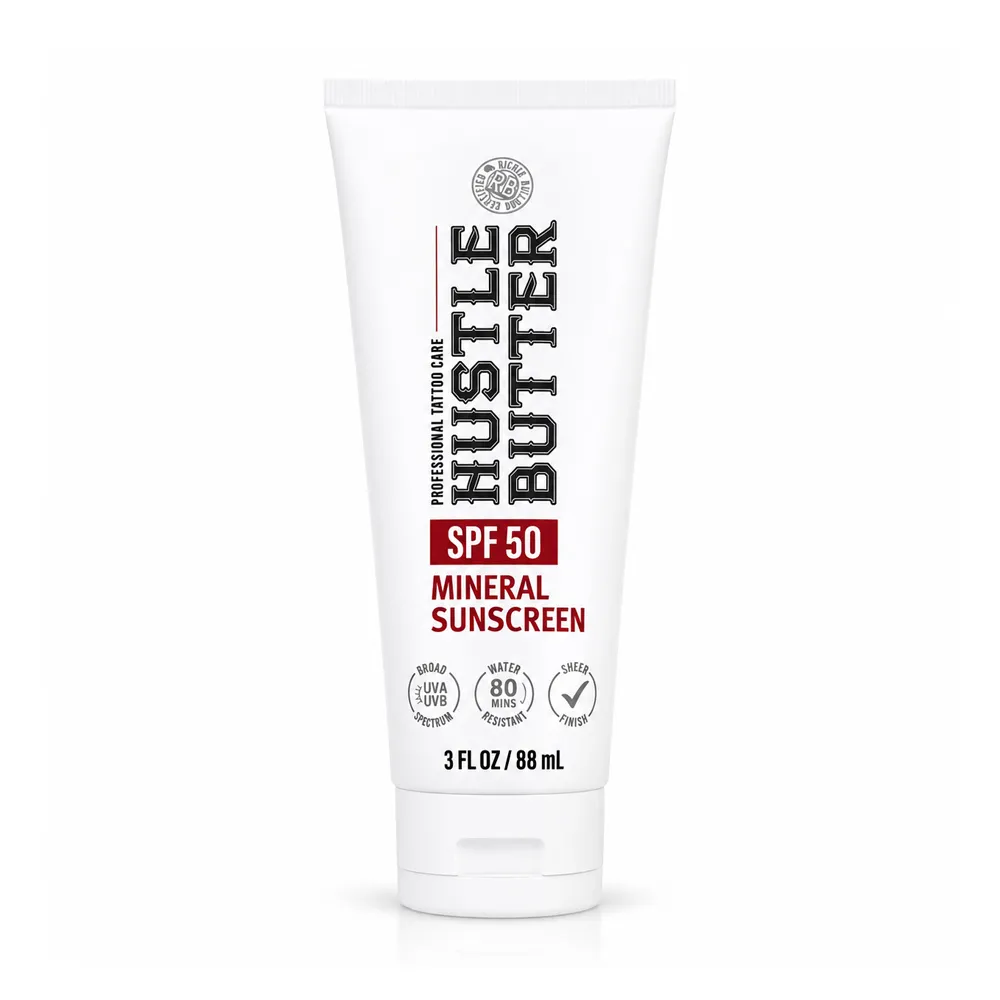 Long-Term Sun Protection
Hustle Butter - Mineral Sunscreen Lotion
A mineral sunscreen option in our catalog. Review its label against the AAD's sunscreen recommendations when selecting products for long-term tattoo care.
Choose Products by Intended Application
Distinguish procedural supplies, initial dressing products, and long-term skin care products. These categories address different parts of the tattooing and aftercare process.
COMMON ARTIST MISTAKES
What Are the Most Common Mistakes When Tattooing Hands, Feet, and Fingers?
Many consultation and purchasing mistakes begin by treating all hand and foot placements as identical. Artists should evaluate the specific surface, communicate realistic expectations, and distinguish documented information from unsupported technical or longevity claims.
Treating the Entire Hand as One Skin Type
Distinguish the palm from the back of the hand. The anatomical characteristics described in the volar skin review should not be applied indiscriminately to every hand placement.
Predicting a Fixed Fading Timeline
Discuss the dermatologist's observations about palm and sole tattoos without converting them into a specific lifespan or fading schedule.
Promising That a Touch-Up Will Solve Retention Concerns
Explain the studio's process for reviewing healed work and assessing additional procedures individually.
Ignoring the Client's Everyday Routine
Consider daily contact, sunlight, work activities, and footwear when discussing the general recommendations about avoiding irritation and UV exposure.
Choosing Equipment Based Only on Placement
Use professional training and manufacturer guidance when making equipment decisions. A general product recommendation does not replace assessment of the individual procedure.
Tattooing Over Unhealthy Skin
Follow Texas requirements regarding skin with rashes, boils, infections, or abrasions. Postpone work when the skin presents conditions that prevent tattooing.
Confusing Fresh Tattoo Care With Long-Term Skin Care
Keep initial healing instructions, dressing directions, and long-term sun protection recommendations separate.
Diagnosing a Client's Skin Reaction
Use healthcare guidance to recognize when a concern requires professional medical evaluation. Refer the client appropriately rather than attempting to diagnose the condition.
Final Studio Checklist Before Accepting the Placement
- Exact tattoo location identified.
- Skin condition evaluated according to applicable requirements.
- Requested work reviewed against the artist's training.
- Relevant procedure risks communicated.
- Fading and touch-up expectations discussed.
- Applicable aftercare instructions prepared.
- Appropriate professional supplies available.
- Client record and procedure documentation organized.
Prepare Your Professional Studio With SVT Shop
We carry tattoo supplies from Recovery, Saniderm, Hustle Butter, Adenna, and KORVEX, along with practice materials and professional equipment. Choose products that complement your training and established studio workflow. SVT Shop serves tattoo professionals in El Paso, Texas.
FAQ
Frequently Asked Questions About Tattooing Hands, Feet, and Fingers
These answers address common questions artists encounter during consultations for hand, finger, palm, toe, and foot tattoos.
Do hand tattoos fade faster than tattoos elsewhere?
Hand tattoo fading is a common concern, but the sources below do not give a fading rate by body location. The AAD identifies UV exposure as a factor that can fade some tattoo inks, making sun protection relevant when discussing exposed hand tattoos.
Why do finger tattoos fade?
Discuss general factors such as UV exposure and everyday contact with objects. The AAD identifies UV-related fading, while Cleveland Clinic recommends avoiding unnecessary rubbing that could irritate tattooed skin. These sources do not establish a finger-specific pigment loss rate.
Do tattoos on palms and soles last?
Frontiers in Medicine describes specialized skin anatomy on palms and soles. Dermatologist Naissan O. Wesley, quoted by Allure, reports that tattoos in these areas tend to have reduced longevity. This secondary-source observation does not establish a predictable lifespan or complete disappearance.
Are hand and finger tattoos more likely to blow out?
The available sources do not establish a higher comparative blowout rate for hands or fingers. Evaluate the specific placement and rely on professional training and equipment manufacturer guidance for application decisions.
How long does a hand tattoo take to heal?
Cleveland Clinic explains that smaller tattoos on the hands, wrists, or arms are likely to heal faster and may flake or itch. This is a general observation rather than a fixed hand tattoo healing timeline. Evaluate the individual tattoo and applicable care instructions.
How is hand tattoo aftercare different?
Consider how the client's everyday activities relate to general tattoo care recommendations. Cleveland Clinic advises avoiding unnecessary rubbing and identifies sensitivity to sunlight during healing. Review the appropriate dressing instructions and discuss long-term sun protection separately.
Can you tattoo the top of the foot, and will it fade?
The top of the foot and sole have different anatomical characteristics, according to the Frontiers in Medicine review. Assess the requested placement, skin condition, and professional suitability individually. The anatomical evidence does not establish how quickly a top-of-foot tattoo will fade.
Does sunlight fade hand tattoos?
Yes, UV light can fade some tattoo inks, according to the American Academy of Dermatology. The AAD recommends broad-spectrum, water-resistant sunscreen with SPF 30 or higher for tattooed skin exposed to the sun.
Is it normal for a finger tattoo to need a touch-up?
Artists should discuss the possibility of additional work and explain how their studio evaluates healed tattoos. A future touch-up should be assessed individually rather than presented as a universal requirement for every finger tattoo.
Can you tattoo over a rash or sunburn?
Texas DSHS prohibits tattooing skin showing unhealthy conditions such as rashes, boils, infections, or abrasions. Sunburn is not expressly named in that list. Review the broader unhealthy-skin requirement with DSHS and refer medical concerns to a healthcare professional.
What should an artist disclose before a hand or foot tattoo?
The published Texas rules identify discomfort or pain, permanence, and infection risk among the required disclosure topics. Artists should also discuss relevant placement considerations, general fading factors, aftercare, and their approach to reviewing healed work.
Do you need extra consent for hand, neck, or face tattoos?
Studios can establish their own consultation and documentation policies for highly visible placements. Follow the applicable general tattoo disclosure requirements and confirm any additional regulatory obligations with the relevant authority.
RESEARCH
Sources Consulted
The following peer-reviewed, dermatological, healthcare, regulatory, and secondary resources support the discussion of skin anatomy, tattoo fading, aftercare, professional consultation, and Texas studio requirements.
-
Frontiers in Medicine: Joshua Tam, 2023 Skin Anatomy and Wound Healing Mini-Review, Volume 10, Article 1156828
Peer-reviewed anatomical information about volar skin, epidermal thickness, hair follicles, sebaceous glands, and differences between plantar and dorsal foot skin.
-
American Academy of Dermatology: Caring for Tattooed Skin
General dermatological recommendations concerning UV-related ink fading, petroleum-based products, moisturizing dry tattooed skin, sunscreen, and skin reactions.
-
Cleveland Clinic: Tattoo Aftercare
Healthcare guidance concerning smaller tattoos, healing observations, friction, sunlight exposure, and symptoms requiring medical attention.
-
Dermatology Times: The Art and the Science of Tattoos, Zoe Diana Draelos, MD
Dermatological discussion of tattoo pigment in the dermis, cellular uptake, and changes in tattoo line appearance over time.
-
Allure, Republished by Yahoo Lifestyle: Marci Robin, December 22, 2020 - Tattoo Fading
Secondary source reporting dermatologist Naissan O. Wesley's observations about tattoo retention on palms and soles. This publication is not a comparative tattoo fading study.
-
Texas Department of State Health Services: Tattoo and Body Piercing Studio Rules
Published Texas rules concerning unhealthy skin conditions, client qualifications, risk disclosure, procedure location documentation, and record retention. Confirm current applicable requirements with DSHS.