Powered by Comercia.io

Is your tattoo infected or just healing? Redness, swelling, soreness, clear fluid, itching and scabs can be part of normal tattoo healing. Spreading redness, worsening pain, pus, open sores, fever or chills need medical attention. Compare infection vs irritation, overworked skin and allergy, and learn when to see a doctor.
Shop Tattoo Protective Films Explore Routine Aftercare
QUICK ANSWER
How can you tell if a tattoo is infected or just healing normally?
Look at whether symptoms are improving or getting worse, not just whether the skin is red or scabby. AAD says mild swelling, soreness, clear fluid, itch, flakes and scabs can occur during recovery. Redness spreading beyond the tattoo, increasing pain, pus, open sores, fever or chills are infection warning signs: see a doctor or board-certified dermatologist right away. Your artist can explain routine aftercare, but cannot diagnose the cause of a concerning skin reaction.
NORMAL HEALING
Some soreness, redness, swelling, clear fluid, itching, flaking or scabs while the skin gradually settles.
LOOK-ALIKE REACTIONS
Friction, a dressing or product, repeated needle passes, or an ink allergy can resemble other tattoo complications.
SEE A DOCTOR
Spreading redness, worsening pain, painful bumps, pus, open sores, fever or chills call for medical evaluation.
THE EXPECTED SKIN RESPONSE
What does a normally healing tattoo look and feel like?
A new tattoo is a skin injury. According to AAD, some redness, swelling and soreness are normal after the session. The tattoo may release clear fluid; later, the surface may itch, flake or form scabs. Those features alone do not establish an infection.
AAD recommends looking for improvement: redness should lighten, and soreness should subside rather than intensify. Your artist can explain the original aftercare instructions; a healthcare professional evaluates concerning changes.
Early redness and soreness
AAD considers some redness, swelling and soreness normal at first; monitor whether they settle.
Clear fluid at the surface
Some clear oozing can be normal. Pus is a different warning sign.
Itching, flakes and scabs
Itching, flakes and scabs may occur during ordinary healing.
See SVT Shop's tattoo aftercare day-by-day guide for a fuller discussion of ordinary recovery. Use this article to recognize when a reaction no longer fits that pattern.
COMPARE THE TREND, NOT A DEADLINE
How do normal tattoo healing stages compare with warning signs over time?
There is no single day that separates normal healing from infection. AAD says an infection can develop immediately or days or months after tattooing. Instead of relying on an exact day count, compare the expected change in symptoms with patterns that should prompt medical evaluation.
| Phase | Possible normal features from AAD | What should change your plan |
|---|---|---|
| Right after the session | Redness, swelling, soreness and some clear fluid. | Redness spreading or becoming darker; pain increasing; fever or chills. |
| As surface healing continues | Flaking, itching and scab formation as soreness settles. | Pus, new open sores, worsening pain or a painful red bump rash. |
| After the surface seems calmer | Visible irritation generally diminishes as healing progresses. | Persistent bumps, renewed redness or unexplained changes deserve clinical review. |
| Later changes | Healed tattooed skin should not be judged by a fresh-tattoo care calendar. | AAD says allergy can arise years later; unusual changes need a dermatologist to identify the cause. |
FIVE LOOK-ALIKE SITUATIONS
Normal healing vs irritation vs overworked skin vs allergy vs infection: how are they different?
Several conditions can produce redness, rough texture or bumps. AAD describes the normal-healing, infection and allergy features; overworked skin is a tattoo-industry description of technique-related trauma, not a medical diagnosis. Use the table to decide whom to contact, not to diagnose the skin yourself.
| Possibility | What may draw your attention | Typical context | Best next action |
|---|---|---|---|
| Normal healing | Some redness, swelling, soreness, clear fluid, itching, flakes or scabs. | Changes begin after tattooing and move toward improvement. | Follow the artist's routine instructions; watch the trend. |
| Localized irritation | Discomfort or redness around an area exposed to rubbing, a wrap or a care product. | May coincide with contact or friction; appearances overlap other problems. | Ask the artist to review the care method; seek medical care for worsening signs. |
| Overworked skin | An artist may report excessive repeated passes or unusual tissue trauma during the session. | Technique-related concern; not a way to rule out infection. | Discuss the procedure with the artist; see a clinician for persistent or concerning symptoms. |
| Allergic reaction | AAD: itching, swelling, bumps, raised scaly patches, blisters or a rash within one ink color. | Can arise immediately, weeks later or even years after tattooing. | Tell the artist; see a dermatologist for persistent reactions, urgently for severe symptoms. |
| Possible infection | AAD: spreading or darkening redness, worsening pain, pus, open sores, fever, chills or painful red bumps. | May appear early or later; presentation varies. | See a doctor or board-certified dermatologist right away. |
These appearances overlap. A rash in one color does not prove an allergy, and technique-related trauma does not exclude infection. A healthcare professional evaluates persistent or worsening changes.
AAD INFECTION WARNING SIGNS
What does an infected tattoo look like in the early stages?
The American Academy of Dermatology lists redness becoming darker or spreading, pain that persists or worsens, painful red bumps, pus, fever, chills and open sores among possible infection signs. A tattoo does not need to show every sign for medical care to be appropriate.
Changes that need a doctor
- Redness: Growing beyond the affected area or darkening instead of fading.
- Pain: Staying severe or increasing rather than subsiding.
- Drainage and skin surface: Pus or newly developing open sores.
- New rash: Itchy, red and painful bumps within the tattoo.
- Whole-body symptoms: Fever, chills or shivering; FDA also lists shaking and sweats with more aggressive infections.
DRESSINGS, FRICTION AND PRODUCT CONTACT
Could my tattoo be irritated by second skin, clothing or an aftercare product instead of infected?
Localized discomfort may coincide with a dressing, rubbing clothing or a product that contacts the tattoo. Because irritation and other reactions can look similar, a change in care routine should be discussed with the tattoo artist. AAD and FDA note that rashes can also signal allergy or infection.
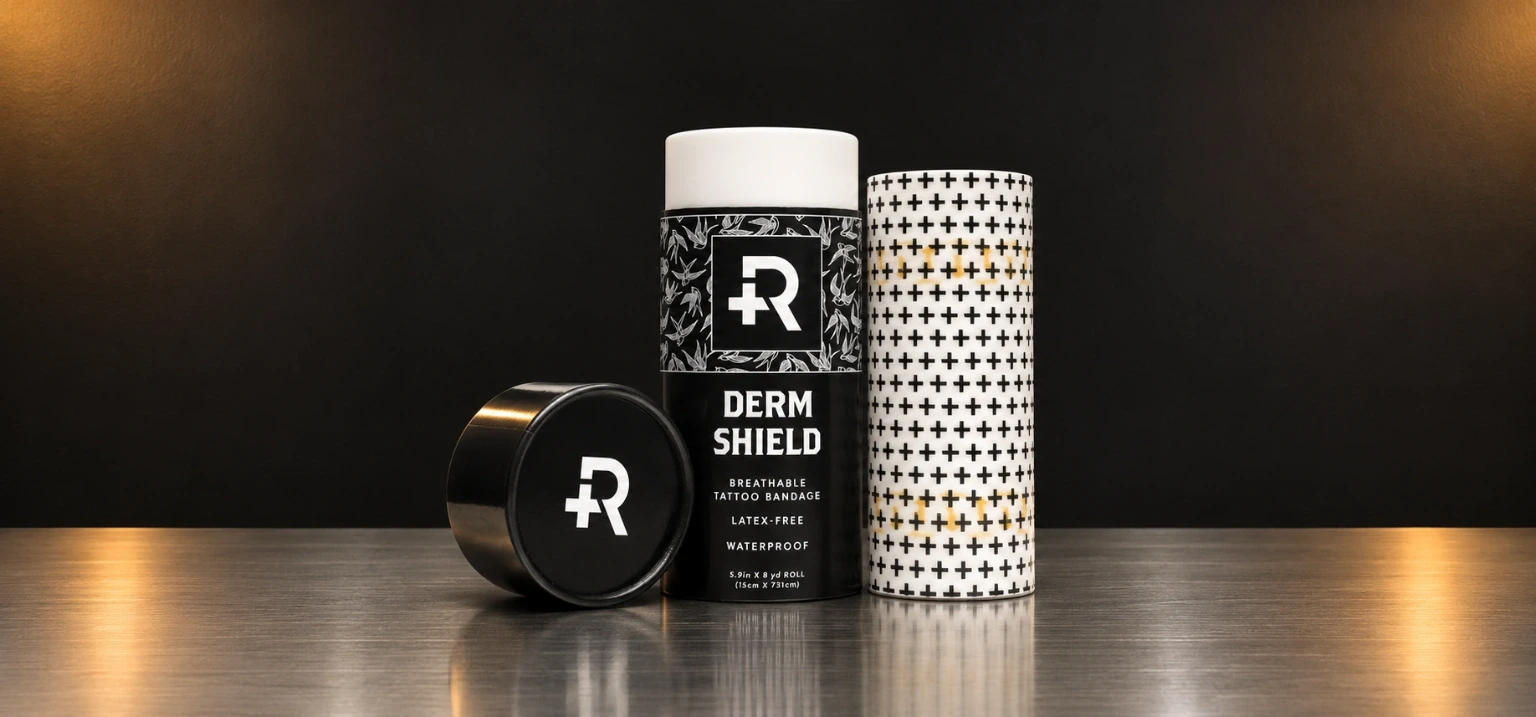
Film questions belong to the artist; worsening symptoms belong to a doctor
See the tattoo film vs gel vs spray guide for routine product differences. If redness spreads, pain worsens or pus, fever or chills appear, seek medical evaluation rather than treating it as ordinary wrap irritation.
A TATTOO-INDUSTRY TERM
Overworked tattoo or infected tattoo: how can you tell them apart?
Overworked skin is a tattoo-trade term describing unnecessary trauma from repeatedly working the same area. It is not a medical diagnosis. An artist may recognize technique-related trouble from the session, but that history alone does not rule out an infection or allergy during healing.
Discuss the session with the artist, but do not attribute spreading redness, increasing pain, pus or fever to overworking without medical evaluation.
Read SVT Shop's overworked tattoo signs and prevention guide for the technique-related side of the comparison. Seek a doctor for symptoms that suggest infection.
RASHES CAN HAVE DIFFERENT CAUSES
Can an allergic reaction to tattoo ink look like an infection?
Yes. AAD says ink allergy may cause itching, swelling, small bumps, raised or scaly patches, blisters or lumps, sometimes concentrated in one ink color. These features may overlap infection signs; a dermatologist can determine what is happening.
AAD says ink allergies may begin immediately or even years later. Tell the artist; a mild or moderate reaction lasting longer than one or two weeks should be assessed by a dermatologist.
Severe reaction needs urgent attention
AAD recommends immediate medical care when a tattoo reaction comes with trouble breathing, a racing heart, chest tightness, dizziness or lightheadedness, intense swelling, serious pain, flushing or hives.
PERSISTENT BUMPS DESERVE EVALUATION
Can a tattoo infection show up weeks or months later as bumps?
Yes. AAD states that tattoo infections may appear immediately or days or months later. CDC has described tattoo-associated nontuberculous mycobacterial (NTM) skin infections that may produce persistent papules or nodules in recently tattooed areas. These are medical findings, not something to identify from a photo.
CDC calls NTM infections difficult to treat and advises seeking medical advice for persistent skin problems. Clinicians determine whether a delayed rash represents infection or another reaction.
THE NEXT STEPS FOR A CONCERNED CLIENT
What should you do if you think your tattoo is infected?
For infection warning signs, AAD advises prompt evaluation by a doctor or dermatologist. FDA recommends informing the artist as well. Do not replace medical care with new aftercare products.
Identify the warning pattern
Note spreading redness, worsening pain, pus, painful bumps, open sores, fever or chills.
Contact a doctor or dermatologist
Seek prompt medical evaluation. Severe breathing or allergic symptoms need immediate emergency care.
Tell the tattoo artist
FDA recommends telling the artist about an unusual reaction and its timing.
Keep records for the medical visit
Record symptoms, care products and any relevant session information for the clinician.
Follow the clinician's treatment plan
Follow the clinician's plan rather than choosing home medicines or ointments.
Report a suspected adverse event
FDA encourages adverse-event reports from clients, artists and healthcare professionals through MedWatch.
FDA provides reporting instructions in its Think Before You Ink guidance. Prioritize medical assessment.
FOR UNCOMPLICATED HEALING
What routine tattoo aftercare helps clients avoid unnecessary irritation?
For uncomplicated healing, follow your artist's instructions for clean hands, a suitable dressing, gentle wash and approved moisturizing care. Products support routine recovery; they do not treat suspected infection.
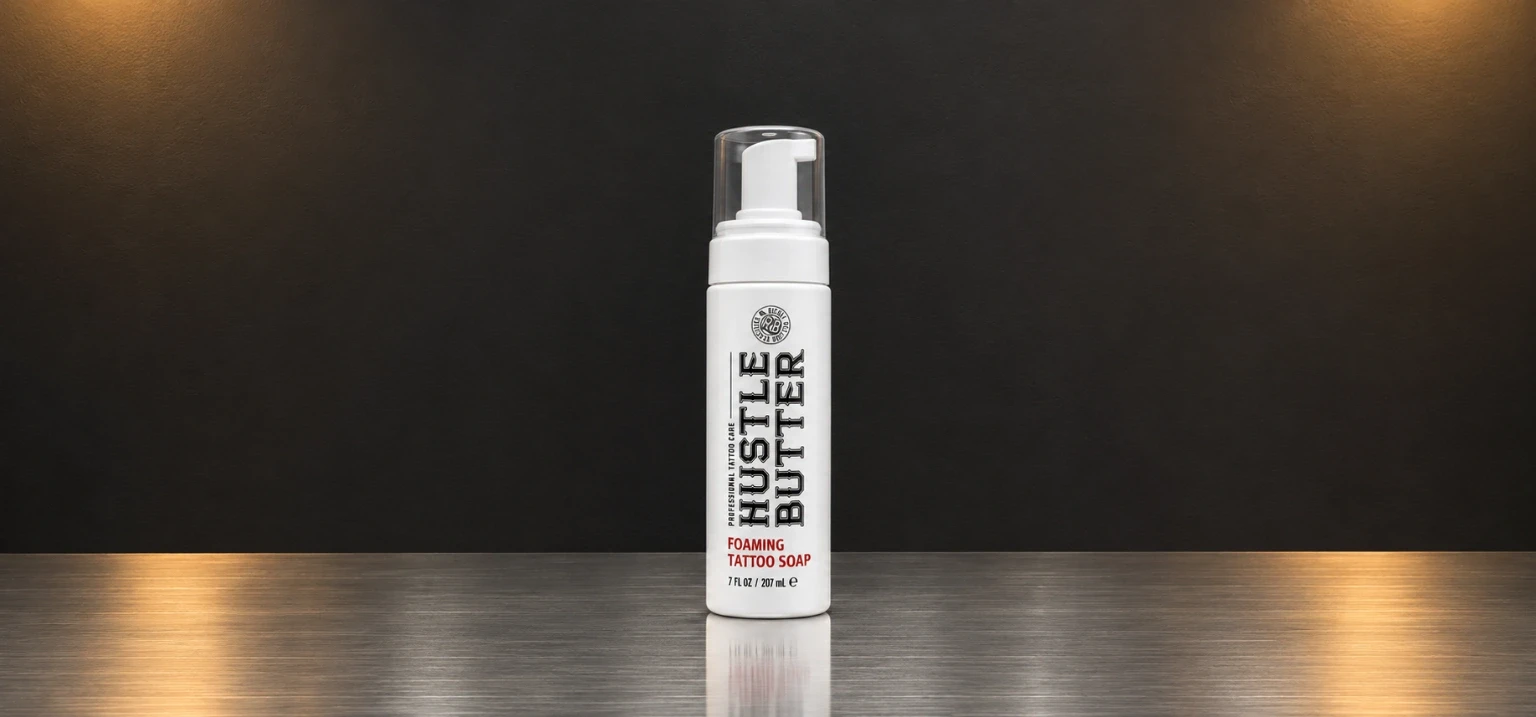
Start with clean hands
Handle the healing skin and dressing with clean hands as the studio directs.
Follow the dressing method chosen by the artist
Use the artist's directions for film or other bandaging.
Use the recommended wash and care product
Choose only the wash or moisturizer recommended for routine healing.
Avoid picking and unnecessary friction
Let scabs and flakes fall naturally; avoid rubbing the area.
Keep unsuitable water exposure out of the routine
Follow the artist's instructions about pools and soaking during healing.
Escalate when symptoms change
Spreading redness, worsening pain, pus or fever call for a doctor.
For the full healthy-healing workflow, use tattoo aftercare day by day and second skin vs ointment.
FOR ARTISTS AND STUDIO OWNERS
How should a tattoo artist explain normal healing and respond to a client worried about infection?
Artists explain the procedure and routine aftercare; clinicians evaluate infection or allergy. FDA and CDC emphasize hygienic tattooing, reporting adverse reactions and medical referral when needed.
A useful response from the studio
- Ask when redness, pain, drainage or rash began and how it has changed.
- Explain that soreness, clear fluid and scabs may be normal.
- Refer spreading redness, worsening pain, pus or fever to a doctor promptly.
- Provide original aftercare and procedure details for the clinician.
- Explain FDA adverse-event reporting when relevant.
CDC emphasizes sterile, single-use practices, hand hygiene and avoidance of nonsterile water during tattooing. For the equipment and station workflow, link clients or apprentices to SVT Shop's tattoo cross-contamination checklist. For background on federal ink oversight, see our tattoo ink safety and FDA label guide.
AVOID THESE MISREADS
What common mistakes delay help or confuse tattoo infection with normal healing?
A single photo or scab cannot settle the question. AAD emphasizes whether symptoms improve or worsen.
Calling every scab an infection
AAD says scabs, flakes and itching can be normal.
Assuming every rash is normal irritation
FDA says a rash may indicate infection or allergy; ask a clinician.
Waiting while redness spreads
AAD says spreading redness deserves prompt medical care.
Explaining away infection as overworking
Overworked skin does not rule out infection.
Using more products to solve a worsening reaction
Aftercare products do not diagnose or treat infection.
Ignoring delayed bumps in an old tattoo
AAD and CDC recognize delayed skin reactions; seek evaluation.
SVT SHOP HEALTHY-HEALING WORKFLOW
Which aftercare films, cleansers and studio sanitation products fit routine tattoo care?
These SVT Shop listings support ordinary aftercare or studio hygiene, never treatment for a suspected infection. Seek medical evaluation for worsening symptoms.
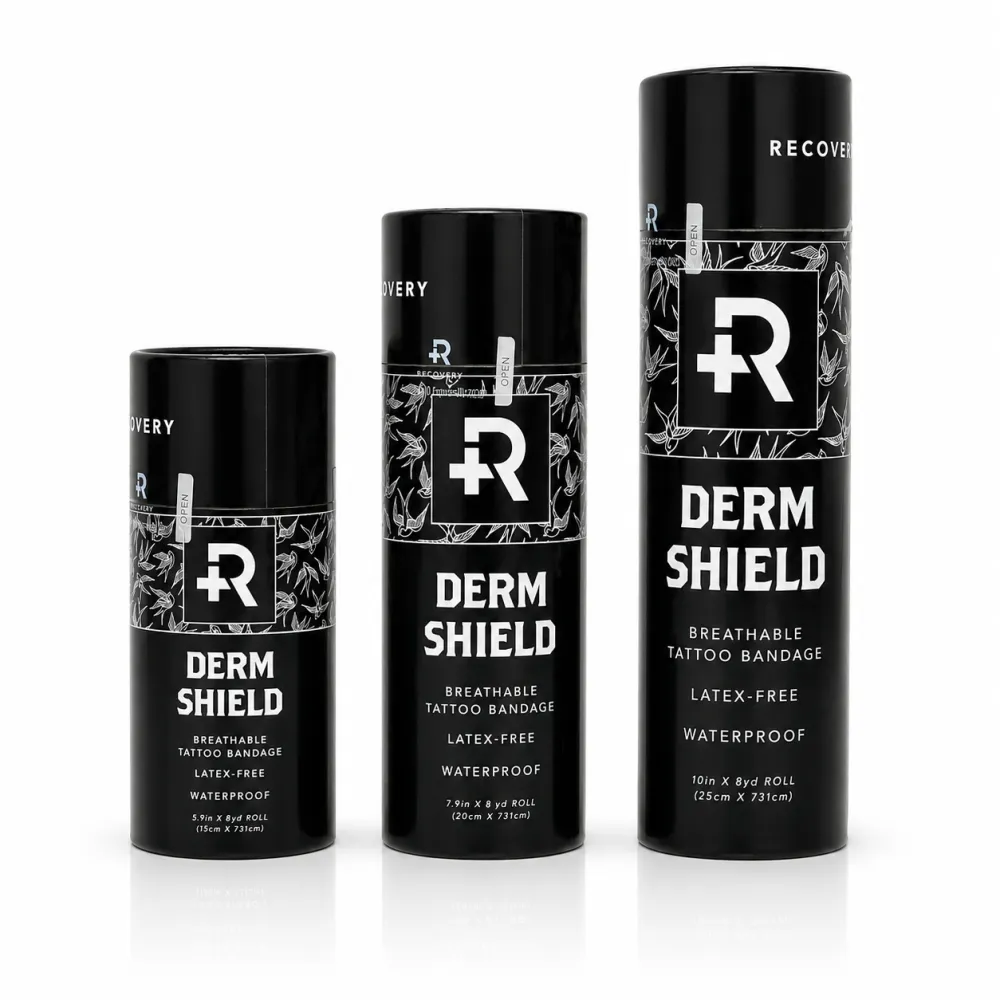 For artist-directed fresh tattoo coverage
Recovery Derm Shield Tattoo Adhesive Film
Adhesive film for a fresh tattoo within an artist-directed dressing routine.
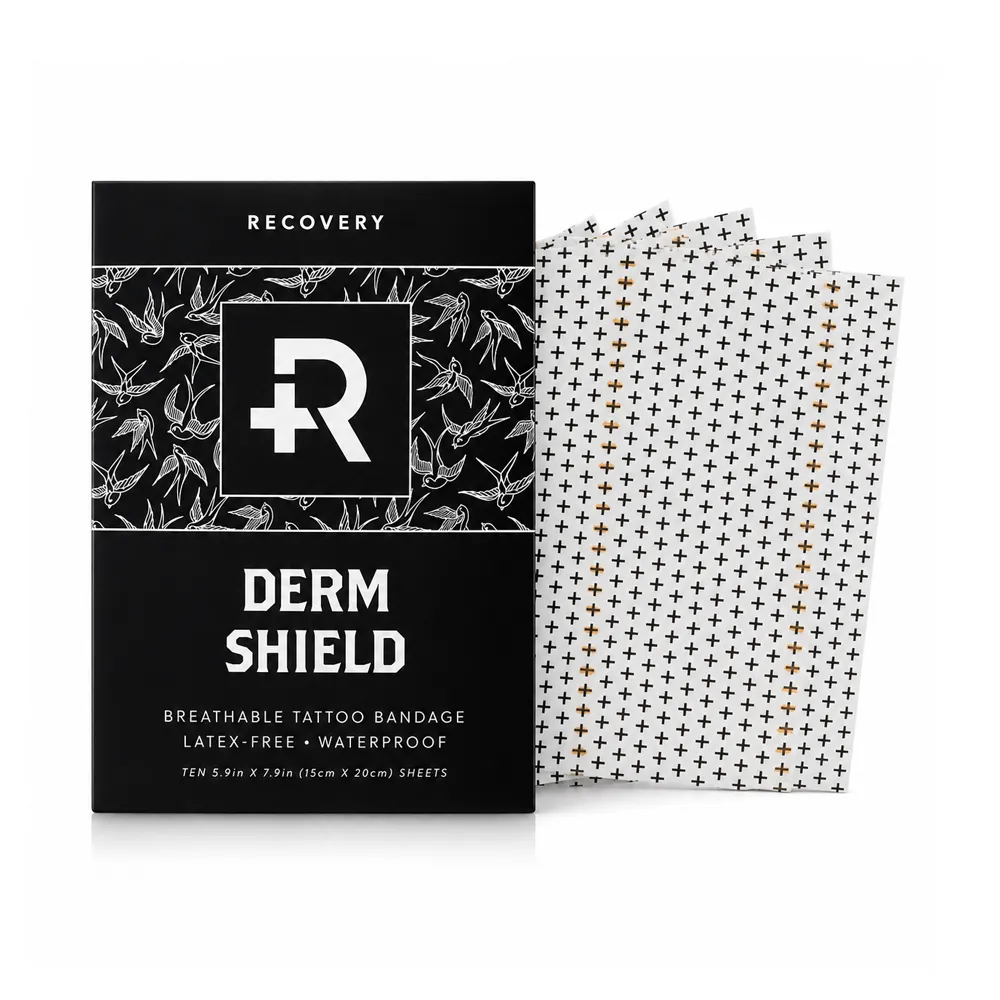 Protective film in a sheet format
Recovery Derm Shield Tattoo Adhesive Film 5.9 x 7.9 in Sheet Pack
Sheet-pack format for artist-selected coverage of suitable smaller pieces.
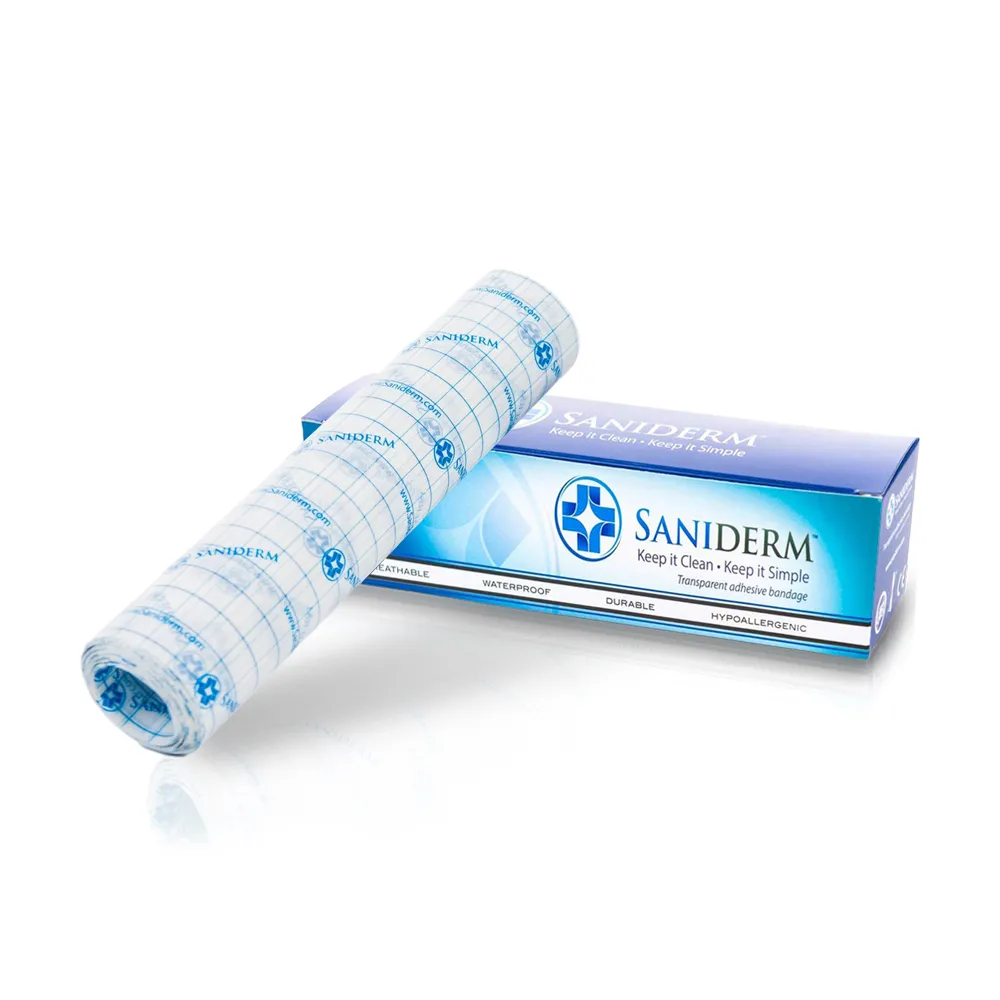 Alternative bandaging format
Saniderm Tattoo Adhesive Film 10.2 in x 2 Yard Roll
Roll format for studio bandaging plans; follow product directions.
 For the routine moisturizing stage
Hustle Butter De Luxe
Moisturizing option when the artist includes it in routine aftercare.
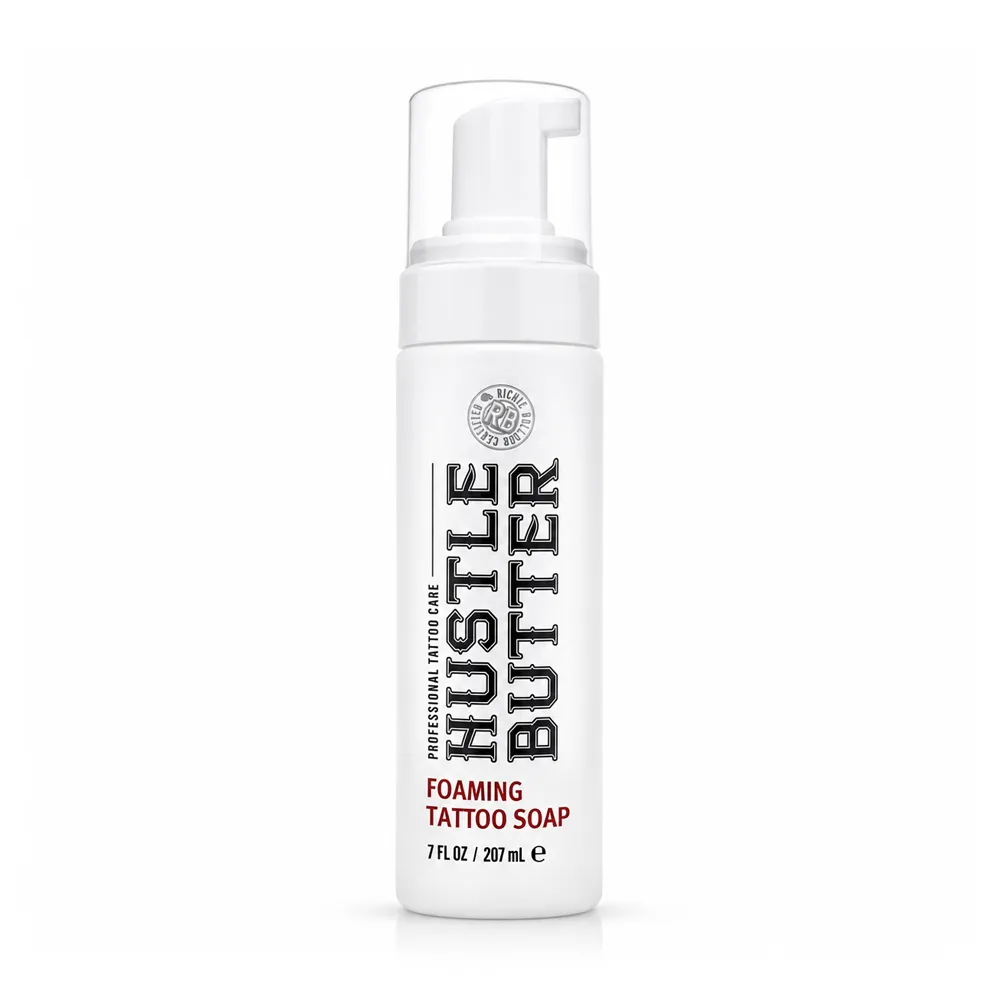 For artist-directed gentle cleansing
Hustle Butter Foaming Tattoo Soap 7 oz
Foaming wash option for an artist-directed routine cleansing step.
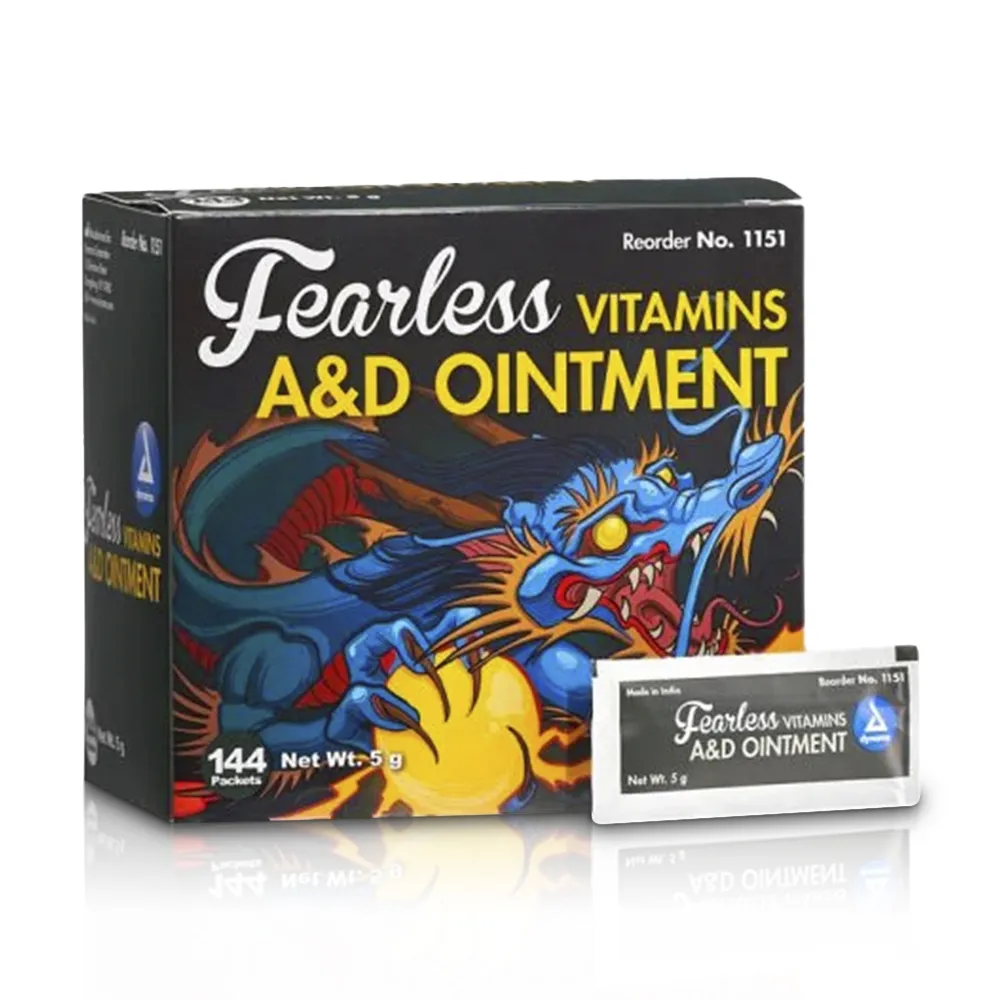 Traditional ointment-style aftercare option
Dynarex Vitamins A&D Ointment Without Lanolin
Ointment option to review with your artist for ordinary aftercare.
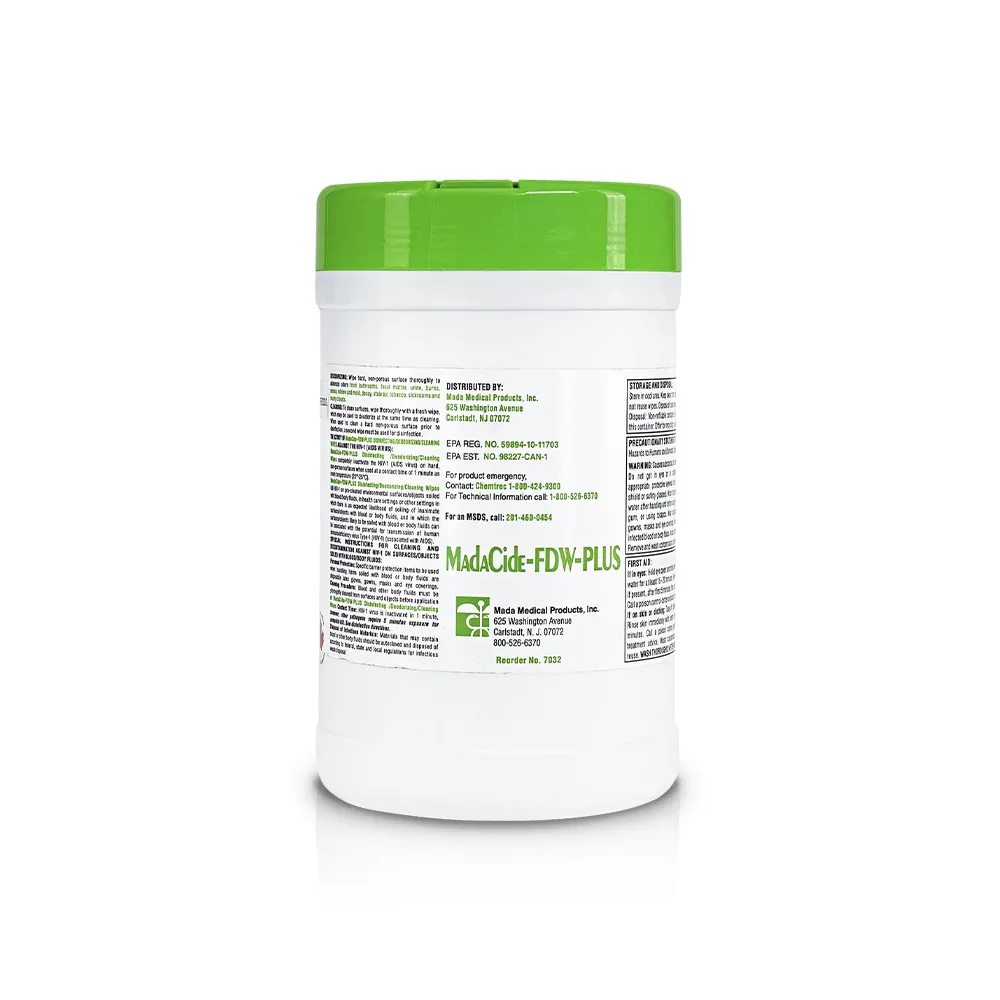 For studio hard-surface disinfection only
MADA MadaCide-FDW-Plus Wipes
Surface disinfection wipes for compatible studio surfaces only; never for skin.
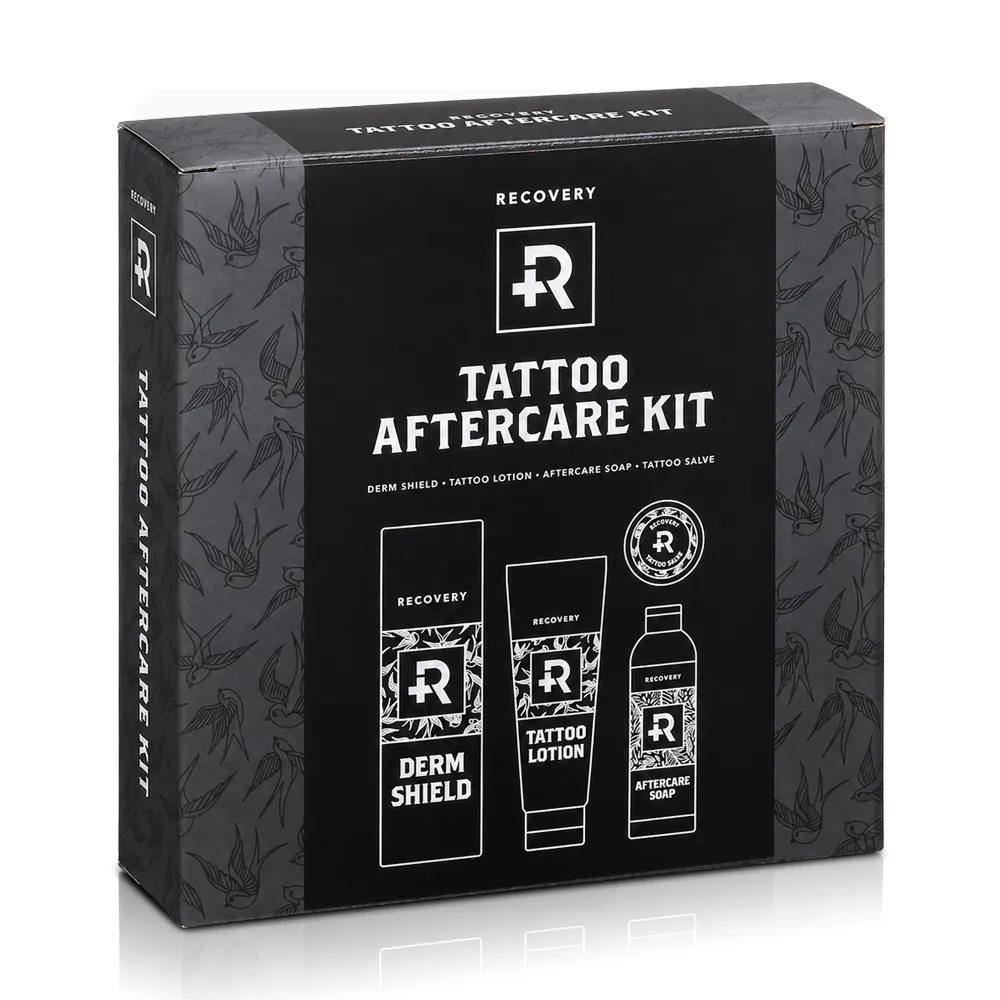 For routine professional aftercare planning
Recovery Professional Tattoo Care Kit
Professional care kit to evaluate as part of the artist's post-session routine.
Shop Bandages & Protective Films Shop Aftercare Ointments Shop Cleansers & Disinfectants Explore Studio Sanitation
CLIENT AND ARTIST CHECKLIST
What should you check before deciding a tattoo is just healing or needs medical care?
Follow the direction of symptom change. The artist can discuss care; a clinician evaluates suspected complications.
For a client with a new tattoo
- Redness: fading or spreading?
- Pain: subsiding or worsening?
- Fluid: clear oozing or pus and open sores?
- Rash: new painful bumps or lasting lumps?
- General symptoms: fever, chills or shaking?
- Action: see a doctor for infection warning signs and tell the artist.
For the tattoo artist
- Explain normal healing and give written aftercare.
- Do not diagnose rashes from a client photograph.
- Refer worsening symptoms promptly to a doctor.
- Maintain sterile, single-use and hygienic practices.
- Share relevant session information and FDA reporting guidance.
SVT Shop serves artists and studios in El Paso, TX, with Next Day Delivery available in El Paso for local orders. For routine care, explore the aftercare category.
FREQUENTLY ASKED QUESTIONS
12 questions about infected tattoo signs versus normal healing
These answers follow AAD's skin-reaction guidance and FDA and CDC advice on tattoo complications. Appearance alone does not determine the cause.
1. Is my tattoo infected or just healing?
AAD says redness, swelling, soreness, clear fluid, itch, flakes and scabs can be normal. Spreading redness, worsening pain, pus or fever require prompt medical care.
2. What does an infected tattoo look like compared with normal healing?
Normal symptoms generally diminish; AAD flags spreading redness, increasing pain, painful bumps, pus and open sores.
3. How soon after getting a tattoo can an infection show up?
AAD says infection can appear immediately or days or months later. Seek care when warning signs appear.
4. Is redness and swelling normal after a tattoo, and for how long?
Some redness and swelling are normal, says AAD. Seek care for spreading redness or worsening pain.
5. Is an itchy or scabbing tattoo infected?
Not necessarily. AAD says itch and scabs may be normal, but painful red bumps or pus need evaluation.
6. Infected tattoo or overworked tattoo: how can I tell?
Overworked is a trade term for technique trauma. It does not rule out infection; see a doctor for warning signs.
7. Can a tattoo ink allergy look like an infection?
Yes. AAD describes itchy bumps, blisters or scaly patches with ink allergy. A dermatologist can evaluate the cause.
8. What should I do if I think my tattoo is infected?
See a doctor promptly, notify your artist, and keep the care and session information for the clinician.
9. When should I see a doctor about a tattoo?
Right away for spreading redness, worsening pain, pus, sores, fever or chills. Breathing problems need emergency care.
10. Can an infected tattoo heal on its own, and will it ruin the tattoo?
AAD recommends early medical evaluation to reduce possible harm to health and tattoo appearance.
11. Can an old tattoo become irritated or develop a rash years later?
AAD says reactions may arise years later; a dermatologist should assess unexplained changes in old tattoos.
12. Should I tell my tattoo artist if I suspect an infection?
Yes. FDA advises notifying your artist and healthcare professional and reporting adverse events through FDA channels.
RESEARCH
Sources Consulted
AAD provides the normal-healing, infection and allergy distinctions. FDA covers medical attention, hygiene and reporting; CDC documents persistent tattoo-associated skin infections and prevention practices.
- American Academy of Dermatology: Tattoos — Skin Reactions and Infection Signs
- U.S. FDA: Think Before You Ink — Tattoo Safety and When to Get Care
- U.S. FDA: Tattoos and Permanent Makeup Fact Sheet
- U.S. FDA: Cosmetic Safety Q&A — Tattoos and Permanent Makeup
- CDC: Tattoo-Associated Nontuberculous Mycobacterial Skin Infections