Powered by Comercia.io
Can you tattoo over scars, stretch marks or moles? Some mature, stable scars and stretch marks may be considered for a tattoo after an individual skin and design assessment. For moles and freckles, the American Academy of Dermatology (AAD) says to work around them so changes remain visible. This guide compares scar-cover tattoos, stretch-mark camouflage, keloid risk and mole safety, including what to ask a dermatologist and an experienced tattoo artist.
Shop Stencil Supplies Read the Tattoo Stencil Guide
QUICK ANSWER
Is it safe to tattoo over scar tissue, stretch marks or a mole?
For scars and stretch marks, start with a professional assessment; for moles and freckles, plan the tattoo around them. Ask a dermatologist and experienced artist whether a scar is mature, stable and suitable for the intended design. Stretch-mark tattooing may address color contrast without removing texture. AAD says ink over moles can obscure changes important for skin-cancer checks, so leave these spots visible and have concerning ones examined before tattooing.
SCAR TISSUE
Have scar stability, scar history and the proposed artwork assessed before setting a date or choosing a technique.
STRETCH MARKS
Consider the color and surface separately. Medical tattooing can address pigmentation contrast, not erase scar texture.
MOLES & FRECKLES
AAD says to work around visible spots and make them accessible for future skin examinations.
SCAR COVER-UP FOUNDATIONS
Can you tattoo over scar tissue, and what should an artist assess first?
A stable, mature scar may be considered for a tattoo after individual assessment. Scar tissue follows an earlier skin injury, so the artist should review what the scar looks like now, where it sits and whether the proposed design works around its contours. A dermatologist should assess scars that are still changing, symptomatic or associated with abnormal scar growth.
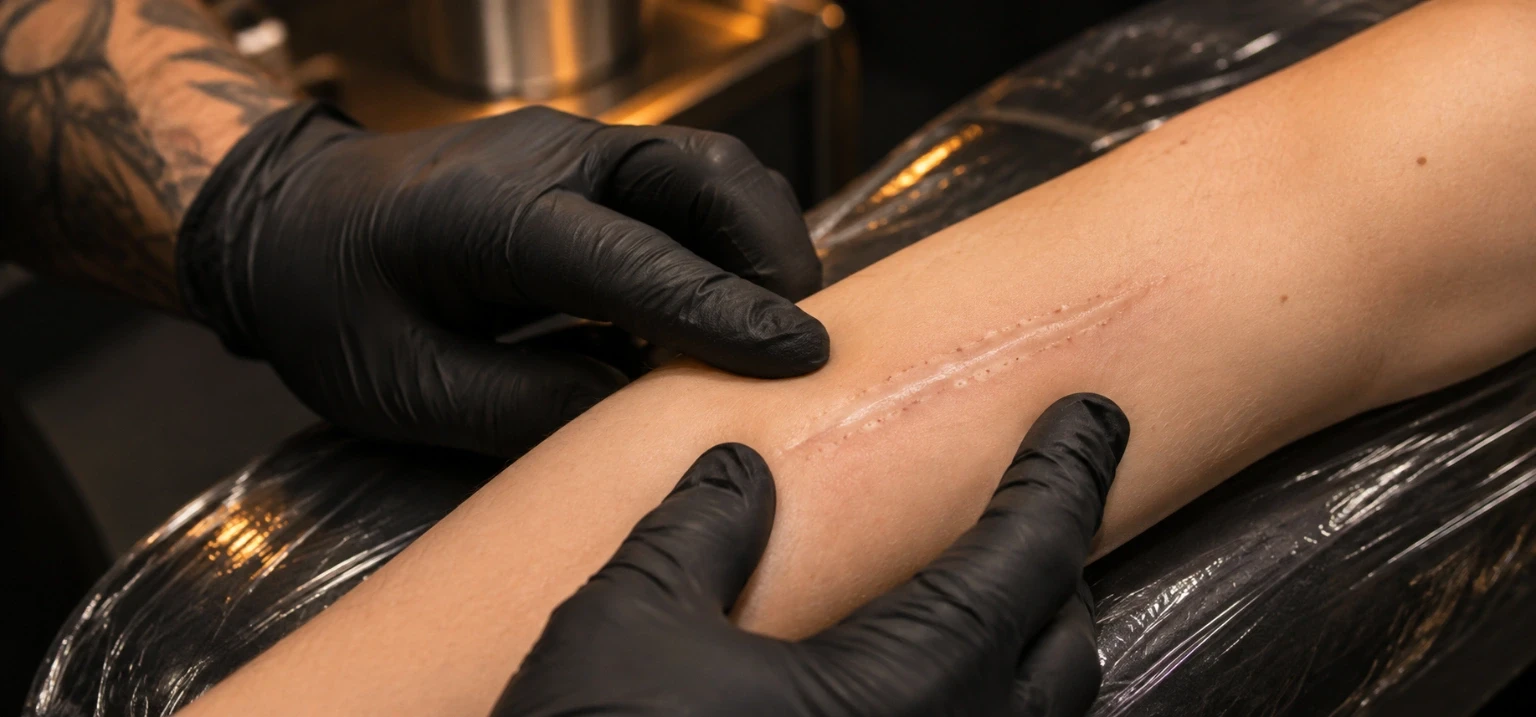
Experienced scar-cover artists can discuss layout and show their healed work. They should also be comfortable recommending medical evaluation before making a permanent change to uncertain tissue.
For technique-related concerns, read our guide to overworked tattoo skin. A dermatologist evaluates lasting or changing scar tissue.
TIMING AND SKIN STABILITY
How long should you wait to tattoo over a surgery or C-section scar?
Wait until the scar has matured and stabilized, and have its readiness assessed. A surgeon or dermatologist and the tattoo artist can evaluate the current tissue rather than applying a fixed waiting time to every surgical scar. A scar that remains raised, uncomfortable or visibly changing deserves medical review before a tattoo appointment.
Booking a consultation is not approval to tattoo
Bring a clear photograph of the area and information about the original injury. Ask the treating clinician about scar stability, then ask an experienced artist whether the planned layout is appropriate. Treat those as separate assessments with different responsibilities.
For a scar that is changing or developing bumps, AAD advises seeing a dermatologist. A new skin condition should be assessed before deciding whether a decorative tattoo belongs on the area.
REALISTIC RESULT EXPECTATIONS
Does tattooing over a scar hurt more, and will ink cover scar tissue evenly?
Discuss sensation and healed appearance individually. Neither an automatic pain ranking nor a promise of perfectly uniform pigment is a useful buying criterion for scar-cover work. Ask the artist about their experience with comparable healed scars and request photographs taken after healing, when the artwork's appearance can be judged more meaningfully.
The client wants to know whether the design will look natural against the surrounding skin and how the existing texture will affect the composition. The artist should distinguish visual camouflage from physical smoothing and avoid promising that a tattoo changes the scar's underlying structure.
FDA says tattooing can result in scarring and that keloid-prone people are at risk of additional keloid formation. That concern is separate from whether an artist can produce attractive visual artwork on stable tissue.
For blurred healed outlines as a separate appearance issue, see our tattoo blowout guide.
STRETCH MARKS ARE SCARRED SKIN
Can you tattoo over stretch marks on your stomach, arms or other areas?
Stretch marks can be considered in a tattoo or medical-camouflage consultation, but color and texture must be discussed separately. The published review by Jenni Määttä describes stretch marks, or striae distensae, as common dermal scarring associated with weight gain, overweight and pregnancy. The review discusses medical tattooing to adjust visible pigmentation contrast rather than remove the actual structural change.
For someone considering a decorative tattoo across stretch marks, the central questions are what the artwork should look like on the existing contours and how the artist will plan the design. For someone seeking color camouflage instead of decorative imagery, the consultation is a different type of work and should involve a suitably trained practitioner.
Skin tone and natural contrast are part of the visual plan. Read our skin tone and tattoo ink guide for broader color-planning context.
AAD ADVICE FOR MOLES
Can you tattoo over a mole, or should the artist work around it?
Ask the artist to work around the mole. AAD recommends leaving moles, freckles and other identifiable spots clear of pigment so you and a dermatologist can monitor whether they change or grow. A skin examination before tattooing helps identify any spots that deserve medical attention or should be left visible for future checks.
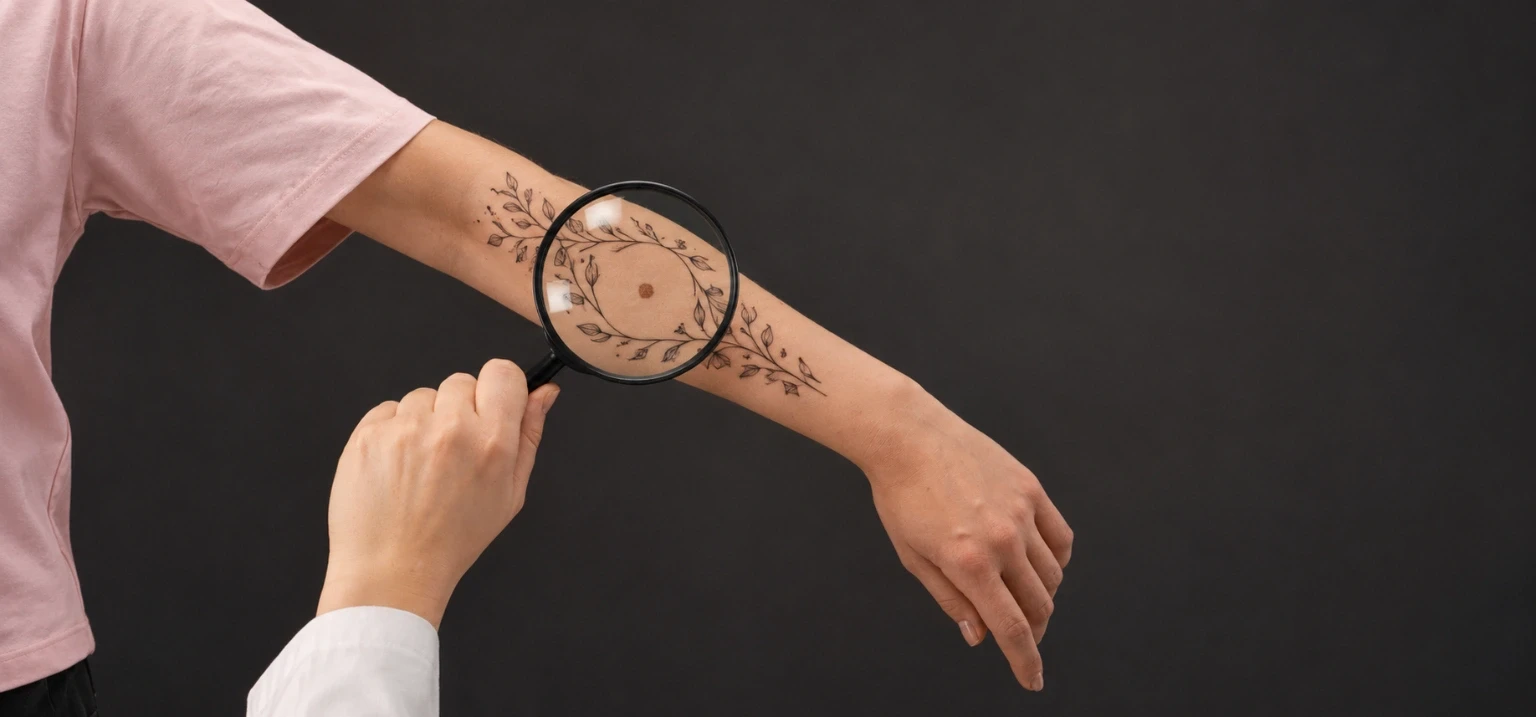
Leave the mole visible, even when the design needs adjusting
Do not ask the artist to color over a mole to make the image more continuous. AAD recommends a dermatologist's skin examination before tattooing and a design that works around the spot.
THE MAIN MOLE SAFETY QUESTION
Can tattooing over a mole cause skin cancer, and why does AAD recommend leaving it visible?
AAD says more research is needed on whether tattoos and skin cancer are linked. Its more immediate warning is that tattoos can disguise suspicious skin changes and delay detection. Ink over a mole can make changes harder to see.
AAD also notes that tattoo ink can complicate a pathologist's identification of skin cancer cells in biopsied skin. These concerns make a pre-tattoo skin examination and clear space around moles practical steps regardless of the design's colors.
If a mole is already obscured by ink, arrange a dermatology assessment. Do not try to remove or lighten pigment over the spot yourself.
THE ABNORMAL SCARRING QUESTION
Can you tattoo over a keloid scar or get a tattoo if you are prone to keloids?
Speak to a dermatologist before tattooing when you have keloids or a known tendency to form them. FDA explains that people prone to keloids, which grow beyond normal wound boundaries, may develop keloids after tattoo-related skin injury. AAD recommends rethinking tattooing when that history exists.
A raised scar is not automatically a keloid. The client and artist should not decide the scar type from a photograph alone. A dermatologist can assess the raised tissue and discuss the implications for another permanent skin procedure.
For a related explanation of scar terminology, see our keloid and hypertrophic scar comparison. AAD also advises seeing a dermatologist if a scar or existing tattoo develops new bumps, firmness or other changes.
YOUR CONSULTATION DECISION TABLE
Scar vs stretch mark vs mole: what should be tattooed, assessed or left clear?
These skin features call for different decisions. The artist can discuss artwork on stable scars and stretch marks, while AAD gives specific instructions to avoid covering moles and freckles. Abnormal scars belong with a dermatologist before new work.
| Area | Main question | Who evaluates it? | Planning direction |
|---|---|---|---|
| Mature, stable scar | Is the skin appropriate for a permanent decorative design? | Experienced artist; dermatologist when medically indicated. | Assess the scar and set realistic visual expectations. |
| Scar still changing | Is this skin condition stable? | Dermatologist or treating doctor. | Defer tattoo decisions until the concern is evaluated. |
| Stretch marks | Is the goal decorative art, color camouflage or texture change? | Qualified artist or medical-camouflage practitioner; clinician for skin concerns. | Separate pigmentation goals from physical texture. |
| Keloid or raised scar history | Could more injury lead to abnormal scarring? | Dermatologist. | Obtain medical advice before considering a new tattoo. |
| Mole, freckle or other identifiable spot | How will future skin monitoring remain possible? | Dermatologist for examination; artist for layout. | Keep the spot clear of tattoo ink. |
The table is a conversation guide, not an approval checklist that overrides individual medical or artistic judgment. Ask both professionals what they need to know before a session is scheduled.
START WITH THE RIGHT TWO PROFESSIONALS
What should you ask a dermatologist and tattoo artist before a scar cover-up?
The dermatologist evaluates skin concerns; the artist evaluates the artwork. AAD recommends dermatology assessment for moles, changing scars and skin-disease signs. An experienced tattoo artist can then discuss whether the proposed design suits stable tissue while preserving any spots that must remain visible.
Explain the original scar or marks
Bring the history of the injury and describe any recent changes, tenderness or raised areas. Avoid treating elapsed time alone as proof of readiness.
Request a skin exam when indicated
Ask the clinician about scar stability, a history of keloids and any moles or freckles within the proposed tattoo area.
Agree on the visual goal
Tell the artist whether you want decorative imagery, a color-camouflage effect or a composition that draws attention away from the scar.
Review healed examples and the layout
Ask to see comparable healed work and a design that allows for contours, scar texture and clear space around moles.
Discuss routine aftercare and follow-up
Understand the artist's care plan and when to contact the studio or seek medical attention if the skin changes.
After an approved procedure, review normal tattoo healing and aftercare with the artist.
FOR ARTISTS PLANNING DIFFICULT SURFACES
How should tattoo artists plan the stencil and design over scarred or stretch-marked skin?
Begin with an informed consultation and a design that acknowledges existing texture. For scars and stretch marks, the artist chooses placement and artwork only after the area has been judged appropriate. For moles, freckles and other visible spots, AAD says the artist should work around them.
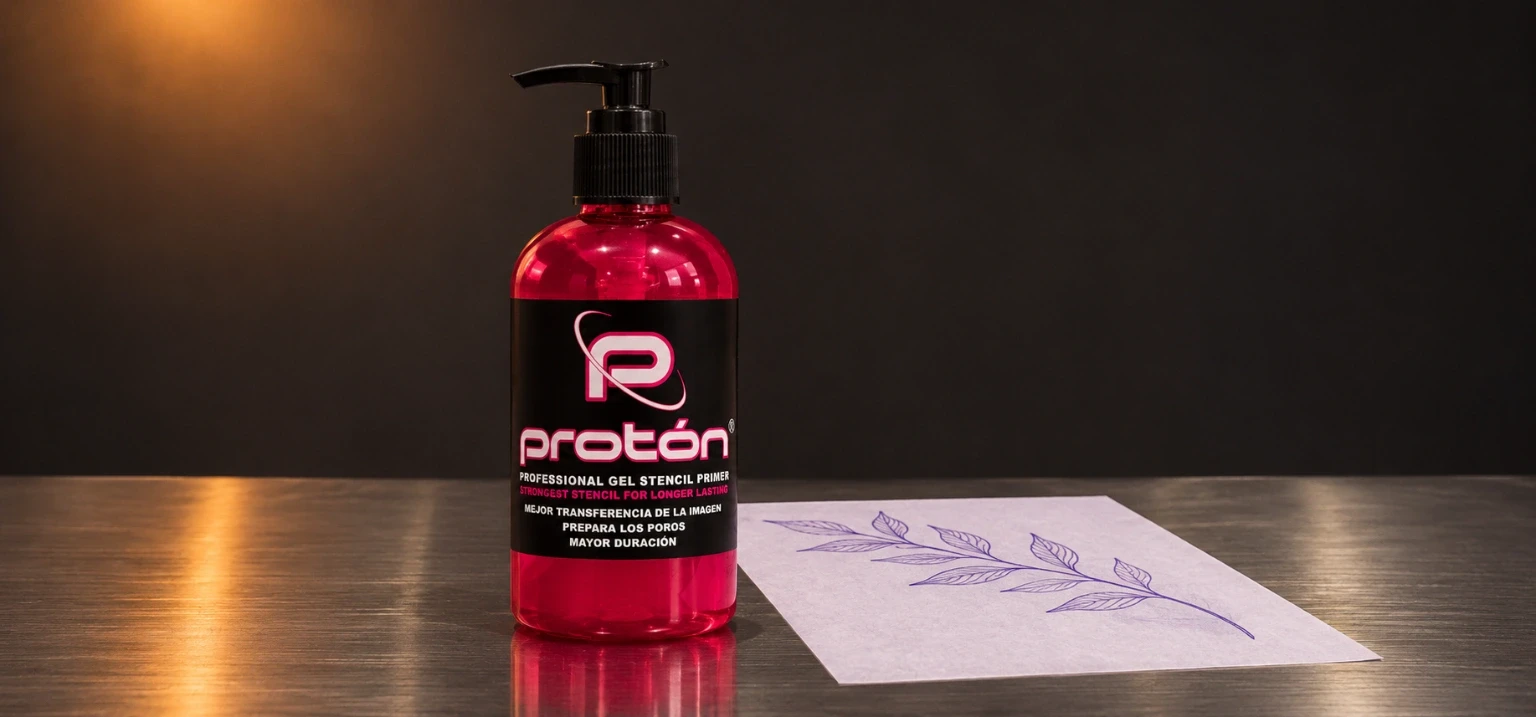
Map the relevant skin features
Identify stable scar contours, stretch-mark areas and any moles or freckles before settling the composition. Ask for a dermatologist's assessment where appropriate.
Separate color decisions from texture
Use the stretch-mark review's distinction between pigment color and the actual textural change when discussing realistic results.
Keep visible skin spots clear in the stencil
Preserve space around moles, freckles and spots the dermatologist will monitor. Do not compromise future observation for visual continuity.
Explain what the finished artwork can and cannot change
Show the sketch and, where available, examples of healed work. Describe the intended visual result without promising that the scar itself disappears.
For products and workflow around transfers, see SVT Shop's guide to durable tattoo stencils. For practicing a design before a client session, see tattoo practice supplies.
COMMON PLANNING MISTAKES
What mistakes should clients and artists avoid with tattoos over scars, stretch marks and moles?
Medical assessment, clear expectations and visible moles are more important than trying to make every mark disappear under ink.
Choosing a scar date from a generic timeline
Have the scar's maturity and stability assessed instead of booking by a fixed waiting period.
Promising a scar or stretch mark will disappear
A decorative or color-camouflage result is different from eliminating structural tissue changes.
Covering a mole to complete a design
AAD advises leaving moles and freckles visible so future changes can be recognized.
Ignoring a keloid history
FDA warns that skin injury from tattooing can trigger keloid formation in susceptible people. Get dermatology advice first.
Misidentifying an unexplained raised scar
AAD says new bumps can reflect a skin condition, including sarcoidosis; let a dermatologist assess the cause.
Using aftercare supplies as scar treatment
Stencil products, adhesive film and lotions are tools for their labeled use, not treatment of keloids or suspicious skin spots.
SVT SHOP ARTIST WORKFLOW
Which tattoo stencil and aftercare supplies are relevant when planning work near mature scars?
SVT Shop lists Proton, Tattoo Stuff, Dynamic, Recovery, Hustle Butter and Cosco products for studio preparation, stencil transfer or routine aftercare. These are choices for an artist-approved procedure on suitable skin, not products that treat scars, stretch marks, keloids or moles. Always preserve visible moles and freckles in the design.
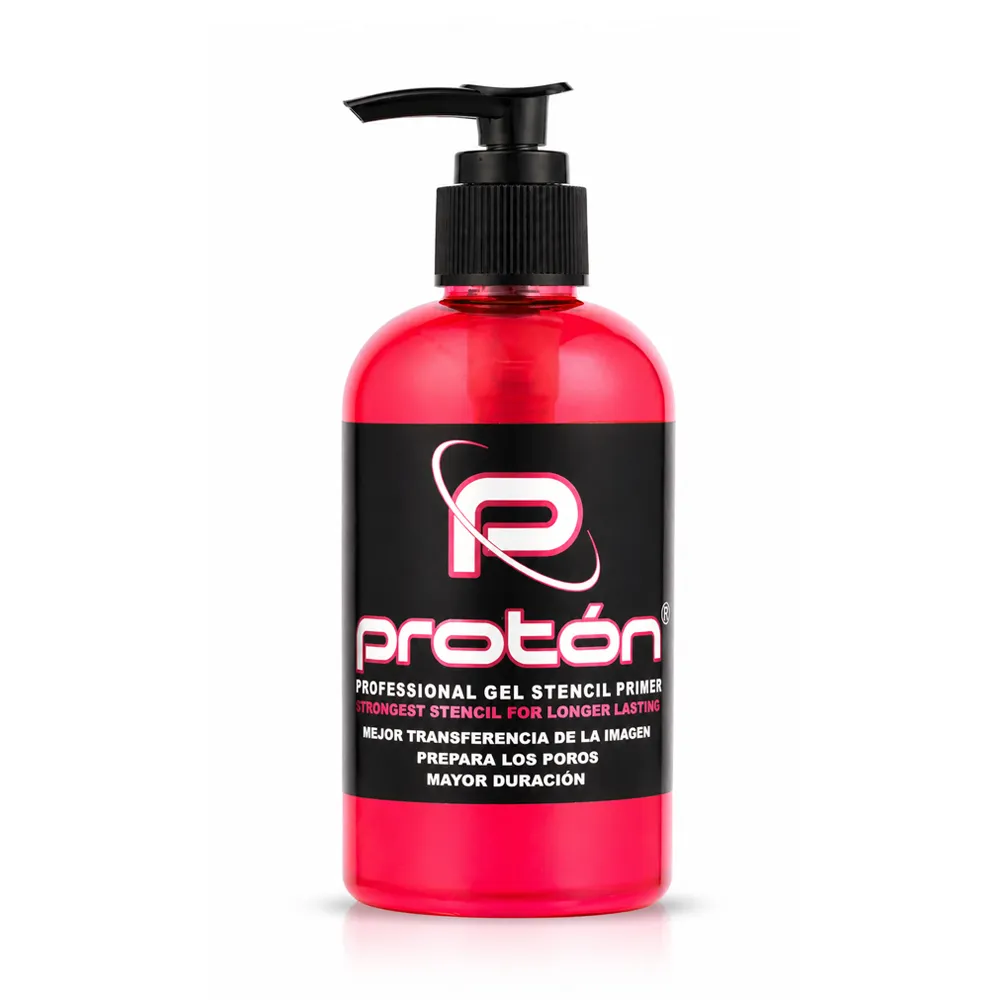 Studio stencil planning
Proton Stencil Primer Gel Pink
Stencil-transfer gel to consider when the artist lays out an approved design that accounts for existing scar contours and leaves moles clear.
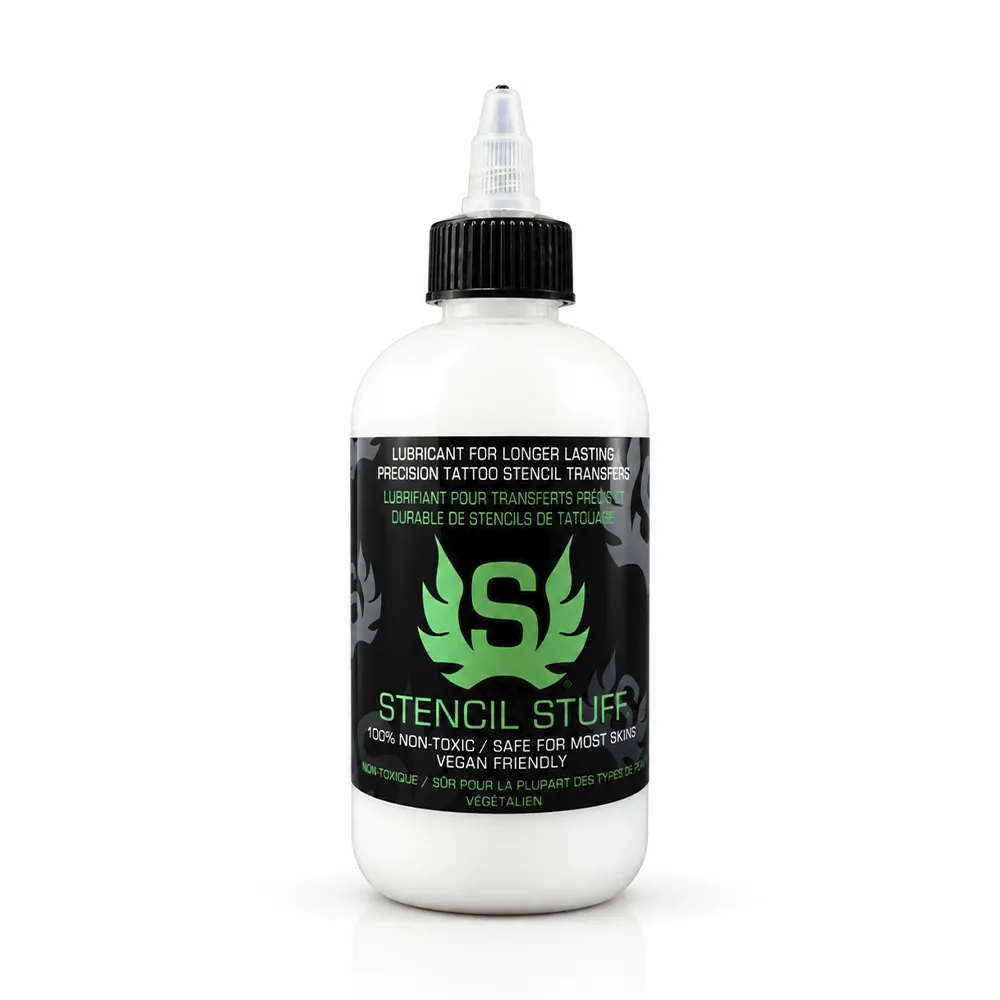 Alternate transfer aid
Tattoo Stuff Stencil Stuff
Transfer product for studio stencil workflow. The quality of the layout matters, but transfer products do not change scar texture.
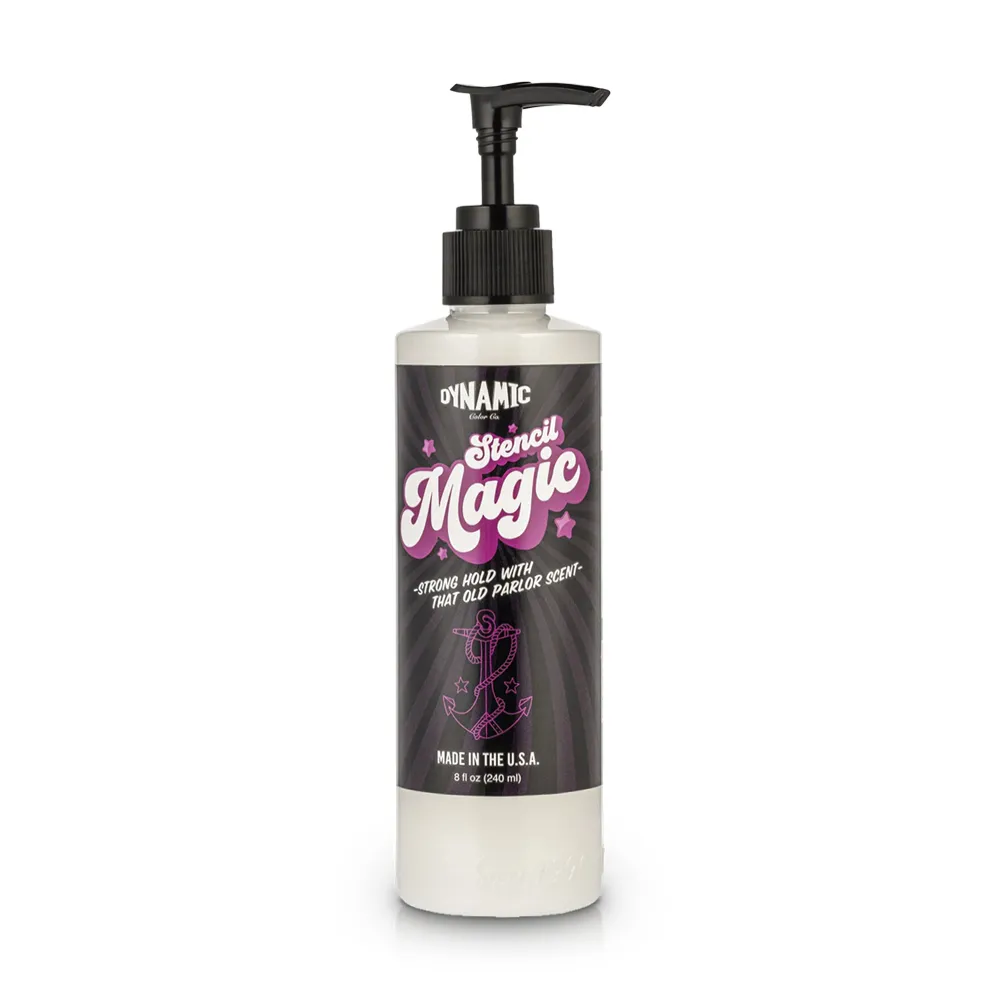 Stencil solution comparison
Dynamic Stencil Magic 8 oz
Another stencil solution for qualified artists planning the design around medically important skin spots.
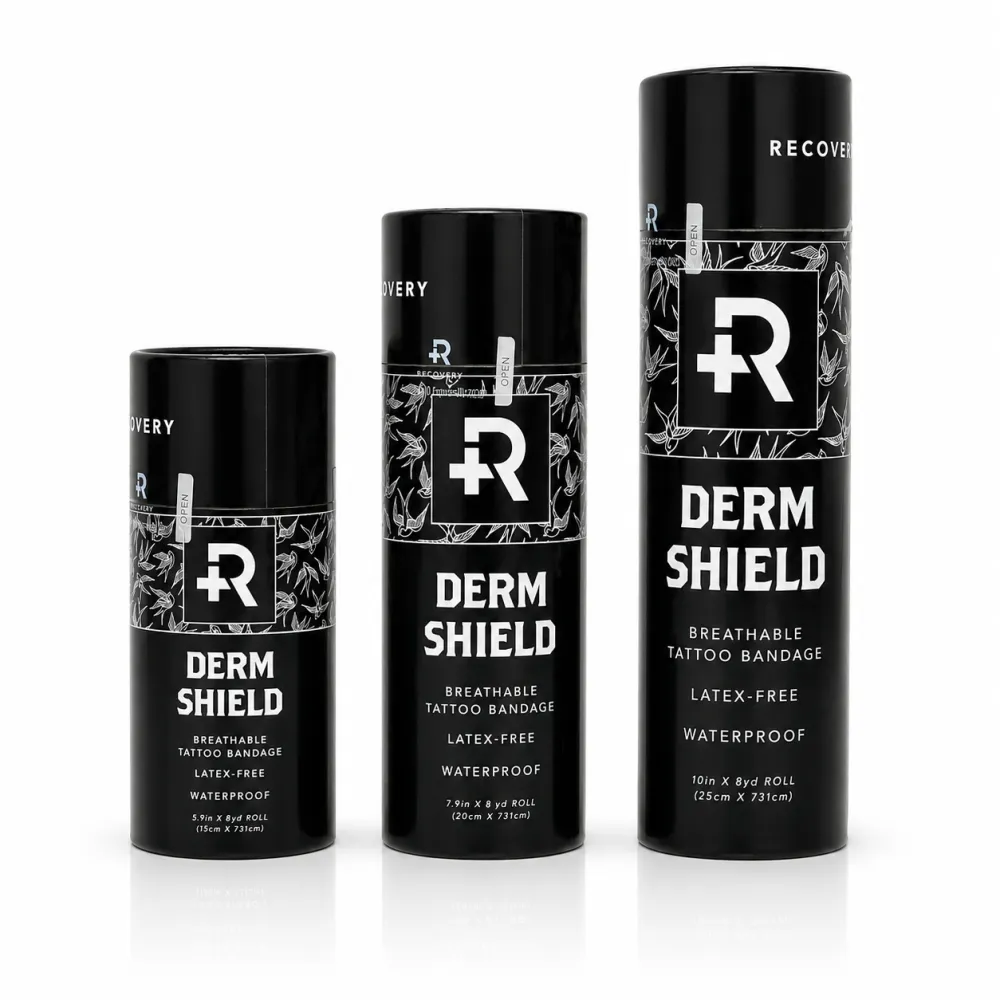 Routine fresh-tattoo dressing
Recovery Derm Shield Tattoo Adhesive Film
Adhesive film option when the artist chooses it for an uncomplicated, approved tattoo and provides the correct care instructions.
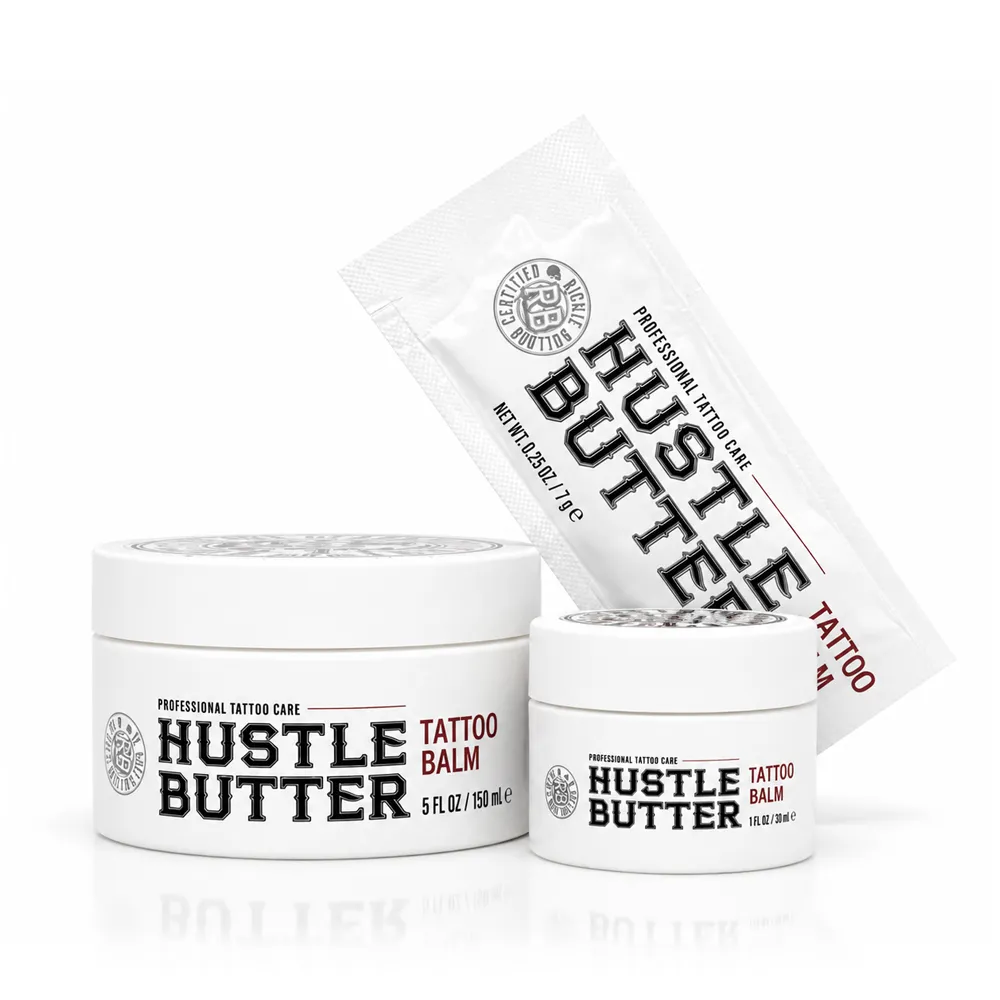 Routine moisture for healing skin
Hustle Butter De Luxe
Artist-directed moisturizing option during ordinary tattoo care, not treatment for an abnormal scar or skin lesion.
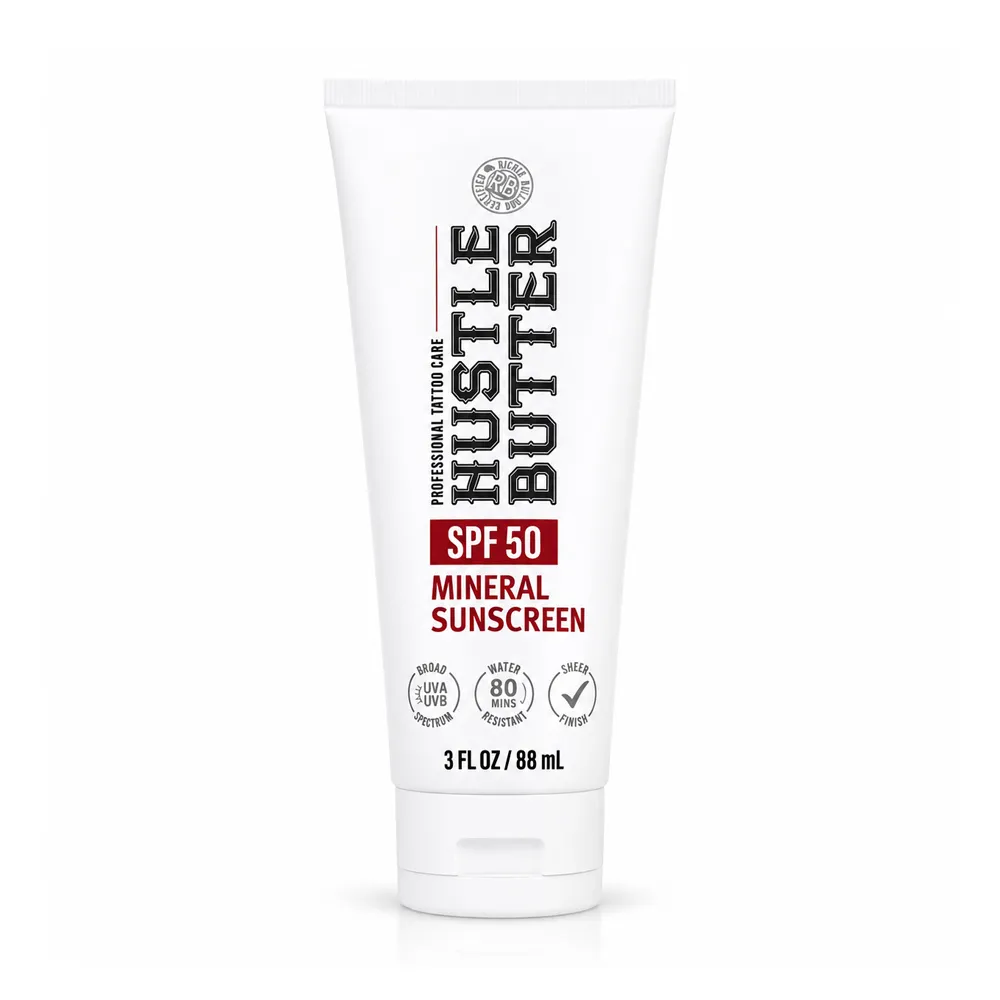 For intact healed tattooed skin
Hustle Butter Mineral Sunscreen Lotion
Sun-protection product for healed tattooed skin. Follow its label directions.
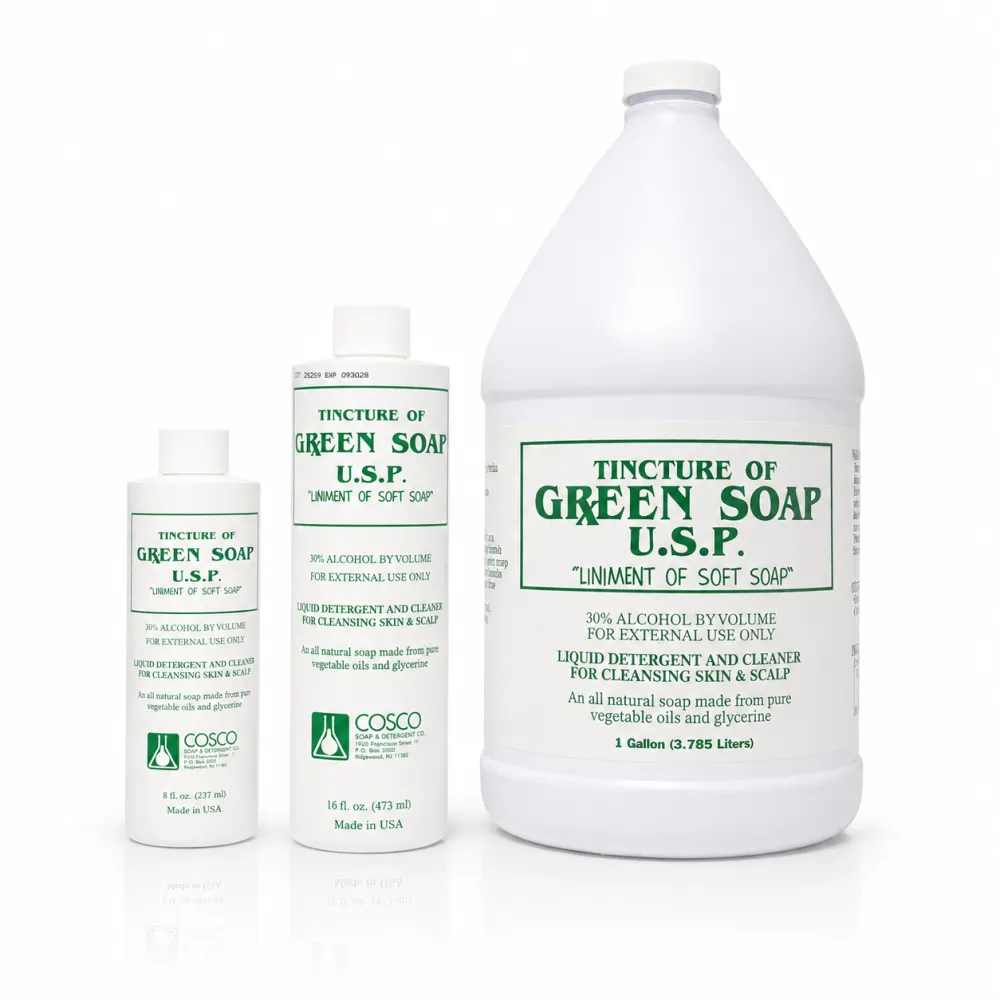 Professional preparation and cleaning
Cosco Green Soap
Tattoo-studio cleaning product for trained professional use according to its directions; it does not prepare an active skin condition for tattooing.
Shop Stencil Supplies Read About Stencil Transfer Browse Practice Guidance
SVT Shop supports artists and studios in El Paso, TX, with Next Day Delivery available in El Paso.
BEFORE YOU SCHEDULE THE SESSION
What should clients and tattoo artists check before tattooing over scars or near moles?
The most productive consultation separates the skin assessment, aesthetic result and long-term monitoring. Use these questions to organize the appointment without replacing professional medical judgment.
Client checklist
- Scar stability: Is the area mature, stable and appropriate for a tattoo, as assessed by the relevant professionals?
- Scar history: Any prior keloids, raised or repeatedly changing scars to discuss with a dermatologist?
- Expectations: Are you seeking decorative artwork, color camouflage or texture change?
- Moles and freckles: Have visible spots been examined where needed and marked to remain outside the ink?
- Healed examples: Has the artist shown comparable finished work and explained the intended visual result?
- Aftercare: Do you have artist-specific instructions and know which changes warrant a doctor?
FAQ
12 questions about tattoos over scars, stretch marks, moles and freckles
These answers reflect the AAD's skin-cancer and scarring recommendations, FDA guidance and a published stretch-mark tattooing review. A dermatologist assesses medical questions, while an experienced artist evaluates the design.
1. Can you tattoo over scar tissue?
Some mature, stable scars may be considered after an experienced artist evaluates the design and a dermatologist addresses any medical concerns. Tattooing does not remove the original scar or its structural texture.
2. How long should I wait before tattooing over a surgery scar?
Have the scar's maturity and stability assessed by your treating clinician or dermatologist and the artist. A fixed date does not replace a skin evaluation.
3. Does tattooing over a scar hurt more?
Discuss your individual scar, comfort and procedure with the artist. Pain alone is not a measure of suitability; persistent symptoms or uncertain tissue should be evaluated by a clinician.
4. Will tattoo ink show up evenly on scar tissue?
Ask an experienced artist for comparable healed examples and a design review. Evaluate scar contour and color goals individually rather than expecting the ink to make the scar disappear.
5. Can you tattoo over stretch marks?
Stretch marks are dermal scarring. A published review discusses medical tattooing to change pigmentation contrast, but not the underlying texture. Discuss suitability and the intended result with a qualified practitioner.
6. Will a tattoo hide stretch marks on the stomach or arms?
Decorative work or medical pigmentation may change how the color contrast looks. The stretch mark's physical texture remains, according to the published review.
7. Can you tattoo directly over a mole?
AAD recommends telling your artist to work around moles. Ink can hide changes that you and your dermatologist need to monitor.
8. Can you tattoo over freckles or raised freckles?
AAD advises leaving freckles and other skin spots clear of ink as well. Have a dermatologist evaluate raised or changing marks before planning the design around them.
9. Can tattooing over a mole cause skin cancer?
AAD says more research is needed on a possible tattoo-cancer link. Its immediate concern is that ink can disguise skin cancer and make changes or later biopsy findings harder to detect.
10. Can I get a tattoo if I have keloids?
FDA says people prone to keloids risk developing them after tattoo-related skin injury. AAD advises rethinking tattooing if you have that history. Consult a dermatologist first.
11. Should I see a dermatologist before tattooing over a scar or mole?
AAD recommends a skin exam before a tattoo and dermatology evaluation for changing scars or spots. Keloid-prone people should discuss the risk before getting tattooed.
12. What if I accidentally got tattooed over a mole?
Arrange a dermatologist's examination and tell them about the tattoo ink. AAD advises continuing skin checks and seeking evaluation for changes, itching or bleeding rather than attempting to remove the pigment yourself.
RESEARCH
Sources Consulted
AAD provides mole, freckle, skin-cancer monitoring and keloid guidance. FDA covers tattoo-related scarring risks. A published medical-tattooing review describes the difference between stretch-mark pigmentation and texture.
- American Academy of Dermatology: Do Tattoos Cause Skin Cancer?
- American Academy of Dermatology: Tattoo Skin Reactions and Keloid Scars
- American Academy of Dermatology: Sarcoidosis Changes in Scars and Tattoos
- U.S. FDA: Tattoos and Permanent Makeup Fact Sheet — Keloid Risk
- U.S. FDA: Think Before You Ink — Scarring and Keloids
- Määttä, Current Problems in Dermatology: Stretch Mark Treatment by Tattooing and Microneedling