Powered by Comercia.io

Why is my tattoo raised and itchy, even years after it healed? A new tattoo can itch and feel textured during recovery, but a raised, itchy old tattoo may reflect an ink reaction, a sun-related rash, a granuloma, scar tissue or another skin condition. This guide compares tattoo bumps, raised lines, allergies, keloids and sarcoidosis using dermatology research, with clear guidance on when to see a doctor.
Shop Tattoo Aftercare Read Normal Tattoo Healing
QUICK ANSWER
Why is my tattoo raised and itchy after a week, a month or several years?
Timing and the type of skin change matter. Early itching and scabs may be normal while the tattoo heals, according to AAD. Months or years later, a new raised patch could be a delayed pigment allergy, sun-associated rash, granuloma, scarring or another condition. AAD advises a dermatologist for changes in an old tattoo or mild-to-moderate reactions persisting beyond a week or two. Worsening pain, spreading redness, pus or fever require prompt medical care.
NEW TATTOO
Itching, flakes, scabs and some swelling can accompany healing. Monitor whether the area improves.
OLD TATTOO
New bumps, raised ink-colored patches or repeat itching years later deserve a dermatology assessment.
URGENT SIGNS
Breathing trouble, chest tightness or dizziness with a reaction need immediate medical attention.
START WITH THE PATTERN
What causes a tattoo to feel raised, bumpy or itchy?
AAD explains that a tattoo can show normal early healing changes, a delayed ink allergy or another skin disease. FDA also lists granulomas and keloids among possible tattoo reactions. Raised describes the texture, not a diagnosis.
Early healing texture
Itching, swelling, flakes and scabs can temporarily make a fresh tattoo feel uneven, says AAD.
Delayed bumps or patches
AAD documents pigment allergy years later; medical research describes delayed granulomatous nodules.
Scar or skin condition
FDA describes keloids, and AAD says sarcoidosis can appear as small bumps within tattooed skin.
A FRESH TATTOO
Is it normal for a new tattoo to be raised and itchy while healing?
Yes. AAD says some redness, swelling, soreness, itch, clear fluid, flaking and scabbing can be normal in a fresh tattoo. Scabs along a line may temporarily feel elevated. Monitor whether symptoms are settling rather than becoming worse.
Follow the tattoo artist's routine aftercare. A line that stays raised after healing, or a new rash that persists, deserves assessment rather than repeated treatment at home.
Two useful guides
Read normal tattoo aftercare day by day for fresh-tattoo stages and overworked tattoo signs for the tattoo-trade description of repeated-pass trauma and possible scarring.
LATE-ONSET SKIN CHANGES
Why would an old tattoo suddenly become raised and itchy after several years?
A previously settled tattoo can develop a new reaction. AAD says ink allergies may appear weeks, years or decades afterward, sometimes affecting one pigment color. FDA also recognizes delayed reactions and nodules.
In a 2026 review of published granulomatous tattoo reactions, cases began at widely varying times after tattooing, including many years later. These selected medical cases do not predict what will happen to an individual tattoo.
Record the tattoo's age, when the bumps began, whether they recur and which colors or outlines are affected. A dermatologist should assess a new change rather than assuming the tattoo is too old to react.
SIDE-BY-SIDE COMPARISON
Raised tattoo causes compared: normal healing, allergy, sun reaction, granuloma, sarcoidosis or scar?
AAD and FDA describe overlapping visual patterns, so no table can diagnose a specific rash. The comparison below helps you identify the information a doctor needs and separate routine aftercare from a medical question.
| Possibility | What the sources describe | Timing or clue | Next step |
|---|---|---|---|
| Normal new-tattoo healing | Some redness, swelling, itch, flakes and scabs, says AAD. | During the early healing period, generally improving. | Follow artist-directed routine care; monitor change. |
| Delayed ink allergy | Raised scaly patches, itchy bumps, swelling, blisters or lumps. | AAD says it can affect one color, even years later. | See a dermatologist for a persistent or changing reaction. |
| Sun-associated reaction | Itchy tiny bumps, hives, swelling or redness. | AAD links it to sunlight exposure on tattooed skin. | Protect healed skin from sun and discuss repeated reactions with a dermatologist. |
| Granuloma | Nodules or firm bumps around material the body perceives as foreign, per FDA. | May arise long after pigment placement. | Dermatologist evaluates and may arrange testing. |
| Sarcoidosis in a tattoo | AAD describes tiny bumps, firmness, swelling or itching. | New changes in a tattoo or scar may need wider medical assessment. | See a dermatologist; medical evaluation determines cause. |
| Raised scar or keloid | Persistent scar texture; keloid growth extends beyond the original skin injury. | May remain after healing rather than appear as a fresh rash. | Ask a dermatologist to assess the scar type. |
| Possible infection | Spreading redness, worsening pain, pus, open sores or fever in AAD guidance. | May arise after tattooing, including delayed cases. | See a doctor right away. |
OUTDOOR REACTIONS
Why does my tattoo get raised and itchy in the sun or on hot days?
AAD describes sun-associated tattoo rashes with tiny itchy bumps, swelling, redness, blisters or hives. When a tattoo reacts on a hot day, note whether it was exposed to sunlight; heat or humidity alone should not be used to explain a recurring skin change.
Protect healed tattoos outside
AAD recommends broad-spectrum, water-resistant sunscreen with SPF 30 or higher, protective clothing and shade.
Record repeated reactions
Note the timing and exposure when the tattoo becomes raised or itchy.
Seek medical assessment when needed
See a dermatologist for persistent or recurring rashes, and get immediate help for severe allergy symptoms.
Sunscreen is for protecting intact, healed skin; it is not treatment for a current rash.
PIGMENT-SPECIFIC REACTION
Can tattoo ink cause an allergic reaction years later, and what does it look like?
Yes. AAD says pigment allergy may begin immediately or decades later, producing itch, raised scaly patches, small bumps, swelling, blisters or deep lumps. Often only one ink color is involved.
AAD notes red pigment is frequently implicated, and a 2016 review by Forbat and Al-Niaimi discusses reactions to red ink. FDA describes reports of pigment allergies as rare. Neither a particular color nor an itchy photograph establishes the cause.
What should you do?
Tell your artist about a suspected reaction. AAD advises a board-certified dermatologist for a mild-to-moderate reaction lasting longer than one or two weeks. Read our tattoo ink safety and label guide for general pigment information.
PERSISTENT BUMPS OR NODULES
What is a tattoo granuloma, and can it make a healed tattoo raised?
FDA defines a granuloma as a nodule that can form around foreign material, including tattoo pigment. It may appear as one firm bump or multiple bumps, and its appearance alone does not establish the diagnosis.
Rajan and colleagues' 2026 systematic review found papules and nodules common among published granulomatous tattoo reactions, sometimes with itch or swelling. Reported onset averaged 3.9 years after tattooing, with a range extending to 20 years; these were selected clinical cases, not a rate for all tattooed people.
The review emphasizes clinician-directed biopsy confirmation and appropriate further evaluation when indicated. Do not assume a raised bump is simply loose pigment or a scar that a lotion can flatten.
WHEN A SKIN CHANGE NEEDS A WIDER LOOK
Can an old tattoo develop sarcoidosis, and what signs would a dermatologist look for?
AAD says sarcoidosis can appear in a tattoo or scar as tiny bumps; the area may feel firmer, lumpy, itchy, sore or swollen. AAD recommends seeing a dermatologist when an established tattoo or scar changes.
Sarcoidosis may involve more than the skin. Reviews of granulomatous tattoo reactions describe some cases associated with systemic sarcoidosis, which is why a clinician may decide further evaluation is needed. Most tattoo bumps should not be labeled sarcoidosis without medical assessment.
Useful details for the clinician
- How long ago you got the tattoo and when the change started.
- Whether one color or several parts are raised.
- Whether bumps recur, spread or change texture.
- Photographs and any other symptoms worth reporting.
A dermatologist decides whether examination, biopsy or evaluation of other organs is appropriate.
WHEN A LINE STAYS ELEVATED
Is a raised tattoo line a hypertrophic scar or keloid?
Persistent raised outlines may be related to scar tissue. FDA defines a keloid as a scar that grows beyond the original injury; not every raised tattoo line is a keloid. AAD recommends a board-certified dermatologist when a scar or other skin condition develops.
Raised lines can be discussed in relation to the tattoo-industry term overworked skin, but only a clinician can distinguish a scar from an allergy or granulomatous patch. Read our guide to overworked tattoo skin for the technique context.
For a related discussion of keloid versus other raised scar terminology, see SVT Shop's piercing bump and scar guide. A dermatology consultation remains the next step for a lasting tattoo scar.
DO NOT MISTAKE WORSENING SYMPTOMS FOR ITCH
Can a raised and itchy tattoo be infected, and when is it urgent?
Itch or a bump alone does not prove infection. AAD lists spreading or darkening redness, worsening pain, pus, open sores, fever or chills among possible infection signs. See a doctor or board-certified dermatologist right away if these appear.
Severe allergic symptoms require immediate care
AAD advises immediate medical attention for a reaction that comes with trouble breathing, a racing heart, chest tightness, dizziness or lightheadedness, intense swelling, serious pain, flushing or hives.
For long-term swollen lymph nodes near a tattoo, AAD recommends a primary care doctor to rule out other causes. Do not use a moisturizer, sunscreen or another skin product to delay evaluation of worsening symptoms.
MEDICAL ASSESSMENT
How does a dermatologist tell a granuloma, allergy, scar or sarcoidosis apart?
Diagnosis begins with the tattoo's history and the skin examination: the age of the design, the first appearance of the bumps, the ink colors involved and any changes in sunlight. AAD recommends medical assessment for a new change within an existing tattoo or scar.
Review the symptoms
Describe itching, scaling, swelling, raised lines or nodules and how long they have lasted.
Evaluate the pattern
The dermatologist considers allergy, scarring, granulomatous reactions and other skin disease.
Determine whether tests are needed
The 2026 review discusses biopsy and systemic evaluation for certain granulomatous reactions.
Plan care for the actual diagnosis
Medical treatment depends on the findings. Do not choose medicines or tattoo removal by guessing from appearance.
A PRACTICAL RESPONSE
What should you do if your healed tattoo starts itching or rising unexpectedly?
AAD advises a dermatologist for changing, recurring or lasting reactions within an established tattoo. Your tattoo artist can provide the original session details, but a clinician evaluates possible medical causes.
Document what changed
Note whether the reaction affects lines, a particular color or nearby skin, and when it began.
Watch the pattern
Record any sun association or repeated flare without assuming weather is the cause.
Do not scratch or attempt self-treatment
Let the dermatologist decide appropriate treatment for a persistent rash or nodule.
Seek the appropriate medical care
Arrange a dermatology visit for new or lasting changes; seek prompt care for infection signs and emergency help for severe allergy signs.
Share history and consider reporting
Take photos and available tattoo details. FDA encourages suspected adverse-event reports.
CARE FOR HEALTHY TATTOOED SKIN
How can you protect a healed tattoo from sun-related irritation and care for normal healing?
AAD advises sun protection for healed tattooed skin to reduce sun-associated reactions: broad-spectrum, water-resistant SPF 30 or higher, protective clothing and shade. If exposure repeatedly brings out itchy bumps, see a dermatologist.
For a fresh tattoo, follow the artist's dressing and routine aftercare instructions. Films, ointments and moisturizers are not treatments for an allergic rash, granuloma, keloid, sarcoidosis or infection.
Normal care and medical treatment are separate
Moisturizer and sunscreen may fit care of healthy tattooed skin, but neither diagnoses an unexplained raised patch. Protect only healed skin with sunscreen.
Read our normal tattoo healing guide. The tattoo blowout guide covers a different healed-appearance concern.
AVOID THE WRONG CONCLUSION
What mistakes should you avoid when a tattoo suddenly feels raised or itchy?
AAD and FDA describe reactions that share symptoms. Avoid treating the appearance of a raised area as an automatic diagnosis.
Calling every line a keloid
FDA says keloids grow beyond the original injury; a dermatologist distinguishes scar types.
Assuming old tattoos cannot react
AAD documents pigment allergy years or decades later.
Blaming heat or humidity
AAD specifically describes sun reactions; note actual exposure and obtain care for persistent changes.
Identifying granulomas by photo
FDA describes nodules, but a clinician determines the diagnosis.
Using lotion to treat a new rash
Routine care products do not treat allergy, sarcoidosis or infection.
Ignoring severe symptoms
AAD advises immediate medical care for breathing trouble or systemic allergic signs.
SVT SHOP CARE OPTIONS
Which sunscreens, lotions and aftercare products are useful for healthy tattooed skin?
SVT Shop carries products for sun protection of healed tattoos, routine moisturization and the normal healing stage. None of these products diagnoses or treats allergy, granuloma, sarcoidosis, infection or keloids. Consult a clinician for any new, persistent or worsening raised rash.
 Sun protection for fully healed tattoos
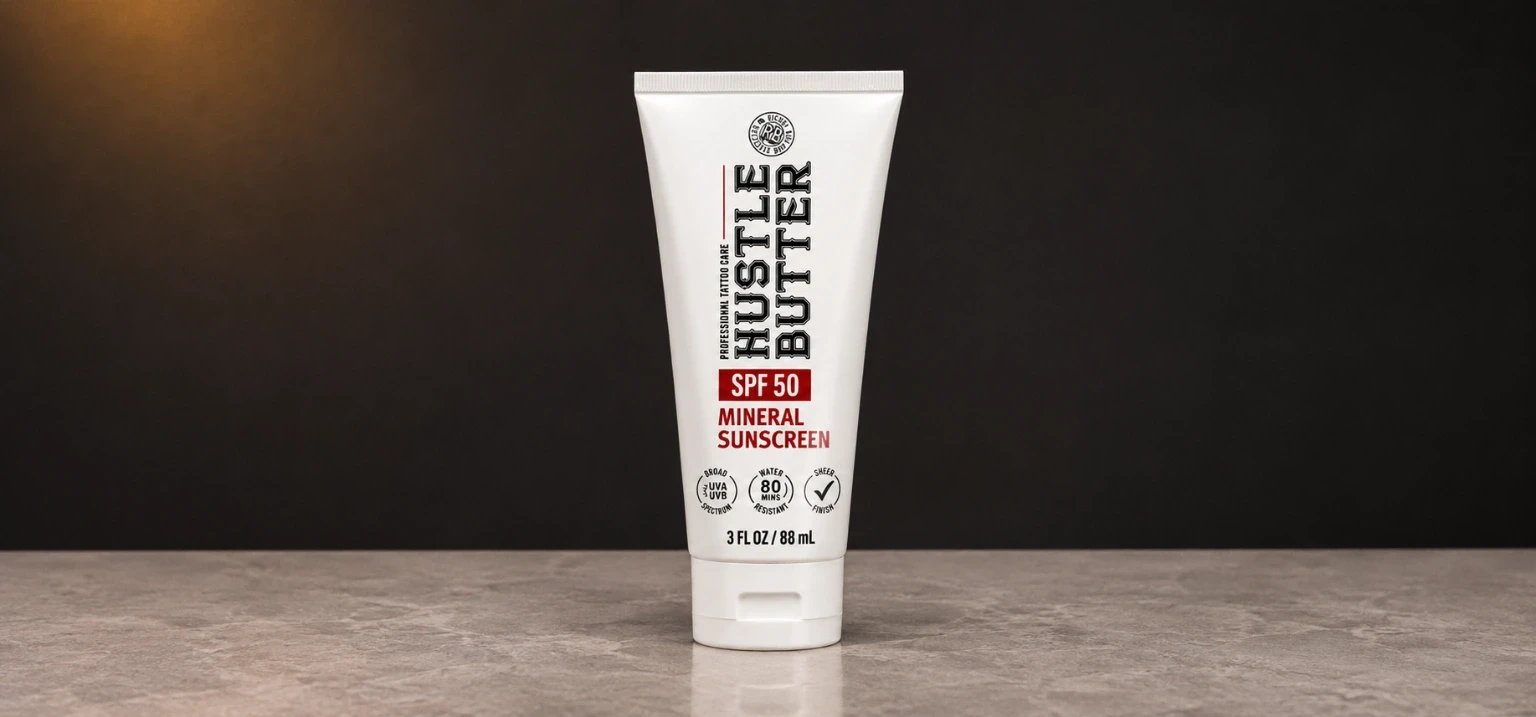
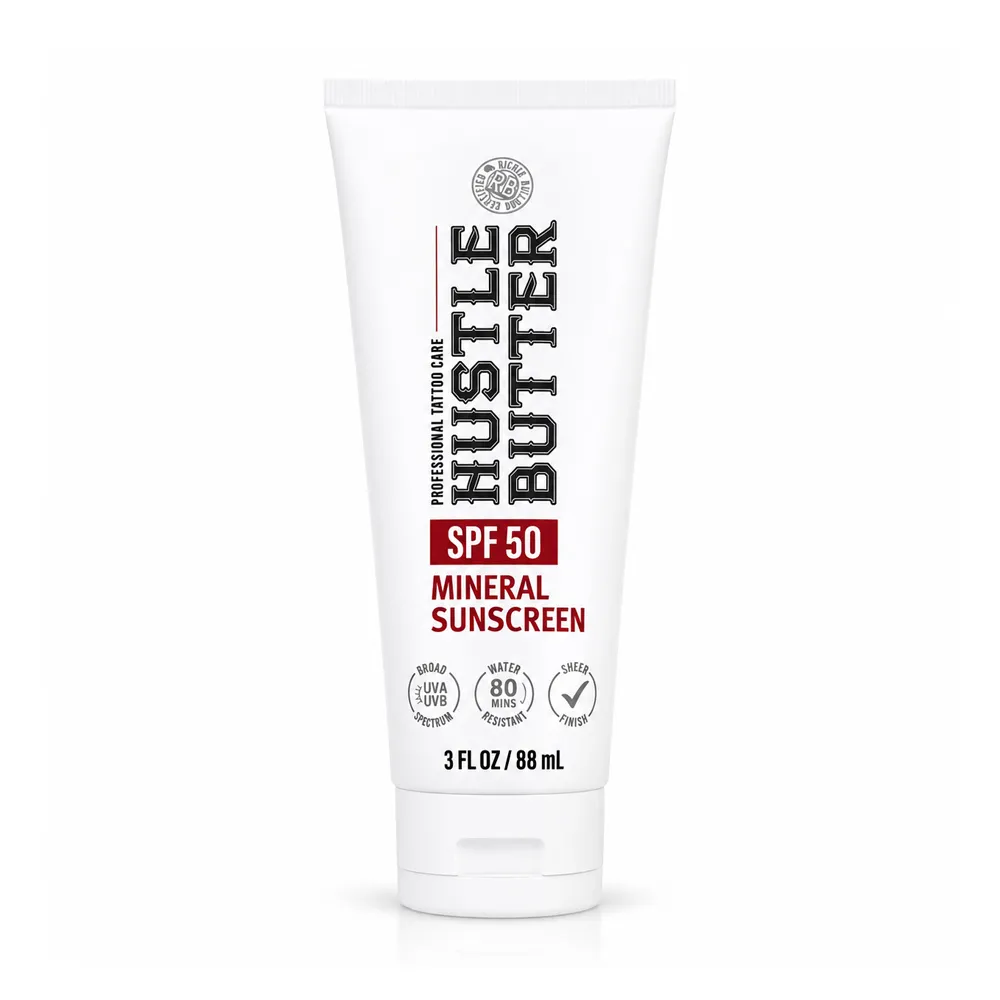
Hustle Butter Mineral Sunscreen Lotion
Sunscreen option for intact, healed tattooed skin. Check its label against AAD's broad-spectrum, water-resistant SPF 30+ recommendation; it is not rash treatment.
 Routine tattoo moisturizing
Hustle Butter De Luxe
Moisturizing option for normal aftercare when recommended by the artist, not a remedy for raised medical lesions.
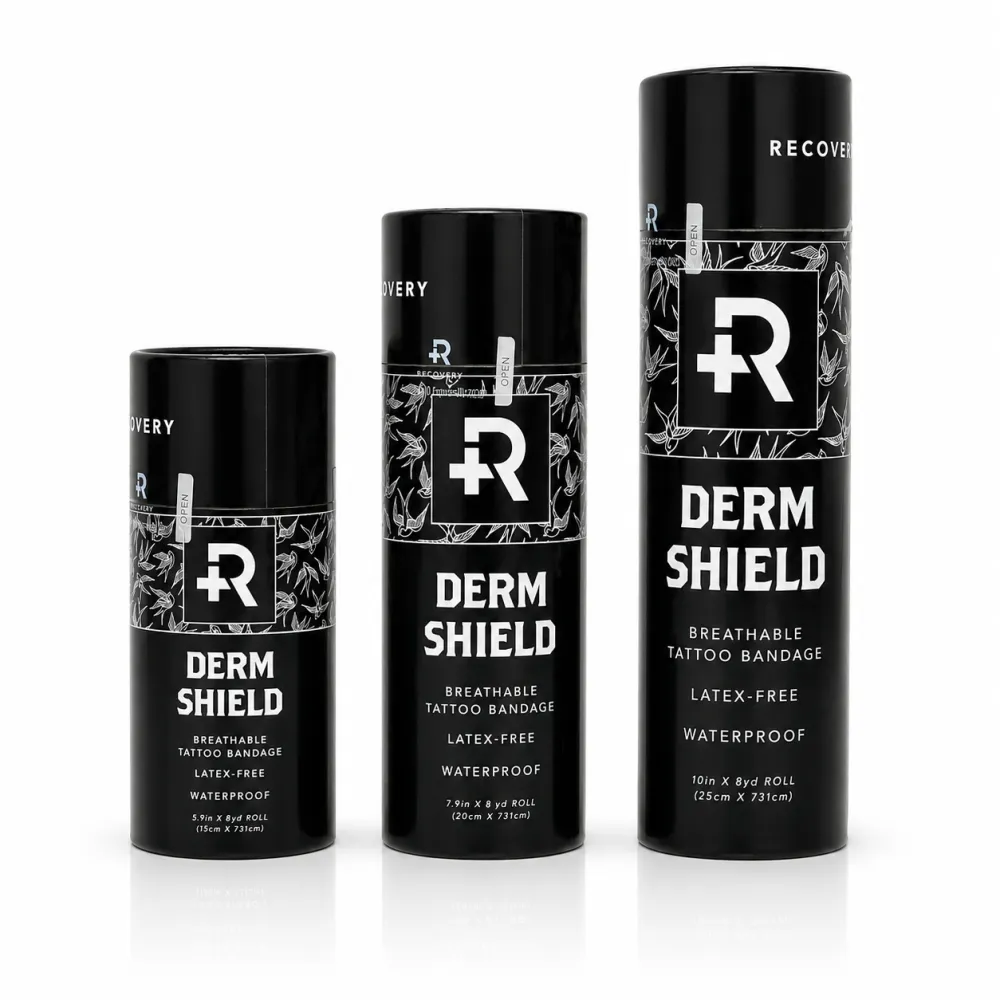 Protective film for fresh tattoos
Recovery Derm Shield Tattoo Adhesive Film
An artist-directed second-skin film for the initial healing workflow; not for covering an unexplained rash on an old tattoo.
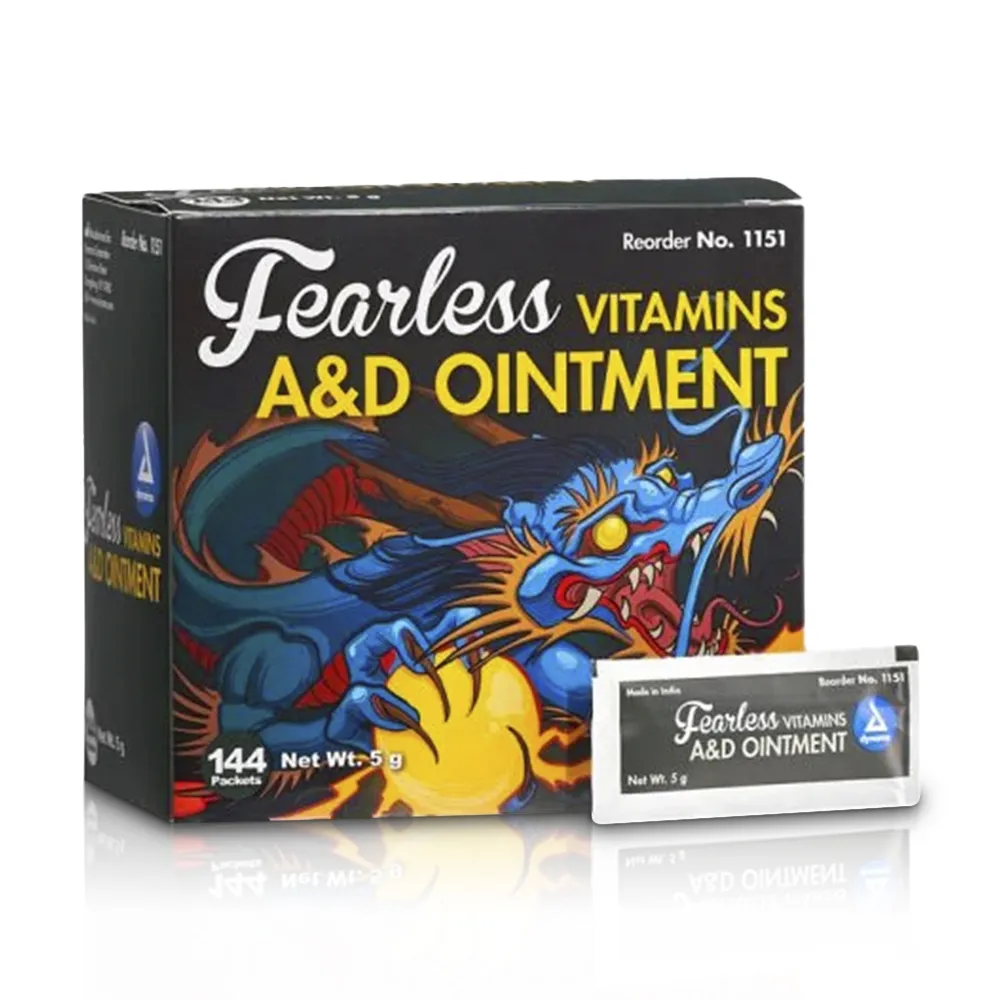 Ointment format for routine care
Dynarex Vitamins A&D Ointment Without Lanolin
Ointment option to consider with artist-directed normal tattoo aftercare. Do not use it as self-treatment for persistent raised patches.
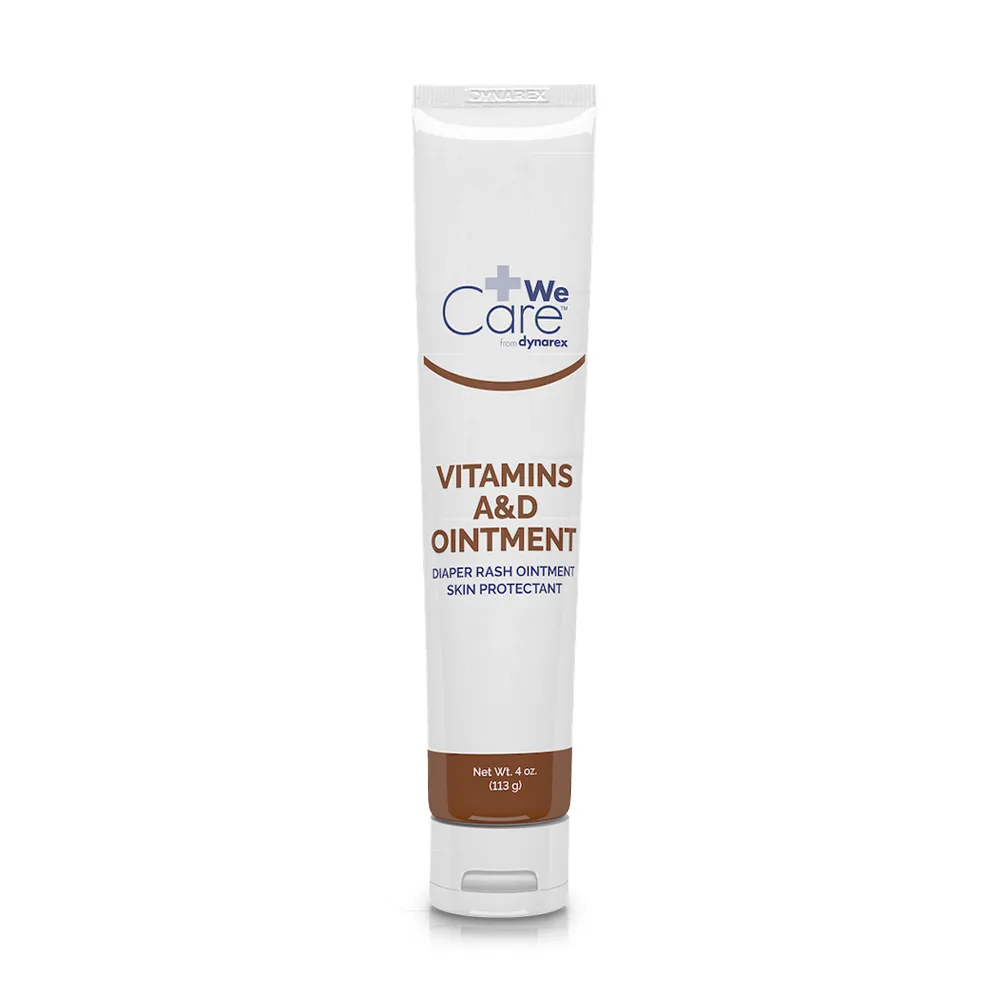 Alternative ointment tube
WeCare Vitamin A&D Ointment 4 oz Tube
A tube format for an established routine aftercare plan, not a replacement for dermatology assessment.
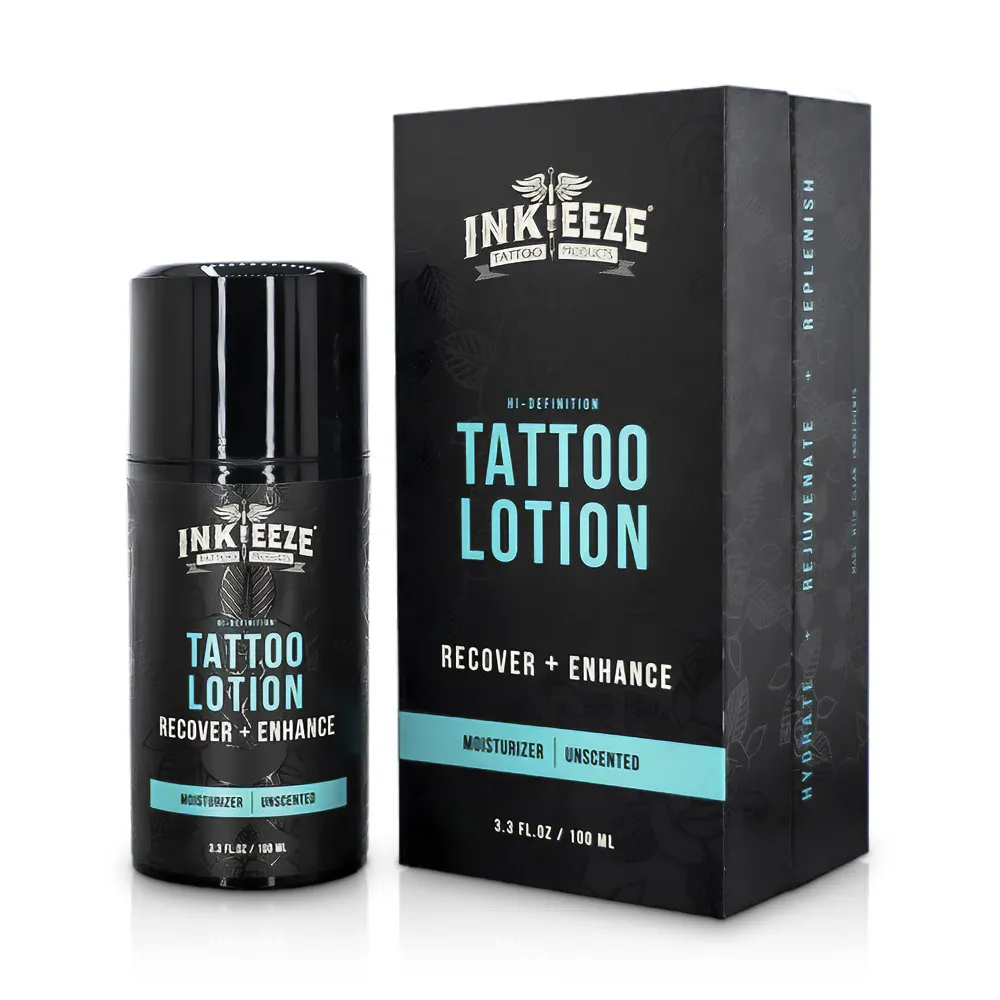 Lotion for normal healed tattoo care
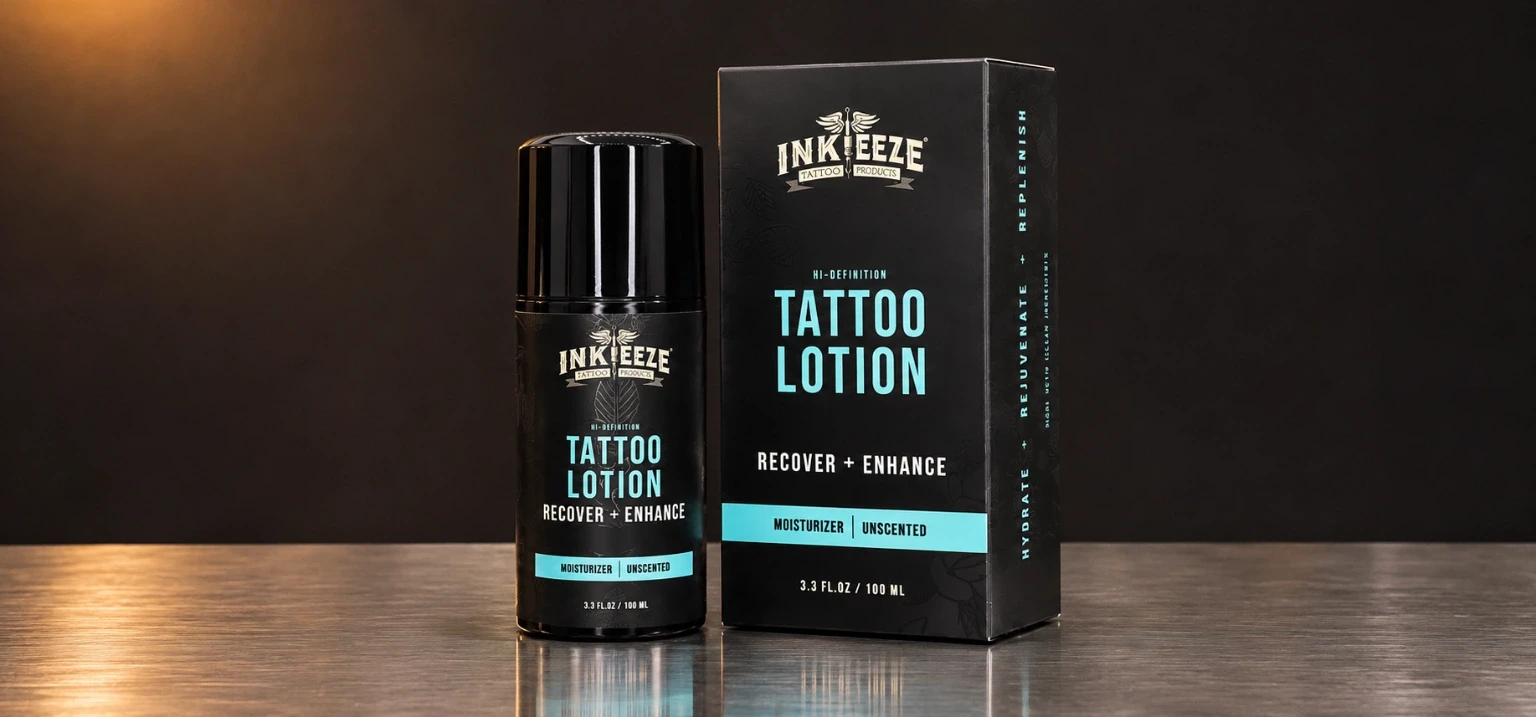
INKEEZE Hi-Definition Tattoo Lotion 3.3 oz
Moisturizing lotion for an intact, healed tattoo. A new lump, scaling rash or recurring swelling should be evaluated separately.
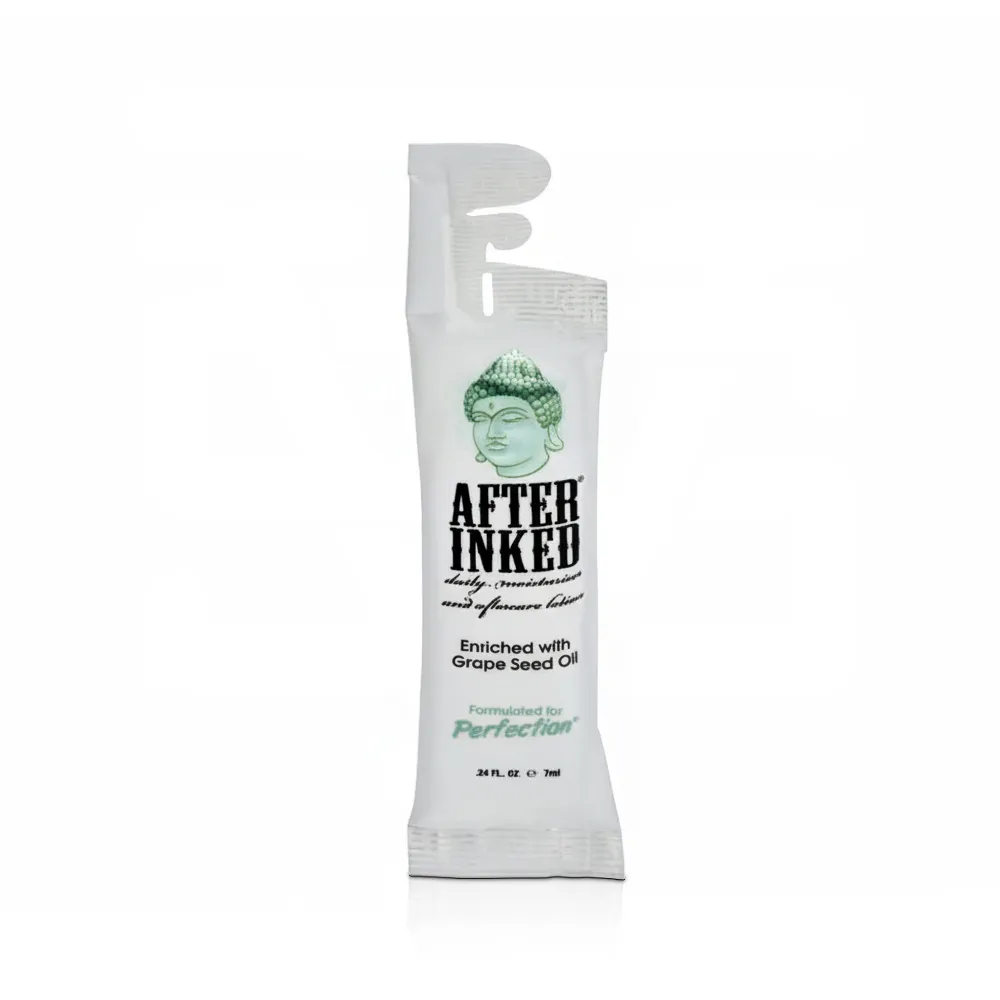 Convenient moisturizer packs
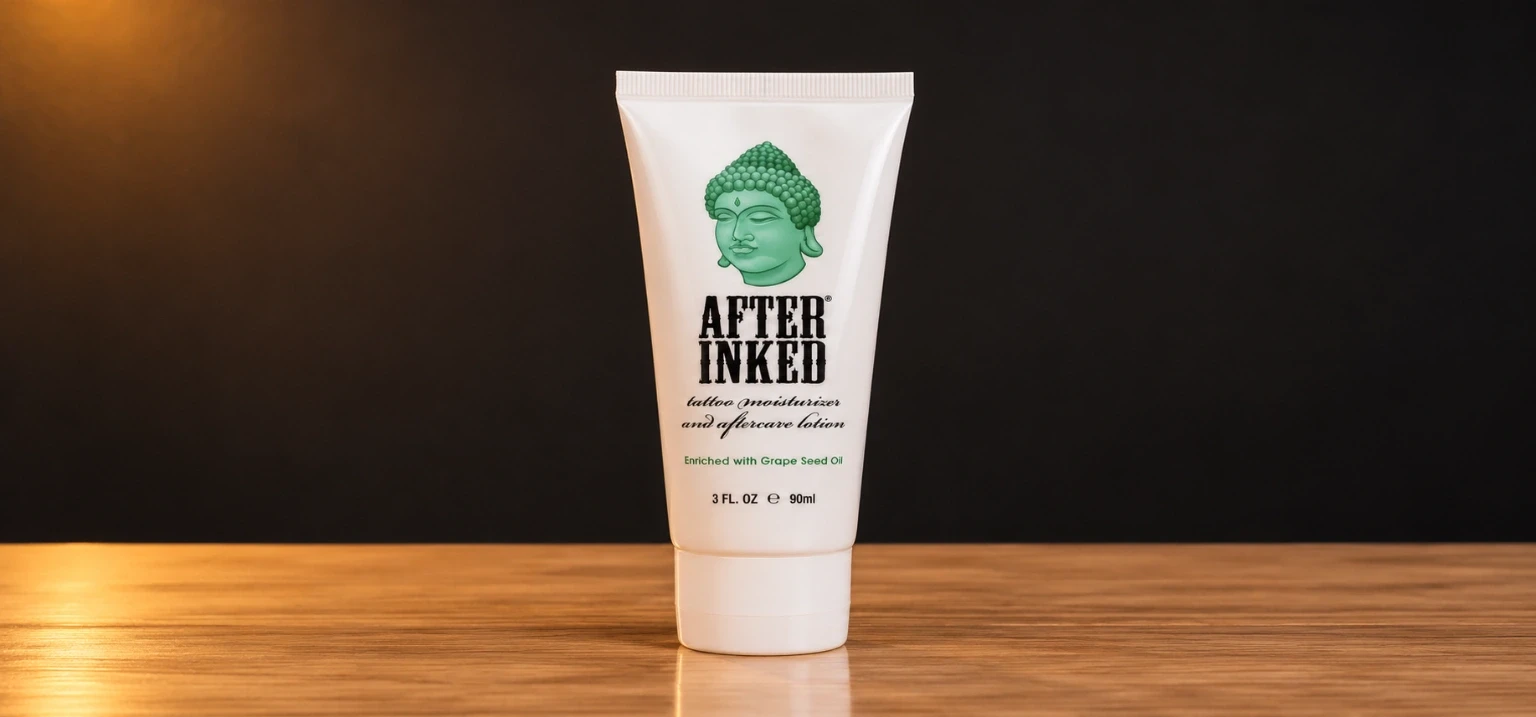
After Inked Moisturizer and Lotion 7 ml Pack
Small-pack moisturizing option for routine care. It is not intended as a treatment for pigment allergy or scarring.
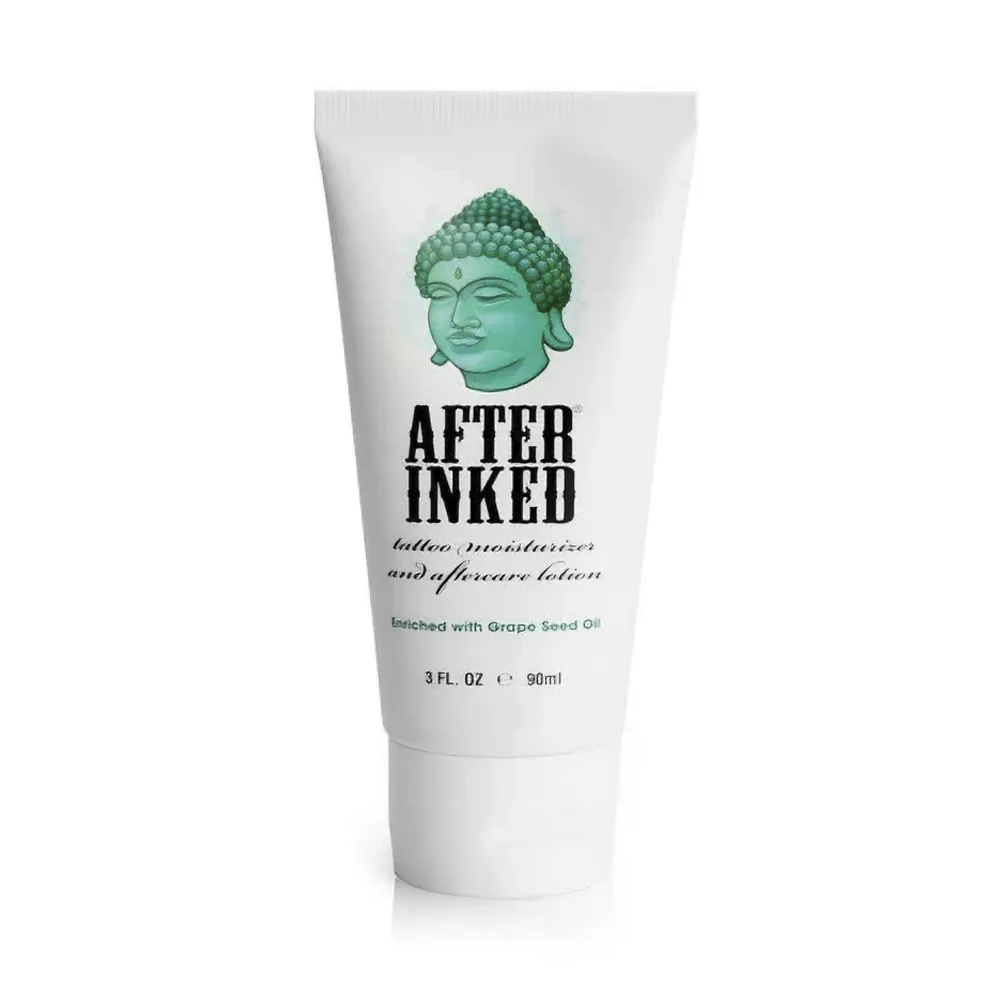 Larger moisturizer tubeAfter Inked Moisturizer and Aftercare Lotion 3 oz TubeTube format of the same lotion for healed-tattoo moisturizing routines.
Shop Tattoo Aftercare Review Healing Aftercare
SVT Shop supports artists and clients in El Paso, TX, with Next Day Delivery available in El Paso. Choose routine skin-care items for their intended use and consult a doctor for an abnormal skin reaction.
BEFORE A CLINICAL OR ARTIST FOLLOW-UP
What details should you record when a raised tattoo changes?
AAD recommends a dermatologist for a new tattoo or scar change, and FDA encourages adverse-event reporting. Keep concise notes to help the medical visit.
For the person with a raised tattoo
- Timing: When the tattoo was done and when itching or bumps began.
- Location: One ink color, outlines, a shaded area or surrounding skin.
- Changes: Scaling, firm lumps, swelling, rash or scarring.
- Exposure: Whether the reaction follows sunlight.
- Action: A dermatologist for persistent changes; urgent care for severe symptoms.
For the tattoo artist
- Explain ordinary early healing without diagnosing an older reaction.
- Share available session details for the clinician.
- Refer persistent nodules or changing scars for medical evaluation.
- Direct suspected adverse reactions to FDA reporting resources.
FREQUENTLY ASKED QUESTIONS
12 questions about raised, itchy tattoos and reactions years later
These answers follow AAD, FDA and published dermatology research. Persistent or changing skin conditions warrant medical evaluation rather than a visual diagnosis.
Why is my tattoo raised and itchy?
Fresh tattoo itching and scabs can accompany healing, says AAD. If the tattoo is already healed, a new rash, pigment allergy, scar or granulomatous change may be involved; see a dermatologist for persistent symptoms.
Why is my old tattoo suddenly raised and itchy after years?
AAD says reactions to pigment can arise years or decades later. Dermatology reviews also describe delayed granulomatous bumps. A clinician should assess a new change in an established tattoo.
Is a raised and itchy tattoo normal while healing?
AAD says some redness, swelling, itching, flaking and scabbing can occur while a new tattoo heals. Spreading redness, worsening pain, pus or fever call for prompt medical care.
Why does my tattoo swell in the heat or sun?
AAD describes sun-associated reactions with itchy tiny bumps, redness or swelling. If symptoms happen on hot days, consider actual sun exposure instead of attributing the reaction to temperature alone. Discuss recurrences with a dermatologist.
Can you become allergic to tattoo ink years later?
Yes. AAD says ink allergy can occur at any time, sometimes in one color. Raised scaly patches, itchy bumps and swelling are possible findings; a dermatologist determines the cause.
What is a tattoo granuloma?
FDA describes it as a nodule around material the body perceives as foreign, including tattoo pigment. Published cases show delayed bumps, but diagnosis and any needed testing belong to a clinician.
Can a raised tattoo be a sign of sarcoidosis?
AAD says sarcoidosis can appear as small bumps within a tattoo or scar. New firmness, bumps or swelling deserve a dermatologist's evaluation, which may include assessment beyond the skin.
Is a raised tattoo a keloid or a hypertrophic scar?
A keloid is a scar growing beyond the original injury, says FDA. Raised line texture may have other causes; a dermatologist distinguishes scar types and reactions.
What helps an itchy healed tattoo?
Start by having a dermatologist identify a persistent or recurring reaction. AAD recommends sun protection for healed tattoos, but sunscreen or moisturizer does not treat a granuloma, allergy or keloid.
When should I see a dermatologist about a raised tattoo?
AAD advises seeing a dermatologist when a tattoo changes or a mild-to-moderate reaction lasts beyond one or two weeks. Severe allergic symptoms such as breathing difficulty require immediate medical care.
Can a raised and itchy tattoo be infected?
Yes, but appearance alone cannot tell. AAD lists spreading redness, increasing pain, pus, open sores and fever among infection signs; see a doctor right away.
Why are some tattoo lines raised after healing?
Persistent raised outlines may be scar-related. Tattoo artists also use overworked skin for repeated-pass trauma. Ask a dermatologist about lasting raised texture, and see SVT Shop's published overworked-skin guide.
RESEARCH
Sources Consulted
The American Academy of Dermatology and FDA provide patient-facing guidance; peer-reviewed reviews describe delayed granulomatous reactions. All medical decisions belong to a qualified clinician.
- American Academy of Dermatology: Tattoo Skin Reactions, Allergy, Sun Rash and Scars
- American Academy of Dermatology: Sarcoidosis Signs in Scars and Tattoos
- FDA: Tattoos and Permanent Makeup Fact Sheet
- Rajan et al., Cureus (2026): Systematic Review of Granulomatous Tattoo Reactions
- Forbat and Al-Niaimi, Dermatology and Therapy (2016): Red Pigment Tattoo Reactions