Powered by Comercia.io
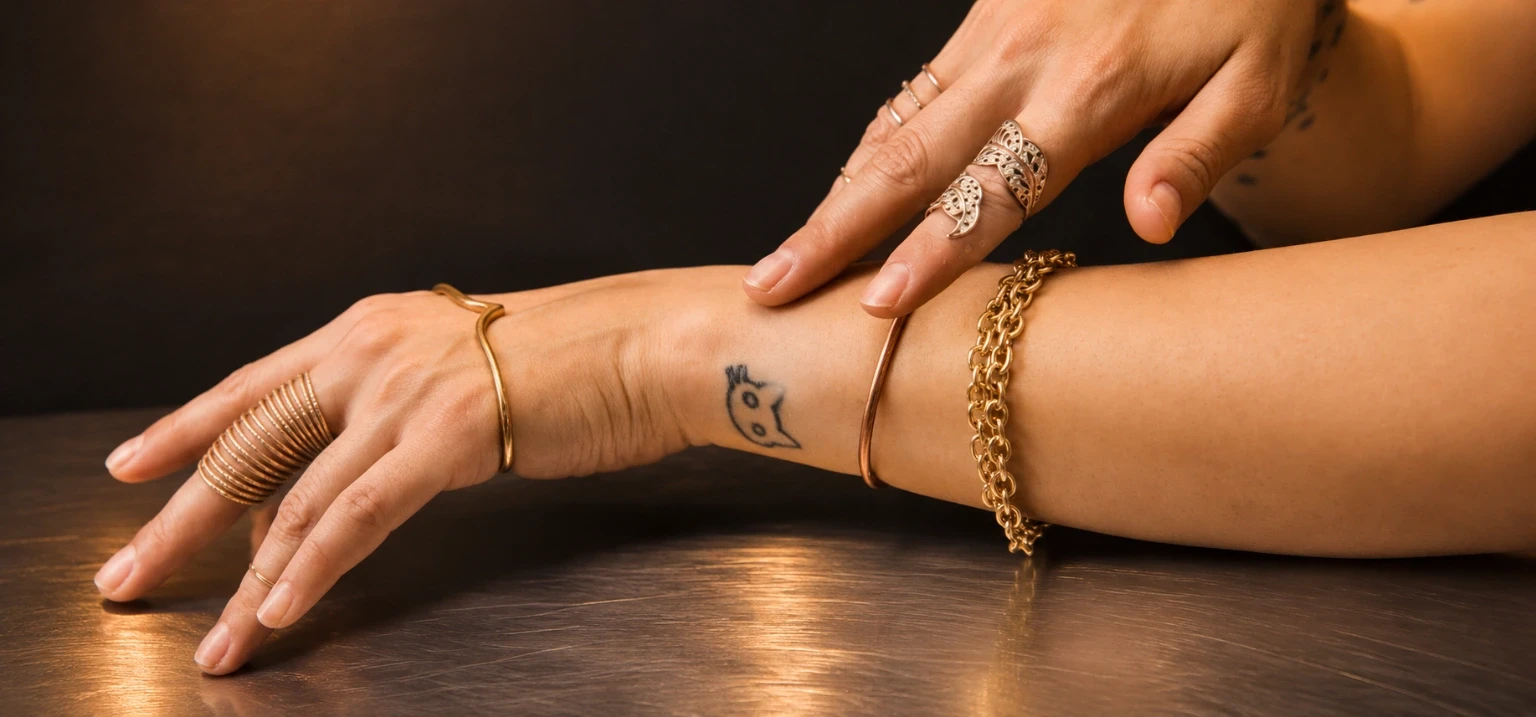
Tattoo blowout is pigment spreading beyond a tattoo's intended border under the skin, often leaving a blurred blue-gray halo around an outline. If your new tattoo looks smudged, the first step is to distinguish tattoo blowout vs normal healing, not to cover the area immediately. This guide explains what causes blowouts, how artists can reduce the risk, and which tattoo blowout fixes a tattoo artist or dermatologist may discuss after healing.
Shop Tattoo Needles Shop Protective Films
QUICK ANSWER
What is a tattoo blowout, and can you fix it?
A tattoo blowout happens when pigment spreads outside the planned outline beneath the skin. The 2010 dermatology report by Khetarpal and colleagues and a 2024 dermatology review link it to tattoo pigment placed too deeply, sometimes reaching subcutaneous fat. A blowout can look like a blue-gray shadow or soft smudge outside a line. Let the tattoo heal, show the result to your artist, and discuss a cover-up or dermatologist-directed laser assessment if the spread remains visible.
WHAT IT IS
A blurred halo beyond the original tattoo boundary, caused by pigment dispersal under the skin.
WHY IT HAPPENS
Excessive depth is the principal mechanism identified by dermatology research; pressure and technique affect risk.
WHAT TO DO
Follow normal aftercare, let the skin heal, consult the tattoo artist, and ask a dermatologist about medical correction.
COMPARE THE LOOK
Tattoo blowout vs normal healing, bruise, thick line, and ink migration
A new tattoo changes appearance while the surface recovers. The American Academy of Dermatology (AAD) describes redness, soreness, clear fluid, flaking, and scab formation as possible parts of healing. By contrast, dermatology literature defines blowout by pigment spreading beyond the line; a 2015 study describes slower pigment movement deeper into the dermis as tattoos age.
| What you are seeing | Typical visual clue | How to approach it |
|---|---|---|
| Tattoo blowout | Blue-gray or dark fuzzy halo outside the intended outline, appearing soon after the tattoo. | Let it heal and ask the tattoo artist to assess persistent spread; discuss dermatology care if correction is desired. |
| Normal fresh-tattoo healing | Redness, soreness, flaking, light crusts, or a changing surface that can make details look temporarily cloudy. | Follow the artist's aftercare instructions and reassess once the skin has recovered. |
| Intentionally thick or uneven line | A wider mark that follows the drawn path rather than forming a separate blurred halo. | Ask the artist to review the design and technical result after healing. |
| Bruise-like discoloration | Discoloration beside fresh work that may visually resemble a blurred mark. | Do not identify it from color alone; have the tattoo artist or clinician evaluate lingering changes. |
| Long-term ink drift or aging | Gradual softening and fading of formerly clearer lines over a long period. | Distinguish this slower process from an early blowout; consult the artist if the older design needs assessment. |
| Possible infection or skin reaction | Increasing pain, spreading or darkening redness, fever, or other concerning symptoms rather than only a cosmetic halo. | See a doctor or board-certified dermatologist promptly, as the AAD advises for infection warning signs. |
A blowout is about pigment location; normal healing is about recovery of the tattooed surface. The two can be difficult to separate early because the fresh skin is also changing. A photograph can help an artist follow the progression, but an image alone should not replace an examination.
WHY PIGMENT SPREADS
What causes tattoo blowouts: depth, pressure, angle, or thin skin?
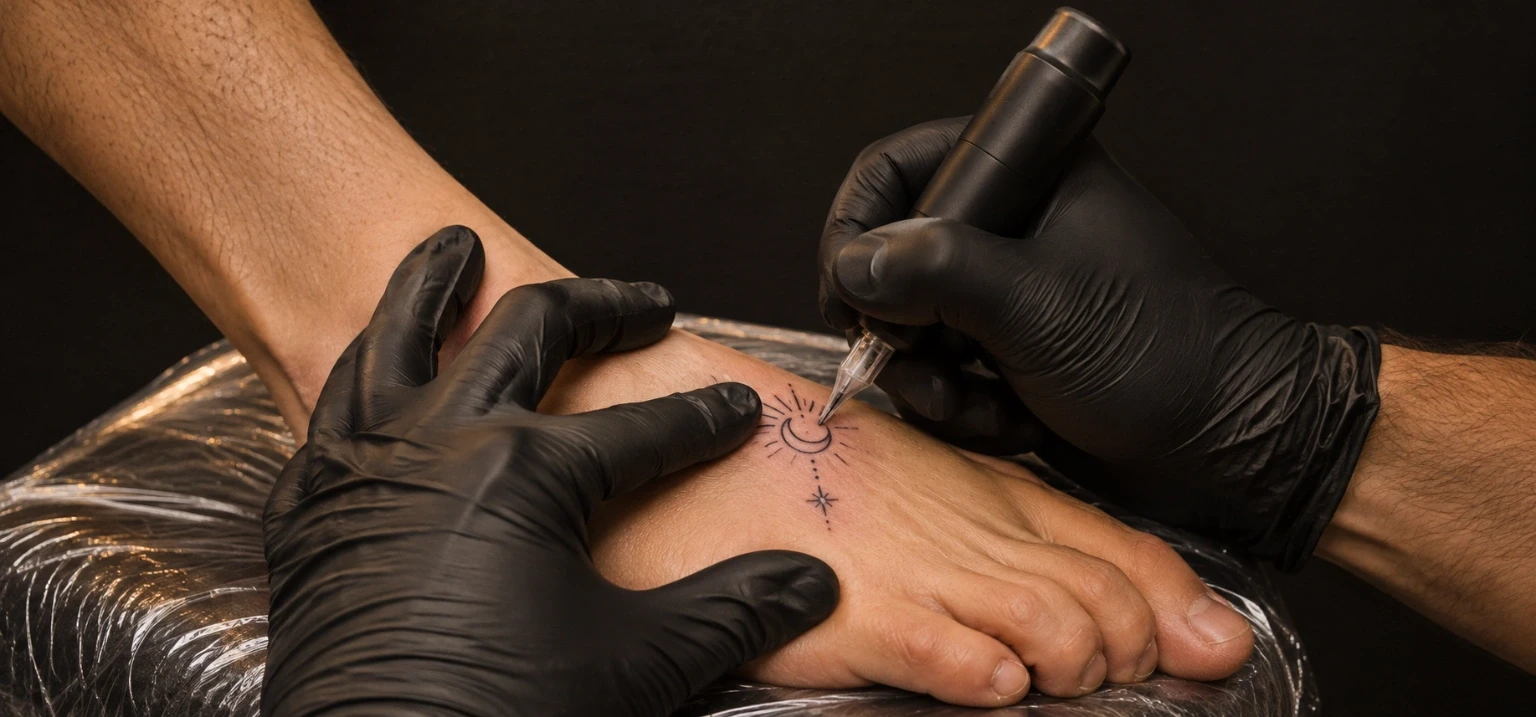
The strongest documented mechanism is pigment being delivered too deeply. Khetarpal and colleagues found tattoo pigment in subcutaneous fat in their case report. FK Irons and Peak Needles likewise warn that excessive needle depth can blur the edge and traumatize the skin. The following factors affect how an artist approaches that risk.
Working too deep
FK Irons describes depth errors as a common cause of blowouts and notes that artists sometimes work too deep out of concern that pigment will not hold.
Excessive hand pressure
Healthline links blowouts to pressing too hard. Peak advises a lighter touch on delicate skin; pressure should not substitute for correct depth control.
Needle angle and skin handling
Angle and stretch are technique checks alongside depth. If the skin is difficult to stabilize, reassess hand position rather than forcing the needle deeper.
Machine and needle setup
Needle hang and machine feel influence how the tip behaves, but FK frames the problem around control of working depth rather than a single voltage number.
Thin or delicate locations
Peak warns that thinner, older, or sun-damaged skin responds quickly to excess force. FK points to hands, feet, and ribs as areas needing shallower handling.
Repeated passes and overworking
Excessive trauma deserves attention, but an overworked tattoo and a blowout are different problems. The documented defining feature of blowout is pigment outside the original border.
It is tempting to assign every problem to the machine. The dermatology sources instead focus on excessive depth, while the professional manufacturer guidance encourages artists to adjust their handling to the tissue and their equipment.
ARTIST WORKFLOW
How do tattoo artists prevent blowouts while lining and shading?
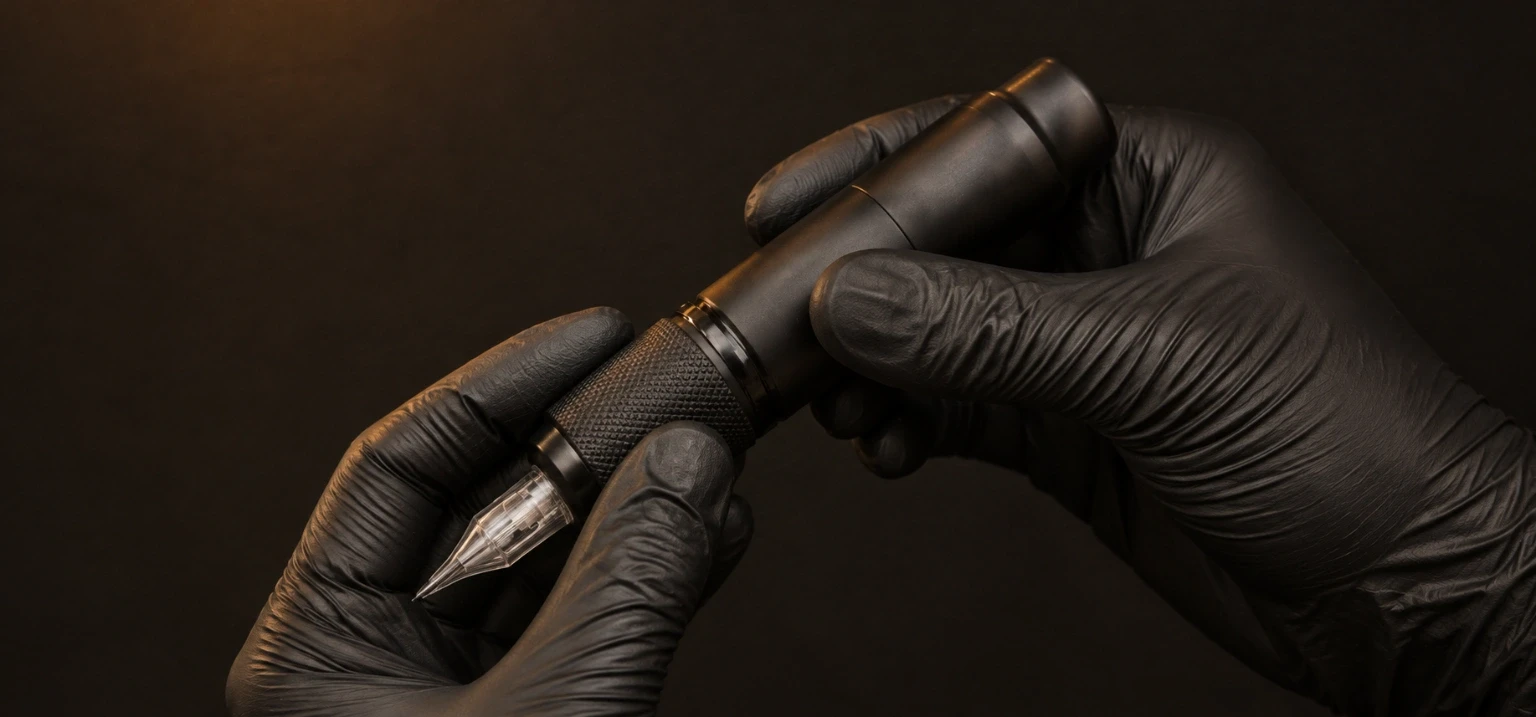
Prevention begins before the first line. The dermatology literature identifies excessive depth as the main mechanism, and FK Irons and Peak Needles emphasize responsive depth control and lighter handling on vulnerable skin. Use a deliberate setup rather than treating extra pressure as a shortcut to saturation.
Evaluate the placement and planned detail
Consider whether the design will cross delicate or bony skin. FK and Peak advise adapting depth and pressure to the area.
Choose a suitable needle and cartridge
Match the grouping to the line or shading task. A sensible setup is easier to control than forcing an unsuitable grouping to achieve the effect.
Set modest hang and verify the tip
FK suggests beginning with less extension than expected and testing on practice skin. Separate protrusion from actual working depth.
Control pressure, stretch, and angle
Maintain a stable surface and deliberate path without bearing down to force pigment into the skin. Reassess when the anatomy changes.
Match machine behavior to the hand
Use manufacturer guidance for your machine and keep stroke and voltage choices consistent with controlled movement rather than chasing more power.
Observe the tissue response
FK advises easing off depth or pressure when the surface remains dented or looks excessively beaten up. Avoid unnecessary repeated passes.
Confirm the setup before client work
Use synthetic skin to compare your handling and changes. Do not make the first major adjustment while tattooing delicate client skin.
SYNTHETIC-SKIN PRACTICE
How should beginners practice avoiding tattoo blowouts?
Synthetic skin is where an apprentice can compare machine settings and needle handling without experimenting on a client. FK Irons recommends testing needle extension and setup on practice skin before tattooing a person. Practice can develop consistency even though synthetic material is not identical to living skin.
Record the starting setup
Write down the machine, needle grouping, stroke, voltage, visible hang, and intended line or shading technique.
Draw controlled outlines
Practice straight paths and curves while watching the tip, keeping hand support steady, and resisting the urge to force a darker result with more pressure.
Compare pressure and needle exposure
Use FK's depth guidance to identify when a setup feels too aggressive. Keep the purpose of each adjustment clear.
Introduce different groupings
Compare liner, round-shader, and curved-mag cartridge control on practice skin, keeping the rest of the setup as consistent as possible.
Change only one variable
Make a controlled adjustment and compare the result before altering something else. The goal is repeatable handling, not a single impressive-looking pass.
For materials and a broader training workflow, see the needle guide and the stencil guide. A clear reference makes it easier to evaluate whether your movement followed the intended line.
IF IT ALREADY HAPPENED
What should you do if a fresh tattoo looks blown out?
Start by allowing the tattoo to heal and getting a professional assessment of the outline. Healthline's medically reviewed guide recommends contacting the original tattoo artist when new lines appear to spread. The AAD notes that normal healing can involve scabs, flaking, and other temporary surface changes, making early cosmetic decisions difficult.
Continue appropriate aftercare
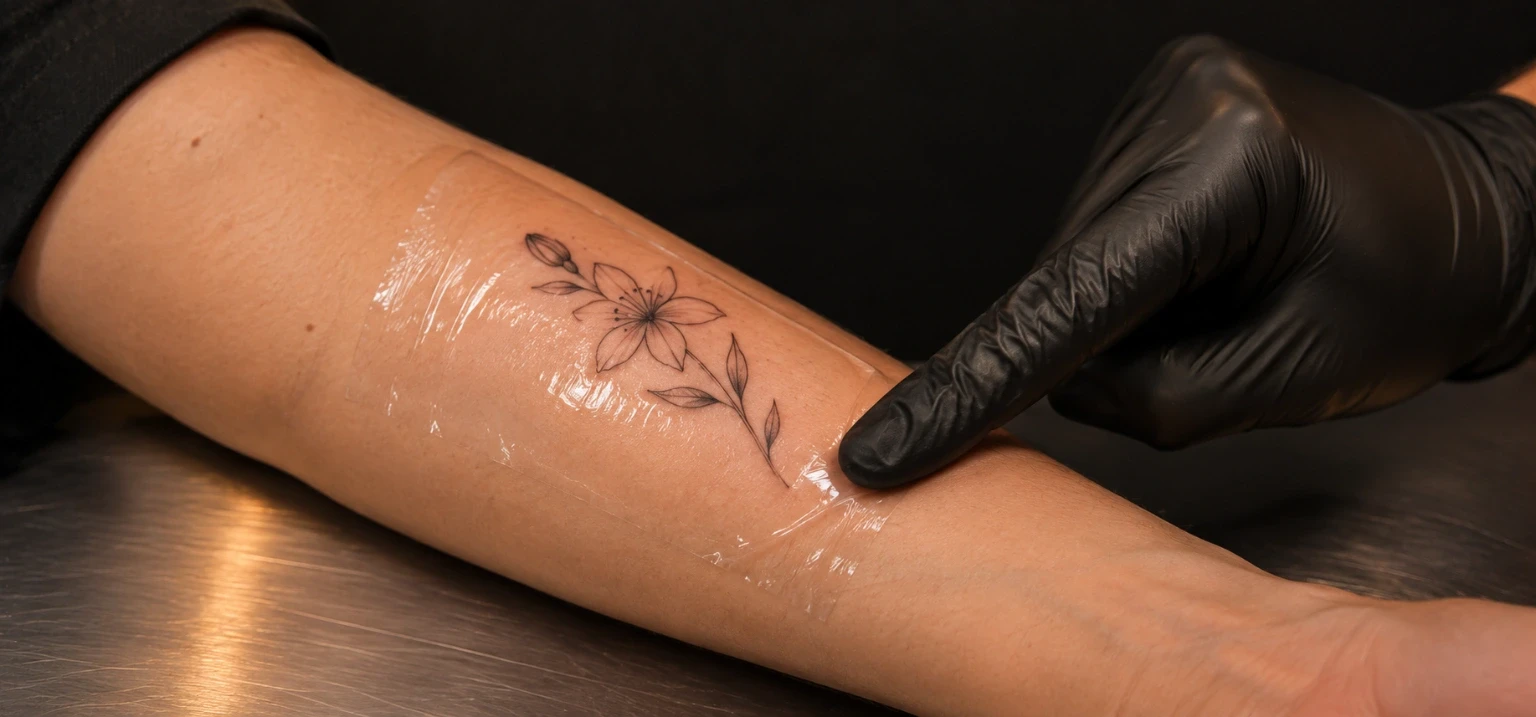
Follow the tattoo artist's instructions while the surface heals. A protective film or moisturizer supports the aftercare workflow; it does not pull dispersed pigment back into the outline.
Show the change to your artist
Explain where the blur appeared and how it has changed. Ask the artist to compare the original design with the healing and healed result.
Wait before adding new tattoo work
Healthline advises allowing healing before a cover-up and describes waiting up to two months for cover-up work after a recent tattoo. The tattoo artist should assess readiness.
Discuss the outcome you want
Would you accept a bolder line, a modified design, or a larger cover-up? If preserving the original design matters, ask a dermatologist about laser options.
Get medical care for medical signs
Worsening pain, spreading or darkening redness, or fever require a doctor or board-certified dermatologist, according to AAD guidance.
Read SVT Shop's tattoo aftercare day-by-day guide for the healing process and second skin vs ointment aftercare for post-session product choices.
REALISTIC CORRECTION OPTIONS
Can a tattoo blowout be fixed with thicker lines, a cover-up, or laser?
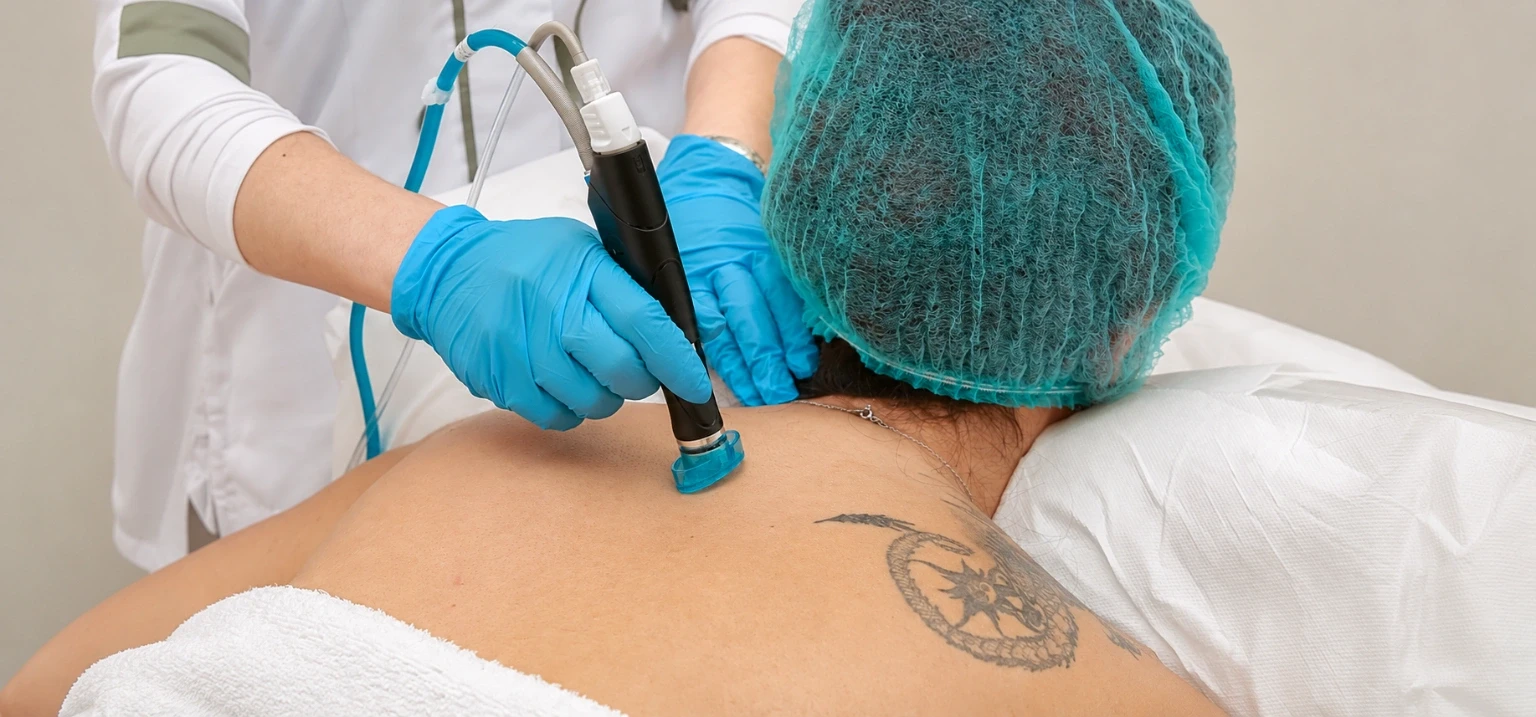
The right correction depends on the healed tattoo and how much of the original design the client wants to retain. Healthline discusses additional tattooing, a cover-up, laser treatment, and surgical removal as different approaches. A documented dermatology case also shows that Q-switched laser treatment can fade pigment outside a tattoo border.
| Option | What it does | Who to consult | Important trade-off |
|---|---|---|---|
| Reworked or bolder line | An artist may incorporate the blurred edge into a heavier outline or changed design. | Experienced tattoo artist after healing. | Changes line weight; does not remove the underlying migrated pigment. |
| Cover-up | Uses additional, sometimes darker or larger tattooing to camouflage the affected area. | Artist experienced in cover-up work. | May alter the intended image substantially; wait for the original tattoo to heal. |
| Q-switched laser | Can reduce the appearance of pigment spread outside the original border. | Dermatologist or appropriate medical laser specialist. | Usually involves multiple treatments; suitability depends on the individual tattoo and skin. |
| Surgical removal | Physically removes tattooed skin rather than camouflaging pigment. | Qualified medical specialist. | Healthline describes it as the most invasive choice and notes scarring and recovery considerations. |
In a Journal of Drugs in Dermatology case report, one patient with pigment spread on the foot received nine sessions of a 1064 nm Q-switched Nd:YAG laser; the pigment beyond the border became barely perceptible. That describes one patient's outcome, not a standard session count. Healthline also discusses five or more sessions as a possible laser course, while medical laser planning is individualized.
Laser correction and complete tattoo removal are different goals
Ask the dermatologist whether the objective is to soften pigment outside the line or remove a larger tattooed area. The number and type of procedures depend on the skin and pigment, so medical evaluation should come before scheduling treatment.
WHEN IT IS NOT ONLY COSMETIC
Is a tattoo blowout an infection, and when should you see a doctor?
A blowout describes the appearance of pigment outside the tattoo outline; it is not itself the same diagnosis as an infection or allergy. The AAD says normal healing may include soreness, redness, clear fluid, flaking, and scabs. It advises prompt medical evaluation when symptoms suggest a complication.
AAD signs that need medical attention
See a doctor or board-certified dermatologist promptly for redness that darkens or spreads, pain that worsens, or fever. Do not dismiss those symptoms as a normal-looking blowout or wait for a cosmetic follow-up.
If the only concern is a healed blurry edge, begin with the tattoo artist. If you are considering laser or surgery, see a dermatologist. If the skin is actively worsening, choose a medical assessment first.
SVT SHOP WORKFLOW
Which cartridges and aftercare products fit a blowout-prevention workflow?
Products do not reverse pigment that has spread under the skin. A sensible artist setup instead focuses on suitable needles for controlled application and materials for normal aftercare. These SVT Shop selections fit those separate stages of the workflow.
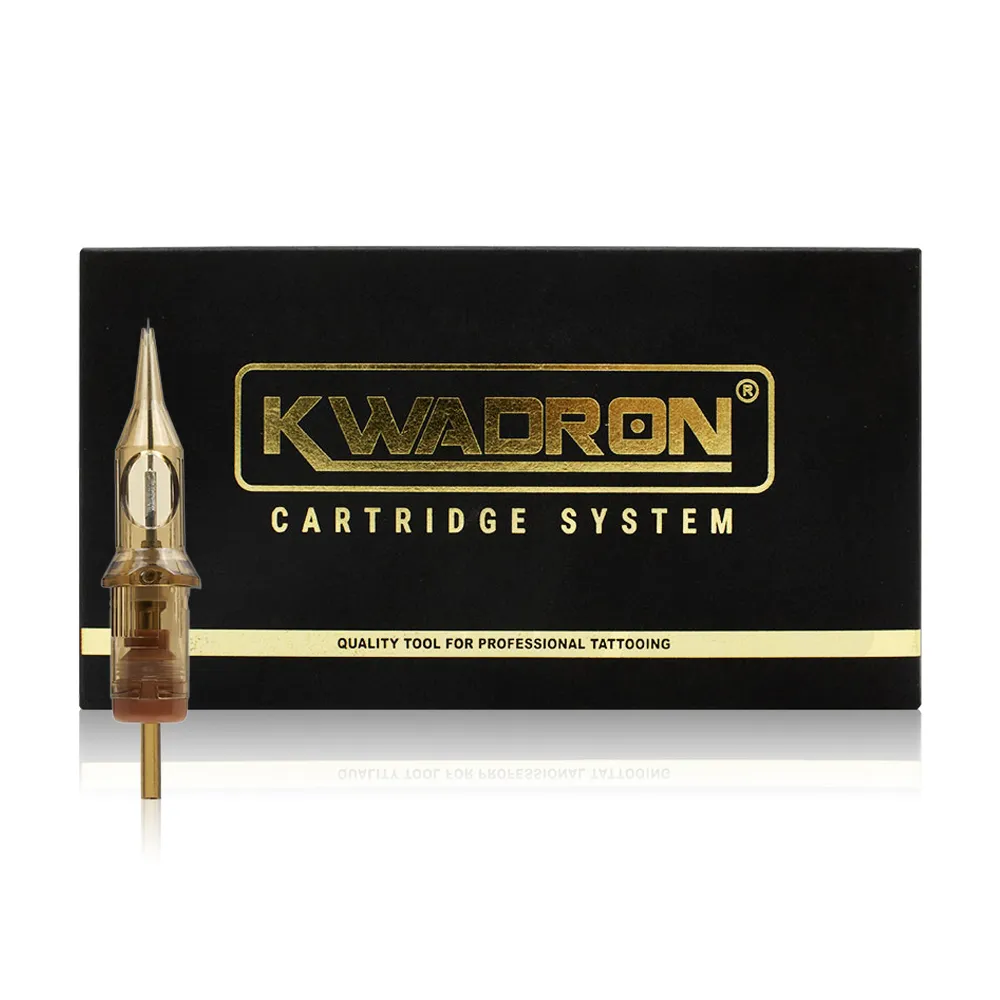 Lining and needle selection
Kwadron Cartridges Liners
Round-liner cartridges for practicing controlled outlines and choosing a suitable grouping. Needle choice supports technique; it does not independently prevent pigment migration.
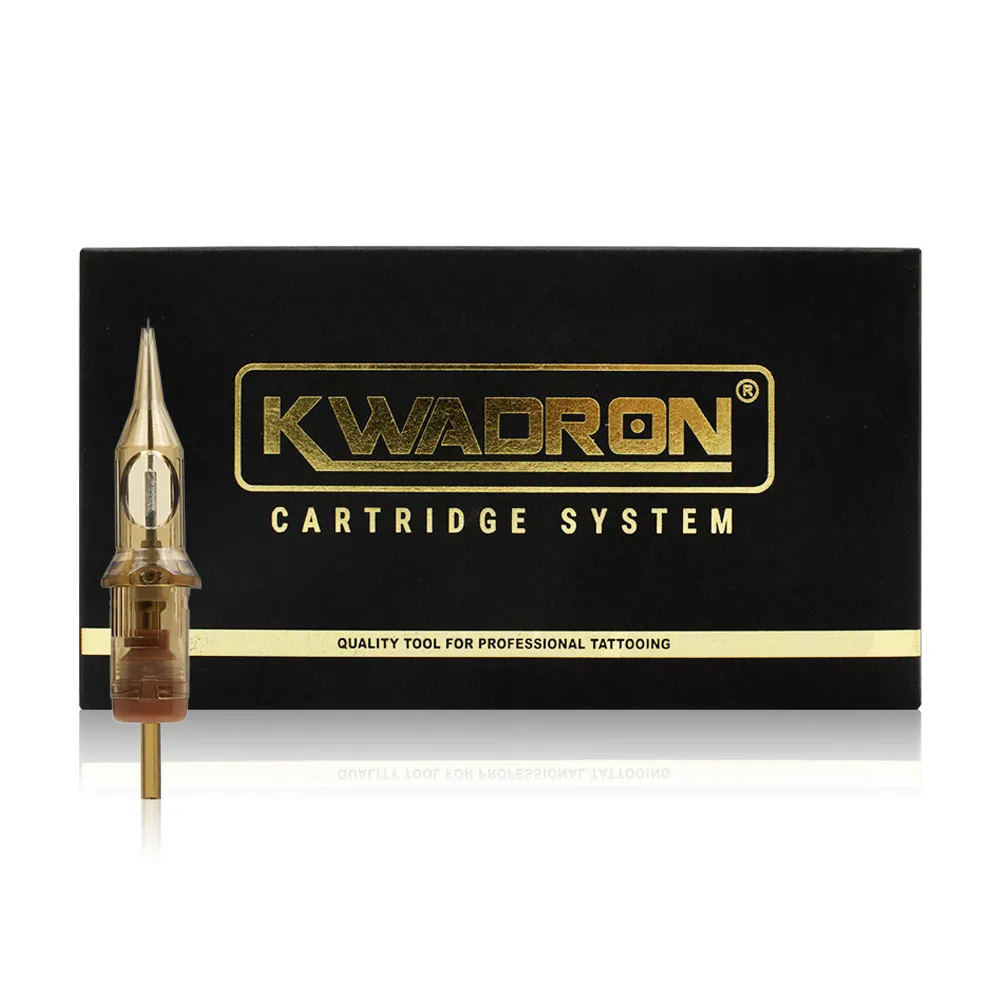 Shading technique practice
Kwadron Cartridges Round Shaders
A round-shader option for comparing handling and pressure across techniques on synthetic skin before tattooing delicate locations.
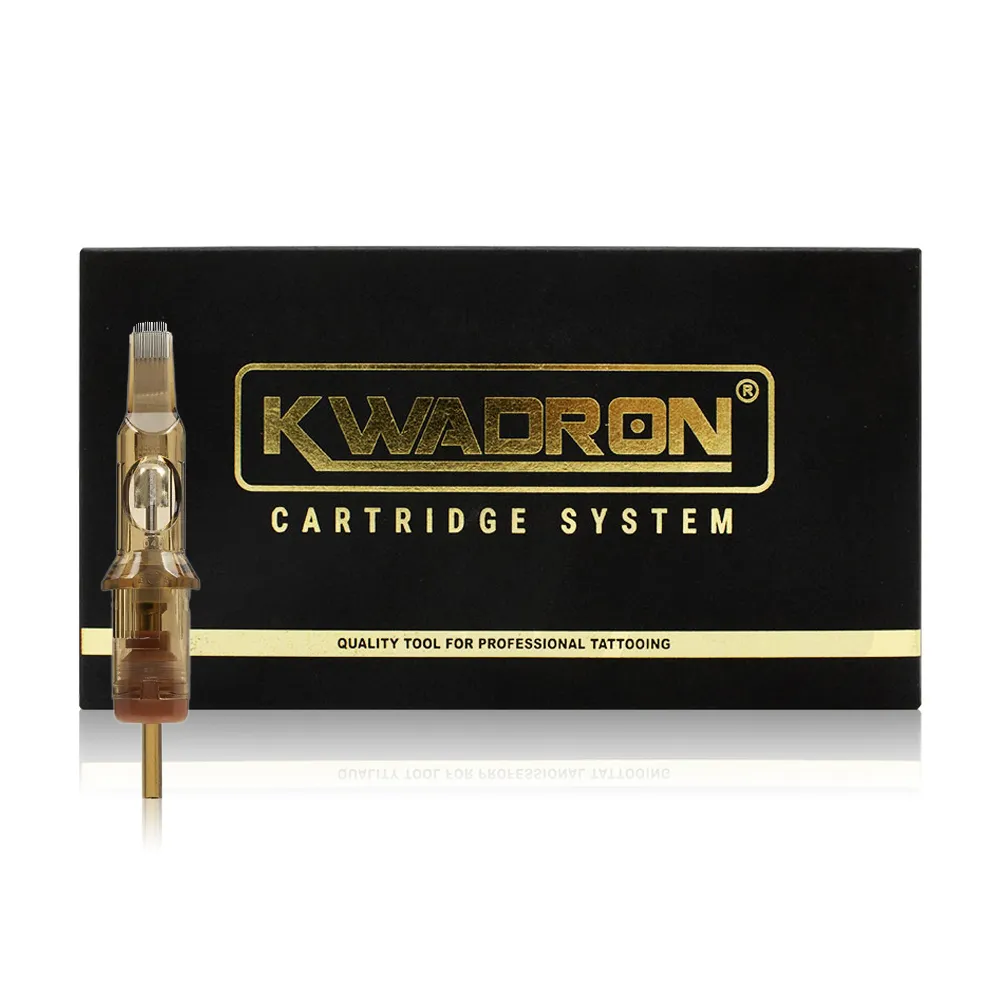 Curved-mag technique practice
Kwadron Cartridges Curved Mags
Curved magnum cartridges for shading and packing workflow. Use practice skin to develop even coverage without relying on excess pressure.
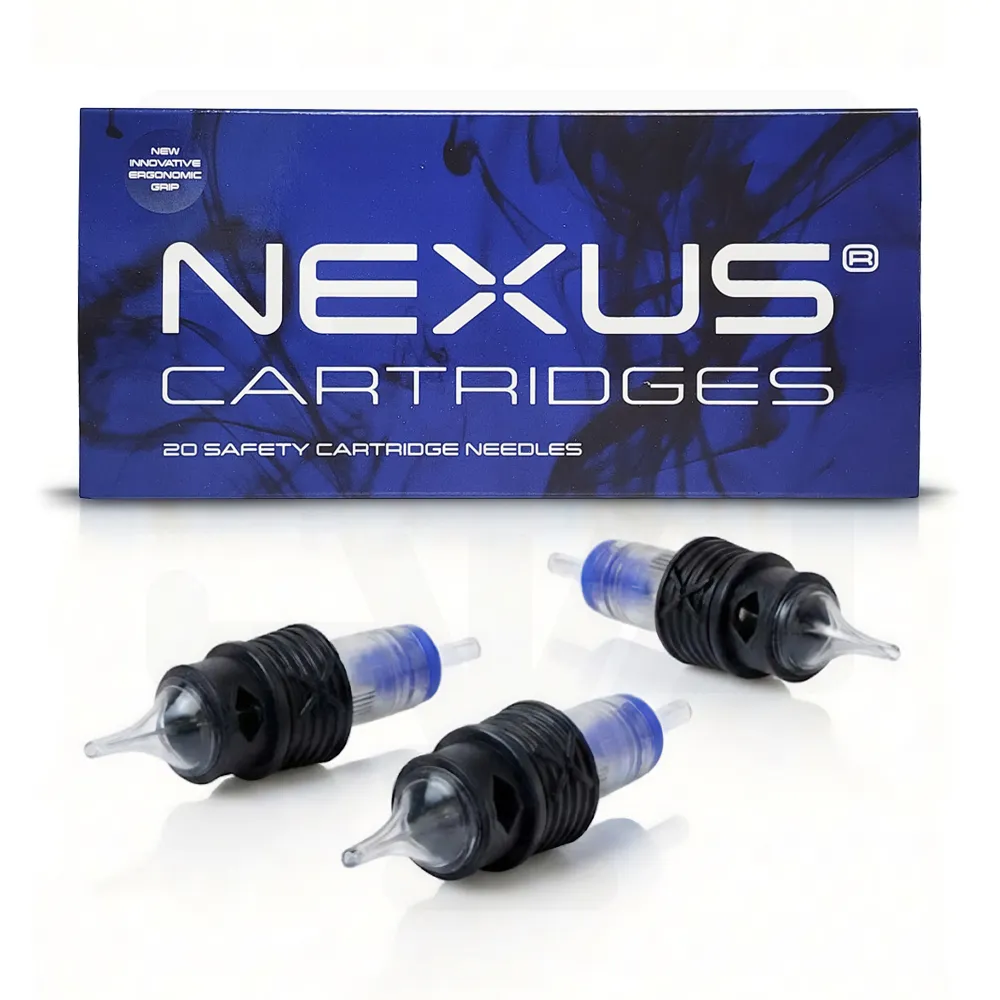 Alternate liner option
Nexus Cartridges Liners
An additional professional liner-cartridge family to evaluate for machine compatibility, desired linework, and controlled handling.
 Post-session protection
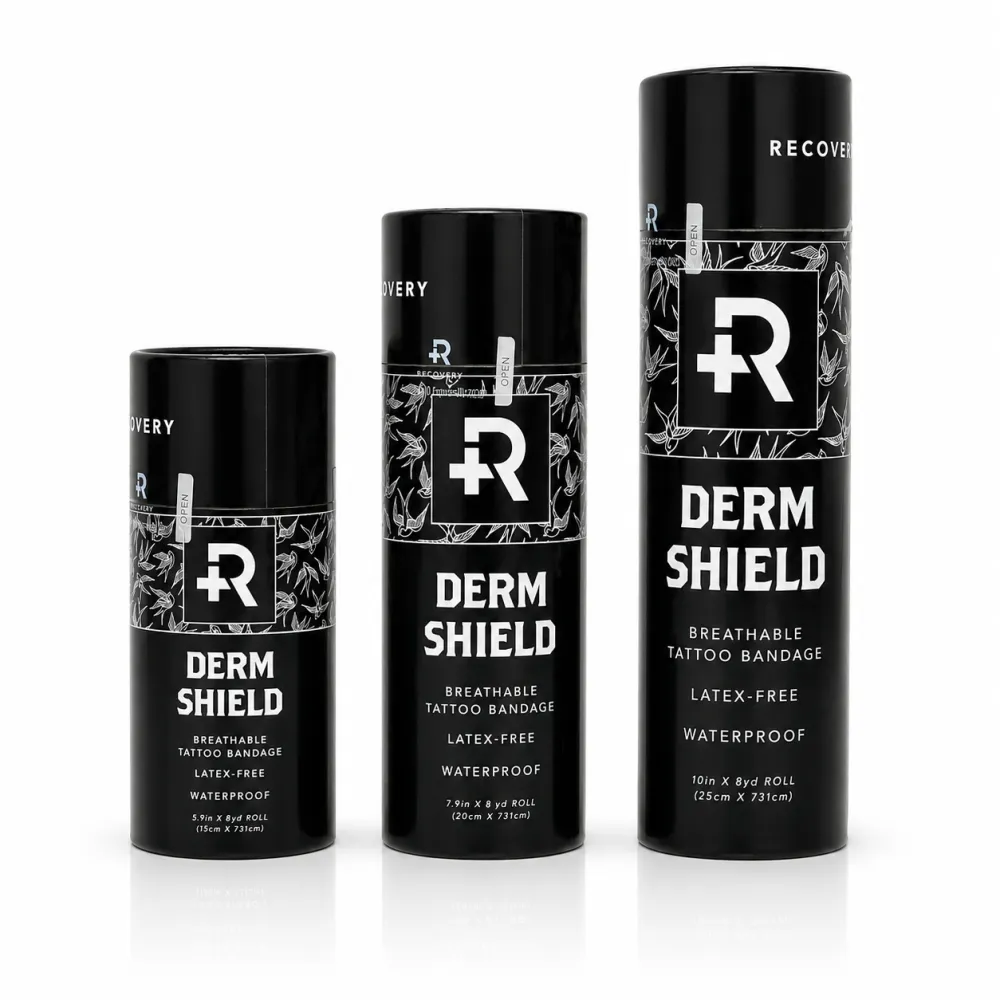
Recovery Derm Shield Tattoo Adhesive Film
Protective adhesive film for an artist-directed tattoo aftercare routine. It supports the healing workflow but cannot correct pigment already spread beneath the outline.
 Aftercare moisturizing
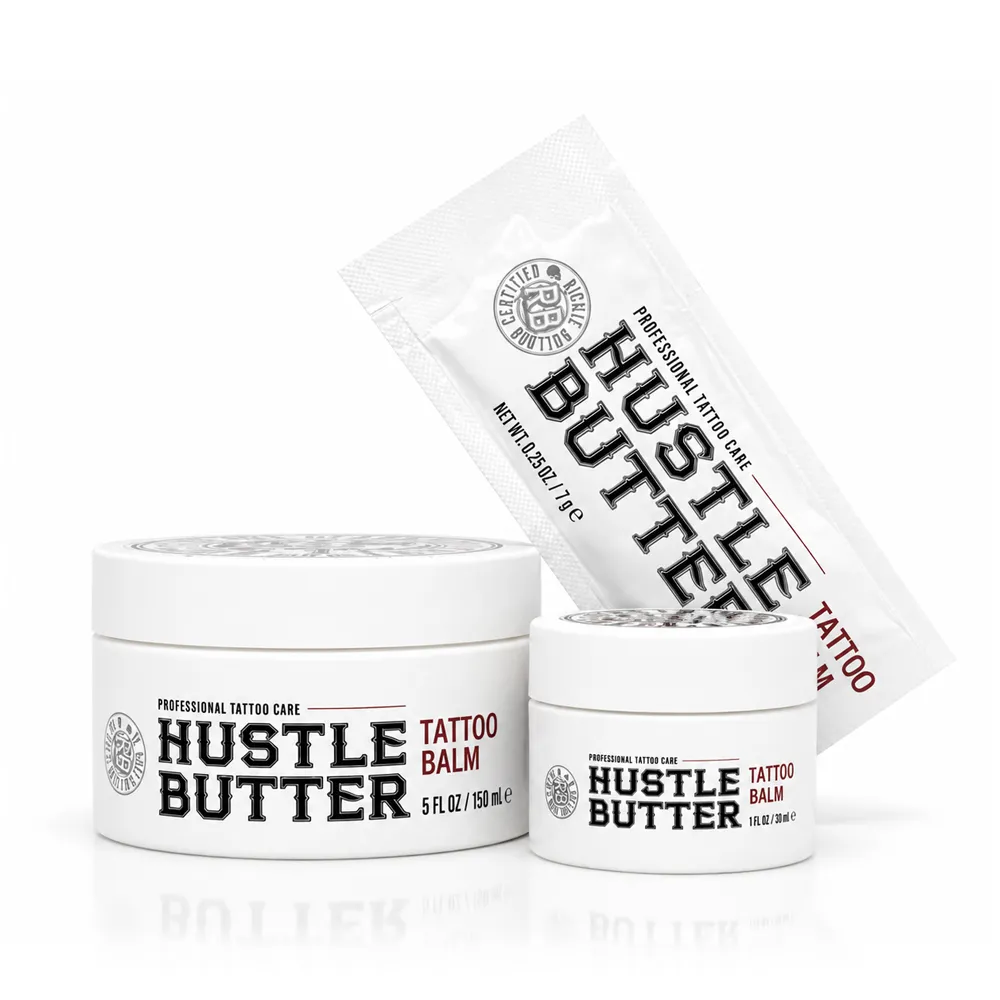
Hustle Butter De Luxe
A moisturizer option to discuss within the artist's aftercare plan. Skin care and blowout correction are different tasks.
Shop Tattoo Needles Shop Tattoo Aftercare Shop Protective Films
FREQUENTLY ASKED QUESTIONS
12 tattoo blowout questions answered
These answers reflect the documented distinction between early pigment spread, normal healing, and longer-term changes, along with the correction approaches discussed by medical and manufacturer sources.
1. What is a tattoo blowout?
A blowout is tattoo pigment spreading outside the original border under the skin. A 2010 dermatology case report links it to overly deep ink placement and found pigment in the dermis and subcutaneous fat. It often appears as a soft blue-gray halo or blurred outline.
2. Is my tattoo blown out or just healing?
Normal healing can involve redness, flaking, scabs, and changing surface appearance, according to the AAD. Blowout refers to pigment extending beyond the intended line. Continue aftercare and ask your tattoo artist to review a persistent blurred border once healed.
3. How long until I know if my tattoo is blown out?
A 2024 dermatology review says spread can appear immediately, while Healthline describes noticing it within several days. Early healing can obscure the final appearance, so let the skin recover and have the artist assess the result rather than judging by a fixed countdown.
4. Does a tattoo blowout go away on its own?
Dispersed pigment can remain visible after the skin heals. The 2010 medical report describes a patient whose spread persisted and was treated with laser. Surface healing changes can settle, but a lasting pigment halo deserves professional assessment.
5. Can a tattoo blowout be fixed?
Healthline describes reworking or covering a tattoo, dermatologist-directed laser, and surgical removal as possible approaches. The best option depends on the healed design and the result you want. Ask your artist before booking correction work.
6. Can laser fix a blowout, and how many sessions does it take?
Q-switched laser has reduced blowout pigment in a published dermatology case. That patient received nine sessions, while Healthline describes five or more sessions as a possible course. A dermatologist determines the plan for the individual tattoo.
7. Can white ink or darker lines cover a tattoo blowout?
Do not rely on white ink as a blowout-removal method. Healthline describes darker or larger tattoo work as a way to camouflage spread. An experienced artist can evaluate bolder lines or a cover-up after healing; the pigment underneath is not physically removed by adding ink.
8. Why do tattoo blowouts happen on fingers, wrists, ankles, or feet?
Thin or delicate skin calls for careful handling. FK Irons points to hands and feet as areas for shallower technique, while Healthline highlights the top of the foot and inner arm. Peak Needles recommends a lighter touch where skin is thin or fragile.
9. What is tattoo blowout vs ink migration over the years?
Blowout usually describes early spread outside the original boundary. A 2015 paper in the Beilstein Journal of Nanotechnology describes slower movement of pigment deeper into the dermis over long periods, which can make an older tattoo look softer and more faded.
10. How do tattoo artists prevent blowouts?
According to FK Irons and Peak Needles, artists should control working depth, avoid excess pressure, adapt to thin skin, and test machine and needle settings on synthetic skin. Depth control matters more than selecting one voltage or a particular cartridge brand.
11. Is a tattoo blowout an infection?
No: blowout describes pigment spread, while infection involves a skin reaction that needs medical evaluation. The AAD says worsening pain, redness that spreads or darkens, and fever are reasons to see a doctor or board-certified dermatologist promptly.
12. Can aftercare mistakes cause a tattoo blowout?
Dermatology sources identify overly deep pigment placement as the principal blowout mechanism during tattooing. Aftercare supports healing but does not change where ink was deposited. Follow your artist's instructions and have persistent blur assessed after the tattoo heals.
RESEARCH
Sources Consulted
The definitions and correction examples come from dermatology research and a medically reviewed patient guide; technical prevention points come from FK Irons and Peak Needles; infection warning signs come from the American Academy of Dermatology.
- Journal of Drugs in Dermatology: Blue Foot, a Tattoo Blow-Out Case Treated with Q-Switched Laser
- Anais Brasileiros de Dermatologia (2024): Tattoo Risks and Complications
- Healthline: Tattoo Blowout Appearance and Treatments, Medically Reviewed
- FK Irons: Tattoo Machine Glossary
- FK Irons: Tattoo Needle Depth, How to Set It Correctly
- Peak Needles: Tattoo Needle Depth Explained
- Beilstein Journal of Nanotechnology: Tattoo Ink Nanoparticles in Skin Tissue and Fibroblasts
- American Academy of Dermatology: Tattoo Skin Reactions