


 Powered by Comercia.io
A professional piercing studio in Texas needs a DSHS studio license, suitable rooms and sinks, sterile instruments, single-use needles, sharps containers and client records. The Association of Professional Piercers (APP) publishes additional membership criteria for rooms, equipment and training; those are not Texas law.
Shop Piercing Needles Shop Sharps Containers
QUICK ANSWER
What equipment and requirements does a piercing studio need to open in Texas?
In Texas, obtain a DSHS piercing studio license and zoning evidence, then prepare suitable workrooms, handwashing, sterile instruments, sharps disposal and client records. APP membership has additional enclosed-room, sink, sterilizer and training criteria.
Licensing & Premises
Check zoning, the studio permit, sinks, lighting and cleanable surfaces.
Procedure Equipment
Stock sterile needles and jewelry, suitable tools, gloves and sharps containers.
Sterilization & Records
Plan processing, indicators, testing, aftercare forms and logs.
LICENSE FIRST
How do you start a piercing business and get a studio license in Texas?
DSHS's Body Piercing Walkthrough says Texas licenses the studio only. Its application requires zoning evidence or proof no zoning is required, a physical location and owner details. The issued license must be displayed publicly.
Under 25 TAC §229.401, covered piercing businesses need licensing; the narrow exemption concerns ear-piercing-only operations. Some cities have stricter rules, so confirm zoning and permits before signing a lease. For the full state rules, see Texas Body Piercing Laws: Studio License, Minors and Records; the tattoo-side version is How to Open a Tattoo Shop in Texas.
Licensing contact
Confirm fees, renewal, the inspection process and individual-piercer questions with DSHS at 512-834-6600.
REQUIREMENT COMPARISON
Which piercing studio setup rules are Texas law, and which are APP membership criteria?
Texas 25 TAC Chapter 229 regulates covered studios. APP membership has separate, often more detailed criteria. Use both columns to plan a studio, but do not present APP membership rules as Texas law.
| Setup decision | Texas Chapter 229 | APP membership criteria |
|---|---|---|
| Piercing area | Permanent nondwelling space; nonporous, cleanable surfaces | Completely enclosed, separate piercing room, with walls, ceiling and door |
| Sterilization space | Separate room or area, away from workstations, with restricted client access | Separate enclosed sterilization room for reprocessing used implements |
| Handwashing sink | Unobstructed access, appropriate running water, germicidal soap and drying provision | Employee-only sink accessible to piercers; not in restroom or processing room |
| Cleaning equipment | Enzyme-detergent manual cleaning or manufacturer-directed ultrasonic before sterilizing | At least one ultrasonic or instrument washer for dirty tools |
| Autoclave and tests | FDA-approved sterilization equipment where used; approved-lab spore test every calendar month | Medical-grade autoclave; third-party spore test at least monthly |
| Training | Aseptic-technique competency and adopted OSHA bloodborne-pathogens duties | Current CPR/First Aid and annually renewed bloodborne-pathogens training |
Document which standard informs each feature. APP membership is a professional designation, not a substitute for the DSHS permit.
FLOOR PLAN & WORKFLOW
What rooms and zones does a professional piercing studio need?
Texas §229.404 requires a permanent nondwelling location with no access to living quarters. Its sterilization area must be separate from workstations with restricted client access.
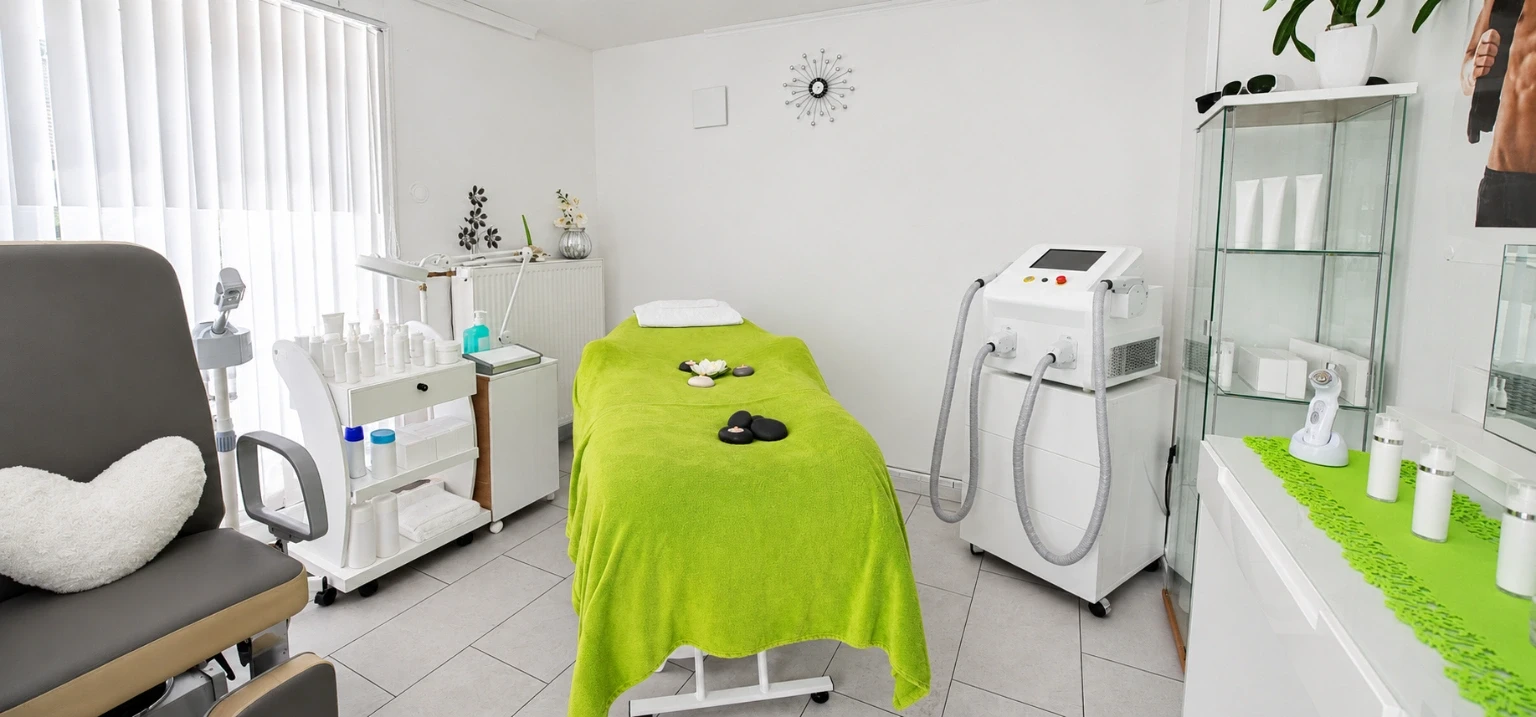
For APP membership, the piercing room needs walls, ceiling and door; the guidance describes walls at least 8 feet tall. Used-tool processing requires a separate enclosed sterilization room. No tattooing, hair styling or retail takes place in the piercing room.
Plan these functions before buying furniture
- Client intake and records away from used tools
- Piercing room with handwashing access
- Clean supply and sterile jewelry storage
- Used-tool collection and cleaning location
- Restricted sterilization space and waste collection
SINKS & ROOM FINISHES
What sink, surfaces, lighting, and ventilation does a Texas piercing studio need?
Texas §229.404 requires unobstructed handwashing access, hot/cold or tempered running water, germicidal soap, approved hand drying and covered refuse. Work surfaces must be hard, smooth, nonporous and sanitized with germicide.
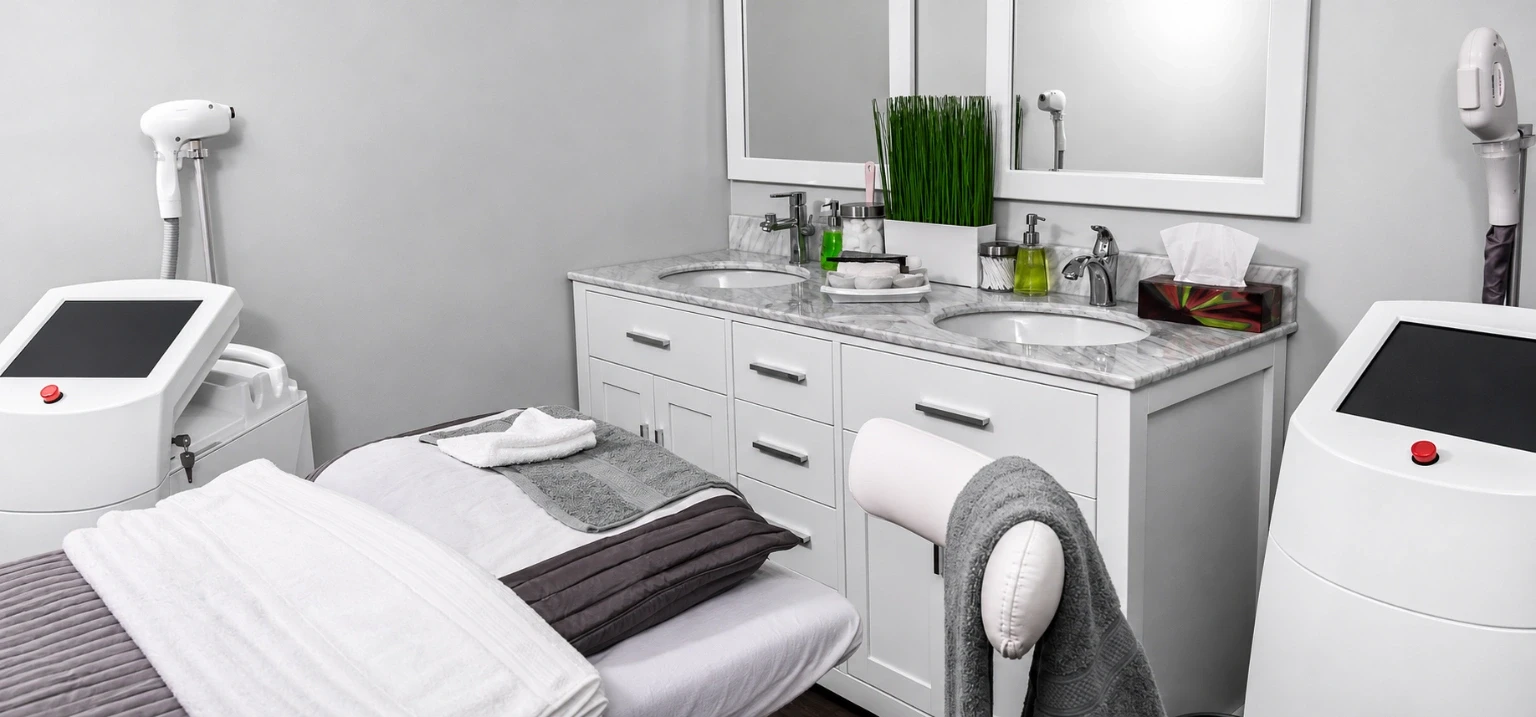
Texas also requires at least 50 foot-candles of light in piercing and sterilization areas and mechanical ventilation. APP membership calls for an employee-only sink outside the restroom or processing room, with hot/cold water, soap and a covered single-handed towel dispenser.
Finish materials matter
APP membership also calls for nonporous, easily disinfected piercing-room floors.
PROCEDURE STATION
What equipment and supplies belong at each professional piercing station?
Texas requires single-use gloves during assembly and piercing, single-use needles, appropriate jewelry and sharps disposal. APP membership recommends securely mounted sharps containers and protected sterile stock.
- Needles: Sterile, single-use; matched to the planned procedure.
- Tools: Disposable forceps or correctly reprocessed reusable implements.
- Jewelry: Suitable, sterile items selected by the piercer.
- Gloves: Single-use exam- or surgical-labeled.
- Disposables: Cups, swabs and other one-use items.
- Barriers: Covers and germicidal surface cleaning.
- Waste: Sharps and covered refuse containers.
See Piercing Gun vs Needle and Threadless vs Internally Threaded Jewelry for method and hardware context. For gauges and needle types, see Piercing Needle Sizes and Gauges; for glove choice, see Best Gloves for Tattooing.
PROCESSING EQUIPMENT
Does a piercing studio need an autoclave, an ultrasonic cleaner, and a separate sterilization room?
Texas §229.409 requires covered reusable instruments to be sterilized after use or discarded. Section 229.407 governs sterilizers, indicators, spore testing and records; match the equipment plan to the studio's instrument choices.
APP membership requires a medical-grade autoclave and an ultrasonic or instrument washer. APP also calls for an enclosed processing room and rejects pressure cookers and top-loading autoclaves. Texas permits enzyme manual cleaning or ultrasonic cleaning.
Choose the processing route before ordering machinery
APP membership criteria are not blanket Texas mandates. Check an all-disposable or manufacturer-sterilized plan with DSHS at 512-834-6600.
For the full cleaning, packaging and autoclave routine, see How to Sterilize Piercing Jewelry and Tools and Autoclave for a Tattoo Shop.
STERILIZATION MONITORING
How often must a Texas piercing studio spore test its autoclave and keep records?
Texas §229.407 requires monthly spore tests by an approved laboratory, indicators and dated, initialed packages. Keep sterilization records at the studio for at least two years. APP membership also requires third-party tests at least monthly.
Record the date, instrument type and quantity, and operator. Keep laboratory results and the sterilizer manual accessible.
SHARPS & WASTE
How should a piercing studio handle used needles, disposable forceps, and waste?
Texas §229.409(e) makes piercing needles and razors single-use; dispose of them in a closable, puncture-resistant, leak-proof biohazard-labeled sharps container. OSHA also regulates contaminated sharps for covered employers.
APP membership favors wall-mounted sharps containers, lidded biohazard-marked trays for used implements and enclosed sterile storage apart from nonsterile items. SVT Shop's piercing forceps are disposable.
For local disposal procedures under Texas §229.411, contact DSHS at 512-834-6600. For container pickup and disposal, see How to Dispose of Tattoo Needles; after an accidental stick, follow Needlestick Injury in a Tattoo or Piercing Studio: What to Do.
INITIAL PIERCING JEWELRY
What jewelry materials and styles should a new piercing studio stock?
Texas §229.402 lists implant-grade stainless steel (at least 316L/316LVM), solid 14k/18k gold, niobium, titanium, platinum and specified low-porosity plastic. Jewelry must be properly sterilized. Confirm material and choose anatomy-appropriate pieces professionally.
APP membership requests recent invoices showing a variety of initial-piercing jewelry. Organize stock by material, size and connection, not appearance alone.
About SVT Shop's sterilized titanium jewelry
Suitable for new piercings because it comes sterilized, but the client's trusted piercer decides. Check the particular package.
Compare Sterilized Titanium Jewelry, Body Jewelry Sizes and Ring Styles.
INTAKE & CLIENT FILES
What consent forms, client records, aftercare, and infection reports must the studio prepare?
Texas §229.406(j) requires client records for at least two years after the last entry: contact and ID details, date, piercing location, jewelry identification when available, piercer, care acknowledgment and signature.
Texas requires verbal and written risk disclosures and oral and written aftercare. Under §229.410, report infections or allergic reactions in writing within five working days. Confirm the current consent process for clients under 18 with DSHS.
Documents to have ready
- Client identity, procedure and consent forms
- Minor consent procedure verified with DSHS
- Written risks and care instructions
- Jewelry and piercer details in client record
- Infection and allergic-reaction reporting
- Sterilization logs and results, when applicable
Use Piercing Aftercare: Saline and Healing Times as a handout reference. Direct suspected infections or reactions to a healthcare practitioner.
STAFF COMPETENCY
What bloodborne-pathogens, first-aid, and CPR training does a piercing studio need?
Texas requires education and experience in aseptic technique. OSHA 1910.1030, adopted by DSHS, requires annual bloodborne-pathogens training and hepatitis B vaccination availability for covered employees with occupational exposure.
APP membership additionally requires current CPR/First Aid and annual bloodborne-pathogens certificate renewal, regardless of the printed expiration.
Individual piercer licensing
DSHS says Texas licenses the studio only. Ask 512-834-6600 about individual requirements.
For OSHA training and the exposure control plan, see Bloodborne Pathogens Certification for Tattoo Artists.
APP MEMBERSHIP PLANNING
How do you prepare a piercing studio and its staff for APP membership?
APP membership is separate from DSHS licensing. Its current criteria request room and sink details, sterilizer documentation, training credentials, forms and jewelry sourcing evidence.
- Rooms: Enclosed piercing room and separate used-tool processing room.
- Sink: Employee-only handwashing as APP describes.
- Equipment: Medical-grade autoclave, cleaning unit and test results.
- Credentials: CPR/First Aid and annual bloodborne-pathogens renewal.
- Forms: Piercing, insertion, minor consent and aftercare.
- Jewelry: Invoices within the last 90 days.
- Business: License and requested records, including insurance if available.
APP's Picking Your Piercer guide describes sterile packaged supplies or cassette processing and a separate sterilization area.
OPENING SEQUENCE
What order should you set up a piercing shop before the first appointment?
Start with licensing, then plan the rooms and processing route before ordering furniture. Rehearse a full appointment when the station and paperwork are ready.
Confirm the premises and application path
Confirm the proposed services, zoning and DSHS license application.
Draw the piercing and processing layout
Locate piercing, handwashing, storage and tool processing.
Choose the instrument strategy
Decide disposable versus reusable instruments and equipment needs.
Specify fixtures and equipment
Check sink, room finishes, lighting and ventilation.
Order supplies and establish logs
Order supplies and prepare sterilization and client records.
Train staff and rehearse a procedure
Rehearse intake, sterile setup, procedure, disposal and filing.
AVOIDABLE SETUP ERRORS
What mistakes should you avoid when opening or equipping a piercing studio?
Avoid treating membership guidelines as state law or buying equipment before you know the room and instrument workflow.
Assuming APP membership is the Texas license
DSHS licensing and APP membership are separate.
Signing a lease before zoning checks
DSHS requires zoning evidence; some cities are stricter.
Planning only one shared wash sink
Texas sink access and APP's employee-only sink differ.
Treating the ultrasonic as the sterilizer
Ultrasonic cleaning does not replace sterilization.
Reprocessing disposable forceps or used needles
Discard disposable forceps and used needles.
Buying jewelry by appearance alone
Check jewelry material, size and sterile preparation.
Opening without records or written aftercare
Texas requires records, disclosures and aftercare.
SHOP THE STUDIO SUPPLY LIST
Which piercing needles, forceps, jewelry, gloves, and cleanup supplies can you shop at SVT Shop?
Shop by task: sterile needles and jewelry, disposable forceps, pouches, gloves, sharps disposal, barriers, cleaning and aftercare. Check package labeling against your studio's procedure.
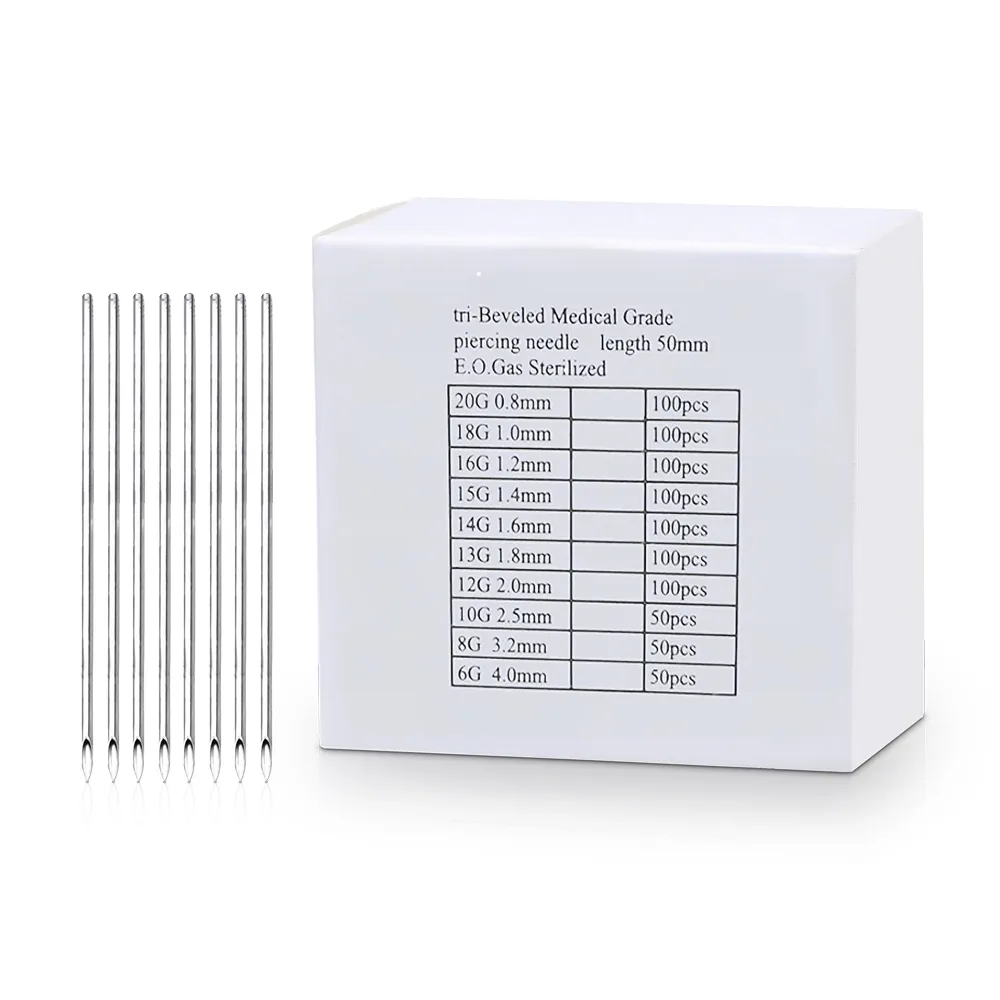 Single-Use Piercing Needles
Tri-Beveled Piercing Needles
Sterile single-use needle option; verify gauge and packaging.
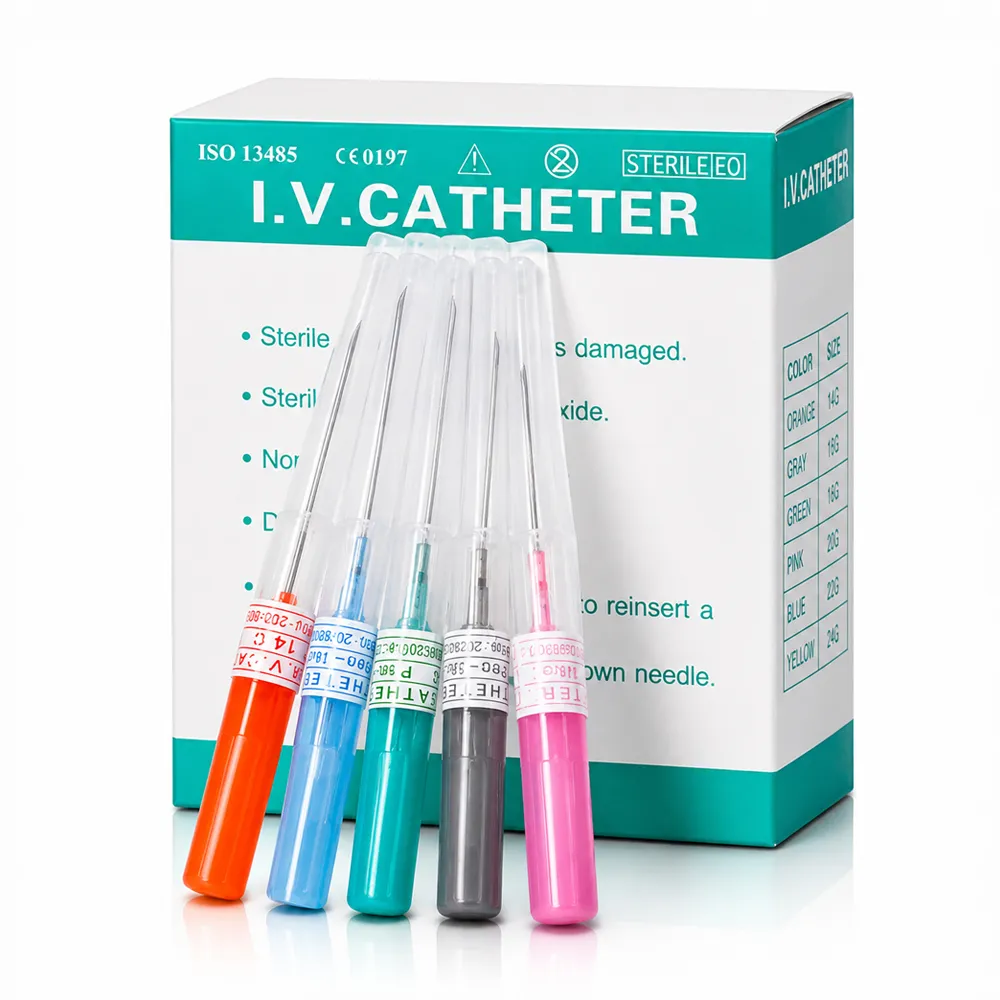 Catheter Needle Option
I. V. Catheter Piercing Needles 50Pcs
Catheter needle option for a single-use setup.
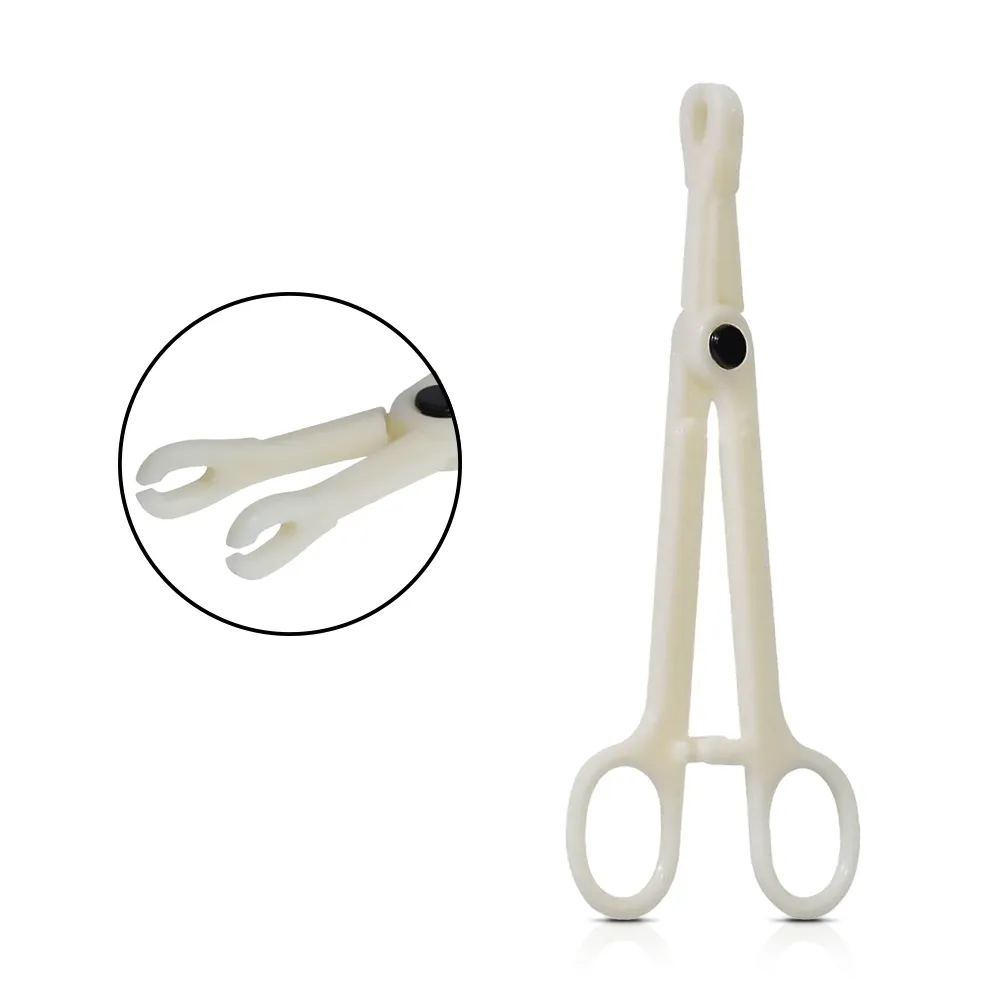 Disposable Piercing Forceps
Disposable Piercing Forcep Round
Single-use round forceps; do not reprocess.
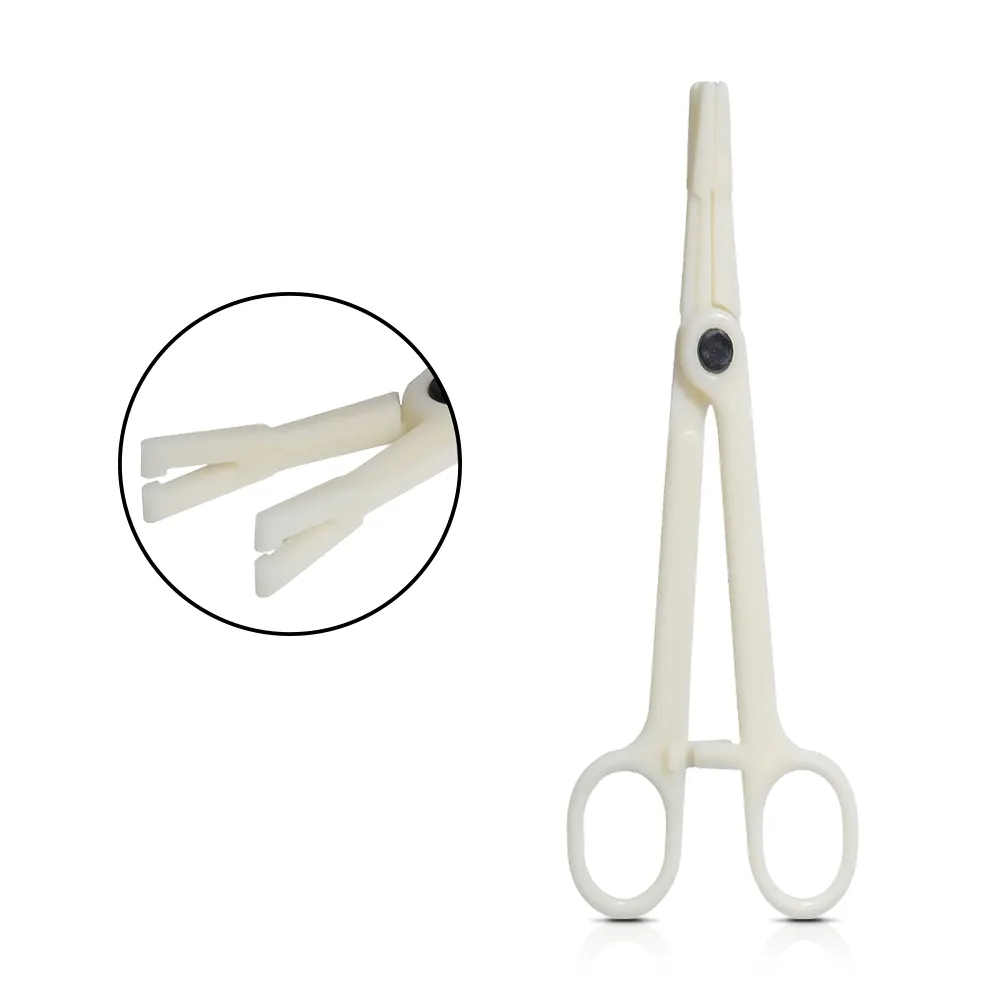 Disposable Piercing Forceps
Disposable Piercing Forcep Triangle
Single-use triangle forceps for trained use.
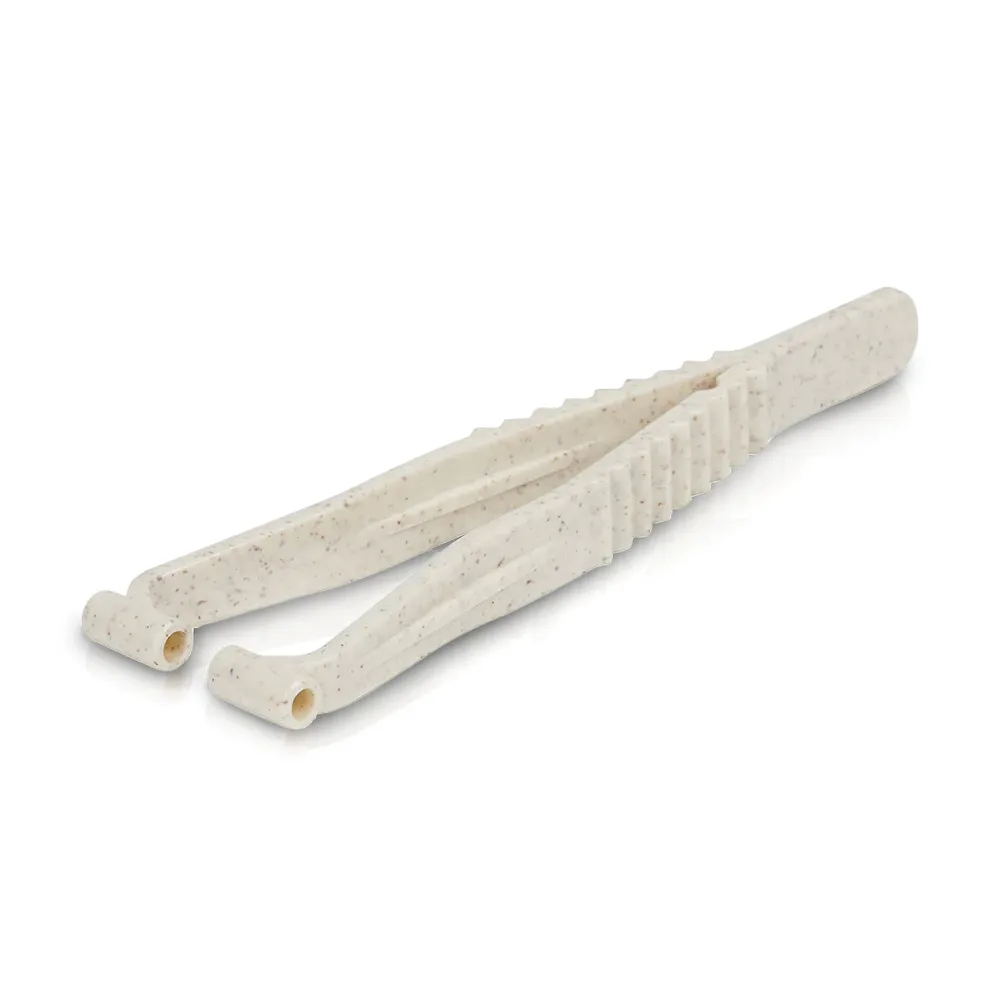 Septum-Specific Instrument
Saferly Biodegradable Septum Forceps
Disposable septum forceps option.
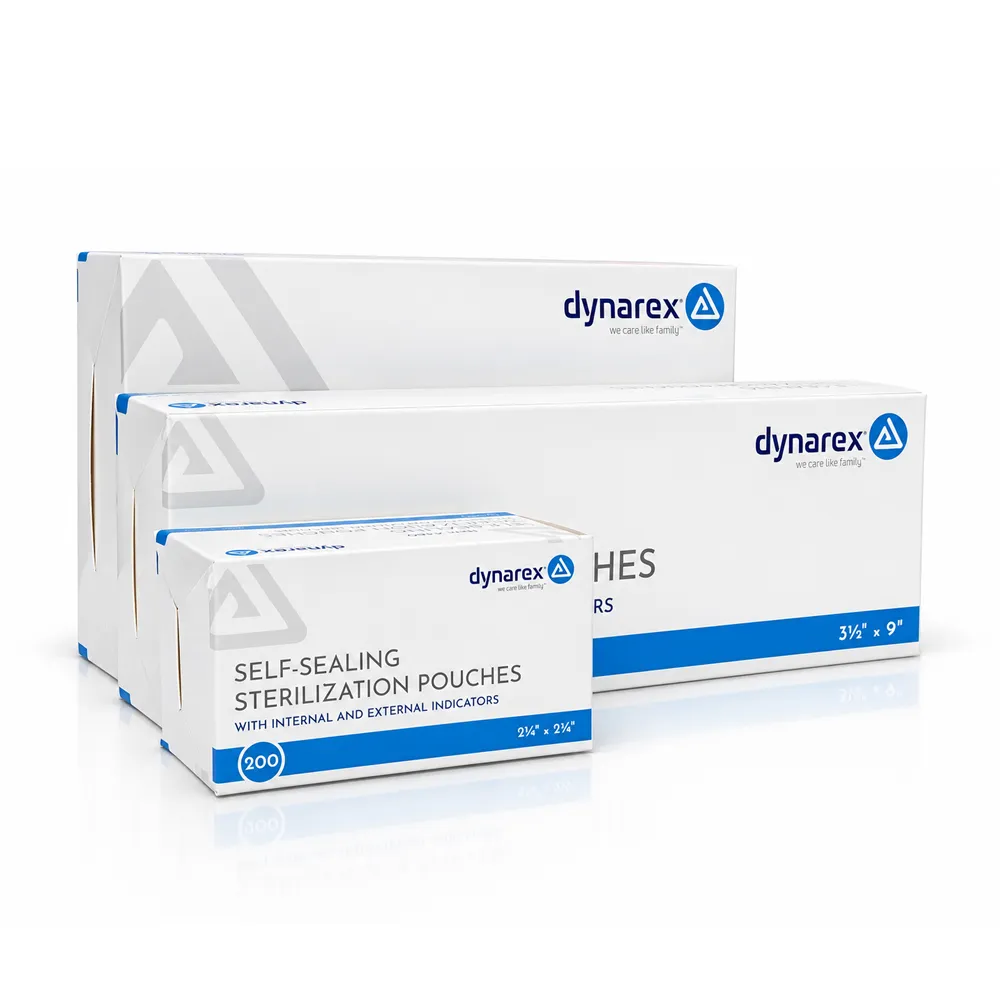 Wrapped Sterilization Supply
Dynarex Sterilization Pouches 200 ct
Pouches for wrapped loads; date and initial.
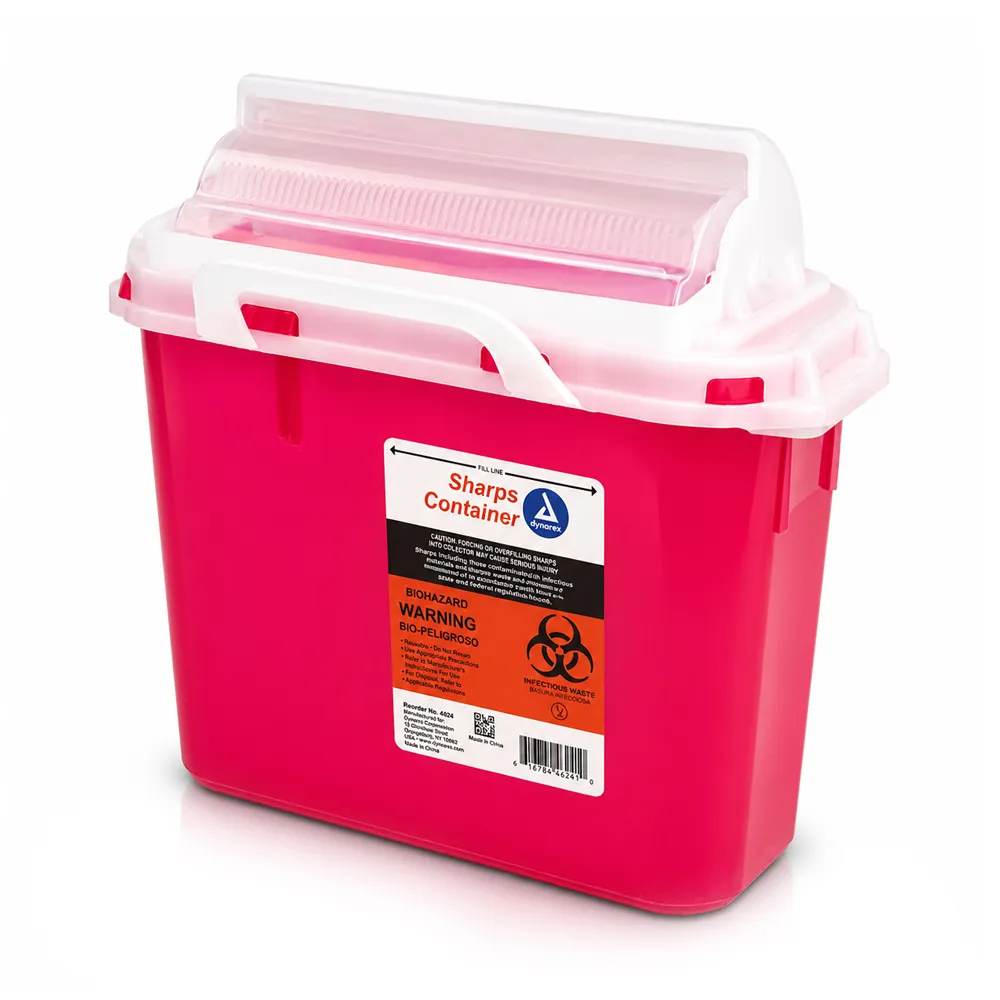 Sharps Disposal
Dynarex Sharps Container 5.4 Qt.
Container for prompt disposal of used needles.
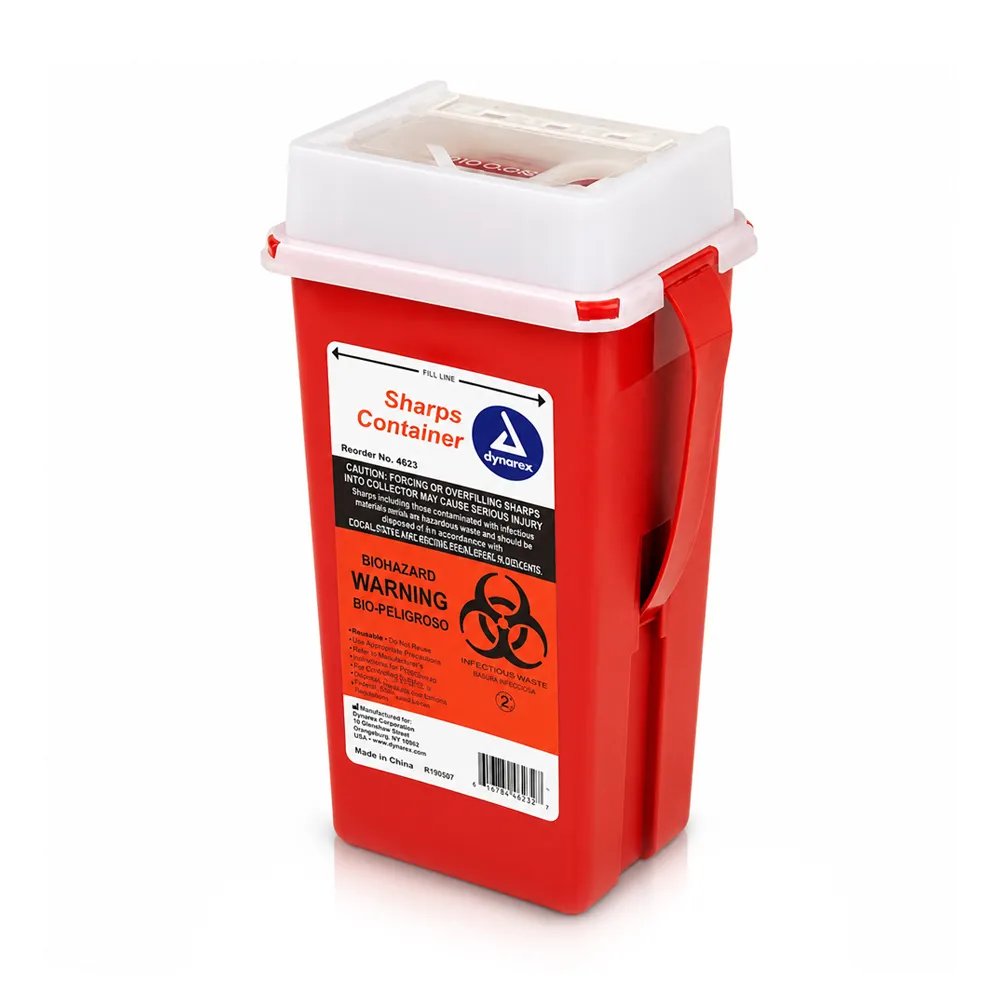 Compact Sharps Disposal
Dynarex Sharps Container 2 Qt.
Compact sharps container for the station.
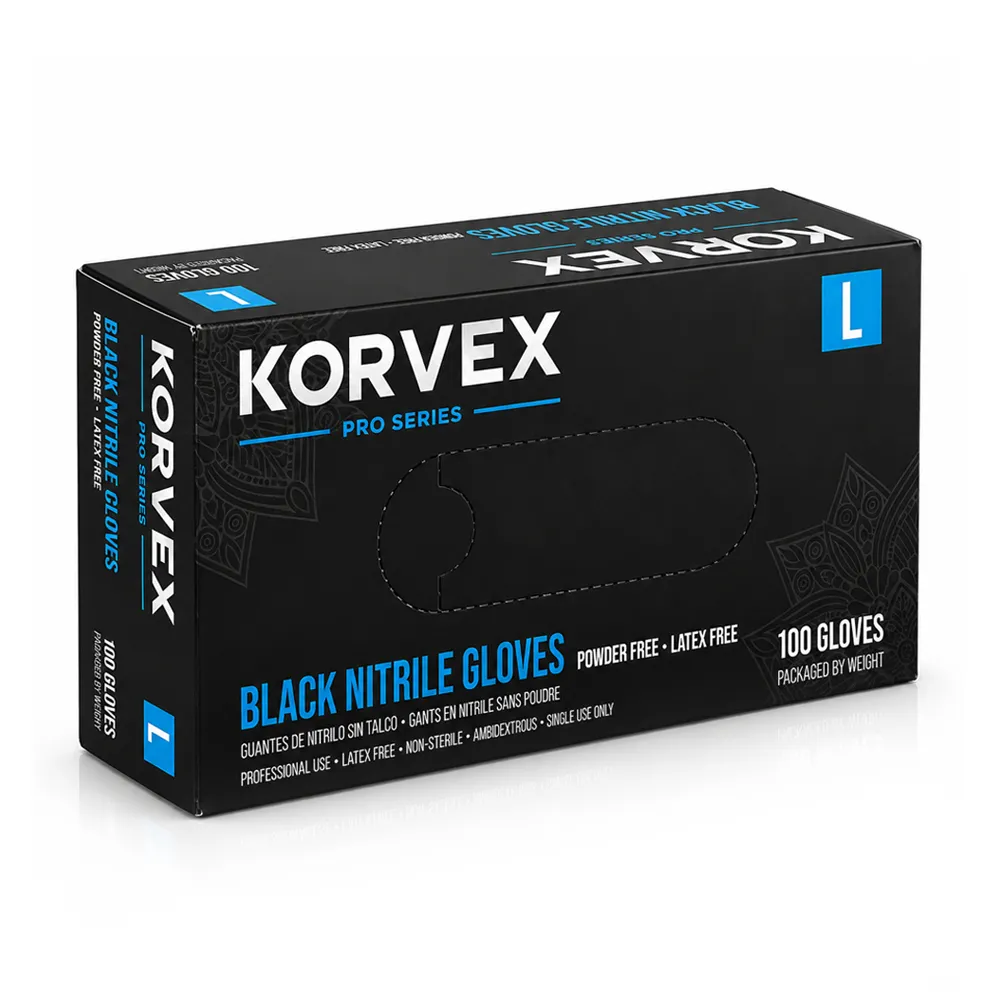 Nitrile Gloves
KORVEX Black Nitrile Gloves
Check carton for exam or surgical labeling.
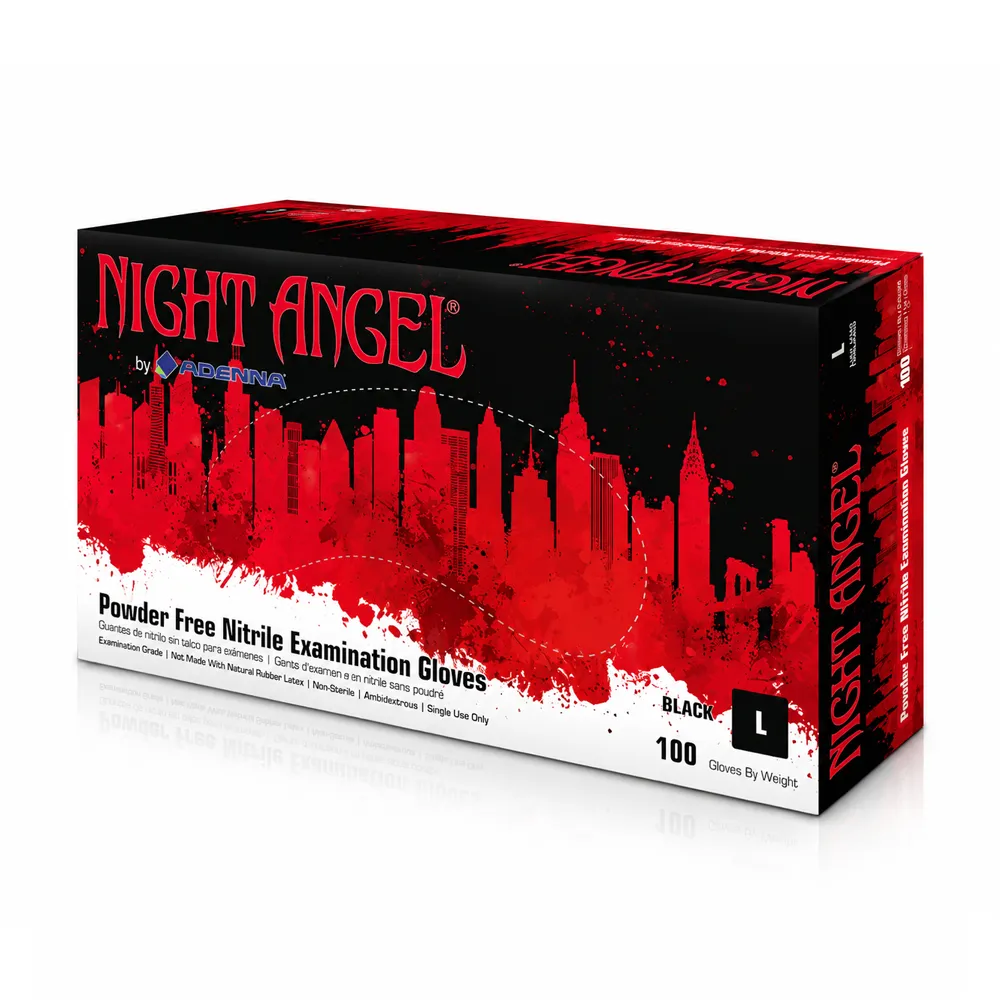 Examination Gloves
Adenna Night Angel Black Nitrile Exam Gloves
Single-use nitrile examination gloves.
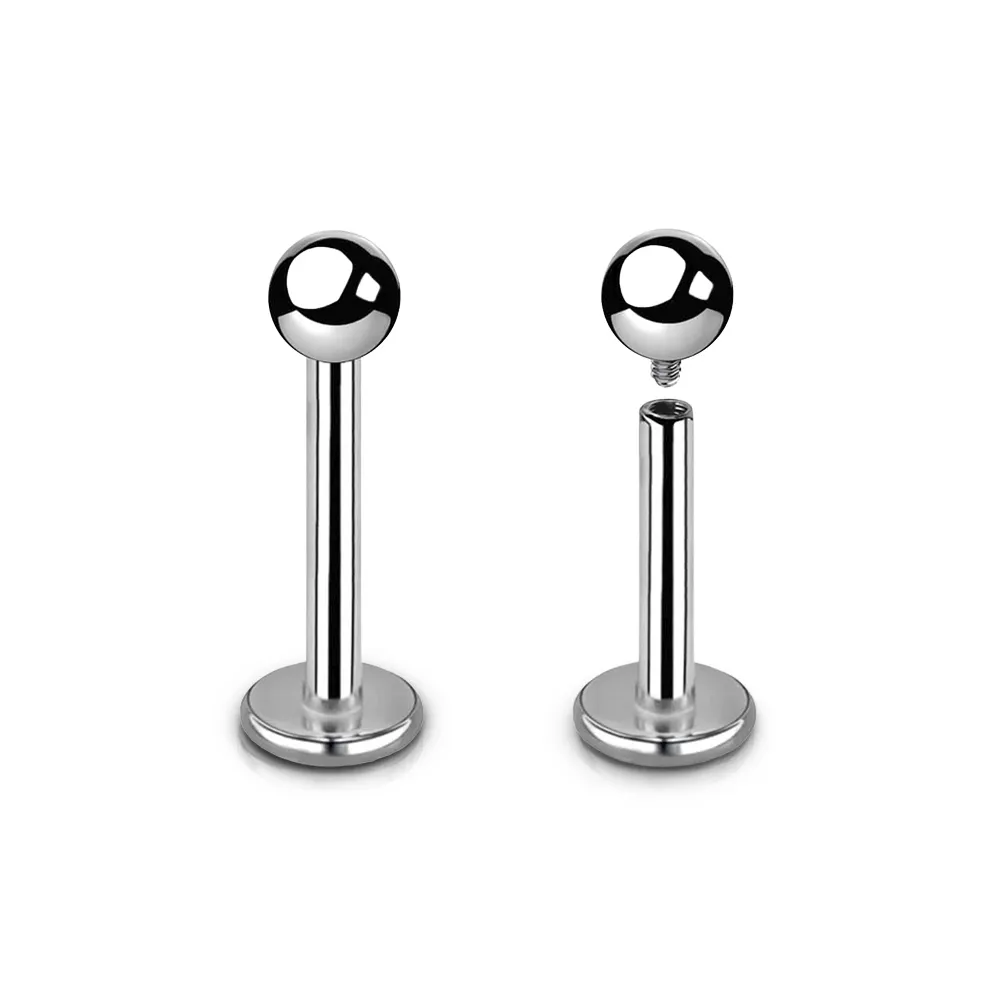 Sterilized Titanium Jewelry
Sterilized Titanium Internally Threaded Labret 1.2mm
Suitable for new piercings because it comes sterilized, but the client's trusted piercer decides.
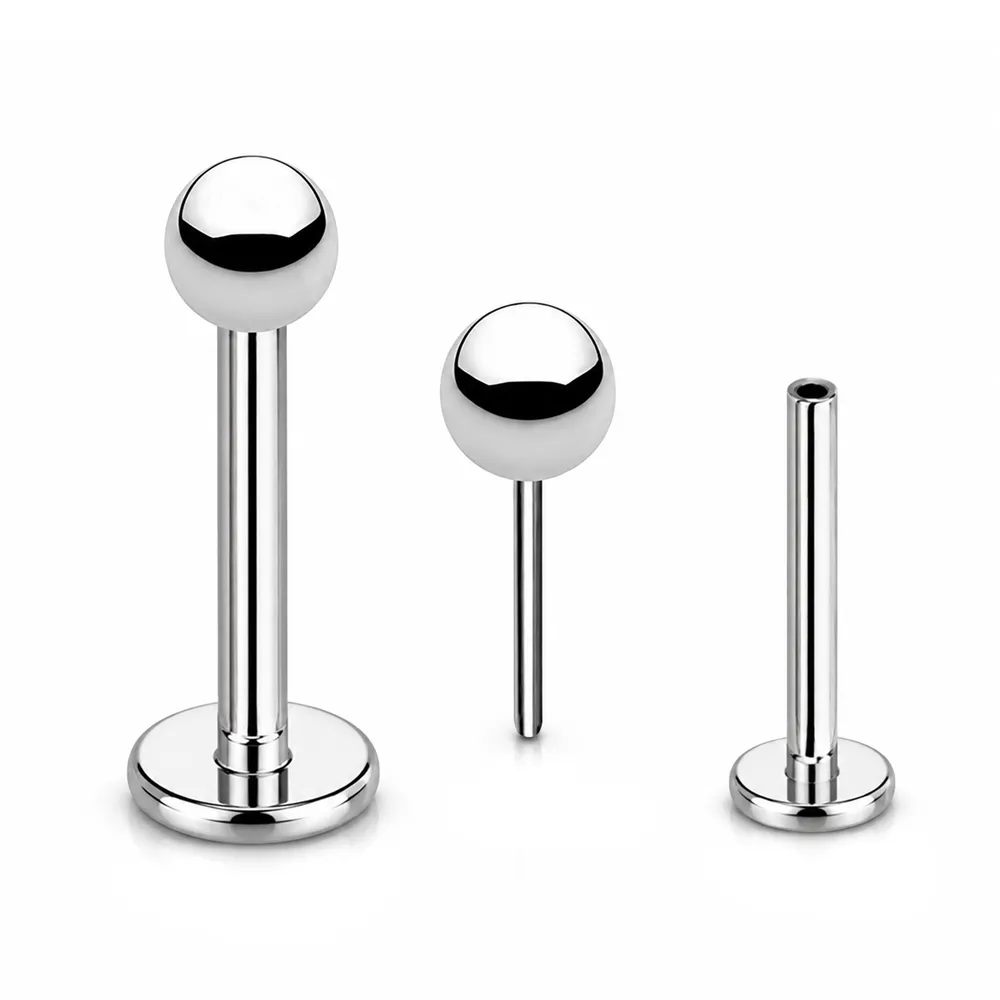 Sterilized Threadless Jewelry
Sterilized Titanium Push In Labret 1.2mm (16G)
Suitable for new piercings because it comes sterilized, but the client's trusted piercer decides.
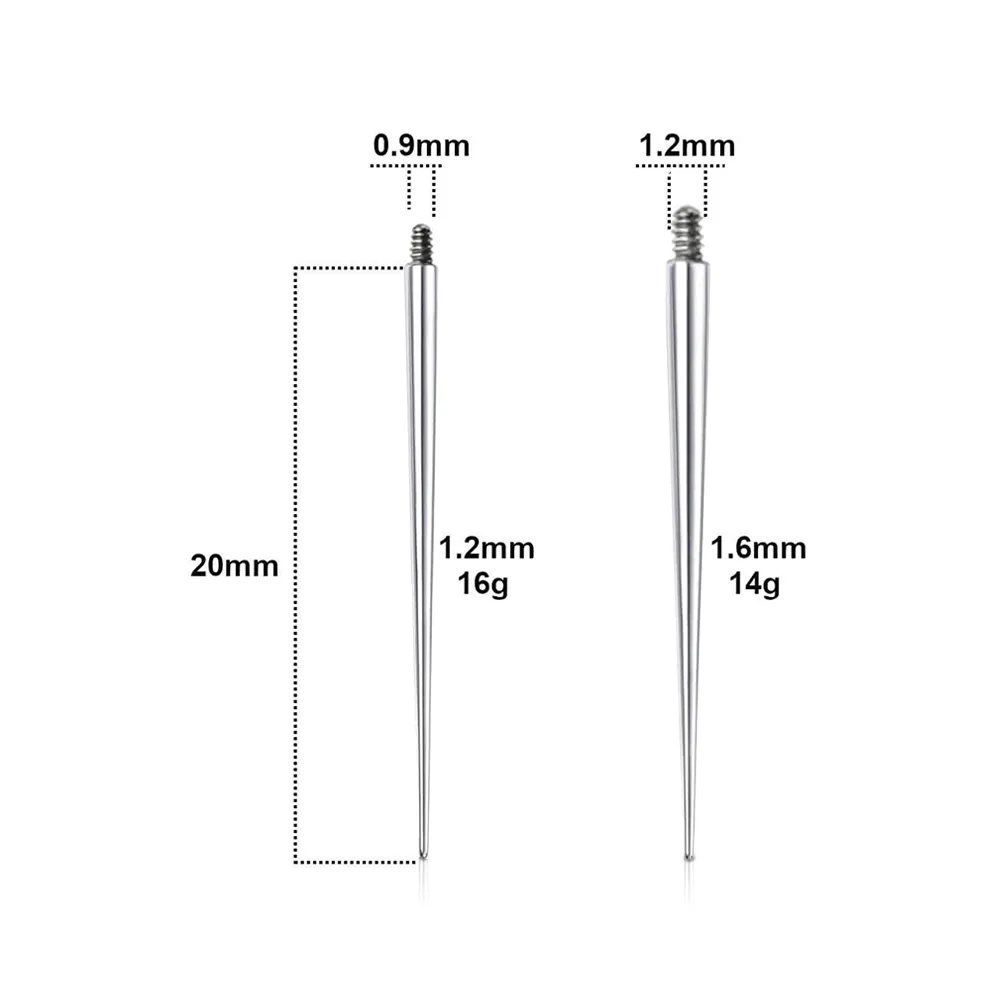 Jewelry Insertion Tool
Sterilized Insertion Pin for Internally Threaded Body Jewelry
Sterilized insertion tool for compatible jewelry.
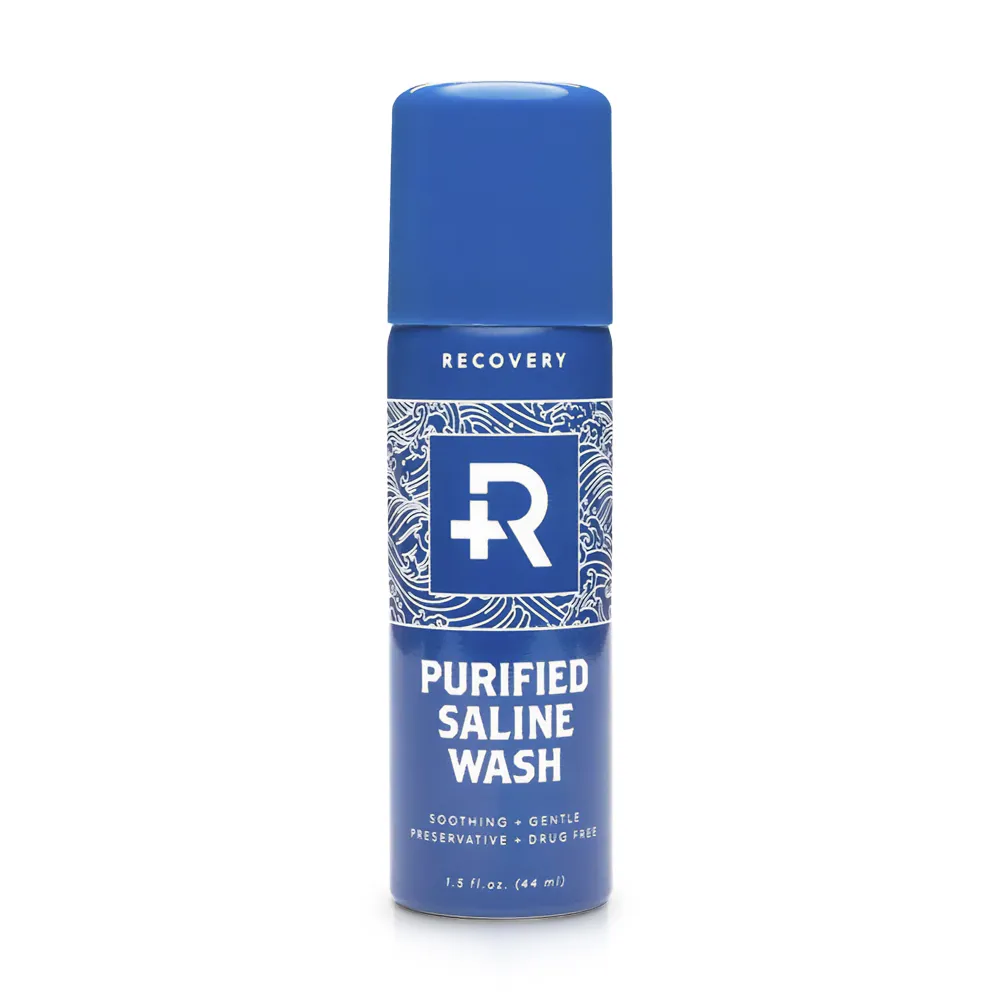 Aftercare Supply
Recovery Purified Saline Wash Solution 1.5 oz
Saline wash for the written aftercare plan.
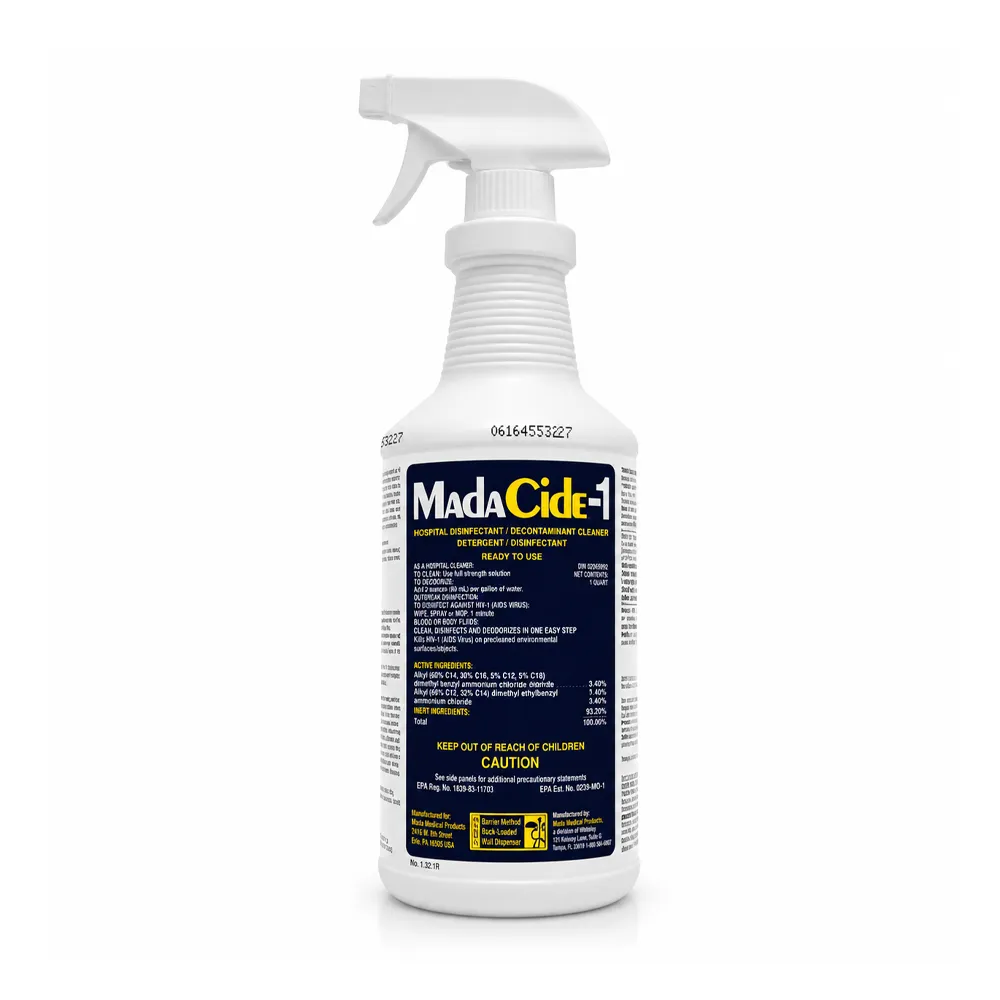 Hard-Surface Disinfection
MADA MadaCide-1 — Quart
Hard-surface disinfectant; follow its label.
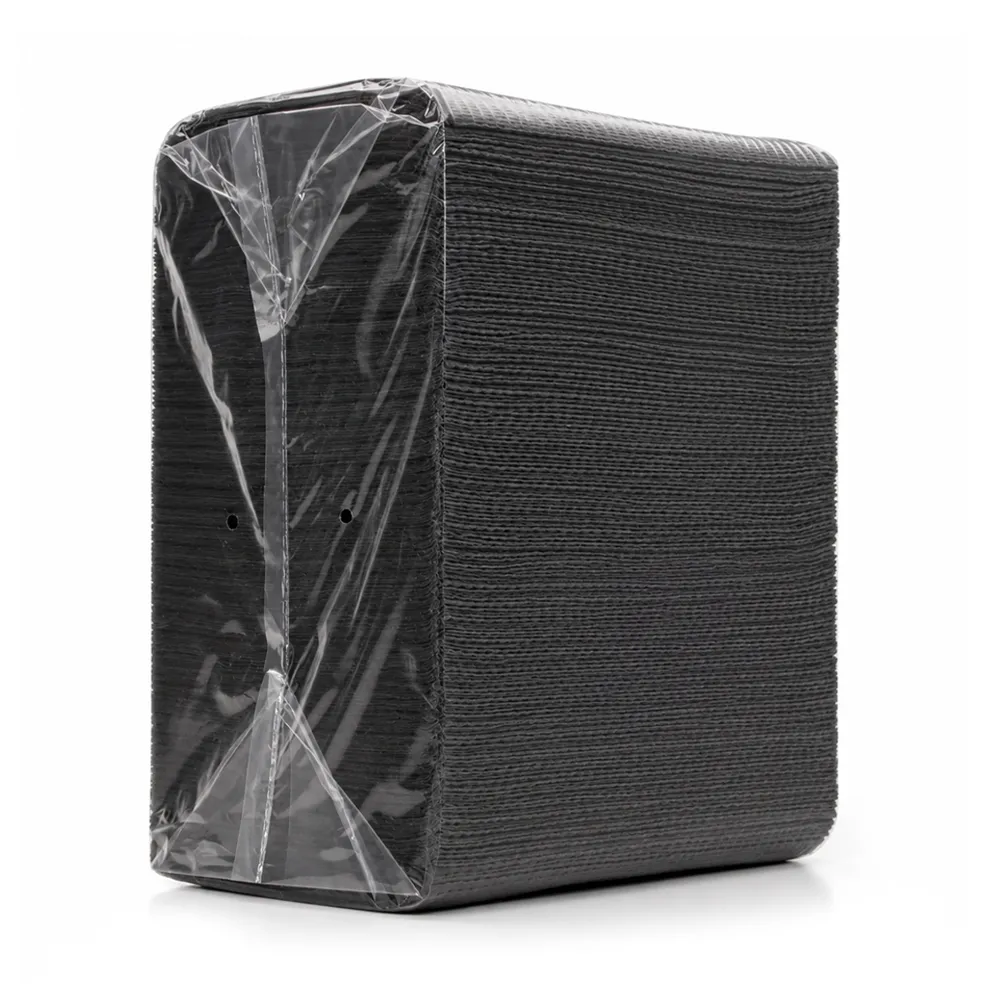 Disposable Surface Cover
Saferly Black Dental Bibs
Single-use cover for station surfaces.
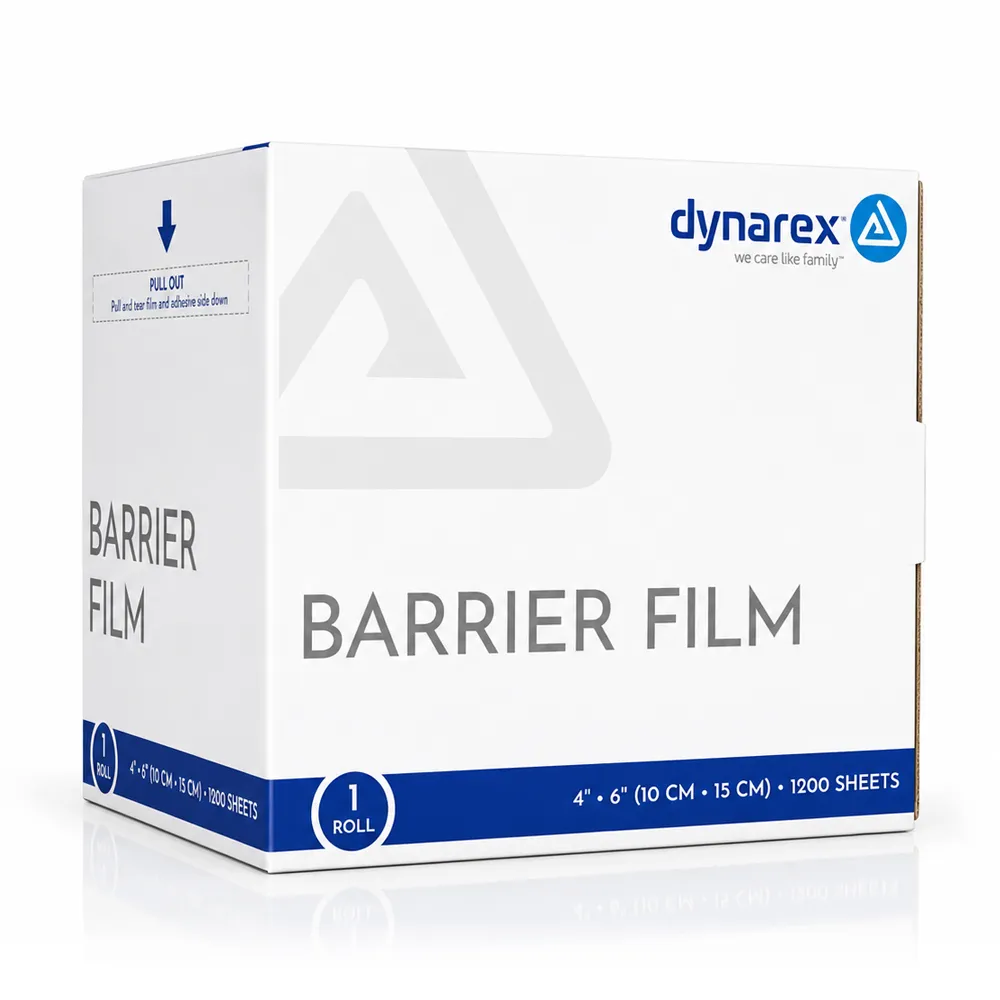 Equipment Barrier Film
Dynarex Barrier Film Clear
Disposable barrier film for touch points.
Shop Piercing Needles Shop Disposable Forceps Shop Sterilized Jewelry
Related guides: Nose Jewelry Types, First Professional Tattoo Setup and Cross-Contamination Checklist.
OPENING CHECKLIST
What is the final piercing studio setup checklist before opening?
Audit the premises and operating process, not just the equipment order. Confirm DSHS rules separately from APP criteria.
- Licensing: DSHS permit, zoning evidence and local approvals.
- Rooms: Nondwelling layout and restricted processing access.
- Fixtures: Sink, nonporous surfaces, lighting and ventilation.
- APP goals: Separate room, sink and membership documents.
- Instruments: Identify disposable and reusable routes.
- Sterilization: Equipment, indicators, tests and logs as applicable.
- Jewelry: Document material and sterile preparation.
- Waste: Sharps and covered refuse containers.
- Staff: Training and procedure rehearsal.
- Records: Intake, consent, aftercare and infection reporting.
Call Texas DSHS at 512-834-6600 for fees, license status and inspection timing. SVT Shop offers professional piercing supplies and Next Day Delivery in El Paso.
FAQ
What do piercers ask about opening and equipping a professional piercing studio?
These answers distinguish Texas operating rules from APP membership criteria.
Do I need a license to open a piercing studio in Texas?
Yes, for covered piercing services. DSHS licenses the studio; provide zoning evidence and display the license.
Do individual piercers need a license in Texas?
DSHS states it licenses studios only. Piercers still need aseptic-technique competency; verify local requirements.
What equipment does a professional piercing studio need?
Sterile single-use needles, appropriate jewelry and tools, gloves, barriers, sharps disposal, sinks, and applicable processing equipment.
What sink do I need in a piercing studio?
Texas requires accessible running water, germicidal soap, drying and covered refuse. APP membership adds a separate employee-only sink.
Does a piercing studio need an autoclave?
Texas requires sterilization or disposal of covered implements. APP membership requires a medical-grade autoclave. Ask DSHS about all-disposable setups.
How often do piercing studios spore test an autoclave?
Texas: each calendar month by an approved lab. APP membership: at least monthly by a third party.
What jewelry materials are allowed for new piercings in Texas?
Texas lists implant-grade steel, solid 14k/18k gold, niobium, titanium, platinum and qualified plastic. Verify specific product materials.
How long must a Texas piercing studio keep client records?
At least two years after the last entry, including ID, procedure, jewelry, aftercare acknowledgment and signature.
What are APP membership requirements for a piercing studio?
APP membership adds enclosed rooms, sink, autoclave, cleaning equipment, monthly tests, credentials, forms and jewelry invoices.
Do I need a separate sterilization room?
Texas permits a separate room or area. APP membership requires an enclosed room for used-tool reprocessing.
Can a piercing studio pierce minors in Texas?
Parental or guardian consent is required under 18. Confirm the current consent and identity procedure with DSHS.
What should a piercing studio do with used needles?
Use needles once and discard immediately into an appropriate sharps container; APP favors secure wall mounting.
RESEARCH
Sources Consulted
Texas DSHS rules and licensing instructions support state obligations; APP publications support membership criteria and professional facility recommendations. OSHA provides the employer bloodborne-pathogens requirements.
- Texas DSHS: Tattoo and Body Piercing Rules, 25 TAC Chapter 229
- Cornell LII: Texas Administrative Code, Chapter 229, Subchapter V
- Texas DSHS: Body Piercing Studio Online Licensing Walkthrough
- Texas DSHS: Tattoo and Body Piercing Studios
- Texas DSHS: Studio Licensing Requirements
- Texas DSHS: Laws and Rules for Tattoo and Piercing Studios
- Association of Professional Piercers: Membership Requirements
- Association of Professional Piercers: Picking Your Piercer
- OSHA: 29 CFR 1910.1030, Bloodborne Pathogens