


 Powered by Comercia.io
A piercing needle gauge measures needle outside diameter: higher gauge numbers mean thinner needles. A piercing needle sizes chart in mm explains needle tubing, not body jewelry size or a mandatory gauge for each body part. Professional piercers choose sterile single-use needles based on anatomy, intended jewelry, and training, then check the physical fit.
Shop Piercing Needles Compare Catheter Needles
QUICK ANSWER
What size piercing needle should a professional piercer use?
Choose the needle for the intended jewelry and the client's anatomy, following professional training—not a fixed number assigned to a body part. Gauge identifies needle outside diameter, while jewelry thickness is measured under a different gauge convention. The APP recommends checking jewelry thickness with a gauge wheel and directly against the selected needle. Start with a sterile single-use needle appropriate to the procedure, inspect it immediately before use, and dispose of it in an approved sharps container.
Gauge Number
Higher number means a thinner needle. Compare outside diameters in the actual manufacturer's chart.
Jewelry Match
Check the jewelry's physical thickness and fit against the selected needle; an identical G marking is not a complete fit check.
Needle Selection
Choose hollow, catheter, or curved construction as your trained procedure requires; verify sterile single-use packaging.
PROFESSIONAL NEEDLE BASICS
What is a professional piercing needle, and why is it hollow?
The APP Procedure Manual describes acceptable piercing needles as hollow, with an extremely sharp cutting edge intended to minimize tissue damage. It also says piercing needles are made in a wide variety of lengths, thicknesses, and shapes. That means a listing's gauge is only one part of the specification: construction, length, packaging, and the jewelry you intend to place are part of a professional selection.

A piercing needle is not the same as a piercing gun. For a comparison of those methods and the APP's position, read Piercing Gun vs Needle. Use the guidance from an experienced piercer and your professional training for technique decisions rather than treating a product description as a procedure manual.
GAUGE EXPLAINED
What does gauge mean on a piercing needle, and is a higher gauge bigger?
Hamilton, a needle manufacturer, defines needle gauge as the outer diameter of the needle. In this numbering system, a higher gauge number generally identifies a thinner needle; a lower gauge number identifies a thicker one. The number refers to width, not needle length, and it does not tell you the jewelry's shape or how a particular needle is constructed.
Two dimensions on one package
A label describing 14G and 50 mm can communicate two different things: nominal needle thickness and needle length. Do not read the length as a gauge conversion, and do not use either figure as a substitute for checking the jewelry.
GAUGE-TO-MM REFERENCE
What is the piercing needle gauge size chart in millimeters?
This chart compares nominal needle outside diameters from Hamilton's published needle chart with selected ISO 9626-derived values reproduced by CASRAI. They describe needle tubing, not body jewelry thickness. The differences show why a piercer should consult the maker's dimensions for the exact needle rather than treating any generic gauge chart as a universal product specification.
| Needle gauge | Hamilton nominal OD | CASRAI ISO 9626-derived OD |
|---|---|---|
| 20G | 0.908 mm | 0.860 mm |
| 19G | 1.067 mm | 1.030 mm |
| 18G | 1.270 mm | 1.200 mm |
| 17G | 1.473 mm | 1.400 mm |
| 16G | 1.651 mm | 1.600 mm |
| 15G | 1.829 mm | 1.750 mm |
| 14G | 2.109 mm | 1.950 mm |
| 13G | 2.413 mm | 2.300 mm |
| 12G | 2.769 mm | 2.650 mm |
| 11G | 3.048 mm | 2.950 mm |
How to read the columns: OD means outside diameter. Hamilton calls its figures nominal values for its needle chart. The CASRAI guide reproduces ISO 9626 tubing data; the values shown here are the nominal outside diameters from that table, which also lists a maximum for each gauge. An ISO designated metric size, the nominal value in another chart, and a jewelry measurement can therefore display different numbers alongside the same gauge label.
NEEDLE VS JEWELRY
Is a 14G piercing needle the same size as 14G jewelry?
The two labels are not a complete measurement match. The APP Procedure Manual explains that most American piercing jewelry uses the Brown and Sharpe/American wire gauge system, while many suppliers outside the United States express jewelry thickness in metric millimeters. Needle makers publish their own nominal outside diameters. A piercer should check both actual items instead of relying on a shared 14G marking.
The APP advises double-checking jewelry thickness using a gauge wheel and comparing it to the selected needle before use, noting variation between wholesale suppliers. For more detail on measuring body jewelry rather than needle tubing, use the Body Jewelry Size Guide. For compatible jewelry connection designs, see Threadless vs Internally Threaded Jewelry.
Do not turn mismatch into a universal rule
In its discussion of vascular areas, including eyebrow and Prince Albert piercings, the APP cautions that using a needle larger than the jewelry may increase bleeding and recommends that choice only when necessary. This is a reason for trained, case-specific selection, not a standing instruction to use a needle one gauge larger.
The APP also warns that jewelry too thin for its purpose may contribute to migration or rejection; see Piercing Rejection vs Migration. Evaluate initial jewelry and placement with professional training.
ANATOMY & JEWELRY
What gauge piercing needle should you use for an earlobe, helix, nose, septum, or navel?
Choose the gauge after evaluating the person's anatomy and the jewelry selected for that procedure, with guidance from professional training and an experienced piercer. Search terms such as piercing needle size for earlobe, helix, nostril, septum, eyebrow, or belly button describe different decisions, not a single chart of mandatory numbers. The APP's emphasis is on appropriate jewelry, sharp sterile needles, and checking the fit before use.
If you are ordering for a studio with multiple piercers, organize stock by the actual procedures your team performs and the jewelry systems they use. Avoid translating a popular online question directly into a fixed purchase quantity of one gauge. Relevant jewelry references include Nose Jewelry Types and Captive Bead Rings, Segment Rings and Clickers.
TYPES OF PIERCING NEEDLES
What is the difference between hollow, tri-beveled, catheter, and curved piercing needles?
The APP describes acceptable needles as hollow with extremely sharp cutting edges and acknowledges a variety of lengths, thicknesses, and shapes. The labels tri-beveled, IV catheter/cannula, and curved describe different product constructions or shapes sold for piercing work. Select the option your trained procedure uses, then check its gauge, length, sterile packaging, and actual fit.
| Type or listing term | What it identifies | What to check as a buyer |
|---|---|---|
| Hollow piercing needle | The sharp, hollow needle construction described by APP | Correct needle gauge, length, tip condition, and sterility |
| Tri-beveled needle | Tip description used in SVT Shop's Tri-Beveled Piercing Needles listing | Exact gauge option and single-use packaging |
| IV catheter / cannula needle | A needle listing with a catheter component, sold in a 50-piece pack by SVT Shop | The intended catheter system and package details |
| Curved piercing needle | Curved shape; the Precision listing names 18G, 16G, and 14G versions | Correct curve and gauge for the trained procedure |
What product descriptions can tell you
SVT Shop's Tri-Beveled listing describes a tri-beveled tip, 50 mm length, and EO sterilization. Its IV Catheter listing describes sterile catheter piercing needles in a 50-piece pack. Precision Curved Needles are listed as sterilized 316L stainless steel in 18G, 16G, and 14G. Read the actual product package and selected variant when receiving stock.
LENGTH, SHAPE & STOCK
Do piercing needles come in 50 mm lengths, and how do you choose a curved needle?
Gauge and length are separate specifications. The SVT Shop Tri-Beveled Piercing Needles listing describes a 50 mm needle length; Precision's Curved Piercing Needles listing describes 18G, 16G, and 14G gauge options. The APP says piercing needles are available in many lengths and shapes, so the professional choice is made by inspecting the actual product and matching it to the intended trained procedure.
Keep gauge, curve, and length as separate fields on your stock list. A trained piercer determines the shape and size for the intended procedure rather than relying on a single curved-needle recommendation.
PROFESSIONAL SELECTION WORKFLOW
How do professional piercers choose the right needle size before a procedure?
Start with the piercing plan and intended jewelry, then verify the selected needle as a physical instrument. The APP recommends checking jewelry thickness with a gauge wheel and against the needle, inspecting needle quality immediately before use, and using sterile, single-use needles. Treat this sequence as a buying and readiness check; placement and technique remain matters for hands-on professional training.
Assess the planned piercing and anatomy
Work from the actual anatomy and intended placement with your mentor or professional training. Do not select a gauge solely from a search result naming a body part.
Select appropriate initial jewelry
Decide on the jewelry form and thickness for the procedure, considering the APP's initial-jewelry guidance rather than making the needle dictate every jewelry choice.
Measure and compare the jewelry
Use a gauge wheel where available and compare the jewelry directly to the candidate needle, as the APP advises. Check the real product, not just a catalog gauge number.
Check needle construction and dimensions
Confirm whether the chosen workflow calls for a hollow straight, catheter, or curved product, and read both gauge and length information on its packaging.
Verify sterile readiness and needle quality
Review the sterile single-use package and inspect the needle immediately before use for burrs or irregularities, following APP guidance.
Prepare the receiving and disposal setup
Arrange the appropriate receiving tool for the trained procedure and make an approved sharps container accessible for disposal immediately after the single use.
STERILITY & SHARPS HANDLING
Are piercing needles sterile and single-use, and how should you dispose of them?
Yes. The APP's piercing FAQ states that tools, needles, and jewelry should be sterile and that needles must also be single-use. Its Procedure Manual says a needle is discarded immediately after a single use into an approved sharps-waste container. A used piercing needle is not an item to keep for the next appointment, regardless of its gauge or price.
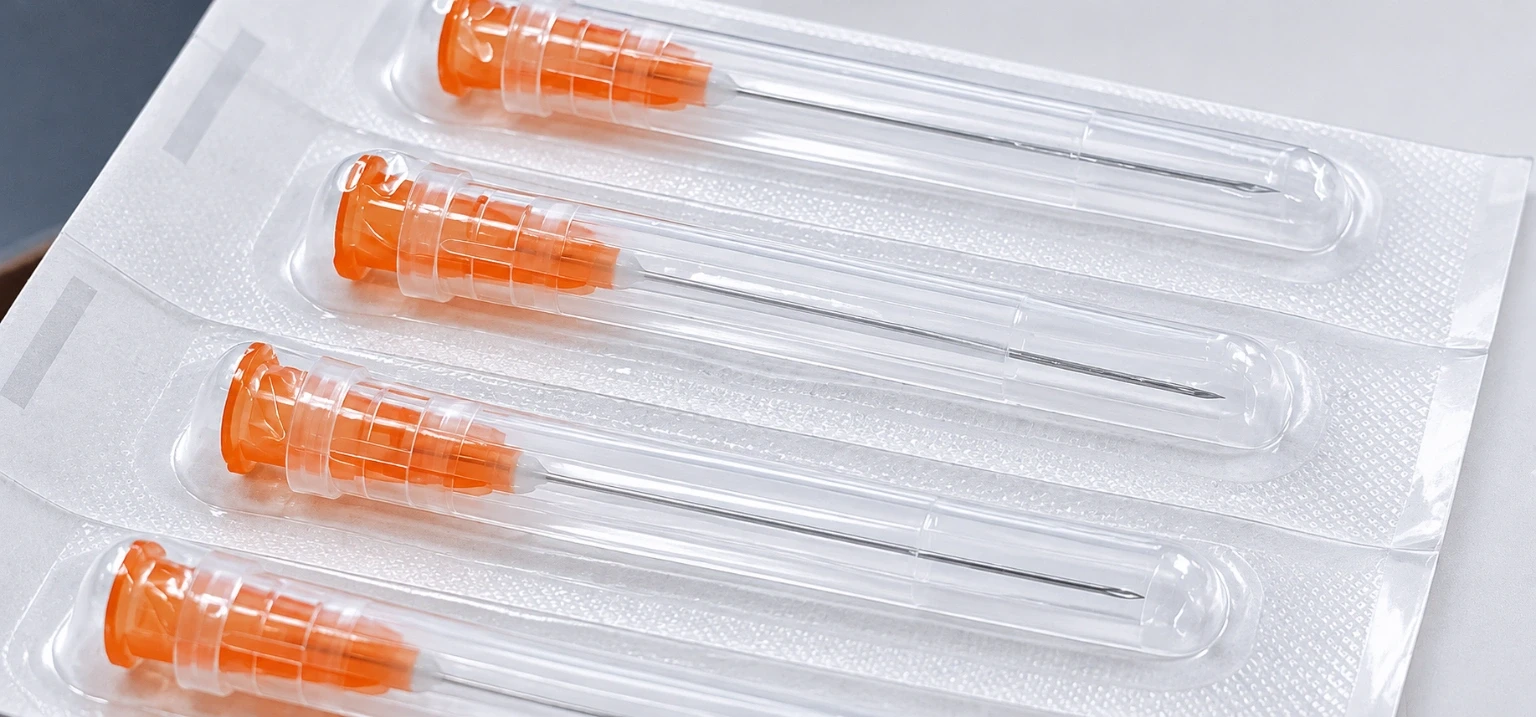
Station handling checklist
- Confirm the needle and jewelry selected for the procedure before opening packages.
- Use sterile needles and sterile jewelry, in line with APP guidance.
- Inspect the needle immediately before use for visible burrs or irregularities.
- Keep an approved sharps container ready in the work area.
- Discard every needle immediately after its single use.
- For in-house sterilized needles, identify each package with gauge and sterilization date.
For jewelry handling and later size changes, use Downsizing Piercing Jewelry and Piercing Aftercare, Saline and Healing Times as separate resources. Those topics do not replace needle selection or sharps disposal during the appointment.
For container pickup and disposal, see How to Dispose of Tattoo Needles; after an accidental stick, follow Needlestick Injury in a Tattoo or Piercing Studio: What to Do. For reusable tools and jewelry, see How to Sterilize Piercing Jewelry and Tools.
COMPANION INSTRUMENTS
What is a piercing needle receiving tube, and how does it fit the setup?
The APP Procedure Manual explains that needle receiving tubes, or NRTs, support and protect tissue during piercing procedures. They are part of the professional instrument setup rather than a measurement conversion: a receiving tube does not tell you what gauge jewelry to select, and it does not replace checking the needle itself.
COMMON ORDERING MISTAKES
What piercing needle gauge and jewelry matching mistakes should piercers avoid?
Gauge is one specification, not a complete purchase decision. APP calls for a physical needle-and-jewelry check, and the manufacturer charts show why millimeter values vary.
Assigning one gauge to every piercing location
Use anatomy, jewelry and trained judgment rather than a fixed earlobe, helix, nostril, or navel gauge chart.
Reading medical needle OD as jewelry thickness
The APP describes a separate jewelry gauge system. Measure the jewelry and compare it with the actual needle.
Assuming one gauge larger is always the answer
The APP cautions about larger needles in vascular-area discussions. Only make that choice as the trained procedure requires.
Confusing 50 mm length with needle gauge
Length and diameter describe different dimensions. Check both on the selected product.
Skipping the inspection before use
The APP says to inspect needles immediately before use for burrs or irregularities.
Reusing or leaving used needles on the tray
APP guidance calls for immediate disposal after a single use in an approved sharps container.
Buying a whole case by a generic chart
Confirm product variants, supplier dimensions, jewelry systems and procedures your team actually performs.
PIERCING SUPPLIES AT SVT SHOP
Which piercing needles, disposable forceps, and sharps containers can you shop?
Build inventory around the needle constructions your studio uses, disposable companion instruments, and prompt sharps disposal. The following SVT Shop listings are relevant to this workflow. Read each needle package for the exact gauge variant, dimensions, and sterile labeling before approving it for the station.
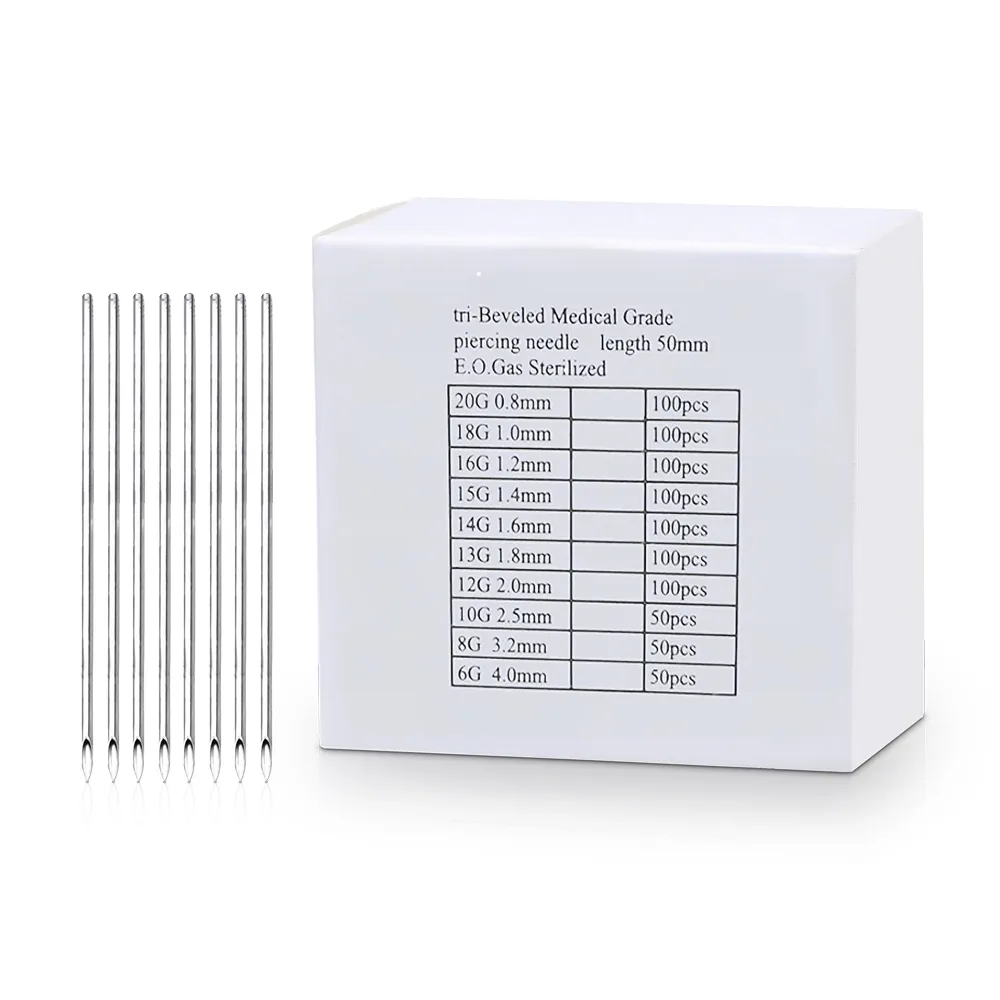 Tri-Beveled Needle Option
Tri-Beveled Piercing Needles
SVT Shop lists a tri-beveled tip, 50 mm length and EO-sterilized single-use packaging. Check the chosen gauge and packet.
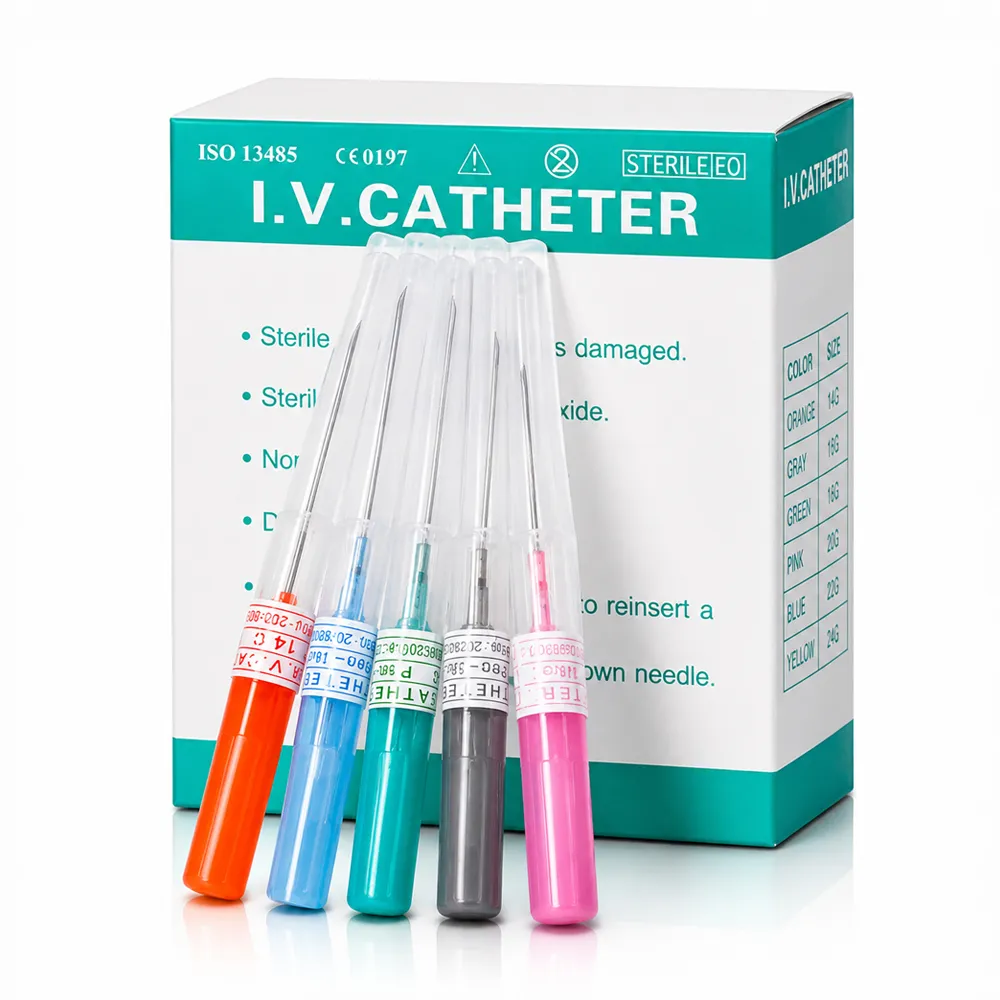 Catheter / Cannula Needle Option
I. V. Catheter Piercing Needles 50Pcs
Listed as sterile catheter piercing needles in a 50-piece pack. Check the selected product specification and training fit.
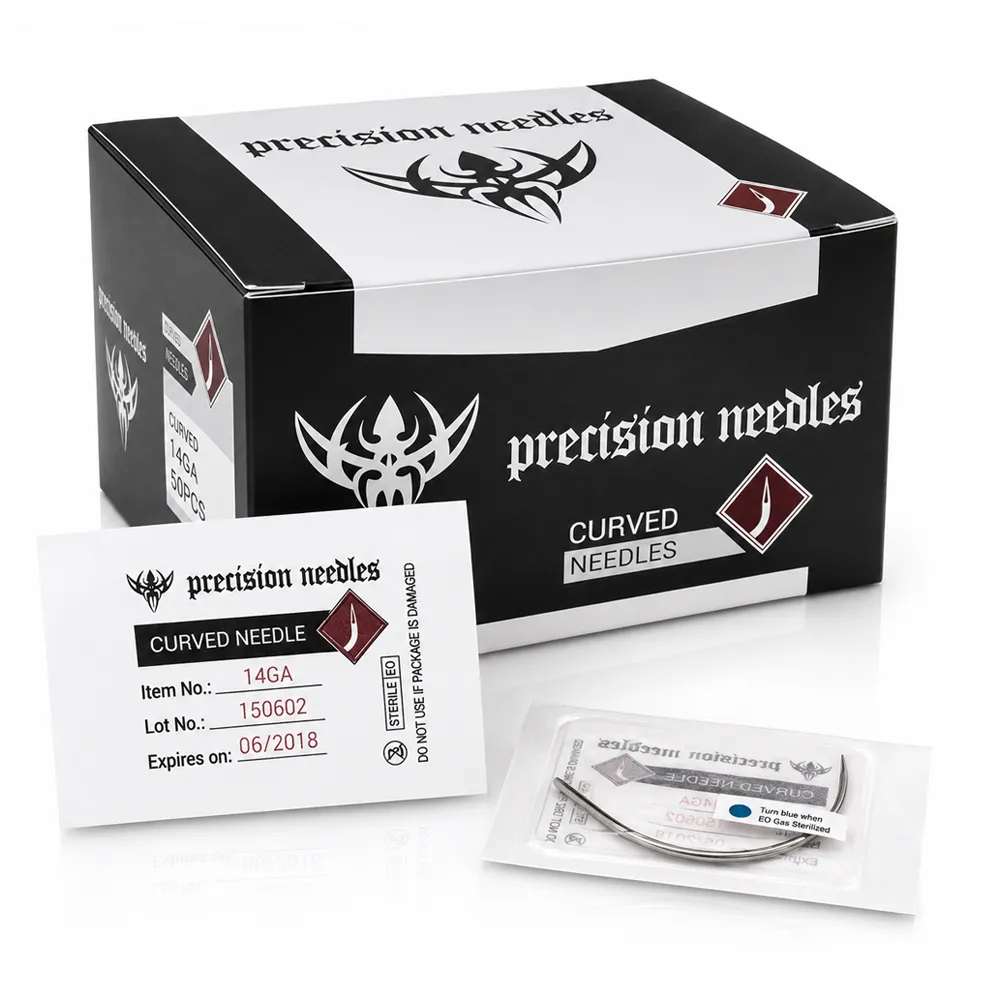 Curved Needle Option
Precision Piercing Curved Needles
Listed as sterilized 316L stainless steel curved needles in 18G, 16G, and 14G. Choose the exact variant for your procedure.
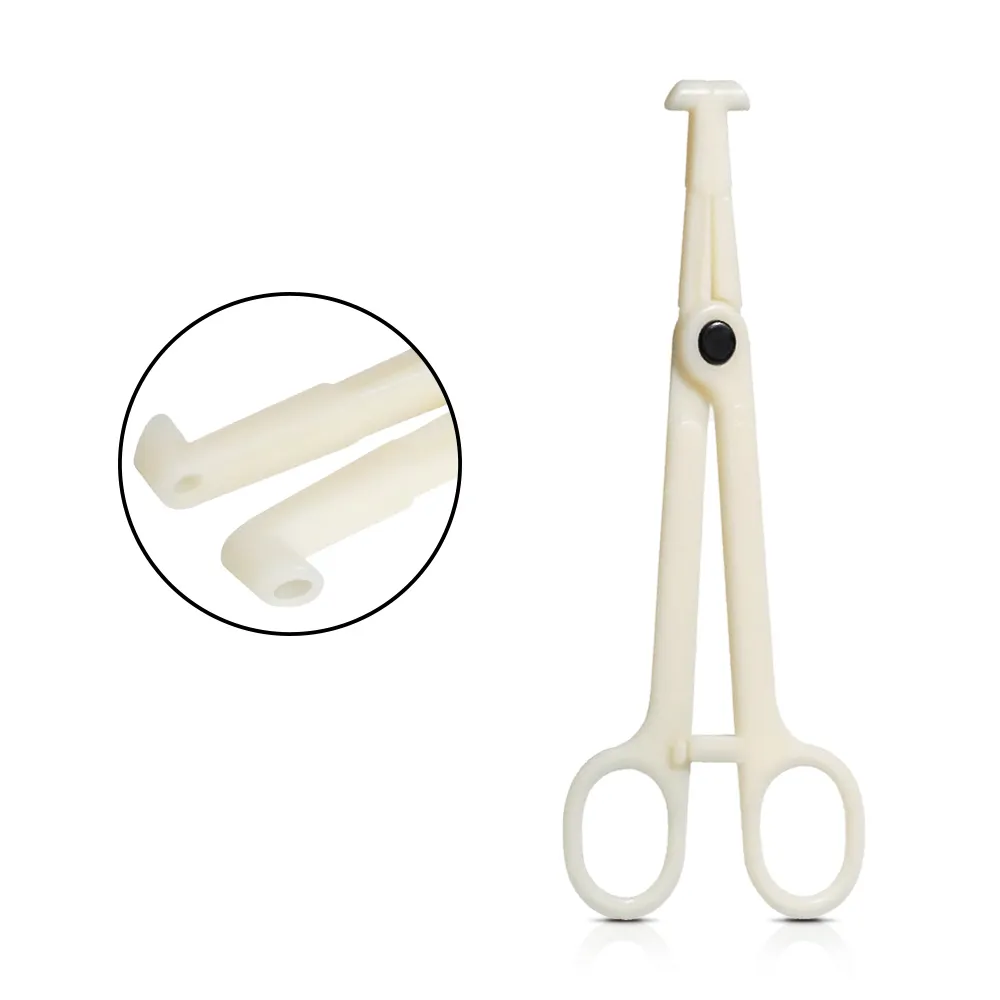 Disposable Companion Instrument
Disposable Piercing Forcep Slanting
Single-use slanting forceps option for the trained piercing setup; separate from needle gauge selection.
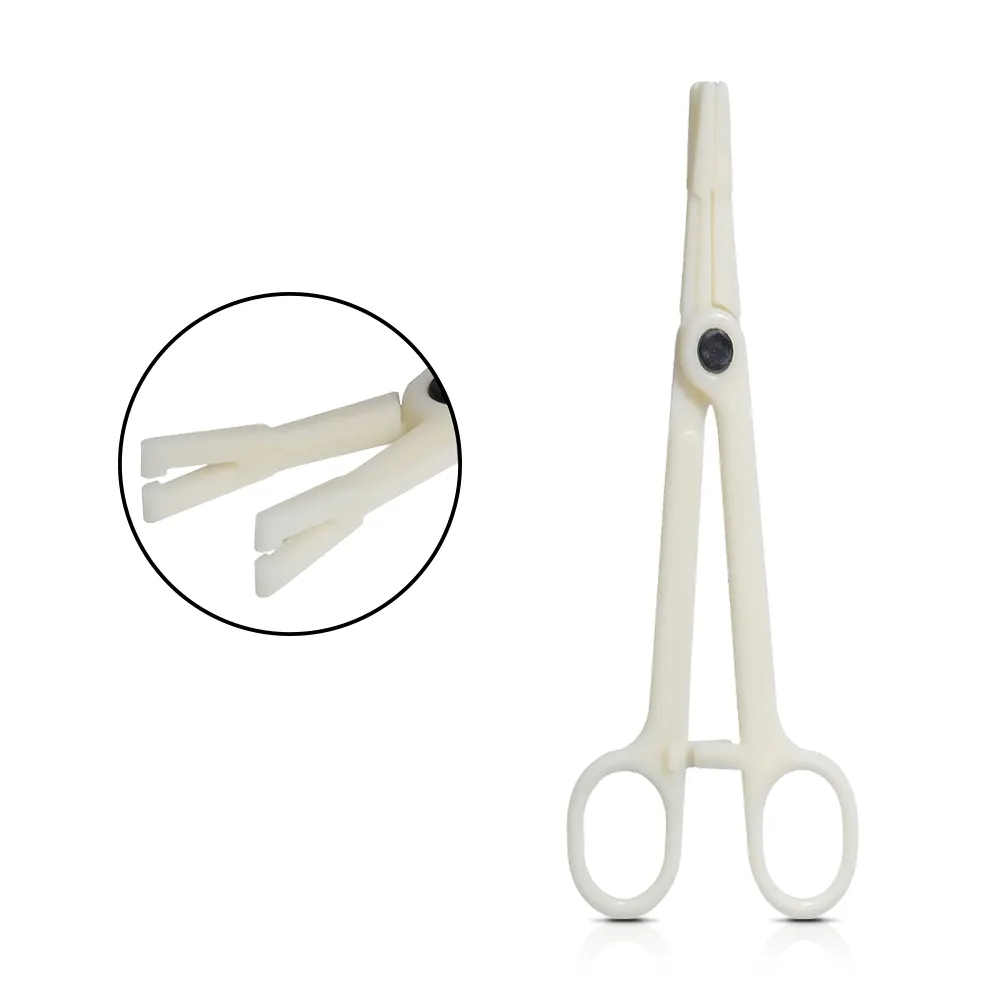 Disposable Companion Instrument
Disposable Piercing Forcep Triangle
Single-use triangle forceps option for studio instrument planning, not a substitute for a needle receiving tube.
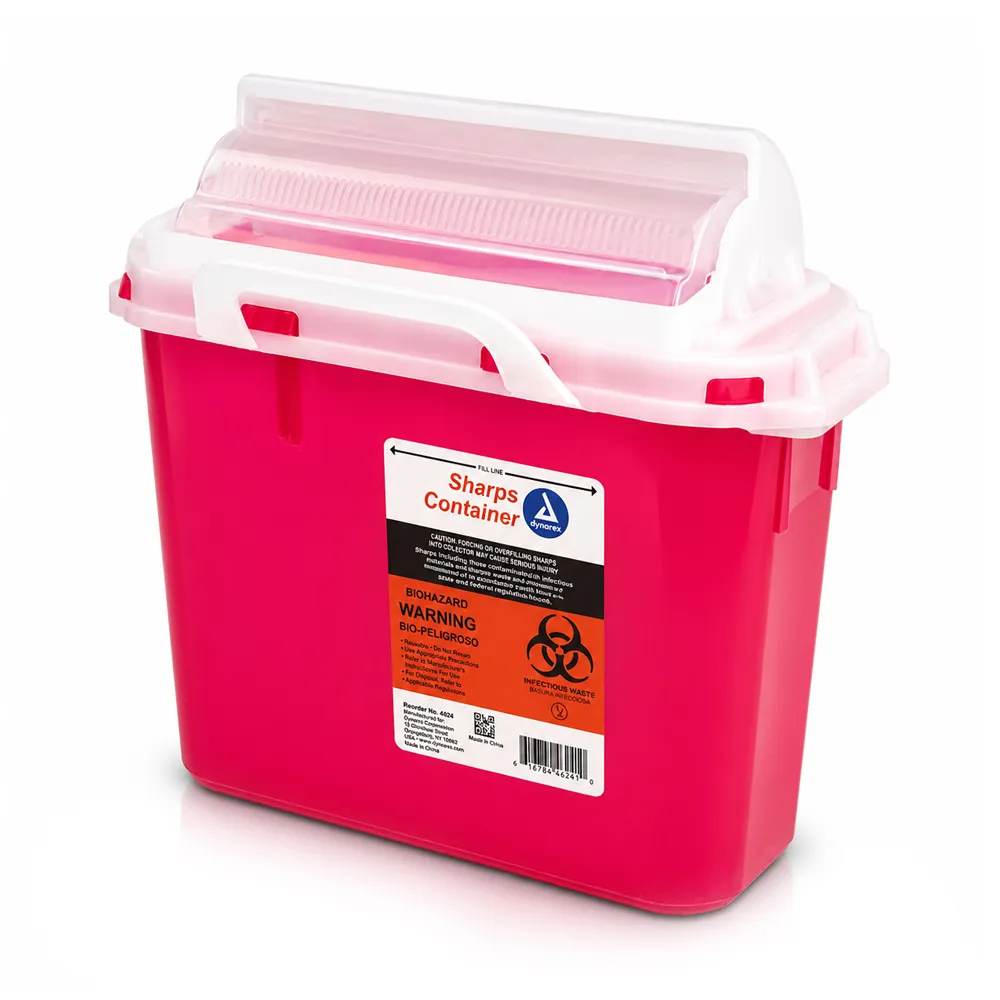 Workstation Sharps Disposal
Dynarex Sharps Container 5.4 Qt.
Container option for immediate disposal of used single-use piercing needles at a working station.
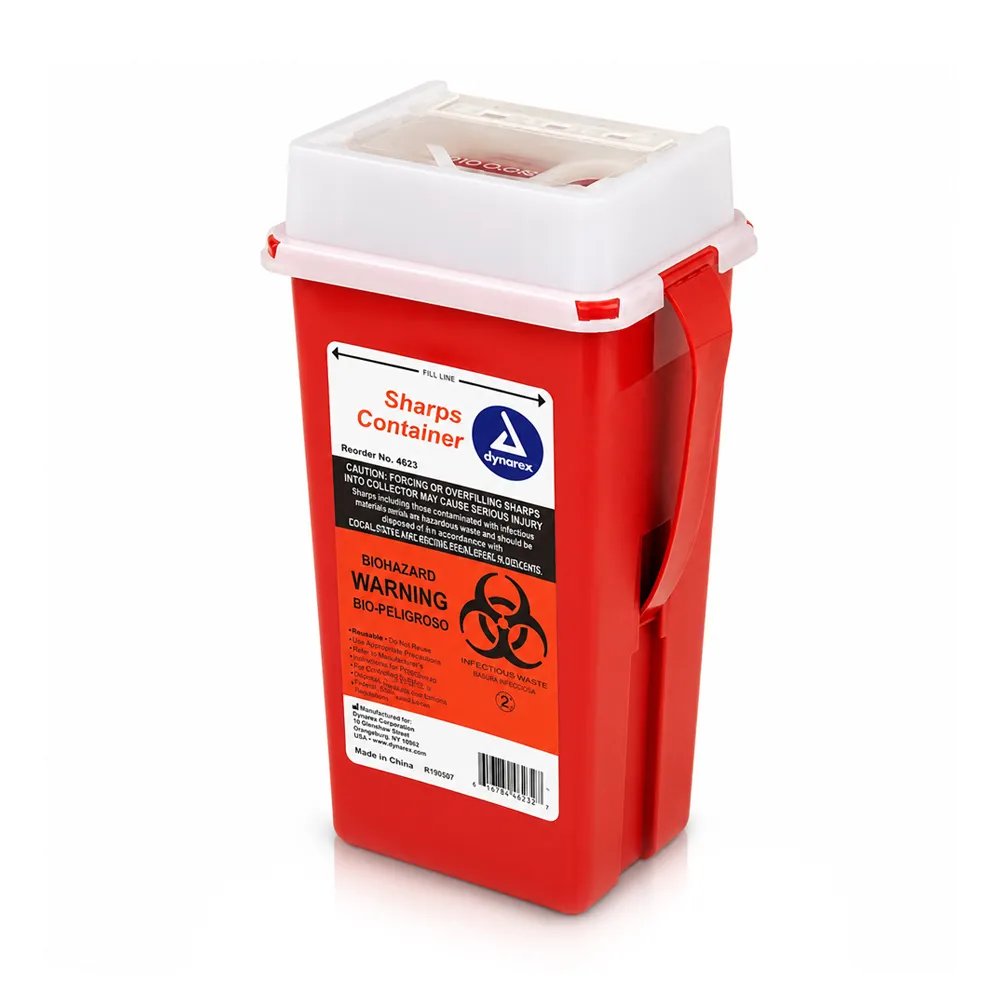 Compact Sharps Disposal
Dynarex Sharps Container 2 Qt.
Compact sharps-container option for organizing single-use needle disposal near the workstation.
Shop Piercing Needles Shop Curved Needles Shop Sharps Containers
STUDIO BUYING CHECKLIST
What should piercers check before ordering 14G, 16G, 18G, or catheter needles?
Start with the procedures and jewelry systems your studio uses. Stock by actual manufacturer and product variant, then confirm needle gauge, length, construction, sterile packaging and disposal needs. The APP's advice to check gauge with a gauge wheel and against the needle is particularly valuable when multiple suppliers or styles are used in the same studio.
- Confirm the procedure: Use the anatomy and intended jewelry chosen by the trained piercer, not a location-based internet chart.
- Measure the jewelry: Verify thickness using the appropriate jewelry gauge system and a gauge wheel.
- Compare the needle: Read its manufacturer's OD information and check the actual jewelry-to-needle fit.
- Specify construction: Identify hollow straight, catheter/cannula, or curved products according to professional training.
- Specify length: Keep a 50 mm listing separate from the gauge, and confirm the actual product dimensions.
- Check sterility: Purchase sterile single-use needles and read individual packaging before a procedure.
- Inspect before use: Follow the APP's check for burrs or irregularities.
- Plan receiving instruments: Include the appropriate trained-use tools, separate from the needle gauge decision.
- Place sharps disposal: Keep an approved container accessible for immediate disposal after use.
- Reorder by exact variant: Record the product, gauge, length, shape, and packaging style to reduce mix-ups.
FAQ
Frequently asked questions about piercing needle sizes and gauges
These answers address the searches apprentices and working piercers make when choosing sterile needles, comparing gauge measurements, and ordering matching jewelry and instruments.
What gauge needle do you use for an earlobe piercing?
Choose according to the anatomy and intended jewelry, with professional training. Check actual jewelry thickness and needle fit; do not assign every earlobe one gauge.
What piercing needle size should I use for a helix or nose piercing?
For helix, nostril, and septum work, the trained piercer evaluates anatomy and jewelry, then checks the selected needle rather than using a preset location number.
What is the difference between needle gauge and jewelry gauge?
Hamilton defines needle gauge by outside diameter. APP explains that US body jewelry commonly uses Brown and Sharpe/American wire gauge. Verify both measurements.
Is a 14G piercing needle the same as 14G jewelry?
Not automatically. Hamilton lists 14G needle OD at 2.109 mm nominal, while jewelry uses a separate gauge convention. Measure jewelry and compare to the needle.
What does 14G, 16G, or 18G mean in millimeters?
Hamilton needle OD figures: 14G 2.109 mm, 16G 1.651 mm, and 18G 1.270 mm. ISO 9626-derived tubing values differ. These are not jewelry thickness conversions.
Hollow needle vs cannula or catheter piercing needle: what is the difference?
APP describes acceptable needles as hollow and sharp. A catheter/cannula is a distinct product system. Choose the type used in your trained procedure.
What is a tri-bevel piercing needle?
Tri-bevel names a tip construction. SVT Shop lists its Tri-Beveled Needles with a 50 mm length and EO sterilization; check the actual gauge and package.
Are piercing needles single-use, and do they come sterile?
APP requires sterile single-use needles. If sterilized in-house, individually package and label them with gauge and date; inspect before use.
How do I dispose of used piercing needles?
APP directs immediate disposal after one use in an approved sharps waste container.
What is a needle receiving tube used for?
APP says needle receiving tubes support and protect tissue during piercing. Selection and use belong to trained technique.
Why do piercing needle gauge charts disagree?
Charts can show Hamilton nominal needle OD, ISO 9626 tubing ranges, or jewelry gauges. Compare dimensions from the same system and check the specific product.
What size curved needle or 50 mm piercing needle do I need?
Precision curved needles are listed in 18G, 16G and 14G; Tri-Beveled Needles list 50 mm length. A trained piercer chooses gauge, shape and length for the procedure.
RESEARCH
Sources Consulted
APP supports needle selection and handling; Hamilton provides manufacturer gauge dimensions, and CASRAI reproduces ISO 9626 tubing values for comparison.
- Association of Professional Piercers: Procedure Manual
- Association of Professional Piercers: Piercing FAQ
- Association of Professional Piercers: Jewelry for Initial Piercings
- Association of Professional Piercers: Piercing Guns
- Hamilton Company: What Is Needle Gauge?
- Hamilton Company: Needle Gauge Chart
- CASRAI: Needle Gauge Chart Reproducing ISO 9626 Values