


 Powered by Comercia.io
Do tattoo artists need bloodborne pathogens certification, and what do OSHA and Texas actually require? For professional tattoo artists, piercers, apprentices and studio owners, the essential distinction is OSHA bloodborne pathogens training for covered employees versus Texas studio licensing and artist competency in aseptic technique. This guide explains initial and annual training, the exposure control plan, hepatitis B vaccination, course content, sharps and PPE, and which certificate questions a Texas studio should take to DSHS.
Shop Sharps Containers Explore Studio Disposables
QUICK ANSWER
Is bloodborne pathogens certification required for tattoo artists in Texas?
OSHA requires initial and annual bloodborne pathogens training for employees with occupational exposure, not a specific commercial certificate. Texas 25 TAC §229.405(i) requires tattooists and piercers to have sufficient education, training or experience in aseptic technique and bloodborne pathogen prevention, while DSHS licenses studios under Chapter 146 and 25 TAC Chapter 229. A course completion paper may document learning, but confirm any Texas-specific certificate, accepted course, hours or renewal condition with DSHS at 512-834-6600.
OSHA
Train covered employees on assignment and at least annually, with site-specific instruction and interactive questions.
TEXAS
Studio license plus artists competent in aseptic technique and prevention under 25 TAC §229.405(i).
VERIFY
Call DSHS at 512-834-6600 about certificate requirements, course acceptance, hours and renewal.
FEDERAL RULE
What is the OSHA bloodborne pathogens standard for tattoo and piercing studios?
OSHA 29 CFR §1910.1030 is the Bloodborne Pathogens Standard. Its scope covers occupational exposure to blood or other potentially infectious materials. The standard defines occupational exposure as reasonably anticipated contact with blood or those materials through skin, eyes, mucous membranes or a puncture during work duties. That description makes it relevant to tattooing and body piercing wherever employees perform exposed tasks.
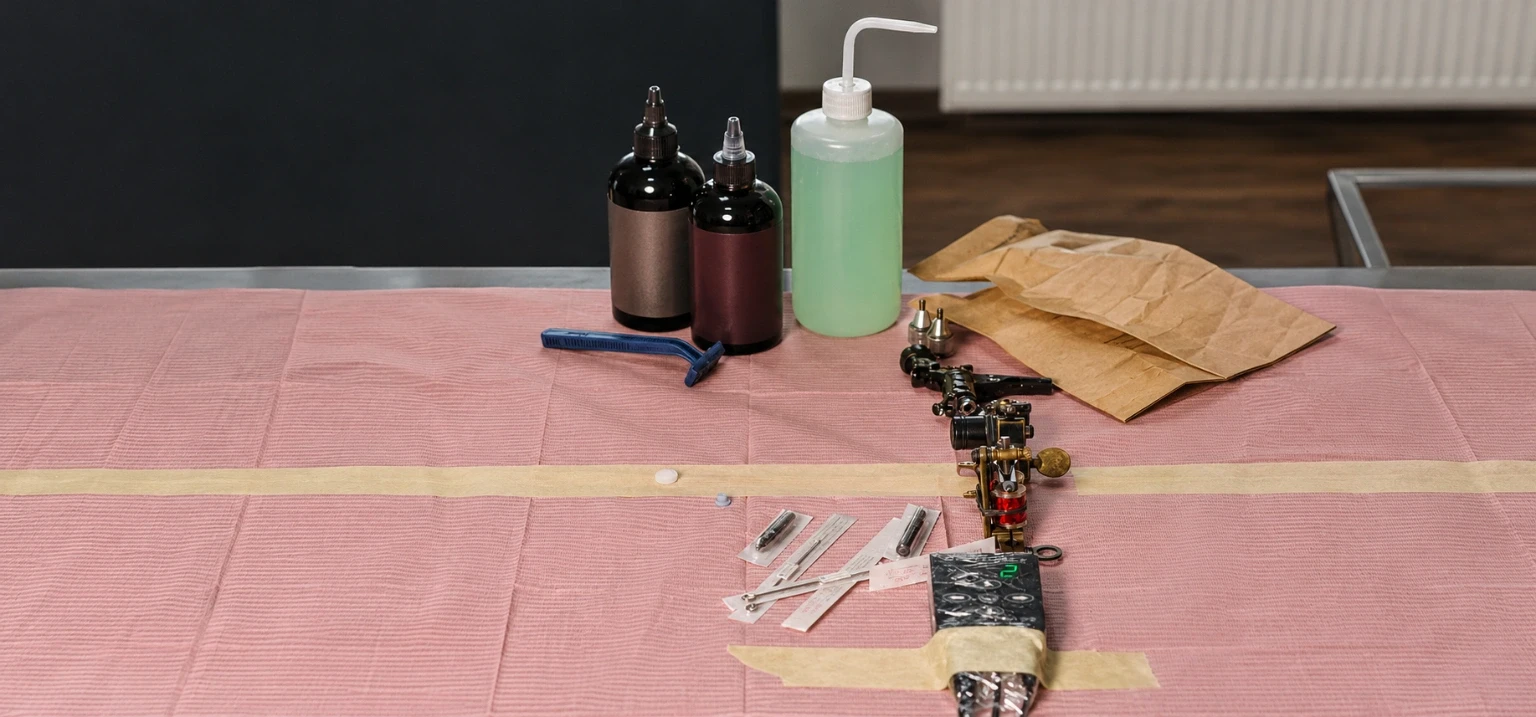
OSHA cites HBV and HIV among these hazards. Compliance involves training, controls, PPE, sharps handling, a written plan and exposure follow-up, not just a completion document.
Read the rule by section number
Start with §1910.1030(a) for scope, (b) for definitions, (c) for the written plan, (d) for precautions and controls, (f) for vaccination and exposure follow-up, and (g)(2) for training. A course title alone cannot show that the complete workplace program is in place.
WHO IS COVERED
Does OSHA apply to tattoo employees, independent artists and booth renters?
OSHA's employee protections apply when an artist is an employee with occupational exposure. OSHA's June 20, 2016 interpretation letter specifically addresses tattoo and piercing establishments. It says the Occupational Safety and Health Act covers employees rather than people working only as genuine independent contractors.
Classification depends on the business's right to control the work, not the label independent contractor or booth renter. Ask OSHA or an attorney about a particular relationship.
| Working arrangement | OSHA interpretation | Studio decision |
|---|---|---|
| Employee with occupational exposure | Employer must provide applicable BBP protections and training. | Maintain the employer program and training schedule. |
| Independent contractor | The OSH Act does not govern a person working only as an independent contractor. | Check the facts of control before relying on the label. |
| Booth renter with disputed status | Classification depends on the relationship, not the contract title. | Ask OSHA or employment counsel to evaluate it. |
| Any Texas studio artist | Texas has its separate §229.405(i) competency rule. | Meet state aseptic-technique requirements regardless of contract terminology. |
TEXAS RULES
What does Texas require for bloodborne pathogens training and a tattoo studio license?
Texas regulates studio licensing and the artist's ability to work aseptically. Under Health and Safety Code Chapter 146 and 25 TAC §229.401(c), a tattoo or certain body piercing studio needs a DSHS license. Section §229.405(i) says every artist performing procedures in a studio or temporary location must have education, training, experience or a combination of those sufficient to practice aseptic technique and prevent bloodborne pathogens transmission.
Texas also requires universal precautions, and DSHS references the federal BBP standard in its rules materials. A studio license is not an individual course certificate.
What to ask DSHS licensing assistance
- What evidence of aseptic-technique competency is expected for the studio's artists?
- Are particular bloodborne pathogens course formats accepted for this licensing situation?
- Are any hours, course-completion certificates or renewal conditions currently required beyond the text of §229.405(i)?
- What documentation should be available during studio inspection?
For licensing questions call 512-834-6600; for general tattoo and body piercing program assistance DSHS lists 512-834-6711. See SVT Shop's Texas tattoo artist guide for the broader professional setup.
TRAINING TIMING
How often does OSHA require bloodborne pathogens training for tattoo artists?
OSHA requires covered employees to receive training when first assigned tasks involving occupational exposure and at least annually afterward. Section §1910.1030(g)(2)(ii) sets that schedule, and §1910.1030(g)(2)(iv) says annual training must occur within one year of the preceding session. OSHA's July 31, 2008 letter confirms this initial-and-annual approach for tattoo and body piercing employees.
Employers should schedule training by the worker's exposure tasks and last training date, not by a certificate advertisement. Refreshers should connect the required subjects with the studio's actual procedures.
COURSE CHECKLIST
What topics must an OSHA bloodborne pathogens course cover for tattooists and piercers?
OSHA §1910.1030(g)(2)(vii) lists minimum training topics, and OSHA's 2008 letter says they all apply to employees with occupational exposure. A tattoo-specific training plan must cover bloodborne disease hazards, ways exposure can occur, studio controls, protective equipment and the employer's response after an incident. It is more than a demonstration of wearing gloves.
| OSHA training content | Tattoo or piercing studio application |
|---|---|
| Regulatory text and explanation | Show where to read 29 CFR §1910.1030. |
| Epidemiology, symptoms and transmission | Explain bloodborne hazards in tasks with possible blood or OPIM contact. |
| Written exposure control plan | Explain where the studio keeps it and how employees obtain it. |
| Recognition of exposure tasks | Review equipment setup, procedure work and station breakdown. |
| Engineering controls and safe work practices | Discuss sharps containers, hand hygiene and the limits of each control. |
| PPE types, selection and disposal | Review gloves, barriers and safe changes between tasks. |
| Hepatitis B vaccination | Explain availability, benefits and employer obligations. |
| Emergencies and exposure follow-up | Identify whom the employee contacts and what procedures follow an exposure. |
| Signs and labeling | Explain applicable biohazard signs and regulated-waste labels. |
| Interactive questions | Allow direct questions to the knowledgeable trainer. |
OSHA's 2016 tattoo and piercing interpretation emphasizes site-specific information. Use the actual studio's exposure control plan and procedures as part of training rather than relying only on a generic slide presentation.
EMPLOYER PROGRAM
What is an OSHA exposure control plan, and who must maintain it?
OSHA §1910.1030(c)(1)(i) requires covered employers to establish a written Exposure Control Plan intended to eliminate or minimize employee exposure. The employer must review and update the plan at least annually and as necessary when relevant changes occur, under §1910.1030(c)(1)(iv). Training should show employees what the plan says and how they can access it.
Explain the studio's exposed tasks, PPE, controls and incident-response contacts to each covered employee.
How a studio can make the plan usable in training
- Identify who manages the written plan and where covered employees find it.
- Connect exposed tasks to hand hygiene, gloves, safe needle handling and protective barriers.
- Explain how a worker reports an exposure and receives follow-up.
- Review changes in procedures when the studio changes equipment or workflow.
The written plan is an employer requirement under OSHA where the standard applies; it is not the same artifact as a course completion certificate. Keep the program connected to the studio's actual practices.
THE STUDIO EQUIPMENT
What sharps containers, gloves and cleaning procedures belong in BBP training?
OSHA §1910.1030(d)(4)(iii)(A) calls for contaminated sharps to be discarded promptly in appropriate containers. The containers must be closable, puncture-resistant, leak-proof and properly labeled or color-coded. Texas §229.409(e) separately requires tattoo and piercing needles and razors to be single-use and placed in a sharps container.

Gloves and barriers are PPE and contact controls, not a substitute for handwashing or correct tool handling. Texas §229.405(c)-(d) covers gloves during instrument assembly and procedures and their replacement after damage. For surfaces, the studio should use an appropriate disinfectant following the actual product label. Skin-cleansing soap and hard-surface disinfectant serve different tasks.
Read machine cleaning and disinfection and green soap preparation for product-specific techniques.
EMPLOYER MEDICAL RESPONSIBILITIES
Does a tattoo studio employer have to offer hepatitis B vaccination?
For covered employees with occupational exposure, OSHA §1910.1030(f)(2)(i) requires the employer to make hepatitis B vaccination available after the prescribed training and within 10 working days of initial assignment. The standard identifies exceptions, including completed prior vaccination, established immunity or medical contraindication. Under §1910.1030(f)(1)(ii), applicable vaccination and post-exposure services must be made available at no cost to the employee.
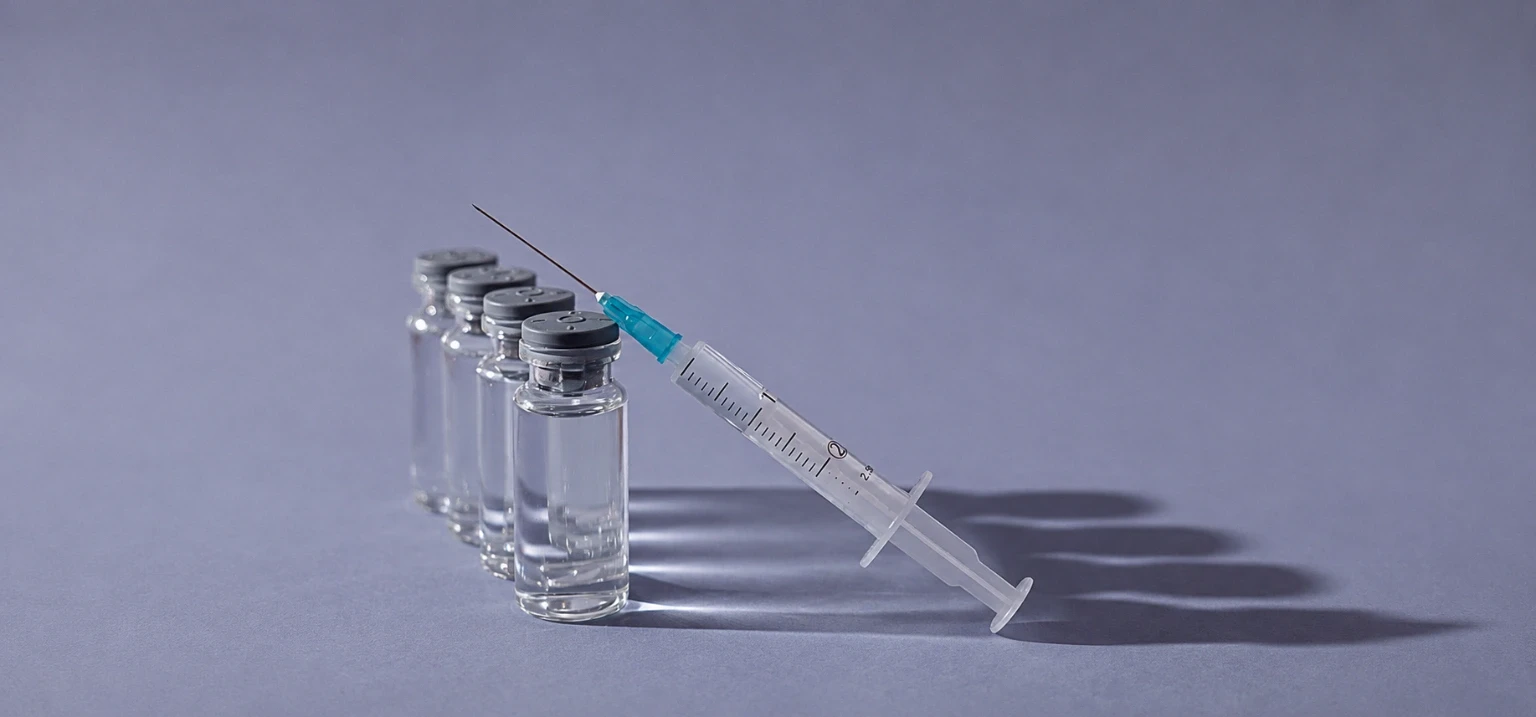
The course must discuss hepatitis B vaccination, including its benefits and availability. A tattoo or piercing owner should maintain the employer process and know how employees are referred for appropriate healthcare services. It is a different requirement from buying PPE or renewing a course certificate.
Exposure incidents require a healthcare pathway
OSHA §1910.1030(f)(3) calls for confidential medical evaluation and follow-up after a reported occupational exposure incident. Staff should know whom to contact immediately under the studio's plan; medical professionals make clinical decisions.
ACTION PLAN
How should an apprentice or Texas studio owner organize BBP training and compliance?
Identify exposure tasks and employment status first, then apply the relevant OSHA and Texas rules before purchasing supplies.
Identify exposure tasks
Review which tattoo and piercing duties involve foreseeable blood or OPIM contact under OSHA's definition.
Review employee status
Use OSHA's control-based interpretation rather than assuming a booth-rental label settles coverage.
Confirm Texas licensing and training expectations
Review 25 TAC §229.405(i) and call DSHS at 512-834-6600 about current course, hours or certificate questions.
Maintain the written exposure control plan
Covered employers provide a plan and review it at least annually under OSHA §1910.1030(c).
Arrange appropriate training
Cover OSHA's minimum subjects, local shop procedures and an opportunity for interactive questions.
Put supplies and procedures in place
Use correct sharps containers, gloves and barrier and cleaning procedures under the studio's rules.
Handle vaccination and exposure response
Covered employers arrange hepatitis B vaccination availability and post-exposure follow-up as OSHA directs.
Keep the program active
Record training, schedule annual refreshers and update procedures when occupational exposure changes.
For planning the shop's first work area and consumables, read first professional tattoo setup. No single purchase completes the BBP program.
AVOID THESE CONFUSIONS
What mistakes do tattoo studios make about BBP certification and OSHA rules?
Confusing a course credential with a regulatory program can leave real studio procedures unaddressed. OSHA and Texas discuss different duties. Keep the following decisions separate.
Assuming a certificate equals OSHA compliance
OSHA also requires a workplace plan, PPE, exposure response and interactive site-specific instruction.
Calling every course renewal an OSHA rule
OSHA requires annual training for covered employees; verify certificate expiration claims with DSHS.
Skipping training for a labeled contractor
OSHA says employment depends on the actual control relationship, not just the contract title.
Using only generic online slides
OSHA expects workplace-specific information and access to interactive questions with a trainer.
Buying gloves but lacking safe sharps disposal
Texas requires single-use needles and sharps containers; OSHA makes engineering controls part of the standard.
Confusing medical and training records
OSHA applies different record rules; the employment-plus-30-years provision concerns employee medical records.
EQUIPMENT AFTER TRAINING
Which SVT Shop sharps containers, gloves and surface supplies support a BBP workflow?
SVT Shop carries Dynarex sharps containers, KORVEX and Adenna gloves, MADA disinfectant, Cosco green soap and Dynarex barrier film. These supplies do not replace training or licensing.
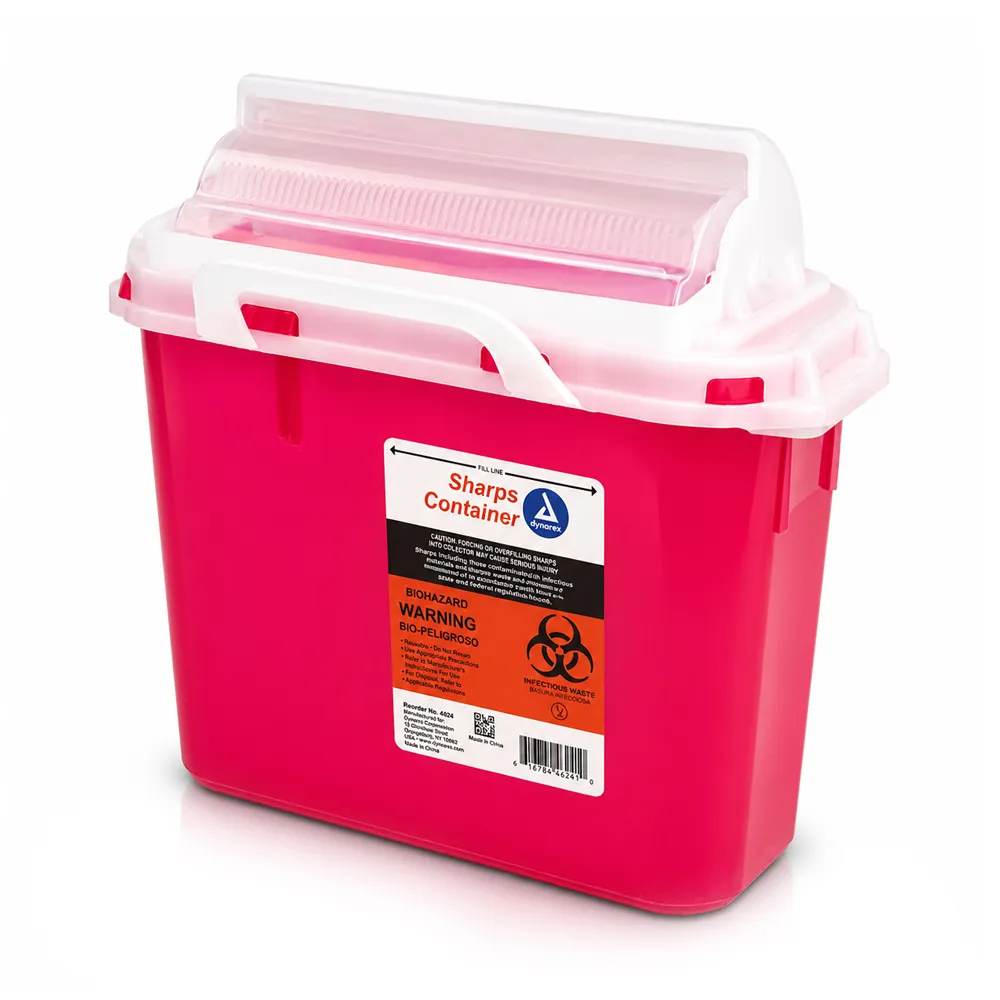 Sharps at the active station
Dynarex Sharps Container 5.4 Qt.
Puncture-resistant disposal-container format for used needles and razors; match location and capacity to the studio's waste plan.
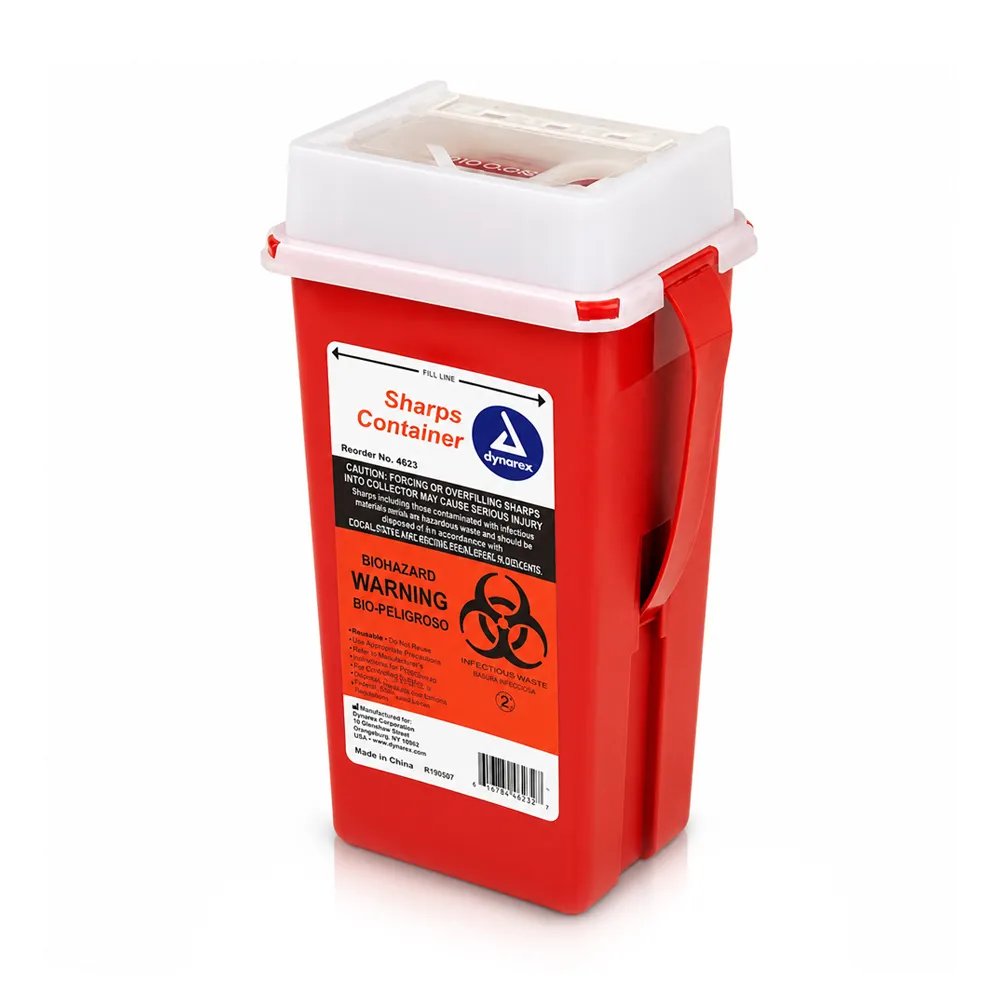 Smaller station collection option
Dynarex Sharps Container 2 Qt.
Compact sharps collection format to compare for a single working area; follow closure and disposal rules.
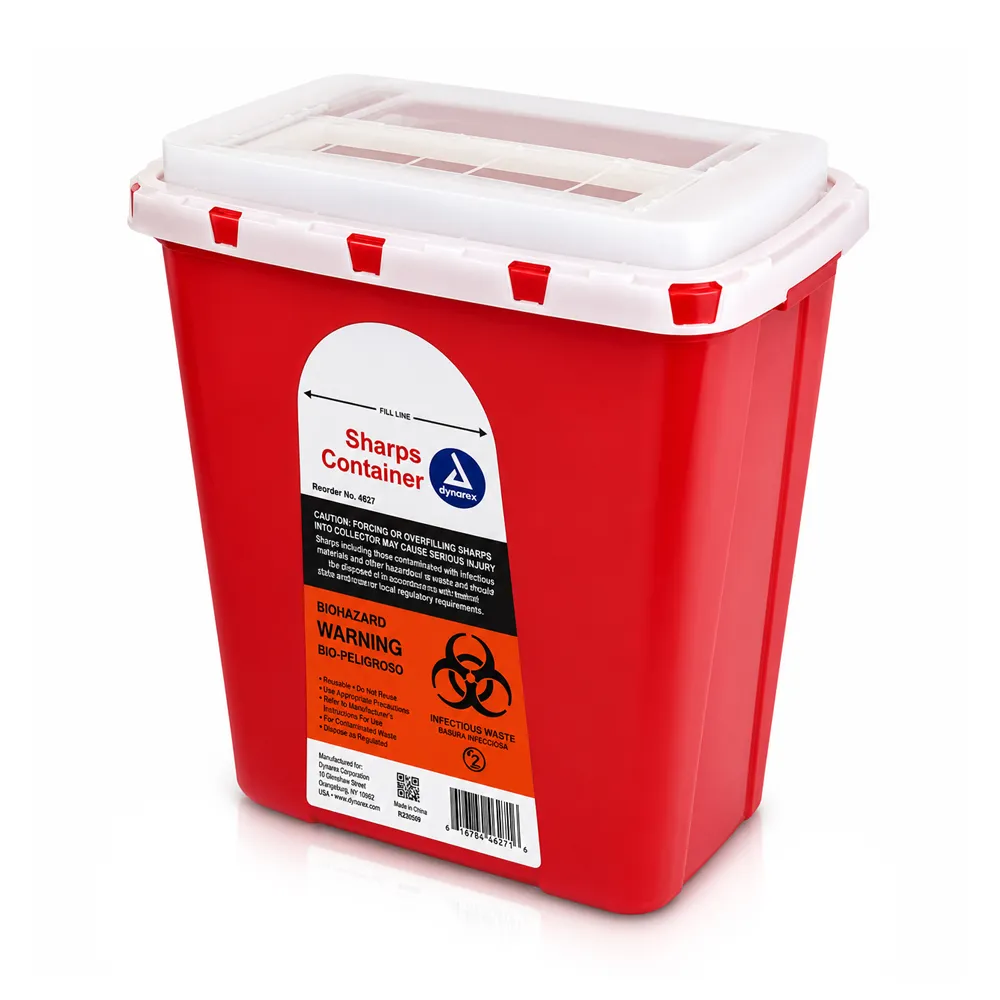 Higher-volume waste planning
Dynarex Sharps Container 6 Gal.
Larger container option for a studio with greater sharps volume; verify placement, lid and collection logistics.
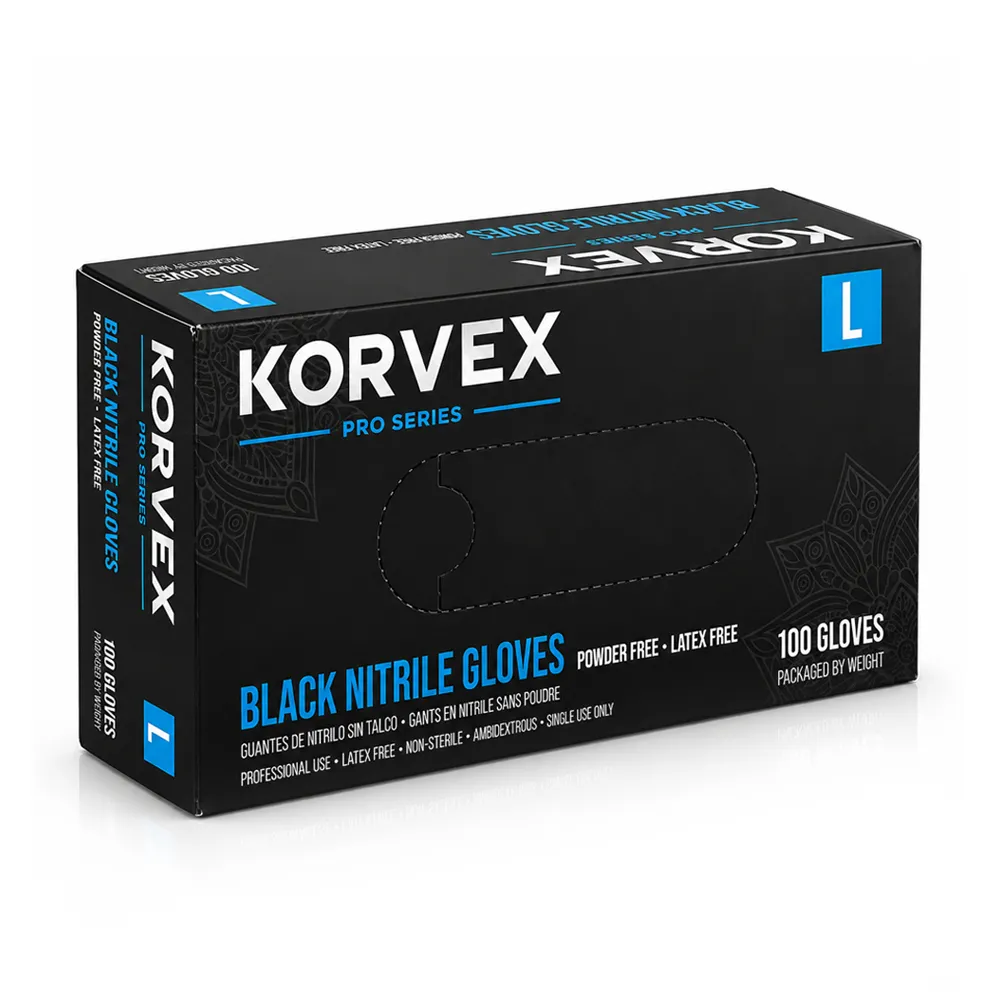 Single-use glove supply
KORVEX Black Nitrile Gloves
Nitrile PPE option for exposed tasks; gloves must be changed and hands washed as procedure requires.
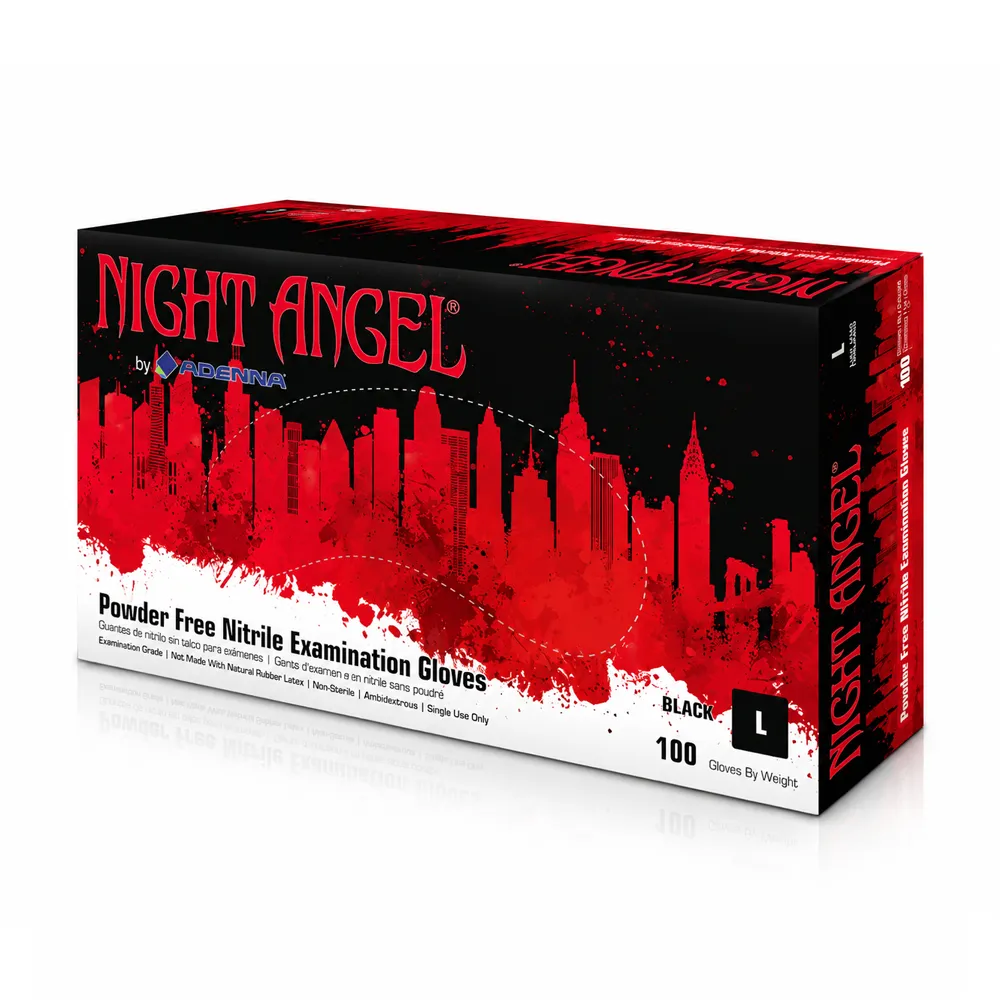 Alternative exam glove
Adenna Night Angel Black Nitrile Exam Gloves
Disposable examination gloves for the studio's glove-use and replacement workflow.
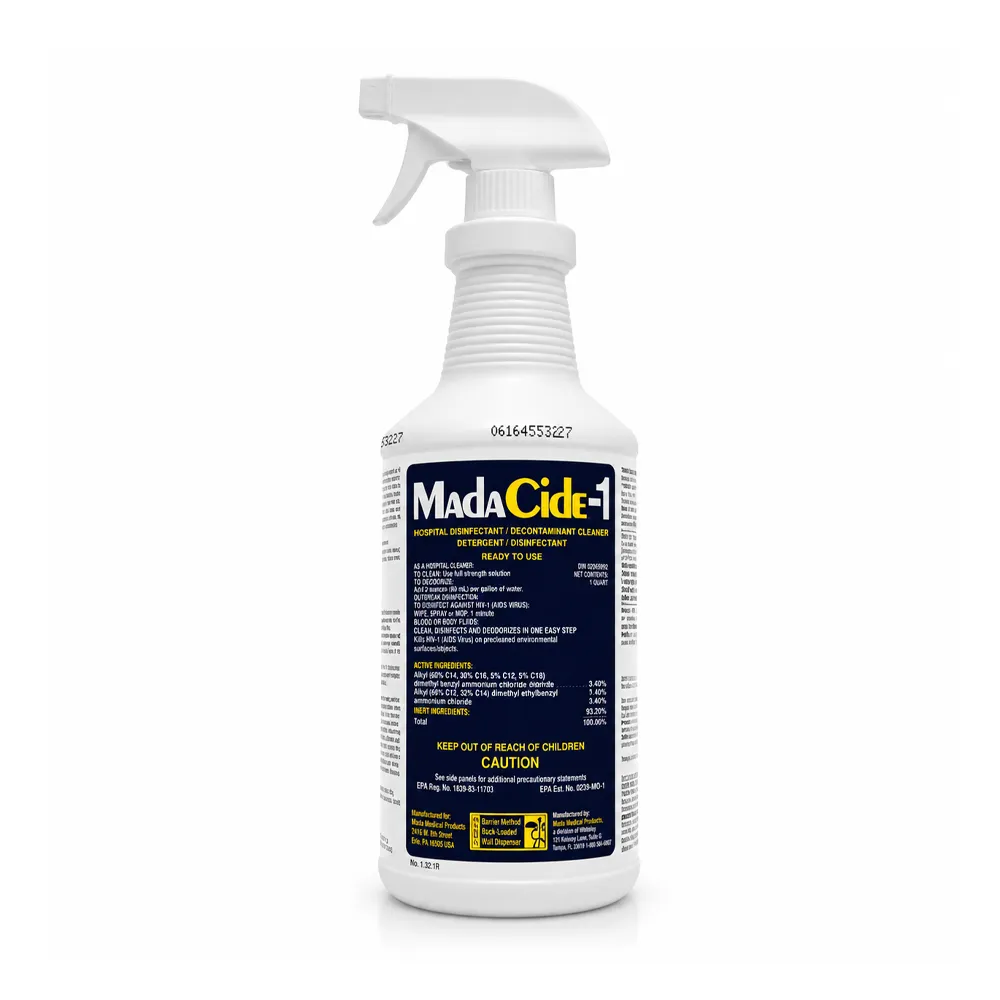 Surface disinfection procedure
MADA MadaCide-1 — Quart
Surface-disinfectant listing for label-directed cleaning. Follow the actual label for use and contact requirements.
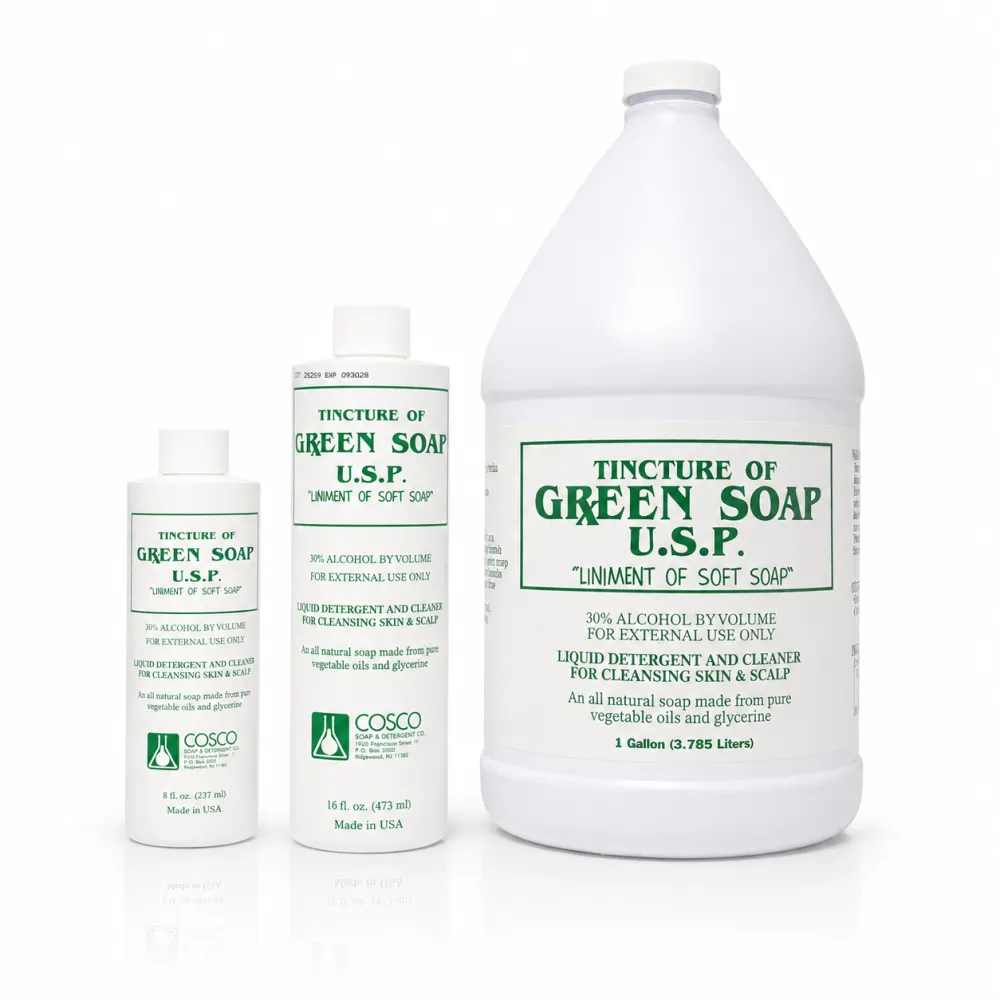 Skin-cleansing supply
Cosco Green Soap
Professional soap option for appropriate cleansing according to studio and product directions, not a substitute for surface disinfectant.
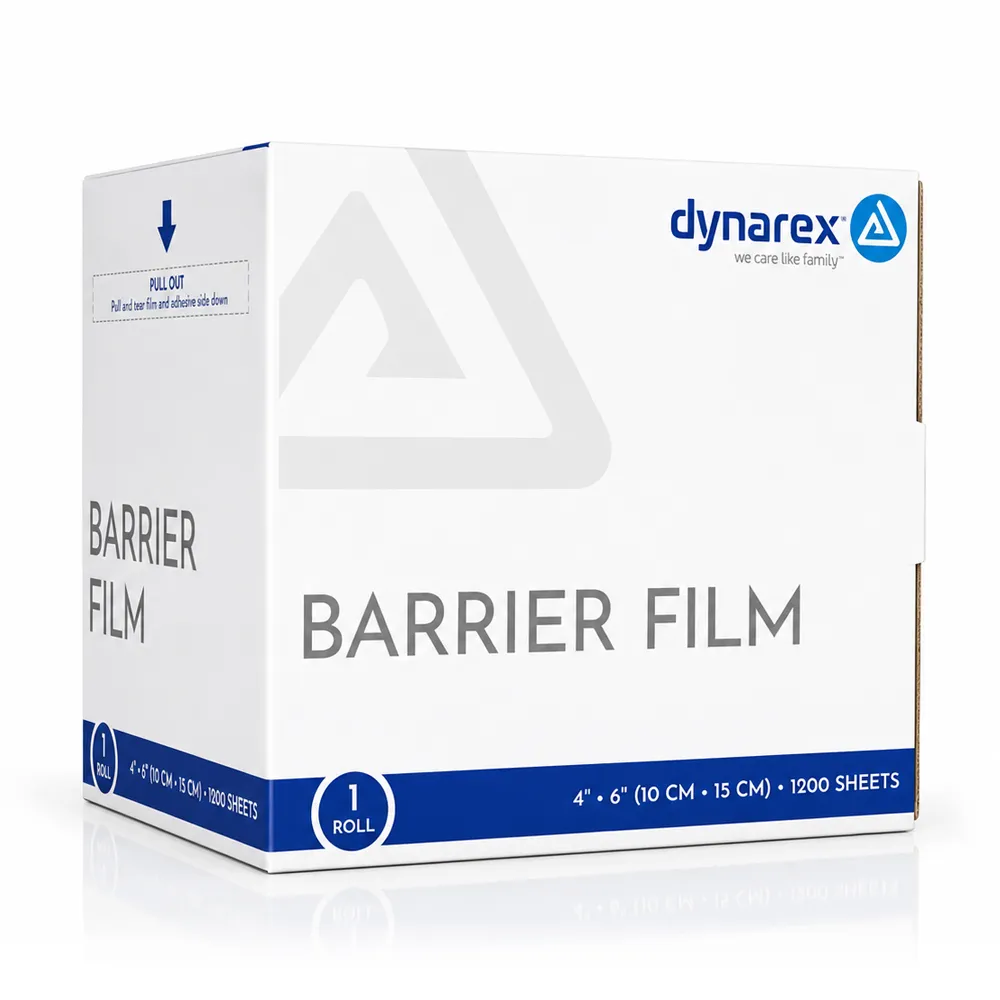 Barrier protection for contact areas
Dynarex Barrier Film Clear
Disposable protective film for selected studio surfaces or equipment contact points as part of a complete cleaning plan.
Shop Sharp Containers Shop Studio Disposables Review Station Practices
SVT Shop supports professional artists, piercers and studios in El Paso, Texas. Next Day Delivery is available in El Paso. Match purchasing decisions to the written exposure control plan and the applicable studio and employer obligations.
BEFORE THE ARTIST WORKS
What should tattoo shops verify on a bloodborne pathogens training checklist?
Use a workplace checklist that separates the legal requirements from course marketing. The standard and Texas provisions define ongoing duties for covered employers and artists.
- OSHA scope: Occupational exposure and employee classification reviewed?
- Texas: Studio license and §229.405(i) aseptic-technique competency addressed?
- Course: Minimum §1910.1030(g)(2)(vii) subjects covered, with interactive questions?
- Schedule: Initial and annual training dates tracked for covered employees?
- Plan: Written Exposure Control Plan available, reviewed at least annually?
- Operations: Universal precautions, glove changes, sharps and cleaning explained?
- Medical: Hepatitis B vaccine offer and exposure follow-up process addressed?
- Documentation: Training records and confidential medical records managed under their respective rules?
- DSHS: Course acceptance, hours, certificate and renewal questions confirmed at 512-834-6600?
FAQ
What do tattoo artists and studio owners ask about OSHA BBP training?
OSHA sets employer training duties; Texas sets studio and artist requirements. Confirm course acceptance with DSHS.
Do tattoo artists need bloodborne pathogens certification?
OSHA requires covered employees to be trained, not to buy one named certificate. Texas §229.405(i) requires aseptic-technique and BBP-prevention competency. Confirm current Texas certificate rules with DSHS at 512-834-6600.
Is bloodborne pathogens training required by OSHA for tattoo artists?
Yes, for employees with occupational exposure. OSHA's 2008 and 2016 interpretation letters address tattoo and piercing workers under §1910.1030.
How often is bloodborne pathogens training required by OSHA?
At initial assignment with exposure and at least annually afterward, within one year of the previous training under §1910.1030(g)(2).
Does Texas require a bloodborne pathogens certificate to tattoo?
Section §229.405(i) requires education, training or experience for aseptic practice. Ask DSHS at 512-834-6600 about course hours, certificates and renewal.
Does OSHA apply to independent contractor tattoo artists or booth renters?
OSHA covers employees, not genuine independent contractors. Its 2016 letter says employment depends on control of the work, not the contract label. Ask OSHA or counsel.
What does a tattoo bloodborne pathogens course cover?
OSHA requires disease and transmission basics, exposure-plan procedures, controls, PPE, vaccination, incident response, labels and interactive questions.
Is an online bloodborne pathogens course accepted for Texas tattoo artists?
OSHA requires trainer interaction and site-specific information. Verify the current Texas acceptance of online formats with DSHS at 512-834-6600.
Do I need a hepatitis B vaccine to work in a tattoo shop?
OSHA requires a covered employer to offer hepatitis B vaccination within 10 working days of initial assignment, after relevant training, subject to listed exceptions. Medical professionals determine suitability.
What is an exposure control plan for a tattoo shop?
It is the written employer plan under §1910.1030(c) for reducing exposure, reviewed at least annually and explained to covered employees.
Who pays for OSHA BBP training and the hepatitis B vaccine?
For covered employees, OSHA requires training during work hours at no cost. Its §1910.1030(f) also makes applicable hepatitis B vaccination and exposure services available without charge.
Can an OSHA training certificate replace a Texas tattoo studio license?
No. DSHS licenses studios under Chapter 146 and 25 TAC Chapter 229. Course documentation does not replace studio licensing.
Does an annual BBP refresher mean my course certificate expires every year?
No. OSHA's annual training schedule is distinct from a commercial certificate's expiration. Confirm any Texas credential-renewal condition with DSHS.
RESEARCH
Sources Consulted
OSHA's federal standard sets employer obligations; its interpretation letters explain tattoo and piercing situations. DSHS lists studio licensing and Texas personnel responsibilities. Confirm current Texas credential questions directly with the agency.
- OSHA: 29 CFR §1910.1030 — Bloodborne Pathogens Standard
- OSHA: 2016 Tattoo/Piercing Employer Obligations and Employee Classification Interpretation
- OSHA: 2008 Initial and Annual BBP Training for Tattoo/Piercing Artists
- Texas DSHS: Tattoo and Body Piercing Studios, Licensing and Contacts
- Texas DSHS: Tattoo and Body Piercing Laws and Rules
- Texas DSHS: 25 TAC §§229.401-229.413 — Studio and Personnel Rules