


 Powered by Comercia.io
To open a tattoo shop in Texas, you need a DSHS studio license for the location, a zoning letter, an online application, and premises prepared for state inspections. This is studio licensing, separate from an individual artist's training; permanent makeup counts as tattooing, while body piercing may need a separate studio license. Check the city and DSHS at 512-834-6600 before signing a lease.
Shop Studio Exam Gloves Shop Sharps Containers
QUICK ANSWER
How do you open a tattoo shop in Texas?
Get zoning approval for the exact address, apply and pay online for a DSHS tattoo studio license, and prepare your premises and records for inspection. DSHS licenses studios, including permanent cosmetics operations. Check separately for body piercing authorization and city permits; call 512-834-6600 to confirm the opening and inspection sequence.
Before the Lease
Verify city or county zoning and whether local tattoo or piercing permits or occupancy approvals apply to the exact address.
State Application
Apply through the DSHS online licensing system, attach the valid zoning letter, and pay the applicable fee.
Before Clients
Prepare workstations, cleaning and instrument procedures, staff practices, client records, and an inspection-ready studio.
STATE LICENSE BASICS
Do you need a license to open a tattoo shop in Texas, or is an artist license enough?
Yes, the business needs a Texas tattoo studio license. Texas Health and Safety Code §146.002 prohibits operating or maintaining an unlicensed tattoo studio, and DSHS says its tattoo studio licensing covers traditional tattooing, permanent cosmetics, and scarification. The state licenses the studio location; individual artist training and any municipal permits are separate questions.
| Who or what? | State licensing distinction | Your next step |
|---|---|---|
| Permanent tattoo studio | DSHS tattoo studio license for the site | Confirm zoning, apply and display the license |
| Permanent cosmetics or PMU studio | Included in the state definition of tattooing | Use the tattoo studio licensing pathway |
| Body piercing studio | Separate piercing studio application under 25 TAC §229.403 | Confirm the correct piercing license category with DSHS |
| Temporary tattoo or piercing location | Separate temporary-event licensing option | Ask DSHS about the intended event and application |
| Individual tattoo artist | The DSHS license discussed here covers the studio, not a statewide individual artist license | Check training obligations and city rules separately |
The individual career pathway is covered in How to Become a Tattoo Artist in Texas. This guide focuses on the legal location, application, equipment, and owner responsibilities.
LICENSE APPLICATION
How do you apply for a tattoo studio license in Texas, step by step?
DSHS instructs applicants to use its Regulatory Services Online Licensing System for initial and renewal tattoo studio permits. The state has required those submissions online since January 9, 2023. Get zoning evidence before filing, then follow the online application and payment sequence.

Choose the location and check its zoning
Get a zoning letter from the city or county confirming the address permits your proposed services.
Confirm the services and license types
Decide whether you need tattoo, piercing, or temporary-event permits; piercing uses a separate application.
Create the DSHS online account
Create an account in the DSHS Regulatory Services Online Licensing System and select Tattoo and Body Piercing.
Select the initial studio permit
Choose Initial Tattoo Studio Permit or the relevant piercing permit; enter ownership, artists, hours, address, and services.
Attach zoning proof, submit, and pay
Attach zoning proof, check the application, submit, and pay. DSHS processes paid applications.
Prepare for DSHS inspection and opening
Prepare facilities and records under Chapter 229; ask DSHS when inspection occurs relative to issuance.
LOCATION & CITY APPROVAL
Does your city have to approve a tattoo shop in Texas before you sign a lease?
Texas Health and Safety Code §146.003 requires zoning evidence from the appropriate city or county officials. DSHS's online instructions call for a valid zoning letter showing the proposed physical location is in an allowed classification. The licensing page also warns that some Texas cities have stricter ordinances or prohibit tattooing or body piercing.
Questions to ask your city or county
- Is tattooing permitted at this exact address?
- Are permanent cosmetics and body piercing allowed under the same local classification?
- Who issues the official zoning confirmation letter?
- Is a certificate of occupancy or another local approval required?
- Do local rules add restrictions beyond Texas DSHS requirements?
APPLICATION COSTS
How much is a tattoo studio license in Texas?
The DSHS fee schedule, reviewed November 14, 2026, lists $927 for initial and renewal Tattoo Studio licenses. Fees are non-refundable. Confirm the current amount and transaction with DSHS at 512-834-6600 before paying.
| License or transaction | DSHS page lists | Buyer or applicant note |
|---|---|---|
| Tattoo Studio — initial | $927 | Check current schedule before submitting |
| Tattoo Studio — renewal | $927 | Confirm date shown on your license |
| Tattoo Studio — amendment | $450 | Ask DSHS which changes use an amendment versus a new application |
| Tattoo Studio — late fee | $100 | Renew before expiration |
| Temporary Tattoo Studio — initial | $464 | Check event-specific licensing instructions |
| Body Piercing Studio with Tattoo Studio — initial or renewal | $309 | Separate piercing application category |
Why confirm the fee with DSHS?
The DSHS forms page and older Chapter 229 rule text show different fee amounts. Use the current DSHS fee page and licensing assistance rather than budgeting from an old rule compilation, a cached guide, or a fixed price quoted elsewhere.
PHYSICAL PREMISES
Can you open a tattoo studio in your house, and what building does Texas allow?
Texas 25 TAC §229.404(a) requires a permanent, nondwelling building or part of a building. It must be separated from living quarters by complete floor-to-ceiling partitioning and have no access to living quarters. That makes an ordinary bedroom or shared residential work area a poor fit for the stated studio requirements. Discuss a proposed residential-property conversion with DSHS and local zoning officials before making alterations or signing a lease.

| Premises element | Chapter 229 requirement | What to verify during layout |
|---|---|---|
| Building and living quarters | Permanent nondwelling space, partitioned from any living quarters without access | Proposed floor plan and local zoning decision |
| Work surfaces | Smooth, hard, nonporous surfaces in tattooing area | Worktops, chairs, and furniture finishes |
| Lighting | At least 50 foot-candles in tattoo and sterilization areas | Lighting plan for actual workspaces |
| Ventilation | Mechanical ventilation | Building provisions before renovations |
| Handwashing | Hot and cold running water, liquid germicidal soap, single-use towels, covered trash, and unobstructed access | Sink location relative to stations |
| Separate services and cleaning | Tattooing separated from other services; a distinct sterilization area defined in §229.402 | Flow from used instruments to clean supplies |
Section 229.404 also addresses animals (with a service-animal exception), tobacco, alcohol consumption, and vermin. For equipment finishes, read Tattoo Furniture Guide.
REUSABLE VS SINGLE-USE
Does every Texas tattoo studio need an autoclave and monthly spore testing?
Texas distinguishes instruments sterilized after use from items supplied presterilized for a single procedure. DSHS's licensee FAQ says studios using instruments sterilized by a third party, such as a manufacturer, do not need to re-sterilize those items, but must have third-party documentation describing the sterilization method, storage, and sterile period. Ask DSHS to review a studio that intends to use only presterilized disposables, particularly if body piercing or reusable jewelry is involved.
If the studio operates sterilization equipment, §229.407 addresses equipment approved by FDA for sterilization, accessible manufacturer procedures, monthly spore tests through an approved laboratory, and sterilization records kept for at least two years. The defined sterilization area is separate from workstations and has restricted client access. Do not purchase sterilization equipment simply by assuming every studio needs the same machine; see Do You Need an Autoclave for a Tattoo Shop? for the full sterilize-or-dispose workflow.
DSHS INSPECTION
Does Texas inspect tattoo shops, and what do inspectors look for?
Yes. DSHS says its Environmental Sanitation Inspections Branch conducts on-site inspections. Texas Health and Safety Code §146.016 requires studio operators to allow department inspections whenever the studio is operating. DSHS describes inspection of cleanliness, universal precautions, instrument handling, waste disposal, client records, and reporting of infections or adverse reactions.

CLIENT FILES & REPORTS
What client records, ID checks, and infection reports must a Texas tattoo studio keep?
Texas §229.406(j) requires client records kept at least two years after the last entry. Record contact details, date, age or birth date and ID details, artist, colors and catalog number, body location, aftercare statement, and signature. Create this intake and filing process before opening.
Under §229.406(a), tattoo clients must meet the rule's minimum age of 18 and present government-issued photo identification. For the limited exceptions involving minors and parental consent, see Texas Tattoo Age and Consent Forms. Do not use tattoo-client rules as a substitute for the separate body-piercing provisions. DSHS inspection guidance also flags services to people under the influence of drugs or alcohol.
Texas §229.410(a) requires a written report to DSHS of any infection or allergic reaction within five working days. This is a distinct reporting duty from keeping routine client records. For pigment-label purchasing, see Tattoo Ink Safety: FDA and Label Guide.
DAILY OPERATIONS
What OSHA, sharps, glove, and waste rules apply to a Texas tattoo studio?
Texas §229.405 requires single-use gloves while artists assemble tattoo and piercing instruments and perform procedures. It also requires artists to have the education, training, and experience needed to use aseptic technique and prevent transmission of bloodborne pathogens. The DSHS laws page identifies OSHA's 29 CFR 1910.1030 bloodborne-pathogens standard as adopted by reference. See Bloodborne Pathogens Certification for Tattoo Artists and Best Gloves for Tattooing.
Under §229.409, tattoo and piercing needles and razors or razor heads are single-use and must be discarded in sharps containers; pigment containers and stencils are single-use for each client. Section 229.411 addresses disposal of sharps and other waste under the applicable DSHS and TCEQ requirements. Keep disposal, handwashing, equipment cleaning, and client recordkeeping as distinct trained tasks.
At handwashing sinks, Texas §229.404 calls for liquid germicidal soap. Review the label of the specific soap selected for its intended use; a product name alone does not establish regulatory suitability. Compare skin-cleaning products in Green Soap Dilution Guide and equipment care in How to Clean and Disinfect a Tattoo Machine. For used-needle disposal and what to do after an accidental stick, see How to Dispose of Tattoo Needles and Needlestick Injury in a Tattoo or Piercing Studio: What to Do.
RENEWAL & CHANGES
How long is a Texas tattoo studio license valid, and what happens if you move or change owners?
Texas Health and Safety Code §146.004 states a tattoo or body piercing studio license is valid for two years, while 25 TAC §229.403(d)(2) says DSHS may issue a license for one or two years. Check the expiration date printed on your license and confirm the applicable term with DSHS; §229.403 says to renew before expiration.
DSHS says the license is site-specific and must be displayed prominently. Its FAQ says a change of location, ownership, or studio name requires a new Tattoo Studio License Application and appropriate fee, including a move next door. Section 229.403 also directs written notice at least 30 days before a location change. Because DSHS publishes amendment fees and instructions separately, contact the licensing branch before filing any particular change.
HB 1778 UPDATE
Do Texas tattoo studio employees need human trafficking training and awareness signs?
DSHS says House Bill 1778, passed by the 89th Texas Legislature, adds human trafficking prevention measures for tattoo and body piercing studios. The DSHS page describes approved training for each employee within a timeframe to be established by agency rule, plus applicable human trafficking awareness sign-posting obligations.
DSHS says it is developing implementing rules with additional information on training deadlines and approved courses. Include this topic in the owner's opening checklist, review the DSHS human trafficking prevention update, and confirm the current implementation requirements with DSHS rather than assigning a deadline based on an old article.
COMMON OPENING MISTAKES
What mistakes should you avoid when starting a tattoo business in Texas?
The most expensive opening errors usually begin with a wrong location, incomplete license category, or setup that cannot demonstrate compliance during an inspection. Fix those decisions before placing the large equipment order.
Signing a lease before zoning
DSHS requires a valid zoning letter for the site. Check the city or county before committing to the property.
Assuming tattoo licensing automatically includes piercing
Chapter 229 describes separate studio applications for tattooing and body piercing. List all services before applying.
Buying an autoclave without defining instruments
DSHS recognizes third-party sterilized disposables with documentation. Map your reusable and single-use needs first.
Building stations without sink and cleanable-surface planning
Chapter 229 specifies handwashing access, work surface characteristics, lighting, and ventilation.
Opening without client records and disposal procedures
Design the record form, sharps routine, and instrument handling process before your first appointment.
STUDIO SUPPLY LIST
Which gloves, sharps containers, soaps, barriers, and pouches fit a new Texas tattoo shop?
Build the opening supply order around glove use, skin cleaning, sharps, barriers, and any reusable-instrument packaging. These SVT Shop products support those workflows; verify intended use against the product label and Texas rules.
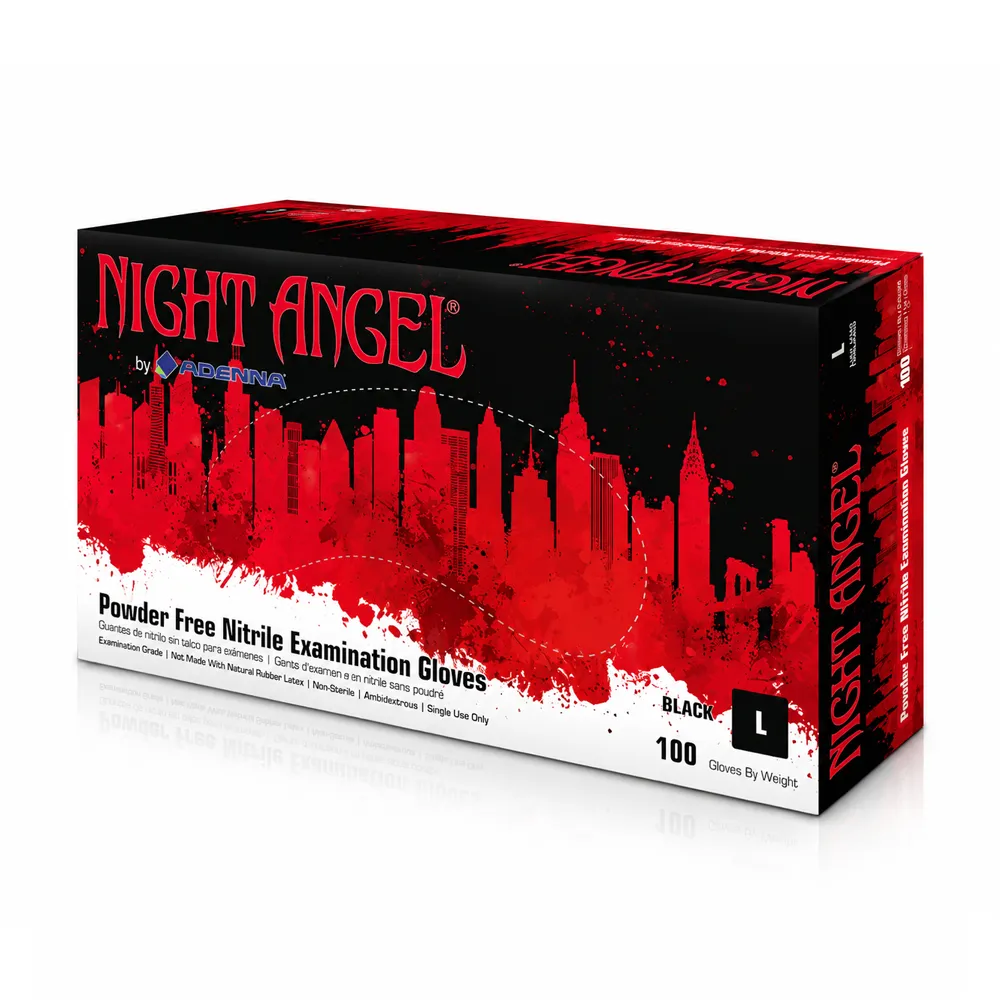 Single-Use Exam Gloves
Adenna Night Angel Black Nitrile Exam Gloves
Single-use nitrile exam gloves for instrument assembly and tattooing; choose sizes for your staff.
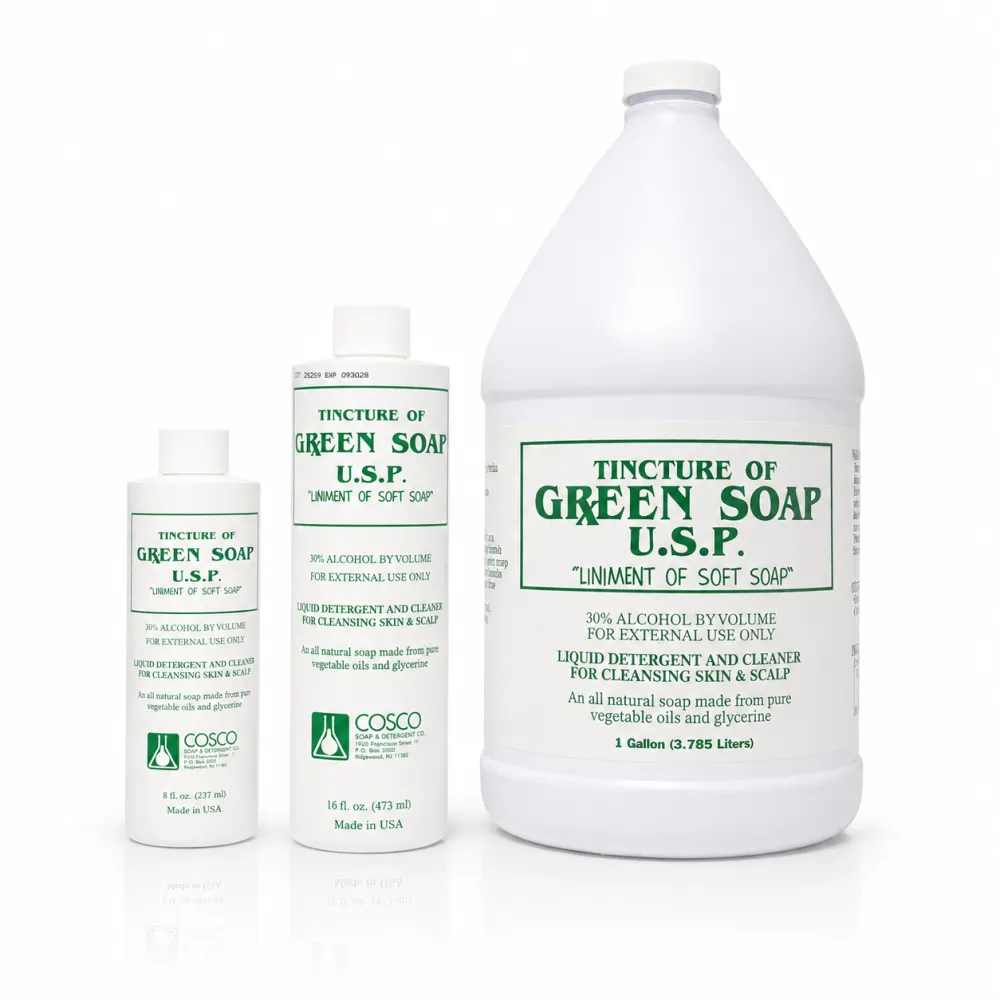 Skin-Cleaning Supply
Cosco Green Soap
Skin-cleaning soap option; check the label for any required germicidal use.
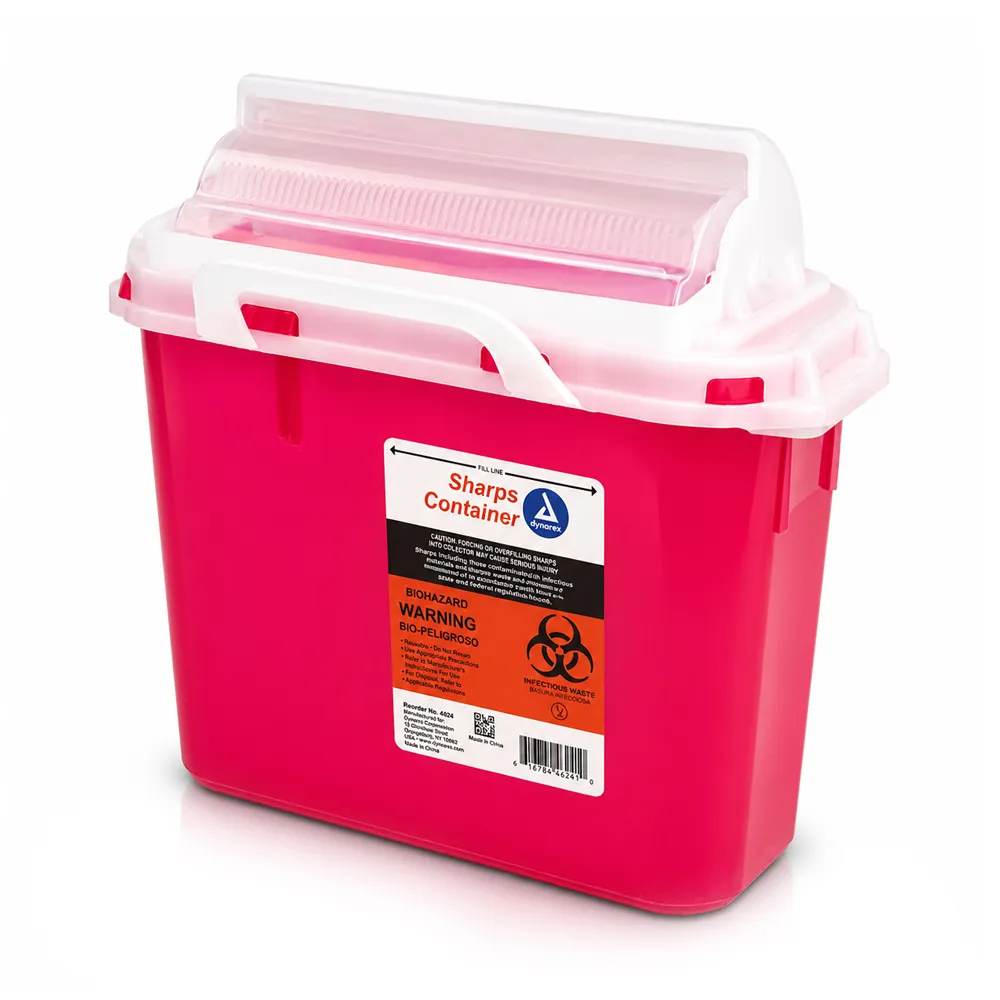 Procedure-Station Sharps
Dynarex Sharps Container 5.4 Qt.
Station-size container for used needles and razors.
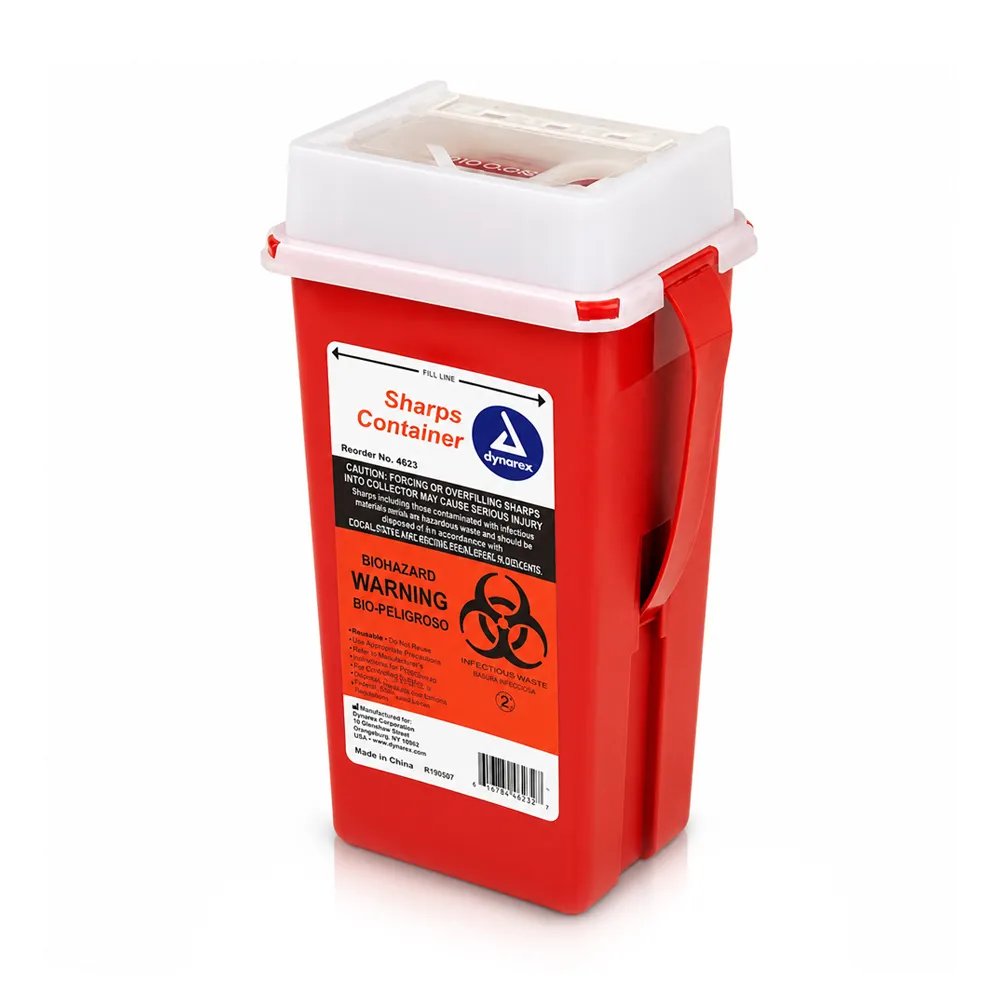 Compact Sharps Collection
Dynarex Sharps Container 2 Qt.
Compact sharps container option for individual workstations.
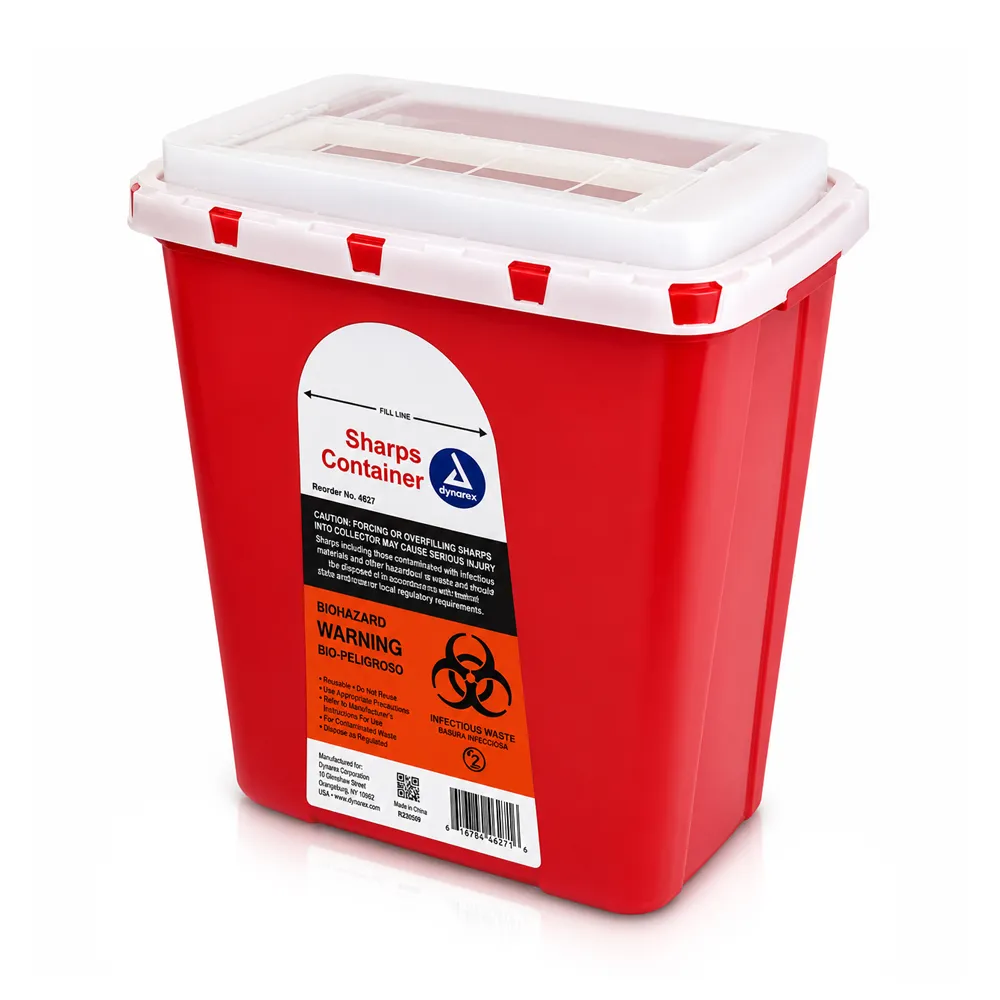 Larger Studio Sharps Collection
Dynarex Sharps Container 6 Gal.
Larger-capacity sharps container for studio collection planning.
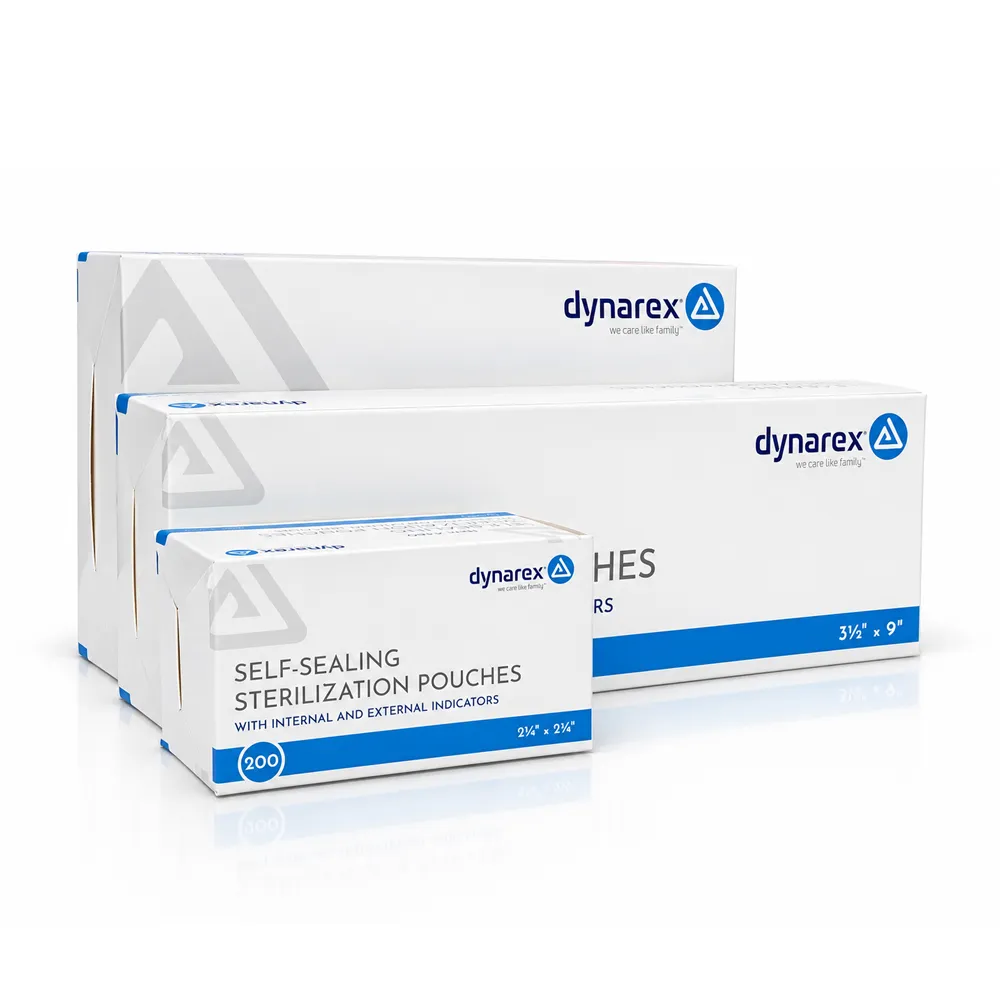 For Reusable-Instrument Workflow
Dynarex Sterilization Pouches 200 ct
Pouches for eligible in-house sterilization workflows; follow unit instructions.
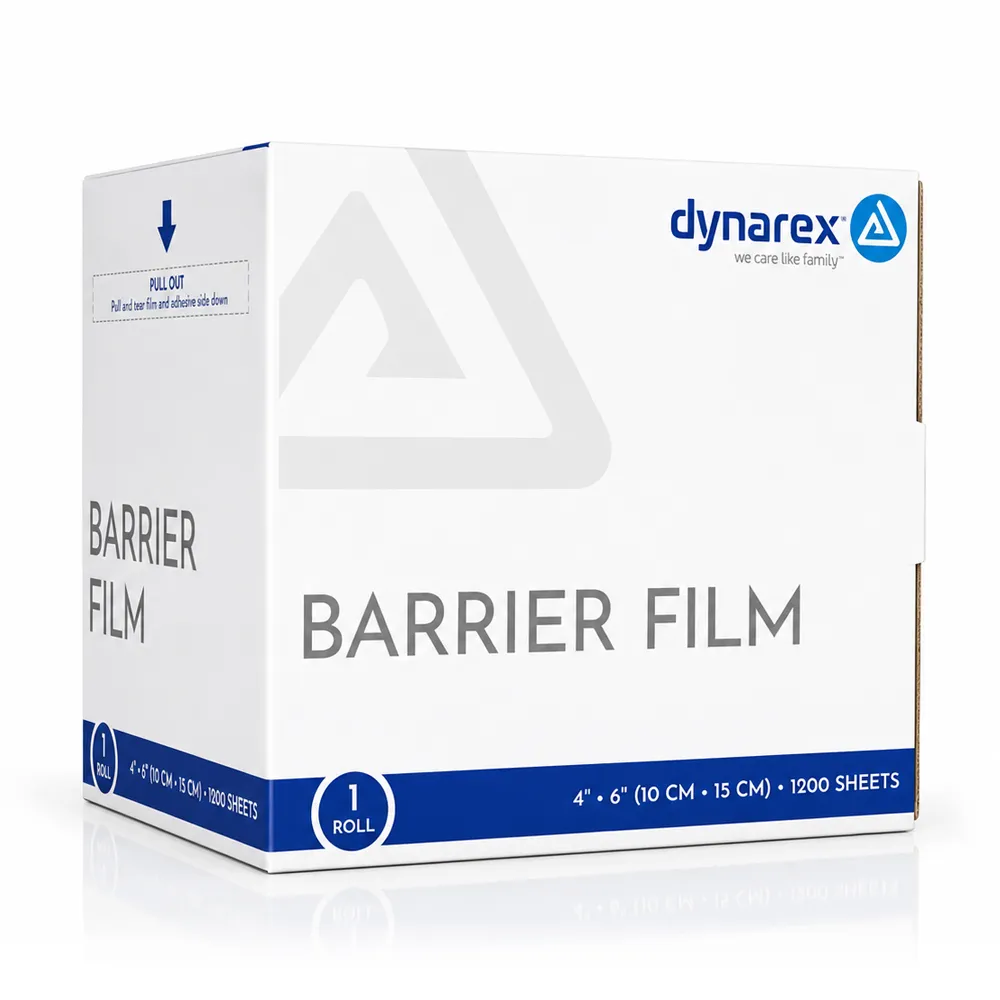 Workstation Barrier Supply
Dynarex Barrier Film Clear
Disposable barriers for equipment and workstation touch surfaces.
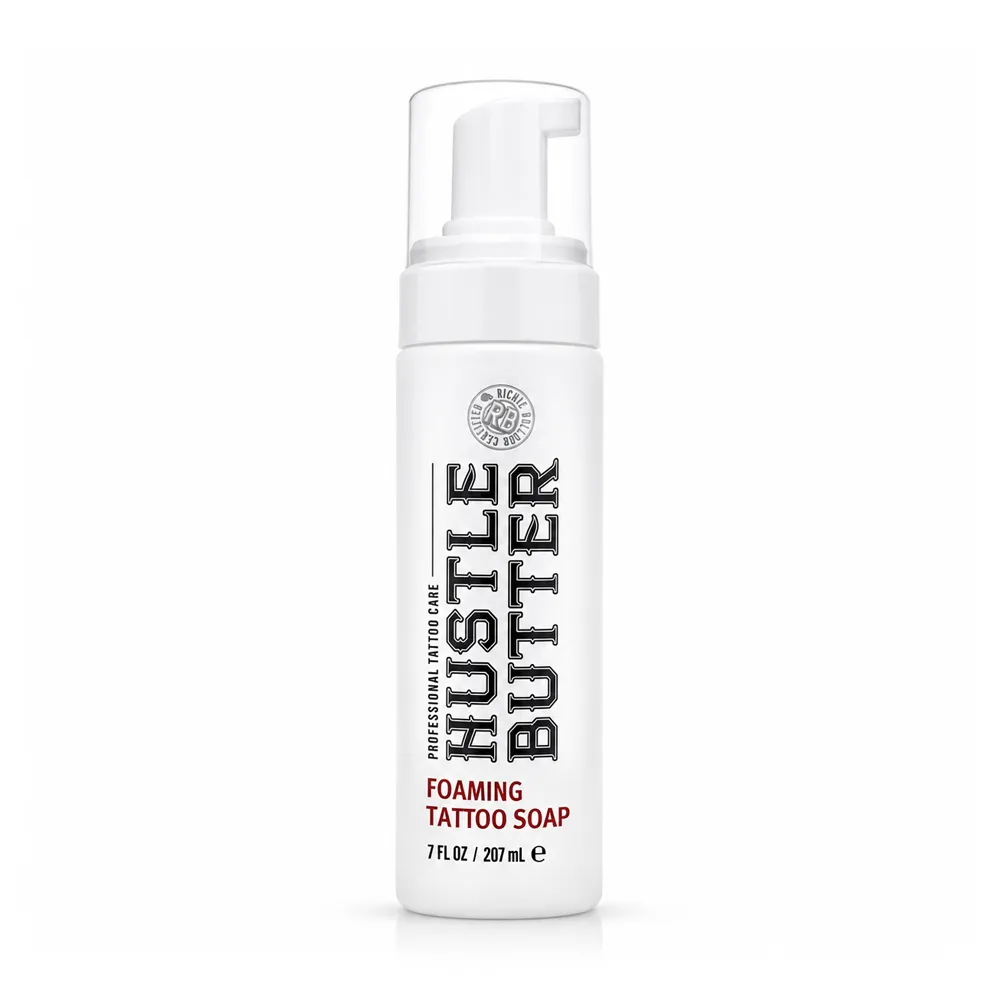 Additional Tattoo Soap Option
Hustle Butter Foaming Tattoo Soap
Additional tattoo soap option; review the product label and its intended use.
FINAL OPENING CHECKLIST
What should a Texas studio owner finish before opening the doors?
Use this sequence to connect licensing, the premises, and daily operations before the first appointment.
- Location: Confirm zoning and local permits; obtain the written zoning letter.
- Services: Decide on tattoo, PMU, piercing, and any temporary-event license needs.
- Application: Submit the DSHS online license application with required business and service information.
- Payment: Verify current, non-refundable fees with DSHS before paying.
- Premises: Check permanent nondwelling layout, separations, surfaces, lighting, ventilation, and sink access.
- Supplies: Plan gloves, single-use instruments, sharps containers, pigments, stencils, and barriers.
- Records: Prepare client identification, procedure and aftercare records, and required sterilization documentation.
- Staff practices: Train for aseptic technique, bloodborne pathogens, and proper waste handling.
- License display and renewal: Post the site-specific license and calendar its printed expiration date.
Licensing assistance: 512-834-6600 or [email protected]; general DSHS program: 512-834-6711. Confirm city permits locally. SVT Shop supplies studio essentials with Next Day Delivery available in El Paso.
FAQ
Frequently asked questions about opening a tattoo shop in Texas
These answers cover the studio license, zoning, inspection, costs, service categories, and owner responsibilities most often raised before opening.
Do I need a license to open a tattoo shop in Texas?
Yes. Texas Health and Safety Code §146.002 requires a DSHS license for the studio site; permanent cosmetics are included in tattooing. Check local artist and location rules separately.
How much is a tattoo studio license in Texas?
The DSHS forms page reviewed November 14, 2026 lists $927 for initial and renewal Tattoo Studio licenses. Confirm current, non-refundable fees at 512-834-6600.
How do I apply for a tattoo studio license in Texas?
Get a zoning letter, create the DSHS online account, select Initial Tattoo Studio Permit, enter your details, attach the letter, submit and pay.
Can I open a tattoo studio in my house in Texas?
Section 229.404 requires permanent nondwelling premises separated from living quarters without access. Check the proposed property with DSHS and city zoning.
Does Texas inspect tattoo studios before they open?
DSHS conducts on-site inspections. Ask DSHS when the initial inspection occurs in relation to license issuance and opening.
How long is a Texas tattoo studio license valid and how do I renew it?
The statute says two years; the rule allows one or two. Check your printed expiration date, confirm with DSHS, and renew online before it expires.
Do I need a separate license for body piercing or permanent makeup?
Permanent cosmetics are included in tattooing. Body piercing requires a separate studio application; Chapter 146 does not apply to a person who performs only ear piercing.
What if I move, change the studio name, or change ownership?
DSHS says the license is site-specific and these changes need a new application and appropriate fee. Confirm procedures and advance notice with DSHS.
Does my city need to approve my tattoo shop?
DSHS requires zoning evidence. Some cities impose stricter ordinances or prohibit tattooing. Ask locally about zoning, occupancy, and permits.
What equipment does a Texas tattoo studio have to have?
Plan handwashing, cleanable surfaces, lighting, ventilation, single-use gloves, sharps containers, and appropriate instrument and record systems.
Do tattoo studio employees need human trafficking training in Texas?
DSHS says HB 1778 adds approved training and awareness signs. Implementation rules are in development; check the DSHS update.
Who do I call at DSHS about opening a tattoo studio?
Licensing: 512-834-6600 or [email protected]. General program: 512-834-6711 or [email protected].
RESEARCH
Sources Consulted
Texas DSHS program pages, Texas Health and Safety Code Chapter 146, and 25 TAC Chapter 229 supply the requirements discussed here. Confirm current fees, license duration, and licensing instructions with DSHS before signing a lease or paying.
- Texas DSHS: Tattoo and Body Piercing Studios — Online Licensing and Contacts
- Texas DSHS: Licensing Requirements and Inspections
- Texas DSHS: Applications, Forms and License Fee Schedule
- Texas DSHS: Frequently Asked Questions from Licensees
- Texas DSHS: HB 1778 Human Trafficking Prevention Requirements
- Texas DSHS: Laws and Rules for Tattoo and Piercing Studios
- Texas Health and Safety Code: Chapter 146, Tattoo and Certain Body Piercing Studios
- Texas Administrative Code: §229.403, Licensing