


 Powered by Comercia.io
If you accidentally stick yourself with a used tattoo needle or piercing sharp, wash the puncture with soap and water, report the exposure immediately, and seek medical care immediately. The CDC treats occupational blood exposure as urgent because a clinician may need to assess time-sensitive post-exposure prophylaxis (PEP). This guide gives tattoo artists, piercers, apprentices, and studio owners a practical response protocol, OSHA recordkeeping distinctions, and ways to organize safer sharps handling.
Shop Sharps Containers Shop Exam Gloves
QUICK ANSWER
What do I do if I get stuck with a used tattoo needle?
Wash the injury with soap and water, report it immediately, and seek medical care immediately. The CDC's archived Stop Sticks guidance specifies washing small punctures for 15 minutes; its occupational HIV guidance says to contact a doctor or emergency room right away. Tell the medical professional that the injury involved a used tattoo or piercing sharp so they can evaluate exposure and whether any urgent treatment or follow-up is indicated.
01 — Wash
Wash the puncture or small wound with soap and water; follow CDC's archived wound-care guidance.
02 — Report
Tell the studio owner, supervisor, or person responsible for occupational exposures immediately.
03 — Get Care
See a medical professional or go to an emergency room right away. Do not delay for paperwork or client test results.
IMMEDIATE RESPONSE
What should a tattoo artist or piercer do immediately after a needlestick?
Stop the procedure, wash the puncture, report it, and seek medical care immediately. The CDC's archived Stop Sticks guidance recommends washing small punctures with soap and water for 15 minutes and reporting exposure immediately.
Stop working and secure the sharp
Pause the procedure. Use the studio's process to prevent further handling of the contaminated sharp.
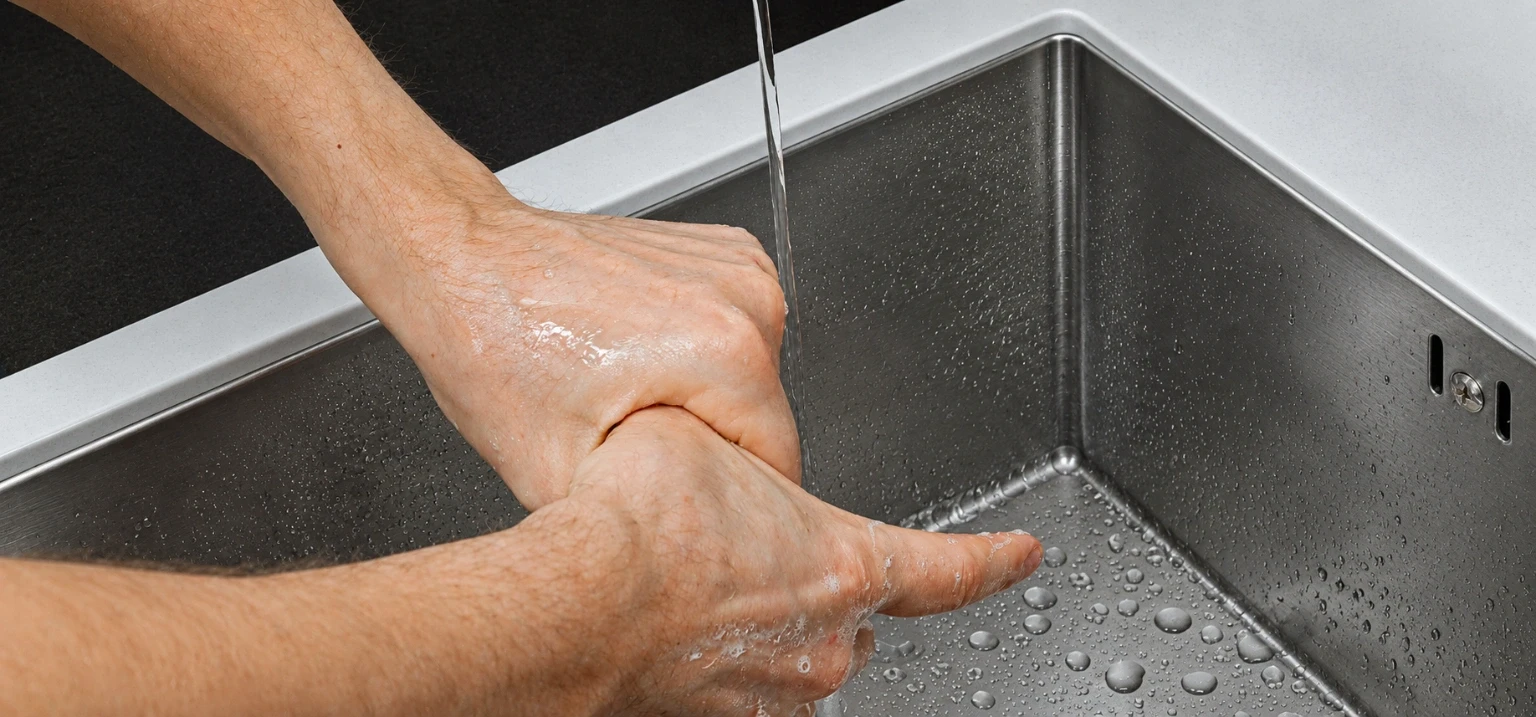
Wash the puncture with soap and water
CDC's archive recommends 15 minutes of soap-and-water washing for small punctures.
Report the exposure immediately
Tell the supervisor or designated exposure contact what happened, where, and with which device.
Seek medical care immediately
See a doctor or emergency department right away for exposure assessment and any indicated urgent care.
Complete the employer's follow-up process
Follow the confidential medical evaluation and applicable documentation process.
Medical care comes before an incident form
Do not postpone evaluation while searching for a client's test results, completing a sharps log, or deciding whether the puncture looks serious. Seek medical care immediately.
IDENTIFY THE EXPOSURE
What counts as a tattoo or piercing blood exposure at work?
OSHA's sharps-log rule addresses percutaneous injuries from contaminated sharps, while its needlestick-recording rule concerns work-related cuts and punctures involving another person's blood or other potentially infectious material. Tell the clinician exactly what happened rather than assessing infection risk from a wound's appearance.
| Studio incident | Information to report | Next action |
|---|---|---|
| Used tattoo needle punctures a finger | Device, work area, and how the puncture happened | Wash, report, and seek medical care immediately |
| Used piercing sharp causes a cut | Type of sharp, procedure, and circumstances | Obtain immediate confidential medical evaluation |
| Contaminated razor injures a worker | Device and where the injury occurred | Follow the immediate exposure-response process |
| Used sharp injures staff during cleanup | Type and brand of device, work area, and handling task | Wash, report, and seek medical care immediately |
TIME-SENSITIVE CARE
How soon should HIV or hepatitis B PEP start after a tattoo needlestick?
PEP is a medical decision. The CDC archive calls for HIV PEP within hours when indicated and hepatitis B PEP as soon as possible, preferably within 24 hours. The 2025 US Public Health Service guideline recommends starting indicated HIV PEP as soon as possible, up to 72 hours after exposure.
The 72-hour window is not a deadline to aim for. CDC advises reporting occupational HIV exposure and seeing a doctor or emergency room right away. The medical professional decides on testing, PEP, counseling, and follow-up.
What should you tell the medical professional?
Explain that this happened during tattooing, piercing, preparation, or cleanup; describe the sharp and exposure route; and provide available information through the employer's confidential process. Ask the clinician to evaluate HIV and hepatitis-related follow-up as appropriate.
OSHA FOLLOW-UP
What happens during the medical evaluation after a studio needlestick?
OSHA 1910.1030(f)(3) requires covered employers to immediately offer confidential medical evaluation and follow-up after an employee exposure. The process includes documenting circumstances, source identification and testing, exposed-worker testing, medically indicated PEP, counseling, and evaluation of reported illness.
What the owner should organize
- Prompt access to the confidential medical evaluation and follow-up required for exposed employees
- An accurate account of how the puncture, cut, or other exposure occurred
- Source-individual identification and testing handled through the appropriate legal and medical process
- Access to exposed-worker testing and medically indicated post-exposure care
- Counseling and follow-up directed by the evaluating healthcare professional
- The healthcare professional's written opinion as required by OSHA, handled with medical confidentiality
OSHA requires covered employee medical records to be retained for the duration of employment plus 30 years. This rule concerns medical records, not every incident note or the sharps injury log.
SOURCE INFORMATION
What if the tattoo or piercing client has HIV or hepatitis, or their status is unknown?
Report what is known and seek medical care immediately, regardless of whether the client's HIV or hepatitis status is known. OSHA includes source identification and appropriate testing in the confidential post-exposure process. Share relevant information through the clinician and employer, not general studio discussion.
EMPLOYER RESPONSIBILITIES
Who pays for a needlestick evaluation, and does OSHA require a hepatitis B vaccine offer?
OSHA requires covered employers to provide the required confidential post-exposure evaluation and follow-up without cost to the employee. It also requires a no-cost hepatitis B vaccination offer for employees with occupational exposure within 10 working days of initial assignment, under its stated conditions.
Vaccination planning belongs before an injury; immediate evaluation belongs after one. Owners should organize the vaccine offer, employee training, incident-reporting contact, and healthcare provider details together. An injured worker still needs medical evaluation.
SHARPS INJURY LOG
What is an OSHA sharps injury log, and what must it contain at a minimum?
OSHA 1910.1030(h)(5) requires a confidential sharps injury log where its recordkeeping rule applies. Record the type and brand of device, department or work area, and how the incident occurred. Protect the injured employee's identity.

| Required log field | Studio-oriented example of what to record |
|---|---|
| Type and brand of device | Identify the tattoo needle, cartridge, piercing sharp, or other instrument involved and its brand |
| Department or work area | Identify the relevant tattoo station, piercing area, or cleanup location |
| How the incident occurred | Describe the task and sequence that produced the puncture without speculation |
| Employee confidentiality | Maintain the log in a manner that protects the injured worker's identity |
A sharps injury log is different from an employee's medical record or confidential exposure follow-up. Do not put client health information or an exposed employee's medical details in a shared station log.
RECORDKEEPING & WORK STATUS
Do small tattoo shops and independent contractors have OSHA needlestick recordkeeping requirements?
OSHA 1904.8 addresses work-related needlesticks involving another person's blood or other potentially infectious material. OSHA 1904.1 generally partially exempts employers with 10 or fewer employees from routine Part 1904 logs. The sharps-log duty under 1910.1030(h)(5) is tied to employers required to keep Part 1904 logs. Ask OSHA which rules apply to your studio.
OSHA's 2016 interpretation for tattoo and piercing establishments considers who has the right to control the manner and means of an artist's work when assessing employment status. Contract wording alone does not settle the question. Regardless of status, an injured artist should seek medical care immediately.
Three different record systems
The OSHA 300 injury-and-illness log, the 1910.1030 sharps injury log, and confidential employee medical records are not the same thing. Review each applicable provision with OSHA when building the studio's recordkeeping procedure.
For Texas tattoo and body-piercing rule questions, contact Texas DSHS licensing assistance at 512-834-6600. Avoid assuming that client infection reporting rules answer the separate question of an artist's workplace injury.
PREVENTION AT THE STATION
How can tattoo artists and piercers prevent needlestick injuries during setup and cleanup?
OSHA calls for contaminated sharps to be discarded immediately or as soon as feasible in suitable containers. Texas 25 TAC §229.409(e) says tattoo and piercing needles and razors or razor heads are single-use and belong in a sharps container.
Place a sharps container in the working area
Place the appropriate container near the work so staff do not need to carry used needles around the room.
Prepare only the single-use sharps needed
Use new needles and cartridges; Texas requires tattoo and piercing needles and razors to be single-use.
Keep used sharps out of casual handling
Dispose of contaminated sharps promptly; do not make routine recapping part of cleanup.
Use the glove-change routine
After an interruption or a torn glove, Texas directs removal, disposal, handwashing, and a fresh pair.
Separate sharps disposal from surface cleanup
Use barrier film and surface disinfectants for their intended role, never for wound treatment.
For more information on selecting tattoo needles and cartridges, see Tattoo Needle Guide and How to Choose Tattoo Cartridges. The daily workstation routine is covered in Tattoo Cross-Contamination Checklist. For container pickup and disposal, see How to Dispose of Tattoo Needles; for OSHA training and the exposure control plan, see Bloodborne Pathogens Certification for Tattoo Artists; for glove choice, see Best Gloves for Tattooing.
COMMON ERRORS
What mistakes should a studio avoid after a needle-stick injury?
The most consequential mistakes are delaying care, improvising wound treatment, and allowing paperwork or client-status questions to distract from urgent medical evaluation.
Waiting to see whether the wound changes
CDC says to see a doctor or emergency room right away after potential occupational exposure.
Treating 72 hours as a waiting period
The PHS guideline says indicated HIV PEP starts as soon as possible; seek care immediately.
Waiting for client testing before seeking care
Source testing belongs to medical follow-up and must not delay immediate evaluation.
Improvising wound treatment
Use CDC's soap-and-water washing guidance, then follow medical advice.
Using a surface product on the puncture
Barrier film and surface disinfectants are for the studio environment, not wounds.
Putting private health details in a shared sharps log
OSHA requires confidentiality; log the device, work area, and how the event occurred.
Assuming an independent-contractor label ends the question
OSHA considers who controls the work. Seek care regardless of contract status.
PREVENTION & DISPOSAL SUPPLIES
Which sharps containers, gloves, and station supplies support needlestick prevention?
These supplies support prevention, sharps disposal, gloves, barriers, and surface cleanup. They are not first aid for a puncture. Seek medical care immediately after a needlestick.
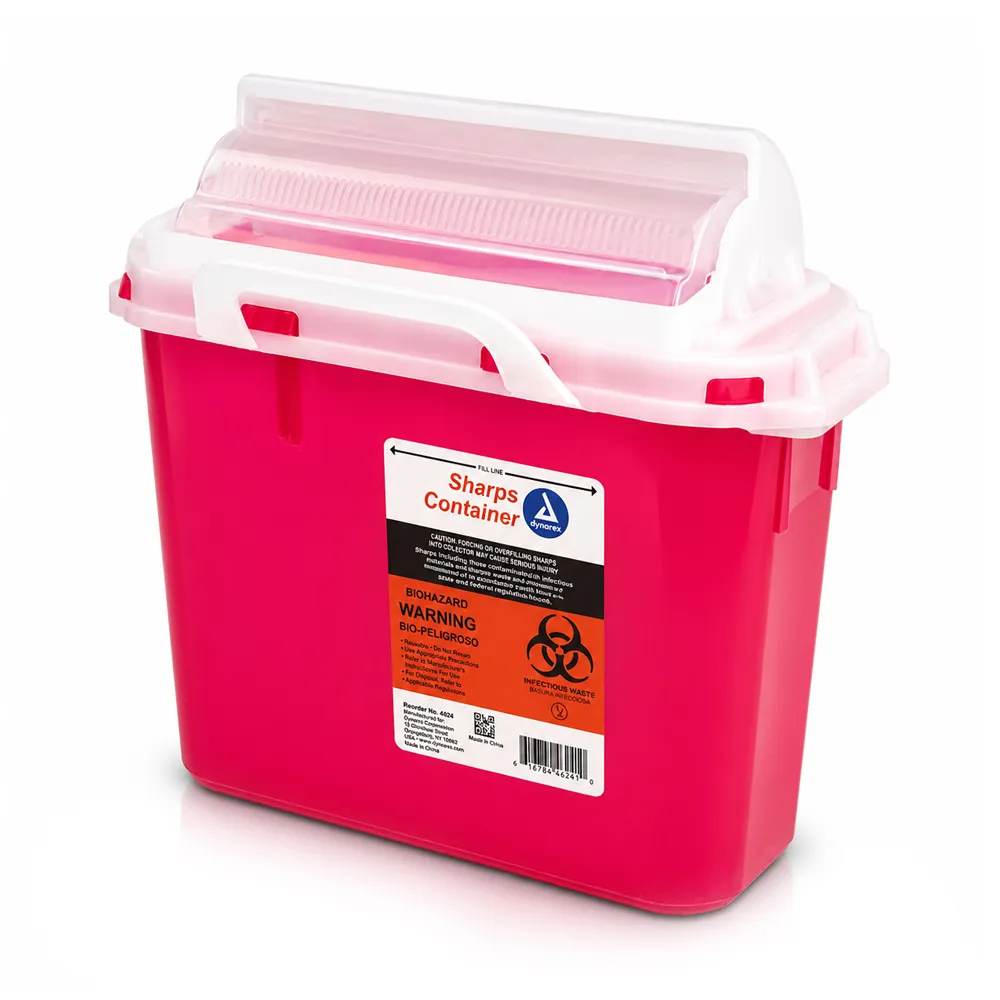 Tattoo Station Sharps Disposal
Dynarex Sharps Container 5.4 Qt.
Station-size container for promptly discarding used needles and razors.
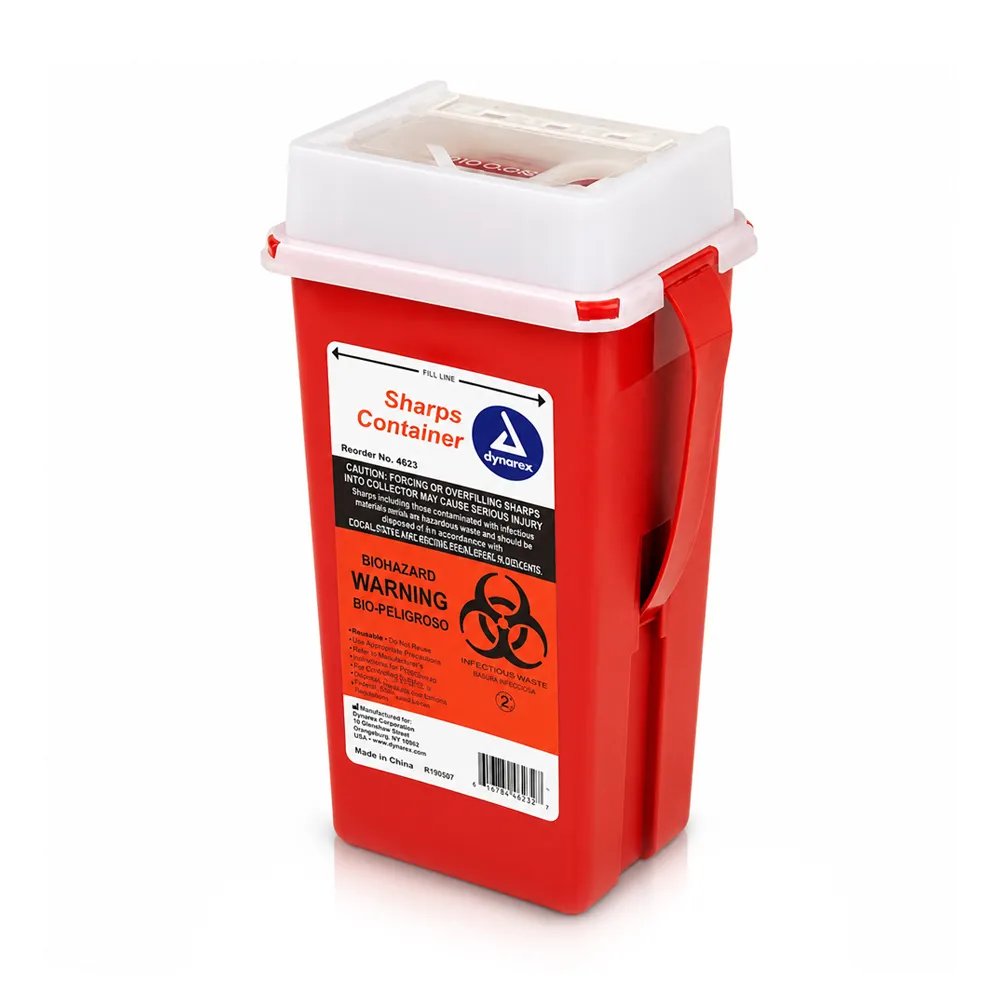 Compact Sharps Collection
Dynarex Sharps Container 2 Qt.
Compact sharps container option for a procedure station.
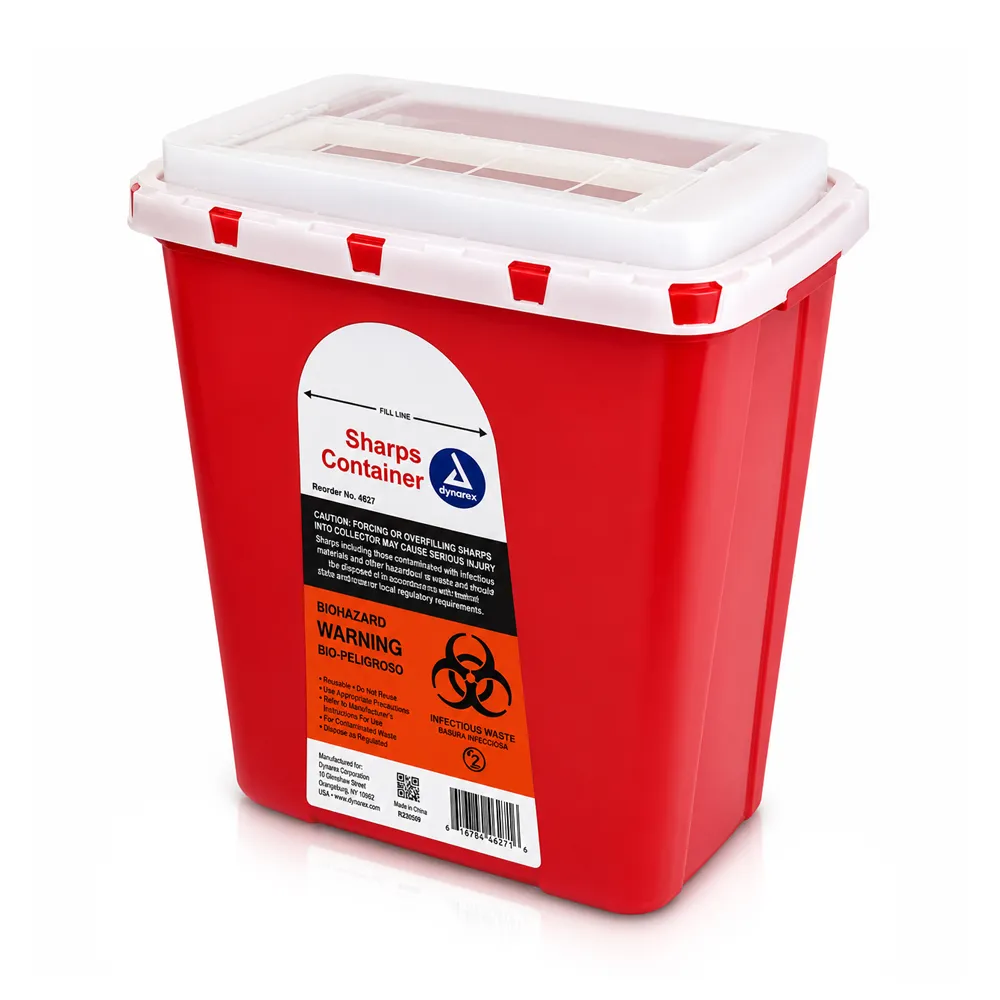 Larger Studio Disposal Setup
Dynarex Sharps Container 6 Gal.
Larger-capacity option for a studio sharps-disposal plan.
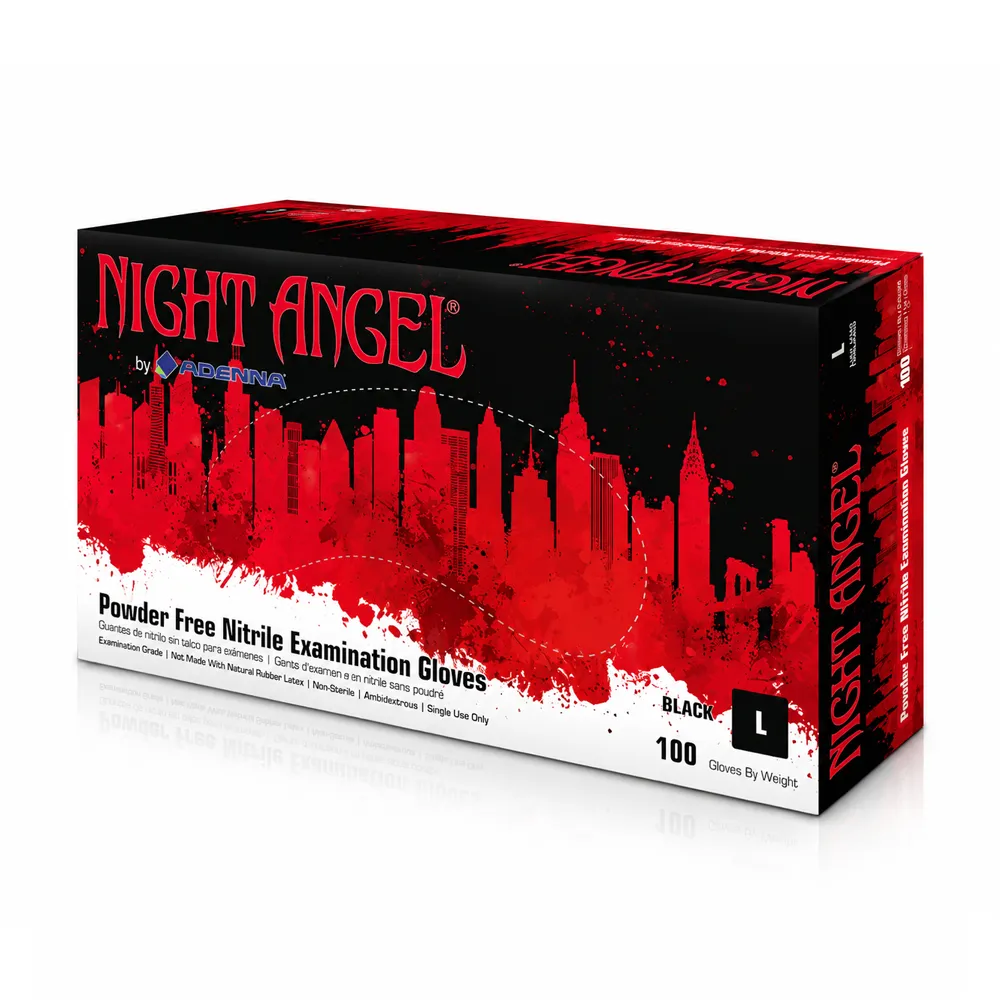 Single-Use Exam Gloves
Adenna Night Angel Black Nitrile Exam Gloves
Nitrile exam gloves for the studio glove-change routine.
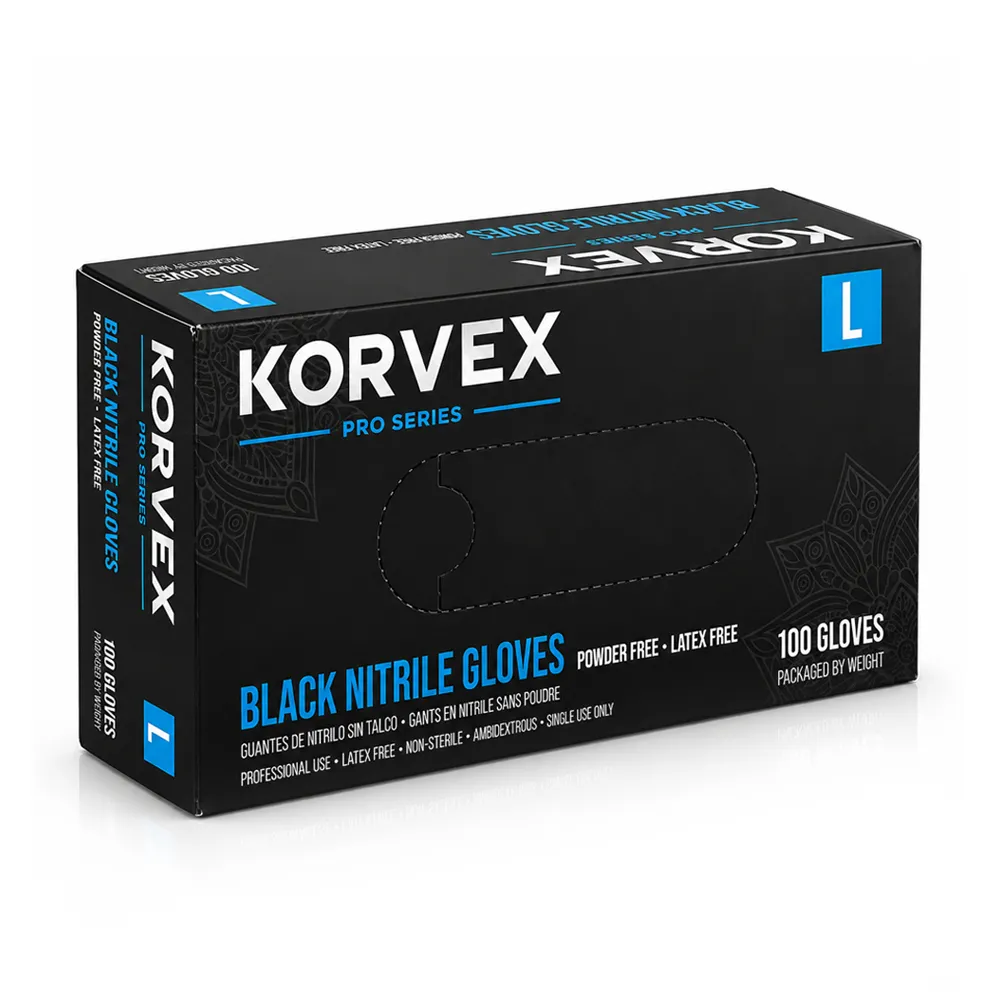 Nitrile Glove Supply
KORVEX Black Nitrile Gloves
Nitrile option; check the carton for exam or surgical labeling.
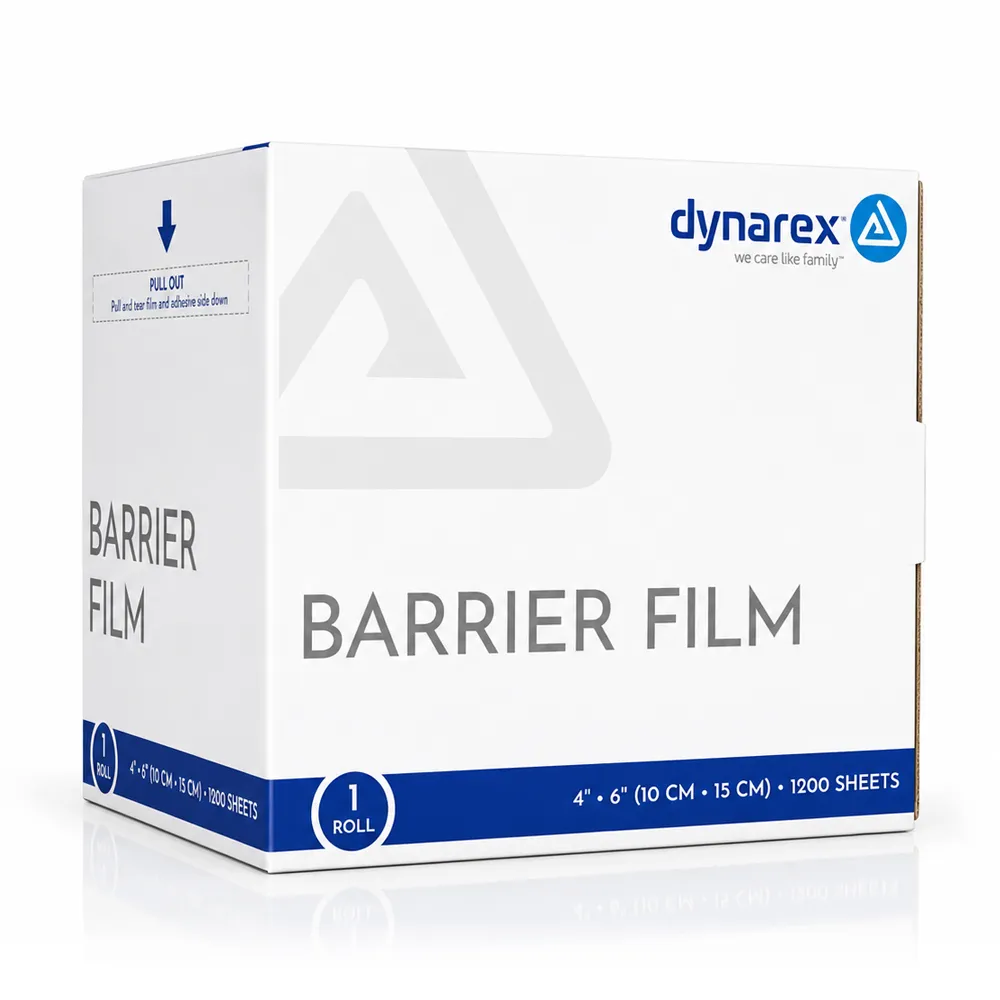 Touch-Surface Barriers
Dynarex Barrier Film Clear
Barrier film for equipment and high-touch work surfaces.
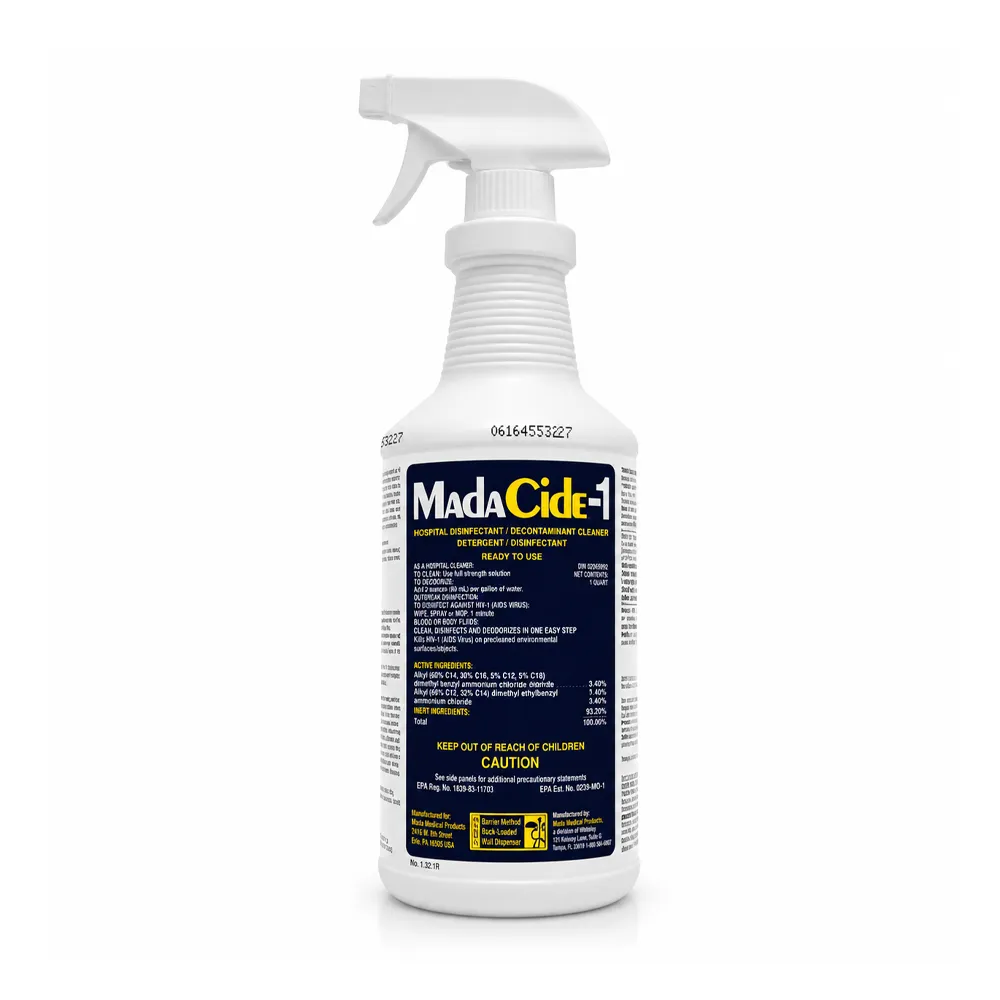 Surface Cleanup Only
MADA MadaCide-1 — Quart
Use for surface disinfection per label, never on a wound.
OWNER'S READINESS CHECKLIST
What should a tattoo shop include in its needlestick injury protocol?
Your studio protocol should identify the immediate steps, the reporting contact, the route to medical care, and the records applicable to the employer. OSHA and Texas supply the relevant workplace and sharps-disposal rules.
- Post the immediate response: Wash, report, seek medical care immediately.
- Name an exposure contact: Identify who takes reports during each shift.
- Arrange medical access: Know the occupational-health or emergency-care route.
- Capture facts: Record device, work area, exposure route, and circumstances.
- Protect privacy: Keep worker and client medical details confidential.
- Check OSHA records: Review Part 1904, the sharps log, and medical records.
- Offer hepatitis B vaccination: Meet applicable OSHA employee requirements.
- Equip stations: Supply suitable sharps containers and single-use gloves.
- Separate cleanup tasks: Handle used sharps before surface cleaning.
- Train every worker: Rehearse reporting and immediate medical access.
For related station setup, see First Professional Tattoo Setup. For machine cleaning and work-area products, see How to Clean and Disinfect a Tattoo Machine and Green Soap Dilution Guide. None replaces urgent medical evaluation after a needlestick.
FAQ
Frequently asked questions about tattoo and piercing needlestick injuries
For an actual puncture, wash, report, and seek medical care immediately. The questions below also help studio owners prepare.
What do I do if I get stuck with a used tattoo needle?
Wash with soap and water, report immediately, and seek medical care immediately. The archived CDC Stop Sticks page recommends 15 minutes of washing for small punctures.
Do I need to go to the ER after a needlestick at a tattoo shop?
Seek medical care immediately. CDC advises a doctor or emergency room right away for possible occupational HIV exposure.
How soon must PEP start after a needlestick?
A clinician decides. CDC's archive prefers hepatitis B PEP within 24 hours; 2025 PHS guidance calls for indicated HIV PEP as soon as possible, up to 72 hours.
Should I squeeze the puncture or try to make it bleed?
Wash the puncture with soap and water as CDC directs. Ask the treating medical professional about further wound care instead of trying an improvised method.
What is an OSHA sharps injury log and who needs one?
Where OSHA 1910.1030(h)(5) applies, log contaminated-sharps punctures confidentially, including device type/brand, work area, and how the incident happened. Ask OSHA about Part 1904 coverage.
Does OSHA require hepatitis B vaccination for tattoo artists?
OSHA requires covered employers to offer hepatitis B vaccination at no cost to employees with occupational exposure within 10 working days of initial assignment, under its conditions.
Who pays for evaluation after a needlestick at work?
OSHA requires covered employers to provide specified confidential post-exposure evaluation and follow-up at no cost to the employee. Seek care immediately.
What if the tattoo or piercing client has hepatitis or HIV?
Report the facts, seek medical care immediately, and let the healthcare professional coordinate appropriate source testing and follow-up confidentially.
How do I prevent needlesticks in a tattoo studio?
Use promptly accessible sharps containers, discard contaminated sharps immediately or as soon as feasible, and avoid routine recapping. Texas requires single-use needles and razors.
Do independent contractor tattoo artists get OSHA protections?
OSHA considers who controls the manner and means of work, not only contract wording. Clarify coverage with OSHA; seek medical care immediately.
What information must a sharps injury log contain at minimum?
At minimum: type and brand of device, department/work area, and explanation of the incident. OSHA requires employee confidentiality.
Where should used tattoo needles and piercing sharps go in Texas?
Texas §229.409(e) requires tattoo and piercing needles and razors or razor heads to be single-use and discarded in a sharps container.
RESEARCH
Sources Consulted
CDC and the 2025 US Public Health Service guideline support the urgent steps. OSHA governs covered workplace evaluation and recordkeeping; Texas DSHS addresses single-use sharps.
- CDC/NIOSH Archive: Stop Sticks — What to Do Following a Sharps Injury
- CDC: HIV at Work — Occupational Exposures
- US Public Health Service: 2025 Guidelines for Occupational HIV Exposure and PEP
- OSHA: 29 CFR 1910.1030 — Bloodborne Pathogens
- OSHA: 29 CFR 1904.8 — Needlestick and Sharps Injury Recording
- OSHA: 29 CFR 1904.1 — Partial Exemption for Small Employers
- OSHA: Tattoo and Body-Piercing Establishments and Worker Status
- Texas DSHS: Tattoo and Body Piercing Rules, 25 TAC Chapter 229
- Texas DSHS: Tattoo and Body Piercing Studios