


 Powered by Comercia.io
Texas body piercing laws require a DSHS license for a studio that performs covered body piercings, along with client identification, piercing records, appropriate instruments and jewelry, and state inspection access. Piercing a person under 18 requires parent or guardian consent, but the DSHS public guidance and the written rule describe different consent procedures: confirm the requirements with DSHS at 512-834-6600 before piercing a minor. This guide helps professional piercers and owners plan the licensing, intake, sterilization, and reporting work of a Texas studio.
Shop Piercing Needles Shop Sterilized Piercing Jewelry
QUICK ANSWER
Do you need a body piercing license in Texas?
Yes, a business performing covered body piercing must hold a Texas DSHS studio license. Apply for the location with the required zoning letter and prepare for inspection. The earlobe-only exception is narrow. For clients under 18, secure and document parent or guardian authorization and confirm with DSHS which consent procedure applies before service, because its guidance and the rule text differ.
Studio Licensing
DSHS licenses the piercing studio location. Adding piercing to a tattoo shop requires reviewing the separate piercing application.
Minors & Consent
Parent or guardian consent must identify the body area; verify the current notarization, presence, and ID requirements with DSHS.
Records & Supplies
Plan client records, written aftercare, single-use sharps, appropriate jewelry, and sterilization documentation before opening.
STUDIO LICENSING
Do you need a license to pierce in Texas, and which businesses must apply?
Yes. Texas Health and Safety Code §146.002 requires a DSHS license for businesses performing covered body piercing. DSHS includes studios creating openings other than in the earlobe to insert jewelry and studios providing implants. An existing tattoo business adding piercing should check the separate piercing studio application under 25 TAC §229.403.
| Business or service | Licensing issue |
|---|---|
| Piercing beyond earlobes | DSHS body piercing studio license |
| Dermal implants | Included in DSHS piercing studio licensing |
| Tattoo shop adding piercing | Separate piercing studio application |
| Only earlobe piercing | Specific ear-piercing-only exception; check procedure and local rules |
Licenses concern the premises, so verify zoning and local restrictions before buying equipment. For the separate artist career context, read How to Become a Tattoo Artist in Texas. For the tattoo side of a combined studio, see How to Open a Tattoo Shop in Texas.
HOW TO APPLY
How do you apply for a body piercing studio license in Texas?
DSHS directs applicants to its Regulatory Services Online Licensing System. Start with a valid zoning letter for the proposed address, select the piercing permit application, and provide the business and service information requested.
Check your proposed location
Ask city or county zoning officials for written confirmation and check local permits.
Define your service categories
Identify piercing, implants, any tattooing, and whether applications are required for both studios.
Open the DSHS licensing account
Select Tattoo and Body Piercing, then Initial Body Piercing Studio Permit.
File the application
Provide ownership, address, responsible individuals, artists, hours, and a description of services; attach zoning proof.
Submit, pay, and prepare
Check the DSHS fee page, submit payment, and prepare the studio and records. Call 512-834-6600 about processing and inspection timing.
LICENSE FEES
How much does a Texas body piercing studio license cost, and how long is it valid?
The DSHS forms page reviewed November 14, 2026 lists $309 for initial or renewal piercing permits with a tattoo studio and $412 without one, plus amendment and temporary permit categories. It lists a $100 late fee and says fees are non-refundable. Older rule text publishes different amounts. Call DSHS at 512-834-6600 for current fees, the term printed on your license, and renewal instructions.
Budget using the current DSHS schedule
Confirm the licensing category and payment before submitting, and ask the city about additional local permitting costs. Do not plan an opening date around an assumed processing or inspection schedule.
EARLOBE EXCEPTION
Are earlobe piercings exempt from Texas body piercing licensing?
Chapter 146 has an exemption for a person or facility doing only ear piercing. Under 25 TAC §229.402, ear piercing means an earlobe opening made with an ear-piercing gun, and that gun must not be used elsewhere on the body. Do not assume cartilage or a mixed piercing service is exempt because it involves the ear.
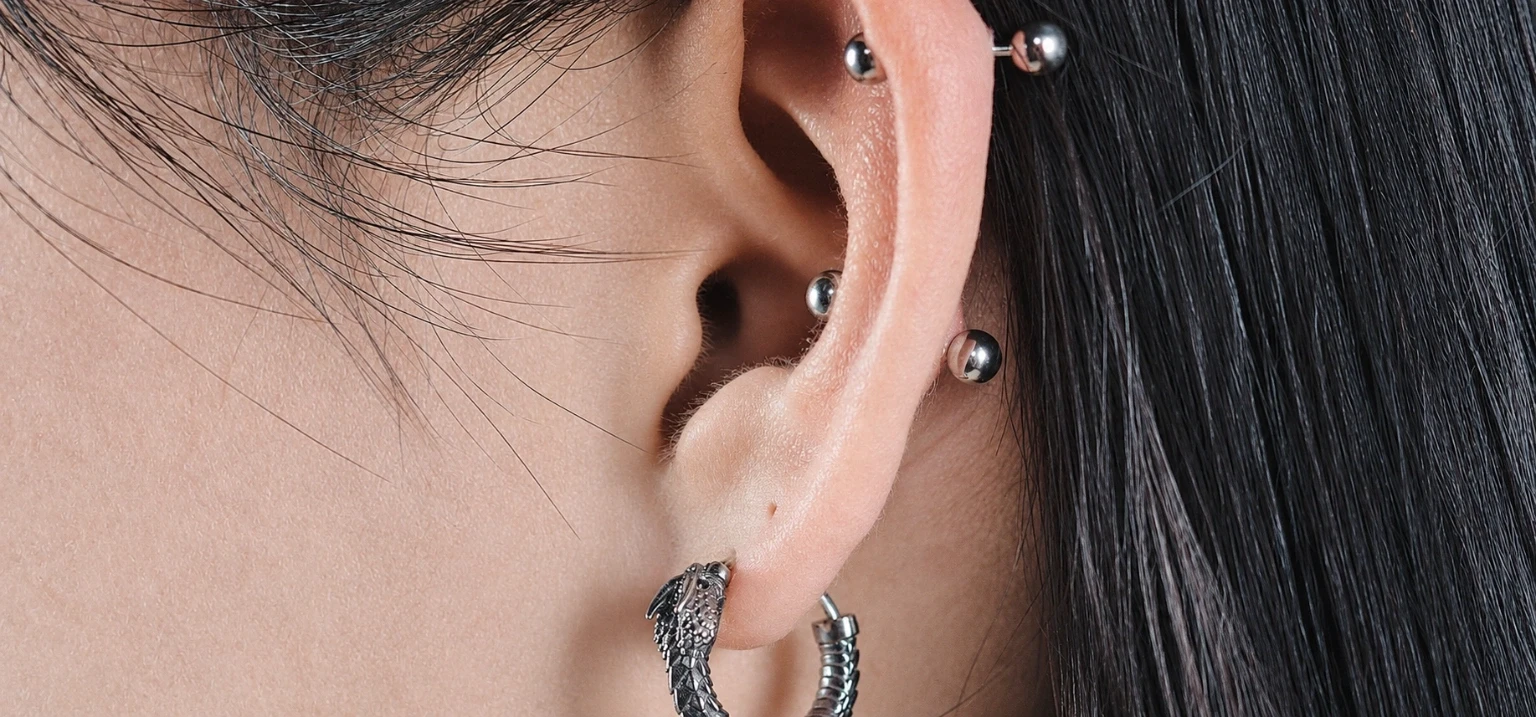
Confirm how DSHS applies this definition to your exact services, including needle-based lobe work. For technique and equipment distinctions, see Piercing Gun vs Needle.
MINORS & CONSENT
Can a minor get a piercing in Texas, and must the parent be present or the form notarized?
Texas Health and Safety Code §146.0125 requires parent, managing-conservator, or guardian consent before covered body piercing on someone under 18, identifying the body area. DSHS's public instructions describe two routes, while 25 TAC §229.406(e) uses wording that combines them. Confirm the required method with DSHS at 512-834-6600 before piercing a minor.

| Source | What it describes |
|---|---|
| DSHS licensing guidance and FAQ | Notarized consent brought by the minor, or adult present at the studio with required statements and proof |
| 25 TAC §229.406(e) | Written, notarized consent and physical presence with affidavit and identification in combined wording |
| Health and Safety Code §146.0125 | Consent naming body location, with provisions for physical presence, affidavit, identity, and parental/guardian status |
DSHS says the studio needs a completed minor client record and retained consent documents under either method, including identification and evidence of the adult's relationship to the minor. Its FAQ also puts responsibility on the studio to demonstrate that relationship. A form downloaded online or a verbal assurance is not sufficient as a studio verification process.
Confirm before providing a minor piercing
Contact DSHS about notarization, adult presence, affidavits, proof of relationship, and accepted IDs. Check local age rules too. Do not infer a statewide minimum below 18 for a specific piercing.
ID, RISKS & AFTERCARE
What ID, risk information, and aftercare must a Texas piercing studio provide?
Section 229.406 calls for a valid government-issued photo ID with date of birth and documentation of the client's age, birth date, and ID type. DSHS says student and library cards are not acceptable adult IDs. For a minor, collect the accepted parent/guardian identification and consent materials under the confirmed procedure.
Before piercing, §229.406(i) requires verbal and written risk disclosure, including pain, bleeding, swelling, scarring, infection, nerve damage, and increased risks for adolescents during certain developmental stages. Under §229.408, provide oral and written care directions, including the prescribed cleansing or oral-piercing guidance and advice to consult a healthcare practitioner at the first sign of infection or allergic reaction. Record the client's acknowledgment.
DSHS offers sample intake, consent, and aftercare forms but says they are not official or mandatory. For related educational material, see Piercing Aftercare: Saline and Healing Times.
INITIAL JEWELRY
What jewelry materials are allowed for new piercings in Texas?
DSHS's licensing page names surgical implant-grade stainless steel (minimum 316L or 316LVM), solid 14k or 18k gold, niobium, titanium (minimum 6AL4V), and platinum. The piercer should check actual alloy and product records, not assume a piece qualifies merely because it is called titanium or steel. The detailed rule also addresses additional materials.
| Material listed by DSHS | Buying check |
|---|---|
| Implant-grade stainless steel, at least 316L or 316LVM | Specific grade and intended use |
| Solid 14k or 18k gold | Solid jewelry composition |
| Niobium or platinum | Product identity and sterile documentation |
| Titanium, at least 6AL4V | Exact alloy and suitability for the procedure |
For selection details, read Implant-Grade Titanium and Sterilized Piercing Jewelry, Body Jewelry Size Guide, and Threadless vs Internally Threaded Jewelry.
INSTRUMENTS & SHARPS
Does a Texas piercing studio need an autoclave or monthly spore testing?
Under 25 TAC §229.409, instruments and jewelry that may contact blood or non-intact skin must be sterilized after use or discarded. Needles and razors are single-use and go into a sharps container. DSHS says studios using items sterilized by a manufacturer or other third party do not need to re-sterilize those items if the required sterilization and storage documentation is available.
For in-house sterilization, §229.407 requires appropriate equipment and procedures, spore testing each calendar month by an approved laboratory, and sterilization records. Confirm your instrument and jewelry workflow with DSHS before investing in equipment; a presterilized product listing should still be matched to the actual package and manufacturer documentation.
Separate the supply routes
- Single-use needles and sharps disposal
- Third-party sterilized jewelry and tools with supporting records
- Reusable instruments and any in-house reprocessing
- Single-use gloves and station barriers
For the cleaning, packaging and spore-test routine, see How to Sterilize Piercing Jewelry and Tools and Autoclave for a Tattoo Shop.
CLIENT RECORDS
What records must Texas piercing studios keep, and for how long?
Texas §229.406(j) requires client records retained for at least two years after their last entry. A studio needs a consistent intake and filing system because Health and Safety Code §146.013 allows DSHS access to these records.
| File component | Required information |
|---|---|
| Identity | Name, address, phone, age, birth date, ID type |
| Procedure | Date, body area, piercer's name |
| Jewelry | Jewelry type and catalog or identification number when available |
| Consent and aftercare | Client signature, care instructions received and understood, minor documents when applicable |
Keep minor consent documents, any sterilization records, and infection reports retrievable according to their own requirements. For later changes to jewelry, see Downsizing Piercing Jewelry.
INFECTION REPORTING
What must a Texas piercing studio do if a client reports an infection or allergic reaction?
Health and Safety Code §146.014 requires the studio to report an infection once known, and 25 TAC §229.410(a) requires a written DSHS report of an infection or allergic reaction within five working days. Record the report, follow the DSHS process, and direct the client to a healthcare practitioner. The piercer should not diagnose symptoms or prescribe treatment.
STATE & CITY OVERSIGHT
Does Texas inspect piercing studios, and can local cities add rules?
DSHS inspects body piercing studios for issues such as sterilization, client records, minors' consent, and infection reporting. Section 146.0124 prohibits piercing when the artist suspects alcohol or drug impairment; §229.406(g) forbids work on skin showing rashes, boils, infections, or abrasions. Refer medical concerns to a healthcare practitioner.
DSHS says cities may impose stricter ordinances or prohibit piercing. Check local zoning, occupancy, and permits before opening. Chapter 146 also provides enforcement consequences, including Class A misdemeanor treatment for violations. Call DSHS licensing at 512-834-6600 for the inspection and permit process.
PIERCER VS STUDIO
Does Texas license individual body piercers, or only piercing studios?
The reviewed DSHS materials describe studio licensing and do not list a separate statewide individual piercer license application. Confirm with DSHS and check city requirements. Texas §229.405(i) still requires artists to have the education, training, and experience needed for aseptic technique and bloodborne pathogen prevention; a studio permit does not replace staff competence.
HB 1778 UPDATE
What human trafficking training and signage does HB 1778 require for piercing studios?
DSHS says HB 1778, passed by the 89th Texas Legislature, adds human trafficking prevention training for employees and extends awareness sign-posting requirements to body piercing studios. DSHS is working on implementing rules, including the training timeframe. Check the DSHS update for current instructions rather than assuming a deadline.
COMMON STUDIO ERRORS
What mistakes should Texas piercing studio owners avoid?
Most avoidable problems come from incomplete licensing, assuming every ear procedure is exempt, or treating a generic consent form as sufficient. Give check-in staff and piercers clear steps for each requirement.
Offering piercing under a tattoo-only license
Texas calls for a separate piercing studio application; verify the combined category before adding services.
Relying on a minor's verbal consent
Confirm the current DSHS notarization, adult-presence, and identity requirements before service.
Calling all ear piercing exempt
The special ear-gun definition concerns earlobes; ask DSHS about other ear procedures.
Assuming all titanium jewelry meets the material rule
Compare actual product documentation with DSHS's listed specifications and the piercer's selection.
Discarding aftercare acknowledgment
Texas client records include the statement that written care instructions were received and understood.
Reprocessing a used piercing needle
Texas requires needles to be single-use and placed in a sharps container.
SVT SHOP SUPPLIES
Which needles, jewelry, tools, and sharps supplies fit a Texas piercing studio?
Select supplies by their intended role: single-use needles, jewelry for a piercing plan, sterile tools, a sharps container, and gloves. Check labels, material records, and sterile packaging before professional use.
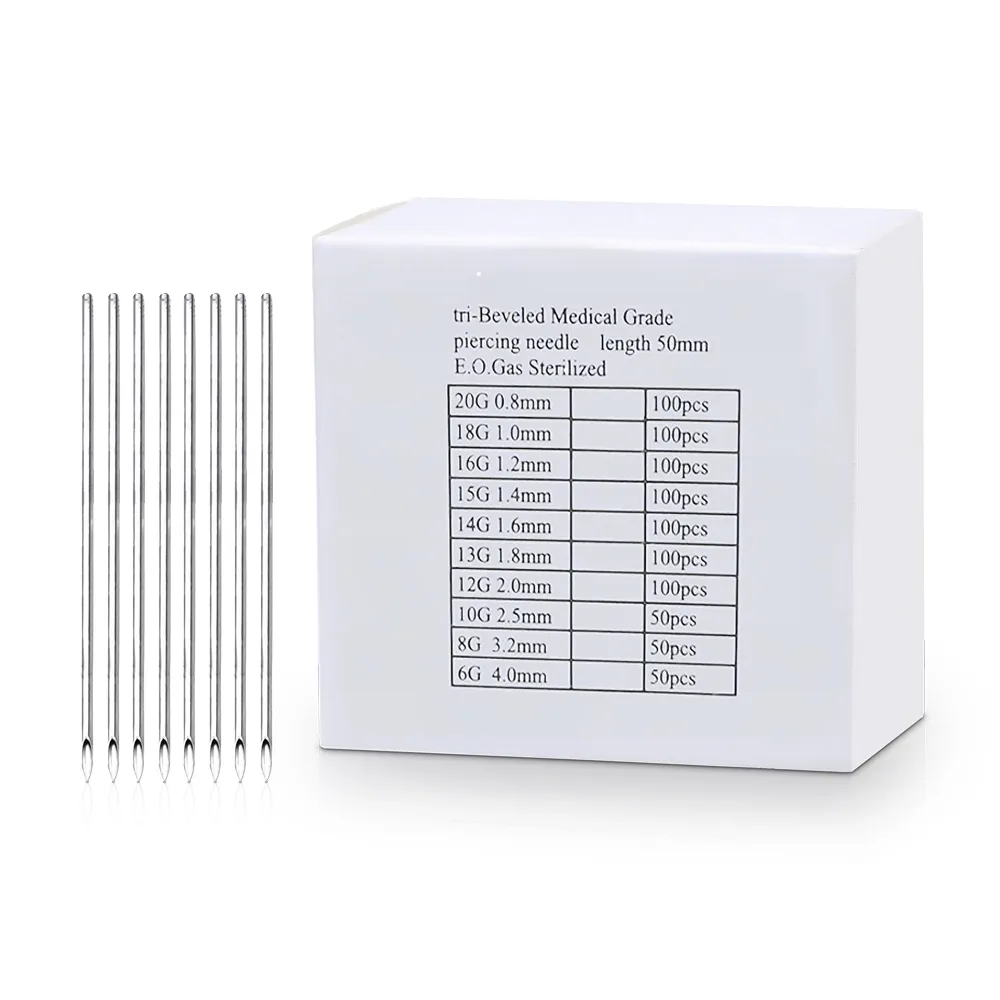 Single-Use Piercing NeedleTri-Beveled Piercing NeedlesSingle-use needle option; check the sterile package and variant.
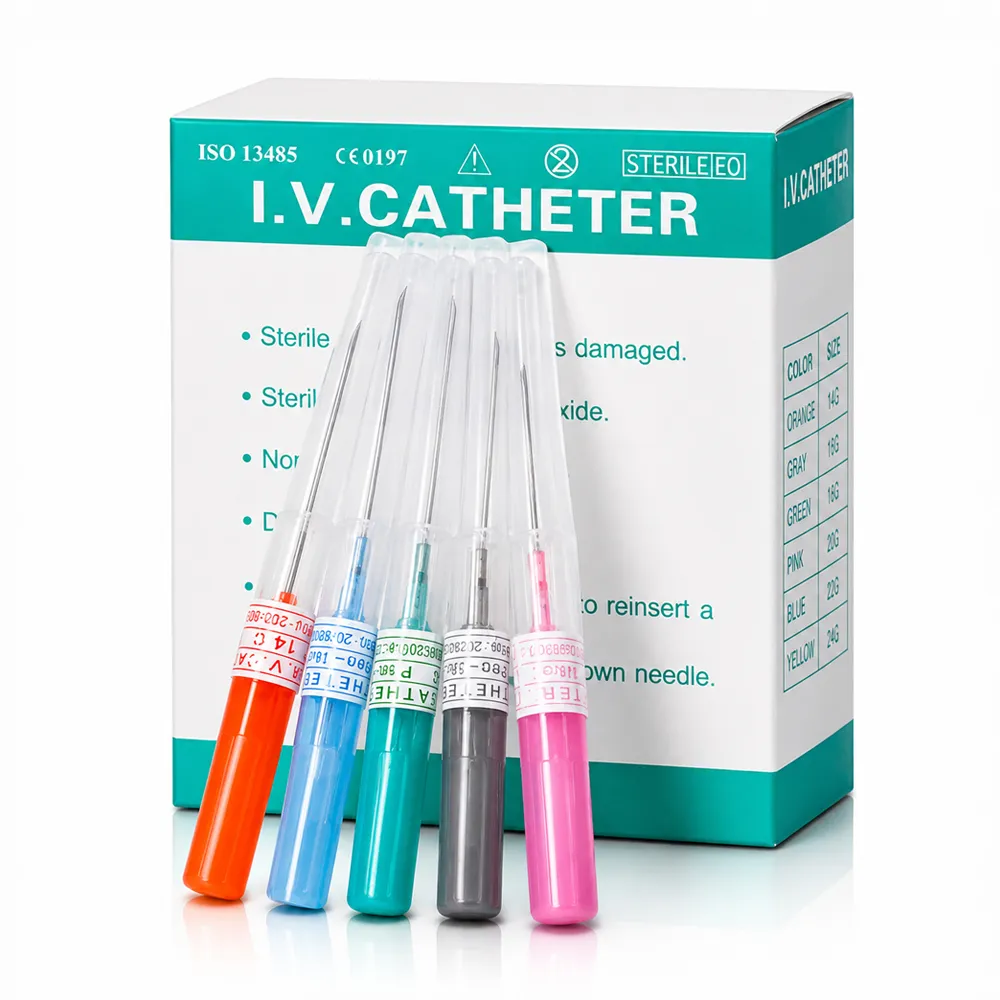 Catheter Needle OptionI. V. Catheter Piercing Needles 50PcsCatheter-style needles; verify packaging and selection.
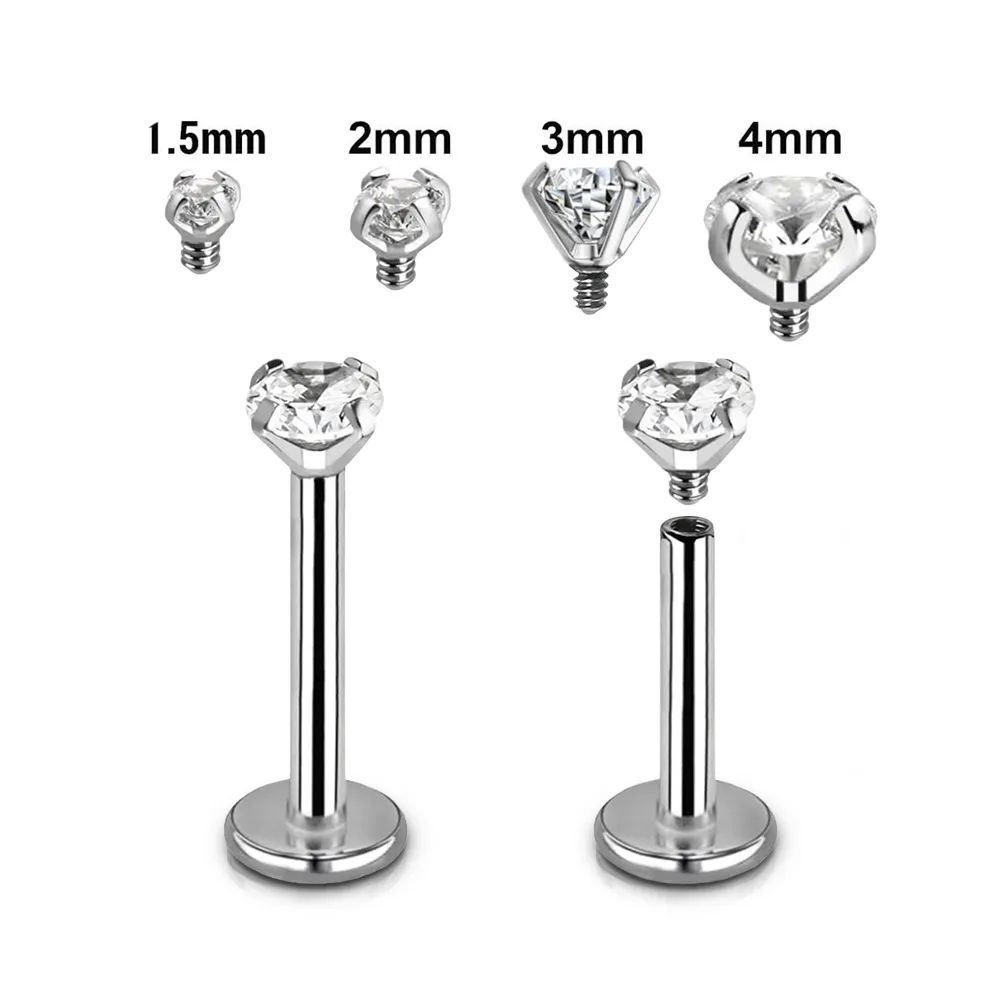 Sterilized Jewelry ListingSterilized Titanium CZ Internally Threaded LabretSterilized labret listing; verify alloy and suitability.
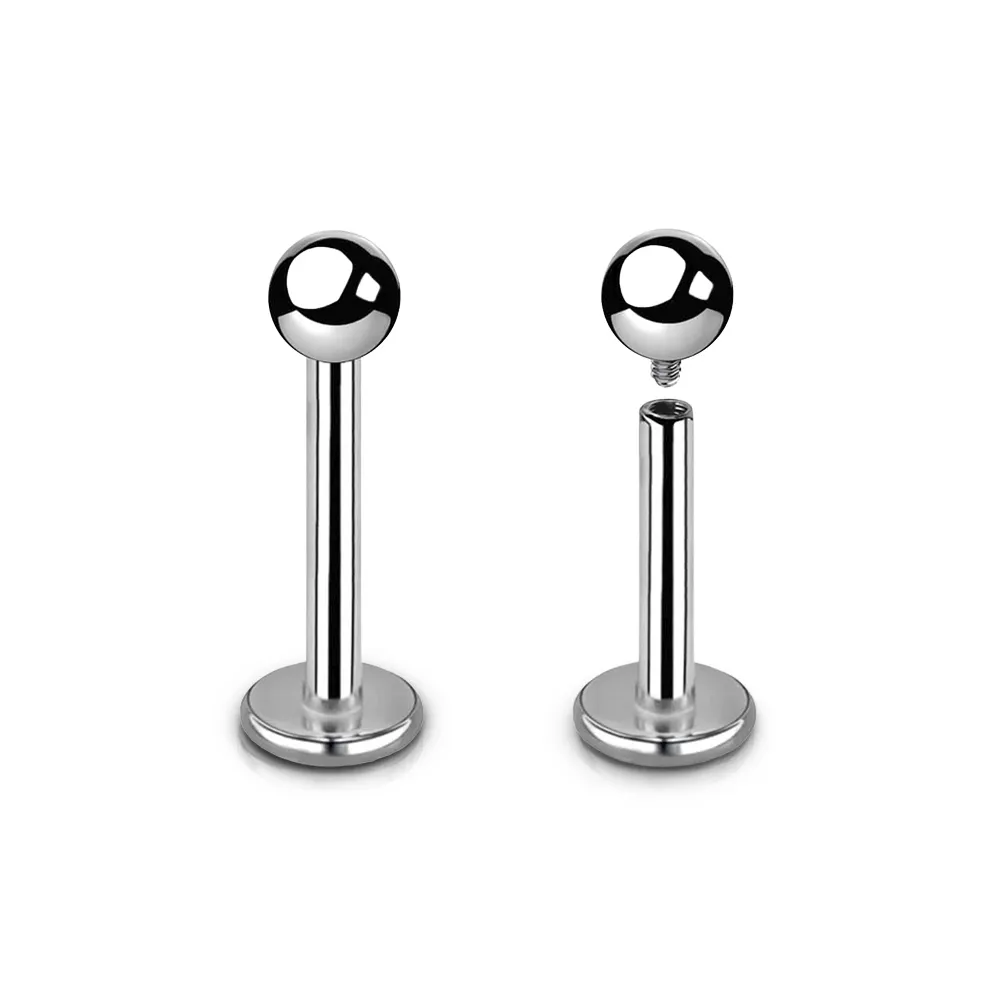 Sterilized Labret OptionSterilized Titanium Internally Threaded Labret 1.2mmSterilized labret option; check placement and material.
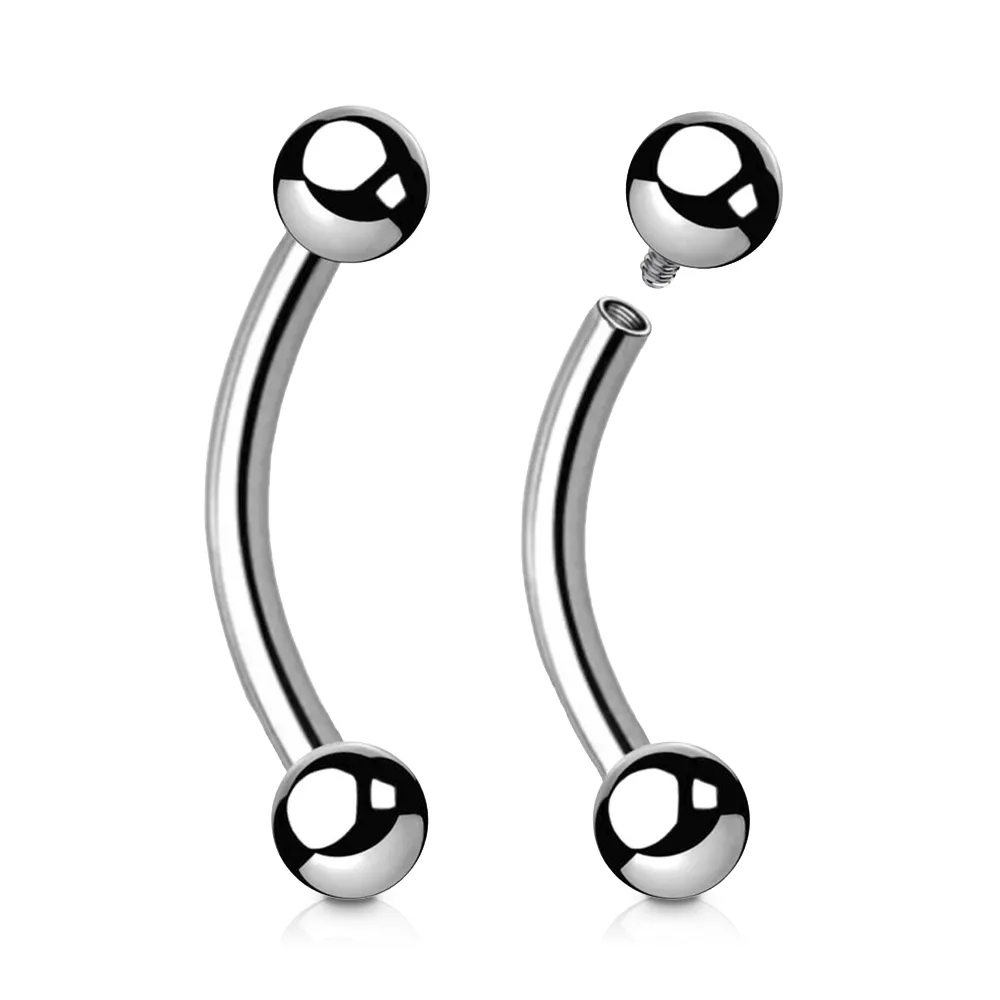 Curved Jewelry OptionSterilized Titanium Eyebrow BananaSterilized curved jewelry; choose by anatomy.
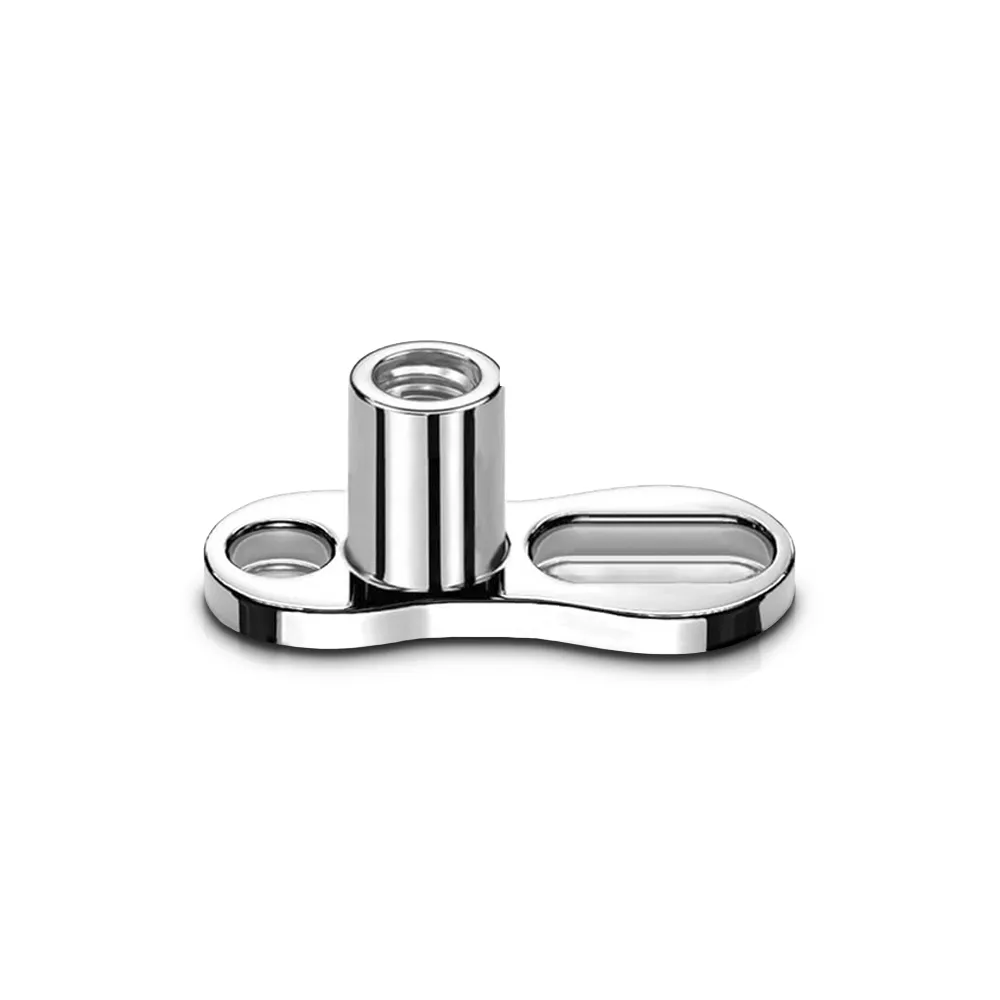 Dermal Jewelry OptionSterilized Titanium Dermal Base PlateSterilized dermal base; check material records.
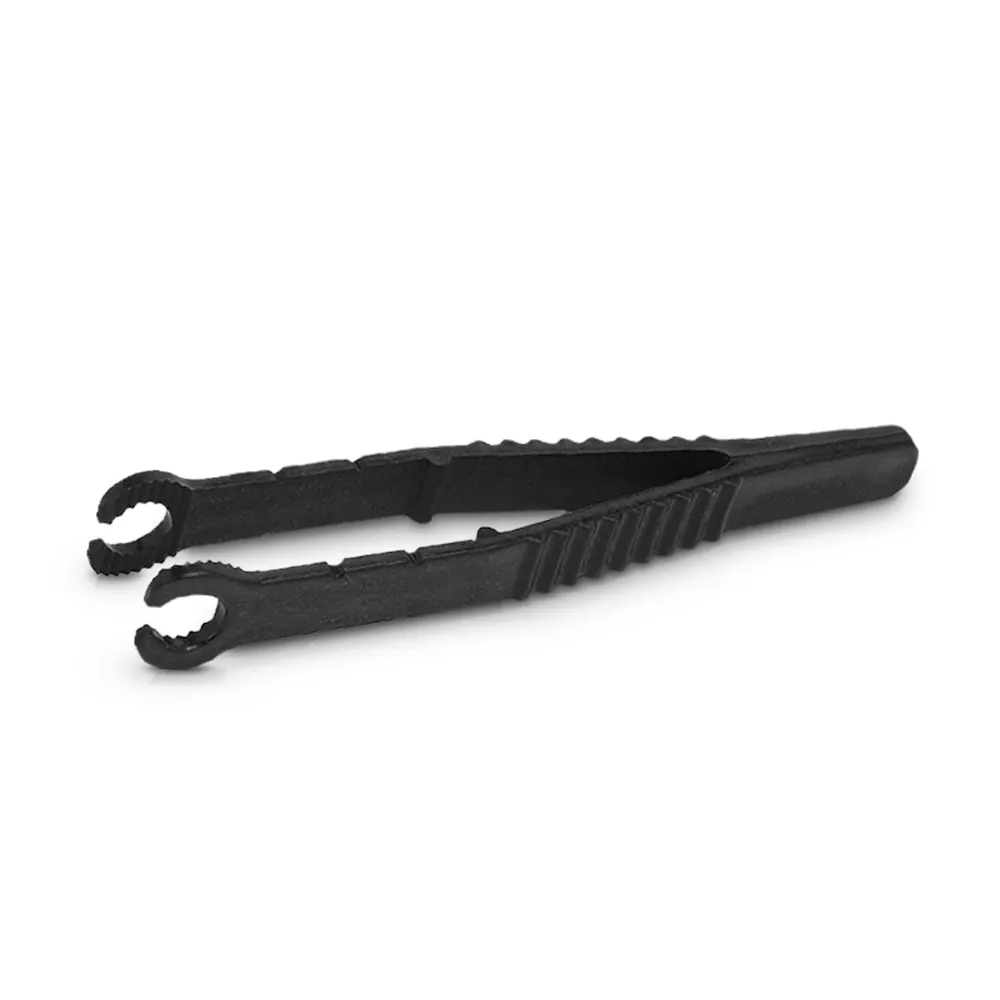 Sterilized Companion InstrumentSaferly Sterilized Round TweezersSterilized tool for a trained workflow.
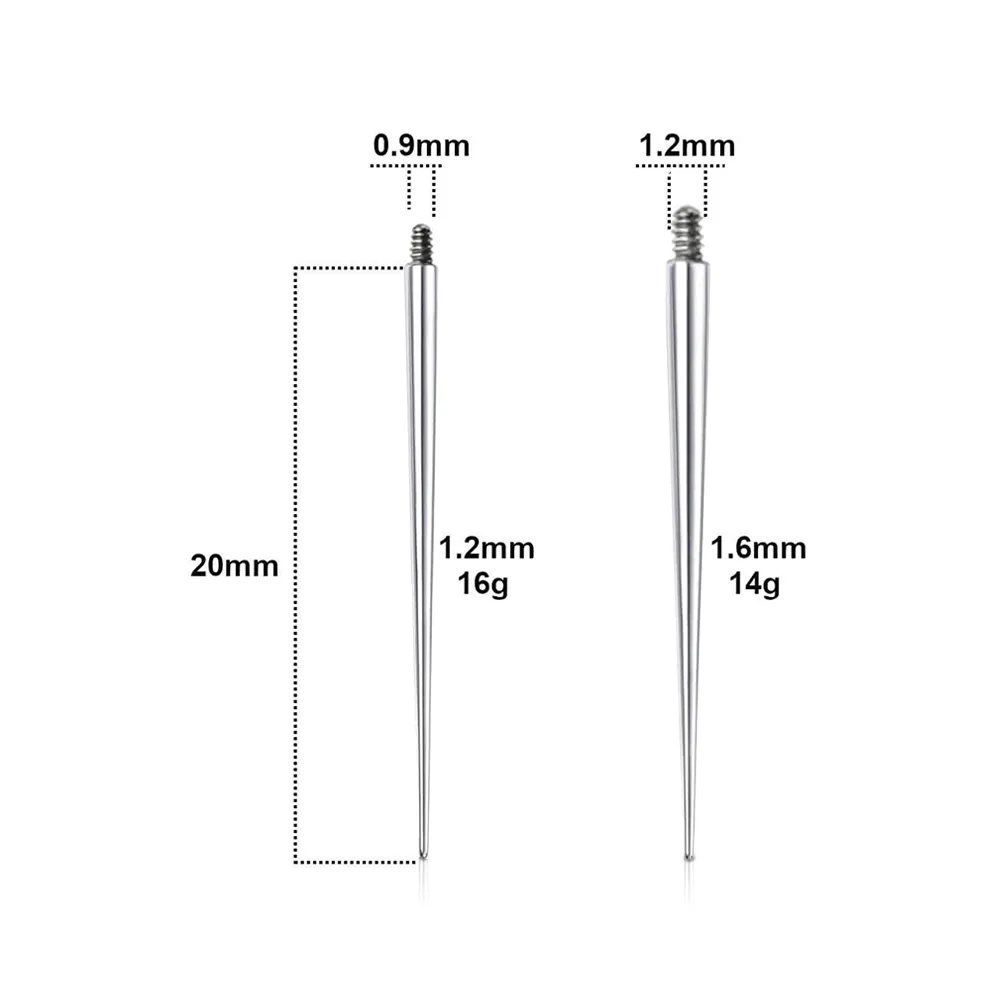 Jewelry Insertion ToolSterilized Insertion Pin for Internally Threaded Body JewelryAccessory for internally threaded jewelry.
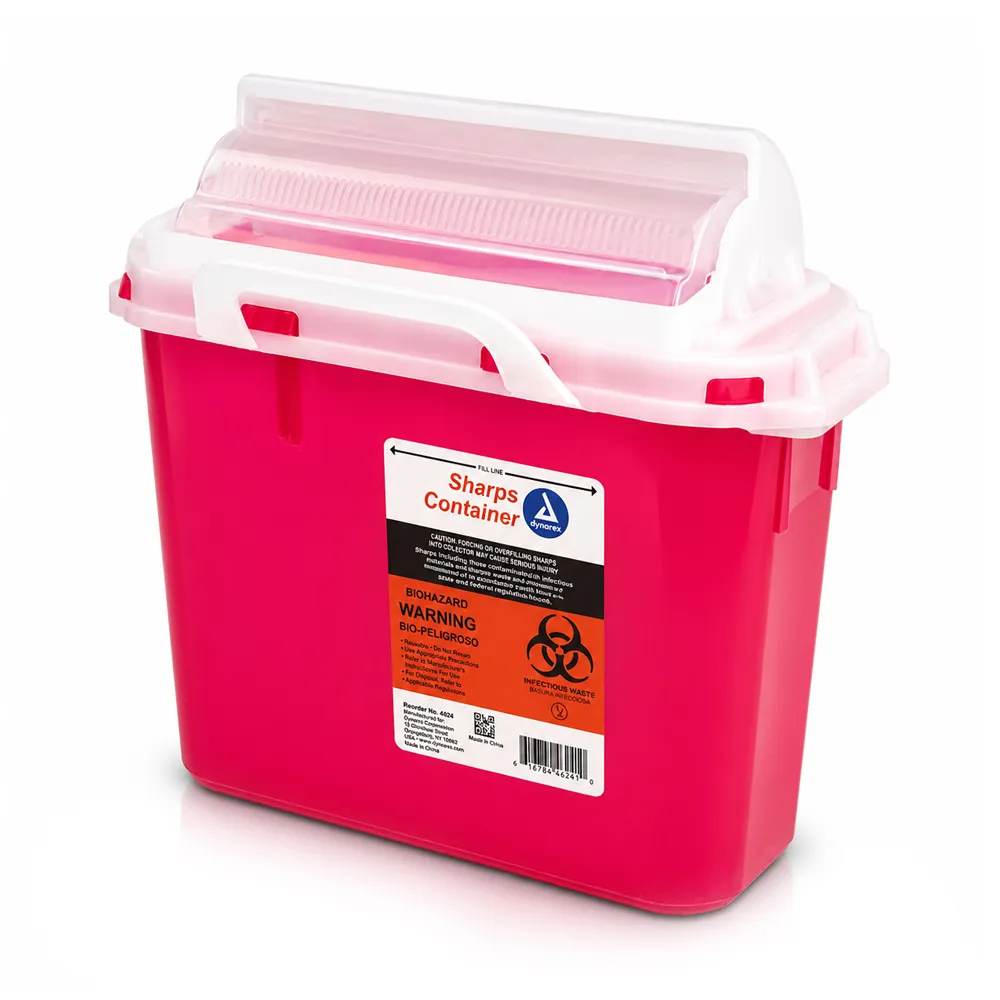 Sharps DisposalDynarex Sharps Container 5.4 Qt.Container for used piercing needles.
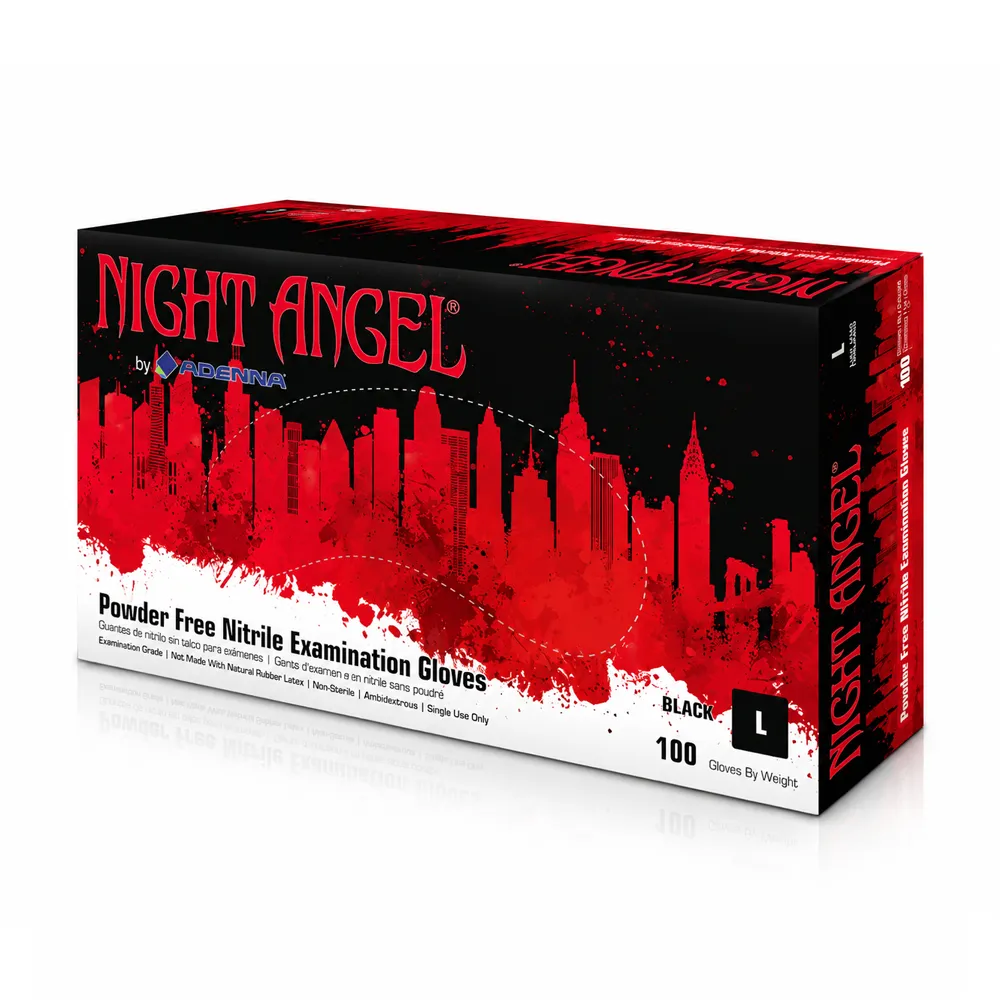 Single-Use Exam GlovesAdenna Night Angel Black Nitrile Exam GlovesExam gloves for piercing and instrument setup.
Shop Piercing Needles Shop Sterilized Piercing Jewelry Shop Sharps Containers
STUDIO READINESS
What should a Texas piercing studio owner check before opening or inspection?
Check these license, consent, and operational items before opening. Resolve minor consent and local requirements before appointments.
- License: Confirm the piercing studio permit for the address, services, and business arrangement.
- City: Obtain zoning evidence and ask about municipal restrictions or permits.
- Minors: Confirm accepted consent, adult presence, IDs, and proof of relationship with DSHS.
- Adults: Verify valid government-issued identification and document age and birth date.
- Disclosure: Provide verbal and written risk information before each piercing.
- Jewelry: Check acceptable materials, sizing, sterilization, and manufacturer records.
- Instruments: Separate single-use needles from appropriately sterilized instruments and jewelry.
- Care: Deliver oral and written aftercare and record acknowledgment.
- Files: Keep required client records at least two years after their last entry.
- Reports: Arrange prompt DSHS reporting for infections and allergic reactions.
- Staff: Review aseptic technique, infection prevention, and HB 1778 updates.
FAQ
What do Texas piercers ask about licensing, minors, and studio records?
Use these answers to orient your studio procedures, then verify licensing details and the minor-consent conflict with DSHS before acting.
Do you need a license to pierce in Texas?
DSHS licenses covered body piercing studios, including businesses offering implants. The reviewed DSHS material describes studio licensing; ask DSHS and your city about the exact operation.
Does Texas license individual piercers or only studios?
The reviewed state licensing pages describe studio permits and do not list a separate individual piercer application. Texas still requires the education, training, and experience needed for aseptic technique.
How old do you have to be to get a piercing in Texas?
Anyone under 18 needs parent, managing-conservator, or guardian consent for covered body piercing. Confirm current state and local requirements before accepting the appointment.
Can a minor get a piercing with parental consent, and what paperwork is required?
The body area must be named. DSHS describes a notarized form or in-person adult authorization, while the rule uses combined wording. Call 512-834-6600 and document IDs, status, and consent.
Does the parent have to stay in the studio during a minor's piercing?
DSHS's public guidance gives adult presence as one method; the rule text also describes physical presence with notarized consent. Verify which procedure applies with DSHS before piercing.
Does a minor's Texas piercing consent need to be notarized?
DSHS presents notarization as one consent route, while 25 TAC §229.406(e) links notarized consent and adult presence. Confirm the required documents with DSHS before providing service.
What ID does a body piercing client need in Texas?
Section 229.406 requires a valid government-issued positive ID showing a photo and birth date, with age and ID type documented. DSHS says student and library IDs are not accepted for adults.
Are earlobe piercings regulated under Texas body piercing laws?
Chapter 146 has an ear-piercing-only exception. The rule defines ear piercing as earlobe piercing with a gun and prohibits use of that gun elsewhere; check your service with DSHS.
What materials may be used for initial piercing jewelry in Texas?
DSHS lists implant-grade 316L/316LVM stainless steel, solid 14k/18k gold, niobium, titanium minimum 6AL4V, and platinum. Review product documents and current rules.
How long must a Texas piercing studio keep client records?
At least two years after the last entry under §229.406(j). Files include ID details, procedure, jewelry, artist, care-instruction acknowledgment, signature, and applicable minor consent.
What should a piercing studio do if a client reports an infection?
Section 229.410 requires a written DSHS infection or allergic-reaction report within five working days. Direct the client to a healthcare practitioner rather than diagnosing or treating.
How much does a Texas body piercing studio license cost?
The November 14, 2026 DSHS forms page lists $309 with an existing tattoo studio and $412 without, for initial or renewal permits. Confirm current fees and license term at 512-834-6600.
RESEARCH
Sources Consulted
Texas DSHS guidance, Chapter 146, and the Texas Administrative Code support the licensing and studio obligations described above. Dates, fees, and consent implementation should be checked with DSHS.
- Texas DSHS: Licensing Requirements for Tattoo and Body Piercing Studios
- Texas DSHS: Frequently Asked Questions from Licensees
- Texas DSHS: Online Licensing and Contact Information
- Texas DSHS: Applications and Fees
- Texas DSHS: HB 1778 Human Trafficking Prevention Requirements
- Texas Health and Safety Code: Chapter 146
- 25 TAC §229.402: Definitions
- 25 TAC §229.403: Licensing
- 25 TAC §229.405: General Requirements
- 25 TAC §229.406: Client Qualifications and Records
- 25 TAC §229.407: Sterilization
- 25 TAC §229.408: Care Instructions
- 25 TAC §229.409: Instruments and Jewelry
- 25 TAC §229.410: Reports of Infection and Allergic Reaction