Powered by Comercia.io
Do you need an autoclave for a tattoo shop in Texas? Texas rules say instruments that may contact blood or other bodily fluids must be sterilized after each use or disposed of; they do not establish a blanket autoclave requirement for every studio. If you reprocess reusable instruments, your workflow must address cleaning, sterilization, spore testing, labeling, storage, and records.
Shop Sterilization Pouches Shop Tubes, Grips & Covers
QUICK ANSWER
Do tattoo shops in Texas need an autoclave?
Under Texas 25 TAC §229.409(a), instruments that may contact blood or other bodily fluids must be sterilized after each use or disposed of. That gives studio owners a practical decision: build around single-use supplies where appropriate, or maintain a compliant process for reusable instruments. Ask DSHS how it applies the rules to your proposed studio, especially if you plan to operate with no reusable instruments.
Disposable Workflow
Use single-use needles, razors, and eligible disposable tubes and grips. Dispose of them after the procedure; do not reprocess them.
Reusable Workflow
Clean, package, sterilize, monitor, label, store, and document covered reusable instruments according to Texas rules and the unit manual.
Spore Testing
Texas requires testing each calendar month by an approved laboratory. CDC dental guidance and the cited manufacturer manuals recommend weekly testing.
INSTRUMENT DECISIONS
Which tattoo and piercing instruments must be sterilized, and which are single-use?
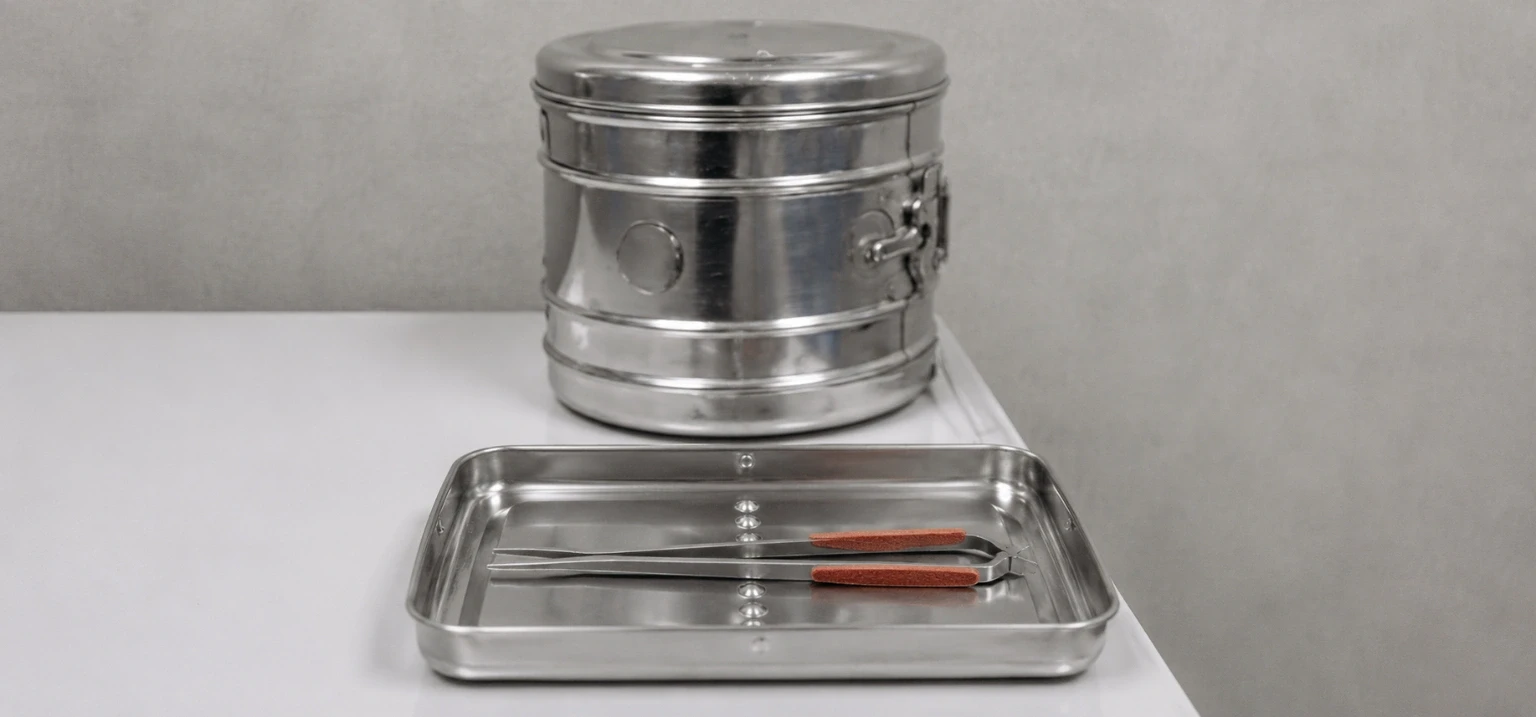
Texas 25 TAC §229.409(a) covers instruments that may contact blood or bodily fluids, including bars, tubes, forceps, receiving tubes, and tapers. Needles and razors or razor heads are single-use under §229.409(e). Distinguish the reusable part from its disposable counterpart before deciding which supplies need a sterilization workflow.
| Supply | Texas rule | Studio action |
|---|---|---|
| Bars, tubes, forceps, receiving tubes, tapers | Sterilize after use or dispose if they may contact blood or bodily fluids. | Reprocess eligible reusable items; discard single-use versions. |
| Needles and razor heads | Single-use under §229.409(e). | Discard in a sharps container. |
| Disposable tubes and grips | Covered items may be disposed of instead of sterilized under §229.409(a). | Open a new item; never reprocess. |
| Tattoo machines/devices | Excluded from §229.409(a)'s instrument list. | Follow device cleaning and barrier instructions. |
| Gloves and barrier film | Gloves are single-use under §229.402 and §229.405(c); barrier film is a disposable cover. | Replace during the station workflow, not through sterilization. |
The tattoo machine exclusion concerns this specific provision, not the need for equipment hygiene. Separate the machine body, detachable components, and barriers when planning the process. See How to Clean and Disinfect a Tattoo Machine.
Texas §229.405(c) also requires single-use gloves while artists assemble tattooing or body piercing instruments and while tattooing. Sharps containers are defined under §229.402 as puncture-resistant, leak-proof containers labeled with the international biohazard symbol. These are separate requirements from sterilizing reusable tools.
REPROCESSING WORKFLOW
How do you clean, package, and sterilize reusable tattoo instruments?
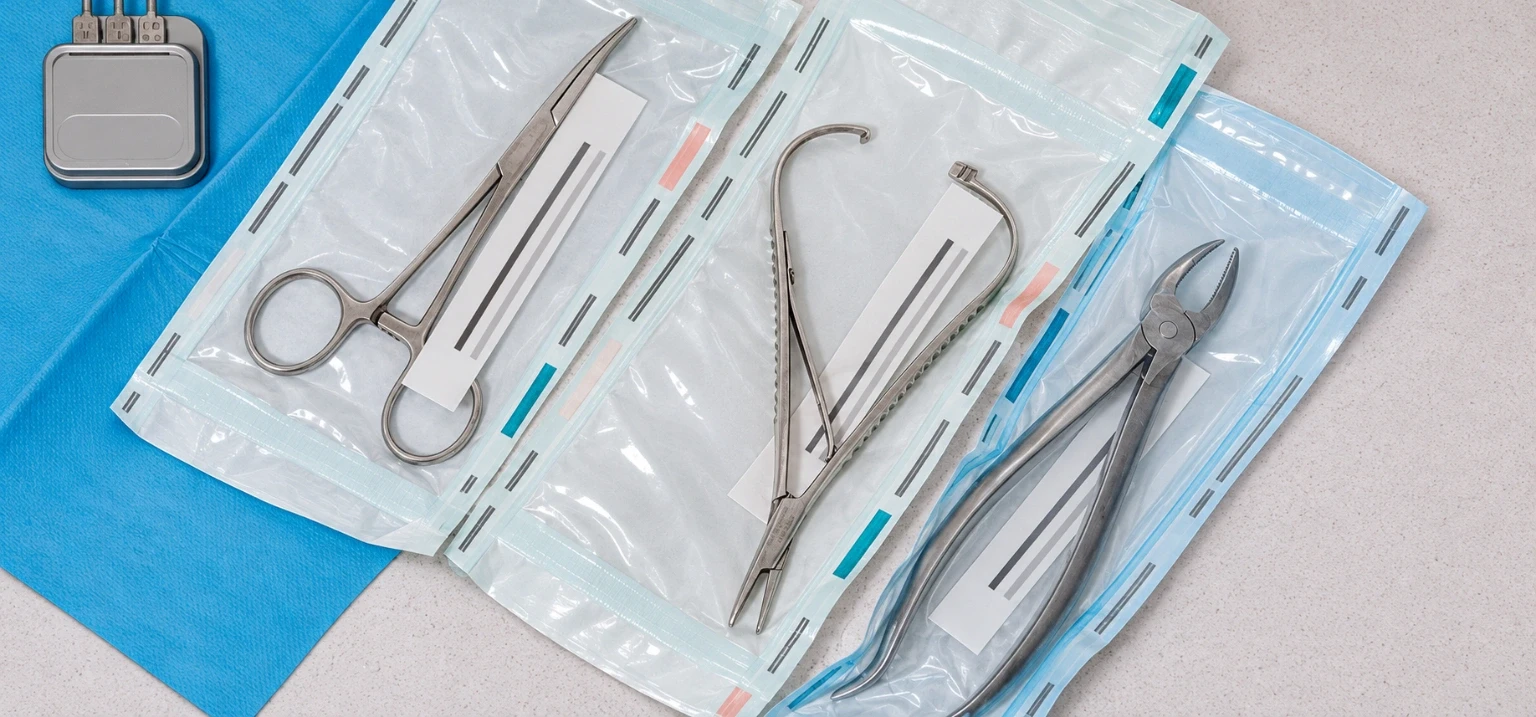
Cleaning comes before sterilization. Texas §229.407(c) requires reusable instruments and jewelry to be cleansed of blood and tissue residue, and §229.409(n) permits enzyme-detergent hand cleaning or manufacturer-directed ultrasonic cleaning. Rinse and dry before packaging; the autoclave does not replace this preparation.
Collect used reusable instruments separately
Keep contaminated reusables in a labeled, covered container under §229.409(l), away from ready-to-use items.
Pre-clean using an allowed method
Use a protein-dissolving detergent-enzyme cleaner by hand or an ultrasonic unit according to its instructions. Ultrasonic equipment is optional under Texas rules.
Rinse, dry, and prepare a package
Rinse and dry. Package individually or as a single-procedure set using sterilizer-compatible materials.
Label and add the monitoring method
Date and initial every package. Texas requires chemical/heat-sensitive indicator monitoring on every package; CDC recommends a chemical indicator inside each pack.
Load and run the specified cycle
Run the cycle and load arrangement in your operator manual. Tuttnauer instructs Elara11 users not to stack pouches.
Record, store, and release for use
Check the processing result, log the required details, and store finished packages in a clean, dust-tight container.
Texas §229.407(d) also permits immediate-before-procedure sterilization without a package when the unit manual allows it. SciCan cautions that unwrapped instruments exposed to the room cannot remain sterile, so wrap instruments intended for later use.
Color change is not the same as a spore test
Pouch color indicators support process checks; they do not replace the Texas requirement for laboratory spore testing.
Texas §229.402 defines a sterilization area as a separate room or area away from workstations, with restricted client access. Keep the used-instrument intake and cleaned packages apart. For the larger layout, see Tattoo Furniture Guide and Tattoo Cross-Contamination Checklist.
EQUIPMENT & SETTINGS
What autoclave cycle, temperature, and sterilizer specifications does Texas require?
Texas 25 TAC §229.407(i) gives an autoclave baseline of 121°C (250°F), at least 15 psi, and not less than 30 minutes after the required temperature and pressure are reached, or a cycle specified in the manufacturer's operator manual. The rule separately lists dry heat at 160°C (320°F) for at least one hour. Those values are regulatory wording, not a universal program to enter into every sterilizer.
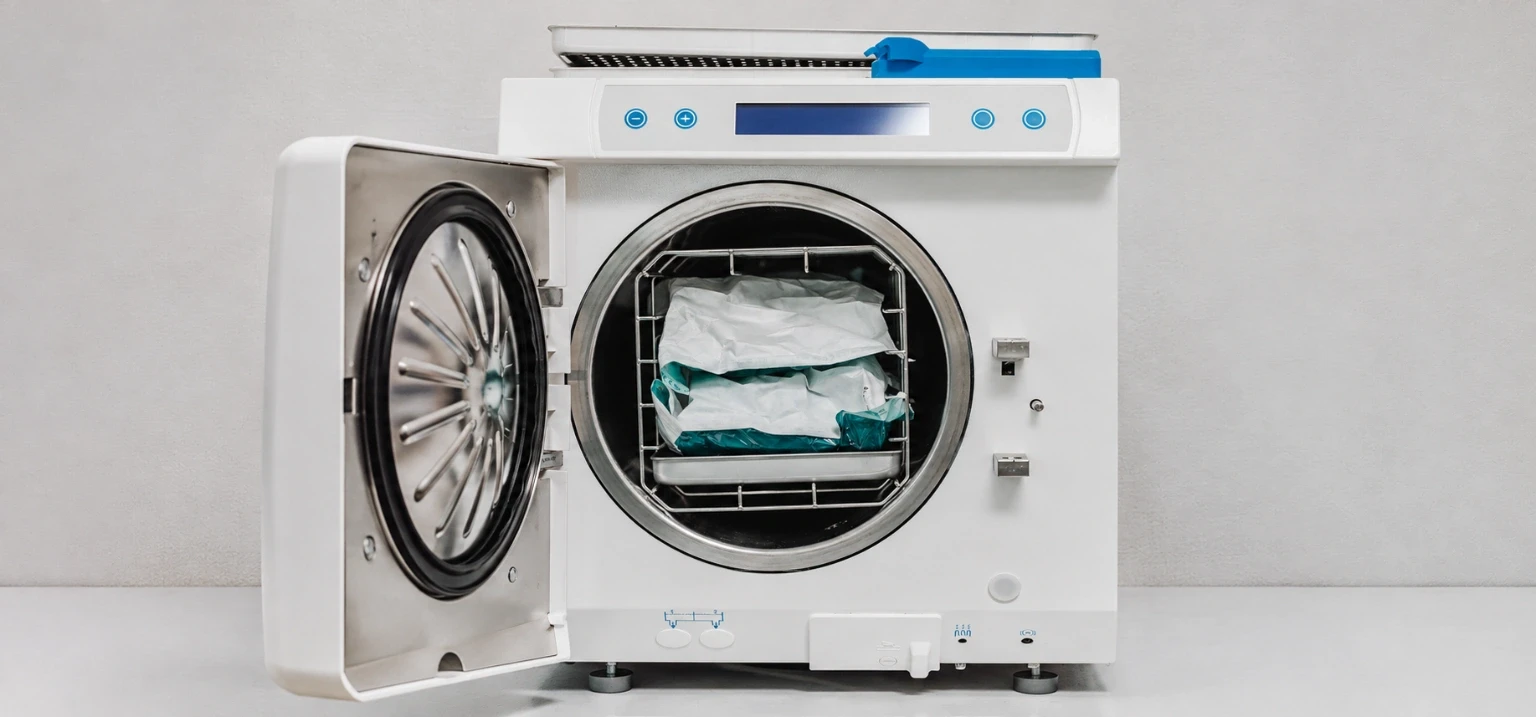
Texas §229.407(a) calls for FDA-approved sterilization equipment and requires the manufacturer procedures to be available for inspection. Check the exact model, its FDA-cleared indications, the load, and the operator manual with DSHS before buying.
What about a pressure cooker or a mini autoclave?
Texas lists dry heat separately; do not assume a pressure cooker or small appliance meets §229.407. Review the actual unit and intended use with DSHS.
BIOLOGICAL MONITORING
How often do you spore test a tattoo autoclave in Texas?
Texas 25 TAC §229.407(f) requires a spore test every calendar month, performed by an approved laboratory, with results available for inspection. The CDC's dental infection-control FAQ recommends testing sterilizers at least weekly, and the SciCan Statim 7000 and Tuttnauer Elara11 manufacturer manuals also recommend weekly biological monitoring. Treat the Texas monthly requirement as the state rule and the weekly guidance as an additional operating standard to consider alongside the manual for your unit.
CDC steam guidance identifies Geobacillus stearothermophilus spores for biological monitoring. The CDC also recommends a matching control in biological testing. This is different from a pouch indicator changing color.
Who is an approved spore-testing laboratory in Texas?
For the approved-laboratory requirement and acceptance of test reports, call Texas DSHS at 512-834-6600 before enrolling with a testing service.
FAILED MONITORING
What should a tattoo studio do when a spore test is positive?
CDC sterilization-monitoring guidance says to remove the unit from service after a positive biological indicator and immediately repeat the spore test with the same cycle. A passing pouch indicator does not override that result.
Remove the unit from service
Stop using the affected sterilizer. Switch necessary procedures to a compliant sterile-instrument plan.
Repeat the biological test promptly
Repeat immediately using the same cycle and the testing system instructions, including its control.
Document and escalate the result
Keep the positive and repeat results. Consult the manufacturer and DSHS before routine use resumes.
DOCUMENTATION
What sterilization and spore-testing records must a Texas tattoo shop keep?
Texas 25 TAC §229.407(g) requires sterilization records to remain at the studio for at least two years from the date of the last entry. The required details include the date of sterilization, quantity and type of instruments sterilized, and the name or initials of the person who performed it. Section 229.407(f) separately requires monthly spore-test results to be available for inspection.
On the package itself, Texas §229.407(d) requires the date of sterilization and the sterilizing worker's initials. Those labels answer a different question from the central record: a pouch identifies a particular processed set, while the log accounts for what was processed, when, and by whom. Make the two easy to reconcile without requiring staff to guess.
PACKAGING & STORAGE
How long do sterilized instruments in pouches stay sterile in Texas?
There is no universal 60-day expiration for every sealed pack. Under Texas 25 TAC §229.407(h), items stored according to the sterilizer operator manual or pouch labeling are considered sterile for the period those instructions establish. If neither provides a time, items not used within 60 days of sterilization are no longer considered sterile under the rule.
Texas also calls for clean, dust-tight storage and packages labeled with the sterilization date and the worker's initials. Follow the pouch or operator manual for storage and rotate stock by date. For presterilized supplies, retain the manufacturer documentation of the sterilization method and storage.
BUYING DECISION
Are disposable tattoo tubes and grips better than reusable instruments?
The best choice depends on the service you perform and the process your staff can run consistently. Single-use tubes and grips remove those components from your reusable instrument queue. Reusable instruments can serve a different workflow, but they create recurring cleaning, packaging, sterilization, monitoring, storage, and recordkeeping tasks under Texas rules.
| Decision factor | Disposable components | Reusable components |
|---|---|---|
| After the procedure | Discard as appropriate; never send a single-use item for reprocessing. | Place contaminated items into the labeled, covered holding container. |
| Before the next use | Open a new appropriate single-use item. | Clean, rinse, dry, package, sterilize, monitor, label, and store as applicable. |
| Paperwork | Manage single-use purchasing and waste procedures; sterilization logs do not apply to items that are discarded. | Maintain sterilization records and the applicable lab spore-test results. |
| Equipment planning | Plan station setup, storage, and approved waste containers. | Plan an appropriate sterilization area, eligible equipment, manual, and staff competency. |
| Operational trade-off | Recurring supply use and waste handling. | Recurring reprocessing work and equipment oversight. |
Compare the handling work, staff time, storage needs, disposal process, and what happens during a sterilizer outage, rather than assuming a universal price winner. New owners can start with First Professional Tattoo Setup.
COMMON ERRORS
What autoclave and sterilization mistakes should studio owners avoid?
The biggest errors come from mixing up single-use disposal, pre-cleaning, sterilization, testing, and storage. Give staff a specific process for each stage.
Autoclaving without cleaning first
Clean blood and tissue residue first; Texas permits enzyme-based hand cleaning or manufacturer-directed ultrasonic cleaning.
Reusing needles or disposable grips
Needles and razors are single-use. Do not reprocess disposable tubes and grips.
Using a color strip as proof of a spore test
Chemical indicators do not replace the required approved-laboratory spore test.
Applying the same cycle to every sterilizer
Use the actual sterilizer manual, not settings copied from another machine.
Storing packs without labels or rotation
Date and initial packages, store them dust-tight, and observe the applicable shelf-life rule.
Keeping results somewhere nobody can locate
Keep studio sterilization records and laboratory results accessible for inspection.
STUDIO SUPPLIES
Which pouches, disposable tubes, barriers, and sharps supplies support this workflow?
Choose supporting supplies to match the pathway each item takes: packaged sterilized instruments, one-procedure disposable parts, contaminated sharps, or protected work surfaces. SVT Shop carries the supplies below; your sterilizer, laboratory testing service, and equipment-specific instructions remain separate planning decisions. For sharps handling and pickup, see How to Dispose of Tattoo Needles; for OSHA training, see Bloodborne Pathogens Certification for Tattoo Artists.
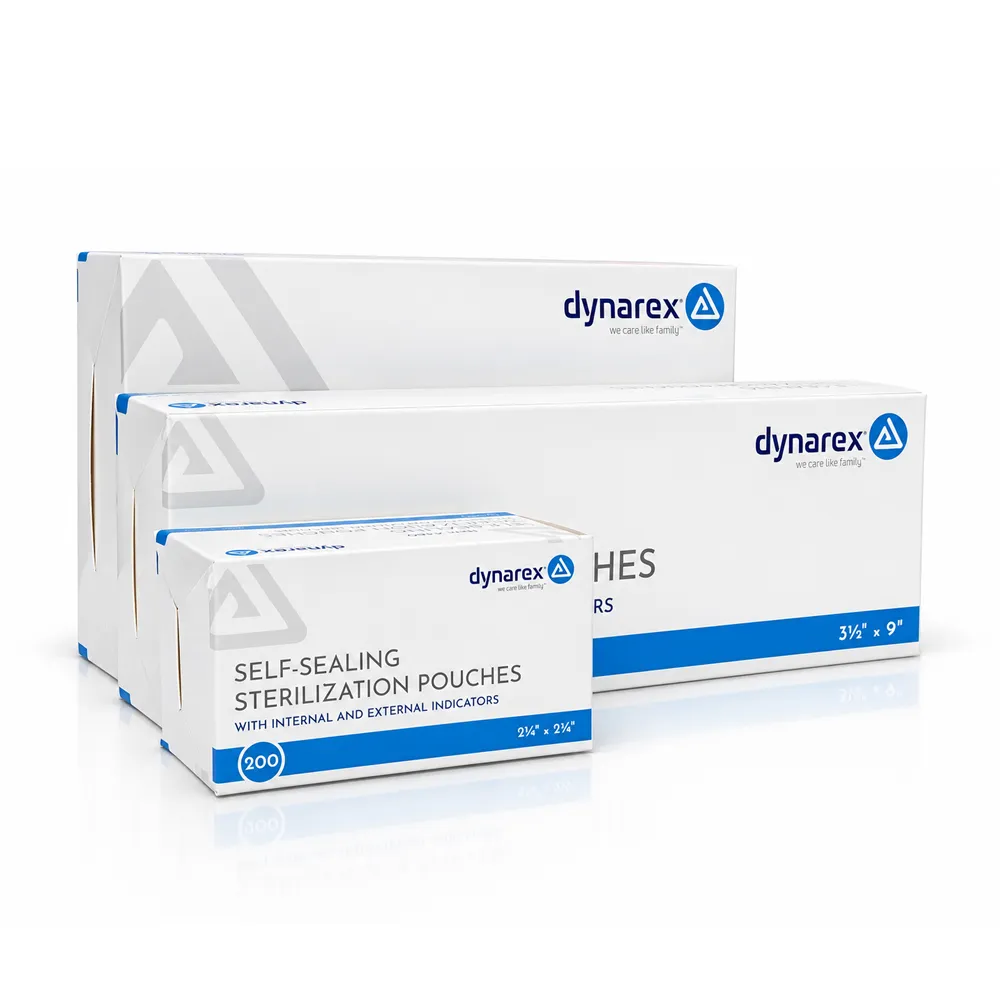 Packaging Reusable Instruments
Dynarex Sterilization Pouches 200 ct
Self-sealing pouches with color-change indicators; date and initial each pack.
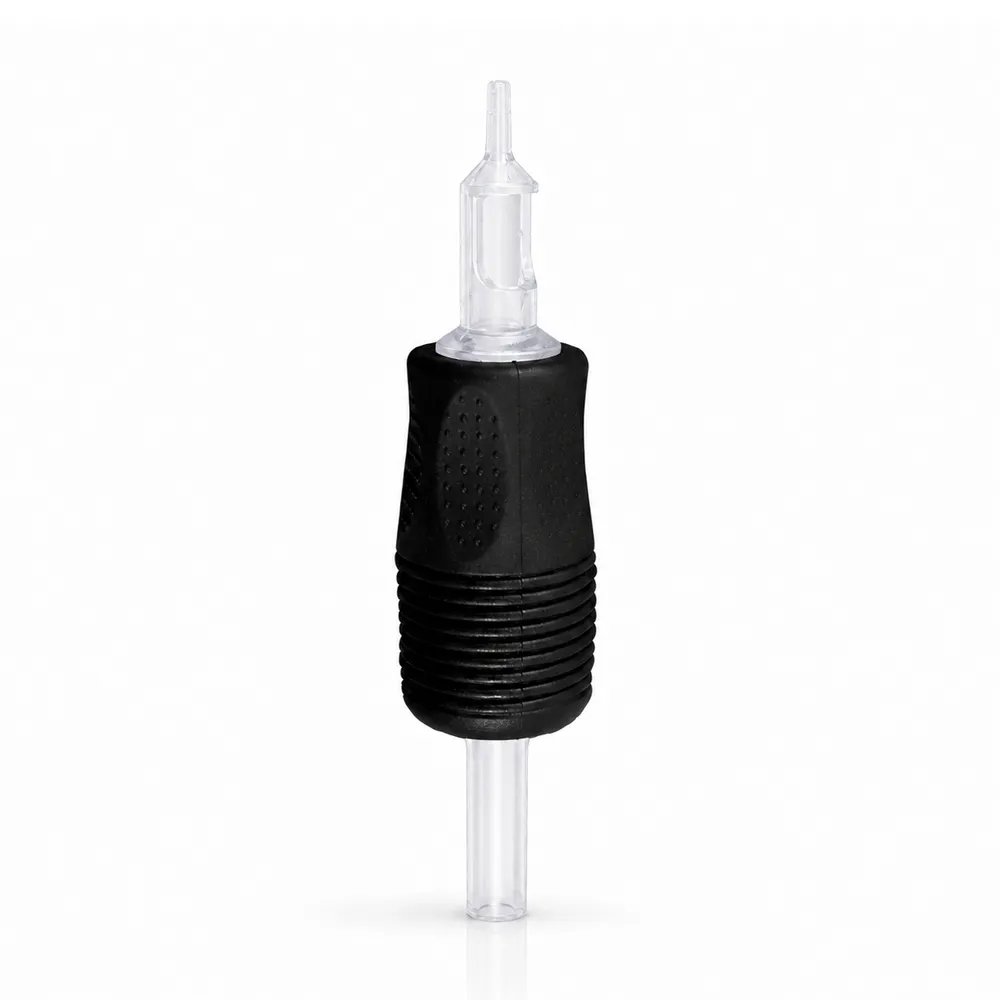 Single-Use Tube Alternative
Disposable Tattoo Tubes With Grips 25MM (RT)
Single-use alternative to reprocessing suitable tattoo tubes and grips.
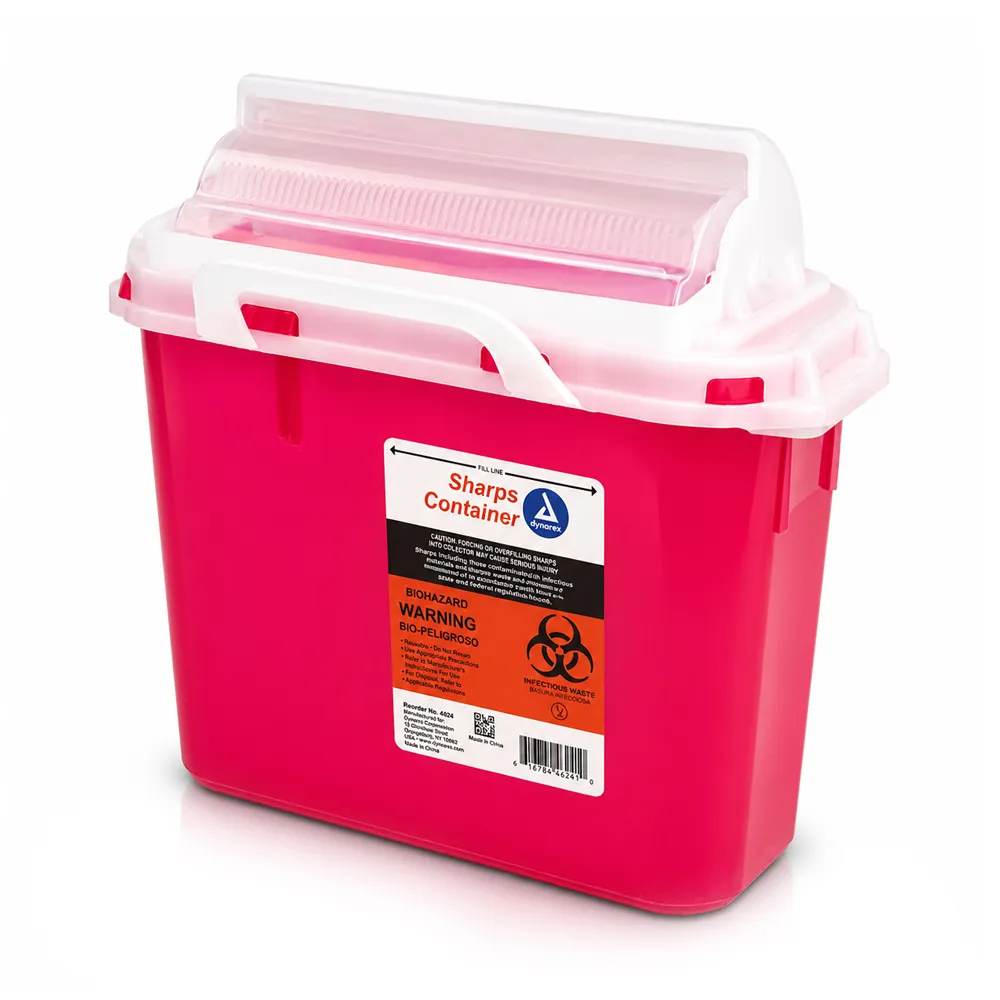 Procedure-Area Sharps
Dynarex Sharps Container 5.4 Qt.
Sharps disposal option for used needles and razors at a procedure area.
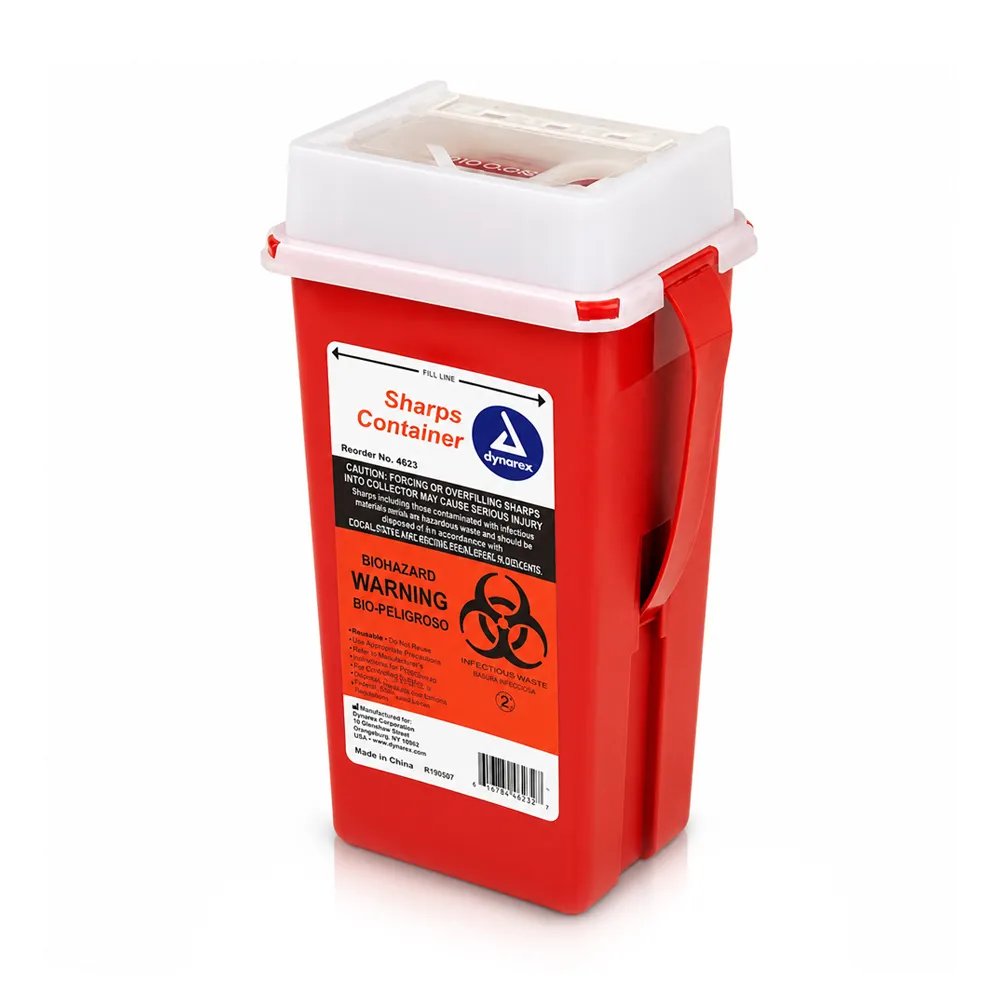 Compact Sharps Collection
Dynarex Sharps Container 2 Qt.
Smaller-format sharps collection for individual stations.
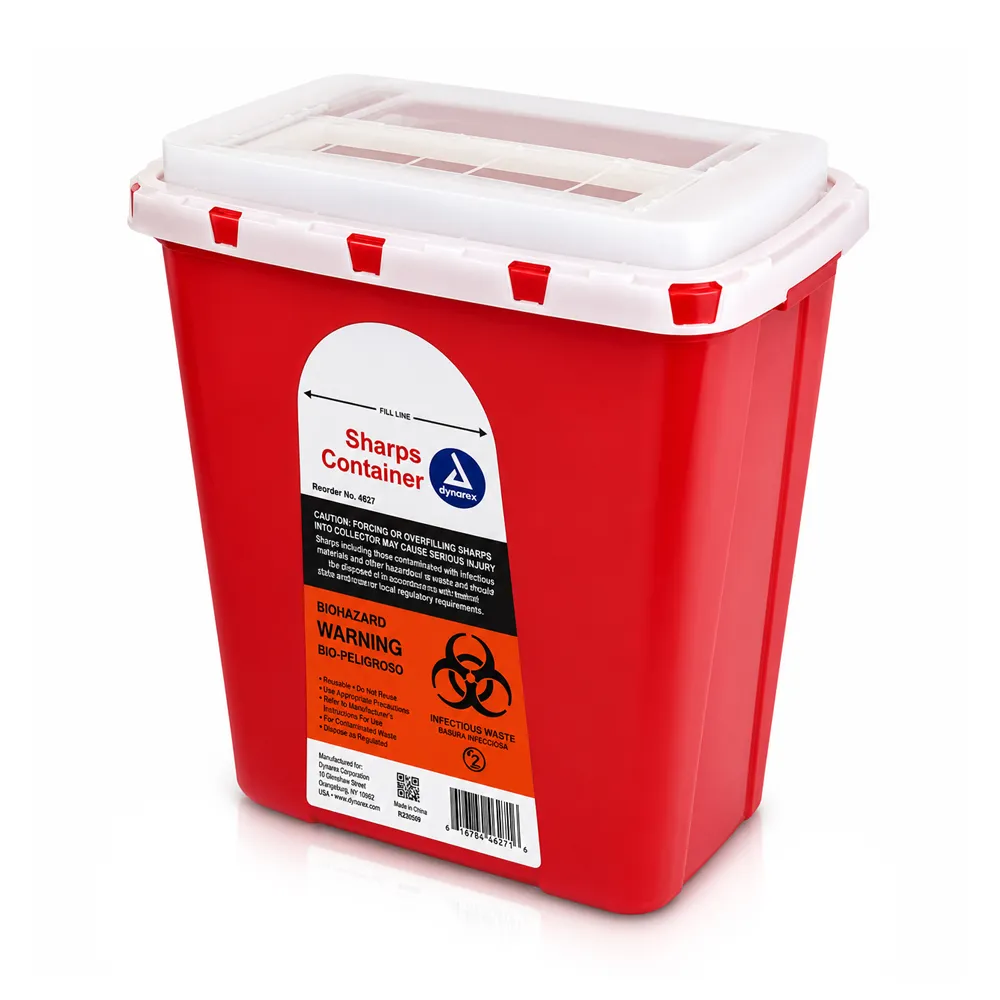 Larger Sharps Collection
Dynarex Sharps Container 6 Gal.
Larger-capacity sharps collection for a studio disposal plan.
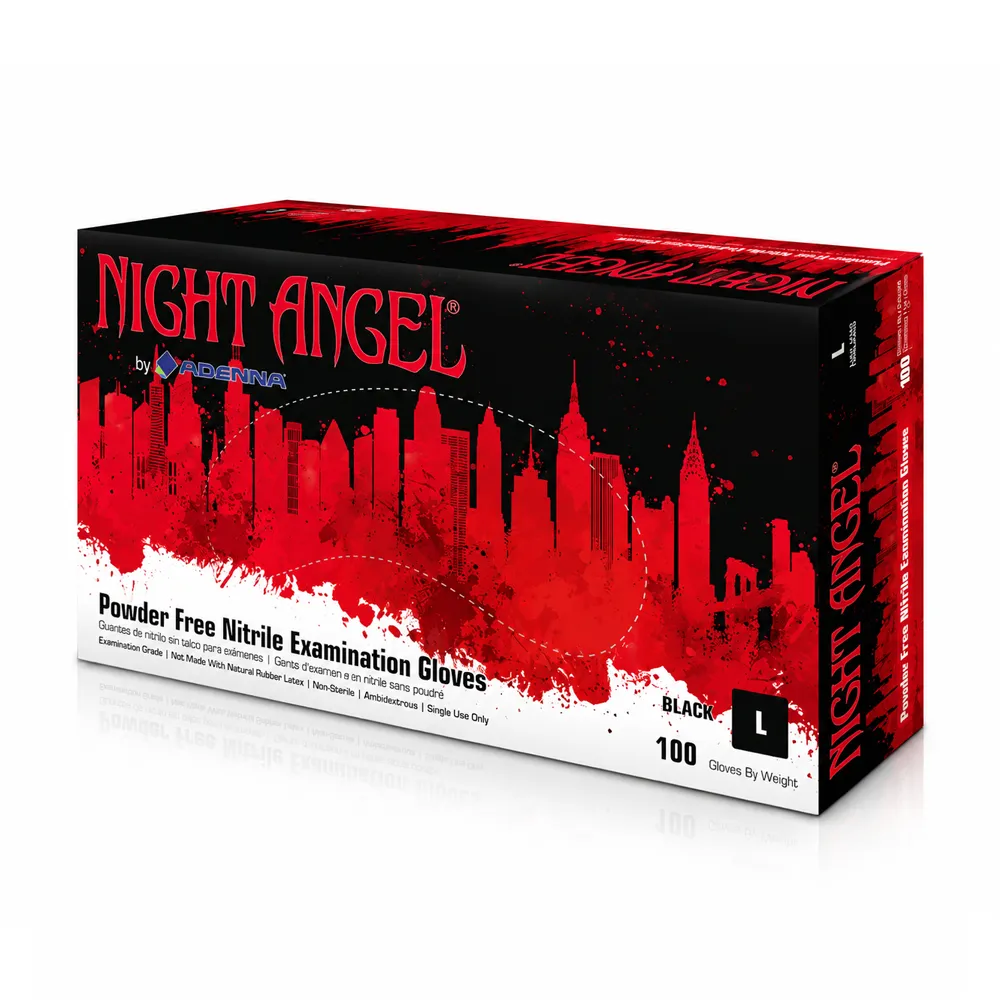 Single-Use Hand Protection
Adenna Night Angel Black Nitrile Exam Gloves
Single-use exam gloves for instrument assembly and tattooing.
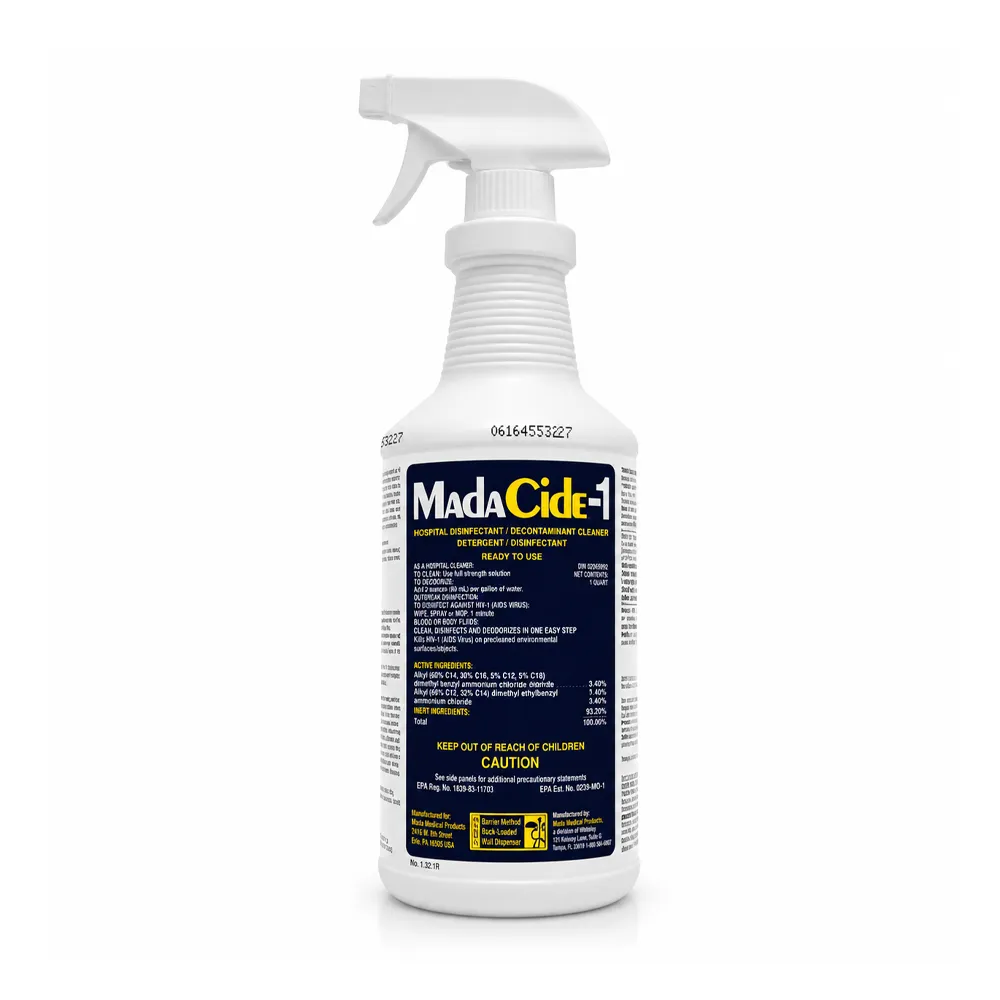 Work-Area Disinfection
MADA MadaCide-1 — Quart
Surface disinfectant for work areas; not instrument sterilization.
 Touch-Surface Barriers
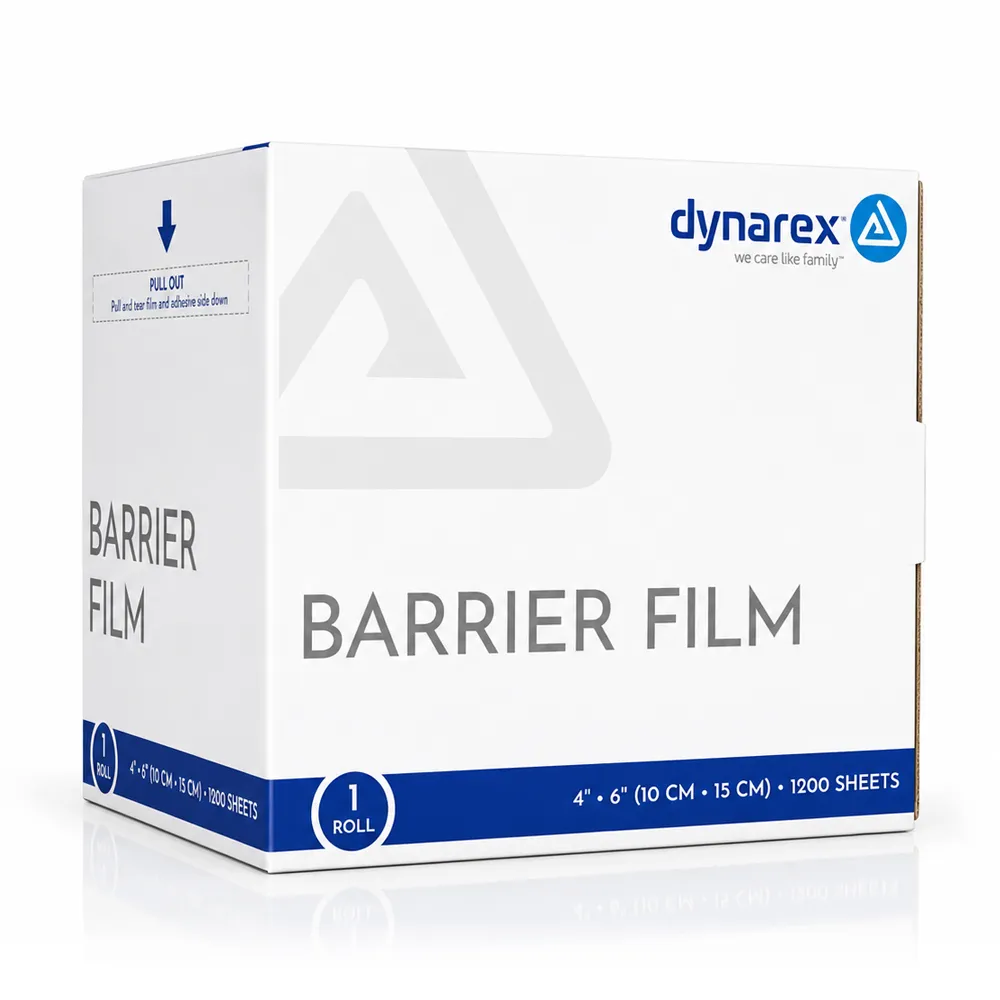
Dynarex Barrier Film Clear
Barrier protection for equipment and work-area touch points.
OWNER'S CHECKLIST
What should a Texas tattoo studio check before opening or inspection?
Walk the room as if an inspector asked you to explain one procedure from start to finish. DSHS says inspectors look for disposable or routinely sterilized instruments and records of sterilization practices. Texas also requires workers who sterilize instruments to be able to demonstrate correct procedures.
- Identify instruments: Mark each item single-use, reusable blood-contact, or separately handled machine/device.
- Confirm the model: Check §229.407, FDA-cleared indications, and the accessible operator manual.
- Define intake and cleaning: Labeled covered container; allowed manual or ultrasonic method; rinse and dry.
- Label and monitor: Package by instrument or single-procedure set; date, initial, and use indicators.
- Schedule biological tests: Texas monthly approved-laboratory test; consider weekly CDC/manual guidance.
- File the records: Sterilization log at the studio for at least two years from the last entry; lab results ready.
- Separate the area: Restricted-client-access sterilization space apart from workstations.
- Plan a positive-test response: Remove the unit from service and repeat the test under CDC directions.
- Check DSHS and local rules: Ask about all-disposable operations, approved laboratories, fees, and inspections.
- Train the team: Each sterilizing worker should be able to demonstrate proper procedures.
For studio-specific questions, phone Texas DSHS at 512-834-6600. Review its licensing page and the rules compilation; the PDF table of contents and body may show different section numbering. Also see How to Become a Tattoo Artist in Texas and Green Soap Dilution Guide for related studio tasks.
FAQ
Frequently asked questions about tattoo shop autoclaves in Texas
These are the practical questions owners and artists ask when choosing between disposable supplies and reprocessing reusable instruments, setting up testing, or preparing for an inspection.
Do you need an autoclave to tattoo?
Texas says potentially blood-contact instruments must be sterilized after use or disposed of. Your instrument choices shape the workflow; confirm an all-disposable plan with DSHS at 512-834-6600.
Do tattoo shops in Texas need an autoclave?
Section 229.409(a) uses sterilize or dispose, not a blanket ownership rule. Ask DSHS how that applies to your particular studio and services.
Are disposable tattoo tubes and grips enough, or do I still need to sterilize?
They remove those parts from the reusable queue. Still account for other reusable instruments; needles and razors are always single-use.
What can I put in a tattoo autoclave: forceps, tubes, bars, or tapers?
Texas names bars, tubes, forceps, receiving tubes, and tapers as covered items if they may contact blood or bodily fluids. Check each item and sterilizer manual before reprocessing.
How often do you spore test a tattoo autoclave?
Texas requires an approved-laboratory spore test each calendar month. CDC dental guidance and the cited SciCan and Tuttnauer manuals call for at least weekly tests.
Who performs an approved autoclave spore test in Texas?
Texas requires an approved laboratory and results available for inspection. Confirm accepted laboratories through DSHS at 512-834-6600.
How long do tattoo shops keep sterilization records in Texas?
At least two years from the last entry, at the studio. Record sterilization date, quantity/type of instruments, and staff name/initials; keep spore results accessible.
How long does sterilized, pouched tattoo equipment stay sterile?
Follow the manual or pouch label when stored as directed. If neither states a period, Texas applies a 60-day limit after sterilization.
What do I do if an autoclave spore test comes back positive?
CDC says remove the sterilizer from service and immediately repeat a spore test with the same cycle. Keep results and contact DSHS and the manufacturer.
Do I need to clean instruments before autoclaving? Can I use an ultrasonic cleaner?
Yes. Texas requires removal of residue. Pre-clean with an enzyme detergent by hand or a manufacturer-directed ultrasonic, then rinse and dry.
Can I use dry heat or a pressure cooker instead of an autoclave?
Texas lists dry heat at 160°C for at least an hour, as well as steam cycles. Review any proposed equipment against §229.407 and with DSHS; do not assume a pressure cooker qualifies.
Does a tattoo machine go in the autoclave?
Texas excludes tattoo machines/devices from §229.409(a). Follow machine-specific cleaning and barrier instructions; see How to Clean and Disinfect a Tattoo Machine.
RESEARCH
Sources Consulted
Texas DSHS and 25 TAC Chapter 229 supply the legal requirements. CDC material explains biological and chemical monitoring; SciCan and Tuttnauer manuals provide model-specific manufacturer guidance.
- Texas DSHS: Tattoo and Body Piercing Rules, 25 TAC Chapter 229
- Cornell Legal Information Institute: 25 TAC §229.407, Sterilization
- Cornell Legal Information Institute: 25 TAC Chapter 229, Subchapter V
- Texas DSHS: Tattoo and Body Piercing Studio Licensing Requirements
- CDC: Sterilization Monitoring Frequently Asked Questions
- CDC: Sterilizing Practices
- CDC: Cleaning Before Disinfection and Sterilization
- CDC: Steam Sterilization
- SciCan: Statim 7000 Operator's Manual
- Tuttnauer: Elara11 Operator's Manual