


 Powered by Comercia.io
How do you cover up a tattoo with another tattoo when the old design is dark, colorful or difficult to hide? Professional tattoo cover-up planning starts with the healed pigment, client skin, placement and new design - not a fixed rule about size or color. This artist-focused guide covers covering black tattoos, opaque ink, stencil and cartridge planning, laser lightening before a cover-up, and realistic client expectations.
Explore Professional Black Inks Explore Kwadron Cartridges
QUICK ANSWER
How do tattoo artists cover an old tattoo with a new one?
Evaluate the old healed tattoo and create a new composition that incorporates or visually redirects attention from the remaining ink. FK Irons recommends considering skin, placement, colors and body contours, with dense saturation; Intenze says heavy black can muddy bright colors and that white will not erase it. If the client needs bright, clean color directly over solid black, discuss laser lightening with a qualified provider before scheduling the new tattoo. Design size, opacity and execution follow the actual piece, not a universal formula.
ASSESS
Healed black, other colors, skin, placement and surrounding artwork.
DESIGN
Use existing pigment, contours, saturation and intentional contrast.
LASER?
Refer bright-over-black conflicts to a trained laser or dermatology provider.
ASSESS BEFORE DRAWING
Can you cover up a tattoo with another tattoo?
Yes, but a cover-up changes the visual reading of an existing tattoo rather than removing the old pigment. In FK Irons artist education, Selina Medina describes using the previous ink as part of a new composition. Intenze similarly urges artists to design with healed black instead of treating it as a blank surface.
First establish what the client wants: a different readable subject, brighter color in a dark area, or complete removal of the old image. The cover-up artist decides whether a composition can achieve the first goal; a qualified laser provider assesses lightening when clean brightness over existing black is essential.
FIRST CONSULTATION
What should an artist check before accepting a tattoo cover-up?
FK Irons identifies client skin, placement, how the old ink healed, the number of colors, and surrounding design space as cover-up factors. Review the tattoo in its actual healed condition. Note its visible black saturation, remaining colors, outline, size, location and relationship to nearby work. Ask its age as case history, not a shortcut to predicting coverage.
| Old tattoo feature | Artist's planning question |
|---|---|
| Dense black | Can it become part of the new subject? Intenze says black is difficult to cover. |
| Other colors | What pigments remain visible? FK Irons considers the color count. |
| Healed skin | Does texture or an older session complication need assessment first? |
| Body contours | Does the new design follow the actual placement? |
| Surrounding artwork | How much space is available to build a coherent image? |
For existing skin or technique concerns, review tattooing over scars, blowout prevention and overworked tattoo signs. A new composition does not promise to repair tissue.
THE MOST RESTRICTIVE STARTING POINT
Can a tattoo artist cover up a dark or solid black tattoo?
Heavy healed black is particularly hard to cover. Intenze explains that black underneath can make bright colors placed over it appear muddy and muted. White is not an eraser. The realistic paths are a composition that uses the black as part of the design or a discussion about laser lightening before reworking the area.
FK Irons profiles an artist who used blue-black existing pigment as foliage, while conserving new black in a flower to keep petals and leaves visually distinct. That was one artist's solution to a specific tattoo, not a universal foliage or color rule.
For the roles of black and grey pigments, read choosing black tattoo ink and black, greywash and opaque grey compared.
INK LIMITS
Can white, skin-tone or bright colored ink cover black tattoo ink?
White over healed solid black does not make the old black white. Intenze says bright colors over dark black may look dull, and white may register only weakly. Its guide discusses opaque white for highlights on lighter or already-faded work, not for deleting heavy black.
Before choosing a bright shade or skin-tone effect, compare the proposed new area to the old pigment underneath. If the client needs clean, vivid color directly over strong healed black, Intenze advises discussing laser lightening rather than promising repeated light-color layers will achieve that result.
Useful color references: bright tattoo colors, white tattoo ink and skin tone and tattoo ink.
DESIGN BEFORE NEEDLE
Does a cover-up tattoo have to be bigger or darker than the old tattoo?
There is no fixed rule that a cover-up must be twice or three times the old tattoo's size or use only dark colors. FK Irons recommends studying location, available space and the body's contours. The artist decides how much room the new subject needs for the old image to become visually secondary.
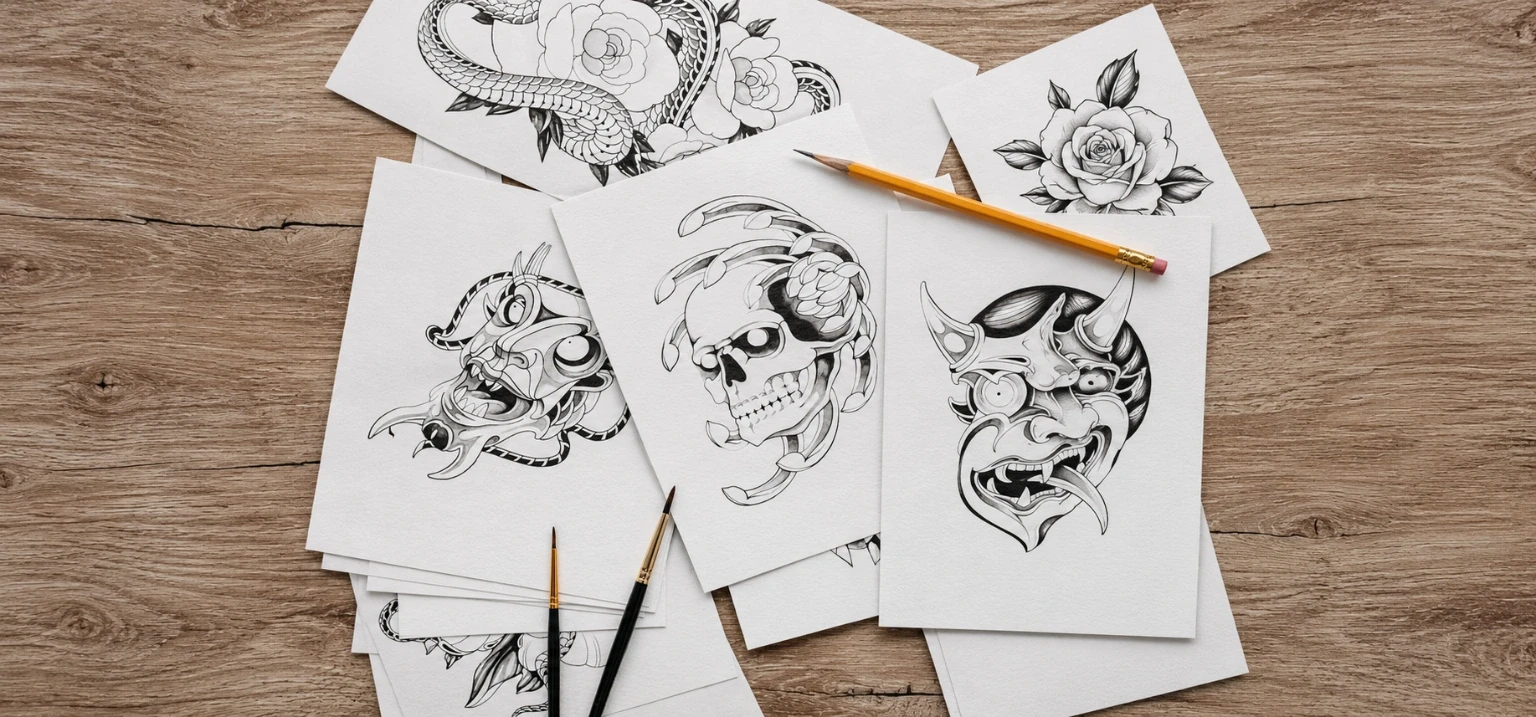
In its example, the artist drew a sweeping rose and foliage along the client's back, using existing pigment in the design. The larger composition served that body location and client request. A bigger stencil alone would not address poor contrast where the new focal detail overlaps heavy black.
MATERIAL CHOICE WITH A DESIGN PURPOSE
What ink colors and levels of saturation work for tattoo cover-ups?
FK Irons emphasizes densely saturated pigment; Intenze recommends high-opacity colors and warns that lighter pigment can be muted by healed black. Choose ink according to what the finished composition needs, rather than claiming one shade conceals every old tattoo.
In the FK Irons example, blue-based greens and white-containing highlights worked for foliage over blue-black, with warmer red in the flower and restrained additional black. These were design-specific choices. Separate areas requiring structural black, opaque grey, saturated color and open contrast before purchasing ink.
See tattoo ink brands compared and opaque grey vs greywash for ink differences without assuming a retail bottle has special cover-up performance.
HONEST ALTERNATIVE
When should an artist recommend laser lightening before a cover-up?
Consider laser lightening when the client wants clear, bright color exactly where heavy healed black remains. Intenze recommends this as an honest alternative to layering over black. FDA says a trained health care professional can perform laser tattoo removal; ASDS recommends a qualified provider such as a dermatologic surgeon.
| Route | What the sources support | Who decides |
|---|---|---|
| Direct cover-up | FK Irons: build a new image around existing pigment and saturation. | Tattoo artist and client. |
| Lightening first | Intenze: consider when bright color conflicts with heavy black. | Laser professional assesses treatment; artist plans new design. |
| New tattoo after laser | FDA: multiple treatments and healing may be needed. | Treating provider determines readiness for tattooing. |
MEDICAL PROVIDER QUESTIONS
Which old tattoo colors are harder to laser-lighten before a cover-up?
Different pigments respond differently to laser light. FDA says black and dark blue are generally easier to target than green, red or yellow, while ASDS cautions that deeper blue and black, and certain pastel formulations, can still be challenging. These statements concern laser treatment, not a rule about what new tattoo colors cover old colors.
FDA warns that white and flesh-colored pigment can oxidize and become darker. ASLMS likewise identifies possible permanent darkening with white, pink, red, tan or light brown under traditional laser treatment. Inform the laser professional about existing colors and do not plan the cover-up on an assumption that the area will become clear.
Medical handoff
The laser provider selects the treatment and explains color-response and darkening risks. The tattoo artist revises the composition after seeing the medically cleared, healed result.
NO FIXED BOOKING DATE
How long after laser removal can an artist tattoo a cover-up, and how many sessions are needed?
The laser provider or dermatologist should determine the treatment count, healing intervals and when the area can safely be tattooed again. FDA explains that removal commonly requires multiple treatments separated by recovery. AAD says a laser cannot safely clear all layers in one visit. Neither fact supplies a universal timetable for a planned cover-up.
Ask whether the client is seeking full removal or enough lightening for the selected image. Share the intended new artwork, let the treating professional plan the procedure, and reassess the remaining pigment after the provider clears the skin for new tattoo work.
MAP OLD AND NEW TOGETHER
How does an artist plan and position the stencil for a cover-up tattoo?
Map the new design against the visible older tattoo and the client's body contours. FK Irons illustrates a drawing created to follow contours and make old pigment work as part of a new image. That design decision should occur before the final stencil is approved.
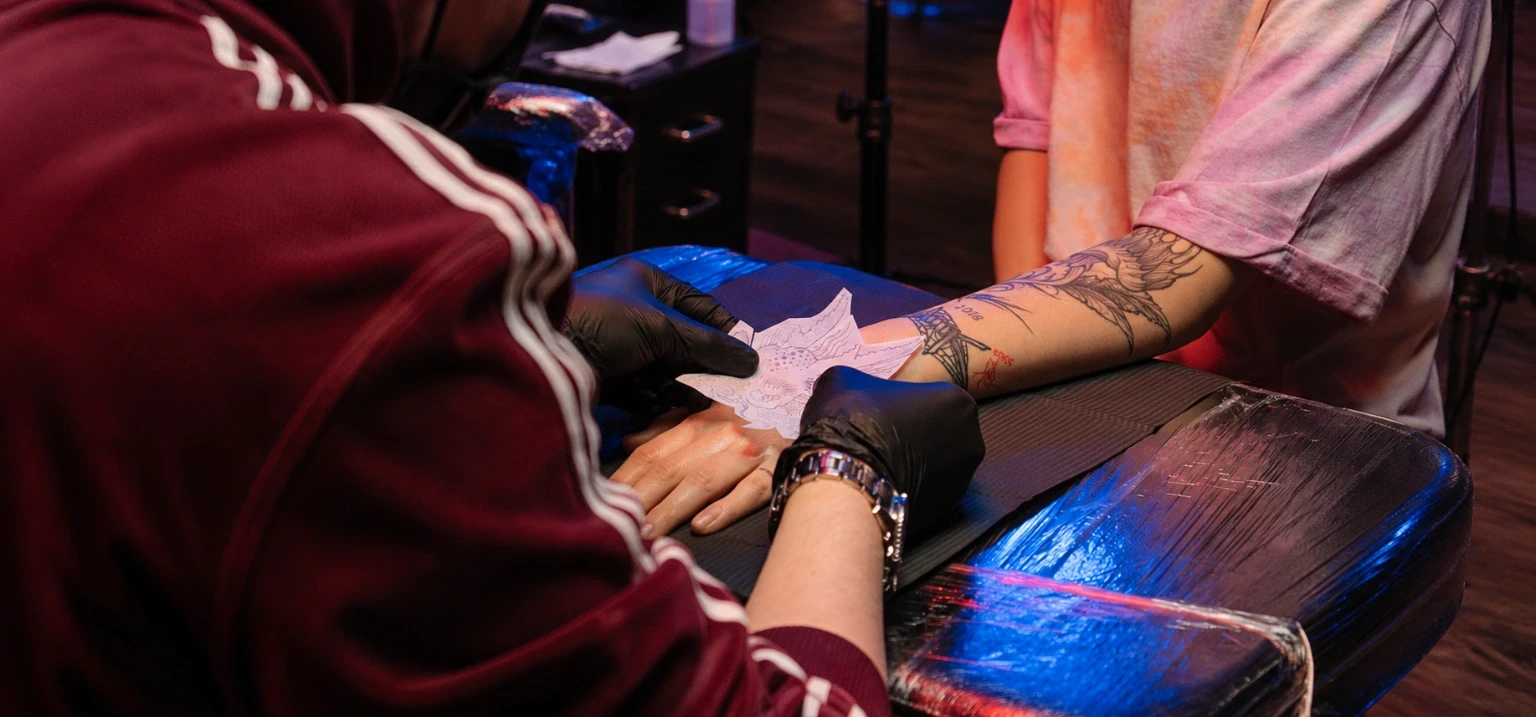
Check whether the planned focal point lies over the darkest original area, whether the new outlines will be readable and whether nearby tattoos limit the composition. Intenze recommends designing with existing black. Use the approved artwork when preparing the stencil; follow the separate stencil transfer and longevity guide for application methods.
PROFESSIONAL EXECUTION PLAN
How do artists line, shade and pack color into a tattoo cover-up?
FK Irons focuses on dense saturation, and Intenze recommends selecting opaque pigment where suitable. Plan linework, shading and solid areas separately, choosing cartridge groupings according to the approved artwork and the artist's normal technique. The sources give no universal cover-up machine setting.
Review the old and new compositions
Confirm where original ink becomes part of the new image.
Choose ink by visual role
Decide which areas require black, opaque grey or saturated color.
Prepare the approved stencil
Fit the drawing to the client's contours and existing artwork.
Select suitable cartridges
Choose lining, shading or magnum groupings according to the technique.
Perform the planned artwork
Keep the initial skin assessment and chosen contrast in view.
Give routine aftercare
Provide the standard fresh-tattoo care plan.
For detailed technique, see packing color, clean linework and choosing cartridges.
SKIN CONDITION BEFORE COVERAGE
Can a cover-up fix a blowout, overworked tattoo or scarred skin?
Review abnormal texture, scarring and signs of overworking before planning another tattoo session. FK Irons includes skin condition and healed ink in its cover-up assessment, but the sources do not establish that layering new pigment repairs the skin. Separate artistic concealment from any tissue concern.
For more context, see tattooing over scars, stretch marks and moles, tattoo blowout causes and overworked tattoo signs. Refer painful, changing or otherwise concerning skin to a dermatologist before proceeding.
CLEAR SCOPE BEFORE BOOKING
What should a tattoo artist tell the client before accepting a cover-up?
Explain the visual compromise before booking. Intenze encourages telling clients that white does not erase heavy black and bright color may look muted. FK Irons shows how the prior image can become part of a new composition. Agree on the proposed shape, size, remaining dark areas and what counts as a successful new subject.
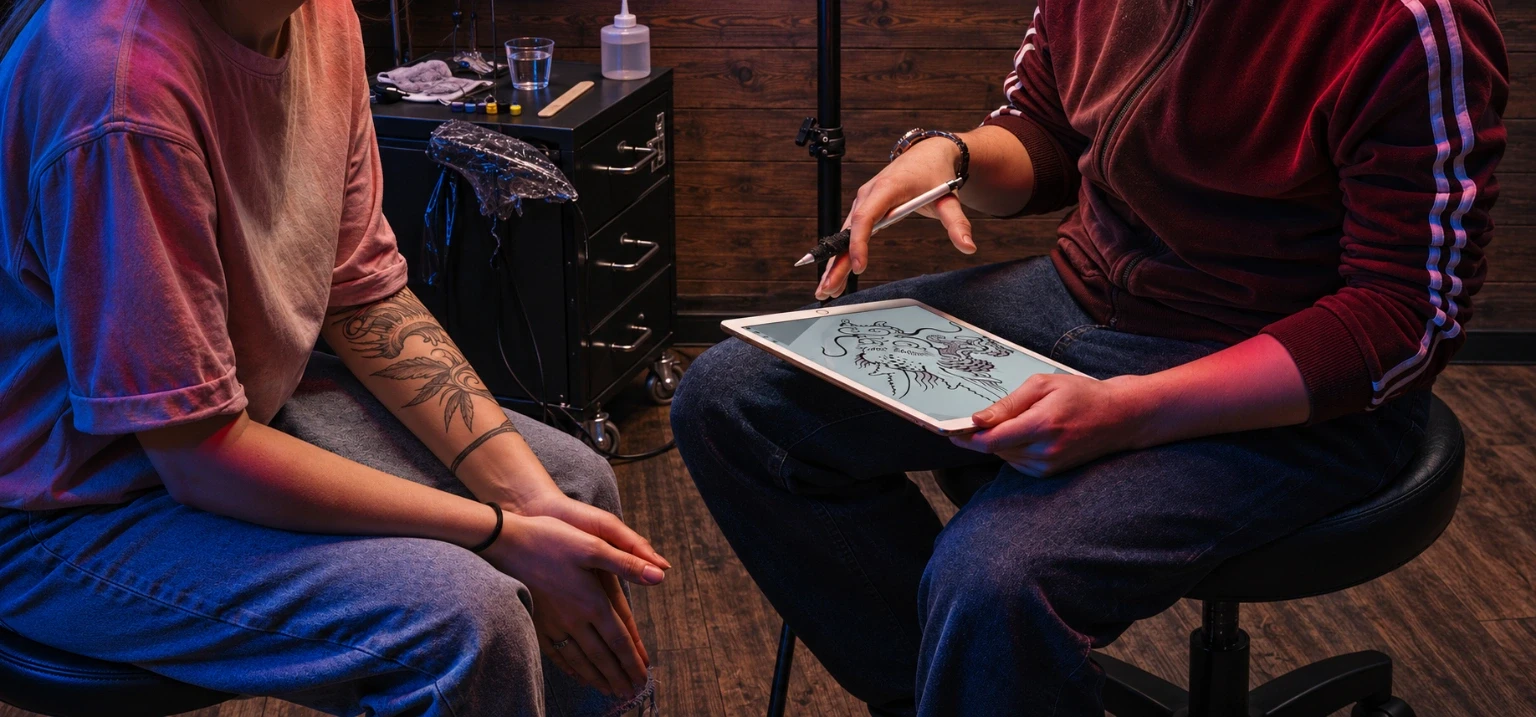
If the client insists on a clean bright focal point where a dense black block remains, discuss laser lightening with a qualified provider. Review the drawing over the existing tattoo rather than promising an outcome based only on a reference image. Document the design direction and whether laser assessment comes first.
AFTER THE PROCEDURE
Does a tattoo cover-up need special aftercare, and what helps it look its best?
Provide the normal fresh-tattoo care plan for the newly worked area. The sources do not establish a separate universal healing timetable for cover-ups, and a dressing or balm does not conceal pigment that remains visible. Direct the client to tattoo aftercare day by day or Derm Shield vs Saniderm for separate care and film choices.
For fully healed tattooed skin, AAD recommends broad-spectrum, water-resistant SPF 30+ and says UV can fade some tattoo inks.
AVOID PREVENTABLE DISAPPOINTMENT
What common mistakes make a tattoo cover-up plan difficult to execute?
Most avoidable cover-up disappointments begin with an unrealistic design plan. FK Irons and Intenze stress using existing pigment and setting expectations before the needle starts.
Treating old black as blank skin
Intenze says new bright pigment may look muddy over heavy black.
Using white as an eraser
Intenze says white cannot turn healed black into white.
Copying a fixed enlargement rule
FK Irons makes design scale depend on contours and surrounding space.
Assuming one artist's color recipe works everywhere
FK Irons featured blue-greens for one blue-black case, not a rule for all.
Adding unnecessary black
The FK Irons artist limited black in parts of her rose to preserve contrast.
Booking before laser clearance
The medical provider decides treatment, recovery and readiness for another tattoo.
DECIDE BEFORE YOU ORDER
What should an artist check before confirming the cover-up design and supplies?
Use FK Irons' assessment criteria, Intenze's pigment limits and the medical laser guidance to approve the concept before ordering or setting up equipment.
- Old work: Black saturation, remaining colors and healed condition reviewed?
- Placement: Body contours, surrounding skin and adjacent tattoos considered?
- New artwork: Focus, contrast and size agreed with the client?
- Opacity: Ink choices made for design roles, not universal coverage promises?
- Laser: Bright-over-black conflicts discussed with a qualified provider?
- Medical risks: Laser pigment darkening and skin clearance addressed by that provider?
- Execution: Stencil and lining, shading and packing plans prepared?
- Care: Fresh aftercare and healed-skin UV guidance ready?
SVT SHOP TOOLS FOR THE ARTIST
Which inks, cartridges and stencil supplies fit a professional cover-up workflow?
SVT Shop lists ink from Dynamic, Eternal Ink, Solid Ink and World Famous, Kwadron cartridges, stencil supplies and tattoo-care products. Select each for its ordinary ink, cartridge or transfer role. FK Irons discusses dense saturation and one World Famous color example, not a tested ranking of these specific bottles or a guaranteed cover-up formulation.
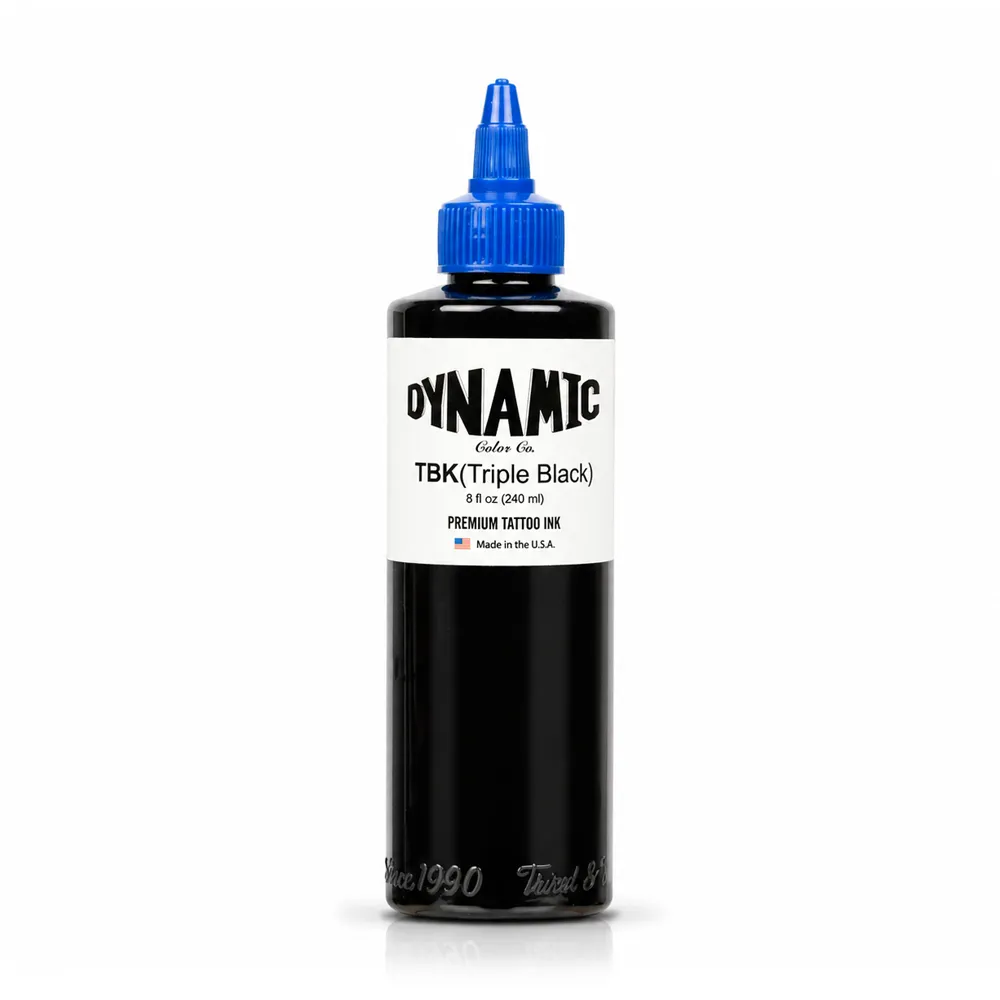 Black for selected solid areas
Dynamic Triple Black
Professional black option for a saturated design; not a specially verified cover-up ink.
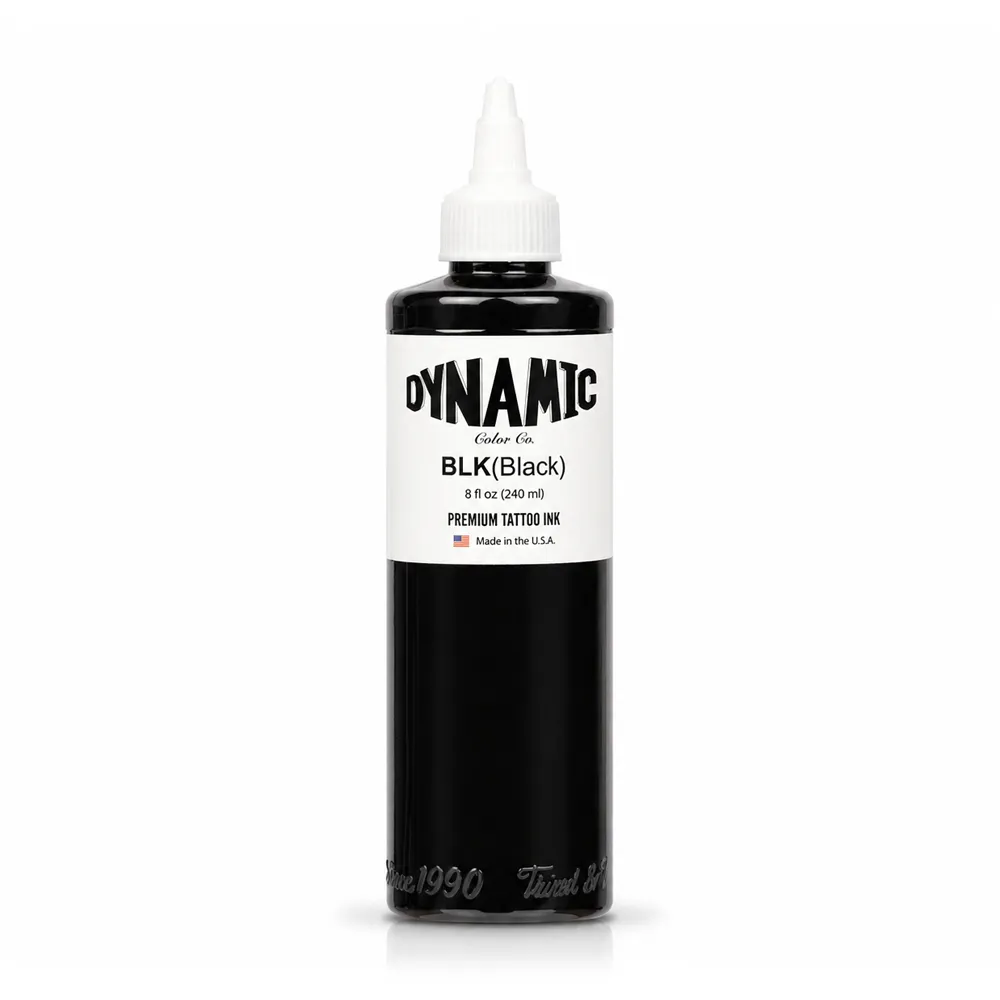 Black for line and fill planning
Dynamic Black
Black for lining or fill where the new design calls for it.
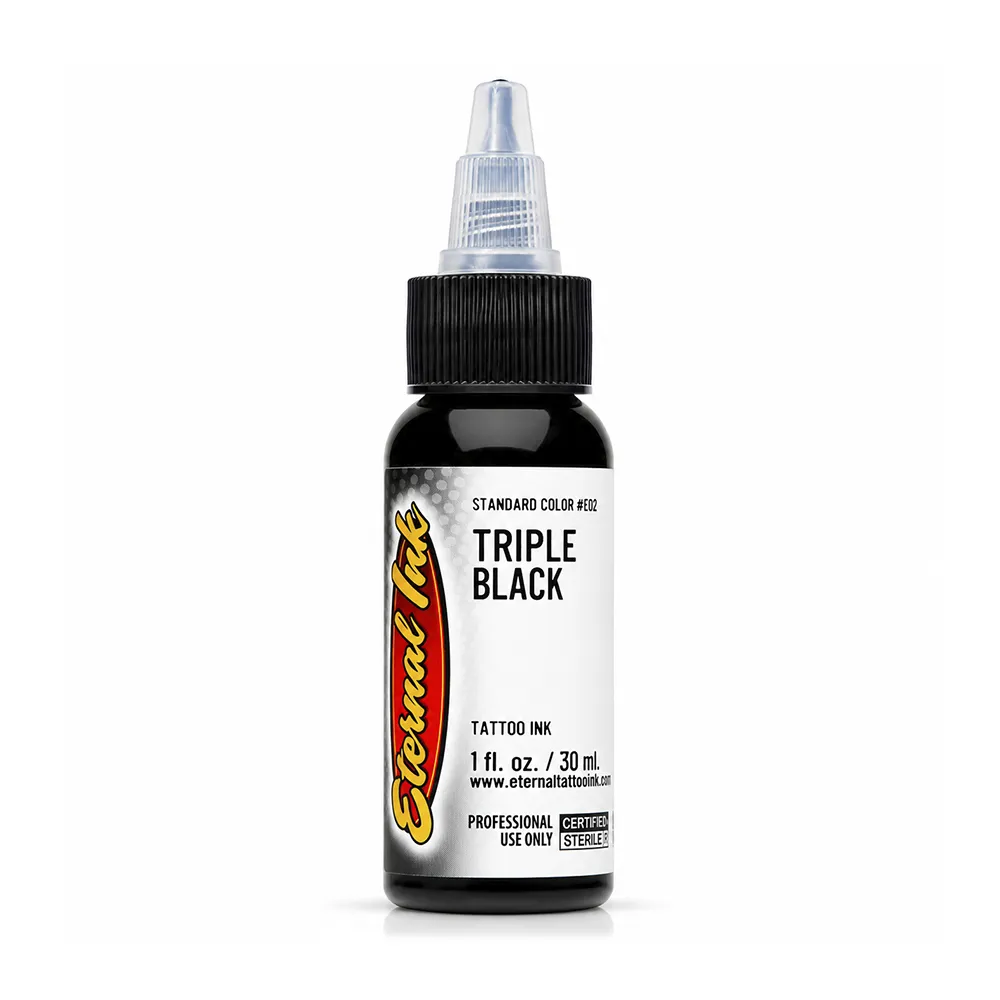 Alternative strong-black selection
Eternal Ink Triple Black
Alternative black for a planned composition; no coverage promise.
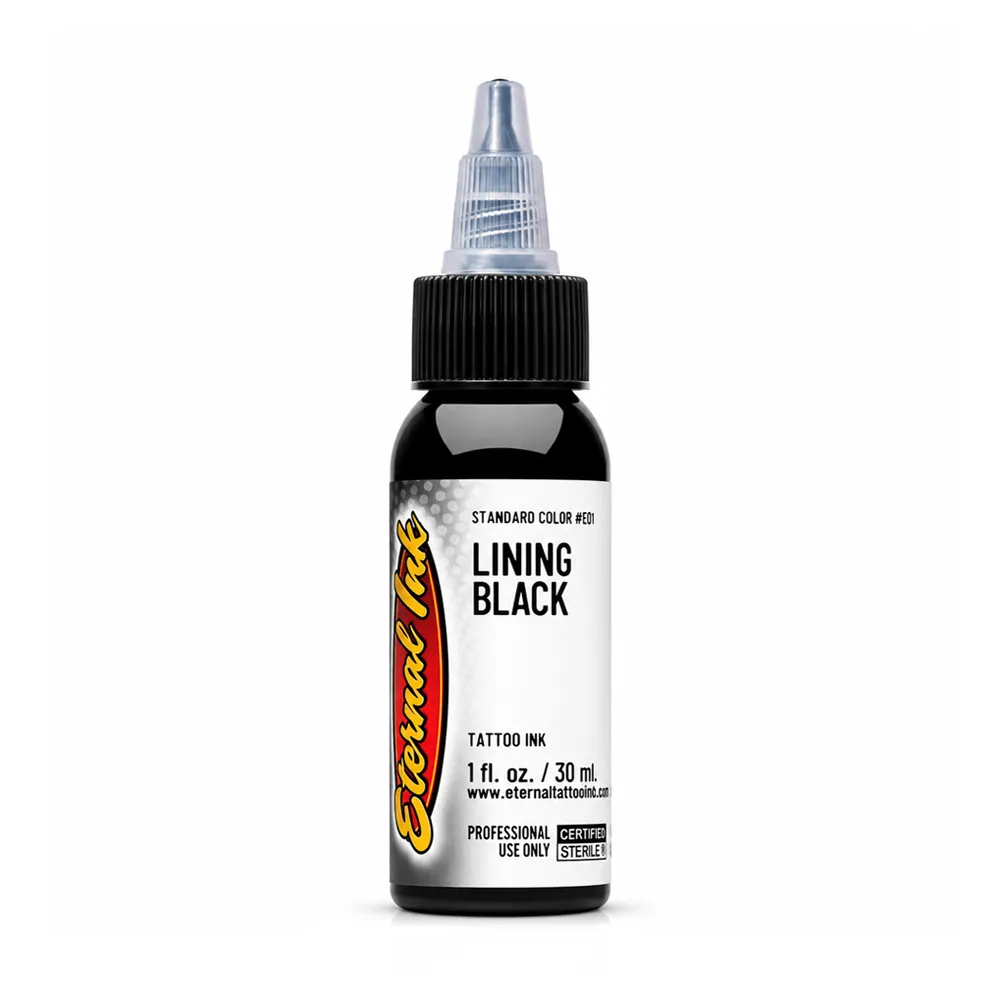 Outline planning
Eternal Ink Lining Black
Lining black for the new outline, not an eraser for older ink.
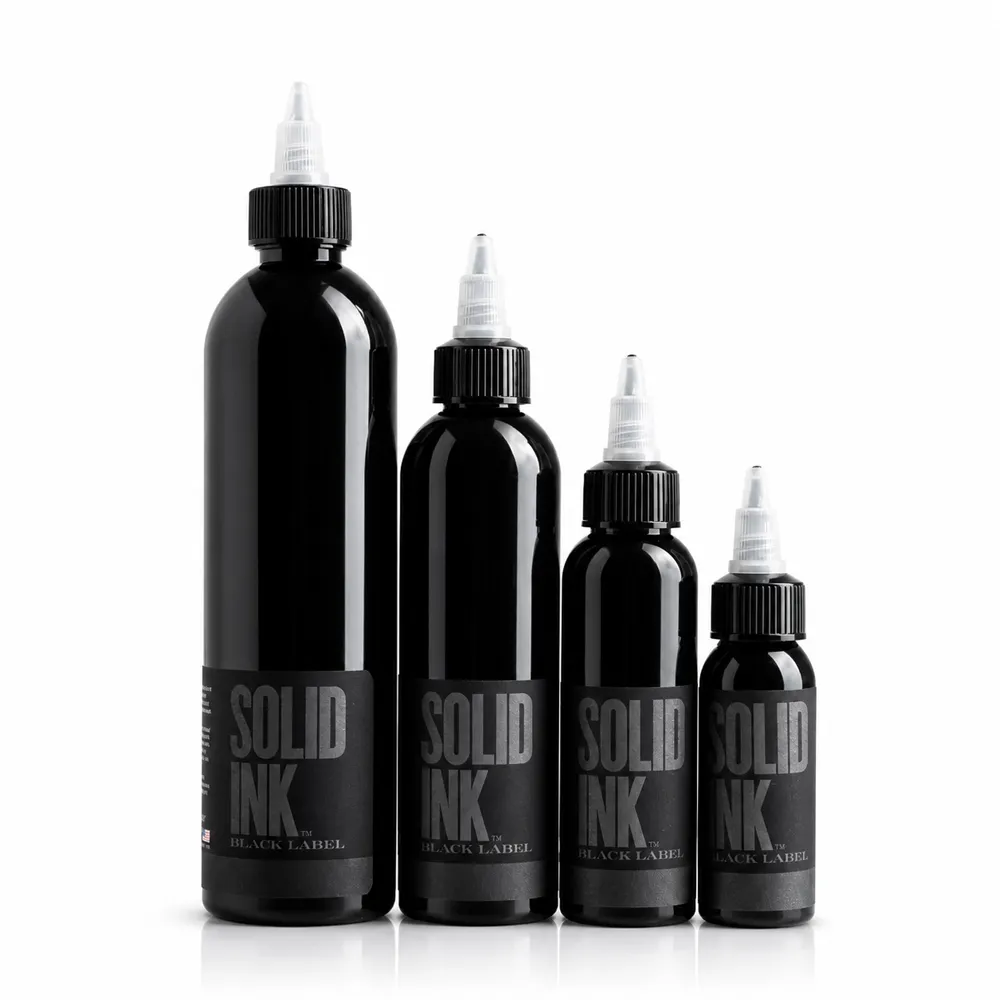 Heavy black ink selection
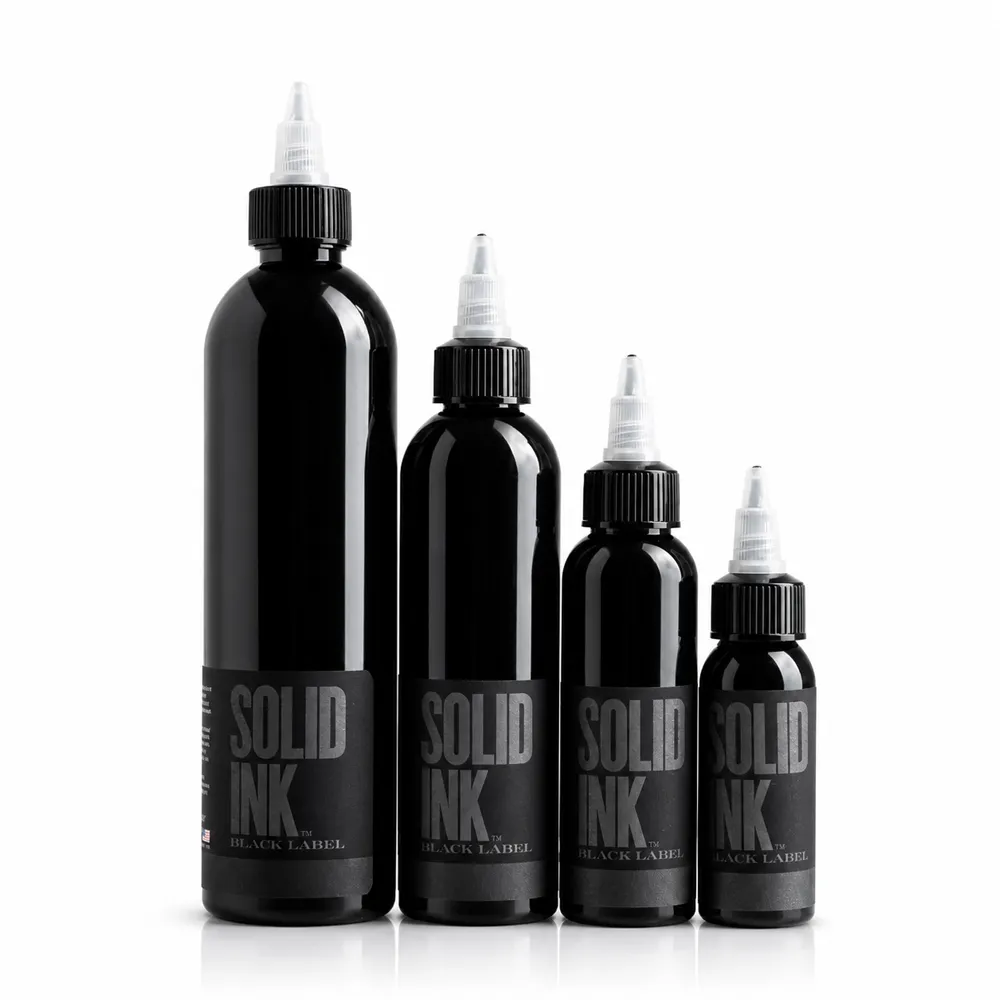
Solid Ink Heavy Black
Heavy black for planned solid sections, chosen by the artist.
 Clean new outlines
Solid Ink Lining Black
Lining ink for crisp new contours without unnecessary black.
 Blackout-style ink selection
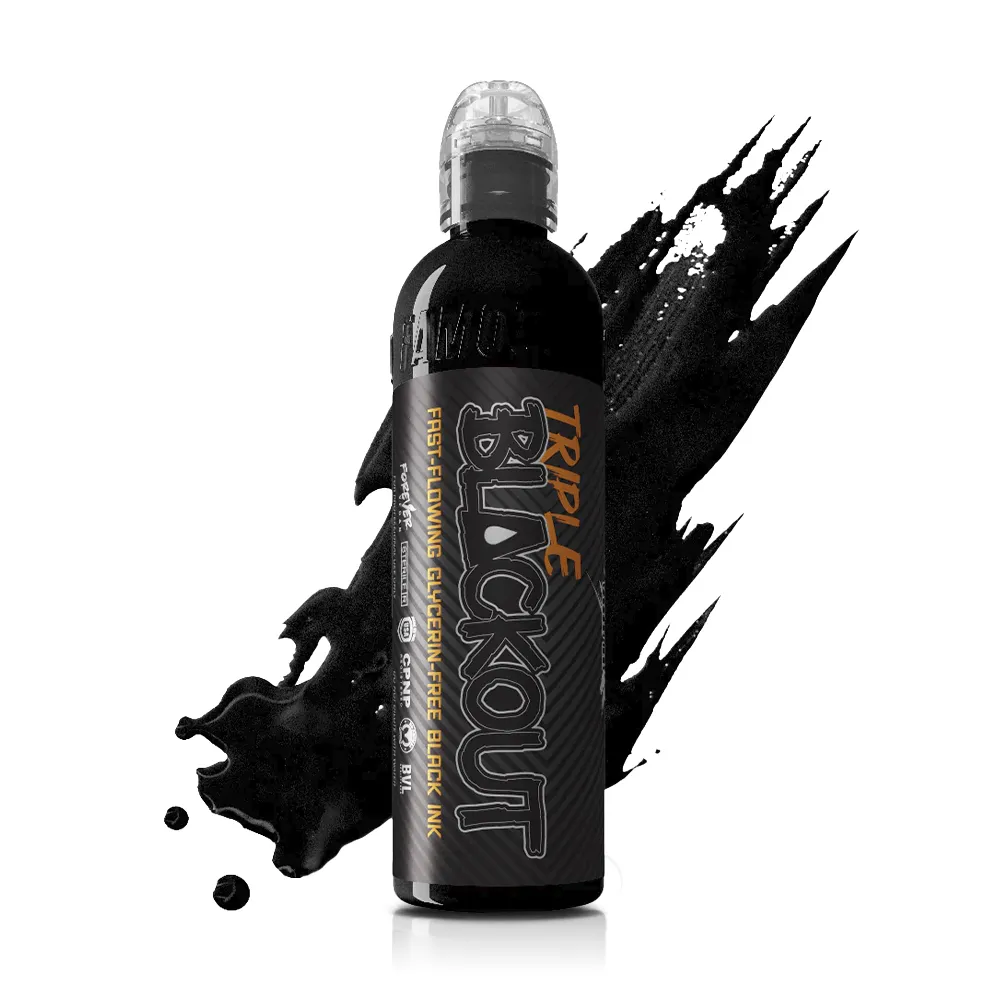
World Famous Triple Blackout
World Famous black for blackout-style work; no specific cover-up claim.
 Opaque grey family
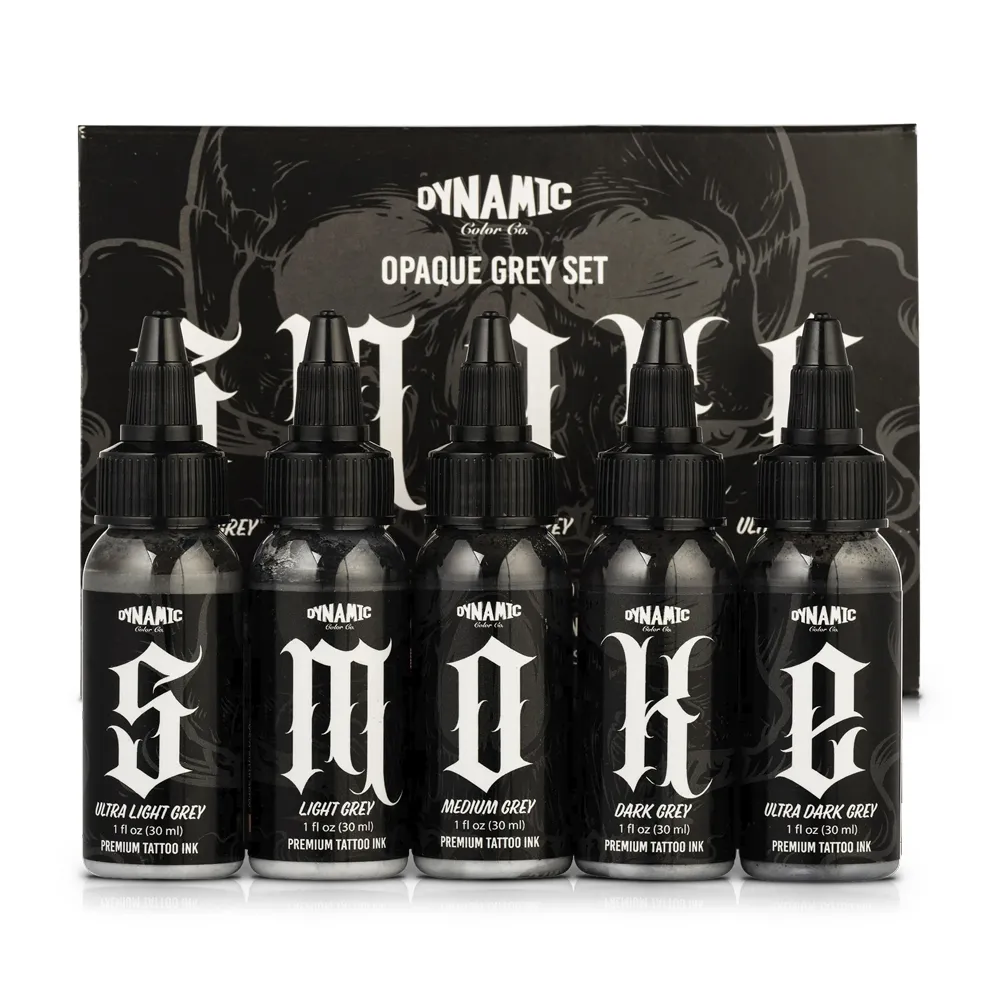
Dynamic Smoke Opaque Greys Set
Premixed opaque greys for designs requiring grey opacity.
 Outlining the new design
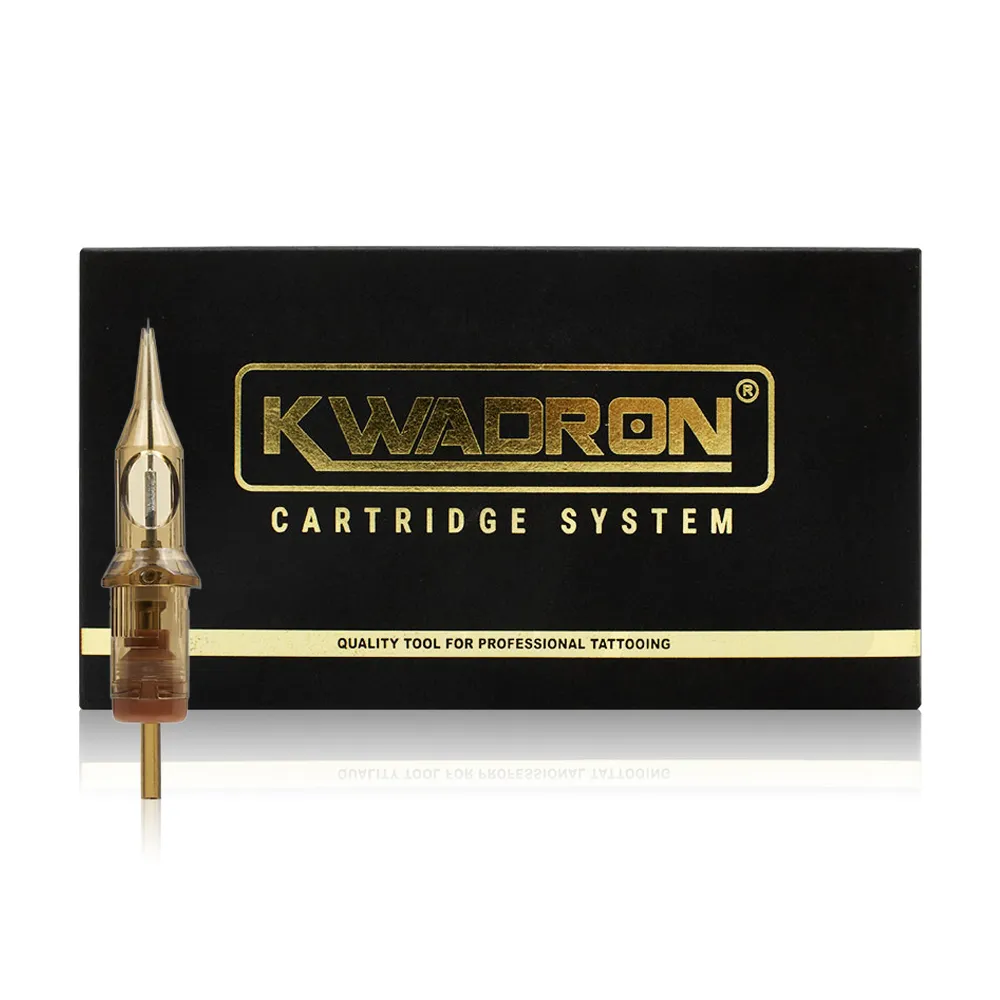
Kwadron Cartridges Liners
Round liner grouping for planned new outlines; check compatibility.
 Round-shader grouping
Kwadron Cartridges Round Shaders
Round shader grouping for selected shading areas.
 Shading and packing regions
Kwadron Cartridges Magnums
Magnums for broad shading or packing work as the artist chooses.
 Curved-magnum selection
Kwadron Cartridges Curved Mags
Curved magnums for the chosen shading or saturation technique.
 Paper stencil preparation
Dynamic Stencil Magic Paper
Stencil paper for reproducing the approved drawing.
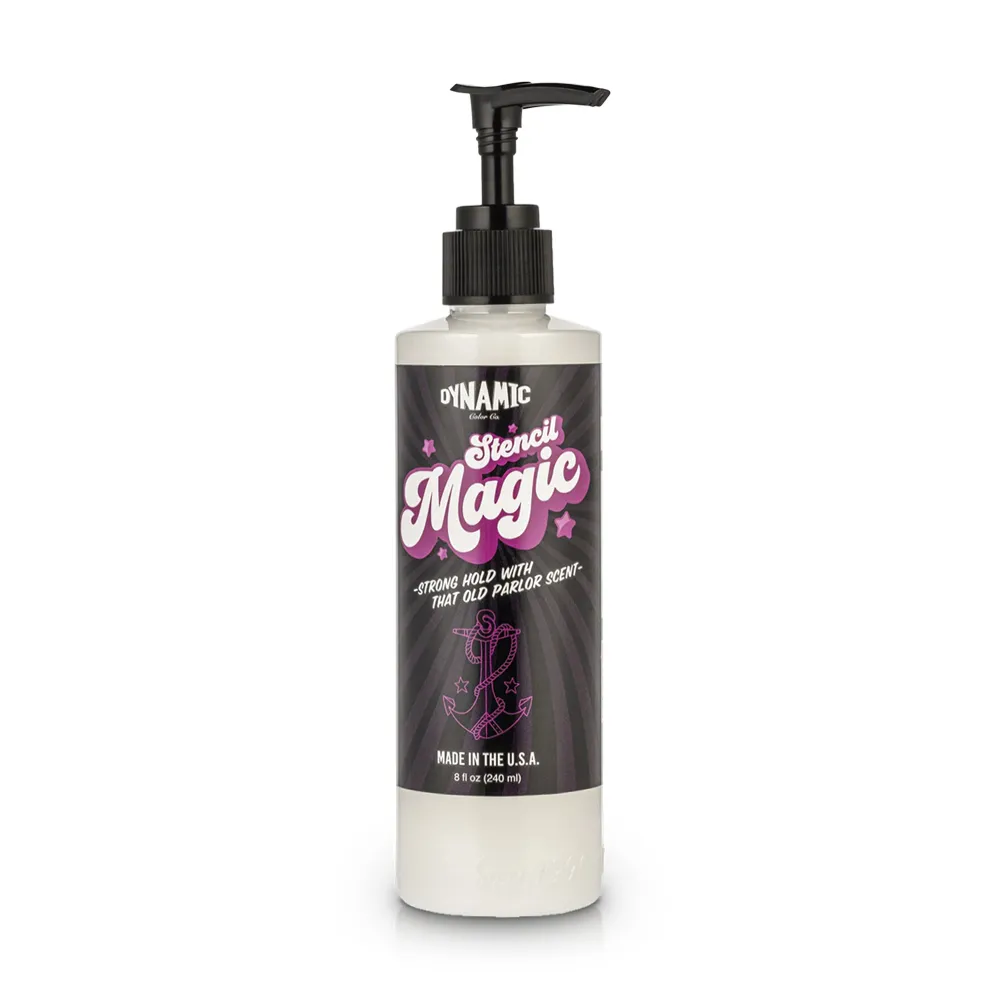 Transfer-agent selection
Dynamic Stencil Magic 8 oz
Transfer agent for applying the new stencil as directed.
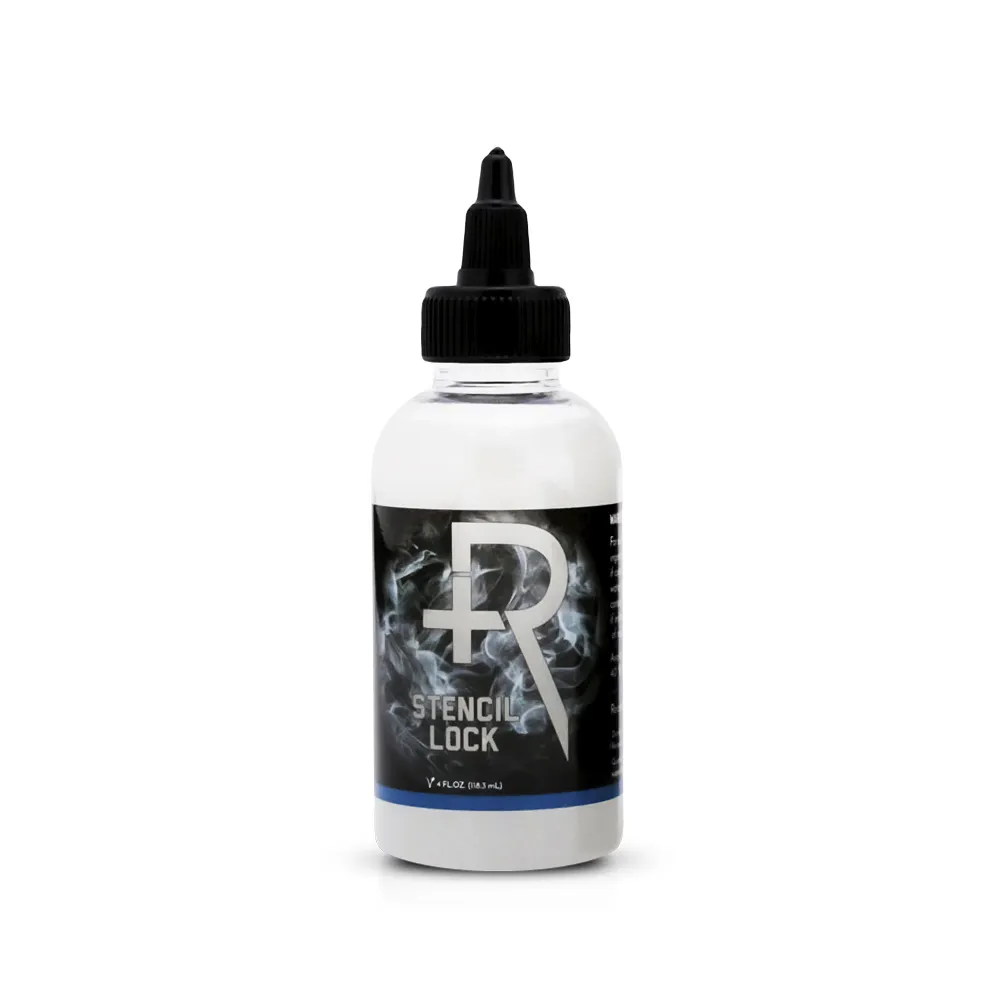 Stencil workflow accessory
Recovery Stencil Lock 4 oz
Stencil application-stage option for the studio workflow.
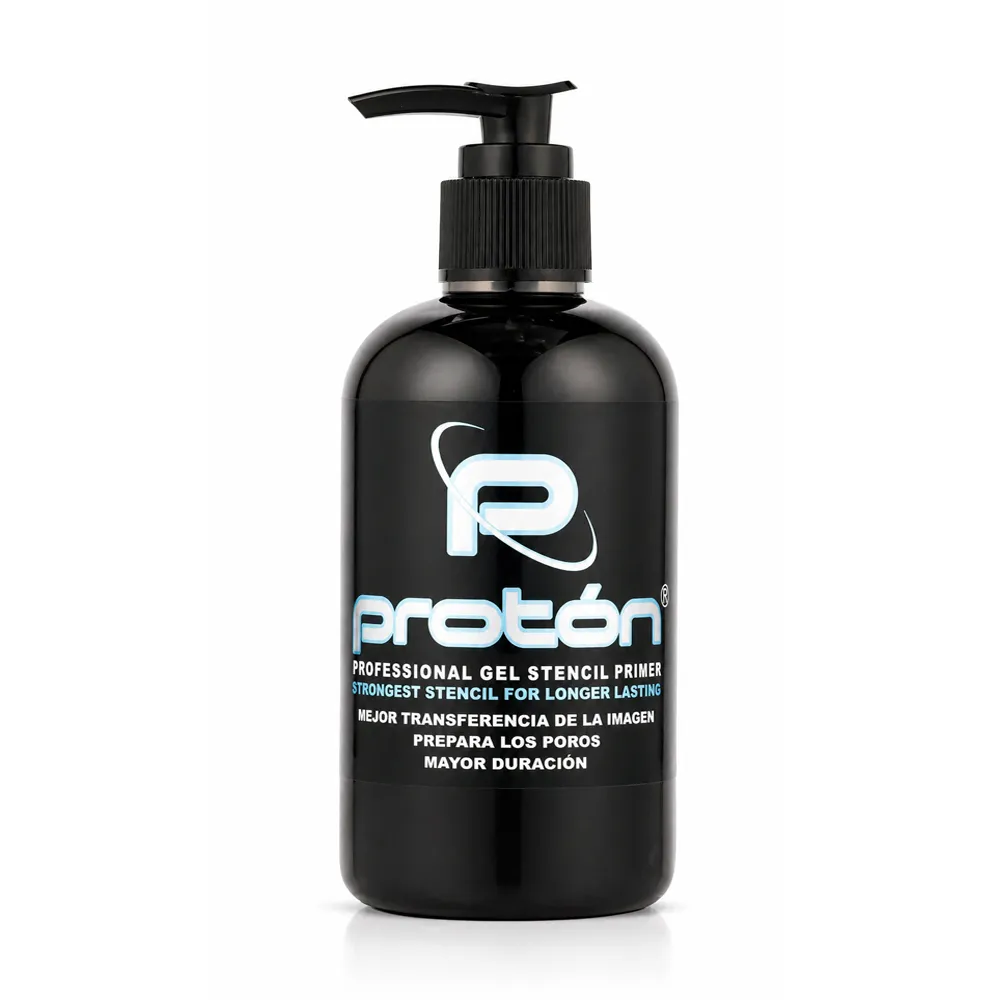 Stencil primer option
Proton Stencil Primer Gel Black
Primer gel for applying the approved cover-up stencil.
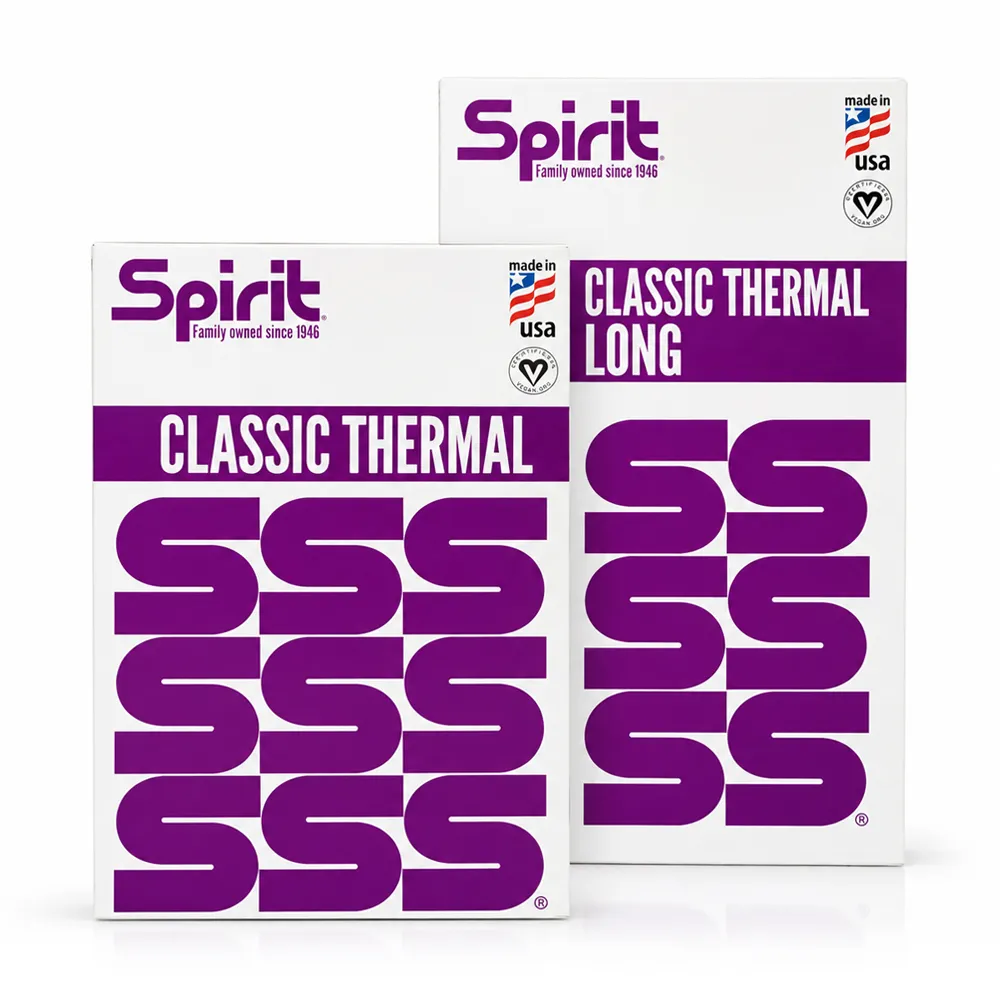 Thermal stencil copying
Spirit Classic Thermal Paper
Thermal paper for a compatible tattoo stencil printer.
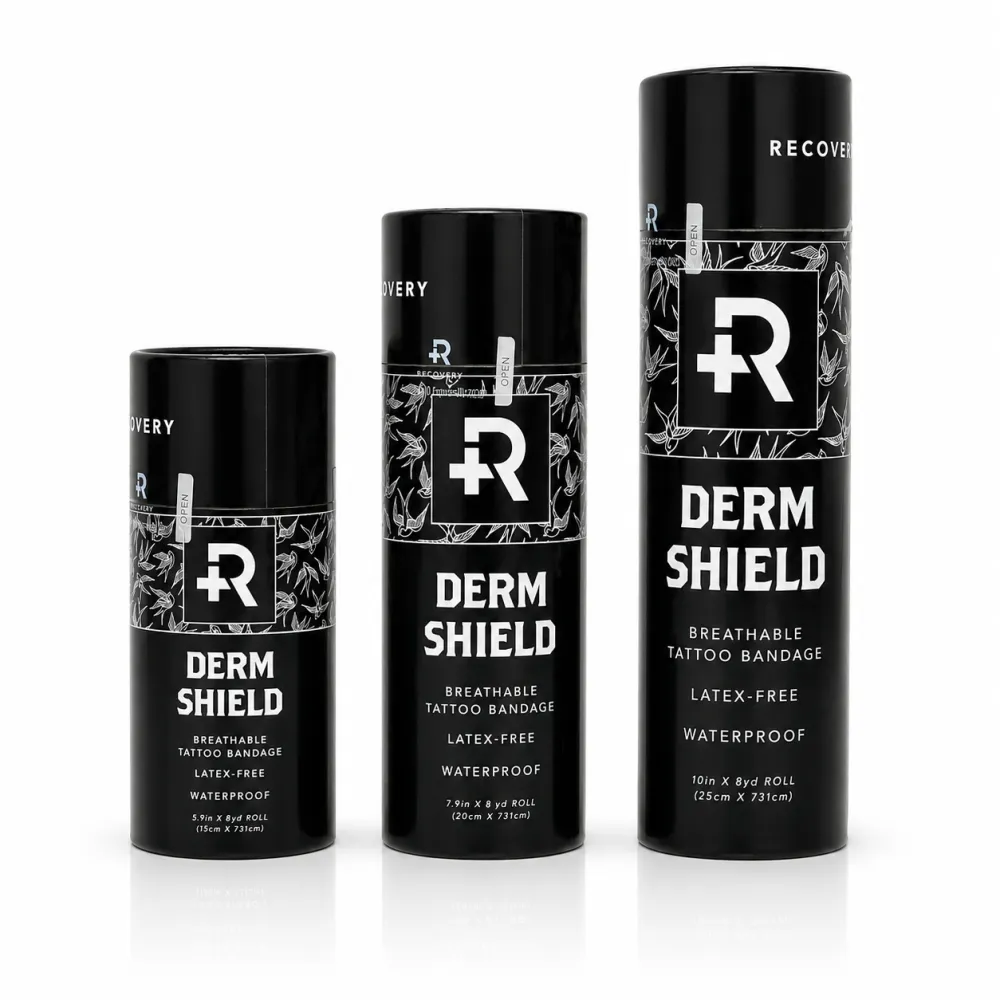 Artist-directed fresh tattoo dressing
Recovery Derm Shield Tattoo Adhesive Film
Adhesive film for the artist-directed fresh aftercare plan.
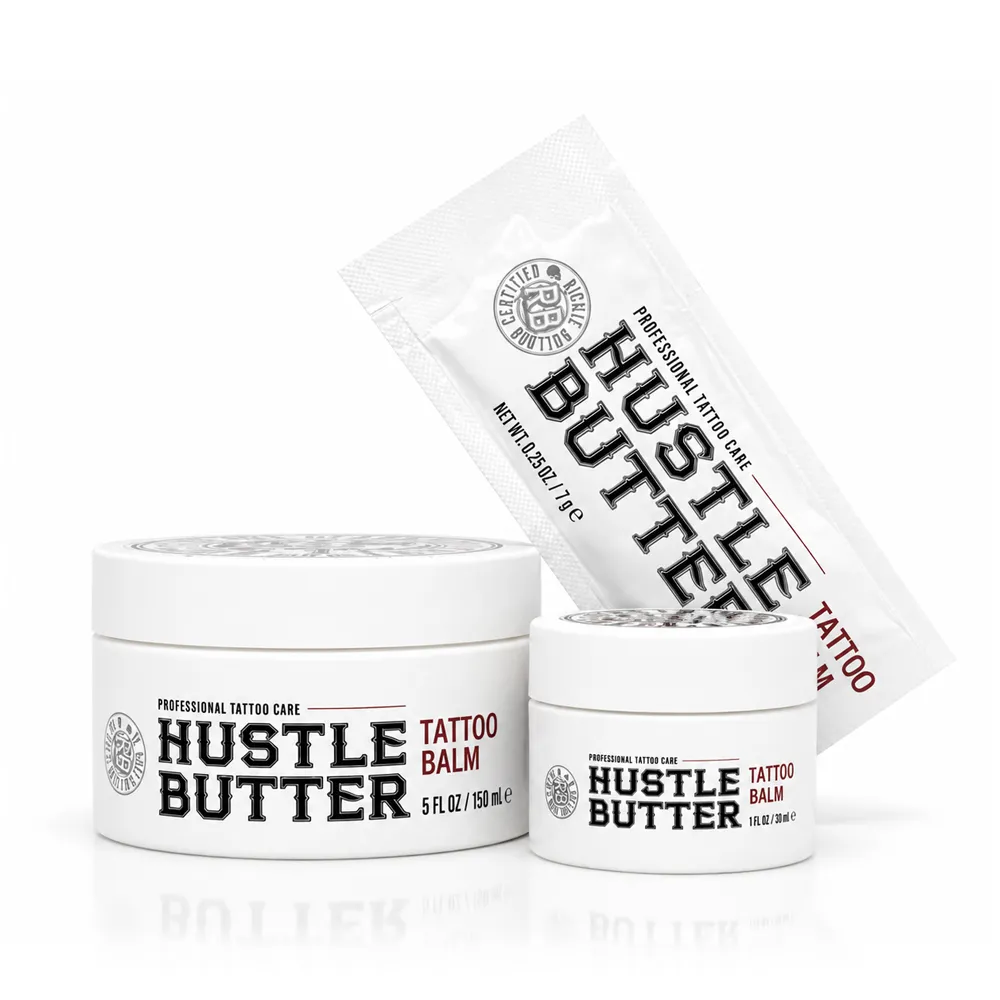 Routine tattoo care option
Hustle Butter De Luxe
Routine tattoo-care balm; cannot restore missing pigment.
Explore Dynamic Triple Black Explore Curved Magnums Explore SVT Shop
SVT Shop serves professional tattoo artists and studios in El Paso, TX, with Next Day Delivery available in El Paso.
FAQ
12 questions about covering black tattoos, design size and laser lightening
These answers follow the professional cover-up discussion in FK Irons and Intenze, plus FDA, AAD, ASDS and ASLMS information about laser procedures. The artist plans the tattoo; the medical or laser provider plans lightening.
Can you cover up a dark or solid black tattoo?
Intenze says heavy healed black can mute new colors. An artist may incorporate it into the design or discuss medical laser lightening first.
Does a tattoo cover-up have to be bigger or darker?
FK Irons evaluates contours and available space. The artist decides size and colors for the specific tattoo, without a fixed multiplier.
Can white ink cover black tattoo ink?
Intenze says no: white does not turn black white. It may serve as a highlight on lighter or already-faded areas.
What are the best tattoo ink colors for a cover-up?
FK Irons emphasizes saturation; Intenze recommends appropriate opacity. The old pigment and approved design determine the choice.
Should an artist recommend laser before a cover-up?
Intenze suggests lightening when vivid color must appear over dense black. Refer laser suitability to a qualified provider.
How long after laser tattoo removal can you do a cover-up?
The treating laser professional or dermatologist sets recovery and tattoo clearance; the artist reassesses the healed result.
How many laser sessions are needed before a cover-up?
FDA and AAD describe multiple treatments; the individual number for a lightening goal is decided by the laser provider.
What should an artist inspect before accepting an old tattoo cover-up?
FK Irons checks skin, placement, healed pigment, old colors and space. Intenze adds the limits of bright ink over black.
Why do some tattoo cover-ups become large designs?
FK Irons designs around old pigment and body contours. The artist determines the composition and its dimensions.
Can an artist cover a recent tattoo or an older cover-up?
Reassess the existing ink and healed skin before adding work. FK Irons starts from the current healed tattoo.
How should an artist stencil and line a cover-up?
Plan the new stencil around existing pigment and contours, then choose appropriate lining and shading cartridges.
Does a tattoo cover-up need different aftercare?
Use standard fresh-tattoo aftercare. For fully healed skin, AAD recommends broad-spectrum, water-resistant SPF 30+.
RESEARCH
Sources Consulted
FK Irons and Intenze supply artist-specific design and pigment guidance. FDA, ASDS, AAD and ASLMS explain laser removal, color limitations and healed-tattoo sun care; their laser resources are not instructions for performing tattoo cover-ups.
- FK Irons: How to Do Good Tattoo Cover-Up Work
- Intenze: White or Color Over Black Ink, Professional Layering Guide
- U.S. FDA: Tattoo Removal Options and Results
- American Society for Dermatologic Surgery: Tattoo Removal
- American Academy of Dermatology: Laser Tattoo Removal
- American Society for Laser Medicine and Surgery: Tattoo Removal
- American Academy of Dermatology: Caring for Tattooed Skin