


 Powered by Comercia.io
To pack solid black in a blackwork tattoo, choose a needle grouping suited to the size of the fill, use black ink intended for packing, maintain a firm skin stretch and assess coverage before making another pass. Peak recommends standard #12 pins for broad, even blackwork, while Kwadron describes magnums for large fills and round shaders for filling and shading after the contours. This guide focuses on blackwork needles, black ink, machine settings, holidays and healed touch-ups for working tattoo artists.
Shop Black Tattoo Inks Compare Tattoo Needles
QUICK ANSWER
How do you pack a tattoo with solid, even black ink?
Use a suitable magnum for the filled area, select a black ink whose manufacturer supports packing, stretch the skin firmly and build coverage with controlled, small circular movements as World Famous describes. Check for little white or skin-toned holidays before deciding on another pass. Stop when the skin calls for it; World Famous recommends a later small touch-up over causing lasting damage by overworking.
Needle
Standard-diameter magnum for broad black fields; compare RS for a confined fill and curved mags where the edge needs a transition.
Ink & Machine
Choose a packing-designated black and test the machine's stroke, give and speed with the chosen grouping.
Coverage & Skin
Stretch, work methodically, inspect holidays and stop instead of repeatedly working a stressed area.
SOLID BLACK AS A DESIGN TASK
What is blackwork, and how does it differ from blackout tattooing?
In studio planning, blackwork centers on black shapes and negative space; blackout describes an extensive solid-black field. Dynamic identifies Blackwork, Blackout and Tribal/Polynesian as style categories for specialized blacks. Define the black shape and preserved skin before choosing your grouping.
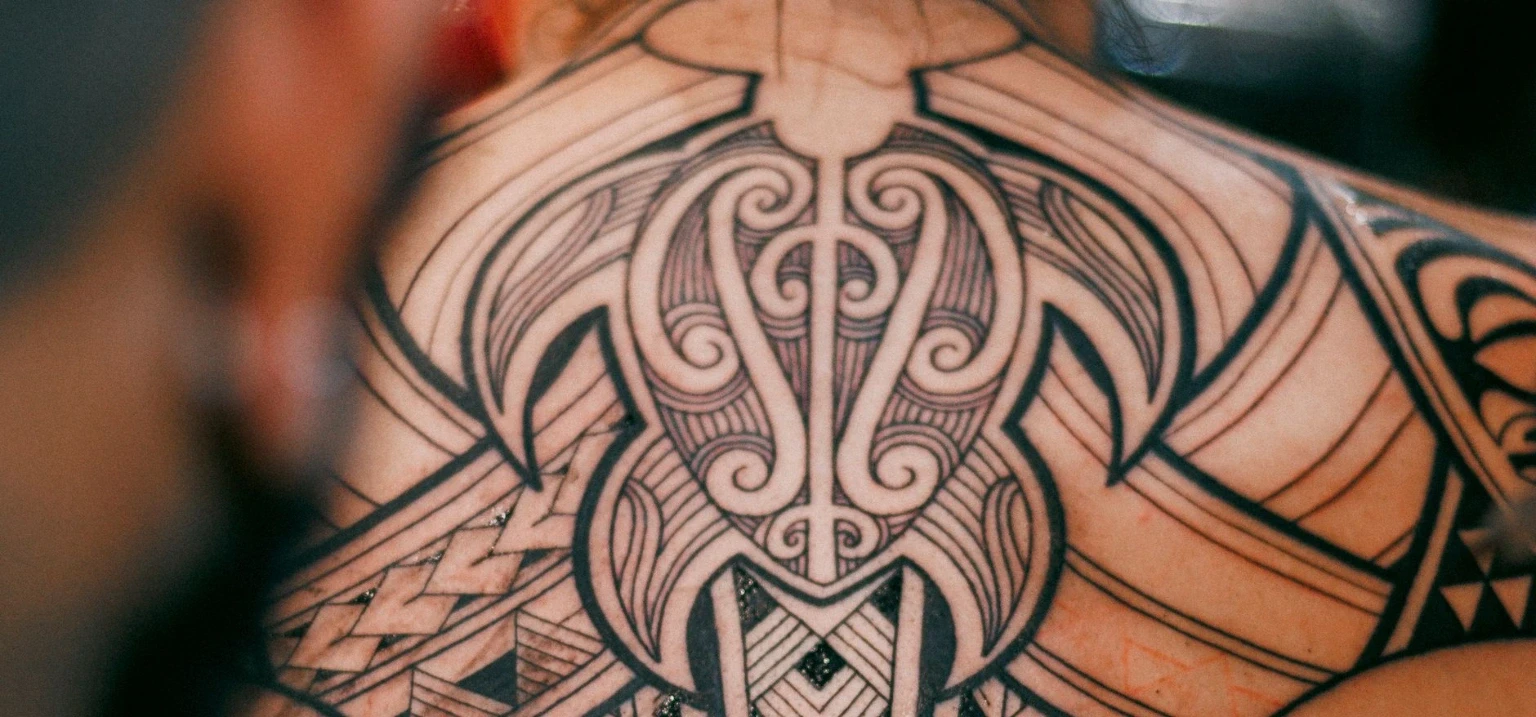
A small enclosed shape needs different working access from a large back or leg field. Mark the contour, interior fill and any transition separately. For existing tattoos beneath a planned black design, consult How to Cover Up a Tattoo.
Design by region
Map perimeter, broad black, small gaps and open skin. This keeps the needle choice connected to the artwork.
AREA-TO-TOOL COMPARISON
Which needle, black ink and packing approach fit contours, small fills, large blackout fields and touch-ups?
Peak recommends standard-diameter pins for broad even blackwork, while Kwadron describes magnums, curved magnums and round shaders by their general fill and shade roles. Dynamic publishes distinct uses for its black inks. Use the design element to choose a task, then confirm the exact cartridge and ink label.
| Blackwork area or task | Needle configuration | Ink choice | Technique and coverage check |
|---|---|---|---|
| Contour around a black block | Round liner matched to boundary weight | Dynamic BLK or Union Black, both listed by Dynamic for lining | Make the perimeter distinguishable from open skin; inspect the transferred design before the large fill |
| Small solid-black fill | Round shader (RS) or appropriately sized magnum | Black with manufacturer-listed packing use | Keep firm stretch; use controlled movements and inspect the small field for holidays |
| Large black fill on a back or leg | Magnum for a wide field; compare straight and curved configurations | Dynamic Union Black, Triple Black or BLK for manufacturer-supported packing | Work planned regions methodically; check each area before deciding on another pass |
| Transition from black to open skin | Curved / soft-edge magnum or RS, chosen for the area | Packing black for the dark field; planned gray only if the design includes gradation | Preserve the intended edge or soft-looking boundary instead of extending black into reserved skin |
| Touch-up on a healed black area | Grouping selected for the remaining spot and its surroundings | The same black used in the original session | Review the healed result with the client and correct only the light spots that remain |
The table is a purchasing and work-planning map. Choose count and taper by the actual area and equipment, keeping room to assess the skin while working.
MAGNUM VS ROUND SHADER
What needles should you use to pack solid black: straight magnums, curved mags or round shaders?
Kwadron describes magnums for filling large surfaces, curved or soft-edge magnums for softer transitions and round shaders for filling, mixing and shading after the contours. Peak favors standard needles for broad, even blackwork and tribal coverage. Compare the grouping with the shape you are filling rather than selecting it from the style name alone.
We carry Kwadron straight and curved magnums plus Nexus curved mags. Check the grouping variant and machine compatibility. For broader configuration details, read Tattoo Needle Guide and How to Choose Tattoo Cartridges.
PIN SIZE, COUNT & TAPER
What needle diameter, pin count and taper should you check for solid blackwork?
Peak describes standard #12 pins as 0.35 mm, while #10 bugpins are 0.30 mm and #8 bugpins are 0.25 mm. Peak favors standard pins for solid, even blackwork fills. Diameter is separate from pin count: choose the complete grouping for the intended area.
Read the cartridge label
- Pin diameter and # designation
- Configuration: straight magnum, curved magnum or round shader
- Count, taper and exact product variant
- Machine compatibility and intended fill size
Test the grouped marks against a blackwork practice design before selecting the final variant.
DYNAMIC BLACK INK USES
What is the best black tattoo ink for blackwork, blackout packing and outlining?
Choose by the use printed in the manufacturer's guidance. Dynamic lists Union Black for lining, shading and packing solid dark areas; Triple Black for shading, packing and greywash; and original BLK for lining, shading, packing and greywash. Dynamic includes Blackout among Triple Black's style categories. The manufacturer also describes BLKout as specifically formulated for solid blackwork.
| Dynamic ink | Dynamic's stated uses | Purchase decision |
|---|---|---|
| Union Black | Lining, shading and packing, including solid dark black areas | Compare when the session includes both defined boundaries and filled black |
| Triple Black | Shading, packing and greywash; Blackout among compatible styles | Compare for large solid-black fields or shaded areas |
| Black (BLK) | Lining, shading, packing and greywash | Compare for a studio workflow combining contour and fill tasks |
| BLKout | Manufacturer describes it for solid blackwork and packing | Use Dynamic's own directions when comparing specialized formulations |
We carry Dynamic Union Black, Triple Black and Black, along with other black-ink options in the product section. For a broader comparison of black-ink types and label criteria, see How to Choose Black Tattoo Ink and Tattoo Ink Brands Compared.
STROKE, VOLTAGE, GIVE & HAND SPEED
What machine settings should you compare for solid black packing?
Peak gives 3.5–4.0 mm stroke, medium voltage and medium give as general color-packing references, while describing less give as suitable for solid black. World Famous gives 7V–8.5V as a beginner starting range in its packing guide. Apply these as manufacturer guidance for testing with your actual device.
| Source | Maker guidance | Studio check |
|---|---|---|
| Peak: packing | 3.5–4.0 mm, medium voltage/give | Even coverage with the chosen grouping |
| Peak: solid black | Less give may suit bold black | Controlled machine feel and skin response |
| World Famous | 7V–8.5V beginner starting range | Compare with the machine manual |
| StarBrite | Balance depth, voltage, hand speed | Avoid forcing pigment with heavy passes |
For setup basics, see Tattoo Machine Stroke, Needle Depth and Voltage and How to Set Up a Tattoo Pen Machine.
SOLID BLACK PACKING WORKFLOW
How do you pack solid black tattoo ink step by step without excessive passes?
World Famous describes firm skin stretching, small tight circular movements and checking for tiny unfilled points. StarBrite advises gradual, controlled layering rather than heavy repeat passes. Build the working sequence around those manufacturer principles and the black fields in the approved design.
Map the outline and black regions
Mark the exact limits of the fill, adjoining open skin and any deliberate gradient before beginning the large-area task.
Match cartridge and black ink to the fill
Choose an area-appropriate magnum or RS and verify that the selected black is intended for packing.
Check the machine and stretch
Compare the setup with Peak's packing references and use the firm non-tattooing-hand stretch described by World Famous.
Work the planned region with controlled movement
World Famous describes small, tight circles. Keep the action methodical rather than changing pace to force more ink at once.
Inspect the actual coverage
Check the area for small white or skin-toned holidays and distinguish a missed spot from an area already filled.
Decide whether another pass is appropriate
Use the observed coverage and skin condition to decide; stop rather than continuing to force saturation on stressed skin.
Document the result for a healed review
Record the black used, cartridge and machine configuration so any later targeted touch-up follows the original plan.
For the complete general color-packing method, see How to Pack Color in a Tattoo. This blackwork workflow adds the black-field, coverage and touch-up decisions.
BACK, LEG & WIDE BLACK FIELDS
How do you fill a large blackwork area evenly without visible gaps or streaks?
Plan regions you can inspect clearly. Peak describes standard pins for wide, even blackwork; World Famous recommends larger groupings for efficient coverage. Keep the stretch and movement controlled, then check the cleaned region for remaining holidays before moving on.
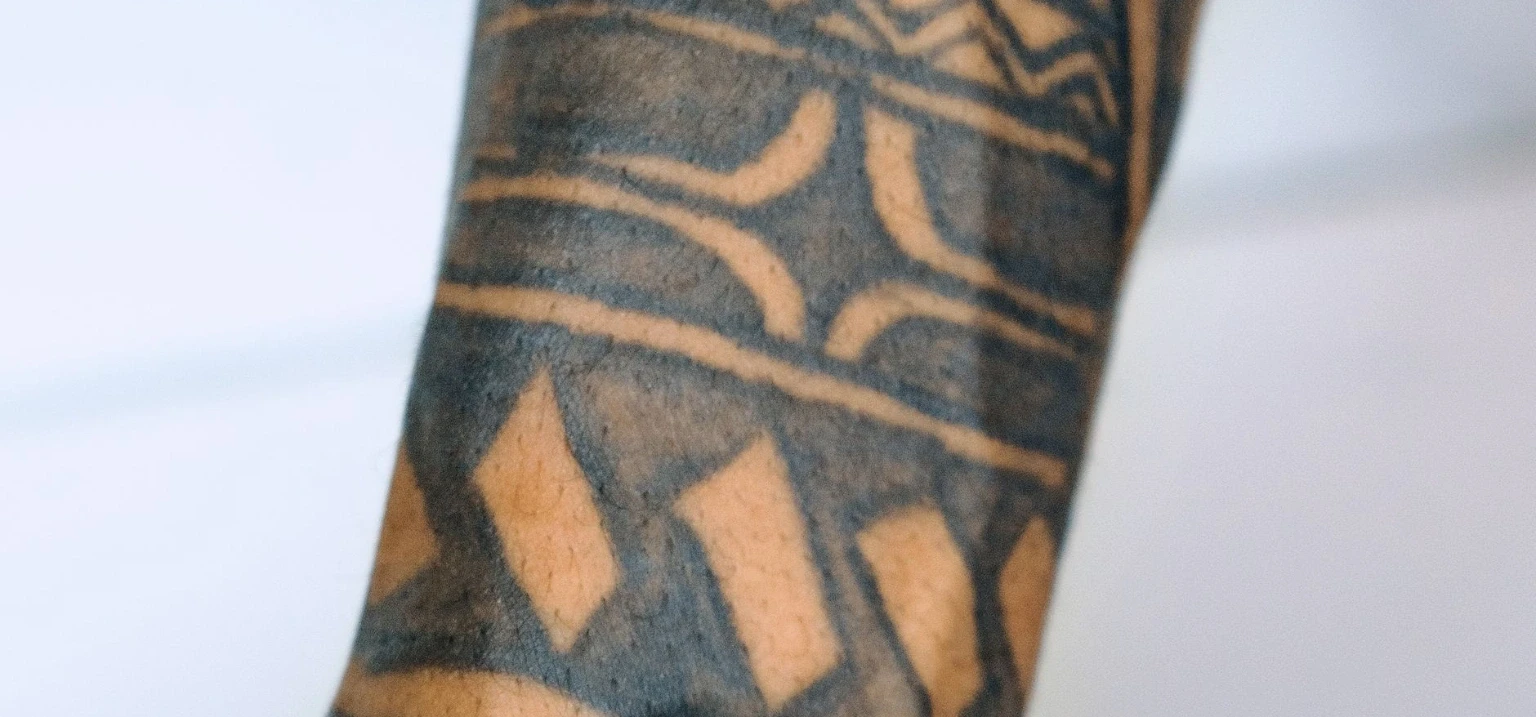
Compare each completed area with the entire black shape. If the skin becomes stressed, World Famous favors a later small touch-up over forcing saturation in that appointment.
SOLID BLACK TO OPEN SKIN
How do you choose needles for sharp blackwork edges and softer black-to-skin transitions?
Mark the boundary separately from the fill. Kwadron describes liners for contours, magnums for broad fill and soft-edge magnums for tonal transitions. Use the grouping suited to the intended hard or soft edge; preserve reserved skin rather than extending the black shape.

For gray transitions, compare the selected ink plan with Black and Grey Tattoo Ink: Greywash vs Opaque.
COVERAGE INSPECTION
What are holidays in solid black tattoos, and when should you make another pass?
World Famous notes that tattooers call the small white or skin-toned spots left in a fill holidays, and says that if you see them, you need another pass. Inspect the actual gaps instead of automatically repeating coverage across the whole area.
World Famous favors a later touch-up over further passes that damage stressed skin; StarBrite also connects overworking with patchy healing.
DEPTH, SKIN RESPONSE & RESTRAINT
How do you avoid overworking or blowing out skin while packing solid black?
StarBrite describes saturation as a balance of depth, voltage and hand speed, recommending controlled layers rather than heavy passes. World Famous warns that excessive depth or repeat work can contribute to blowouts, scarring and poor healing.
Stop before forcing coverage
World Famous recommends a small later correction rather than permanent damage from overworking.
See Overworked Tattoo Signs and Tattoo Blowout: Causes and Prevention for the detailed warning signs. Refer medical concerns to a doctor.
HEALED BLACK & TOUCH-UPS
Why can solid black heal patchy, and when should you plan a touch-up?
StarBrite associates overworking with patchy healing. Once the tattoo is healed, review the actual remaining light spots and the intended boundary before planning a targeted touch-up with the client. World Famous favors that later correction over overworking during the original appointment.
For client care, use Tattoo Aftercare Day by Day and Second Skin vs Ointment. For ink labels, see Tattoo Ink Safety: FDA and Label Guide. Send suspected infection or allergy to a doctor.
PRACTICE THE COVERAGE TASK
How should apprentices practice solid-black fills before working on skin?
Use a practice design with a small fill, a large black shape and a black-to-open boundary. Compare the magnum or RS grouping while recording the black ink and machine setup. Peak's grouping descriptions and World Famous's holiday check provide useful evaluation points.
Practice review
- Is the intended area evenly covered and its border intact?
- Can you maintain firm stretch and controlled movement?
- Are holidays visible after inspecting the fill?
- Does the machine response suit the selected grouping?
- Would another pass improve coverage or simply add work?
COMMON BLACKWORK PACKING ERRORS
What mistakes cause uneven blackwork fills, missed spots and overworked skin?
Focus on matching the grouping to the area, checking coverage and respecting skin response.
Using tiny groupings for every wide field
Peak favors standard pins for broad blackwork; Kwadron describes magnums for wide fills.
Buying ink by its name alone
Dynamic distinguishes the stated uses of Union Black, Triple Black and BLK.
Losing firm skin stretch
World Famous calls for firm stretch with the non-tattooing hand.
Leaving holidays unchecked
World Famous advises looking for tiny skin-colored spots after packing.
Following a fixed pass count
Judge the actual coverage and skin condition before repeating a pass.
Forcing saturation with more power
Peak balances power with skin safety; StarBrite highlights depth, voltage and hand speed.
Reworking stressed skin
World Famous favors later small touch-ups over lasting damage.
Letting fill distort the edge
Plan the outline, solid block and open skin as distinct zones.
SVT SHOP BLACKWORK SUPPLIES
Which black inks, magnum cartridges and curved mags can you shop for blackwork?
We carry Dynamic packing blacks, other professional black inks, and Kwadron or Nexus magnums. Choose by maker labeling and machine compatibility.
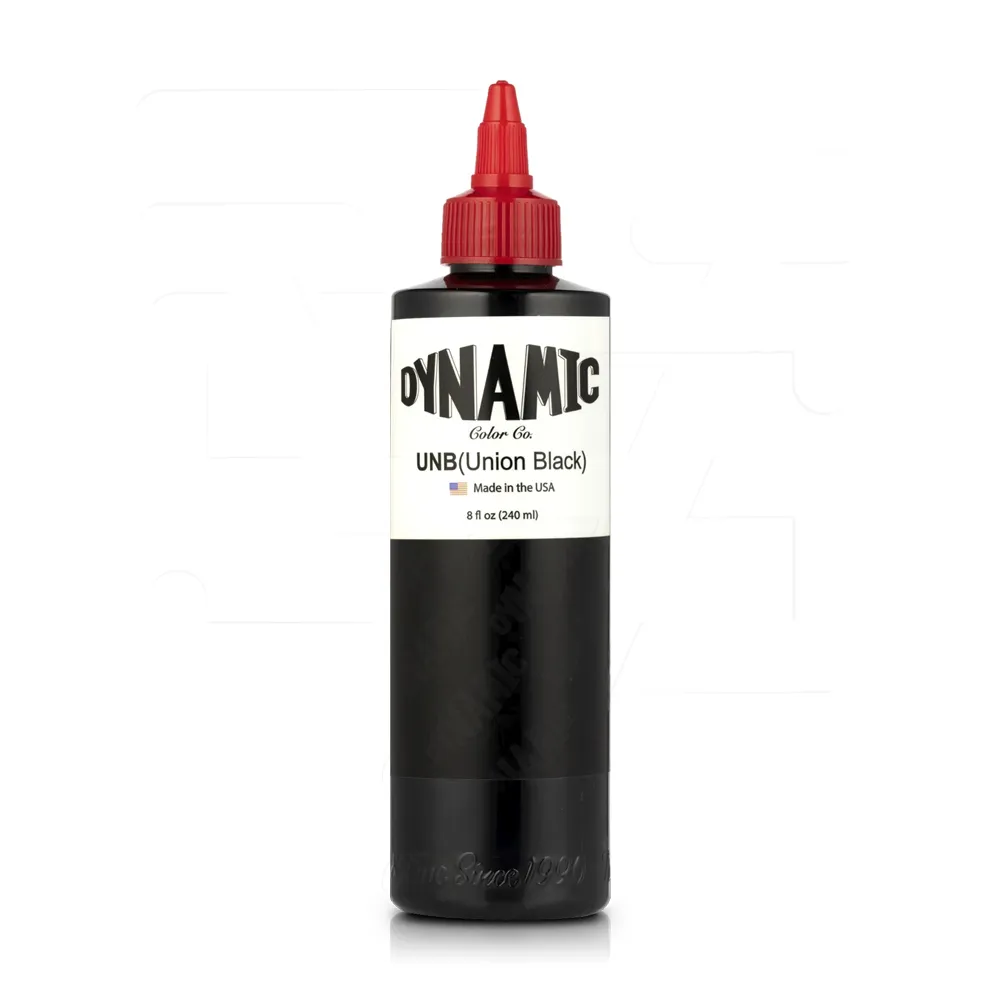 Lining, Shading & Packing
Dynamic - Union Black
Dynamic describes Union Black for lining, shading and packing solid dark black areas.
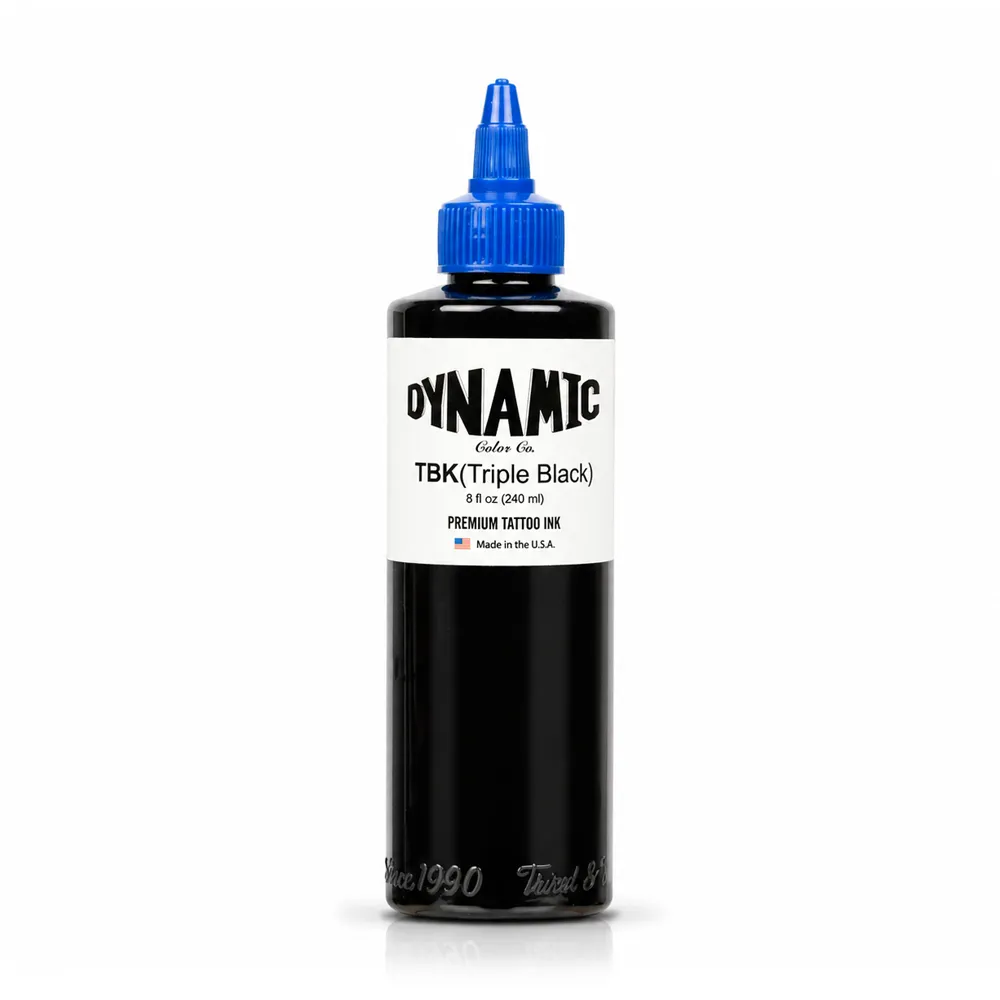 Packing & Blackout Work
Dynamic - Triple Black
Dynamic lists shading, packing and greywash; Blackout and Tribal/Polynesian are among its stated styles.
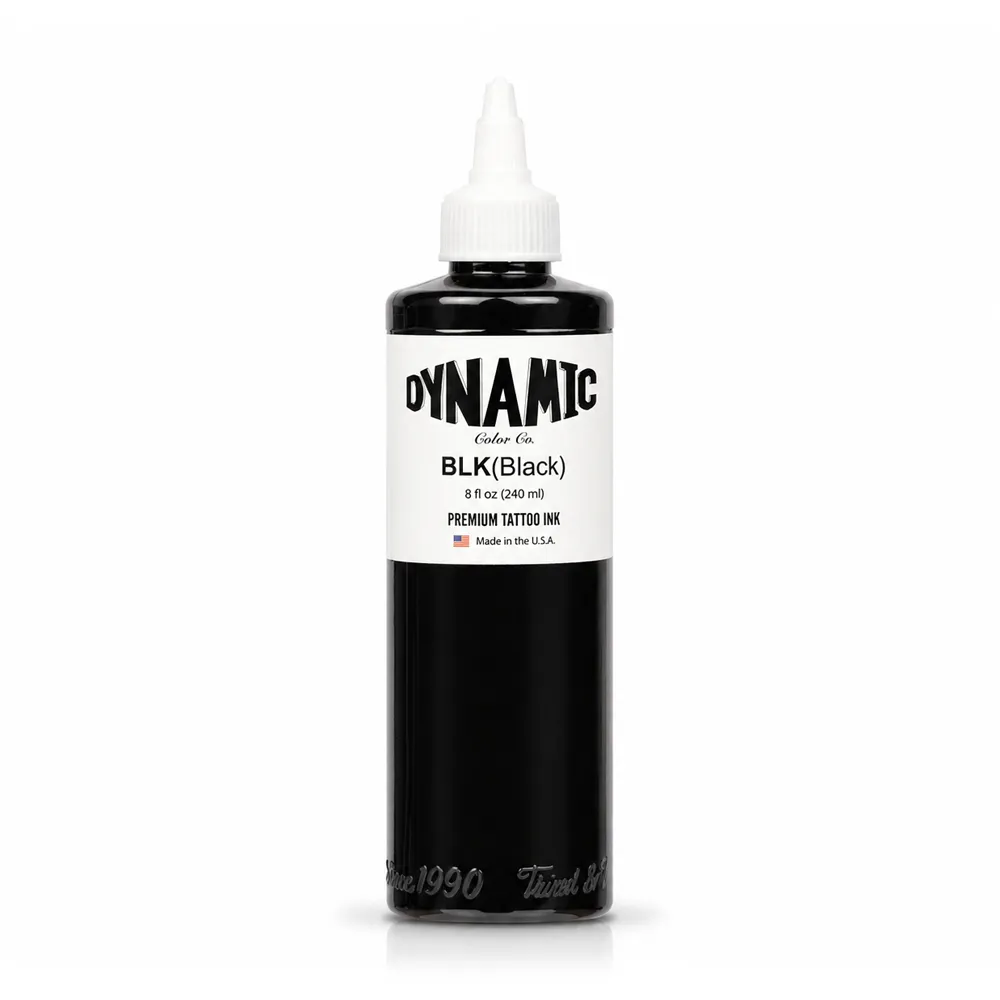 Multipurpose Black Ink
Dynamic - Black
Dynamic lists BLK for lining, shading, packing and greywash across styles.
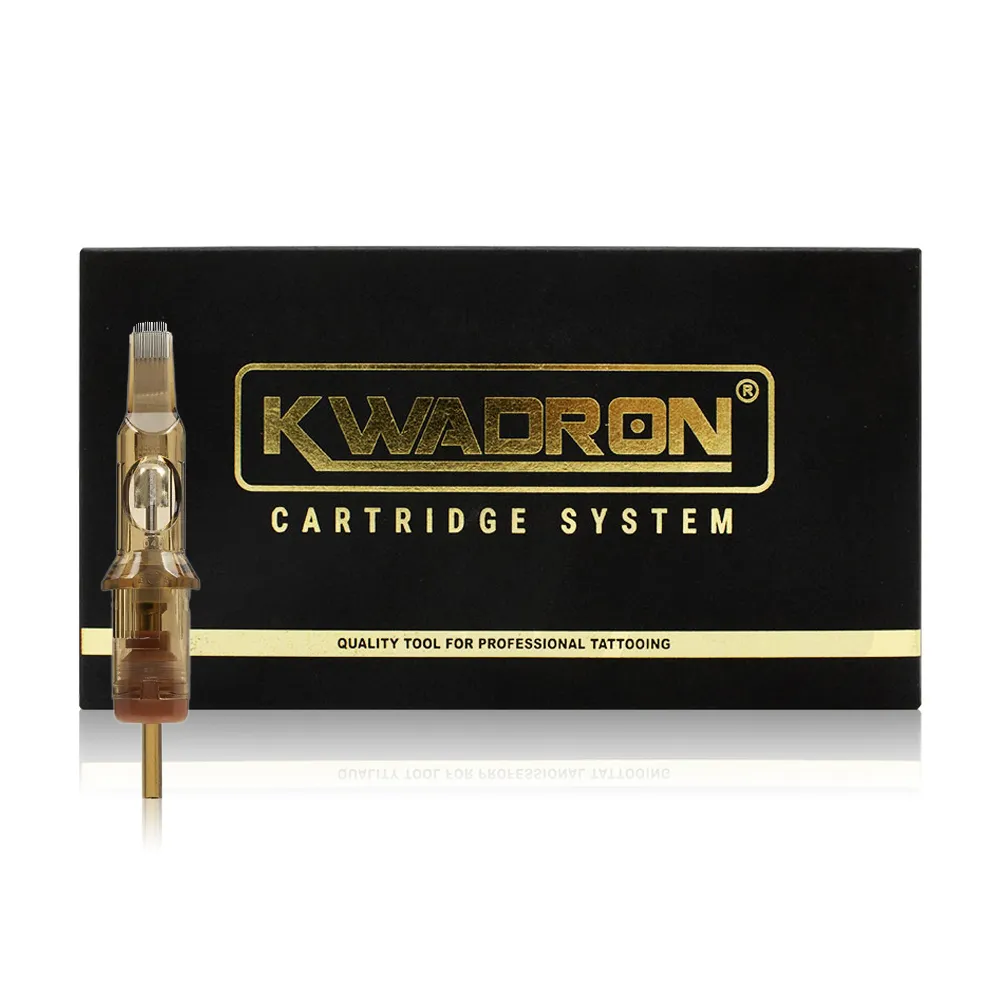 Soft-Edge Fill & Transitions
Kwadron - Cartridges Curved Mags
Curved-mag option; Kwadron describes soft-edge magnums for tonal transitions and fading edges.
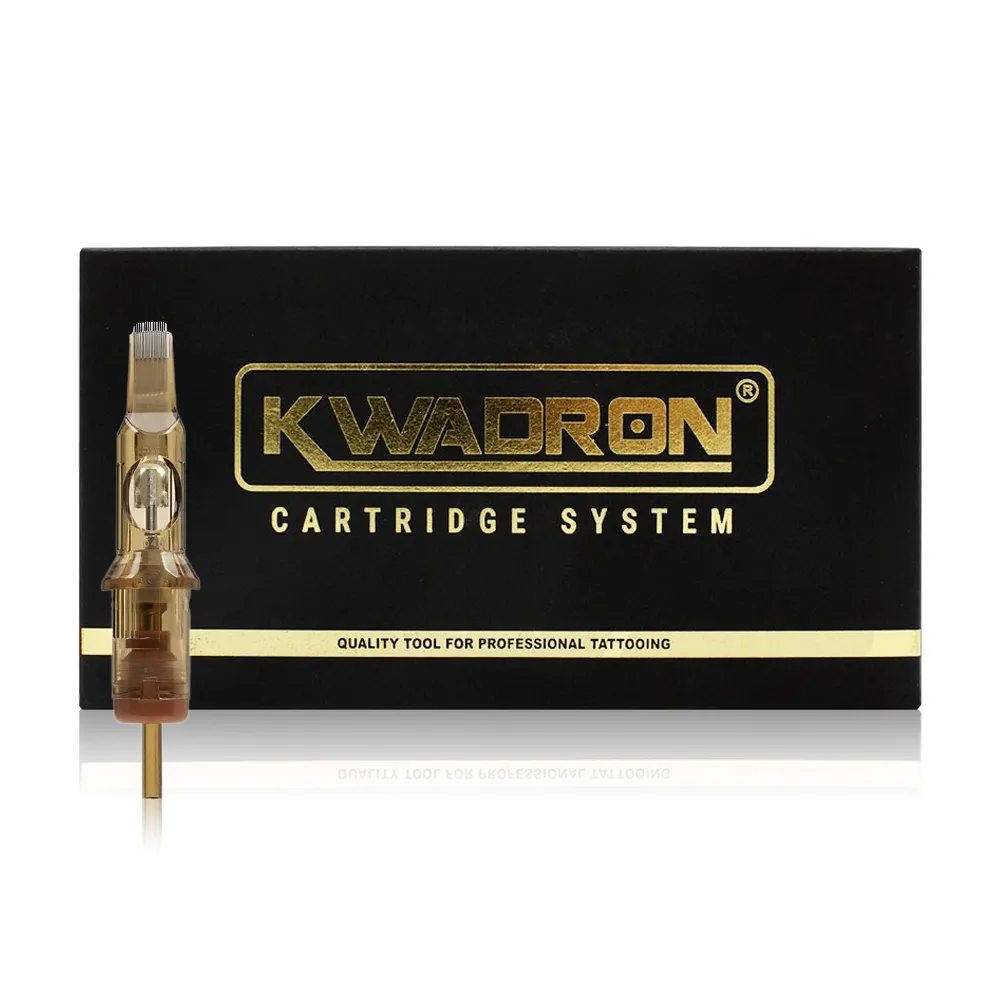 Broad Solid-Black Fields
Kwadron - Cartridges Magnums
Kwadron describes magnums for filling and shading wide surfaces; select the exact grouping for your field.
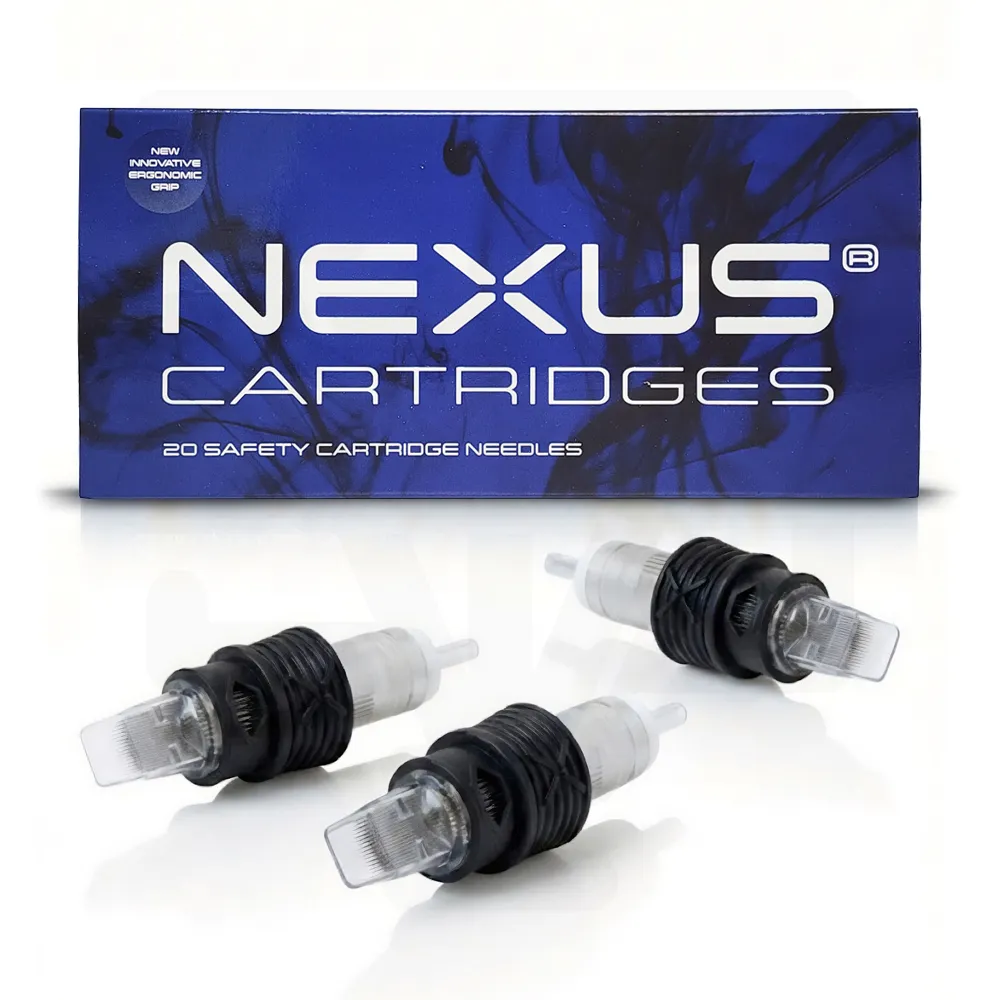 Alternative Curved Magnum
Nexus Cartridges - Curved Mags
Another curved-mag cartridge choice to assess for broad fill and transition work.
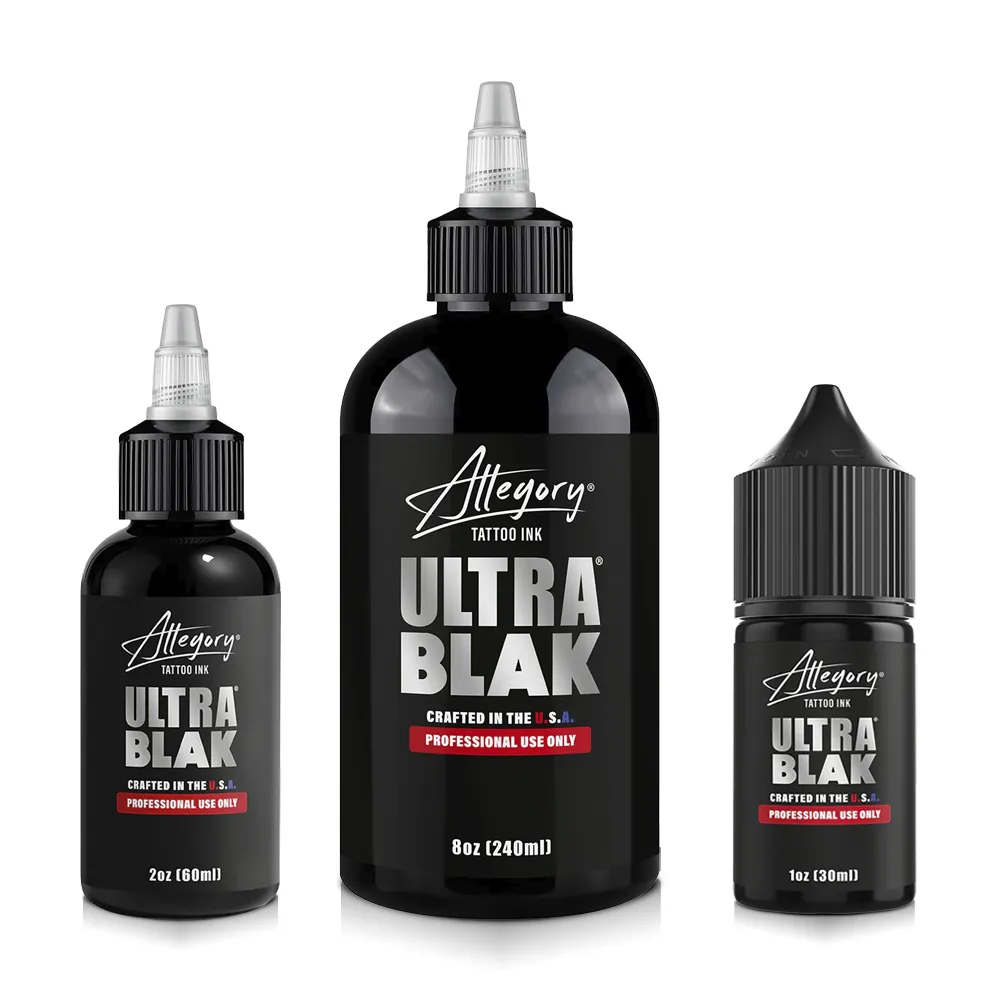 Additional Black Ink
Allegory - ULTRA BLAK Ink
Another black we carry; check the maker label for intended use.
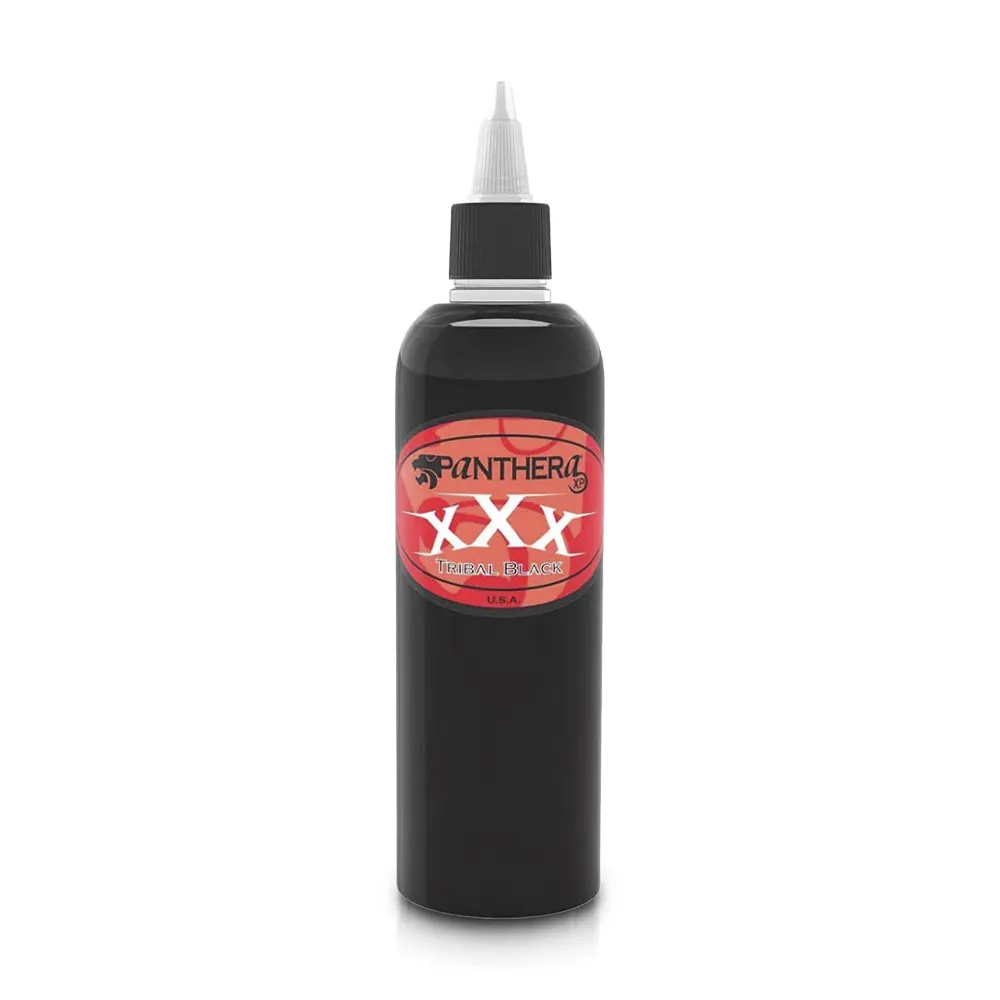 Additional Black Ink
Panthera Ink - XXX Tribal 5 oz
Black we carry; read its manufacturer label before selection.
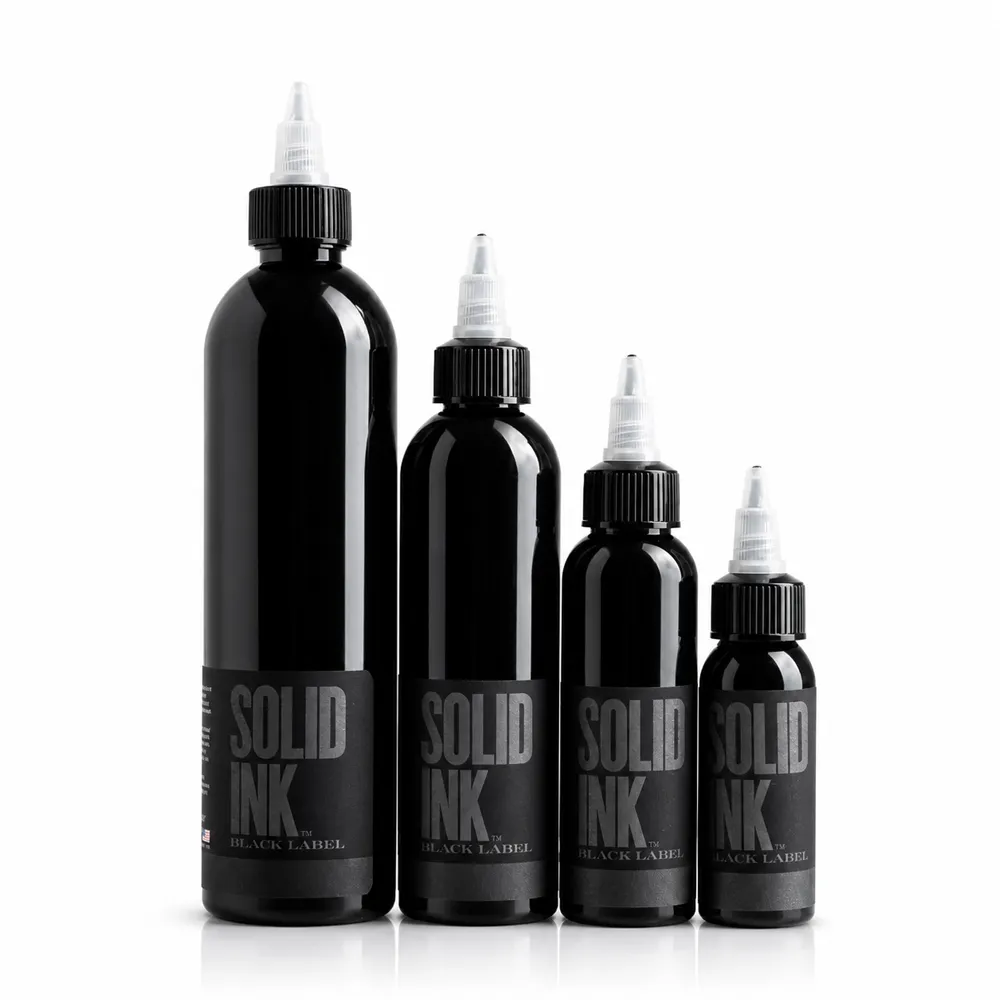 Additional Black Ink
Solid Ink - Heavy Black
Another black we carry; follow its intended-use label.
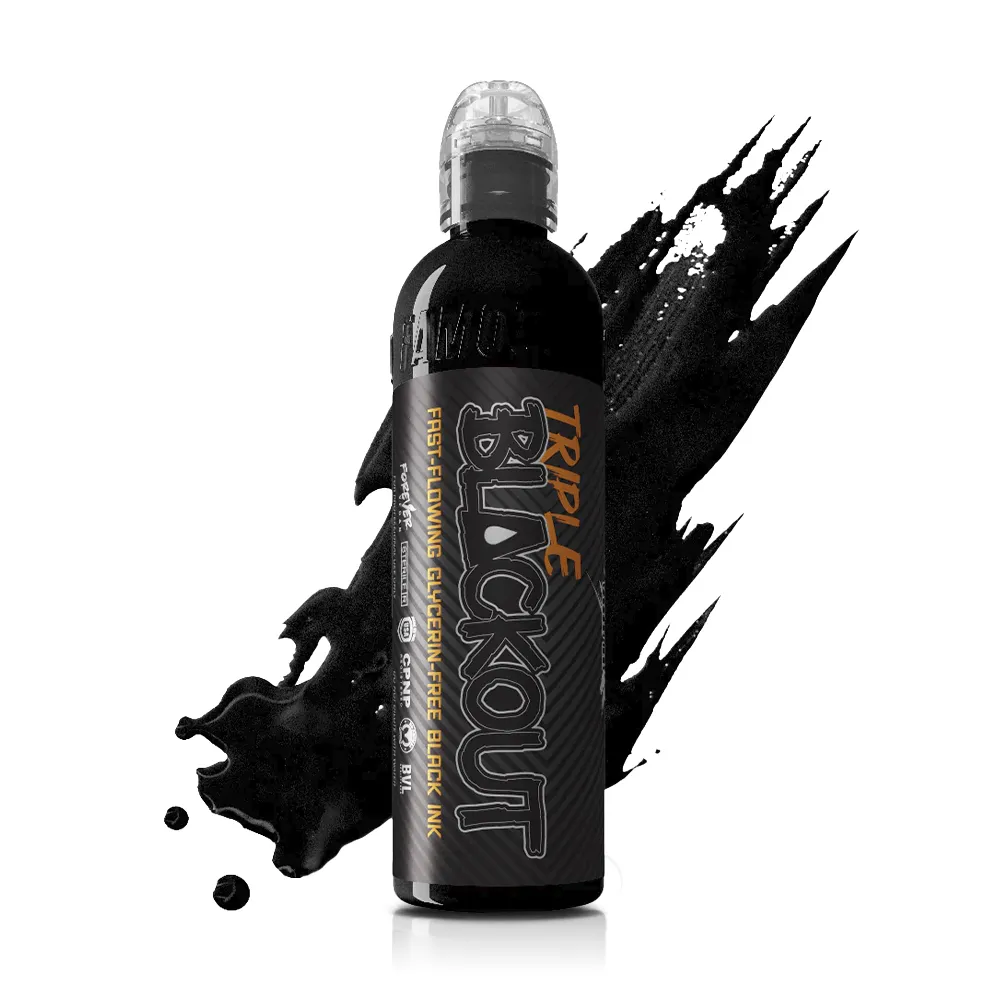 Additional Black Ink
World Famous - Triple Blackout
Black we carry; check its maker's intended-use instructions.
Shop Black Tattoo Inks Browse Dynamic Ink Shop Kwadron Cartridges
ARTIST BUYING & SESSION CHECKLIST
What should you check before buying supplies and packing a solid blackwork tattoo?
Work from the black shapes and the manufacturer's labels. Match each cartridge, ink and machine setup to the intended coverage.
- Drawing: Map contours, small fills, large fields, negative space and soft edges.
- Configuration: Compare magnums for broad fills, RS for smaller areas and curved mags for transitions.
- Diameter: Review Peak's standard #12 guidance; check count and taper separately.
- Ink: Verify packing use, distinguishing contour tasks from solid black.
- Machine: Compare Peak's stroke and give references with the device manual.
- Skin stretch: Use the firm stretch and controlled movement World Famous describes.
- Holidays: Inspect actual missed spots before adding another pass.
- Skin response: Stop rather than repeatedly forcing coverage.
- Healed review: Record products and settings for a possible targeted touch-up.
- Care: Give aftercare instructions and refer medical concerns to a doctor.
FAQ
Frequently asked questions about packing solid black in blackwork tattoos
These are the needle, ink, coverage and healing questions artists ask about solid black.
What needle do you use to pack solid black tattoos?
Peak favors standard #12 pins for even blackwork and tribal fills. Kwadron describes magnums for broad areas; choose the precise grouping for the shape.
Is a magnum or round shader better for blackwork?
Kwadron describes magnums for wide surfaces and round shaders for filling and shading after the contours. For small enclosed fills, compare which grouping reaches the area cleanly.
How many passes does it take to get solid black?
No fixed count fits every fill. Inspect it for holidays and monitor the skin. World Famous advises a later touch-up rather than repeatedly working damaged skin.
What black ink is best for blackout or solid blackwork?
Dynamic lists Union Black, Triple Black and BLK for packing. Select according to the product's intended use and your studio's working setup.
Why does my solid black tattoo heal patchy or gray?
StarBrite associates overworking with patchy healing. Review the healed area, technique and coverage before deciding on a correction; refer medical symptoms to a doctor.
How do you avoid overworking the skin when packing black?
World Famous recommends firm stretch, controlled small circles and checking for missed spots. Stop rather than forcing extra passes on stressed skin.
What machine stroke, voltage and give do you use to pack black?
Peak gives 3.5–4.0 mm stroke, medium voltage and medium give as general color-packing references, and discusses less give for solid black.
Do you need different ink for blackwork versus lining?
Choose by the stated use. Dynamic lists BLK and Union Black for lining and packing, while Triple Black is listed for packing, shading and greywash.
What is the difference between blackwork and blackout tattoos?
Blackwork can center on black shapes and negative space; blackout describes the task of covering a larger region with solid black. Dynamic names both as black-ink style categories.
How do you fill a large back or leg area with black without streaks?
Plan the field in manageable working regions, compare broad magnum groupings, maintain stretch and inspect coverage after each region for holidays.
Can you pack a solid black tattoo in one session?
Plan the work according to the area, its actual coverage and how the skin responds. World Famous favors a later small touch-up over excessive passes.
How do you touch up blackwork after healing?
Review the healed fill and identify specific lighter spots with your client. Choose a targeted correction rather than automatically reworking the entire black field.
RESEARCH
Sources Consulted
Dynamic supplies black-ink use descriptions; Peak and Kwadron support grouping and machine guidance; World Famous and StarBrite support the packing, coverage and overworking discussion.