


 Powered by Comercia.io
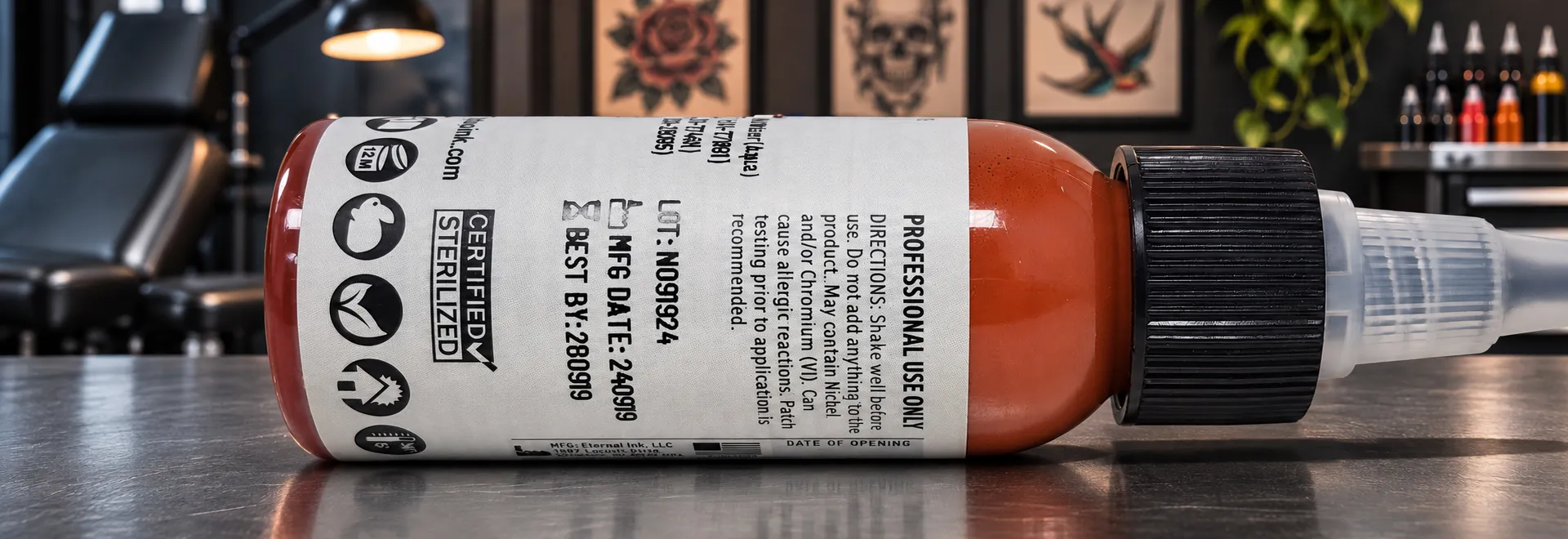
A 2026 U.S. tattoo ink reference for tattoo artists, studio owners, apprentices, PMU professionals and clients. Understand FDA oversight, MoCRA requirements, ingredient labeling, ink lot numbers, sterile claims, official recall searches and reaction reporting before purchasing or using tattoo pigments.
LEARN TO READ THE LABEL CHECK FDA RECALLS
THE SHORT ANSWER
Quick Answer: Is Tattoo Ink FDA Approved, and How Do You Check It?
No tattoo ink color additives are FDA-approved for injection into the skin; the FDA oversees tattoo and permanent makeup inks as cosmetics, while state and local authorities regulate tattooing practices. MoCRA adds manufacturer and responsible-person requirements involving facility registration, product listing, adverse-event reports, labeling and recalls. Before buying or using ink, review the bottle and supplier information, record the brand, color and lot, and search the FDA's official recall notices and Enforcement Report for any matching product.
THE MAIN REGULATORY DISTINCTION
Is Any Tattoo Ink Approved by the FDA?
The U.S. Food and Drug Administration considers inks used for intradermal tattooing, including permanent makeup, to be cosmetics. Pigments used to make those colors are classified as color additives under federal law.

Color additives are subject to FDA premarket-approval requirements for their intended uses. However, the FDA states that no color additives are approved for injection into the skin, whether for a conventional tattoo or permanent makeup. The agency also explains that using an unapproved color additive in tattoo ink makes the ink adulterated under the Federal Food, Drug, and Cosmetic Act.
That distinction matters when reading product listings and advertising. A manufacturer may have filed a cosmetic facility registration or submitted a cosmetic product listing. Those activities are not the same as FDA approval of a tattoo pigment for injection.
In a September 9, 2026 announcement, the FDA clarified that it does not issue certificates or other documents to verify compliance for cosmetic facility registration or product listing. Registration information should therefore be interpreted as an administrative regulatory record, not as a product-approval certificate.
FDA authority also differs from the inspection and licensing of a tattoo establishment. The agency monitors cosmetic products, including ink, while local or state jurisdictions establish requirements for how tattoo procedures are performed and how studios operate.
The FDA oversees tattoo inks under cosmetics law, but no tattoo pigments have FDA approval for injection into skin. Check the exact product label, applicable regulatory requirements and supplier records rather than interpreting registration as approval.
DIFFERENT AUTHORITIES, DIFFERENT RESPONSIBILITIES
Who Regulates Tattoo Ink and Tattoo Studios?
Tattoo ink production and the actual act of tattooing are related but distinct activities. The FDA's tattoo fact sheet explains that the federal government oversees the inks as cosmetic products, while the practice of tattooing is primarily regulated locally.
Ink and Pigment Oversight
The FDA oversees tattoo and permanent makeup inks, investigates product-related concerns, publishes safety notices and recalls, and administers applicable federal cosmetics requirements.
Tattooing Practice
State and local jurisdictions regulate tattoo establishment operations and practices, including relevant permits, inspections and body-art procedures.
Product Documentation
The responsible person named on the cosmetic label has obligations under federal law concerning adverse-event reports and other applicable MoCRA requirements.
Traceable Use
Artists can document the exact ink and diluent used for a client and check official safety notices against the bottles in the studio.
For an artist or studio owner, the practical approach is to maintain two lines of information: the current requirements of the body-art authority overseeing the establishment and the federal product information relevant to the ink being purchased.
An ink's label and the manufacturer's documentation support product identification. The studio's own client records support traceability after the bottle has been opened and portions of ink have been used in individual procedures.
THE MODERNIZATION OF COSMETICS REGULATION ACT
What Changed Under MoCRA for Tattoo Ink Manufacturers?
The Modernization of Cosmetics Regulation Act of 2022 (MoCRA) expanded the FDA's authority over cosmetic products and added requirements for manufacturers, processors and the responsible persons whose names appear on product labels.
Because tattoo and PMU inks are cosmetics under FDA rules, those federal provisions are relevant to the ink industry. MoCRA concerns manufacturer and responsible-person obligations; it does not create an FDA approval for injecting tattoo colors into skin.
| MOCRA SUBJECT | FEDERAL REQUIREMENT | PRACTICAL MEANING |
|---|---|---|
| Facility registration | Manufacturing and processing facilities register with the FDA and renew every two years. | Facility information is maintained through a recurring registration process. |
| Product listing | Responsible persons list marketed cosmetic products, including ingredients, with annual updates. | Listings include ingredient information such as colors, fragrances and flavors. |
| Serious adverse events | Responsible persons report qualifying events within 15 business days after receiving the report. | MoCRA's definition includes infection and other specified serious outcomes. |
| Adverse-event label contact | A domestic address, telephone number or electronic contact for reporting must appear on the label. | The labeling provision took effect December 29, 2024. |
| Mandatory recall authority | The FDA may order a recall under the statute's conditions if the responsible person refuses a voluntary recall. | The agency gained an additional mechanism for certain serious product concerns. |
| Small-business exemption | The relevant small-business exemptions exclude cosmetic products that are injected. | Injected cosmetic products fall within the statutory exclusion from those exemptions. |
Under MoCRA, serious adverse events include outcomes specifically defined in the law, such as infection, hospitalization, a life-threatening experience and significant disfigurement. The responsible person has a reporting deadline of 15 business days after receiving a qualifying report and must submit the required label copy.
The law also addresses new and material medical information received within a year of the original report. When that information must be submitted, the same 15-business-day reporting deadline applies after receipt.
The adverse-event contact requirement is separate from the ordinary business name and address already required on cosmetic labeling. Section 609(a), codified at 21 U.S.C. 364e(a), took effect on December 29, 2024. It calls for a domestic address, domestic telephone number or electronic contact through which the responsible person can receive reports.
MoCRA also provides a process for a mandatory cosmetic recall when the statutory risk conditions are met and a responsible person does not voluntarily stop distribution and recall the affected product. In October 2026, the FDA issued final guidance explaining that authority.
A manufacturer registration, a product listing and an adverse-event submission serve different legal functions. None is a certificate that the tattoo ink has been approved for injection.
READ THE ENTIRE BOTTLE
How to Read a Tattoo Ink Label, Line by Line
A tattoo ink bottle combines product identity, quantity and company information with markings used for manufacturing and traceability. The FDA's cosmetics labeling guide establishes general labeling requirements, while many ink manufacturers print additional information for identifying specific batches and products.
When reviewing a new bottle, distinguish federal labeling information from manufacturer-added identifiers. Both can be useful to the artist, but they are not all imposed by the same rule.
| LABEL ITEM | WHAT TO LOOK FOR | WHY IT MATTERS |
|---|---|---|
| Product identity | The name or clear identification of the tattoo ink product and shade. | Identifies what the bottle contains; the product identity is required on the principal display panel under applicable cosmetic labeling rules. |
| Net contents | An accurate volume or quantity statement, such as a fluid-ounce amount with a metric equivalent. | Required quantity information allows the purchaser to identify the amount purchased. |
| Company name and address | The manufacturer, packer or distributor, with its applicable place-of-business information. | General federal cosmetic labeling requirements identify the firm responsible for marketing the product. |
| Warnings and directions | Relevant cautions or instructions on the container or accompanying labeling. | Required when applicable under the federal cosmetic warning and labeling rules. |
| Country of origin | The country of origin in English when the product is imported. | Imported articles are subject to country-of-origin marking requirements. |
| Adverse-event contact | A U.S. address, telephone number or electronic reporting contact. | MoCRA section 609(a) provides a way to send product-related adverse-event reports. |
| Ingredient declaration | Ingredients identified under the applicable retail or professional-use labeling rules. | Retail cosmetic labeling generally requires an ingredient list; the professional-use distinction is explained below. |
| Lot or batch number | A code such as a printed Lot# or Batch#. | A manufacturer-added traceability identifier used to match a specific product batch to an FDA notice. |
| Expiration / Best Before | The manufacturer's date or storage-use marking. | Provides a product-specific date for inventory rotation and checking recall notices. |
| CI number | A pigment color-index designation, when printed. | Helps identify the colorant named on the product or in a safety notice. |
| Sterile claim | Any statement describing the manufacturer's product processing or sterile status. | Read alongside the FDA's caution that contamination can occur even in sealed or sterile-labeled bottles. |
The FDA's May 7, 2025 tattoo ink advisory provides a real example of how several markings can appear together on a product. The agency reproduced these identifying details:
CI# 77266; Lot#: RB0624; Best Before: June 28 2027
CI# 77266 identifies a color-index number; RB0624 identifies the referenced lot; and June 28, 2027 is the printed best-before date. These are three different pieces of product information.
A lot code can be especially important because an official notice may identify only particular batches or dates. Search using the exact characters printed on the bottle, including any letters or numbers that distinguish one lot from another.
The FDA requests lot or batch information when a product-related reaction is reported. The American Academy of Dermatology (AAD) also recommends that tattoo artists record the ink color, manufacturer and lot number for each tattoo.
When purchasing from a supplier, keep enough documentation to connect the bottle, label and order record. That makes it easier to trace a specific product after the label is no longer immediately accessible at the workstation.
A LABELING DISTINCTION THAT MATTERS
Must Every Tattoo Ink Bottle List All Ingredients?
The FDA's cosmetic labeling guidance distinguishes products distributed for retail sale to consumers for personal use from products that are not customarily distributed at retail and are used by professionals in their establishments.
Under 21 CFR 701.3, cosmetics produced or distributed for retail consumer use generally require an ingredient declaration. The FDA describes an exemption for certain products not customarily distributed for retail sale and used by professionals at their workplaces, provided those products are not also sold to consumers for personal use.
This means an artist should review the product's actual distribution and labeling context rather than assuming a single ingredient-list rule applies identically to every professional bottle. When ingredient declarations are required, the FDA generally calls for ingredients to appear in descending order of predominance, subject to specified exceptions.
MoCRA product listing is a separate obligation. The responsible person's FDA listing must include the product's ingredients, including relevant colors, fragrances or flavors, and must be updated annually as required.
The artist can also request available manufacturer documentation, such as an SDS (Safety Data Sheet), to review product identification, handling and storage information. An SDS serves a different purpose from the bottle's retail ingredient declaration or MoCRA product listing.
When selecting a new ink or diluent, use the current label and appropriate product documentation together. Keep the shade, bottle size and batch information attached to the inventory entry.
INTERPRETING A PRODUCT CLAIM
What Does "Sterile" on a Tattoo Ink Bottle Mean?
A manufacturer may use the word sterile to describe the microbiological condition of an ink after its processing. That is a statement about the product as supplied and the manufacturer's relevant production and handling procedures.
The FDA cautions that tattoo ink may contain microorganisms even when a container is unopened, sealed or labeled sterile. This matters because tattoo ink is introduced into skin rather than simply applied to its surface.
The agency's concern includes possible contamination with bacteria, mold and other microorganisms. It also notes that infections from contaminated ink have occurred even when tattoo artists followed hygienic procedures.
An artist comparing tattoo inks can therefore review the manufacturer's processing descriptions, label condition, lot information, storage directions and available documentation together. The appearance of a closed bottle is not a microbiological test.
A clearly printed lot number helps the studio identify the batch if a manufacturer or regulator later publishes a specific notice. The same traceability principle applies to any diluent used during the session.
The FDA identifies microbial contamination in previously unopened tattoo ink containers as a real product concern. For purchases and studio inventory, retain exact product identification and lot information and check official FDA updates.
WHERE A PRODUCT ISSUE CAN BEGIN
How Can Tattoo Ink Become Contaminated?
The FDA describes microbial contamination as a concern throughout the preparation, packing, holding and handling of tattoo inks. Potential organisms include bacteria, mold and other microorganisms that can enter the product before it reaches an artist.
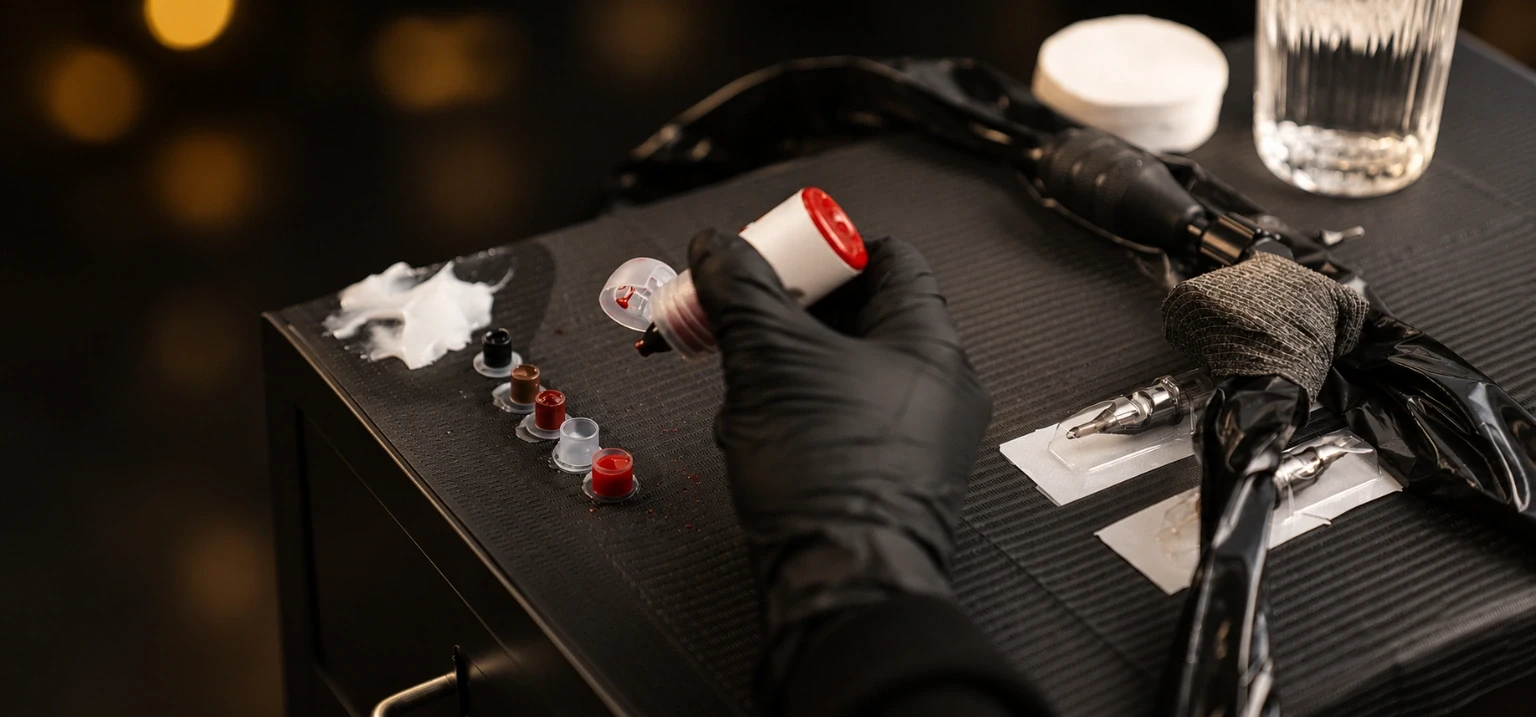
One manufacturing-related pathway is contaminated ingredients or equipment. Another is a process that introduces microorganisms while pigment and liquid components are combined, filled into containers or held before distribution.
The FDA specifically identifies dilution using non-sterile water as a common source of contamination. Adding ordinary tap water to tattoo ink is therefore inconsistent with the agency's warnings about dilution practices.
A diluent is a separate product in the artist's working system. Record its identity and lot where applicable, just as the FDA recommends recording information about the ink itself after a suspected product-related reaction.
Ingredients and Supplies
Microorganisms may be introduced through contaminated components used in ink preparation.
Manufacturing and Filling
Equipment, processes and handling conditions can affect the microbiological condition of the finished ink.
Non-Sterile Water
The FDA calls dilution with non-sterile water a common contributor to contamination.
On October 24, 2024, the FDA issued final guidance titled Insanitary Conditions in the Preparation, Packing, and Holding of Tattoo Inks and the Risk of Microbial Contamination. It recommends measures such as testing ink and ink components for possible microbial contamination and ensuring appropriate sterilization methods are used, when applicable.
That FDA guidance addresses manufacturer and distributor practices. At the studio level, artists still need a defined procedure for handling bottles, preparing ink portions and recording the products used for each client.
UNDERSTANDING FDA ACTIONS OVER TIME
Tattoo Ink Recalls, FDA Warnings and the 2024 Guidance
An FDA safety alert, a company's voluntary recall, a warning letter and a mandatory recall are distinct regulatory actions or communications. Reading the notice type helps an artist understand whether a specific product is being recalled, whether the agency is issuing an alert or whether the FDA is discussing a wider manufacturing concern.
In its October 2024 announcement, the FDA reported that 18 voluntary tattoo ink recalls took place between 2003 and 2024 involving microbial contamination. That figure describes the historical period reviewed in the agency's announcement.
The FDA states that it sent multiple warning letters concerning microbially contaminated tattoo inks. The agency also issued a broader safety alert earlier that year.
A public company announcement described a recall involving certain water-based tattoo pigments and specified product lots.
The FDA issued final guidance for recognizing and addressing insanitary manufacturing, packing and holding conditions.
The agency issued a specific product notice based on laboratory testing that identified pathogenic microorganisms.
The FDA issued final guidance describing how MoCRA's mandatory recall authority operates for cosmetic products.
For an artist or retailer, the important next question is whether a notice identifies a particular ink, color, lot or date range that matches current stock. The existence of a warning or historical recall is not enough to identify the exact bottle without reviewing those details.
TWO OFFICIAL EXAMPLES OF PRODUCT IDENTIFICATION
FDA Tattoo Ink Notices from 2024 and 2025
These public examples show how the FDA identifies affected tattoo inks through company announcements, specific product names and lot codes. They also show why a studio should compare the full notice against its product records.
Sierra Stain / Bloodline Pigments
On August 23, 2024, Sierra Stain announced a voluntary recall of three water-based Bloodline tattoo pigments following findings of microbial contamination. The FDA posted the announcement on August 24, 2024.
The notice identified affected products and codes, including batches of Carolina Blue, All Purpose Black and UV China Pink. It also stated that the products had been distributed through Amazon to all 50 U.S. states.
The company's announcement stated that no illnesses had been reported as of the announcement. The detailed recall identified specific manufacturing codes and dates.
READ THE FDA-POSTED 2024 RECALLSacred Tattoo Ink
On May 7, 2025, the FDA advised consumers, artists and retailers to avoid particular Sacred Tattoo Ink products after FDA laboratory testing identified pathogenic microorganisms, including Pseudomonas aeruginosa.
The notice identified Raven Black, lot RB0624, and Sunny Daze, lot SD1124. It also provided color-index codes and best-before dates, illustrating how a precise lot match supports product identification.
The relevant product information includes the manufacturer, color name and lot. An artist reviewing a safety notice should compare each of those elements with the actual container.
READ THE MAY 2025 FDA NOTICEBoth examples are useful for learning how product-specific notices are written. A studio should rely on the current status and instructions in the original FDA notice and any linked updates when examining its inventory.
LOOK UP A SPECIFIC BOTTLE
How to Check Whether a Tattoo Ink Has Been Recalled
The FDA provides more than one public recall resource. For an accurate inventory check, use the public safety-alert listings, the more comprehensive Enforcement Report and the FDA's tattoo and permanent makeup information pages.
-
Write down the bottle identity.
Collect the exact brand, product or color name, bottle size, lot or batch number and relevant manufacturing or best-before dates. Check the original packaging or purchase record when useful.
-
Search the FDA Recalls, Market Withdrawals & Safety Alerts page.
Enter the ink name or company and use the Cosmetics product-type filter. Open any relevant notice and read the product descriptions and affected lot information.
-
Search the FDA Enforcement Report.
Use Advanced Search to narrow by product description, recalling firm, product type, recall class or status. The record may contain more detailed batch and recall information.
-
Include records pending classification.
The Enforcement Report can show entries labeled Not Yet Classified before the FDA completes its risk classification. Review those entries when checking recent products.
-
Compare the notice against the physical bottle.
Confirm product name, color, packaging, lot or batch code and applicable dates. A similar brand name or shade alone is not an exact lot match.
-
Read the agency's instructions and linked updates.
Review the original notice, current status and any instructions issued for the affected product. Keep the relevant notice connected to the studio's product record.
Recalls & Safety Alerts
Use the Cosmetics filter to locate public notices and company announcements for cosmetic products.
OPEN FDA RECALLSFDA Enforcement Report
Search by product description, recalling firm, recall class and status, then read each entry's affected product details.
OPEN ENFORCEMENT REPORTSFDA Tattoo Information
Review the agency's tattoo and permanent makeup information, research and related public safety updates.
OPEN FDA TATTOO PAGEThe FDA explains that not every recall receives a press release or appears on the public alerts page. That is why the Enforcement Report is important. The agency says it includes recalls monitored by the FDA once classified, with some entries appearing earlier as Not Yet Classified.
What Do Recall Class I, II and III Mean?
The FDA classifies recalls to communicate the relative degree of health hazard associated with a particular product issue.
| FDA CLASS | RISK DESCRIPTION |
|---|---|
| CLASS I | A reasonable probability of serious adverse health consequences or death. |
| CLASS II | Possible temporary or medically reversible adverse health consequences, with a remote probability of serious consequences. |
| CLASS III | Use or exposure is unlikely to cause adverse health consequences. |
| NOT YET CLASSIFIED | The recall may be listed while the FDA completes its hazard assessment and classification. |
The most useful inventory comparison is product + color + lot + dates. An FDA recall classification describes a particular recall; it does not replace reading the affected product and code information.
TRACEABILITY IN A REAL STUDIO
What Tattoo Ink Information Should Be Recorded for Each Client?
Ink traceability begins before a bottle is emptied. The AAD recommends that tattoo artists record the color, manufacturer and lot number of each pigment used for a tattoo. The FDA requests the same core information when an ink-related reaction is reported.

The record should be specific enough to identify the actual product, especially when a session uses several colors or a separate diluent. A note that says only "black" or "red" provides less detail than the product name, shade and batch.
Record the precise brand and shade or product name used during the session.
Copy the label characters accurately for comparison with manufacturer or FDA notices.
Record diluent identification where applicable and retain relevant expiration and purchase information.
The FDA's consumer guidance specifically asks for the ink or diluent's brand, color and lot or batch number to help investigate a reported problem. An artist can use that same set of fields in the studio's client record.
A practical approach is to record the code when the ink is poured, while the container is still at the workstation. Keep the source information available for future inventory checks, reporting or supplier correspondence.
If an agency notice is issued, the studio can compare its stock records and client-use history with the affected lot information rather than relying on memory.
RECOGNIZE WHEN TO SEEK PROFESSIONAL HELP
What Does the FDA Say About a Possible Tattoo Ink Reaction?
The FDA advises people to contact a healthcare professional when they suspect an infection or another reaction related to a tattoo. Its consumer guidance mentions an area that does not seem to be healing or a rash, redness or bumps near the tattoo, especially with a fever.
The agency's product notices also describe infections associated with contaminated ink that may produce red papules or other lesions in areas where a particular ink was applied. Skin reactions can have different causes, so a medical professional should evaluate a concerning condition.
The FDA advises notifying the tattoo artist so they can identify the ink and avoid using it again, and asking for the brand, color and any lot or batch number of the ink or diluent.
Reporting an unexpected reaction is useful even when its cause has not yet been established. The FDA uses information from consumers, artists and healthcare professionals to monitor possible cosmetic product problems.
Contact a healthcare professional, notify the tattoo artist and preserve the ink's identifying details. The FDA encourages reporting suspected reactions and product-quality problems through its cosmetics reporting channels.
OFFICIAL FDA REPORTING CHANNELS
How to Report a Tattoo Ink Reaction to the FDA
The FDA accepts cosmetic product complaints and adverse-event reports from consumers, tattoo artists and healthcare professionals. Its reporting page specifically includes tattoo ink and permanent makeup among the cosmetic products covered.
The agency recommends providing as much useful detail as possible about the product, reaction and outcome. The report can describe what happened and include the information identifying the ink or diluent involved.
-
Contact a healthcare professional about the reaction.
The FDA advises seeking professional healthcare guidance for a suspected infection or other concerning reaction.
-
Identify the ink or diluent.
Record the manufacturer, product and color name, lot or batch code, and relevant container dates.
-
Write down the event details.
Include when the tattoo or PMU procedure occurred, when symptoms appeared and any relevant outcome information.
-
Submit a report through the FDA.
Consumers and healthcare professionals can use the online MedWatch voluntary reporting form or the FDA's Food and Cosmetics Information Center telephone service.
-
Retain the product information.
Keep the relevant label and supplier documentation available in case the FDA requests additional details.
FDA MedWatch
Use the FDA's online voluntary reporting form for a suspected cosmetic-related reaction or product concern.
OPEN MEDWATCH REPORTING1-888-SAFEFOOD
The FDA Food and Cosmetics Information Center accepts cosmetic complaints at 1-888-723-3366, Option 4.
VIEW FDA REPORTING INSTRUCTIONSMoCRA's mandatory 15-business-day reporting rule concerns the responsible person and qualifying serious adverse events. An individual consumer or artist using MedWatch is following the FDA's voluntary reporting route.
Reports can be useful for identifying patterns of reactions or product-quality concerns. Accurate brand, color, lot and diluent records make those reports more informative.
PERMANENT MAKEUP IS INCLUDED
Do the Same FDA Rules Apply to Permanent Makeup Pigments?
Yes. The FDA describes permanent makeup as a form of intradermal tattooing and includes PMU pigments within its regulation of tattoo inks as cosmetics.
The absence of FDA-approved color additives for injection applies to tattoo pigments used for traditional body art and permanent makeup. The FDA's cosmetic reporting system also accepts complaints involving both product categories.
MoCRA's federal cosmetics requirements are relevant to the manufacturer or responsible person for products within its scope. PMU professionals should check the exact pigment identity, applicable product information, batch markings and the local requirements governing their work.
Studio records for PMU pigments can use the same fundamental identification fields: product name, color, manufacturer and lot, with diluent information when applicable. This supports the FDA's request for specific product information if a reaction is reported.
USE THIS BEFORE ORDERING OR OPENING INK
Tattoo Ink Purchasing and Inventory Checklist
A repeatable buying check helps artists and studio managers verify that the product delivered matches the intended order and that the available records are sufficient to identify the bottle later.
Before Buying
- I identified the exact manufacturer, color and product line.
- I checked the product identity and listed bottle quantity.
- I reviewed available ingredient and manufacturer documentation.
- I can identify the company responsible for the product.
- I know where to find the current FDA recall and Enforcement Report pages.
- I selected a supplier able to provide useful batch and order records.
When the Bottle Arrives
- I inspected the container and seal for their expected condition.
- The product identity and net contents are legible.
- The manufacturer, packer or distributor information is identifiable.
- I located the relevant adverse-event reporting contact.
- I recorded the printed lot or batch code.
- I checked the manufacturer's expiration or best-before marking.
- I retained the order record and available SDS or product information.
During Studio Use
- I can identify which ink colors were used for each client.
- I recorded the manufacturer and lot for each relevant pigment.
- I retained diluent product information when applicable.
- I followed the product's storage and use-by directions.
- I can compare inventory codes with an FDA product notice.
- I know how to direct a client to FDA reaction-reporting information.
This checklist centers on information that can be verified from the bottle, official regulatory resources and supplier records. It complements the studio's local body-art procedures and professional ink-handling workflow.
EXPLORE INK BY THE WORK YOU DO
Shop Professional Tattoo Ink at SVT Shop
SVT Shop helps tattoo artists, apprentices and studios select inks for lining, black-and-grey work, white highlights and color projects. Based in El Paso, Texas, SVT Shop offers Next Day Delivery in El Paso.
Use the categories below to browse the product range, and the guide above to review labels, lot information and the FDA's official resources before purchasing.
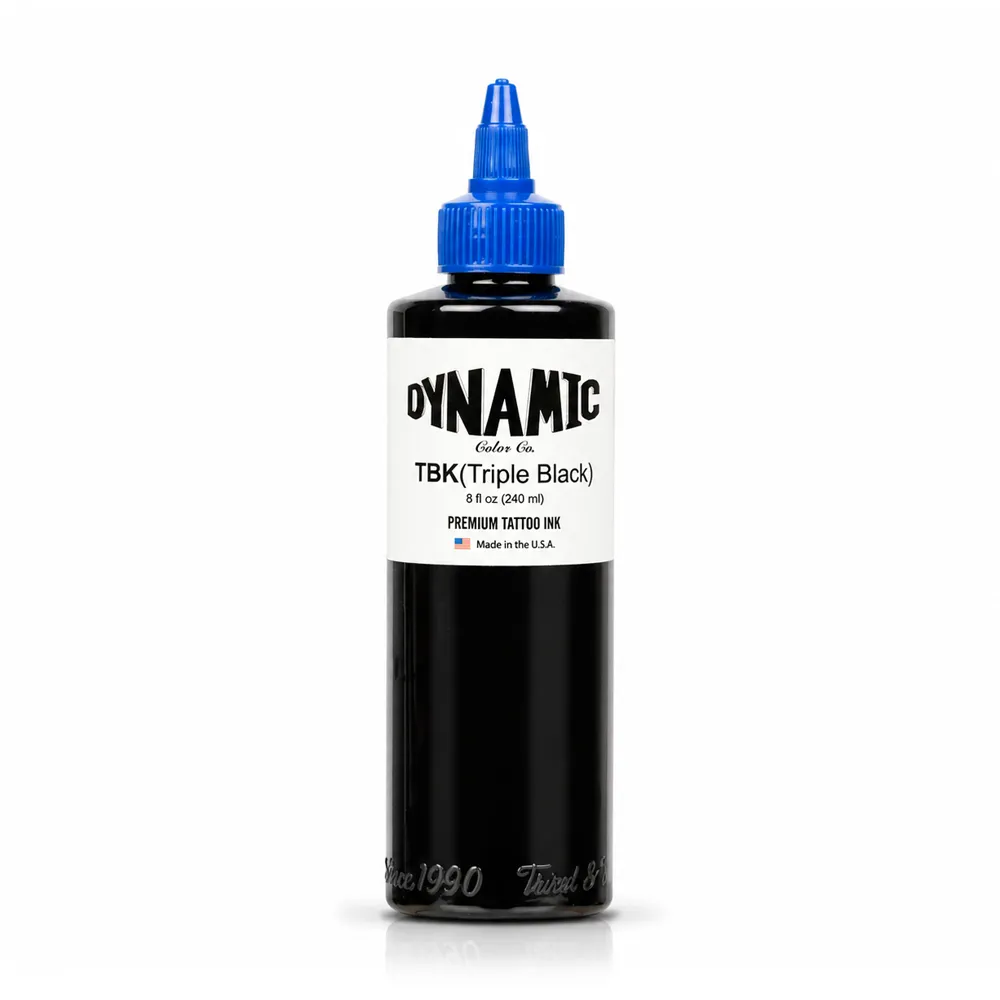 BLACK TATTOO INK
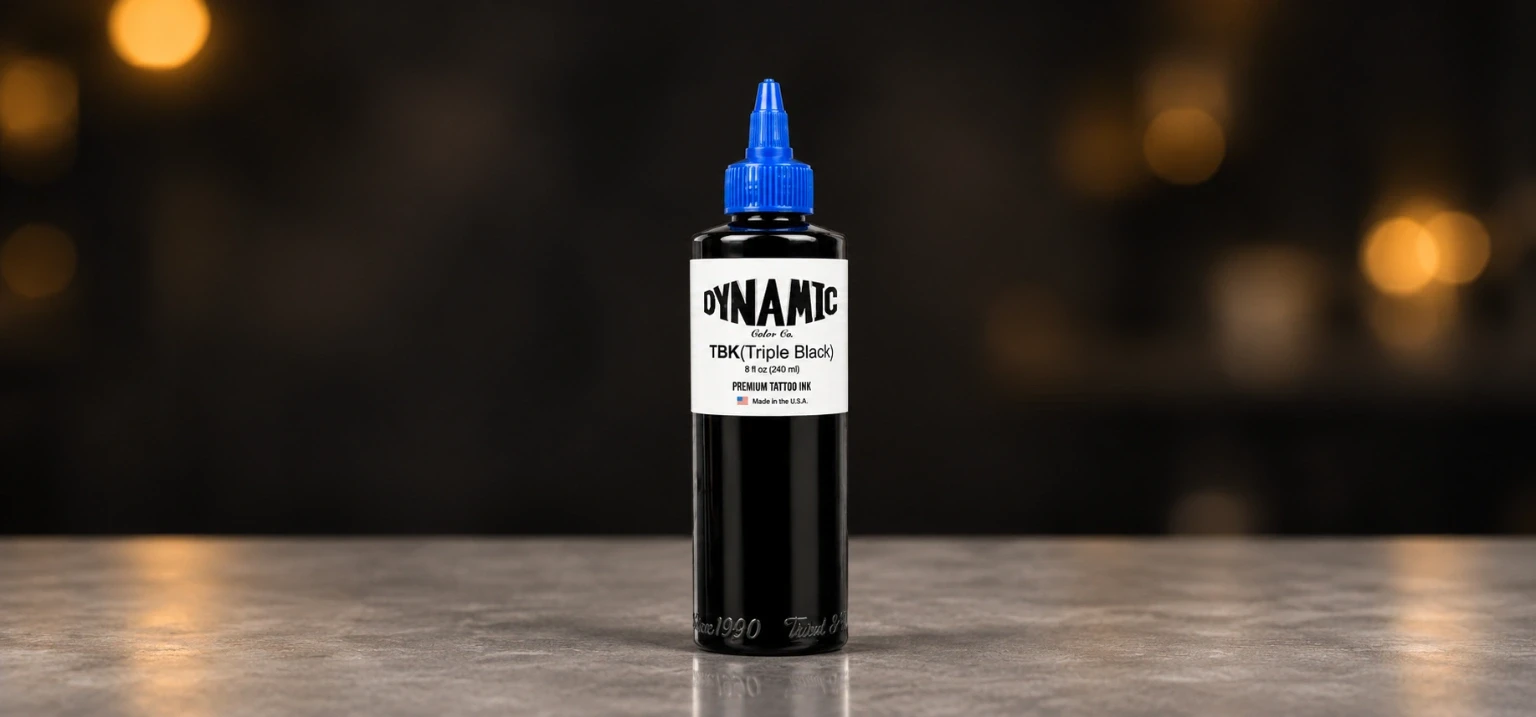
Dynamic Triple Black
Dynamic says its inks are made in the USA and that every batch is quality controlled before it ships.
VIEW DYNAMIC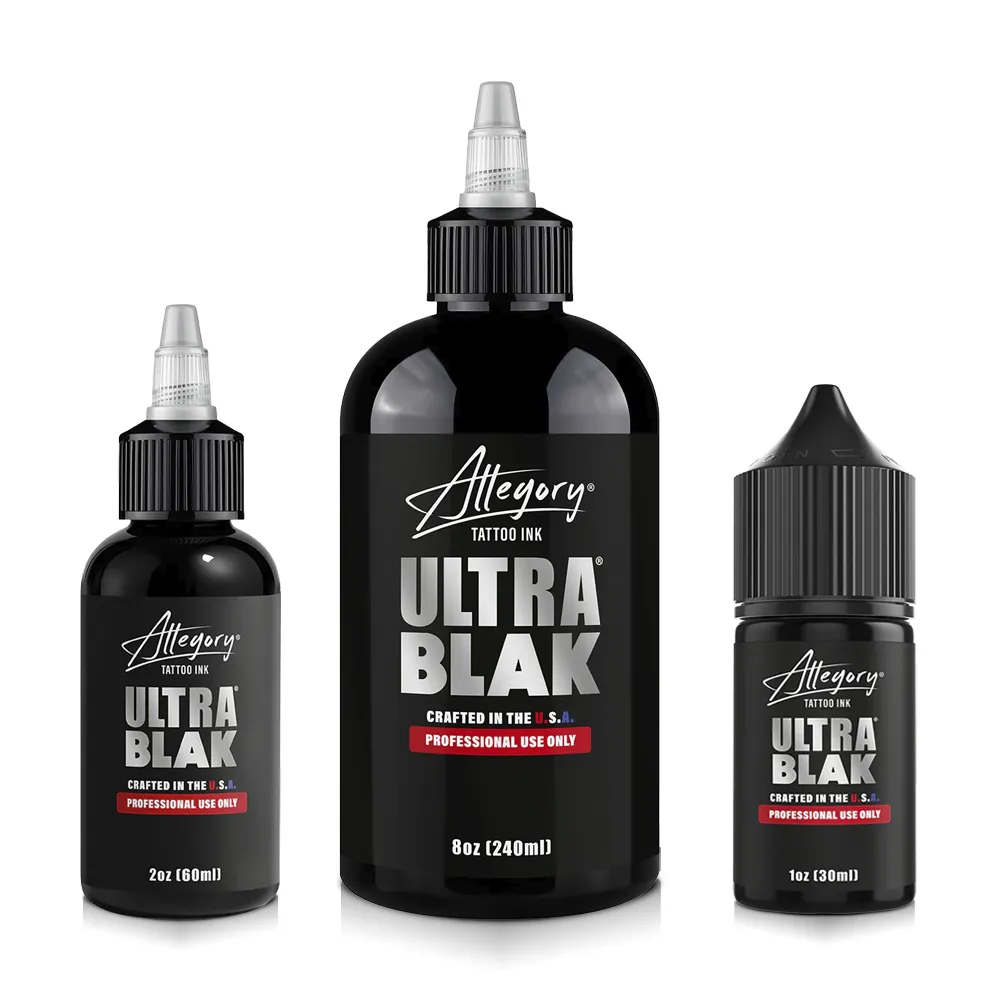 BLACK TATTOO INK
Allegory ULTRA BLAK
Allegory says Ultra Blak is crafted in the USA and undergoes strict quality control; 1, 2 and 8 oz bottles.
VIEW ALLEGORY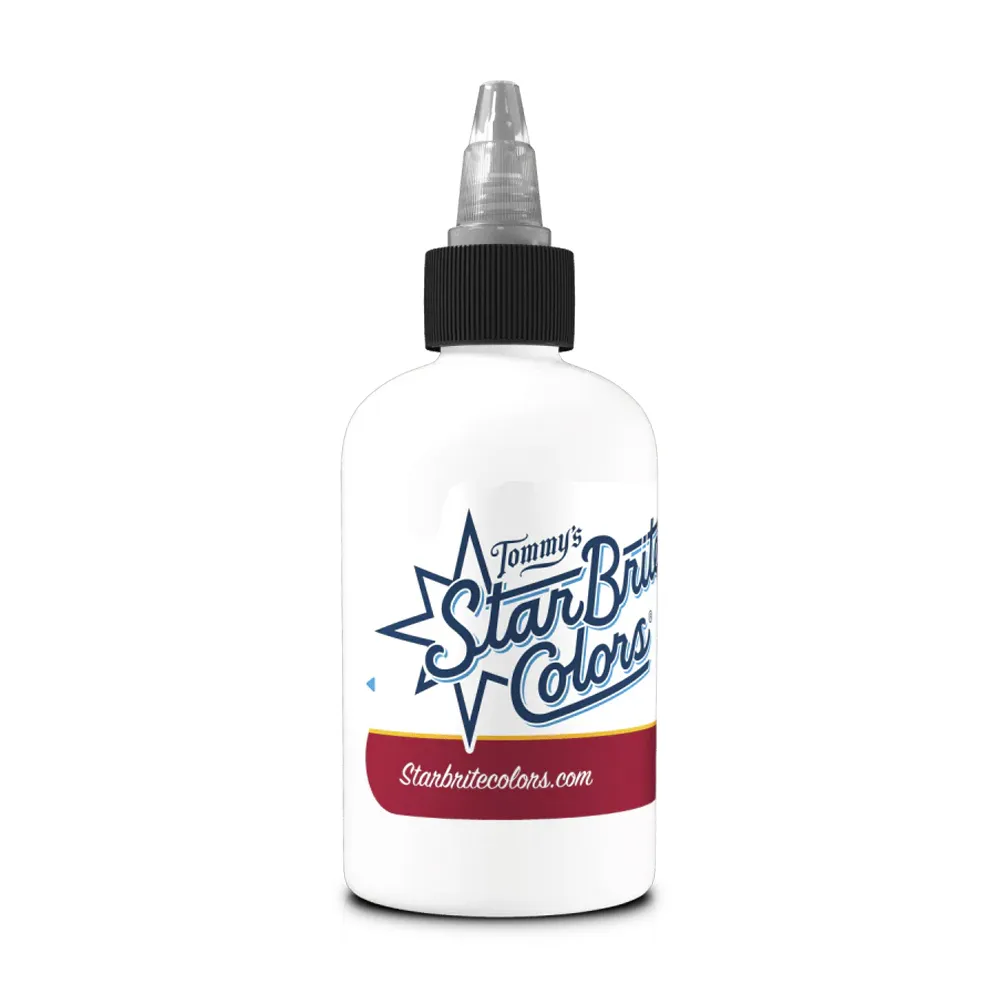 WHITE TATTOO INK
StarBrite Brite White
StarBrite says its inks are gamma treated and sealed, and made in a certified ISO 8 clean room.
VIEW STARBRITE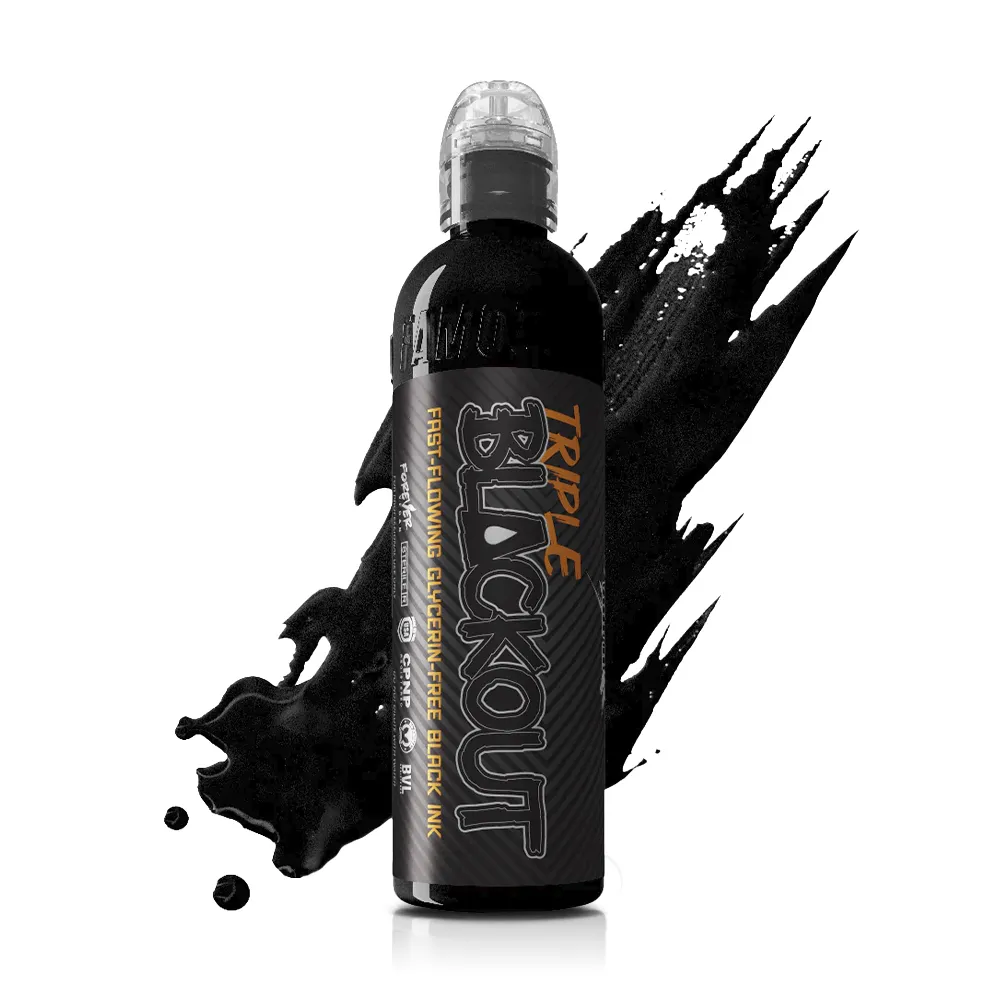 BLACK TATTOO INK
World Famous Triple Blackout
World Famous publishes SDS, ingredient listings and a certificate of compliance on its website.
VIEW WORLD FAMOUS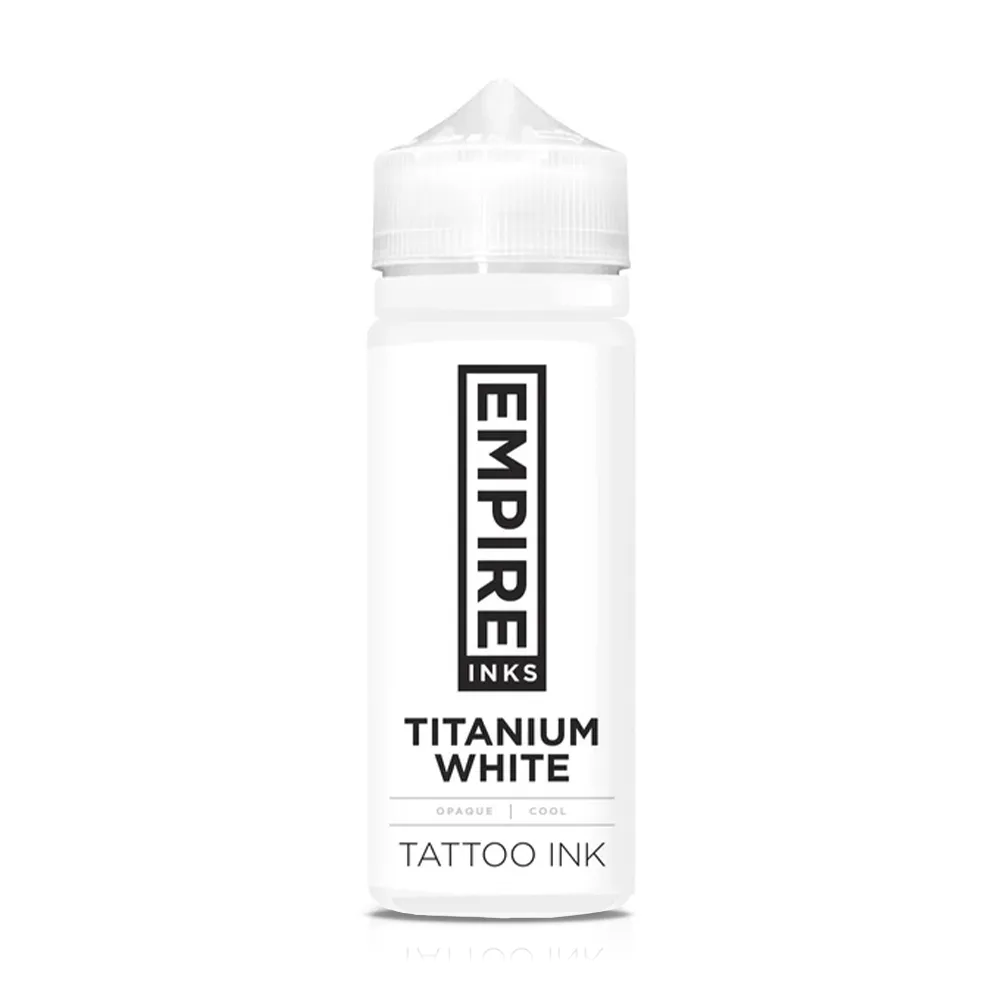 WHITE TATTOO INK
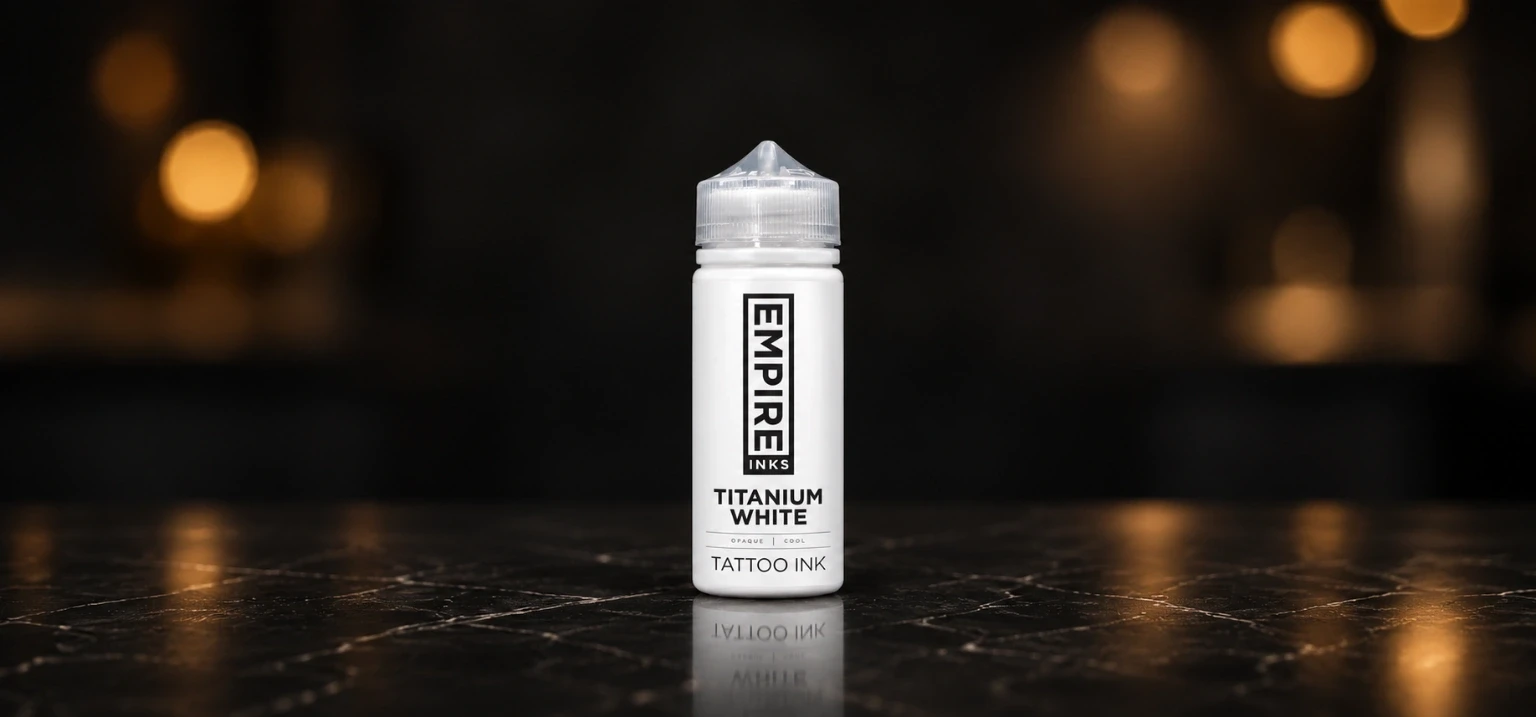
Empire Titanium White
Empire Inks links its SDS from its homepage; 2 and 4 oz bottles at SVT Shop.
VIEW EMPIRE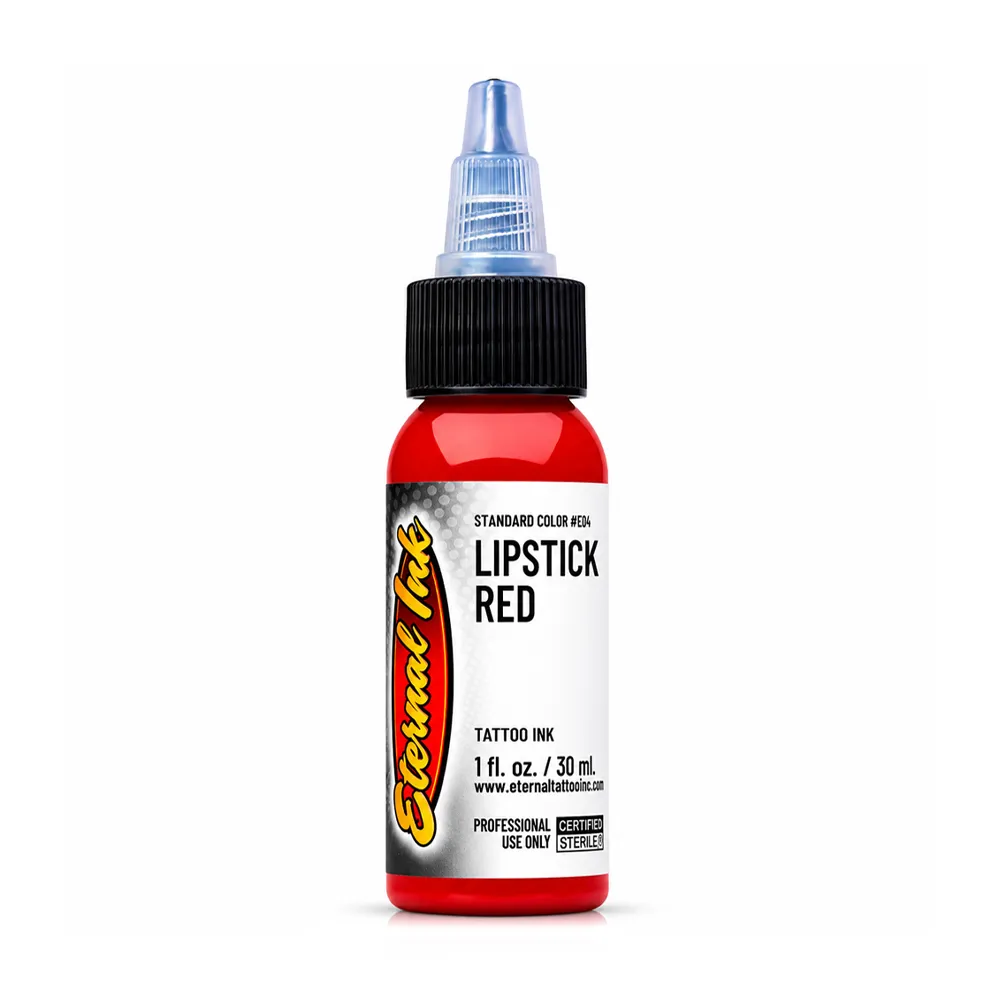 COLOR TATTOO INK
Eternal Lipstick Red
Eternal says every bottle of its ink goes through a sterilization process, using a validated radiation sterilization dose.
VIEW ETERNALALL TATTOO INK INKS BY BRAND BLACK INKS MIXING & DILUTING PMU INKS
Related SVT Shop reading: How to Choose Black Tattoo Ink, Tattoo Ink Brands Compared and Black & Grey Tattoo Ink.
COMMON QUESTIONS FROM ARTISTS AND CLIENTS
Tattoo Ink FDA, MoCRA, Label and Recall FAQ
Is any tattoo ink FDA-approved for injection?
No. The FDA regulates tattoo inks as cosmetics and states that no color additives are approved for injection into the skin, including those used in permanent makeup.
Does the FDA inspect or license tattoo studios?
State and local jurisdictions primarily regulate the actual practice of tattooing. The FDA oversees tattoo ink as a cosmetic product. Contact the appropriate health department for the establishment's operating and inspection requirements.
What does MoCRA mean for tattoo ink?
MoCRA adds applicable cosmetic manufacturer and responsible-person obligations for facility registration, product listing, serious adverse-event reports, label contact information and possible mandatory recalls. Registration and listing are separate from approval of pigments for injection.
Does every tattoo ink bottle have to list its ingredients?
The FDA generally requires ingredient declarations for cosmetics distributed for retail sale to consumers for personal use. Its labeling guidance describes an exemption for certain products used professionally and not customarily sold at retail, provided they are not also sold for consumer personal use. Separately, MoCRA product listings submitted to the FDA include ingredients.
Where is the tattoo ink lot number, and why does it matter?
Look for a marking such as Lot# or Batch# on the bottle or packaging. The FDA asks for the lot or batch number when investigating a suspected ink-related problem, and the AAD recommends recording color, manufacturer and lot for every tattoo. A lot code helps compare a bottle with a specific FDA notice.
Can sealed or sterile-labeled tattoo ink be contaminated?
Yes. The FDA reports finding microorganisms in unopened containers and cautions that a sealed bottle or sterile label does not establish the actual microbiological condition of the ink.
How do I know whether my tattoo ink has been recalled?
Search the FDA Recalls, Market Withdrawals & Safety Alerts page using the Cosmetics filter, then review the FDA Enforcement Report through its Advanced Search. Compare the exact product, shade, lot, dates and recall status with the bottle you have.
How do I report a tattoo infection or reaction to the FDA?
Contact a healthcare professional and notify the tattoo artist so the product can be identified. The FDA accepts consumer and healthcare professional complaints through MedWatch online or the Food and Cosmetics Information Center at 1-888-723-3366, Option 4. Include brand, color, lot and relevant event details.
Can tattoo ink be diluted with tap water?
The FDA specifically identifies non-sterile water used to dilute pigments as a common source of microbial contamination. Follow the ink and diluent manufacturers' instructions and maintain the diluent's identifying information.
Does tattoo ink expire?
Manufacturers may provide an expiration or best-before date on the container. Follow that date and the manufacturer's storage and use instructions. Record the date with the bottle's lot for inventory management.
Is vegan tattoo ink less likely to cause a reaction?
Vegan describes a manufacturer's animal-derived ingredient policy. It does not establish a different medical risk level. Use the specific ingredient information and seek healthcare advice about a suspected reaction.
Are PMU pigments regulated the same way as tattoo ink?
Yes. The FDA includes intradermal permanent makeup ink within its cosmetics oversight and states that no color additives are approved for injection into skin. Its product complaint and adverse-event reporting channels include PMU pigments.
OFFICIAL U.S. REGULATORY AND DERMATOLOGY SOURCES
Sources Consulted
FDA product guidance, regulatory pages, official recall notices, the U.S. Code published by the Government Publishing Office and AAD statements were used to prepare this guide. The sources below support the federal requirements, labeling distinctions, recall search process and reaction-reporting instructions.
- FDA — Tattoos & Permanent Makeup Fact Sheet Tattoo and PMU inks as cosmetics, color additives, and federal versus local jurisdiction.
- FDA — Tattoos, Temporary Tattoos & Permanent Makeup Regulatory background, tattoo ink safety updates and public notices.
- FDA — Think Before You Ink: Tattoo Safety Microbial contamination, dilution water, sealed bottles, reaction guidance and lot identification.
- FDA — Modernization of Cosmetics Regulation Act of 2022 Registration, listing, serious adverse-event reporting, small-business exemptions and mandatory recall authority.
- FDA — Cosmetic Facility Registration & Product Listing Biennial facility renewal, product listing through Cosmetics Direct and the FDA's notice that it does not issue compliance certificates.
- U.S. Code — 21 U.S.C. 364e, Cosmetic Labeling Domestic adverse-event contact information and the December 29, 2024 effective date.
- FDA — Summary of Cosmetics Labeling Requirements Product identity, net contents, firm information, imported-country markings, ingredients and warnings.
- FDA — Cosmetics Labeling Guide Retail ingredient declarations and the professional-use labeling distinction.
- FDA — Cosmetics Direct FDA's Structured Product Labeling tool for facility registration and product listing submissions.
- FDA — Final Tattoo Ink Guidance Announcement, October 24, 2024 Historical recall count, 2019 actions and manufacturer contamination-control recommendations.
- FDA — Insanitary Conditions in Tattoo Ink Manufacturing October 2024 final guidance on microbial contamination during preparation, packing and holding.
- FDA — Sierra Stain / Bloodline Recall, August 2024 Official voluntary recall announcement and affected product-code information.
- FDA — Sacred Tattoo Ink Safety Notice, May 7, 2025 Specific colors, lot codes, color-index numbers, best-before dates and laboratory findings.
- FDA — Recalls, Market Withdrawals & Safety Alerts Public product notices and Cosmetics filtering.
- FDA — Enforcement Report Information and Definitions Advanced Search, lot-code fields, status, Classes I–III and Not Yet Classified entries.
- FDA — Cosmetic Recall Policy Voluntary recalls and MoCRA's mandatory recall authority.
- FDA — Final Guidance on Mandatory Cosmetic Recalls, October 2026 Updated FDA explanation of the mandatory recall process under MoCRA.
- FDA — How to Report a Cosmetic Product Complaint MedWatch, FCIC telephone reporting, consumer submissions and industry reporting obligations.
- American Academy of Dermatology — Permanent Makeup, June 18, 2024 Recommendation that tattoo artists record pigment color, manufacturer and lot number.
Editorial note: Updated November 13, 2026. This article explains FDA-published regulatory information, product labeling and official recall resources for professional tattoo and PMU purchasing. For product-specific notices, review the current FDA record and its exact identification details; for possible reactions, contact a healthcare professional and use the FDA reporting channels.