


 Powered by Comercia.io
Not every anatomy is suitable for every piercing. A qualified piercer should decline or defer when the tissue or health concerns make the risk unacceptable. The Association of Professional Piercers (APP) connects insufficient tissue with migration and rejection, recommends an anatomy consultation and expects jewelry to fit the individual. This professional guide explains suitability decisions and referral points, not piercing placement or technique.
Review Body Jewelry Sizing Explore Sterilized Titanium Labrets
QUICK ANSWER
When should a professional piercer decline a piercing because of anatomy?
Decline or defer when the qualified piercer judges the tissue unsuitable or insufficient, the proposed jewelry cannot fit appropriately, or an unresolved health or skin concern makes proceeding inappropriate. APP supports consultation and a piercer's decision to say no; Texas also prohibits work on skin showing unhealthy conditions. A clinician evaluates medical concerns.
ANATOMY
Evaluate whether tissue and jewelry dimensions support a viable piercing; the piercer decides.
HEALTH AND SKIN
Review reported health concerns, visible skin conditions and any need for a doctor's input.
PROFESSIONAL DECISION
Proceed only when suitable; otherwise defer, decline or refer without improvising a placement.
SUITABILITY BEFORE JEWELRY
Why does an individual's anatomy determine whether a piercing is suitable?
A qualified piercer assesses tissue before accepting a requested style. APP links unsuitable or insufficient tissue to migration and says initial jewelry must fit the individual. A catalog photograph or popular jewelry size cannot establish anatomical suitability.
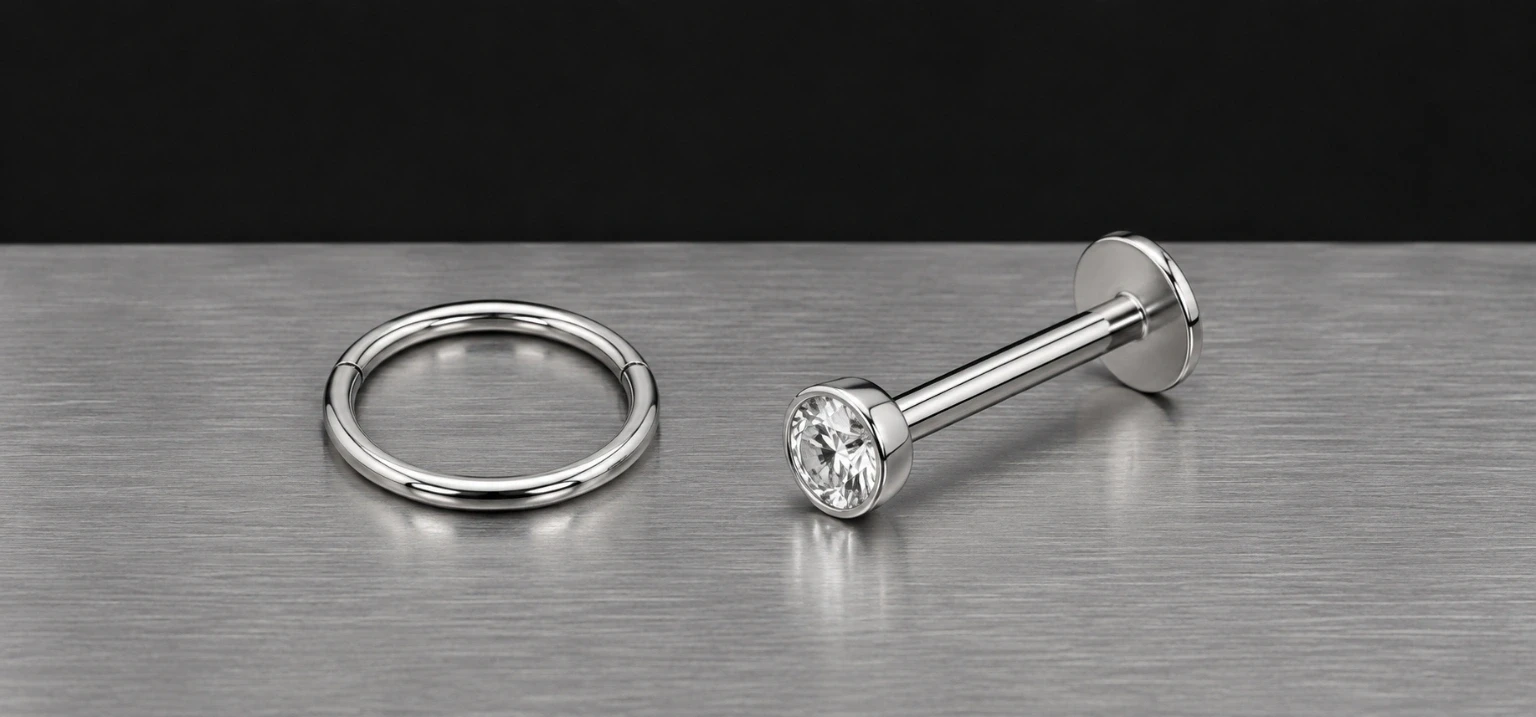
The professional response may be to select another appropriate jewelry configuration, defer the decision or decline. APP tells clients that a piercer should be willing to give a consultation and inspect their anatomy.
A consultation is part of the decision
Personal preference matters, but it cannot override the piercer's judgment about tissue viability.
APP TISSUE GUIDANCE IN CONTEXT
How much tissue does the APP say a piercing needs to remain viable?
APP troubleshooting says a viable piercing should have at least 5/16 inch (almost 8 mm) of tissue between openings. That is guidance about tissue support and longevity, not a universal placement measurement.
APP also lists 1/4 inch or less among warnings when tissue between existing openings is progressively thinning. Other warnings include inflamed or compromised skin and an almost transparent strand of remaining tissue.
Context matters
These are APP troubleshooting references. The qualified piercer decides viability; do not convert them into a piercing-placement formula.
MIGRATION AND REJECTION
Why can unsuitable anatomy contribute to piercing migration or rejection?
APP associates migration with unsuitable or insufficient tissue. Inappropriate jewelry diameter, thin gauge and poor quality can also contribute. The piercer evaluates the tissue and jewelry together.
Migration means the piercing moves or tissue between openings narrows; rejection means the piercing loses viability or reaches the surface. For the fuller distinction, see Piercing Rejection vs Migration.
THE PROFESSIONAL RIGHT TO DECLINE
Why should a piercer inspect anatomy and sometimes say no?
APP says a piercer should be willing to give a consultation and inspect the anatomy. It also asks clients to respect a piercer who has the principles to decline when the risk is unacceptable. The studio can discuss jewelry fit, healing and reasons to defer without diagnosing.
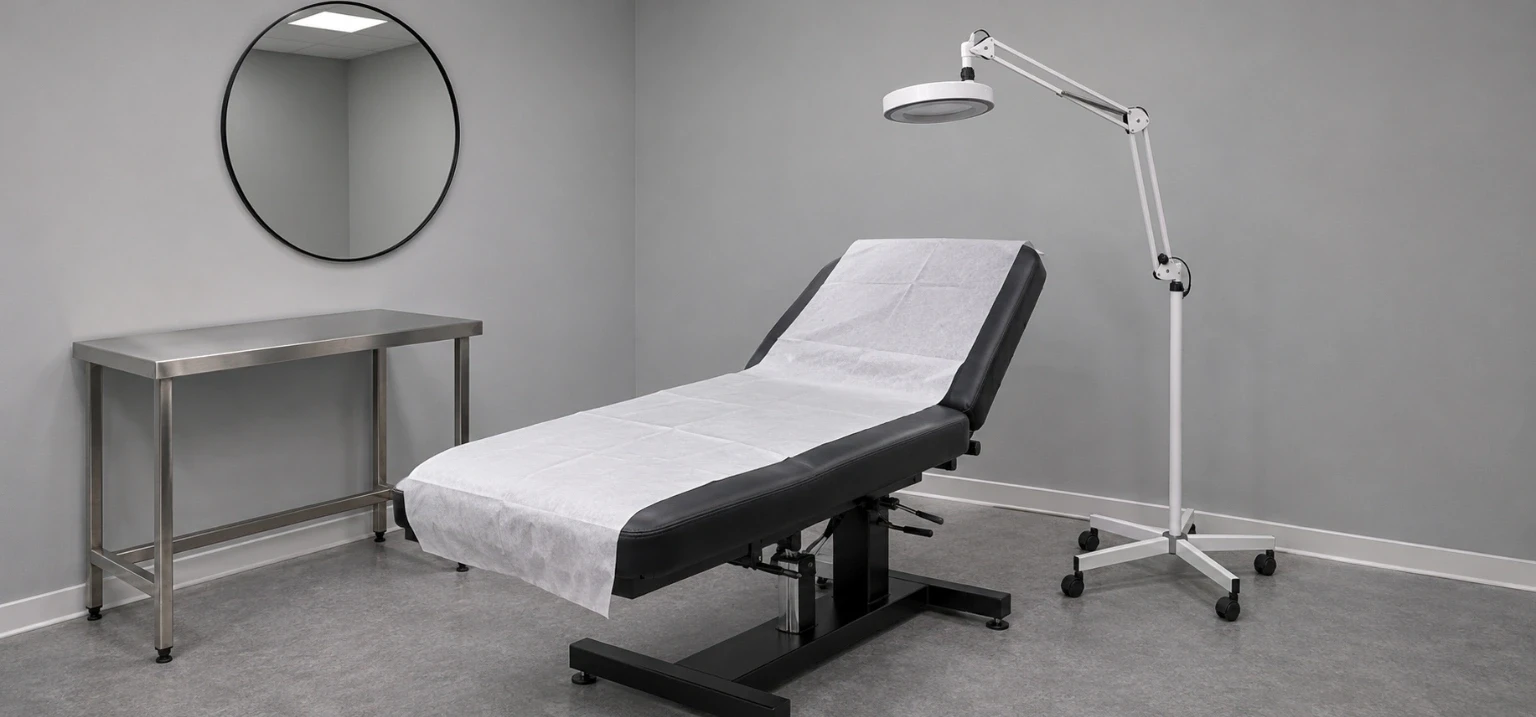
Apprentices should seek a qualified mentor's judgment when uncertain rather than accepting a request because the client prefers a particular style.
HEALTH HISTORY AND CLINICAL REFERRAL
Which health conditions should a piercer discuss before approving a piercing?
APP says diabetes, lupus and HIV/AIDS may weaken infection defenses and slow healing. This calls for professional discussion and, where indicated, medical consultation—not a blanket ban created by a studio.
For certain serious heart conditions, APP expects proof of consultation with a doctor before proceeding. Medical advice belongs to the clinician; the qualified piercer determines whether to offer the service.
SKIN CONDITIONS AND SCARRING
What if the proposed area has eczema, psoriasis, a rash or a history of keloids?
APP recommends experienced-piercer and doctor evaluation for affected areas involving eczema, psoriasis, keloids or other skin differences. These are reasons to investigate suitability, not diagnoses a piercer should make.
Texas separately prohibits piercing skin that visibly shows unhealthy conditions such as rashes, boils, infections or abrasions. For further context, read Piercing Bumps and Scar Types and Metal Allergy and Piercing Jewelry.
PREGNANCY AND A NEW PIERCING
Should a piercer accept a new-piercing request during pregnancy?
APP advises against new piercings during pregnancy because pregnancy-related changes may interfere with healing. A studio can defer the request under this professional guidance and refer medical questions to a clinician.
An existing healed piercing is a different issue from requesting a new one; this guide does not address pregnancy care.
DIFFERENT TISSUE, DIFFERENT HEALING
Why do cartilage, navel and nostril piercings require extra healing consideration?
APP says tougher tissue such as ear cartilage, navels and nostrils may take six months or longer to heal. The professional should not promise a fixed healing date for every anatomy.
APP also warns that serious cartilage infection can lead to disfigurement. For related sizing decisions see Cartilage Jewelry Sizes and Septum and Nostril Jewelry Sizes.
TEXAS LAW VERSUS APP GUIDANCE
What does Texas require a piercer to disclose, and when is service prohibited?
25 TAC §229.406 requires piercing risk disclosure verbally and in writing. The list includes discomfort, scarring, bleeding, swelling, infection, possible nerve damage and increased adolescent risk at certain developmental stages.
The same Texas rule prohibits piercing skin showing rashes, boils, infections or abrasions. See Texas Body Piercing Laws and Licensing; confirm current legal questions with the state authority.
JEWELRY MUST FOLLOW ANATOMY
How does anatomy affect initial jewelry length, gauge and style?
APP says initial jewelry length or diameter, gauge and style must suit the individual anatomy. A catalog size cannot make unsuitable tissue viable. Our sterilized titanium options may be suitable for new piercings because they come sterilized; the trusted piercer decides the fit.
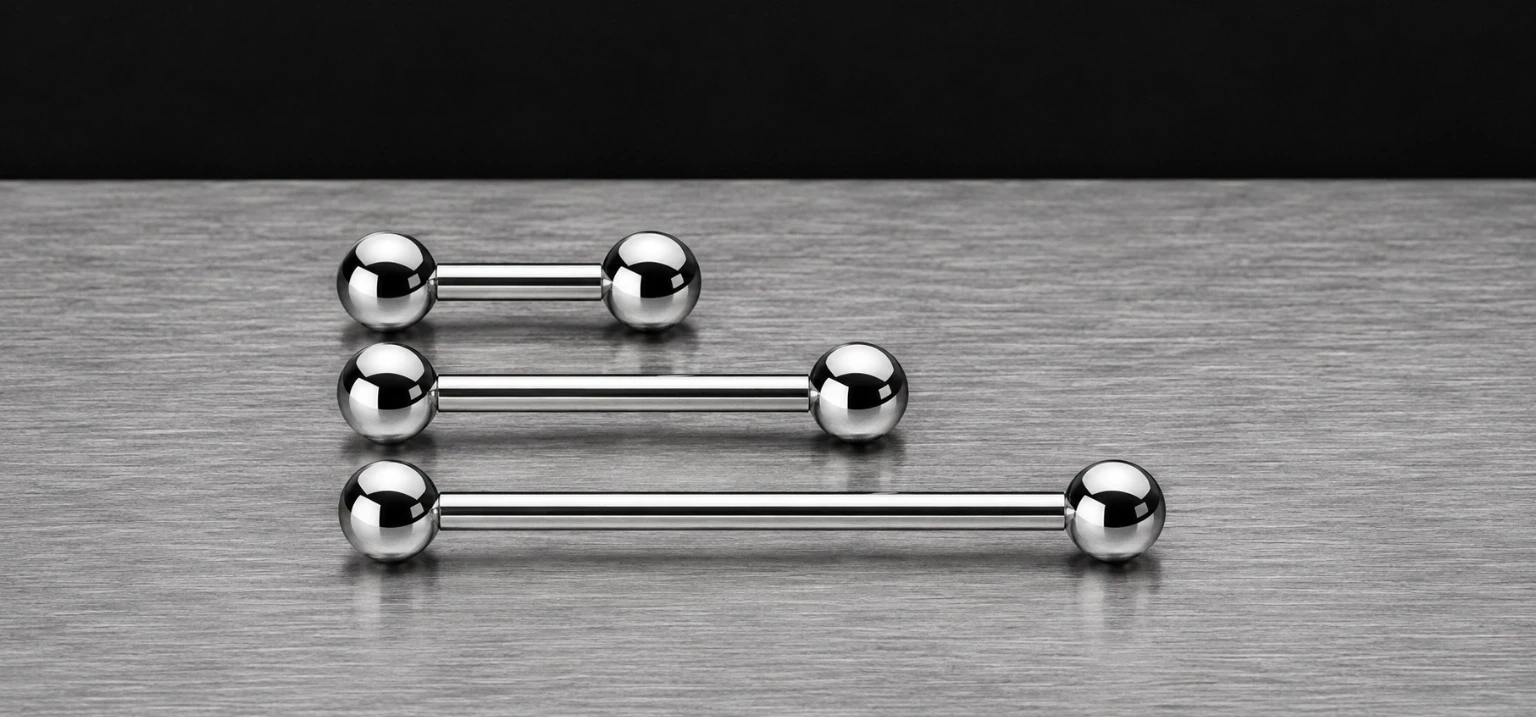
Use Body Jewelry Size Guide, Initial vs Healed Piercing Jewelry and Downsizing Piercing Jewelry. Additional size references: Nipple and Tongue guides.
DECISION FRAMEWORK
What questions help a piercer decide whether to proceed, defer, decline or refer?
Separate an anatomical decision from a medical or legal restriction. This APP/Texas-based checklist supports judgment; it does not approve an individual piercing.
| Question | What the source says | Professional response |
|---|---|---|
| Enough suitable tissue? | APP links insufficient tissue with migration | Assess and decline an unsuitable request |
| Existing tissue thinning? | APP discusses 5/16 inch and 1/4-inch thinning warning | Reassess viability with a qualified piercer |
| Jewelry fits anatomy? | APP calls for suitable gauge, length and style | Reconsider the jewelry plan |
| Unhealthy-looking skin? | Texas prohibits piercing affected skin | Do not perform the service there |
| Health issues? | APP discusses immune and serious heart conditions | Seek medical input where needed |
| Pregnancy? | APP advises against new piercings | Defer the new service |
| Risks disclosed? | Texas requires verbal and written disclosure | Complete the required information |
PIERCER OR DOCTOR?
When should a piercer refer a possible piercing problem to a doctor?
APP recommends immediate medical care for severe redness, pain or swelling, red streaks, concerning discharge, fever, chills or symptoms that worsen. A piercer assesses jewelry and anatomy, while a doctor handles medical concerns.
APP warns that brief jewelry removal may close a channel rapidly. Do not automatically remove jewelry to manage a suspected infection or offer a diagnosis at the counter.
COMMON SUITABILITY ERRORS
What mistakes should apprentices and studios avoid in anatomy consultations?
An assessment is not an obligation to accept every request. Keep suitability decisions grounded in APP guidance, training and applicable rules.
Buying jewelry before assessing anatomy
APP says jewelry must fit the person, not the product photo.
Treating APP tissue numbers as placement rules
The figures appear in viability and migration guidance.
Ignoring progressive thinning
APP identifies narrowing tissue as a warning sign.
Promising there is no rejection risk
Multiple factors can contribute to migration.
Diagnosing reported health concerns
Refer medical questions to a doctor.
Piercing visibly unhealthy skin in Texas
State rules prohibit work on affected skin.
Promising a fast cartilage healing time
APP says tougher tissue can take six months or longer.
Skipping informed refusal or disclosure
APP supports declining; Texas requires risk disclosure.
JEWELRY AND STUDIO SUPPLIES
Which sterilized titanium jewelry and professional supplies does SVT Shop carry?
We carry several sterilized titanium jewelry styles plus disposable forceps and Adenna exam gloves. These are inventory options, not approvals for any anatomy. Sterilized titanium may be suitable for new piercings because it comes sterilized; the trusted piercer decides.
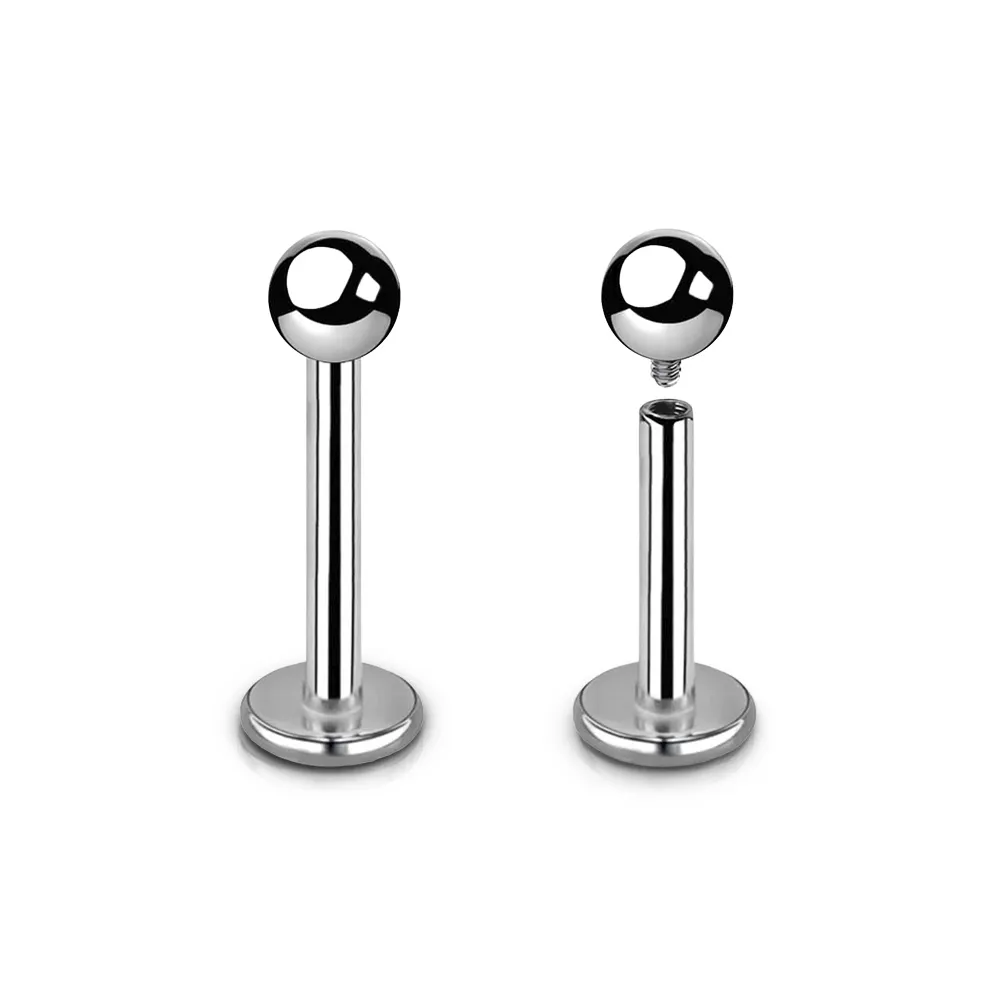 STERILIZED TITANIUM / FLAT BACK
Sterilized Titanium - Internally Threaded Labret 1.2mm
16G (1.2 mm) internally threaded flat-back format; choose a piercer-approved length and end.
 STERILIZED TITANIUM / THREADLESS
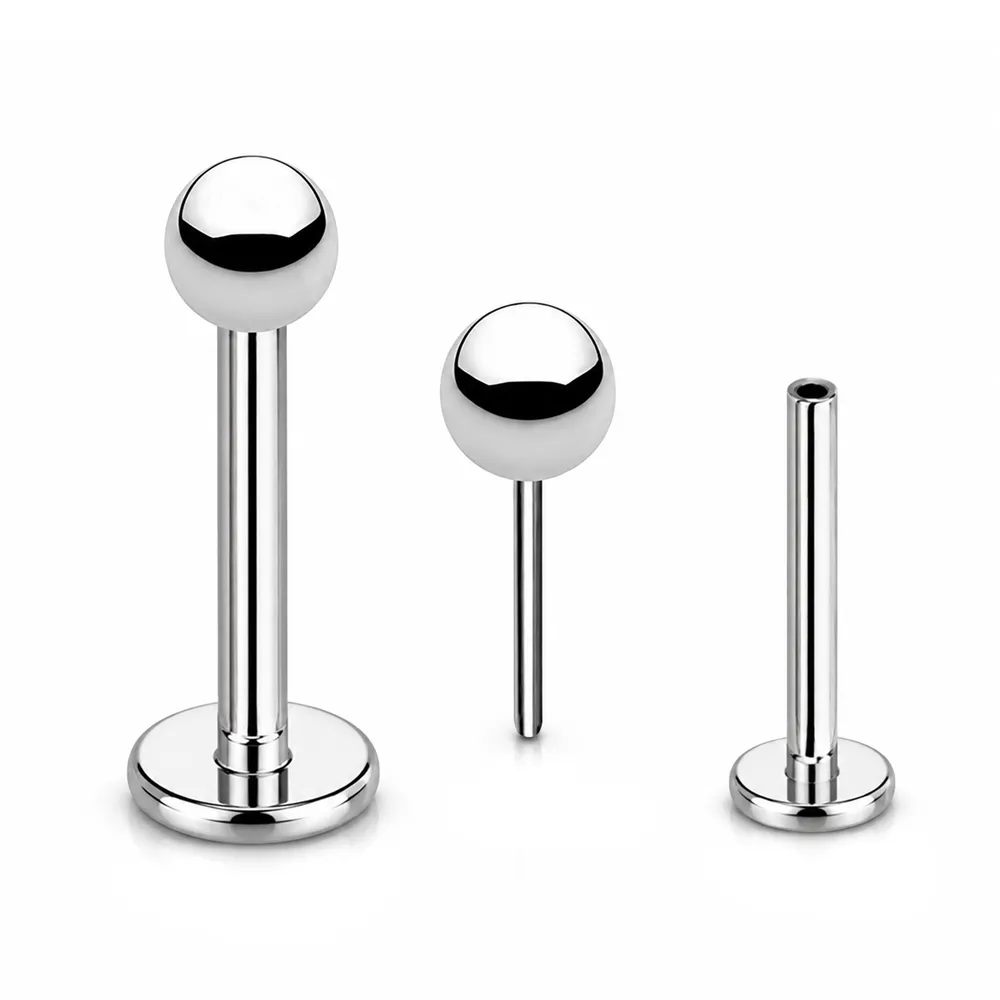
Sterilized Titanium - Push In Labret 1.2mm (16G)
16G flat-back press-fit option; the piercer selects the appropriate post and connection.
 STERILIZED TITANIUM / STRAIGHT BAR
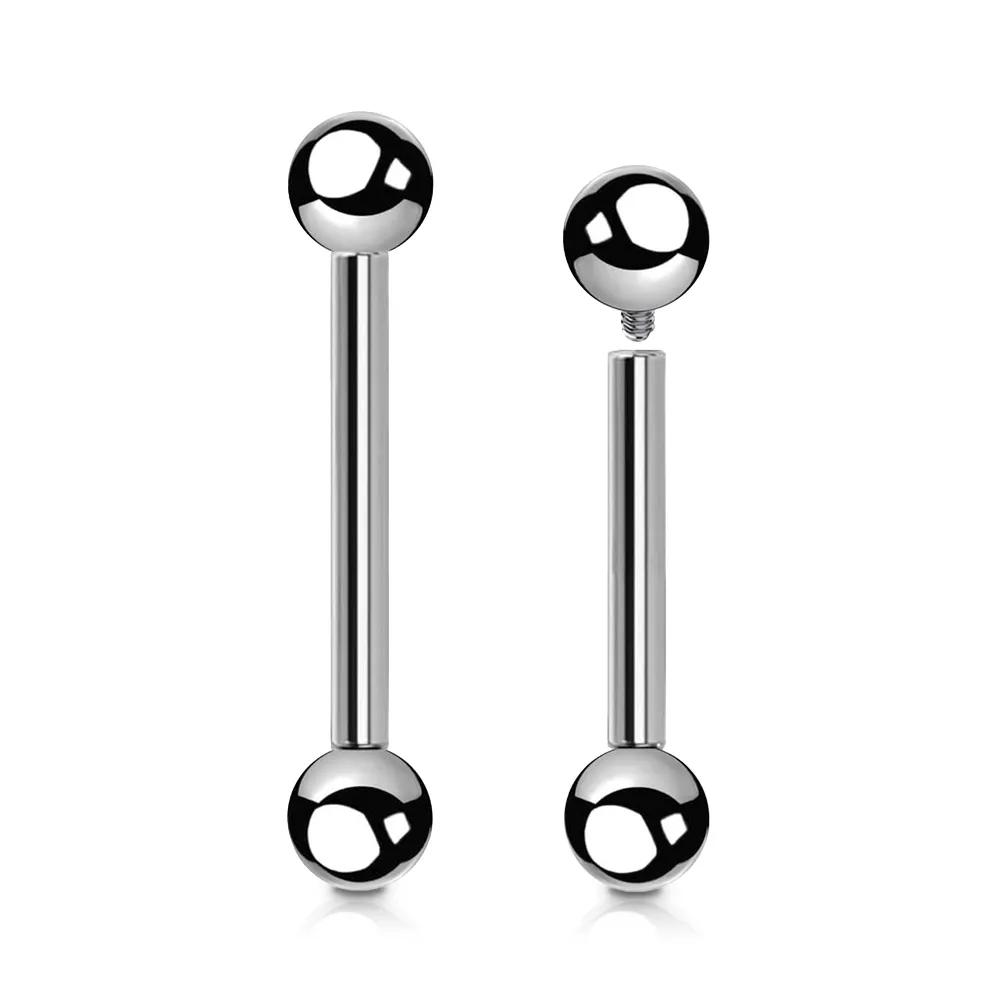
Sterilized Titanium - Straight Barbell
16G internally threaded straight barbell; check the gauge, wearable length and end profile.
 STERILIZED TITANIUM / CURVED NAVEL STYLE
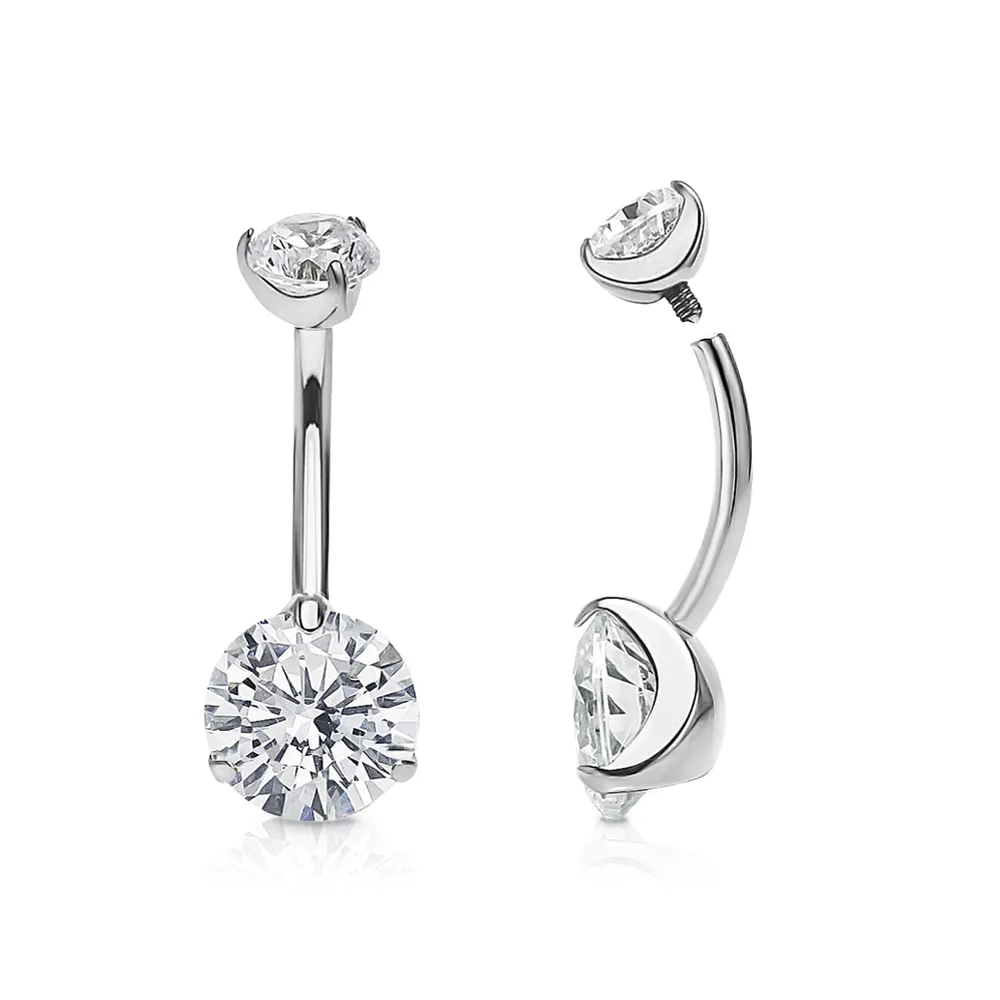
Sterilized Titanium - CZ Belly Banana
14G internally threaded curved bar; the qualified piercer decides whether navel anatomy supports the requested style.
 STERILIZED TITANIUM / HINGED RING
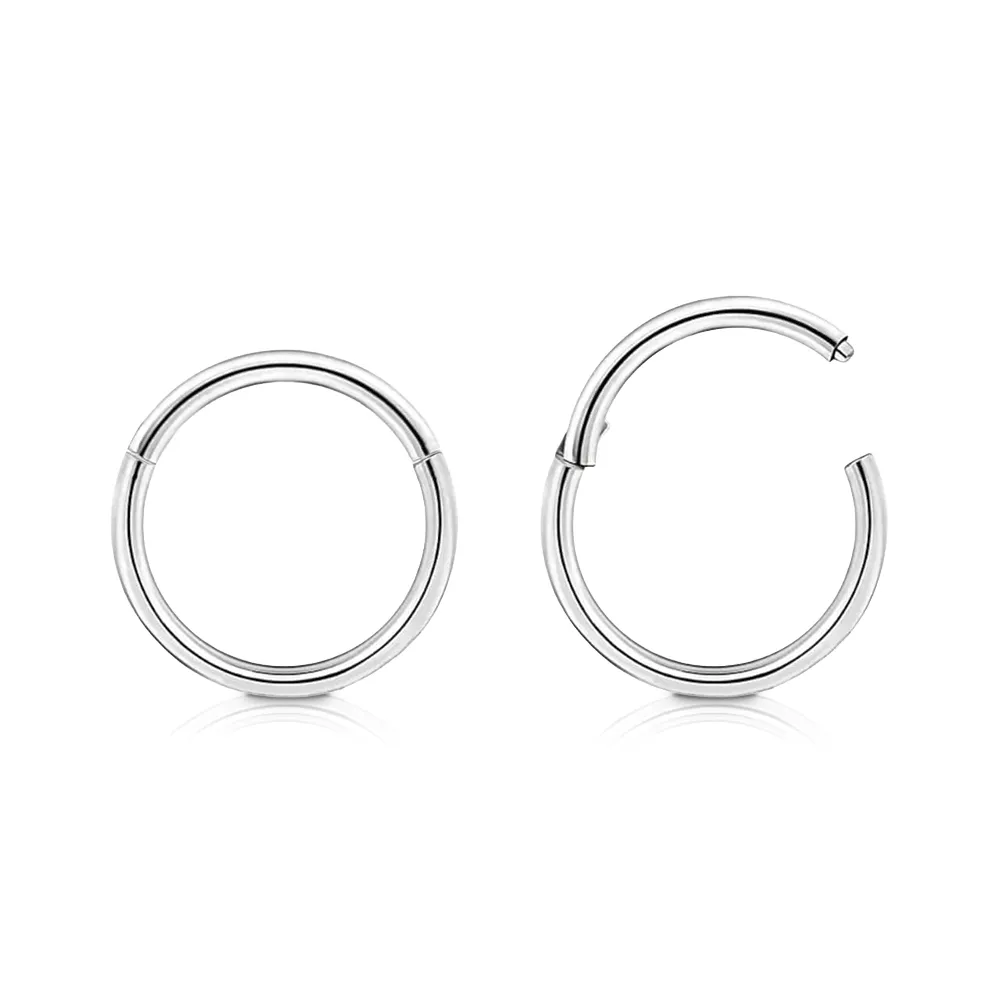
Sterilized Titanium - Segment Ring 1.2mm
16G hinged ring with inner-diameter options; confirm anatomy, stage and ring fit professionally.
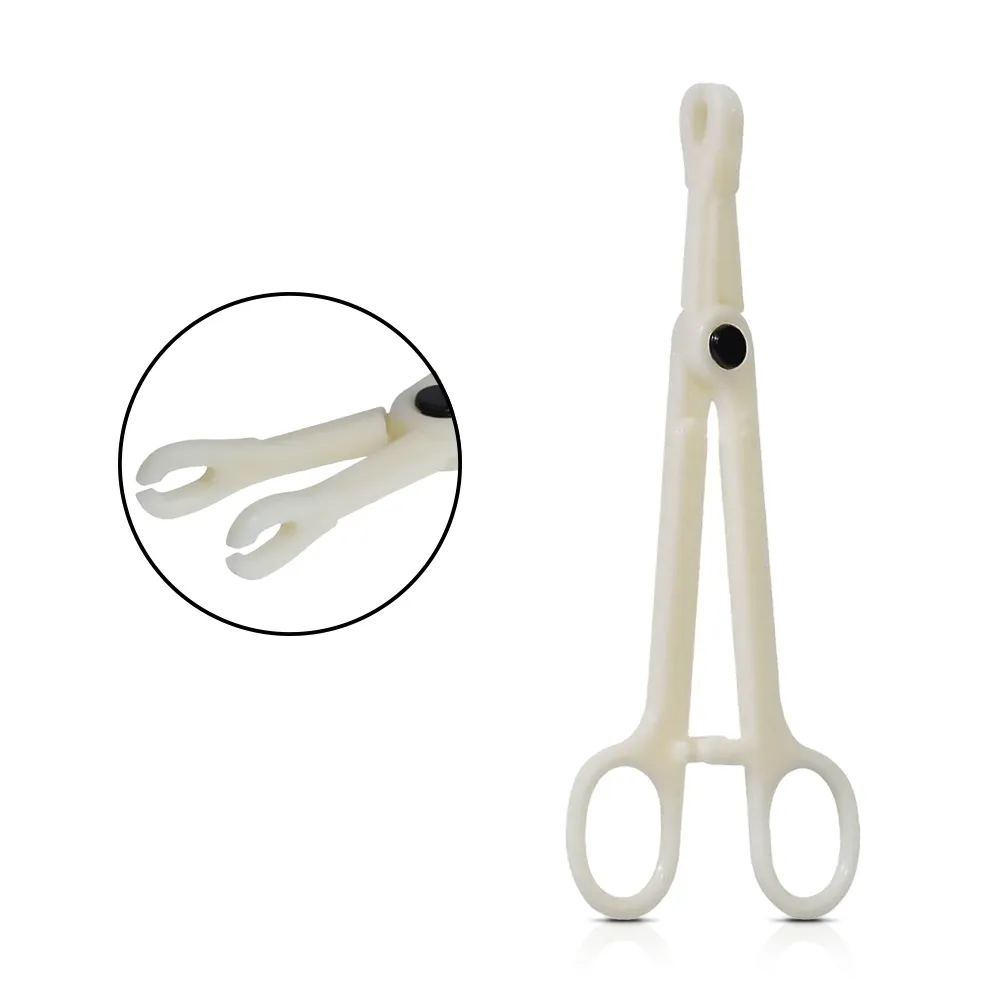 DISPOSABLE / PROFESSIONAL TOOL
Disposable Piercing Forcep - Round
Single-use round-tip instrument in the professional piercing tool inventory; not an anatomy-assessment substitute.
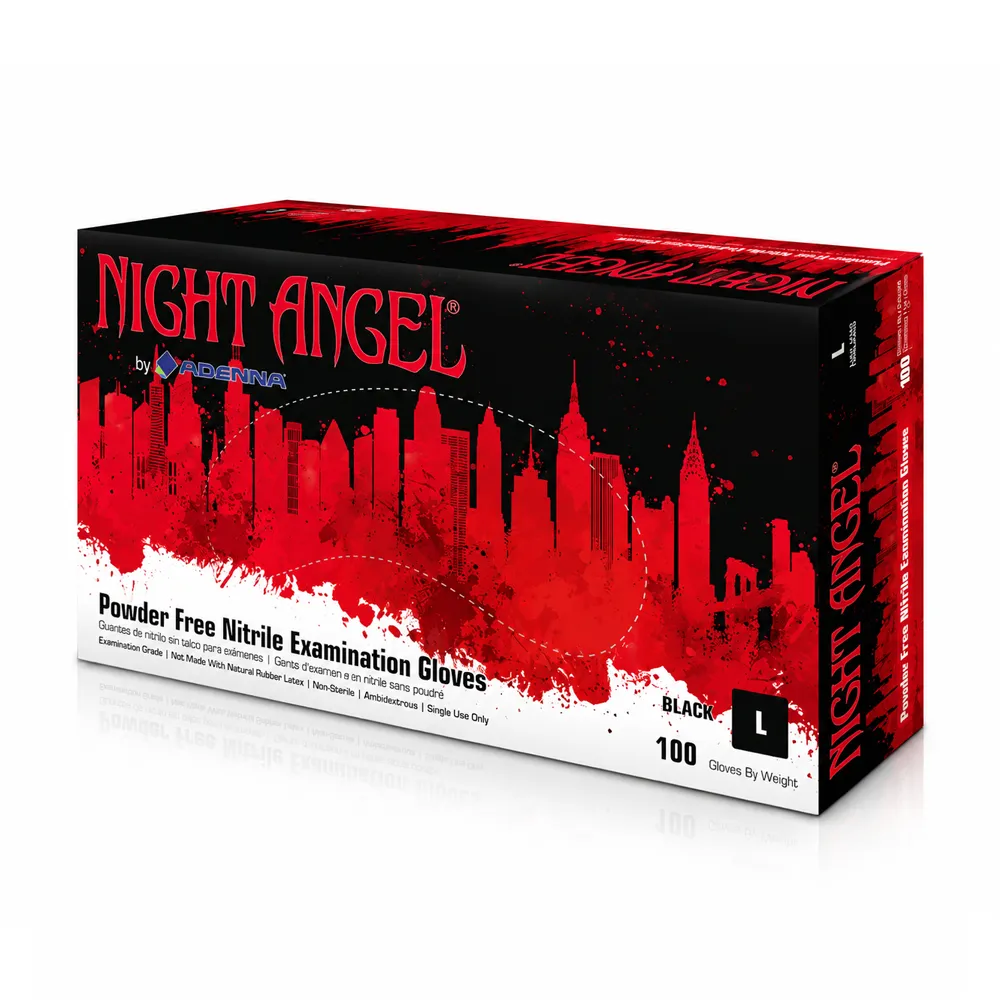 STUDIO EXAM GLOVES
Adenna - Night Angel Black Nitrile Exam Gloves
Nitrile exam gloves for the professional studio workflow.
CONSULTATION AND STUDIO DECISION CHECKLIST
What should a professional piercer consider before accepting a piercing request?
Use professional anatomy judgment, medical referral and legal requirements as distinct checks.
- Tissue: Has a qualified piercer assessed viability?
- Migration: Are thinning and existing-jewelry concerns recognized?
- Jewelry: Are gauge, length or diameter and style suitable?
- Health: Are reported conditions referred when necessary?
- Skin: Are visible concerns and Texas rules addressed?
- Pregnancy: Has APP guidance to defer been considered?
- Healing: Were tissue-related expectations discussed?
- Risks: Are required verbal and written disclosures complete?
- Decision: Proceed, defer, decline or refer?
FAQ
Frequently asked questions about anatomy suitability and when piercers decline
Answers for working piercers and apprentices evaluating professional responsibility, tissue viability and referrals.
Why does some anatomy not suit a piercing?
APP says unsuitable or insufficient tissue can contribute to migration. A qualified piercer assesses each person.
What is piercing migration?
A piercing moves or tissue between openings narrows. Read our Rejection vs Migration guide for details.
What is piercing rejection?
APP describes rejection when jewelry reaches the surface or a piercing loses viability.
How much tissue does a piercing need?
APP cites 5/16 inch (almost 8 mm) of support; progressive thinning to 1/4 inch or less is a warning, not placement instruction.
Can a professional piercer refuse to perform a piercing?
Yes. APP supports consultation and refusing requests judged unsuitable or unacceptably risky.
What health conditions should be considered before piercing?
APP discusses diabetes, lupus, HIV/AIDS and serious heart conditions. Refer medical concerns to a doctor.
Why do cartilage piercings take longer to heal?
APP says cartilage and other tougher tissues may take six months or longer; healing varies.
Is ear cartilage piercing riskier?
APP warns serious cartilage infection may cause disfigurement. Refer medical concerns promptly.
Should a piercer perform a new piercing during pregnancy?
APP advises against new piercings during pregnancy. Defer the request and refer health questions.
Can someone with eczema, psoriasis or keloids get pierced?
APP recommends experienced-piercer and doctor evaluation. Texas prohibits piercing visibly unhealthy skin.
Does jewelry size and style depend on anatomy?
Yes. APP says gauge, length or diameter and style must suit the individual.
What piercing risks must Texas studios explain to clients?
Texas requires spoken and written disclosure of pain, scarring, bleeding, swelling, infection, possible nerve damage and adolescent risks.
APP AND TEXAS REGULATORY REFERENCES
Sources Consulted
APP supports the tissue, migration, consultation, health, healing and jewelry guidance. Texas regulations support the disclosure and visibly unhealthy skin restrictions. This guide is educational, not medical or legal advice.
- Association of Professional Piercers: Troubleshooting, Tissue Viability, Rejection and Medical Referral
- Association of Professional Piercers: Piercing FAQ, Health Considerations and Migration
- Association of Professional Piercers: Picking Your Piercer, Anatomy Consultation
- Association of Professional Piercers: Jewelry for Initial Piercings, Anatomy-Appropriate Fit
- Texas DSHS: Tattoo and Body Piercing Rules, 25 TAC §229.406 (PDF)