Powered by Comercia.io
Is that new nose piercing bump, helix bump, or cartilage piercing bump an irritation bump or a keloid? The APP says bumps can come and go during healing, some from pressure or movement and others from cleaning products or jewelry material, while a hypertrophic scar, pustule, allergy, or keloid can look similar. Here is how to approach a piercing bump vs keloid question, what to change today, and when professional care matters.
Shop Piercing Aftercare Explore Sterilized Jewelry
QUICK ANSWER
Is my piercing bump irritation or a keloid, and what should I do today?
A small bump beside a healing piercing is not automatically a keloid. According to the APP, bumps may appear, disappear, or persist as a piercing heals, and the cause may involve pressure, movement, cleaning products, or jewelry material. Begin by protecting the area from friction, cleaning gently with sterile saline wound wash, and arranging a jewelry-fit check with a qualified piercer. A firm scar that continues expanding beyond the original wound deserves a dermatologist's assessment; signs of infection deserve prompt medical care.
Today
Stop touching or twisting the jewelry. Remove avoidable pressure, and use APP-style sterile saline aftercare.
See a piercer
Ask about post length, swelling room, jewelry style, smooth finish, and material. Do not attempt a healing-piercing swap yourself.
See a doctor
Get medical help for APP warning signs. See a dermatologist for a growing scar, suspected keloid, or persistent unexplained lesion.
IDENTIFY THE POSSIBILITIES
What could a bump next to a piercing actually be?
A piercing bump describes an appearance, not a diagnosis. APP explains that bumps can come and go during healing, that skin disorders are difficult to distinguish even for dermatologists, and that causes can overlap. Consider these six possibilities.
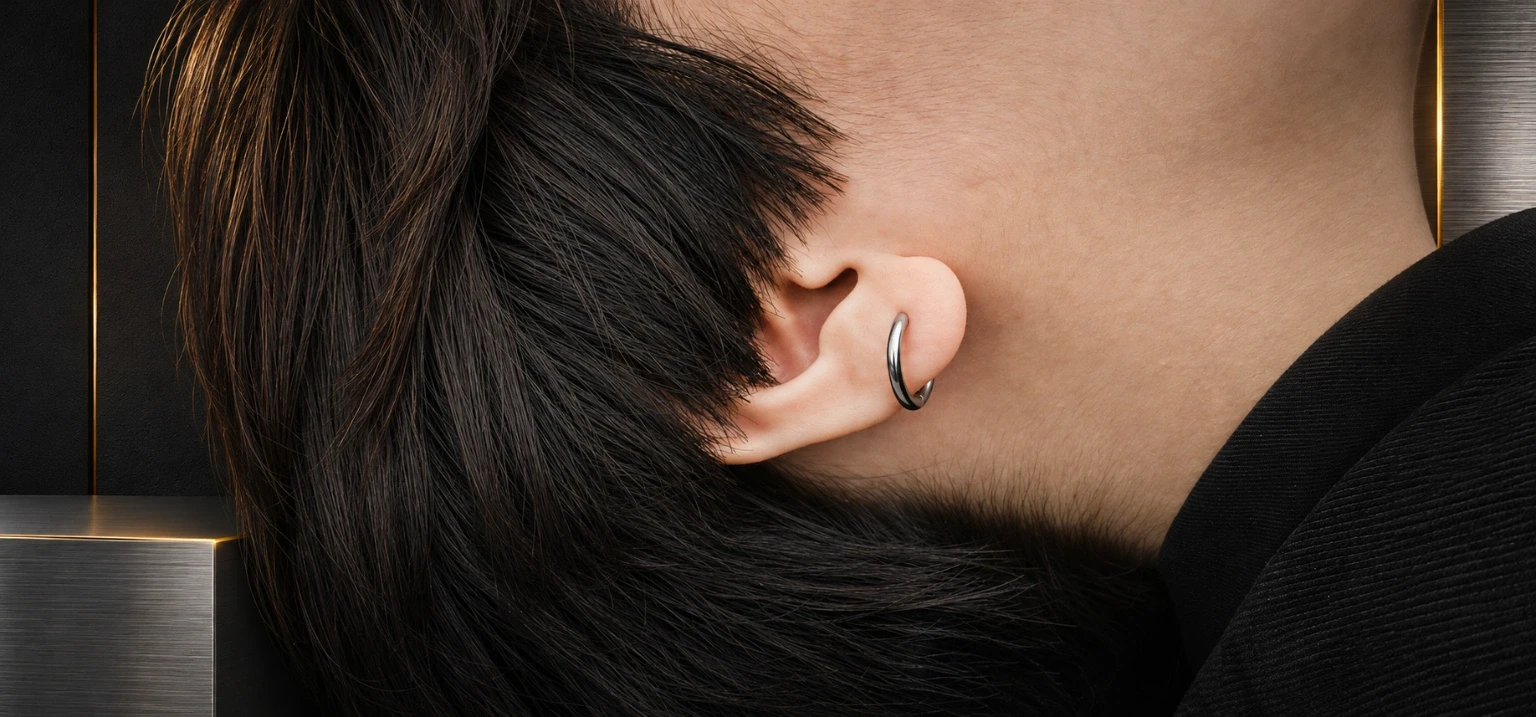
1. Irritation or inflamed bump
Looks like: A small raised or inflamed area near the jewelry opening. Possible triggers: Pressure, movement, snagging, aggressive cleaning, or unsuitable jewelry. APP identifies these common sources of stressed healing.
2. Piercing pimple or pustule
Looks like: One small, sometimes recurring red pustule beside the piercing, possibly tender. Possible cause: APP's clinician-oriented guidance handles a localized piercing pimple as a minor localized infection, not a scar. A clinician should assess worsening or persistent symptoms.
3. Hypergranulation
Looks like: Excess tissue at the piercing opening, easily confused with another bump. Where: APP most often notes it on navels, nostrils, outer labia, and inner lip surfaces. Have a professional assess it rather than attempting removal.
4. Allergy or contact dermatitis
Looks like: A red, itchy rash around the piercing or across a wider area. Possible triggers: APP cites nickel in jewelry and sensitivity to aftercare products. AAD says even swelling from an allergy to gold earrings can resemble a keloid.
5. Hypertrophic scar
Looks like: Raised scar tissue that stays within the original wound. Timing: AAD says it appears one to two months after injury and often becomes less noticeable with time.
6. Keloid
Looks like: Raised scar tissue extending beyond the original wound, sometimes a solid rounded earlobe mass. Timing: AAD says it can appear months later, grow progressively, and does not fade on its own. See a dermatologist.
More than one cause can coexist
For example, a poor-fitting post and harsh cleaning can irritate the same piercing. APP specifically cautions that combined causes make skin changes difficult to assess.
WHY IT HAPPENS
What causes piercing bumps? The APP checklist
APP says inappropriate aftercare is the most common cause of a distressed piercing, while irritation and allergy are far more common than infection. Review these practical sources of stress.
| Cause | Why it matters | What to change |
|---|---|---|
| Sleeping pressure | Repeated pressure irritates healing tissue. | Keep weight off the piercing. |
| Clothing or snags | Friction and pulling move the jewelry. | Protect it from clothing and towels. |
| Post too long | Extra movement may restart swelling. | Ask whether downsizing is due. |
| Post too short | Tight fit increases swelling or embedding risk. | Have a piercer check swelling room. |
| Rough finish | Uneven surfaces disturb healing and can promote scar tissue. | Check finish, size, and style. |
| Nickel or product sensitivity | APP cites nickel as the most common metal allergy. | Discuss material or aftercare changes. |
| Over-cleaning | Harsh products and scrubbing delay healing. | Return to gentle sterile saline care. |
More than one cause may coexist. APP also notes that a piercing can look healed on the outside while its interior remains fragile. Bring pressure, jewelry, and cleaning details to your piercer.
PRACTICAL NEXT STEPS
How do I get rid of a piercing bump safely?
For a likely irritation-related bump, remove repeated stress rather than trying to flatten the tissue. APP emphasizes appropriate jewelry, simple aftercare, and avoiding movement.
Check for red flags
Severe redness or pain, spreading red streaks, thick foul discharge, fever, or worsening symptoms require a doctor before other troubleshooting.
Stop pressure and snags
Avoid sleeping on the area, playing with the end, and letting clothing or towels catch it. APP links friction and movement with scar tissue and prolonged healing.
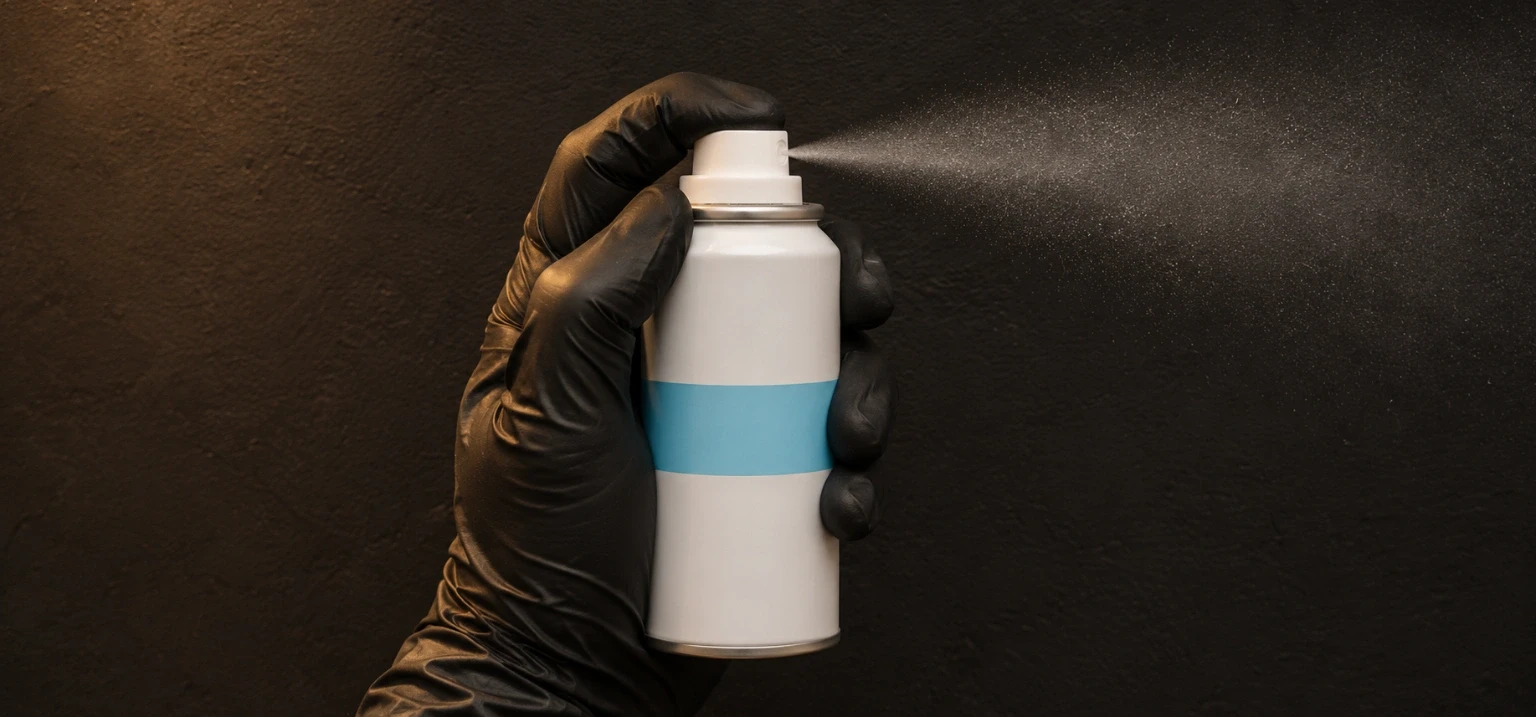
Use sterile saline wound wash
Choose sterile wound wash with 0.9% sodium chloride as the saline ingredient, sometimes with purified water listed. Spray gently and dry with a clean disposable material, following APP aftercare.
Do not rotate the jewelry
APP says moving or rotating jewelry during cleaning is unnecessary and can irritate. Wash hands before necessary contact.
Request a professional fit check
A piercer can review post length, swelling room, gauge, surface finish, and material, then decide whether a downsize or change is appropriate.
Reassess symptoms
There is no fixed countdown for a bump. APP advises a doctor for symptoms lasting a week or worsening; a growing scar calls for a dermatologist.
For routine care, see SVT Shop's piercing aftercare and saline guide.
AVOID MAKING IT WORSE
What should you not put on a piercing bump?
APP discourages strong products, scrubbing, concentrated salt mixtures, and ointments on healing piercings. Simpler care avoids preventable irritation.
Skip these habits and products
- Alcohol, hydrogen peroxide, Betadine, Hibiclens, and harsh soaps: APP identifies these as inappropriate for healing piercings.
- Ointments: APP explains that occlusive ointments limit oxygen circulation and can delay healing.
- Home-mixed sea salt: APP recommends sterile saline wound wash instead; home mixtures are often too concentrated.
- Over-cleaning and scrubbing: More friction can mean more irritation, not faster recovery.
- Twisting, picking, squeezing, or popping: Avoid additional trauma, particularly if the lesion resembles a pustule.
- Tea tree oil, aspirin paste, chamomile, or marketed bump solutions: Do not make these your treatment plan. Ask your qualified piercer about suitable aftercare and see a clinician when indicated.
A pustule is a separate issue
APP's clinician-facing troubleshooting guidance discusses warm saline soaks or hot compresses for a single localized piercing pustule. That does not make squeezing, draining, or applying home mixtures appropriate. If the spot recurs or symptoms escalate, medical evaluation matters.
AAD SCAR COMPARISON
Hypertrophic scar vs keloid on a piercing: what is the difference?
The defining distinction is the scar's relationship to the original wound. AAD describes hypertrophic scars as raised tissue contained within the wound boundary, while keloids extend beyond the original injury. Timing and later changes provide additional context, but only a qualified clinician can assess a suspicious lesion.
| Question | Hypertrophic scar | Keloid |
|---|---|---|
| When does it appear? | AAD: commonly one to two months after injury. | AAD: months can pass before it appears; growth may continue. |
| Does it grow beyond the wound? | No. It remains within the original wound area. | Yes. It grows larger than the original wound. |
| Does it fade with time? | Often becomes less noticeable over time. | Does not fade on its own, according to AAD. |
| Who should evaluate it? | A dermatologist when it is persistent or diagnosis is unclear. | A board-certified dermatologist for diagnosis and treatment. |
| Is a jewelry change the treatment? | Correct fit can reduce ongoing irritation, but a scar needs individual assessment. | No. Keloid treatment is medical, not a jewelry or saline purchase. |
AAD reports that 33% to 50% of people with a keloid have a blood relative with keloids. Tell your dermatologist about family history. AAD also says keloids do not become cancer.
A growing scar needs a dermatologist
If tissue continues to expand beyond the piercing wound, schedule a dermatology assessment. AAD explains that another skin condition, including a reaction to gold earrings, can resemble a keloid. A clinician determines the difference and whether treatment is needed.
WHEN IT IS MEDICAL
When is a piercing bump a possible infection?
APP says irritation or allergy is far more common than infection, but worsening symptoms should take priority over aftercare shopping.
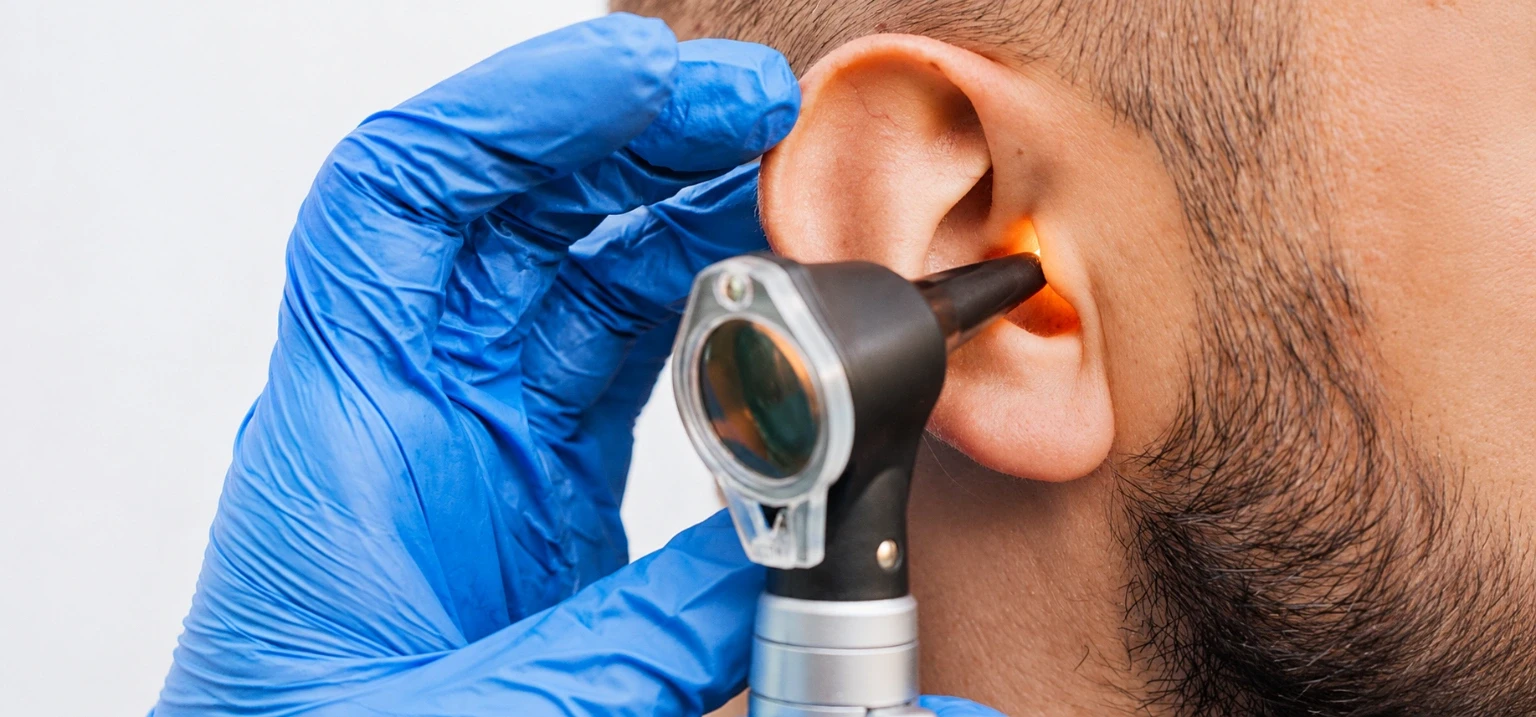
APP: See a doctor immediately for these signs
- Severe redness, swelling, or pain.
- Red streaks extending from the piercing.
- Large amounts of thick, bad-smelling green, yellow, or gray discharge.
- Fever or chills.
- Symptoms that last a week or worsen.
APP notes that some swelling and pale crust-forming secretion can be part of healing; the warning signs above are different. Canadian Family Physician (2022) associates cartilage piercings with more severe infections, so worsening helix symptoms need particular attention.
Do not remove jewelry during suspected infection
APP warns that removing jewelry can close the channel and may cause an abscess. Seek medical care, and let the clinician direct any jewelry change.
FIT BEFORE FASHION
Can correct jewelry length and titanium help a piercing bump?
Yes. APP says length, gauge, style, material, and finish affect healing. The goal is proper fit for your anatomy and swelling, not simply buying a smaller post or a new decorative top.
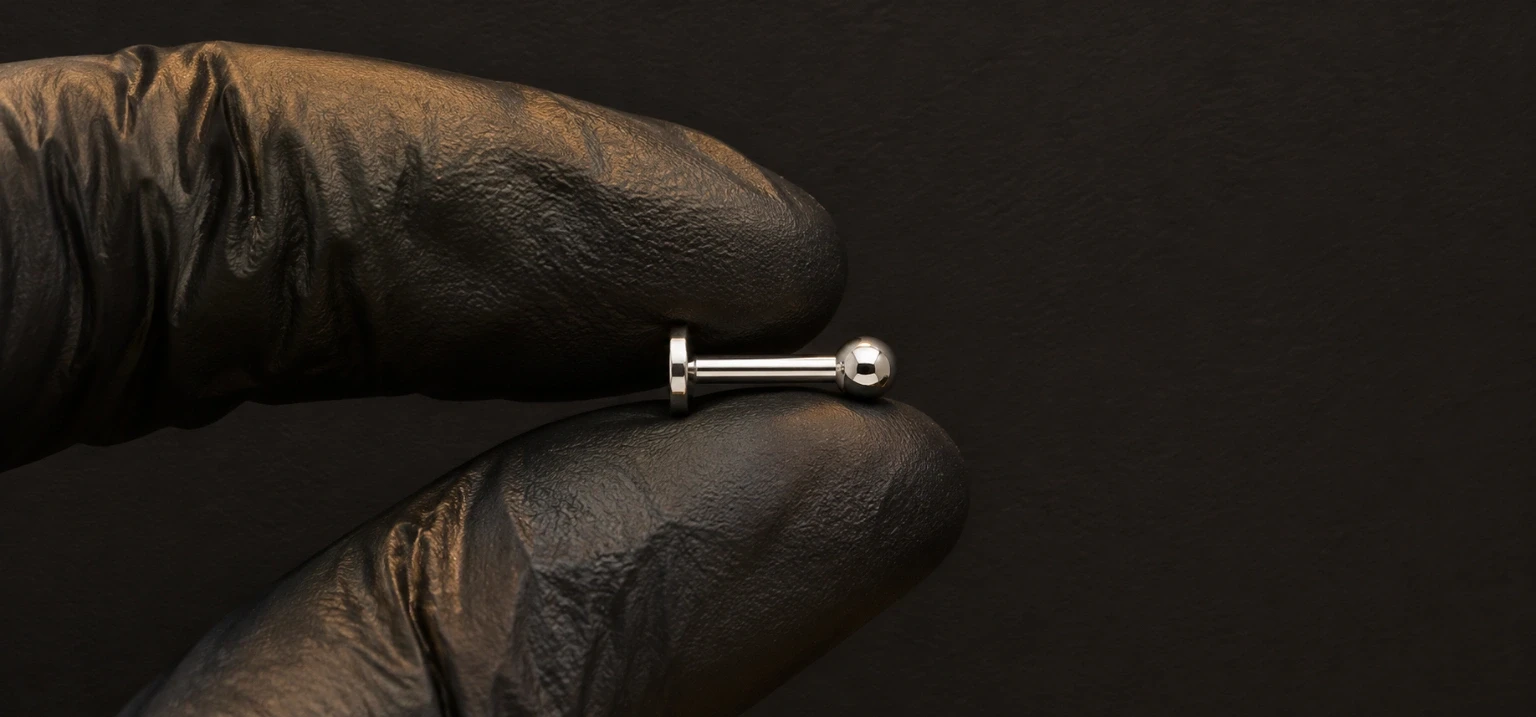
Post too long
Excess length catches, moves, and can restart swelling. After swelling decreases, a qualified piercer may recommend a shorter post, called downsizing.
Post too short
Too little room may press into tissue, worsen swelling, or lead to embedding. Have a piercer assess fit rather than changing the jewelry yourself.
Rough surface or unsuitable material
APP warns that porous or rough jewelry can injure new tissue and encourage scarring. Nickel is the most common metal allergy; if you suspect a metal allergy, APP suggests allergy testing with a dermatologist or allergist so you know which materials to avoid.
APP recognizes threadless push-in and internally threaded jewelry for initial piercings when the entire piece meets its standards. Both designs avoid exposing the channel to external screw threads. A qualified piercer selects the style and performs changes during healing.
Read our body jewelry size guide and our titanium jewelry guide before discussing a replacement.
PLACEMENT MATTERS
What about nose, helix, cartilage, and navel piercing bumps?
APP's principles are consistent across placements, but pressure, movement, and the appropriate jewelry style differ. Review what contacts your specific piercing and have a qualified piercer assess its fit.
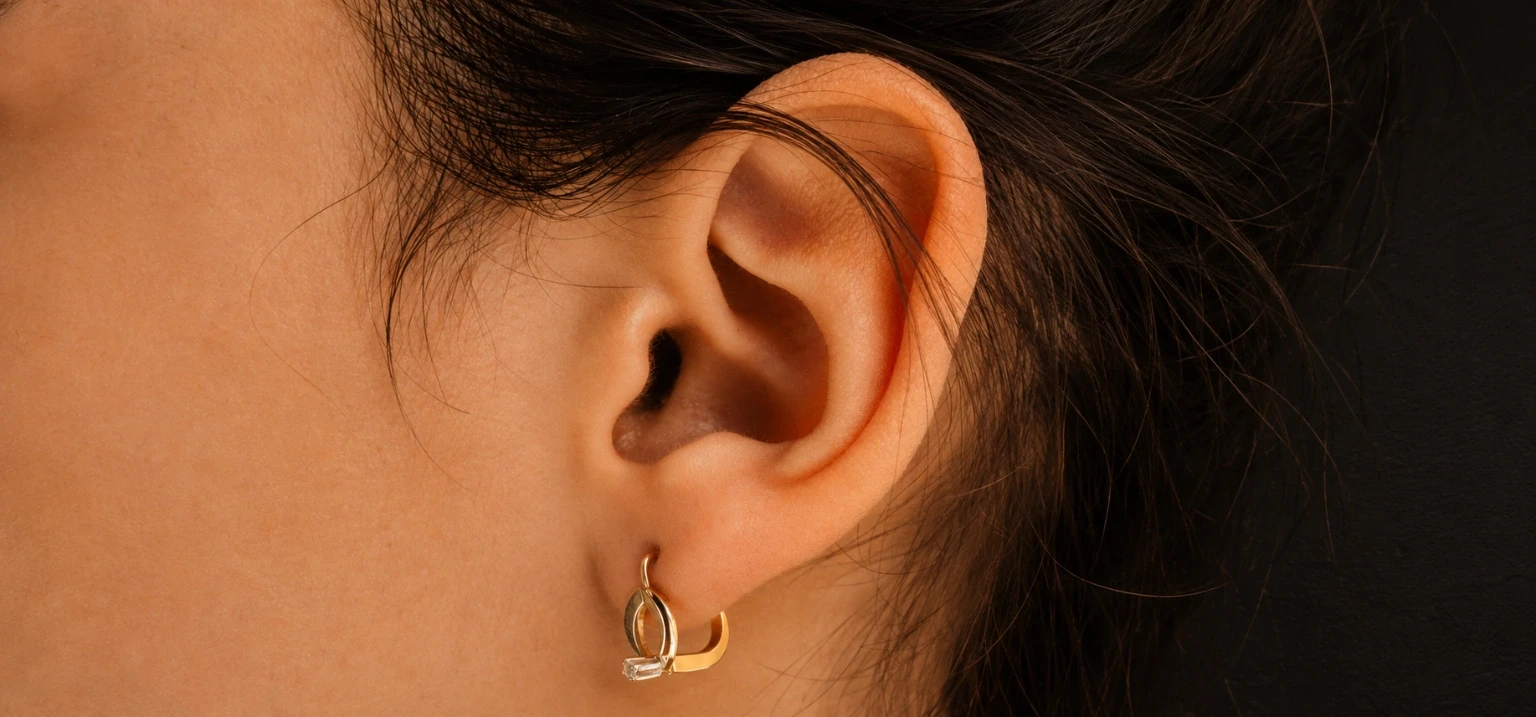
Nose or nostril bump
Check for jewelry movement and pressure. APP identifies nostrils as a common site of excess granulation tissue. Compare styles in our nose jewelry guide and ask your piercer before switching.
Helix or cartilage bump
Sleeping on the ear and snags can irritate. Canadian Family Physician (2022) associates cartilage piercings with more severe infections, so worsening symptoms deserve prompt medical attention.
Navel bump
Waistbands and clothing pressure may repeatedly stress the jewelry. APP also identifies navels as a common site of excess granulation tissue. Review fit with your piercer.
Earlobe bump
Consider pressure, irritation, allergy, or raised scars. AAD describes some earlobe keloids as round solid masses; the 2022 clinical review identifies earlobe piercing as a common keloid trigger.
For recurring bumps, track patterns in pressure, snagging, and cleaning instead of repeatedly changing products.
PIERCING METHOD
Does a piercing gun cause more bumps than a needle?
High-pressure, spring-loaded piercing instruments can increase the chance of complications, including hypertrophic scarring and keloids, according to the 2022 Canadian Family Physician review. The APP also warns that piercing guns can produce temporary swelling and permanent lumps, and raises concerns about tissue trauma and unsuitable jewelry design. A skilled piercer using appropriate sterile equipment and jewelry is the better choice for a new piercing; changing aftercare cannot undo the original tissue trauma.
SVT SHOP SELECTION
What piercing aftercare and jewelry should I look at?
Shop based on the issue you and your piercer are addressing: simple cleaning for routine aftercare, or professionally selected replacement jewelry when fit or material causes irritation. These SVT Shop listings serve different purposes and are not treatments for a keloid or a suspected infection.
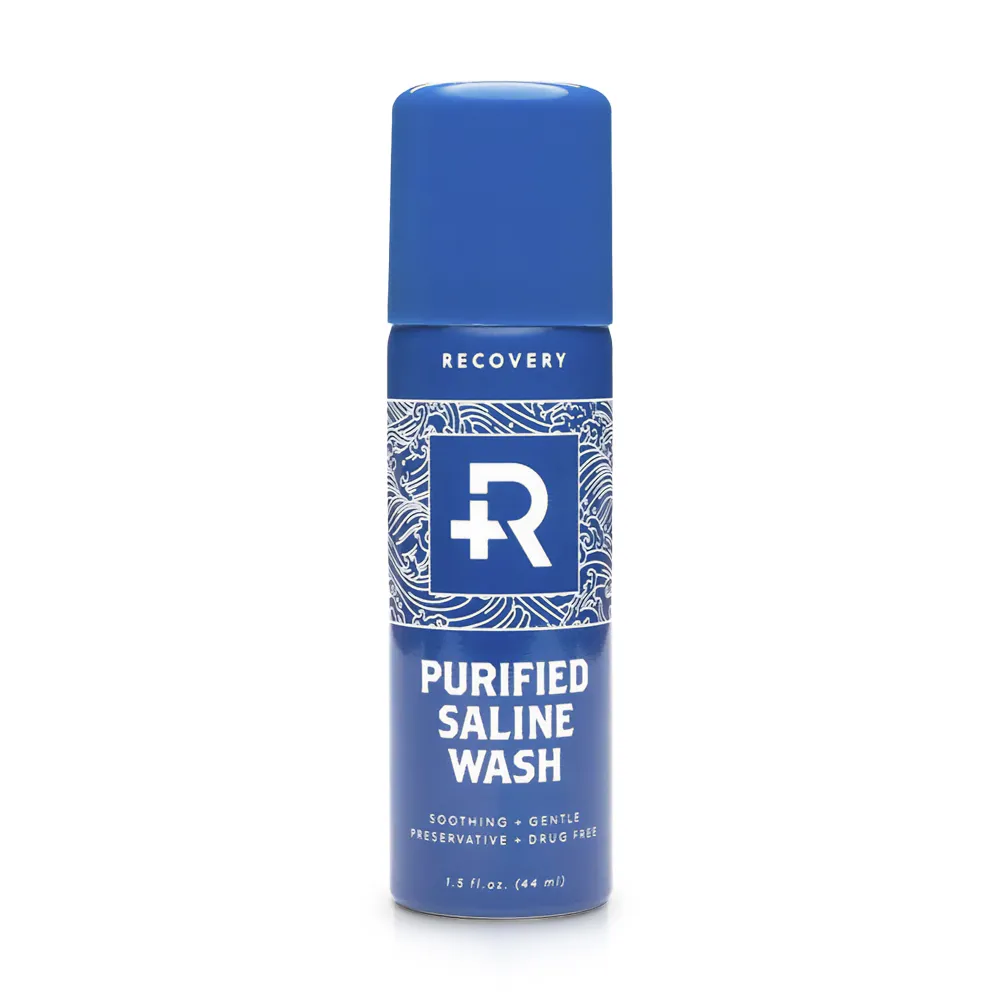 For routine aftercareRecovery Purified Saline Wash Solution 1.5 ozPurified saline wash for new and healed piercings; vegan, preservative-free, with a 360-degree spray. Check the label for 0.9% sodium chloride as the saline ingredient, as APP recommends for sterile wound wash.
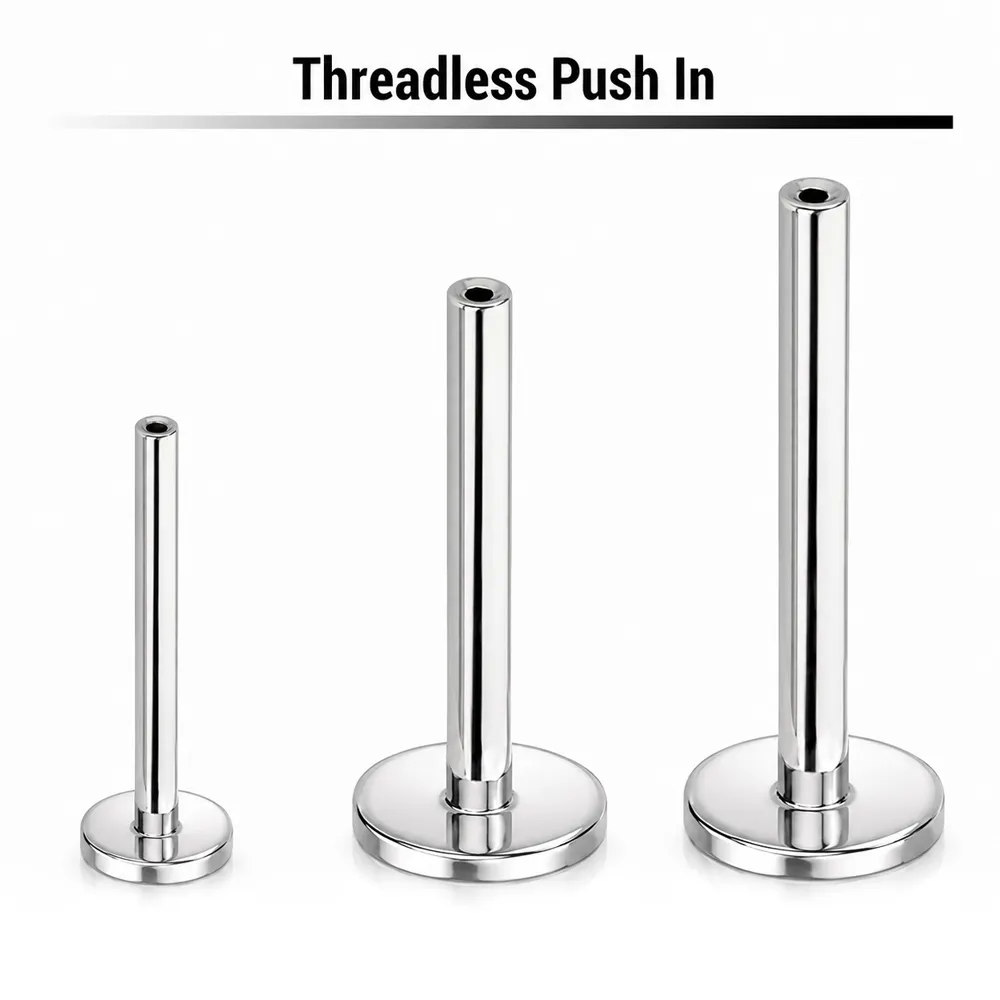 For a piercer-assessed post changeSterilized Titanium High Polish Threadless Push In Labret PostA replacement threadless labret post to discuss when length and movement are the concern. Your piercer selects the correct dimensions and decides when a swap is appropriate.
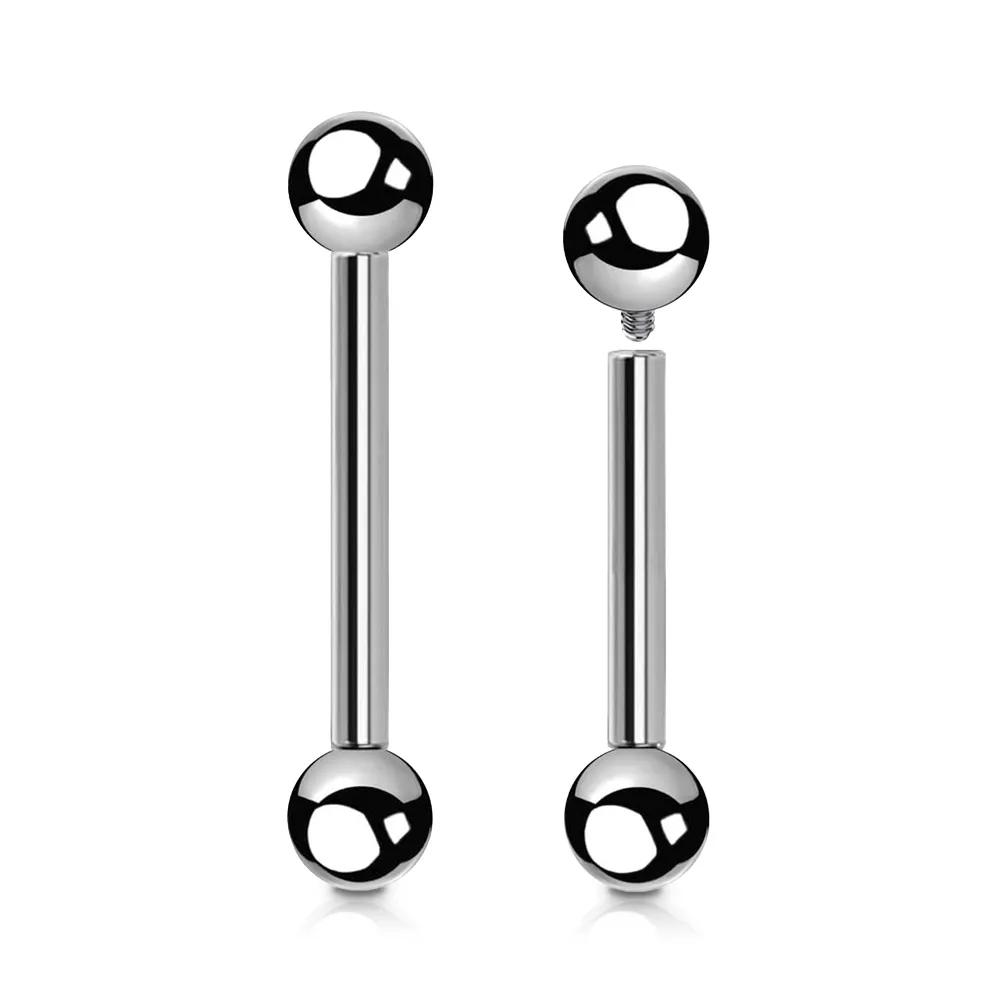 For suitable barbell placementsSterilized Titanium Straight BarbellHigh-polished, internally threaded straight barbell with 3 mm balls. A qualified piercer determines whether this style, length, and thickness fit your specific piercing.
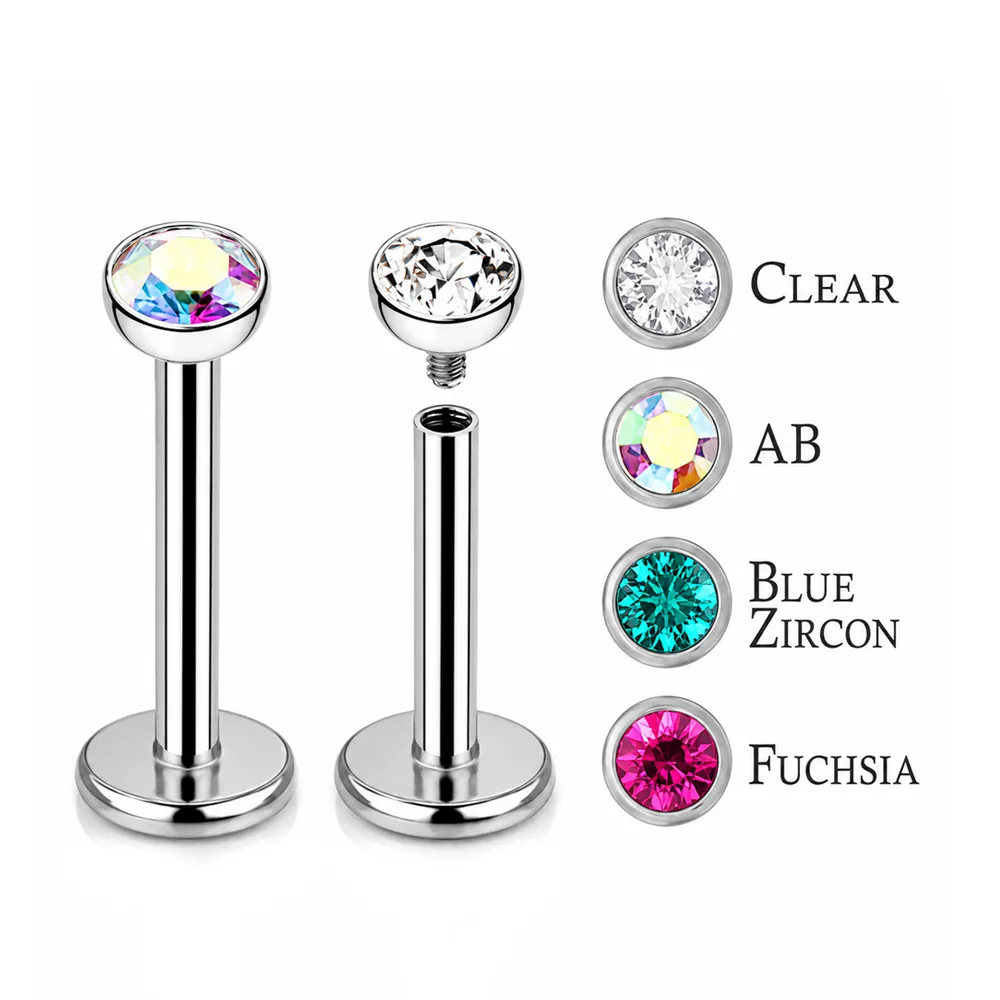 For a professional labret selectionSterilized Titanium CZ Ball Top Internally Threaded LabretA high-polished internally threaded labret with decorative CZ ball top. Prioritize a suitable fit and healing needs before selecting the look of the top.
For new piercings, the piercer decides
These titanium jewelry products are sold sterilized and are suitable candidates for new piercings because they come sterilized, but your trusted piercer decides whether each piece meets the material, shape, and size needs of the placement. A jewelry purchase is not a substitute for an in-person examination or medical treatment.
BEFORE YOU BUY
Piercing bump buying and care checklist
Buy for a specific aftercare or fit need, and have a piercer evaluate any jewelry replacement during healing.
- Saline: Confirm sterile wound wash and 0.9% sodium chloride on the label.
- Length: Ask if swelling needs space or excess movement calls for downsizing.
- Material: Discuss implant-certified titanium and nickel sensitivity.
- Finish: Choose smooth surfaces and a suitable closure design.
- Placement: Check that the jewelry fits your nose, ear, or navel.
- Red flags: Choose medical care, not products, for infection signs or a growing scar.
SVT Shop offers piercing aftercare and jewelry options in El Paso, with Next Day Delivery available in El Paso.
FAQ
12 piercing bump questions answered
APP explains common aftercare problems; AAD distinguishes raised scars and their treatment. These answers guide next steps without labeling a skin condition from appearance.
1. Is my piercing bump a keloid?
Not necessarily. APP names pressure, unsuitable jewelry, products, and allergies as potential causes of bumps during healing. AAD describes a keloid as scar tissue that grows beyond the original wound, sometimes appearing months later. See a dermatologist if a mass is expanding or the cause remains unclear.
2. What does an irritation bump look like?
It may look like a small raised, inflamed area next to the piercing and change when pressure or snagging occurs. APP also describes pustules, rashes, and excess granulation tissue, which can look similar. A piercer checks fit and friction; a clinician evaluates persistent skin changes.
3. How long does a piercing bump last?
APP says bumps can come and go during healing and occasionally remain. Duration depends on what is causing the problem, so focus on eliminating pressure and unsuitable aftercare. If symptoms last a week or worsen, APP advises a doctor. A continually growing scar merits a dermatologist.
4. How do I get rid of a piercing bump?
Reduce pressure and snagging, stop twisting the jewelry, use sterile 0.9% sodium chloride wound wash, and have a qualified piercer assess length, finish, and material. APP says aftercare or jewelry changes often resolve distressed piercings. True keloids require medical treatment.
5. Should I take my jewelry out?
Do not remove it simply because there is a bump. APP recommends keeping suitable initial jewelry in place; a piercer performs necessary changes during healing. If infection is suspected, do not remove it yourself: APP warns removal may result in an abscess. Seek medical advice.
6. Can a shorter post help?
Yes, when excess length causes movement or snagging. APP recommends professionally performed downsizing when appropriate after swelling reduces. However, a post that is too short can increase swelling or embed. Let a qualified piercer choose the length.
7. Do tea tree oil, aspirin, or chamomile work?
Do not use oils, pastes, or home mixtures as a piercing bump treatment. APP recommends gentle sterile saline wound wash and avoiding irritating products. Ask your piercer about appropriate aftercare; consult a clinician for a persistent lesion or suspected infection.
8. Hypertrophic scar vs keloid: what is different?
AAD says hypertrophic scars appear one to two months after an injury, stay within the wound, and often become less noticeable. Keloids grow beyond the original wound, may appear months later, and do not fade on their own. A dermatologist can assess raised scar tissue.
9. When is a bump an infection?
APP advises immediate medical care for severe redness, swelling or pain, red streaks, thick foul-smelling green, yellow or gray discharge, fever or chills, or symptoms lasting a week or worsening. Its troubleshooting guidance also treats a recurring localized pustule as a minor localized infection. Do not squeeze it.
10. Do keloids go away on their own?
No. AAD says keloids do not fade over time. A dermatologist can evaluate the scar and discuss treatments. Saline, shorter posts, and jewelry material changes may address irritation, but they do not treat an established keloid.
11. How are keloids treated?
AAD describes injections, procedures, and pressure therapy under dermatologic care. It reports that 50% to 80% shrink after injections, while nearly 100% recur after surgery alone. A pressure earring can help prevent recurrence in an earlobe keloid. Treatment is individualized.
12. Can I get pierced again after a keloid?
APP says piercing is generally inadvisable for someone with a history of keloids. AAD reports that 33% to 50% of people with keloids have a blood relative who gets them. Discuss your history with a dermatologist before considering another piercing.
RESEARCH
Sources Consulted
This guide draws on the Association of Professional Piercers for aftercare, jewelry fit, and troubleshooting; the American Academy of Dermatology for keloid and hypertrophic-scar distinctions and medical care; and a 2022 clinical review for ear-piercing complications.
- Association of Professional Piercers (APP): Piercing FAQ
- APP: Body Piercing Troubleshooting
- APP: Suggested Aftercare for Body Piercings
- APP: Jewelry for Initial Piercings
- APP: Issues with Piercing Guns
- American Academy of Dermatology (AAD): Keloid Scars Overview
- AAD: Keloid Scars Diagnosis and Treatment
- Canadian Family Physician (2022): Ear-piercing Complications in Children and Adolescents