Powered by Comercia.io
What are the signs of piercing rejection, and how is migration different from irritation or infection? For professional piercers, the key is whether jewelry is moving toward the skin surface and the tissue between openings is becoming thinner. This guide explains piercing migration vs rejection, APP tissue guidelines, belly button and surface-piercing concerns, jewelry-fit decisions and when a client needs a doctor.
Shop Sterilized Piercing Jewelry Read Jewelry Downsizing Guide
QUICK ANSWER
What is the difference between a piercing migrating and being rejected?
Migration means that jewelry has shifted nearer the skin surface or the tissue between its openings has narrowed. APP calls it rejection when that progression makes the piercing no longer viable or brings it all the way to the surface. Check for progressively thinning tissue, flaking or inflamed skin, a hard-looking bridge or jewelry visible through translucent skin. A qualified piercer assesses whether to retire the placement; a doctor evaluates suspected infection.
MIGRATION
Entry-to-exit tissue gets narrower, or jewelry shifts toward the surface.
REJECTION
The tissue no longer supports a viable piercing or jewelry reaches the surface.
NEXT ACTION
Qualified piercer checks tissue and fit. Severe or worsening infection signs go to a doctor.
CORE DEFINITIONS
How does the APP define piercing migration and rejection?
APP calls a piercing migrating when jewelry moves nearer the skin surface or the tissue between entry and exit becomes narrower. Rejection occurs when the migrating piercing is no longer viable or the jewelry reaches the surface. That distinction concerns tissue support, not merely redness or tenderness.
For a piercer, compare the present entry and exit points with the original placement and the condition of the tissue bridge. APP says reddish, brownish, pinkish or purplish discoloration can remain for many months on navel, surface and other piercings, so color alone is not proof of rejection.
Position before appearance
APP says many distressed piercings can improve after qualified changes in jewelry size, style, material or aftercare. Those adjustments cannot replace a viability review when the tissue is progressively thinning.
VISUAL WARNING SIGNS
What are the early signs of piercing migration or rejection?
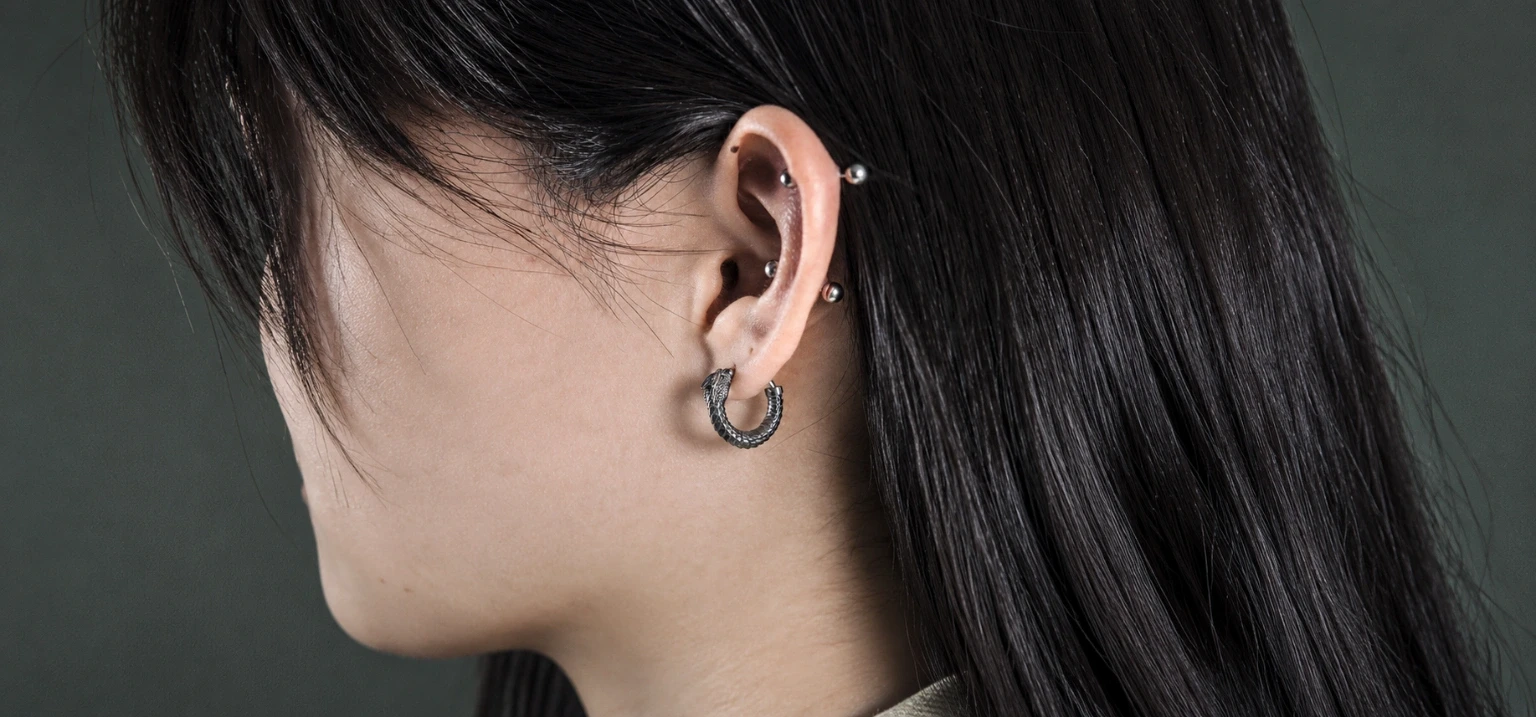
APP identifies progressive thinning of the tissue bridge as the key finding. Its additional warning signs are flaking or peeling, inflamed or calloused-looking skin, 1/4 inch or less of tissue, and an almost transparent strip through which jewelry is visible.
Opening-to-opening tissue narrows
Compare with the original placement and look for progression.
Flaky or inflamed tissue bridge
APP considers these concerns when progressive thinning is present.
Hard, calloused-looking skin
Another APP abandonment sign alongside continued tissue loss.
Nearly transparent strip
Jewelry showing through very thin tissue requires prompt professional assessment.
Clients may report that a bar looks longer or sits differently. Examine the tissue rather than diagnosing from an isolated photo. AAFP reports superficial navel piercings migrating toward the surface.
APP TISSUE GUIDANCE
How much tissue should remain between piercing holes before rejection becomes a concern?
APP gives 5/16 inch (almost 8 mm) as a general guideline for tissue between a piercing’s entry and exit. APP recommends abandoning a piercing if that tissue progressively narrows and at least one of its specified warning signs appears.
| APP reference | Meaning for assessment |
|---|---|
| 5/16 inch, almost 8 mm | General tissue-support guideline for safety and longevity. |
| 1/4 inch or less | One abandonment sign when thinning has been progressive. |
| Flaking, peeling, red or calloused tissue | Additional concern alongside progressive tissue loss. |
| Thin, translucent filament with jewelry visible | Additional indication that the tissue bridge is failing. |
These are APP assessment guidelines, not a universal rejection-rate formula or instructions for a client to measure, change or remove jewelry. The piercer decides whether tissue remains viable; medical symptoms need a doctor.
MIGRATION VS OTHER COMPLICATIONS
Is my client experiencing rejection, irritation, an allergic reaction or an infection?
Migration is about changing position and tissue support; infection is a medical concern. APP says irritation and allergy occur more frequently than infection in properly managed piercings. Review symptoms without using the appearance alone to diagnose their cause.
| Possibility | What the sources describe | Next action |
|---|---|---|
| Normal healing | APP: discoloration, localized swelling and small amounts of crust may occur. | Follow routine care; observe change. |
| Irritation or jewelry issue | APP: care, size, style or material adjustments often resolve problems. | Qualified piercer reviews fit and care. |
| Migration | Jewelry shifts outward or tissue between holes narrows. | Piercer assesses progression and viability. |
| Rejection | Migration has made the placement nonviable or brought jewelry to the surface. | Piercer reviews APP abandonment criteria. |
| Possible infection | APP: severe redness, swelling or pain, thick foul-smelling discharge, red streaks, fever or chills, or symptoms that last a week or get worse. | Doctor promptly; no self-removal. |
| Possible allergy | APP: a red, itchy rash can be caused by a cleaning product or by jewelry with too much nickel. | Professional assessment; medical review if persistent. |
APP warns that removing jewelry when infection is present may lead to an abscess; Cleveland Clinic also advises against removing suspected infected navel jewelry without medical direction. The piercing bump and scar guide covers other visual look-alikes, and the metal allergy guide explains nickel reactions that can mimic irritation.
BELLY BUTTON PLACEMENTS
What does a migrating or rejecting belly button piercing look like?
AAFP reports that superficially placed navel piercings may move toward the skin surface. A piercer compares current entry and exit positions, remaining tissue and jewelry fit with the original placement.

The AAFP review says heavily weighted, thin-gauge jewelry can compound migration and rejection. It also links friction from tight-fitting waistbands to delayed navel healing; APP cautions against friction and pressure from clothing, excessive motion and vigorous cleaning. Inspect these factors before suggesting replacement jewelry.
APP notes that discoloration can remain for many months on navel piercings, so a red navel alone does not mean rejection. Progressive tissue loss with APP’s additional warning signs is a different decision.
SURFACE PLACEMENTS AND ANCHORS
Why can surface piercings migrate, and what should a piercer check?
APP says surface anchors may be less permanent than other body piercings, even with proper care, and need maintenance for their entire lifetime because matter can build up underneath the threaded top. These statements describe potential longevity and upkeep, not a rejection-rate percentage.
For surface placements with two visible openings, APP’s migration definition concerns shifting jewelry and thinning tissue. A single-point anchor has different geometry; a qualified piercer evaluates it using the actual design rather than forcing an entry-to-exit measurement.
APP recommends avoiding trauma from clothing friction, excessive motion, jewelry play and aggressive cleaning; these can contribute to migration, scarring and prolonged healing. Ask clients about repeated pressure and inspect whether the current placement remains viable.
FIT, SIZE AND MATERIAL
Can the jewelry size, weight or material contribute to piercing migration?
APP says changes in jewelry size, style, material or aftercare often resolve complications. AAFP specifically identifies heavily weighted, thin-gauge jewelry as compounding navel migration and rejection. Neither says that a certain metal prevents rejection.
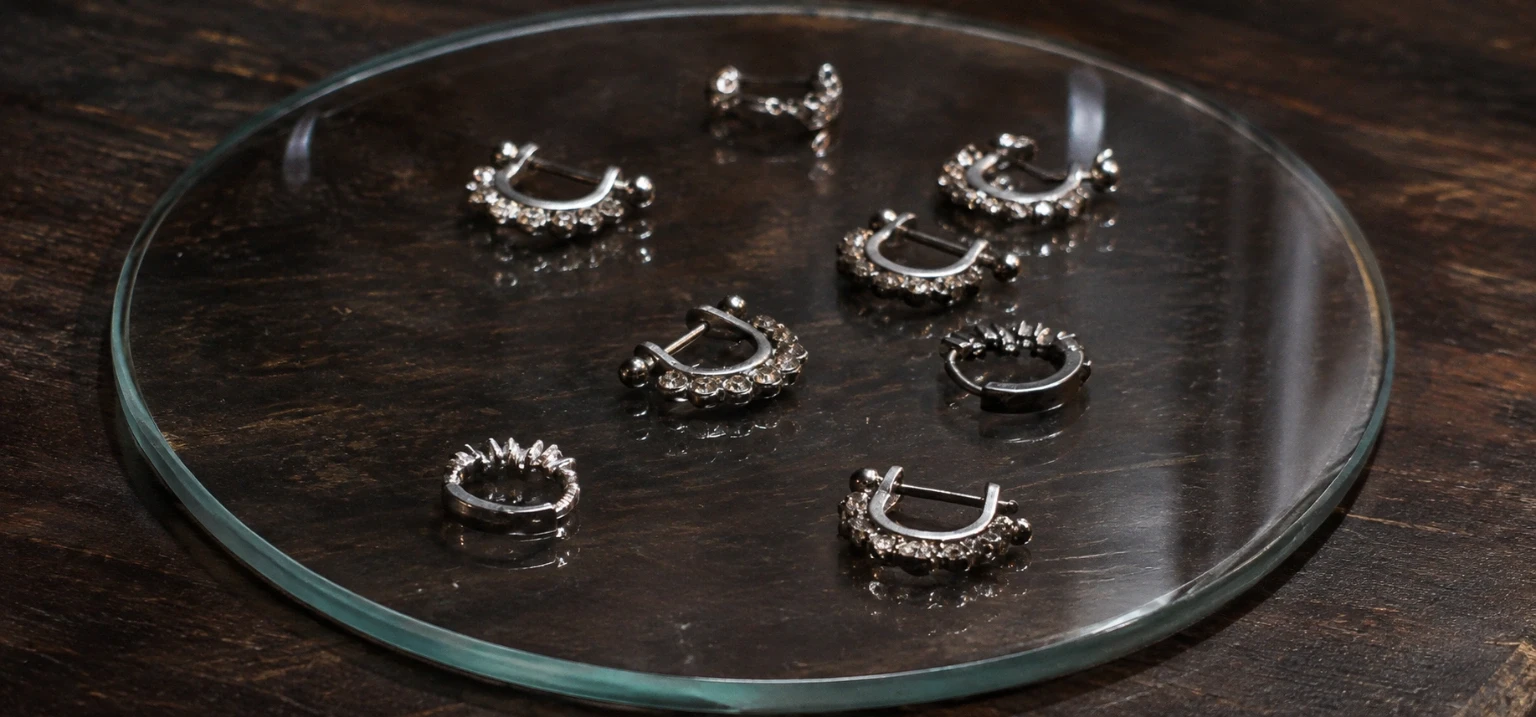
A piercer should evaluate whether weight, length, fit, pressure or movement creates avoidable stress, while checking if enough healthy tissue remains. An adjustment may help an irritated viable placement but cannot restore a disappearing tissue bridge.
APP says a qualified piercer should perform necessary jewelry changes during healing. See downsizing piercing jewelry, the body jewelry sizing guide and sterilized jewelry guidance for separate product decisions.
PROFESSIONAL ASSESSMENT SEQUENCE
How should a piercer assess suspected migration before making a jewelry decision?
A piercer should compare the current anatomy with the original placement. APP’s guidance focuses on progressive tissue thinning and jewelry movement, then the specific signs that make a placement nonviable.
Compare the placement
Review earlier photos and present entry and exit positions.
Inspect tissue support
Check the bridge against APP’s 5/16-inch guideline and whether it has narrowed.
Look for abandonment signs
APP identifies inflamed or calloused skin, 1/4 inch or less of tissue, or nearly transparent tissue when thinning progresses.
Check trauma
Ask about clothing friction, movement, jewelry play, vigorous cleaning and added charms.
Review jewelry fit
Assess weight, gauge, length and style; APP assigns necessary healing-stage changes to a qualified piercer.
Decide and explain
Discuss viable tissue versus professional retirement. Suspected infection needs medical assessment first.
Document follow-up
Record the findings, care instructions and appropriate return or medical referral.
No fixed rejection timetable substitutes for examining the tissue.
WHEN TO RETIRE A PIERCING
Should a rejecting or migrating piercing be removed, and who should decide?
APP advises abandoning a piercing when tissue progressively narrows and one of its additional warning signs is present. Those include inflamed or calloused-looking skin, 1/4 inch or less of tissue, or near-transparency with visible jewelry. The piercer should assess viability; the client should not remove a piece simply because it looks red.
APP also says many irritation or jewelry-fit problems can be resolved without losing the piercing. Distinguishing those from an unsupported placement prevents needless changes.
Suspected infection changes the removal decision
APP warns that removal during infection may contribute to an abscess. Cleveland Clinic advises against removing suspected infected navel jewelry except on medical advice. Refer medical warning signs promptly.
APP separately notes that a client who no longer wants a piercing can have a piercer remove it and continue cleaning until closure. Even brief removal may allow a channel to close quickly.
PREVENTABLE TRAUMA AND ROUTINE CARE
What aftercare changes may reduce irritation or trauma around a migrating piercing?
APP advises avoiding clothing friction, excessive movement, playing with jewelry and vigorous cleaning, because trauma may contribute to scarring, migration and prolonged healing. A piercer should review the care routine before recommending a stronger cleaner or a new piece.
- Hands: Follow APP advice to clean hands before touching the piercing.
- Saline: APP describes packaged sterile wound-wash saline as gentle routine aftercare.
- Pressure: Review waistbands, seams and repeated catching.
- Cleaning: Avoid over-cleaning and harsh products.
- Decorations: APP says no hanging charms until fully healed.
- Jewelry: Necessary changes during healing belong to a qualified piercer.
Routine care cannot restore tissue already lost. APP also says surface anchors need ongoing maintenance because residue can accumulate under threaded tops. See piercing saline aftercare and healing times.
AFTER REJECTION OR REMOVAL
Will a rejected piercing leave a scar, and can the client be re-pierced?
A piercing that migrates to the surface or is retired may leave a visible mark or scar. AAFP documents scarring after navel jewelry migration; APP says a voluntarily removed piercing often leaves a small mark after closure. The actual appearance depends on the tissue and circumstances. Do not promise a scar-free result.
If the client wants another piercing in the area, start with an assessment of the healed tissue and whether the original anatomy and placement remain suitable. The source guidance does not establish a universal waiting period for re-piercing after rejection. A qualified piercer can review the scar and options; a dermatologist evaluates unusual, painful or changing scar tissue.
Distinguish a scar from an irritation bump or suspected infection. See piercing bumps, hypertrophic scars and keloids for more detail on those appearances.
COMMON MISREADS AND OVERCORRECTIONS
What mistakes can make piercing rejection or migration worse?
APP stresses tissue support and qualified jewelry decisions. Avoid these common misreadings when assessing a distressed piercing.
Calling every red navel rejecting
APP says discoloration can remain for months; check actual movement and tissue thinning.
Waiting for full extrusion
APP identifies progressive thinning with additional signs as a reason to abandon a placement.
Adding heavy ornaments
AAFP warns about heavy, thin-gauge jewelry compounding migration.
Over-cleaning
APP associates vigorous cleaning and friction with complications.
Removing suspected infected jewelry
APP and Cleveland Clinic say get medical direction first.
Re-piercing without examining tissue
A qualified piercer reviews healed anatomy and scar condition first.
SVT SHOP JEWELRY AND AFTERCARE
Which sterilized jewelry and saline products should piercers compare for fit and aftercare?
SVT Shop lists sterilized titanium jewelry for professional placement and fit comparisons, along with Recovery saline wash. APP says appropriate jewelry size, style and material may help resolve some problems, but no jewelry or care product is a cure for rejection. The client’s qualified piercer decides whether any new piece is suitable for the tissue.
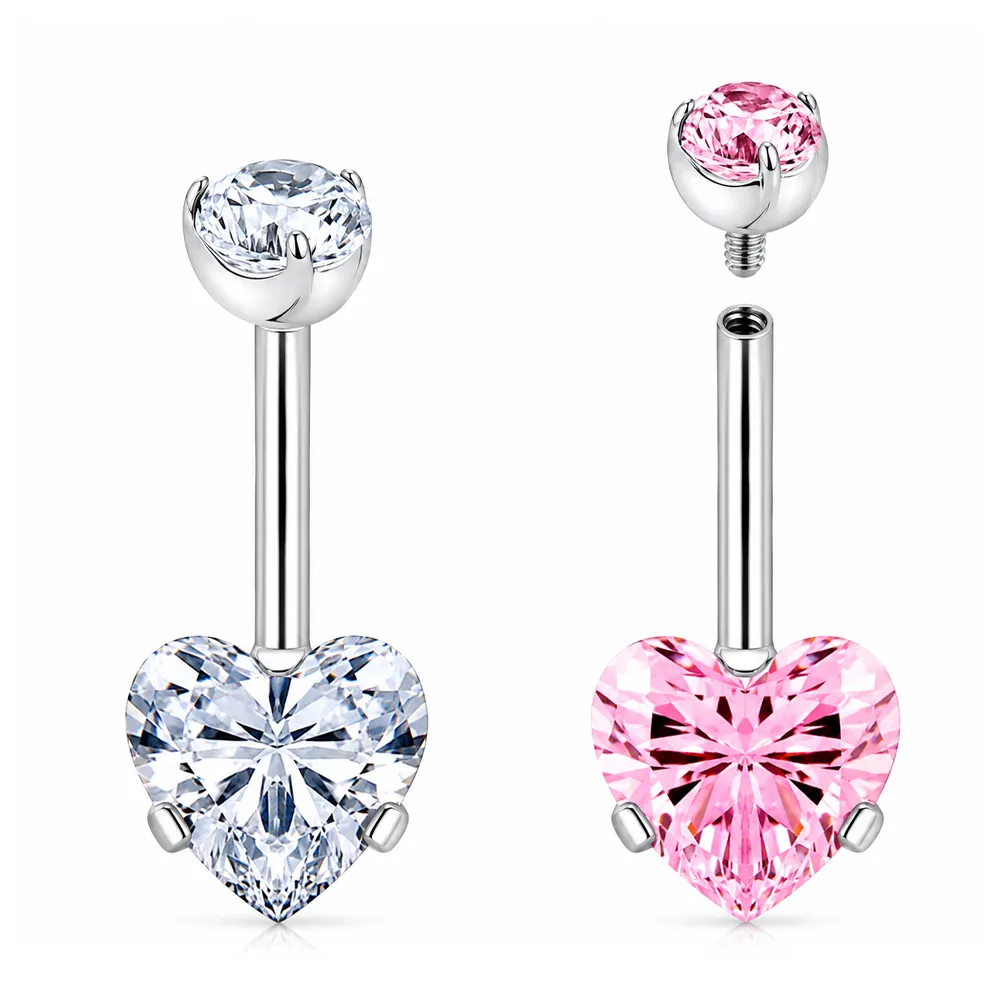 For qualified navel jewelry selection
Sterilized Titanium Heart CZ Belly Banana
Sterilized navel jewelry option for a piercer's anatomy and fit review. The piercer determines whether this piece suits a new or existing placement; it does not prevent rejection.
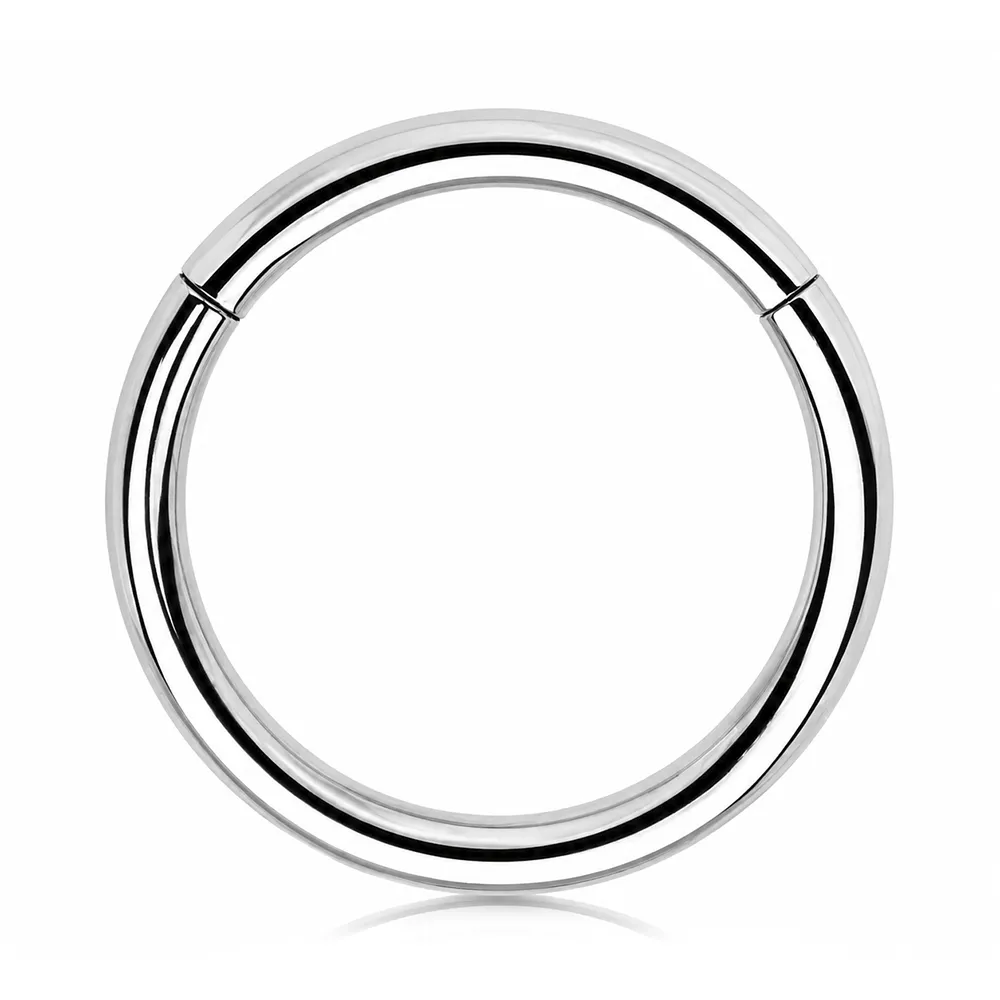 Compare ring format and gauge
Sterilized Titanium Hinged Segment Ring 1 mm
Sterilized ring-format option for piercer-controlled style and size selection. Do not substitute a ring for a compromised tissue bridge.
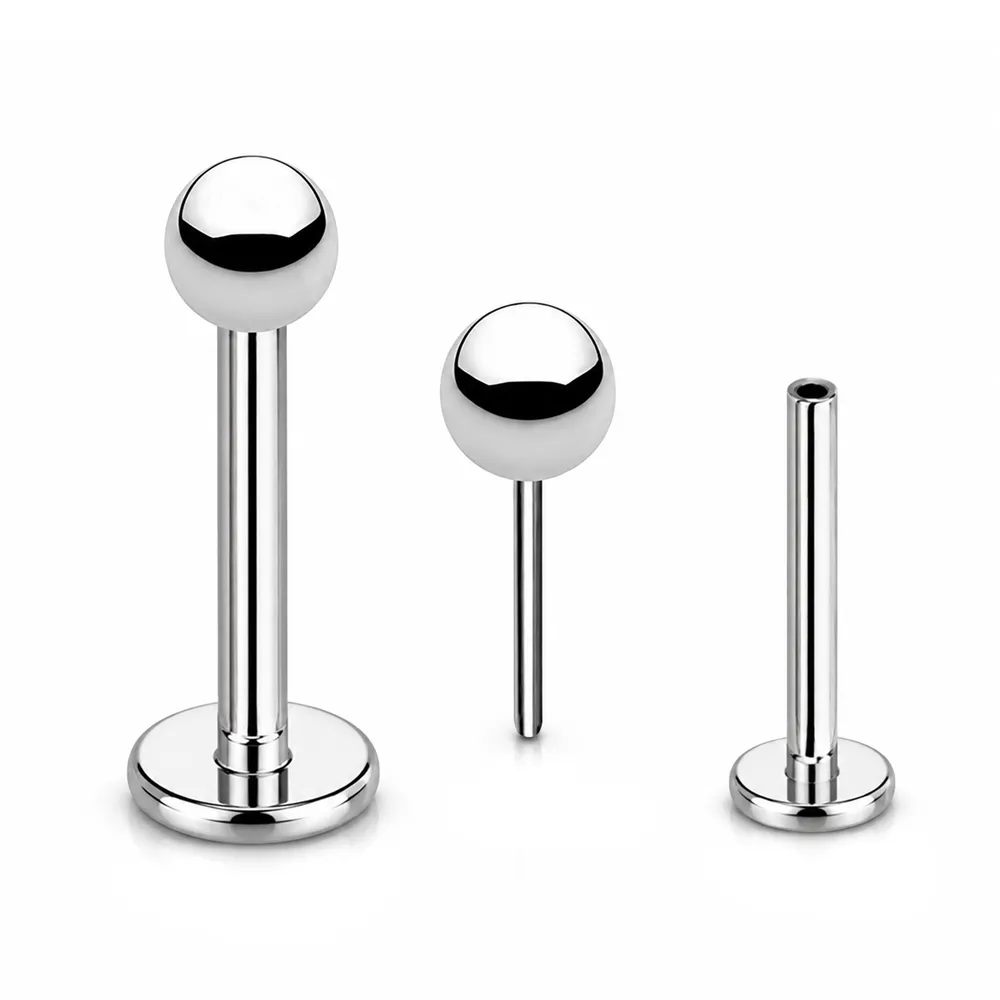 Threadless fit comparison
Sterilized Titanium Push-In Labret 1.2 mm (16G)
Sterilized threadless labret option for a qualified piercer to evaluate gauge, length and anatomy during professional jewelry selection.
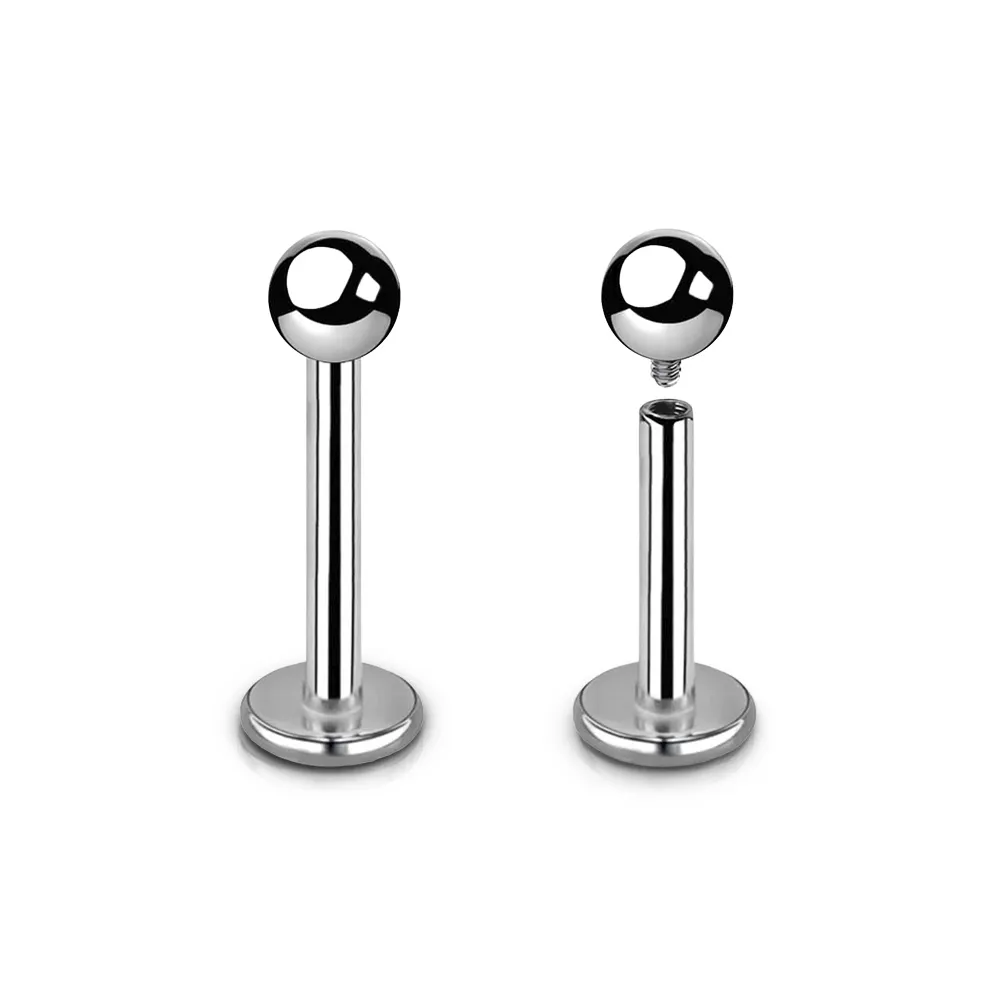 Internally threaded option
Sterilized Titanium Internally Threaded Labret 1.2 mm
Sterilized labret option for a professional fit review; changing its style alone does not reverse established migration.
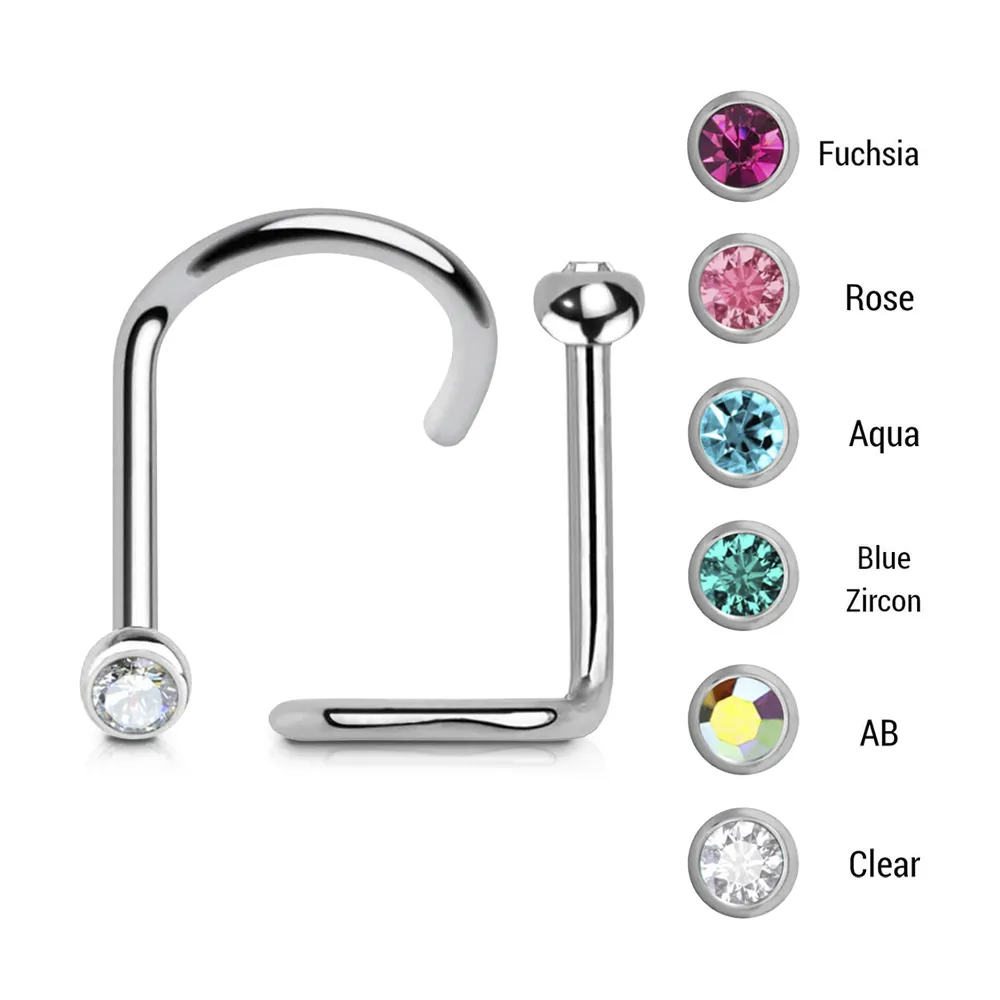 Nostril jewelry consultation
Sterilized Titanium CZ Nose Screw 2 mm
Sterilized nose jewelry option for a piercer to evaluate the chosen site and dimensions. The correct fit and placement take priority over appearance.
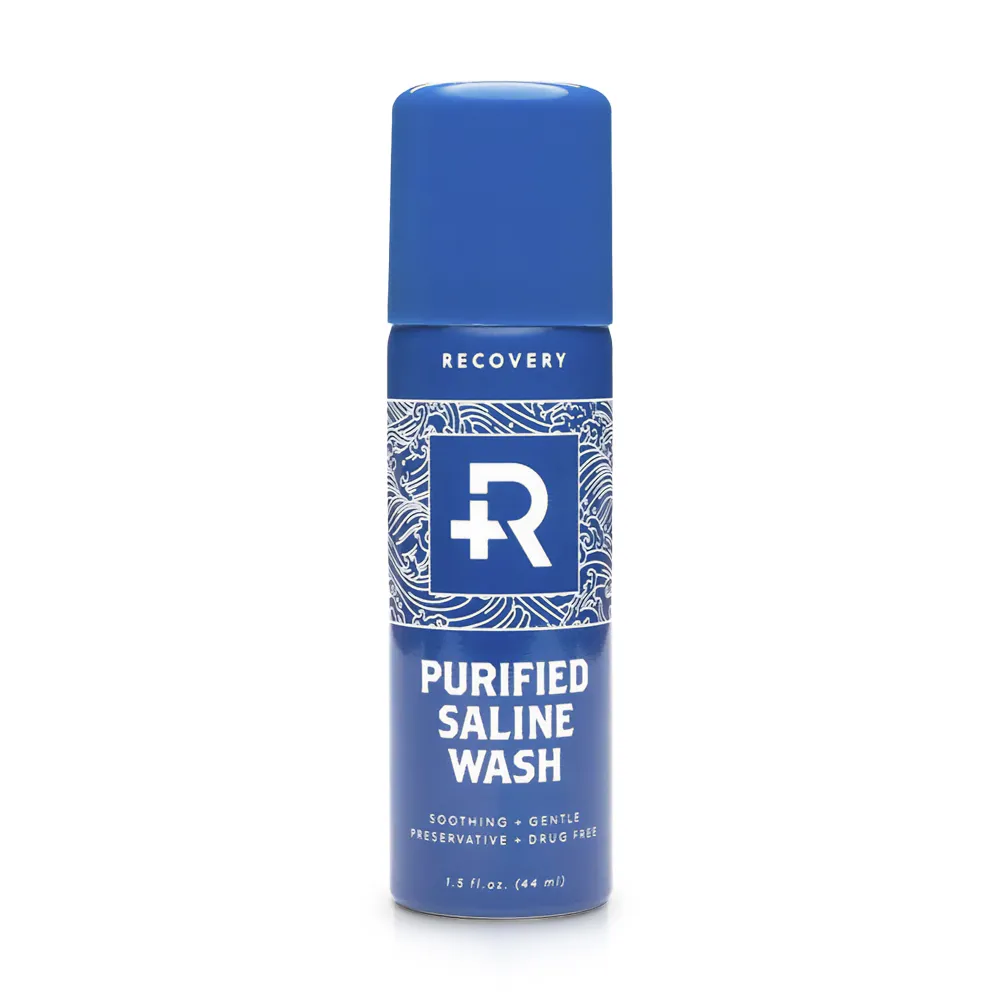 Piercing aftercare wash
Recovery Purified Saline Wash Solution 1.5 oz
Saline wash option to review against APP's guidance for packaged sterile wound-wash saline. Check the product's label and follow the piercer's care instructions.
These jewelry listings come sterilized, so they are suitable for new piercings, but the client’s trusted piercer decides on anatomy, size and fit. A visibly thinning placement needs a viability assessment before a replacement. The shop does not list a surface anchor in this selection.
Shop Navel Jewelry Shop Piercing Aftercare
SVT Shop serves artists, piercers and studios in El Paso, TX, with Next Day Delivery available in El Paso. Stock selection and medical assessment are separate responsibilities.
BEFORE MAKING A JEWELRY DECISION
What should be on a piercer’s migration and rejection assessment checklist?
Use an APP-based review to separate changes in placement from irritation and medical problems.
- Original and current position: Have the entry and exit openings shifted toward the surface?
- Remaining bridge: Is the tissue progressively thinner?
- APP warning signs: Peeling, inflamed or hard skin, 1/4 inch or less of tissue, or a translucent strip?
- Jewelry: Are weight, gauge, fit and material appropriate?
- Trauma: Clothing, excessive motion, cleaning or charms?
- Care: Qualified jewelry adjustment and APP-based saline guidance?
- Doctor: Severe redness, swelling or pain, thick foul-smelling discharge, red streaks, fever or chills, or symptoms that last a week or get worse?
- Next steps: Document the viability decision and follow-up.
FAQ
12 questions about piercing migration, rejection and jewelry changes
These answers follow APP guidance and the AAFP review. The piercer assesses viable tissue and jewelry fit; infection symptoms require a doctor.
1. What are the signs of piercing rejection?
APP flags progressive thinning between openings, flaking or inflamed skin, a hard-looking bridge, 1/4 inch or less of tissue, or nearly transparent skin with jewelry visible. Have a qualified piercer assess it.
2. What is the difference between piercing migration and rejection?
APP calls movement toward the skin surface or narrowing of the tissue bridge migration. Rejection is when that progression makes the piercing nonviable or brings jewelry to the surface.
3. Is my piercing rejecting or infected?
Tissue becoming shallower suggests migration. APP sends severe redness, swelling or pain, thick foul-smelling discharge, red streaks or fever to a doctor. APP warns not to remove suspected infected jewelry without medical direction.
4. Can you stop a piercing from migrating or rejecting?
APP says qualified changes in jewelry fit, material or aftercare can resolve many problems. Progressively thinning tissue with its abandonment signs needs a piercer’s prompt viability decision.
5. Which piercings reject the most?
AAFP documents superficial navel piercings migrating toward the surface, and APP notes surface anchors may be less permanent. Neither gives a reliable percentage ranking for navel, eyebrow, nipple or other sites.
6. How long does it take a piercing to reject?
There is no fixed timeline in the APP or AAFP guidance. Compare the original placement with current tissue support and look for progressive narrowing rather than using age alone.
7. Should I take out a rejecting piercing?
Ask a qualified piercer promptly. APP identifies when a thinning piercing should be abandoned, but removal decisions change if infection is suspected; seek medical advice before removing jewelry in that situation.
8. Will a rejected piercing leave a scar?
It can. AAFP documents scarring associated with navel migration; APP says even ordinary jewelry removal may leave a small mark. A clinician evaluates persistent or changing scars.
9. What does a migrating belly button piercing look like?
AAFP notes superficial navel piercings may shift toward the surface. APP says to assess narrowing tissue between entry and exit, especially if it becomes inflamed, flaky or translucent.
10. Can you re-pierce after a piercing rejects?
A qualified piercer should assess the healed tissue and whether another placement is appropriate. The cited APP and AAFP sources do not establish a standard waiting period.
11. Can jewelry material or size cause rejection?
AAFP says heavily weighted, thin-gauge jewelry compounds migration and rejection. APP says size, style or material changes can resolve some other complications; no material prevents rejection.
12. What does surface piercing rejection look like?
For a piercing with two openings, look for movement toward the surface and thinning tissue. APP says surface anchors may be less permanent and require ongoing maintenance. A piercer evaluates the specific design.
RESEARCH
Sources Consulted
APP supplies the definitions, tissue guidelines and aftercare advice. The AAFP review provides the navel and jewelry-weight observations; Cleveland Clinic and AAD support medical referral when infection is suspected.
- Association of Professional Piercers (APP): Body Piercing Troubleshooting, Migration and Rejection
- Association of Professional Piercers (APP): Suggested Aftercare Guidelines for Body Piercings (2021 PDF)
- Association of Professional Piercers (APP): Aftercare, Including Surface Anchors
- American Family Physician: Meltzer, Complications of Body Piercing (2005)
- Cleveland Clinic: How to Treat an Infected Belly Button Piercing
- American Academy of Dermatology: How to Care for a New Piercing