


 Powered by Comercia.io
Japanese tattoo backgrounds combine wind bars, clouds, waves, rocks and graded black around a main motif. For sleeve or back-piece work, plan body flow, negative space and the stencil before selecting liners, magnums, curved mags or greywash. Tattoo practitioners describe gakubori framing and bokashi gradation; Kwadron and Dynamic explain the relevant needle and ink roles.
Shop Kwadron Cartridges Browse Black Inks
QUICK ANSWER
How do you plan and tattoo Japanese wind-bar, wave and cloud backgrounds?
Position the main motif, then draw the background forms as a connected composition. Reserve black, gray gradations and open skin in the stencil before selecting needles. Compare Kwadron's RL for contours, magnums for solid fills and curved mags for fades, then choose black or greywash according to the product's stated role.
Composition
Map the motif, wind, water or clouds, body flow and open skin together.
Needles
RL for lines; magnums for broad black; curved mags or RS for gradation.
Ink
Separate lining black from packing black and identify the planned gray range.
BACKGROUND AS COMPOSITION
What is the background of a Japanese tattoo called, and what does it do?
Tattoo practitioner sources use gakubori for the background elements that frame and support a central Japanese-style motif. Kenshō's practitioner site identifies clouds, waves, wind bars, flames, rocks and seasonal flowers as common elements. The purpose for an artist planning a sleeve or back piece is to make these marks function as a connected composition rather than unrelated filler.
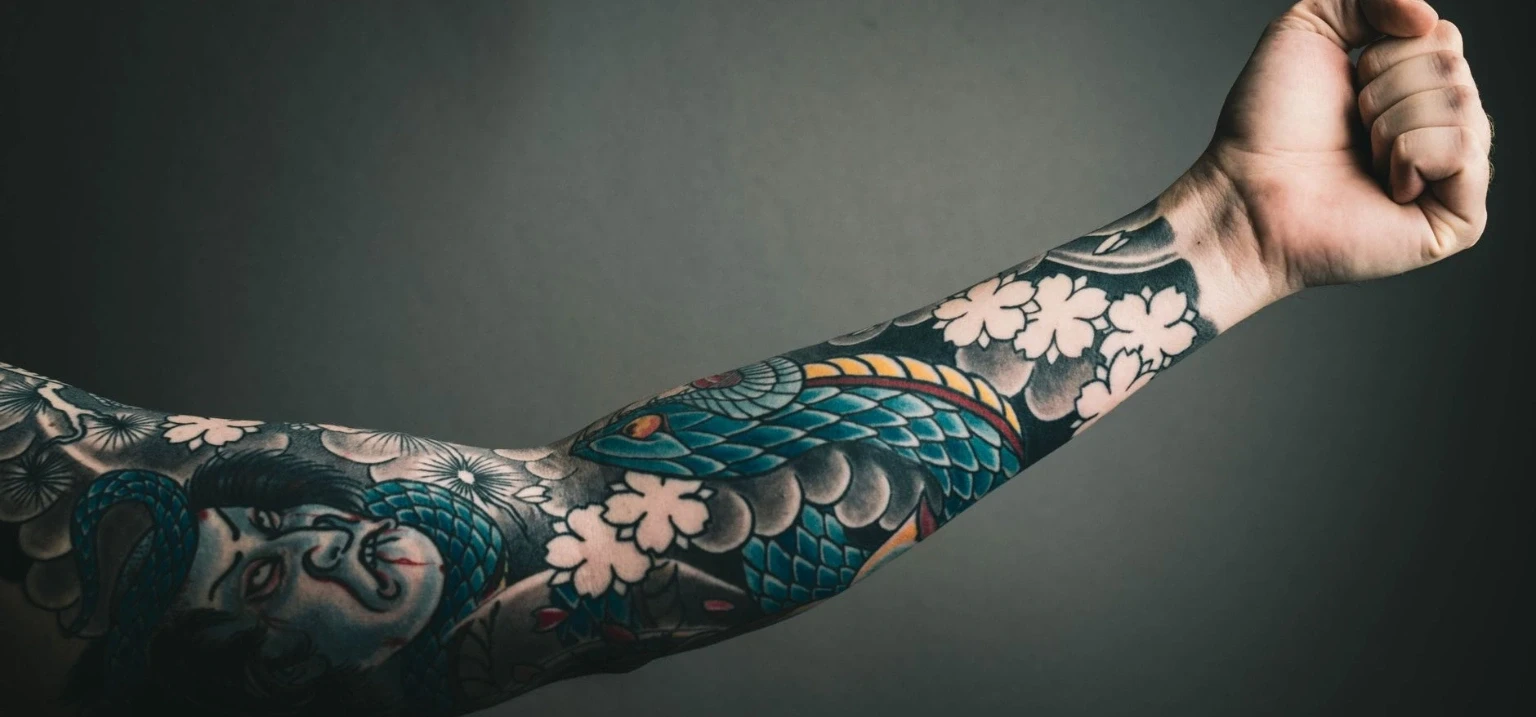
StarBrite, an ink manufacturer, describes wind and cloud shapes framing figures in aerial space and water forms accompanying fish, dragons and some other figures. Use them as a starting point and decide whether wind bars, clouds, waves, rocks, flames or flowers help the main motif remain recognizable and connected to the body.
Background is not an afterthought
Before lining, decide which dark shapes will join the composition, which elements need their own outlines and where open skin will separate the subject from the background.
EDO PRINTS AND THE LARGE PICTORIAL TATTOO
Where do Japanese tattoo backgrounds come from in Edo-period art and ukiyo-e?
Researcher Yamamoto Yoshimi, writing for nippon.com, describes a revival of tattooing during the Edo period (1603–1868), influenced by ukiyo-e and kabuki. The Museum of Fine Arts, Boston, explains how early nineteenth-century color woodblock prints influenced extensive pictorial tattoos.
The MFA highlights Utagawa Kuniyoshi's Water Margin / Suikoden series, featuring tattooed heroic figures, as influential in the fashion for extensive pictorial tattoos. Its account includes lions, snakes, peonies and dragons among Kuniyoshi's designs.
For further reading, the Smithsonian catalog lists Takahiro Kitamura's Tattoos of the Floating World: Ukiyo-e Motifs in the Japanese Tattoo.
MAIN MOTIF AND BACKGROUND CHOICE
Which backgrounds go with koi, dragons, hannya masks, birds or tigers?
The pairing is a composition decision, not a mandatory species-to-background table. StarBrite describes water elements as common with fish, dragons and some demon figures. The Vanishing Tattoo, a practitioner-style resource, gives wind bars with birds and clouds with dragons as examples.
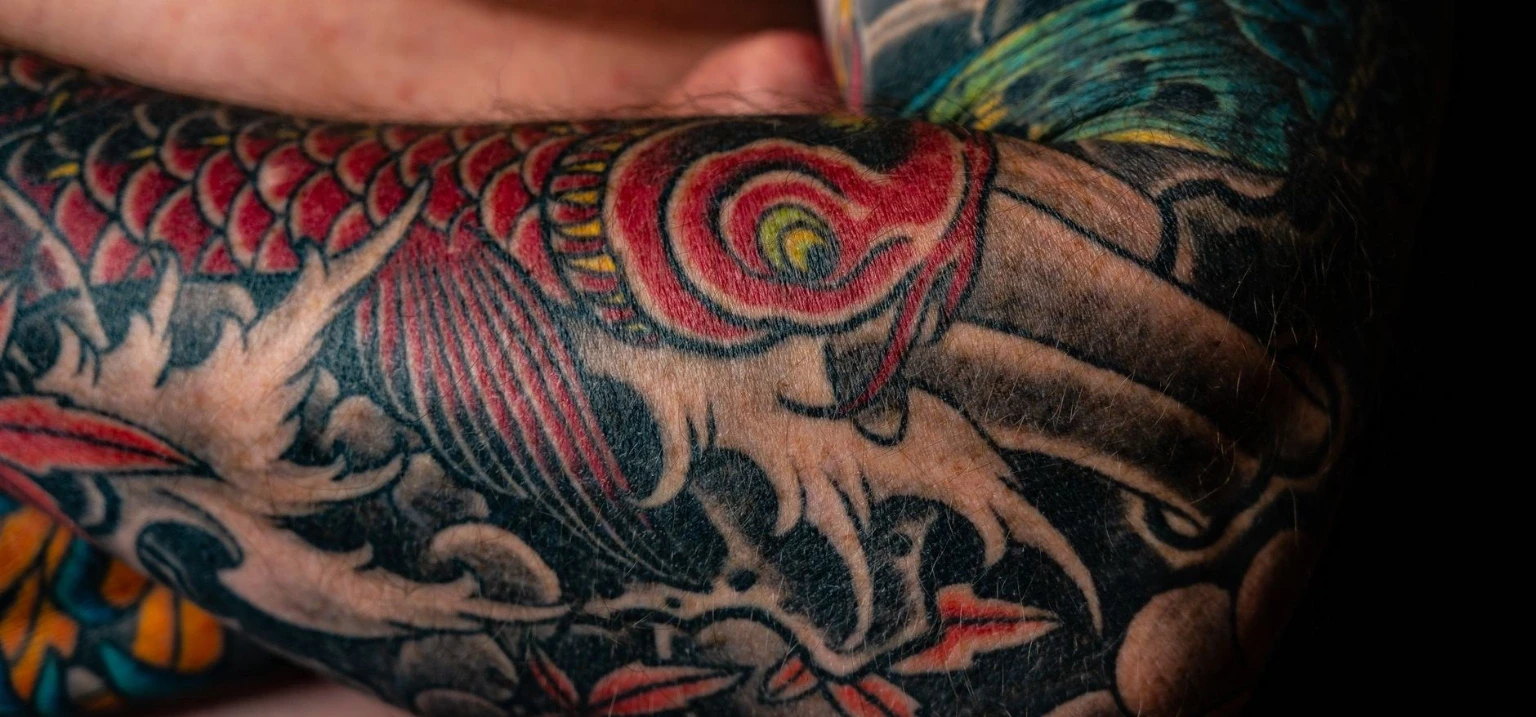
For a koi, a water background is a common visual option in StarBrite's account. For a dragon, the practitioner example uses clouds, while StarBrite also discusses water with dragons. The practitioner guide gives wind bars with birds. For a hannya, tiger or another subject, develop the pairing from the drawing rather than declaring one permitted background.
BACKGROUND OR OPEN SKIN
Should a Japanese tattoo have a full background or open skin around the motif?
Practitioner sources use gakubori for the framing background work around the main motif. The alternative is to leave the motif on open skin, with little or no background around it.
In a framed approach, develop the background as a connected design. In an open approach, the motif has more untouched skin around it. Discuss the intended layout with the client before deciding how far the stencil and large black fields will extend. Terminology can vary among Japanese-style practitioners.
ELEMENT, NEEDLE, INK AND MARK
Which needles, inks and techniques fit wind bars, clouds, waves, rocks, flames and bokashi gradients?
Use the maker's needle roles to map the design. Kwadron describes round liners for outlines, magnums for broad fill and soft-edge magnums for transitions. The table turns those general functions into artist planning options.
| Background element | Needle configuration to compare | Ink role | Studio technique and design check |
|---|---|---|---|
| Wind bars | RL for boundaries; magnum for larger dark bars | Lining black and selected packing black | Keep the repeated bar direction consistent and the negative-space channels legible |
| Clouds | RL for selected contours; curved mag or small RS for shading | Black, planned gray or greywash | Separate cloud edges from the surrounding background with deliberate value changes |
| Waves and water | RL for wave boundaries; magnum or curved mag for larger fields | Black and grey; color may include selected blues per StarBrite | Plan major water shapes, interior accents and their relationship to the central motif |
| Rocks | RL for shape definition; magnum or RS for interior values | Black or gray values | Keep the rock masses readable rather than filling every surface to one dark value |
| Flames | RL for selected outlines; shader or magnum for filled areas | Black and any chosen color palette | Design the flame forms around the subject without assigning a mandatory symbolic meaning |
| Black bokashi gradation | Curved / soft-edge magnum; RS for confined areas | Dark black transitioning through a chosen gray range | Practice the charcoal-gray gradation described by practitioner sites, preserving contrast |
Treat each row as a starting point: choose the exact pin count and diameter from the size of each shape and the skin you are working on.
CARTRIDGES FOR OUTLINES, FILLS AND FADES
What tattoo needle configurations work for Japanese background lining and black shading?
Kwadron says round liners suit contours, lining and dotwork; standard magnums suit large fills; and soft-edge magnums suit tonal transitions. It also describes flat needles for wide filled areas and smooth shaders for subtle shading.
Peak describes standard #12 pins as 0.35 mm and smaller bugpins such as #10 (0.30 mm) or #8 (0.25 mm). It recommends standards for broad, even black packing as a general grouping choice. Pin diameter, count, taper and configuration are separate specs, so choose each one for the field you are tattooing.
We carry Kwadron liners, magnums, curved mags and round shaders, plus Nexus curved mags. See Tattoo Needle Guide and How to Choose Tattoo Cartridges for further label decoding.
LINING BLACK, PACKING BLACK AND GRAYS
What black ink should you use for Japanese wind bars, outlines and large black fields?
Dynamic's manufacturer comparison lists Dynamic Black (BLK) for lining, shading, packing and greywash across styles. It lists Dynamic Triple Black for shading, packing and greywash, and specifically includes Japanese among its style categories. The chart does not name Triple Black for lining, so distinguish a lining purchase from a solid-black or shadow purchase.
| Ink listing | Maker or product role | Background choice |
|---|---|---|
| Dynamic - Black | Dynamic: lining, shading, packing and greywash | Compare for visible contours and dark areas |
| Dynamic - Triple Black | Dynamic: shading, packing and greywash; Japanese named among styles | Compare for solid black fields and shadows |
| Dynamic - Greywash Set | Listed greywash range | One choice for black-to-gray gradation |
| Dynamic - Smoke Opaque Greys Set | Listed opaque-gray range | Separate gray option for planned middle values |
| Solid Ink - Lining Black | Dedicated lining-black listing | Compare for wave and cloud boundaries |
For color backgrounds, StarBrite says the blues for water cover a wide range starting from the deepest navy, and that the red used in Japanese traditional work differs from American traditional red. See How to Choose Black Tattoo Ink and Black and Grey Ink: Greywash vs Opaque.
GRADIENTS AND THE PRACTITIONER TERM
What is bokashi shading in a Japanese tattoo, and how should you plan a black-to-gray transition?
The practitioner resource The Vanishing Tattoo uses bokashi for smooth charcoal-grey gradation in Japanese tattooing. Kwadron describes soft-edge magnums as useful for tonal transitions, making them a relevant category to compare when preparing gradual black-and-gray backgrounds.
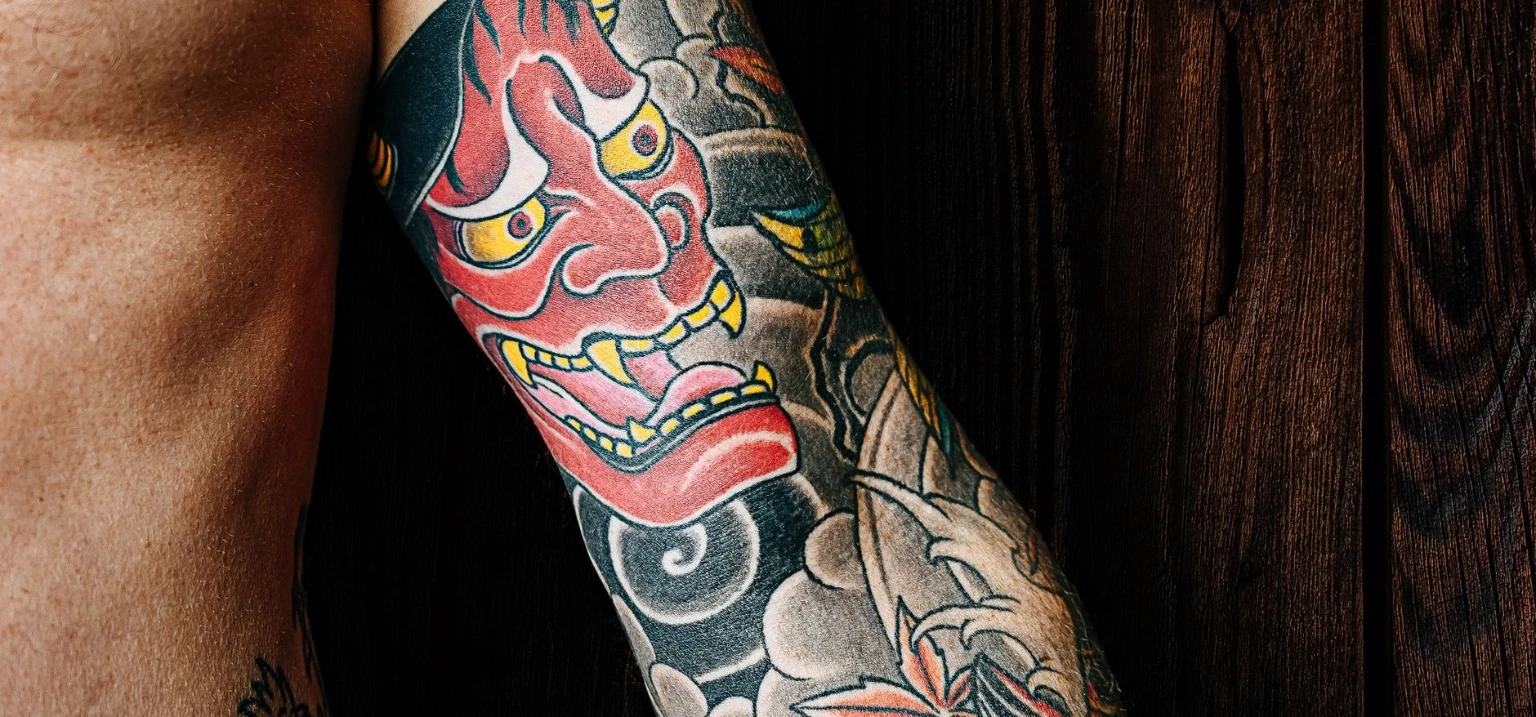
As a studio exercise, mark the darkest field, middle gradient and open or lighter skin in the drawing. Kwadron's soft-edge magnum description provides a relevant general configuration to compare; a round shader can be assessed for a smaller transition. Set depth, angle and voltage by your own trained technique and the machine maker's instructions.
For actual shading movements, read Whip Shading vs Pepper Shading vs Stippling. Check that the final contrast still separates the background from the subject.
PLANNING FROM DRAWING TO WORKSTATION
How do you draw and tattoo a Japanese background step by step?
Start with the motif, map the connected background across the full body area, and decide where black, gray and open skin belong. For a sleeve, check the design from different arm angles; for a back, review large shapes in the full composition.
Place the main motif
Confirm placement, scale and the space it needs within the full sleeve or back composition.
Sketch the supporting forms
Map wind bars, clouds, waves, rocks or flames as a connected background.
Plan darks and open skin
Separate broad black, graded gray, contour boundaries and intentionally open skin.
Review body flow and stencil
Check the full drawing from relevant angles and approve the transfer before tattooing.
Assign needles and ink roles
Choose liner, magnum and curved-mag tasks, then compare the completed regions to the overall design.
StarBrite describes Japanese traditional work as almost uniquely large-scale and multi-session, so plan the background in stages. Use How to Make a Tattoo Stencil and Tattoo Stencils That Last for transfer methods.
LARGE BLACK FIELDS WITHOUT EXTRA PASSES
How do you pack solid black Japanese tattoo backgrounds without overworking the skin?
Kwadron identifies magnums as tools for broad shading and fills, while Peak describes standard-diameter pins as useful for even packing over larger areas. World Famous Tattoo Ink advises checking covered areas for small missed spots and cautions that overworking can contribute to scarring, scabbing and poor healing. Choose the grouping for the size of the area and monitor the result instead of automatically repeating every pass.
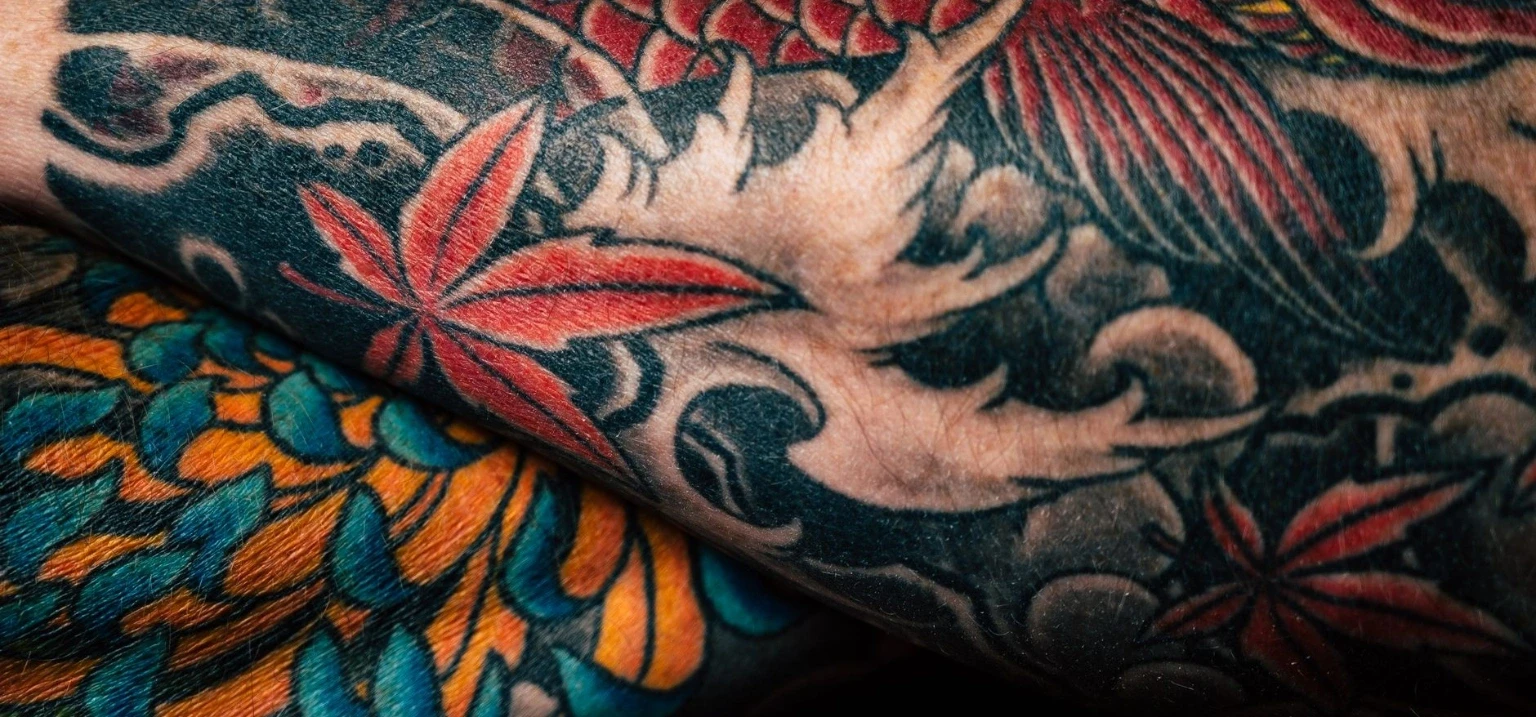
Keep the broad black field separate from its contours and neighboring gray gradients in the drawing. Peak says less give is the better call for bold work and solid black; set the machine by its maker's instructions. StarBrite describes tebori as the traditional hand-poked technique; this guide covers machine and cartridge work.
For full packing technique use How to Pack Color in a Tattoo; for general settings see Tattoo Machine Stroke, Needle Depth and Voltage. Review Overworked Tattoo Signs and Tattoo Blowout Prevention when evaluating skin response.
BACKGROUND DESIGN AND EXECUTION ERRORS
What mistakes should artists avoid with Japanese wind bars, water, clouds and black backgrounds?
Check the entire composition before judging an individual bar, wave or shaded field. Common errors in this workflow involve losing the main motif in the background, assuming unsupported pairing rules and treating one needle grouping as a universal Japanese background setup.
Treating background as last-minute filler
Plan connected shapes and the main figure together, as StarBrite's design account suggests.
Turning practitioner examples into mandatory pairings
Clouds with dragons or wind with birds are examples, not a universal motif rule.
Overwhelming the motif with black
The practitioner source describes heavy black; use it only where contrast serves the subject.
Assigning one needle number to every fill
Kwadron and Peak describe general grouping roles; choose the variant for the actual field.
Confusing liner and packing black
Dynamic lists BLK for lining and Triple Black for packing and shading.
Adding passes without checking coverage
World Famous cautions that overworking can harm healing; check the field first.
SVT SHOP: NEEDLES AND BLACK INK
Which cartridges, black inks and greywash sets can you shop at SVT Shop?
We carry these ten for contour, fill and transition work. Select each needle variant and ink according to the actual design, product label and compatible machine.
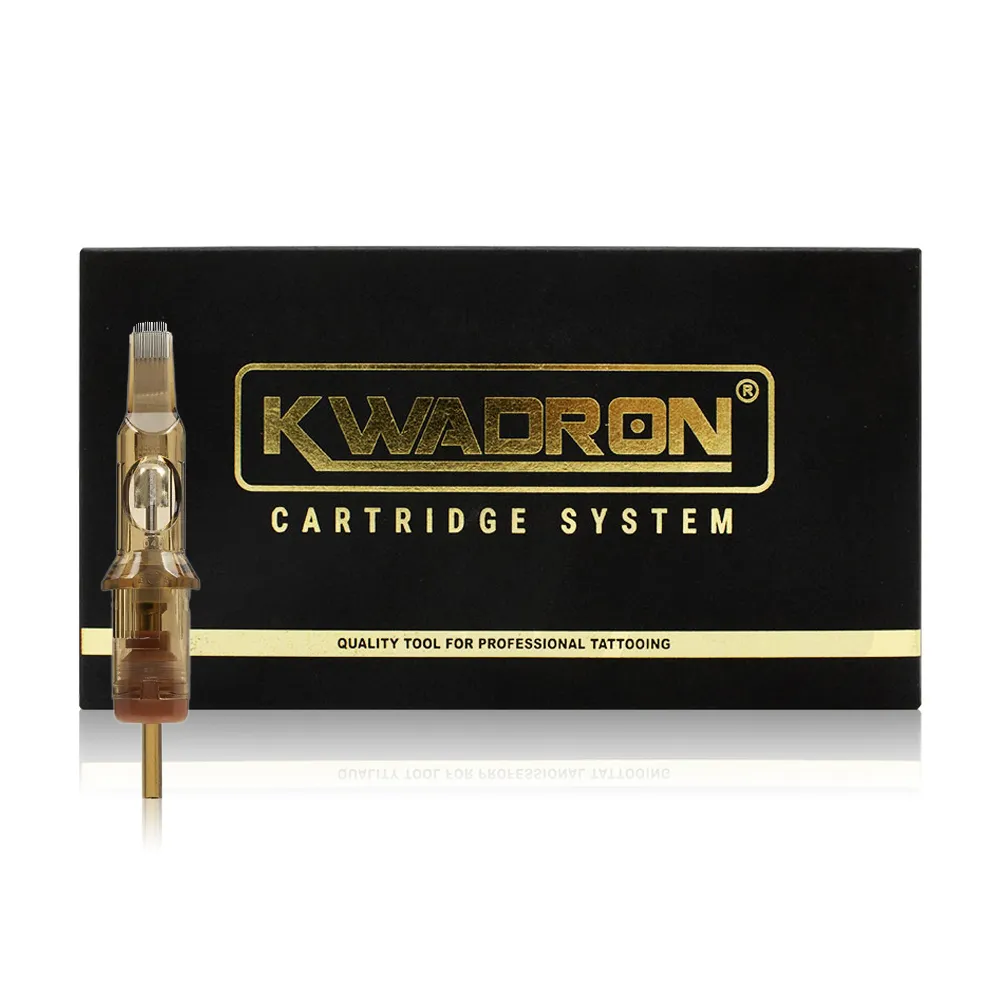 Soft-Edge Background Shading
Kwadron - Cartridges Curved Mags
Kwadron's curved-mag category for tonal transitions, fade areas and broader background shading.
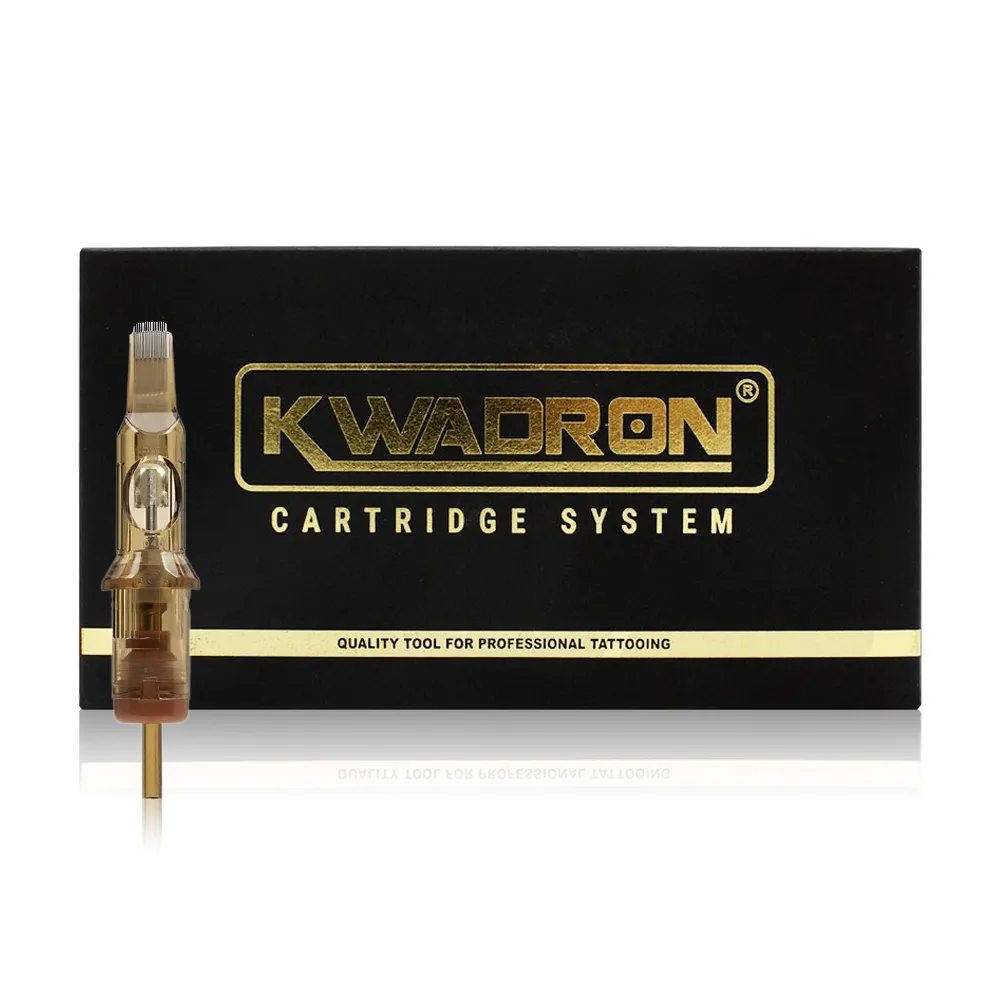 Broad Black & Fill Fields
Kwadron - Cartridges Magnums
Magnum grouping for wide shaded or filled regions; check the exact pin count and cartridge variant.
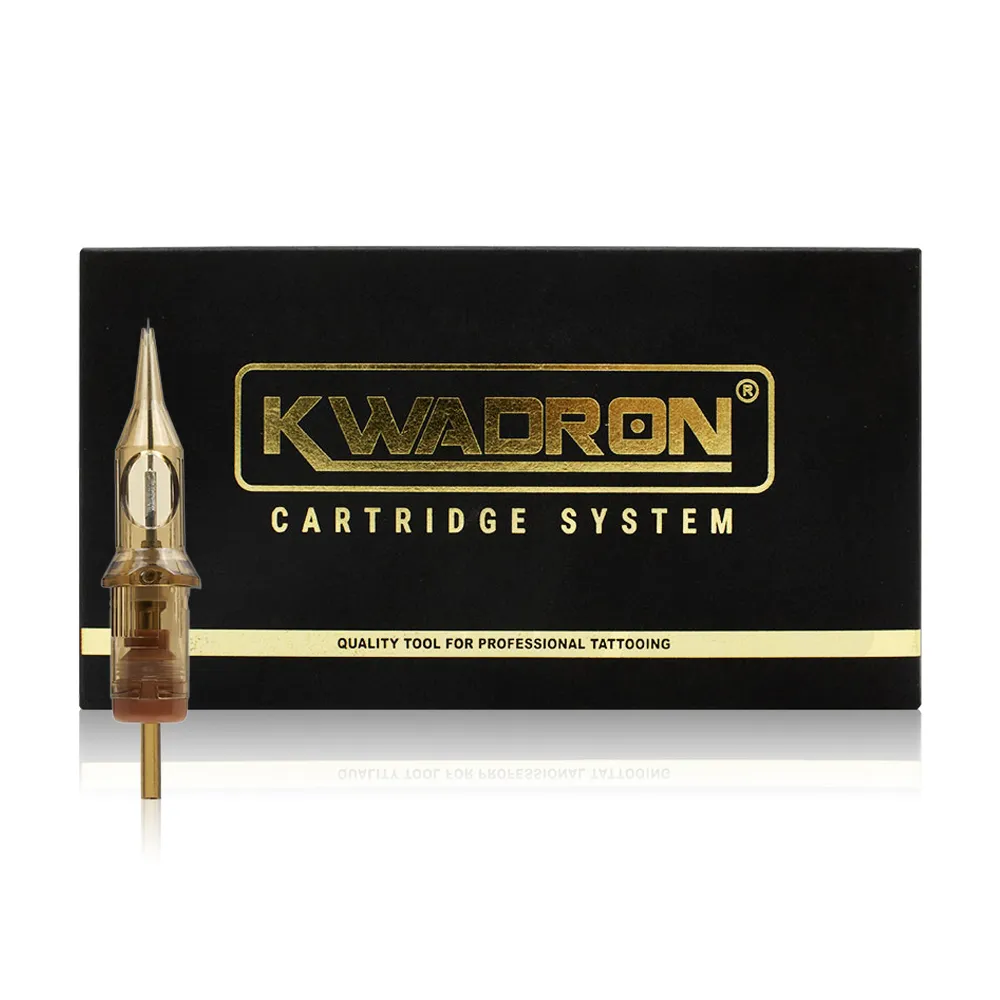 Wave, Cloud & Bar Contours
Kwadron - Cartridges Liners
Round liners described by Kwadron for contours and lining; compare for the drawing's edge weight.
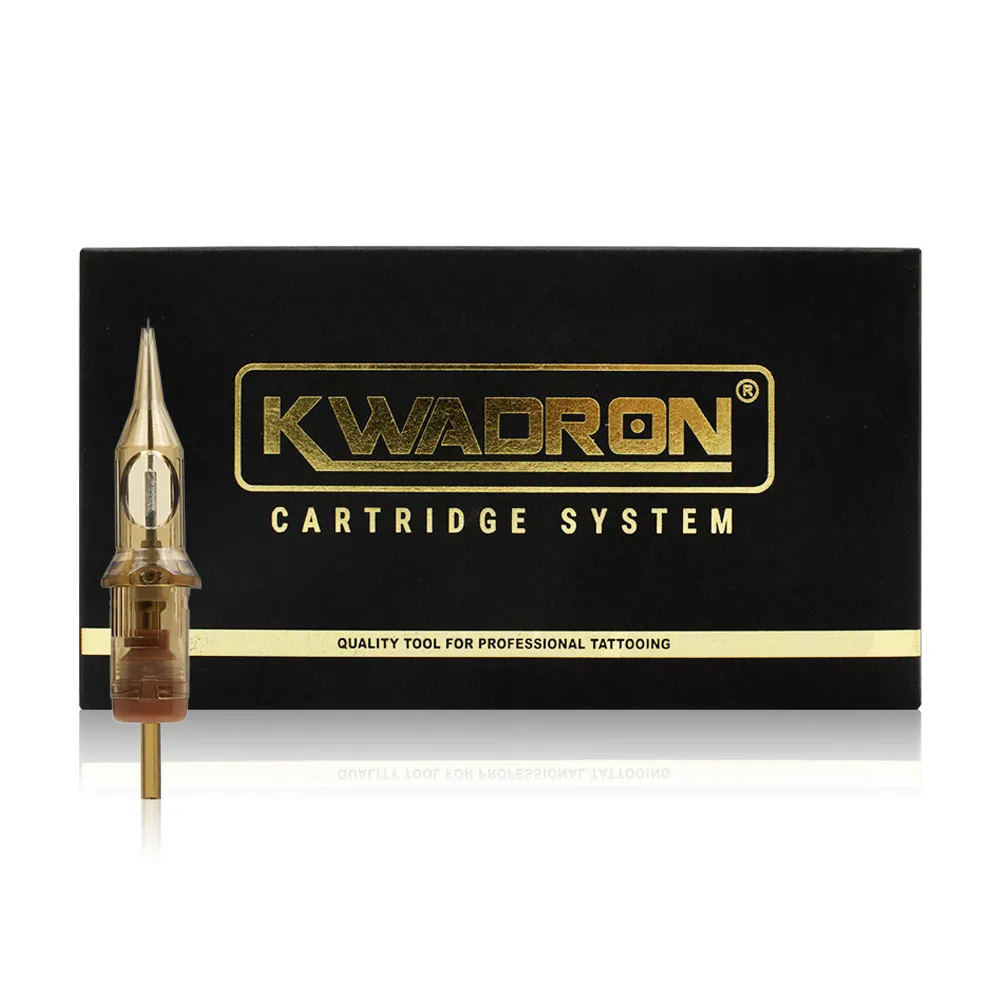 Localized Shading & Small Fills
Kwadron - Cartridges Round Shaders
Round-shader option for narrow background regions and smaller shaded details.
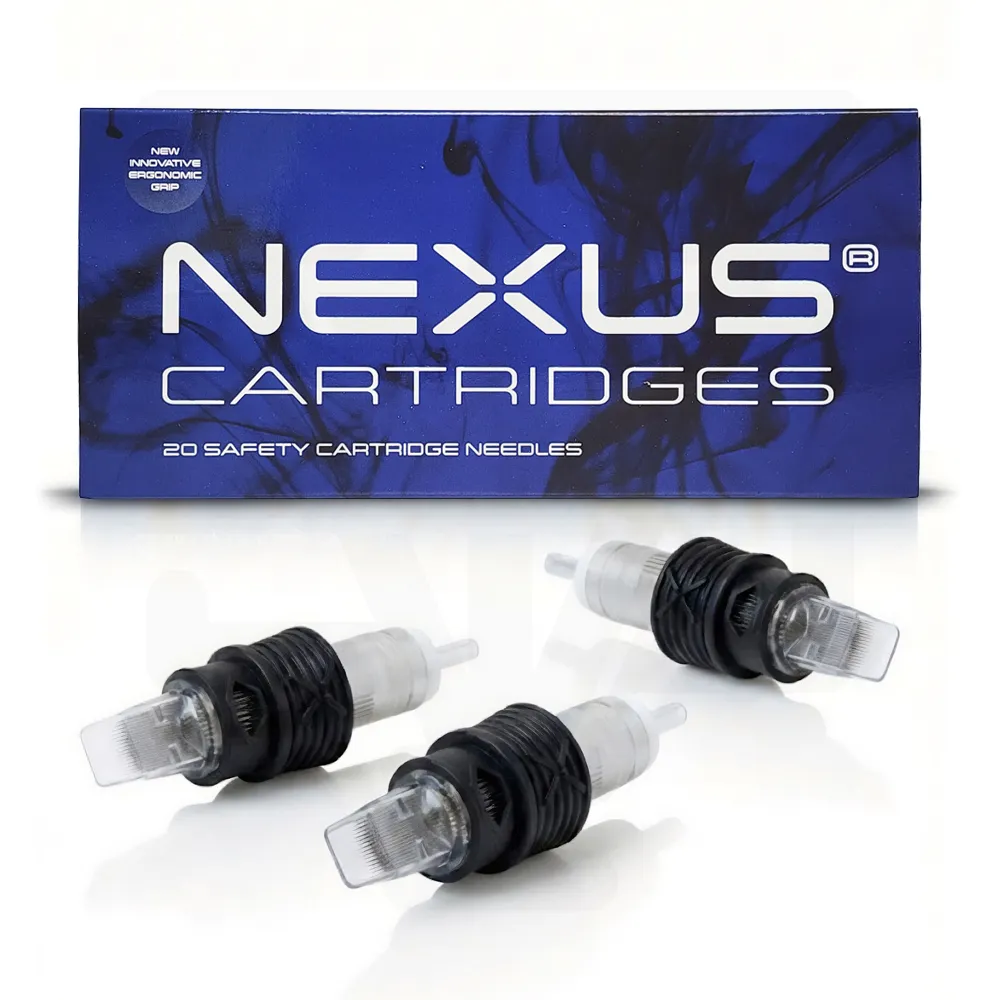 Alternative Curved Magnum
Nexus Cartridges - Curved Mags
Another curved-mag cartridge option to compare for broad gray transitions and shading zones.
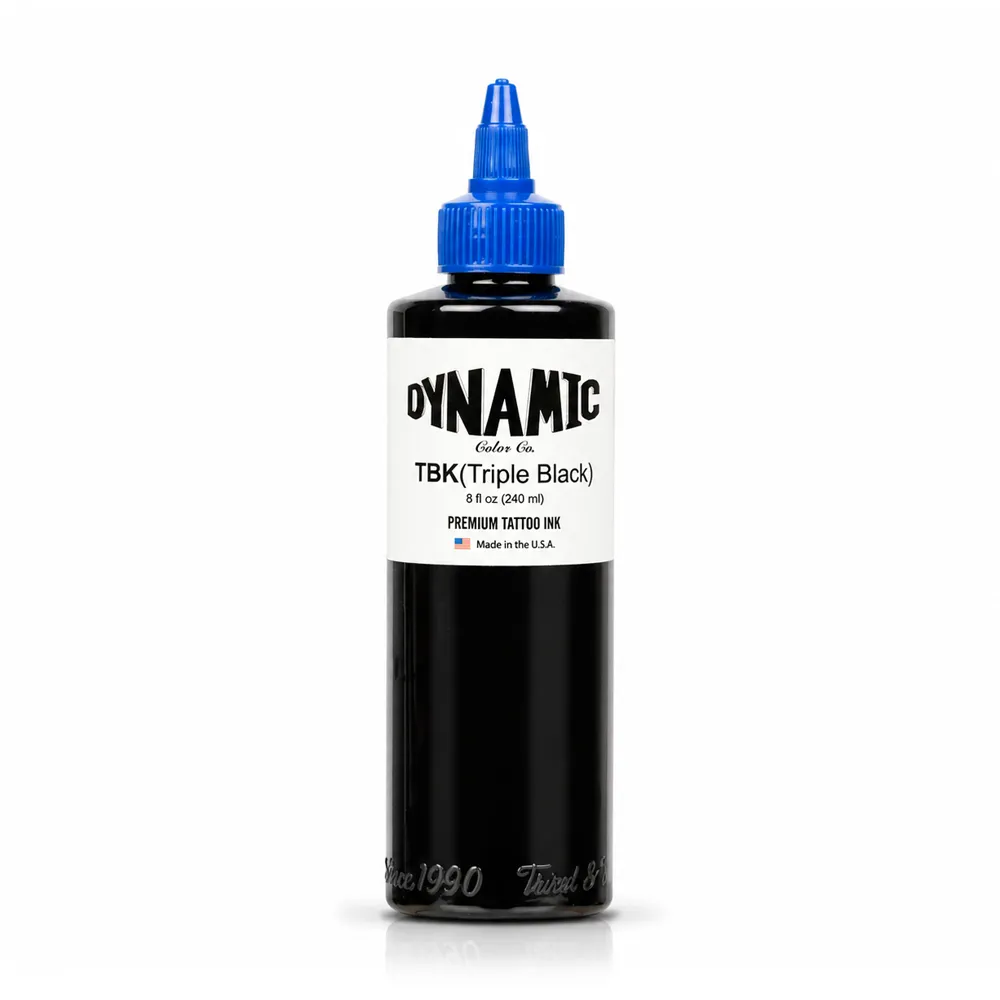 Black Packing & Shading
Dynamic - Triple Black
Dynamic lists shading, packing and greywash, including Japanese-style work; follow its stated uses.
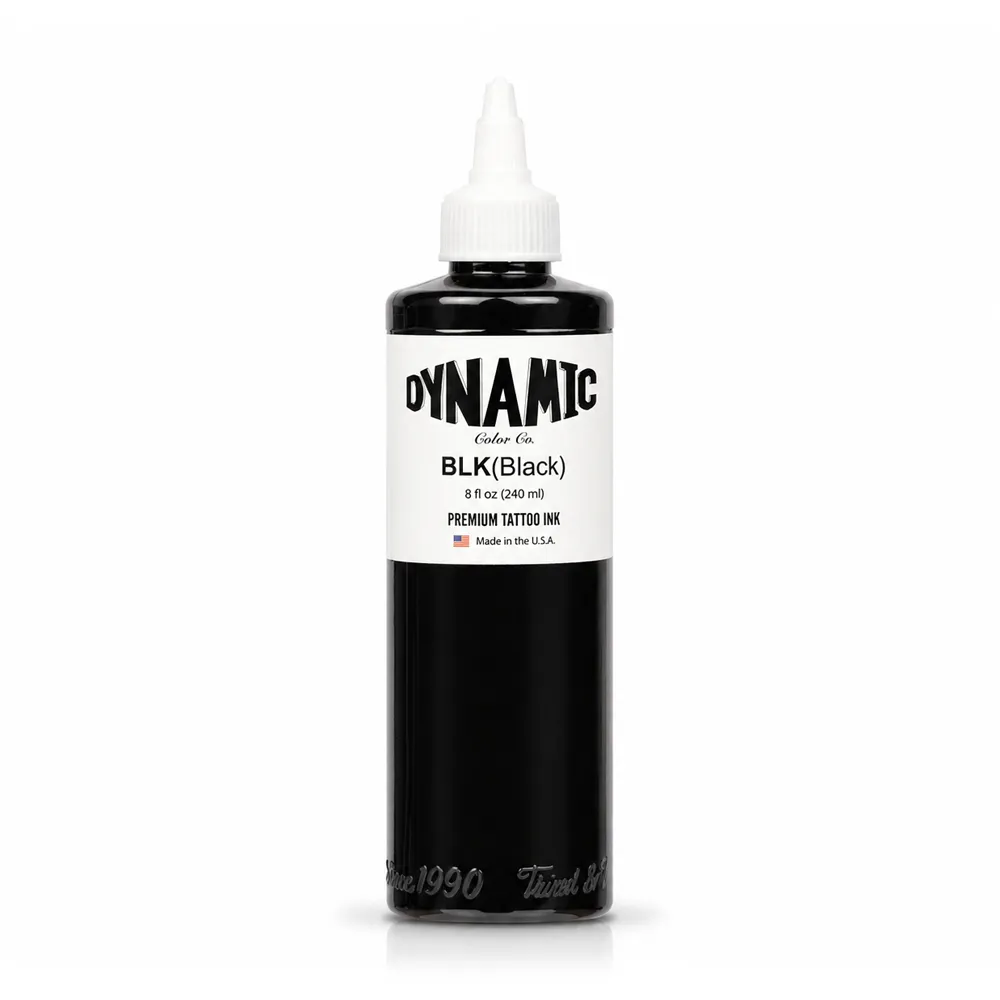 Black for Contours & Fills
Dynamic - Black
Dynamic lists BLK for lining, shading, packing and greywash across styles.
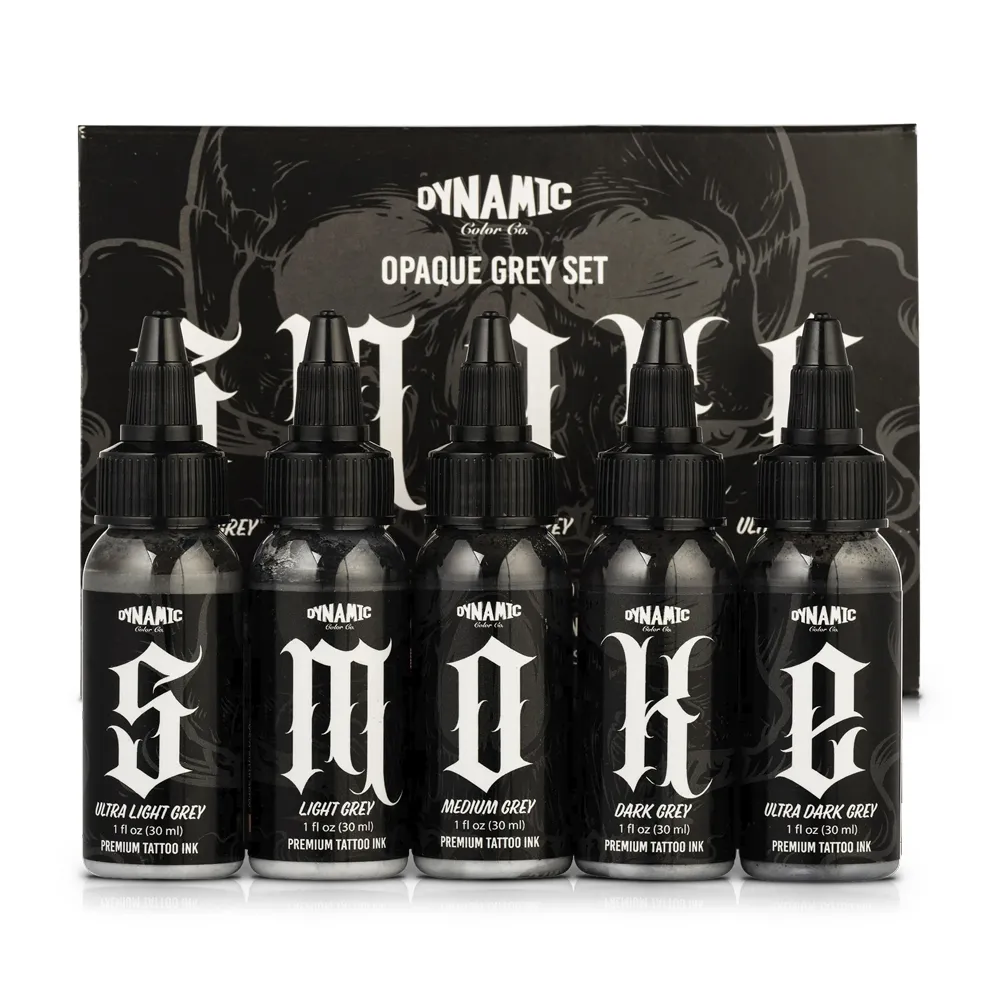 Opaque Gray Palette
Dynamic - Smoke Opaque Greys Set
Opaque-gray set to compare with a greywash range when planning the background's middle values.
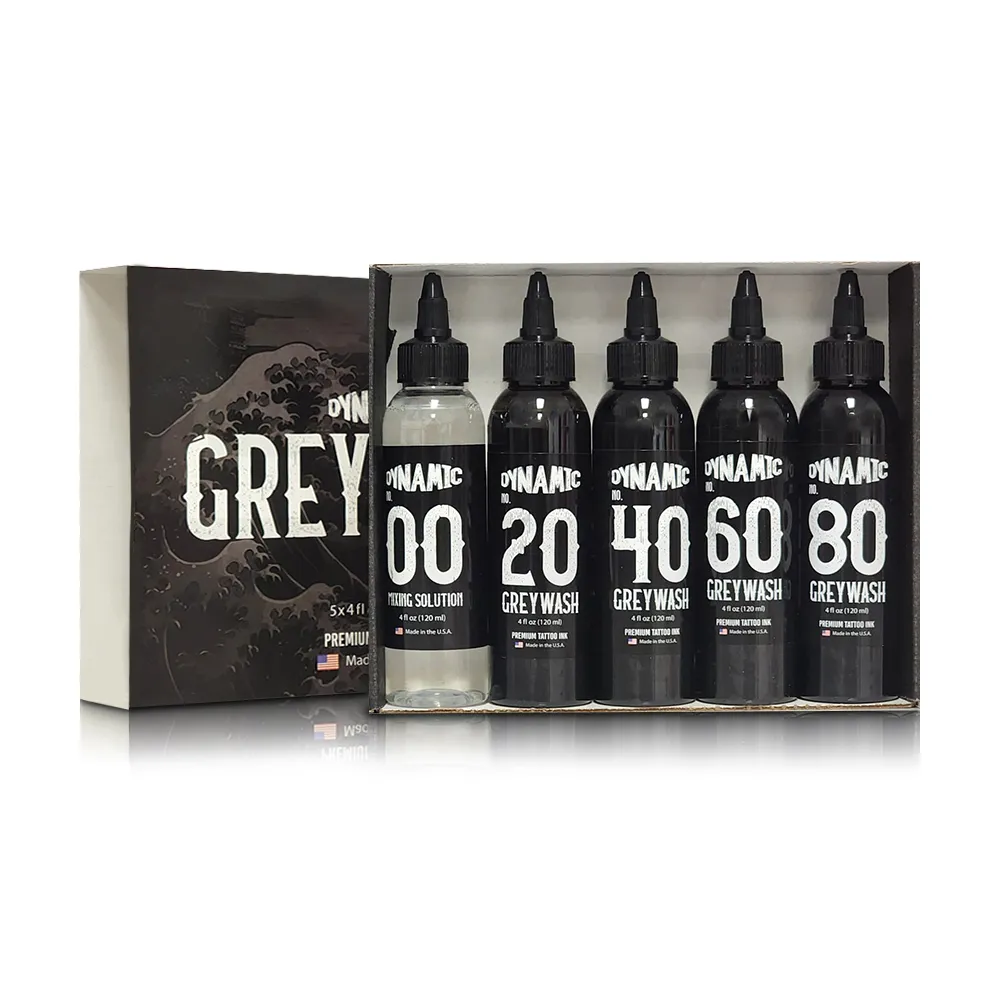 Black-to-Gray Transitions
Dynamic - Greywash Set
Greywash-set option for selected gradations and charcoal-gray areas; read the product directions.
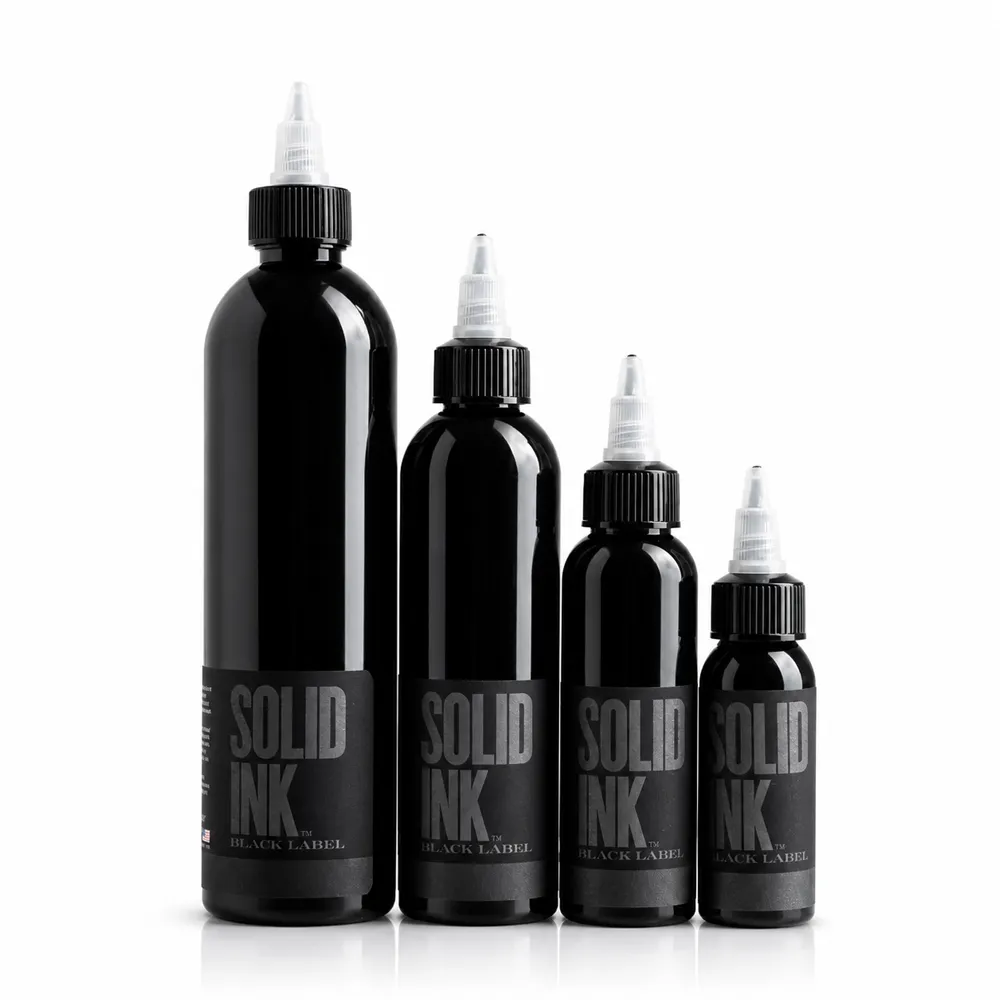 Dedicated Lining Black
Solid Ink - Lining Black
Dedicated lining black for wind-bar, cloud and wave contours.
Shop Kwadron Cartridges Browse Dynamic Ink Shop Greywash Sets
STUDIO CHECKLIST
What should you check before buying needles and inks for Japanese backgrounds?
Use the full drawing to assign a specific role to each cartridge and pigment, then check the maker's instructions and machine compatibility.
- Main motif: Verify its position, silhouette and relationship to the surrounding design.
- Background: Choose clouds, waves, wind bars, rocks or flames by composition, not fixed pairing rules.
- Open skin: Decide whether a filled background or an open motif approach is wanted.
- Body flow: Check the sleeve or back drawing from relevant views before transfer.
- Stencil: Mark transitions between motifs, black masses, gray gradients and bare skin.
- Outlines: Compare RL configurations and line weights for the planned contours.
- Large fills: Compare magnums and standard pin sizes for solid black zones.
- Gradation: Evaluate curved mags or RS with the selected greywash or opaque-gray product.
- Compatibility: Check pin count, diameter, taper and machine instructions.
- Skin response: Inspect the actual coverage before repeating a pass.
FAQ
Frequently asked questions about Japanese tattoo backgrounds
Answers for artists planning wind bars, waves, clouds and black shading around Japanese-style motifs.
What is the background of a Japanese tattoo called?
Practitioner sources use gakubori for clouds, waves, wind bars and other forms framing the primary motif.
What are wind bars in Japanese tattoos?
Wind bars are recurring background shapes used as part of a Japanese-style composition. Practitioner examples pair them with birds; plan their direction and surrounding negative space rather than assigning a mandatory meaning.
What elements go into Japanese tattoo backgrounds?
Practitioner sources describe clouds, water and waves, wind bars, rocks, flames and flowers. Choose them for the composition.
What backgrounds go with koi, dragons, hannya or tigers?
StarBrite discusses water with fish and some dragons; a practitioner guide gives clouds with dragons and wind bars with birds. The choice is compositional, not a fixed rule.
What tattoo needles work for Japanese background shading and black?
Kwadron describes magnums for large fills, soft-edge mags for fades, RL for contours and RS for smaller shade areas. Peak discusses standard pins for broad black packing.
How do you shade bokashi in a Japanese tattoo?
The Vanishing Tattoo uses bokashi for smooth charcoal-gray gradation. Plan dark, middle and light regions and compare soft-edge mags with the appropriate gray palette; use your trained shading technique.
What black ink and colors should you use for Japanese tattoo backgrounds?
Dynamic lists BLK for lining and packing and Triple Black for shading and packing, with Japanese among its style uses. StarBrite also discusses a range of blues for water.
How long does a Japanese tattoo background take to finish?
StarBrite describes Japanese traditional work as often large-scale and multi-session. Estimate scope and scheduling from the actual design, size and placement.
Does every Japanese tattoo need a full background?
Not necessarily. Practitioner sources use gakubori for a developed framing background, but a motif can also sit on open skin. Agree on the layout with your client before drawing the stencil.
How do you make wind bars and waves flow around an arm or back?
Plan the full body area before transferring the stencil. Review the flow and preserve the main figure.
Do you need tebori to tattoo a Japanese-style background?
StarBrite identifies tebori as a traditional hand-poked method. A Japanese-style design can be planned and tattooed with a modern machine and cartridges.
How do you pack large solid black backgrounds without overworking?
Kwadron describes magnums for broad fills and Peak favors standard pins for large even black areas. World Famous recommends checking for missed spots and avoiding unnecessary repeat passes.
RESEARCH
Sources Consulted
Historical context comes from nippon.com and MFA Boston; artist terminology from practitioner sites; needle, ink and packing descriptions from the named manufacturers.
- nippon.com: Irezumi, The Japanese Tattoo Unveiled
- Museum of Fine Arts, Boston: Tattoos in Japanese Prints
- StarBrite: Japanese Traditional Tattoo Irezumi Style Guide
- JapaneseTattoo.com (Kenshō, practitioner): Gakubori, Japanese Tattoo Meaning
- The Vanishing Tattoo (practitioner): Irezumi
- Kwadron: Needle Configuration Guide
- Peak: Bugpin vs Standard Tattoo Needles
- Peak: Machine Setup for Lining, Shading and Color
- Dynamic Color: Dynamic Blacks Explained
- World Famous Tattoo Ink: How to Master Color Packing