Powered by Comercia.io
How old must a client be to get a tattoo in Texas, and what must a tattoo studio include in its consent form? Texas generally requires tattoo clients to be 18 or older; parental permission alone does not authorize an ordinary tattoo at 16 or 17. This studio-focused guide explains Texas tattoo age laws, the narrow minor cover-up exception, government-issued ID, written disclosures, piercing consent, client records and retention under Health and Safety Code Chapter 146 and 25 TAC §229.406.
Explore SVT Shop Studio Supplies Review Texas Tattoo Licensing
QUICK ANSWER
Can a 16- or 17-year-old get a tattoo in Texas with parental consent?
Not for an ordinary new tattoo. Under Texas Health and Safety Code §146.012(a)-(a-1), a person under 18 may be tattooed only in a qualifying procedure to cover an existing tattoo with specified offensive, gang-related, drug-related or other covered markings the parent or guardian considers in the minor's best interest to conceal. The studio must also meet consent and evidence requirements. Ordinary body piercing has a different parental-consent framework under §146.0125; it does not expand tattoo eligibility.
STANDARD TATTOO
Client must be 18 or older; check qualifying government-issued photo identification.
MINOR COVER-UP
Only the statutory existing-tattoo exception, with the documentation specified in §229.406(d).
PIERCING
Separate minor consent rules; confirm current notarization or in-person documentation with DSHS.
THE INTAKE RULE
How old do you have to be to get a tattoo in Texas?
For a standard tattoo appointment, the client must be at least 18. Texas Health and Safety Code §146.012(a)(1) bars a tattooist from tattooing someone younger than 18 except under the existing-tattoo cover-up exception in subsection (a-1). The administrative rule, 25 TAC §229.406(a) and (c), reinforces the 18-year baseline and identifies the exception in subsection (d).
Check age before design approval or preparation. A parent signing for a routine new tattoo does not create an exception. Only a qualifying existing-tattoo cover-up can enter the minor review process.
| Request at intake | Texas law | Studio action |
|---|---|---|
| Adult, age 18 or older | Standard eligibility subject to identity and other conditions. | Check photo ID; complete disclosures and permanent record. |
| Minor, new tattoo | Prohibited by HSC §146.012(a) outside the exception. | Do not book or perform the tattoo on parental permission alone. |
| Minor, qualifying existing tattoo to cover | Potential exception under §146.012(a-1). | Review the existing markings and all §229.406(d) conditions before accepting. |
| Minor requesting piercing | Separate parental-consent framework under §146.0125. | Use the piercing intake process; never substitute it for tattoo permission. |
THE LIMITED STATUTORY EXCEPTION
When can a Texas tattoo studio tattoo a minor to cover an existing tattoo?
Only when the existing tattoo and the required consent satisfy HSC §146.012(a-1). The statute lists existing tattoos containing obscene or offensive wording or symbols, gang-related markings, drug-related markings, or other words, symbols or markings the minor's parent or guardian considers in the minor's best interest to cover. Every category concerns covering existing markings.
Category (D) permits other existing words, symbols or markings that the parent or guardian considers appropriate to cover in the minor's best interest. The exception remains limited to a cover-up, not unrelated new artwork.
Qualifying existing content in HSC §146.012(a-1)(1)
- Subsection (A): Obscene or offensive language or symbols.
- Subsection (B): Gang-related names, symbols or markings.
- Subsection (C): Drug-related names, symbols or pictures.
- Subsection (D): Other words, symbols or markings the parent or guardian considers in the minor's best interest to cover.
VERIFY BEFORE THE PROCEDURE
What proof and parental documents must the studio collect for a minor cover-up?
25 TAC §229.406(d) requires parental or guardian identity and status evidence, an affidavit, the minor's identity evidence, and a detailed description or photograph of the existing tattoo. Keep those materials with the permanent record.
Review the existing tattoo
Confirm the appointment is for concealing an existing marking of the type described in §146.012(a-1), not applying an unrelated new design.
Confirm the responsible adult
Follow §146.012(b) and §229.406(d) regarding the parent's or guardian's physical presence, identity and evidence of legal status.
Obtain the affidavit
Keep the statement identifying the adult as the minor's parent or guardian as the rule describes.
Document the minor and the existing marking
Record identity evidence for the minor and retain the detailed description or photograph required by §229.406(d)(2)(E).
Record the adult's contact details
Include the parent or guardian's full name, address and phone number under §229.406(d)(2)(F).
Complete the regular procedure record
Deliver verbal and written disclosures, collect the required §229.406(j) fields and retain the applicable documents together.
Document first, tattoo second
Complete the statutory documents before the procedure. Ask DSHS or a Texas attorney about disputed guardianship or unclear cover-up eligibility.
PHOTO ID AND DOB
What identification does a Texas tattoo studio need to verify?
25 TAC §229.406(a) requires valid government-issued identification bearing the client's photo and printed date of birth. Examples in the rule include a driver's license, passport or military identification. Under §229.406(b), the artist must verify and document the client's age, date of birth and the type of identification presented.
Verify the person receiving the service, not just the typed date on an intake form. An eligible minor cover-up requires additional identity and relationship documents under §229.406(d).
| Check | What the rule says | What goes in the client record |
|---|---|---|
| Issuing authority | Valid government-issued positive identification. | Type of identification presented. |
| Photograph | Photo of the individual. | Verify identity matches the client. |
| Date of birth | Printed date of birth. | Actual birth date and verified age. |
| Minor cover-up | Additional identity and parent/guardian relationship evidence. | Supporting §229.406(d) documentation. |
THE STUDIO CLIENT PACKET
What must a Texas tattoo consent form and client record contain?
25 TAC §229.406(h) and (j) require risk disclosures and a client record documenting identity, service, pigment or jewelry, care instructions and signature. Use the checklist below when building the studio packet.

| Record field | Source in §229.406(j) | Studio check |
|---|---|---|
| Client full name, address, phone | (j)(1) | Identify the client and retain current contact information. |
| Date the service was performed | (j)(2) | Record the actual procedure date. |
| Age, birth date, identification type | (j)(3) | Verify against government-issued photo ID. |
| Tattoo color or colors | (j)(4) | Record specific pigment colors used. |
| Manufacturer catalogue or ID number, when available | (j)(4) | Retain available identifiers for each color. |
| Body location | (j)(5) | Describe where the tattoo was placed. |
| Artist's name | (j)(6) | Identify who performed the service. |
| Statement acknowledging written care instructions | (j)(7) | Confirm client received, read and understood the copy. |
| Client signature | (j)(8) | Complete the record after the client has reviewed it. |
SAY IT AND WRITE IT
What tattoo risks must a Texas artist explain verbally and in writing?
25 TAC §229.406(h) requires both verbal and written disclosure before tattooing. The tattoo client, and the parent or guardian when applicable, must be told about discomfort or pain, permanence, infection risk and possible allergic reactions to pigments or other materials. A signature does not replace the required spoken explanation.
Minimum tattoo risk topics under §229.406(h)
- Possibility of discomfort or pain during the procedure.
- Permanent nature of the tattoo markings.
- Risk of infection.
- Possibility of allergic reaction to pigments or other materials.
A written signature does not replace verbal disclosure. Keep the risk explanation before the procedure and the written-care acknowledgment in the final client record.
See tattoo ink safety and FDA labels for related pigment documentation.
DO NOT APPLY TATTOO RULES TO PIERCING
Can minors get body piercings in Texas with parental consent?
HSC §146.0125 allows eligible minor body piercing with consent from a parent, managing conservator or guardian specifying the body location. Under §146.001(1), the Chapter 146 body-piercing definition excludes the earlobe.
DSHS describes a notarized consent route and an in-person adult with affidavit and ID route. The wording of 25 TAC §229.406(e) should be confirmed with DSHS at 512-834-6600 before accepting the documents.
| Procedure | Minor eligibility | Source and records |
|---|---|---|
| Ordinary new tattoo | Not authorized by parental consent alone. | HSC §146.012(a), 25 TAC §229.406(c). |
| Qualifying tattoo cover-up | Possible only under the narrow existing-tattoo exception. | §146.012(a-1); §229.406(d) evidence. |
| Body piercing under Chapter 146 | Parental, conservator or guardian consent with conditions. | §146.0125; §229.406(e), confirm DSHS process. |
Section §229.406(i) adds piercing disclosures about pain, scarring, bleeding, swelling, infection, nerve damage and adolescent developmental risks. For studio supplies, see jewelry sizing and piercing aftercare.
THE AGE RULE ALSO REACHES COSMETIC TATTOOS
Do Texas tattoo age and identification laws also apply to permanent makeup?
Yes. Texas Health and Safety Code §146.001(3) expressly includes the application of permanent cosmetics within the statutory definition of tattooing. DSHS also lists permanent-cosmetic studios among the operations it licenses under the tattoo program. A PMU appointment for brows, eyeliner or lips is not exempt from the Texas tattoo age requirements simply because the result is cosmetic.
HSC §146.012(a)(2) and §229.406(f) prohibit proceeding with someone who appears under the influence of alcohol or drugs. Section §229.406(g) also prohibits tattooing or piercing skin showing rashes, boils, infection or abrasions.
THE TWO-YEAR RECORD DUTY
How long must Texas tattoo studios keep consent forms and client records?
25 TAC §229.406(j) requires the studio to retain client records for at least two years after the date of the last entry. HSC §146.013 independently requires permanent client records for the period prescribed by department rule, available for inspection. The regulation also addresses temporary locations: their client records are maintained by the license holder.

Keep all §229.406(j) fields together, including the signed aftercare acknowledgment. For an eligible minor cover-up, retain the additional parent or guardian records and description or photograph.
FROM BOOKING TO FILED RECORD
How should a professional Texas tattoo studio check age and consent before the session?
Use one consistent intake sequence for every booking. Texas law calls for a verified age decision, any applicable exception review, written and spoken disclosure, and a complete permanent record. The steps below put those duties in a practical order before tattoo equipment is prepared for the client.
Identify the requested service
Separate ordinary tattooing, an existing-tattoo minor cover-up, permanent cosmetics and body piercing.
Verify government-issued photo ID
Check the photograph, printed birth date and age; record the ID type as §229.406(a)-(b) requires.
Review any minor exception
For tattoo cover-ups, complete §229.406(d) evidence; for piercing, confirm §229.406(e) documentation with DSHS.
Deliver risk disclosure
Explain the applicable §229.406(h) or (i) risks verbally and in writing before performing the procedure.
Complete the procedure record
Include §229.406(j) identities, colors or jewelry, body location, artist and signature.
Give written care instructions and file the acknowledgment
Confirm that the client has received, read and understood the applicable care sheet, then retain the record.
STATE LAW AND CITY ORDINANCES
Where should a Texas tattoo studio verify local rules and consent questions?
DSHS says Texas cities can have stricter tattoo and piercing ordinances. Check requirements for the studio's actual location and ask DSHS or an attorney about unusual eligibility or consent questions.
Questions for DSHS or counsel
- How should the studio interpret an unusual proposed minor cover-up?
- Which supporting documents satisfy a disputed parent or guardianship situation?
- What are the current accepted methods for minor piercing consent?
- Does the location have additional city or county restrictions?
DSHS lists 512-834-6600 for licensing assistance and 512-834-6711 for general tattoo and body-piercing program questions. For the studio license itself, see SVT Shop's Texas tattoo artist and studio licensing guide.
THE REQUIRED FINAL HANDOFF
Does a Texas tattoo artist have to provide written aftercare instructions?
Yes. The client record required by 25 TAC §229.406(j)(7) must contain a statement that the client received a copy of the applicable written care instructions and has read and understands them. DSHS also explains that tattoo studios must provide oral and written aftercare guidance.

See tattoo aftercare day by day and second skin vs ointment. HSC §146.014 requires studios to report a resulting tattoo or piercing infection to DSHS as soon as it becomes known.
COMMON INTAKE FAILURES
Which Texas tattoo consent mistakes should studio owners prevent?
Most preventable paperwork errors occur before the machine is turned on. Compare each client against HSC §146.012 and 25 TAC §229.406 rather than trusting an online form title.
Accepting permission for a routine teen tattoo
Parental consent alone does not override §146.012(a).
Failing to document the existing cover-up
Section §229.406(d) calls for a detailed description or photograph.
Using a signature in place of a verbal risk discussion
Section §229.406(h) requires both verbal and written disclosure.
Skipping ink and aftercare record fields
Section §229.406(j) requires pigment details and written-care acknowledgment.
AFTER ELIGIBILITY AND PAPERWORK
Which SVT Shop supplies support the studio after consent is completed?
Studio supplies belong to the procedure and routine-care workflow after lawful age verification, disclosure and documentation. SVT Shop carries Saniderm, Hustle Butter, Adenna and KORVEX; none of them replaces the ID check, the risk disclosure or the client record.
 Routine tattoo care
Hustle Butter De Luxe
Moisturizing product to consider under the artist's written care plan.
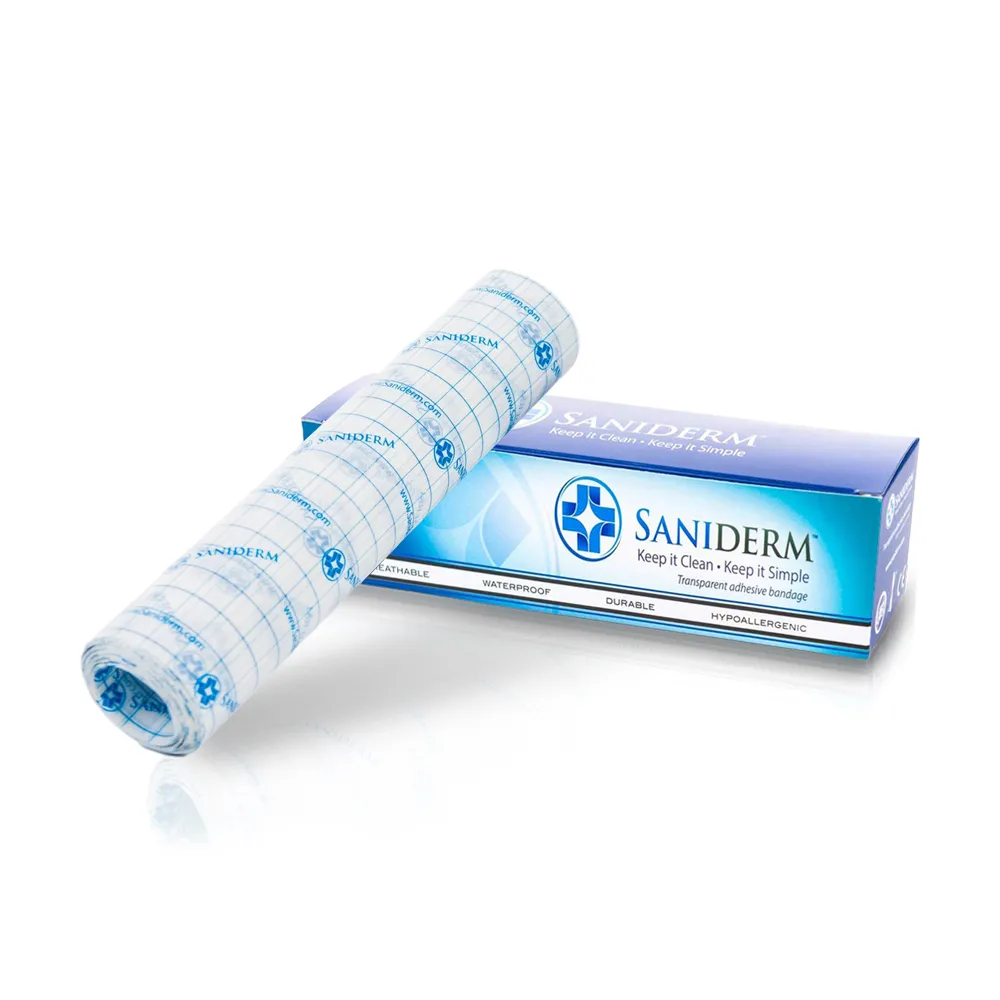 Artist-directed dressing
Saniderm Tattoo Adhesive Film 10.2 in x 2 Yard Roll
Film format for an approved tattoo dressing routine.
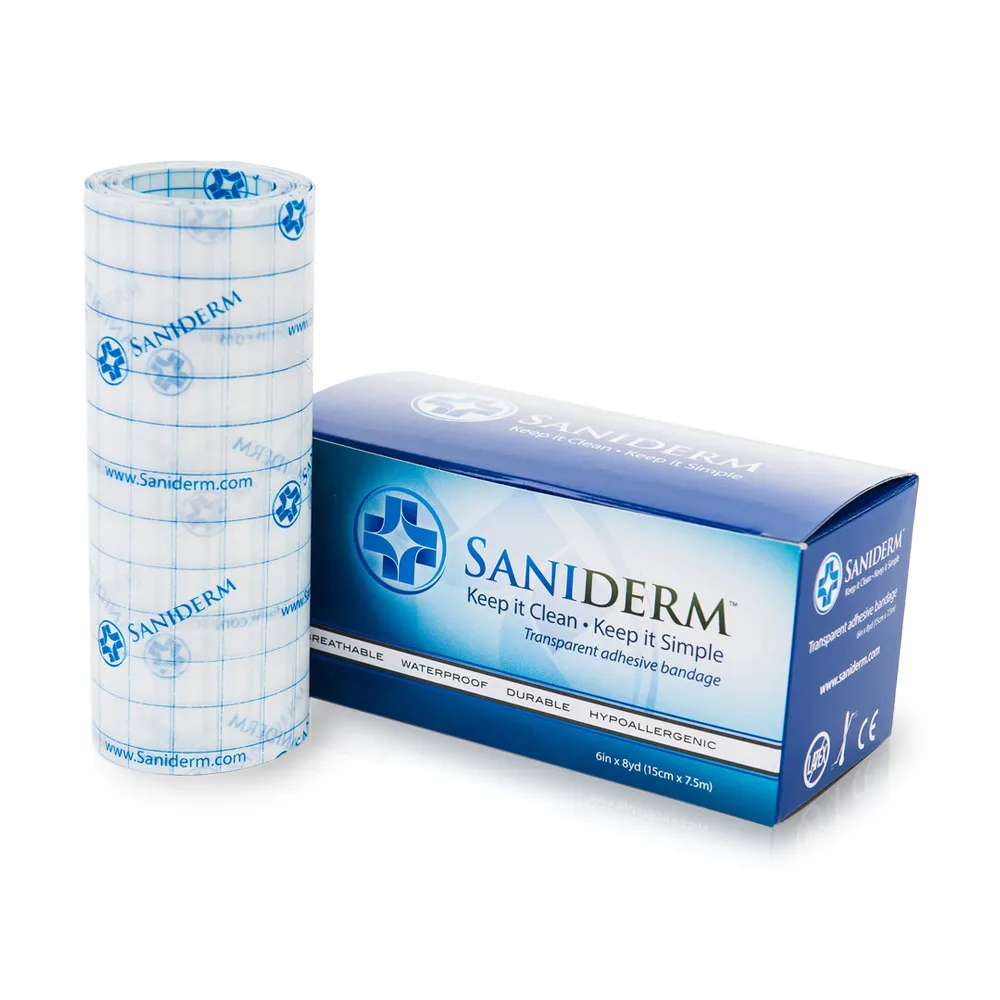 Alternative roll width
Saniderm Tattoo Adhesive Film 6 in x 8 Yard Roll
Another film-roll format for studio coverage planning.
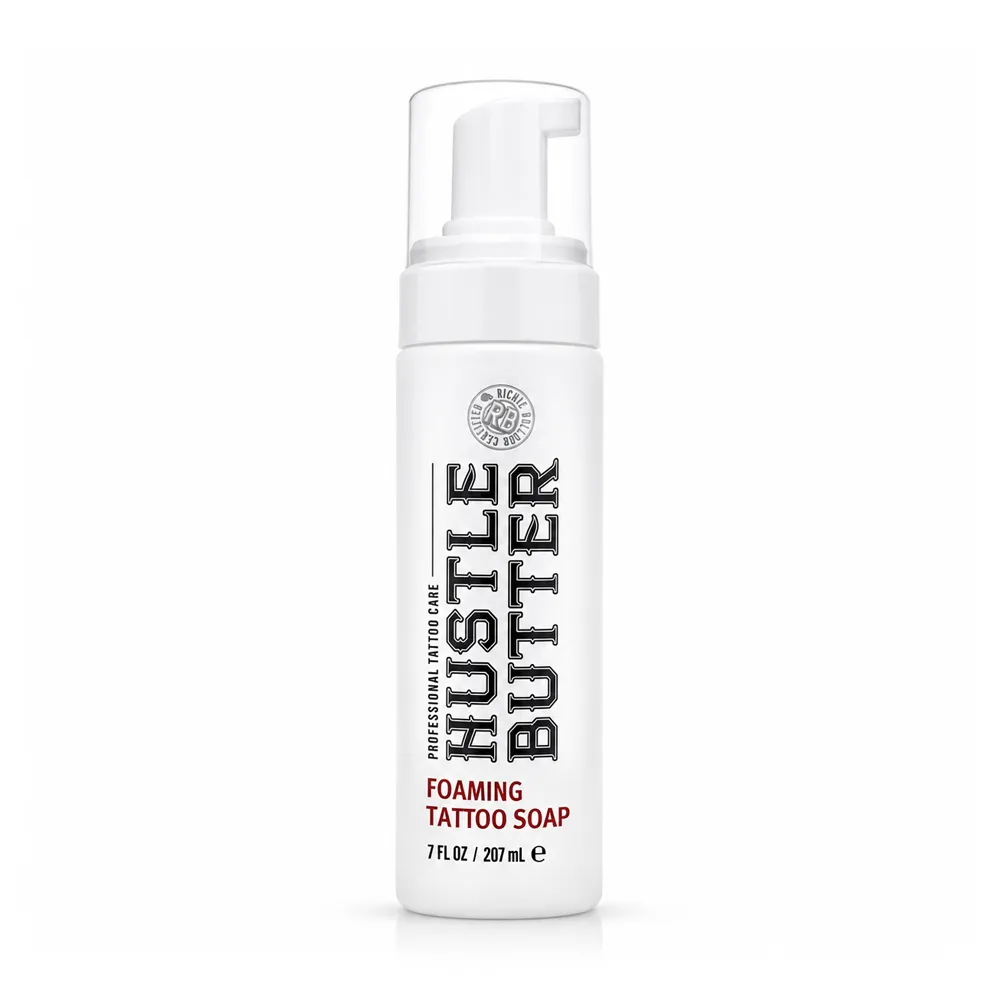 Routine cleansing
Hustle Butter Foaming Tattoo Soap 7 oz
Wash option where appropriate to the artist's aftercare sheet.
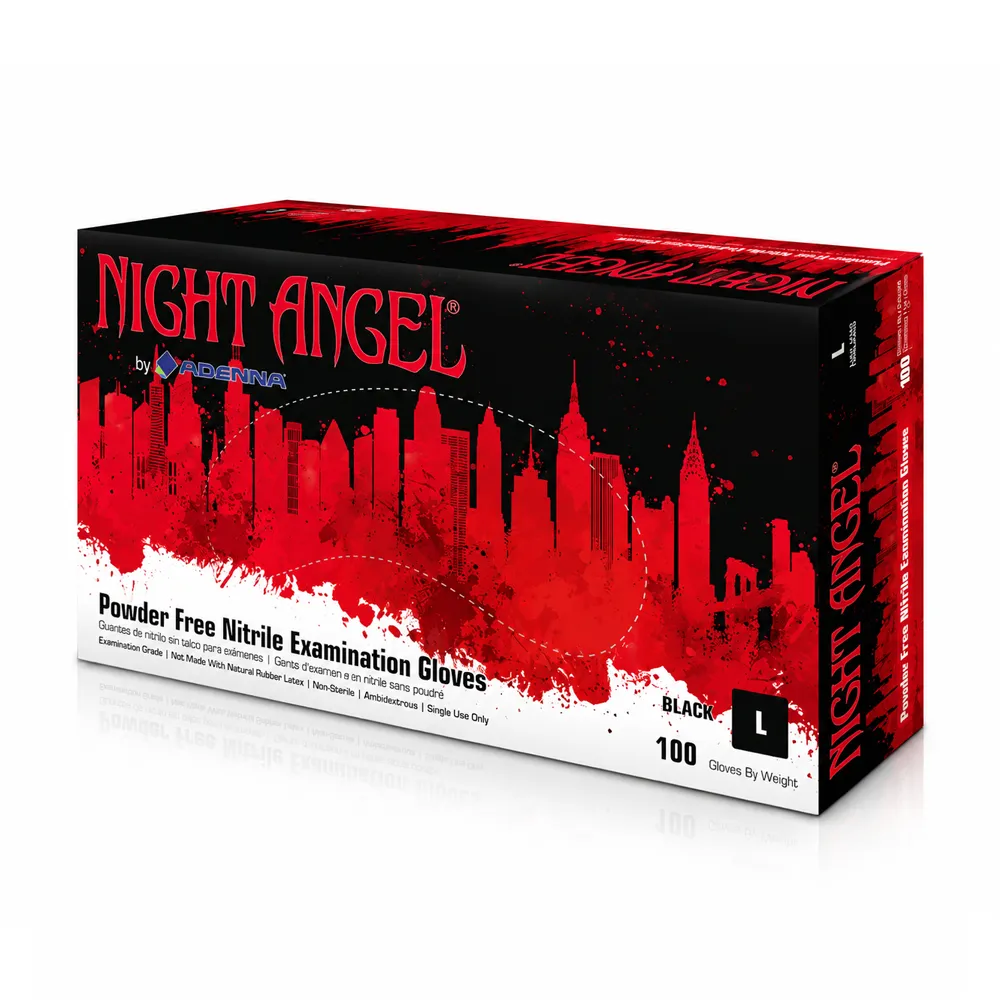 Studio barrier workflow
Adenna Night Angel Black Nitrile Exam Gloves
Disposable examination gloves for studio hygiene.
 Glove supply alternative
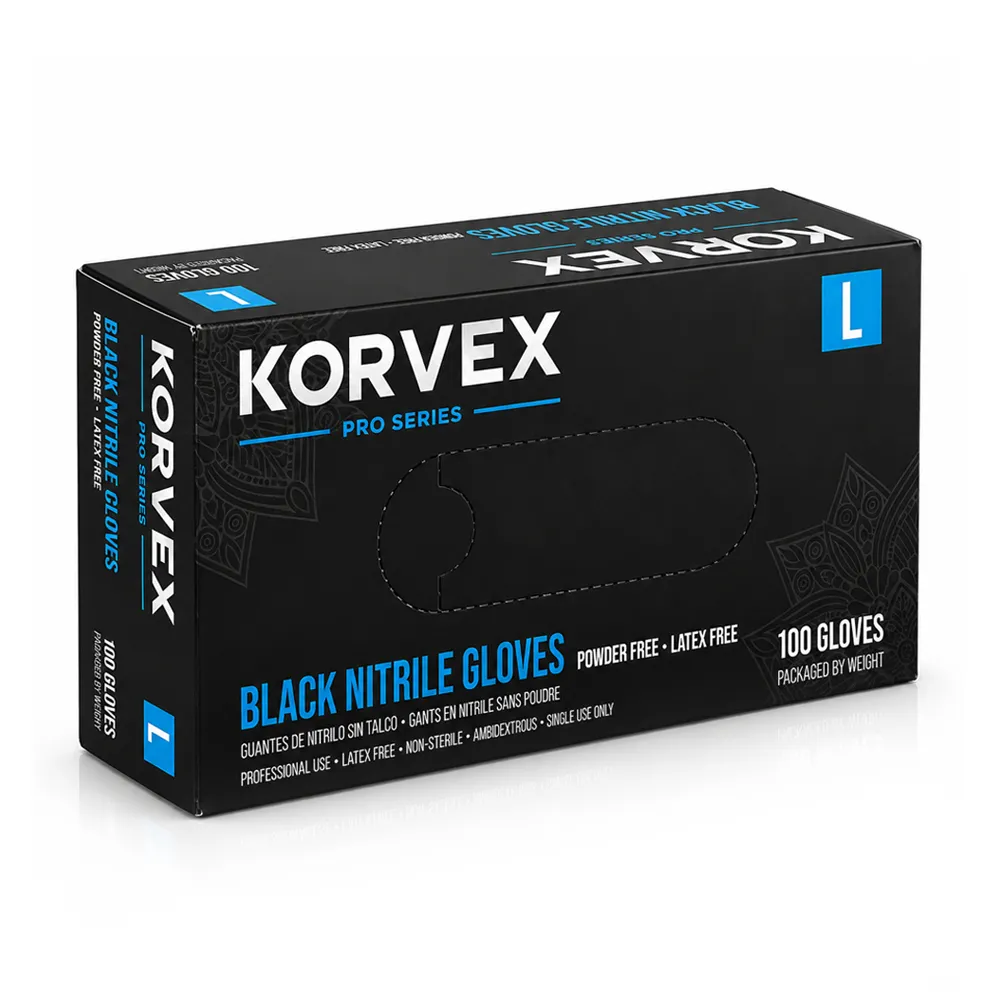
KORVEX Black Nitrile Gloves
Another disposable glove option for a professional work area.
Explore SVT Shop Review Studio Hygiene
SVT Shop serves studios in El Paso, TX, with Next Day Delivery available in El Paso.
THE FRONT-DESK REVIEW
What should a Texas tattoo studio check before approving consent paperwork?
Complete this check before setting up the procedure. The studio should verify the client, procedure and applicable statutory exception, then complete the record and disclosure required by 25 TAC §229.406.
- Age: 18 or older, or qualifying existing-tattoo cover-up under HSC §146.012(a-1)?
- ID: Government-issued photo ID, birth date, age and ID type verified?
- Minor exception: Parent or guardian presence, affidavit, identity, status, cover-up description and contacts documented?
- Risks: Verbal and written disclosures completed?
- Record: Client and procedure fields, colors or jewelry, available identifiers, care acknowledgment and signature present?
- Retention: Filed at the studio for at least two years after last entry?
- Local rules: DSHS and city/county questions resolved before proceeding?
FREQUENTLY ASKED QUESTIONS
12 questions Texas tattoo studios ask about age, ID and consent
These answers are based on HSC Chapter 146, 25 TAC §229.406 and Texas DSHS guidance. Studios should confirm unusual cases with the agency or a Texas attorney.
1. How old do you have to be to get a tattoo in Texas?
Generally 18, under HSC §146.012(a). Only a qualifying existing-tattoo cover-up is excepted under §146.012(a-1).
2. Can a 16- or 17-year-old get a tattoo with parental consent in Texas?
Not an ordinary new tattoo. Parental consent applies only within the statutory cover-up exception.
3. Can a minor get a tattoo to cover an old tattoo in Texas?
Only when the existing marking and parent or guardian consent meet §146.012(a-1) and the documents meet §229.406(d).
4. What ID does a Texas tattoo studio need?
Government-issued photo identification with a printed birth date; verify and record age, DOB and ID type under §229.406(a)-(b).
5. Can a minor get a body piercing in Texas?
Section §146.0125 permits eligible minor piercing with specified parental, conservator or guardian consent. Confirm procedure documents with DSHS.
6. What goes on a Texas tattoo consent form?
Include §229.406(j) record fields plus the verbal and written risk disclosures required by subsection (h).
7. Is there an official Texas tattoo consent form PDF?
Build your studio form around §229.406 and check DSHS for current forms or guidance. Do not treat a generic template as agency approval.
8. How long must tattoo studios keep client records in Texas?
At least two years after the last entry, under §229.406(j); records must be available for authorized inspection.
9. What if a minor lies about being 18?
HSC §146.012(c) makes false age claims or misleading age documents a Class B misdemeanor. Artists still must verify ID.
10. Does a parent need to be present for a minor's procedure?
For the tattoo cover-up exception, §146.012(b) and §229.406(d) describe presence and identity evidence. For piercing, ask DSHS about the accepted consent route.
11. Must a tattoo artist give written aftercare instructions?
Yes. §229.406(j)(7) requires a record statement that the client received, read and understood applicable written care instructions.
12. Who answers Texas tattoo consent questions?
DSHS: 512-834-6600 for licensing assistance or 512-834-6711 for general program questions; check the local city as well.
PRIMARY LAW AND DSHS GUIDANCE
Sources Consulted
Statutory and administrative section numbers are given for studio verification. The Texas statute and rule mirrors below reproduce state law; confirm updates with the Texas Legislature, Texas Secretary of State and DSHS.
- Texas HSC §146.012: Tattooing Minors and the Cover-Up Exception
- Texas HSC §146.0125: Minor Body Piercing Consent
- Texas HSC §146.001: Definitions Including Permanent Cosmetics
- Texas HSC §146.013: Client Record Maintenance
- Texas HSC §146.014: Infection Reporting
- 25 TAC §229.406: Client Qualifications, Disclosures and Records
- Texas DSHS: Tattoo and Body Piercing Studio Licensing Requirements
- Texas DSHS: Tattoo and Body Piercing Program Contact Information