Powered by Comercia.io
For dotwork tattoos, start with round liners for individual dots and fine geometric lines, then consider a small round shader or a dedicated stipple mag when building dotted textures. Consistent dot spacing, stipple gradients, circles and mandala symmetry depend on the relationship between machine speed, hand speed, needle configuration and a carefully placed stencil. This guide helps working tattoo artists select cartridges, black ink, settings and practice routines for dotwork and geometric designs.
Shop Tattoo Needles Browse Kwadron Cartridges
QUICK ANSWER
What needle and technique should you use for dotwork and geometric tattoos?
For isolated dots and fine geometric lines, compare round liners: Kwadron expressly lists them for dotwork. Peak suggests a liner or small round shader for detailed stippling, and describes specialized stipple mags for more distinct points. Build gradients with intentional dot density and balanced machine-to-hand speed, and use a well-checked stencil for circles and mandala symmetry.
Individual Dots
Choose a round liner and practice distinct marks, consistent scale and intentional negative space.
Dotted Gradients
Test a liner or small round shader; create lighter or darker areas by changing dot concentration.
Geometric Structure
Transfer symmetry guides first, check straight edges and circles, then select lining or broader-fill groupings.
THE STYLE, NOT JUST THE SHADING MOVE
What is a dotwork tattoo, and how is it different from a geometric tattoo?
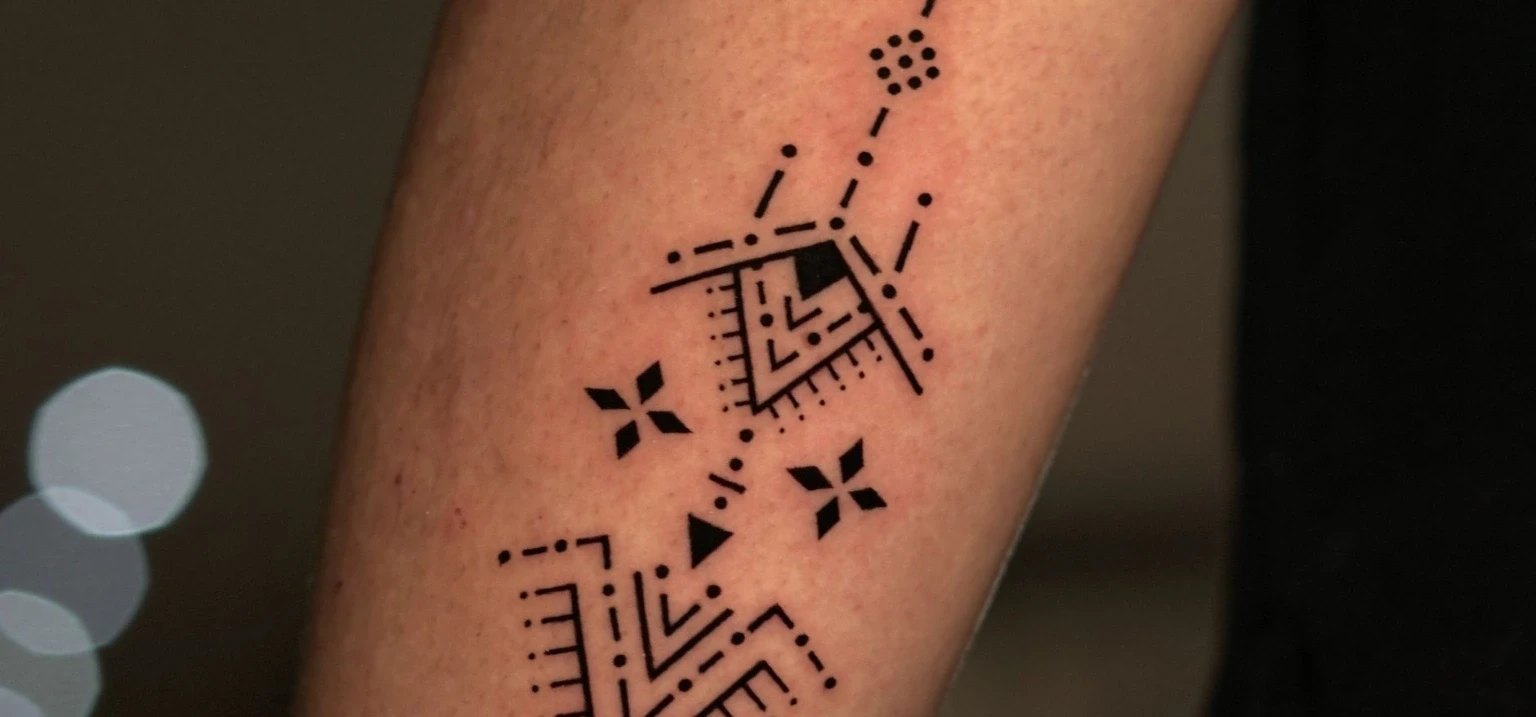
Dotwork uses individually perceived marks as a visual building block; geometry organizes lines, circles, bands and repeating shapes into a structured design. They overlap in mandalas, ornaments and patterned fills. The technical challenge is to keep the marks intentional while preserving the larger form: a beautiful cluster of dots is less useful if it weakens the circle, border or symmetry it was meant to describe.
For a direct comparison of shading movements, use the existing Whip Shading vs Pepper Shading vs Stippling guide. Here the focus is how those mark-making options serve the overall dotwork or geometric composition.
DESIGN-TO-TOOL MAP
Which needle configuration, ink and technique fit each dotwork or geometric design element?
Select by design element. Kwadron identifies round liners for dots and contours and flats for geometric shapes; Peak suggests small round shaders for fine texture and describes specialty stipple mags.
| Design element | Needle configuration | Ink approach | Technique and check |
|---|---|---|---|
| Individual or separated dots | Round liner (RL); compare smaller liner groupings for detail | Black for clear individual marks | Test isolated marks and keep their intended spacing consistent |
| Dot-density gradient | Small round shader (RS) or liner; specialized stipple mag is another manufacturer-described option | Black or a planned black-and-gray palette | Move from open marks into closer concentrations to develop tonal areas |
| Straight line or geometric circle | Round liner for contours; a flat is another geometric line/band option | Black chosen for the outline | Check transferred geometry, edge continuity and the circle's shape |
| Solid geometric fill | Straight magnum (M1) or flat, depending on the design and trained method | Black for filled sections | Keep the solid area distinct from adjoining negative-space or dotted areas |
| Symmetrical mandala | Round liner for repeated boundaries; small RS or liner for dot accents | Black with optional planned gray shading | Verify center, axes, repeated segments and relative density before completing sections |
SVT Shop carries liners, round shaders and magnums; flats and dedicated stipple mags are other configurations that makers describe.
NEEDLE SIZE, COUNT & TAPER
How do you read dotwork tattoo needle sizes, pin diameter, grouping and taper?
Read grouping, pin count, diameter and taper separately. Peak identifies #12 pins as 0.35 mm, #10 as 0.30 mm and #8 as 0.25 mm. These dimensions describe pins, not an automatic quality ranking for dotwork.
RL groups pins for contours and points; RS provides another round arrangement for texture. Kwadron describes straight magnums as double inverted rows and flats as single rows. Peak's specialty stipple mags use 3x3 or 3x6 arrangements, #10 or #12 pins and a 7 mm extra-long taper.
Read the cartridge label in this order
- Configuration: RL, RS, magnum, flat or a named specialty grouping
- Pin count: how many pins are in the specified grouping
- Diameter: the manufacturer's actual pin-size designation
- Taper: the tip geometry stated for that model
- Compatibility: the cartridge choice for the artist's machine and planned task
Use Tattoo Needle Guide and How to Choose Tattoo Cartridges for broader label explanations. For dotwork, test the whole grouping rather than selecting by one measurement.
SEPARATE DOTS & PRECISE MARKS
What needle do you use for individual dots in a dotwork tattoo?
A round liner is a grounded starting category: Kwadron specifically describes RL needles as intended for contours, lining and dotwork. Peak recommends a liner or small round shader for fine, concentrated texture. The right choice within that category depends on the dot scale and the adjacent design, so compare how each grouping performs on practice skin before using it for a repeating pattern.
Separate isolated dots from closely grouped accents when designing a mandala border or geometric field. For isolated marks, focus your practice on repeating the same visual weight and preserving open space. For a tightly textured band, evaluate whether a small round shader creates the character you want. FK Irons explains that even the same needle can yield a solid-looking mark sequence or an open stipple pattern as machine speed and hand speed change.
TONAL DESIGN WITH DOTS
How do you make smooth stipple gradients using dot density?
Peak describes wider-spaced dots as a light, open texture and closer marks as denser shading. Map the intended gradient zones before working; compare a liner or small round shader across an entire practice sample.
Mark the light, middle and dense zones
Identify the intended direction of the gradient inside the geometric area so point distribution follows the composition.
Select a grouping and one ink plan
Test a round liner or small round shader for detailed texture. Peak also describes specialized stipple mags for visibly distinct dots.
Establish an open reference texture
On practice skin, make a sparse sample and observe the relationship between your machine rhythm, hand movement and visible points.
Increase concentration deliberately
Build the transition by bringing points closer together where the stencil calls for greater density, preserving the lighter zones.
Compare the whole tonal field
Inspect the gradient as a continuous design element and adjust your practice approach before applying it to a larger composition.
LINES, CIRCLES & FILLED SHAPES
Are round liners, flats or magnums better for geometric tattoo lines and solid fills?
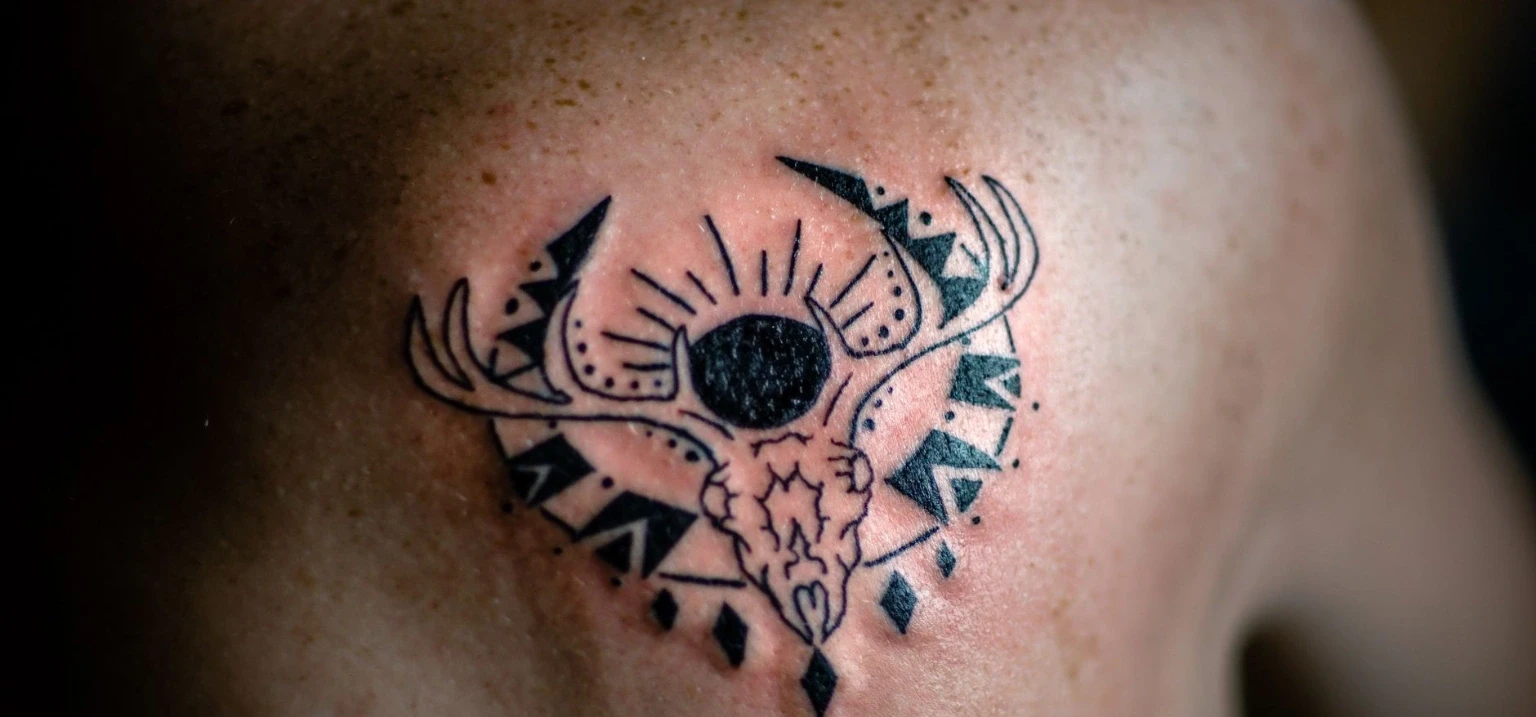
Choose by the role of each mark. Kwadron identifies round liners for contours and lining and describes single-row flats as suited to broad geometric forms. Peak likewise relates a flat's straight pin arrangement to defined bands and directional shading. For broader solid areas, a straight magnum is another configuration to compare; Kwadron describes magnums as pins arranged in two inverted rows.
For additional linework fundamentals, see How to Tattoo Clean Lines.
SYMMETRY & REPEATING MOTIFS
How do you keep mandala tattoos symmetrical and geometric circles aligned on skin?
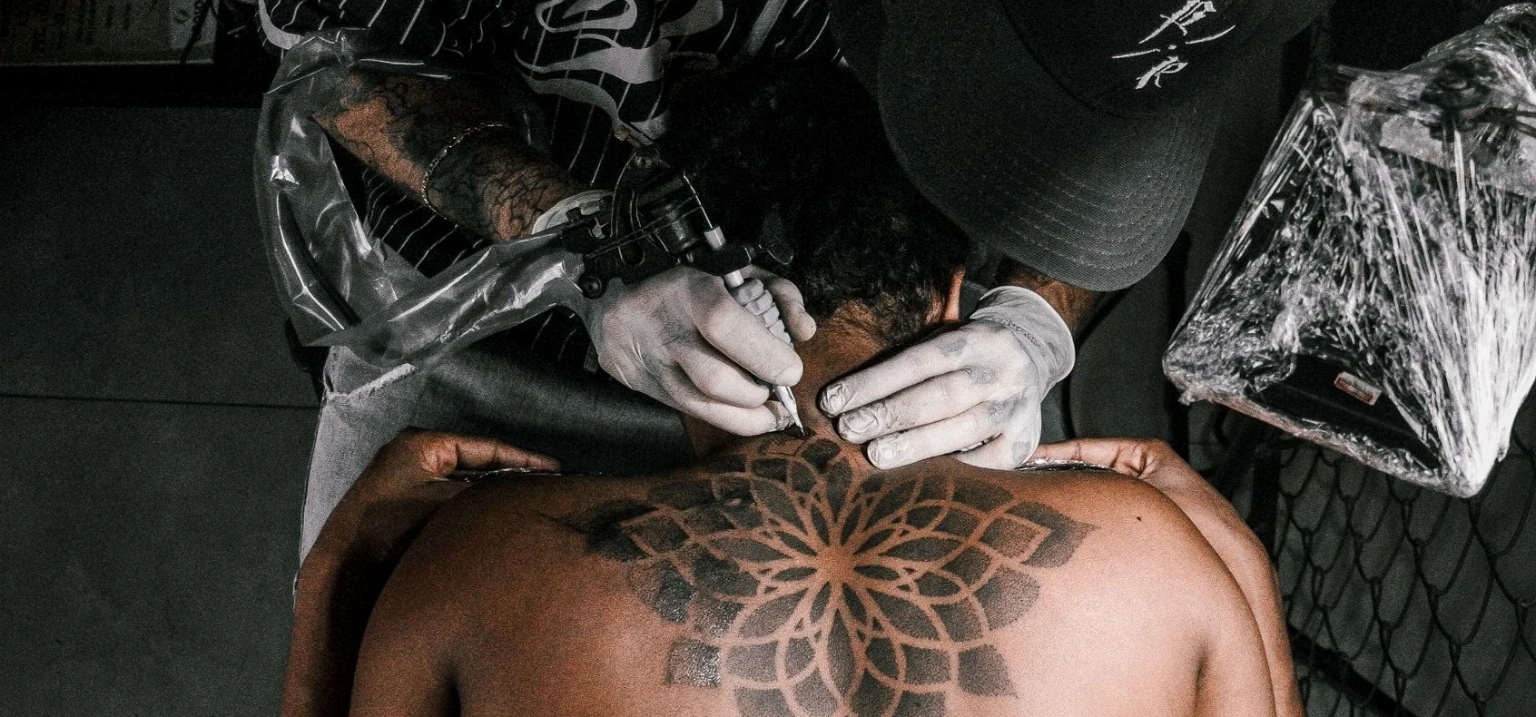
Use the stencil as a symmetry plan: identify the center, axes, circles and repeating segments before working. Compare corresponding sectors for outline, spacing and dot density. A dotted border should support the larger geometric pattern, not hide a mismatch.
Mandala planning checks
- Center point and major axes are easy to identify
- Repeated segments follow the same visual structure
- Circles and straight borders are distinguishable from decorative dots
- Dark, midtone and open dotted areas repeat according to the plan
- Needle changes correspond to outlines, accents and solid sections
Use How to Make a Tattoo Stencil and Tattoo Stencils That Last for transfer preparation rather than improvising a symmetry method in the middle of the piece.
WHY POINTS APPEAR CLOSER OR FARTHER APART
How do machine speed and hand speed control dot spacing in dotwork?
FK Irons explains that machine speed and hand speed work together: as the machine cycles relative to the distance the hand travels, marks can shift from a more connected outline toward an open stipple pattern. FK Irons specifically notes that fewer needle cycles over each millimeter of travel create more space between marks. For machine stippling, it says adjusting the two speeds changes how close individual marks appear; angle and depth can affect the texture as well.
MACHINE SETUP & VOLTAGE
What voltage and stroke should you use for dotwork tattoos?
FK Irons publishes general voltage baselines, not a dotwork-specific setting, and says no universal voltage or stroke fits every grouping. For example, FK Irons notes a 3RL has less contact area and generally less resistance than a larger grouping. Use the table as manufacturer context, not a fixed machine prescription.
| FK Irons task category | General voltage range stated by FK Irons | How to interpret it for a dotwork plan |
|---|---|---|
| Fine lines and detail | 7V–8.5V | General reference for fine contour and detail tasks; not a dotwork prescription |
| Black-and-gray shading | 6.5V–8V | General shading reference while assessing the planned dotted texture |
| Bold lining and large groupings | 8V–10.5V | Separate general category for heavier lines and groupings |
| Modern rotary machines broadly | 6.5V–10V | Manufacturer-described broad range, subject to the exact device |
Plan dot density and cartridge choice first. For general machine principles, read Tattoo Machine Stroke, Needle Depth and Voltage.
BLACK INK & TONAL PLANNING
What black ink should you use for dotwork and geometric tattoos?
Select ink by the visual role. Among the blacks we carry, Solid Ink Heavy Black is one to test for dots, linework and solid sections. A black-and-gray or graywash plan is another way to organize tonal passages, but do not confuse a change in ink tone with a change in dot density: the latter is a feature of how individual marks are distributed.
See How to Choose Black Tattoo Ink and Black and Gray Tattoo Ink, Greywash and Opaque for more specific ink categories.
PRACTICE BEFORE A LARGE DESIGN
How should apprentices practice dotwork gradients, circles and mandala symmetry on practice skin?
On practice skin, compare individual dots, open-to-dense strips and dotted texture inside a circle or repeated mandala cell. Peak's spacing descriptions and FK Irons' machine-to-hand-speed relationship give you variables to test without assigning a fixed dot distance.
Use Tattoo Practice Supplies for choosing a practice setup. The point of the exercise is to make a repeatable visual decision, not to chase an arbitrary dot distance.
COMMON DOTWORK & GEOMETRY ERRORS
What mistakes should tattoo artists avoid with dots, gradients, geometric fills and mandalas?
Check the role of each mark and the stencil's geometry before adding texture or changing machine settings.
Using one needle grouping for every element
Round liners, small shaders, flats and magnums have different arrangements. Map them to individual dots, contours or fills.
Treating voltage as the dot-spacing control
FK Irons explains spacing through the relationship between machine and hand speed, and rejects universal grouping settings.
Building a gradient without a density plan
Use Peak's open-versus-close point concept to map lighter and denser areas before executing the field.
Adding dots before checking symmetry
Confirm mandala axes, repeated sectors and circles at the stencil stage rather than correcting them with extra marks.
Letting solid fill erase the intended border
Treat filled geometric areas, outlines and nearby stipple texture as separate visual roles and choose groupings accordingly.
Assuming a specialty needle is the only option
Peak names liners and small round shaders as useful for detailed texture as well as its dedicated stipple mags.
Overcrowding small details in the drawing
Peak advises room for fine details to remain readable as the tattoo ages; preserve planned negative space.
AGING & AFTERCARE CONVERSATIONS
How long do dotwork tattoos last, and how should artists discuss fading or blur?
Discuss readability and tattoo care rather than a dotwork-specific lifespan. Peak advises giving small details room as tattoos age. The American Academy of Dermatology says UV light can fade some inks and recommends SPF 30 or higher with reapplication at least every two hours.
AAD says petroleum jelly can contribute to ink fading. For clients asking about aging or aftercare, refer to Tattoo Aftercare Day by Day instead of promising a particular duration or appearance.
SVT SHOP: NEEDLES, BLACK INK & STENCILS
Which round liners, round shaders, magnums, stencil products and black ink fit a dotwork setup?
Choose products for the marks in your design. The SVT Shop lineup below covers liner choices for dots and outlines, round shaders for detail texture, straight magnums for broader fills, stencil application supplies and a black ink option. Product selection still depends on the actual cartridge specification and your machine.
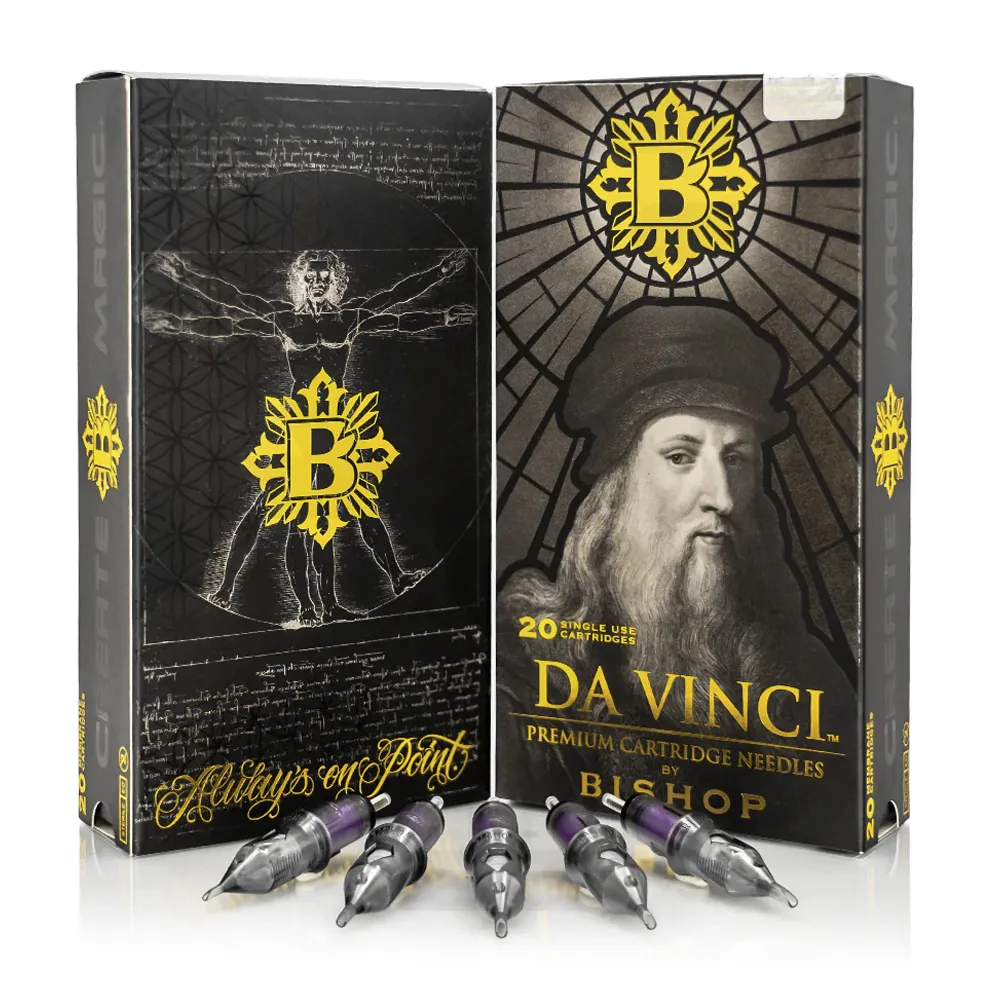 Individual Dots & Geometric Lines
Bishop - Da Vinci V2 Liners
Round-liner cartridge option for separate dots, contours and circles; choose the exact grouping for your design.
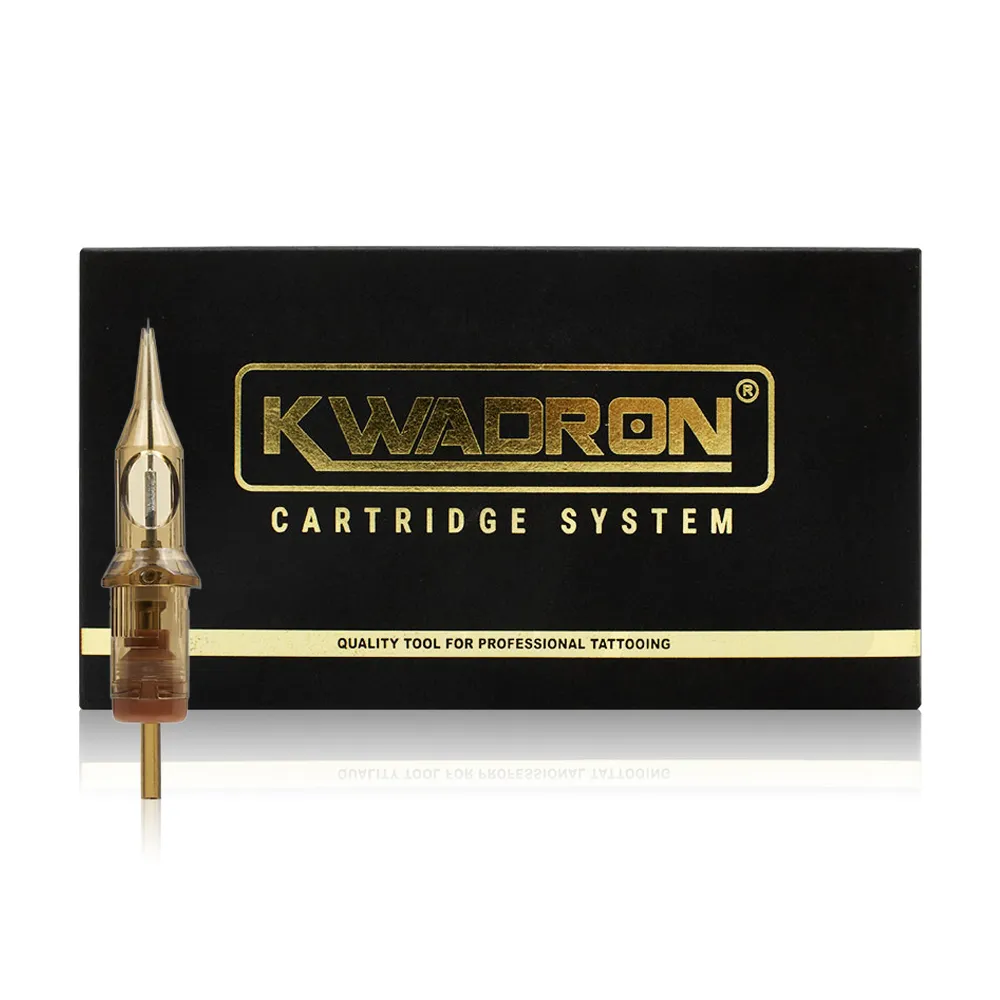 Lining & Dotwork
Kwadron - Cartridges Liners
Kwadron identifies round liners for contours, lining and dotwork; compare available grouping specifications.
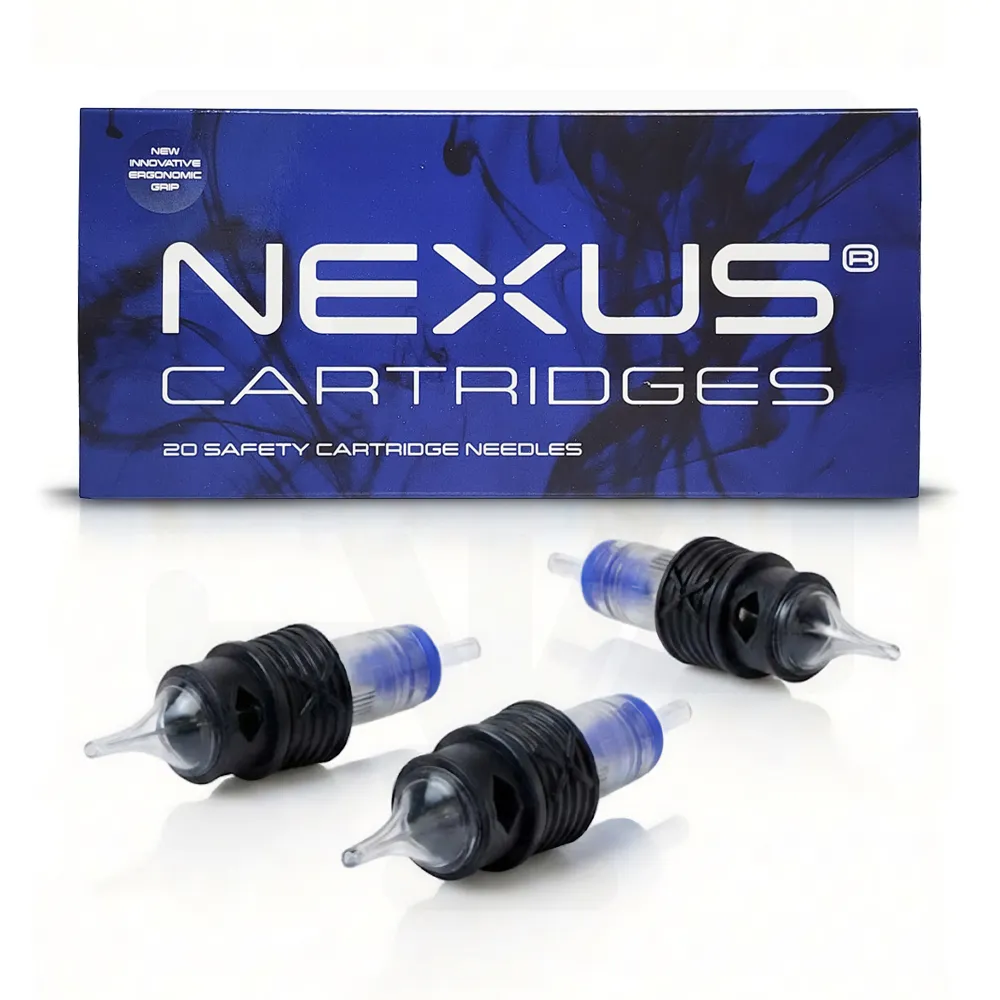 Alternative Liner Option
Nexus Cartridges - Liners
Another liner choice to compare for dot placement and geometric boundaries during practice.
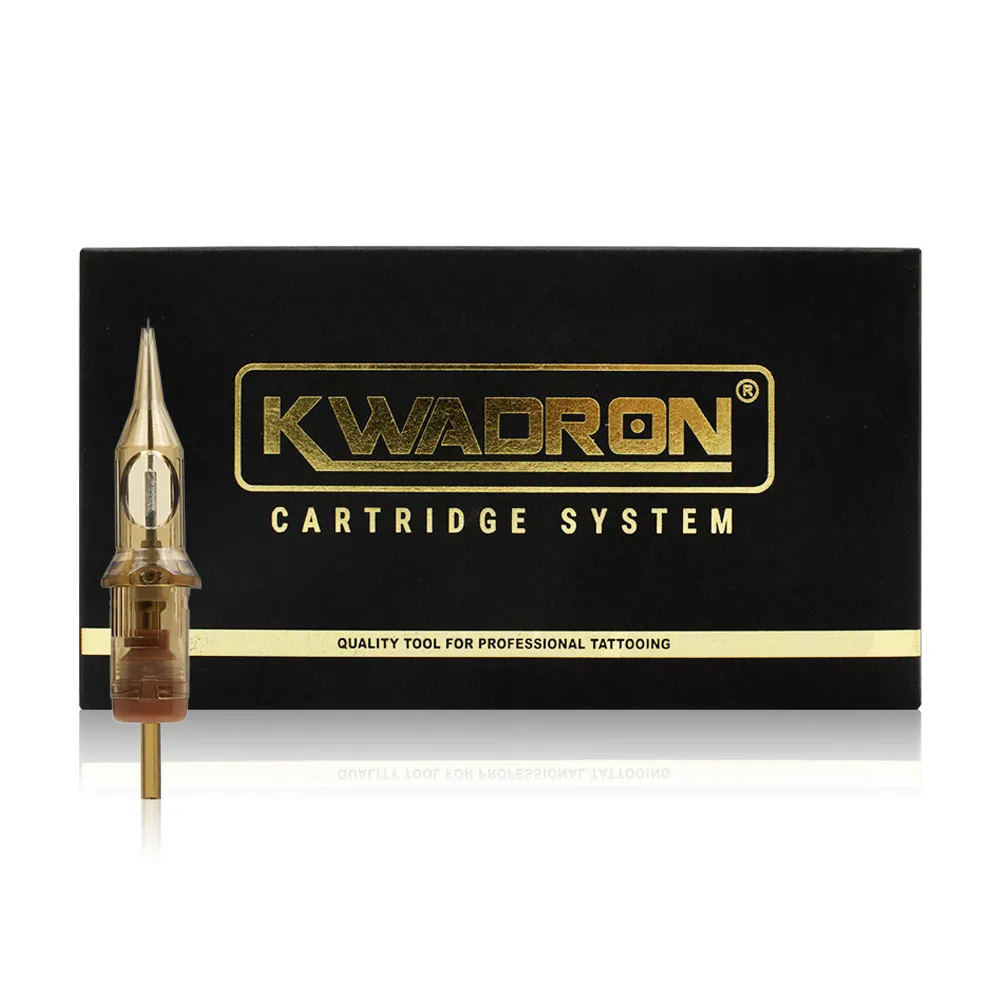 Detailed Stipple Texture
Kwadron - Cartridges Round Shaders
Round-shader option; Peak recommends small round shaders as one grouping for concentrated texture.
 Broader Geometric Fills
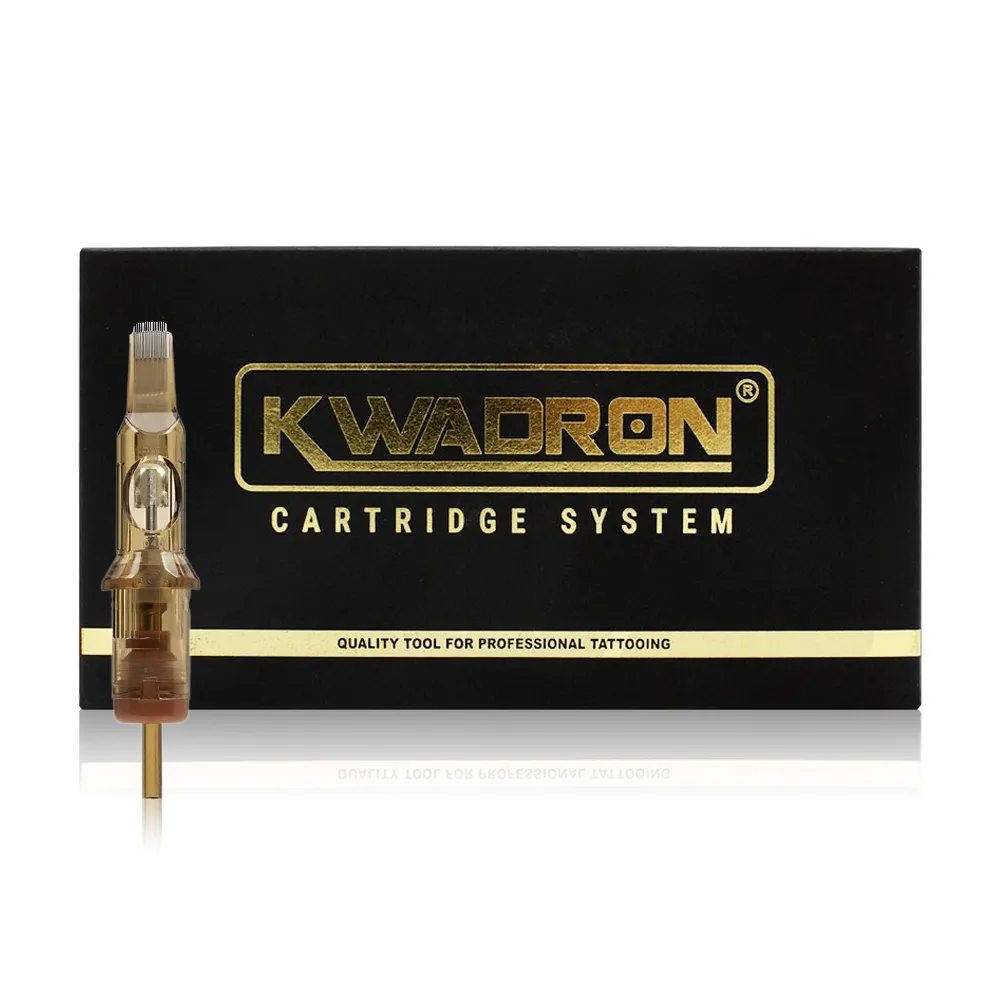
Kwadron - Cartridges Magnums
Straight magnum cartridge option to compare for filled geometric areas separate from point texture.
 Bolder Outlines & Circles
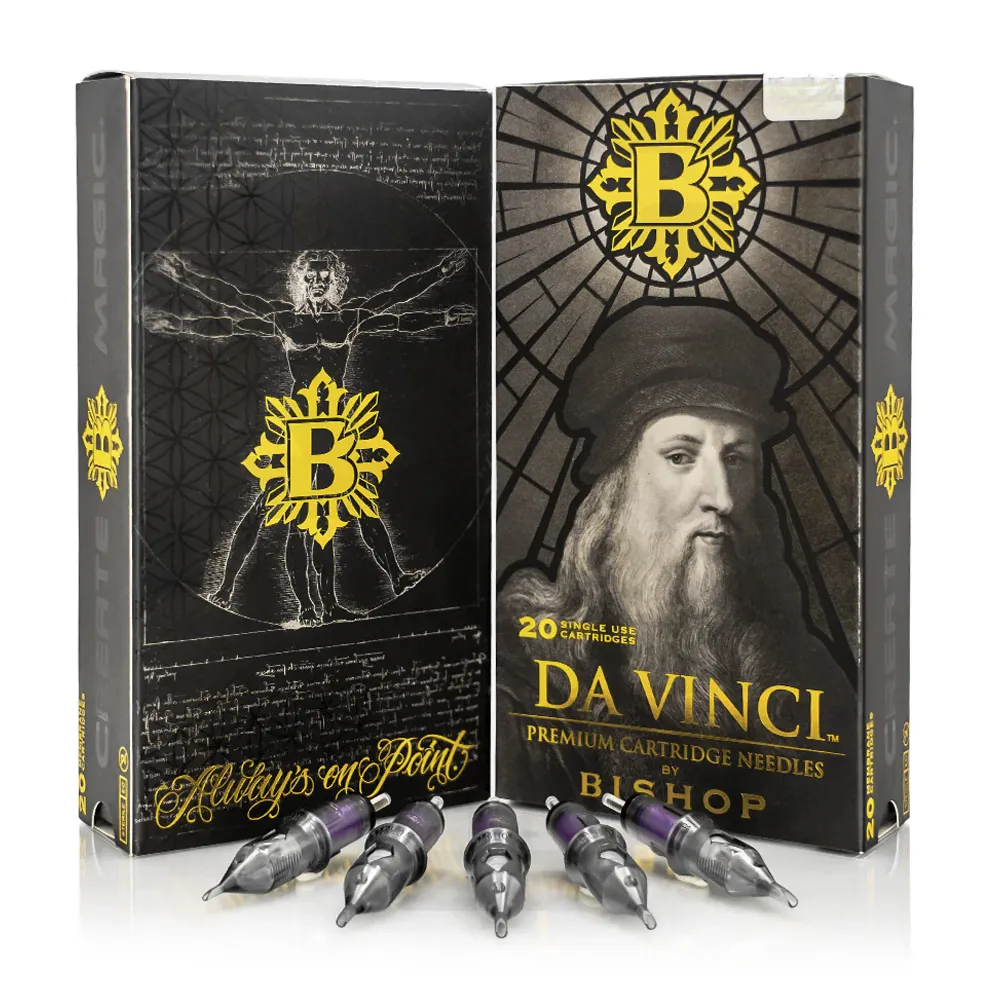
Bishop - Da Vinci V2 Hollow Liners
Separate hollow-liner choice for evaluating larger or bolder geometric boundaries.
 Mandala Transfer Preparation
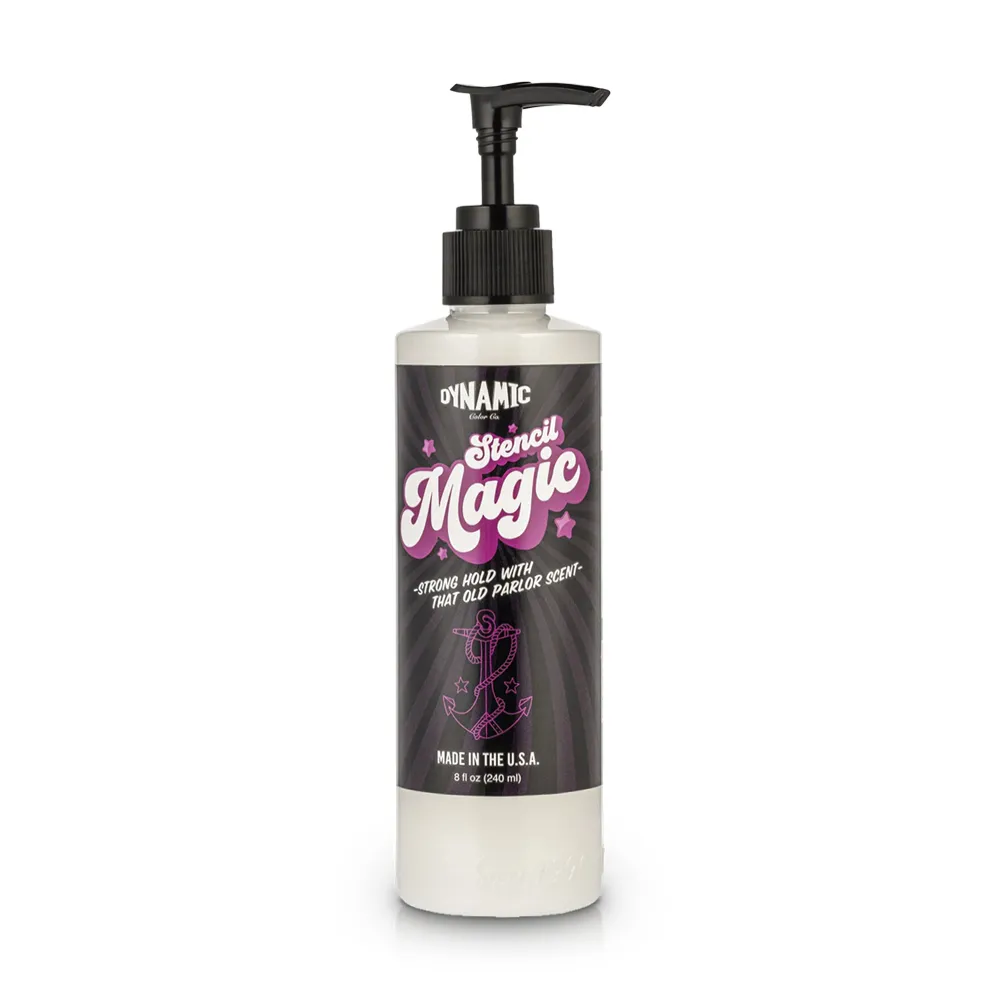
Dynamic - Stencil Magic 8 oz
Stencil application product for planning accurate repeating shapes before working.
 Geometric Stencil Application
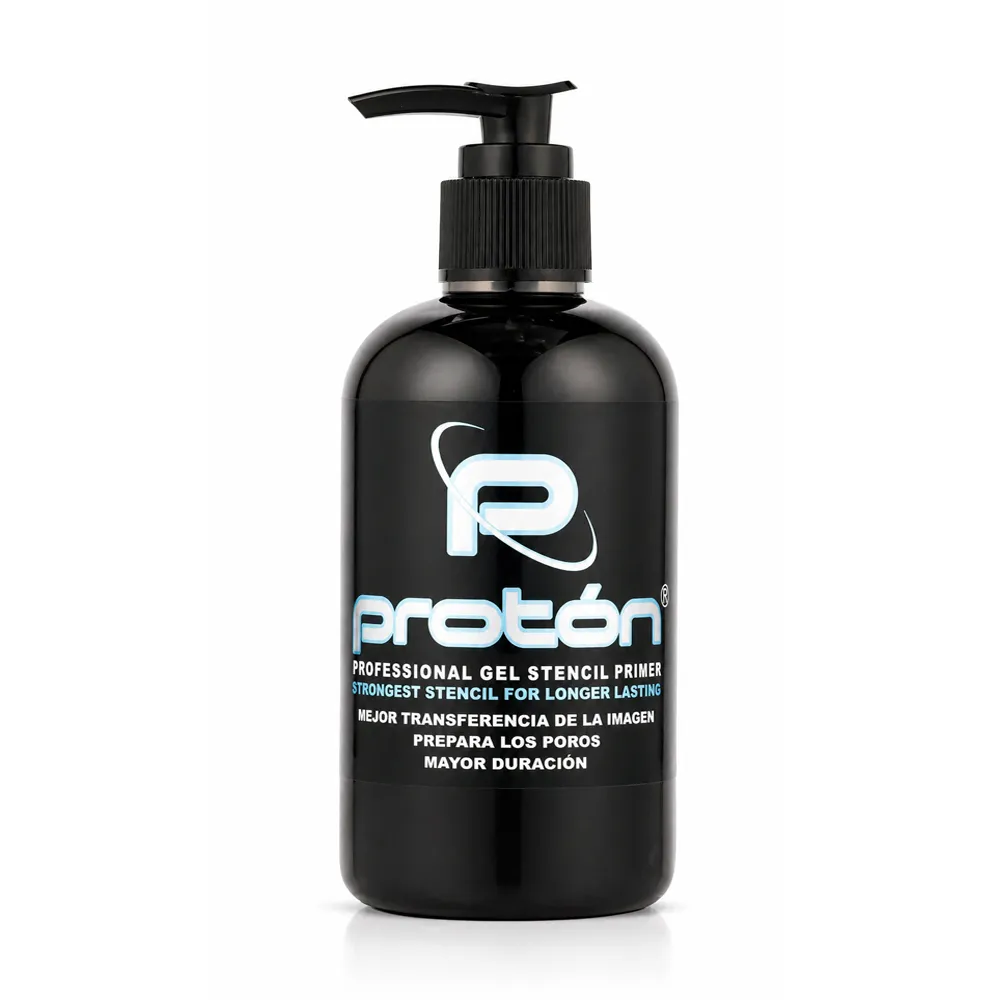
Proton - Stencil Primer Gel Black
Stencil primer option for a studio workflow built around circles, axes and repeated patterns.
 Stencil Application Supply
Tattoo Stuff - Stencil Stuff
Additional stencil-application option for planned dotwork and geometric transfers.
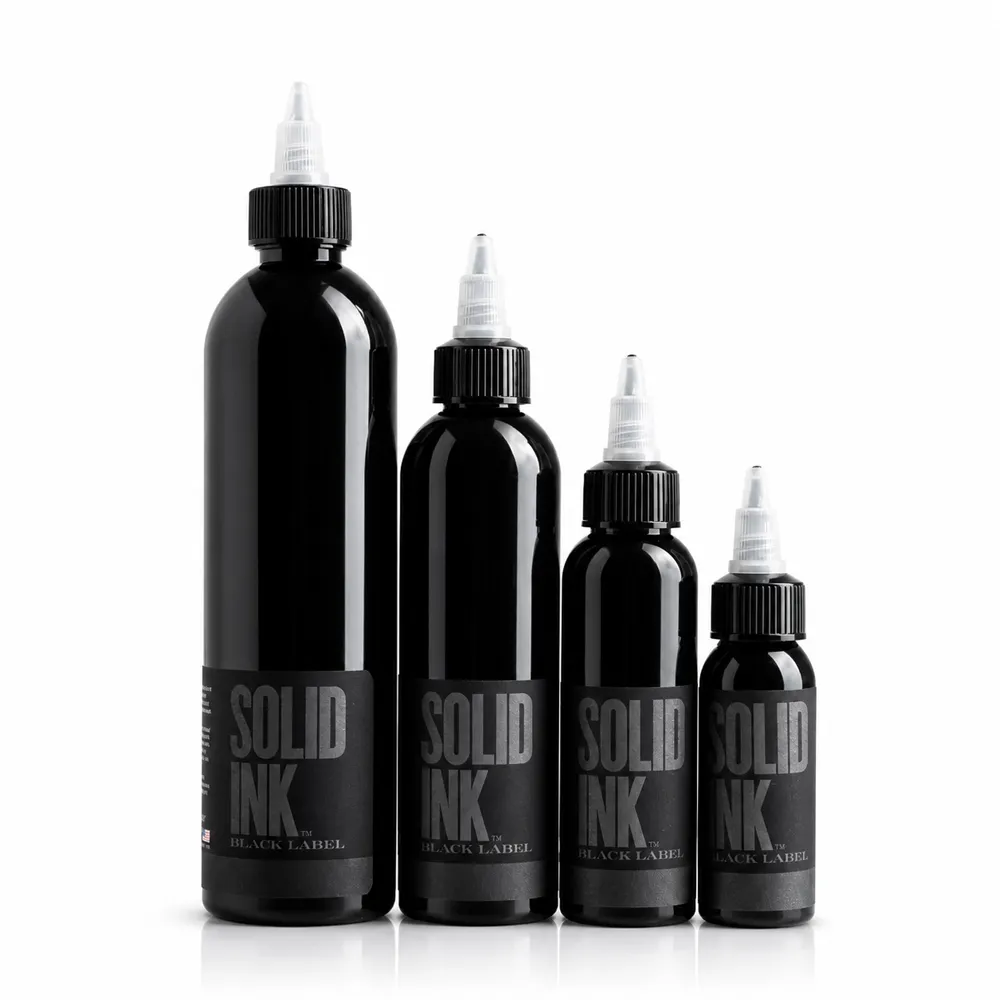 Black Ink for Dotwork Planning
Solid Ink - Heavy Black
Black-ink option for artists evaluating dot, line and solid-fill applications within a monochrome design.
BUYING & SESSION PLANNING
What should an artist check before buying needles and preparing a dotwork tattoo?
Plan from the design: points, gradients, outlines, fills and mandala sections. Match each element to a grouping, then test the result with your machine and ink instead of copying a universal setup.
- Dot scale: Compare round liners and small round shaders for the visual size of each point.
- Cartridge label: Check count, configuration, pin diameter and taper separately.
- Gradient plan: Decide which zones use open dots and which use close concentrations.
- Geometric structure: Identify contours, circles, bands and solid fills before changing groupings.
- Symmetry: Check the mandala center, axes and repeated sectors in the stencil.
- Machine: Apply the specific machine instructions; use FK Irons voltage figures as general task references only.
- Speed control: Practice the machine-to-hand-speed relationship that determines visible point separation.
- Ink plan: Choose a black or black-and-gray approach with deliberate tonal roles.
- Practice first: Test isolated dots, gradients, outlines and a repeated motif on practice skin.
- Readable design: Preserve the planned space between fine details and provide AAD-based sun-care guidance.
FAQ
What do tattoo artists ask about dotwork needles, machine settings and geometric technique?
These answers cover the needle, spacing, stencil and ink choices that affect a professional dotwork or geometric workflow, from the first practice sheet to a planned mandala design.
What needle do you use for dotwork tattoos?
Kwadron names round liners for dotwork. Peak recommends a liner or small RS for fine texture. Select the grouping by your design and practice tests.
Can you do dotwork with a round liner?
Yes. Kwadron identifies RL for contours, lining and dotwork. Test mark spacing with your machine and hand speed.
What is a stipple mag tattoo needle?
Peak describes a whipshading stipple mag with spaced pins for distinct points, in 3x3 or 3x6 layouts with #10 or #12 pins and a 7 mm taper.
Is a flat or a magnum better for geometric tattoo fills?
Kwadron describes flats as single-row geometric tools and magnums as double inverted rows. Compare their marks for the actual fill.
What voltage should I use for dotwork tattooing?
FK Irons gives general ranges: 7V–8.5V for detail, 6.5V–8V for black-and-gray shading, and 8V–10.5V for bold lines; no universal dotwork setting.
How do you control dot spacing with a tattoo machine?
FK Irons explains that fewer needle cycles per distance traveled leave more space between marks. Practice balancing machine speed and hand speed.
How do you keep a mandala tattoo symmetrical?
Check center, axes, circles and repeated sectors in the stencil before placing dots. Keep corresponding texture zones aligned.
How long do dotwork tattoos last, and do the dots blur?
Peak recommends giving small details room as tattoos age. AAD says UV light can fade some tattoo inks and advises SPF 30+ with reapplication at least every two hours.
What black ink is best for dotwork and geometric tattoos?
Select ink for dots, outlines and fills. Solid Ink Heavy Black is one black we carry to test; black-and-gray or graywash is a separate tonal plan.
What is the difference between dotwork and pepper shading or stippling?
Dotwork describes a point-based visual style; pepper, whip and stippling describe shading approaches. See the linked shading-technique guide.
How do you practice dotwork tattoos on practice skin?
Test isolated dots, open-to-dense gradients, circles and repeated mandala cells. Record cartridge and machine choices for comparison.
RESEARCH
Sources Consulted
Kwadron and Peak support the needle-configuration descriptions; FK Irons supports the speed, spacing and voltage discussion. The American Academy of Dermatology supplies the limited aftercare and sun-protection guidance.
- Kwadron: Needle Configuration Guide
- Peak: Tattoo Needle Configurations Explained
- Peak: Best Needles for Black and Gray Shading
- FK Irons: Tattoo Machine Speed vs Hand Speed
- FK Irons: How to Master Your Tattoo Machine Voltage
- FK Irons: Matching Machine Settings to Needle Groupings
- American Academy of Dermatology: Caring for Tattooed Skin