Powered by Comercia.io
Tattoo license requirements by state are not handled by one national tattoo license. Artists and shops may need separate practitioner and establishment credentials. Use the 50-state and DC table to find the responsible official agency and confirm the rules where you work.
Explore Tattoo Practice Skin Browse Tattoo Needles
QUICK ANSWER
Do you need a license to tattoo in the United States?
Check the state and the city or county where you will work. There is no single national tattoo artist license: some states issue individual credentials, some regulate establishments rather than individual artists, and others use local registration or permits. A studio license is not automatically a personal artist credential.
TATTOO ARTIST
Check for an individual license, registration, or permit.
STUDIO OWNER
Check establishment approval separately from artist credentials.
GUEST OR MOVING ARTIST
Ask the destination agency about guest or local registration.
THE NATIONAL PICTURE
Is there one tattoo artist license valid in all 50 states?
No single national tattoo license covers all 50 states and Washington, DC. Artist and shop rules differ; start with the place where you will work.
In the 51-jurisdiction review behind this guide, 28 entries identify an individual artist credential, 10 identify local artist-level oversight, six do not list a separate state individual credential, and seven require direct agency confirmation. These are research classifications, not agency determinations. A missing state-level artist credential can coexist with studio or local requirements.
Start with the place of work
Identify the state, county, and city; ask which artist and studio credentials apply.
THREE DISTINCT APPROVALS
What is the difference between a tattoo artist license, a tattoo shop license, and a local permit?
Artist credentials cover the practitioner; studio credentials cover the business; local permits may cover either or both.
| Credential | What it covers | Who may issue it | What official rules may review |
|---|---|---|---|
| Individual tattoo artist license, registration or permit | Authorization tied to the practitioner. | State or local licensing authority. | Training, exams, age, or supervised experience if required. |
| Tattoo studio or establishment license | Approval of the shop or premises. | State or local health authority. | Facility application, sanitation, records, or inspection. |
| Local body art permit or practitioner registration | Local artist or facility authorization. | County, city, or local board of health. | Application, training evidence, and local conditions. |
WHO REGULATES?
Which agency regulates tattoo licenses: a health department, licensing board, or county?
The regulator changes by state. Public-health departments oversee tattoo artists or establishments in some jurisdictions; licensing boards handle professional credentials in others; local health authorities may issue the permission where state rules delegate or recognize local control.
Florida's Department of Health licenses artists and shops; Washington's Department of Licensing handles artist credentials. New Mexico's Regulation and Licensing Department handles body art applications, while Ohio uses board-of-health business approval.
ALL 50 STATES AND DC
What are the tattoo license requirements in your state?
Find your state or DC, open its official link, and check artist and studio credentials separately. For an unclear entry, contact the state or local authority.
STATE RULES IN PRACTICE
Do Texas, California, Florida, Illinois, Ohio, and North Carolina require the same tattoo licenses?
No. These commonly searched states illustrate why a national checklist cannot replace a state and local agency review. Some regulate both the artist and studio; others focus on one or use local approval.
Texas: studio licensing
Texas DSHS licenses studios, with no separate individual state artist license in the rules reviewed. Check DSHS and local requirements.
California: local enforcement
California uses local practitioner registration and local studio oversight. Contact the local enforcement agency.
Florida: artist and establishment
Florida's Department of Health licenses both and provides Guest Tattoo Artist Registration.
Illinois and Michigan: facility focus
Illinois IDPH licenses the location, not the individual; Michigan MDHHS says individual body artists need no state license.
Ohio: board-of-health approval
Ohio requires board-of-health approval for tattoo businesses. Ask the board about artist training.
North Carolina: artist permit
North Carolina law requires an individual tattooing permit. Check department instructions.
For Texas, read How to Become a Tattoo Artist in Texas and How to Open a Tattoo Shop in Texas. For DSHS licensing questions, contact 512-834-6600.
What about Pennsylvania, Idaho, or another unclear entry?
Pennsylvania and Idaho have unclear entries in the source review. Contact state and local authorities for your address.
TRAINING AND QUALIFICATIONS
What training, CPR, bloodborne-pathogens courses, and exams do tattoo license applications require?
Official qualifications vary: bloodborne-pathogens training, first aid, CPR, exams, age, and supervised training appear in different state rules.
Florida requires an approved bloodborne-pathogens and communicable-diseases course and exam; applicants must be at least 18. Alaska requires CPR and bloodborne-pathogens cards plus a sanitation-related exam. Oklahoma requires bloodborne-pathogens, CPR, and first aid certification.
Documents to look for on the official application page
- The correct artist or studio application.
- Accepted bloodborne-pathogens training and exam evidence.
- First aid or CPR proof where required.
- Sponsor, apprenticeship, or course records when required.
- Age and eligibility conditions.
See Bloodborne Pathogens Certification for Tattoo Artists; the agency determines accepted training.
APPRENTICES AND NEW ARTISTS
Can you get a tattoo license without an apprenticeship, and which states require training hours?
The route depends on the state. Some states require apprenticeships or approved training; others have alternate routes. Ask the agency which applies.
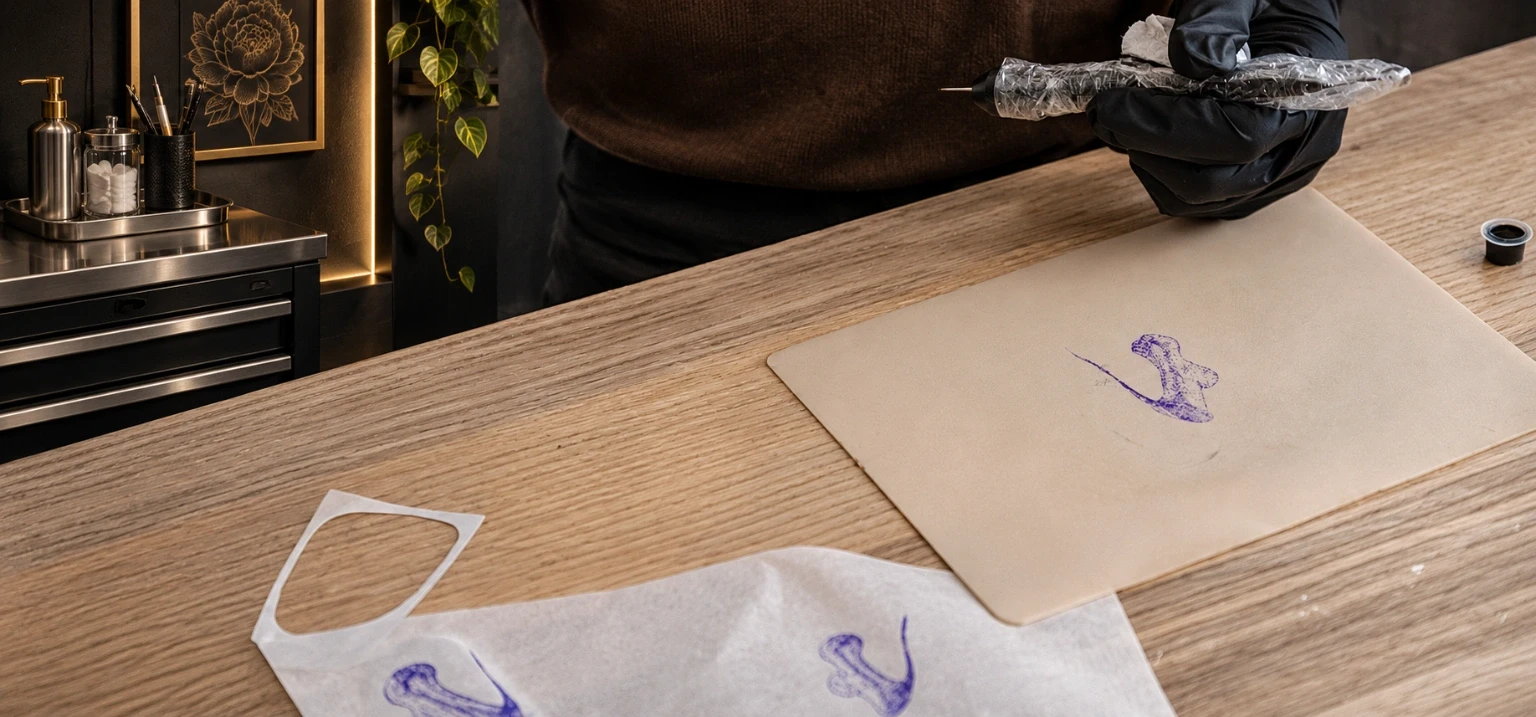
Three sourced examples show the variation: Alaska requires at least 1,000 training hours for its tattooing license by examination under 12 AAC 09.086; New Mexico lists 1,400 hours in its tattoo apprenticeship curriculum under 16.36.2 NMAC; and Oklahoma describes a 1,500-hour tattoo apprentice program. These hours apply only to those programs. Oregon's official licensing page also lists approved training and an examination, so check each state's route individually.
Build your learning plan with First Professional Tattoo Setup and Tattoo Practice Supplies. Document studio training and licensing records separately.
APPLICATION WORKFLOW
How do you get a tattoo license in your state?
Use the agency's official sequence as the controlling checklist. Use these steps to find the right credential.
Identify your exact work location
Identify the state, county, and city where you will actually work.
Find the official licensing agency
Open the official agency link; identify artist and studio approvals.
Check eligibility and training requirements
Check age, training, exams, and supervised experience if required.
Complete the applicable education and records
Retain the certificates, exam results, or apprenticeship documents requested.
Apply through the correct route
Apply to the official office; ask if the facility needs an inspection.
Verify authorization before working
Confirm authorization through the agency and check guest or event rules.
Keep records and monitor renewal instructions
Keep required records and follow official renewal or relocation instructions.
STUDIO OWNERS
Does a tattoo studio need its own license or health department approval?
The premises may need separate approval. Texas DSHS requires tattoo studios to have a current studio license. Florida licenses both the establishment and artists. Illinois and Michigan regulate facility licensing even though they do not issue a separate individual state tattoo artist credential in the sources reviewed.
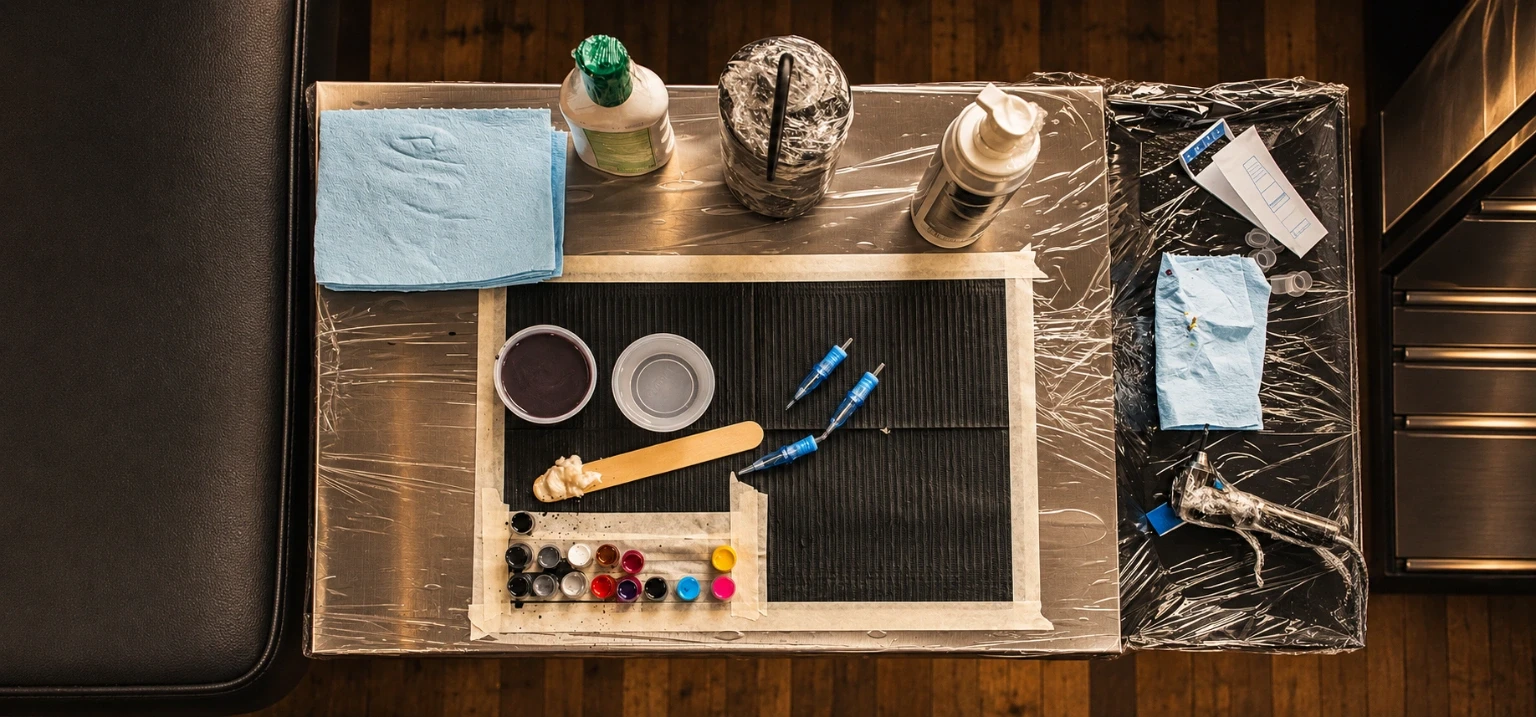
For Texas studios, read How to Open a Tattoo Shop in Texas and Tattoo Age and Consent Form Rules in Texas. See Texas Body Piercing Laws and License if the business will offer piercing services as well.
Facility supplies are not licensing approvals
Gloves, barriers, sharps containers, and sterilization supplies support workflows, not licensing approval.
MOVING AND GUEST WORK
Does a tattoo license transfer to another state, and can you tattoo as a guest artist?
Do not assume a home-state credential authorizes tattooing elsewhere. Ask the destination agency about local registration or guest authorization.
Florida offers Guest Tattoo Artist Registration for visiting artists; Minnesota also identifies guest licensing. Confirm the destination's route before booking work. Ask the event jurisdiction directly about tattoo conventions and special events, including whether artist and host premises approvals are separate.
A host studio's license is a separate item
The host's studio approval does not replace checking your personal authorization.
LOOKUP AND RENEWAL
How do you look up a tattoo artist license, verify a studio, or find renewal requirements?
Start with the issuing agency, not a third-party directory. Use the official agency's lookup or contact process for the appropriate credential.
Where the state licenses facilities, verify the shop. In California, ask the local enforcement agency. Contact the issuing office if a public lookup is unavailable. For renewal or a change of studio address, use that same office's current instructions and ask which records must be updated.
TRAINING IS NOT LICENSURE
Is a bloodborne-pathogens certificate the same as a tattoo license?
No. A bloodborne-pathogens course documents training; it does not replace an artist permit, facility license, or local registration. OSHA regulates employer exposure-control duties; licensing agencies set credential requirements.
Use Bloodborne Pathogens Certification for Tattoo Artists for course context and Tattoo Cross-Contamination Checklist for station practices. Follow employer procedures and agency training rules.
COMMON LICENSING ERRORS
What mistakes should tattoo artists and studio owners avoid when checking license requirements?
Most mistakes come from mixing up the person, the premises, and the authority that actually issues the credential. Resolve those distinctions before buying a studio setup or accepting guest appointments.
Assuming one national tattoo license exists
Start with the regulator for your work address.
Confusing a shop license with an artist license
Florida licenses both; Texas licenses studios.
Reading no state artist license as no rules
Illinois and Michigan license facilities.
Assuming apprenticeship hours are universal
Use your state's approved training route.
Treating a bloodborne-pathogens certificate as authorization
Training and licensing are separate.
Relying on a home license for guest work
Florida has guest registration; ask the destination agency.
Guessing at unclear state entries
Ask state and local authorities about unclear entries.
Buying supplies as a substitute for an inspection
Only the regulator determines facility approval.
STUDIO AND PRACTICE SUPPLIES
Which SVT Shop products help organize a professional tattoo station or apprenticeship?
These products support cleaning, barriers, sharps handling, sterilization, and practice. Follow product directions; the regulator decides facility requirements.
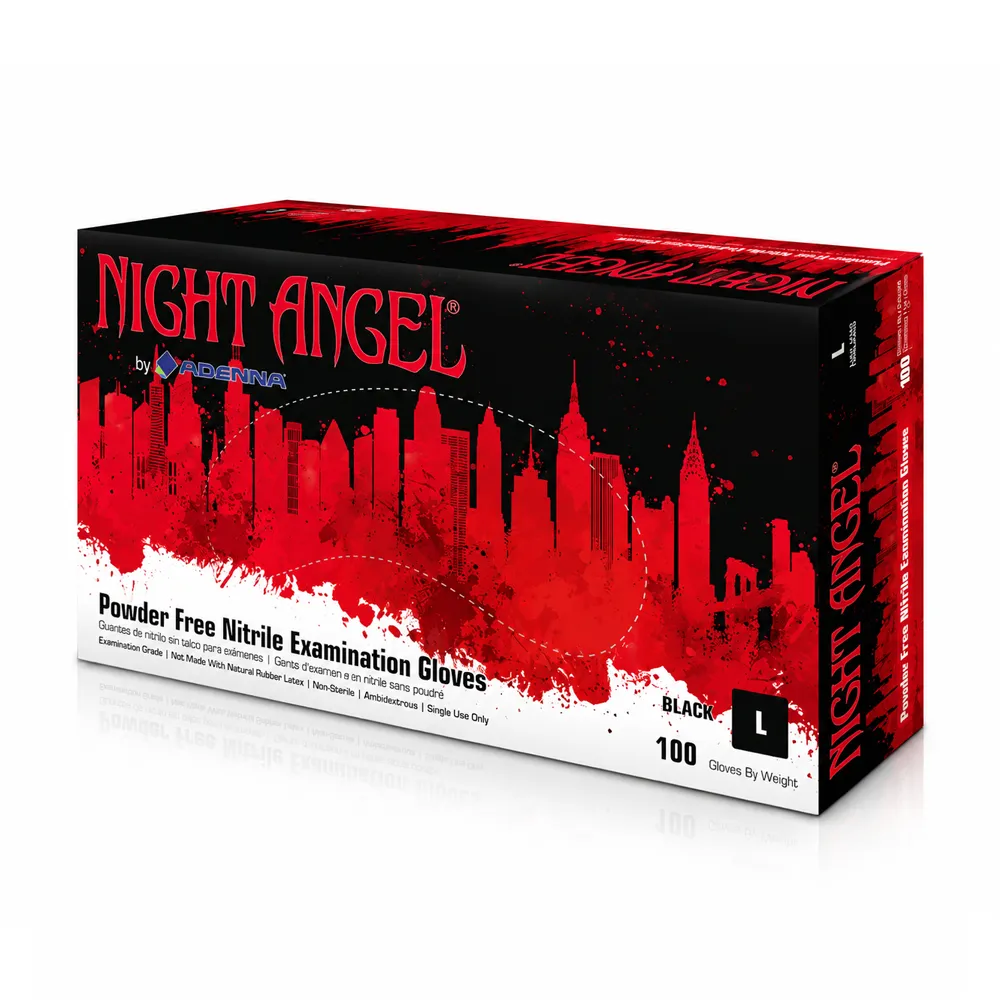 EXAM GLOVES / WORKSTATION
Adenna Night Angel Black Nitrile Exam Gloves
Nitrile exam gloves for studio glove-use procedures.
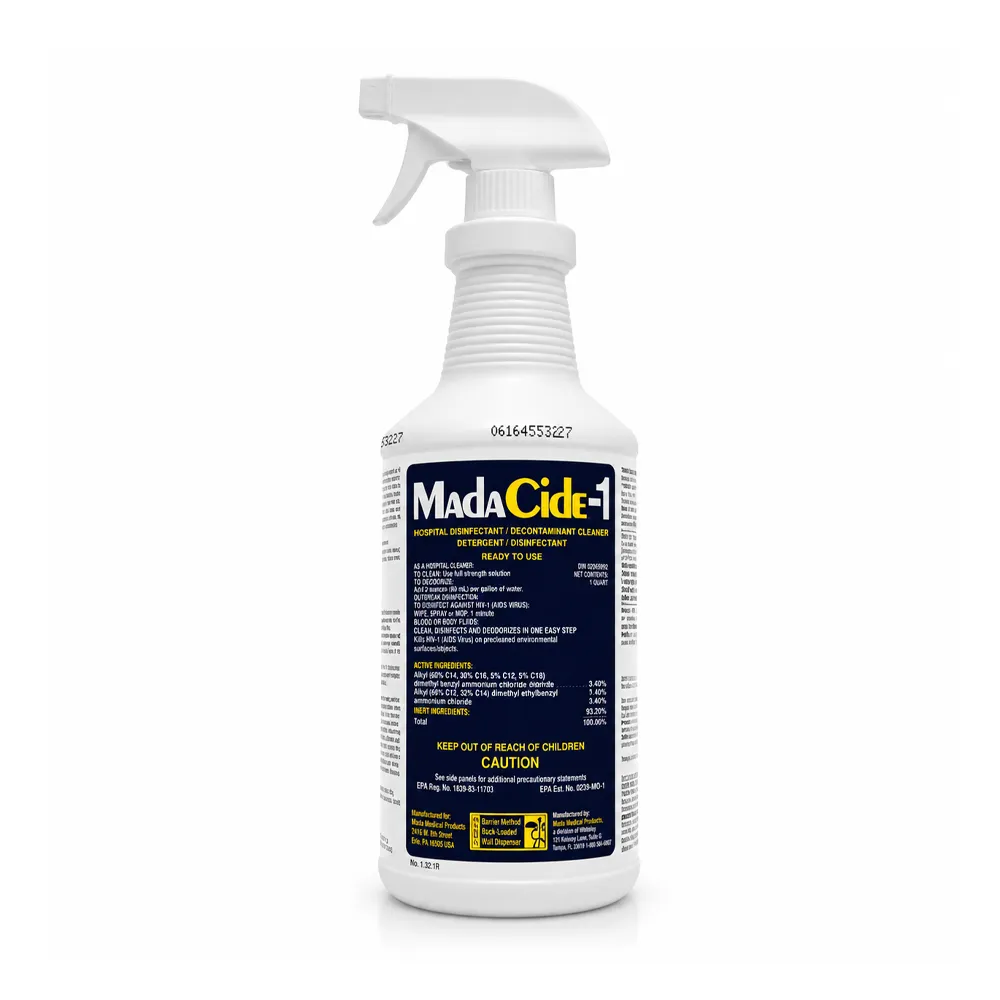 SURFACE DISINFECTION
MadaCide-1 Quart
Surface disinfectant; follow product labeling.
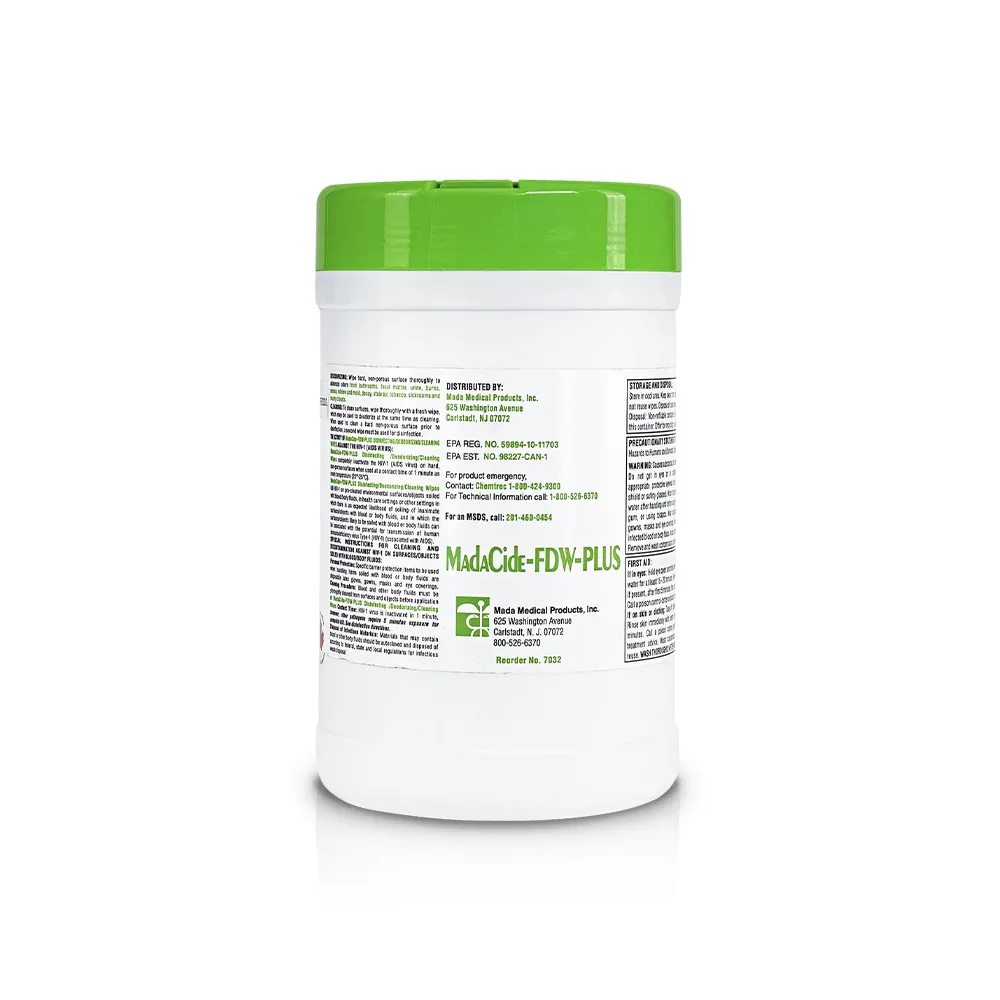 DISINFECTANT WIPES
MadaCide-FDW-PLUS Wipes
Disinfectant wipes for label-directed use.
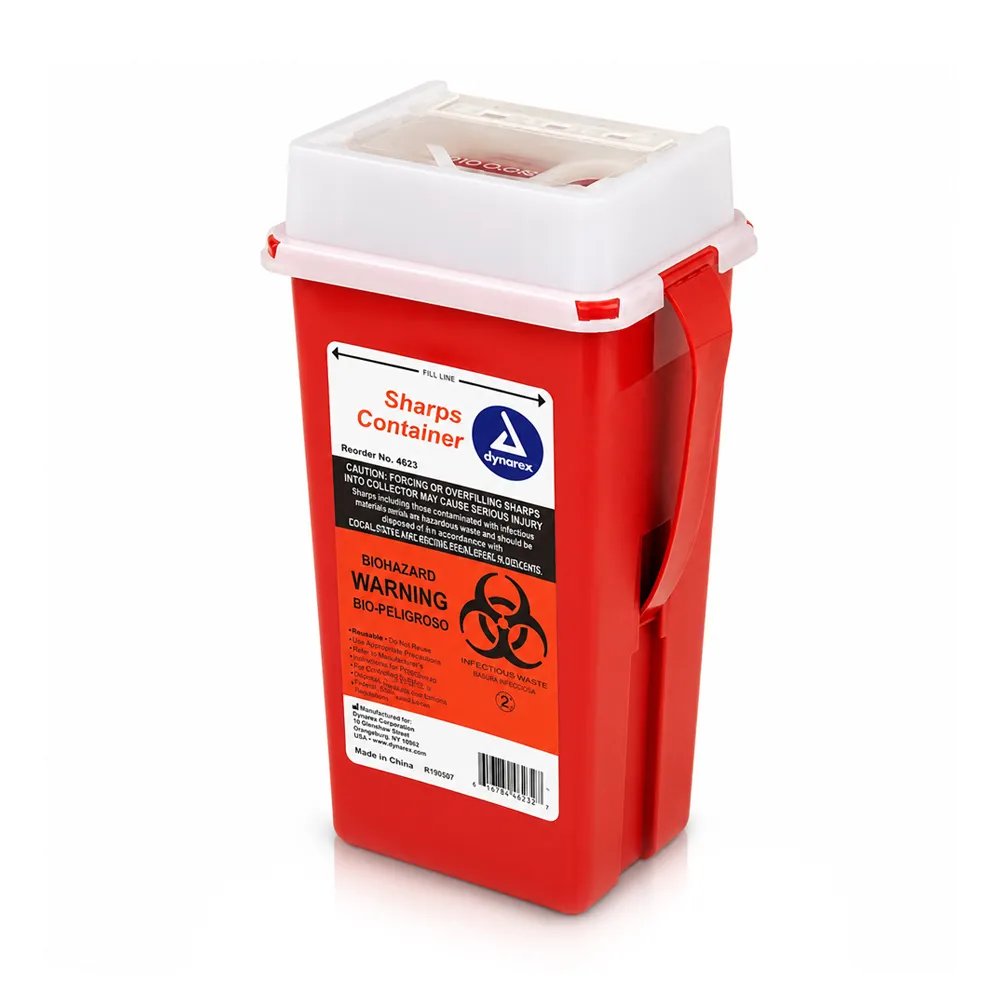 SHARPS HANDLING
Dynarex Sharps Container 2 Qt
Sharps container for needle-disposal workflows.
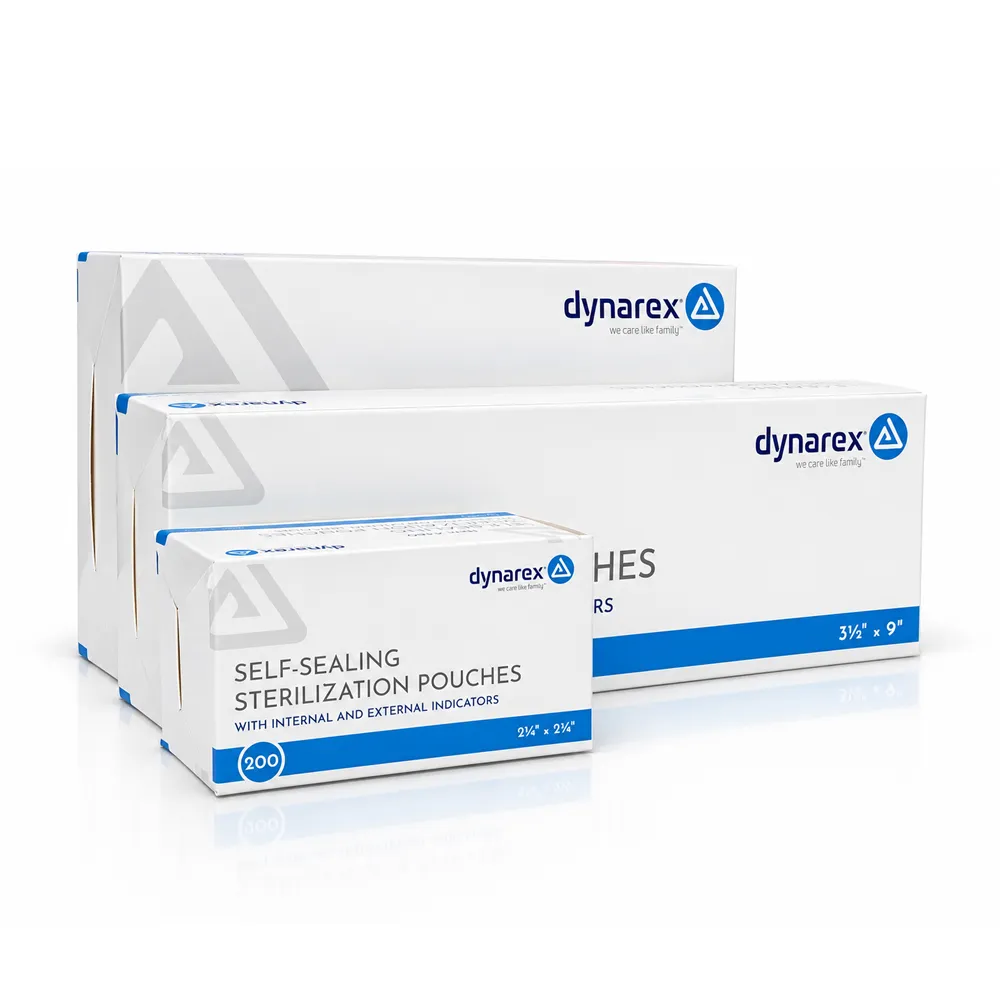 STERILIZATION WORKFLOW
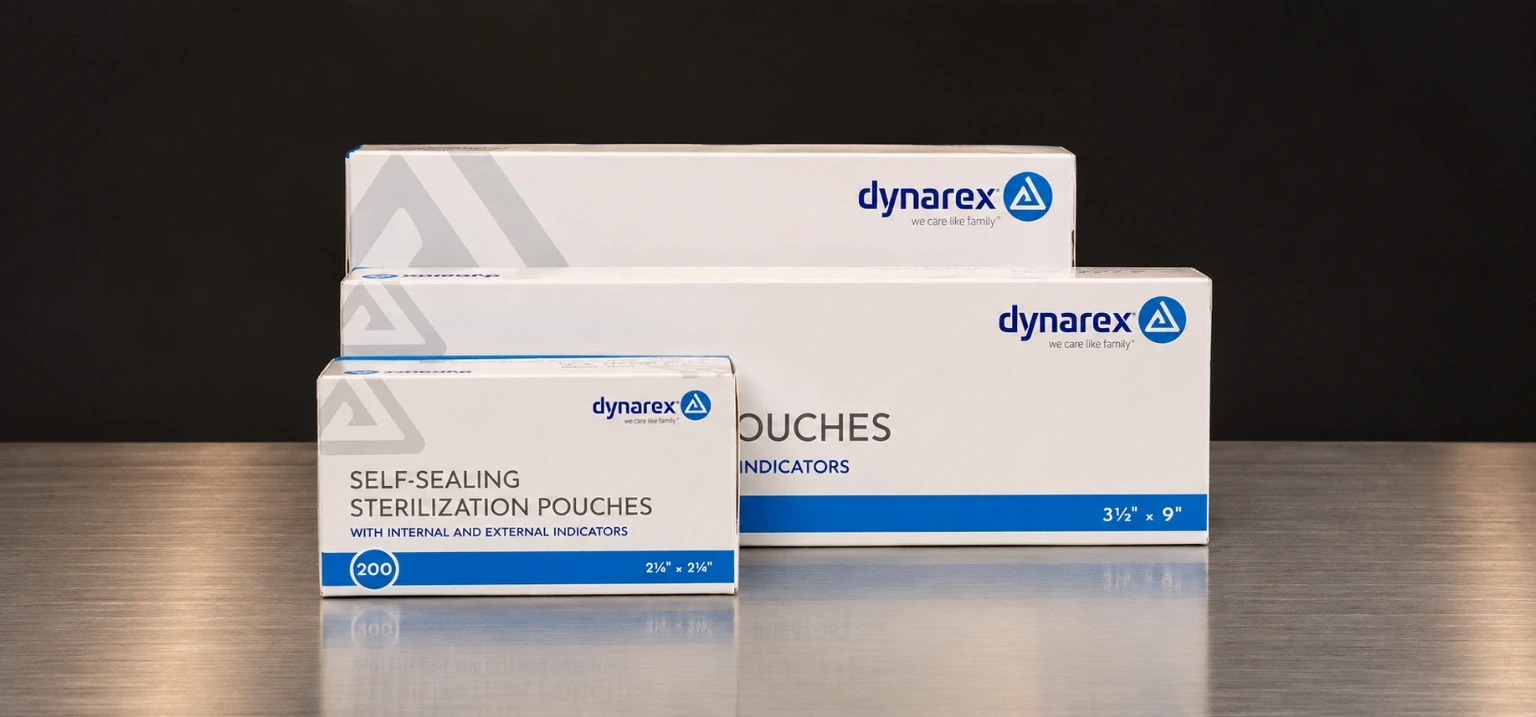
Dynarex Sterilization Pouches 200 ct
Pouches for appropriate sterilization packaging.
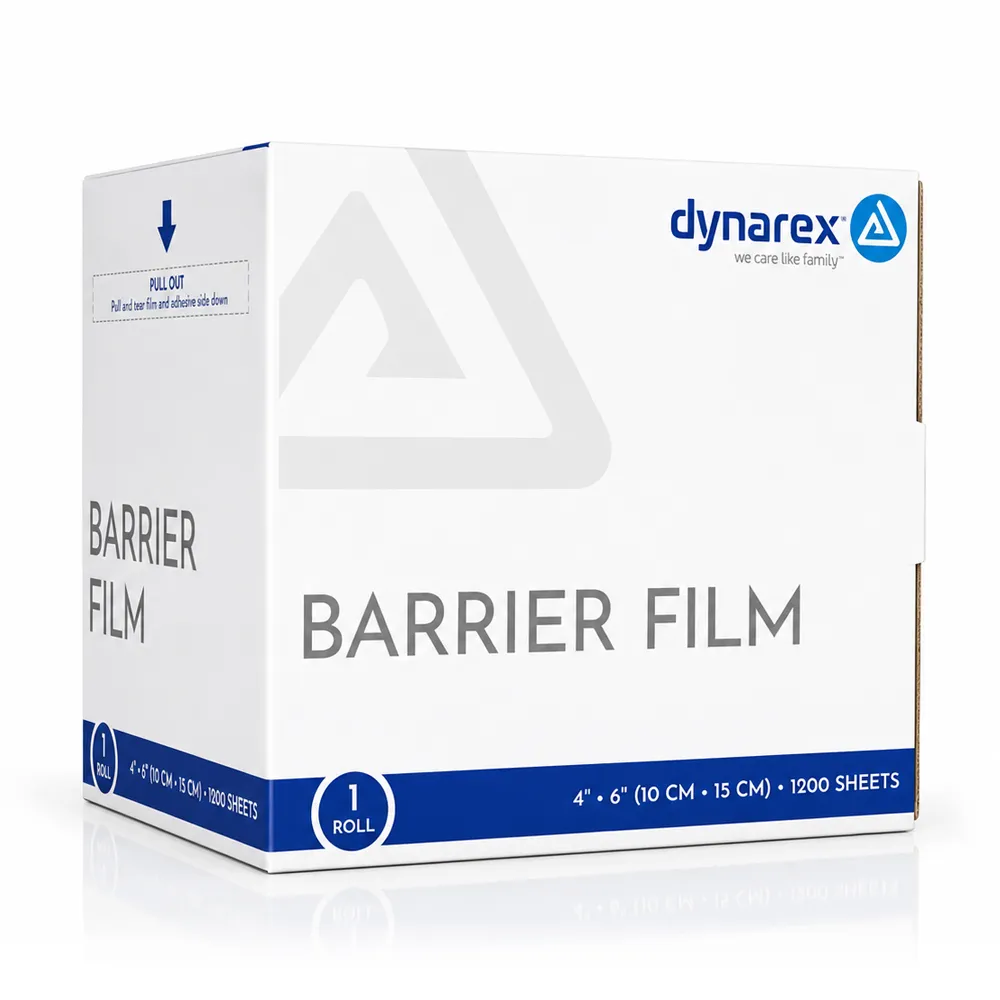 SURFACE BARRIERS
Dynarex Barrier Film Clear
Barrier film for workstation contact points.
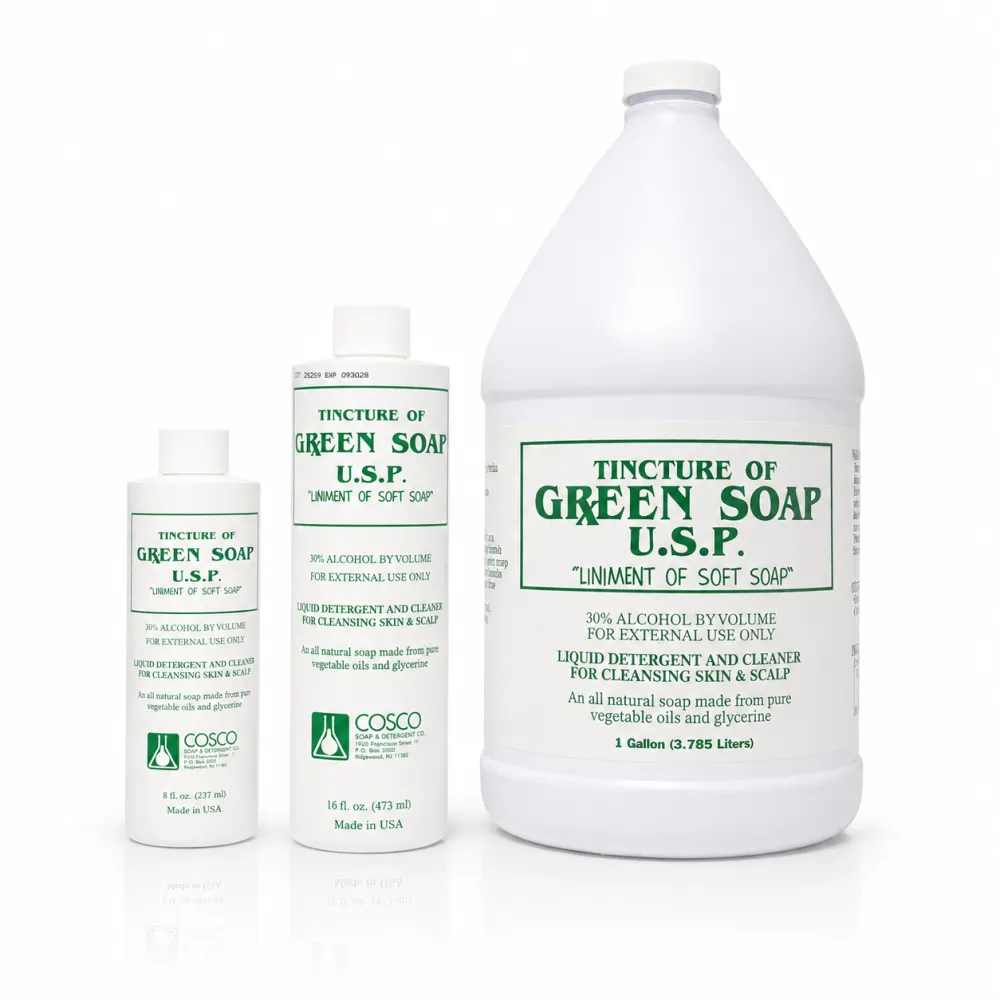 TATTOO SOAP / STATION PREP
Cosco Green Soap
Soap for trained, label-directed cleaning.
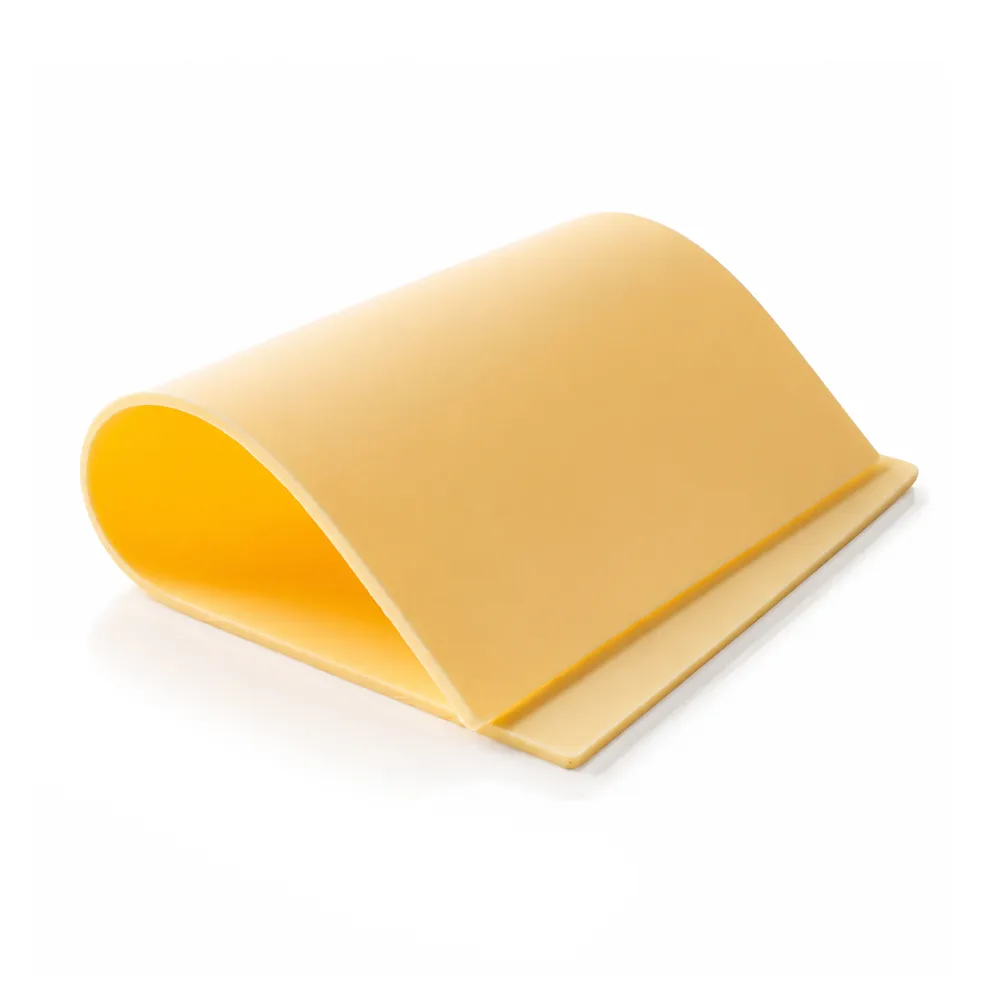 APPRENTICE PRACTICE
Tattoo Practice Skin 3mm FPS-006 A4
Synthetic practice skin for supervised training.
For equipment processes, consult How to Dispose of Tattoo Needles and Autoclave for a Tattoo Shop.
FINAL VERIFICATION
What should you confirm before tattooing, relocating, or opening a studio?
Keep a short location-specific record of what the regulator requires. Recheck it whenever the artist, studio address, or scope of services changes.
- Jurisdiction: State, county, city, and work address?
- Individual credential: Artist license, permit, or registration?
- Establishment credential: Separate studio approval?
- Training: Accepted training, exams, or apprenticeship records?
- Guest work: Guest or event registration checked?
- Facility process: Facility records and inspection checked?
- Verification: Credential status and renewal checked?
- Unclear status: Unclear entries confirmed with the agency?
FAQ
Frequently asked questions about tattoo licenses in the United States
These questions cover the searches most relevant to apprentices, professional tattooers changing states, visiting artists, and studio owners. The official issuing agency supplies the final instructions.
Do you need a license to tattoo in every state?
No single national license applies. Check artist and shop rules for the work location.
Do tattoo artists need an individual license in Texas?
Texas DSHS licenses studios, not individual state artists under the reviewed rules. Call 512-834-6600 and check locally.
Do tattoo artists need a license in California or Florida?
California registers practitioners locally. Florida licenses artists and studios and offers guest registration.
Can I get a tattoo license without an apprenticeship?
Ask the state's licensing agency about approved routes. Alaska, New Mexico, and Oklahoma document specific training programs; your own agency decides which route applies.
How do I look up a tattoo artist license?
Start with the issuing board or health department's official search. If there is no public lookup, contact the office about the individual or studio credential.
Does a tattoo shop need its own license?
Texas, Florida, Illinois, and Michigan license establishments. Check the agency responsible for your actual work location.
Is a bloodborne-pathogens certificate a tattoo license?
No. It documents training; the agency determines license requirements.
Does a tattoo license transfer from one state to another?
Ask the destination agency. Florida has Guest Tattoo Artist Registration.
Do permanent makeup artists need the same license as tattoo artists?
Check the state's permanent-cosmetics category. For Texas, see the PMU and Microblading License Guide.
How long does it take to get a tattoo license?
The route depends on training, testing, and agency review. Ask the issuing agency for its current application instructions rather than relying on another state's process.
Do I need a tattoo license to work at a convention or as a guest artist?
Ask the health department or board for the convention's location about guest, event, and establishment requirements before accepting bookings.
What if my state's tattoo licensing status is unclear?
Contact the state licensing or health agency and the local health department. Ask separately about the artist, the establishment, and the exact address.
OFFICIAL RESEARCH
Sources Consulted
Official state agency and statutory materials support the examples above. The 51-jurisdiction table supplies the state-by-state entry points; the sources below document the specific comparisons and training examples used in this guide.
- Alaska Board of Barbers and Hairdressers: Statutes and Regulations
- California Legislature: Safe Body Art Act
- Florida Department of Health: Tattoo Artist and Establishment Licensing
- Illinois Department of Public Health: Body Art Establishments
- Michigan Department of Health and Human Services: Body Art Licensing FAQ
- Minnesota Department of Health: Body Art Technician Licensing
- New Mexico Regulation and Licensing Department: Body Art Practitioners
- New York State Department of Health: Body Art
- North Carolina Department of Health and Human Services: Tattooing Permit Statute
- Ohio Revised Code: Tattooing and Body Piercing Business Approval
- Oklahoma State Department of Health: Tattooing and Body Piercing Rules
- Oregon Health Authority: Tattoo Artist Licensing
- Texas DSHS: Tattoo and Body Piercing Studio Licensing
- Washington State Department of Licensing: Tattoo and Permanent Cosmetics Licensing
- OSHA: Bloodborne Pathogens Standard, 29 CFR 1910.1030