


 Powered by Comercia.io
Permanent makeup and microblading in Texas fall under the tattoo-related regulatory framework for studios. Texas law expressly includes permanent cosmetics in tattooing, and TDLR directs microblading and permanent makeup questions to DSHS. If you plan to perform brows, lip blush, or eyeliner professionally, start with the DSHS tattoo studio license for your location, then confirm your own credential, premises, and application questions with DSHS at 512-834-6600.
Shop PMU Cartridges Shop PMU Pigments
QUICK ANSWER
Do you need a license to do microblading or permanent makeup in Texas?
The business performing PMU needs a DSHS tattoo studio license. Texas law includes permanent cosmetics in tattooing, and TDLR directs microblading to DSHS and the Texas Medical Board. Confirm individual credentials, technique and location with DSHS at 512-834-6600.
State Studio License
Plan for DSHS tattoo studio licensing, zoning documentation, and premises designed for permanent cosmetic work.
Individual Artist
Confirm personal credential or training questions with DSHS rather than treating a course certificate as a studio permit.
Daily PMU Work
Prepare disposable cartridges and pigment containers, gloves, client consent records, written aftercare, and sharps disposal.
TEXAS LEGAL DEFINITION
Is permanent makeup considered tattooing under Texas law?
Yes. Texas Health and Safety Code §146.001(3) includes permanent cosmetics in tattooing, while 25 TAC §229.402 defines tattooists and studios to include permanent cosmetic work. DSHS identifies eyebrows, eyelids and lips as common intradermal cosmetic areas.
TDLR explicitly lists microblading under DSHS and the Texas Medical Board. Ask DSHS about your exact manual or machine technique; the service name alone does not determine the license.
For technique comparisons, see Microblading vs Powder Brows, Combo Brows and Nano Brows.
DSHS VS TDLR
Does a cosmetology or esthetician license allow microblading in Texas?
TDLR directs permanent makeup and intradermal cosmetics to DSHS and lists DSHS and the Texas Medical Board for microblading. Ordinary makeup application is classified separately. An existing beauty license does not replace checking the authority for pigment-insertion services.
| Service or question | What the official source says | Professional next step |
|---|---|---|
| Permanent makeup / intradermal cosmetics | TDLR directs inquiries to Texas DSHS | Review the DSHS tattoo studio licensing pathway |
| Microblading | TDLR lists DSHS and the Texas Medical Board | Ask the appropriate authority about your technique and setting |
| Ordinary makeup application | TDLR lists ordinary makeup application separately from PMU | Do not treat surface makeup rules as authorization for pigment insertion |
| Existing cosmetology or esthetician credential | TDLR directs PMU questions to DSHS | Confirm PMU authorization and studio licensing independently |
For the broader Texas studio-license framework, see How to Become a Tattoo Artist in Texas.
ARTIST CREDENTIALS
Does Texas require an individual microblading license, PMU certification, or specific course?
The DSHS pages reviewed describe studio licensing, not a separate personal PMU permit application. Texas §229.405(i) still requires artists to have appropriate education, training and experience in aseptic technique and bloodborne-pathogen prevention. Confirm personal requirements with DSHS at 512-834-6600.
STUDIO APPLICATION
How do you apply for a permanent makeup or microblading studio license in Texas?
DSHS uses its tattoo studio permit process for permanent cosmetics. The online application requires zoning evidence and payment. Confirm the current fee, application processing and inspection sequence at 512-834-6600.
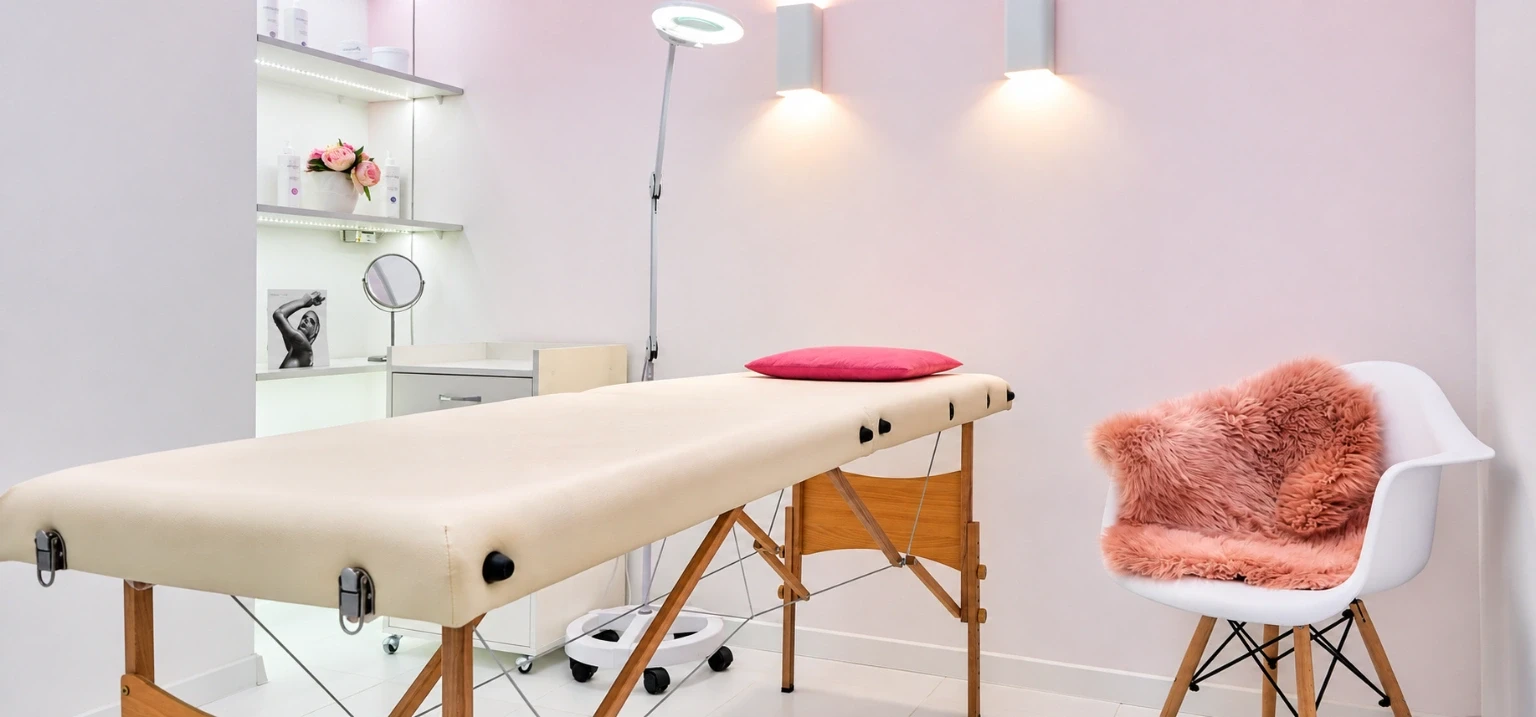
Define the services you will offer
List microblading, powder brows, lip blush, eyeliner, or other pigment-insertion procedures so the business description reflects the studio's work.
Confirm zoning for the exact address
Ask the city or county whether the proposed PMU activity is allowed there. DSHS requests a valid zoning letter for the physical location.
Create the DSHS online licensing account
Use the Regulatory Services Online Licensing System and select the Tattoo and Body Piercing board.
Choose the initial tattoo studio permit
Complete the information requested about the business, location, and services, and attach the zoning evidence.
Review, submit, and pay the application
Use the current DSHS fee schedule and application instructions. Ask licensing assistance about renewal, amendments, and the site-specific license.
Prepare for legal studio operation
Organize the premises, single-use supplies, client records, staff practices, and inspection-ready paperwork before accepting clients.
For the full application, fee table and inspection steps, see How to Open a Tattoo Shop in Texas.
HOME & SALON SUITES
Can you perform microblading at home or in a salon suite in Texas?
Under 25 TAC §§229.402 and 229.404, a tattoo studio must occupy permanent nondwelling premises separated from living quarters; tattooing must be physically separated from unrelated services. Handwashing must be available in or directly accessible to the work area.
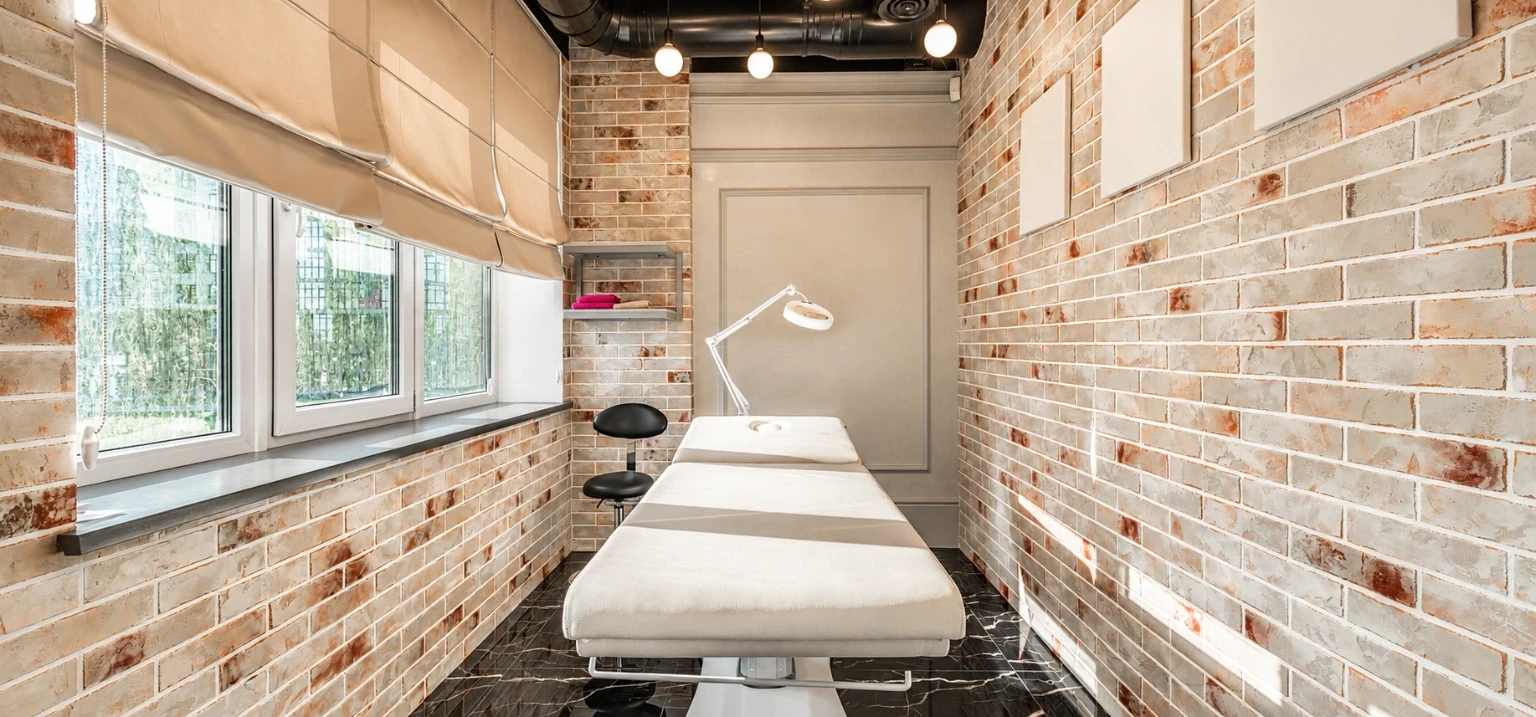
For a salon suite or home-property conversion, show DSHS the floor plan and ask city zoning officials about the exact address before signing a lease.
CLIENT AGE & ID
How old must a client be for microblading, powder brows, or lip blush in Texas?
Routine PMU follows the tattoo age restriction. Health and Safety Code §146.012 prohibits tattooing clients under 18 except for a specific existing-tattoo cover-up situation; that is not a general consent route for elective brows, lips or eyeliner. Confirm your proposed service with DSHS.
Under §229.406(a)-(b), check government-issued photo ID with printed date of birth and record the client's age, birth date and ID type before the procedure.
Tattoo consent and piercing consent are different
Do not borrow a minor-piercing consent process for PMU. Routine permanent cosmetic procedures fall within tattooing, with different age restrictions. Ask DSHS at 512-834-6600 about any unusual proposed service.
For the tattoo age rules and consent forms, see Texas Tattoo Age and Consent Forms.
PROCEDURE SUPPLIES
What needles, gloves, pigments, and station supplies does Texas require for PMU work?
Texas §229.409 requires needles to be single-use and discarded in a sharps container, and fresh single-use pigment cups for every client. Section 229.405 requires single-use gloves while assembling instruments and tattooing. DSHS describes many pen-style PMU components as manufacturer-presterilized disposables.
| PMU station component | Texas rule or DSHS guidance | Practical purchasing decision |
|---|---|---|
| PMU needle or cartridge | Needles are single-use and discarded in a sharps container | Check intended equipment fit and sterile single-use packaging |
| Pigment or dye cup | Only single-use pigment containers for each client | Arrange fresh containers for every procedure |
| Examination gloves | Single-use gloves during instrument assembly and tattooing | Stock appropriately labeled gloves in staff sizes |
| Reusable instrument | Blood-contact items are sterilized after each use or discarded | Decide the compliant reprocessing or disposable route before buying |
| PMU pigment | Texas requires pigments to be non-toxic, free from adulteration, and made from generally safe materials | Examine pigment labeling and retain identifying product details |
For cartridge types and sizes, read PMU Needles Explained. Match the actual product to the intended device.
DISPOSABLE VS REUSABLE
Do presterilized PMU cartridges mean a microblading studio does not need an autoclave?
DSHS says third-party sterilized instruments need no additional sterilization, provided the studio retains manufacturer documentation of the method, storage and sterile period. Covered reusable instruments must be sterilized after use or discarded under §229.409.
Map every item in your setup before choosing reprocessing equipment. Ask DSHS how an all-disposable PMU operation should document its workflow.
PMU PIGMENT RULES
What Texas pigment rules apply to brows, eyeliner, lip blush, and color correction?
Texas §229.409(h)-(i) calls for tattoo pigments to be non-toxic, free from adulteration and made from generally safe materials, with single-use cups for each client. These provisions apply to permanent cosmetics.
Record the specific product color and manufacturer catalog identifier when available. Do not treat a color name such as brow, eyeliner or neutralizer as regulatory approval.
See Tattoo Ink Safety: FDA and Label Guide and PMU Color Correction for Brows and Lips.
CLIENT INTAKE & PAPERWORK
What consent, risk disclosure, and client records must a Texas PMU artist keep?
Texas §229.406(h) requires verbal and written tattoo risk disclosure before a procedure, including pain, permanence, infection and allergic reaction. Section 229.406(j) requires retaining client records at the studio for at least two years after the last entry.
| Client record field | What the PMU file should contain |
|---|---|
| Client identity | Name, address, telephone, age, date of birth, and type of accepted government ID |
| Appointment details | Date, artist's name, and the body area receiving permanent cosmetics |
| Pigment identification | Specific pigment colors plus manufacturer catalog or identifying number when available |
| Care acknowledgment | Statement that written aftercare instructions were received, read, and understood |
| Client signature | Signature completing the required permanent record |
Use the exact pigment names and catalog identifiers from your inventory, and keep completed records ready for examination by authorized officials.
AFTERCARE & INCIDENT REPORTS
What written aftercare and infection reporting does a PMU studio need in Texas?
Texas §229.408 requires oral and written aftercare and a signed acknowledgment. It directs clients to a healthcare practitioner at the first sign of infection or allergic reaction. Section 229.410(a) requires a written DSHS report of any infection or allergic reaction within five working days.
Give the applicable instructions
Provide oral and written directions after the PMU procedure and ensure the client understands the information.
Record acknowledgment
Keep the signed care-instruction statement within the permanent client file as Texas requires.
Direct concerns to medical care
Instruct the client to contact a healthcare practitioner at the first sign of infection or an allergic reaction. The artist should not diagnose symptoms.
Follow the DSHS reporting rule
When an infection or allergic reaction is reported, use the required written reporting process within five working days.
Related educational guides: Microblading and Powder Brows Healing and Lip Blush Healing and Aftercare.
ARTIST & EMPLOYER DUTIES
What sanitation training and bloodborne-pathogens responsibilities apply to PMU artists?
Texas §229.405 requires appropriate aseptic-technique competence and single-use gloves during instrument assembly and tattooing. DSHS adopts OSHA 29 CFR 1910.1030 Bloodborne Pathogens by reference.
DSHS says HB 1778 adds human trafficking prevention training for tattoo studio employees, with implementation rules under development. Check DSHS for current requirements.
Keep professional readiness organized
- Staff responsibilities and documented training relevant to aseptic technique
- Single-use glove and needle handling routines
- Equipment and pigment identification for every procedure
- Studio sanitation and cross-contamination controls
- Client files, written aftercare, and reporting procedures
For the station routine, see Tattoo Cross-Contamination Checklist.
For OSHA training and the exposure control plan, see Bloodborne Pathogens Certification for Tattoo Artists.
MEDICAL SETTINGS
Can a nurse or doctor's office offer microblading without a tattoo studio license?
Health and Safety Code §146.0025(a)(2) exempts offices or clinics of people licensed by the Texas Medical Board. TDLR lists DSHS and the Board for microblading. Ask both authorities about the particular facility and service.
COMMON LICENSING ERRORS
What mistakes should new microblading and PMU businesses avoid in Texas?
Prevent errors by matching your licensing, physical space, supplies and records to the actual PMU services offered.
Assuming an esthetician credential covers PMU
TDLR directs permanent makeup questions to DSHS. Check the studio permit and your own role separately.
Assuming any salon suite can host microblading
Texas specifies nondwelling space and separation from living quarters and unrelated services. Confirm the layout and zoning first.
Using a parent signature for routine minor PMU
Permanent cosmetics fall within tattooing; routine services follow the tattoo age restriction, not minor-piercing consent rules.
Assuming packaged cartridges settle every equipment rule
DSHS allows reliance on third-party sterilization documentation, but other reusable instruments still need their own route.
Recording a procedure without pigment details
Texas's client file includes colors and catalog or identification numbers when available, along with the body location and artist.
Treating a training certificate as the business license
A course completion document and DSHS studio permission address different questions. Confirm each with the appropriate authority.
AFTER THE LICENSING PLAN
Which PMU cartridges, pigments, practice materials, and studio supplies can you shop at SVT Shop?
Once licensing and premises are confirmed, compare PMU cartridges, pigments, practice materials, mapping tools, gloves and sharps containers for the intended studio workflow.
 PMU Cartridges
Kwadron PMU Optima Cartridges
Single-use cartridge option; check the sterile packaging, exact variant and compatible PMU device.
 Eyeliner Pigment
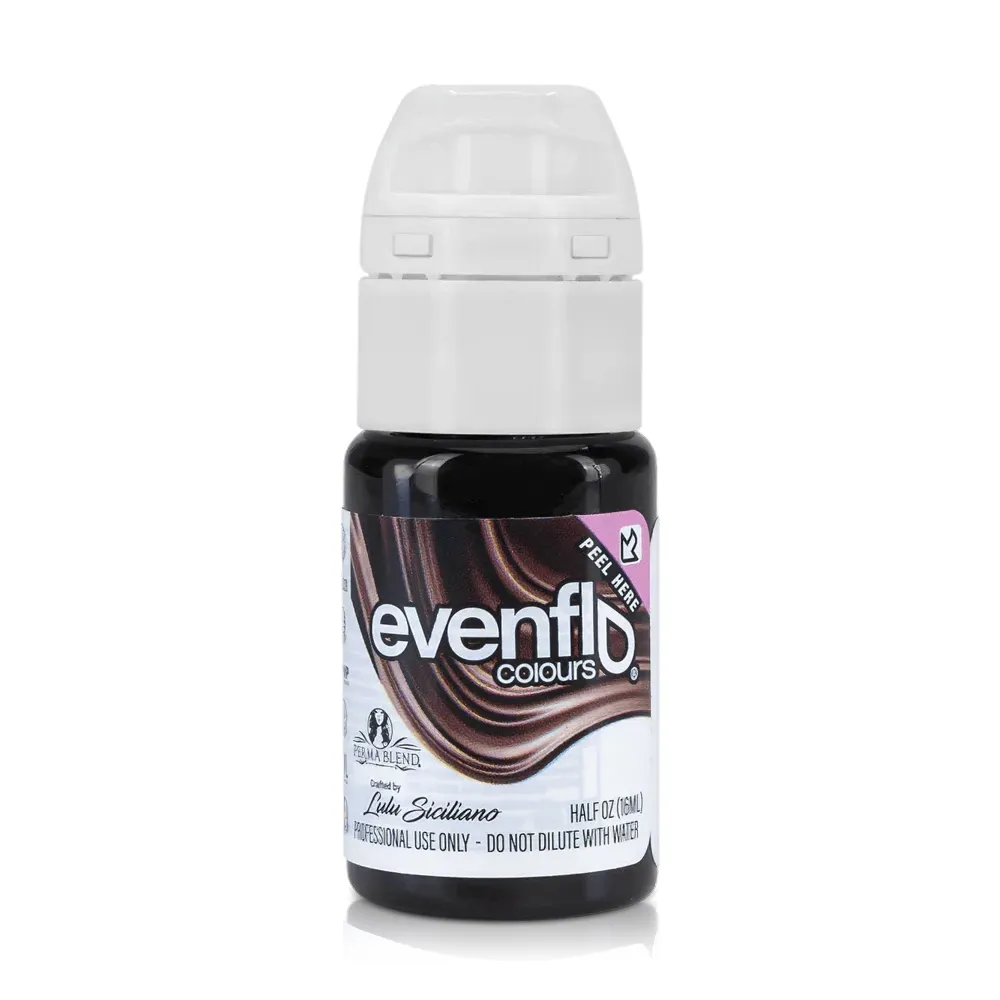
Evenflo Warm Black Eyeliner 1/2 oz
Pigment option for a professional eyeliner inventory; document the color and product identity.
 PMU Color Correction
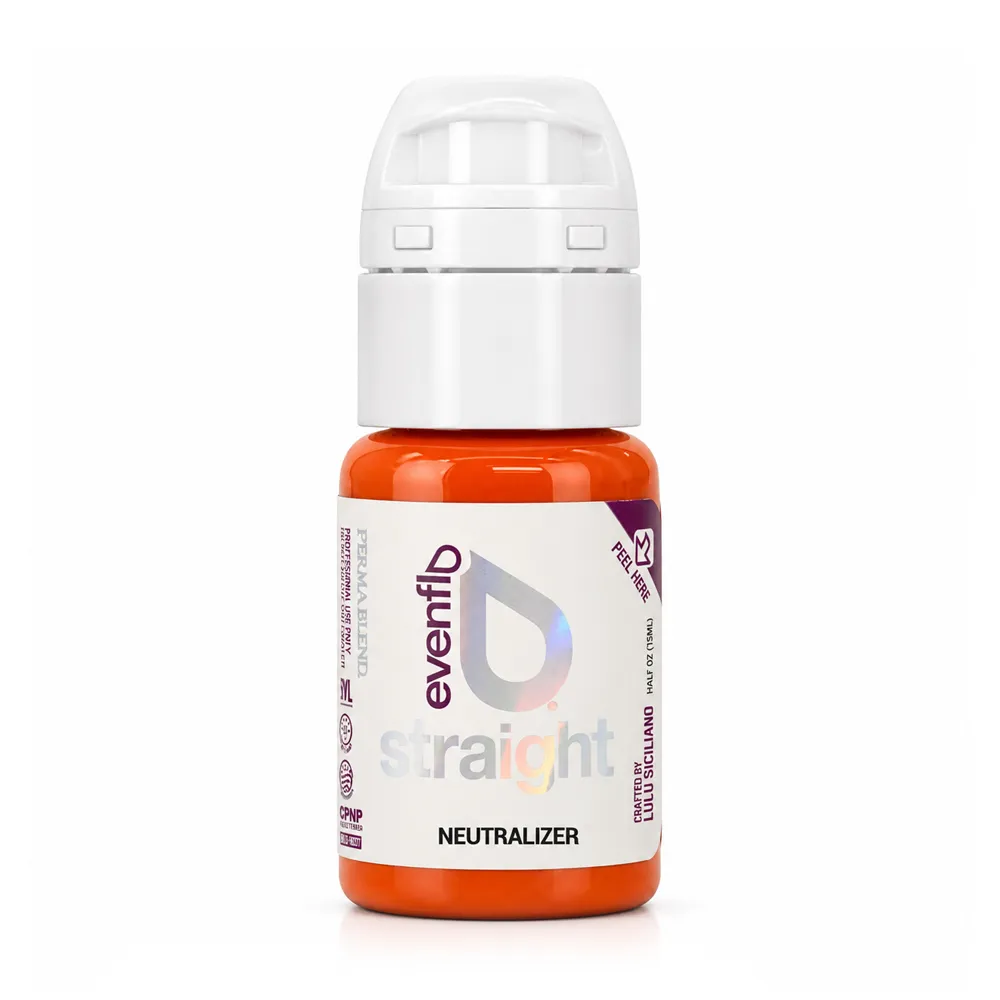
Evenflo Neutralizer 1/2 oz
Color-correction pigment option; select based on your trained service and retain identifying product details.
 Lip Pigment
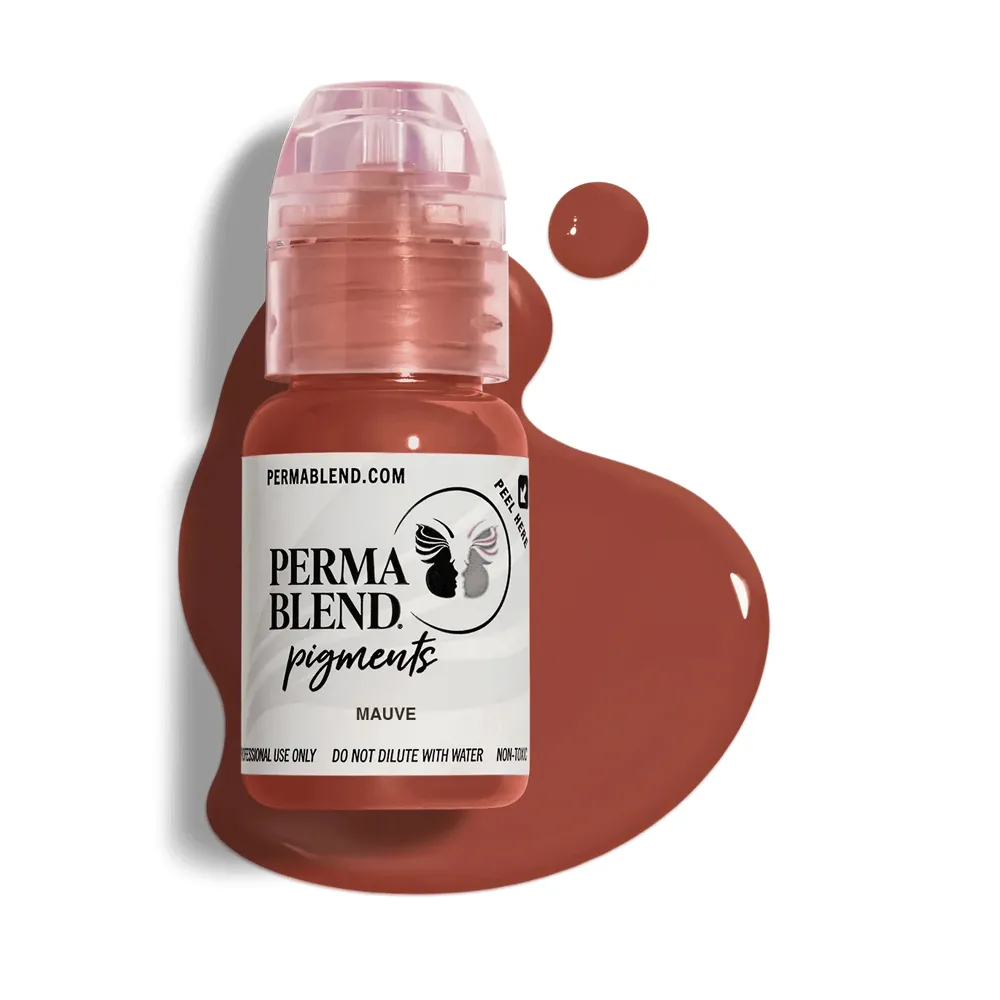
Perma Blend Mauve 1/2 oz
Lip-color inventory option for an artist's pigment selection and procedure documentation.
 Brow Pigment
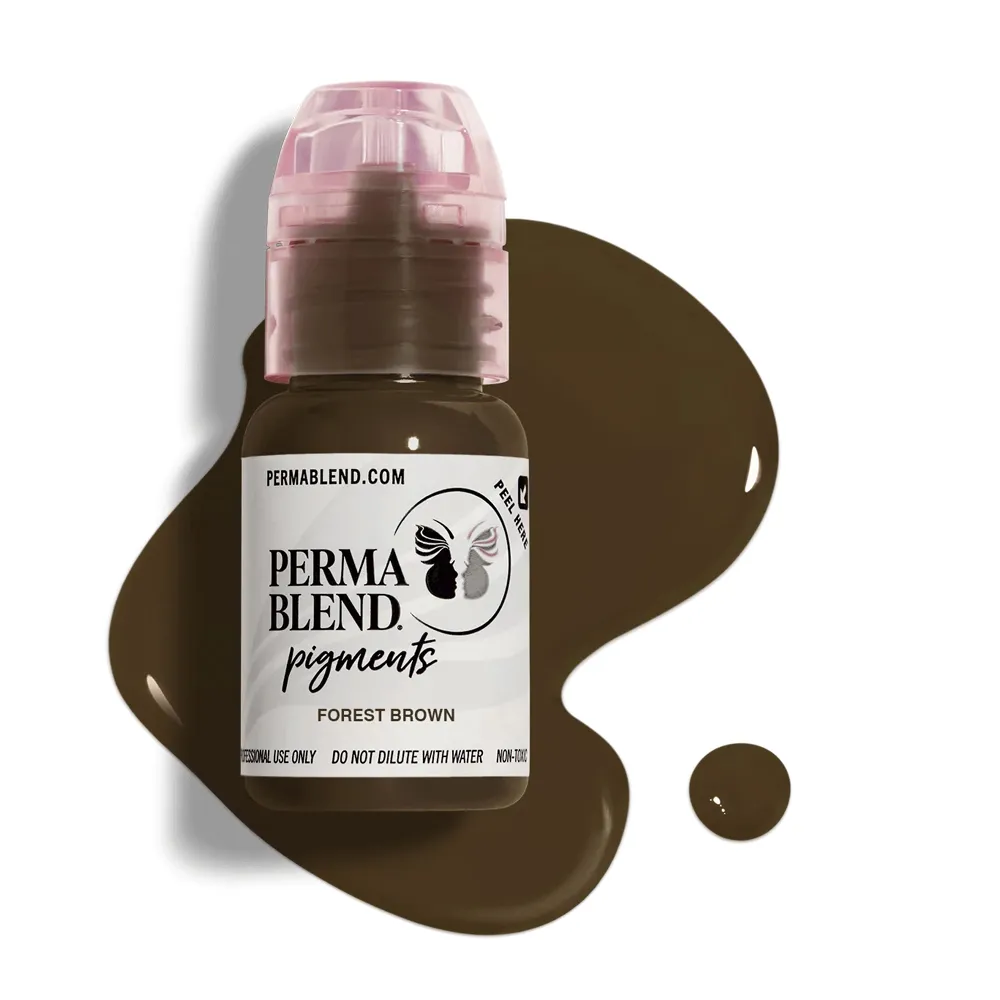
Perma Blend Forest Brown 1/2 oz
Brow-color inventory option; record the actual product and color used with the client file.
 Eyebrow Practice Material
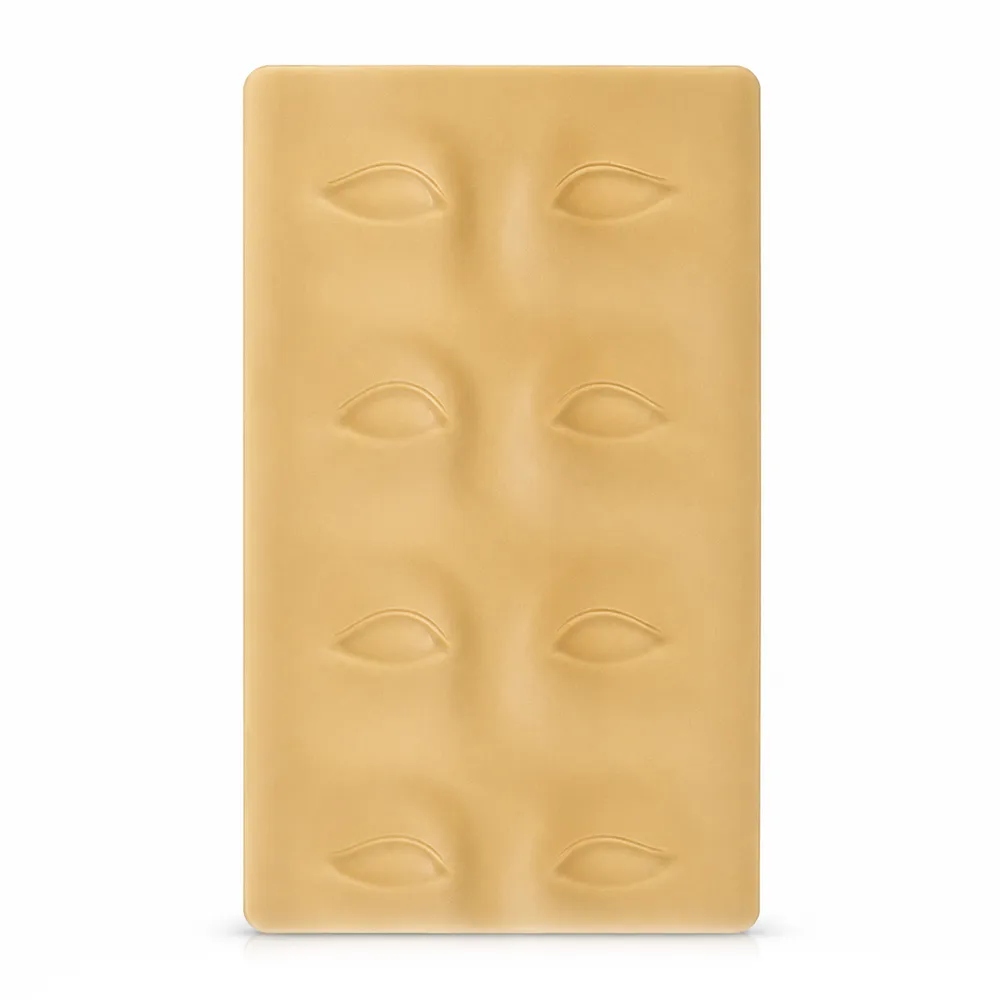
3D Tattoo Practice Skin Eyebrow FPS-012A
Practice surface for brow technique development before working on clients.
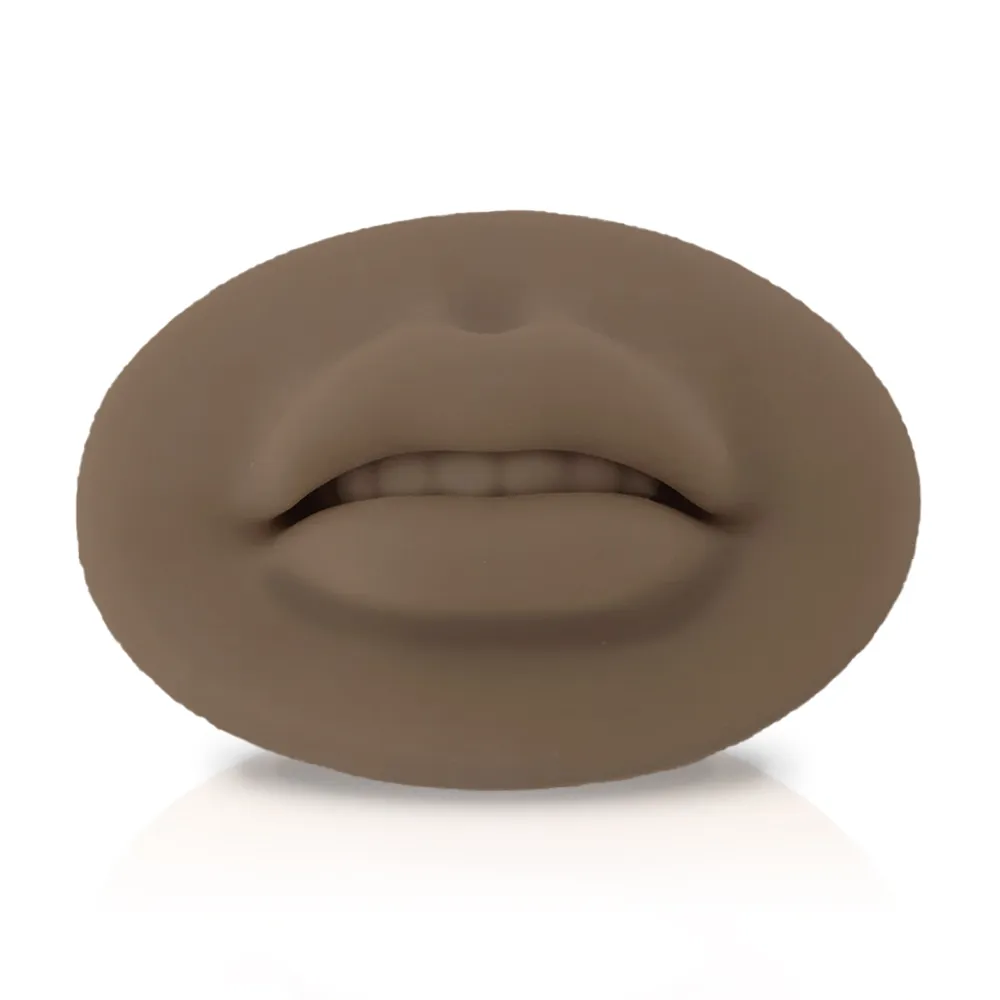 Lip Practice Material
3D Lips Practice Skin FPS-023A
Practice surface for lip work and planned technique exercises.
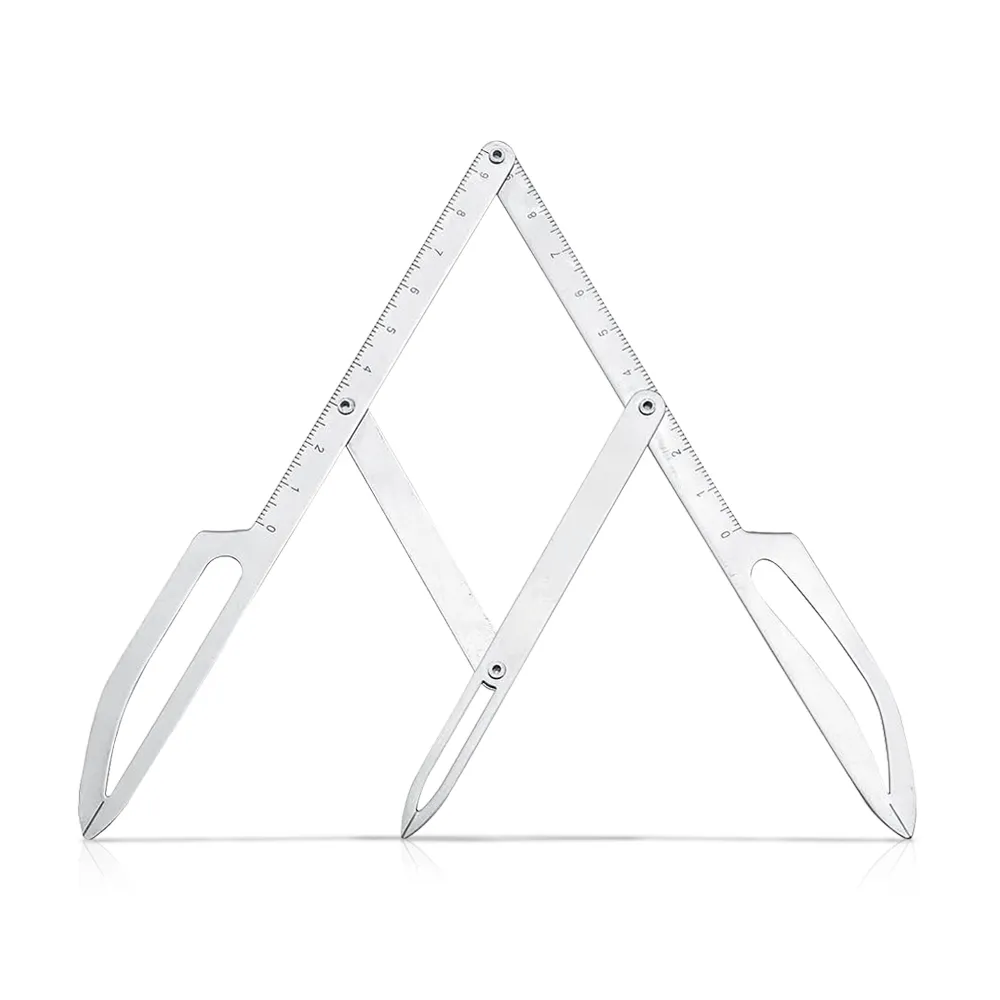 Brow Mapping Tool
Brow Compass for PMU
Mapping accessory for planning professional brow services.
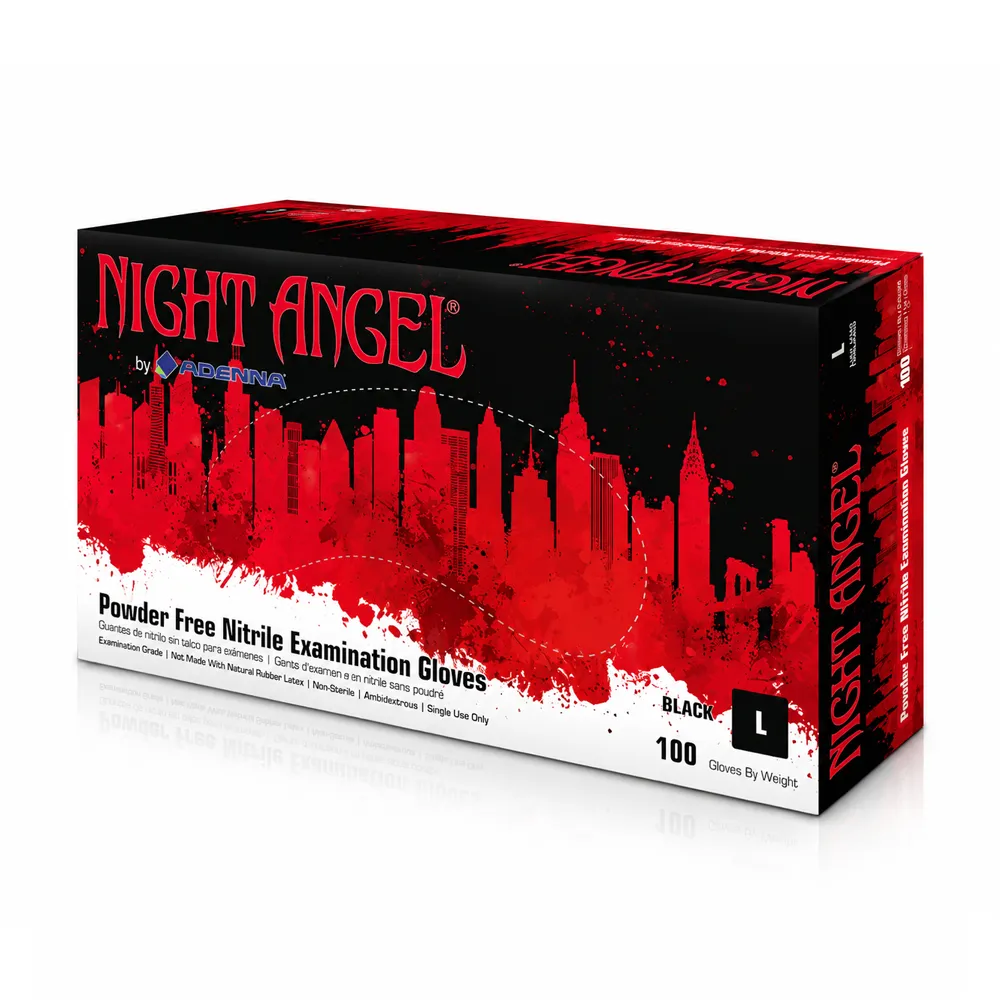 Single-Use Exam Gloves
Adenna Night Angel Black Nitrile Exam Gloves
Exam glove option for staff handling instruments and performing PMU procedures.
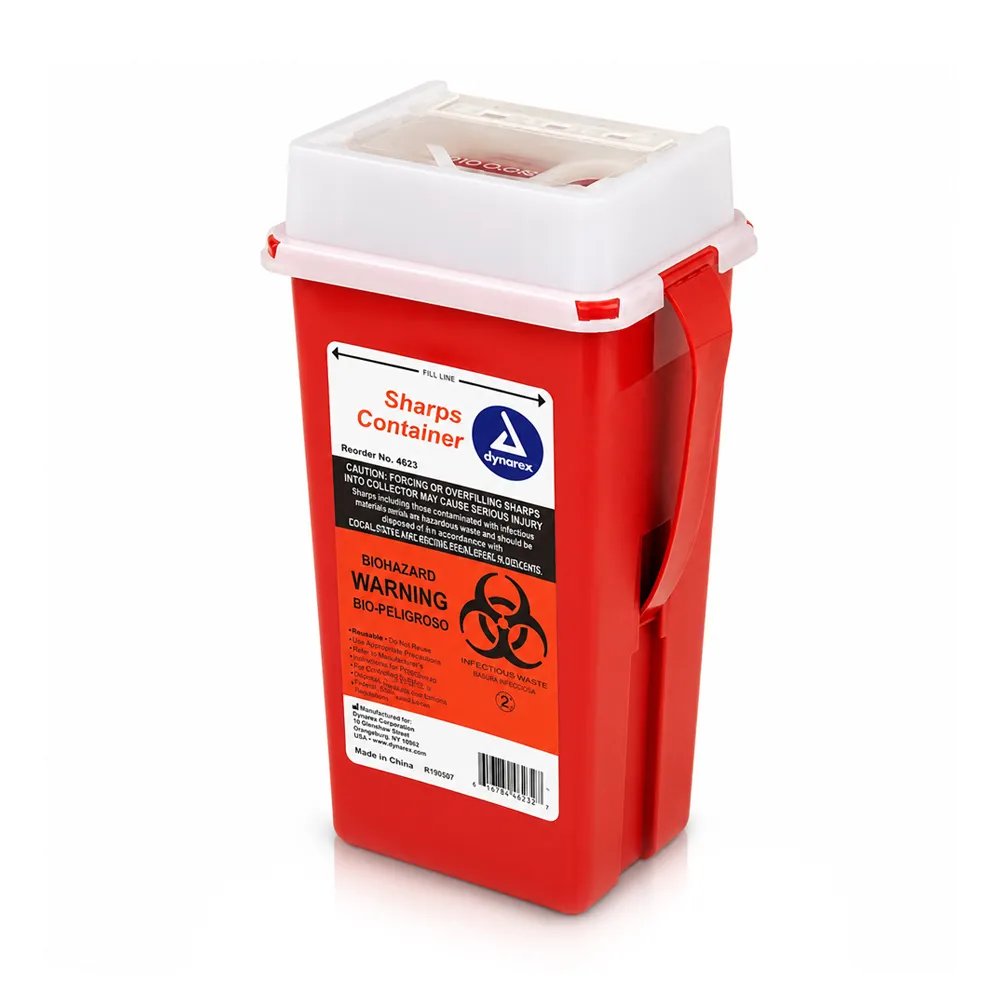 PMU Station Sharps
Dynarex Sharps Container 2 Qt.
Compact container option for used single-use needles and other appropriate sharps.
OWNER & ARTIST CHECKLIST
What should you check before opening a permanent makeup studio in Texas?
Check licensing, premises, staff practices and client files before opening.
- Services: List every pigment-insertion procedure, including manual and machine methods, for DSHS review.
- Authority: Confirm the tattoo studio license and ask DSHS about individual role or credential questions.
- Location: Obtain zoning confirmation and review nondwelling and service-separation requirements.
- Application: Use the DSHS online process; verify current fees and inspection procedure.
- Clients: Verify adult government-issued photo ID before scheduling routine PMU services.
- Risks: Provide the required verbal and written information before the procedure.
- Cartridges: Verify single-use packaging and third-party sterilization documents when relying on them.
- Pigments: Use one-use pigment cups and record colors and catalog details when available.
- Files: Keep the specified client record for at least two years after the last entry.
- Care and reports: Give written and oral aftercare and follow the DSHS reporting procedure.
- Staff: Prepare aseptic-technique procedures and check current DSHS workforce training notices.
DSHS licensing: 512-834-6600; general program: 512-834-6711. SVT Shop offers professional PMU supplies and Next Day Delivery in El Paso.
FAQ
Frequently asked questions about microblading and permanent makeup licenses in Texas
These are the licensing and operations questions artists ask when moving from a beauty service, taking PMU work independent, or setting up a permanent cosmetic studio in Texas.
Do I need a license to do microblading in Texas?
Texas includes permanent cosmetics in tattooing, and TDLR lists DSHS and the Texas Medical Board for microblading. The studio needs the applicable DSHS permit; confirm individual requirements at 512-834-6600.
Is permanent makeup considered tattooing in Texas?
Yes. Health and Safety Code §146.001(3) expressly includes permanent cosmetics in tattooing; DSHS also licenses permanent cosmetic studios.
Does a cosmetology or esthetician license let me do microblading in Texas?
TDLR directs PMU to DSHS and lists DSHS and the Texas Medical Board for microblading. Check authorization separately from your cosmetology or esthetician credential.
Does Texas have an individual PMU license or required microblading certification?
DSHS describes studio licensing. Texas §229.405 requires aseptic-technique competence; call DSHS about individual credentials or training.
Can I do microblading from home or a salon suite in Texas?
The premises must be permanent, nondwelling and separated from living quarters and unrelated services. Confirm a home conversion or salon-suite layout with DSHS and local zoning officials.
What license does a permanent makeup studio need, and how much is it?
Apply through DSHS for a tattoo studio permit with zoning evidence. Confirm current fees, processing and inspection instructions at 512-834-6600.
How old must a client be for microblading or lip blush in Texas?
Routine PMU follows the tattoo age minimum of 18. The limited existing-tattoo cover-up exception is not general parental consent for elective PMU. Record photo ID and birth date.
What records must a PMU artist keep in Texas?
Keep ID, procedure date, pigment colors and available catalog IDs, body area, artist, care acknowledgment and signature for at least two years after the last entry (§229.406).
Do I need a separate studio license if I already have a tattoo studio license?
Permanent cosmetics are included in tattooing. Ask DSHS whether the existing site license and service description need updating before adding PMU.
Can a nurse or doctor's office do microblading without a tattoo studio license?
Chapter 146 provides an exception for offices or clinics of people licensed by the Texas Medical Board. Ask DSHS and the Board about your exact facility and procedure.
What pigment and disposable-supply rules apply to Texas PMU?
Texas §229.409 requires pigments to meet its stated material criteria, single-use pigment cups, and single-use needles discarded in sharps containers.
Who regulates microblading in Texas: DSHS or TDLR?
TDLR points permanent makeup to DSHS, and names both DSHS and the Texas Medical Board for microblading. Start with DSHS studio licensing.
RESEARCH
Sources Consulted
Texas statutes and administrative rules establish the PMU-as-tattoo definition and studio duties. DSHS publishes the licensing procedure, and TDLR directs artists to the appropriate regulators for permanent makeup and microblading.
- DSHS: Licensing Requirements for Tattoo and Body Piercing Studios
- DSHS: Frequently Asked Questions from Licensees
- DSHS: Studio Licensing Application and Contacts
- DSHS: Studio Applications and Fees
- DSHS: Tattoo and Body Piercing Laws and Rules
- DSHS: HB 1778 Human Trafficking Prevention Requirements
- TDLR: Who Regulates What? Microblading and Permanent Makeup
- Texas HSC §146.001: Definitions
- Texas HSC §146.012: Tattooing Minors
- Texas HSC §146.0025: Exemptions
- 25 TAC §229.402: Definitions
- 25 TAC §229.404: Physical Facilities
- 25 TAC §229.405: Personnel Requirements
- 25 TAC §229.406: Client Qualifications and Records
- 25 TAC §229.408: Care Instructions
- 25 TAC §229.409: Instruments and Jewelry
- 25 TAC §229.410: Infection and Allergic Reaction Reports