Powered by Comercia.io
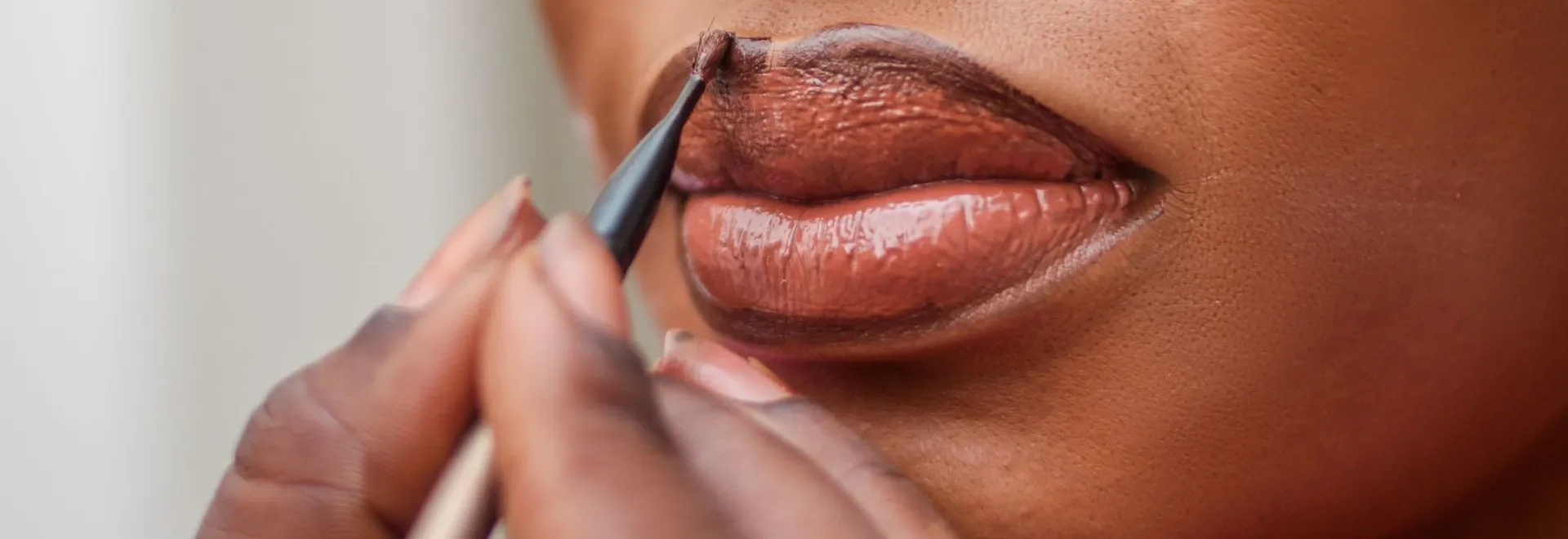
Choose lip blush pigment colors by comparing their color family, manufacturer-published undertone information, and the PMU artist's assessment of the client's natural lip color. There is no single best lip blush pigment for every procedure. Professional shade selection starts with understanding the differences between pink, coral, red, and mauve pigments rather than expecting a particular bottle color to determine the healed result.
Explore Lip Pigments Shop PMU Pigments
QUICK ANSWER
What Are the Best Lip Blush Pigment Colors?
The best choice is the pigment that fits the artist's color assessment, intended aesthetic direction, and the manufacturer's documented shade characteristics. Start with the color family, review the published undertone information, and evaluate the client's natural lip color before making the selection.
Choose a Color Family
Compare pink, coral, red, and mauve options according to the color direction planned for the procedure.
Read the Manufacturer's Description
Look for published undertone, value, opacity, and intended-use information when evaluating individual pigments.
Apply Professional Judgment
Consider natural lip color, the client's complexion, and the artist's assessment instead of selecting a shade from its name alone.
COLOR FAMILIES
What Are the Main Lip Blush Pigment Color Families?
Pink, coral and peach, red, and mauve or nude are practical categories for comparing lip pigment colors. Perma Blend organizes part of its lip pigment range into pink and red groups and also presents dedicated lip pigment sets. Artists can use these broader color families to organize their purchasing decisions and studio palettes.
Pink Lip Pigments
Our catalog includes soft pink, earthy pink, rosy pink, deep pink, and bubblegum pink options. These distinctions help artists compare different aesthetic directions within the pink family.
Coral and Peach Lip Pigments
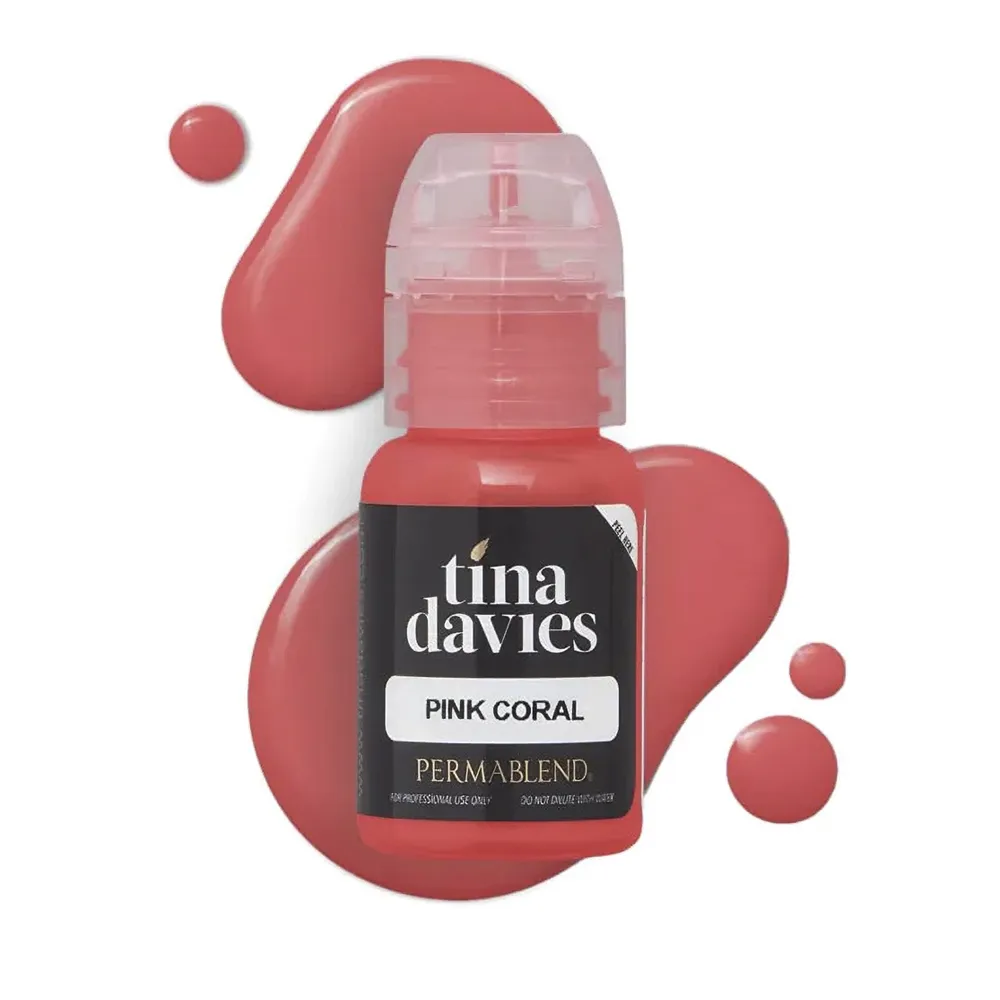
This family provides another direction for artists comparing pink and orange-leaning colors. Pink Coral is the coral-pink option in our featured selection.
Red Lip Pigments
Our red selection includes muted, deep, intense, and orange-leaning reds. Compare these options individually instead of treating all red pigments as interchangeable.
Mauve and Nude Lip Pigments
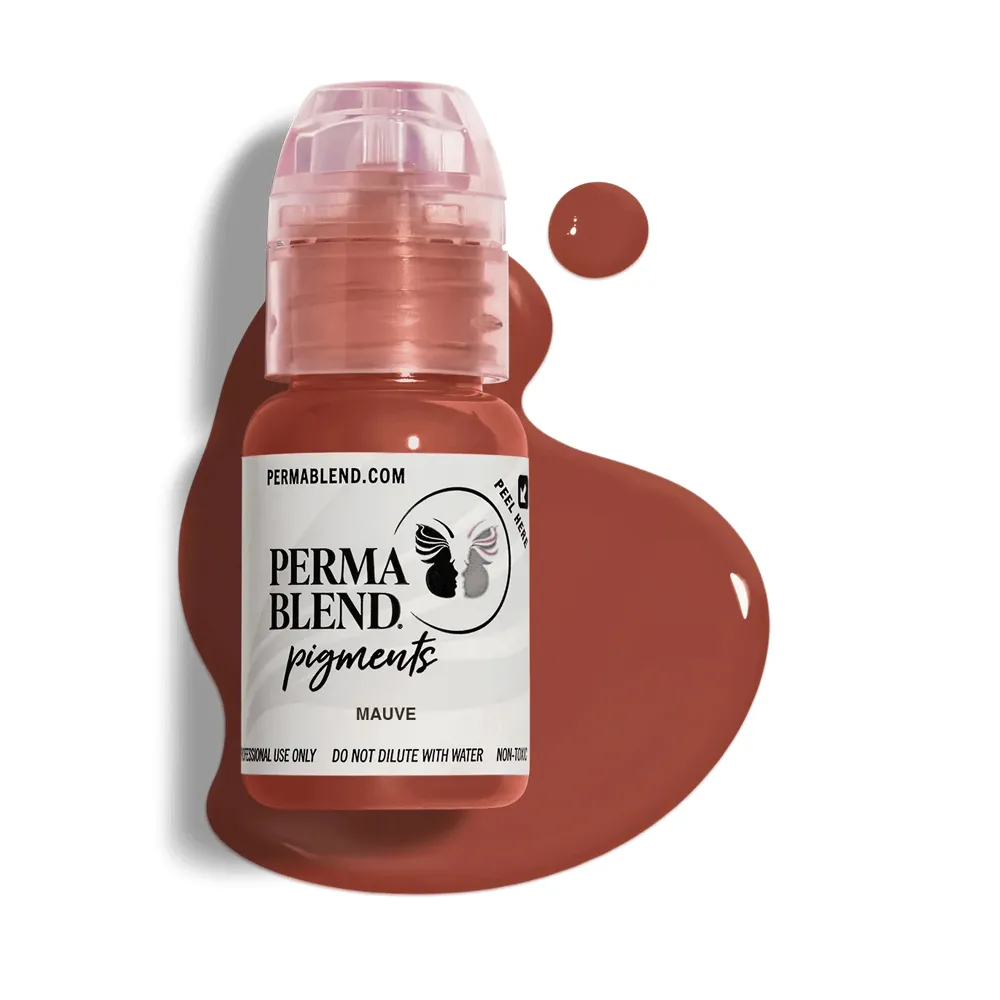
Artists looking beyond conventional pink and red options can explore the mauve family. Our catalog presents Perma Blend Mauve as a nude-leaning option.
Lip Blush Pigment Color Comparison
The following table organizes the pigments we carry by color family. Use it as a shopping reference alongside the manufacturer's individual shade information.
| Color Family | Shades We Carry | What to Ask the Manufacturer |
|---|---|---|
| Pink | Perma Blend Tina Davies - Dusty Pink 1/2 oz Perma Blend - Pillow Talk 1/2 oz Perma Blend - Tres Pink 1/2 oz Perma Blend - Sweet Melissa 1/2 oz Perma Blend - Bazooka 1/2 oz Perma Blend - French Fancy 1/2 oz |
What undertone does each shade have? How does the manufacturer distinguish its pink options? |
| Coral / Peach | Perma Blend Tina Davies - Pink Coral 1/2 oz | How is this shade positioned within the coral family? What are its published undertone and value characteristics? |
| Red | Perma Blend - Passion Red 1/2 oz Perma Blend - Blushed 1/2 oz Perma Blend - Lady Bug 1/2 oz Perma Blend - Date Night 1/2 oz Perma Blend - Royal Red 1/2 oz |
How do the individual reds differ in undertone, value, and published opacity characteristics? |
| Mauve / Nude | Perma Blend - Mauve 1/2 oz | How does the manufacturer describe the shade's undertone and intended aesthetic direction? |
UNDERTONES
What Do Warm, Cool, and Neutral Lip Pigment Undertones Mean?
Warm, cool, and neutral are terms artists encounter when reviewing pigment shade descriptions. They should be evaluated according to the manufacturer's classification of the specific product, separately from its broader color family and the artist's assessment of the client's lips.
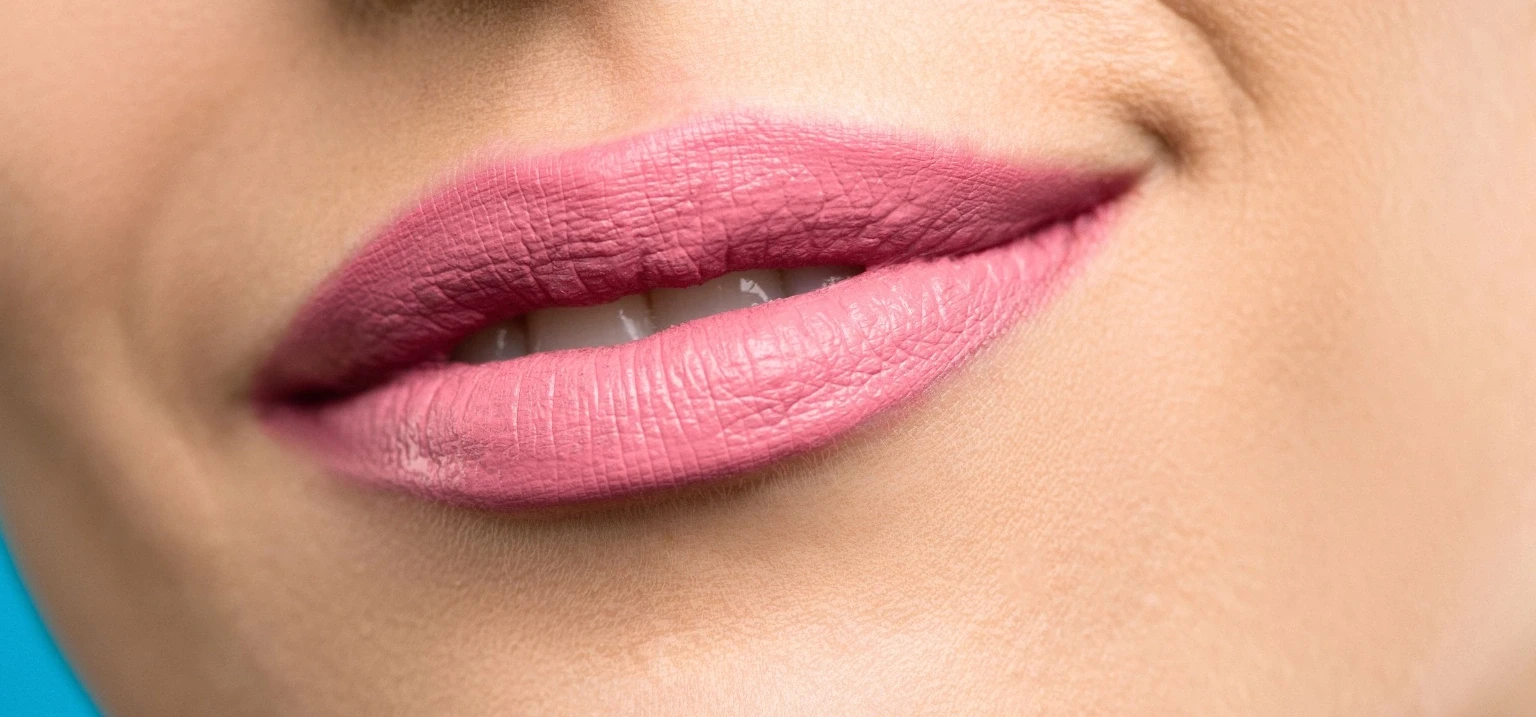
Two pigments categorized as pink can have different published descriptions. The name of the color family is therefore only the beginning of a professional comparison.
What Is a Neutral Pink Lip Pigment?
Perma Blend's Dusty Pink from the Tina Davies collaboration is an example of a manufacturer-described neutral pink. Perma Blend characterizes it as a neutral pigment with a soft, understated pink tone intended for a delicate, natural-looking color direction.
The manufacturer positions Dusty Pink for subtle enhancement of natural lip color. This description gives artists a useful reference when comparing the intended aesthetic direction of different pink pigments.
Separate the Shade From the Undertone
Record the color family and manufacturer-published undertone as separate characteristics. A descriptive name such as Mauve, Pink Coral, or Royal Red identifies a product but should not replace its technical shade information.
When comparing another pigment with Dusty Pink, look for the same type of information from the manufacturer: the undertone designation, the shade description, and its intended color direction.
SWATCHES AND COLOR CHARTS
How Do PMU Artists Read Lip Blush Pigment Color Charts?
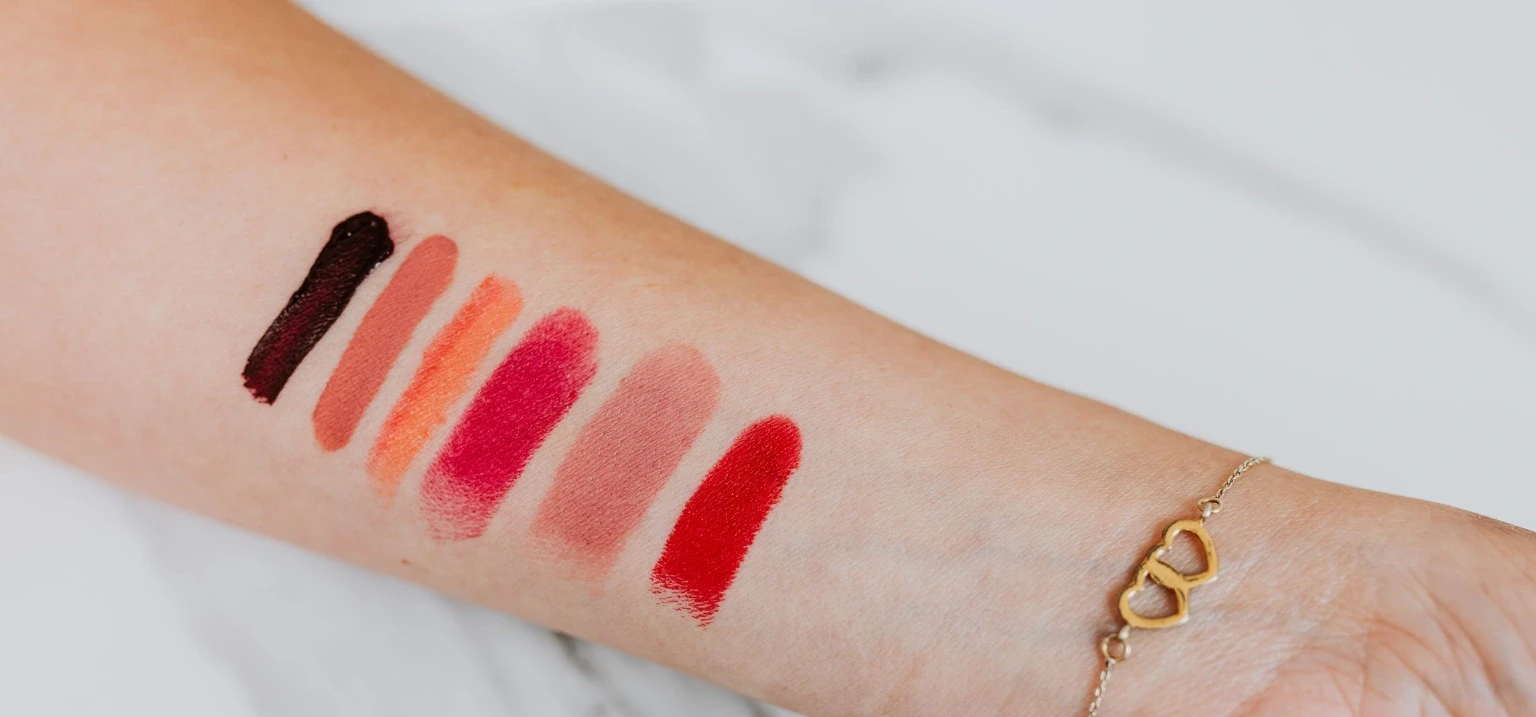
A lip blush pigment color chart or swatch reference is most useful when it is reviewed together with the manufacturer's written description of each shade. Artists searching for a Perma Blend lip color chart should use the individual pigment information to understand the differences between the products they are comparing.
Color Family
Identify whether the pigment belongs to the pink, coral, red, or mauve group you are considering.
Undertone
Check whether the manufacturer classifies the individual shade as warm, cool, or neutral.
Value
Review the manufacturer's description of the relative lightness or darkness of the shade when comparing colors within a family.
Opacity
Check the manufacturer's published opacity information as a separate product characteristic from the color itself.
Should Artists Choose Pigments From Swatches Alone?
Use swatches to compare the available color options, then consult the corresponding product descriptions. A swatch reference answers a different question from a documented healed result on a particular client.
For studio purchasing, keep the exact shade name with its reference image or manufacturer description. This makes it easier to distinguish similarly named products during consultations, inventory reviews, and reordering.
What This Color Guide Compares
The color-family table in this guide organizes our catalog by shade direction. Use the manufacturer's technical information when evaluating individual pigment opacity, value, or undertone classifications.
PROFESSIONAL SHADE SELECTION
How Do Artists Choose Lip Blush Colors for Light, Brown, Dark, or Olive Skin?
Professional pigment selection should consider the client's complexion, natural lip color, intended aesthetic direction, and the manufacturer's published shade guidance. Skin tone is one part of the assessment rather than a complete pigment selection method.
Which Lip Pigment Colors Are Recommended for Fair or Olive Skin?
Perma Blend specifically describes Tina Davies Dusty Pink as suitable for fair, pink, beige, and olive skin tones. This is the manufacturer's guidance for that individual pigment.
Artists can use this information when considering Dusty Pink as a candidate for a procedure, alongside their assessment of the natural lip color and the desired direction.
How Should Artists Compare Lip Colors for Brown or Dark Skin?
Evaluate the individual client's natural lip color and the manufacturer's recommendations for the particular shade. Avoid selecting a pigment solely because the client belongs to a broad complexion category.
When reviewing pigment options, keep the following questions separate:
- What natural lip color is the artist evaluating?
- What color family is being considered for the procedure?
- What undertone information does the manufacturer publish?
- Does the manufacturer provide skin-tone guidance for that individual shade?
- How does the artist assess the suitability of that option for the planned procedure?
For additional background on color selection across complexions in tattooing, explore our guides to skin tone and tattoo ink selection and tattooing darker skin tones. Use PMU-specific manufacturer guidance for lip pigment decisions.
HEALED COLOR
Do Lip Blush Pigments Heal Darker or Lighter?
The artist should evaluate healed lip color individually rather than assign a universal darker or lighter outcome to an entire pigment family. Natural lip color, the artist's application depth, and aftercare are relevant considerations when assessing the result.
Natural Lip Color
The client's existing lip color is part of the professional assessment before choosing a pigment.
Application
Pigment selection and the artist's application technique should be considered together when reviewing completed and healed work.
Healing and Aftercare
Evaluate the healed appearance in the context of the procedure and the client's aftercare rather than relying exclusively on the original pigment description.
Perma Blend's description of Dusty Pink provides a shade and intended-use reference. Its soft pink description should be used as color-selection information, not as a prediction of an individual client's healed appearance.
For the healing side of lip PMU, read our dedicated lip blush healing stages and aftercare guide. It complements the pigment selection process without treating the initial color as the final healed result.
STARTER LIP PALETTE
How Many Lip Blush Pigments Do You Need to Start?
A practical starter palette should offer meaningful differences between shades rather than simply contain a large number of bottles. The appropriate selection depends on the artist's training, planned services, and the color options relevant to the studio's clientele.
For artists beginning to organize a Perma Blend lip palette, the following examples from our catalog provide different color directions to investigate.
| Palette Direction | Example From Our Catalog | Purchasing Purpose |
|---|---|---|
| Soft pink | Dusty Pink | Explore a manufacturer-described neutral pink. |
| Earthy pink | Tres Pink or Sweet Melissa | Compare additional directions within the pink family. |
| Coral pink | Pink Coral | Include a coral-family option in the purchasing comparison. |
| Mauve | Mauve | Explore a nude-leaning alternative to conventional pink. |
| Red | Blushed, Date Night, or Royal Red | Compare muted, deep, and intense red options. |
Is a Lip Pigment Set Better Than Individual Bottles?
Perma Blend presents dedicated lip pigment sets as part of its range. When evaluating a set, compare the included shades with the color families your studio actually needs.
Individual bottles offer another way to assemble a palette around specific purchasing priorities. An established studio can also review its existing collection before adding another pink or red shade.
Questions for a Starter Palette
- Which color families are relevant to your planned services?
- Which individual shades have you studied during training?
- Which products provide a distinct option within your existing palette?
- Do you have the manufacturer's shade information for each selection?
SHOP THE PALETTE
Which Perma Blend Lip Blush Pigment Colors Do We Carry?
At SVT Shop, we carry Perma Blend lip pigments, including shades from the manufacturer's Tina Davies artist collaboration. Explore our selection by color family to compare individual bottles and identify the shades that fit your professional purchasing priorities.
Pink Lip Pigments
Our pink selection includes understated, earthy, rosy, deep, and brighter pink directions for artists comparing the available options within this family.
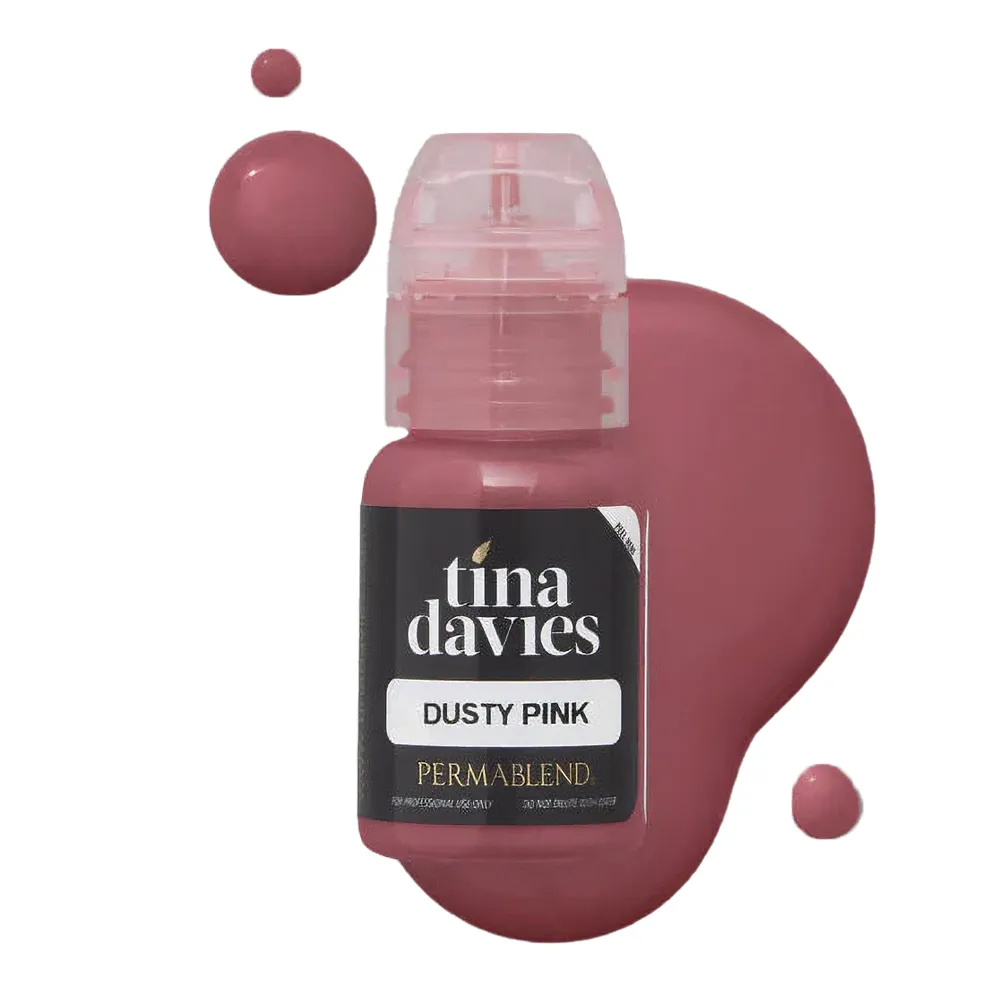 Neutral Soft Pink
Perma Blend Tina Davies - Dusty Pink 1/2 oz
Perma Blend describes this Tina Davies shade as a neutral, understated pink for subtle enhancement of natural lip color.
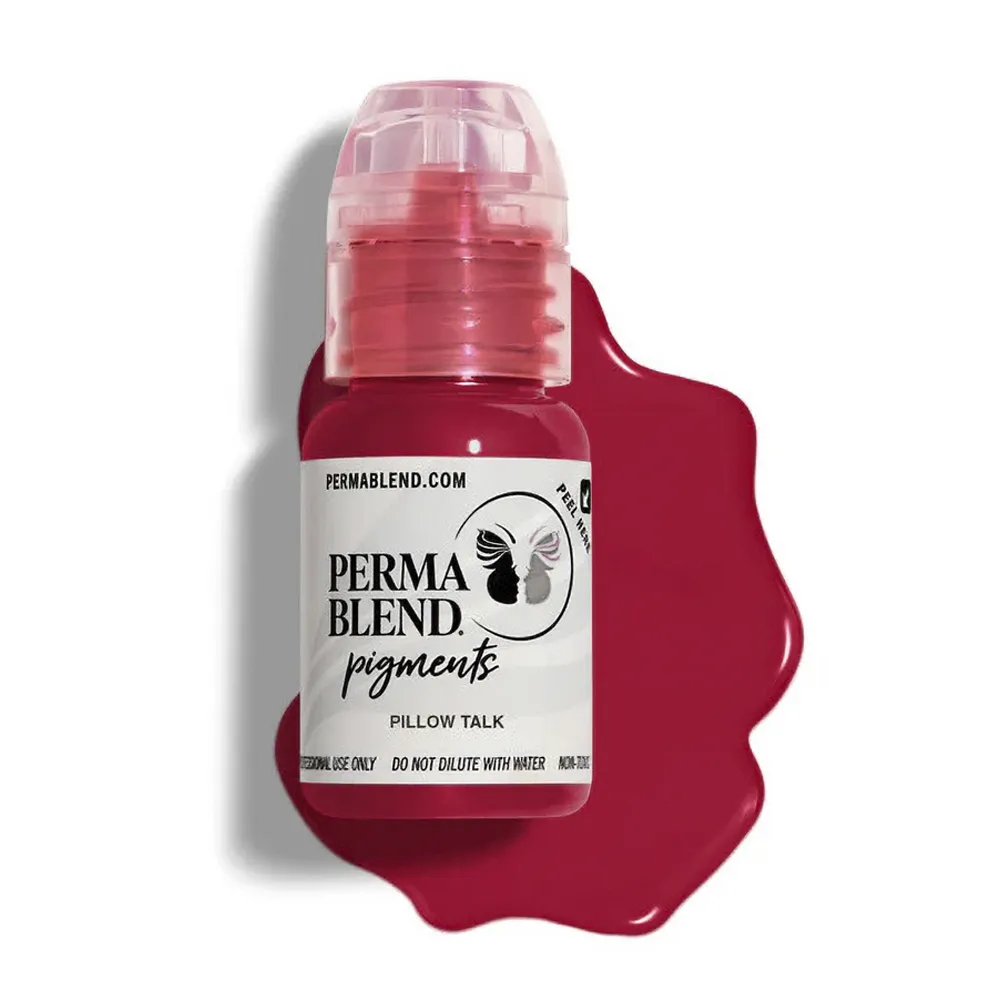 Deep Pink
Perma Blend - Pillow Talk 1/2 oz
A deep pink option in our catalog for artists expanding their selection beyond softer pink shades.
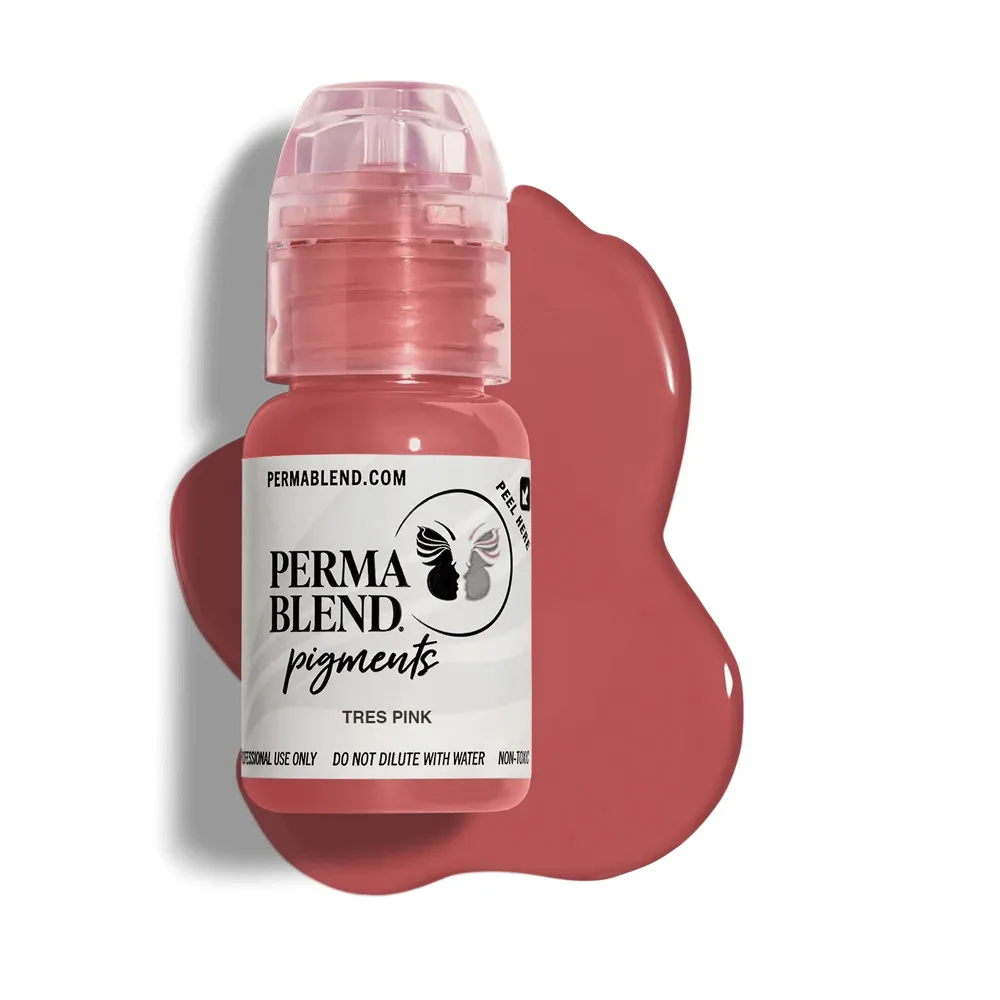 Earthy Pink
Perma Blend - Tres Pink 1/2 oz
An earthy pink in our catalog worth comparing with rosy and brighter pink options.
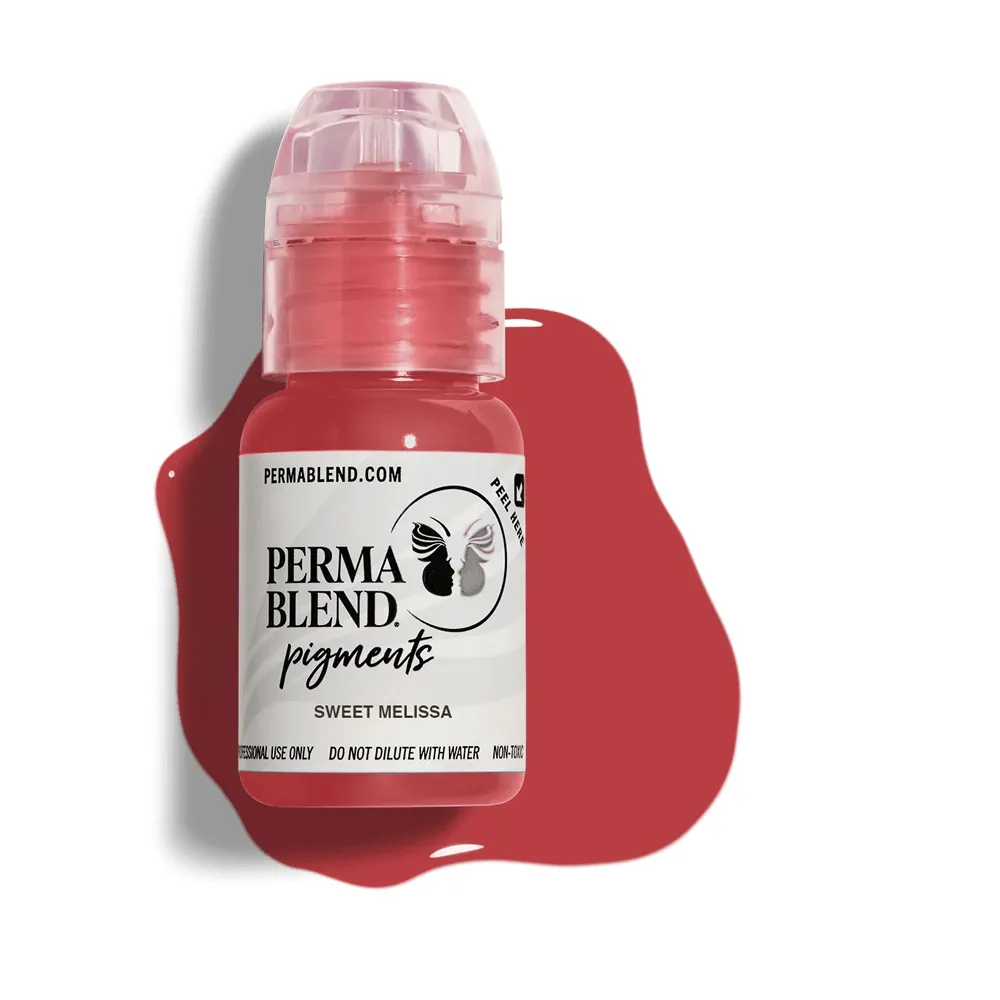 Earthy Pink
Perma Blend - Sweet Melissa 1/2 oz
Another earthy pink option in our range for artists evaluating different products within this color direction.
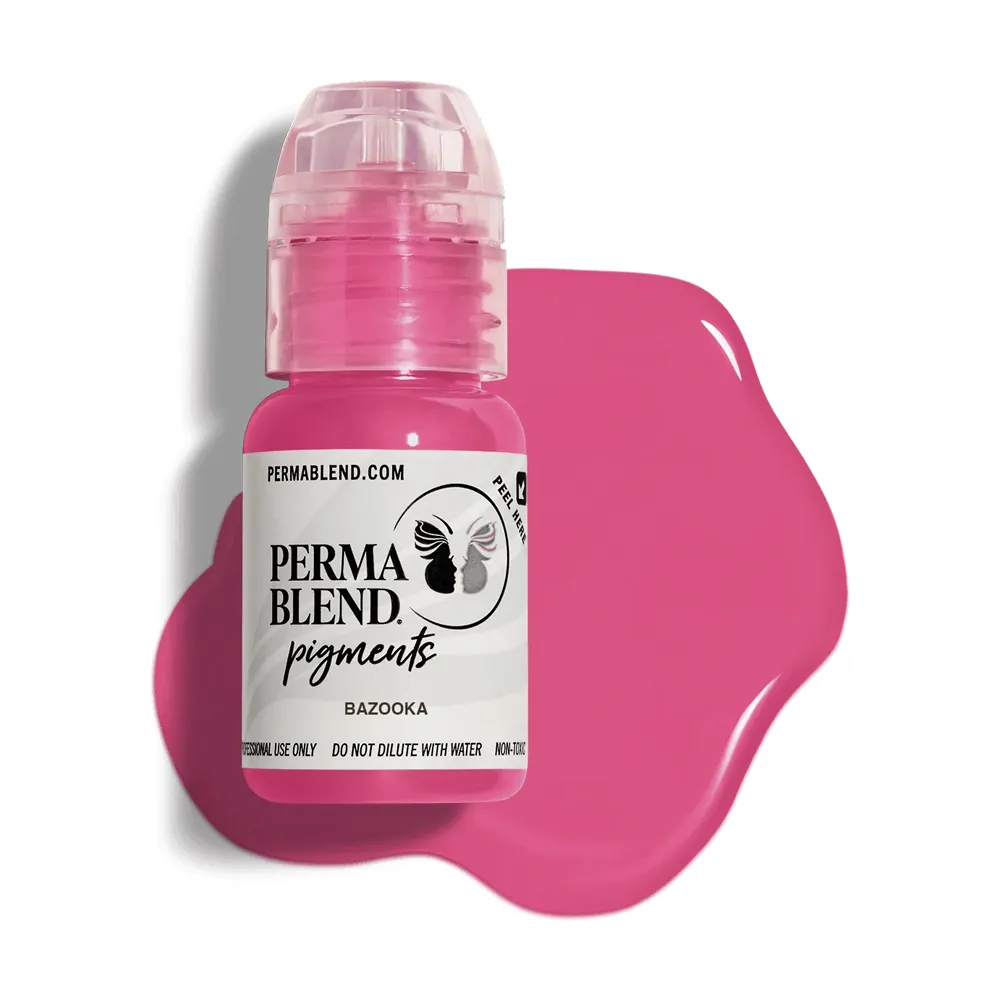 Bubblegum Pink
Perma Blend - Bazooka 1/2 oz
Our bubblegum pink option for artists comparing more expressive pink colors with understated alternatives.
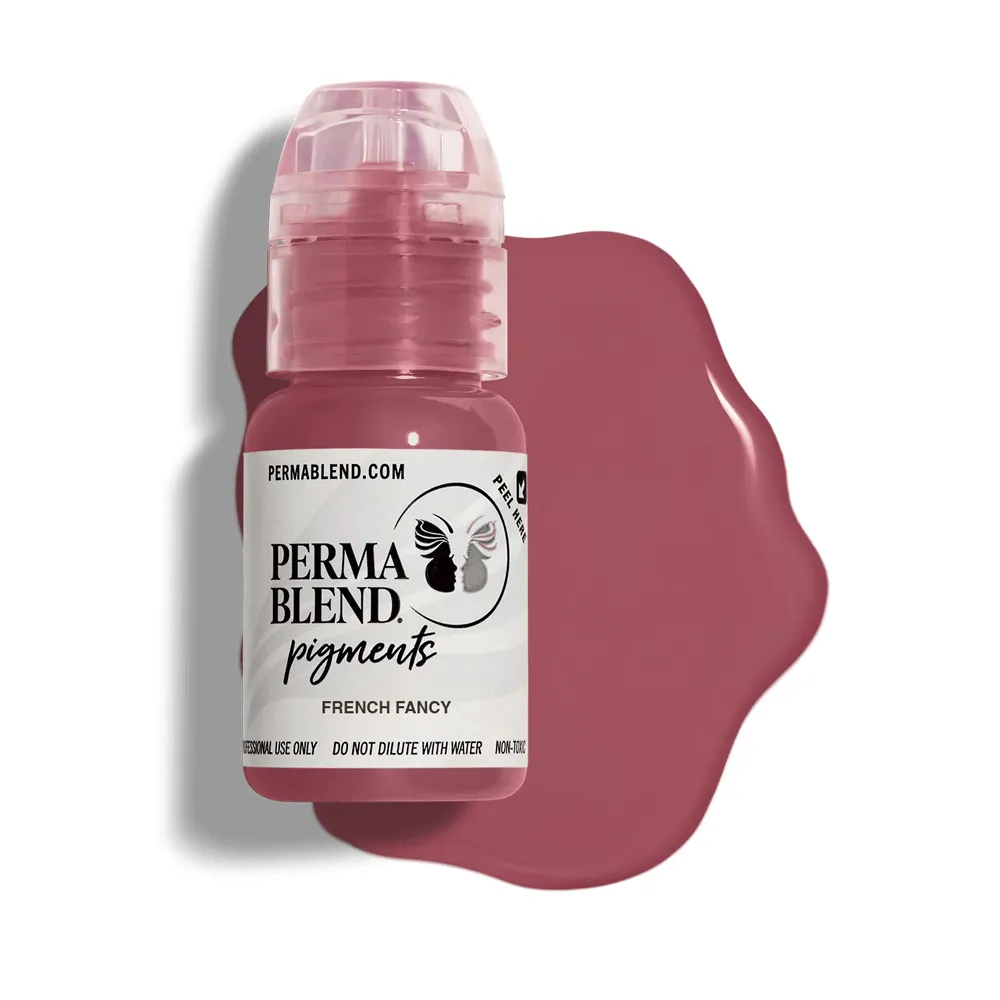 Rosy Pink
Perma Blend - French Fancy 1/2 oz
A rosy pink option in our catalog that adds another direction to a studio's pink pigment comparison.
Coral Lip Pigments
Explore the coral family when your studio is reviewing alternatives to conventional pink and red pigment selections.
Mauve and Nude-Leaning Lip Pigments
The mauve family offers a separate purchasing direction for artists who want to compare more than pink, coral, and red options.
Red Lip Pigments
We carry several red pigment options with different catalog color descriptions. Review each individually according to the planned color direction and the manufacturer's shade information.
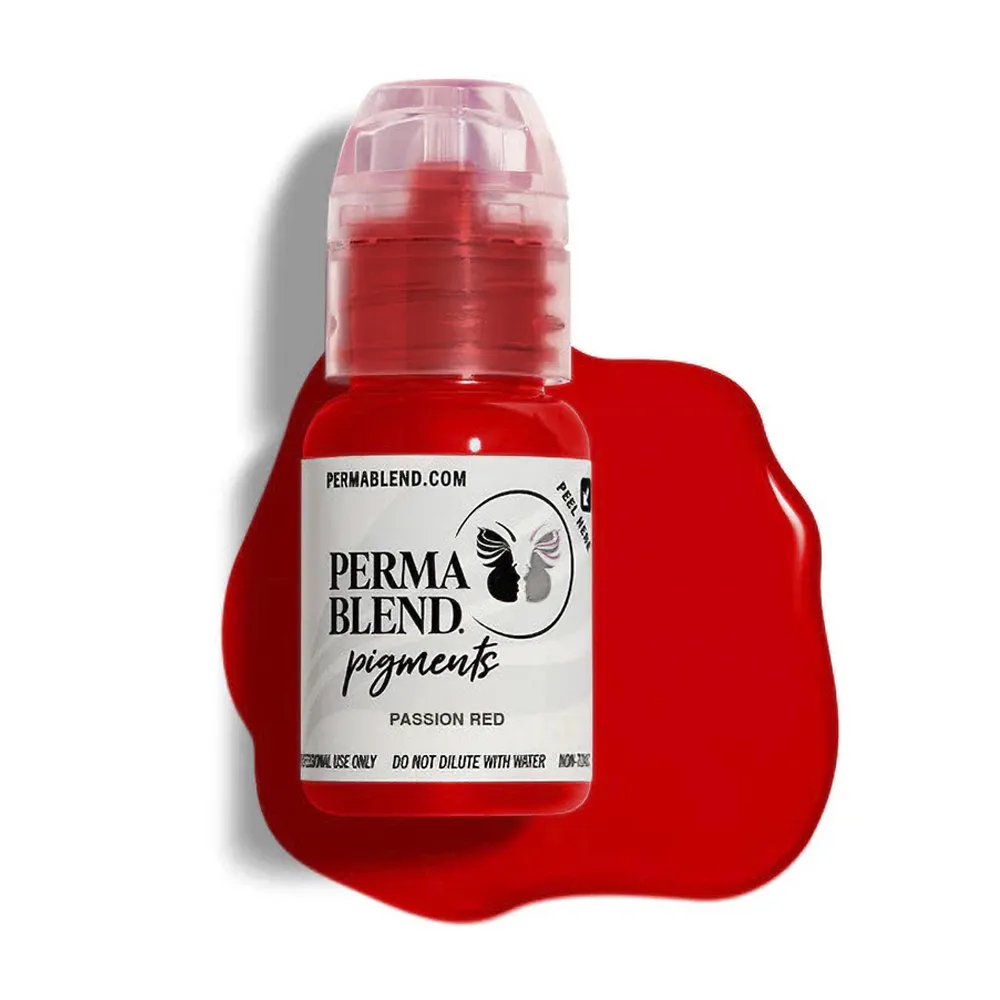 Orange-Leaning Red
Perma Blend - Passion Red 1/2 oz
A vibrant red with an orange hue in our catalog for comparing different directions within the red family.
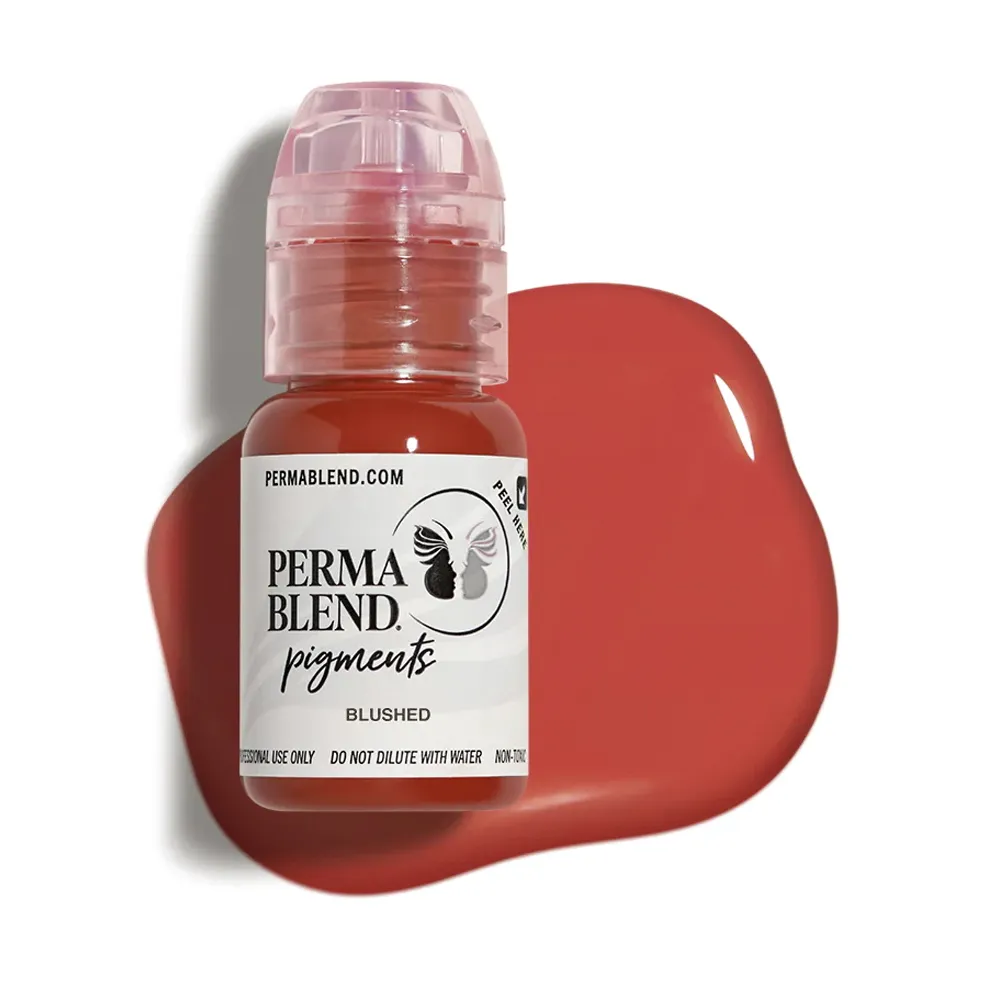 Muted Red
Perma Blend - Blushed 1/2 oz
A muted red option in our selection for artists comparing less vivid red color descriptions.
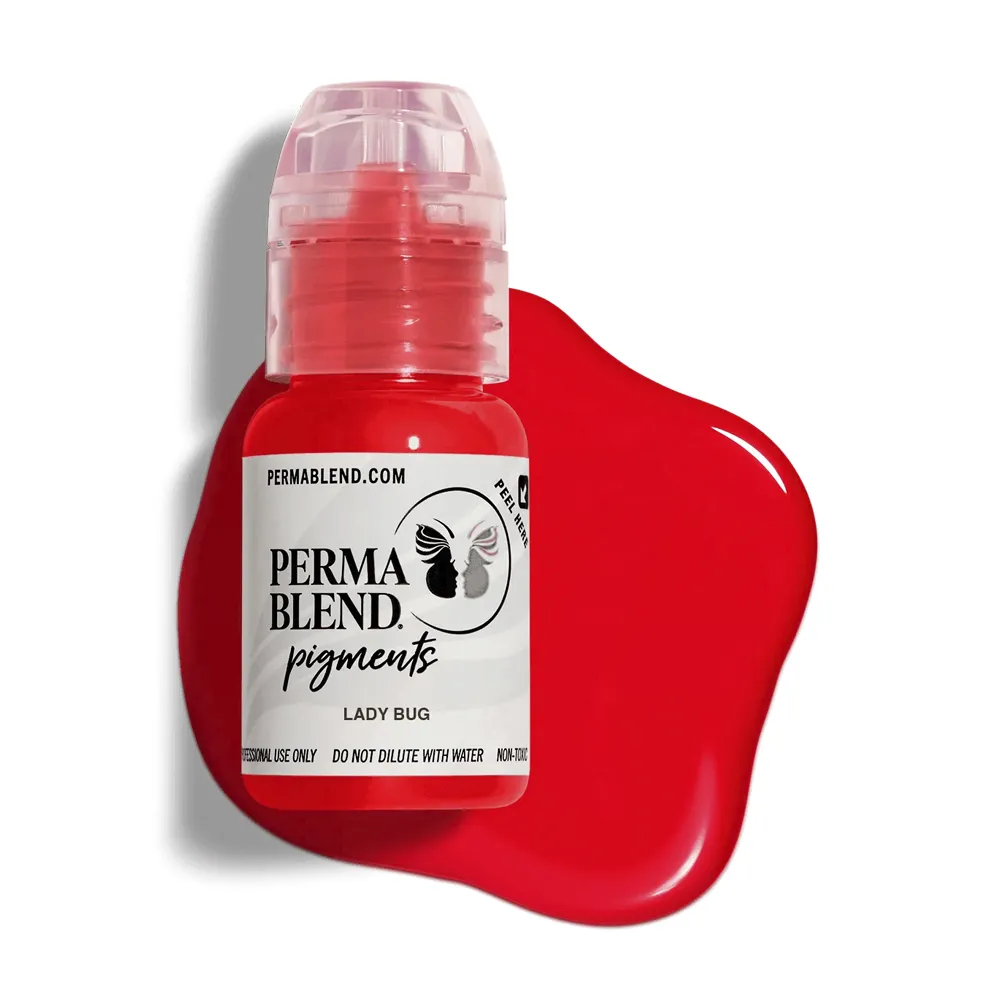 Red-Orange
Perma Blend - Lady Bug 1/2 oz
A red-orange option in our catalog for expanding the range of red shades available for professional evaluation.
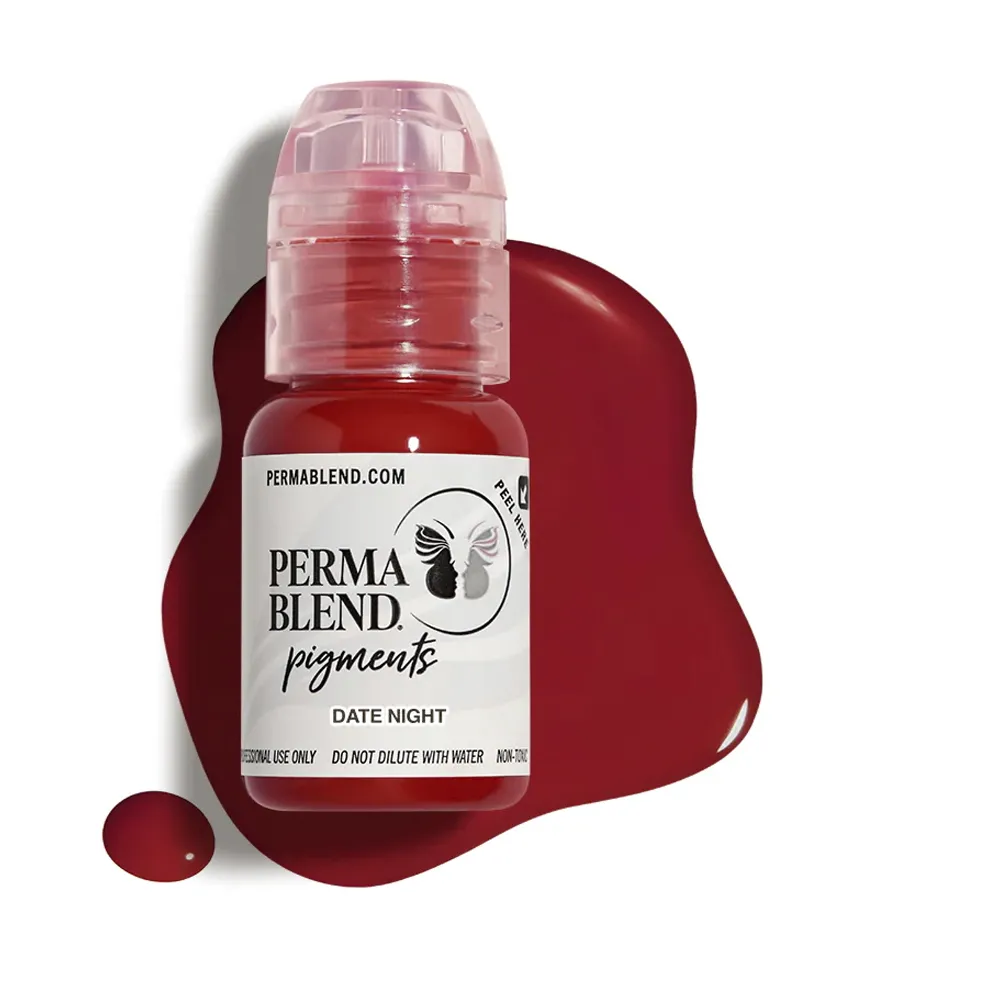 Deep Red
Perma Blend - Date Night 1/2 oz
A deep red in our collection for artists comparing richer red color directions.
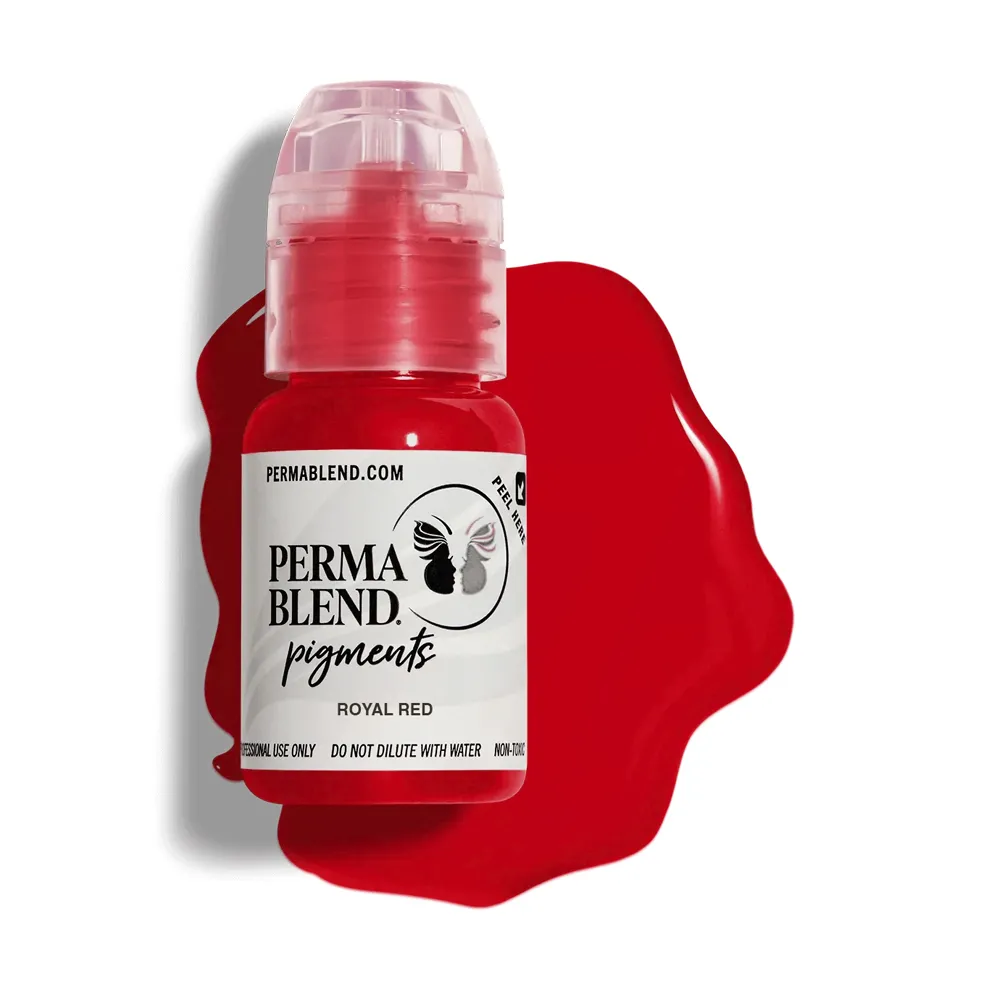 Intense Red
Perma Blend - Royal Red 1/2 oz
An intense red option in our catalog for comparing more expressive reds with muted and deep red alternatives.
STUDIO WORKFLOW
How Should PMU Artists Organize Their Lip Pigment Selection Process?
A structured selection process helps artists connect the manufacturer's pigment information with their professional assessment and studio documentation. It also gives apprentices a consistent way to study the differences between individual shades.
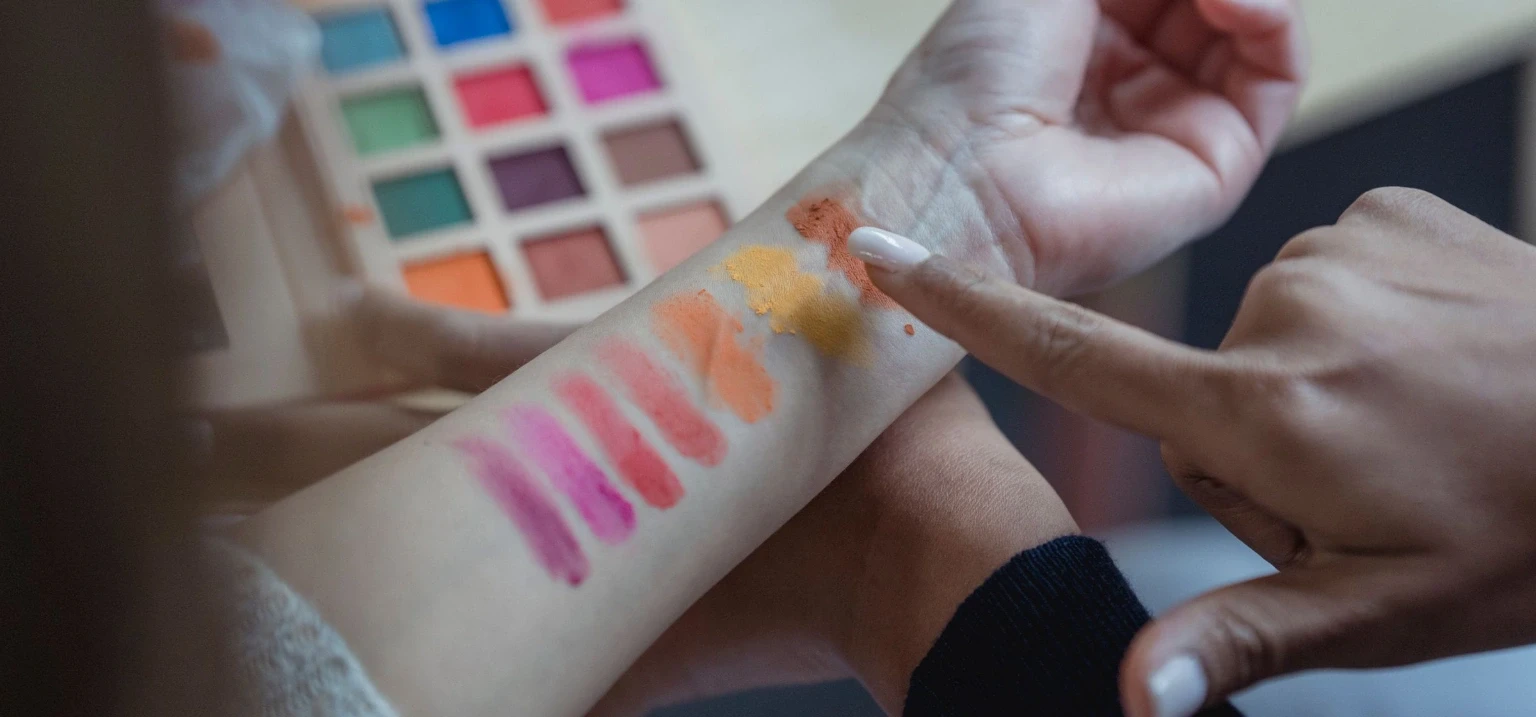
Assess the Natural Lip Color
Document the existing lip color and the client's intended aesthetic direction before reviewing pigment options.
Identify the Color Family
Narrow the comparison to the relevant pink, coral, red, or mauve options.
Review the Product Information
Consult the manufacturer's individual shade description, intended-use guidance, and published technical characteristics.
Document the Selected Pigment
Record the exact product name, selected color, and corresponding manufacturer identification information.
Review Healed Work
Keep documented observations of healed cases with the original pigment and procedure information for future professional review.
What Else Belongs in a Professional PMU Workflow?
Pigment selection is one part of a complete permanent makeup setup. Artists developing their equipment knowledge can also review our PMU needle sizes and configurations guide and our comparison of PMU machines versus tattoo machines.
For studios expanding their services beyond lips, our guide to microblading, powder brows, combo brows, and nano techniques provides a separate reference for comparing eyebrow procedures.
COMMON MISTAKES
What Are the Most Common Mistakes When Choosing Lip Blush Pigments?
Professional pigment selection becomes more useful when artists distinguish catalog descriptions, manufacturer information, individual client assessment, and observations from their own healed work.
Choosing by the Product Name Alone
A descriptive shade name is a starting point. Review the manufacturer's individual product information before making a professional selection.
Treating Every Pink as the Same Color
Compare the intended direction of individual pink pigments instead of assuming the shared color family makes them interchangeable.
Assuming Undertone From a Swatch
Consult the manufacturer's published undertone classification rather than assigning one based entirely on the appearance of an image.
Using a Universal Skin-Tone Chart
Evaluate natural lip color and individual complexion together with the manufacturer's guidance for the selected shade.
Confusing Shade With Opacity
Review color direction and published opacity information separately when comparing different pigment products.
Expecting the Bottle Color to Be the Healed Color
Keep product descriptions and observations of healed cases separate when building your professional reference library.
Buying Too Many Similar Shades
Review the color families already represented in your studio before purchasing additional bottles that serve similar purchasing purposes.
Recording an Incomplete Product Name
Keep the exact pigment identification with the procedure record. A general description such as pink or red provides less useful documentation than the specific product name.
PIGMENT REGULATION
Are Lip Blush Pigments FDA Approved?
The U.S. Food and Drug Administration classifies inks used in permanent makeup and intradermal tattooing as cosmetics. The FDA also states that no color additive is approved for injection into the skin.
For PMU artists and studio owners, cosmetic classification and approval for injection are separate regulatory concepts. These distinctions apply when reviewing professional permanent makeup pigment information.
Understand FDA Terminology
According to the FDA, permanent makeup inks fall within its cosmetic classification, but no color additive has FDA approval for injection into the skin.
Can Lip Pigments Cause Adverse Reactions?
The FDA says reports of allergic reactions to tattoo pigments have been rare, and it also mentions granulomas, nodules that may form around material the body perceives as foreign.
The agency encourages consumers and healthcare professionals to report adverse reactions associated with tattoos. Studio procedures should include directing clients with suspected adverse reactions to a healthcare professional for medical evaluation.
Are PMU Pigments and Tattoo Inks the Same?
The FDA includes both permanent makeup inks and intradermal tattoo inks within its cosmetic classification. When purchasing products for lip blush, artists should still review the intended application of the specific pigment.
Read our dedicated comparison of tattoo ink versus PMU pigment for additional context on these product categories.
TEXAS STUDIO RECORDS
What Does Texas Require PMU Studios to Record About Lip Pigments?
The Texas Department of State Health Services includes permanent cosmetics within its definition of tattooing. Lip blush therefore falls within the Texas tattoo regulatory framework, including the applicable studio licensing and client record requirements.
The DSHS tattoo and body piercing rules require client records to identify the specific color or colors used in the tattoo, along with the manufacturer's catalog or identification number for each color when available.
Organizing Your Studio Pigment Records
- Record the specific pigment color or colors used for the procedure.
- Include the manufacturer's catalog or identification number for each color when available.
- Keep the exact commercial product name with the corresponding client record.
- Maintain an organized reference for the products in your studio's pigment collection.
The Texas rules also require informing clients before tattooing about risks that include possible allergic reactions to pigments or other materials used.
For additional information about the regulatory framework applicable to PMU businesses, read our Texas permanent makeup and microblading licensing guide and consult the official DSHS rules.
BUYING CHECKLIST
What Should Artists Check Before Buying Lip Blush Pigments?
Whether you are assembling your first professional lip blush palette or expanding an established PMU studio, compare the individual products according to their intended purpose and the information available from the manufacturer.
- Intended application: Review the product's intended use for permanent makeup and lip procedures.
- Color family: Identify the pink, coral, red, or mauve direction you want to evaluate.
- Undertone: Consult the manufacturer's classification for the individual shade.
- Value and opacity: Review these product characteristics independently of the shade name.
- Skin-tone guidance: Consider the manufacturer's individual recommendations alongside professional assessment.
- Palette coverage: Determine whether the product adds a useful option to your existing selection.
- Product identification: Keep the exact manufacturer and shade information for studio documentation.
- Training: Choose products that fit the procedures and techniques within your professional training.
Build Your Professional Lip Palette With SVT Shop
Explore our Perma Blend and Tina Davies lip pigment selection, compare individual shades, and organize your purchases around the color families your studio needs. SVT Shop is a tattoo and permanent makeup supplier in El Paso, Texas.
FAQ
Frequently Asked Questions About Lip Blush Pigment Colors
These answers address common questions PMU artists encounter when comparing pigment brands, individual shades, professional palettes, and studio requirements.
What are the best lip blush pigments?
The best choice depends on the individual procedure, natural lip color, intended aesthetic direction, and manufacturer-published pigment characteristics. Perma Blend and its Tina Davies collaboration provide several color options in our professional catalog.
What Perma Blend colors are used for lip blush?
Our selection includes Dusty Pink, Pink Coral, Mauve, Passion Red, Blushed, Pillow Talk, Lady Bug, Tres Pink, Sweet Melissa, Date Night, Bazooka, French Fancy, and Royal Red. Compare these products by color family and individual manufacturer information.
What lip blush pigment color is best for dark, light, or olive skin?
There is no universal pigment choice based solely on complexion. Perma Blend specifically describes Tina Davies Dusty Pink as suitable for fair, pink, beige, and olive skin tones. The artist should evaluate this guidance alongside the client's natural lip color and individual assessment.
Do lip blush pigments heal darker or lighter?
Healed color should be assessed individually, considering natural lip color, application, and aftercare. Read our lip blush healing stages and aftercare guide for the healing side of the procedure.
Can you mix lip blush pigments?
Consult the manufacturer's instructions for the specific products involved. For questions about modifying or correcting an existing PMU color, refer to our dedicated PMU color correction guide for brows and lips.
What is a neutral pink lip pigment?
A neutral pink is a shade described by its manufacturer as having a neutral undertone within the pink color family. Perma Blend Tina Davies Dusty Pink is an example, presented by the manufacturer as a soft pink intended for subtle enhancement of natural lip color.
How do you choose between coral, pink, and mauve lip pigments?
Start with the intended color direction, compare the manufacturer's individual shade descriptions, and assess the client's natural lip color. Our catalog includes Pink Coral, several pink options, and Mauve as references for these different families.
Is lip blush pigment FDA approved?
The FDA considers permanent makeup inks to be cosmetics. It also states that no color additive is approved for injection into the skin. Cosmetic classification should be distinguished from approval for that application.
Are PMU pigments the same as regular tattoo ink?
The FDA includes both intradermal tattoo inks and permanent makeup inks within its cosmetic classification. Artists should compare the manufacturer's intended application when purchasing individual products. See our tattoo ink versus PMU pigment guide.
Is there a lip blush pigment color chart for Perma Blend shades?
Use the manufacturer's published shade references and individual product descriptions when comparing Perma Blend pigments. Our comparison table organizes the shades we carry into pink, coral, red, and mauve families as a purchasing reference.
How many lip blush pigments should a beginner buy?
Start with a manageable selection of distinct color families that fit your training and planned services. Compare the available shades before purchasing several similar pigments within the same family.
Do you need a license in Texas to perform lip blush?
Texas includes permanent cosmetics within its definition of tattooing, so applicable tattoo studio licensing requirements apply. Review the official DSHS rules and our Texas PMU licensing guide for additional information.
RESEARCH
Sources Consulted
The following manufacturer and government resources support the pigment descriptions, regulatory information, and studio record requirements discussed in this guide.
-
Perma Blend: Dusty Pink - Tina Davies Envy Lip
Manufacturer information about Dusty Pink, its neutral undertone, intended aesthetic direction, and skin-tone guidance.
-
Perma Blend: Official Manufacturer Website
Professional lip pigment groups, lip pigment sets, and artist collaborations.
-
U.S. Food and Drug Administration: Tattoos & Permanent Makeup Fact Sheet
Cosmetic classification, color additive approval status, pigment-related adverse reactions, and adverse reaction reporting.
-
Texas Department of State Health Services: Tattoo and Body Piercing Studio Rules
Definition of tattooing, permanent cosmetics, pigment identification in client records, and required risk information.