Powered by Comercia.io

Yes, professional artists can tattoo dark skin. The important decisions are contrast, how colors read against the individual skin tone, and any personal or family history of abnormal scarring. Saturated reds, blues, purples and black are options to compare, not guaranteed results or special inks made for one complexion. The American Academy of Dermatology (AAD) advises caution with keloid-prone skin, while the ink makers discuss color visibility.
Explore Dynamic Triple Black Read Skin Tone and Tattoo Ink
QUICK ANSWER
Can you tattoo dark skin, and which ink colors should an artist consider?
Yes. Plan the design around visible contrast, evaluate each color against the client's actual skin tone, and check scar history before accepting the work. StarBrite suggests saturated colors and cautions about light pastels and white; World Famous recommends assessing how the same shade looks across different clients and examining healed examples. Neither manufacturer establishes one color that works for everyone.
CONTRAST
Use value separation and a legible design; consider how dark and saturated inks read together.
HEALED COLOR
Review healed examples on similar tones in consistent lighting, not just fresh photos or bottle swatches.
SCAR HISTORY
Ask about personal or family keloids and refer concerning history to a dermatologist.
THE ARTIST'S STARTING POINT
Can dark or brown skin be tattooed successfully?
Yes. Dark and brown skin can be tattooed. What changes for an artist is the importance of evaluating the specific skin tone, the palette's contrast and how the healed colors appear. Avoid a single color rule for every client.

World Famous Tattoo Ink, in its color-theory education, notes that the same shade may appear brighter, warmer, cooler or more muted between clients. This is manufacturer guidance, not a prediction.
Keep the design readable. For related guides, see Skin Tone Tattoo Ink and Color Realism Tattoo.
Avoid complexion-based rules
Do not tell an artist that one shade always shows or never shows on dark skin. Compare the artwork and avoid promises based on fresh photos.
DESIGN READABILITY
How does value and contrast affect a tattoo's visibility on darker skin?
Contrast means the visual separation between elements, not simply how bright a bottle of ink looks. StarBrite says contrast is critical for tattooing deeper skin tones; World Famous emphasizes value differences, including dark and light areas, to keep a color design readable.
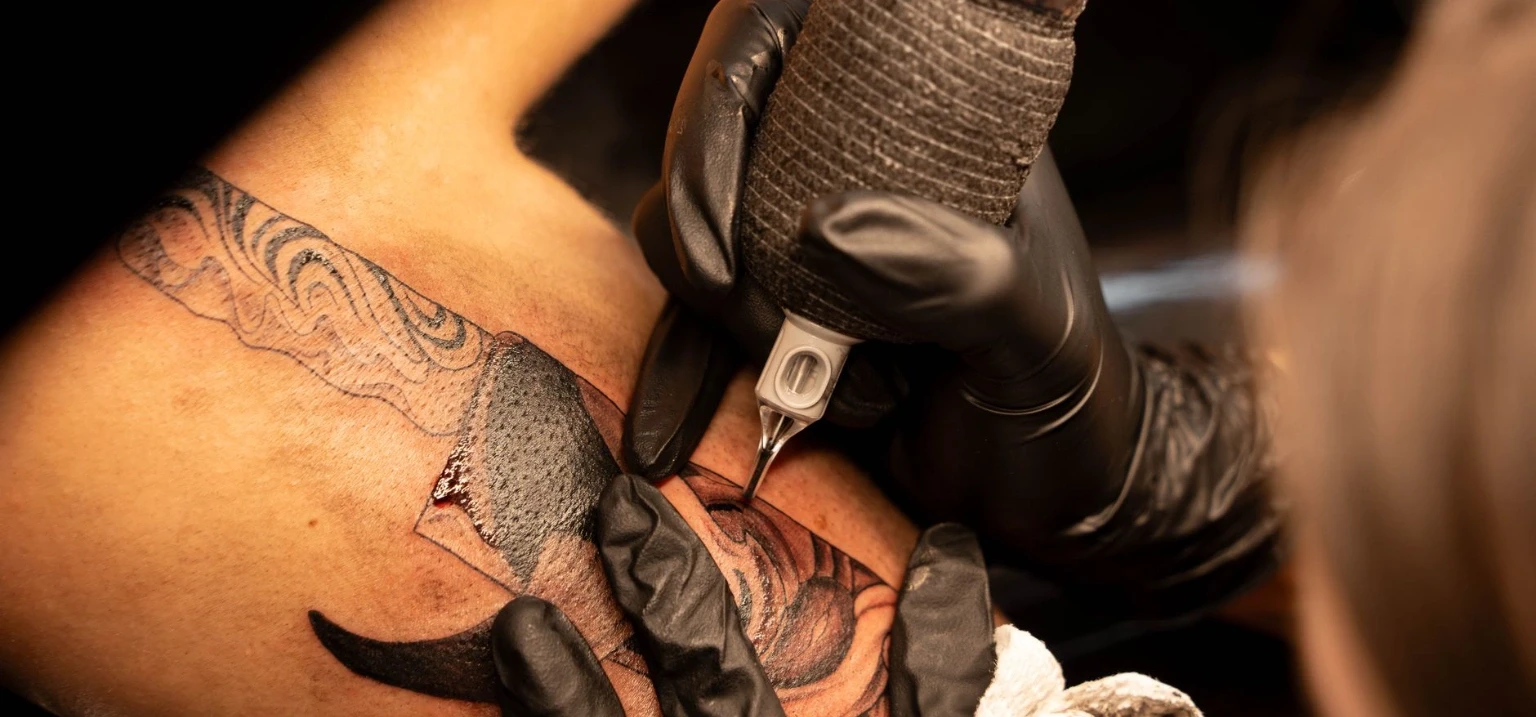
A limited palette can still create contrast. Compare dark elements and saturated accents. World Famous suggests that on deeper skin tones, larger areas of clear color can give a pigment more presence.
That is a design principle, not a guaranteed result.
INK FAMILY COMPARISON
Which tattoo ink colors should an artist compare for dark skin?
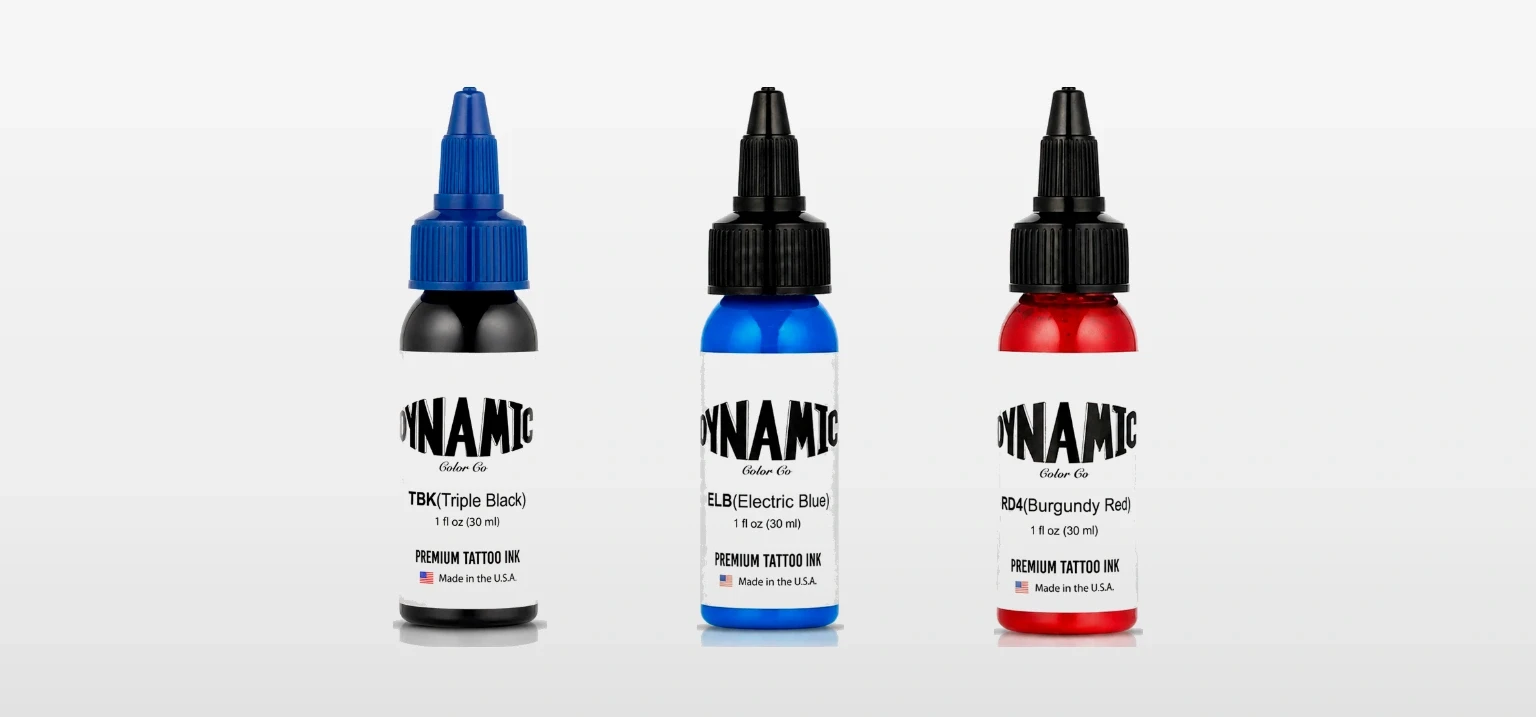
Consider saturated colors, black and deeper tones as palette candidates, not guaranteed winners. StarBrite suggests strong saturation and visible contrast; World Famous says a shade's appearance can vary between clients. Here are catalog options to compare.
| Color family | Manufacturer perspective | Studio options to compare | Professional question |
|---|---|---|---|
| Black | StarBrite suggests dark outlines for definition | Dynamic Triple Black | Does the design retain clear dark structure? |
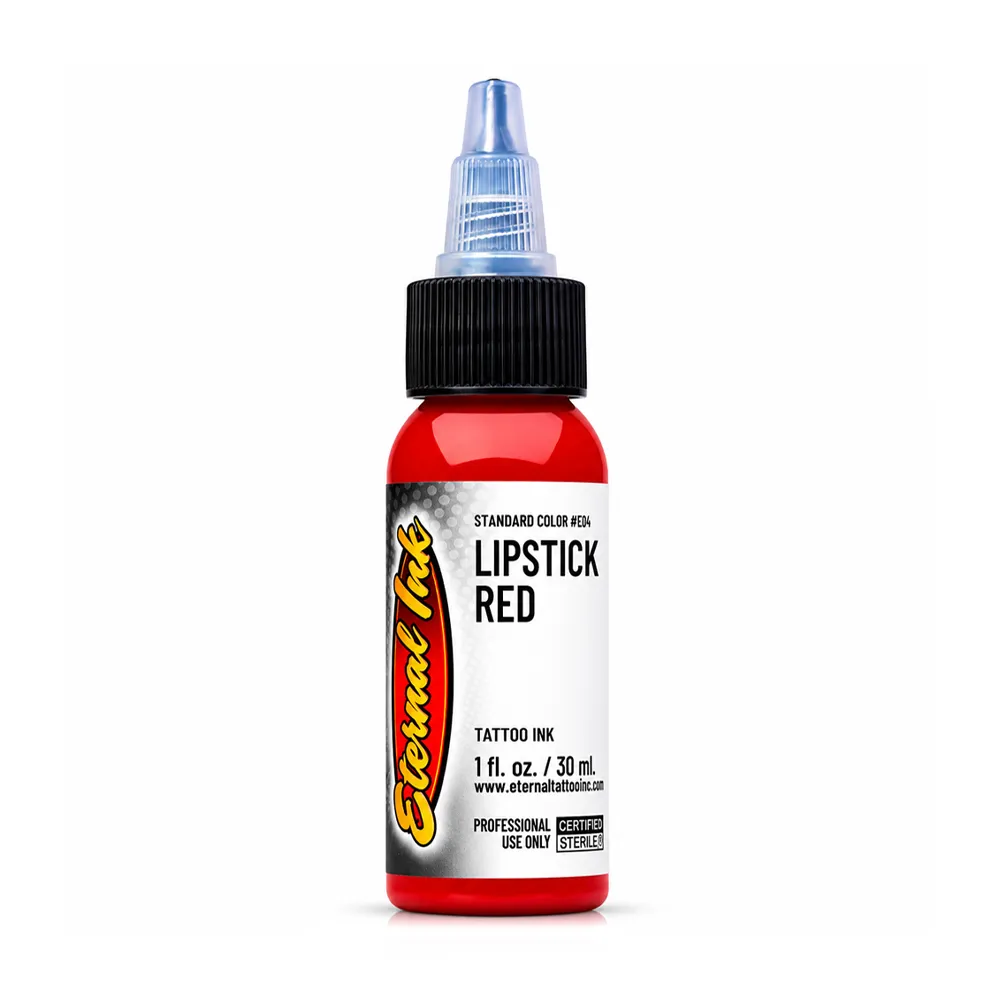
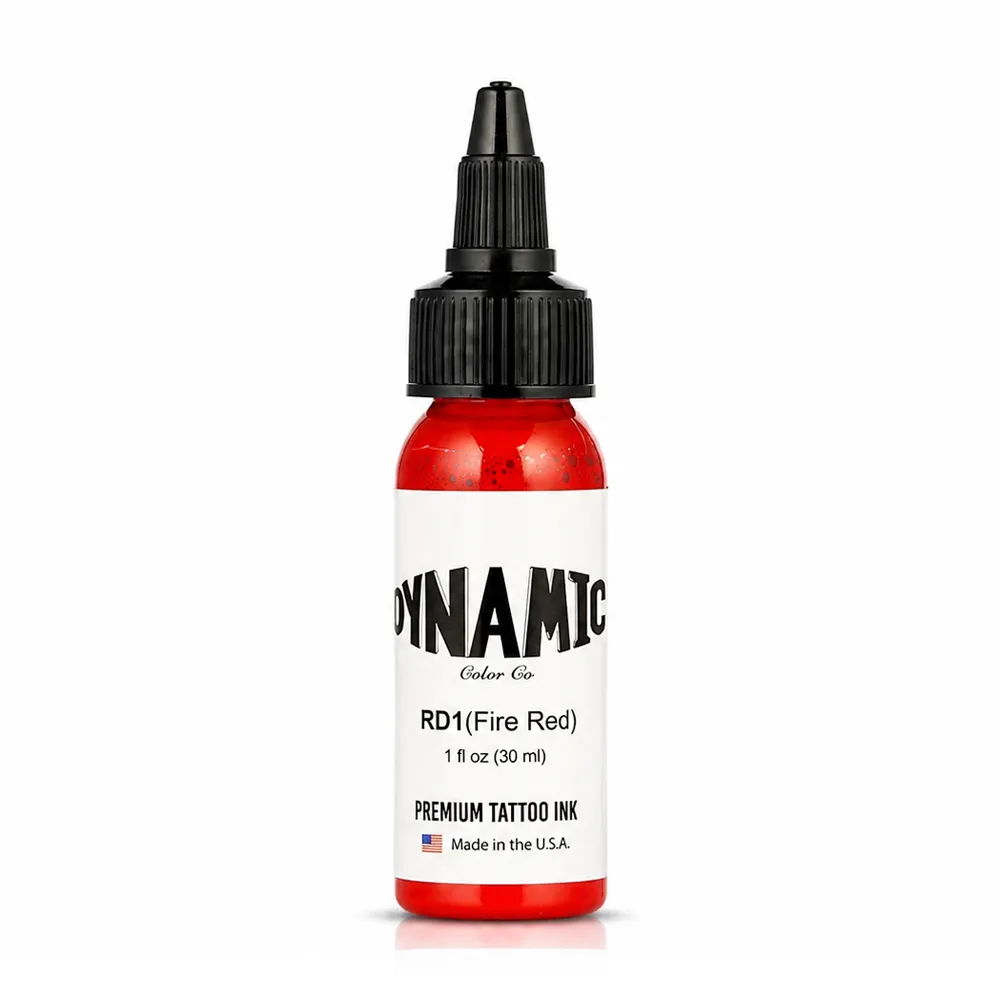
| Bright / warm red | StarBrite recommends evaluating saturated colors | Eternal Lipstick Red; Dynamic Fire Red | How distinct is the intended red against neighboring tones? |
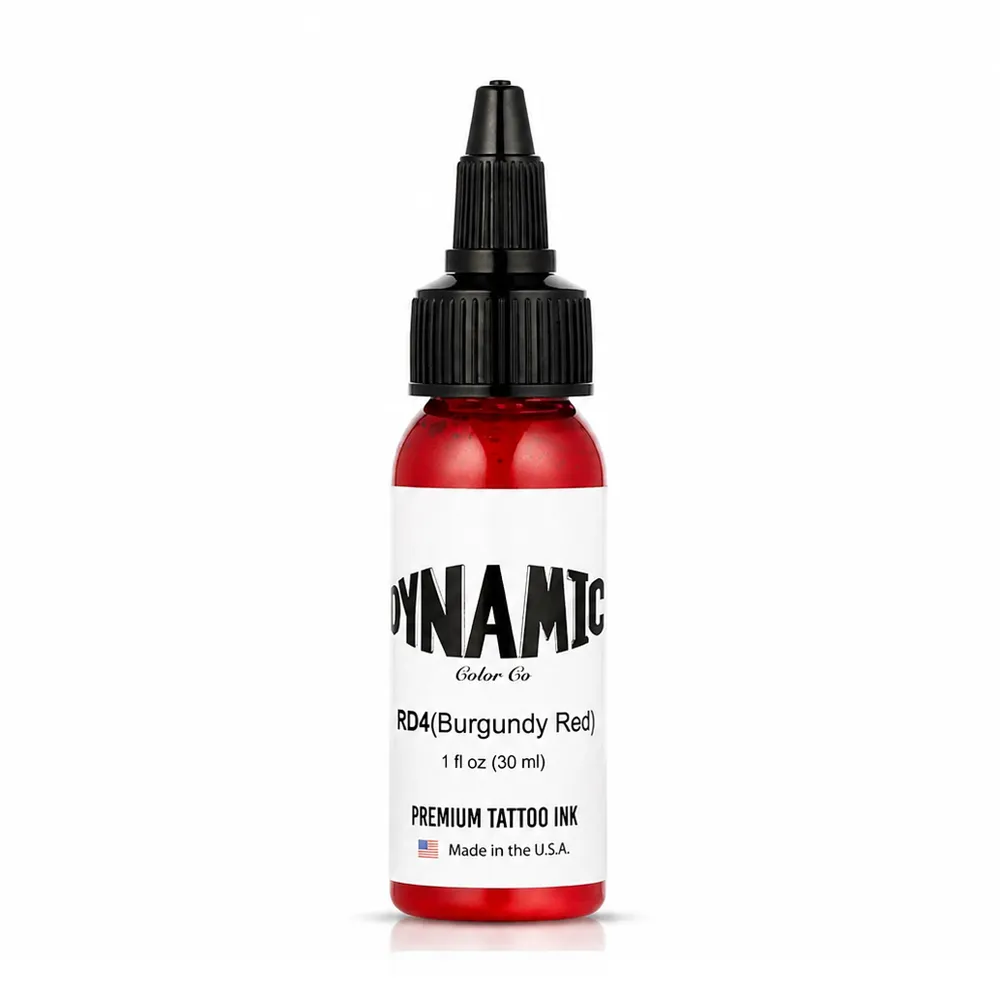
| Deep red | Contrast and surrounding values still determine readability | Dynamic Burgundy Red | Does a deeper red separate from the darkest shapes? |
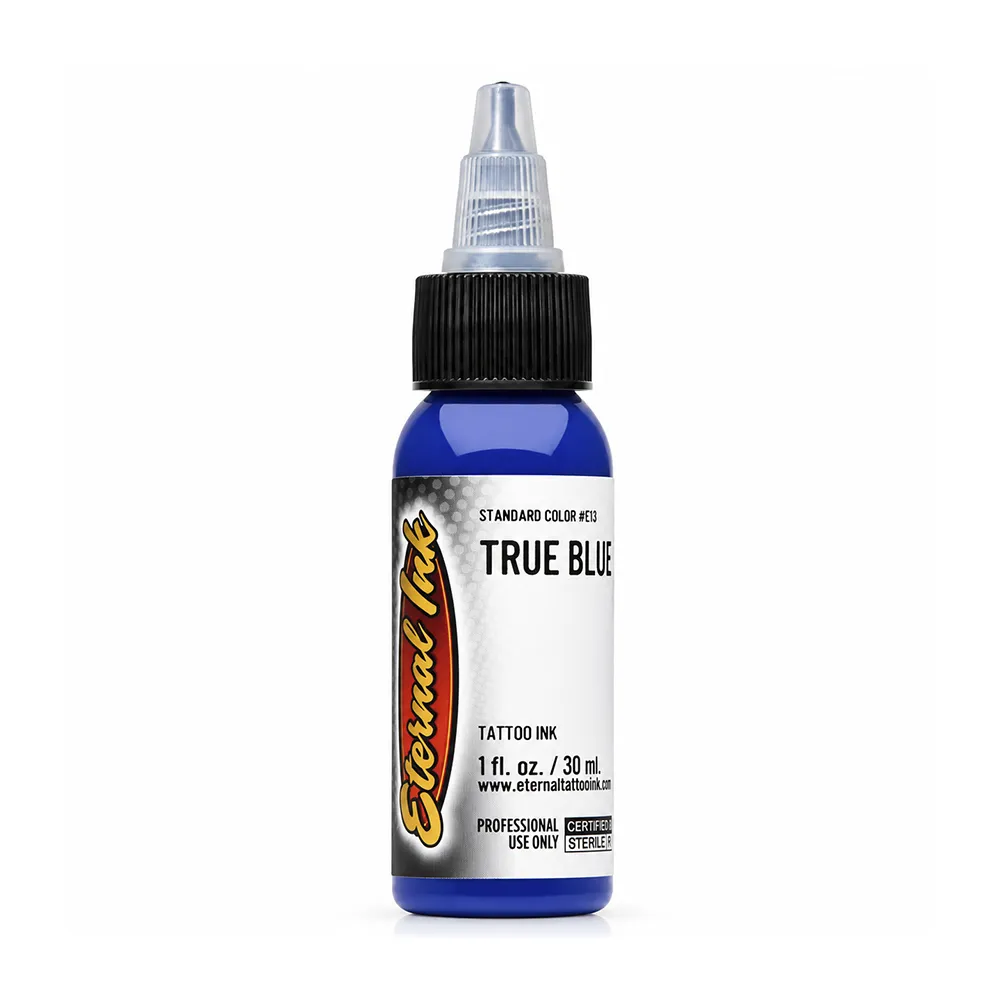
| Blue | World Famous says one hue can look different on different clients | Eternal True Blue; Dynamic Electric Blue | Which swatched direction serves the artwork's contrast? |
| Deep purple | StarBrite includes deeper, saturated hues among suggested choices | Eternal Dark Purple | Is purple visually distinct from black and nearby colors? |
| White / pale highlight | StarBrite cautions about visibility over time | Dynamic Heavy White | Is the design understandable without depending on white? |
The table lists color-family candidates, not inks formulated or approved specifically for dark skin. For other color families see Bright Tattoo Ink Colors.
LIGHT COLORS NEED EXTRA EVALUATION
Does white tattoo ink show on dark skin, and do pastel colors work?
White and pastel shades can be harder to read after healing. StarBrite says pastels often appear muted or invisible on medium-to-dark skin tones and that white may lose visibility over time. World Famous similarly says light and pastel colors can appear softer on deeper tones. These are manufacturers' observations rather than predictions about every tattoo.
Check how a subtle highlight contributes. Do not promise a bright healed highlight.
Avoid promising white highlights
Heavy White does not guarantee a visible healed highlight.
For more on this shade family, see Best White Tattoo Ink.
BLACK INK AND VALUE STRUCTURE
Is black tattoo ink always the best choice for darker skin tones?
Black is a useful candidate for outlines and dark structure, but no single color is universally best. StarBrite emphasizes dark, readable elements and World Famous emphasizes value contrast. Evaluate it for the individual design.
Dynamic describes its Triple Black as slightly thicker than its original BLK, while still relatively thin by industry standards. This does not make it complexion-specific.
Use How to Choose Black Tattoo Ink and Black and Gray Ink: Greywash vs Opaque when deciding which black or gray products fit an artist's normal work.
HEALED WORK OVER FRESH PHOTOS
Why should tattoo artists show healed examples on similar skin tones?
A fresh tattoo photograph cannot serve as a promise of healed color. World Famous explains that the same ink may appear different between clients, and recommends assessing healed work on similar skin tones. Use examples to discuss realistic design possibilities, not to certify that another person's tattoo will look identical.
When reviewing portfolio images, distinguish fresh and healed work and keep lighting reasonably consistent. Compare the legibility of main shapes, color separation and how the artist's palette actually reads in those examples.
For broader healing education, see Tattoo Aftercare Day by Day. This article is about professional design and inventory decisions rather than aftercare instructions for clients.
AAD EVIDENCE ON ABNORMAL SCARRING
Are keloids more common in people with darker skin, and can tattooing trigger them?
The American Academy of Dermatology identifies darker skin tones and personal or family keloid history among risk factors. Its causes page says that in the United States, Black people aged 10 to 30 have the greatest risk of developing keloids. That statement describes population-level risk, not the probability that a specific tattoo will cause a keloid.
The AAD names tattoos and piercings as possible triggers in keloid-prone individuals and advises that those prone to keloids may be better off avoiding them. Refer histories of unusually raised scars to a dermatologist.
Do not judge an individual's keloid history by appearance alone. Not every client develops keloids.
Refer keloid concerns to a dermatologist
Do not diagnose a scar or replace dermatologist assessment with a trial tattoo.
PRE-BOOKING CONVERSATION
What should tattoo artists ask clients about keloid and scar history?
Ask whether the person or close relatives have developed keloids, particularly after tattoos, piercings or other skin injuries. This follows AAD's emphasis on personal and family history. A studio should refer, not diagnose.
Professional consultation topics
- Any personal history of keloids or scars that extended beyond the original injury?
- Any reported family history of keloids?
- Any previous tattoo or piercing that produced a raised scar?
- Any unresolved skin or scarring concern that warrants dermatologist assessment?
- Has the artist clearly separated expected color variation from medical risk?
If the client reports a concerning history, the AAD's avoidance advice should inform whether to defer or decline an elective appointment. A dermatologist is the appropriate professional for medical questions.
SMALL COLOR TESTS AND THEIR LIMITS
Should a tattoo artist use a small color test before a larger tattoo on dark skin?
StarBrite suggests small test patches as a color-evaluation approach, not a medical screening method. A fresh sample does not predict a larger healed tattoo. Evaluate color options on practice skin when comparing products for the studio.
A client with known or suspected keloid history needs a dermatologist's input before considering elective skin injury; a test tattoo is not a substitute. Do not present a color test as an allergy or keloid screen.
For questions about reactions to particular pigments, see Tattoo Ink Allergy and Red Ink.
STUDIO COLOR REFERENCE
How can artists record palette decisions and compare future healed work?
Keep product names, design intent and comparable healed examples together. World Famous recommends reviewing how color, value and contrast change in finished work. For owners stocking several color families, the goal is a usable reference rather than a claim that a shade behaves identically on every person.
Identify the intended palette role
Record whether a shade is intended for main structure, a red or blue accent, a dark transition or a subtle light detail.
Compare candidate colors
Review the selected products and a practice-skin reference, remembering that synthetic material cannot predict healed skin appearance.
Review healed portfolio work
Use examples on comparable skin tones where available; distinguish healed from fresh images and keep lighting consistent.
Preserve the product identity
Record brand, full shade name and the relevant product information so the studio can reorder accurately.
Refer medical concerns separately
Send keloid-history questions to a dermatologist instead of treating a color comparison as medical clearance.
COMMON ASSUMPTIONS TO AVOID
What mistakes should artists avoid when tattooing darker skin tones?
Do not reduce a whole complexion to one color rule or assume that a vivid fresh photo predicts healed work. Keep the design decision and the medical history discussion separate.
Saying dark skin cannot be tattooed
Evaluate individual skin tone and design contrast instead of excluding a complexion.
Declaring one ink best for all darker tones
Manufacturer guidance recommends comparison; it is not a universal product ranking.
Promising white or pastel visibility
StarBrite and World Famous both flag reduced visibility or softer appearance for pale colors.
Showing only fresh tattoo photographs
Healed work on comparable tones gives a more relevant visual reference.
Assuming darker skin has different thickness
Do not turn complexion into a claim about tissue thickness or technique.
Ignoring reported keloid or family history
AAD identifies both as relevant risk factors and recommends dermatologist input.
Using a small tattoo as medical clearance
A color test cannot rule out abnormal scarring or an allergic response.
Using unrelated pigmentation claims
Do not generalize results from other procedures.
PROFESSIONAL COLOR OPTIONS AT SVT SHOP
Which black, red, blue, purple and white tattoo inks do we carry?
We carry professional inks across several color families for artist-selected palettes. They are not complexion-specific or guaranteed to heal a certain color.
 BLACK / DESIGN STRUCTURE
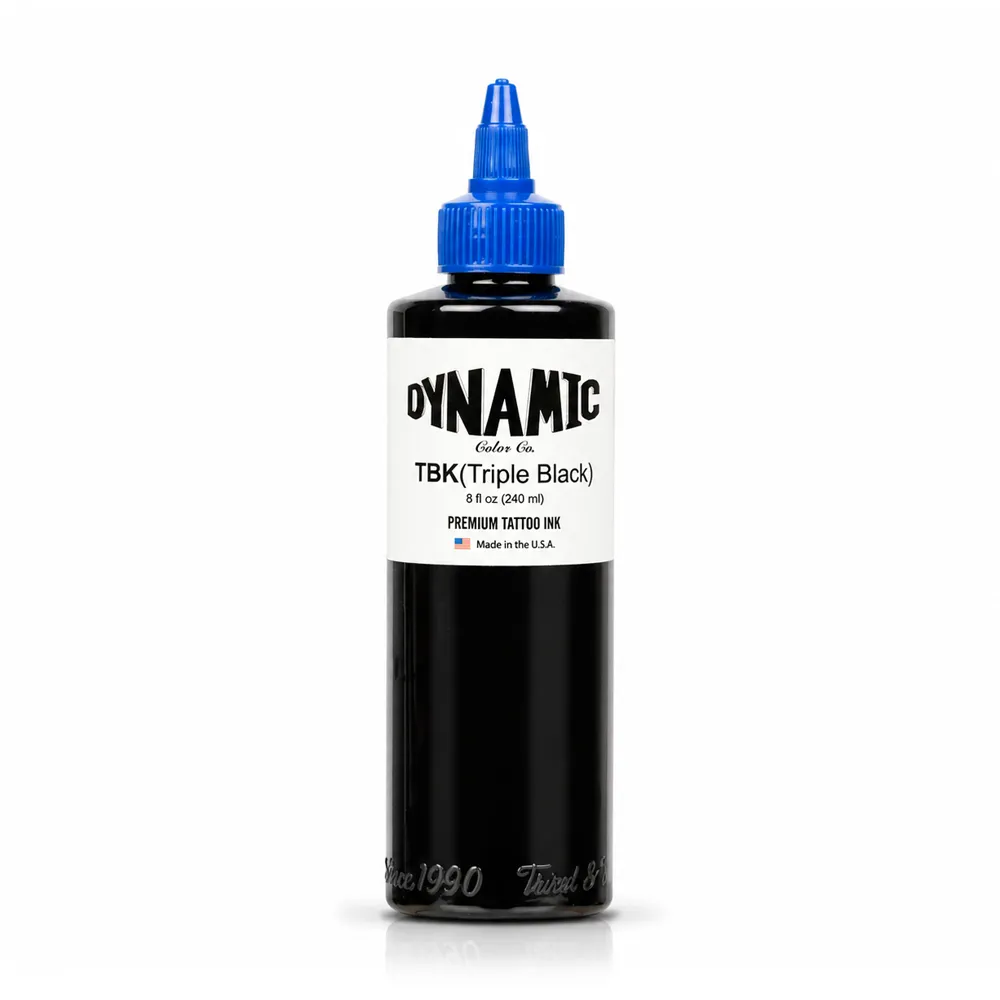
Dynamic - Triple Black
Black ink option for an artist planning strong value structure. Dynamic describes it as slightly thicker than its original BLK; not a skin-tone-specific claim.
 RED / VIVID COLOR OPTION
Eternal Ink - Lipstick Red
A vivid red candidate for comparing a saturated accent against the chosen design palette.
 RED / WARM COLOR OPTION
Dynamic - Fire Red 1 oz
Warm red option to evaluate alongside other reds and neighboring colors.
 RED / DEEP COLOR OPTION
Dynamic - Burgundy Red 1 oz
Deeper red candidate for a wine-red palette direction; compare it with surrounding dark values.
 BLUE / DEEP COLOR OPTION
Eternal Ink - True Blue
Blue option for comparing contrast and color separation in the planned composition.
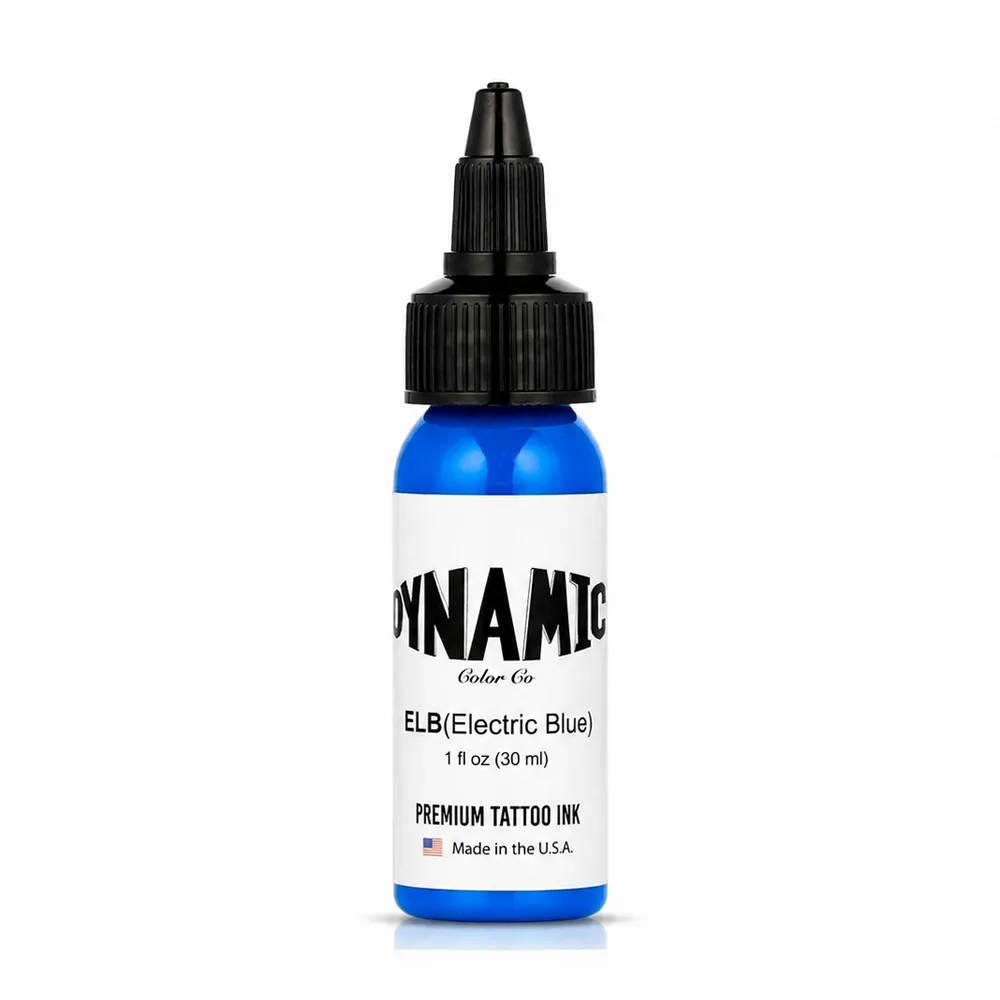 BLUE / VIVID COLOR OPTION
Dynamic - Electric Blue 1 oz
Vivid blue option for an artist evaluating different blue shades in a color design.
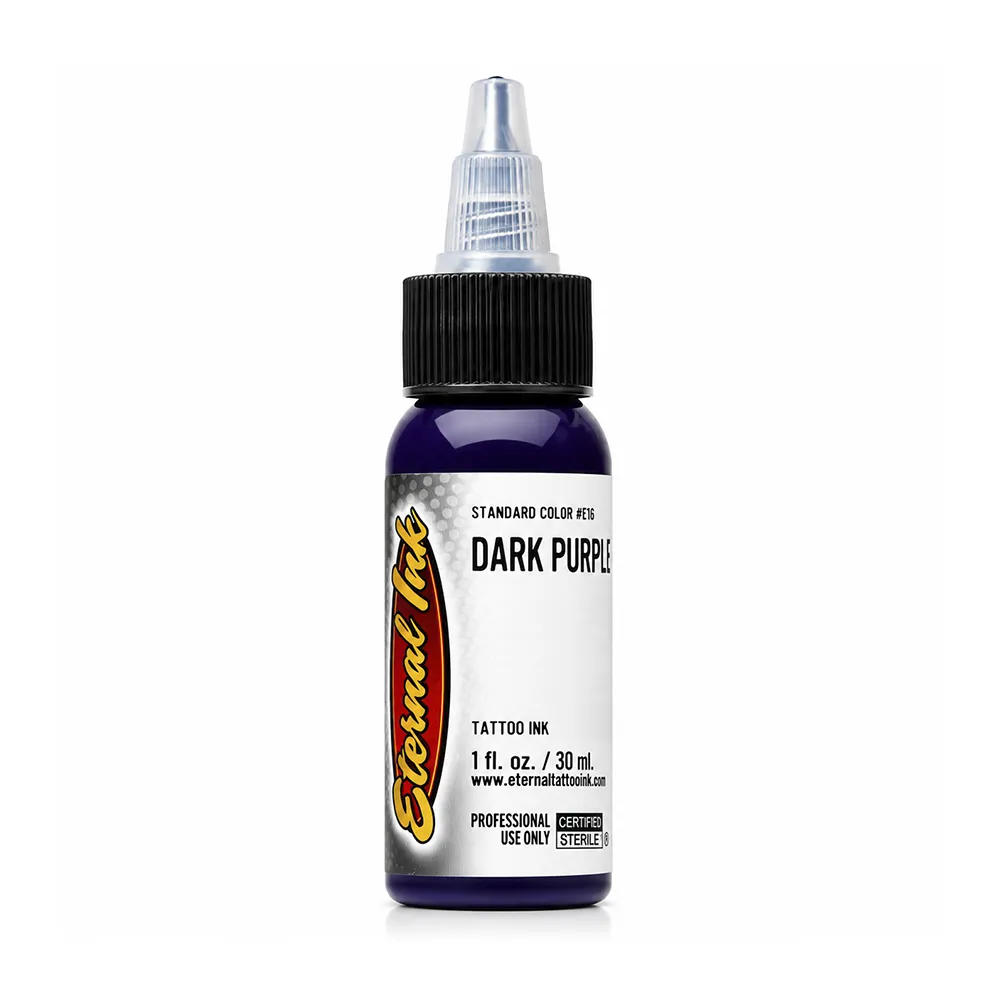 PURPLE / DEEP COLOR OPTION
Eternal Ink - Dark Purple
Deep purple shade to compare with black, red and blue areas before choosing the final palette.
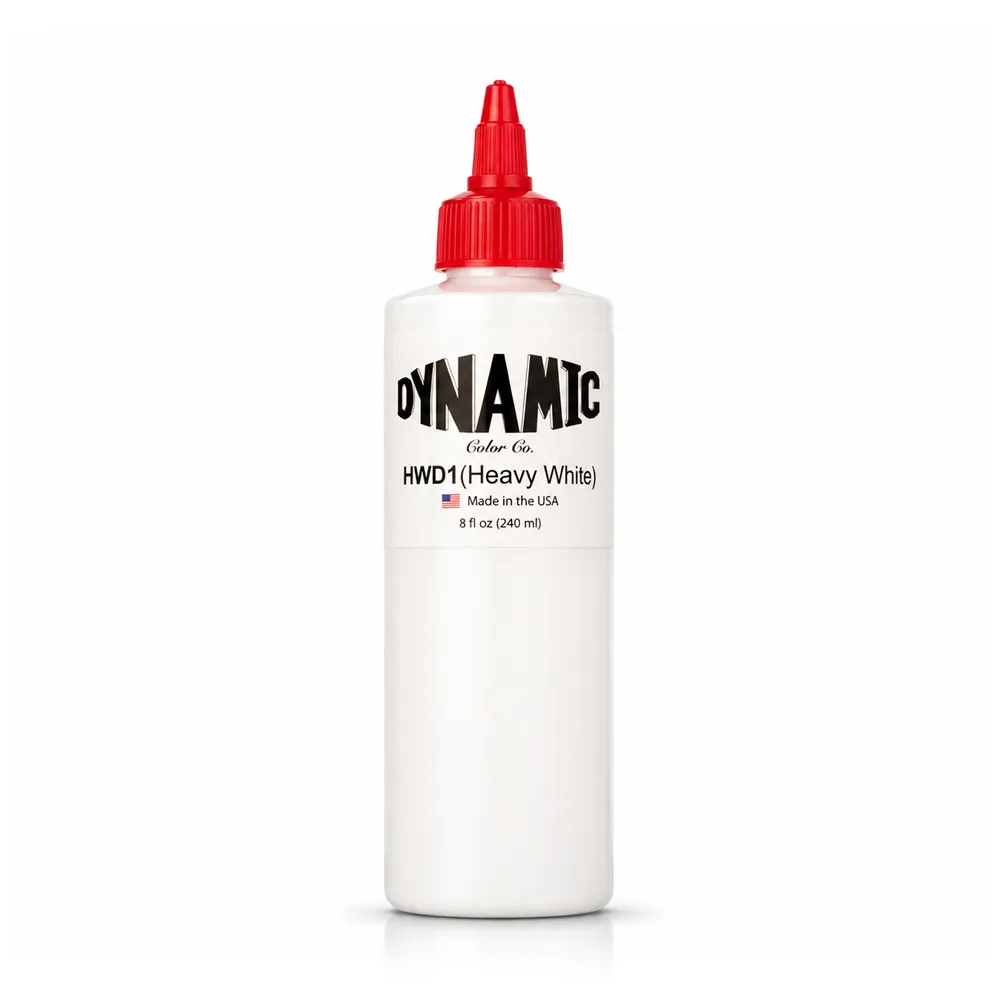 WHITE / LIGHT COLOR OPTION
Dynamic - Heavy White
White ink option to consider with the manufacturer's caution about light-color visibility; no guaranteed healed appearance.
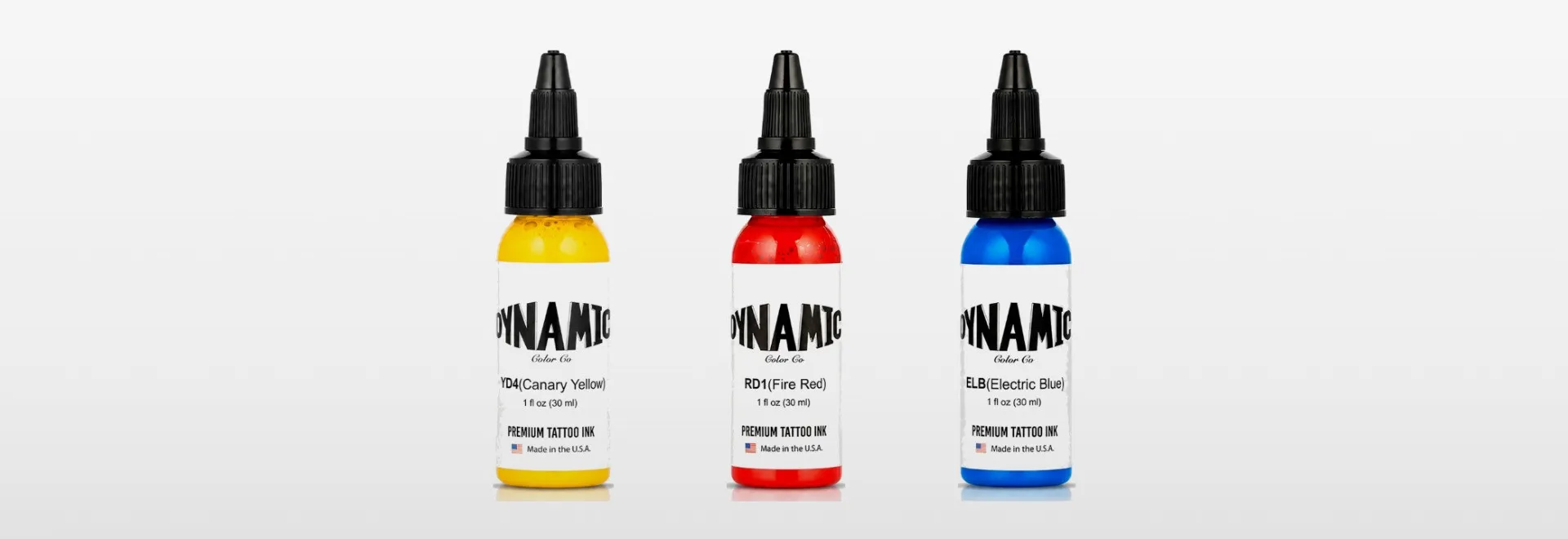
Explore Dynamic Triple Black Explore Eternal Lipstick Red Explore Dynamic Electric Blue
ARTIST AND STUDIO CHECKLIST
What should an artist review before planning a tattoo on darker skin?
Review the individual artwork, healed color references and scar history before finalizing the studio palette. Separate color opinions from medical guidance.
- Design: Does the plan use clear shapes and intentional contrast?
- Skin tone: Has the artist evaluated the client's individual skin tone rather than a broad category?
- Palette: Are black, saturated red, blue or purple candidates being compared without guarantees?
- Light colors: Have white and pastel visibility limitations been discussed as manufacturer observations?
- Examples: Are healed tattoos on similar skin tones available for comparison?
- Photos: Are fresh images distinguished from healed ones in reasonably consistent lighting?
- Scar history: Has the client reported personal or family keloids or unusual raised scars?
- Referral: Has a concerning scar history been referred to a dermatologist before elective work?
- Product identity: Are exact brands and shade names recorded?
- Expectations: Is the difference between a manufacturer's recommendation and an individual result clear?
FAQ
Frequently asked questions about tattooing dark skin, contrast and keloids
Color and scar-history answers for professional artists.
Can you tattoo dark or Black skin?
Yes. Plan the tattoo for the individual's skin tone, design contrast and realistic healed color expectations. Dark skin alone is not a reason to decline tattooing.
Which tattoo ink colors show on dark skin?
StarBrite suggests saturated colors and high-contrast designs; World Famous advises comparing each hue on the individual skin tone. No one shade is guaranteed.
Does white tattoo ink show on dark skin?
It may appear subtle. StarBrite warns white can lose visibility over time; evaluate the design without promising a bright healed white.
Do pastel tattoo colors work on darker skin tones?
They can be considered, but both StarBrite and World Famous warn that pale colors may look muted or softer. Assess the intended contrast and visual role.
Do tattoos on dark skin fade faster?
These sources do not establish a universal fade rate by complexion. Review healed work; StarBrite specifically cautions about white visibility over time.
Are keloids more common in people with darker skin?
AAD identifies darker skin tones and personal or family history as risk factors; its U.S. causes page highlights Black people ages 10–30. It does not predict an individual's tattoo outcome.
Should artists use a test tattoo on dark skin?
StarBrite suggests small color tests, but these do not predict healed results or medically clear keloid risk. Refer reported scar concerns to a dermatologist first.
Is black tattoo ink always best on dark skin?
Black can help create strong structure, but the artist must assess contrast and design needs. Dynamic Triple Black is a catalog option, not a complexion-specific ink.
Does darker skin heal differently after tattooing?
Avoid blanket healing claims based on complexion. Discuss individual history, follow normal professional care requirements and seek medical advice for relevant scarring concerns.
What should an artist ask about a client's keloid history?
Ask about previous raised scars extending beyond injuries and family keloids. AAD advises keloid-prone individuals to consider avoiding tattoos and consulting a dermatologist.
Why should tattoo portfolios include healed examples on dark skin?
World Famous notes that the same ink may look different between clients. Healed images on comparable tones offer a stronger reference than fresh-only photos.
What is the best tattoo ink brand for darker skin?
There is no universal winning brand. Compare the desired hue, contrast and documented product choice; our listed black and color inks are options for the artist's palette.
DERMATOLOGY AND MANUFACTURER REFERENCES
Sources Consulted
The American Academy of Dermatology provides the medical information on keloids and who is at greater risk. StarBrite and World Famous supply color-selection opinions, while Dynamic describes its Triple Black consistency. Product names and links come from SVT Shop.
- American Academy of Dermatology: Keloid Scars, Causes and Risk Factors
- American Academy of Dermatology: How to Prevent Keloid Scars
- StarBrite Colors: Choosing Tattoo Ink for Different Skin Tones
- World Famous Tattoo Ink: Color Theory for Tattoo Artists
- Dynamic Color: Black Ink Formulations and Triple Black Consistency