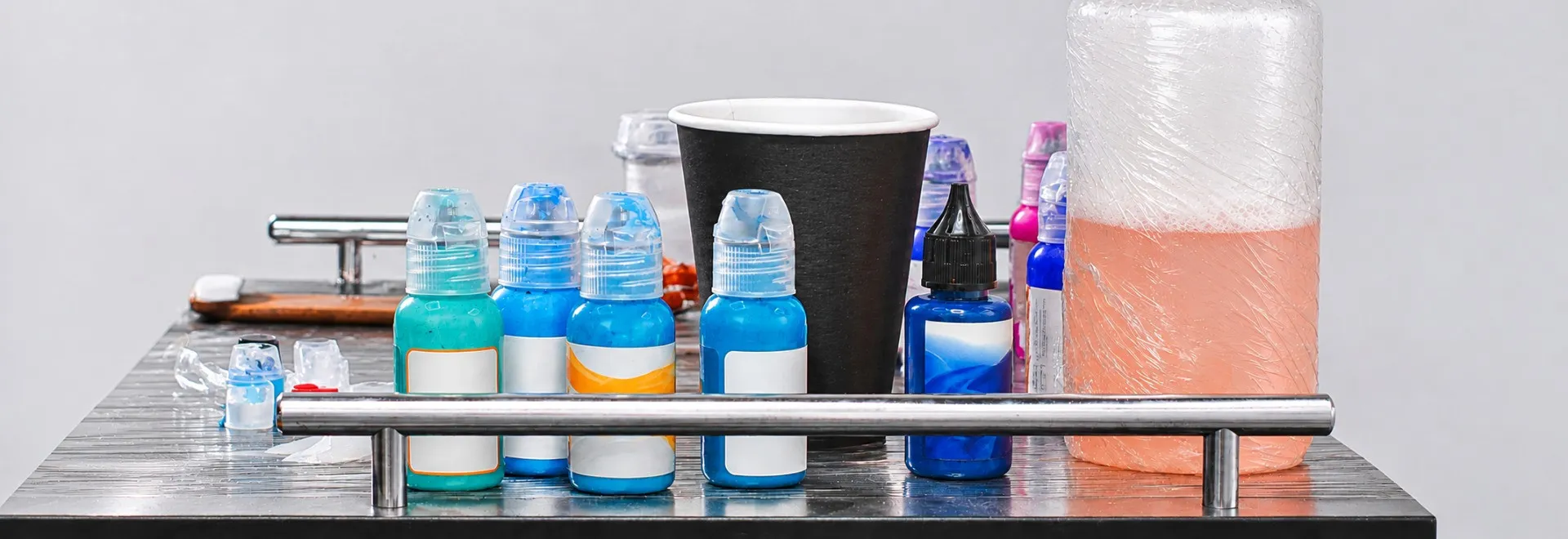
Powered by Comercia.io
Watercolor tattoo technique is a design approach built around soft-looking color washes, transitions and edges that seem to dissolve into the surrounding composition. For artists choosing watercolor tattoo needles and ink, Kwadron and Peak describe curved or soft-edge magnums for broad, subtle transitions, round shaders for smaller shaded areas and liners for controlled detail. Plan any ink dilution from the ink and mixing-solution manufacturers' instructions, and treat a black outline as a design choice—not a rule about how long the tattoo will last.
Shop Kwadron Cartridges Browse Tattoo Inks
QUICK ANSWER
How do you create a watercolor tattoo effect with needles and ink?
Design a color composition with broad, soft-looking areas and deliberate transitions. Compare curved or soft-edge magnums for broad washes, round shaders for smaller color areas and liners for detail or an optional outline. Choose regular professional tattoo ink colors for the palette; when dilution is part of the plan, follow the ink maker and mixing solution label rather than a generic ratio. Test the transitions on practice skin before a client procedure.
Soft Background Wash
Compare curved magnums; Kwadron and Peak describe their arrangements as suited to smooth tonal or color transitions.
Localized Color & Detail
Use a round shader as a smaller-area option and a liner where the composition needs fine marks or a defined contour.
Ink & Structure
Select a palette, verify manufacturer mixing directions and decide with the client whether outlines belong in the final design.
DESIGN FIRST
What makes watercolor tattoo technique different from solid color tattooing?
Watercolor is a visual brief: soft-looking washes, neighboring colors, fading edges and an optional contour. Decide which areas should read as defined shapes and which should remain open before choosing needles.
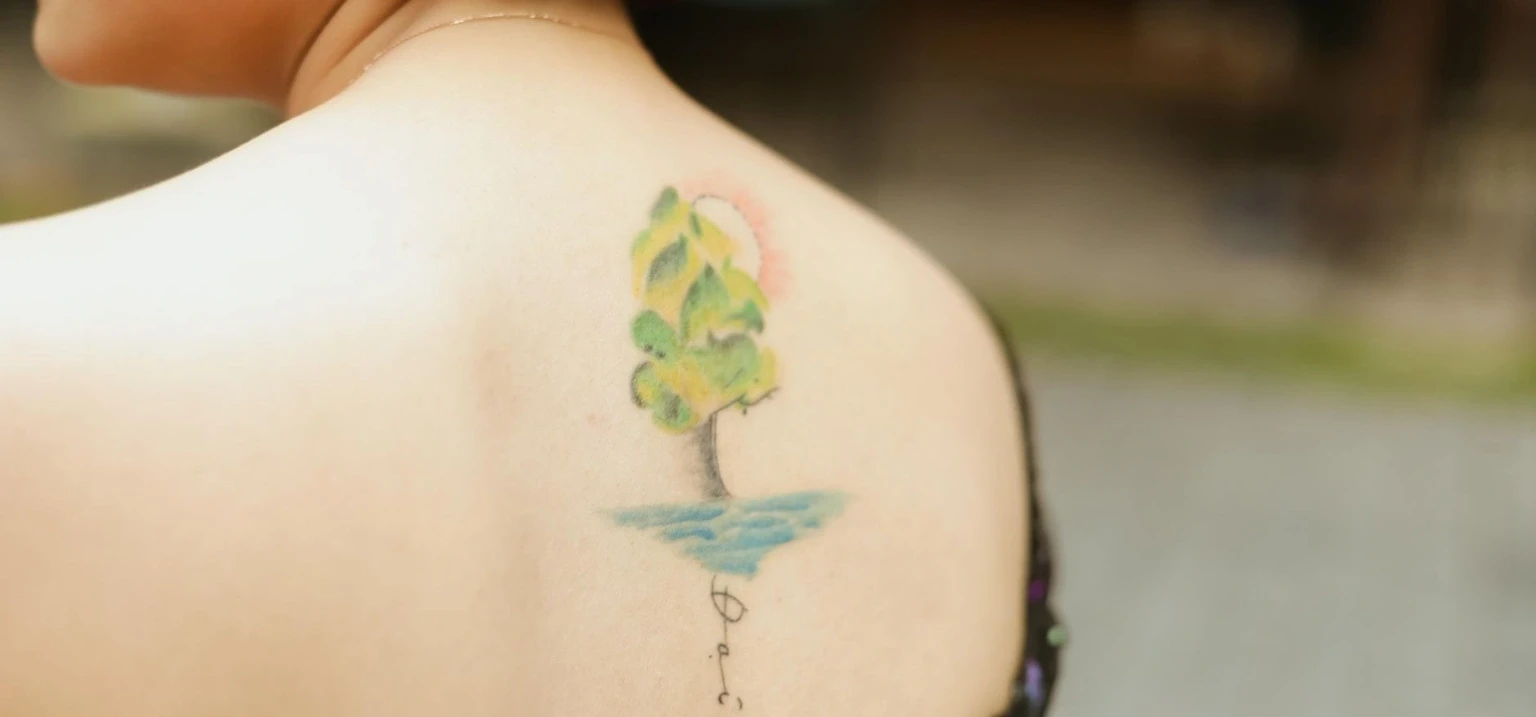
Kwadron describes soft-edge magnums for subtle tonal transitions; Peak explains that curved mags soften the edges of passes. Those are useful tool characteristics for a broad color field, rather than a separate watercolor tattooing system.
For fundamental methods, see How to Pack Color in a Tattoo and Whip Shading vs Pepper Shading vs Stippling.
DESIGN ELEMENT TO TOOL
Which watercolor tattoo needle, ink and technique fit each part of a design?
Match the cartridge to the visual task. Kwadron and Peak describe general needle configurations for fades, color areas and details; the ink and exact setup depend on the selected product and drawing.
| Design element | Needle configuration | Ink choice | Artist's technique decision |
|---|---|---|---|
| Soft background wash | Curved / soft-edge magnum | Selected tattoo color; diluted only as the maker directs | Plan a broad, soft-looking tonal field and assess how neighboring passes relate |
| Transition between two colors | Curved magnum for a broader transition; RS for a smaller area | Two selected colors within the planned palette | Define the color boundary and how the transition will read across adjacent areas |
| Edges that fade out | Curved magnum or smaller round shader | The chosen color and any manufacturer-directed mixing approach | Design the visual reduction of coverage into surrounding open space |
| Fine detail or optional outline | Round liner; smaller-diameter bugpin liner is another maker-described detail option | Chosen dark or colored contour ink | Keep the detail visually distinct from the nearby wash, with or without black structure |
| White highlight | Liner for a small accent; RS as a possible small-area choice | White tattoo ink, selected for the planned accent | Reserve highlight locations in the drawing and review them with the broader palette |
Artists use regular professional tattoo colors and any dilution specified by the maker. Our product picks below cover curved mags, round shaders, liners, individual colors and a mixing solution.
CARTRIDGE CONFIGURATION
What tattoo needles should you use for watercolor washes, blending and fine details?
For broad transitions, compare curved or soft-edge magnums. Kwadron describes these for tonal fades, while Peak says their curved arrangement softens pass edges and suits broad color gradients.
Kwadron names round shaders for filling, mixing and shading after contours, and liners for detailed tattoo elements. Use those categories when a design combines wide washes, localized color and precise marks.
Compare Kwadron, Bishop Da Vinci V2 and Nexus curved-mag options, Kwadron Round Shaders and Bishop Da Vinci V2 Liners. Confirm the chosen variant and machine compatibility.
A curved mag is a configuration, not a watercolor-only tool
The manufacturer guidance concerns transitions and broader shading generally. Choose the grouping because it matches the passage you designed, not because the style has a single required needle.
PIN DIAMETER & TAPER
What needle diameter and taper should you check for watercolor tattoo details?
Peak describes smaller-diameter bugpins such as #10 (0.30 mm) and #8 (0.25 mm) for delicate details and a tighter footprint. They are an option to understand for fine accents, not a watercolor requirement.
Check diameter, grouping and taper as separate specifications on the maker label.
WORKFLOW FROM DESIGN TO SESSION
How do you plan a watercolor tattoo step by step?
Plan by design region rather than working an entire composition with one grouping. This sequence uses the configuration roles described by Kwadron and Peak and follows product-specific ink directions.
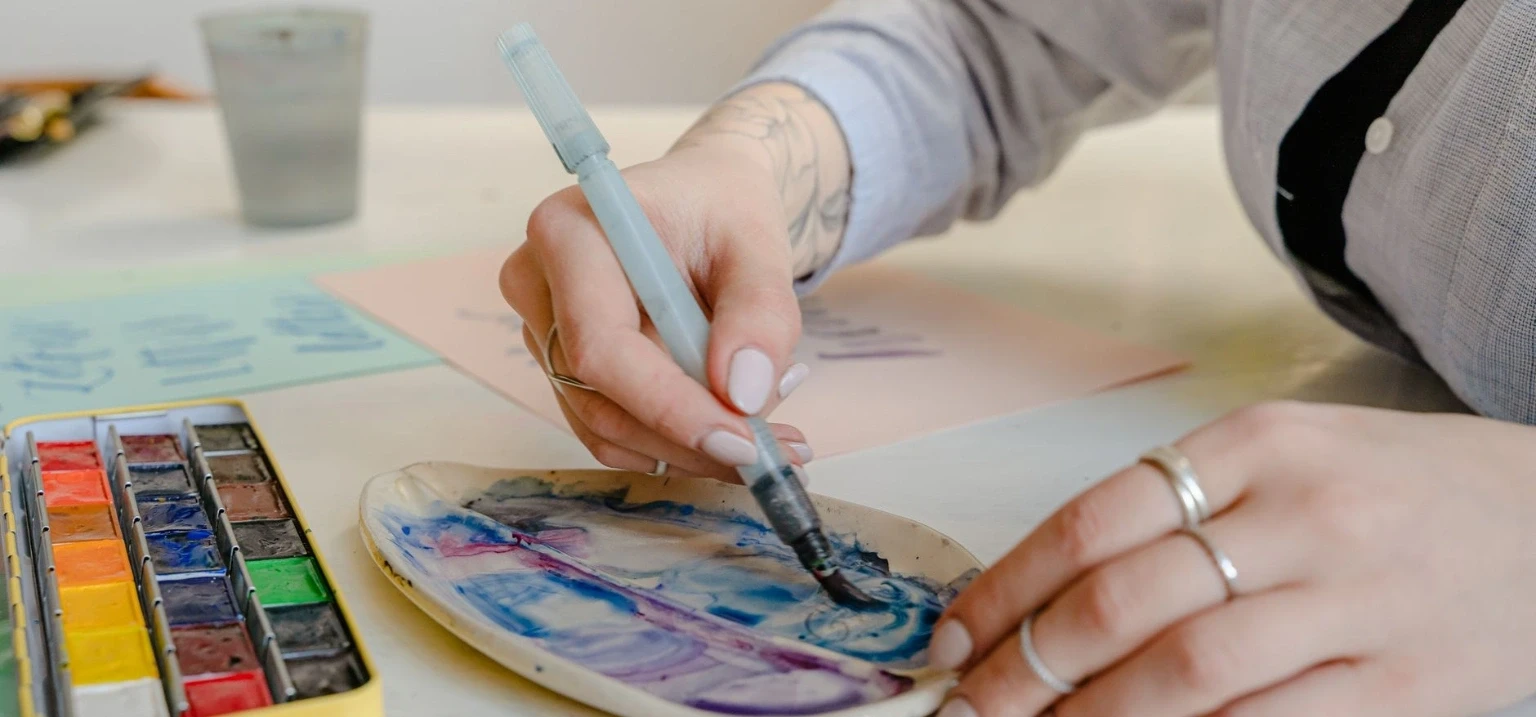
Identify the focal shape and surrounding wash
Mark the focal form, broad washes, open edges and any areas needing crisp detail.
Decide whether black contours belong in the design
Discuss outlined and no-outline designs with the client; choose by appearance.
Assign cartridges to the visual tasks
Compare curved mags for broad color, RS for small areas and liners for details.
Build a named palette and review product instructions
Select individual ink colors and check instructions before mixing or dilution.
Make the stencil and practice color regions
Transfer the composition and test color transitions on practice skin.
Plan the machine-to-hand-speed relationship
FK Irons relates mark distribution to machine and hand speed; match the equipment.
Review the result without forcing additional passes
Ease off if the skin shows the excessive redness, bruised texture or weeping FK Irons describes.
INK MIXING & DILUTION
Can you dilute tattoo ink to make a watercolor effect, and what mixing solution should you use?
Dilute only under the chosen ink manufacturer and mixing-product instructions. We carry Dynamic - 00 Tattoo Ink Mixing Solution; use it as the label directs. A soft-looking design does not establish a mixing ratio.
Keep the desired visual lightness separate from the way a mixture is prepared. Identify the chosen ink and label directions in your session plan before creating a wash.
Before preparing any diluted color
- Identify the ink brand, actual color and applicable product instructions
- Read the specified mixing-solution label and permitted use
- Plan which part of the drawing calls for the prepared color
- Keep the chosen colors and preparation decisions identifiable
- Compare the visual effect in practice before committing to a client design
For the dedicated process, see How to Mix and Dilute Tattoo Ink.
CHOOSING THE PALETTE
What ink colors work for a watercolor tattoo palette?
Choose individual tattoo colors for the composition. Eternal Ink True Blue and Eternal Ink Pink are palette options at SVT Shop; Solid Ink White is a separate highlight choice. Dilution follows the maker instructions.
Mark the focal hue, background hue and optional accents in the drawing. Compare them against the intended skin-tone context without predicting a healed result. See Bright Tattoo Ink Colors and Tattoo Ink and Skin Tone.
OUTLINE OR NO OUTLINE
Does a watercolor tattoo need a black outline?
Choose a black outline, colored contour or open silhouette with the client. Kwadron describes liners for detailed elements, making them a relevant tool when the composition needs defined edges.
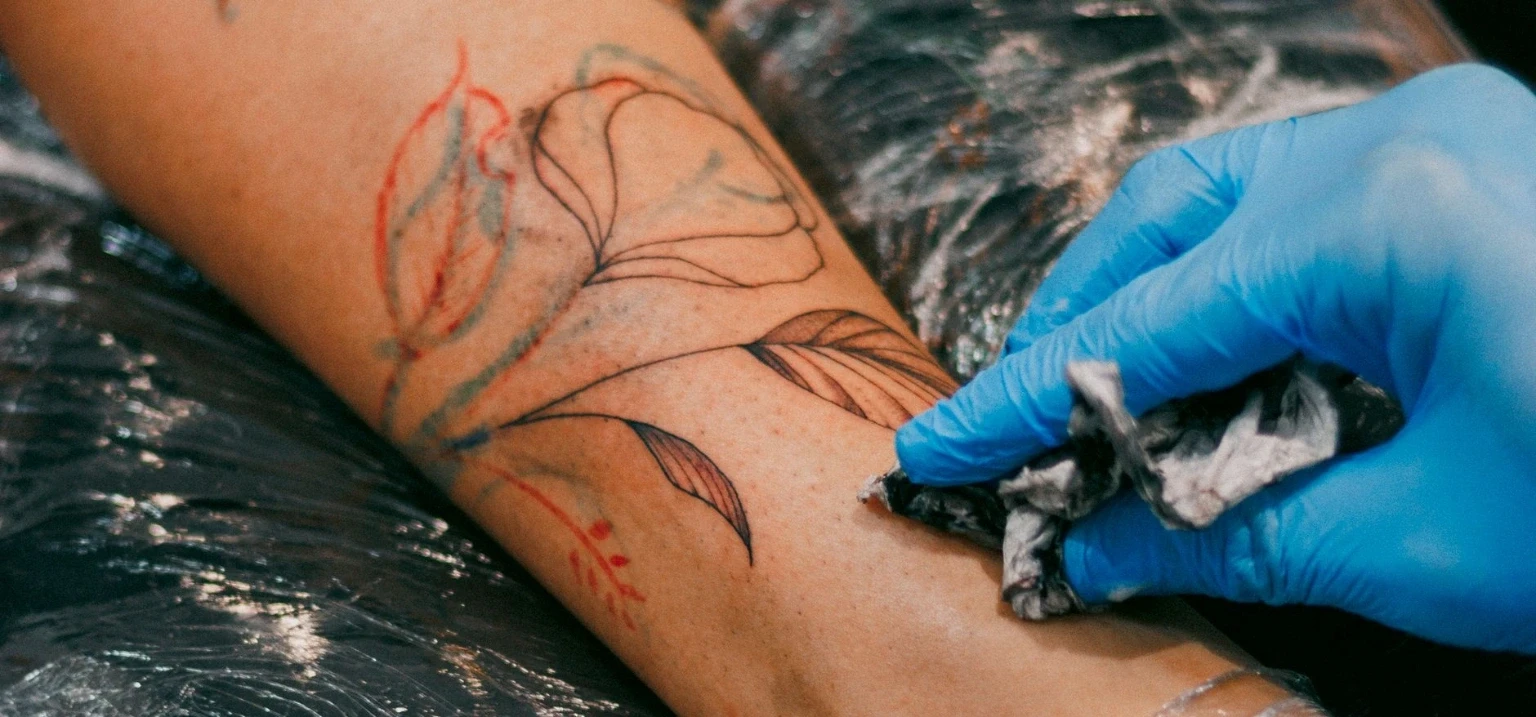
An outline gives a defined visual boundary; an open design relies on the colors and surrounding space. Compare both drafts for readability without claiming that one has a longer lifespan.
FADING EDGES & PAINTERLY ACCENTS
How do you plan watercolor fade-out edges and splatter-looking accents?
Mark where the wash appears concentrated and where it visually fades into open space. Kwadron and Peak describe curved or soft-edge mags for broad transitions; a round shader is an option for smaller areas.
For scattered or splatter-looking accents, plan the marks in the drawing and test their placement on practice skin. Keep them intentional rather than treating the effect name as a technical procedure.
MACHINE SPEED & VOLTAGE
What voltage and hand speed should you use for watercolor tattoo shading?
FK Irons offers general baselines of 6.5V–8V for black-and-gray shading and 7.5V–9.5V for color packing. These are not watercolor presets; follow the machine and task.
| FK Irons general task | Manufacturer baseline | What an artist should assess |
|---|---|---|
| Black-and-gray shading | 6.5V–8V | How the machine, grouping and hand movement work together for the intended tonal passage |
| Color packing | 7.5V–9.5V | Whether the selected task is a solid color area or a soft-looking transition |
| Visible mark spacing | Machine speed relative to hand speed | FK Irons says fewer cycles per distance traveled produce more space between marks |
FK Irons says machine speed and hand speed affect mark distribution, and excessive redness, bruising texture or weeping are signs to ease off. See Stroke, Needle Depth and Voltage.
WHITE AS A DESIGN ACCENT
Can you use white tattoo ink in a watercolor design?
White is an optional design accent. We carry Solid Ink White; a liner may suit a planned small detail, while RS is an option to evaluate for a localized color area.
Plan highlight positions alongside the palette and follow the white ink label. See Best White Tattoo Ink for product selection.
PRACTICE THE VISUAL TRANSITION
How should apprentices practice watercolor washes and blending on practice skin?
On practice skin, compare curved-mag washes, localized RS shading and optional liner details using one reference drawing. Change a deliberate variable at a time so your comparison remains useful.
Draw a simple color composition
Include a focal form, two color areas, a fading edge and an optional outline.
Assign the cartridge categories
Compare curved mag, RS and liner marks on the sample drawing.
Follow the ink labels before mixing
Prepare only maker-directed mixtures and identify the colors used.
Compare transitions and visual edges
Compare neighboring areas to the planned open edges and contours.
Record the setup that created each sample
Record cartridge, ink and machine choices for future practice.
FADING, AGING & AFTERCARE
Do watercolor tattoos fade faster, and how should artists discuss longevity?
The AAD says UV light can fade some tattoo inks. For ongoing sun care, it recommends broad-spectrum, water-resistant SPF 30 or higher, reapplied at least every two hours, and cautions that tanning beds can also fade ink.
AAD also cautions that petroleum jelly can cause tattoo ink to fade. Refer clients with skin reactions to a dermatologist. See Tattoo Aftercare Day by Day and Overworked Tattoo Signs.
AVOIDABLE WORKFLOW ERRORS
What watercolor tattoo technique mistakes should artists avoid?
Keep the visual plan and product instructions separate from claims about longevity. Common errors involve tool choice, dilution and unnecessary repeat passes.
Choosing one cartridge for every passage
Kwadron and Peak distinguish curved mags for broad transitions, round shaders for smaller shading and liners for detail.
Inventing a fixed dilution ratio
Follow the chosen ink manufacturer and Dynamic 00's label rather than preparing color by a generic formula.
Calling all light colors a watercolor formulation
Select normal professional tattoo inks for the planned palette and review the label of each specific product.
Promising a no-outline tattoo will age differently
Discuss outlines as a design decision with the client; the AAD's sun-care guidance applies to tattooed skin generally.
Trying to solve every wash with voltage
FK Irons treats voltage and hand speed as interacting variables; its task ranges are general, not watercolor presets.
Repeating passes without reviewing skin response
FK Irons identifies excessive redness, bruised texture and weeping as signs to ease off. Check the plan instead of forcing more work.
Adding scattered accents without a composition plan
Decide where each accent supports the subject, color flow and negative space before committing to the final drawing.
For further fundamentals, see Tattoo Blowout: Causes, Prevention and Fixes.
SVT SHOP: CURVED MAGS, COLORS & MIXING
Which watercolor-style tattoo supplies can you compare at SVT Shop?
Choose by task: curved mags for wide transitions, RS and liners for smaller areas, plus the listed mixing solution and individual tattoo ink colors. Check each variant and product label.
 Broad Color Washes
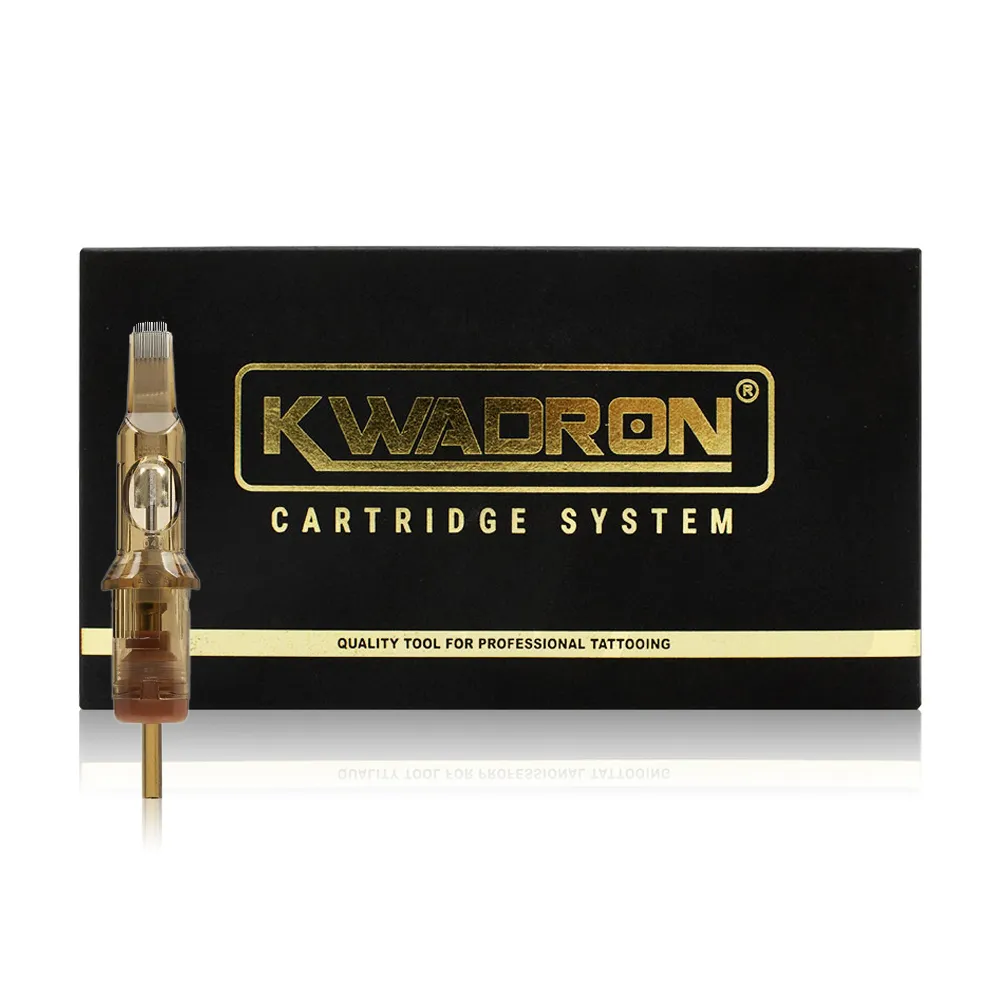
Kwadron - Cartridges Curved Mags
Curved-mag option; Kwadron describes soft-edge needles for subtle transitions and fades.
 Curved-Mag Comparison
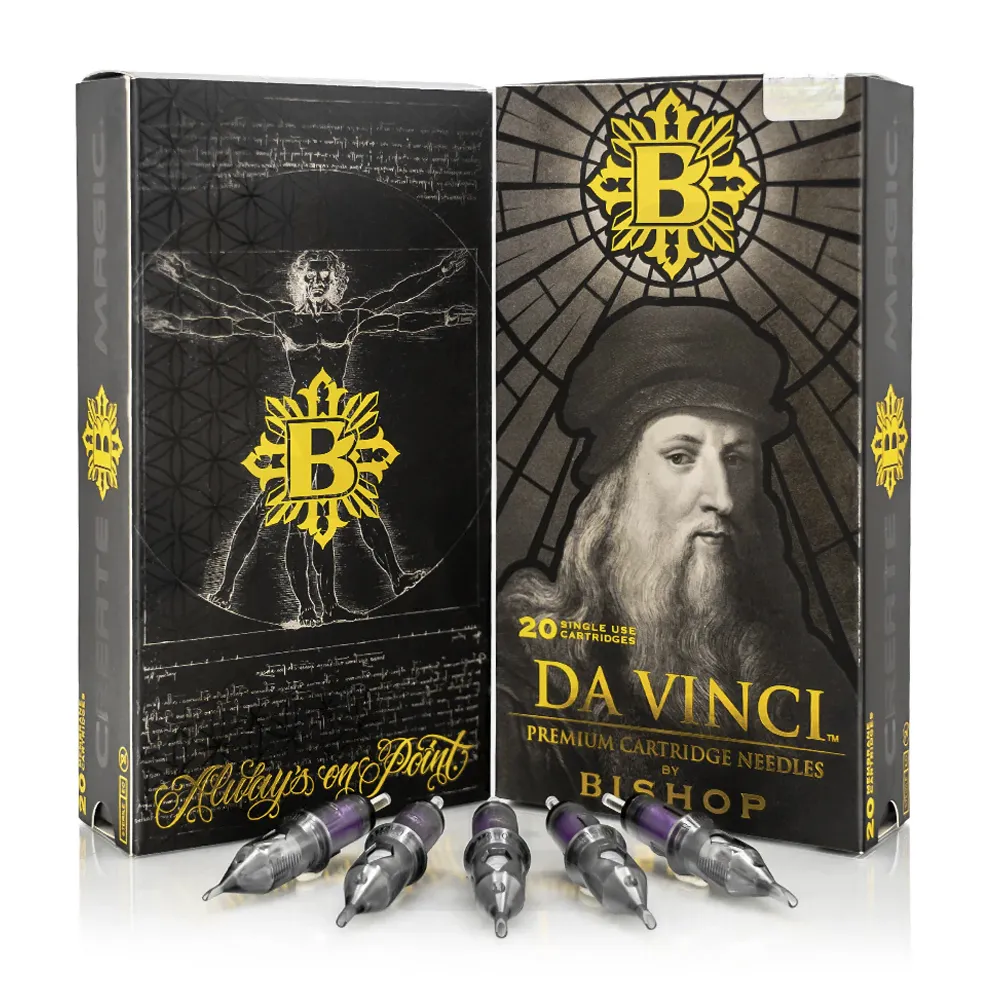
Bishop - Da Vinci V2 Curved Mags
Curved mags to compare for broad color transitions.
 Broad Transition Option
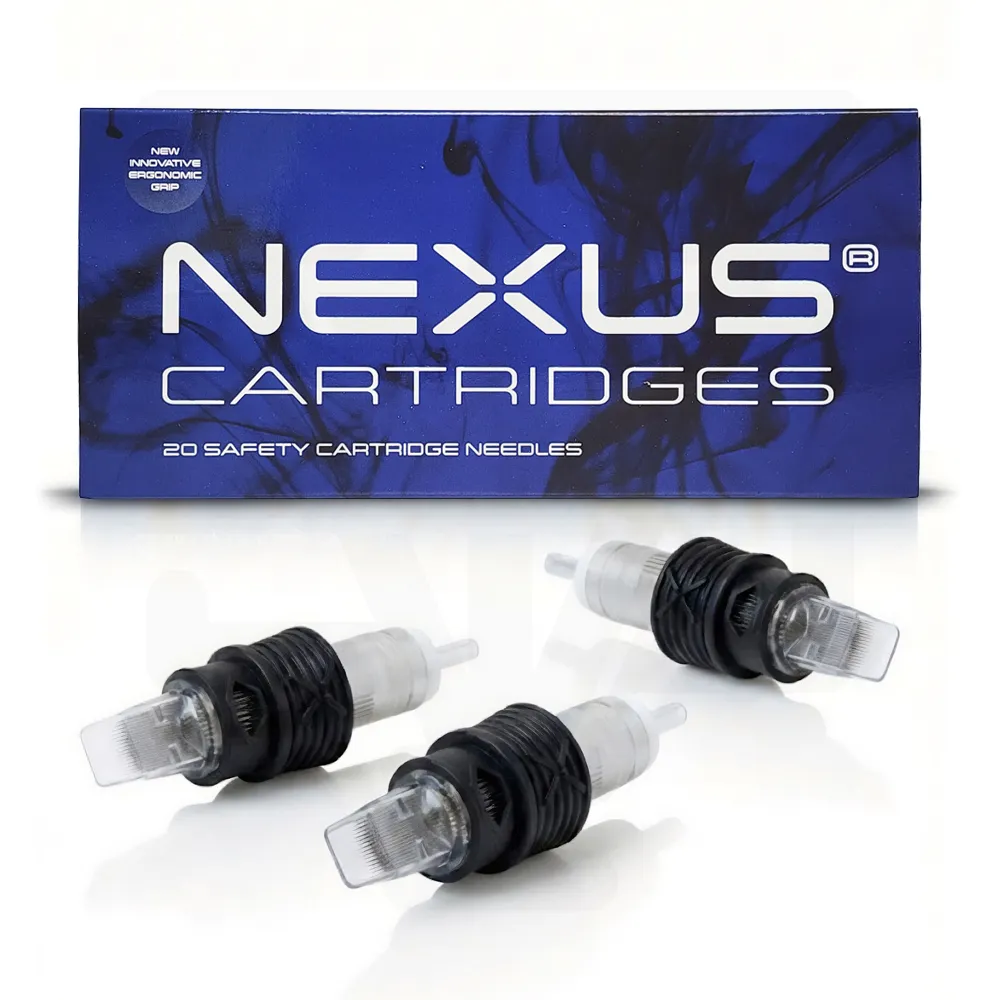
Nexus Cartridges - Curved Mags
Another curved-mag option for practice-skin comparisons.
 Small Color Areas
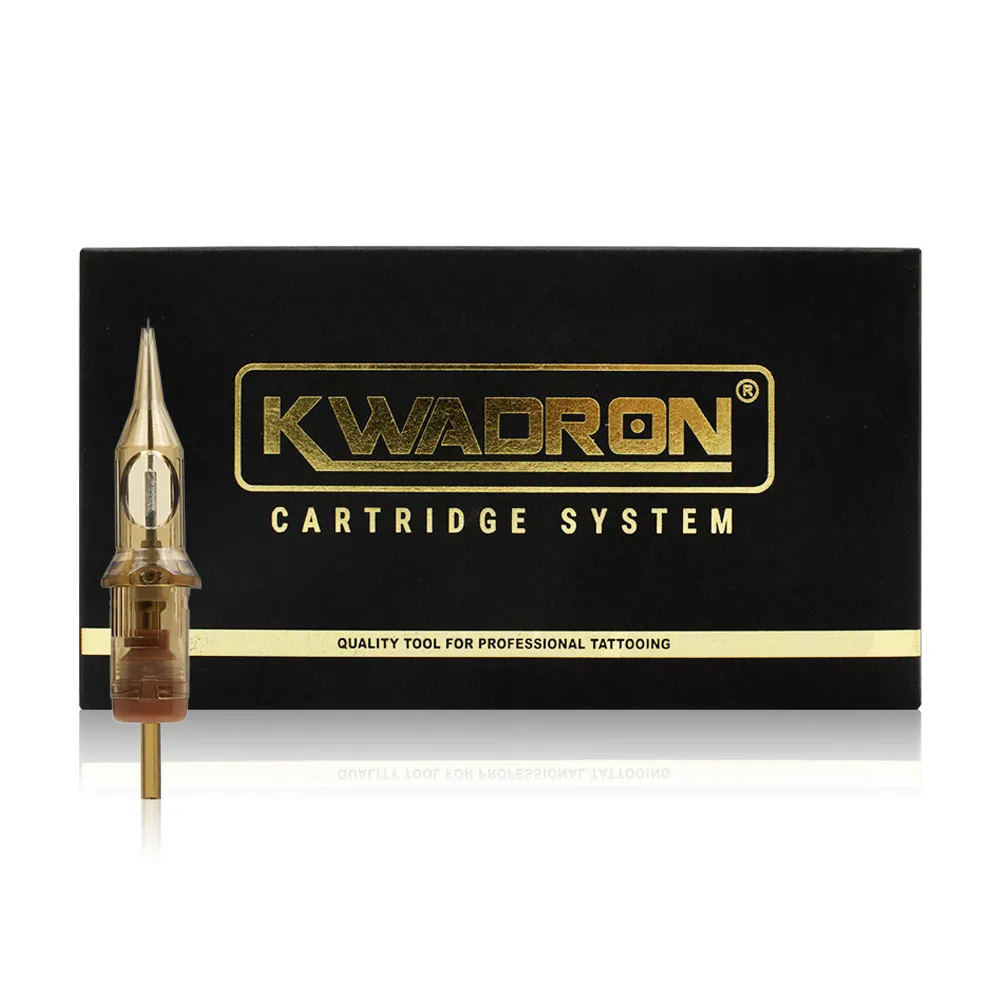
Kwadron - Cartridges Round Shaders
Kwadron describes RS for filling, mixing and shading after contours.
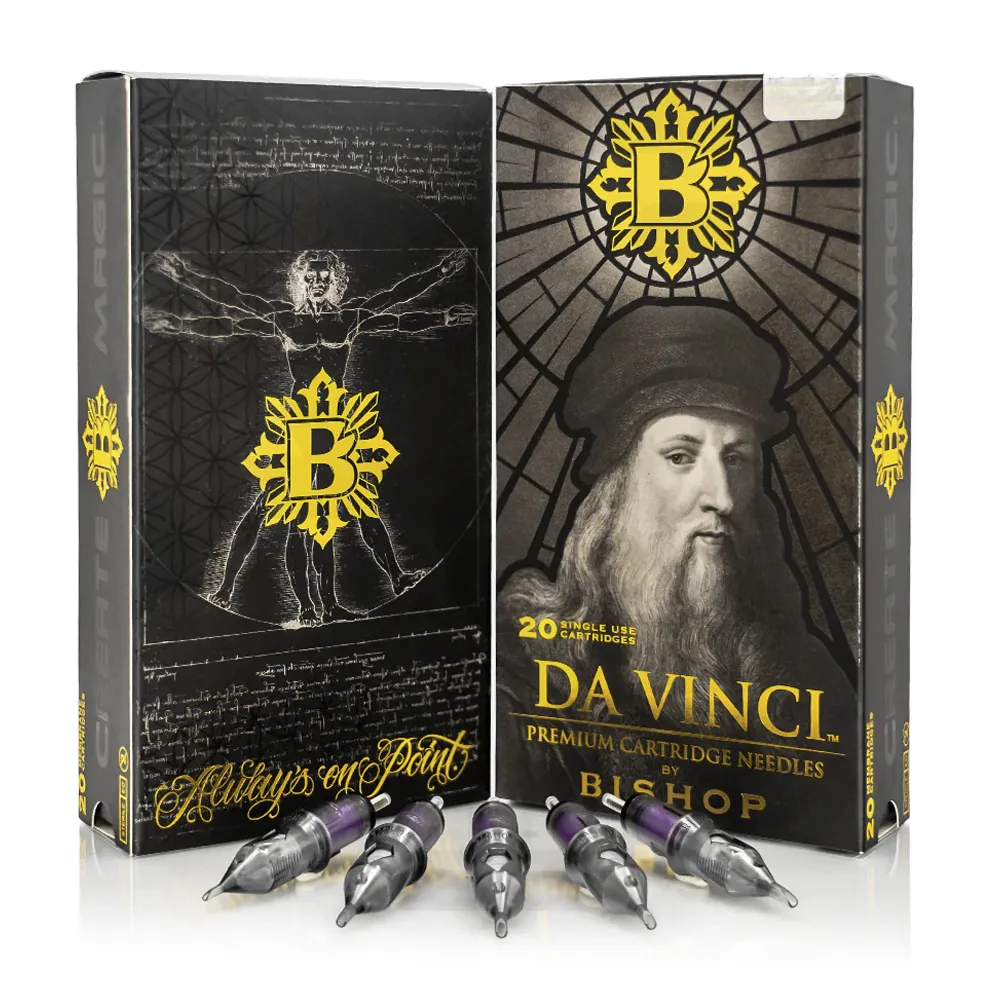 Fine Detail or Outline
Bishop - Da Vinci V2 Liners
Liners for planned fine marks or optional outlines.
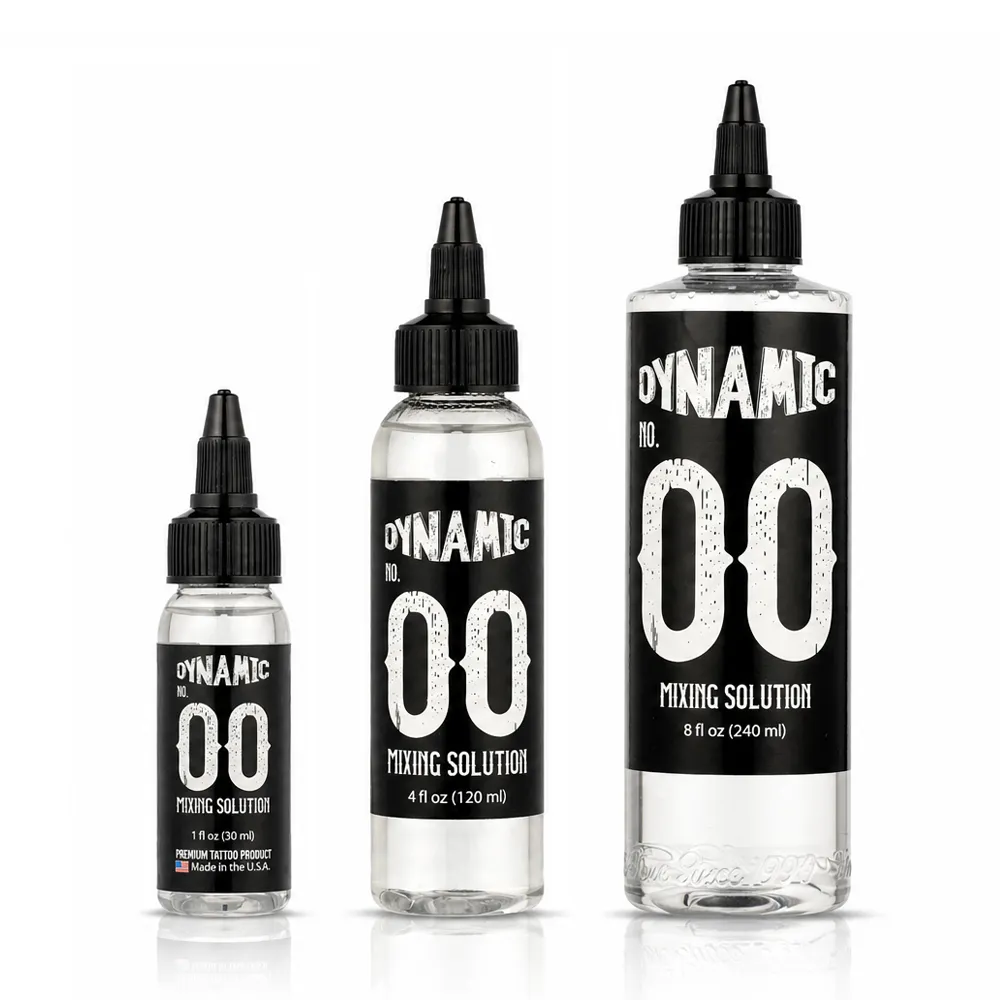 Manufacturer-Directed Mixing
Dynamic - 00 Tattoo Ink Mixing Solution
Mixing solution; use according to its label and the selected ink instructions.
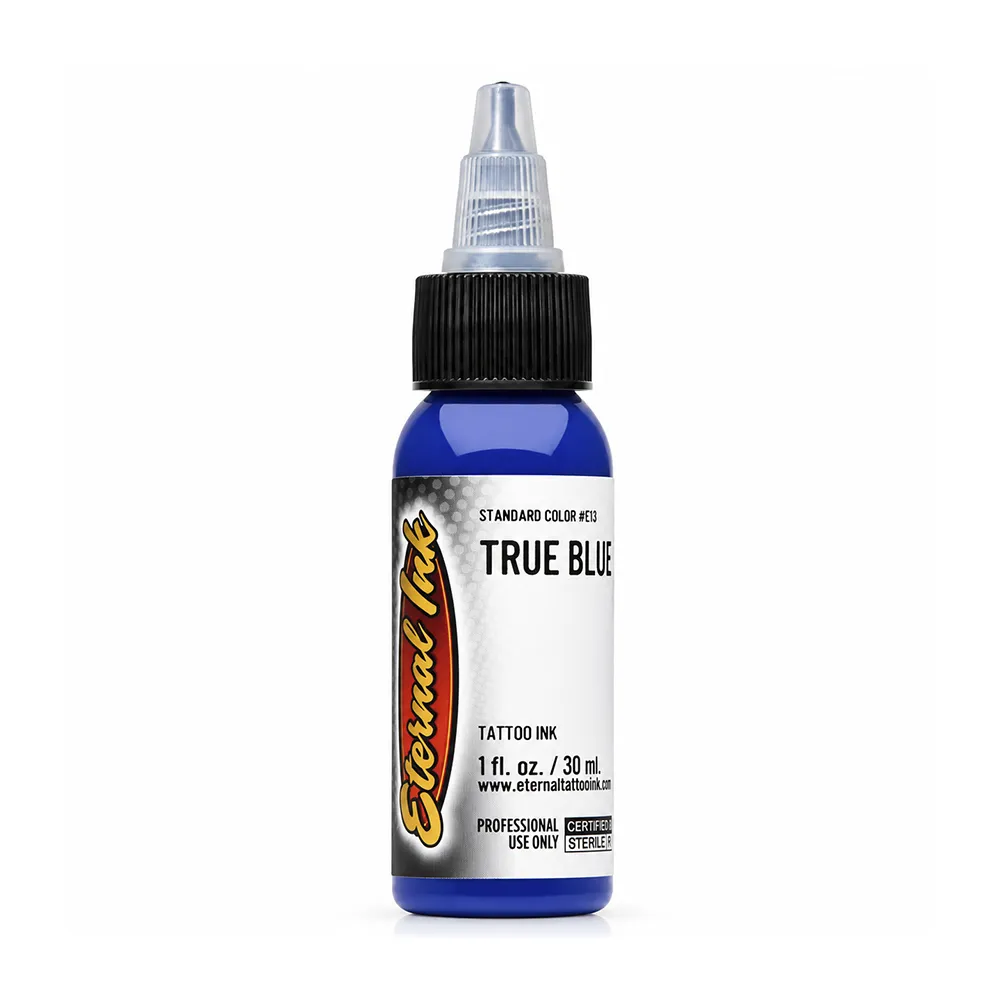 Blue Palette Option
Eternal Ink - True Blue
Blue tattoo ink choice for a planned wash or neighboring color region.
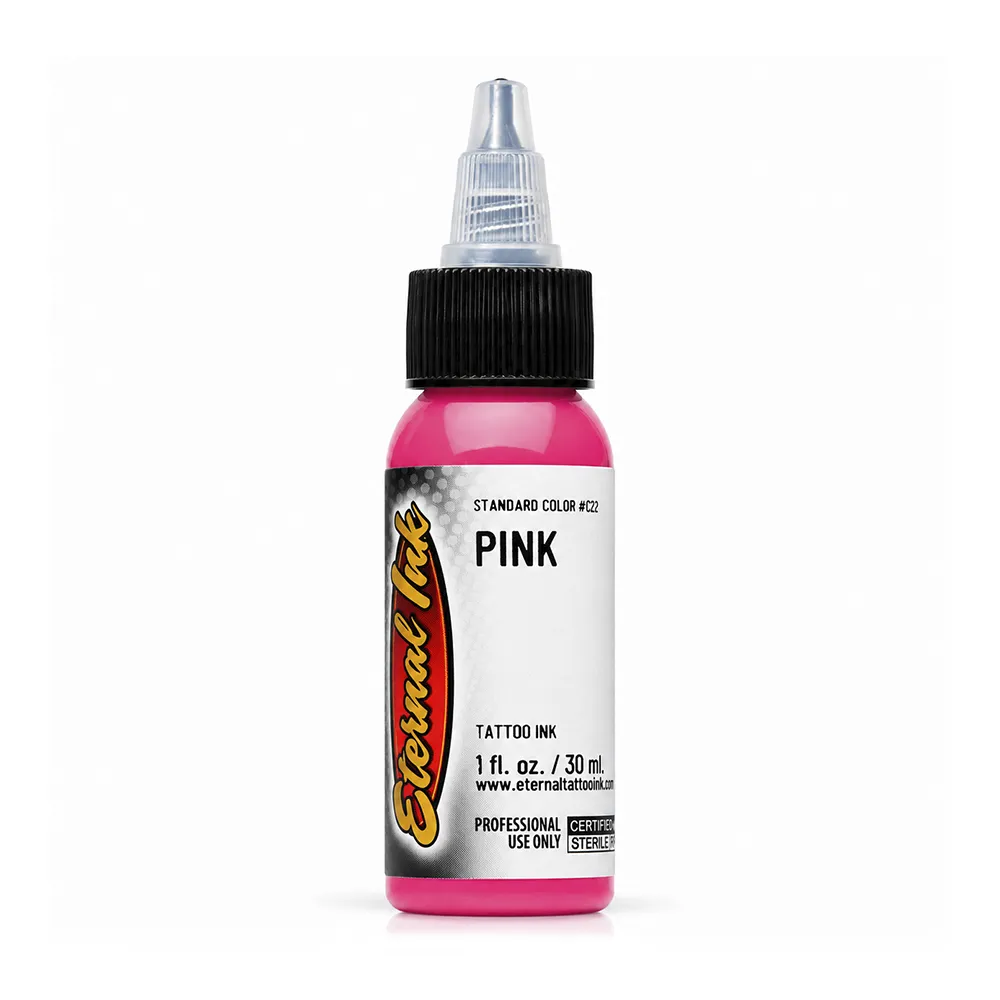 Pink Palette Option
Eternal Ink - Pink
Pink tattoo ink choice for a watercolor-style palette.
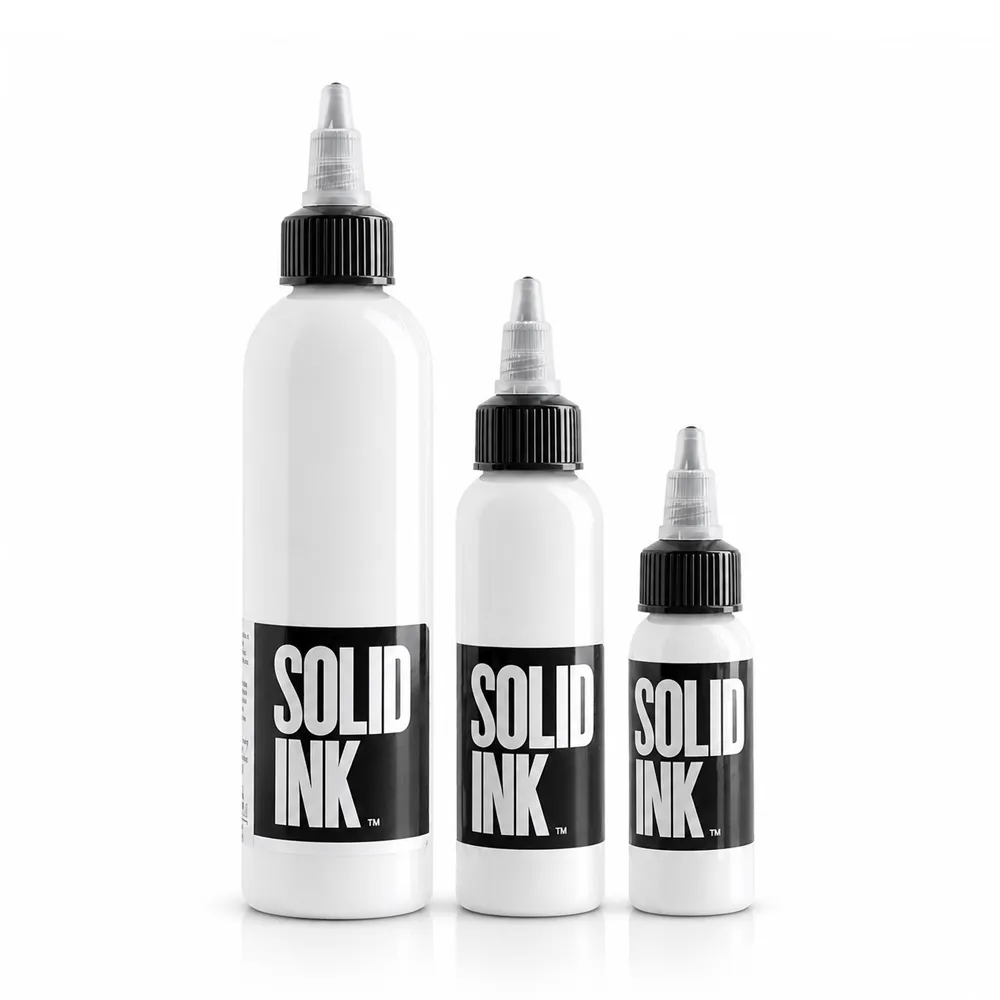 White Highlight Option
Solid Ink - White
White tattoo ink option for planned highlights.
Shop Tattoo Needles Browse Kwadron Cartridges Browse White Inks
ARTIST BUYING CHECKLIST
What should you check before buying needles, ink and mixing supplies for watercolor tattooing?
Buy from the drawing and the manufacturer directions. Separate broad color areas, detail, outlines and prepared ink decisions.
- Composition: Define focal subject, soft wash, transition regions, fading edges and any accent marks.
- Outline: Decide with the client whether black structure, a colored contour or no outline fits the drawing.
- Broad cartridge: Compare curved or soft-edge mags for large color transitions.
- Small cartridge: Compare Kwadron round shaders for localized fills and shading.
- Detail cartridge: Choose a liner for fine marks and optional contours; review pin diameter and taper on the maker's label.
- Palette: Select individual tattoo ink colors rather than assuming a special watercolor formulation.
- Mixing: Read the tattoo ink and Dynamic 00 instructions before preparing diluted color.
- Machine: Treat FK Irons voltage figures as general task baselines and coordinate machine with hand speed.
- Practice: Compare the broad wash, paired colors, fade-out and optional contour on practice skin.
- Care guidance: Share appropriate tattoo aftercare and AAD-based long-term sun protection without predicting a style-specific fading rate.
FAQ
Frequently asked questions about watercolor tattoo technique, ink dilution and fading
These are the questions artists ask when planning a watercolor-style tattoo and comparing needles, color preparation and long-term care.
How are watercolor tattoos done?
Plan soft-looking color washes, transitions, fading edges and optional outlines. Compare curved mags for broad areas, RS for small shading and liners for detail; follow each ink's directions.
What needle should I use for watercolor tattoos?
Kwadron and Peak describe curved or soft-edge mags for broad gradients. Kwadron round shaders serve smaller areas and liners serve fine details; match the cartridge to the drawing.
Do artists use soft-edge magnums for watercolor blending?
Yes, as a configuration to compare. Kwadron describes soft-edge magnums for subtle tonal fades, and Peak connects curved mags with broad color transitions.
Can you dilute tattoo ink to make watercolor-style washes?
Use the ink maker's directions and the mixing product label. Dynamic 00 is the mixing solution we carry; see our dedicated mixing guide.
Does a watercolor tattoo need a black outline?
No. Decide with the client whether a black contour, colored edge or open silhouette suits the drawing. Do not infer longevity from the outline choice.
Do watercolor tattoos fade faster than regular tattoos?
The AAD says UV light can fade some inks. Use tattoo aftercare and long-term sun-protection guidance without assigning a watercolor-specific fading rate.
How can clients protect watercolor tattoos from the sun?
For ongoing sun care, the AAD recommends broad-spectrum, water-resistant SPF 30 or higher, reapplied at least every two hours.
How do you create a splatter-looking watercolor tattoo effect?
Plan scattered marks as visual accents in the artwork. Test their placement on practice skin before adding them to a client piece.
What colors work best for watercolor tattooing?
Select ordinary professional tattoo ink colors for the palette. Eternal True Blue and Eternal Pink are SVT Shop options; follow each label for dilution.
Can you use white ink in a watercolor tattoo?
Yes, as an optional design accent. Solid Ink White is one we carry; check its intended use and plan highlights with the rest of the palette.
Are watercolor tattoos harder to touch up?
Plan touch-ups from the healed piece itself: compare it with your original color map and decide which washes or edges need another pass.
How should I practice watercolor tattoo washes on practice skin?
Practice a broad wash, a two-color transition, a fading edge and an optional outline. Compare cartridge and machine choices on the same reference drawing.
RESEARCH
Sources Consulted
Kwadron and Peak explain general needle-configuration roles; FK Irons provides general machine-speed and voltage guidance. The American Academy of Dermatology supports the sun-protection and fading advice. Mixing and ink-specific preparation should follow product labels.