


 Powered by Comercia.io
For American traditional tattooing, compare standard-diameter round liners for bold black contours, magnums for solid fills and a deliberate palette of saturated colors. Peak identifies standard #12 (0.35 mm) pins as a strong option for traditional work; Kwadron explains the liner and shader groupings, while Dynamic distinguishes black ink for lining, packing and shading. This guide helps tattoo artists select American traditional tattoo needles and ink, build readable flash, control saturation and avoid unnecessary passes.
Shop Tattoo Needles Browse Tattoo Color Sets
QUICK ANSWER
What needles and inks do you use for an American traditional tattoo?
Start with a round liner that creates the planned bold outline, then compare a magnum or round shader for the areas to fill. Peak favors standard #12 pins for traditional lines with weight, and Kwadron identifies RL for contours and magnums for broad color. Plan saturated black and selected colors; choose Dynamic BLK for a manufacturer-listed lining role or compare Triple Black for shading and packing.
Bold Black Outline
Compare standard round liners and grouping count against the design; keep contour width consistent through the flash.
Solid Color & Black
Use a magnum for broader fills or an RS for smaller spaces; select saturated colors and check for missed spots.
Machine & Workflow
Use Peak's general lining and packing setup categories as a reference, then practice with your actual machine and needle.
OLD-SCHOOL ROOTS & FLASH
What defines American traditional tattoo style, and where did it begin?
American traditional is known for graphic subjects, bold black outlines and a limited saturated palette, as described by ink maker StarBrite. Start the drawing by asking whether its contour and distinct color shapes clearly communicate the subject.

The National Park Service traces simple black-line sailor flash with minimal color touches to the 1930s and 1940s, including anchors, ships, pinups and patriotic motifs. Smithsonian describes flash as pre-drawn designs displayed on tattoo-shop walls or windows and documents World War II-era examples. PBS reports that Norman Collins, known as Sailor Jerry, tattooed sailors in Honolulu during the war.
MATCH EACH PART TO ITS TOOL
Which tattoo needle, ink and technique fit bold outlines, solid fills, black shadows and white highlights?
Kwadron identifies round liners for contours, magnums for broad shading and filling, and round shaders for smaller color areas. Dynamic describes different uses for BLK and Triple Black. Map the role of every portion of the flash before assembling cartridges and colors.
| Design element | Needle configuration | Ink | Technique / visual check |
|---|---|---|---|
| Bold outline | Round liner, with a standard-diameter option to compare | Black; Dynamic lists BLK for lining | Test the chosen line weight and keep the contour visually consistent |
| Solid color fill | Straight magnum for a broad area; RS for a smaller shape; curved mag as another option | Selected saturated red, yellow, green, blue or other planned shade | Look for even coverage and avoid working a filled area unnecessarily |
| Solid black | Magnum appropriate to the size of the black field | Dynamic BLK or Triple Black according to maker-listed packing uses | Keep the dark field distinct from neighboring color and open skin |
| Black shadow | RS for confined areas; magnum or curved mag for larger shading | Black chosen for shading; Dynamic lists Triple Black for shading | Use the shadow as a planned graphic element, not automatic realism shading |
| White highlight | Appropriate liner for a small mark or grouping suited to the planned area | White, such as the listed Dynamic Heavy White | Reserve the light accent in the drawing and follow the ink label |
Treat the table as a starting map, then test each grouping and ink on practice skin.
ROUND LINERS & LINE WEIGHT
What round liner needle size should you use for thick American traditional outlines?
Choose a round liner for the outline weight in the approved drawing. Peak favors standard-diameter pins for American traditional, identifying #12 as 0.35 mm. It describes #10 (0.30 mm) and #8 (0.25 mm) bugpins for finer marks, while Kwadron identifies round liners for contours and lining. The maker guidance does not prescribe a single RL count for every traditional outline.
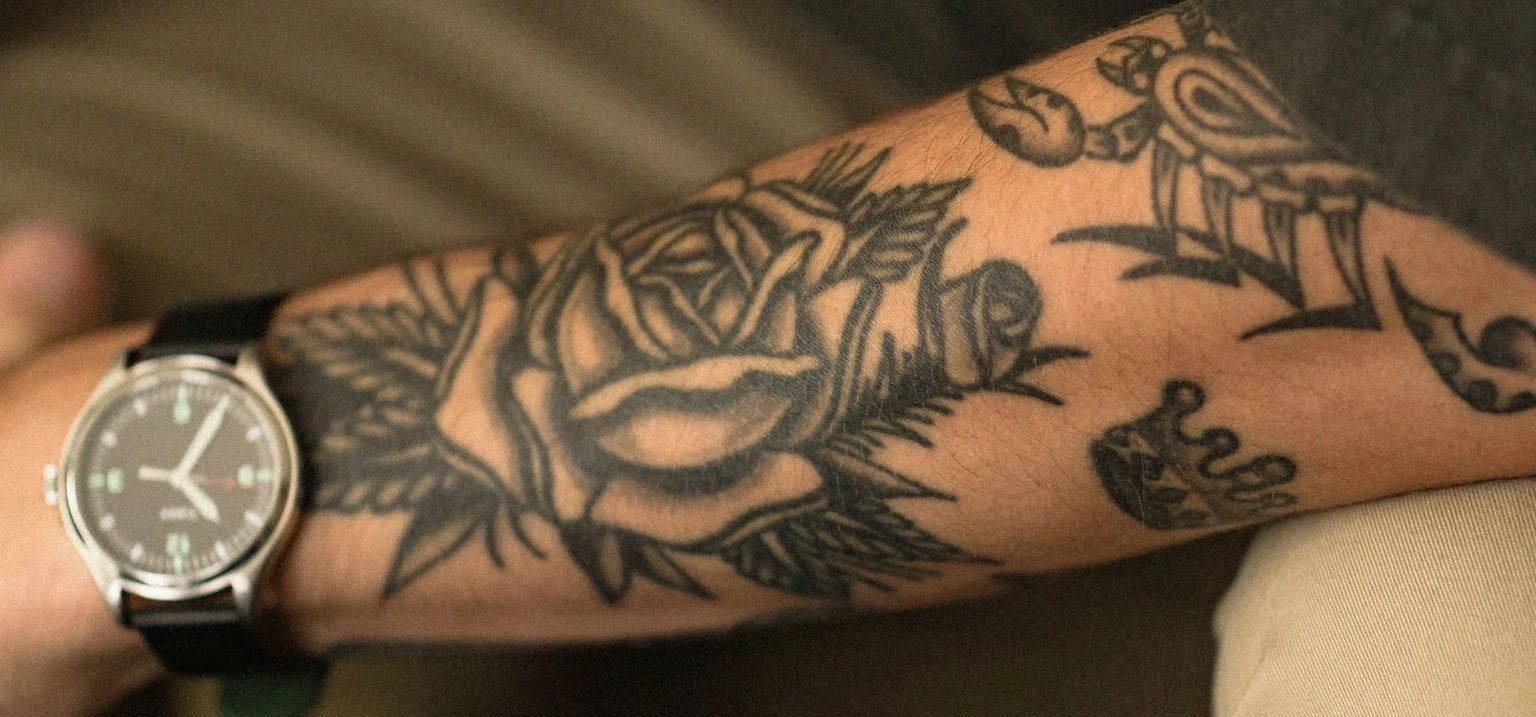
Read diameter, count, grouping and taper as separate specifications; compare the actual variants for the same drawn contour. Kwadron also describes Empty RL without a center pin for an old-school contour and Turbo RL with a less tightly soldered arrangement for faster filling.
For label details and technique, read Tattoo Needle Guide, How to Choose Tattoo Cartridges, and How to Tattoo Clean Lines.
MAGNUMS, SOFT EDGE & ROUND SHADERS
Should you use a magnum, curved magnum or round shader for traditional color and black fills?
For broad fills, Kwadron describes magnums as designed for filling and shading large surfaces. It characterizes round shaders as suitable for filling, mixing and shading after contours, and describes soft-edge magnums as having fuller color in the center with shading toward the sides. These differences give an artist a reason to compare more than one grouping when an old-school design has both large colored regions and small shapes.
Choose a straight magnum for a broad uniform field when its arrangement suits the planned task; evaluate a curved magnum where the design calls for a softer contact pattern, and a round shader for confined filled areas. For a traditional bar-needle machine, a compatible bar magnum is a separate format from a cartridge.
SATURATED COLOR WITH A PURPOSE
What colors are used in American traditional tattoos, and what belongs in a traditional ink set?
StarBrite describes American traditional using a limited, saturated primary and secondary palette supported by strong black outlines. Red, yellow, blue and green are useful examples, but the sources establish no mandatory color count or universal recipe. Decide what colors the actual flash needs, and keep each role distinct.
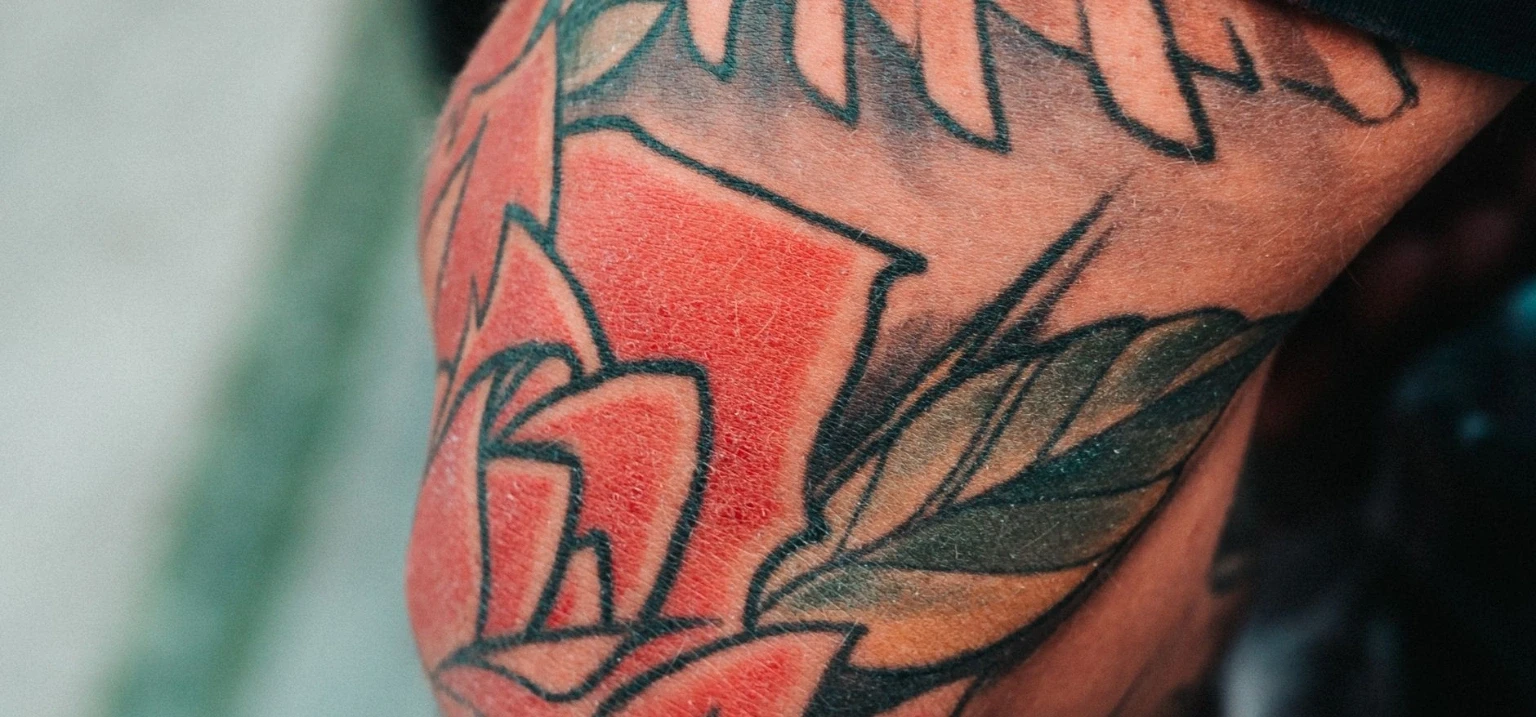
We carry Dynamic Fire Red, Canary Yellow and Leaf Green as individual colors, plus the Dynamic Traditional Color Set 1 oz; check the set's included shades on its product page before ordering. A white accent or additional color is a design choice, not an obligation.
Read Bright Tattoo Ink Colors and Best White Tattoo Ink for their separate roles.
BLK VS TRIPLE BLACK
What black ink should you use for traditional tattoo outlines, shading and solid black?
Dynamic's own comparison lists BLK for lining, shading, packing and greywash across styles. It lists Triple Black for shading, packing and greywash, and names Traditional among compatible styles. Dynamic calls Triple Black slightly thicker than BLK, while still thin by industry standards. The maker does not list Triple Black as a lining ink in that comparison.
| Black ink | Maker or listing role | Studio decision |
|---|---|---|
| Dynamic - Black | Dynamic: lining, shading, packing, greywash | Manufacturer-documented choice for traditional outlines |
| Dynamic - Triple Black | Dynamic: shading, packing, greywash; Traditional style listed | Compare for black fill or shadow rather than assuming a lining use |
| Solid Ink - Lining Black | SVT Shop listing: dedicated lining black | Review the actual label for a contour task |
Read How to Choose Black Tattoo Ink and Black and Grey Ink: Greywash vs Opaque for broader product differences.
SOLID COLOR WITHOUT EXCESS PASSES
How do you pack solid traditional tattoo color and black without overworking the skin?
StarBrite says traditional color should aim for maximum saturation in one or two passes without overworking. World Famous advises checking cleaned areas for missed light spots, called holidays, and warns that excessive repeat passes can contribute to scabbing, scarring and poor healing. The goal is an even graphic fill, not a fixed number of passes performed regardless of skin response.
Separate solid-color fields, solid-black shapes and open areas in the drawing. After checking the actual coverage, avoid repeatedly revisiting a field that is already even. For the full technique, use How to Pack Color in a Tattoo.
When clients ask how long a traditional piece will last, talk about clean execution and aftercare rather than promising a number of years.
STROKE, VOLTAGE & GIVE
What machine stroke, voltage and give should you compare for traditional lining versus color packing?
Peak's machine guide describes a longer stroke and higher voltage for lining, while giving a 3.5–4.0 mm stroke with medium voltage and medium give for color packing. Peak says less give can suit bold work and solid black. These are Peak's task examples, not universal settings for every tattoo machine.
American traditional does not require a coil machine. Kwadron lists both cartridge and bar-needle formats; choose the compatible setup you can control. For the full comparison, read Pen vs Coil Machines and Tattoo Machine Stroke, Needle Depth and Voltage.
FROM FLASH TO STATION
How do you plan a traditional tattoo session from flash drawing to finished fill?
Plan the graphic design first, assign needle and ink roles, and practice the intended outline and fill.
Approve the flash and stencil
Confirm the silhouette, bold contours, interior shapes and color regions.
Choose your lining grouping
Compare the standard RL options and the line weight they make on the drawing.
Assign fill and shadow needles
Use the magnum or RS configuration suited to each color or black area.
Prepare the palette and ink roles
Distinguish lining black from black for packing and check individual colors.
Compare solid coverage in practice
Check filled fields for holidays without automatically repeating passes.
Review the complete graphic
Check whether contours, filled areas and optional white accents remain distinct.
Use Tattoo Stencils That Last and How to Mix and Dilute Tattoo Ink for those separate preparation tasks.
COMMON OLD-SCHOOL SETUP MISTAKES
What mistakes should artists avoid when tattooing bold traditional lines and solid color?
The main check is whether every tool supports the drawing: bold lines should still read as planned, each filled color should occupy its intended shape, and the artist should stop rather than repeatedly working an already even area.
Choosing a needle by a supposed style rule
Peak recommends standard pins for bold traditional work, but no source requires a specific RL count for every outline.
Confusing liner black with packing black
Dynamic lists BLK for lining and Triple Black for shading or packing. Read the maker's use chart.
Forcing a fixed color count
StarBrite describes a limited saturated palette, not a required three-color formula.
Using a large grouping in every small shape
Kwadron also describes round shaders for smaller color and shading areas.
Repeatedly packing a field that is already even
World Famous warns that overworking skin can harm healing; inspect coverage before doing more.
Assuming a traditional tattoo needs a coil
Both cartridge and bar needle formats exist; match the tool to the machine and technique.
Relying on a color-set name to determine its contents
Review the actual product details before choosing complementary individual colors.
SVT SHOP: LINERS, MAGS & INKS
Which American traditional tattoo needles, black inks and colors can you shop at SVT Shop?
Shop by the part of the flash: lining, broad color, solid black, individual colors and optional white. These twelve SVT Shop listings correspond to the needle and ink choices covered in this guide. Read exact sizes, product directions and machine compatibility before ordering.
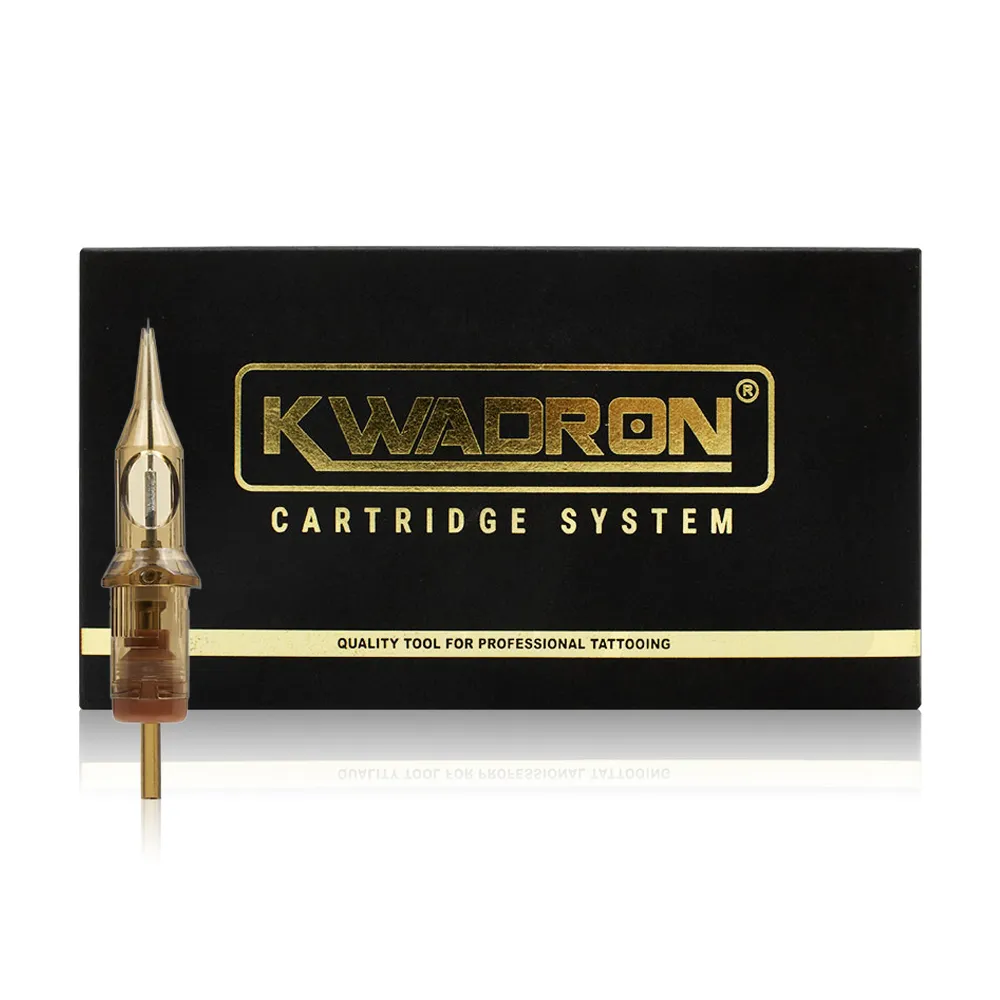 Bold Outline Cartridges
Kwadron - Cartridges Liners
Round liner cartridges; Kwadron identifies RL for contours and lining. Check grouping, diameter and taper.
 Traditional Bar Needle Lining
Kwadron - Bar Needles Liners
Bar-needle liner option for a compatible traditional machine and the selected contour weight.
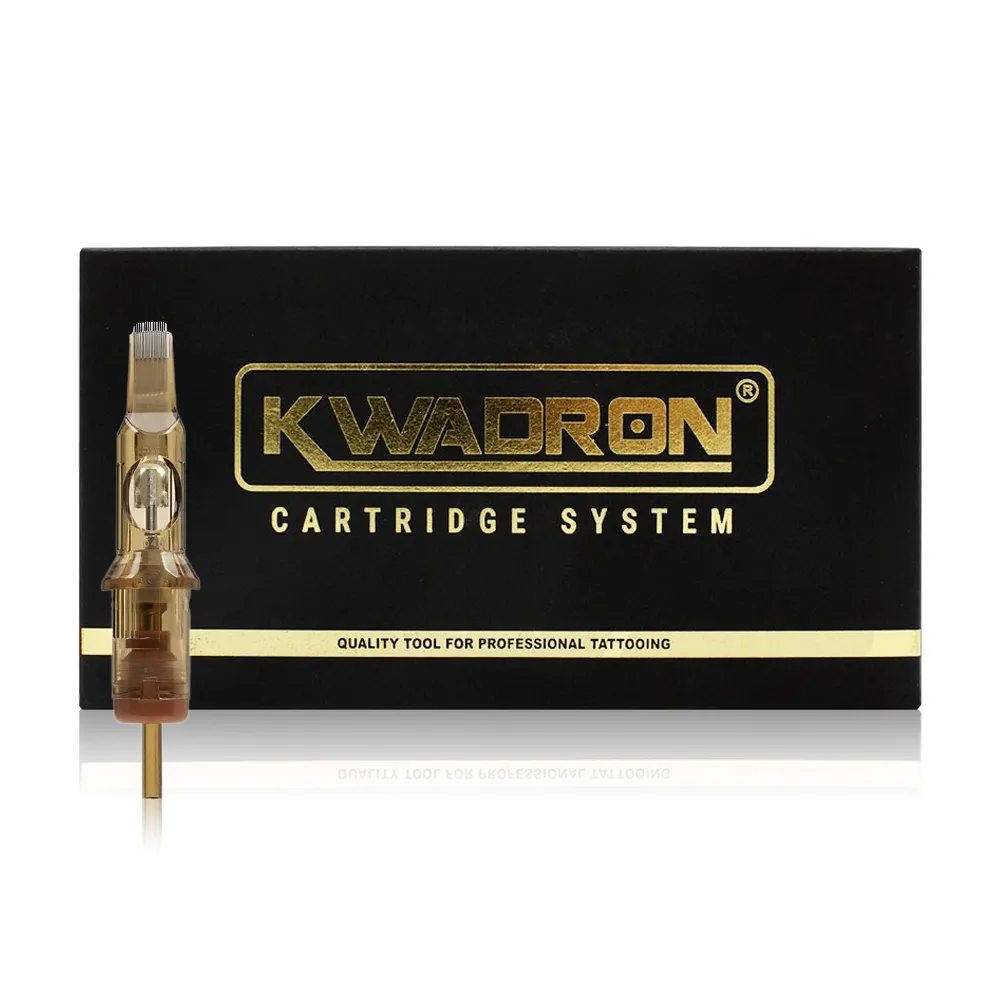 Broad Solid Color Fill
Kwadron - Cartridges Magnums
Magnum cartridges for broad shading and filled fields, as Kwadron describes.
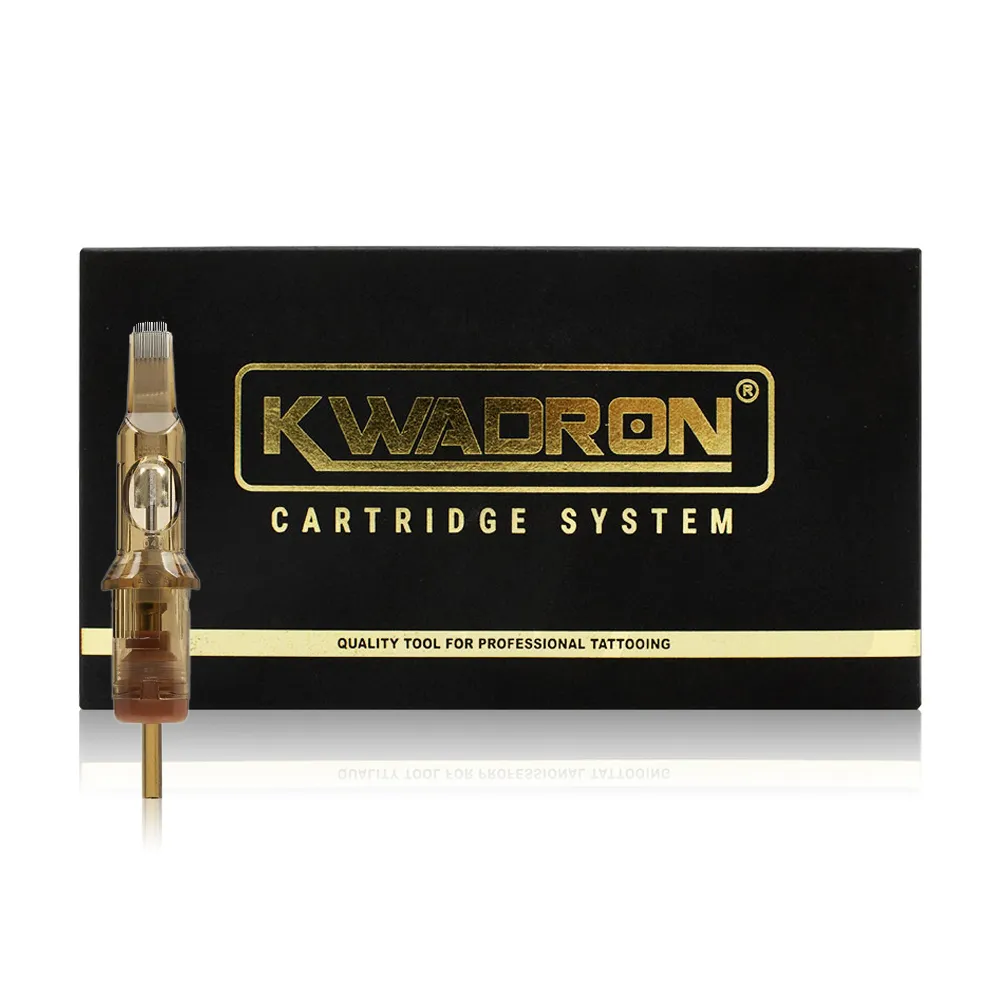 Soft-Edge Magnum Option
Kwadron - Cartridges Curved Mags
Curved mags to compare when a fill or shadow needs the soft-edge arrangement described by Kwadron.
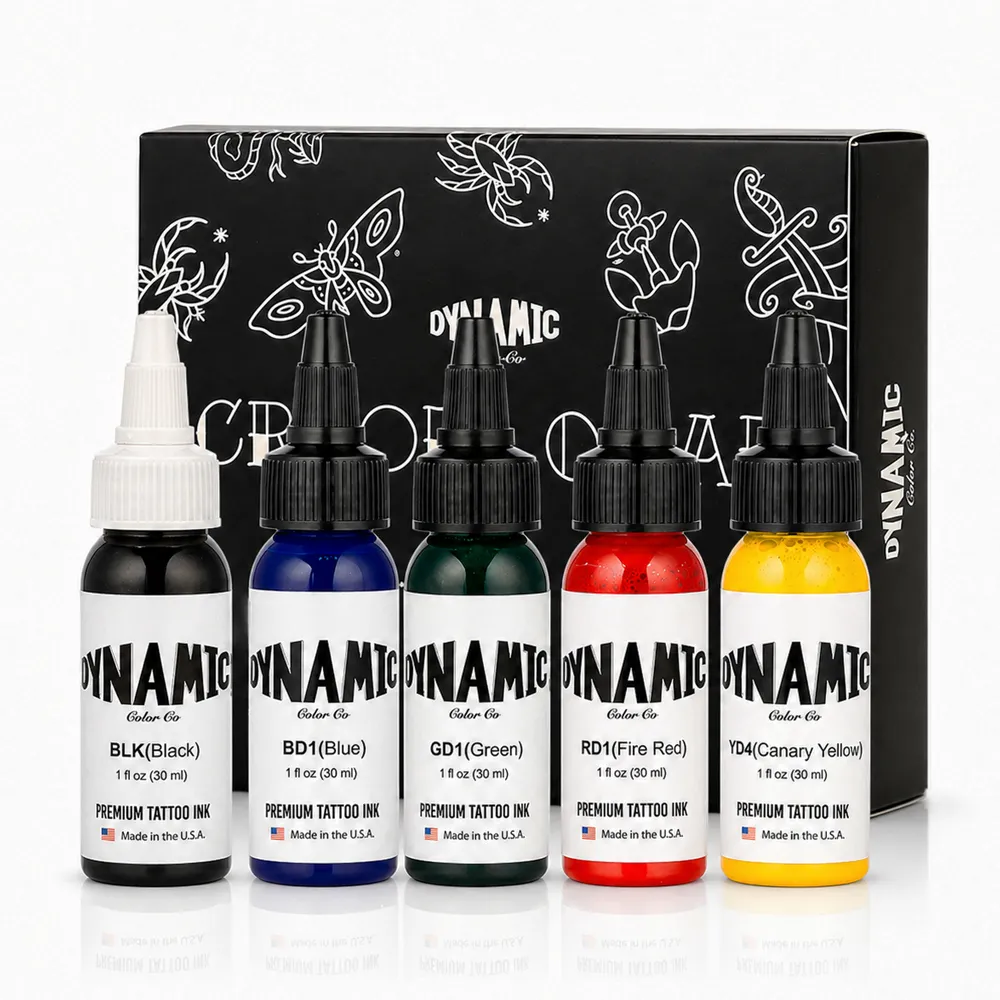 Traditional Set Option
Dynamic - Traditional Color Set 1 oz
Traditional-labeled color set; review the exact product contents before selecting a palette.
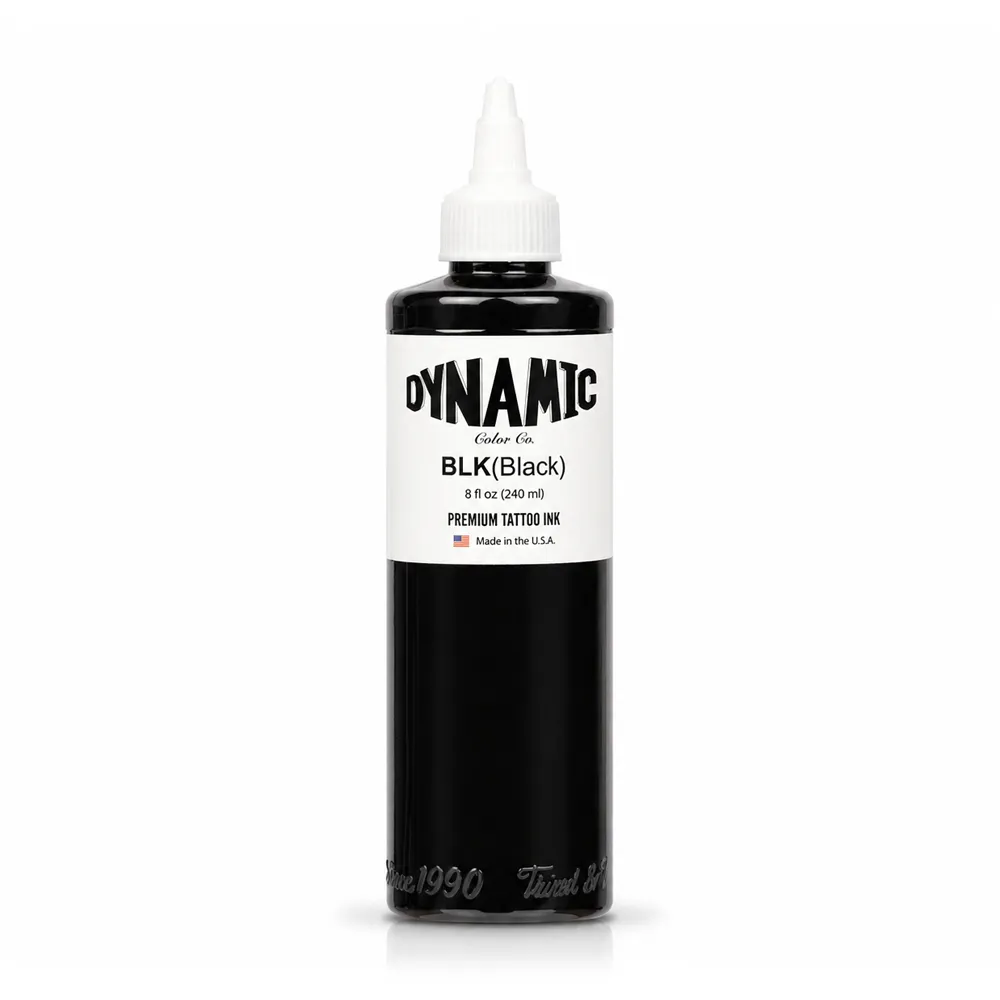 Black for Lining & Filling
Dynamic - Black
Dynamic lists BLK for lining, shading, packing and greywash across styles.
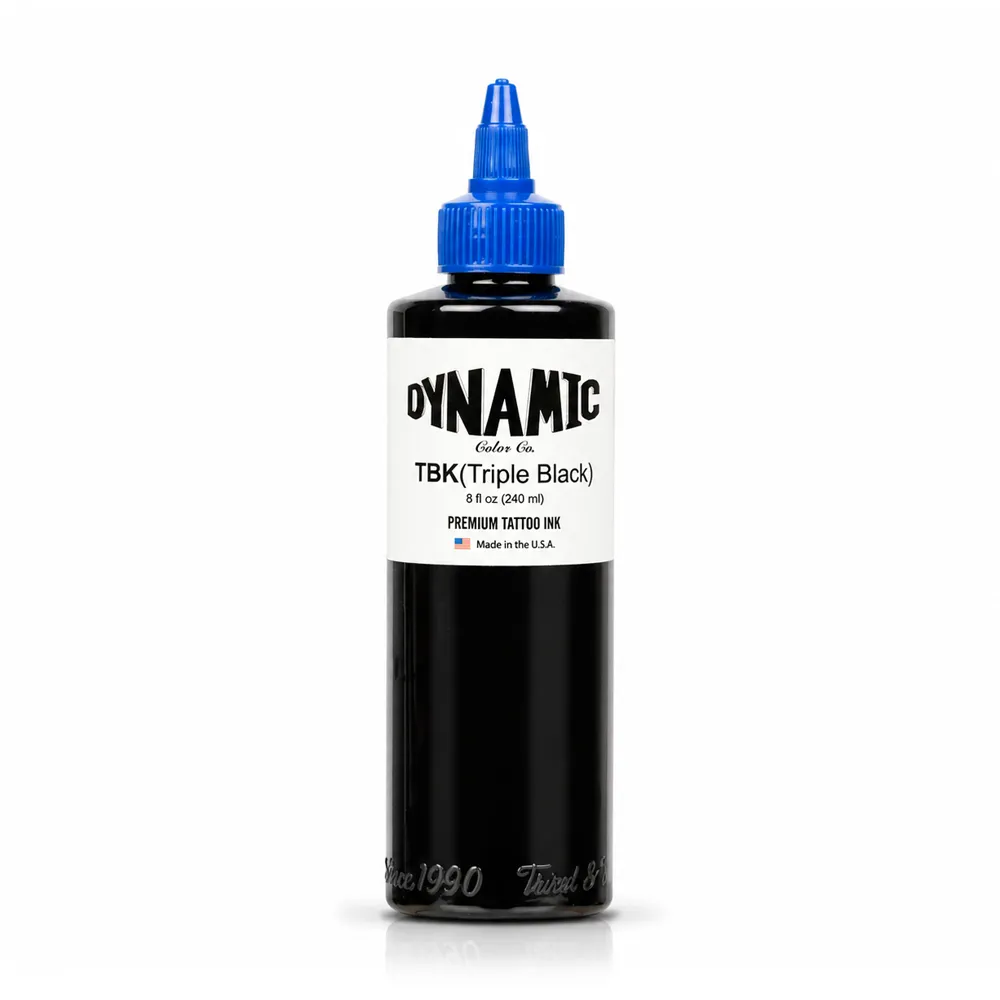 Solid Black & Shadows
Dynamic - Triple Black
Dynamic lists shading, packing and greywash; Traditional is among its stated compatible styles.
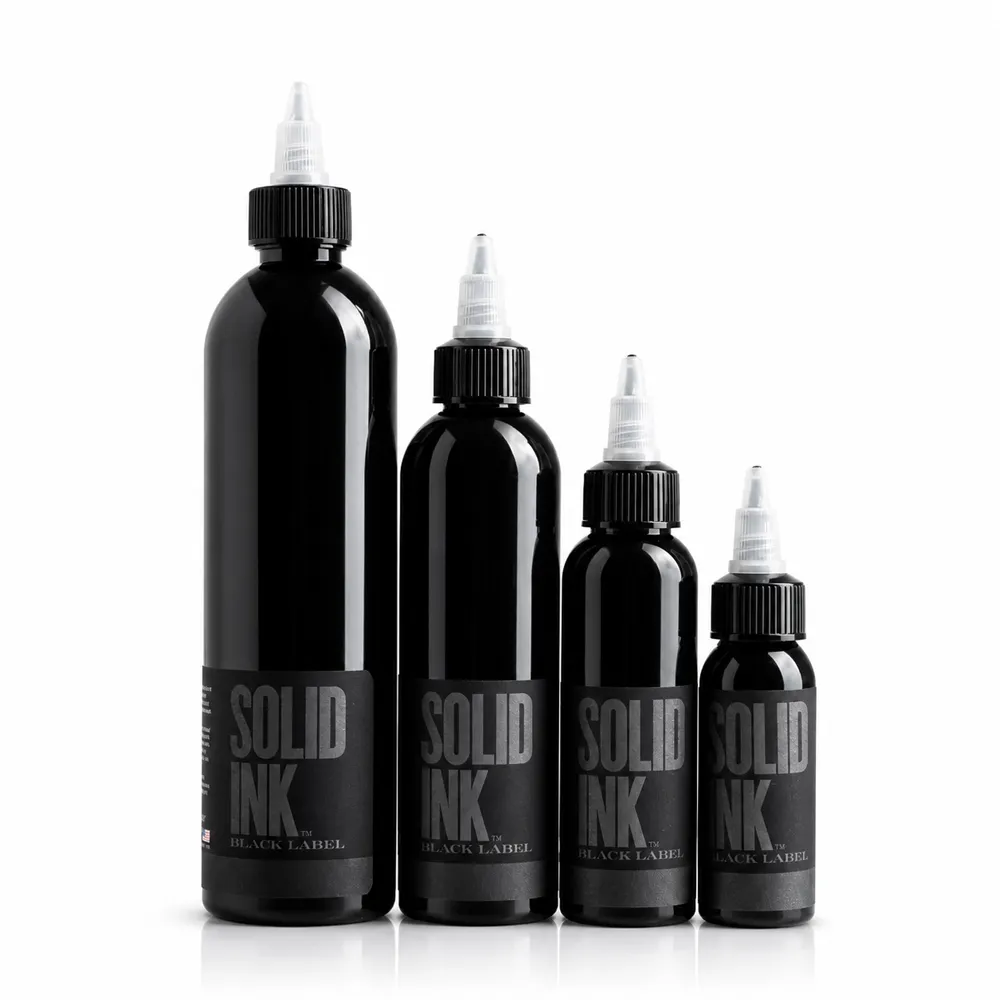 Dedicated Lining Black
Solid Ink - Lining Black
An additional listed black-ink option for outlining; review its product directions.
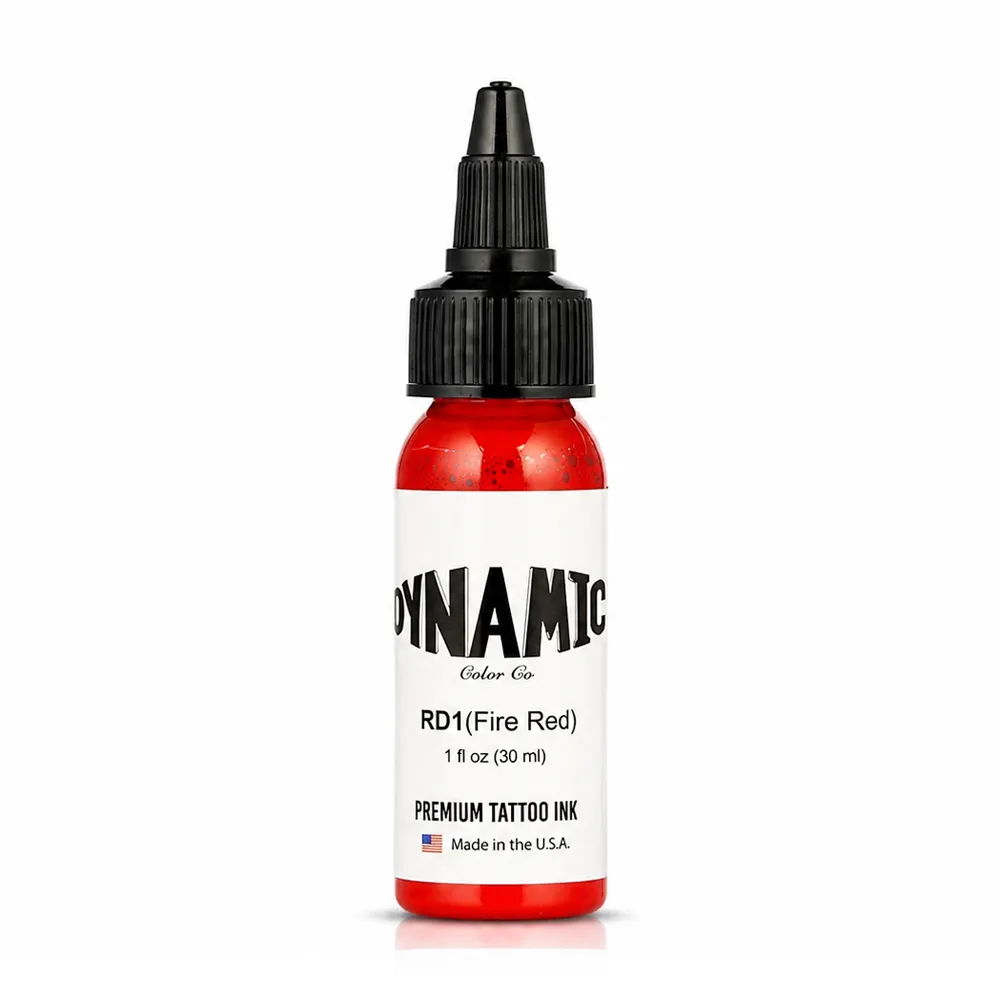 Selected Saturated Red
Dynamic - Fire Red 1 oz
Individual red ink listing for a planned graphic color region; read the product label.
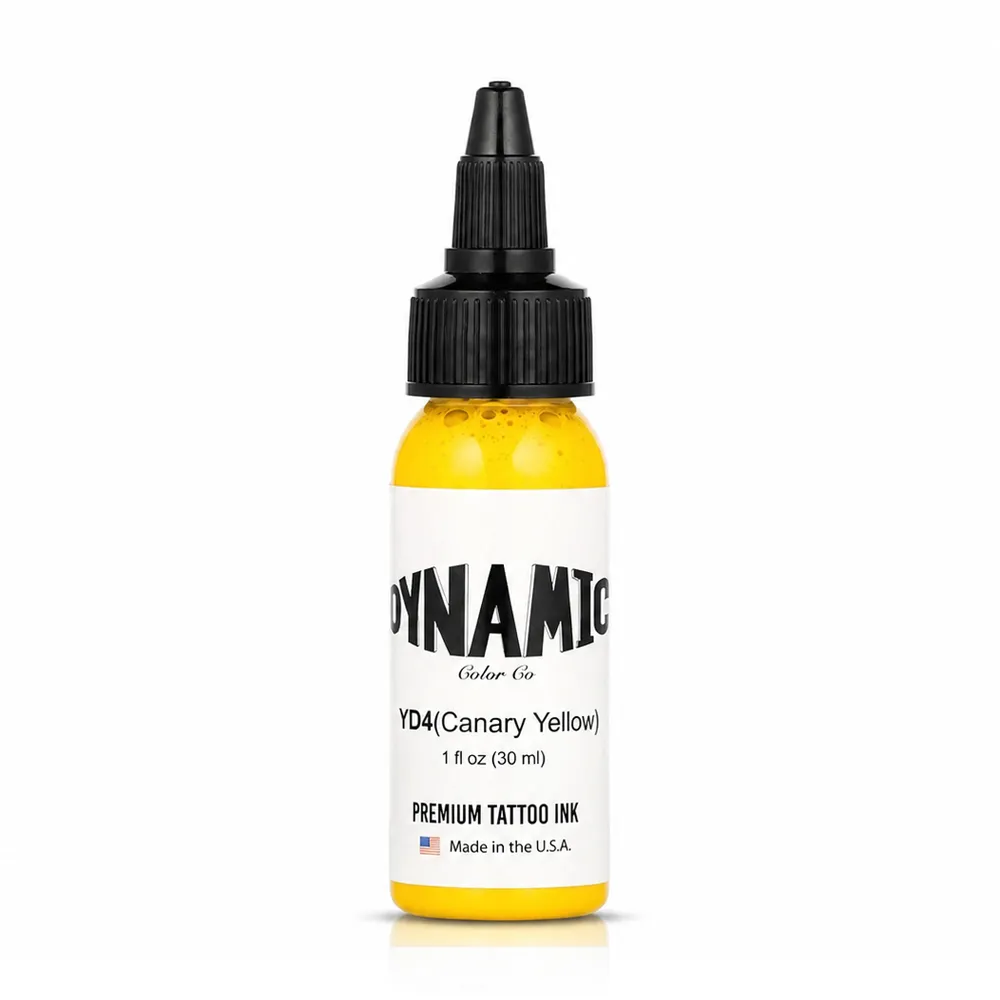 Selected Yellow Color
Dynamic - Canary Yellow 1 oz
Individual yellow ink option for the chosen traditional palette; check its label.
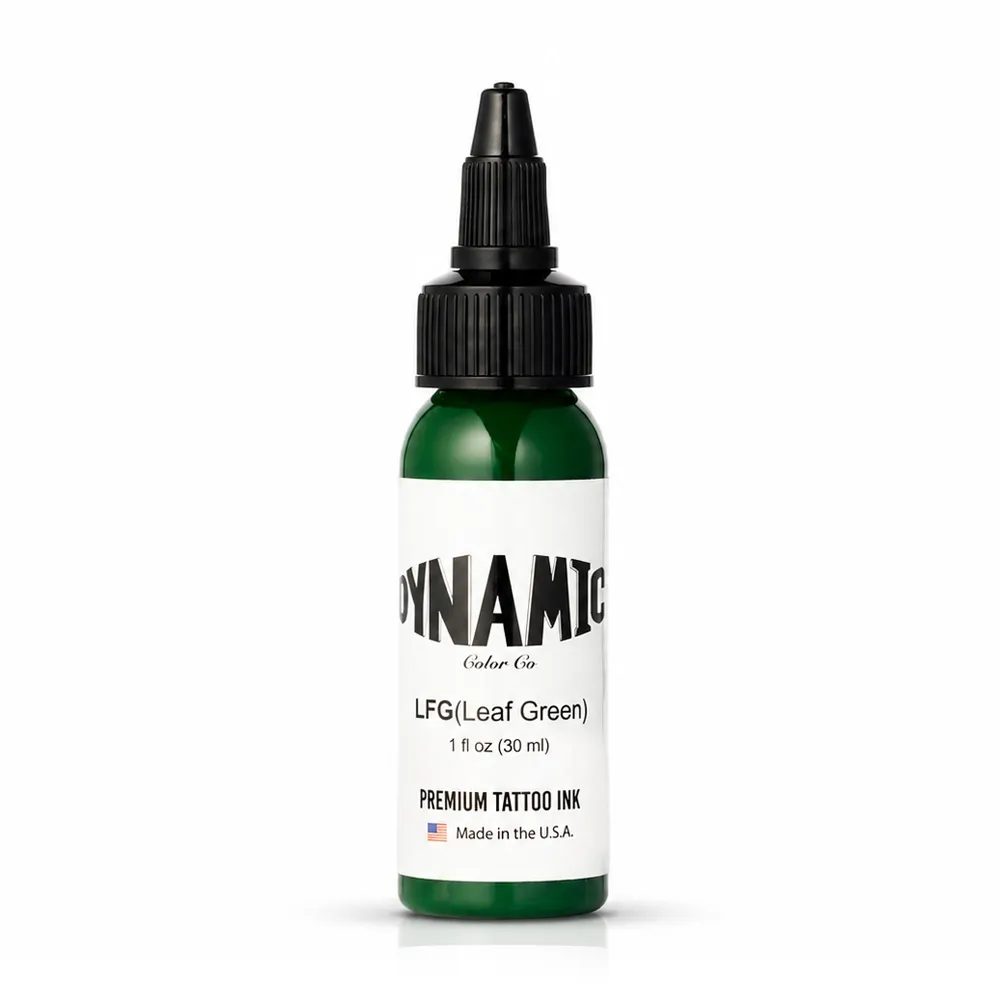 Selected Green Color
Dynamic - Leaf Green 1 oz
Individual green ink listing for the artist's approved design and color plan.
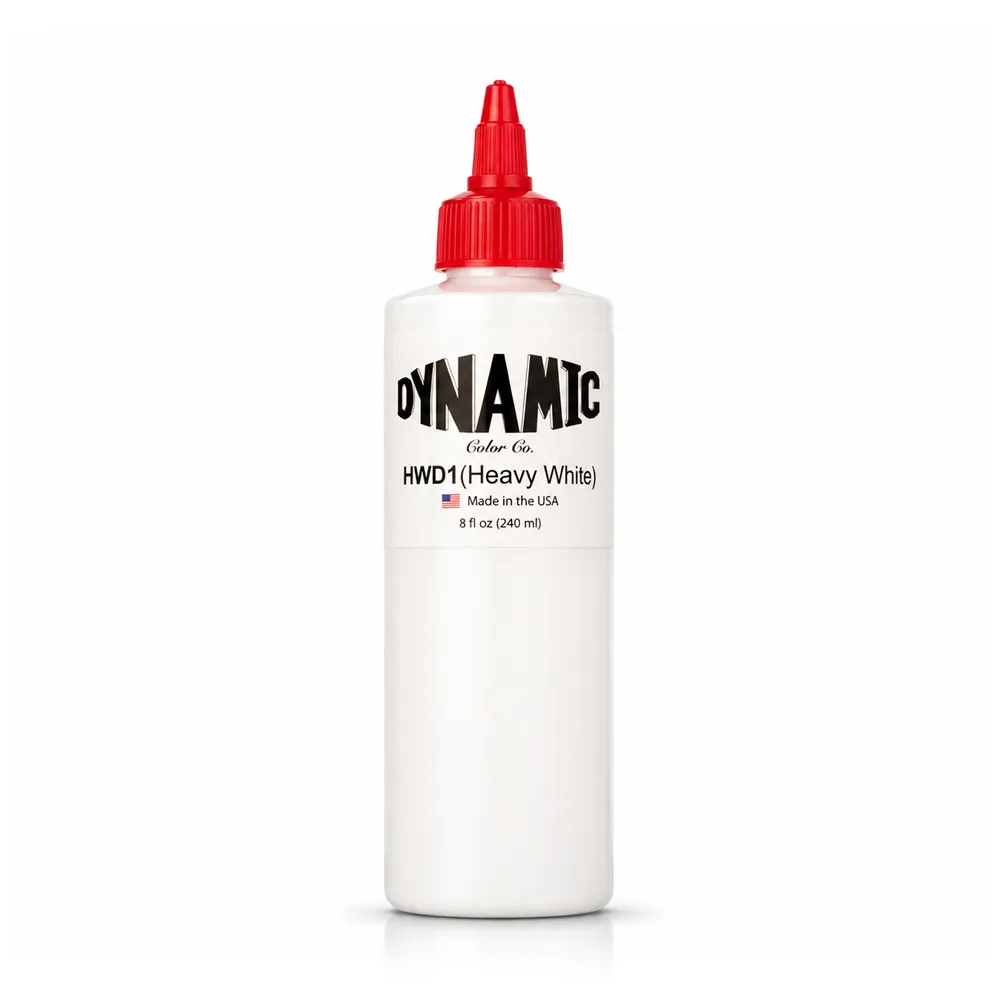 White Accent Ink
Dynamic - Heavy White
White ink option for selected accents; use according to the manufacturer label.
Browse Kwadron Cartridges Browse Dynamic Ink Traditional Needle Options
ARTIST'S BUYING CHECKLIST
What should you check before buying traditional needles, an ink set and lining black?
Choose a setup based on the approved flash and the machine you already use. The strongest purchasing decision is matching each instrument and ink to a specific role in the graphic design.
- Outline plan: Identify the heavy exterior boundary and smaller interior contours before selecting RL count.
- Diameter: Compare Peak's standard #12 guidance against the actual product diameter and the intended mark.
- Taper and format: Check grouping, taper, and cartridge versus bar-needle compatibility.
- Solid fills: Assign magnums to broader shapes and consider RS for small color regions.
- Black selection: Dynamic lists BLK for lines; Triple Black is documented for shading and packing.
- Palette: Compare the selected design to the product set's actual contents and individual colors.
- Machine: Use Peak's general lining and packing guidance as a starting reference for testing, not a universal preset.
- Coverage: Look for unfilled spots without repeatedly working an already even area.
- Highlights: Choose white only where the drawing calls for it and follow the label.
- Client review: Approve the flash, transfer and color plan before the session.
FAQ
Frequently asked questions about American traditional tattoo needles, ink and technique
These answers address the needle-size, black-ink, color-set and machine questions artists ask when learning or refining traditional flash.
What needle size is used for American traditional tattoo outlines?
Compare standard-diameter round liners. Peak identifies #12 (0.35 mm) standard pins for bold traditional work, but does not prescribe one RL count for every outline.
Should you use a round liner or a magnum for American traditional?
Kwadron describes RL for contours and magnums for broad filling. Use a round shader as another option for a smaller filled region.
Are standard needles or bugpins better for traditional tattoo lining?
Peak favors standard #12 for bold American traditional lines; it describes #10 and #8 bugpins as finer options for detailed work. Match the actual line weight.
What colors are used in American traditional tattoos?
StarBrite describes a limited palette of saturated primary and secondary colors held by black outlines. Red, yellow, blue and green are examples, not a required fixed set.
What ink set should I buy for American traditional tattooing?
Dynamic Traditional Color Set 1 oz is a listed option. Compare its actual contents to the flash and add individual colors only as the drawing requires.
What black ink is best for thick outlines and solid black fills?
Dynamic lists BLK for lining and packing and Triple Black for shading and packing, including traditional-style work. Choose the exact product for its documented role.
Is white ink used in traditional tattoos, and how do artists use it?
It can be a planned accent. We carry Dynamic Heavy White. Follow its manufacturer label and do not treat white as mandatory.
How do you pack solid color in traditional tattoos without overworking?
StarBrite describes one or two passes as a saturation goal. World Famous recommends checking for holidays and warns against repeated passes that damage skin.
What stroke and voltage should you use for traditional lining versus packing?
Peak favors longer stroke and higher voltage for lining; for packing it cites 3.5–4.0 mm with medium voltage and give. Follow your machine manual.
Who started American traditional tattoos: was it Sailor Jerry?
NPS traces sailor flash to the 1930s–1940s; Smithsonian documents World War II-era flash, and PBS says Norman Collins tattooed sailors in Honolulu.
Why do American traditional tattoos have bold outlines and limited colors?
StarBrite describes those as stylistic features that keep the image graphically clear. They are useful design conventions, not mandatory numbers.
Do you need a coil tattoo machine for American traditional?
No. Kwadron offers both cartridge and bar-needle options; choose the format that fits your machine and the control you need.
RESEARCH
Sources Consulted
NPS, Smithsonian and PBS provide the short history; StarBrite, Peak, Kwadron, Dynamic and World Famous provide attributed manufacturer guidance on style, needles, machines and ink.
- National Park Service: Sea Stories on the Skin
- Smithsonian National Air and Space Museum: Body Art During World War II
- PBS Antiques Roadshow: Vintage Tattoo Flash Art
- StarBrite: Tattoo Styles, Inks and Techniques
- Peak Needles: Bugpin vs Standard Tattoo Needles
- Peak Needles: Machine Setup for Lining, Shading and Color
- Kwadron: Needle Configuration Guide
- Dynamic Color: Dynamic Blacks Explained
- World Famous Tattoo Ink: How to Master Color Packing