Powered by Comercia.io
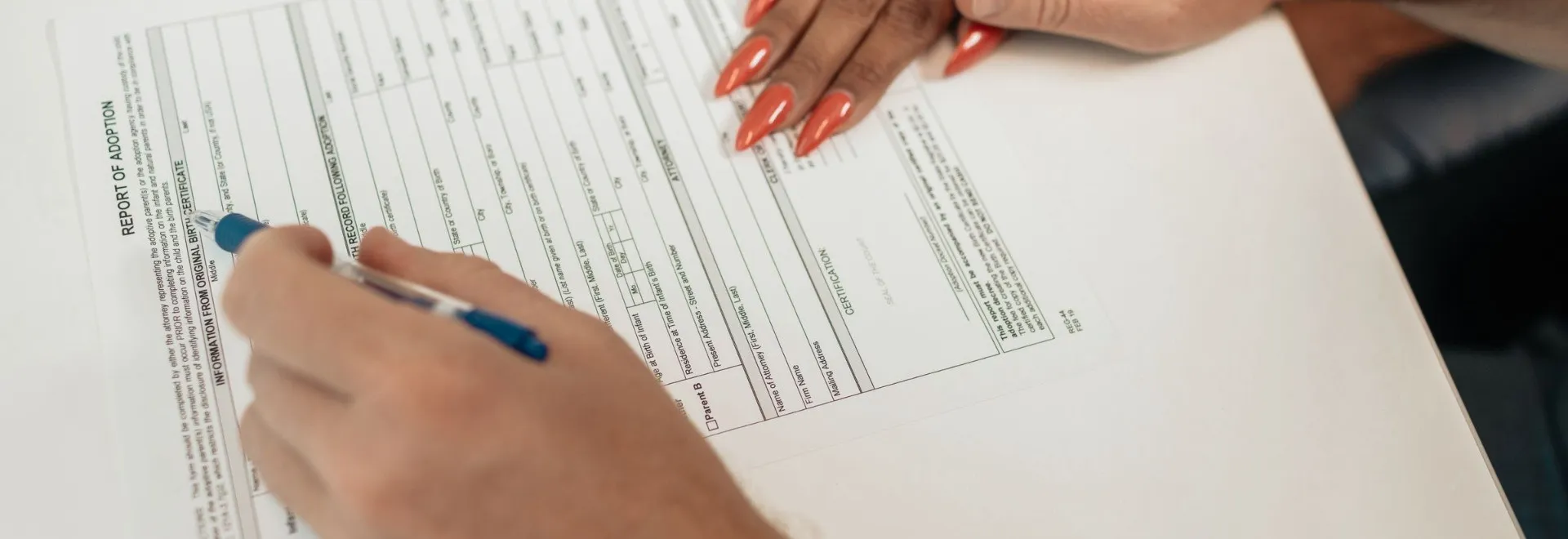
A PMU consent and aftercare form should address risk disclosure, procedure documentation, and written care instructions. In Texas, the Department of State Health Services (DSHS) classifies permanent makeup as tattooing, requiring verbal and written risk disclosure, a client record identifying the colors used, treatment location, artist, client signature and aftercare acknowledgment, and both oral and written care instructions. These requirements are relevant to studios offering microblading, powder brows, lip blush, and permanent eyeliner.
Shop PMU Pigments View Official Form Reference
QUICK ANSWER
What Should a PMU Consent and Aftercare Form Include?
Organize your permanent makeup paperwork around three functions: informing the client about risks, documenting the procedure, and communicating appropriate aftercare. Under the published Texas tattoo rules, these functions include written information, verbal communication, and a signed acknowledgment in the client record.
Consent and Risk Disclosure
Explain permanence, infection risk, and the possibility of allergic reactions before the procedure.
Permanent Client Record
Document the artist, treatment location, specific pigment colors, client information, and required signatures.
Aftercare Instructions
Provide oral and written care guidance, studio contact information, and instructions for seeking medical attention and reporting reactions.
TEXAS PMU REQUIREMENTS
Is Permanent Makeup Regulated as Tattooing in Texas?
Yes. The Texas Department of State Health Services includes permanent cosmetics in its definition of tattooing. Its studio licensing information specifically includes businesses performing permanent cosmetics alongside traditional tattooing and scarification.
For PMU artists opening a studio, adding permanent makeup services to an existing tattoo business, or developing a new client documentation system, this classification is important. The published tattoo rules provide the regulatory framework for risk disclosure, client records, and care instructions.
This applies to permanent makeup services such as eyebrow microblading, powder brows, lip blush, and permanent eyeliner.
Confirm Current Requirements Before Using Your Forms
The Texas rule document referenced in this guide dates from 2005, and the official sample client record dates from 2008. Studio owners should confirm current requirements and their application to PMU with DSHS at 512-834-6600 and consult an attorney when preparing or reviewing legal documents. This guide is an educational reference, not legal or medical advice.
For more information about studio licensing, read our Texas permanent makeup and microblading licensing guide.
DOCUMENT COMPARISON
What Is the Difference Between a PMU Consent Form, Client Record, and Aftercare Sheet?
These documents serve different purposes. A consent form communicates risks, a permanent client record identifies what happened during the procedure, and an aftercare sheet explains how the treated area should be cared for.
A studio may organize these functions within a combined documentation packet. The important distinction is that each function remains complete and identifiable.
| Document | What It Includes | Source |
|---|---|---|
| PMU Consent and Risk Disclosure | Information about permanence, infection risk, possible allergic reactions, and verbal and written communication before the procedure. | Texas DSHS, Section 229.406(h). |
| Permanent Client Record | Client information, specific pigment colors, treatment location, artist identification, client signature, and acknowledgment of written care instructions. | Texas DSHS, Section 229.406(j), and Sample Tattoo Client Record. |
| PMU Aftercare Sheet | Written care guidance, applicable cleansing and dressing instructions, exposure precautions, contact details, and medical attention and reporting instructions. | Texas DSHS, Section 229.408. Confirm how its tattoo requirements apply to PMU. |
INFORMED CONSENT
What Should a Permanent Makeup Consent Form Include?
Section 229.406(h) of the published Texas tattoo rules requires clients to receive information about procedure risks verbally and in writing before each tattoo. For permanent makeup studios, this means risk communication should be part of the consultation and documentation process.

Permanence of the Procedure
DSHS identifies the permanence of the markings as information that must be communicated. Keep this disclosure clear even when your service is marketed using terms such as semi-permanent makeup.
Risk of Infection
The Texas rules include infection risk among the required disclosures. The written information should be accompanied by the artist's verbal explanation.
Possibility of Allergic Reactions
DSHS includes possible reactions to pigments or other materials used during the procedure among the risks that must be communicated.
Does Consent Need to Be Explained Before Every PMU Appointment?
The published Texas rule addresses risk disclosure before each tattoo. Build the disclosure process into each applicable procedure appointment, including work performed on returning clients.
Should the Consent Form Describe the Expected Result?
Keep the planned service and aesthetic discussion separate from statements promising a particular healed appearance. Documenting the intended work is more useful than making promises about pigment retention, color, symmetry, or future results.
Can a Minor Sign a Permanent Makeup Consent Form in Texas?
The published Texas tattoo rules establish a minimum client age of 18 and require government-issued identification. A narrow exception concerns tattooing to cover an existing tattoo under specific circumstances. It should not be treated as general permission to perform cosmetic tattooing on minors with parental consent.
Review our Texas tattoo age, identification, and consent requirements guide for additional context.
FREE FORM REFERENCE
Where Can PMU Artists Download a Free Consent Form PDF?
Texas DSHS publishes a downloadable Sample Tattoo Client Record, identified as DMDG-121. It provides an official example of how risk disclosure, client information, procedure details, and aftercare acknowledgment can be organized.
The document is a tattoo client record rather than a dedicated permanent makeup consent form. PMU studio owners can review its structure when developing their own paperwork for brows, lips, and eyeliner.
Fields Included in the DSHS Sample
- Written risk disclosure.
- Client name, address, and telephone number.
- Date of birth, age, and identification type.
- Client signature.
- Acknowledgment of care instructions.
- Specific colors used and corresponding catalog numbers.
- Location of the tattoo.
Download DSHS Sample Tattoo Client Record PDF
Artists searching for a printable microblading consent form, permanent makeup release form, or digital PMU client form can use this sample to understand the state's documentation structure. For a PMU-specific form or current approved documentation, contact DSHS before adopting a template.
CLIENT DOCUMENTATION
What Information Should a PMU Client Record Include?
According to Section 229.406(j) of the published Texas rules, the client record must identify the specific colors used, treatment location, artist, client signature, and acknowledgment of applicable written care instructions. The DSHS sample also illustrates how client identification and contact information can be organized.
Client and Procedure Information
- Client name and contact information.
- Date of birth, age, and identification information.
- Specific colors used during the procedure.
- Manufacturer catalog or color identification information.
- Location of the procedure on the body.
- Name of the artist performing the procedure.
- Client signature and acknowledgment of written care instructions.
How Should Artists Describe the Treatment Location?
Use the procedure and anatomical location to make the record useful for future studio reference. A PMU studio may organize this field into recognizable service categories such as the following:
- Microblading or powder brows: Eyebrow area and corresponding service.
- Lip blush: Lip area and procedure performed.
- Permanent eyeliner: Eyelid area and corresponding eyeliner service.
- Color correction: The existing PMU area being treated and the corrective service performed.
For studios offering corrective services, see our guide to PMU color correction for brows and lips.
How Long Should PMU Client Records Be Kept?
The published Texas rule specifies a retention period of at least two years following the date of the last entry. When reviewing records from returning clients, pay attention to the most recent entry rather than relying exclusively on the original appointment date.
Use the official rules to review the complete record requirements and confirm current retention obligations with DSHS.
PRODUCT IDENTIFICATION
How Should PMU Artists Record Pigment Colors and Lot Numbers?
The Texas rules require identifying the specific colors used, and the DSHS sample includes a catalog number field. For a more organized studio reference, artists can also maintain separate fields for the commercial product name and the lot or batch number shown on the product label.

Keep these identifiers separate. A shade name identifies the color, a catalog number identifies the corresponding product or color reference, and a lot number identifies its production batch. A lot-number field is an additional documentation practice rather than a replacement for the color and catalog fields.
Example Pigment Documentation Fields
- Brand: Manufacturer or commercial pigment brand.
- Product name: Exact shade name from the bottle.
- Catalog number: Corresponding manufacturer identification.
- Lot or batch number: Information transcribed from the product label.
- Procedure location: The area where the pigment was used.
What Products Can Be Used as Documentation Examples?
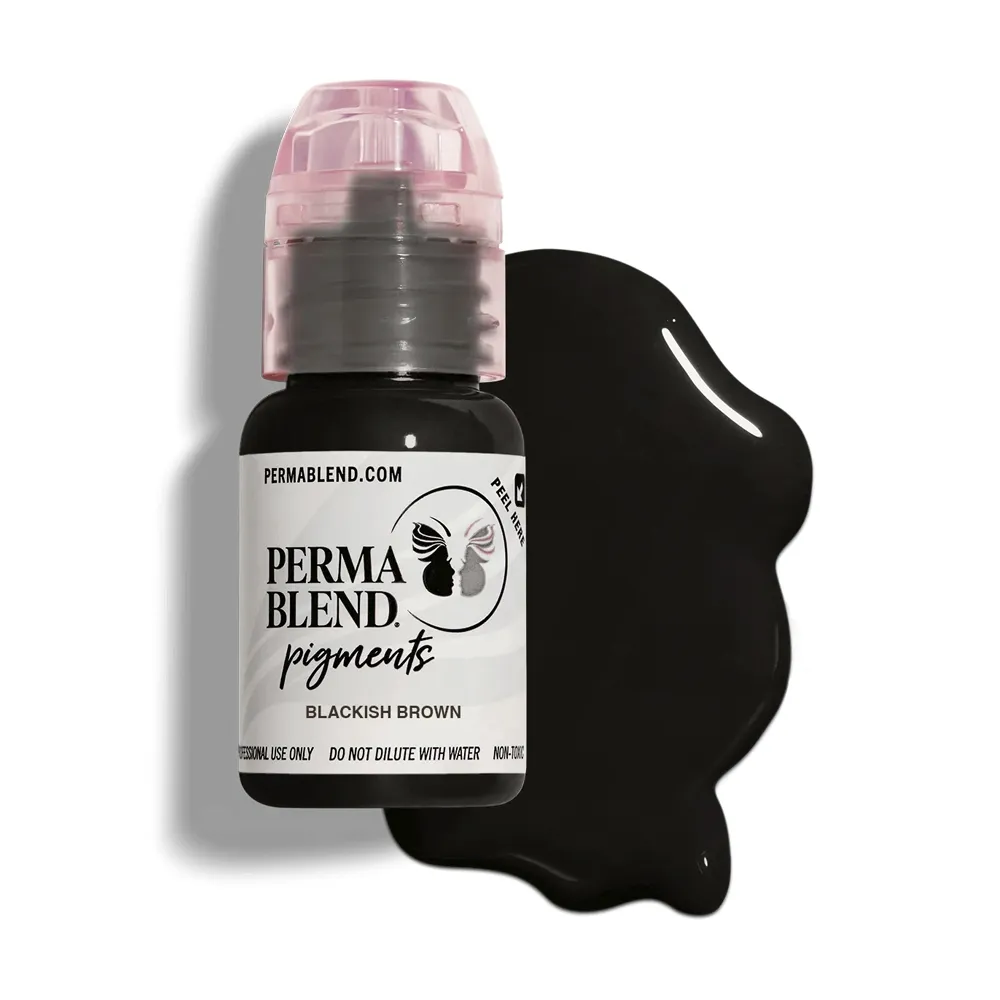
At SVT Shop, we carry Perma Blend pigments and Kwadron PMU cartridges. These products illustrate how exact product names can be entered into a studio's pigment record and optional equipment documentation.
 Pigment Record Example
Perma Blend - Blackish Brown 1/2 oz
An example of a specific shade name to document alongside the corresponding catalog and batch information from the product label.
 Pigment Identification
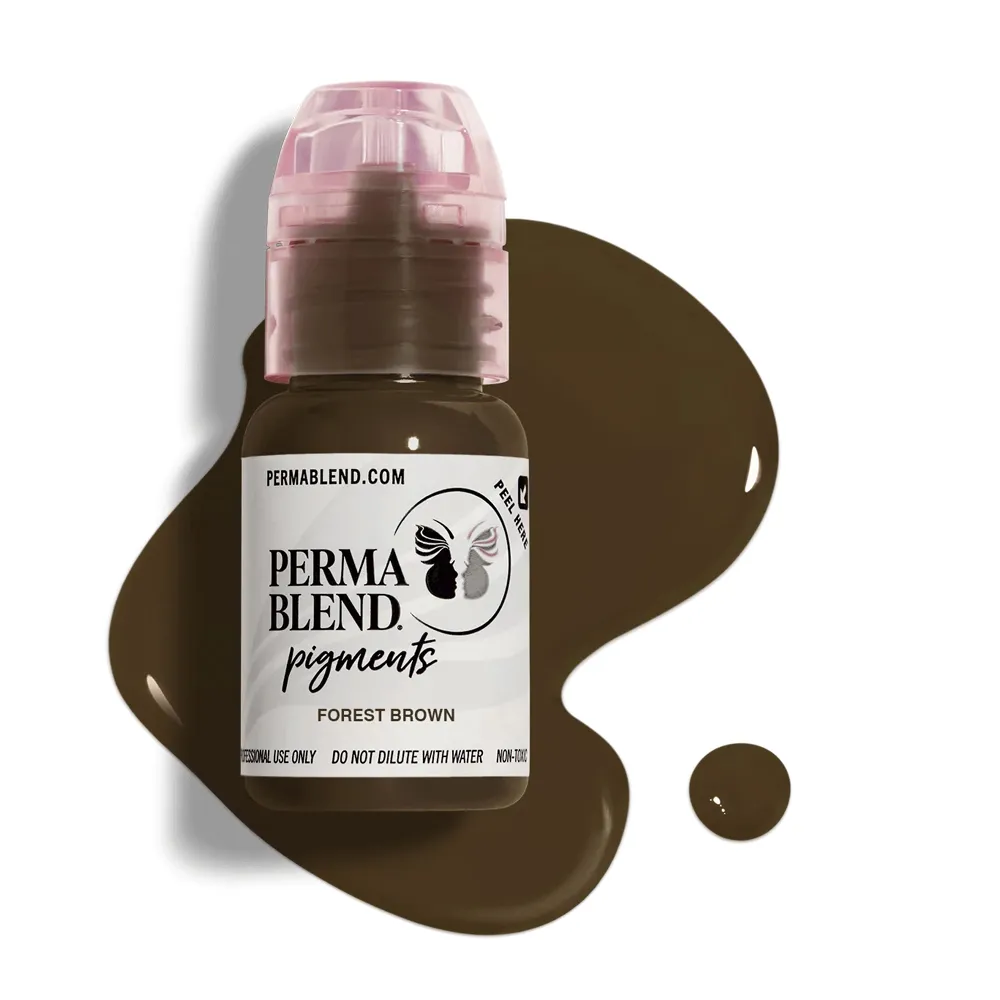
Perma Blend - Forest Brown 1/2 oz
Record the complete commercial shade name to distinguish this pigment from other brown colors in your studio inventory.
 Color Documentation
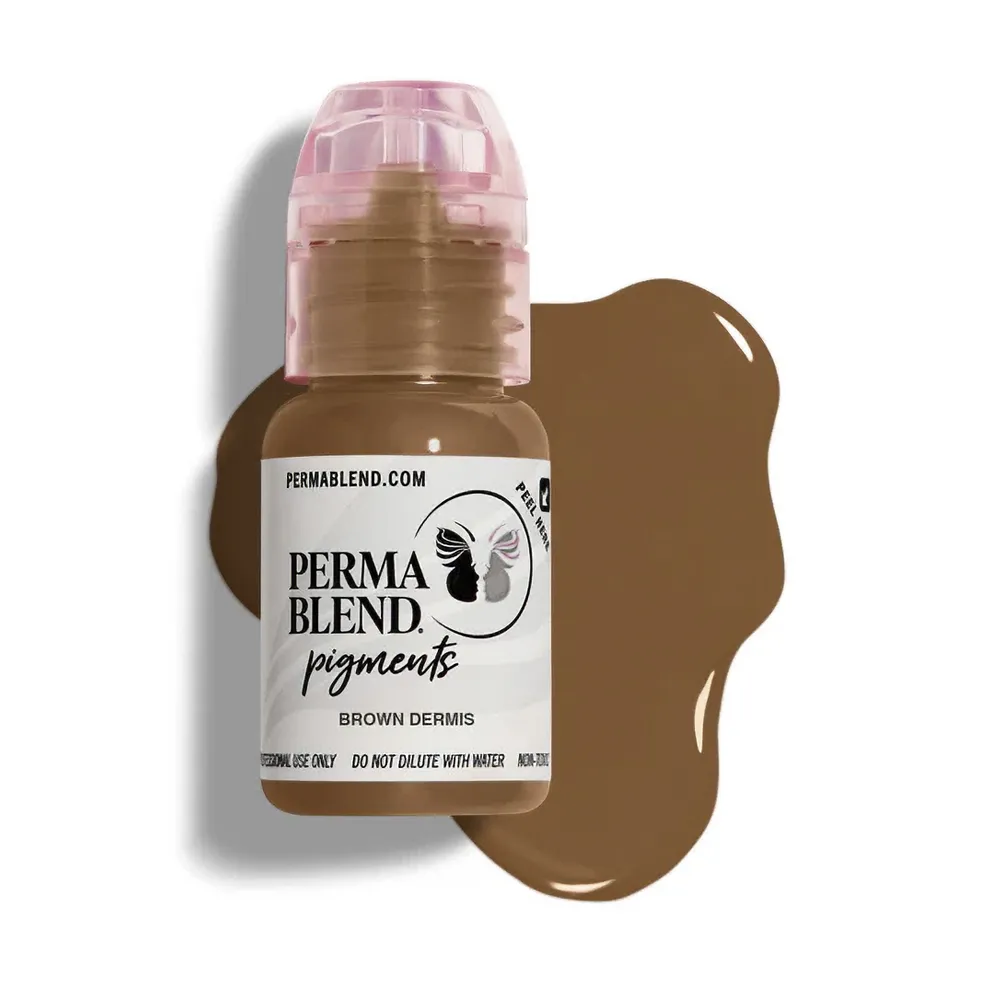
Perma Blend - Brown Dermis 1/2 oz
Another example of an individual pigment that can be identified using its exact product name and corresponding label information.
 Optional Equipment Record
Kwadron PMU Optima Cartridges 251RLLT
An example of a cartridge designation artists can document in an additional equipment field for their own procedure reference.
For more product identification information, explore our tattoo ink label and FDA information guide and PMU needle sizes and configurations guide.
WRITTEN CARE INSTRUCTIONS
What Should a PMU Aftercare Instruction Sheet Include?
Section 229.408 of the published Texas tattoo rules requires clients to receive oral and written care instructions after tattooing. The written instructions must address several specific care and reporting topics.
The minimum content below is written for tattooing. Because permanent cosmetics fall within the Texas tattoo definition, PMU studio owners should confirm with DSHS how these minimum requirements apply to their specific procedures and aftercare documents.
| Aftercare Topic | Content in the Published Texas Tattoo Rule |
|---|---|
| Sun Exposure and Swimming | Minimizing sun exposure and discouraging swimming for at least two weeks. |
| Cleansing | Instructions concerning cleansing of the tattooed area. |
| Ointment or Cream | The rule includes instructions concerning antibiotic ointment or cream. |
| Dressings | Sterile bandages or other sterile dressings when necessary. |
| Contact Information | Artist and studio identification, address, and telephone information. |
| Medical Attention | Consulting a healthcare practitioner at the first sign of infection or allergic reaction. |
| Reporting | Reporting infection or allergic reactions to the artist and DSHS at 1-888-839-6676. |
Distinguish Tattoo Requirements From PMU Product Instructions
The table summarizes the published tattoo rule rather than prescribing an identical care routine for brows, lips, and eyeliner. Confirm the applicable requirements with DSHS, review procedure-specific manufacturer guidance, and seek appropriate professional input regarding medications or products used near sensitive areas.
Does the Client Have to Sign for Aftercare Instructions?
Yes. The published Texas rules require a signed statement in the permanent client record acknowledging receipt of written care instructions. The record also includes acknowledgment that the client has read and understands those instructions.
Providing an aftercare sheet and documenting its receipt are separate parts of the studio workflow.
PROCEDURE-SPECIFIC AFTERCARE
What Do Official PMU Aftercare Recommendations and Manufacturers Say?
Official local health departments and permanent makeup manufacturers publish aftercare guidance that artists can review when developing procedure-specific instructions. Keep the source, intended procedure, and product context attached to each recommendation.
What Does Sacramento County Recommend for Lip Blush Aftercare?
Sacramento County Environmental Management publishes a recommended permanent cosmetics aftercare notice specifically addressing lips.
Its recommendations include gently applying the recommended ointment with a cotton swab three to five times daily for at least one week and avoiding makeup on the tattooed area for three days. The county also directs clients to contact the tattoo shop and seek medical care if signs or symptoms of infection develop.
These are Sacramento County's lip-specific recommendations, not Texas regulatory requirements or a universal PMU aftercare schedule.
For additional procedure context, see our lip blush healing stages and aftercare guide.
What Does Tina Davies Recommend in Its PMU Aftercare Guide?
Permanent makeup manufacturer Tina Davies describes gently washing the procedure area in the morning and evening using water and antibacterial soap. Its aftercare publication also discusses contacting the artist when concerns such as excessive redness, swelling, or signs of infection arise.
The manufacturer's publication includes its own product-specific aftercare approach. Artists should review the original guidance in its intended context rather than automatically applying that routine to every PMU procedure or product.
Should Brows, Lips, and Eyeliner Have Separate Aftercare Sheets?
A procedure-specific document allows the studio to organize applicable guidance without copying lip instructions into an eyebrow or eyeliner handout. Maintain the required risk and reporting information while tailoring the care content using relevant professional and manufacturer guidance.
Artists offering eyebrow services can also review our microblading and powder brows healing guide.
ADVERSE REACTION REPORTING
What Should PMU Studios Include About Infection and Allergic Reactions?
The published Texas tattoo care requirements direct clients to consult a healthcare practitioner at the first sign of infection or an allergic reaction and report the concern to the artist and DSHS.
Healthcare Practitioner
Include instructions to seek medical evaluation at the first sign of infection or allergic reaction. Medical assessment is separate from the artist's review of the procedure.
Artist and Studio
Include the appropriate studio and artist contact information so the client can report concerns and identify the procedure involved.
Texas DSHS
The published Texas tattoo rules identify 1-888-839-6676 as the telephone number for reporting infection or allergic reactions.
FDA Reporting
The FDA encourages consumers and healthcare professionals to report adverse reactions associated with tattoos and permanent makeup.
What Does the FDA Say About Permanent Makeup Pigments?
The FDA classifies inks used in intradermal tattooing, including permanent makeup, as cosmetics. Its tattoo and permanent makeup fact sheet also identifies contaminated tattoo inks as a potential source of infection.
This classification provides regulatory context for both product documentation and adverse reaction reporting. For differences between the product categories, see our tattoo ink versus PMU pigment guide.
For concerns involving possible infection, studios can reference our guide to infection signs and normal tattoo healing while directing clients to a healthcare practitioner rather than attempting to diagnose a condition.
STATE-SPECIFIC REQUIREMENTS
Can the Same PMU Consent Form Be Used in Every State?
Artists should review the requirements applicable to their own studio location before adopting a permanent makeup form from another state. Georgia provides an example of a regulatory framework with specific form approval requirements.
Georgia's body art rules include microblading and require application, client evaluation, and informed consent documentation approved by the Health Authority. Its written aftercare instructions must also be reviewed and approved by the Health Authority.
Before Using an Online Template
Identify the jurisdiction for which the form was prepared, check whether local approval is required, and review its procedure and record fields. A professionally designed form still needs to address the applicable studio requirements.
STUDIO WORKFLOW
How Can PMU Studios Organize Consent, Client Records, and Aftercare?
A consistent documentation workflow helps artists complete the appropriate paperwork at each stage of an appointment. Organize the process around what must be explained, what must be recorded, and what must be provided to the client.
Prepare the Client Information
Review the required identification, age information, contact details, and applicable procedure documentation.
Complete Risk Disclosure
Provide the written risk information and explain the applicable risks verbally before the procedure.
Document the Procedure
Enter the specific colors used, treatment location, artist, and corresponding product identification information.
Provide and Explain Aftercare
Give the applicable written instructions, explain them verbally, and include contact and reporting information.
Complete the Permanent Record
Review the required signatures and aftercare acknowledgment before organizing the completed client documentation.
Studios adding optional equipment fields can also use our PMU machine versus tattoo machine guide as a reference for organizing their equipment terminology.
COMMON DOCUMENTATION MISTAKES
What Are the Most Common Mistakes With PMU Consent and Aftercare Forms?
When reviewing studio paperwork, look beyond the appearance of the template. Check whether the document actually supports risk communication, procedure identification, care instructions, and the required acknowledgment process.
Collecting a Signature Without Explaining Risks
The published Texas rules require verbal and written risk disclosure. Include both forms of communication in the appointment workflow.
Using an Incomplete Pigment Description
Document the specific commercial color and corresponding identification information rather than entering only a broad description such as brown or pink.
Using Identical Care Instructions for Every Procedure
Review the applicable regulatory requirements and procedure-specific guidance when preparing separate instructions for brows, lips, and eyeliner.
Forgetting the Aftercare Acknowledgment
Providing the instructions does not replace the signed acknowledgment required in the permanent client record.
Leaving Out Reporting Information
Include appropriate medical attention instructions, studio contact details, and the DSHS reporting number.
Promising a Particular Healed Result
Use paperwork to communicate the planned service and relevant risks rather than promising a specific cosmetic outcome.
Copying Forms From Another Jurisdiction
Review local requirements and any applicable approval process before using a template prepared for another state.
Calculating Retention From the First Appointment
The published Texas retention period is measured from the last entry in the record. Review subsequent procedure documentation accordingly.
Final Studio Documentation Checklist
- Current requirements reviewed with the applicable authority.
- Verbal and written risk disclosure included.
- Client identification and procedure fields organized.
- Specific pigment colors and identification fields available.
- Applicable written and oral care instructions prepared.
- Client signature and aftercare acknowledgment included.
- Medical attention and reporting instructions available.
- Permanent record retention process established.
Build an Organized PMU Studio With SVT Shop
We carry professional permanent makeup supplies, including Perma Blend pigments and Kwadron PMU cartridges. Explore products for your studio and maintain clear documentation of the materials used during each procedure. SVT Shop serves permanent makeup and tattoo professionals in El Paso, Texas.
FAQ
Frequently Asked Questions About PMU Consent and Aftercare Forms
These questions address common concerns among permanent makeup artists, microblading professionals, and studio owners preparing client paperwork.
Is a consent form required for PMU in Texas?
Texas includes permanent cosmetics within its tattooing definition. The published tattoo rules require verbal and written risk disclosure before each procedure, a signed client record, and acknowledgment of written care instructions.
Do I need a license for microblading in Texas?
Texas DSHS includes permanent cosmetics within its tattoo studio licensing framework. Artists planning to offer microblading should review the applicable studio licensing requirements with DSHS.
What must a PMU client record include?
The published Texas rules include the specific colors used, procedure location, artist name, client signature, and acknowledgment of written care instructions. The official sample also illustrates client identification, contact information, and color catalog fields.
How long do PMU artists need to keep client records in Texas?
The published Texas tattoo rules specify at least two years following the date of the last entry in the permanent client record. Confirm current requirements with DSHS when establishing your studio's record retention process.
What should be included in PMU aftercare instructions?
Review the Texas tattoo rule's minimum care topics, including cleansing, exposure precautions, applicable ointment and dressing instructions, contact information, medical attention, and reporting. Confirm how these requirements apply to the specific PMU procedure and review relevant manufacturer guidance.
Where can I download a free PMU consent form PDF?
Texas DSHS offers a free Sample Tattoo Client Record PDF. It is a tattoo form that illustrates risk disclosure, client information, color documentation, and aftercare acknowledgment. Contact DSHS for current PMU-specific form guidance.
Does the client need to sign for PMU aftercare instructions?
Yes. The published Texas rules require a signed statement in the permanent client record acknowledging receipt of written care instructions, together with acknowledgment that the instructions have been read and understood.
Can a minor receive permanent makeup with parental consent in Texas?
The published Texas tattoo rules establish a minimum age of 18 and require government-issued identification. The narrow exception for covering an existing tattoo is not general authorization for cosmetic tattooing on minors.
What does the FDA say about permanent makeup ink and allergic reactions?
The FDA classifies permanent makeup inks as cosmetics and encourages reporting of adverse reactions. It also identifies contaminated tattoo inks as a potential source of infection. Studios should direct clients with concerning symptoms to a healthcare practitioner.
Where do I report an infection after permanent makeup in Texas?
The published Texas tattoo care rule directs clients to consult a healthcare practitioner at the first sign of infection or allergic reaction and report the concern to the artist and DSHS at 1-888-839-6676.
Can I use a digital PMU consent form instead of a printable form?
When evaluating digital paperwork, review the applicable requirements for signatures, client records, written care instructions, and retention. Confirm the acceptability of your digital documentation and signature process with DSHS and appropriate legal counsel before adopting it.
RESEARCH
Sources Consulted
The following government and manufacturer resources provide the regulatory, documentation, and attributed aftercare information discussed in this guide.
-
Texas Department of State Health Services: Tattoo and Body Piercing Studio Rules
Published 2005 rule document covering definitions, risk disclosure, client records, age requirements, and care instructions.
-
Texas Department of State Health Services: Sample Tattoo Client Record, DMDG-121
Official 2008 sample illustrating client information, risk disclosure, color identification, signatures, and aftercare acknowledgment.
-
Texas Department of State Health Services: Licensing Requirements for Tattoo and Body Piercing Studios
Studio licensing information covering permanent cosmetics.
-
Texas Department of State Health Services: Frequently Asked Questions About Getting a Tattoo or Body Piercing
Classification of permanent makeup within tattooing.
-
U.S. Food and Drug Administration: Tattoos & Permanent Makeup Fact Sheet
Cosmetic classification, contaminated pigment concerns, and adverse reaction reporting.
-
Georgia Secretary of State: Body Art Rules, Chapter 511-3-8
Microblading regulation, informed consent, and Health Authority approval requirements for written aftercare instructions.
-
Sacramento County Environmental Management: Recommended Permanent Cosmetics Aftercare - Lips
County-specific lip aftercare recommendations and medical attention instructions.
-
Tina Davies: PMU Aftercare 101
Manufacturer-published permanent makeup care guidance.