Powered by Comercia.io
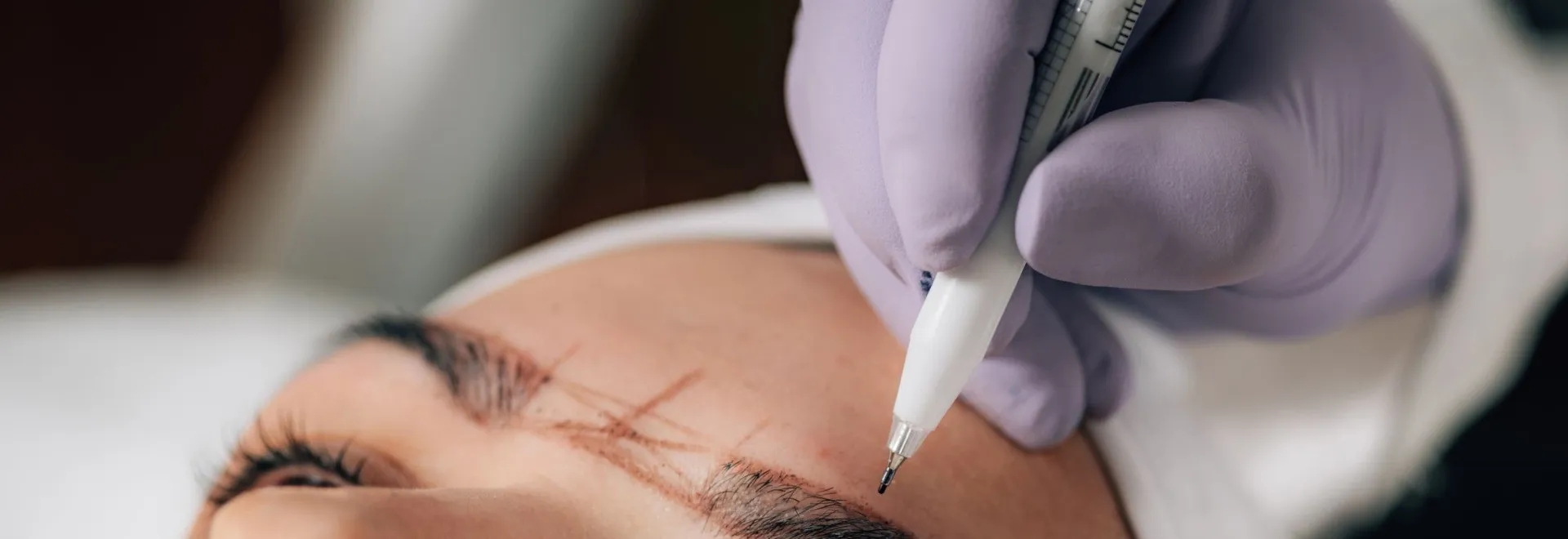
FDA warns against OTC numbing products with more than 4% lidocaine on skin, heavy use on large areas or broken skin, and covering treated skin with plastic wrap. Its 2024 warnings address products marketed around tattooing and cosmetic procedures. For PMU artists working on brows, lips and eyeliner, review the exact drug label and intended use, not marketing about the strongest cream.
Read FDA Topical Pain-Relief Warning Read Our Numbing Overview
QUICK ANSWER
What does the FDA say about numbing cream for microblading, lip blush and PMU?
FDA warns against OTC products above 4% lidocaine, large areas, broken skin and coverings. Tattoo and piercing are not M017 indications; review the label and consult clinicians.
ACTIVE INGREDIENT
Check the printed lidocaine strength and every active ingredient.
LABELED PURPOSE
Do not assume PMU use is authorized simply because the packaging says tattoo, brow or lip.
EXPOSURE CONDITIONS
FDA flags larger areas, compromised skin and coverings as absorption concerns.
FDA NEWS RELEASE / MARCH 26, 2024
What did the FDA warn about in topical pain-relief products promoted for tattooing?
The FDA warned about certain OTC topical analgesics marketed for tattooing, piercing and other cosmetic services. In March 2024 it issued six warning letters involving unapproved or misbranded drugs and concerns about increased skin absorption.
FDA identifies possible irregular heartbeat, seizures and breathing difficulties, plus potential drug or supplement interactions. The strongest marketing claim is not a purchasing criterion.
Review the FDA warning before setting a studio purchasing policy.
FDA WARNING TO PRODUCT-LABEL CHECK
What should a PMU artist look for on a topical numbing product label?
Check strength, intended use and warnings. This is not medication instruction.
| FDA warning or finding | What to check on the label or product documents | What not to assume |
|---|---|---|
| OTC products above 4% lidocaine | Exact lidocaine or lidocaine HCl percentage and all other active ingredients | That stronger means suitable for a PMU procedure |
| Heavy application over large skin areas | Warnings, intended area and directions relevant to the stated use | That more surface coverage is harmless |
| Irritated or broken skin | Whether the labeling refers to intact, irritated or broken skin | That secondary numbing marketing authorizes use on broken skin |
| Plastic wrap or other dressings | Any instruction encouraging covering or occlusion | That wrapping is a routine, risk-free step |
| Marketing for tattooing or PMU | Uses and indications, not just an image of brows, lips or a tattoo | That tattoo or PMU wording proves FDA authorization |
| OTC M017 external analgesic conditions | Whether the product follows the relevant drug pathway, composition and labeled-use conditions | That 4% alone makes a product compliant for tattooing |
| Potential severe reactions | Drug warnings and the route for contacting the manufacturer or reporting problems | That a cosmetic-procedure promotion rules out systemic effects |
If the label and advertising conflict, ask the manufacturer about the exact product.
WHAT THE 4% NUMBER ACTUALLY MEANS
Does FDA guidance allow more than 4% lidocaine in over-the-counter PMU numbing cream?
FDA advises against OTC products above 4% lidocaine on skin. Its 2024 letter cites the 0.5%–4% M017 range and a 5% product above it.
This OTC guidance is not a blanket legal ruling about every medical use; nor does a 4% label authorize microblading or lip blush. Strength and indication are separate questions.
4% is a check, not a PMU endorsement
Even when a container displays 4%, check its labeled indication and the conditions under which it is marketed. The FDA's warning letter says tattooing and piercing uses are not included in M017.
PMU ADVERTISING VERSUS OTC DRUG INDICATIONS
Does a numbing cream labeled for permanent makeup or microblading have FDA approval for that use?
PMU marketing does not establish FDA drug approval. A March 25, 2024 letter cites external-analgesic advertising for tattoos, permanent makeup, brows, lips and eyeliner.
FDA said tattooing and piercing are not indications covered by OTC monograph M017. It also considered the specific composition and concentration. The letter's findings concern the products addressed.
A product advertised as PMU numbing gel still needs its actual labeled-use claim reviewed.
LARGE AREAS, BROKEN SKIN AND COVERINGS
Why does the FDA warn against large applications, broken skin and wrapping numbing cream?
FDA warns that large-area application, irritated or broken skin and coverings can increase drug absorption. Its advice is to avoid these practices with OTC topical pain-relief products.
FDA also flags cosmetic-procedure use without professional medical supervision. Advertising a covering or broken-skin use does not cancel its warning.
Do not turn a supplier demonstration into a drug instruction
FDA advises against covering treated skin and against use on irritated or broken skin. Refer questions about a particular person's skin, prescription or medication use to a physician or pharmacist.
BROWS, LIPS AND EYELINER ARE MARKETING CONTEXTS
How should microblading, lip-blush and eyeliner artists interpret numbing claims?
The FDA letter cited advertising for PMU brows, lips and eyeliner. Quoting a seller's claim is not FDA endorsement of that use.
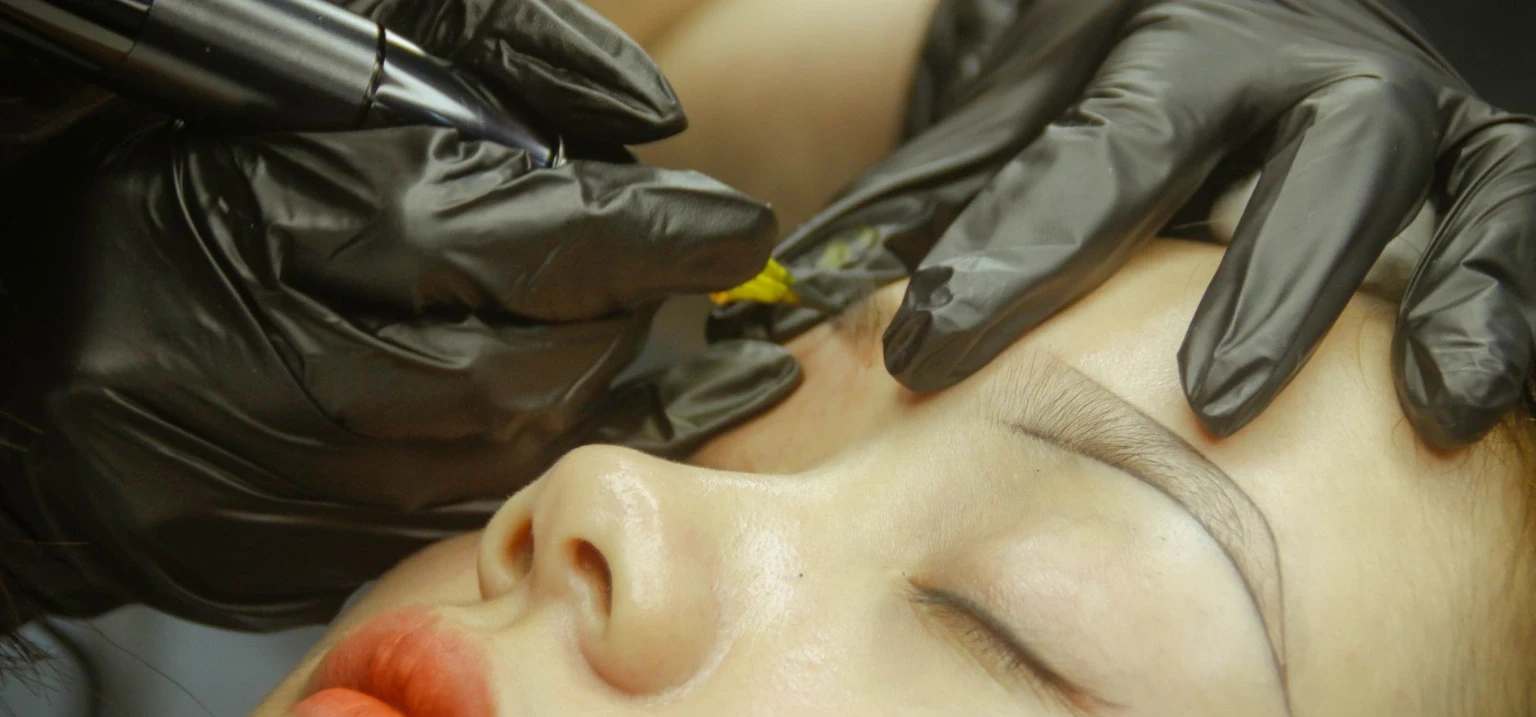
FDA does not prescribe PMU-specific numbing doses or schedules in these documents. Refer product suitability questions to a physician or pharmacist.
See Brow Techniques and Lip Blush Aftercare for procedure context, not numbing authorization.
TWO DIFFERENT FDA REGULATORY QUESTIONS
Is a PMU pigment's FDA status the same as a topical anesthetic's FDA status?
No. FDA treats topical analgesics as drugs, but intradermal PMU inks as cosmetics containing color additives. FDA says no color additive is approved for injection into skin; that statement is about pigments, not numbing creams.
Do not transfer a drug warning letter to a pigment or use pigment rules to evaluate lidocaine.
PROFESSIONAL PRODUCT REVIEW
How should a PMU studio evaluate a numbing product before stocking or discussing it?
Start with the drug label, not a strength ranking. This is a review workflow, not an administration guide.
Identify the exact product
Record the manufacturer's name, full product name, active ingredient and printed strength.
Compare the labeled uses
Read the uses and warnings; distinguish a drug label from an online seller's PMU marketing.
Check the FDA warning factors
Review percentage, large-area language, broken-skin claims and any instruction involving a covering.
Ask qualified professionals
Take medical or pharmacological questions to a physician or pharmacist and local scope questions to the relevant authority.
Decide the studio policy
Keep the discussion and label findings documented; do not promise numbing performance or automatic approval.
See Tattoo Numbing Cream: How and When to Use for the broader topic.
TEXAS STUDIO CONTEXT
What do the Texas tattoo-studio rules say about topical anesthetics for PMU?
The Texas DSHS studio rules do not mention topical numbing products. Their silence is not permission or drug approval.

Consult DSHS about studio scope and a physician, pharmacist or legal adviser for product-specific questions.
See PMU Licensing in Texas; confirm current DSHS rules.
MEDICAL QUESTIONS BELONG WITH A CLINICIAN
When should a PMU artist refer a numbing-cream question to a physician or pharmacist?
Refer medication, interaction, skin-condition and adverse-event questions to a clinician. FDA warns that excessive lidocaine exposure may cause irregular heartbeat, seizures or breathing difficulties.
A label percentage or PMU testimonial is not medical clearance. Do not diagnose suspected reactions in the studio.
See Infected Tattoo Signs vs Normal Healing for medical-referral context.
FDA ADVERSE-EVENT REPORTING
Where can a PMU studio report a suspected reaction to numbing medication or PMU pigment?
FDA uses MedWatch for drug events and cosmetic reporting for PMU ink. Identify the product involved.
Use FDA MedWatch for drug events or the FDA PMU fact sheet for ink concerns; seek medical care.
COMMON PMU NUMBING PRODUCT MISREADS
What FDA-related mistakes should PMU artists avoid when discussing topical numbing?
Marketing language, concentration and procedure names do not prove approval.
Choosing the strongest product by percentage
FDA advises against using OTC products above 4% lidocaine on skin.
Calling 4% FDA-approved for microblading
Strength and an authorized indication are separate questions.
Following an online PMU application demonstration
FDA warns about large areas, broken skin and covering treated skin.
Assuming secondary numbing is a regulatory category
A marketing term does not establish a use accepted under OTC M017.
Confusing topical drugs with tattoo pigments
The FDA regulates the two types of products through different frameworks.
Making a blanket legal claim about 5% products
The FDA warning addresses OTC use; assess the product's actual regulatory pathway and labeling.
Transferring one warning letter to unrelated brands
Use the FDA's general advice, but review each product's exact label and identity.
Answering medical questions as a PMU artist
Medication and reaction concerns belong with a physician or pharmacist.
COPYABLE PMU STUDIO LABEL-REVIEW CHECKLIST
What should PMU artists verify when reviewing topical numbing products?
Review documentation before a studio decision. This is not a treatment plan.
- Identity: Manufacturer and exact product named?
- Active ingredients: Every listed active drug component checked?
- Strength: Lidocaine concentration read directly from the label?
- FDA advice: OTC use above 4% recognized as a warning?
- Indication: Labeled purpose reviewed separately from a website's PMU advertising?
- Monograph: Any OTC M017 claim evaluated with appropriate professional guidance?
- Skin condition: FDA concern about irritated or broken skin recognized?
- Surface area: FDA warning against heavy use on large areas recognized?
- Covering: FDA warning against plastic wrap or dressings recognized?
- Interactions: Medication or supplement questions referred to a clinician?
- Scope: Texas DSHS consulted about the studio's professional setting?
- Adverse events: FDA reporting references available?
- Separate products: Drug questions kept distinct from PMU pigment approvals?
- Decision: No unsupported performance or approval promises made?
FAQ
Frequently asked questions about numbing cream, lidocaine and PMU FDA warnings
FDA-based answers for PMU artists reviewing topical analgesic claims.
Is TKTX numbing cream FDA approved or legal for microblading?
A brand name does not establish an approved drug indication. FDA says tattooing and piercing indications are not included in OTC external analgesic monograph M017; review the exact product and current FDA information.
What did the FDA say about numbing creams marketed for tattoos?
In March 2024, FDA warned about certain OTC topical pain products marketed around cosmetic procedures and associated with potentially dangerous absorption.
What is the maximum lidocaine percentage the FDA advises for OTC topical pain products?
FDA advises against OTC pain-relief products with more than 4% lidocaine on skin. Its warning letter cites a 0.5%–4% lidocaine HCl range under OTC M017.
Is 5% lidocaine cream allowed for tattooing or PMU?
FDA advises against OTC skin use above 4% and has challenged particular 5%-labeled OTC products. The specific drug's indication and regulatory pathway still matter; ask a pharmacist or physician.
Can PMU artists cover numbing cream with plastic wrap?
FDA advises against wrapping skin treated with OTC pain-relief products in plastic wrap or other dressings because covering can increase serious adverse-effect risks.
Can numbing cream be spread across a large area before a PMU procedure?
FDA advises against applying OTC pain products heavily over large skin areas; it highlights greater absorption as a concern.
Can a numbing product be used on broken or irritated skin?
FDA advises against OTC pain-relief product use on irritated or broken skin in its 2024 warning. Ask a qualified medical professional about specific situations.
Are there numbing creams FDA approved specifically for permanent makeup?
Do not infer approval from PMU advertising. The FDA letter identifies tattooing and piercing indications as outside OTC M017; verify any claimed approval for the exact drug and use.
Does a PMU numbing product need to meet FDA drug requirements?
Topical anesthetic drugs are evaluated under drug requirements; a product's indications and eligibility under applicable approval or OTC monograph conditions matter.
What are the risks of too much lidocaine on the skin?
FDA warns that high exposure can cause serious injury including irregular heartbeat, seizures and breathing difficulties, and notes possible medication interactions.
Where should a PMU studio report a suspected drug or pigment reaction?
FDA uses MedWatch for drug adverse events and separate cosmetic reporting for tattoo or PMU ink concerns. Refer the affected person for medical assessment.
Do Texas tattoo-studio rules specifically authorize PMU numbing cream?
The DSHS studio rules do not mention topical numbing products. Ask DSHS about current local requirements; FDA drug rules remain separate.
OFFICIAL FDA SOURCES
Sources Consulted
FDA supports all drug and pigment claims. The DSHS rules are cited only to note that they do not mention numbing products.
- U.S. FDA: March 26, 2024, Warning About Certain Topical Pain-Relief Products
- U.S. FDA: March 25, 2024, Warning Letter on External Analgesic Marketing and OTC M017
- U.S. FDA: Tattoos and Permanent Makeup Fact Sheet
- U.S. FDA: MedWatch Adverse Event Reporting
- Texas DSHS: Tattoo and Body Piercing Studio Rules (PDF)