Powered by Comercia.io
Can you be allergic to tattoo ink, and why does red pigment get so much attention? A tattoo ink allergy may cause an itchy, raised rash, scaly patches, bumps or swelling in one color of a tattoo, even years after the session. This guide compares red ink reactions, normal healing and infection, explains the limits of allergy testing, and covers dermatologist-led treatment and reporting to the FDA.
Shop Tattoo Aftercare Read the FDA Ink Safety Guide
QUICK ANSWER
What are the symptoms of a tattoo ink allergy, especially to red ink?
Look for itching, swelling, raised scaly skin, small bumps, blisters or a rash concentrated in one ink color. AAD says red is often implicated, but any color can be involved, and reactions can start much later than the tattoo. A color-specific rash is a clue, not a diagnosis: infection and other skin reactions can overlap. Tell your tattoo artist, and have a dermatologist assess a persistent reaction. Seek medical attention promptly for suspected infection and immediate care for breathing difficulty or other serious allergic symptoms.
WHAT IT LOOKS LIKE
Itching, red or raised patches, pimple-like bumps and scaling, sometimes within one pigment color.
WHEN IT STARTS
Right away or much later. AAD documents reactions beginning years or decades after the original tattoo.
WHAT TO DO
Tell your artist and consult a dermatologist. Report suspected adverse reactions to FDA; urgent symptoms need immediate medical care.
RECOGNIZING A POSSIBLE REACTION
What does a tattoo ink allergy look and feel like?
AAD describes itching, redness, swelling, small pimple-like bumps, raised scaly patches, deep lumps, blisters, flaking or watery fluid. Some people notice a reaction only in the portions made with a particular pigment. These are reasons to seek evaluation, not a set of signs that can confirm allergy at home.
Itchy raised or scaly color
AAD lists itching and raised scaly patches. Note whether the change follows the red shapes or another specific color within an otherwise stable tattoo.
Small bumps or deeper lumps
AAD lists pimple-like bumps and deep lumps. A bump can also represent a different skin condition, so a dermatologist needs to distinguish the causes.
Swelling, blisters or flaking
AAD includes swelling, blisters, crusts and watery discharge among possible allergic features. These can overlap other reactions and warrant attention if persistent.
WHY RED IS OFTEN MENTIONED
Why is red tattoo ink linked to more allergic reactions?
Red pigment is frequently implicated in published reports of tattoo reactions. AAD calls red a common culprit, and the 2016 dermatology review by Forbat and Al-Niaimi describes red pigment as the color most often associated with the reaction patterns it reviewed. The evidence is about clinical reports and pigment reactions, not a claim that every red tattoo will react.
That review discusses cinnabar, a historical mercury-derived red pigment, and proposes that it may trigger delayed, cell-mediated hypersensitivity. It also reviews other red-pigment chemistries and possible pigment changes with light. These are mechanisms explored in the literature; they do not establish the ingredients of a present-day bottle or identify a universal culprit.
Three important distinctions
- Association: Published red-pigment reactions appear frequently in a dermatology review.
- Mechanism: Some historical components were hypothesized to participate in delayed immune responses.
- Individual cause: A dermatologist must assess the actual skin problem; color alone cannot reveal the substance responsible.
See our bright ink colors guide for artistic selection, not allergy predictions.
REACTIONS ARE NOT LIMITED TO NEW TATTOOS
Can a tattoo ink allergy appear years or decades later?
Yes. AAD says an ink allergy may start immediately, weeks or years afterward, or even decades later. Its patient guidance includes an example of a red tattoo reacting long after the original session. A previously comfortable design does not exclude a new skin reaction.
AAD advises a dermatologist when a mild-to-moderate reaction persists beyond one or two weeks.
COMPARE THE LOOK-ALIKES
Tattoo allergy vs infection vs normal healing: how can you tell?
AAD warns that a new tattoo can be red, sore, itchy or scabby while healing, and that infection and allergy can also cause rashes. The direction of symptoms and whether a particular pigment is affected are useful observations, not a diagnosis. If redness spreads, pain increases, pus forms or fever develops, seek a doctor promptly.
| Possibility | Signs described by AAD or reviewed sources | Timing / pattern | Best response |
|---|---|---|---|
| Normal new-tattoo healing | Some soreness, redness, clear fluid, itch, flakes or scabs. | Starts around the session and should gradually settle. | Follow the artist's ordinary aftercare and monitor progress. |
| Possible ink allergy | Itchy raised patches, small bumps, blisters, swelling or scaling. | Often one color; may start immediately or many years later. | Tell the artist and see a dermatologist for persistent symptoms. |
| Possible infection | Redness spreading or darkening, worsening pain, painful bumps, pus, open sores, fever or chills. | AAD says it can start immediately or later. | See a doctor or dermatologist right away. |
| Granulomatous skin reaction | Persistent bumps or nodules; medical papers describe several immune-related patterns. | Can occur well after tattooing and may involve different colors. | Dermatology evaluation to determine the cause and needed testing. |
| Technique-related skin trauma | Artist may describe unusually extensive repeated work in an area. | Linked to the tattooing procedure; does not rule out other problems. | Discuss the session and seek medical review for concerning changes. |
See normal tattoo healing and overworked tattoo signs for context.
THE LIMITS OF TESTING
Is there a tattoo ink allergy test or patch test before getting tattooed?
A patch test does not reliably predict what will happen inside a permanent tattoo. Forbat and Al-Niaimi describe a study of people with tattoo reactions whose standard allergen patch results did not consistently match their reactions. The review also reports negative tests in people who nevertheless had red-pigment tattoo reactions.
A dermatologist can assess previous reactions and decide what testing is appropriate; an artist-applied ink dot cannot predict intradermal allergy.
TREATMENT IS MEDICAL
How does a dermatologist diagnose and treat tattoo ink allergies?
Ask a board-certified dermatologist to evaluate a persistent tattoo rash before selecting a treatment. AAD recommends dermatology care when a mild-to-moderate reaction lasts longer than one or two weeks. Published red-pigment cases reviewed by Forbat and Al-Niaimi discuss clinician-directed treatments such as topical or intralesional corticosteroids, and sometimes procedures to remove affected pigment-bearing tissue.
Review the timing and pigment pattern
The clinician asks when the tattoo was made, whether the change began recently and which colors or portions are affected.
Examine the skin and consider other causes
An infection, granulomatous reaction or other skin disease can resemble an allergy. The dermatologist decides whether further testing is appropriate.
Choose treatment for the actual diagnosis
The medical literature reports different prescriptions and procedures in selected cases. Those are specialist options, not home-care instructions.
Do not self-prescribe allergy treatment
Do not choose a steroid product, injection, removal method or other medicine based on an online description. See a doctor for suspected infection or persistent reactions, and get immediate care for trouble breathing, chest tightness or other severe allergic symptoms.
IF THE REACTION DOES NOT RESOLVE
Can a tattoo with an allergic reaction be removed with a laser or surgery?
The dermatology review reports selected cases treated with laser methods, surgical excision and other specialist techniques. It also documents cases in which laser treatment was followed by an allergic reaction or pigment darkening. The FDA says tattoo removal may require different lasers for different colors and carries risks of scarring and incomplete removal.
In the case literature, some physician-directed laser procedures helped, while other reports describe pigment darkening or worsened reactions. Excision is discussed for select cases. Choose with a medical specialist.
FDA identifies red among the more difficult removal colors; discuss active reactions with a medical specialist first.
WHAT ABOUT OTHER PIGMENT COLORS?
Can you be allergic to black or white tattoo ink, or does a red reaction affect every color?
AAD explains that an ink allergy often affects one particular color, although any color can cause a reaction. A reaction involving red does not automatically establish that all the other pigment areas in a tattoo will behave the same way.
A 2026 review found black ink frequent in reported granulomatous reactions. Those cases are a different category from the red-ink allergic patterns described in the 2016 review.
For white-ink questions
Any pigment color can be implicated in a skin reaction, according to AAD. The information here does not establish a specific cause or treatment for white ink. See SVT Shop's white tattoo ink guide for ordinary product and artistic considerations, not medical claims.
BEFORE A RED OR COLOR TATTOO
What should you ask your tattoo artist before getting red or colorful ink?
The FDA recommends recording information about the inks used when an adverse event occurs. Before getting tattooed, discuss any previous skin or pigment reactions and ask how the studio records product details. If you have a known past reaction, consult a dermatologist about your plans.
Questions worth asking
- What is the exact color and pigment product being used, and how can the brand and lot number be documented?
- How does the studio record the ink and any diluent involved in the procedure?
- What should I do if a color-specific rash or persistent swelling develops later?
- Where can I find the product label and manufacturer information for the selected ink?
- What are the studio's ordinary healing instructions, and whom should I contact about a concern?
FDA says tattoo pigments are color additives, none approved for injection into skin. A label does not predict personal allergy.
For browsing technique and pigment options, read tattoo ink brands compared and bright tattoo ink colors. These are commercial selection resources, not assurances against allergic reactions.
THE FDA REPORTING PATH
How do you report a suspected tattoo ink allergy to FDA MedWatch?
FDA encourages consumers, tattoo artists and healthcare professionals to report adverse reactions involving tattoo ink. CDC specifically points people who experience a tattoo-related adverse event toward the tattoo artist and FDA's MedWatch program. Reporting helps regulators understand possible safety problems and does not substitute for medical care.
See a healthcare professional
Have concerning symptoms evaluated first. A medical diagnosis and care plan take priority.
Notify the tattoo artist
FDA recommends asking about the ink's brand, color and lot or batch details, including relevant diluent information.
Prepare a factual account
Record the tattoo date, the affected color or area, symptoms, when they started and the clinical outcome if known.
Report to FDA
Use FDA's reporting guidance or call 1-888-INFO-FDA (1-888-463-6332) for agency contact information.
The FDA reporting guide explains what information to retain. Get medical care first.
FOR ARTISTS ANSWERING CLIENTS
How should tattoo artists respond when a client reports a possible ink allergy?
The tattoo artist's role is to provide accurate session details and direct medical concerns to a clinician. AAD recommends telling the artist about a suspected reaction; FDA requests details of the ink and the event. Avoid identifying an allergy or infection from a client photo.

Listen to the symptom history
Ask which colors are affected and whether symptoms are improving or spreading, without declaring a diagnosis.
Refer the client appropriately
A dermatologist evaluates persistent reactions; infection signs and severe allergic symptoms need immediate medical attention according to AAD.
Retrieve available product details
Provide accurate pigment names, colors, lot numbers and session records as requested for clinical or FDA follow-up.
Explain the reporting option
Direct the client to FDA information and retain factual communication for the studio's records.
AVOID THESE MISINTERPRETATIONS
What common tattoo ink allergy mistakes should you avoid?
AAD, FDA and dermatology reviews emphasize that reactions vary in timing and appearance. The most useful response is to document the change and obtain the correct medical assessment, not to guess from the tattoo's color alone.
Calling all red ink dangerous
The dermatology literature describes associations and hypotheses; it does not establish the contents or outcome of every modern red ink.
Trusting a negative patch test as proof of safety
Published patch testing has not consistently matched tattoo reactions.
Confusing pigment allergy with infection
Spreading redness, worsening pain, pus or fever require a doctor, even if an ink allergy is also suspected.
Trying to remove a reacting tattoo immediately
Medical reviews document both laser successes and complications. A dermatologist should assess active reactions first.
ROUTINE CARE IS NOT ALLERGY TREATMENT
Which SVT Shop products fit ordinary aftercare rather than allergy treatment?
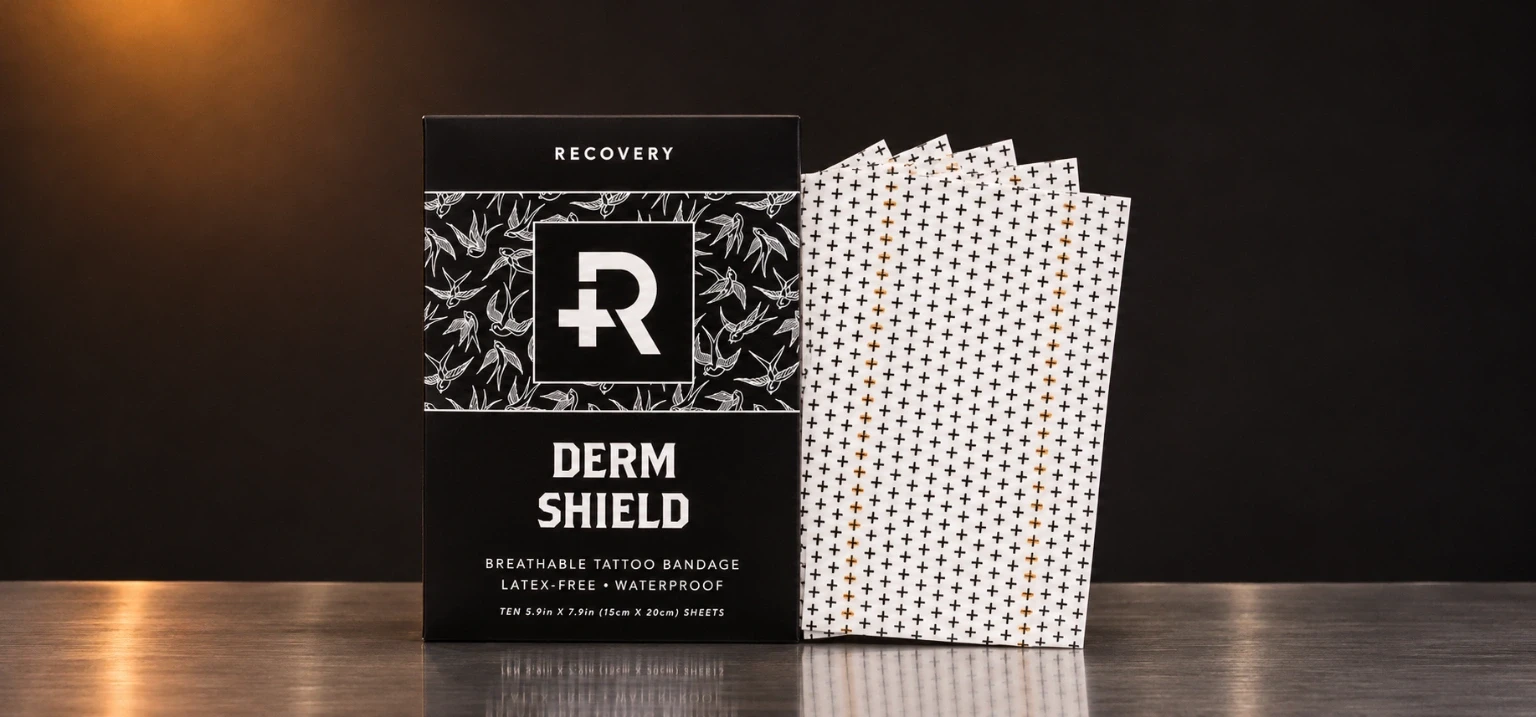
SVT Shop lists Recovery, Hustle Butter and Dynarex supplies for ordinary tattoo care. These items serve their labeled purposes for healthy healing or intact healed skin. None is a treatment for tattoo ink allergy, infection, granulomas or an unexplained rash. Ask a clinician about any active reaction.
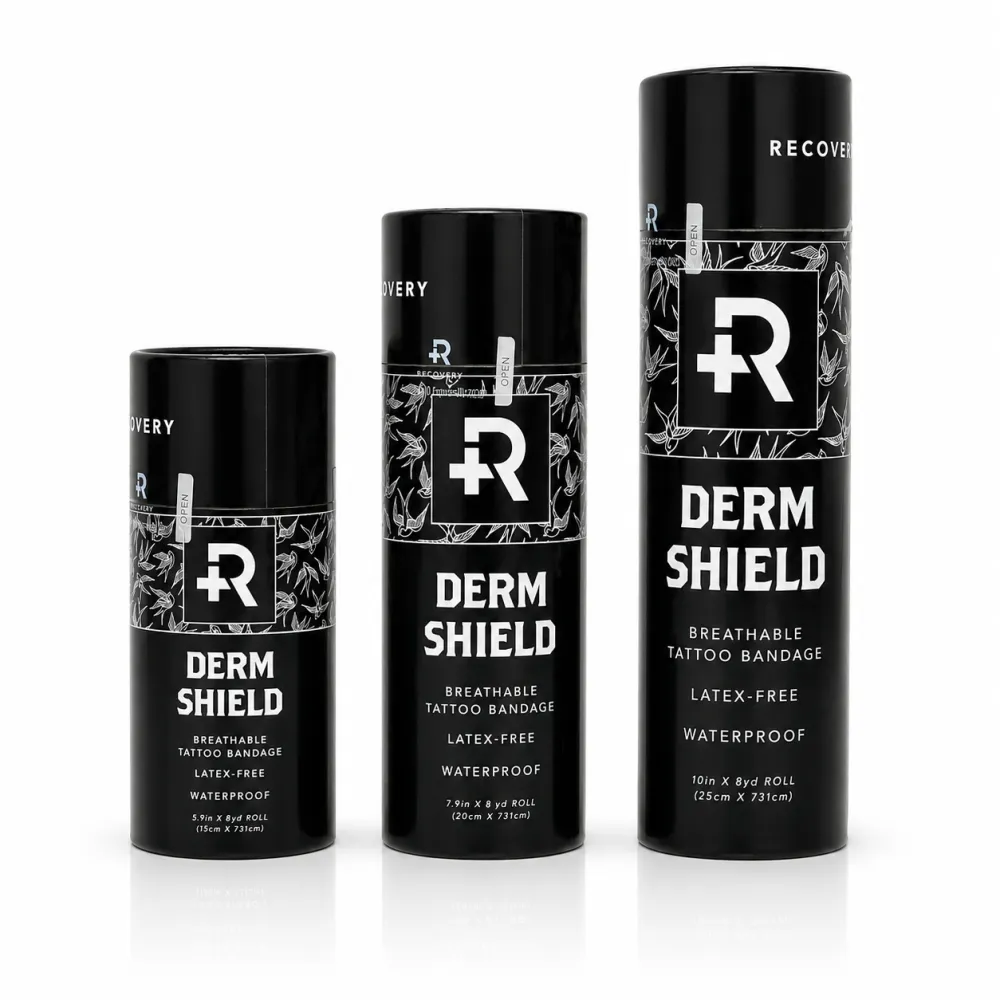 For artist-directed fresh tattoo coverage
Recovery Derm Shield Tattoo Adhesive Film
A dressing option for uncomplicated fresh tattoo aftercare when the artist selects it. Not a covering or treatment for an unexplained allergy rash.
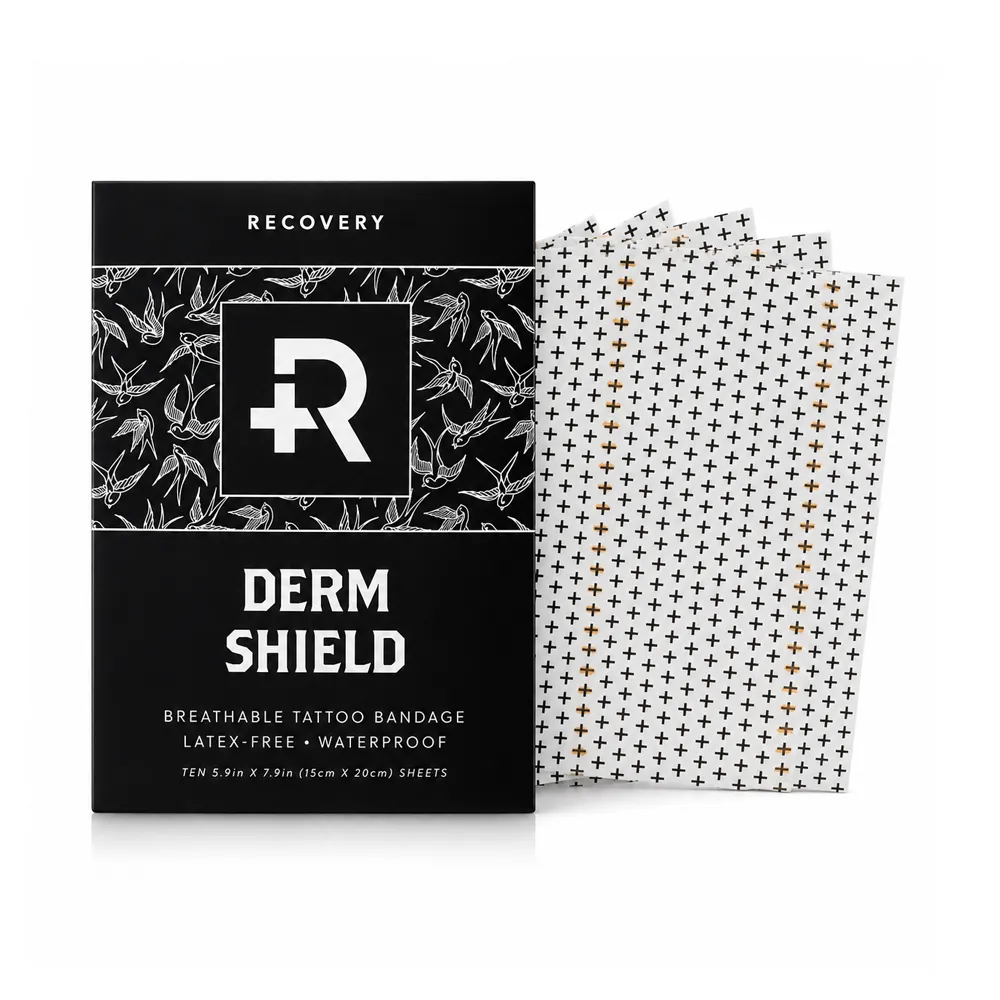 Pre-cut film sheetsRecovery Derm Shield Tattoo Adhesive Film 5.9 x 7.9 in Sheet PackSheet format of the same adhesive film for artist-directed fresh-tattoo coverage.
 For ordinary moisturizing care
Hustle Butter De Luxe
Moisturizing option for an established artist-directed healing routine, not a substitute for dermatology treatment.
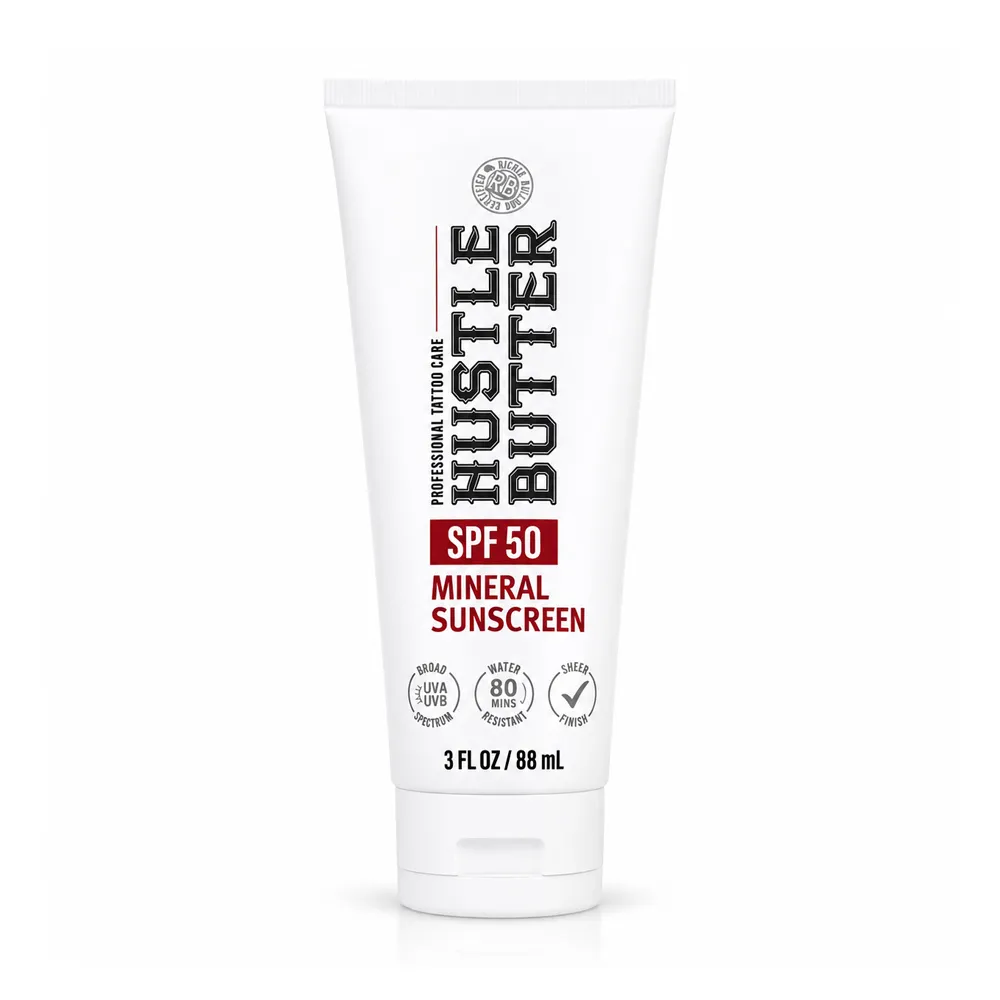 For sun protection on healed skin
Hustle Butter Mineral Sunscreen Lotion
Sun-protection option for intact, fully healed tattoos. Check its label and follow AAD sun-protection guidance; it does not treat a current reaction.
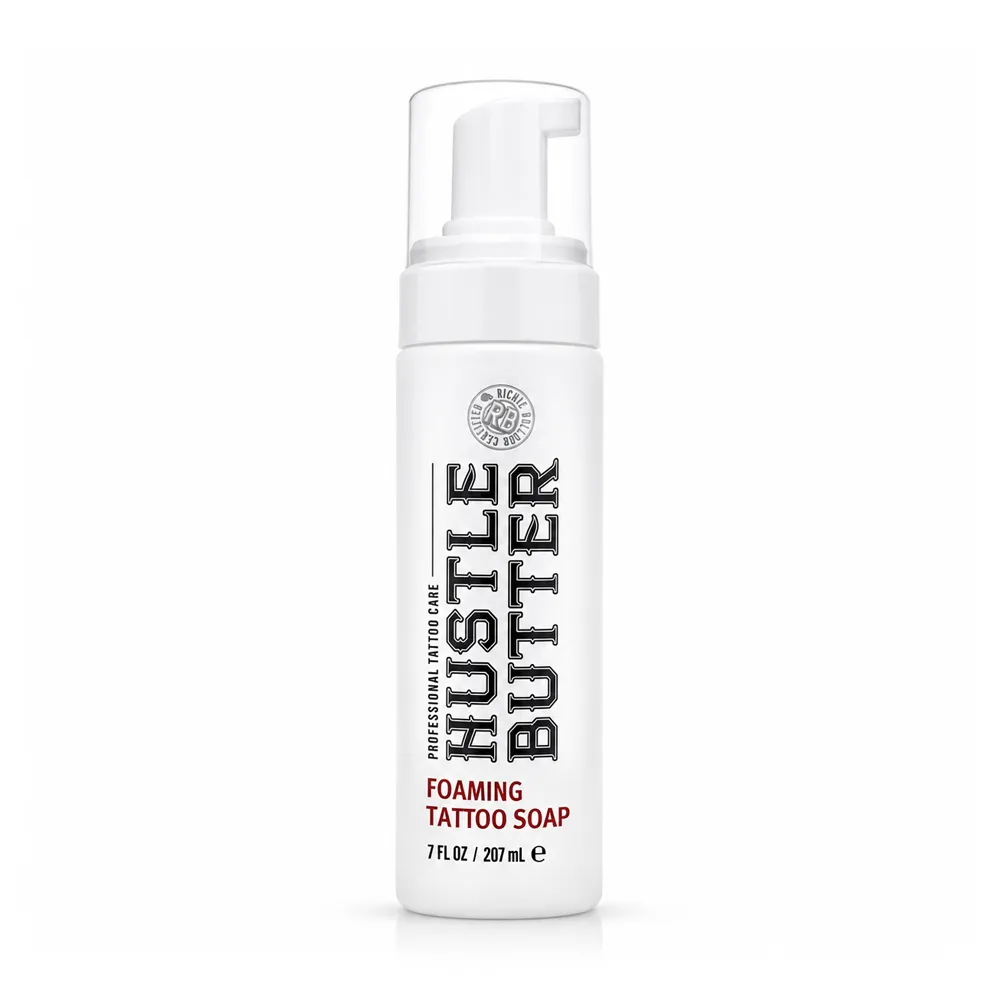 For routine gentle washing
Hustle Butter Foaming Tattoo Soap 7 oz
A cleansing-format option within the artist's ordinary aftercare plan, not a remedy for ongoing rash, bumps or swelling.
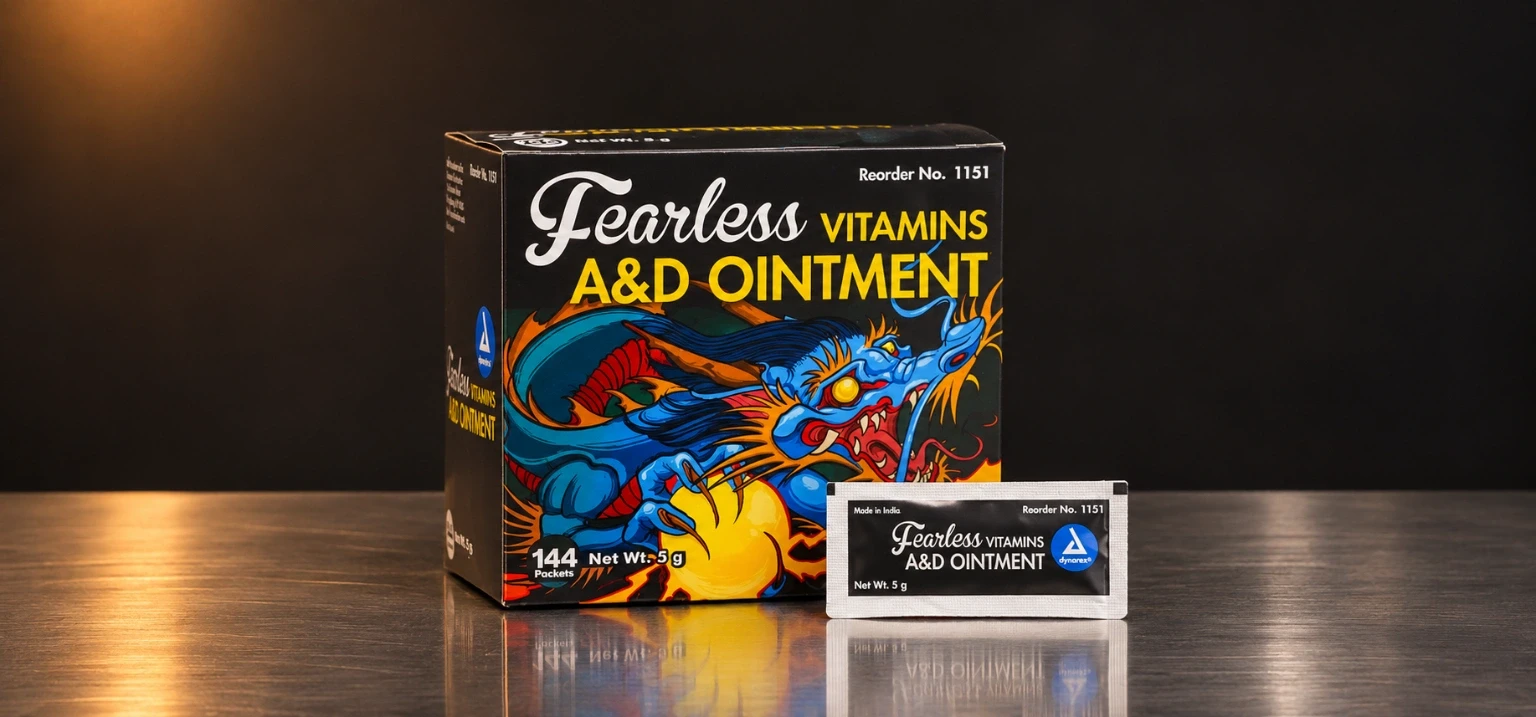
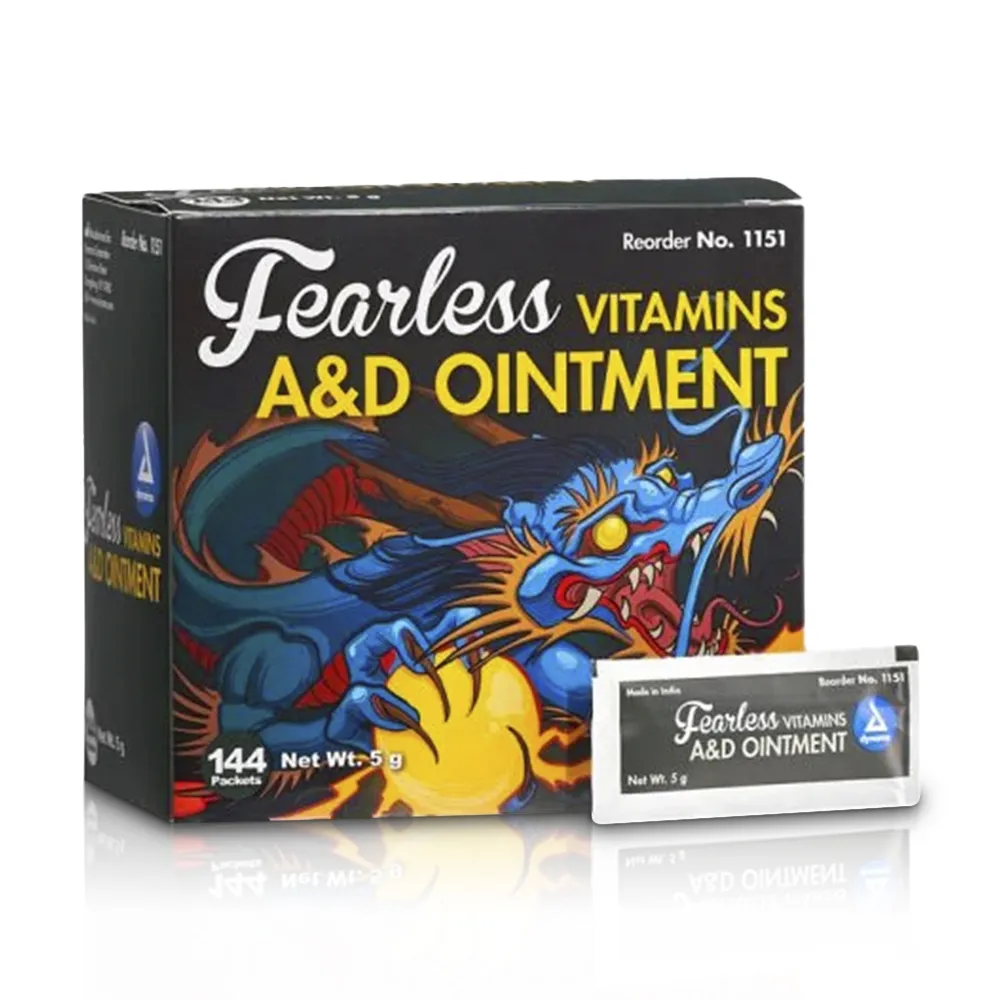 For a routine ointment-based plan
Dynarex Vitamins A&D Ointment Without Lanolin
A lanolin-free ointment option for ordinary aftercare when recommended by the artist. The product attribute does not establish allergy safety for an individual.
Shop Tattoo Aftercare Review Normal Tattoo Aftercare
SVT Shop serves tattoo artists and clients in El Paso, TX, with Next Day Delivery available in El Paso. For color selection, discuss manufacturer labeling and the exact pigment with your artist; never treat a product listing as a medical prediction about ink allergy.
TAKE THE RIGHT INFORMATION WITH YOU
What should you record or check before a medical consultation or color tattoo?
FDA asks for information about the pigment and reaction when an adverse event is reported. AAD's symptom guidance helps identify what to describe to a doctor or dermatologist.
If your tattoo has developed a rash
- Timing: Tattoo date, first symptom date and how the reaction has changed.
- Pattern: Which colors, outlines or shaded areas are affected.
- Symptoms: Itching, raised patches, swelling, blisters, pain, pus or fever.
- Ink details: Request the pigment brand, color and lot or batch information from the artist.
- Follow-up: Dermatologist for persistent reactions; urgent care for infection or severe systemic symptoms.
FAQ
12 questions about red tattoo ink allergy, symptoms, testing and treatment
These answers reflect AAD, FDA and published dermatology reviews. A healthcare professional determines the actual cause of an individual reaction.
1. Can you really be allergic to tattoo ink?
Yes. AAD describes allergic reactions often limited to one ink color. If you notice a persistent itchy, swollen or raised area, tell the artist and ask a dermatologist to evaluate it.
2. What are the symptoms of a tattoo ink allergy?
AAD lists itching, raised scaly patches, small bumps, swelling, blisters, deep lumps and sometimes crusting or fluid. These signs overlap other skin reactions.
3. Why is red ink most often linked to allergic reactions?
AAD identifies red as a common culprit, and a 2016 dermatology review describes frequent red-pigment reactions. Historical pigment chemistry is discussed as a possible mechanism, not proof about a specific current ink.
4. Can a red ink allergy appear years after the tattoo?
Yes. AAD says ink allergy can arise weeks, years or decades after the original tattoo. A new rash in a healed design warrants dermatology assessment.
5. Is there a reliable patch test before getting a tattoo?
Published dermatology research found that standard patch-test results did not consistently correspond to tattoo reactions. Discuss past reactions with a dermatologist instead of relying on a negative test as an all-clear.
6. Is my tattoo reaction an allergy or an infection?
Either can cause a rash. AAD describes allergies that often affect a specific color; spreading redness, worsening pain, pus, open sores or fever need prompt medical care for possible infection.
7. How is a tattoo ink allergy treated?
A dermatologist first determines the cause. Medical reviews report clinician-directed treatments including topical or injected corticosteroids and, in selected cases, procedures. Do not self-prescribe treatment.
8. Can an allergic tattoo be removed by laser?
Some published cases improved with laser treatments, but others developed adverse reactions or pigment changes. FDA warns removal can scar or leave pigment. Consult a medical specialist first.
9. Can black or white tattoo ink cause an allergy?
AAD says any ink color can cause an allergic reaction. A separate 2026 review found black pigment common in reported granulomatous reactions, which are not the same as all pigment allergies.
10. Should I tell my tattoo artist and report the reaction?
Yes. FDA asks for the ink brand, color, lot and reaction details; CDC recommends informing the artist and FDA MedWatch. Seek medical attention before waiting on any report.
11. Does an allergy to one ink color mean I am allergic to the whole tattoo?
AAD says reactions often involve one specific pigment color. That does not establish which substance is responsible or predict how every other color will behave; discuss the concern with a dermatologist.
12. When is a tattoo ink allergy an emergency?
AAD advises immediate medical care for serious symptoms such as trouble breathing, a racing heart, chest tightness, dizziness or lightheadedness, intense swelling, serious pain, flushing or hives. Infection warning signs also need prompt medical evaluation.
RESEARCH
Sources Consulted
AAD provides the patient-facing symptom and urgency guidance; medical reviews examine pigment reaction patterns, testing and procedures. FDA and CDC explain oversight and adverse-event reporting.
- American Academy of Dermatology: Tattoo Skin Reactions and Allergic Symptoms
- Forbat & Al-Niaimi, Dermatology and Therapy (2016): Patterns of Red Pigment Tattoo Reactions
- Rajan et al., Cureus (2026): Systematic Review of Granulomatous Tattoo Reactions
- FDA: Tattoos and Permanent Makeup Fact Sheet
- FDA: Think Before You Ink — Reactions and Reporting
- FDA: Tattoo Removal — Options and Results
- CDC MMWR: Tattoo Adverse Events and FDA MedWatch Reporting