Powered by Comercia.io
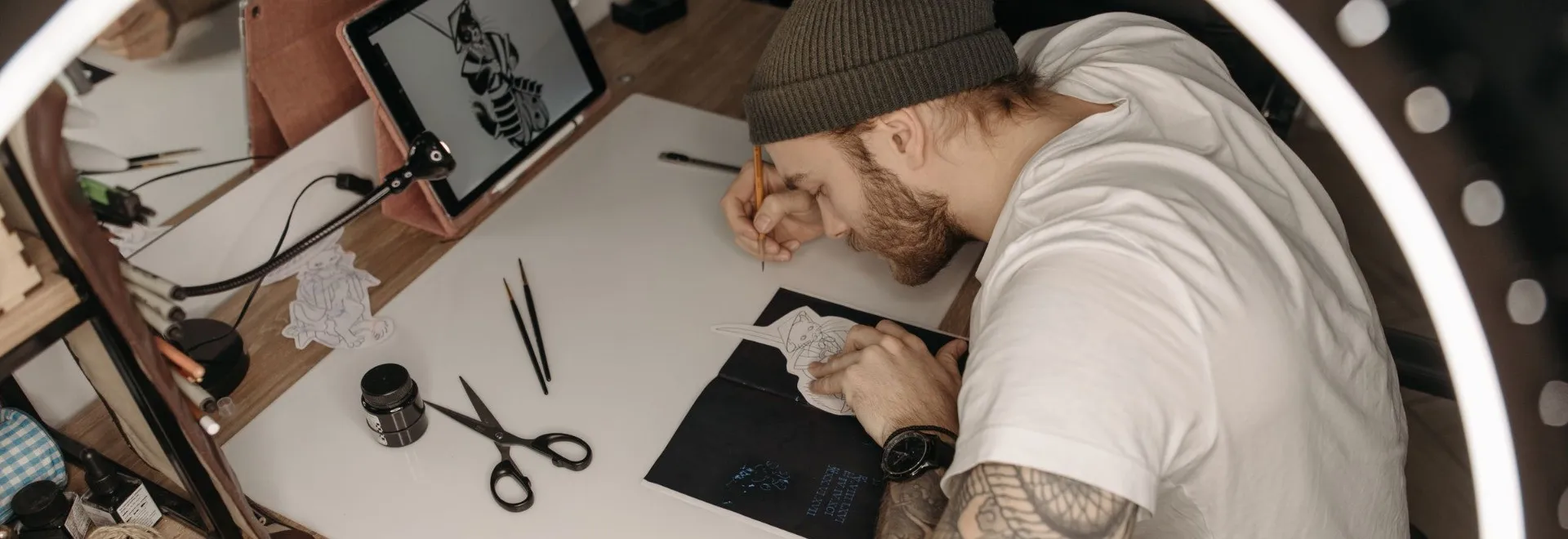
Can you tattoo from home? The answer depends on state and local rules, not on whether you own a tattoo machine or have a separate entrance. Texas requires a licensed tattoo studio in a permanent, nondwelling space separated from living quarters and consistent with local zoning. Arizona expressly addresses home-based tattoo businesses; Georgia bars body art in private residences; Florida requires licensed establishments separated from living or sleeping quarters. For home learning, use drawing and synthetic practice skin instead of tattooing people.
Read Texas Studio Opening Guide Explore Synthetic Practice Supplies
QUICK ANSWER
Can you legally tattoo clients from your house?
First check the rules for your state, county, city and specific premises. In Texas, DSHS requires a licensed nondwelling studio completely separated from living quarters, with no access between the studio and living space. Georgia explicitly excludes private residences; Arizona addresses home-based tattoo businesses in statute; Florida requires a licensed establishment physically separated from living or sleeping quarters. Home drawing and synthetic-skin practice are different from performing a tattoo on a person.
CHECK THE LOCATION
Ask the health department about the proposed premises and check city zoning before renting or remodeling.
CHECK AUTHORIZATION
Confirm the shop or establishment permit and any individual artist requirements for that jurisdiction.
PRACTICE SEPARATELY
Use drawing, stencils and synthetic tattoo skin for at-home training rather than tattooing people.
STATE LAW IS THE FIRST FILTER
Is there one U.S. rule for tattooing from home?
No single rule governs every U.S. home tattoo business. States differ in premises licensing, residence restrictions and artist credentials; cities and counties may add zoning requirements. An artist permit or a rental agreement does not automatically authorize a new location.
Check the Tattoo License Requirements by State guide, then confirm the actual premises with the appropriate health and zoning authorities before purchasing equipment.
Educational guide, not a location approval
Regulatory wording and local zoning are what matter. Have the health agency review the specific location and use; consult a qualified legal professional if you need a legal determination.
OFFICIAL STATE WORDING COMPARED
Which states restrict tattooing in homes or living spaces?
Texas, Arizona and Georgia address residential tattooing directly; Florida regulates separation and licensing; NYC states its permit requirements. The table preserves the difference between a prohibition on a home-based business and a rule describing an establishment's layout.
| Jurisdiction | What the official text says | Where the artist should confirm |
|---|---|---|
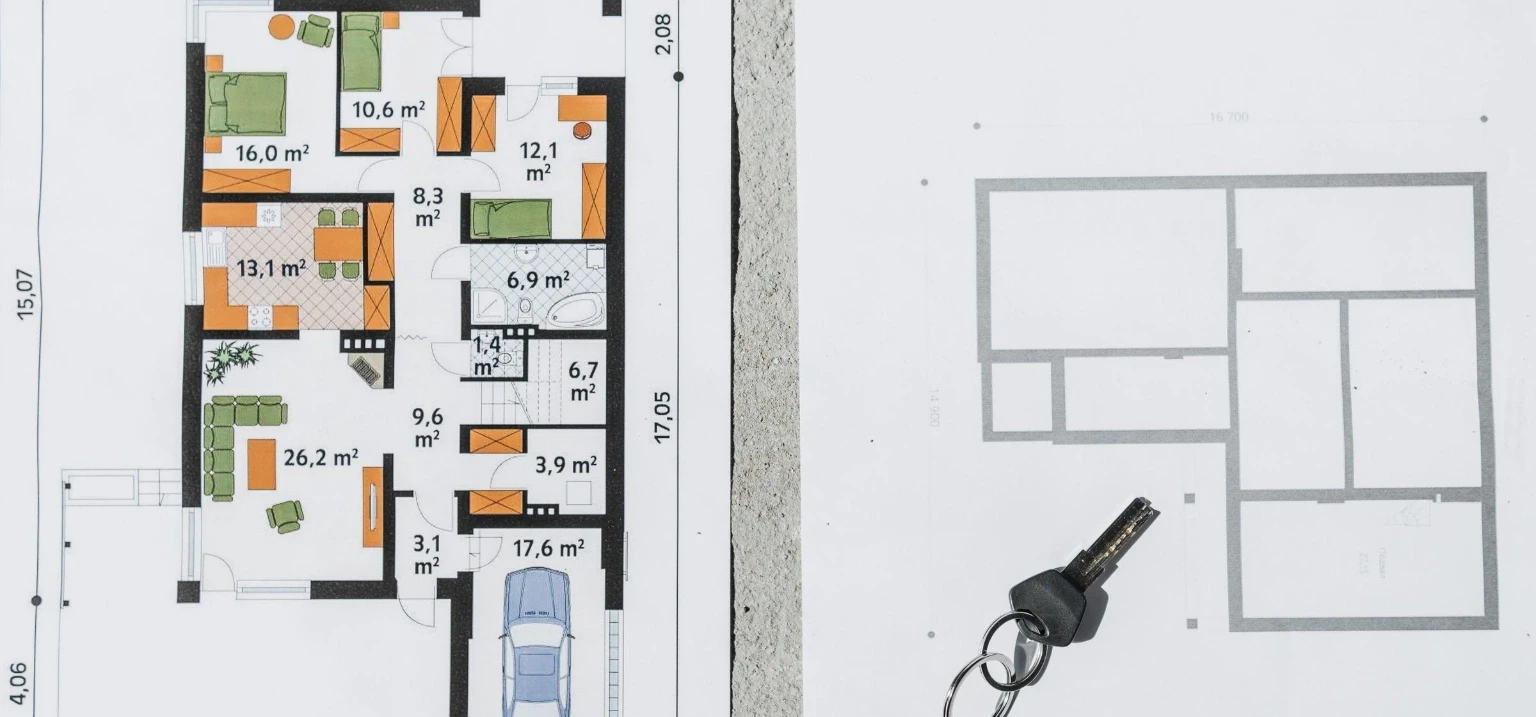
| Texas | 25 TAC §229.404(a): a permanent nondwelling studio, separated by floor-to-ceiling partitioning, with no access to living quarters; zoning applies | Texas DSHS and local zoning office |
| Arizona | A.R.S. §13-3721(A)(3) explicitly addresses a tattoo business operated out of a home or an impermanent structure | Arizona Legislature and applicable local authority |
| Georgia | Rule 511-3-8-.05(5)(a): neither body art studios nor procedures are permitted in a private residence; other non-fixed facilities are also excluded | Georgia Department of Public Health rules and Health Authority |
| Florida | Rule 64E-28.007(2): no direct opening to living or sleeping quarters; a solid full-height wall separates the establishment; an active establishment license is required under 64E-28.005 | Florida establishment rule and county health department |
| New York City | City guidance requires a shop permit and an individual artist permit; the city page does not say whether a residential address qualifies | NYC Business and NYC Health Department |
The Texas PDF reflects rules amended in 2005. Confirm current law with DSHS; these five jurisdictions are examples, not a nationwide survey.
TEXAS FIRST: NONDWELLING STUDIO
Can you tattoo clients from a house in Texas?
Texas §229.404(a) requires a permanent nondwelling studio, full-height separation from living quarters, no access to those quarters and proper local zoning. DSHS licenses tattoo businesses; a living area or spare bedroom does not meet that studio description.
DSHS also includes traditional tattooing, permanent cosmetics and scarification in its licensing program. The specific address and premises must be reviewed before client work.
See How to Open a Tattoo Shop in Texas and How to Become a Tattoo Artist in Texas. Ask DSHS to evaluate a proposed property.
ARIZONA, GEORGIA, FLORIDA AND NYC
How do other states regulate home tattoo businesses and premises?
Arizona's A.R.S. §13-3721(A)(3) addresses a tattoo business run from a home or impermanent structure. Georgia Rule 511-3-8-.05(5) excludes body art businesses and procedures in private residences and bars several non-fixed premises. Florida Rules 64E-28.005 and .007 require an active establishment license and separation from living or sleeping quarters. NYC requires permits for shops and tattoo artists; confirm the proposed premises directly with the city.
Read our Arizona, Georgia, Florida and New York guides for licensing context. The table above links each governing source.
A PRACTICAL PATH TO AN AUTHORIZED STUDIO
How can an artist move from a home setup idea to an authorized tattoo studio?
Verify the address, zoning and permits before purchasing a workstation or remodeling. Use the responsible agency rather than assumptions about an existing room.
Identify the regulator
Find the state or county authority that licenses tattoo establishments in the proposed location.
Check zoning and the premises
Give the local zoning office the address and proposed use; ask the health authority to review the physical arrangement.
Confirm the permit path
Review studio licensing and any individual artist requirements, application documents and inspection expectations.
Plan the professional setup
Only then build the workstation plan, surfaces, sanitation practices, disposal and records for that authorized site.
Verify before appointments
Confirm the permits and location are ready for the services you intend to perform before tattooing clients.
Use First Professional Tattoo Setup for the artist station, Cross-Contamination Checklist for handling habits and Autoclaves for Tattoo Shops for instrument-processing decisions.
PRACTICE DOES NOT MEAN CLIENT TATTOOING
Can you practice tattooing at home on synthetic skin instead of tattooing people?
For home learning, choose drawing, stencils and synthetic tattoo skin—not tattooing people. These exercises do not authorize a residence as a client studio. Move toward supervised work in a properly permitted location.
See How to Practice Tattooing at Home for the boundary between practice and client work, and Tattoo Practice Supplies for exercises.
Separate two questions
Where can I develop skills with nonhuman materials? Where may I legally perform tattoos on people? The second requires the specific jurisdiction's licensing and premises review.
COMMON HOME-STUDIO MISUNDERSTANDINGS
What assumptions should artists avoid when planning to tattoo from home?
A purchase, a door and an artist's personal experience do not establish that a residential address meets studio rules. Confirm the premises and licensing separately.
Thinking all states use one home-studio rule
State and local premises rules differ; check the address.
Assuming a separate exterior entrance is enough
Texas requires nondwelling premises, complete separation and zoning.
Calling a bedroom a private studio
A studio name does not replace a permit.
Believing an artist credential automatically covers a location
Check both establishment and artist requirements.
Renting a room before checking zoning
Confirm zoning before signing or renovating.
Assuming mobile or guest work requires no permits
Verify event, guest and temporary-location permits.
Practicing on friends instead of synthetic skin
Use synthetic skin at home and licensed premises for clients.
Buying a full tattoo setup before facility review
Verify the location before outfitting a studio.
PRACTICE AND LICENSED-STUDIO HYGIENE OPTIONS
Which synthetic practice skins and hygiene supplies does SVT Shop carry?
We carry synthetic skins for training and supplies from Adenna, KORVEX and Dynarex for professional hygiene routines. These products do not create a home-studio permit, and our practice surfaces are intended for nonhuman exercises.
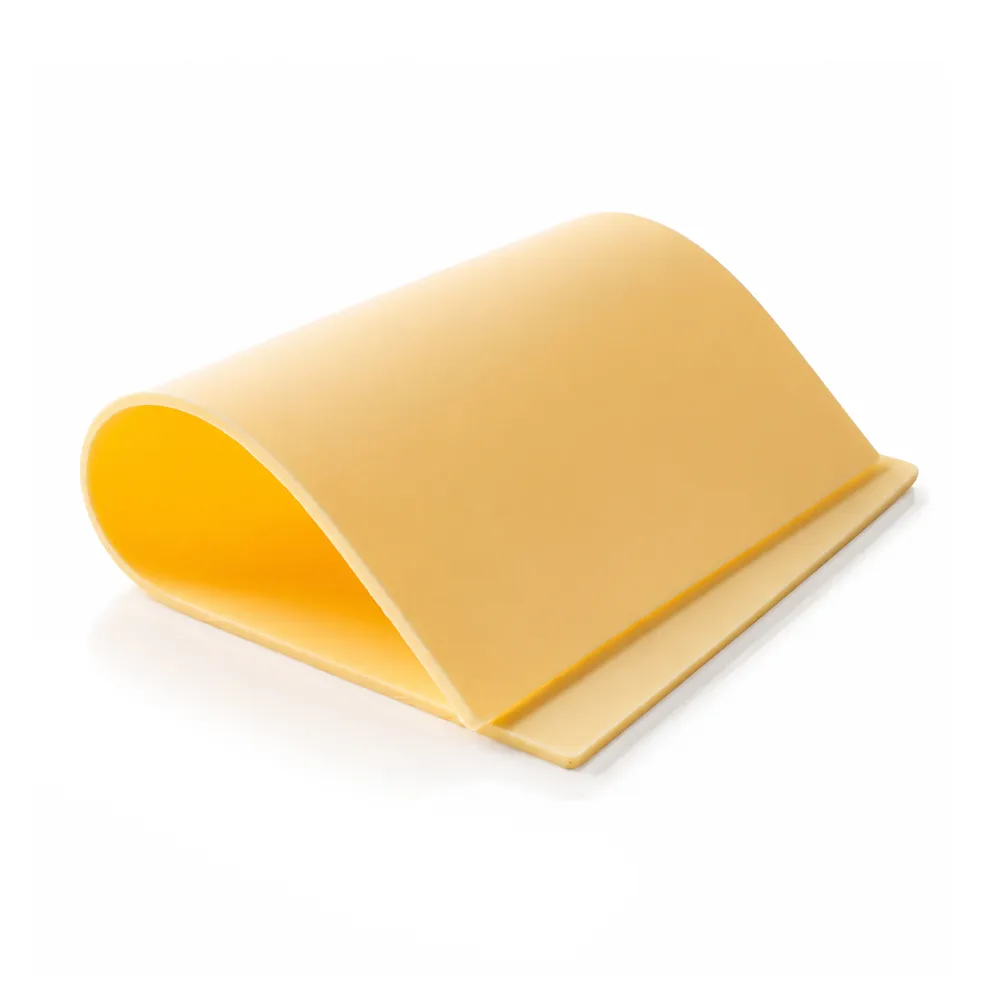 SYNTHETIC PRACTICE / FLAT SHEET
Tattoo Practice Skin 3mm FPS-006 A4
A4 synthetic sheet for learning lines, shading and fills on a nonhuman practice surface.
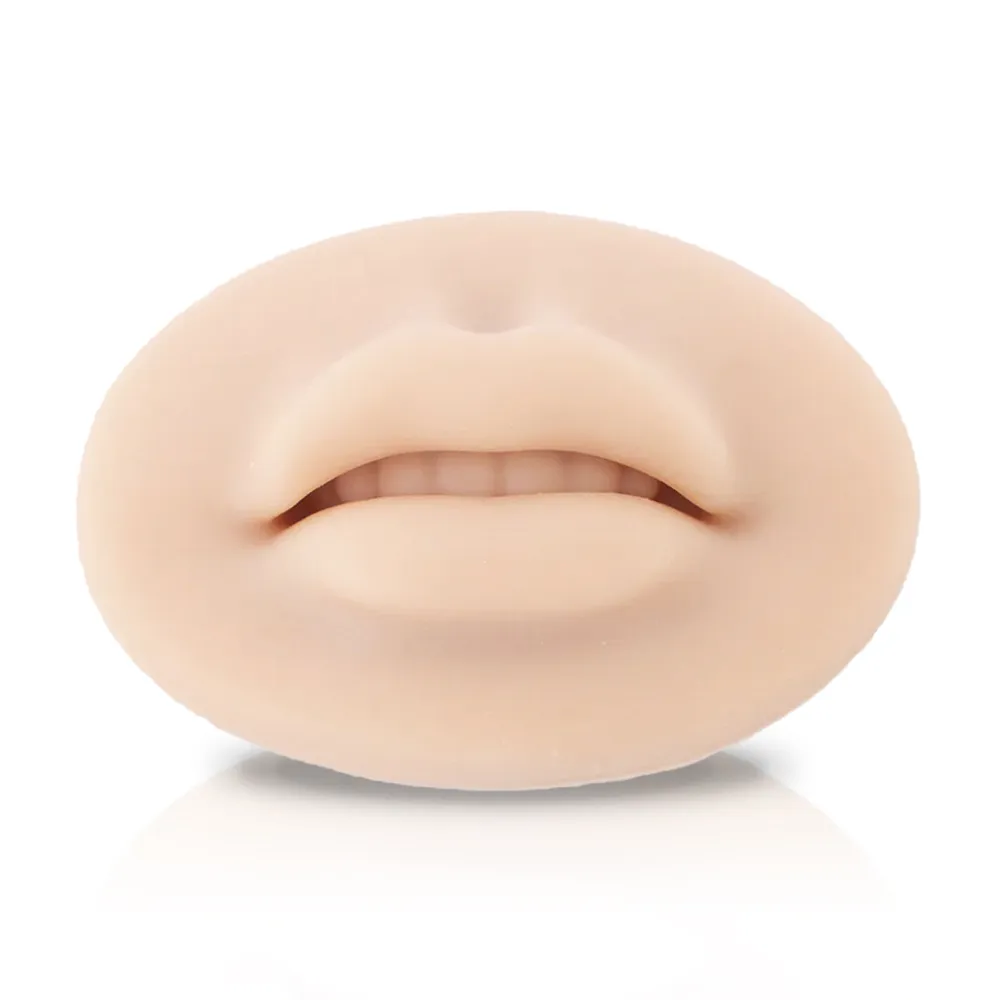 PMU PRACTICE / 3D LIPS
3D Lips Practice Skin FPS-023C
Raised lip-form practice surface for cosmetic tattoo contour and fill exercises, not client work.
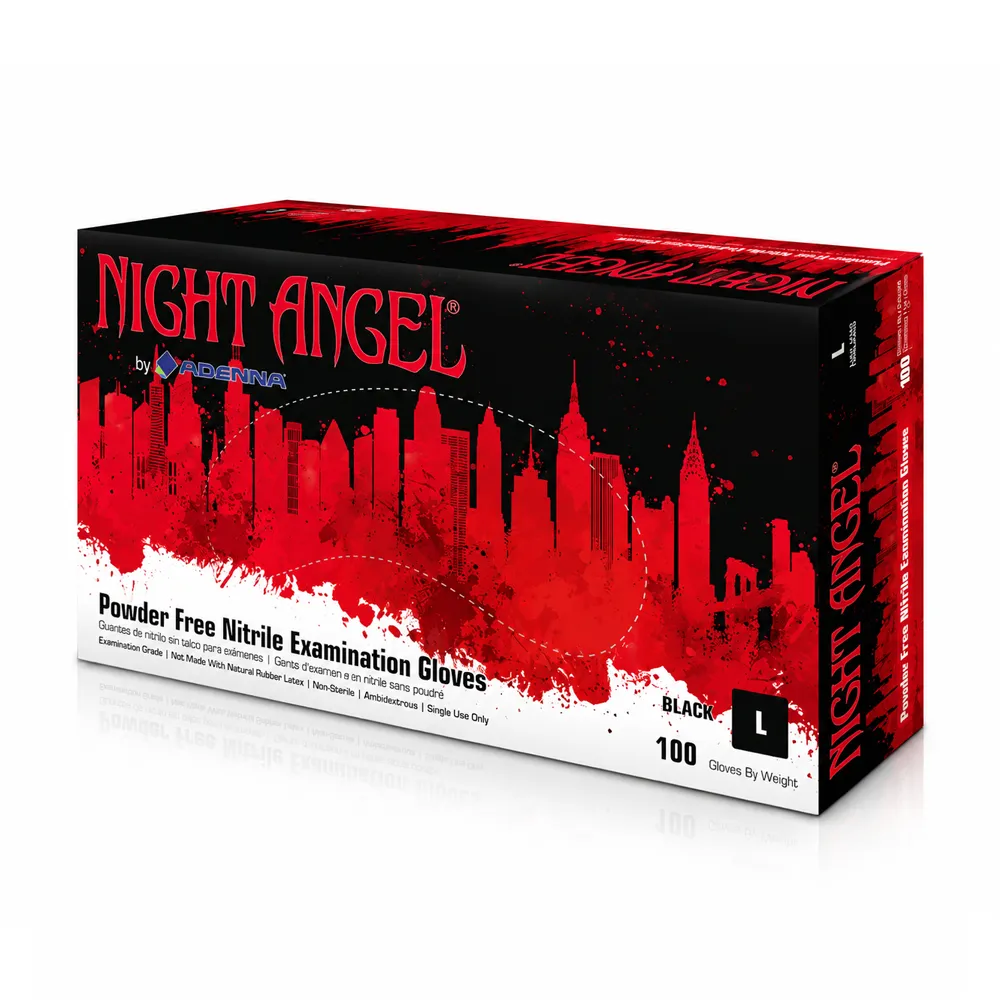 ADENNA / EXAM GLOVES
Adenna - Night Angel Black Nitrile Exam Gloves
Disposable exam-glove option for developing professional handling habits and licensed-studio routines.
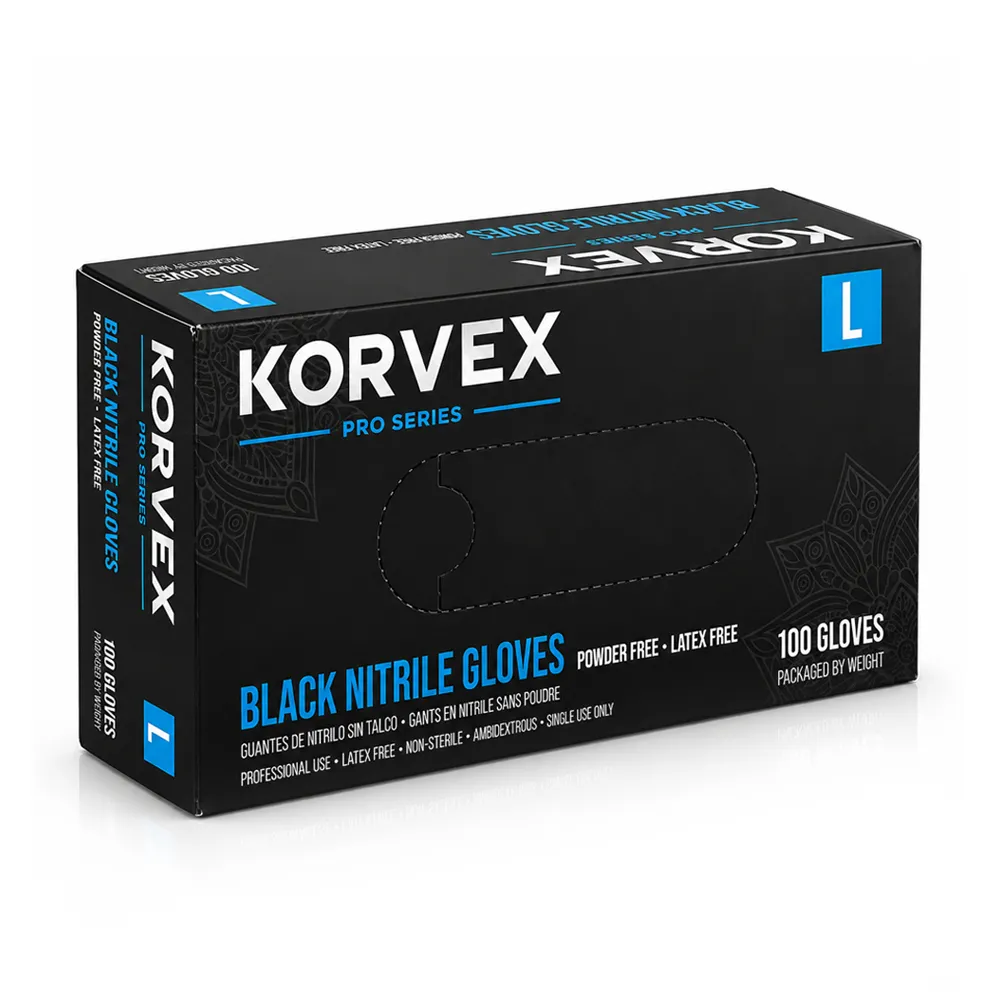 KORVEX / NITRILE GLOVES
KORVEX - Black Nitrile Gloves
Black nitrile glove option; check the specific label and intended use.
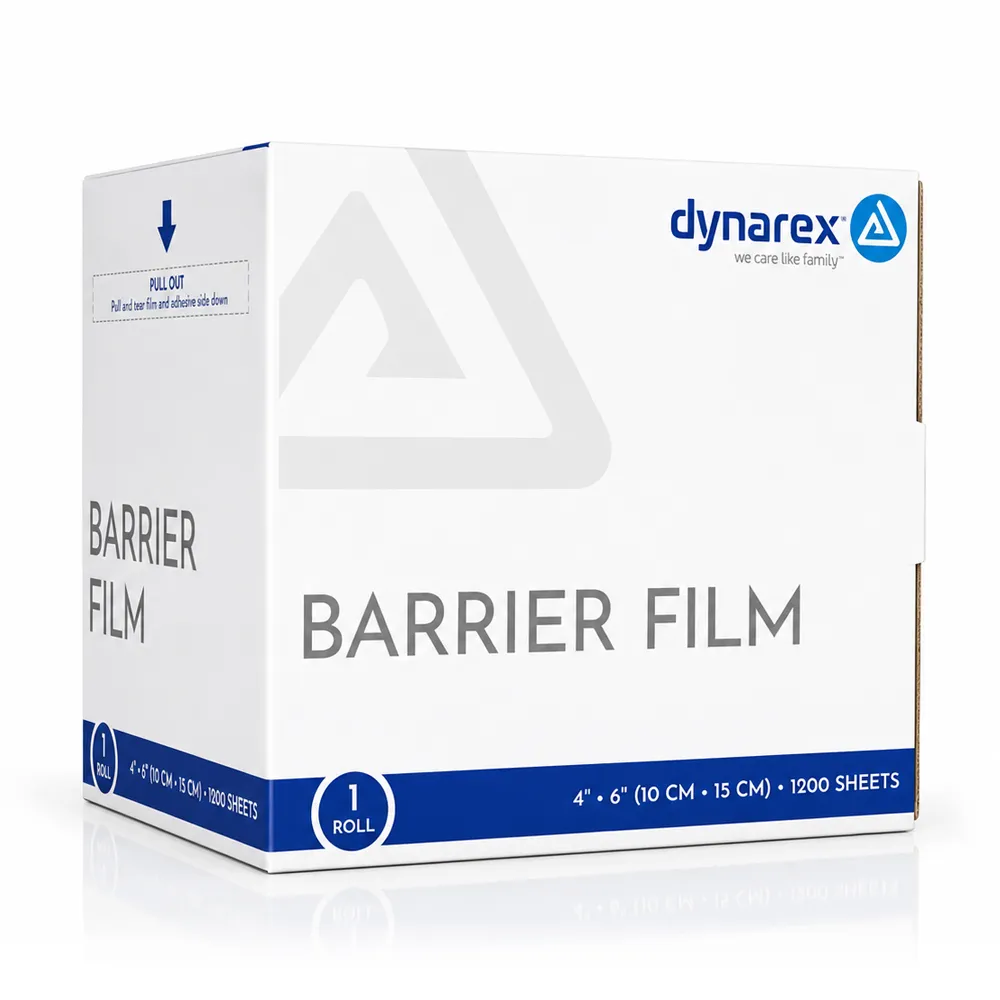 DYNAREX / WORKSTATION BARRIER
Dynarex - Barrier Film Clear
Barrier film for appropriate workstation touch surfaces under a studio's handling procedures.
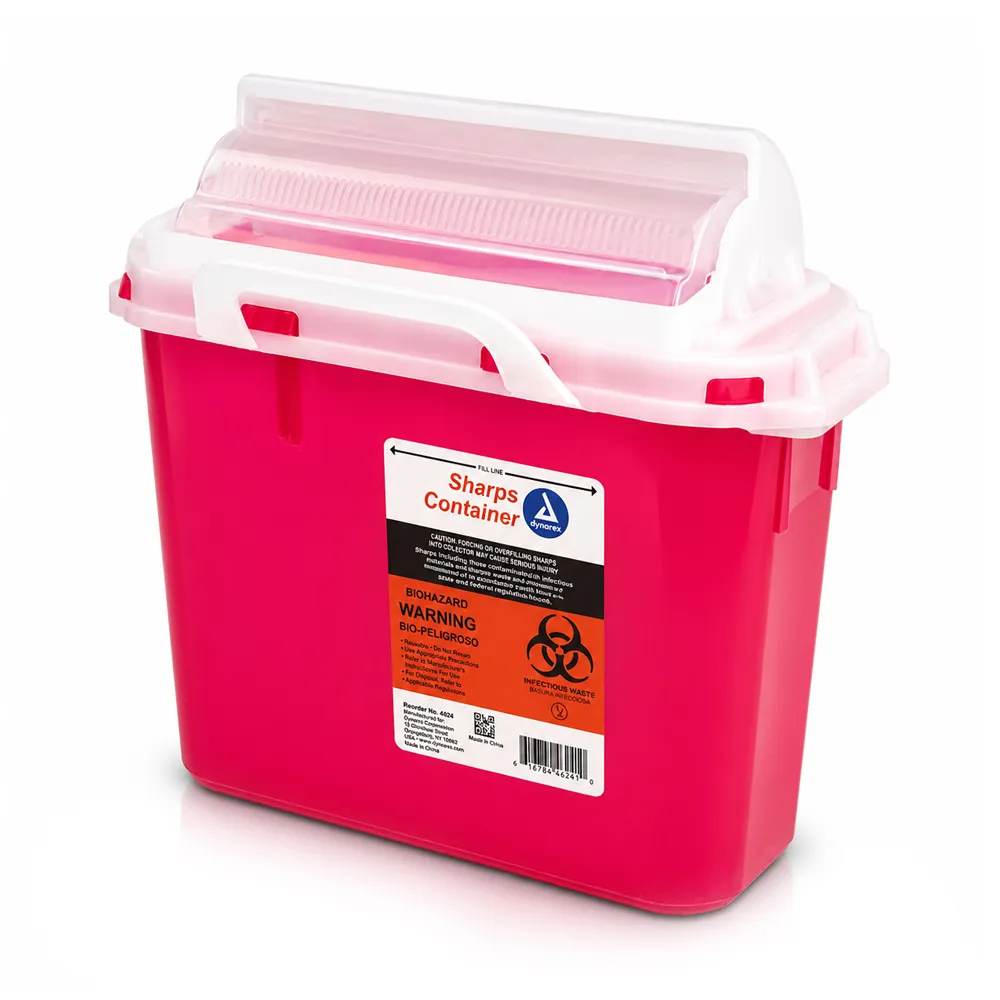 DYNAREX / SHARPS HANDLING
Dynarex - Sharps Container 5.4 Qt.
Sharps container option for an appropriate disposal process; verify labeling and local disposal rules.
Explore Practice Materials Explore Dynarex Sharps Container Check State Licensing Guides
LOCATION AND LICENSING CHECKLIST
What should tattoo artists verify before leasing, converting or operating a studio?
Use this checklist before signing a lease, building a workstation or advertising appointments. It is a planning tool, not a permit determination.
- Jurisdiction: Which state, county and city rules apply to the exact address?
- Health authority: Which agency issues the tattoo establishment permit?
- Address: Has the proposed property been reviewed for the intended use?
- Texas premises: Does the plan address nondwelling space, full-height separation and no access to living quarters?
- Zoning: Has the city or county confirmed tattooing is an allowed use at the location?
- Construction: Are proposed changes and inspections reviewed with the authority?
- Artist authorization: Are any individual credentials and supervision requirements understood?
- Studio license: Is the permit specific to the proposed premises and activities?
- Temporary work: Are any event, mobile or guest-location permissions addressed?
- Facilities: Are sanitation, records, sharps and equipment-processing duties planned?
- Practice: Are any home learning activities limited to drawing and synthetic materials?
- Next action: Has the responsible agency confirmed the current rule before purchases?
For Texas owners, read How to Open a Tattoo Shop in Texas; for artists moving between jurisdictions, start with State Tattoo License Requirements.
FAQ
Frequently asked questions about tattooing from home and state rules
Answers for tattoo artists and studio owners checking residential premises, professional permits and synthetic-skin practice.
Can you legally tattoo from home in the United States?
Rules vary. Texas requires licensed nondwelling premises; Arizona and Georgia restrict home operations, and Florida requires separation and licensing. Ask your state and local authorities.
Can you tattoo in your house in Texas?
Texas §229.404(a) requires nondwelling licensed premises, full-height separation, no access to living quarters and compatible zoning. Ask DSHS about the address.
Can you tattoo from home in Arizona?
Arizona A.R.S. §13-3721(A)(3) explicitly restricts operating a tattoo business from a home or impermanent structure.
Are tattoo studios allowed in private residences in Georgia?
Georgia Rule 511-3-8-.05(5) excludes studios and body art procedures from private residences.
Does Florida allow a tattoo establishment connected to living quarters?
Florida requires an active establishment license and no direct opening to living or sleeping quarters, with full-height separation. Ask the county health department.
Does a separate entrance make a Texas home tattoo studio legal?
No. Texas requires more than a separate entrance: nondwelling premises, full-height separation, no access to living quarters and zoning compliance.
Do I need a license to tattoo friends at home?
Texas licenses studios that tattoo people. Ask DSHS about your proposed circumstances and any local rules before tattooing someone.
Can a detached garage or backyard building become a tattoo studio?
Ask the health department and zoning office to evaluate the actual property and proposed use before remodeling.
Can I practice tattooing at home on fake skin?
Use drawing, stencils and synthetic practice skin for home learning; these do not confer a studio permit.
Can I rent a booth or do a guest spot instead of opening a home studio?
Confirm the shop permit and any individual artist requirements. Renting a station does not independently authorize tattooing.
Can a mobile tattoo studio work at an event?
Ask about temporary permits. Georgia excludes several non-fixed facilities; conditions vary by state and event.
Do New York City tattoo artists and shops need permits?
NYC says tattoo shops and artists each need permits; ask city officials about the premises.
OFFICIAL STATE AND CITY REFERENCES
Sources Consulted
These government sources support the jurisdiction-by-jurisdiction distinctions. Texas's linked rules PDF reflects amendments effective in 2005; verify the current law and proposed premises with the responsible agency. Florida's cited administrative rules are reproduced by Cornell's Legal Information Institute.
- Texas DSHS: 25 TAC Chapter 229, Definitions and §229.404 Physical Facilities
- Texas DSHS: Tattoo Studio Licensing and Inspection Requirements
- Arizona Legislature: A.R.S. §13-3721, Home Tattoo Businesses and Other Restrictions
- Georgia Administrative Rules: 511-3-8-.05, Prohibited Facilities
- Florida Administrative Code: Rule 64E-28.007, Facility Separation
- Florida Administrative Code: Rule 64E-28.005, Tattoo Establishment Licensure
- NYC Business: Tattoo and Body Piercing Shop and Artist Permits