Powered by Comercia.io
Why do tattoo artists develop back, neck, shoulder and hand pain, and what should a studio change first? Long periods leaning toward a client, static shoulders, repeated hand movements and reaching across the station are documented concerns in tattoo artist ergonomics. This professional guide uses a peer-reviewed tattooer study and NIOSH/OSHA guidance to compare artist stools, client beds, armrests, workstation layout and posture changes without promising that one chair will eliminate discomfort.
Explore Tattoo Armrests Read the Tattoo Furniture Guide
QUICK ANSWER
How can tattoo artists reduce awkward posture at the workstation?
Arrange the client, tools and working surface so the artist does not have to keep bending, twisting or reaching, then vary posture during the session. Keester and Sommerich recommend moving inks and supplies closer, improving client positioning, and considering different chair or table arrangements. Their study also discusses sit/stand alternation and front support as possibilities. NIOSH calls this fitting the work to the worker. If back, neck, wrist or hand pain persists, especially with numbness or tingling, consult a doctor or physical therapist.
POSITION
Bring the tattoo site into workable view without replacing one awkward bend with raised, unsupported shoulders.
REACH
Keep inks, water, ointment and machine supplies within the working arrangement instead of repeatedly twisting behind the chair.
VARIETY
Change position and alternate sitting and standing where appropriate; an expensive seat alone does not address static work.
THE WORKLOAD BEHIND THE ART
Why do tattoo artists get lower-back, neck and shoulder pain?
Tattooing combines fine visual work with sustained positions. Keester and Sommerich observed artists leaning toward a client, holding their trunks flexed, turning to reach tools and working with unsupported arms. The problem is not simply sitting: standing artists can also bend their necks and backs when the client area is difficult to see.
NIOSH identifies awkward or sustained postures, vibration, repetition and force as work-related musculoskeletal risk factors. A tattoo machine is a hand-held tool used for controlled repeated movements, while the artist often stays in one viewing position for a long portion of the session. The researchers measured elevated activity in the trapezius muscles of the artists they observed, consistent with demanding shoulder and neck positions.
Workstation setup changes what the artist has to do
The study repeatedly links posture to the placement of the client's body part and the position of ink, water, ointment and machines. A chair adjustment is useful only when the whole working arrangement lets the artist use the new position.
For hand positioning and control, see how to hold a tattoo machine. Grip technique and workstation layout should be evaluated together, without assuming any particular machine or grip is a medical treatment.
THE NUMBERS IN CONTEXT
How common is back pain among tattoo artists according to research?
Lower-back discomfort was reported by 94% of the artists surveyed in the Keester and Sommerich study, and 12-month discomfort exceeded 50% in the neck, shoulders, hands/wrists, upper back and lower back. The research involved 34 questionnaires, 10 observed artists and 16 hours of posture observation. These are results from that group, not a population-wide rate.
| Study measure | Result | How to interpret it |
|---|---|---|
| Lower-back discomfort, past 12 months | 94% | Highest reported body region among 34 respondents. |
| Neck, shoulders, hands/wrists, upper back | Each exceeded 50% over 12 months. | Multiple regions were affected, not only the spine. |
| Legs/feet discomfort, past 12 months | 38% | Lowest major region reported in this sample. |
| Eye discomfort, past 12 months | 74% | Viewing demands matter when planning a station. |
| Work made discomfort worse | 79% of respondents. | Self-reported association with tattoo work. |
| Lost work time because of discomfort | 31% of respondents. | Potential operational impact for artists and owners. |
| Seen a health provider for discomfort | 41% in the preceding 12 months. | Some participants had already sought care. |
The convenience sample and observational design do not establish a population-wide rate or prove that a chair prevents pain. Use these figures to prioritize reviewing real work conditions.
A REPEATABLE PRE-SESSION PROCESS
How should a tattoo artist set up the workstation to reduce reaching and twisting?
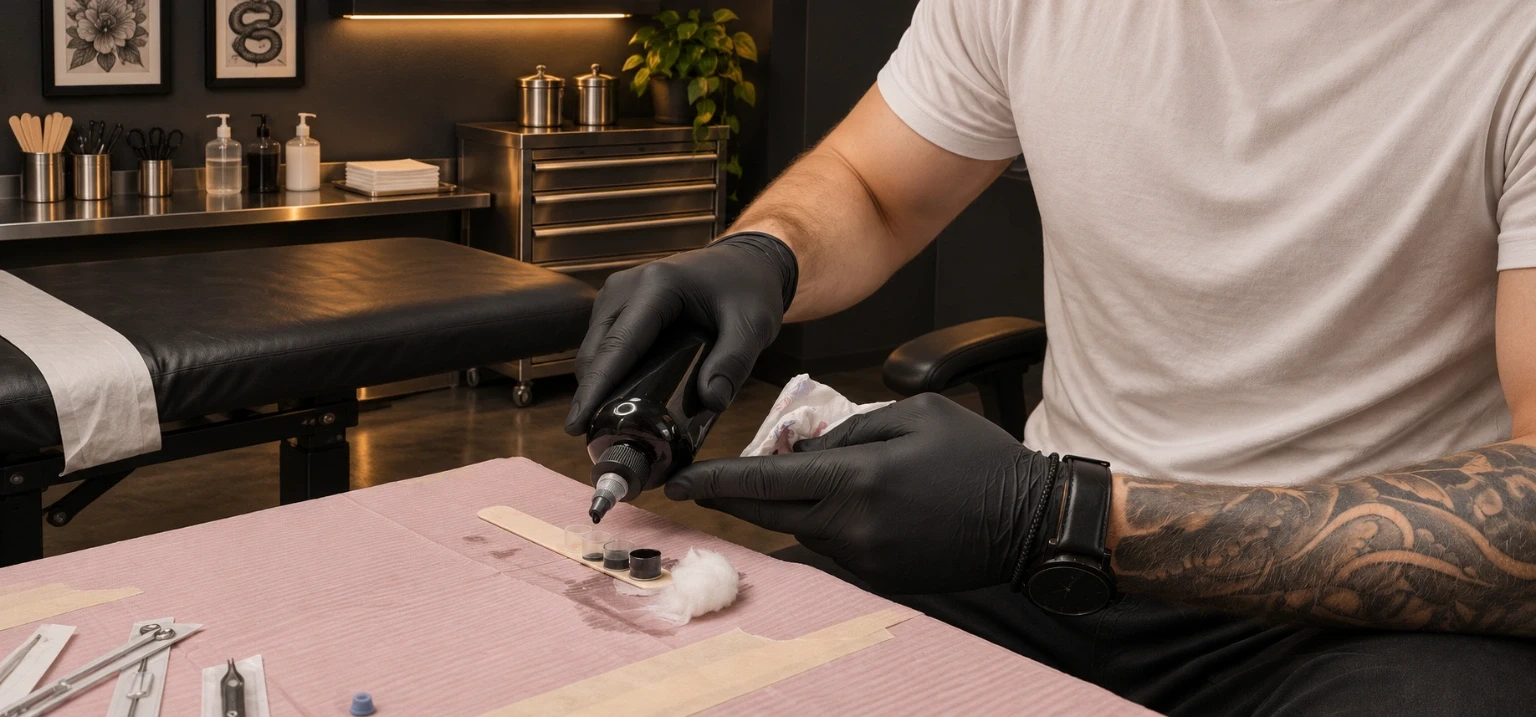
The tattoo study makes a direct recommendation: place frequently used tools closer to the artist to reduce repetitive reaching and trunk twisting. Build that check into preparation, just as you would check a design and machine setup. Use the sequence below to review the workflow before the client is positioned for detailed work.
Identify the actual tattoo site
Consider whether the work is on an arm, leg or torso and where the artist needs to view the line or shaded area.
Position the client before moving the artist
Use available chair, bed or limb-support adjustments to present the work while avoiding an unnecessarily bent viewing position.
Choose the artist's working position
Compare seated and standing access, including whether the backrest or any support can actually be used.
Bring essential supplies within the workflow
Place ink, water, ointment and the machine so routine reach does not require repeated twisting behind the body.
Check shoulder and wrist position
Notice whether the working arm must remain elevated or unsupported just to access the design.
Check viewing access and lighting
NIOSH includes lighting among workstation design elements. Avoid making poor visibility a reason to lean farther.
Plan for posture changes
The study discusses changing positions rather than remaining seated or standing the same way throughout.
For a broader starter studio inventory, see the first professional tattoo setup guide. Equipment choice should follow the room and tasks, not lead the artist to work around poorly placed furniture.
ARTIST SEATING AND BACK SUPPORT
What is the best tattoo artist chair or stool for lower-back pain?
Choose a seat you can actually use in the intended working position. In Keester and Sommerich's observations, the quality of stools varied, yet the presence of a backrest made little practical difference: artists leaned forward and were not positioned to use their back supports. The finding does not mean backrests are useless; it means a backrest alone did not resolve the task's viewing demands.
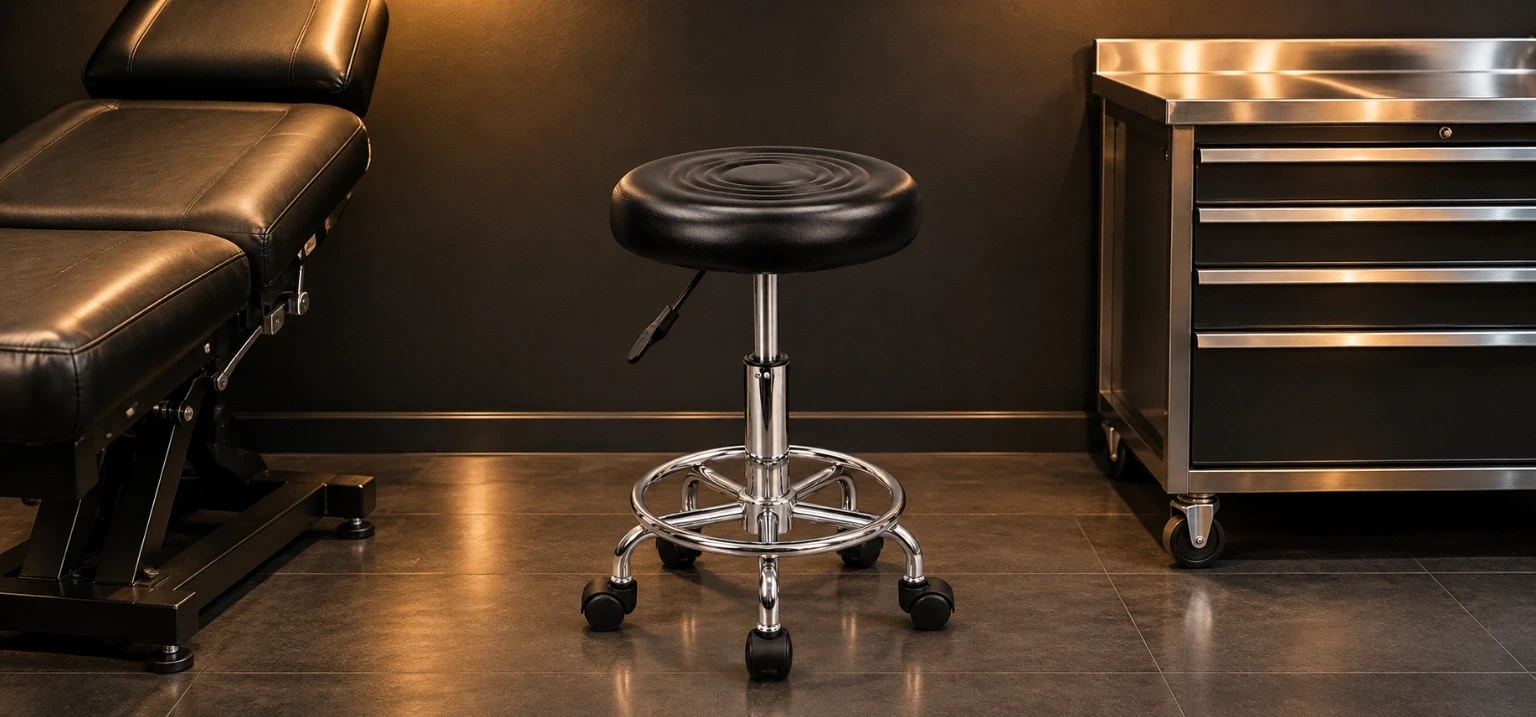
Before choosing an artist stool
- Can you approach the tattoo site without sustained forward bending just to see it?
- Can you change position rather than stay fixed in one posture?
- Does the chosen seat work with the height and shape of the client furniture?
- Will its footprint fit the workspace while keeping supplies accessible?
For comparing furniture formats, see SVT Shop's tattoo furniture guide. A product name or a cushion is not evidence that a particular stool prevents pain.
THE CLIENT SIDE OF THE ERGONOMIC EQUATION
Do adjustable tattoo beds and armrests help artists avoid hunching over?
Keester and Sommerich identify client positioning as one of the strongest influences on artist posture. Their study recommends exploring dental-style chairs or powered height-adjustable tables because these could offer more ways to position the tattoo site. They also stress that more adjustment alone cannot remove every awkward posture.
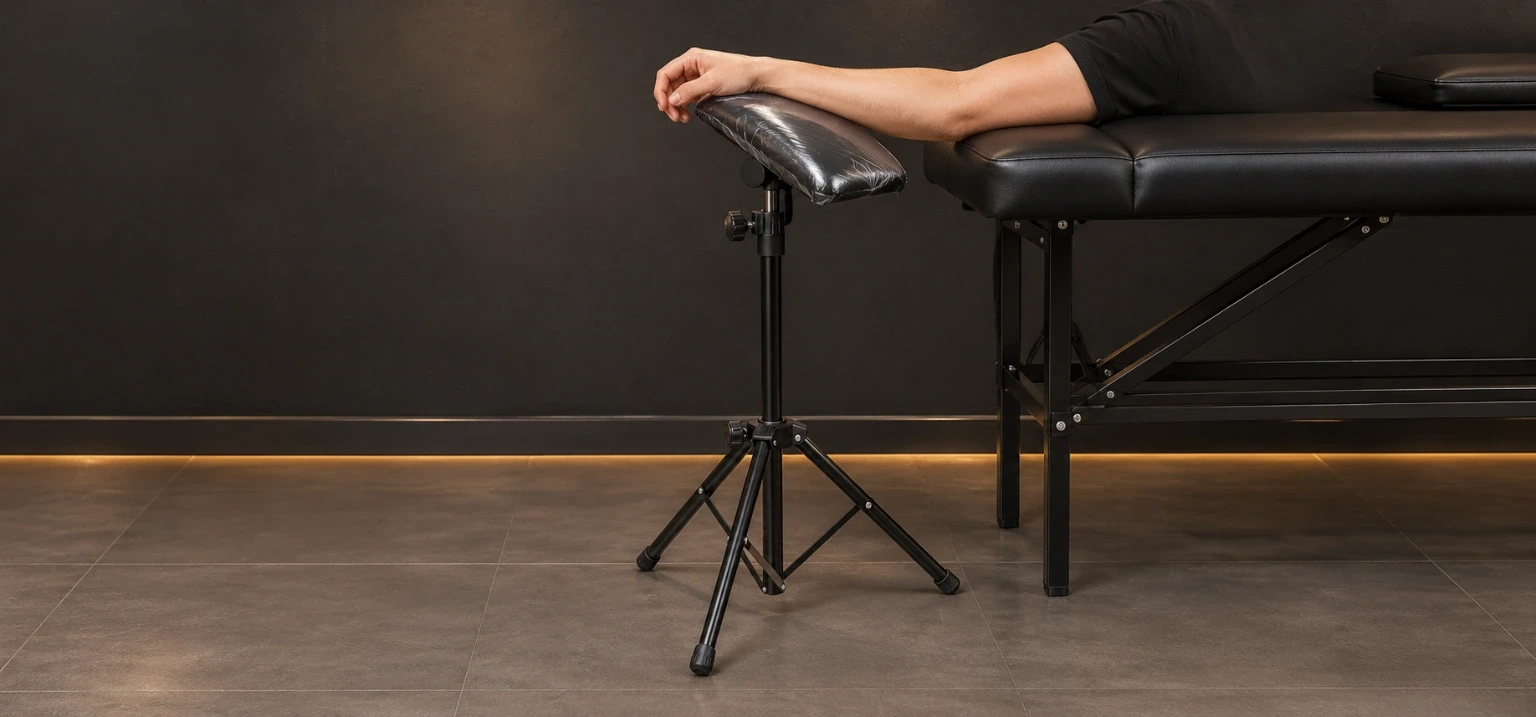
Too-low client positioning may make the artist bend; too-high positioning may leave arms elevated and unsupported. The study observed both. Review the back, neck and shoulders together.
Client reclining surface
Consider access to the tattoo area and how the position changes viewing height. A reclinable product is not necessarily a powered height-adjustable table.
Limb support
Armrest stands are among the furnishings discussed in the study. Check how positioning the client's limb changes the artist's reach and shoulder posture.
Alternative artist position
Some sites may be more workable standing than sitting, or the reverse. Test how the client and artist fit the same arrangement.
NECK POSITION AND VIEWING DEMANDS
Can better viewing access or magnification help a tattoo artist stop leaning forward?
Seeing the work clearly is a major reason artists lean toward the client. The tattoo study describes prolonged forward head and trunk positions, and 74% of survey respondents reported eye discomfort over the preceding year. That observation makes viewing access, lighting and client positioning relevant to the ergonomic review.
The authors discuss magnification and alternative viewing aids used in dentistry as potentially worth studying in tattooing. They did not demonstrate that a particular loupe or magnifier prevents tattoo-artist neck pain. The sensible professional question is whether a viewing aid is suitable for the artist's trained technique and whether it changes the posture needed to see the work.
An idea from another profession is not a tattoo-specific result
The study cites dental evidence when discussing magnification and chest or arm supports. Treat these as possible equipment directions for future investigation, not proven cures for tattoo professionals.
HAND, WRIST AND SHOULDER WORKLOAD
How can tattoo artists evaluate wrist and hand fatigue while working?
Repeated hand work and vibration are recognized ergonomic exposures. NIOSH includes both in its risk-factor guidance. Keester and Sommerich found that hands and wrists were among the regions where more than half of their survey respondents reported discomfort over 12 months.
The researchers also found sustained upper trapezius muscle activity above a literature-based low-level activity threshold in all 10 observed artists. That finding relates to the sustained muscular workload in the observed postures, not a direct comparison proving one tattoo pen or grip has a safer vibration level.
Review the working task, not just the pen
- Does the working position force the wrist or shoulder into a sustained awkward posture?
- Can the tattoo site be repositioned to change the reach rather than altering the grip blindly?
- Can an artist review the hand and wrist approach described in the machine-holding guide alongside the current station layout?
POSITION VARIETY THROUGHOUT A SESSION
Should tattoo artists sit or stand, and how often should they take breaks?
Keester and Sommerich discuss avoiding prolonged static positions, alternating between sitting and standing, changing foot placement and avoiding twisting as possible practices adapted from dental ergonomics. Their tattooer study does not specify a universal break interval or say that standing is better than sitting for every tattoo site.
The practical studio goal is to avoid being locked into one demanding position for the entire session. A seated artist may spend a long time leaning forward; a standing artist may still bend toward a low client table. The researchers saw both. Schedule work and organize the station so the artist can pause, reposition and resume with an appropriate view of the site.
| Working pattern | Possible issue | Research-informed adjustment to consider |
|---|---|---|
| Always seated, leaning forward | Backrest cannot be used and trunk stays flexed. | Review client position, seat fit and opportunities to change posture. |
| Always standing over a low surface | Standing does not eliminate bending. | Review table and client positioning before continuing. |
| One posture through long detailed work | Sustained static muscle load. | Include opportunities for position changes as part of session planning. |
There is no research-backed tattoo-specific instruction to stop every fixed number of minutes in the cited study. Choose changes appropriate to the task, the artist and the client's ongoing procedure.
SHOP INVESTMENT AND CONTROL
What can studio owners do when tattoo artists cannot control their furniture?
Changing the workstation is often a shop-level decision. Keester and Sommerich note that many tattoo artists work as independent contractors with limited authority over client chairs, armrest stands and the furniture supplied by the studio. The authors recommend collaboration between artists, researchers and owners because individual artists cannot always purchase or rearrange the equipment they need.
OSHA's Small Business Safety and Health Handbook encourages managers to involve workers in identifying ergonomic risks and to allocate time and resources to improvements. A shop owner can compare common complaints and work positions before replacing furniture; an artist can explain which stations require the most twisting or prolonged forward leaning.
Ask artists which tasks cause the most strain
Identify the client placements, reaching patterns and long static procedures they encounter.
Observe the existing stations
Look for repeated twisting, high unsupported arms, difficult viewing positions and furniture that cannot be adjusted for the work.
Prioritize shared constraints
Compare changes to supply placement, client support, seating and available workstation space rather than buying a product based on a label.
Review results with the working artist
Ask whether the change actually altered the work posture and repeat the assessment for other tattoo placements.
AVOID SINGLE-PRODUCT FIXES
What common tattoo artist ergonomics mistakes make workstation problems harder to solve?
Keester and Sommerich found that the posture problem involved client placement, far-reaching tools and sustained muscle activity, not simply one faulty seat. NIOSH likewise treats ergonomic risk as an interaction between task demands, people and equipment.
Buying a stool without moving the client
The research says a chair or table alone cannot eliminate awkward postures when the tattoo remains hard to reach.
Assuming a backrest must be helping
The artists observed were too far forward to use theirs. Look at the actual working posture.
Putting inks and water behind the artist
Long reaches and twisting were directly observed; the authors recommend relocating essential items closer.
Raising the client until the artist's arms lift
The study observed artists straightening their trunks while their shoulders remained elevated and unsupported.
Prescribing one perfect sitting angle or break timer
The tattoo study offers positioning principles, not a universal chair height, body angle or timed-break protocol.
Expecting a loupe or wireless pen to cure pain
The paper proposes some viewing aids for investigation; it does not establish that a listed product treats discomfort.
SVT SHOP FURNITURE AND VIEWING TOOLS
Which tattoo stools, armrests and client beds should studios compare?
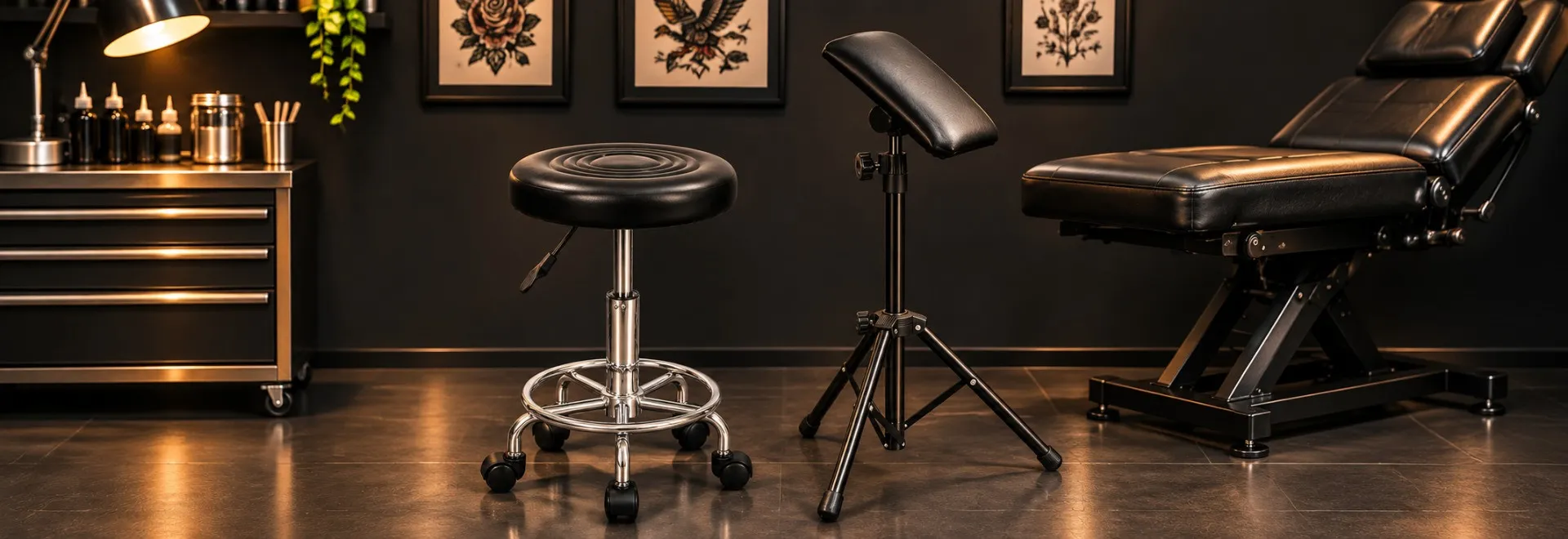
SVT Shop lists artist stools, armrests, reclinable beds, folding seating and a Precision magnifier. The tattooer study did not test or rank these models; compare fit against your actual station, not a medical outcome.
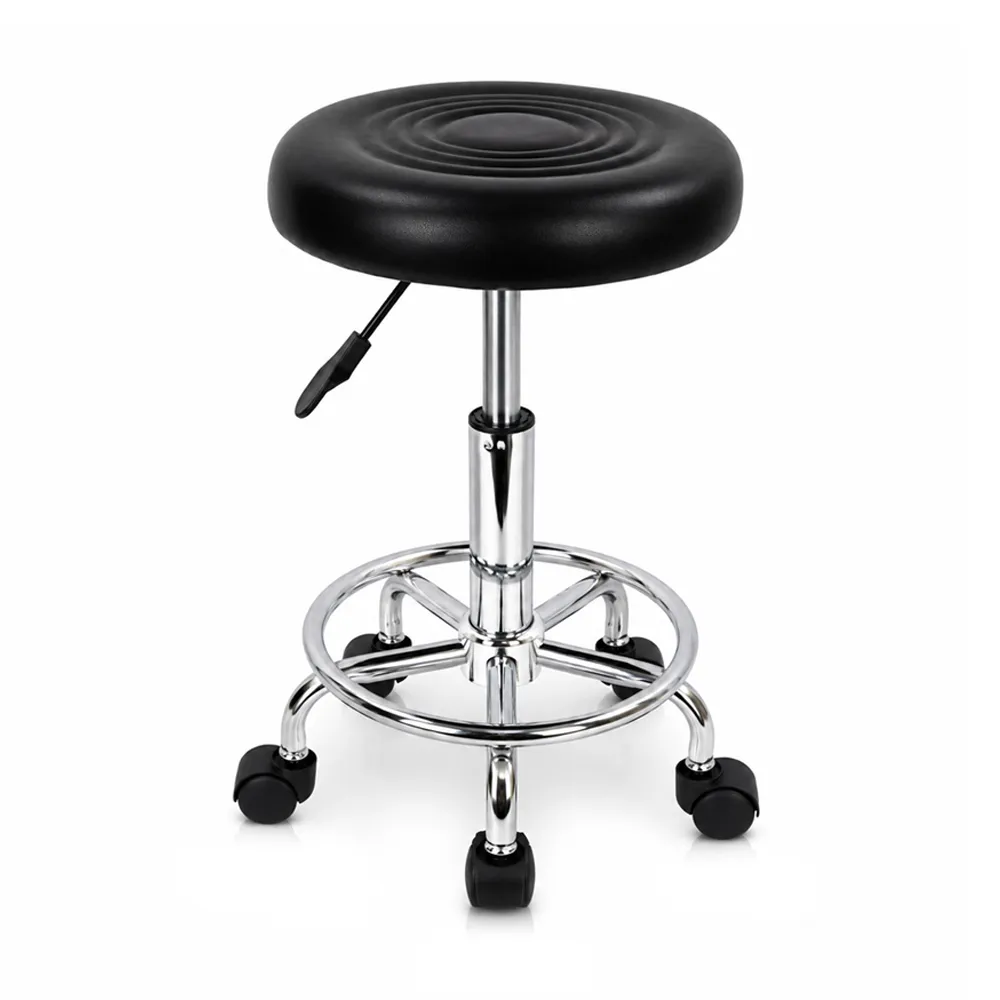 Artist seating comparison
Tattoo Stool FCH-001A
Compare artist seating with actual client height, reach and workspace; not a pain-treatment claim.
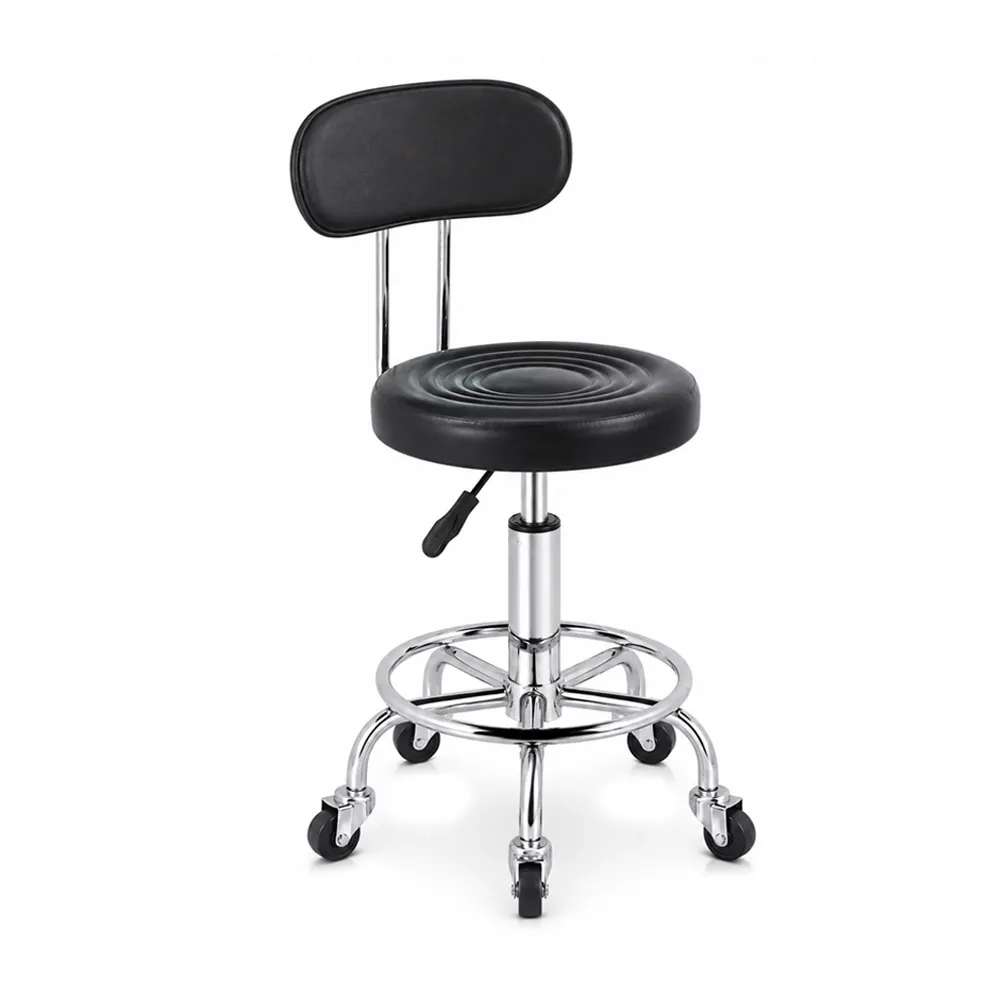 Alternative artist seat
Tattoo Stool FCH-002A
Alternative stool format to assess against the same working setup and available floor space.
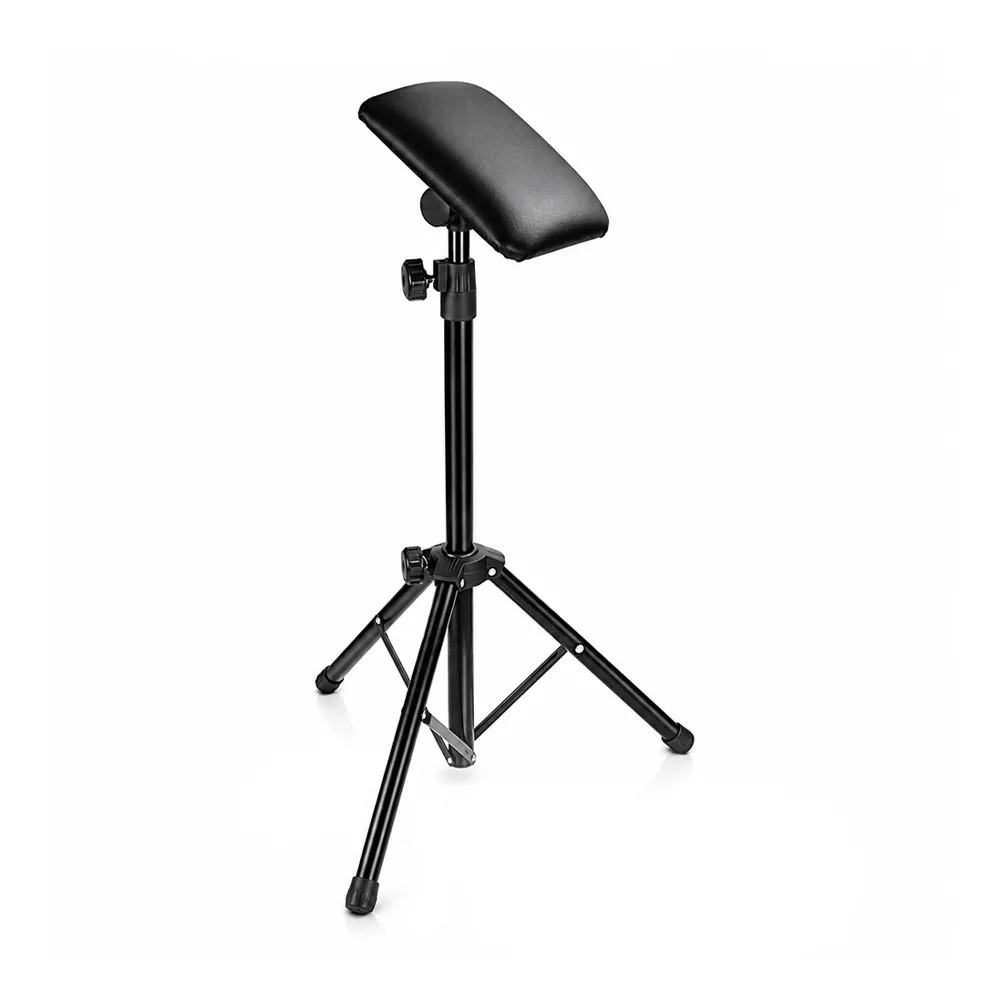 Client arm positioning
Tattoo Armrest FTA-044B
Client armrest option for planning limb position and artist reach; verify its exact specifications.
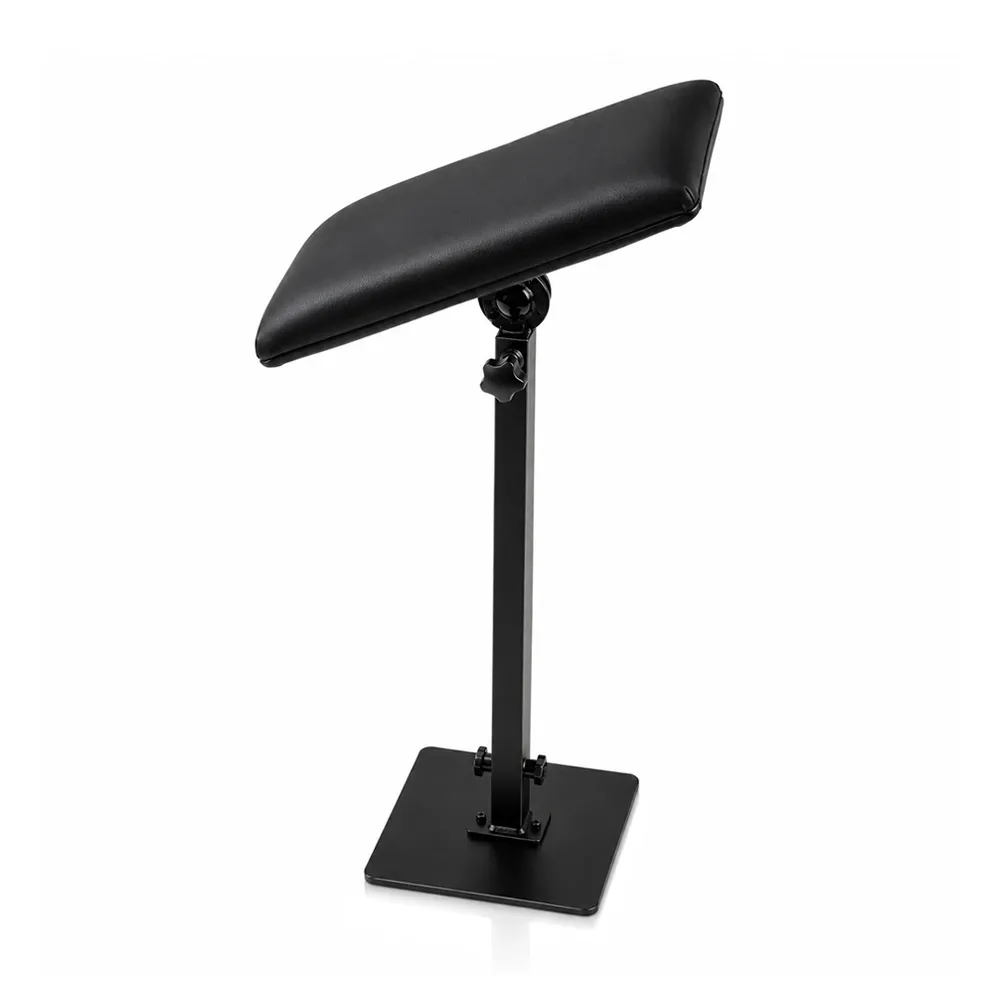 Another limb-support option
Tattoo Armrest FTA-044D
Another limb-support format for positioning a tattoo site without repeated far reaches.
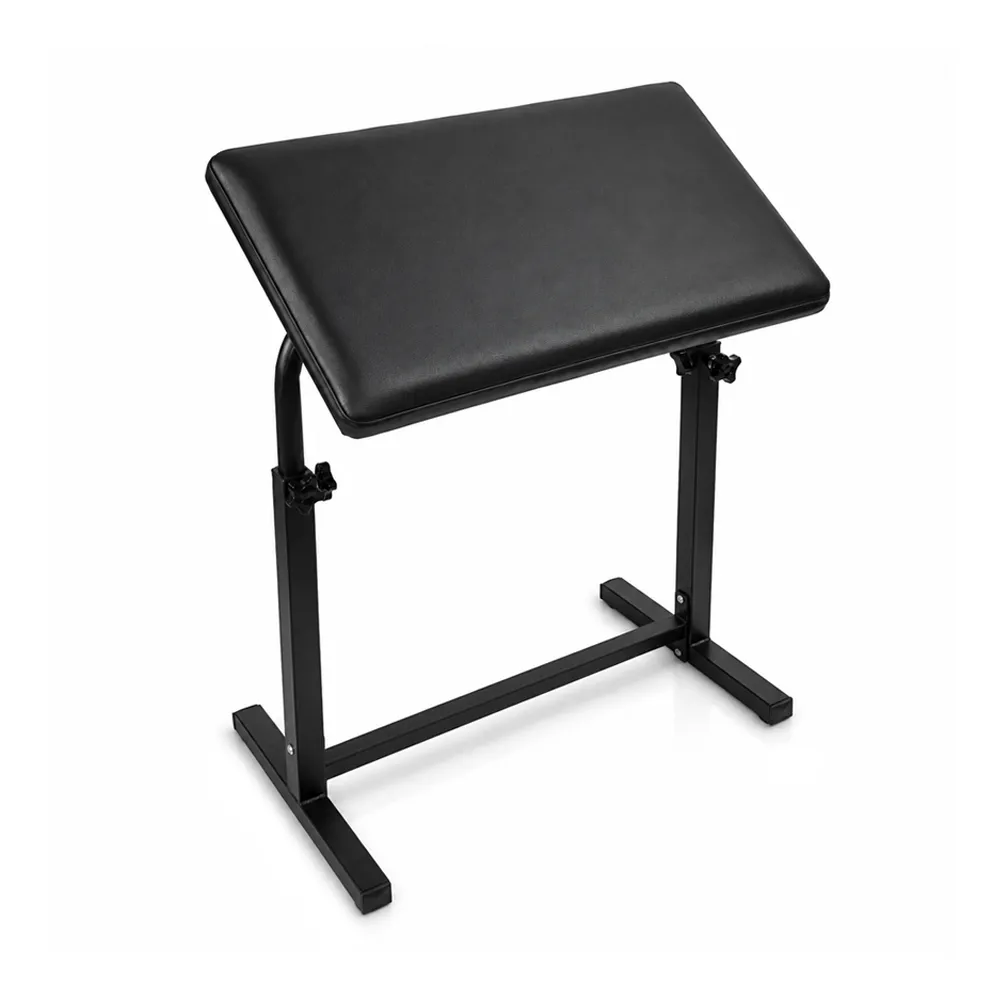 Armrest stand comparison
Tattoo Armrest FTA-016A
Armrest option to evaluate with client posture, artist seating and station layout.
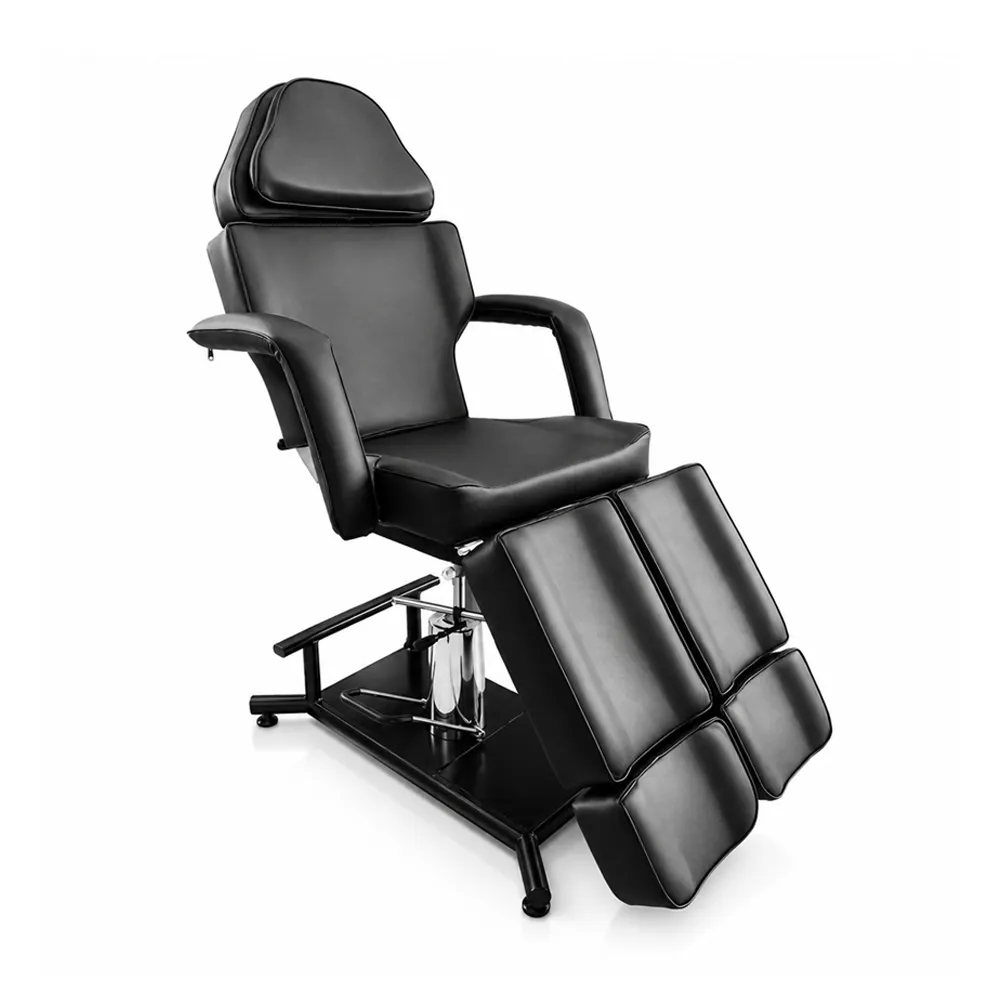 Client reclining arrangement
Reclinable Tattoo Bed FCH-008
Reclinable client bed; the listing name does not establish powered height adjustment.
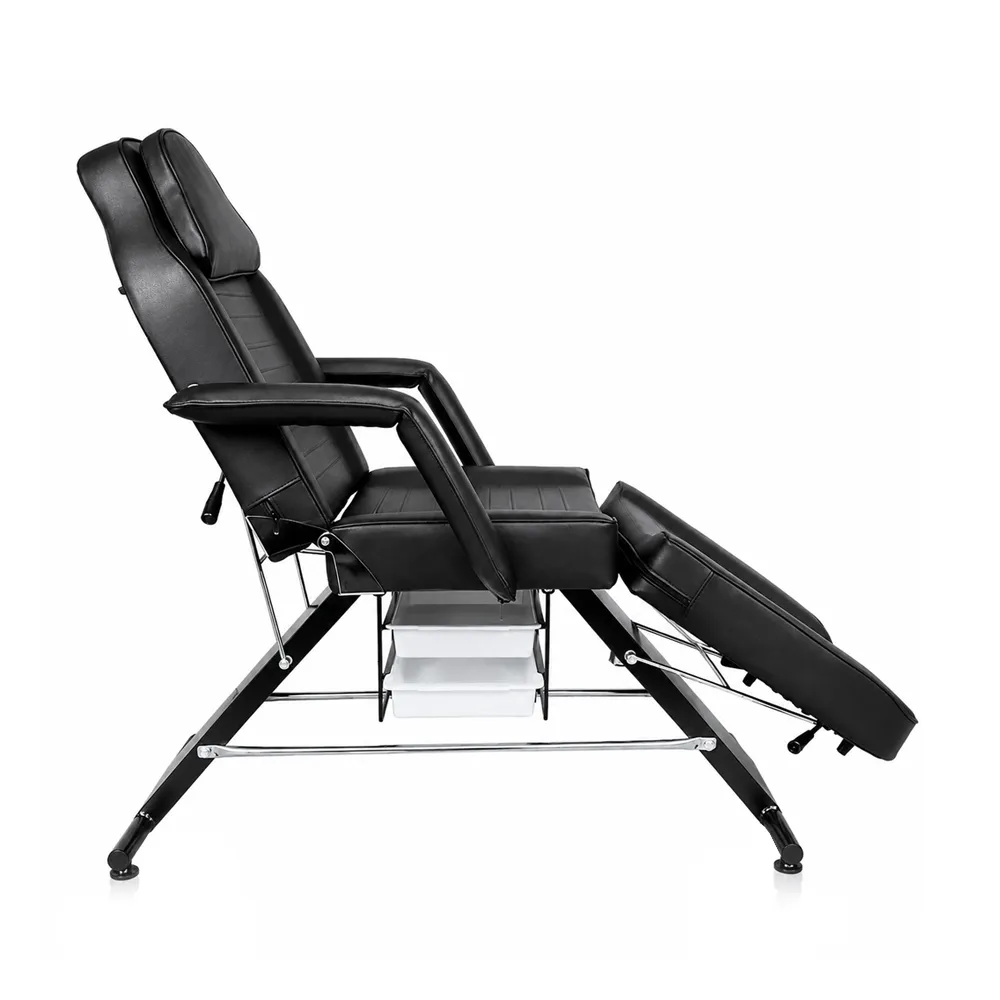 Alternative client bed
Reclinable Tattoo Bed FCH-007A
Alternative reclining client surface for evaluating access to the planned tattoo site.
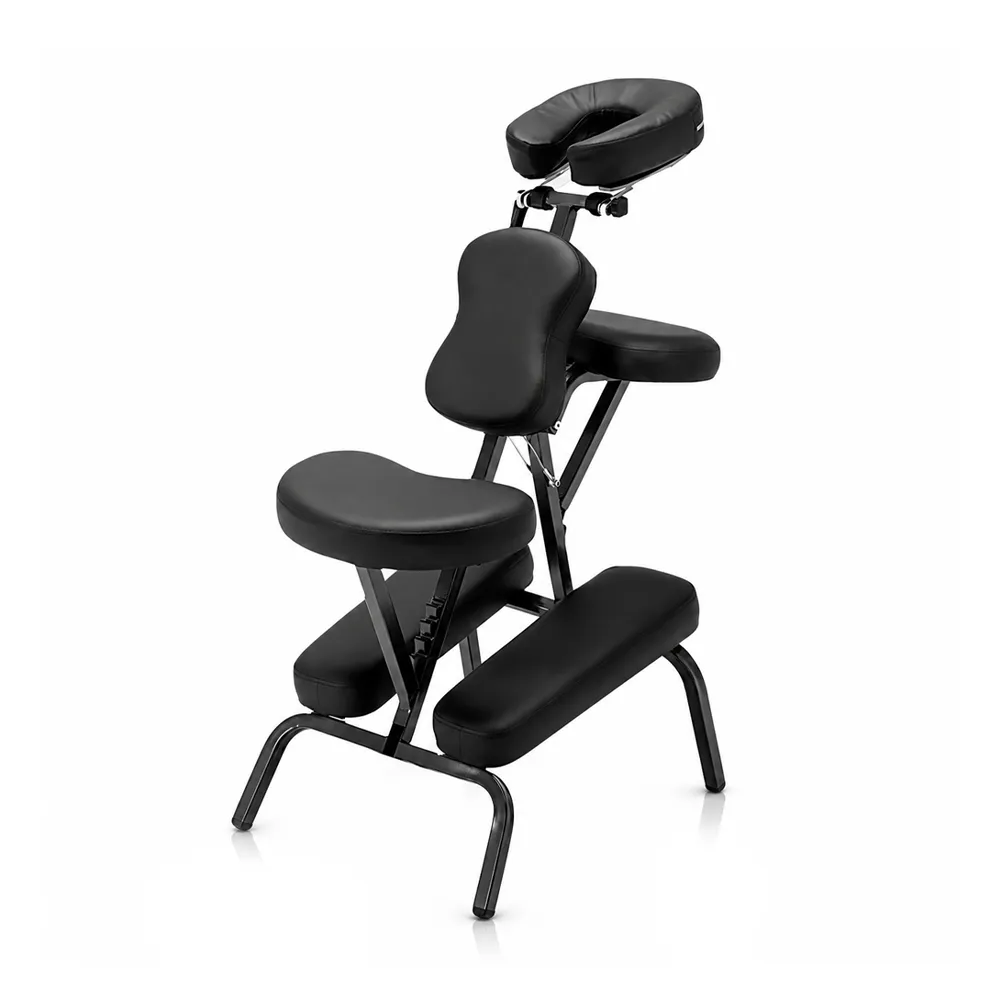 Portable studio furniture
Folding Tattoo Chair FCH-003
Folding chair format to consider for guest spots and conventions with portable equipment.
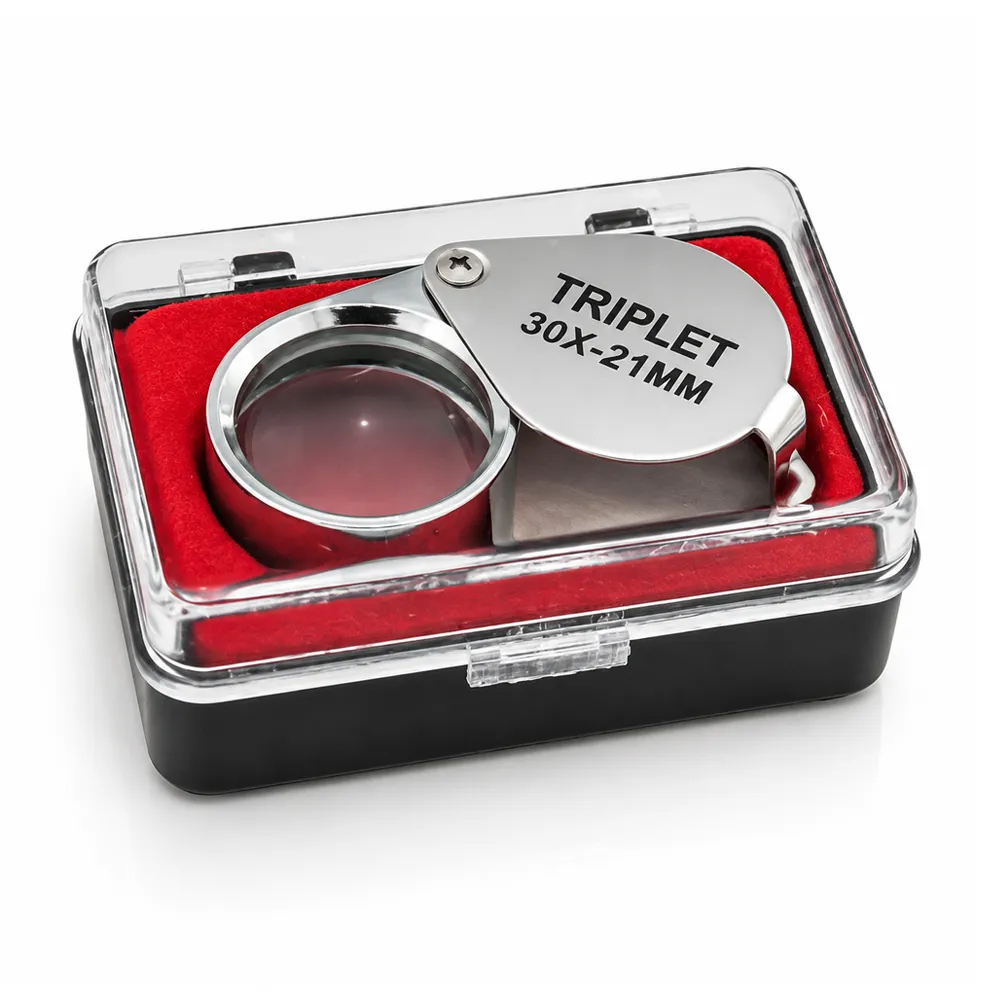 Magnifying tool comparison
Precision 30x-21mm Triplet Eye Loupe
Magnifying tool for viewing tasks; the study did not test whether it reduces tattooer pain.
Explore Artist Stools Compare Client Beds Read the Furniture Buying Guide
SVT Shop serves artists and studios in El Paso, TX, with Next Day Delivery available in El Paso.
CHECK THE ENTIRE STATION
What belongs on a tattoo artist ergonomics setup checklist?
Use this checklist with the working artist to assess the actual task, consistent with NIOSH and OSHA principles.
- Client position: Is the tattoo site visible without sustained leaning or raised, unsupported arms?
- Artist position: Can the stool or standing arrangement be used for this particular piece?
- Work supplies: Are inks, water, ointment and machine tools positioned to limit repeated twisting?
- Upper body: Review neck, back, shoulders, arm and wrist together.
- Viewing: Is lighting appropriate, and are any viewing aids being evaluated realistically?
- Variation: Can the artist change posture and reposition as the tattoo area changes?
- Owner support: Did working artists review furniture choices?
- Persistent symptoms: Seek a doctor or physical therapist for continuing pain, numbness or tingling.
FREQUENTLY ASKED QUESTIONS
12 questions about tattoo artist back pain, posture and ergonomics
The answers distinguish tattoo-specific observations from general NIOSH and OSHA guidance.
Why do tattoo artists get lower-back and neck pain?
Keester and Sommerich observed leaning toward clients, static shoulder load and repeated reaches. NIOSH identifies awkward posture and repetition as risk factors.
How common is pain among tattoo artists?
In a sample of 34, 94% reported lower-back discomfort over 12 months; several other regions exceeded 50%. Those are study-specific results.
What is the best chair for a tattoo artist with back pain?
The study did not identify a best chair. Evaluate the seat with the client position and working task; consult a clinician for persistent pain.
Does a backrest help tattoo artists?
In the study, artists leaned too far forward to use backrests. A backrest helps only when the working posture lets it function.
How should a tattoo artist sit while working?
Position the client and tools to reduce bending, twisting and elevated unsupported arms. The study gives no universal sitting angle.
Is standing better than sitting for tattooing?
Neither is automatically better. The researchers observed awkward postures seated and standing and suggest alternating where feasible.
Do adjustable tattoo beds and armrests improve ergonomics?
Better positioning may help, but the study says furniture alone will not eliminate awkward postures. Its authors did not evaluate these retail models.
How often should tattoo artists take breaks?
The tattoo study does not prescribe a number of minutes. It discusses varying posture and avoiding prolonged static positions.
Can magnification help tattoo artists avoid neck pain?
Dental viewing aids were cited as potentially relevant, but the study did not demonstrate that a tattoo loupe prevents neck pain.
How do I set up my station to reduce reaching?
Keep inks, water, ointment and the machine closer to the working area. The study linked distant tools to twisting and full reaches.
What is RULA in tattoo artist ergonomics?
Rapid Upper Limb Assessment scores awkward work postures. In the study, 71% of observed postures scored 5-7, indicating a need for changes.
Are independent tattoo artists covered by workers' compensation?
The study notes many artists are contractors. Eligibility depends on local law and insurance terms; ask the appropriate state authority or insurer.
RESEARCH
Sources Consulted
The tattoo-specific findings come from a small observational study. NIOSH and OSHA provide general workplace ergonomics principles, not tattoo-chair product testing.