Powered by Comercia.io
How should you hold a tattoo machine for clean lines, controlled shading, and less hand fatigue? Choose a tattoo grip that fits your relaxed fingers, support your working arm, maintain a consistent needle angle, and use your other hand to stabilize and stretch the skin. FK Irons explains why grip diameter, weight, posture, angle, and stretch matter; this guide turns those findings into practice checks for pen, rotary, and coil artists.
Shop Tattoo Grips Shop Practice Supplies
QUICK ANSWER
What is the proper way to hold a tattoo machine?
Hold the grip in a natural, relaxed position that lets you guide the needle without squeezing hard. Support your forearm when practical, position the tattoo area within comfortable reach, and maintain a consistent needle angle. Your free hand manages appropriate skin stretch while your machine hand follows the planned path. FK Irons recommends checking grip fit, machine balance, hand pressure and angle together rather than copying one rigid hand pose.
THE GRIP
Secure but relaxed. A narrow grip can encourage pinching; one too wide can force fingers apart.
THE WORKING HAND
Support the forearm, keep the wrist comfortable, and guide the machine without fighting its balance.
ANGLE & STRETCH
Maintain a repeatable needle approach and controlled skin surface; have a mentor teach the placement-specific hand technique.
THE FK IRONS DIAMETER GUIDE
What tattoo machine grip size is best for fine line, lining, and shading?
FK Irons says many standard grips measure roughly 25–38 mm, with wider options available. The maker's categories describe how different diameters may feel, not an exact size every artist must buy. Hand size and training can matter more than the tattoo style.
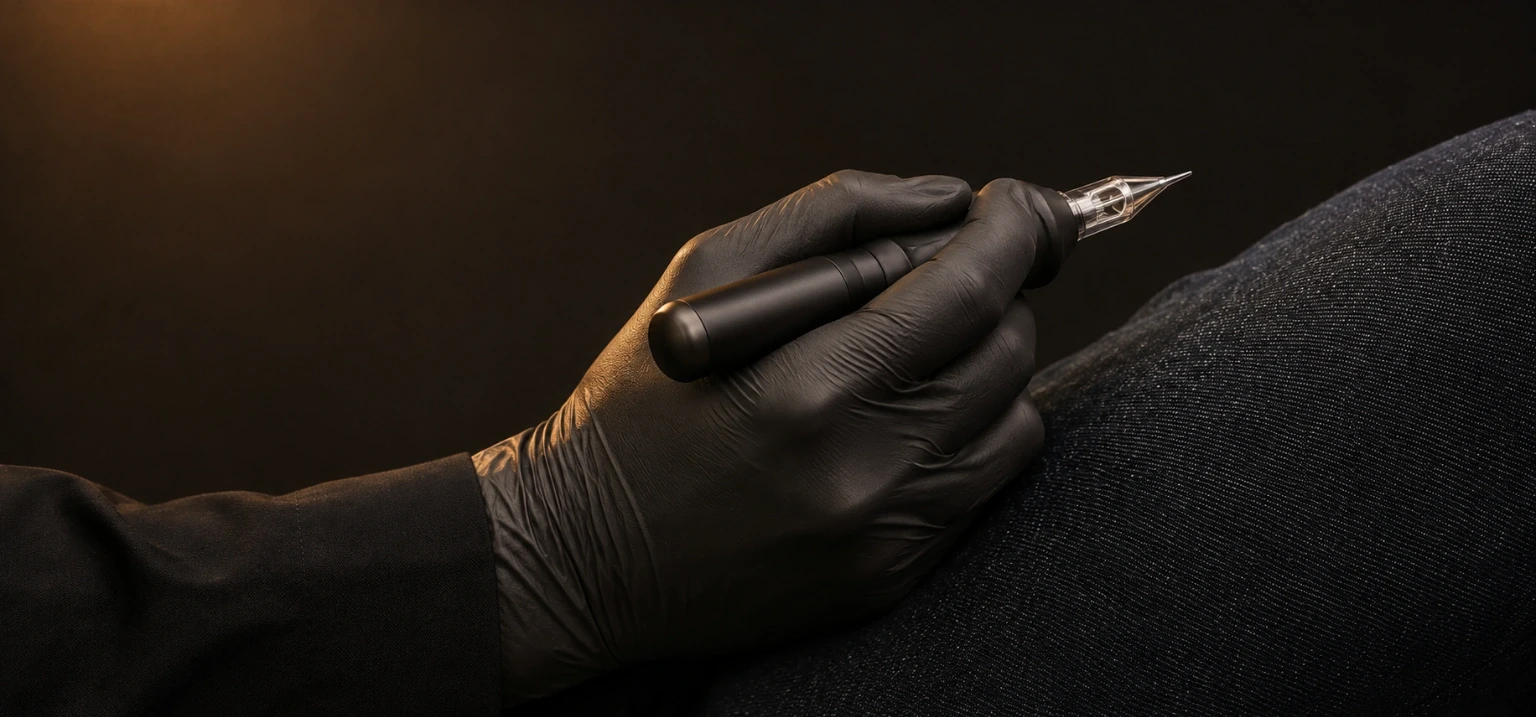
| FK grip diameter | Typical feel described by FK | Work FK associates with it | What to compare |
|---|---|---|---|
| 25–28 mm | Slim, responsive and closer to fingertip contact. | Fine line, single-needle work, PMU and detail. | Does precision come without your fingers pinching harder? |
| 30–33 mm | Balanced feedback and a fuller handhold. | General lining, shading and mixed tattoo styles. | Can you switch movements without changing to a strained hold? |
| 35–38 mm | More surface area to hold, reducing the need to clamp. | Color work, soft shading and longer sessions. | Is the grip comfortable without feeling oversized or disconnected? |
| 40 mm and wider | Extra-wide, with broader palm contact. | Larger hands, packing and extended sessions. | Can your hand reach and guide it naturally in the working position? |
FK explains why the trade-off matters: a slender grip can support fine fingertip movements but require deeper finger curling, while a wider grip spreads contact and may ease pinching. A very wide grip can also diminish direct fingertip feedback. Use the numbers to start comparisons, not to declare a winner without trying the complete machine.
WEIGHT AND CENTER OF GRAVITY
Does tattoo machine weight or a wireless battery affect how you hold it?
FK Irons explains that total weight and where it sits both influence hand fatigue and control. A machine that feels easy to hold upright can take more effort to guide at the angle required by the work. A battery can move weight toward the rear, while a wired machine introduces a cord that must move with the hand.
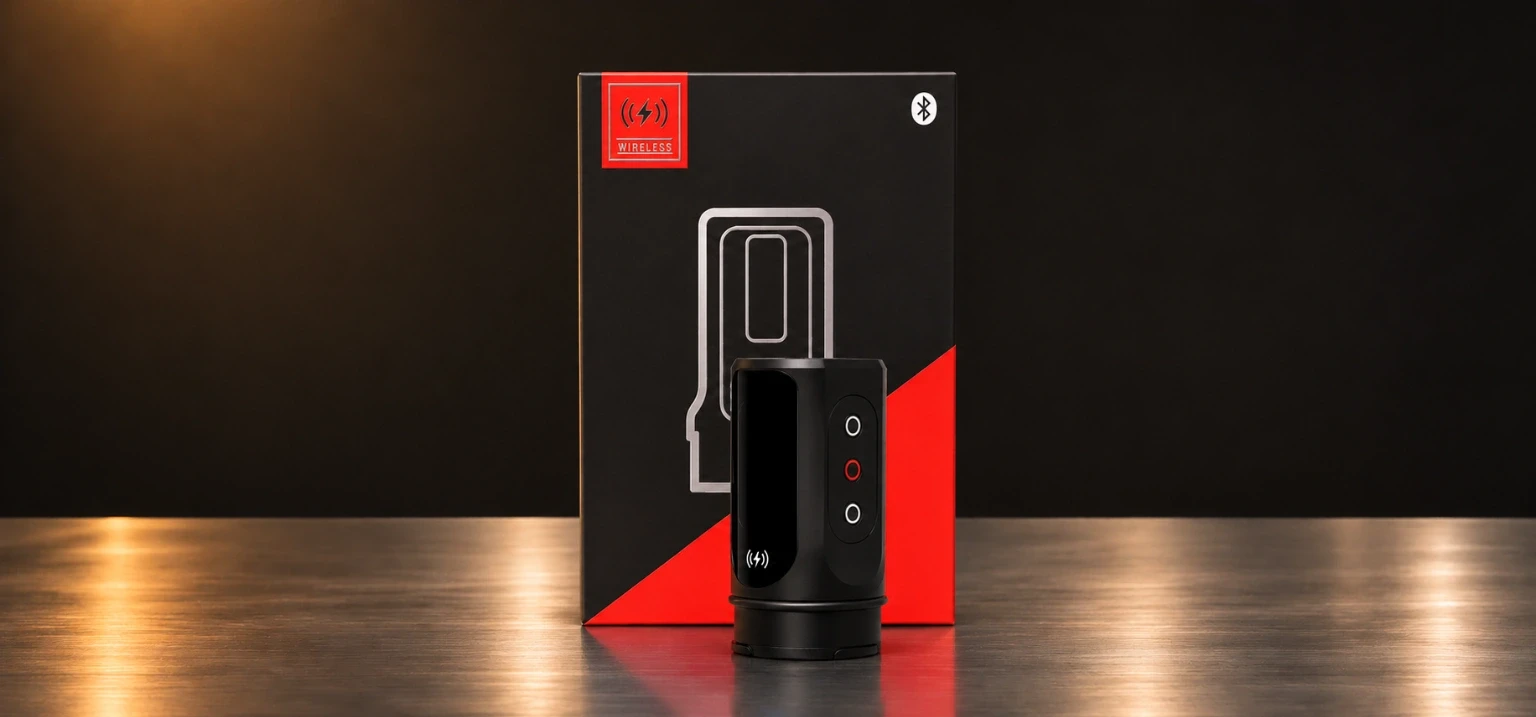
Wireless pens
Without a dragging cord, movement can feel freer, but FK says battery weight and its position change balance. Evaluate the pen with the actual power module installed.
Wired pens
FK notes that wired machines do not carry the same onboard battery load but do have a cable. Consider how the protected cable affects your comfortable reach and movement.
Coil machines
FK describes coil machines as generally weightier than many pen-style rotaries. Compare how the frame sits in your hand and whether you tighten your grip to control its balance.
As a specific manufacturer example, FK lists 244–268 g for the FK Irons One Adjust, depending on the battery configuration. That specification describes that model, not the weight of every wireless pen. A balanced setup allows controlled movement without continual wrist correction.
Compare formats further in pen machines vs coil machines and wireless tattoo pen machines compared.
SUPPORT MORE THAN YOUR FINGERS
Where should you rest your hand and arm to reduce tattooing fatigue?
FK Irons recommends bringing the tattoo area within comfortable reach, supporting the forearm where practical and adjusting the chair or client bed to avoid hunching and raised shoulders. Hand fatigue is not solved by the grip alone if the whole arm remains suspended in a difficult position.
Bring the work within reach
Position the client and workstation so you do not have to reach forward continuously to maintain contact. FK emphasizes client position as part of comfortable tattooing.
Give the forearm a stable place to rest
FK advises forearm support where practical. Choose furniture and a working position that let the hand move without unnecessary shoulder effort.
Check chair, bed and armrest height
Notice whether you are bending your neck or lifting the shoulder to see the stencil. Adjust the setup rather than locking that position through a long pass.
Change position and take breaks
FK recommends releasing the machine and changing position periodically. A small Ohio State University study also highlights arm and back support and breaks as useful ergonomic considerations.
Respect persistent symptoms
FK advises stopping tattooing and seeking medical advice for persistent pain, tingling, numbness or weakness, rather than forcing a session through those symptoms.
In an Ohio State University study of ten artists summarized by the university, measured upper-back and neck muscle loads exceeded recommended limits in the observed sample. It supports checking posture and breaks, not assuming a certain grip will prevent injury. See our tattoo furniture guide for comparing stools, beds and arm supports.
CONSISTENT NEEDLE APPROACH
What tattoo needle angle should you use for lining or shading?
There is no single manufacturer-approved angle that applies to every needle grouping, body area and technique. FK Irons identifies angle alongside depth, needle configuration, ink flow and hand pressure as variables affecting how pigment is delivered. The practical goal is a consistent, controlled approach, not an angle copied from an unverified chart.
| What changes | What FK Irons connects to it | How to evaluate it |
|---|---|---|
| Hand and machine angle | The way the needles contact the surface and the feel of the hit. | Practice a steady approach along a repeated line or shading pattern. |
| Working needle depth | Depth can drift when hand pressure and angle change. | Review the result rather than pushing harder for a dark mark. |
| Needle grouping | Its configuration affects contact and how the machine performs. | Compare a suitable liner or shader with consistent hand position. |
| Hand speed | The spacing of needle contacts relative to machine cycles. | Keep the movement controlled while comparing the effect of angle. |
A larger sweep or difficult reach can subtly change angle even when you think you are holding the machine the same way. Reposition the work and arm support to maintain control. A qualified mentor should teach the approach appropriate to the actual body placement and task.
Angle is not a substitute for depth control
FK advises monitoring angle and hand pressure when working depth drifts. If pigment placement looks weak, check the setup, stretch, angle and movement before increasing force.
THE FREE HAND HAS A JOB
How do you stretch skin while tattooing, and why does it matter?
Skin stretch helps create a controlled working surface. FK Irons identifies poor stretch as one possible source of patchy saturation, alongside inconsistent depth, restricted cartridge movement and ink-flow issues. The stretching hand is separate from the hand guiding the machine; learning how to coordinate them is part of supervised technique training.
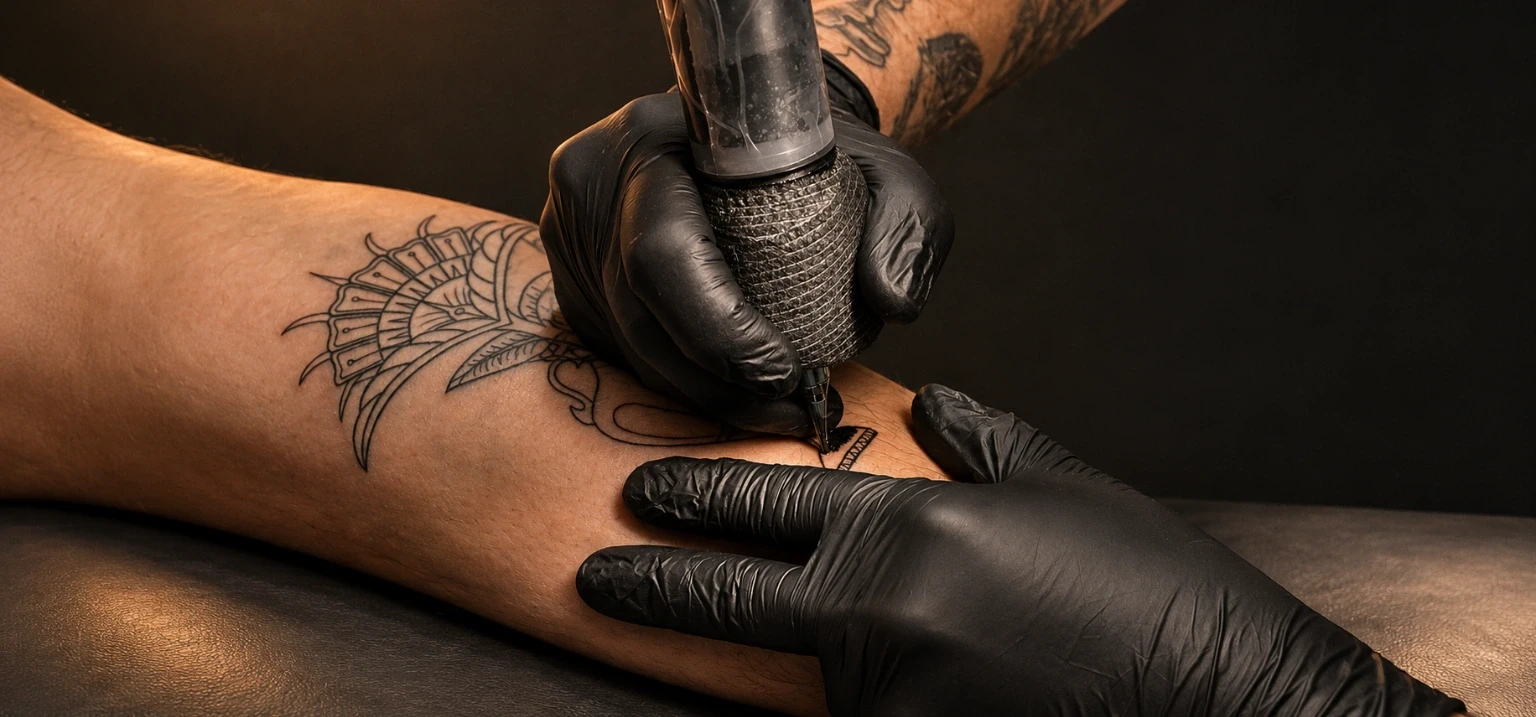
Identify which hand controls the needle
Keep the machine hand dedicated to a steady path and the other hand available for controlled skin support and stretch. Practice the coordination on synthetic skin first.
Prepare the work area and reach
FK recommends positioning the client comfortably within reach. Skin handling becomes harder when the machine hand and supporting hand are both stretched awkwardly.
Maintain a repeatable surface
FK links poor stretch with weak coverage. During practice, notice whether inconsistent support changes how smoothly the needle path can be followed.
Reassess as the location changes
Angle, depth and pressure may drift as the work moves around the body. Have a mentor demonstrate how to adapt stretch to the actual placement rather than copying a single hand pose everywhere.
More pressure from the machine hand does not automatically correct insufficient stretch. FK's machine-speed guide recommends reviewing stretch and working depth before assuming a voltage change will fix patchy pigment delivery.
DIAGNOSE CONTROL BEFORE BUYING
Why does my tattooing hand shake, pinch, tire, or lose line control?
FK Irons recommends evaluating grip fit, balance, posture, cartridge stability and technique when control feels wrong. Several problems can produce similar marks, so troubleshoot the physical setup before changing multiple machine settings.
| What you experience | Possible factor supported by FK | What to compare |
|---|---|---|
| Fingers squeeze or cramp around the grip | Grip may be too narrow or textured in a way that creates pressure points. | Try a slightly wider or differently contoured grip with the same machine. |
| Wide grip feels awkward or disconnected | Fingers may be reaching too far around the diameter. | Compare one smaller size while keeping the familiar handhold. |
| Hand tires as the pen tips backward | Battery weight and balance may force constant wrist correction. | Test the complete wireless setup against a different balance or wired option. |
| Shoulder rises or neck bends toward the tattoo | Client height, working distance and weak forearm support. | Reposition furniture and arm support; change position and take breaks. |
| Line or shading becomes patchy | FK lists angle, stretch, working depth and hand speed among causes. | Check each technique variable independently on practice skin. |
| Machine suddenly vibrates more | FK lists cartridge, grip, battery or cable attachment problems. | Power off, inspect external connections and request service if abnormal vibration persists. |
Persistent pain, tingling, numbness or weakness is different from ordinary setup discomfort. FK advises stopping and seeking medical advice when those symptoms occur.
LEARN CONTROL ON SYNTHETIC SKIN
What exercises help beginners practice tattoo grip, hand support, angle, and skin stretch?
Use practice skin to make controlled comparisons without experimenting on a person. FK recommends repeatable setup tests and changing one variable at a time. Synthetic skin supports coordination training but does not reproduce all of the responses of living skin.
Practice short straight paths
Use synthetic skin with clear straight reference marks. Focus on supporting the forearm and maintaining a consistent hand path before adjusting the machine's other settings.
Try curves without reaching
Reposition the practice surface or chair so the hand can follow a gentle curve without the shoulder rising or the grip tightening.
Separate machine motion from free-hand support
Practice coordinating a steady working hand with the other hand supporting the surface. Learn placement-specific stretching methods from a qualified mentor before applying them to people.
Compare diameter with the setup unchanged
Following FK's grip guidance, test one narrower or wider grip while keeping the pen, cartridge and intended path similar. Note whether you need less finger force.
Record what stays repeatable
Write down grip size, machine, battery or cable setup, arm support and how steadily you could follow the path. Revisit one difficulty at a time rather than changing everything together.
For suitable practice surfaces and supporting tools, read SVT Shop's tattoo practice supplies guide. Use your mentor to refine angle and real-skin stretch rather than treating a synthetic drill as proof of readiness to tattoo clients.
COMMON HAND-CONTROL MISTAKES
What grip, hand position, and angle mistakes should tattoo beginners avoid?
FK's grip and fatigue guidance makes it easier to recognize unproductive habits. Better technique usually starts with correcting tension or position instead of forcing the hand to overcome a poorly balanced setup.
Holding a narrow grip with a death grip
FK says a too-thin grip may make the fingers curl and pinch excessively. Compare a slightly wider diameter rather than relying on additional squeeze.
Choosing the widest grip automatically
Extra width may help some hands but stretch others. FK recommends matching diameter to relaxed finger contact and actual working technique.
Ignoring battery and cable balance
FK says mass distribution changes how a pen feels at different angles. Judge the assembled setup, not the bare machine body.
Reaching instead of moving the furniture
FK advises positioning the client closer, supporting the forearm and avoiding raised shoulders. Reposition rather than extending a difficult posture through the whole task.
Using hand pressure to compensate for weak stretch
FK links poor stretch and changing depth to patchy results. Reassess the setup and learn controlled stretch instead of pushing harder.
Following a universal needle-angle chart
FK identifies angle as one of several variables but does not prescribe one angle for all techniques. Learn the appropriate approach with a qualified mentor.
SVT SHOP GRIP AND CONTROL OPTIONS
Which tattoo grips, pens, barriers, and practice supplies should you compare?
Buy to solve a specific handling problem: grip contact, machine balance, practice control or the feel of a barrier-wrapped setup. These SVT Shop listings support different parts of that comparison; product suitability depends on compatibility and your actual hand fit.
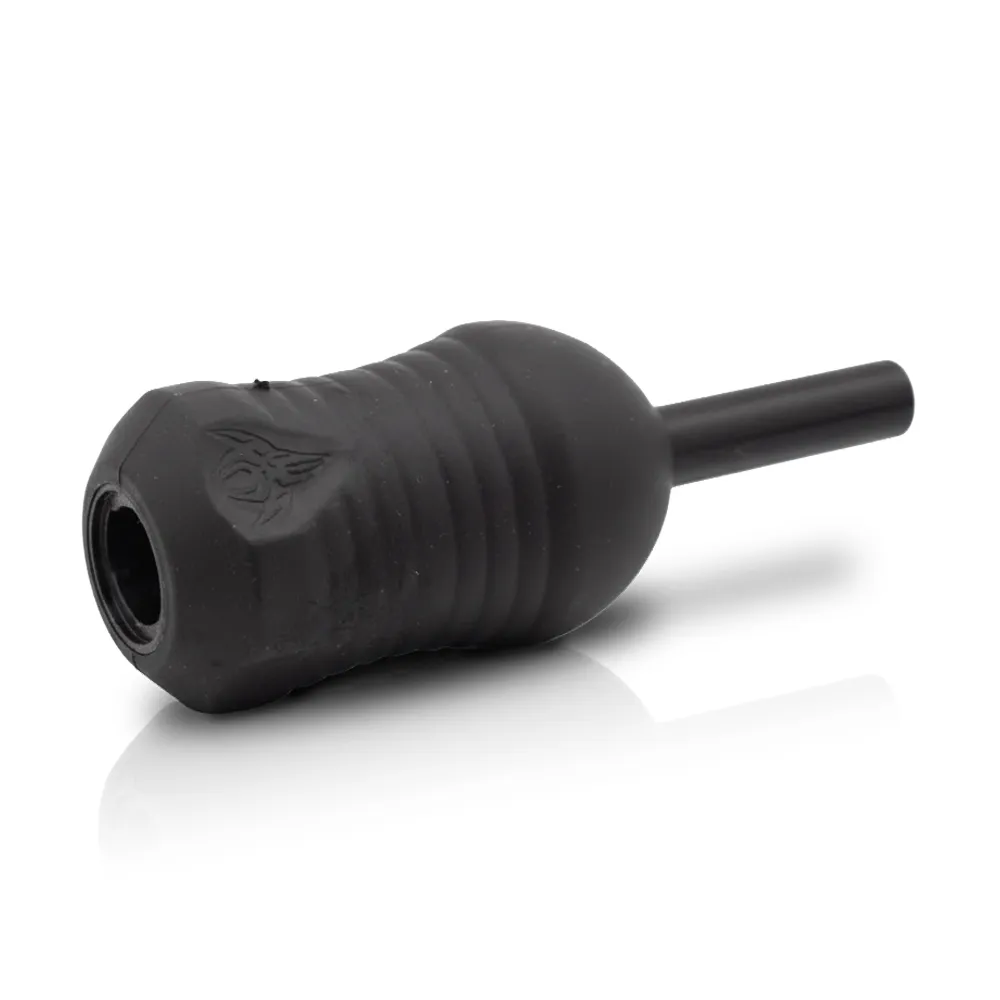 Compare a fuller disposable gripPrecision Disposable Contoured Soft Cartridge Grips 1.25 inSoft contoured grip with a listed 1.25-inch diameter. Compare hand fit and machine compatibility.
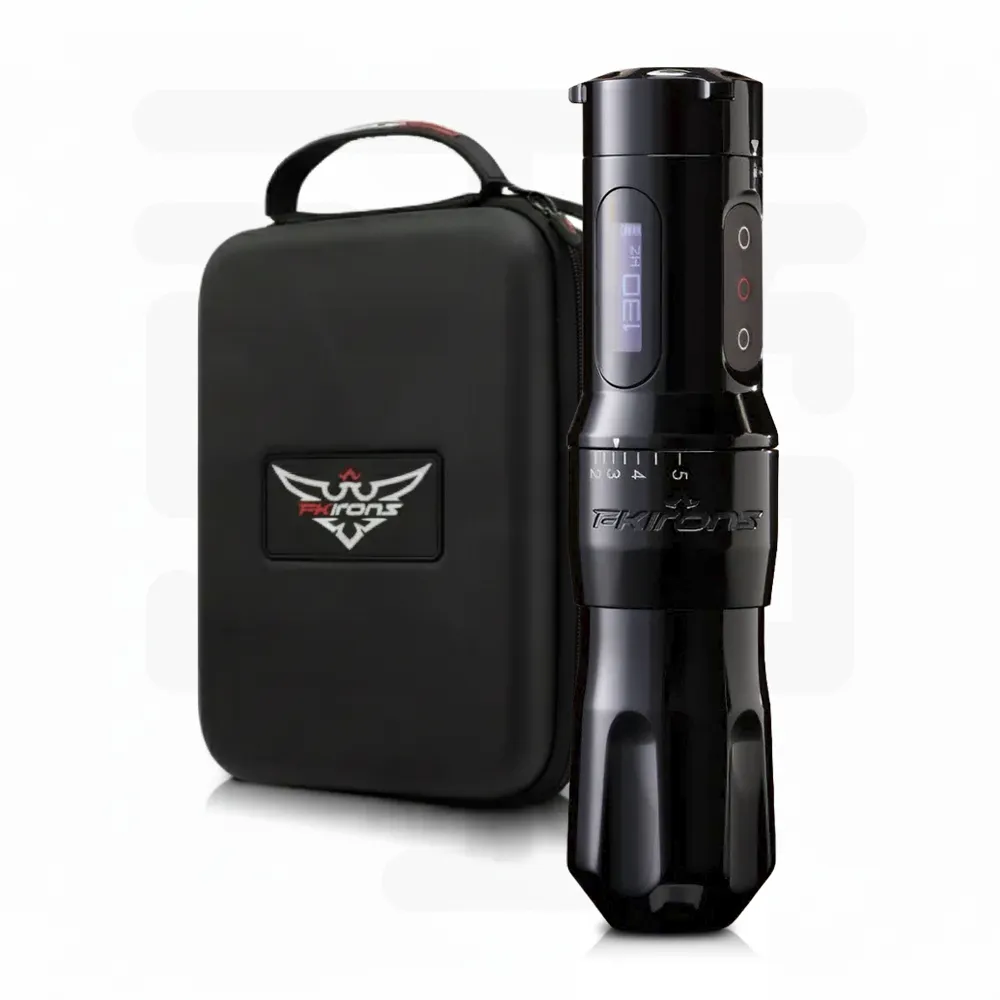 Compare weight and grip feelFK Irons One AdjustFK lists 244–268 g depending on battery. Compare the assembled pen's balance and finger pressure.
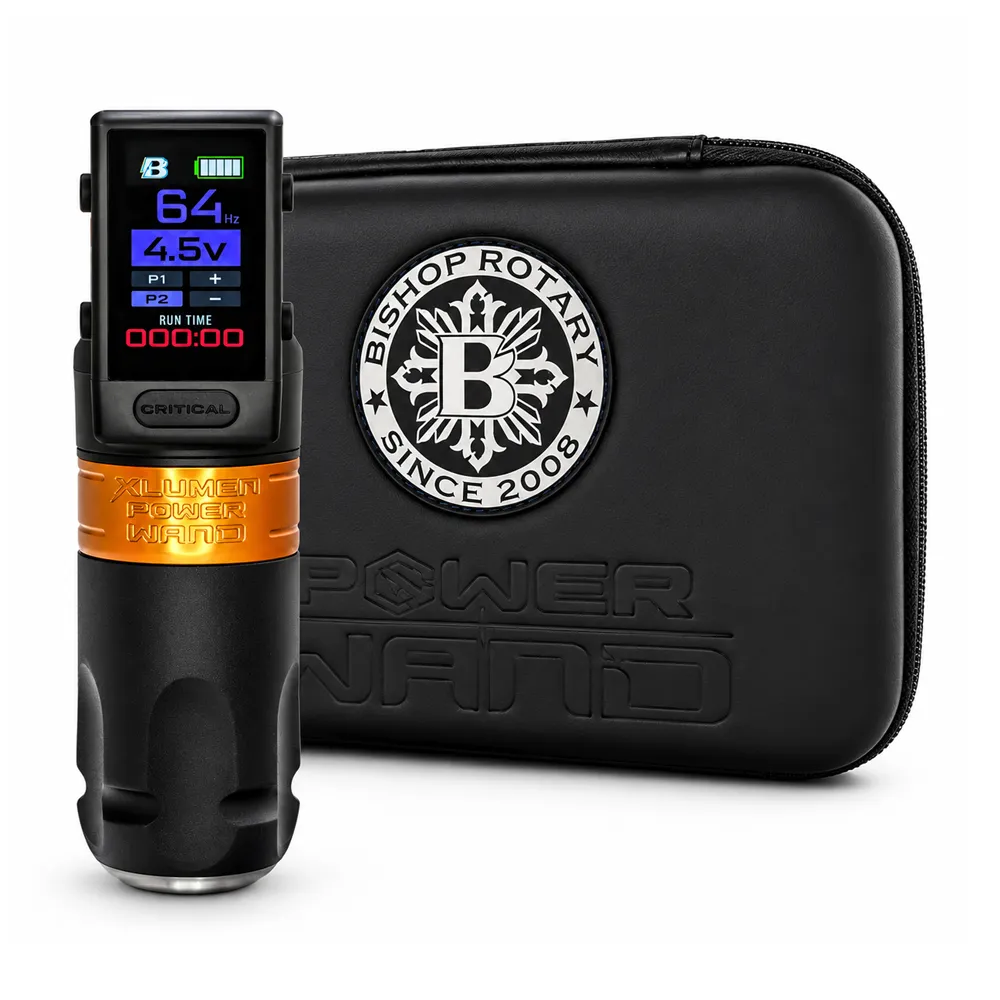 Explore a professional pen formatBishop Power Wand XLUMEN Packer Full SetA task-focused pen set to compare for grip comfort, supported movement and power arrangement.
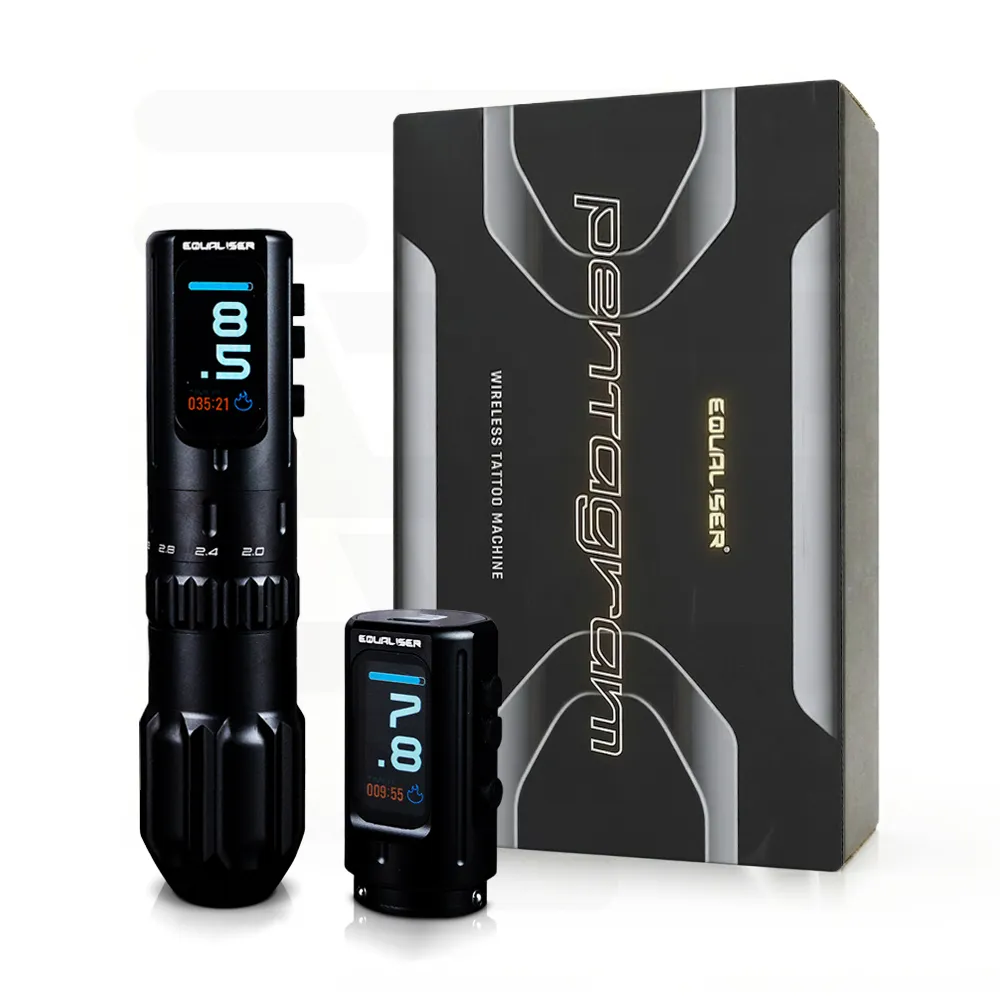 Balanced pen design comparisonKwadron Equaliser PentagramKwadron describes its slim aluminum body and balanced design. Check fit in your hand.
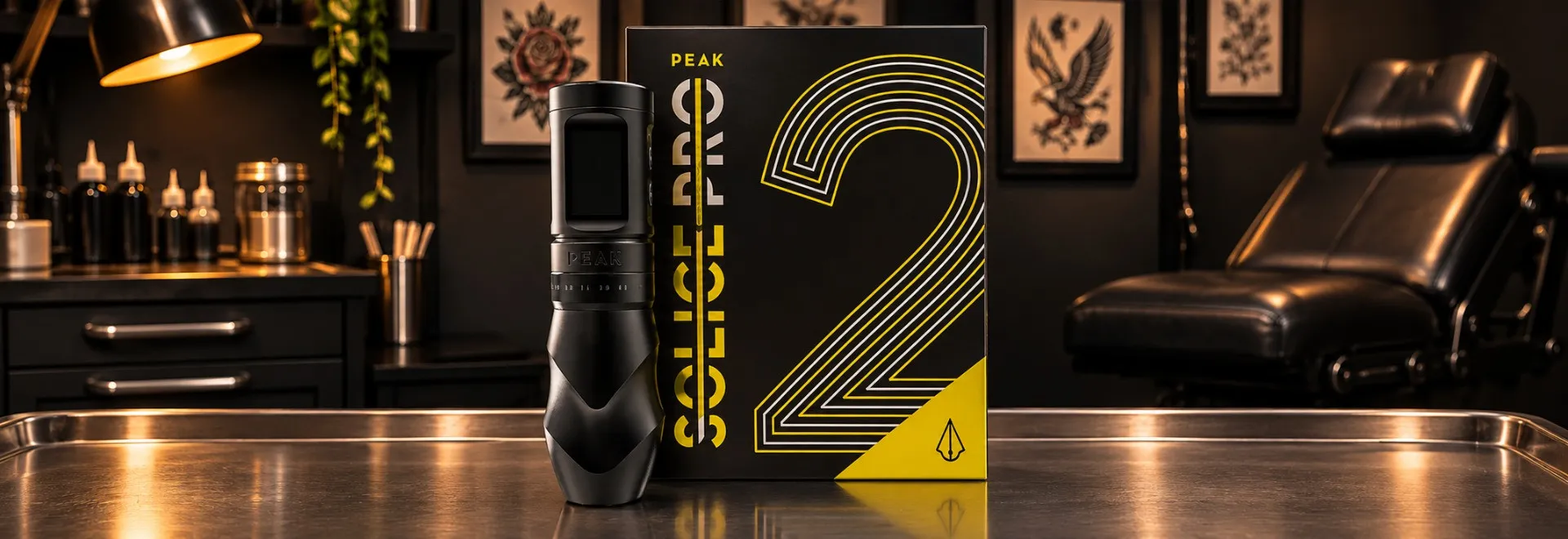
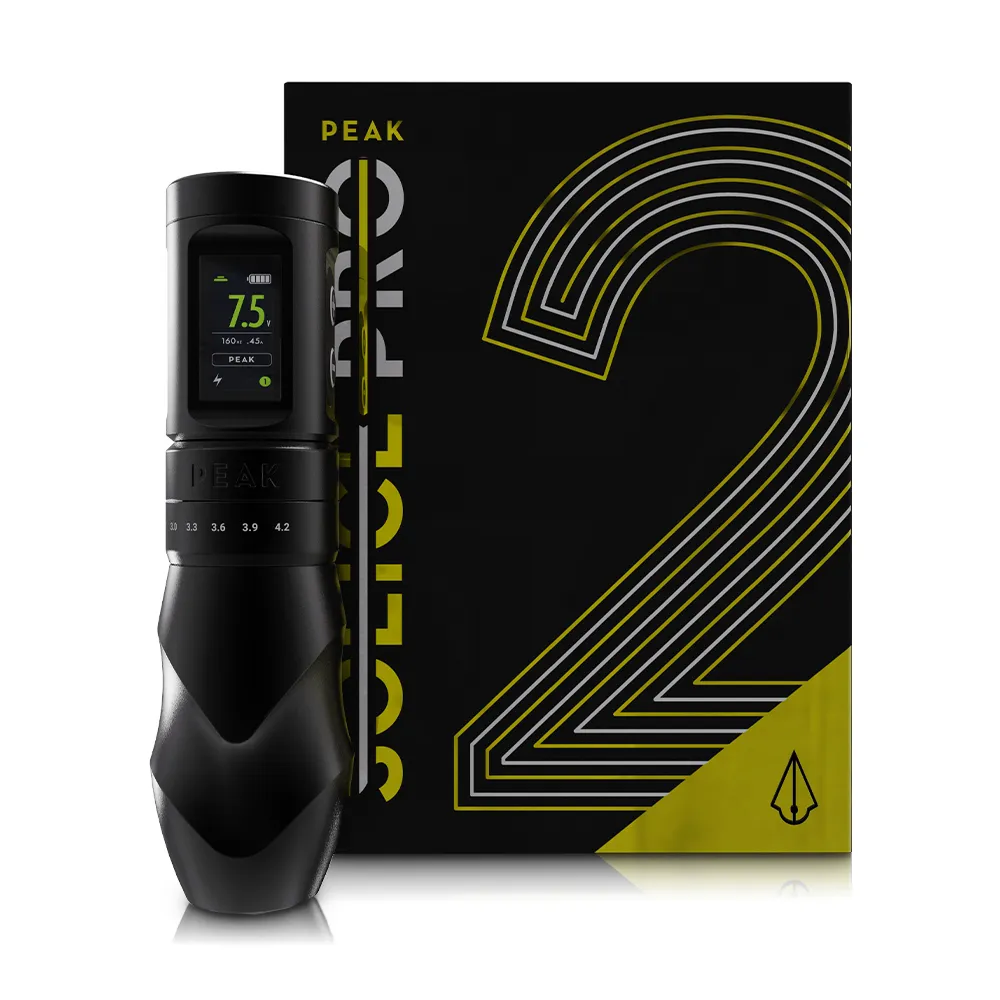 Another wireless pen to evaluatePeak Solice Pro 2 Matte BlackWireless pen option for comparing grip feel and battery balance.
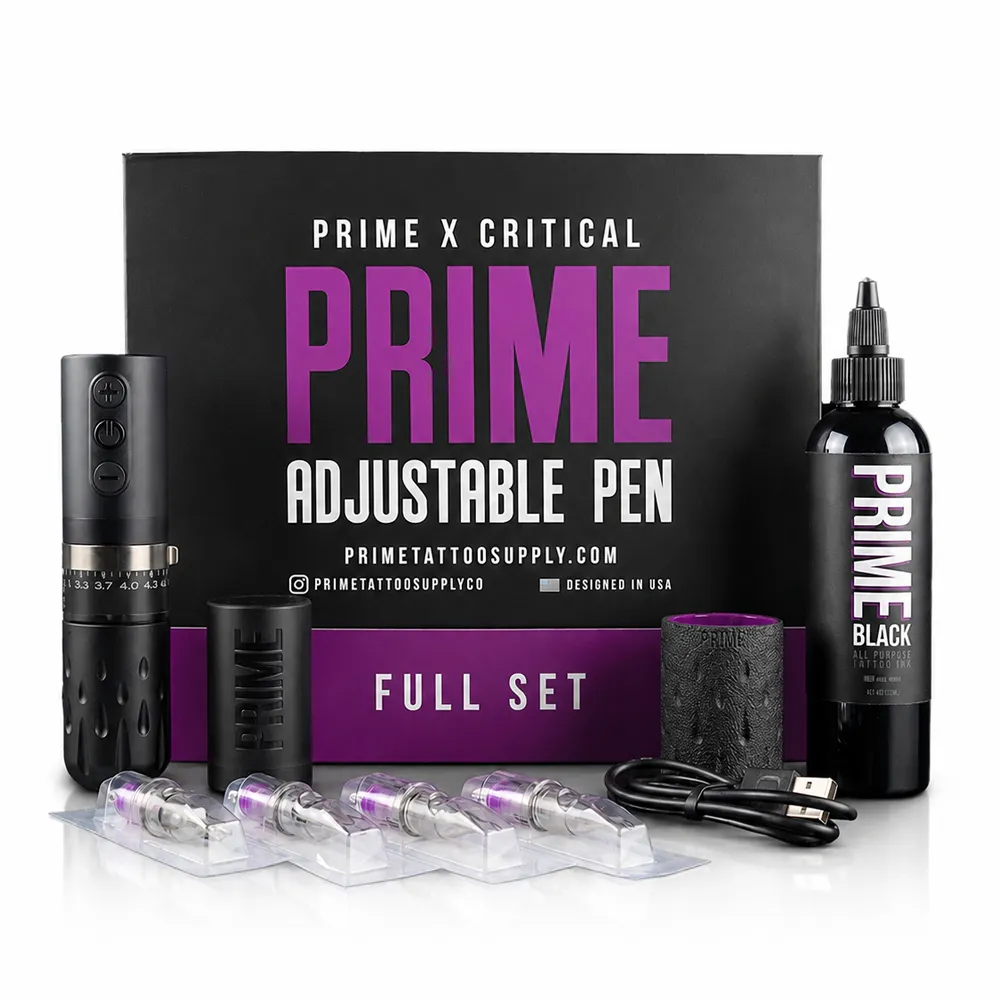 Compare another adjustable pen setupPRIME X Critical Adjustable Pen Full SetAdjustable-pen set to compare for compatibility and hand control.
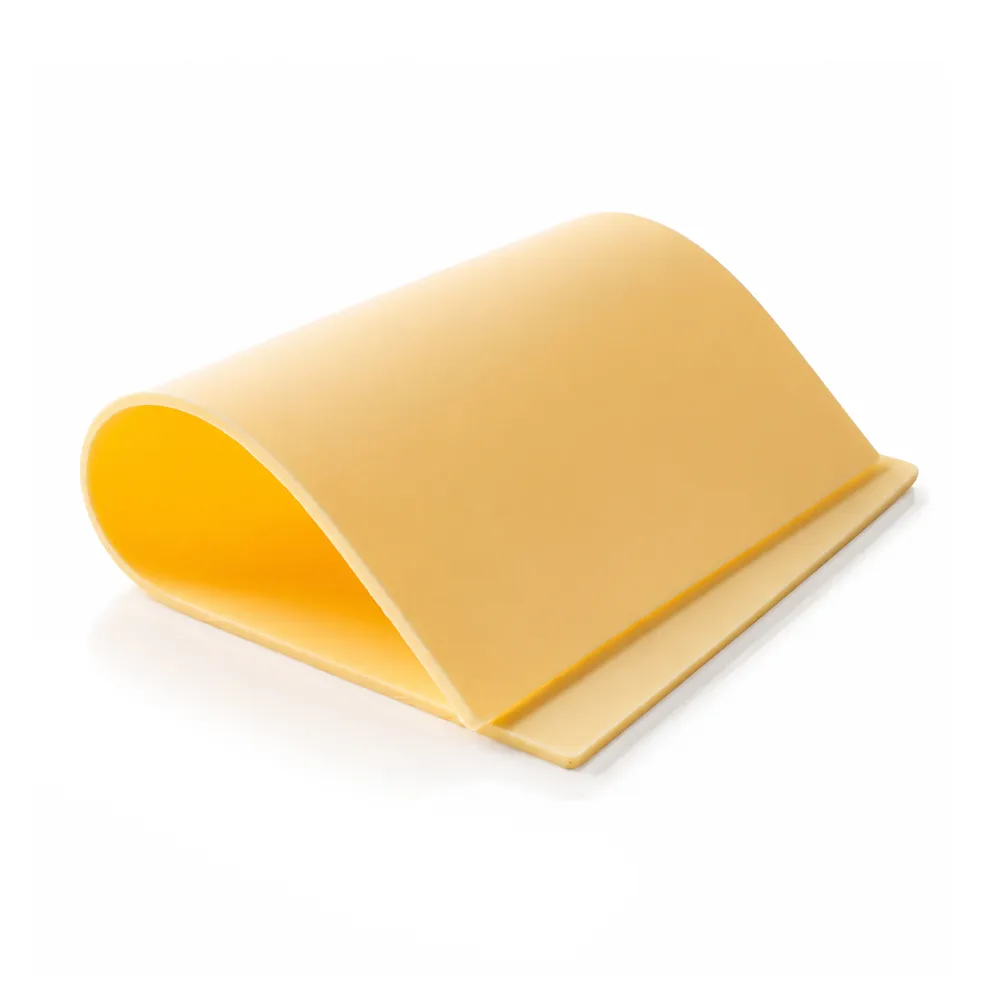 For grip, angle and line drillsTattoo Practice Skin 3mm A4Synthetic A4 surface for repeated lines, curves and hand-support drills.
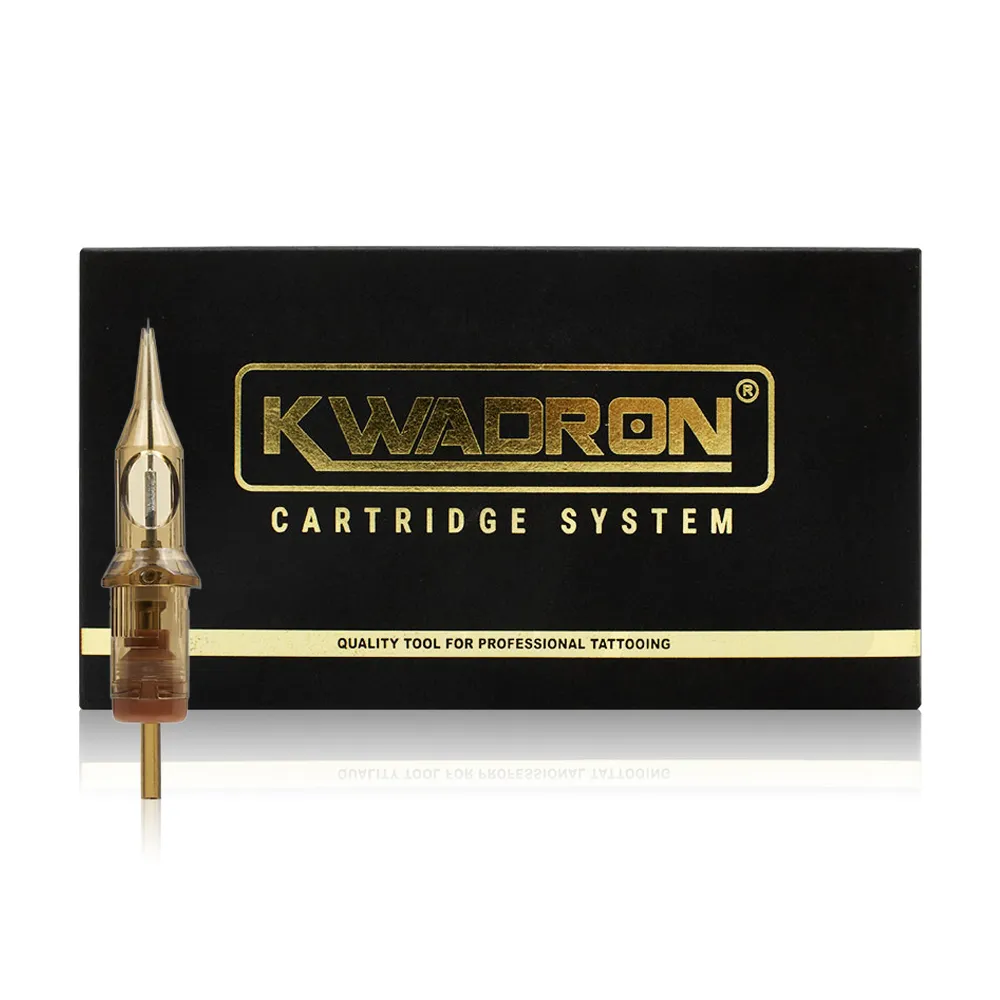 For controlled liner practiceKwadron Cartridges LinersLiner family for practice with a steady grip and needle approach.
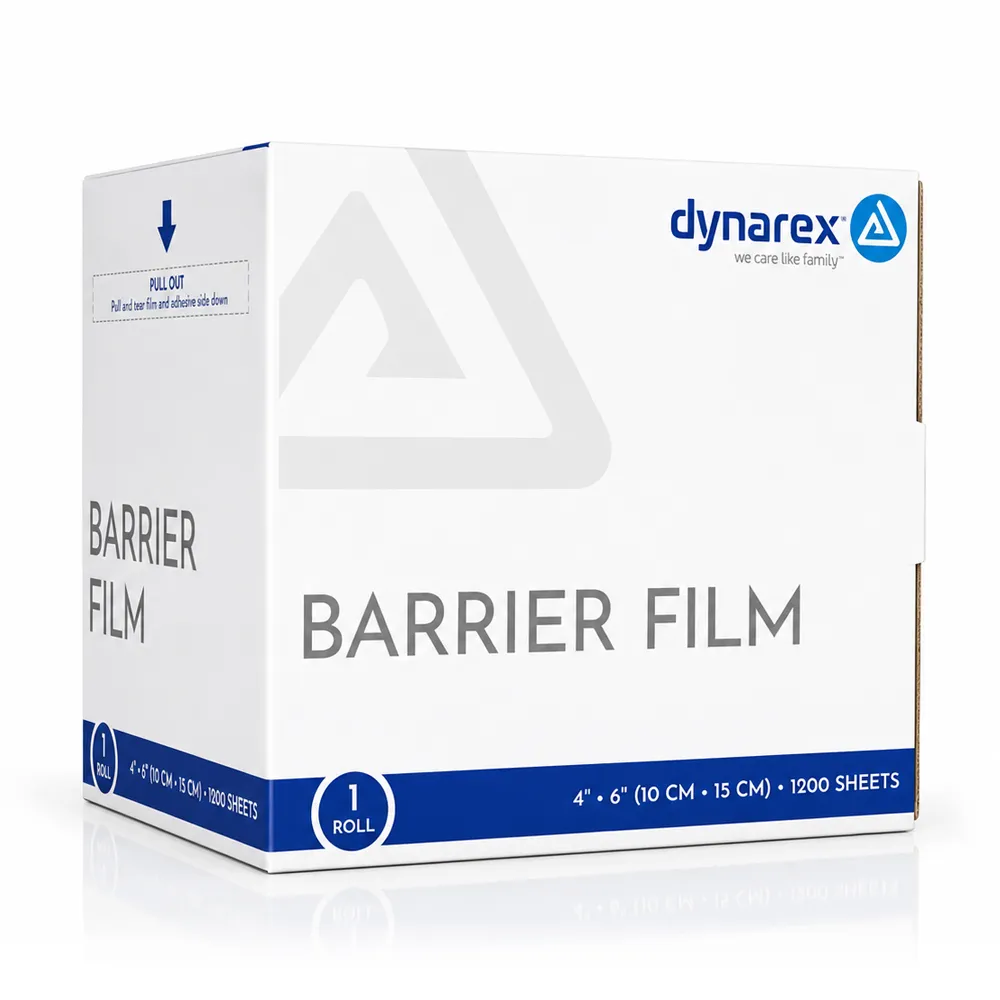 For the actual covered setupDynarex Clear Barrier FilmCover suitable touch points; test grip feel with normal gloves and barriers.
Shop Grips & Covers Shop Tattoo Machines Shop Practice Supplies Shop Barrier Supplies
For a wider workstation plan that includes furniture and machine choices, read our first professional tattoo setup guide.
BEFORE YOUR NEXT PRACTICE SESSION
What should you check to hold your tattoo machine more steadily?
Use a repeatable fit and posture check before making adjustments to the machine. FK advises assessing the full assembled setup and changing one factor at a time.
- Grip fit: Secure contact without a pinch or an awkward reach around the diameter.
- Texture: No uncomfortable pressure point or slipping where the fingers rest.
- Balance: Battery or covered cable attached; wrist is not constantly correcting a tipping sensation.
- Support: Forearm supported where practical; client area within reach; shoulders not raised.
- Angle: Consistent needle approach and awareness of hand pressure and depth drift.
- Stretch: Free hand ready to support a controlled working surface; placement-specific technique learned with a mentor.
- Practice: Lines and curves tested on synthetic skin with normal gloves and barriers.
- Warning signs: Stop if persistent pain, tingling, numbness or weakness develops.
SVT Shop supports tattoo artists and apprentices in El Paso, TX, with Next Day Delivery available in El Paso for local orders.
FAQ
12 questions about tattoo machine grip, hand position, angle, and skin stretch
These answers use FK Irons' manufacturer guidance, the Ohio State University ergonomics report and Texas requirements for covered reusable accessories.
1. How do you hold a tattoo machine properly?
FK recommends a secure, relaxed hold with a grip that fits your natural finger curl. Support the forearm and keep the tattoo within comfortable reach.
2. How do you hold a tattoo pen for lining versus shading?
FK links slim grips with detail feedback and fuller grips with shading comfort. Pencil-style and palm-supported holds are options, not mandatory technique rules.
3. What grip size is best for a tattoo machine?
FK suggests 25–28 mm for detail, 30–33 mm for general work and 35–38 mm for longer sessions. Choose by hand fit.
4. What angle should a tattoo needle be at?
FK connects angle to working depth and pigment placement but gives no universal degrees. Learn a consistent approach with a qualified mentor.
5. How do you stretch skin when tattooing?
FK says poor stretch can produce patchy work. Let the free hand support the skin and learn specific techniques with a qualified mentor.
6. Why does my hand hurt or shake when tattooing?
FK points to pinching, balance, vibration and posture. Seek medical advice for persistent pain, tingling, numbness or weakness.
7. Should I rest my hand or forearm on the client?
FK recommends forearm support and comfortable reach. Use suitable supports without placing unnecessary weight on the client.
8. Does the weight of a tattoo machine matter?
Yes. FK says machine weight and balance affect control; battery placement and cord routing change the feel.
9. Is a thick grip or thin grip better for fine line tattoos?
FK says slim grips offer fingertip feedback but can encourage pinching; a fuller grip may suit your hand better.
10. How do I stop gripping my tattoo machine too tightly?
FK recommends comparing a wider grip if you squeeze hard. Also review texture, balance, gloves and barriers.
11. Does changing the machine angle change needle depth?
FK says angle and pressure influence actual working depth. Keep the approach steady instead of adding force.
12. Is it okay to tattoo my own arm to practice holding a machine?
Begin on synthetic skin with qualified supervision, not by tattooing yourself or others as a substitute for training.
RESEARCH
Sources Consulted
FK Irons provides the grip diameter, balance, technique and ergonomics guidance. The Ohio State University research summary provides context on physical strain, and Texas rules inform protective accessory handling.
- FK Irons: How to Choose the Right Tattoo Grip Size for Your Hand
- FK Irons: Does Size Matter? Introducing the Gorilla Grip
- FK Irons: Why Tattoo Machines Feel Different in Your Hand
- FK Irons: How to Tattoo Longer with Less Hand Fatigue
- FK Irons: Beginner Tattoo Machine and Ergonomic Setup Guide
- FK Irons: Everything You Need to Know About FK One Adjust
- FK Irons: Machine Speed vs Hand Speed
- FK Irons: How to Master Tattoo Machine Voltage
- FK Irons: Tattoo Needle Depth and Pressure
- FK Irons: What Is Give in a Tattoo Machine?
- Ohio State University: Tattoo Artist Ergonomics Study Summary
- Texas Administrative Code: Tattooing Instruments and Reusable Accessory Covers