Powered by Comercia.io
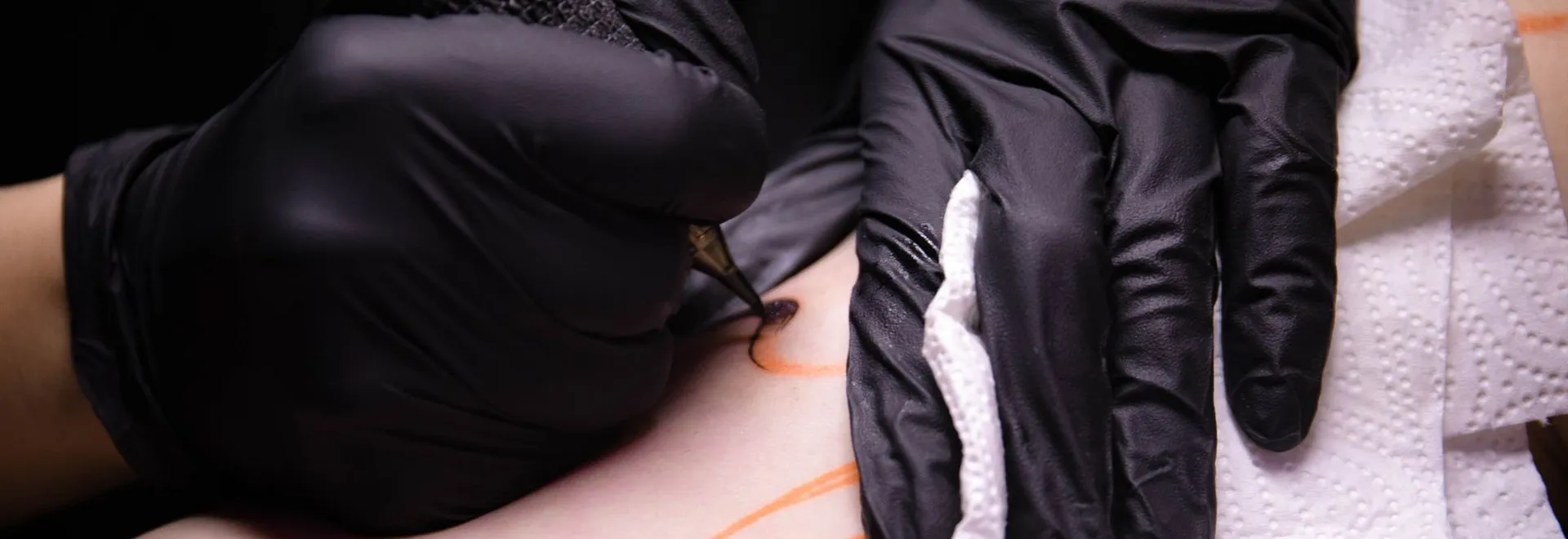
Tattoo artists should use single-use tattoo wipes, tissues, or paper towels with an appropriate cleaning solution dispensed from a protected wash bottle to remove excess pigment and blood during a session. The New York City Department of Health describes this wiping method in its tattooing manual, while Texas Administrative Code Title 25, Chapter 229, requires single-use plastic covers on reusable spray bottles and addresses the disposal of used tissues and paper towels as studio waste. Keep unused wiping materials protected from contamination and prepare cleaning products according to their individual label directions.
Shop Tattoo Towels & Tissues Explore Tattoo Soaps Shop Soaps & Disinfectants
QUICK ANSWER
What Do Tattoo Artists Use to Wipe While Tattooing?
The basic wiping setup consists of disposable towels or tissues, a suitable cleaning solution, and a protected dispensing bottle. The NYC tattooing manual recommends removing excess pigment and blood with pre-dispensed cleaning solution and single-use wipes, then placing used wipes in the designated waste container.
What to Wipe With
Single-use tattoo tissues or disposable paper towels prepared for the individual client.
What Solution to Use
A suitable tattoo cleaning product prepared and used according to its label, with a protected wash bottle where appropriate.
What to Do After Wiping
Discard used materials through the studio's designated waste process and keep unused supplies clean.
WIPING DURING THE SESSION
Why Do Tattoo Artists Wipe the Skin While Tattooing?
Artists wipe the working area to remove excess pigment and blood so they can see the tattoo they are working on. The NYC Department of Health and Mental Hygiene tattooing manual specifically identifies removing excess pigment and blood as the purpose of using cleaning solution and disposable wipes during the procedure.
For an apprentice, it is useful to understand wiping as part of the overall tattooing workflow rather than as an isolated technique. The wiping material, cleaning solution, dispensing bottle, unused supplies, and waste container all belong to the same process.
See the Working Area
Removing excess surface pigment allows the artist to observe the area being worked on and evaluate the tattoo as the session progresses.
Remove Excess Pigment and Blood
The NYC manual describes using pre-dispensed cleaning solution together with single-use wipes for this purpose.
Manage Used Materials
Once a tissue or towel has been used on the working area, it belongs in the appropriate waste process rather than returning to the clean supply.
How Often Should an Artist Wipe During Tattooing?
Base the need to wipe on the working area's visibility and the purpose of removing excess pigment and blood. The NYC guidance addresses what materials and solution to use rather than establishing a fixed wiping interval.
For artists developing their technique, concentrate on understanding the relationship between inspecting the working area, using clean supplies, and disposing of the materials used during that part of the session.
RULES AND PROFESSIONAL GUIDANCE
What Do Texas, NYC, and Vermont Say About Wiping While Tattooing?
Texas tattoo regulations, the NYC tattooing manual, and Vermont's published infection control guidance address several parts of the wiping process. Together, they provide useful references for selecting disposable materials, protecting reusable bottles, preparing supplies, and managing waste.
Texas requirements are especially relevant to artists and studio owners operating in El Paso and elsewhere in the state. The NYC and Vermont documents provide additional examples of how other jurisdictions describe professional tattooing practices.
| What | What the Source Says |
|---|---|
| Single-Use Wipes and Tissues | NYC: Prepare enough disposable wipes or tissues for the individual client and use them with pre-dispensed cleaning solution to remove excess pigment and blood. |
| Protecting Unused Supplies | Texas, Section 229.409(f): Maintain single-use disposable instruments in clean condition and dispense them without contaminating the unused supply. |
| Soap-and-Water Solution | Vermont: A spray bottle containing soap and water may be used for skin cleaning. |
| Reusable Bottle Covers | Texas, Section 229.409(j): Use single-use plastic covers on reusable spray bottles and other applicable accessories handled during tattooing. |
| Bottle Protection Method | NYC: Protect spray bottles and ink bottles with sterile plastic wrapping, leaving the nozzles exposed. |
| Refilling and Cleaning Bottles | Vermont: Avoid topping off spray bottles and clean them daily. |
| Dispensing Products | Vermont: Dispense substances without contaminating the remaining contents of their original containers. |
| Skin Preparation | Texas, Section 229.405(f): Clean the skin before tattooing with an approved germicidal soap according to its label. |
| Blood Flow Control | Texas, Section 229.409(g): Styptic pens and solid alum products are prohibited for controlling blood flow. |
| Used Wipes and Towels | Texas, Section 229.411(b): Tissues, paper towels, gloves, and disposable plastic coverings are among the materials addressed by studio waste disposal requirements. NYC directs used wipes into its designated clinical and related waste container. |
Understand Which Requirements Apply to Your Studio
The Texas rule references in this guide include provisions amended in 2005. Confirm current requirements with the Texas Department of State Health Services (DSHS). NYC and Vermont guidance is presented as additional jurisdiction-specific information, not as Texas law.
TATTOO WIPES AND TOWELS
What Towels or Tissues Should You Use to Wipe Tattoo Ink?
Single-use tattoo tissues and disposable paper towels are the relevant product categories when selecting wiping materials. The NYC manual expressly identifies disposable wipes and tissues in its station preparation and tattooing instructions, while the Texas waste rules specifically include tissues and paper towels.
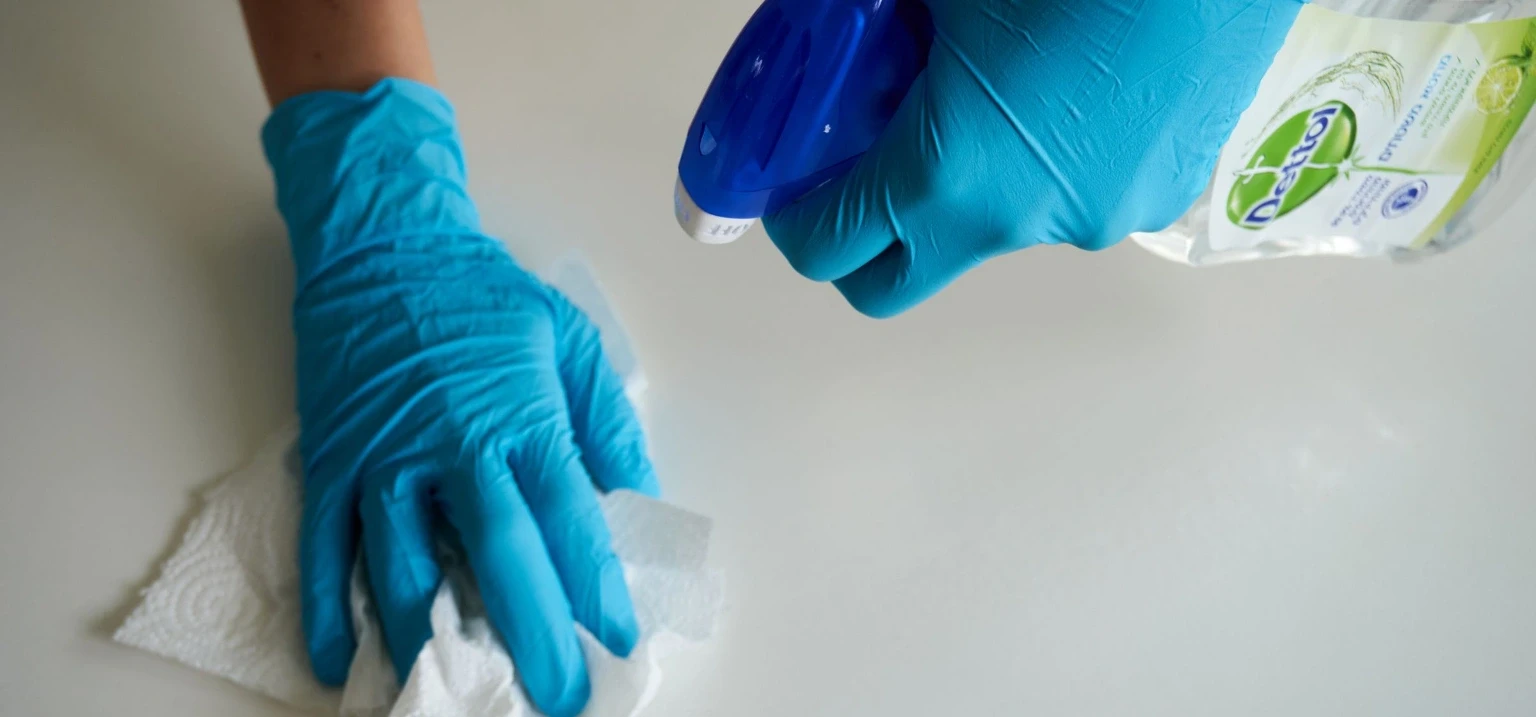
For studio purchasing, compare the format of the wiping material and how easily it can be prepared for an individual appointment. The choice should support the artist's workflow without making it necessary to handle the entire unused supply during the procedure.
| Wiping Material | What to Compare | Studio Consideration |
|---|---|---|
| Disposable Shop Towels | Towel format and practical dispensing arrangement. | Prepare the required materials for the client before beginning the procedure. |
| Dedicated Tattoo Tissues | Individual tissue format, packaging, and suitability for the intended wiping task. | Keep the unused tissue supply protected from contamination. |
| Black Tattoo Tissues | Tissue color and the artist's preference when observing residue on the wiping material. | Apply the same single-use and disposal practices regardless of tissue color. |
Which Tattoo Towels and Tissues Do We Carry?
At SVT Shop, we carry different disposable wiping formats from Scott, OZER, and Superay. Compare these options according to your preferred station arrangement and the way you prepare materials for individual sessions.
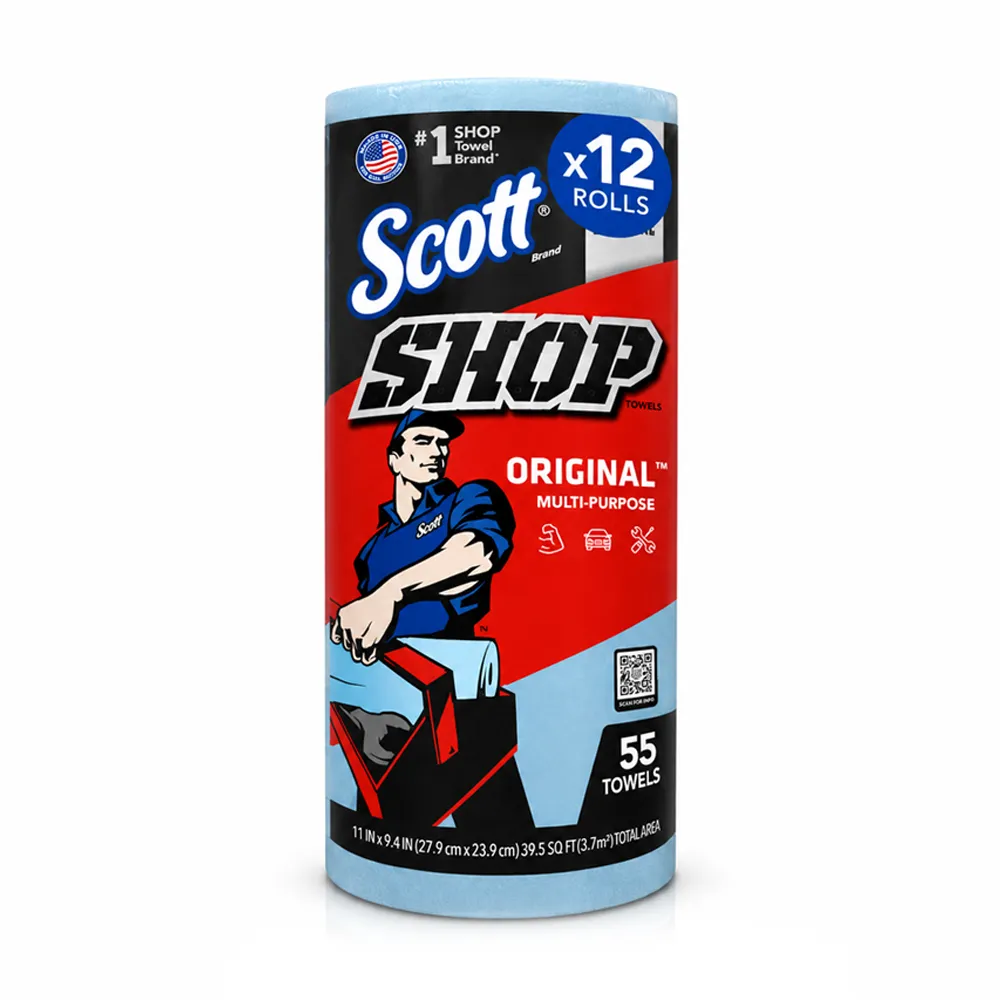 Disposable Shop Towels
Scott Shop Towels Original
A disposable towel option in our catalog for artists organizing supplies used to remove excess ink and residue during tattooing.
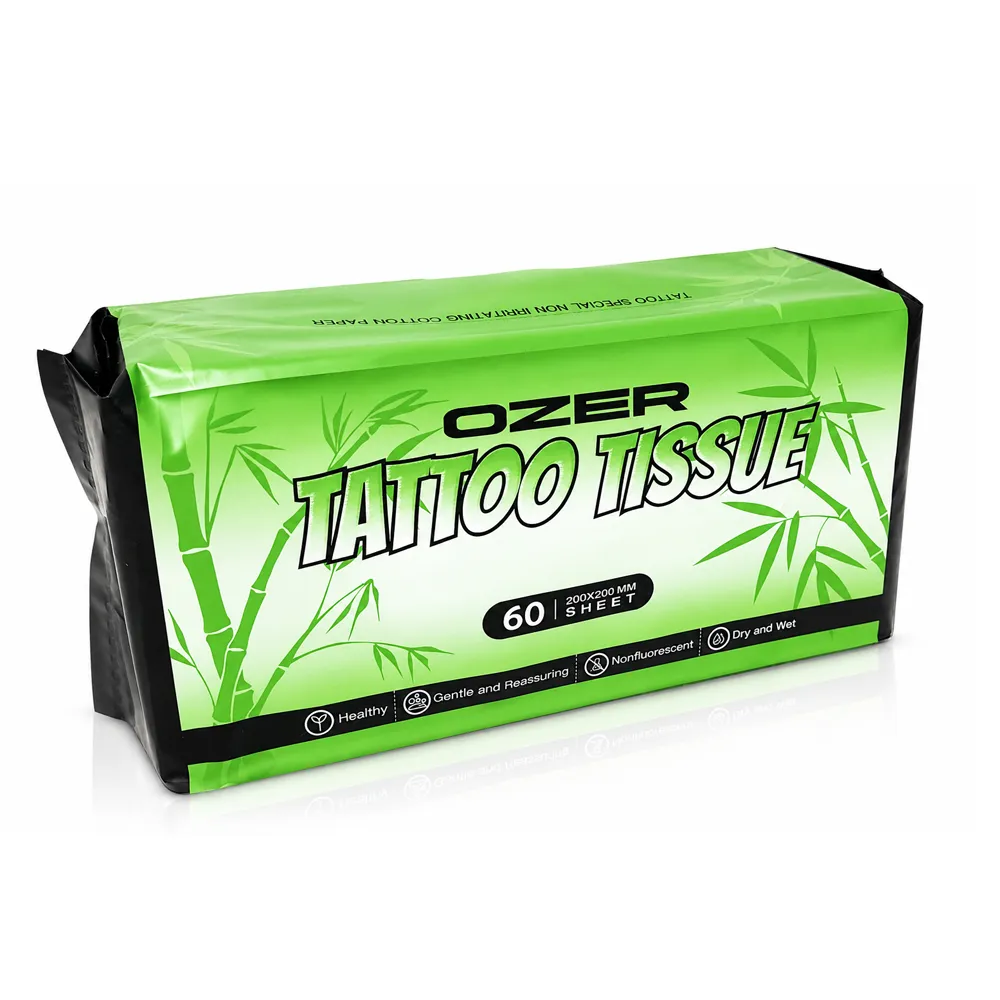 Black Tattoo Tissue
OZER - Black Tattoo Tissue
A black tattoo tissue option for artists who prefer this color and format when assembling their disposable wiping supplies.
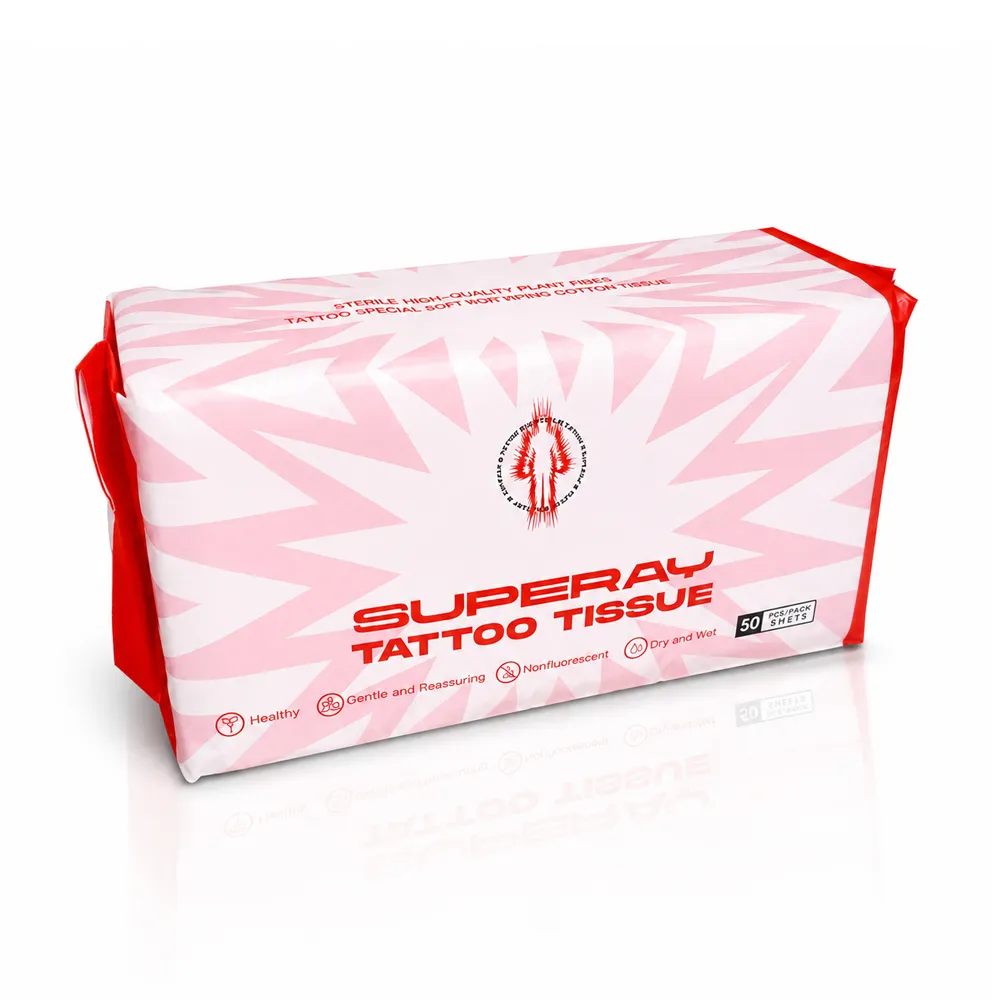 Dedicated Tattoo Tissue
Superay Tattoo Tissue
Another dedicated tattoo tissue option for preparing individual client supplies and organizing the studio's wiping workflow.
GREEN SOAP AND CLEANING PRODUCTS
What Cleaning Solution Do Tattoo Artists Use While Tattooing?
Green soap is one of the tattoo cleaning product categories artists can evaluate for their wiping setup. Vermont's infection control document describes using a spray bottle containing a soap-and-water mixture for skin cleaning, while the NYC tattooing manual describes removing excess pigment and blood with pre-dispensed cleaning solution.
When purchasing tattoo soaps, pay attention to the product format. Our catalog includes green soap, concentrated tattoo soaps, and foaming tattoo soap products. Each should be evaluated using its intended application and individual label directions.
Green Soap
Review the individual product label before preparing a solution for your tattoo station. Keep the preparation instructions associated with the exact product being used.
Concentrated Tattoo Soap
A concentrate requires attention to the manufacturer's preparation instructions. Compare the directions for the specific bottle rather than transferring a ratio from another product.
Foaming Tattoo Soap
Foaming soap is a separate product format available in our catalog. Review its intended application and dispensing instructions before incorporating it into the studio's cleaning workflow.
How Much Green Soap Should You Put in a Wash Bottle?
Follow the preparation and dilution instructions on the specific product label. For a dedicated explanation of green soap preparation, read our green soap dilution ratio guide for tattoo artists.
Which Professional Tattoo Soaps Do We Carry?
Our cleaning product selection includes Cosco, BioTat, Hustle Butter, and Panthera Ink. These products offer different formats for artists comparing cleaning supplies and organizing their studio purchasing.
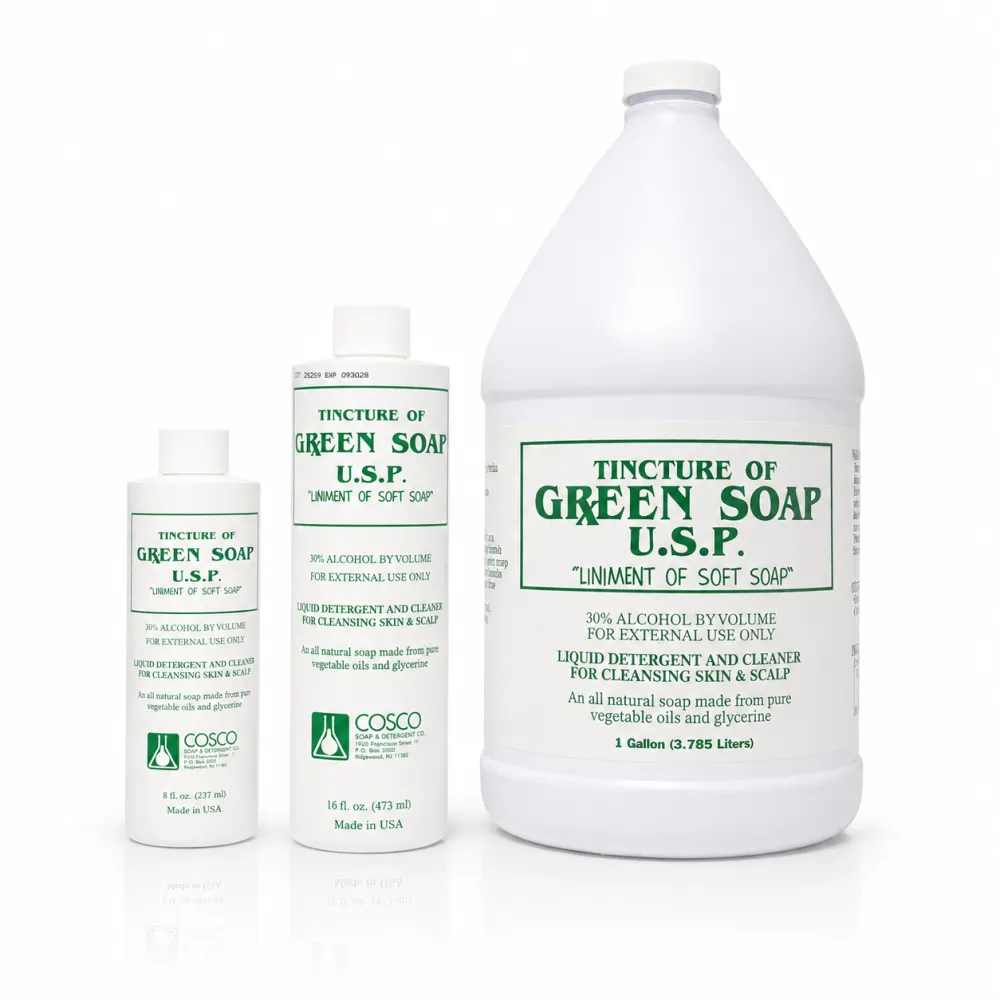 Green Soap
Cosco - Green Soap
A green soap option in our catalog for artists selecting tattoo cleaning supplies. Review the bottle's instructions before preparing your working solution.
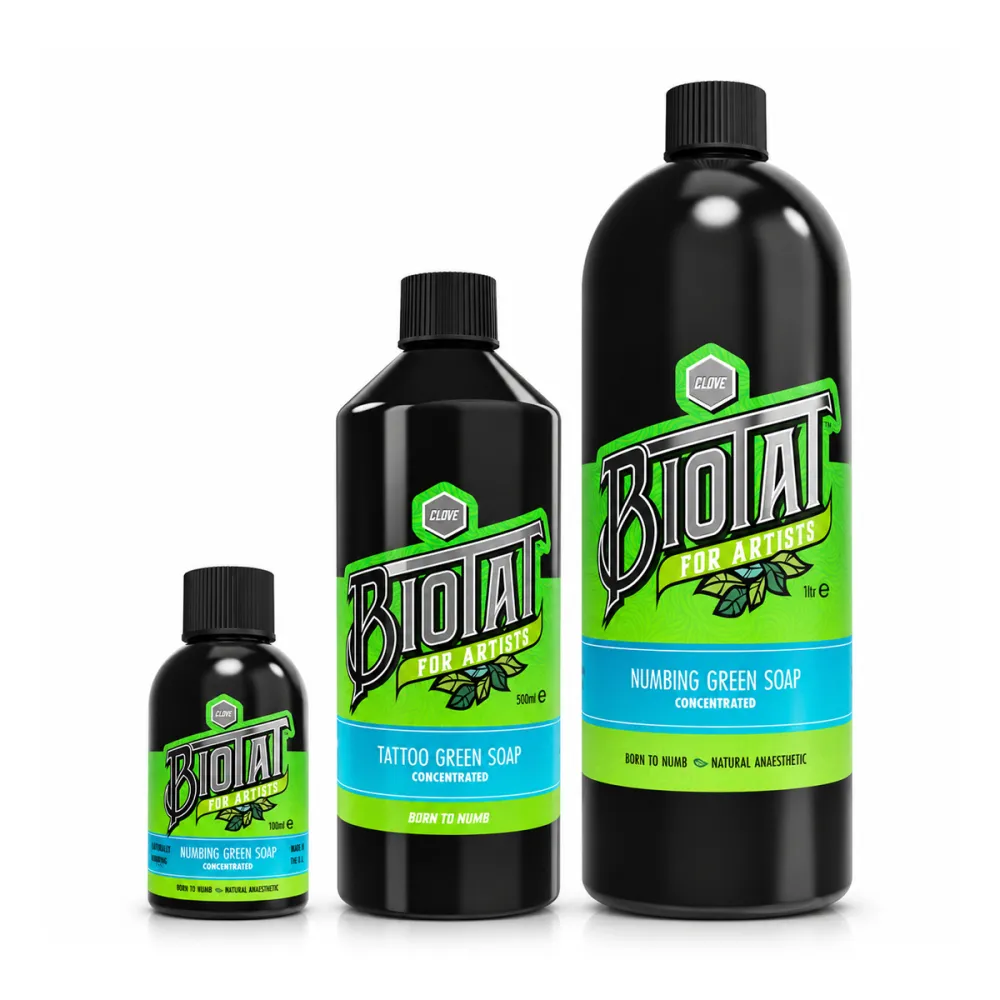 Concentrated Green Soap
BioTat - Numbing Green Soap Concentrated
A concentrated product for artists comparing green soap options. Use the preparation and application directions supplied with your individual bottle.
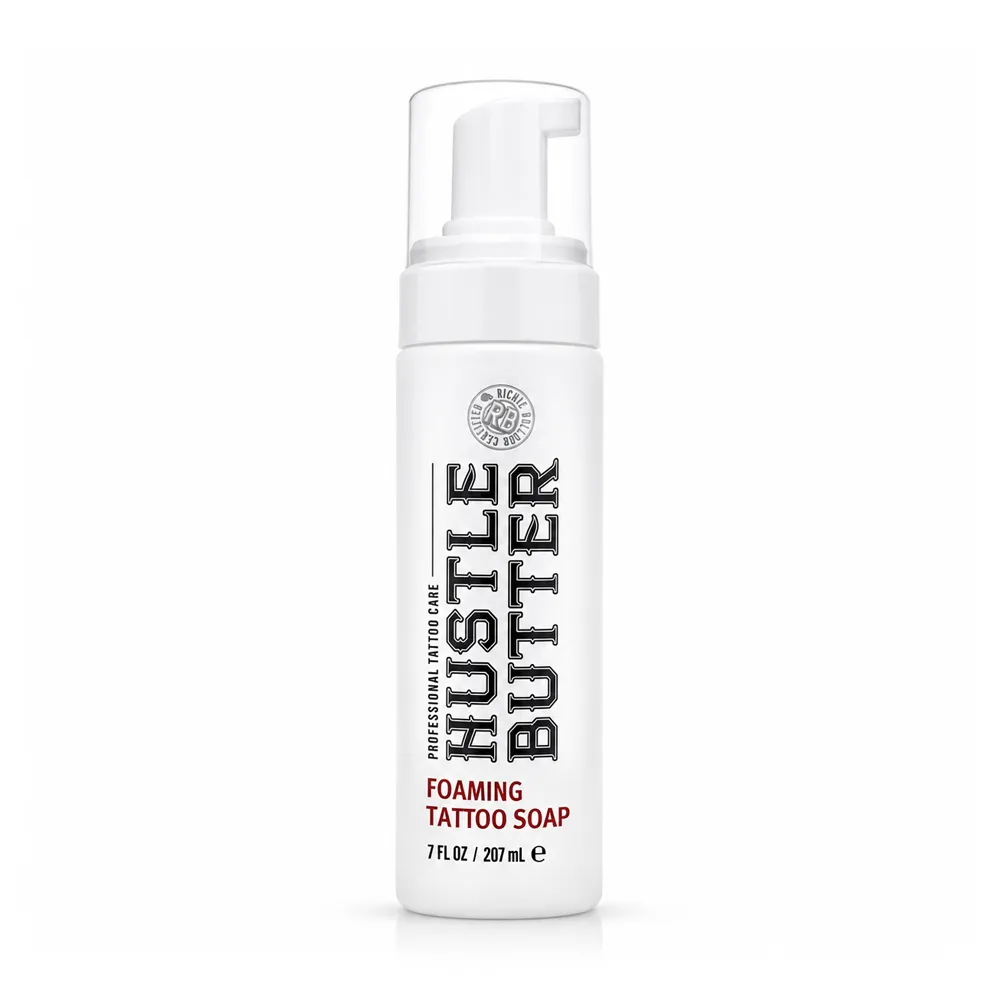 Foaming Tattoo Soap
Hustle Butter - Foaming Tattoo Soap
A foam-format cleaning product in our professional tattoo supply selection. Compare its intended use and dispensing method with your studio requirements.
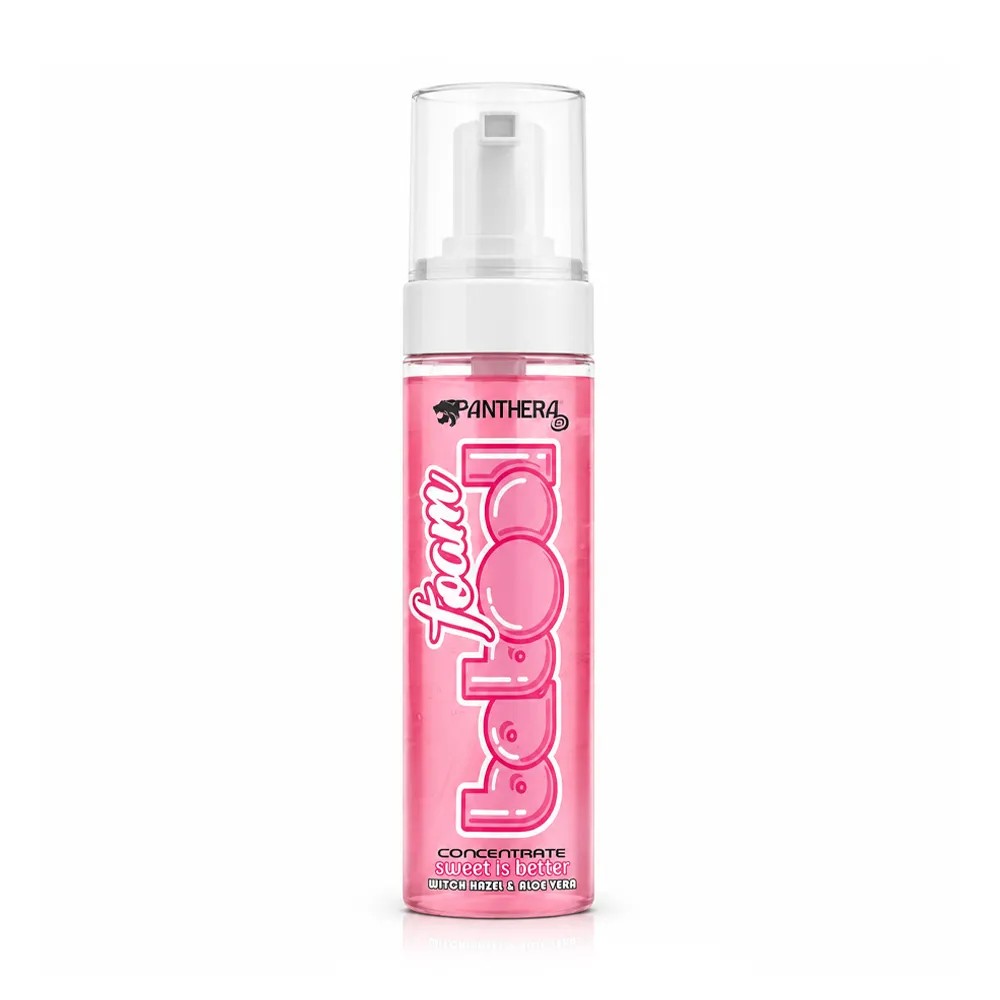 Foam Soap
Panthera - Babool Foam Soap 200ml
A Panthera Ink foam soap option for artists reviewing the different cleaning product formats available for their stations.
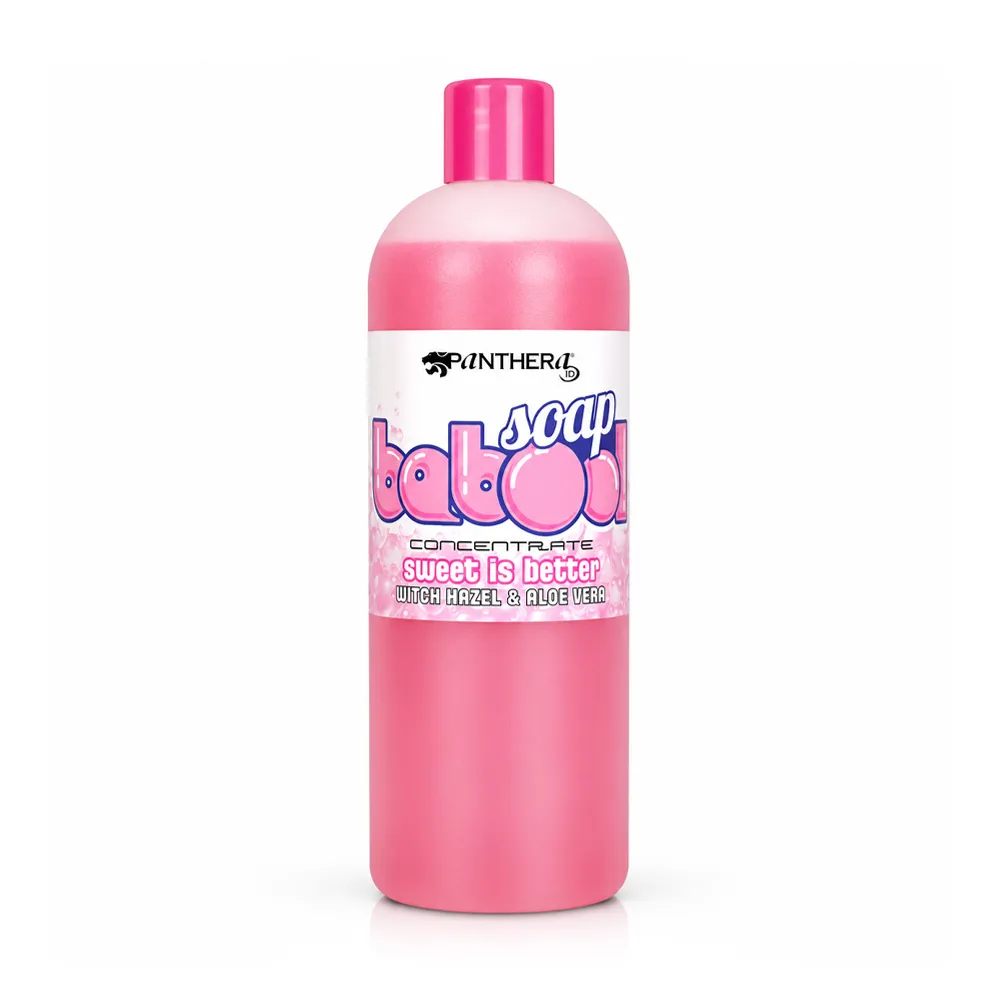 Concentrated Tattoo Soap
Panthera - Concentrate Babool Soap Plus 1000ml
A concentrated Panthera Ink soap in our catalog. Follow the individual product directions when preparing it for its intended application.
Cleaning Products and Tattoo Glide Have Different Jobs
Keep cleaning supplies and products intended for lubrication organized separately when preparing your station. For information about ointments and lubrication products used during a session, see our tattoo glide guide.
WASH BOTTLES AND BARRIERS
How Should Tattoo Artists Protect Their Wash Bottles?
Texas Administrative Code Section 229.409(j) requires single-use plastic covers on reusable spray bottles and other applicable accessories handled by artists during tattooing. A reusable wash bottle should therefore be considered part of the studio's barrier protection workflow.
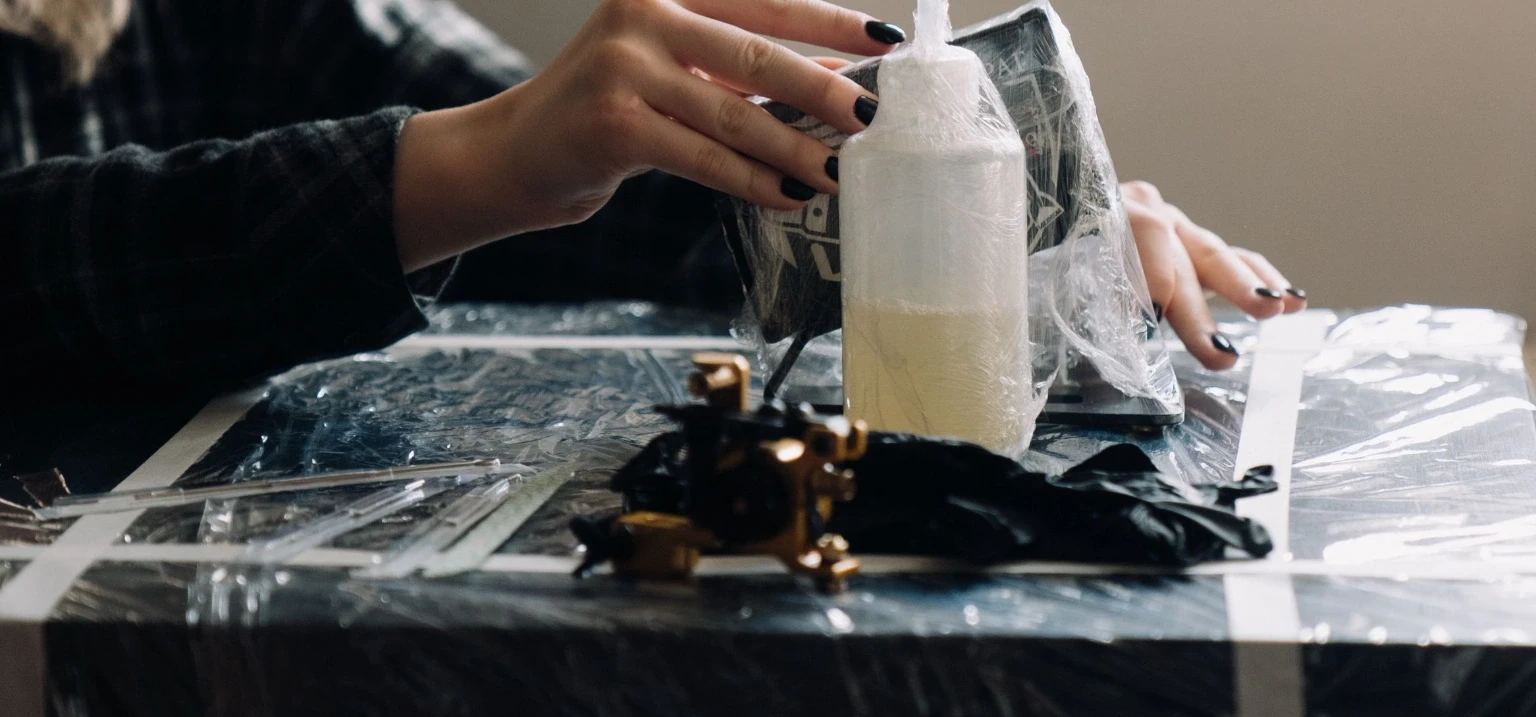
The NYC manual provides a more specific example of bottle protection: it describes wrapping spray bottles and ink bottles in sterile plastic material while leaving the nozzles exposed.
What Should Artists Consider When Buying a Tattoo Wash Bottle?
Choose a dispensing format that fits the cleaning solution's intended application and the station's organization. Consider how the bottle will be identified, protected, handled during the procedure, and included in the studio's cleaning process.
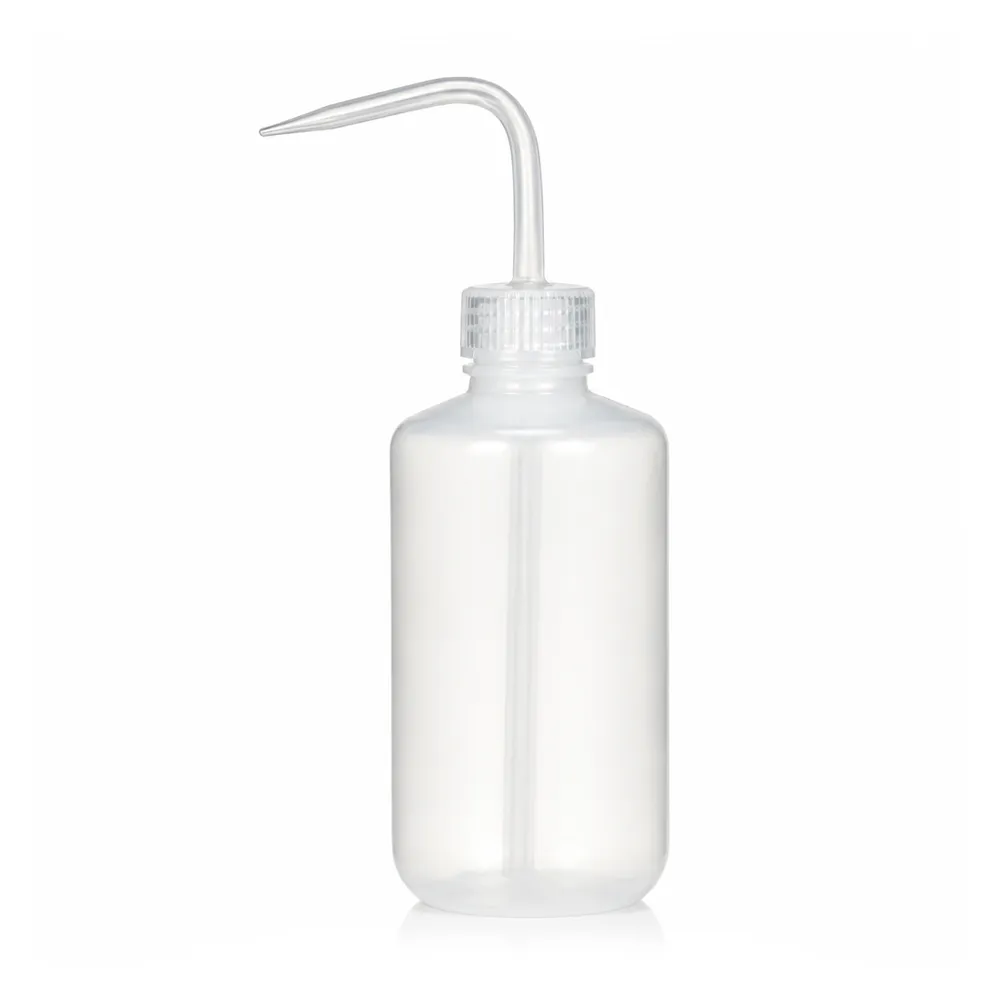 Cleaning Solution Dispenser
Tattoo Wash Squeeze Bottle
A squeeze-bottle format for organizing an appropriate tattoo cleaning solution at the station. Include the reusable bottle in your barrier and cleaning procedures.
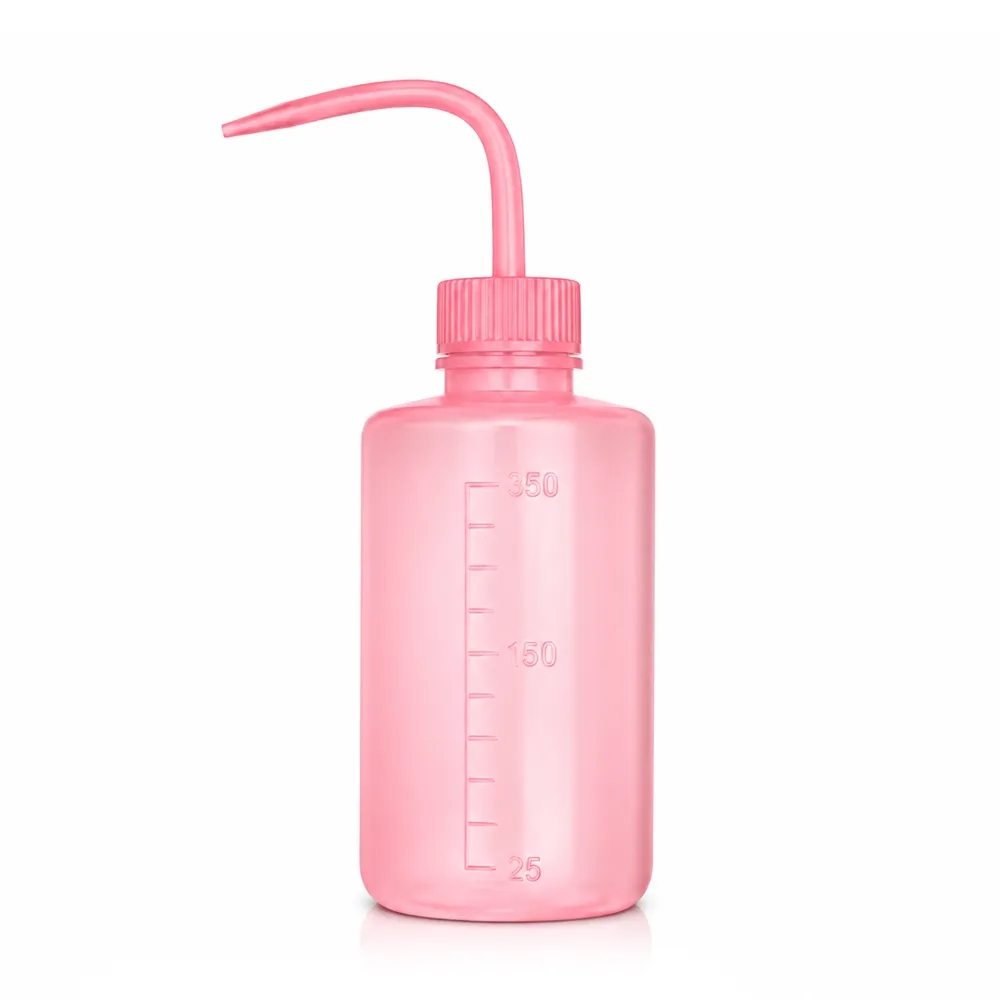 Color-Coded Bottle Option
Pink Tattoo Wash Squeeze Bottle 250ml
An alternative bottle color for studio organization. Identify the actual contents separately rather than relying only on the bottle's color.
Can You Refill a Green Soap Bottle Without Emptying It?
Vermont's published tattoo infection control guidance recommends against topping off spray bottles and calls for daily cleaning. This is an important distinction for studio owners developing a consistent bottle preparation and maintenance process.
Adding more solution to an existing bottle is a different task from preparing a clean dispensing container according to the studio's established procedures. Use the individual soap label to determine how the working solution should be prepared.
Wash Bottle Organization Checklist
- Identify the cleaning product and the bottle's contents.
- Follow the product's preparation instructions.
- Prepare the applicable single-use plastic cover.
- Include the reusable bottle in the studio's cleaning process.
- Review Vermont's guidance against topping off bottles when developing maintenance procedures.
What About Barrier Protection for Other Station Surfaces?
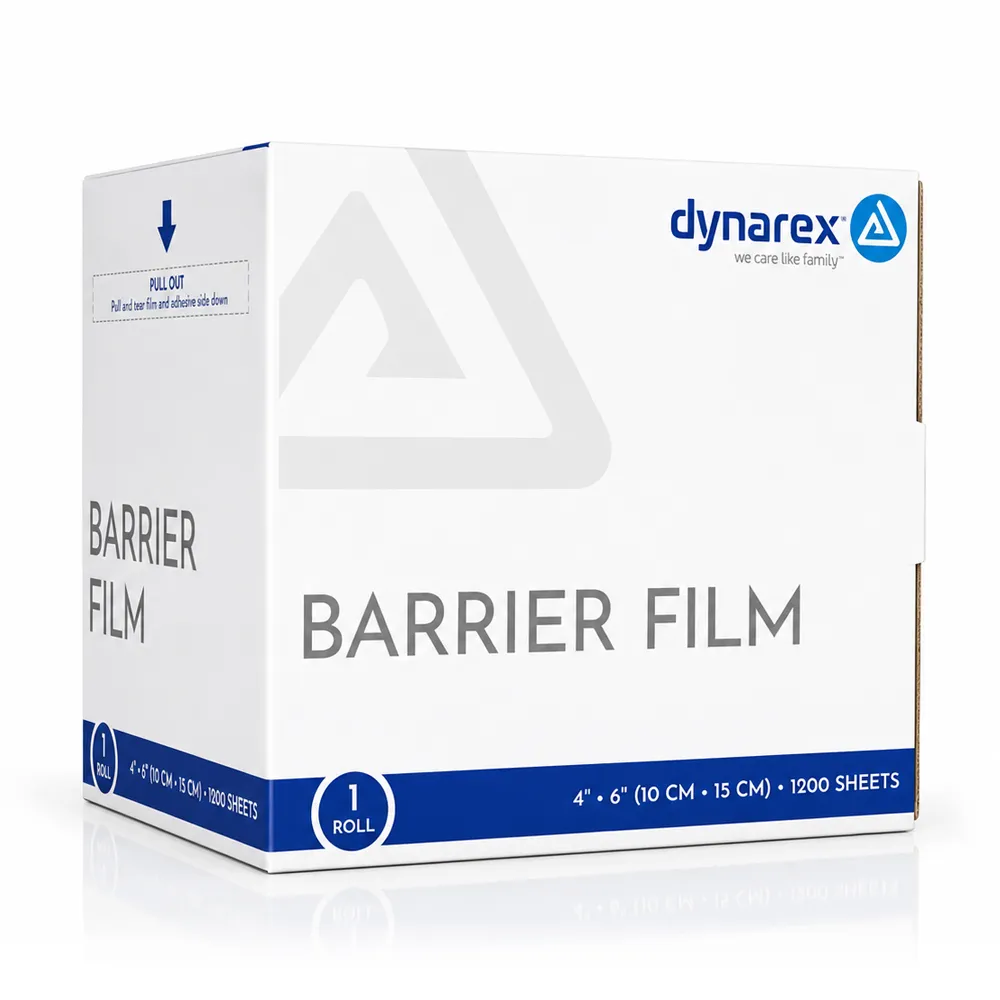
Artists should also consider the accessories and surfaces handled while accessing wiping materials and cleaning products. Bottle covers and general surface barriers are related parts of the station setup, but the appropriate covering format depends on the item being protected.
CROSS-CONTAMINATION CONTROL
How Do Tattoo Artists Keep Unused Wipes and Cleaning Supplies Clean?
The NYC tattooing manual recommends preparing sufficient disposable wipes or tissues for one client and storing them where they cannot become contaminated. This principle is particularly useful when organizing rolls of towels, packages of tissues, and other supplies shared across multiple appointments.
Texas Section 229.409(f) establishes a related requirement for single-use disposable instruments: they must remain clean and be dispensed without contaminating the unused portion of the supply.
The Unused Supply
The main package or roll contains materials intended for future use. Keep it protected while working with the supplies prepared for the current client.
The Client's Working Supplies
Prepare enough single-use wiping material for the individual appointment, following the station preparation approach described in the NYC manual.
The Cleaning Product Container
Vermont's guidance emphasizes dispensing substances without contaminating the remaining contents. Apply this principle when organizing cleaning product containers and working dispensers.
The Used Wiping Material
Keep used towels and tissues out of the unused supply area and dispose of them through the appropriate studio waste process.
Does the Same Principle Apply to Tattoo Ink?
Yes. Texas Section 229.409(i) requires pigments and dyes to be dispensed in a manner that protects the unused contents from contamination. This requirement is relevant because the artist handles pigment supplies, cleaning solutions, and wiping materials within the same working environment.
The NYC manual also describes placing water used for rinsing between colors into disposable cups. Organize these supplies separately from the main cleaning solution container and the unused wiping materials.
For a broader review of professional station organization, read our tattoo cross-contamination checklist.
SKIN PREPARATION VS. WIPING
Is Wiping During Tattooing the Same as Cleaning Skin Before Applying a Stencil?
No. Preparing the skin before tattooing and removing excess pigment and blood during the procedure are separate tasks. Texas Section 229.405(f) requires the skin to be cleaned with an approved germicidal soap according to its label directions before tattooing.
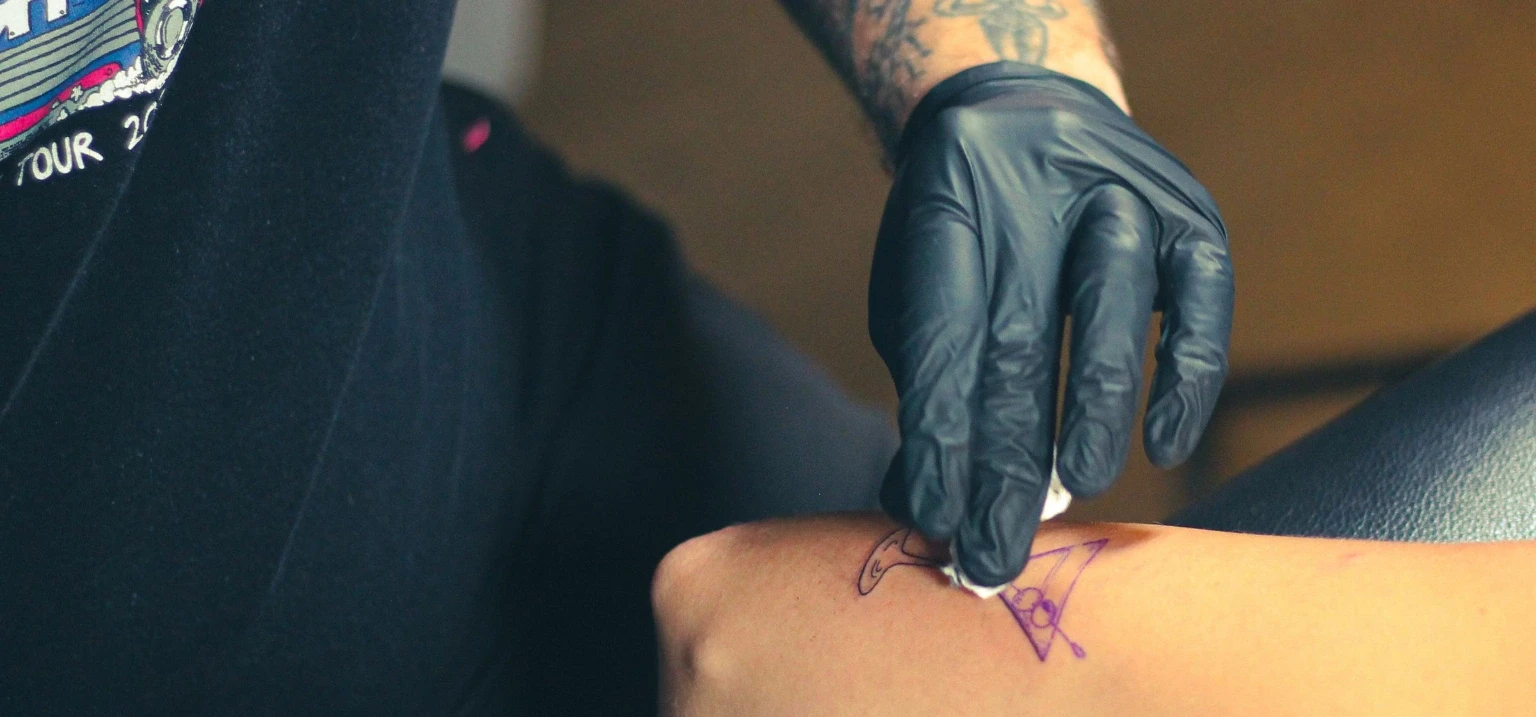
The NYC manual's instructions about pre-dispensed cleaning solution and disposable wipes address the working area during the tattooing procedure. Artists should distinguish these two applications when reviewing their product labels and preparing station supplies.
| Stage | Purpose | Relevant Source |
|---|---|---|
| Before Tattooing | Prepare and clean the skin before the tattooing procedure. | Texas requires an approved germicidal soap used according to its label. |
| During Tattooing | Remove excess pigment and blood from the working area. | NYC describes pre-dispensed cleaning solution and single-use wipes. |
| After Tattoo Application | Remove excess blood and body fluid before the next applicable finishing steps. | Vermont describes blotting excess blood and body fluid after applying the tattoo. |
Evaluate Products by Their Intended Application
A tattoo soap's availability in a professional supply catalog does not establish that it meets Texas germicidal soap requirements for skin preparation. Review the individual label and applicable requirements when selecting products for that stage.
For the separate process of preparing skin and applying a stencil, see our guide to tattoo stencils that last.
TEXAS PRODUCT RESTRICTIONS
What Should Tattoo Artists Never Use to Control Blood Flow in Texas?
Texas Administrative Code Section 229.409(g) prohibits the use of styptic pens or solid alum products to control blood flow during tattooing. These products should not be included in a Texas studio's tattoo wiping or blood flow control supplies.
The restriction concerns products intended to control bleeding. It is separate from the NYC guidance describing the removal of excess blood and pigment with cleaning solution and disposable wiping materials.
Texas Prohibition: Styptic Pens and Alum
Do not use styptic pens or solid alum products to control blood flow during tattooing in Texas. Review Section 229.409(g) and confirm applicable requirements with DSHS when preparing studio procedures.
When evaluating cleaning products or adding unfamiliar materials to your tattoo station, review their intended application and the relevant local regulations rather than selecting them solely because they are used in another personal care or grooming service.
USED WIPES AND STUDIO WASTE
Where Should Used Tattoo Wipes, Tissues, and Paper Towels Go?
Used wiping materials should be discarded through the applicable studio waste process. Texas Section 229.411(b) specifically includes tissues, paper towels, gloves, cotton products, and disposable plastic coverings among materials subject to its waste disposal requirements.
The NYC tattooing manual directs used wipes into the designated clinical and related waste container. That terminology belongs to the NYC guidance; Texas studios should follow their applicable waste handling and disposal rules.
Why Are Used Wipes Kept Separate From Clean Supplies?
The Texas definition of universal precautions in Section 229.402(37) treats blood and body fluids as potentially infectious. This principle explains why a used towel or tissue belongs on the waste side of the studio workflow rather than being returned to a clean supply area.
Materials Identified in the Texas Waste Requirements
- Used tissues and paper towels.
- Cotton balls and cotton-tipped applicators.
- Used gloves.
- Single-use plastic coverings.
- Other disposable materials listed in the applicable rule.
Plan where these materials will be discarded before the session begins. The disposal arrangement should support the artist's workflow while keeping used materials separate from clean wiping supplies, pigment containers, and cleaning products.
For cleaning reusable equipment after the appointment, see our separate guide on how to clean and disinfect a tattoo machine.
PROFESSIONAL STATION SETUP
How Should Artists Prepare Their Wiping Supplies Before a Tattoo Session?
A practical station setup connects clean wiping materials, the working cleaning solution, protected reusable accessories, and the designated waste container. Preparing these items together helps the artist understand where each product belongs throughout the appointment.
The following workflow organizes the single-use, dispensing, bottle protection, and waste principles described in the Texas, NYC, and Vermont references.
Select the Wiping Material
Choose the disposable towels or tattoo tissues appropriate for your station. Review how the material will be dispensed and how the unused supply will remain protected.
Prepare the Client's Supplies
Following the NYC setup guidance, make sufficient single-use wipes or tissues available for the individual client before the procedure.
Prepare the Cleaning Product
Review the product label, its intended application, and its preparation requirements. Organize the appropriate working solution without contaminating the original product supply.
Protect Reusable Bottles
Include applicable single-use plastic covers in the setup for reusable bottles and accessories handled during tattooing, as required by the Texas rules.
Keep the Waste Process Accessible
Establish where used tissues, towels, and disposable coverings will be discarded according to the studio's applicable requirements.
Reset the Station After the Appointment
Complete the appropriate disposal and reusable equipment cleaning processes before preparing supplies for another client.
Artists purchasing their first complete station can review our first professional tattoo setup guide for a broader equipment and consumables reference.
What Should Apprentices Use When Practicing on Synthetic Skin?
For practice-specific materials and equipment selection, see our tattoo practice supplies guide and our guide on how to practice tattooing at home.
COMMON WIPING MISTAKES
What Are the Most Common Mistakes When Wiping During Tattooing?
Many wiping-related problems can be addressed by reviewing how the station is organized. Pay particular attention to single-use materials, product preparation, reusable bottle protection, and the separation of clean supplies from used materials.
Using Reusable Wiping Materials
Follow the single-use wiping approach described in the NYC manual. Prepare disposable tissues or towels that can enter the appropriate waste process after use.
Handling the Main Towel Supply During the Session
Prepare sufficient material for the individual client beforehand. Organize access to additional supplies so the unused portion remains protected.
Leaving Reusable Wash Bottles Uncovered
Include applicable disposable plastic covers in the station setup. Texas specifically addresses barrier protection for reusable spray bottles and other accessories handled during tattooing.
Topping Off an Existing Soap Bottle
Vermont's infection control guidance recommends against topping off spray bottles and calls for daily cleaning. Review this when organizing bottle maintenance.
Using the Same Dilution for Every Soap
Review the directions for the exact cleaning product being used. Concentrated products should be prepared according to their own labels.
Confusing Skin Preparation With Session Wiping
Keep the pre-tattoo skin cleaning requirements separate from the removal of excess pigment and blood during the procedure.
Using Styptic Pens or Alum
Texas prohibits styptic pens and solid alum products for controlling blood flow during tattooing. Keep prohibited products out of the corresponding studio supplies.
Placing Used Towels Beside Unused Supplies
Move used wiping materials into the appropriate studio waste process. Maintain a clear separation between materials prepared for use and those already used.
Identifying Cleaning Solutions Only by Bottle Color
Use clear product identification in your station organization. A colored bottle can help distinguish containers, but it does not identify the actual cleaning product or its preparation instructions.
STUDIO BUYING CHECKLIST
What Wiping and Cleaning Supplies Should a Tattoo Studio Buy?
Build your wiping supply list around the materials needed for the individual appointment and the reusable accessories that require protection and maintenance. For most purchasing decisions covered in this guide, the main categories are disposable wiping materials, suitable cleaning products, dispensing bottles, and applicable barriers.
Disposable Supplies
- Single-use tattoo tissues or suitable disposable paper towels.
- Appropriate single-use plastic bottle covers.
- Applicable barrier materials for station surfaces.
- Single-use supplies associated with the studio's dispensing workflow.
Cleaning Products and Reusable Accessories
- Tattoo cleaning products selected according to their intended application.
- Individual product preparation and use instructions.
- Suitable wash or spray bottles.
- A system for identifying bottle contents.
- A designated process for reusable bottle cleaning and maintenance.
How Can Studio Owners Compare Different Wiping Products?
When evaluating towels from Scott or tattoo tissues from OZER and Superay, consider how each format fits your client-specific preparation process. When comparing Cosco, BioTat, Hustle Butter, or Panthera Ink cleaning products, review the intended application and individual preparation directions.
- Format: Does the towel or tissue packaging work with your station arrangement?
- Dispensing: Can individual client supplies be prepared without contaminating the remaining materials?
- Product directions: Have you reviewed the cleaning product label?
- Protection: Do you have appropriate single-use covers for the reusable bottles?
- Identification: Can artists distinguish the cleaning products used at each station?
- Disposal: Is the appropriate waste process established for used towels and tissues?
Build Your Professional Wiping Setup With SVT Shop
At SVT Shop, we carry professional tattoo cleaning products, disposable shop towels, tattoo tissues, wash bottles, and barrier materials. Explore our selection from Cosco, BioTat, Hustle Butter, Panthera Ink, Scott, OZER, Superay, and Dynarex to organize your studio's supplies around the way you work. SVT Shop serves tattoo professionals in El Paso, Texas.
Compare Tattoo Towels & Tissues Compare Tattoo Soaps Explore Wash Bottles Shop Studio Supplies
FAQ
Frequently Asked Questions About Wiping While Tattooing
These answers address common questions from apprentices, tattoo artists, and studio owners choosing wiping materials, cleaning products, and station accessories for use during tattoo sessions.
What do tattoo artists use to wipe while tattooing?
Artists use disposable tattoo tissues, wipes, or suitable paper towels with an appropriate cleaning solution. The NYC tattooing manual describes removing excess pigment and blood using pre-dispensed cleaning solution and single-use wipes. Texas also addresses bottle protection and the disposal of used wiping materials.
Is green soap used to wipe during a tattoo?
Green soap is a tattoo cleaning product category artists can consider for their wiping setup. Vermont's infection control guidance describes a soap-and-water mixture in a spray bottle for skin cleaning. Follow the intended application and preparation directions on the specific green soap label.
How often should you wipe a tattoo while tattooing?
Consider the need to remove excess pigment and blood and maintain visibility of the working area. The NYC manual focuses on the purpose of wiping, disposable materials, cleaning solution, and waste handling rather than a timed wiping schedule.
Can you use paper towels to wipe a tattoo while tattooing?
Suitable single-use paper towels are among the disposable materials artists can evaluate for their wiping setup. The Texas studio waste rule specifically includes paper towels and tissues. Prepare them for the individual client, protect the unused supply, and discard used materials appropriately.
What is the difference between wiping and cleaning the skin before a tattoo?
Skin preparation takes place before tattooing, while wiping during the procedure removes excess pigment and blood. Texas requires an approved germicidal soap for pre-tattoo skin cleaning according to its label directions. The NYC manual separately describes the use of cleaning solution and disposable wipes during tattooing.
Do tattoo artists need to cover their spray bottles or wash bottles?
Texas Section 229.409(j) requires single-use plastic covers on reusable spray bottles and other applicable accessories handled during tattooing. The NYC manual also describes protective plastic wrapping for bottles, leaving their nozzles exposed.
Can you top off a green soap bottle during tattooing?
Vermont's published tattoo infection control guidance recommends against topping off spray bottles and calls for daily cleaning. Prepare the working solution according to the product label and incorporate the reusable bottle into your studio's established maintenance procedures.
What do you use to wipe when practicing tattooing on pig skin or synthetic skin?
For practice-specific equipment and materials, see our tattoo practice supplies guide and our guide on how to practice tattooing at home.
Can you use alcohol to wipe a tattoo while tattooing?
Review the Texas tattoo rules and consult DSHS about cleaning products appropriate for the tattooing procedure. The NYC wiping guidance describes pre-dispensed cleaning solution and single-use wipes. Select products according to their intended application, label directions, and applicable studio requirements.
What does Texas say about disposing of used tattoo wipes?
Texas Section 229.411(b) includes tissues, paper towels, gloves, and single-use plastic coverings among materials addressed by studio waste disposal requirements. Keep used wiping materials separate from clean supplies and follow the applicable waste handling procedures for your studio.
RESEARCH
Sources Consulted
The following regulatory and public health resources support the information about wiping materials, protected dispensing bottles, skin preparation, contamination control, prohibited products, and studio waste discussed in this guide.
-
Cornell Legal Information Institute: 25 Texas Administrative Code Section 229.409 - Tattooing and Body Piercing Instruments and Jewelry
Texas requirements for clean dispensing of disposable supplies, pigment dispensing, reusable bottle covers, and the prohibition on styptic pens and solid alum products.
-
Texas Department of State Health Services: Tattoo and Body Piercing Studio Rules
Published rule provisions concerning universal precautions, pre-tattoo skin cleaning, and studio waste disposal. Confirm current applicable requirements with DSHS.
-
New York City Department of Health and Mental Hygiene: Tattoo Manual
March 2016 manual, particularly pages 29 through 33, covering disposable wiping supplies, protected bottles, pre-dispensed cleaning solution, removal of excess pigment and blood, and waste handling.
-
Vermont Office of Professional Regulation: Infection Control Practices Specific to Tattooing
Published guidance on soap-and-water solutions, spray bottle maintenance, avoiding topping off bottles, protecting unused product supplies, and removing excess blood and body fluid after tattoo application.